Article

Analysis of Dynamic Mesh Stiffness and Dynamic Response of Helical Gear Based on Sparse Polynomial Chaos Expansion

1
School of Mechanical Engineering and Automation, Northeastern University, Shenyang 110819, China
2
Key Laboratory of Vibration and Control of Aero-Propulsion Systems Ministry of Education of China, Northeastern University, Shenyang 110819, China
*
Author to whom correspondence should be addressed.
Machines 2023, 11(7), 736; https://doi.org/10.3390/machines11070736

Submission received: 3 June 2023 / Revised: 7 July 2023 / Accepted: 10 July 2023 / Published: 13 July 2023
(This article belongs to the Section Machine Design and Theory)

Abstract

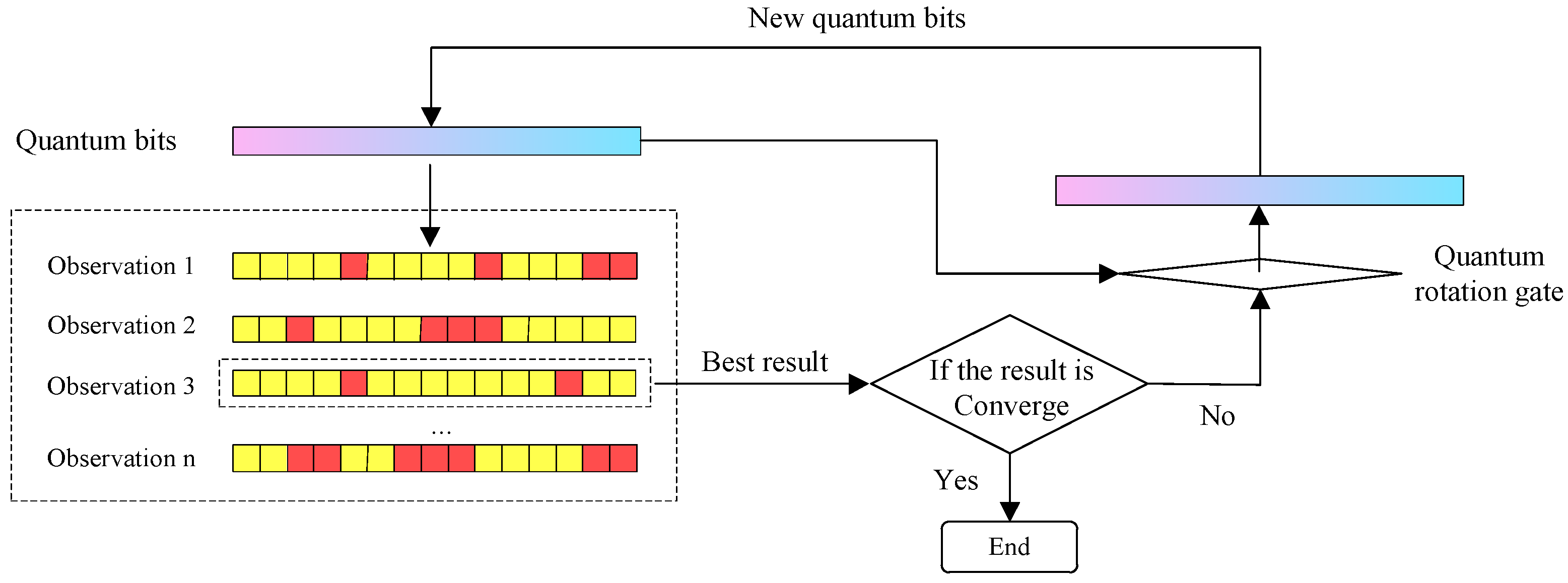
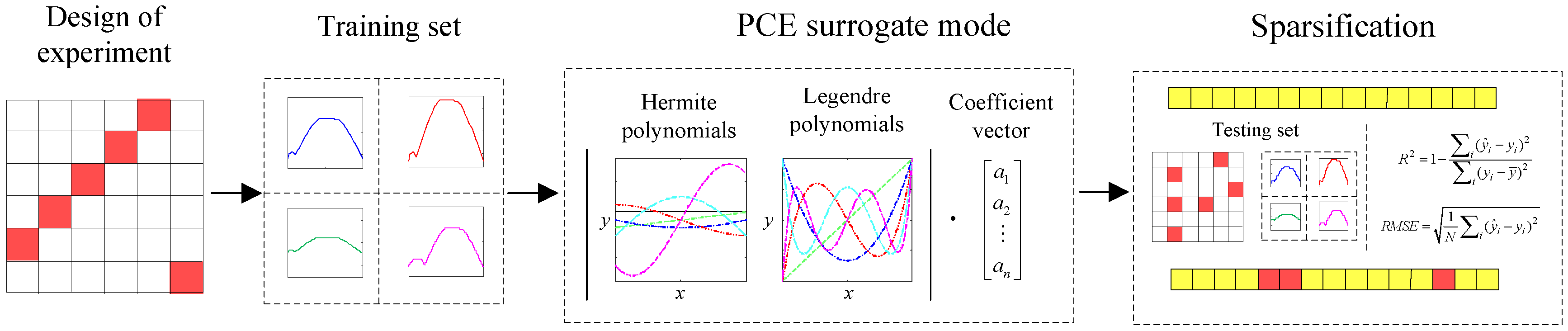
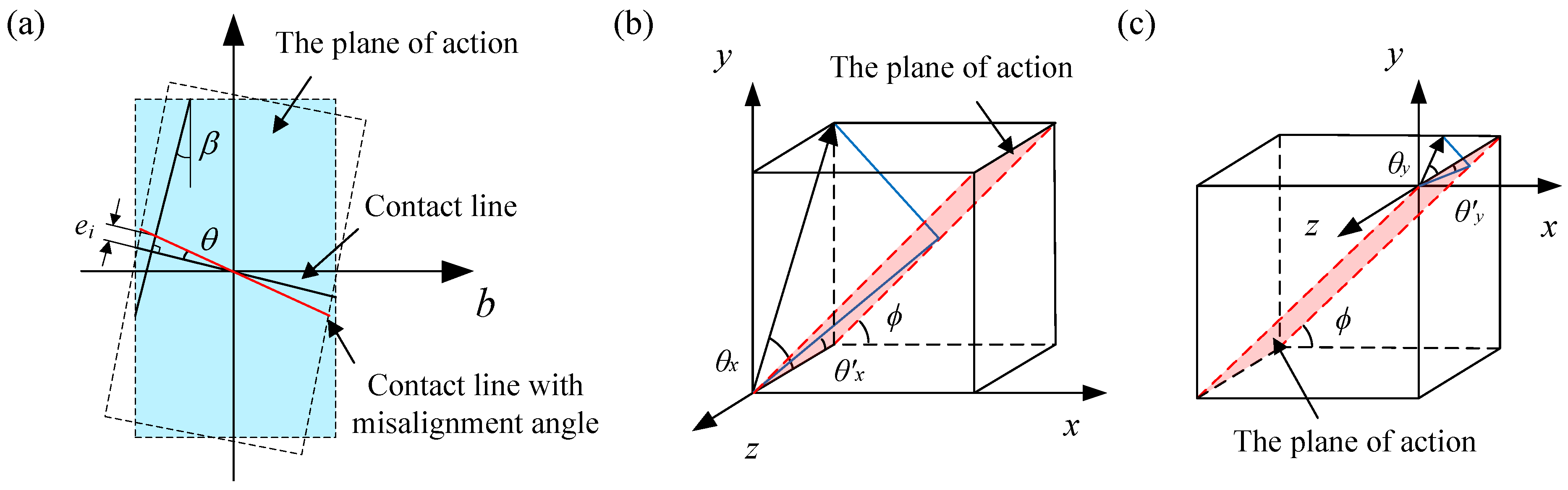
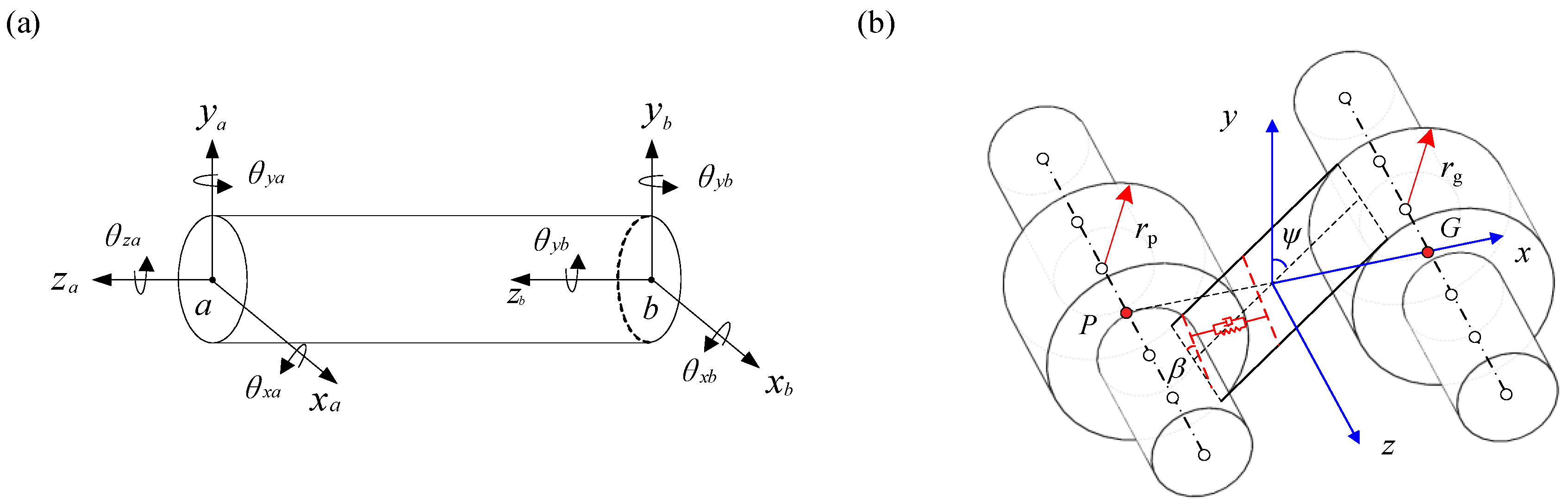
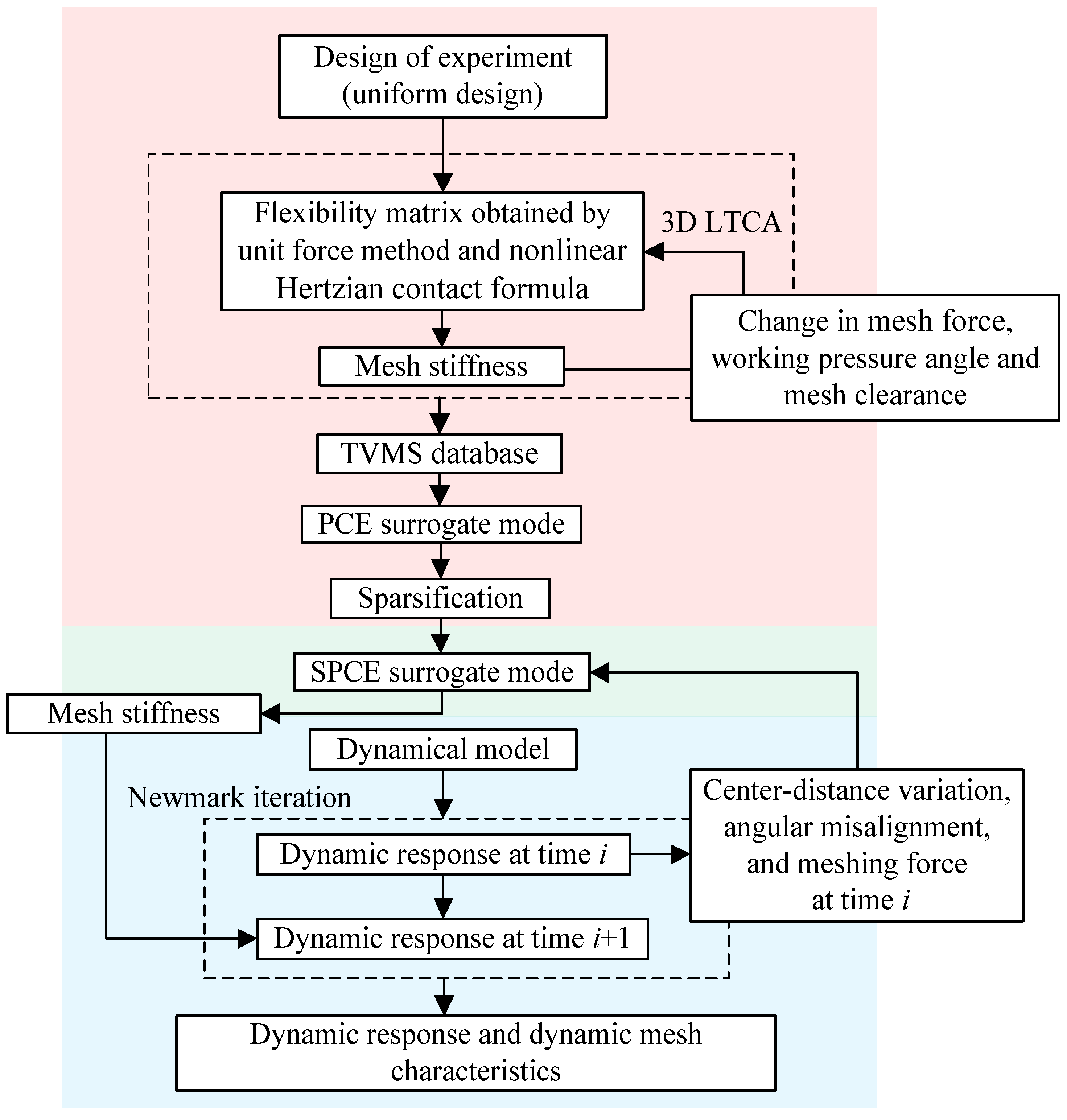
This paper presents an efficient method for obtaining the dynamic mesh stiffness and dynamic response of a helical gear pair. Unlike the traditional dynamic model that utilizes a time-dependent sequence, the mesh stiffness using the presented method is updated according to the gear displacement vector at each sub-step of the numerical calculation. Three-dimensional loaded tooth contact analysis (3D LTCA) is used to determine the mesh stiffness, and a surrogate model based on sparse polynomial chaos expansion (SPCE) is proposed to improve the computational efficiency, which is achieved by reducing the number of coefficients in the polynomial chaos expansion (PCE) model though a quantum genetic algorithm. During the calculation, the gear displacement vector at each sub-step is converted into the changes in center distance, misalignment angle, and mesh force, which are then introduced into the SPCE model to update the mesh stiffness for subsequent calculations. The results suggest that the SPCE model exhibits high accuracy and can significantly improve the computational efficiency of the PCE model, making it suitable for dynamic calculations. Upon updating the mesh stiffness during the dynamic calculation, the mesh stiffness declines, the dynamic transmission error (DTE) increases, and the frequency components of the responses change significantly.
Keywords: gear dynamics; dynamic mesh stiffness; polynomial chaos expansion; loaded tooth contact analysis gear dynamics; dynamic mesh stiffness; polynomial chaos expansion; loaded tooth contact analysis