Article

Lifetime Extension Method for Three-Phase Voltage Source Converters Using Discontinuous PWM Scheme with Hybrid Offset Voltage


1
School of Electrical and Electronics Engineering, Chung-Ang University, Seoul 06974, Republic of Korea
2
Department of Electrical and Computer Engineering, Mississippi State University, Starkville, MS 39762, USA
*
Authors to whom correspondence should be addressed.
Machines 2023, 11(6), 612; https://doi.org/10.3390/machines11060612

Submission received: 1 May 2023 / Revised: 15 May 2023 / Accepted: 22 May 2023 / Published: 2 June 2023
(This article belongs to the Section Electrical Machines and Drives)

Abstract

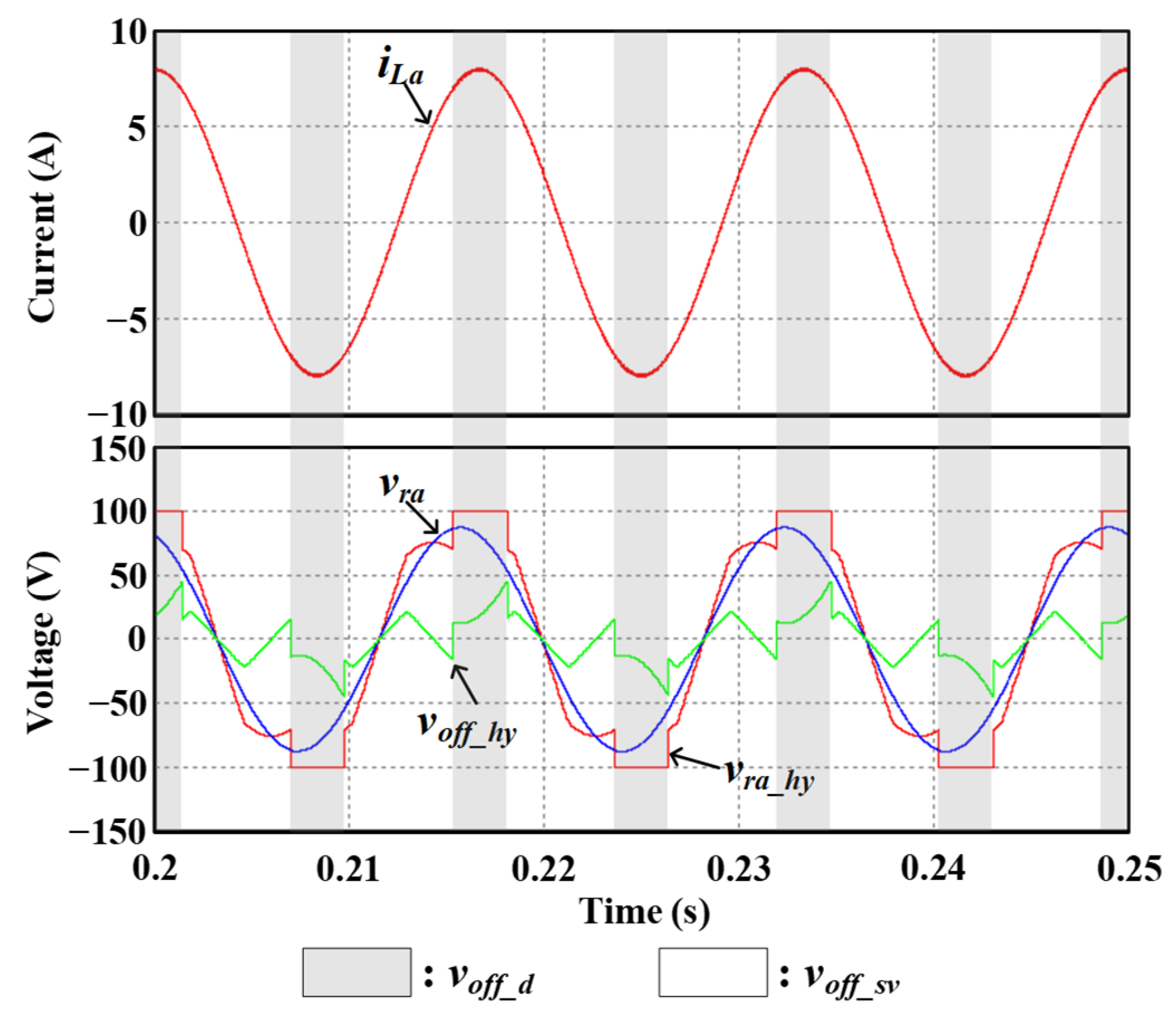
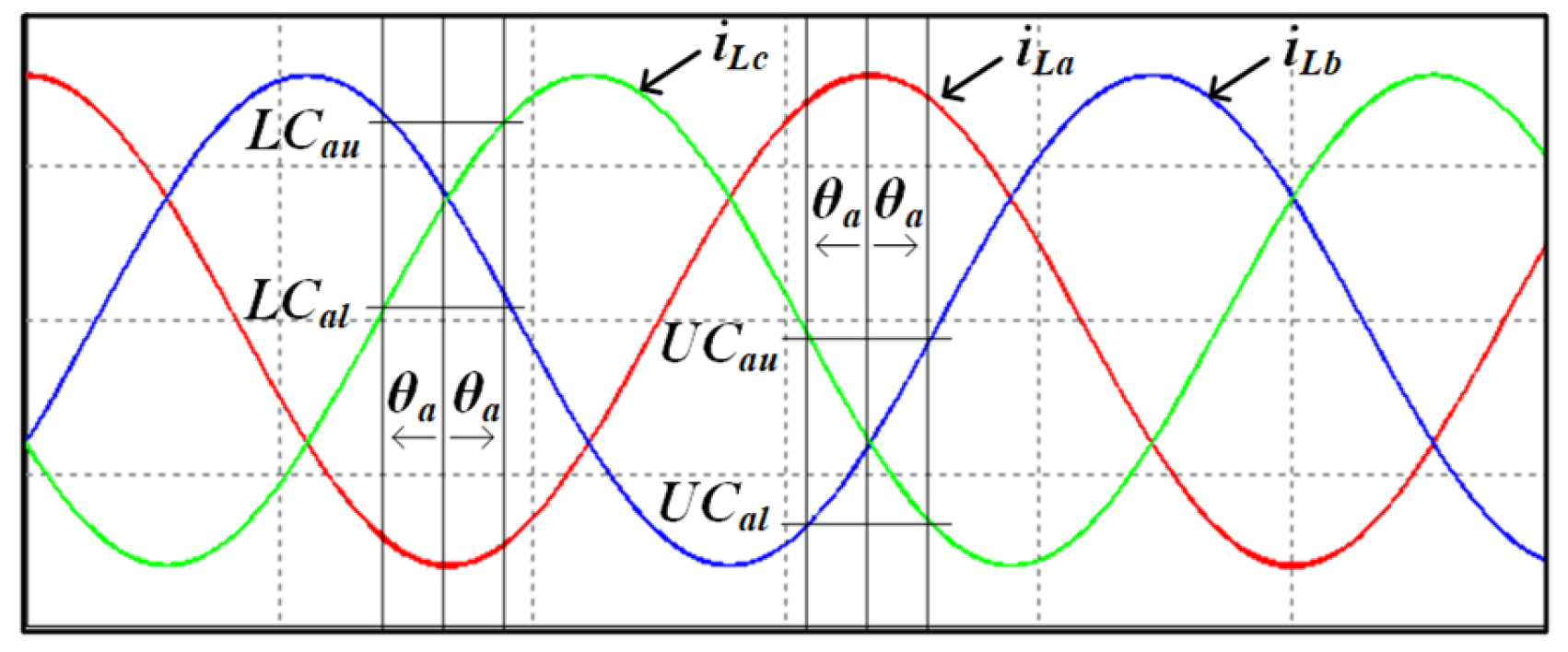
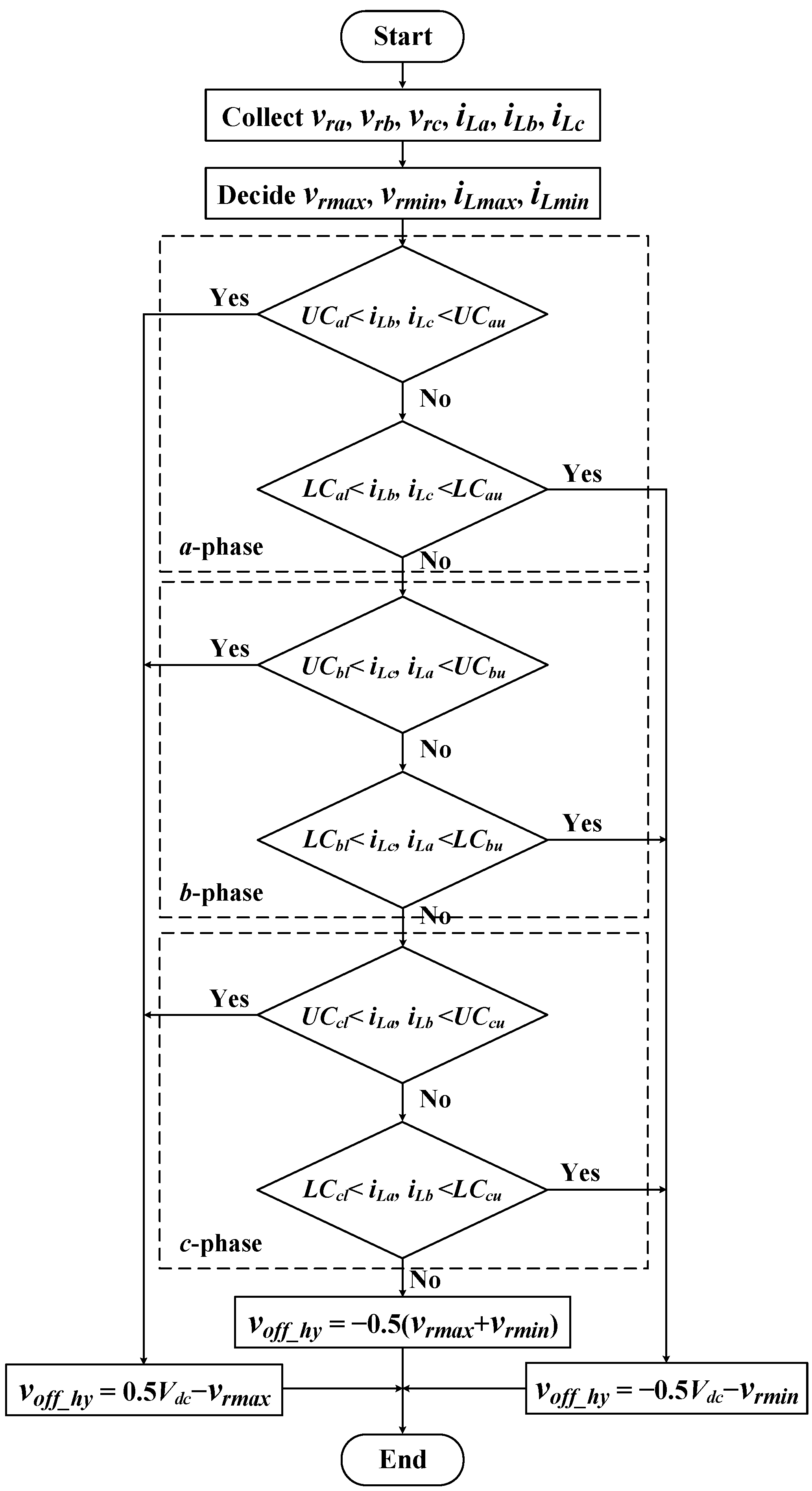
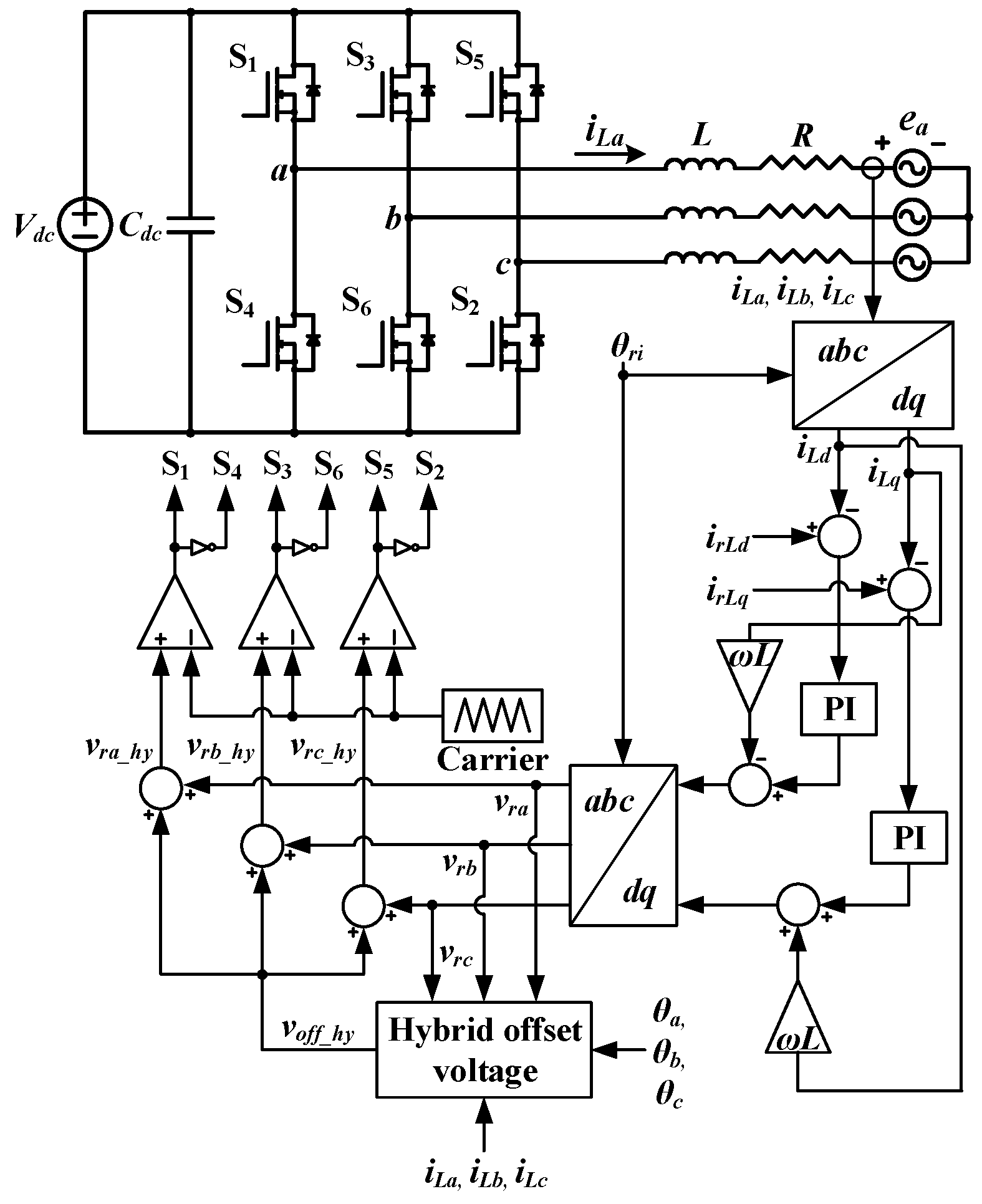
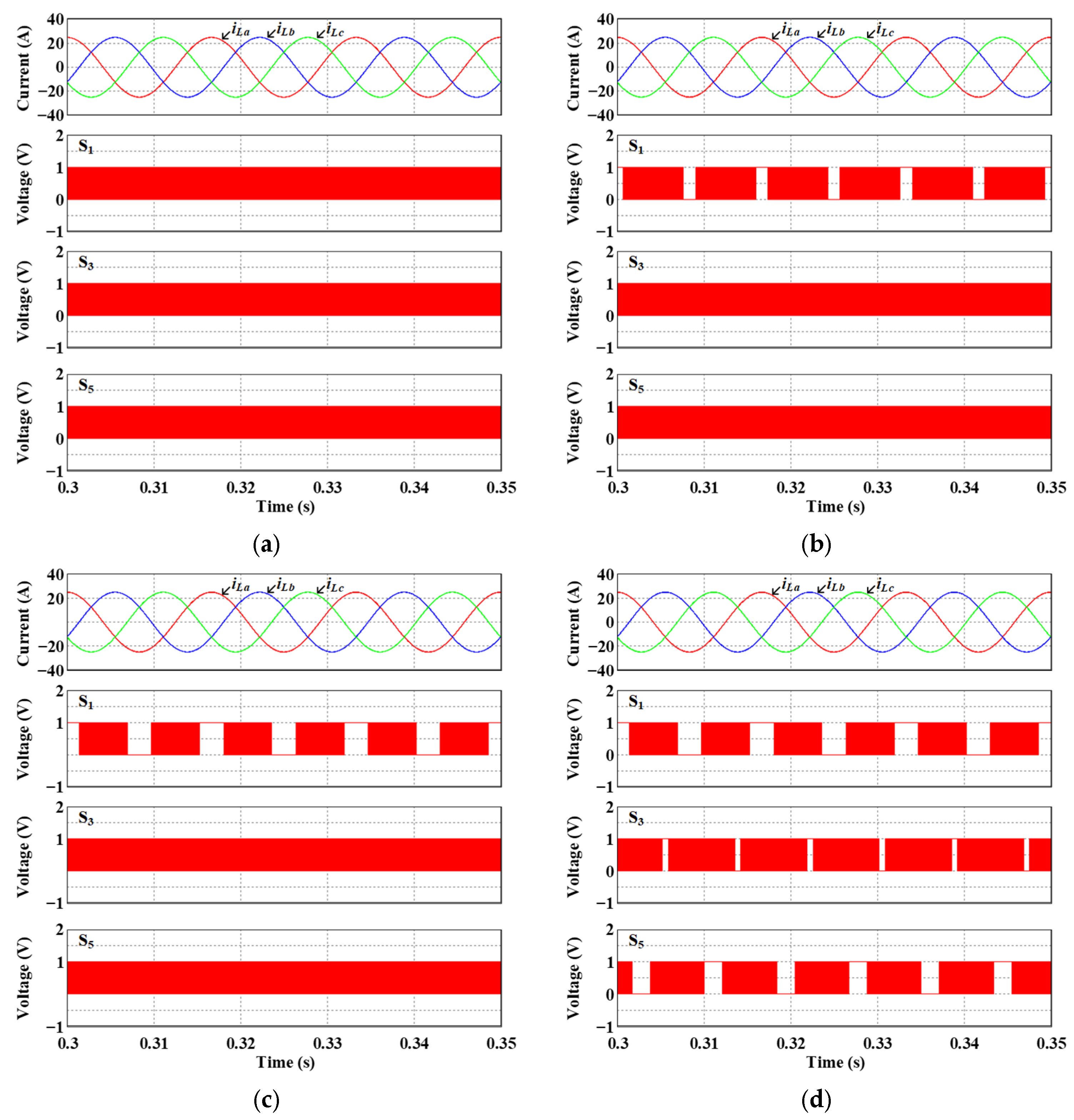
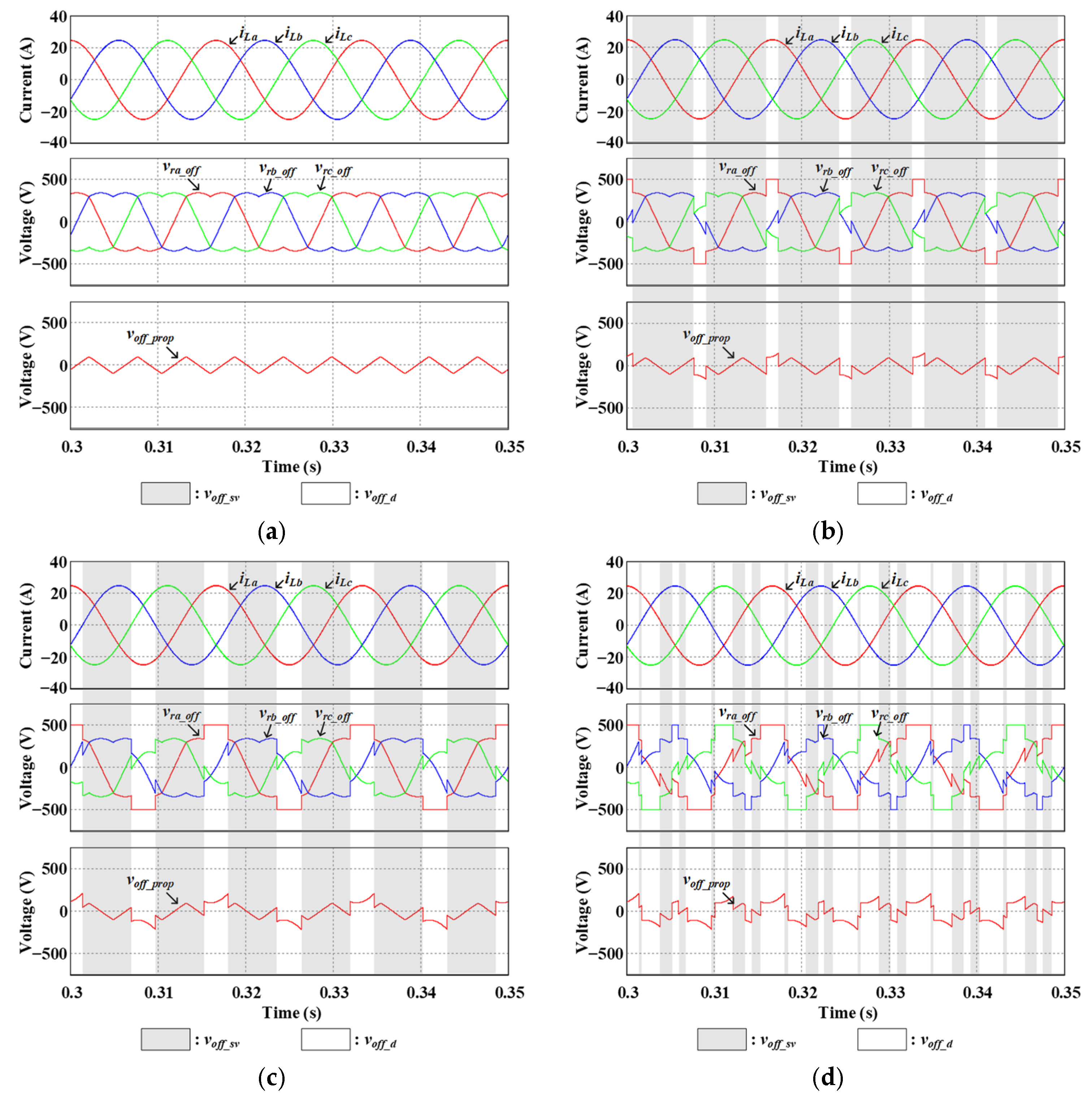
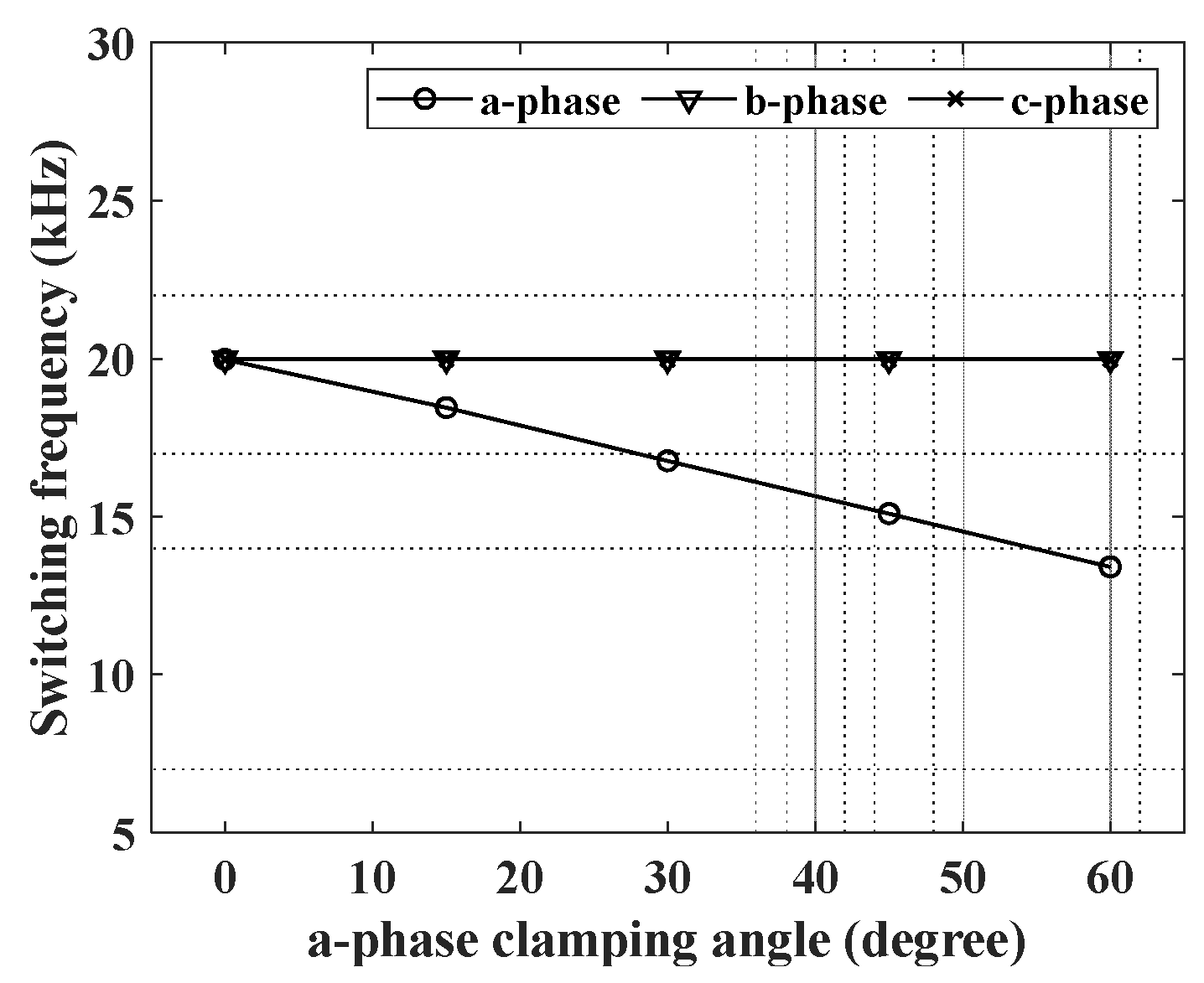
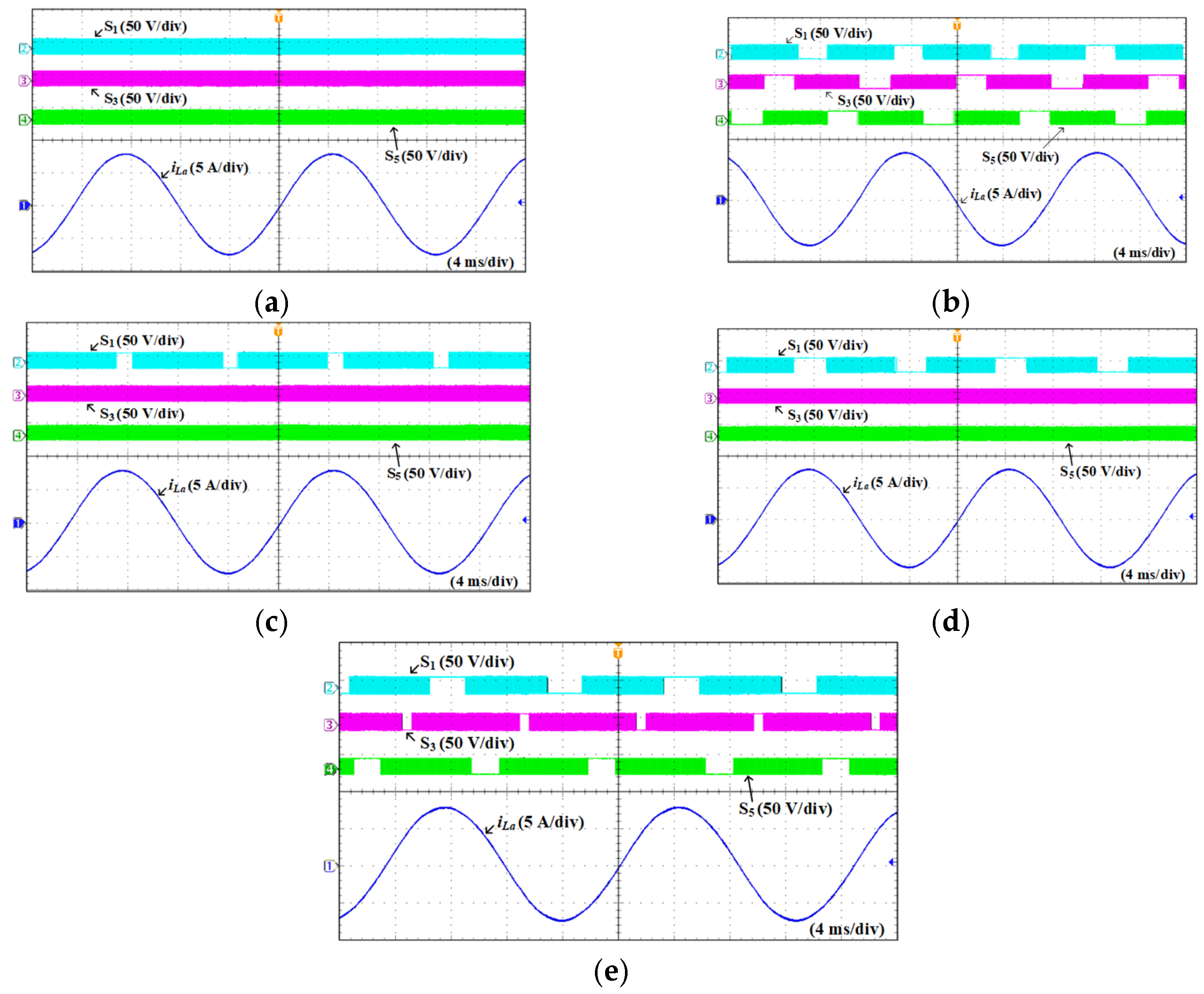
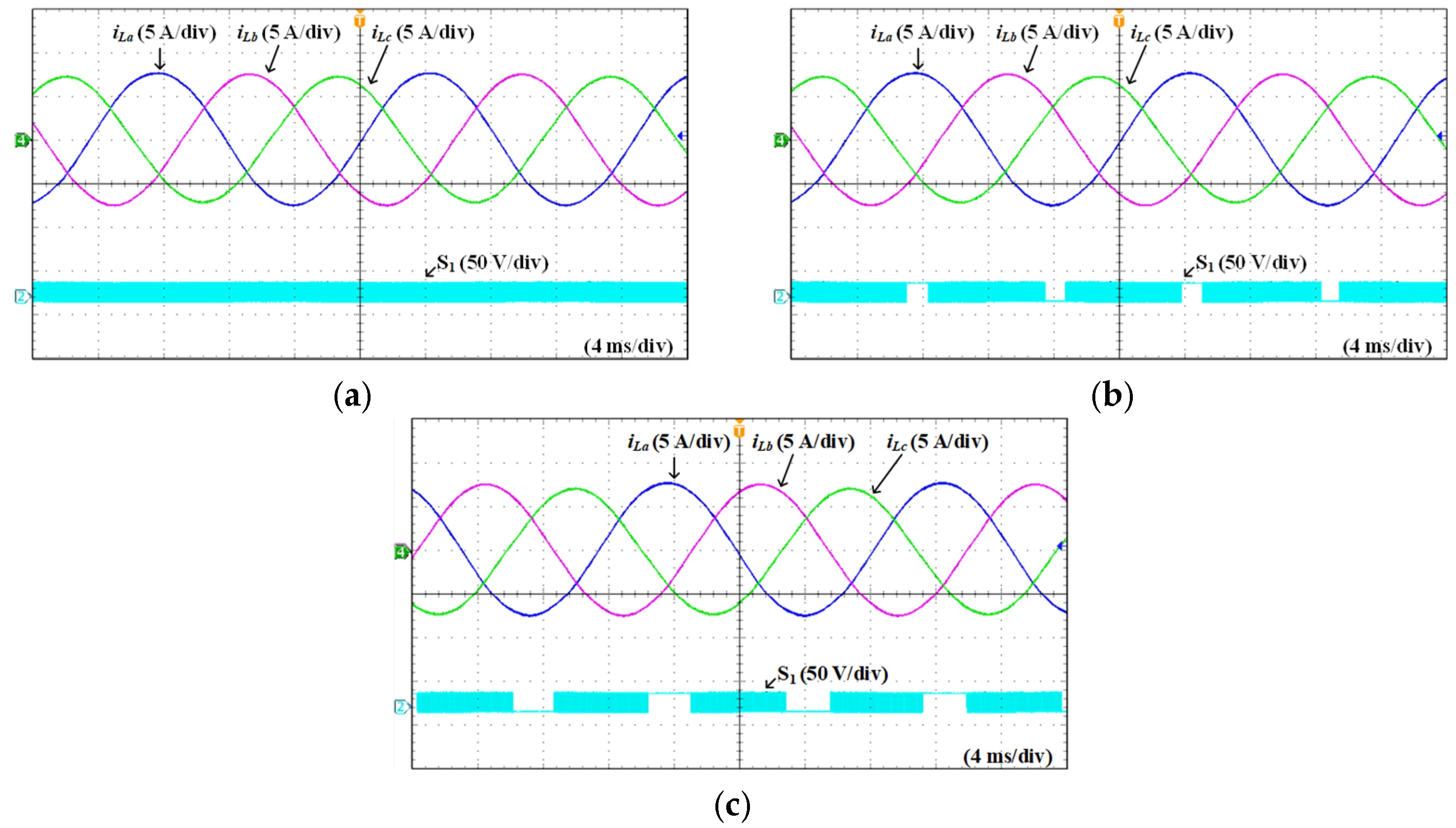
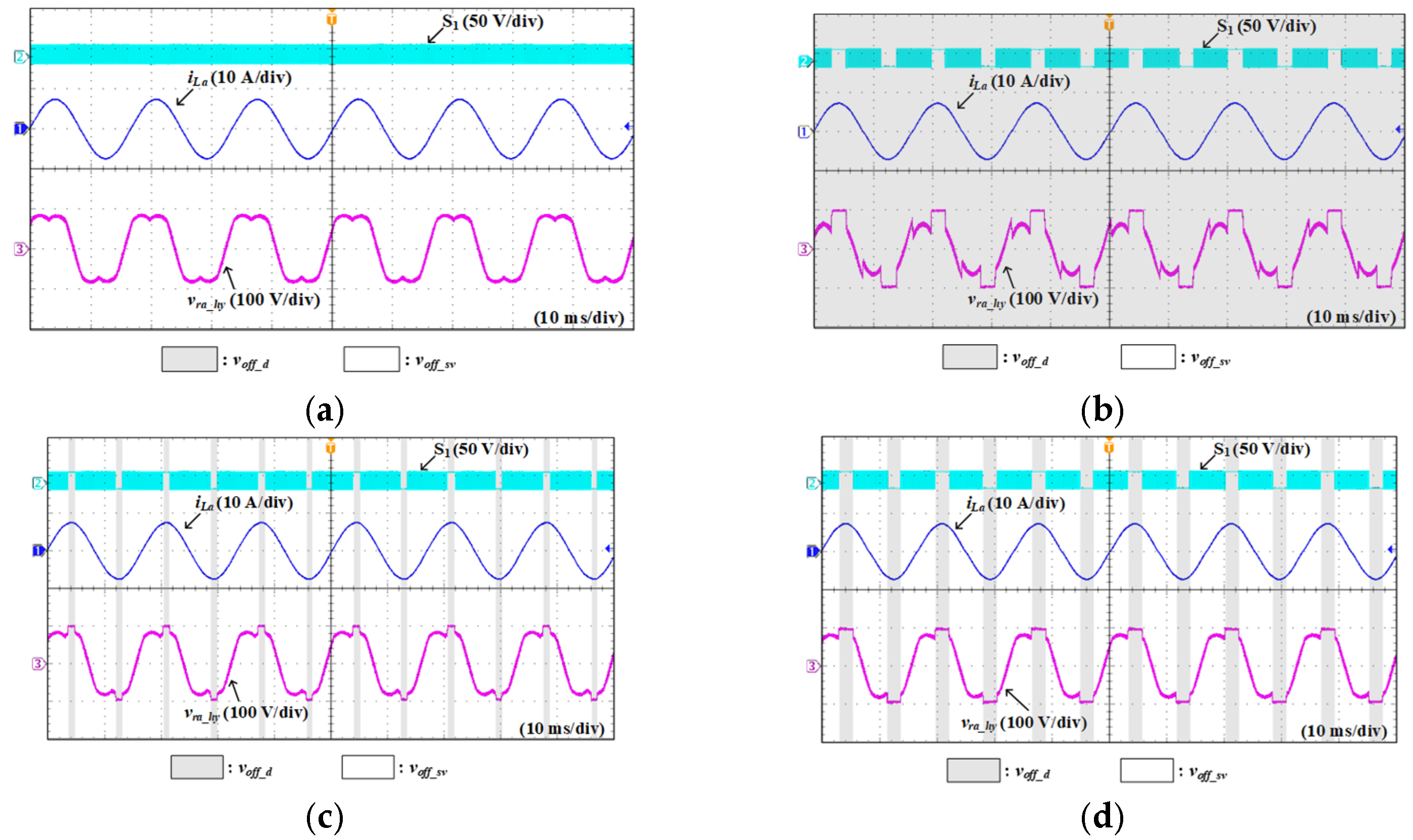
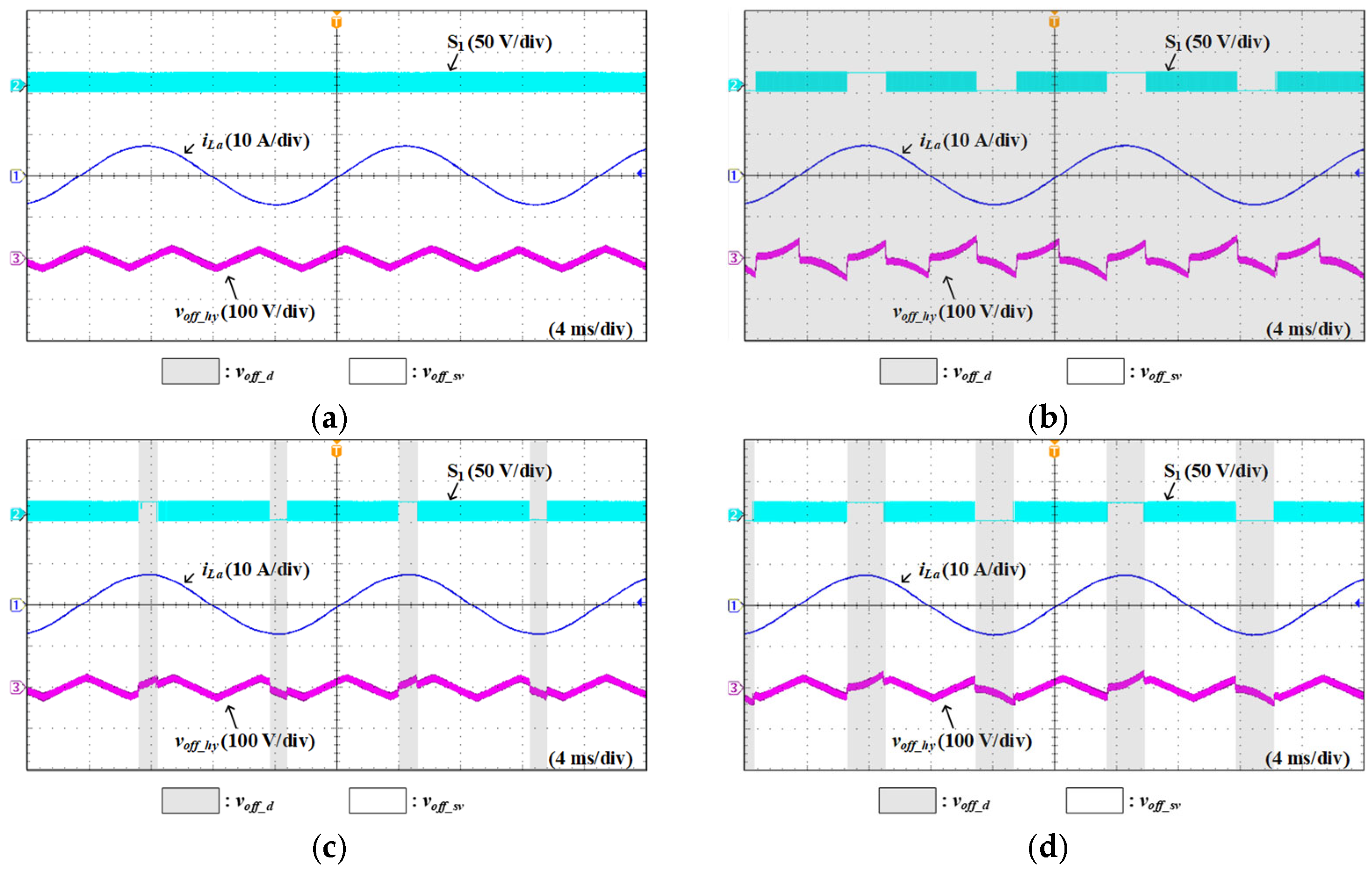
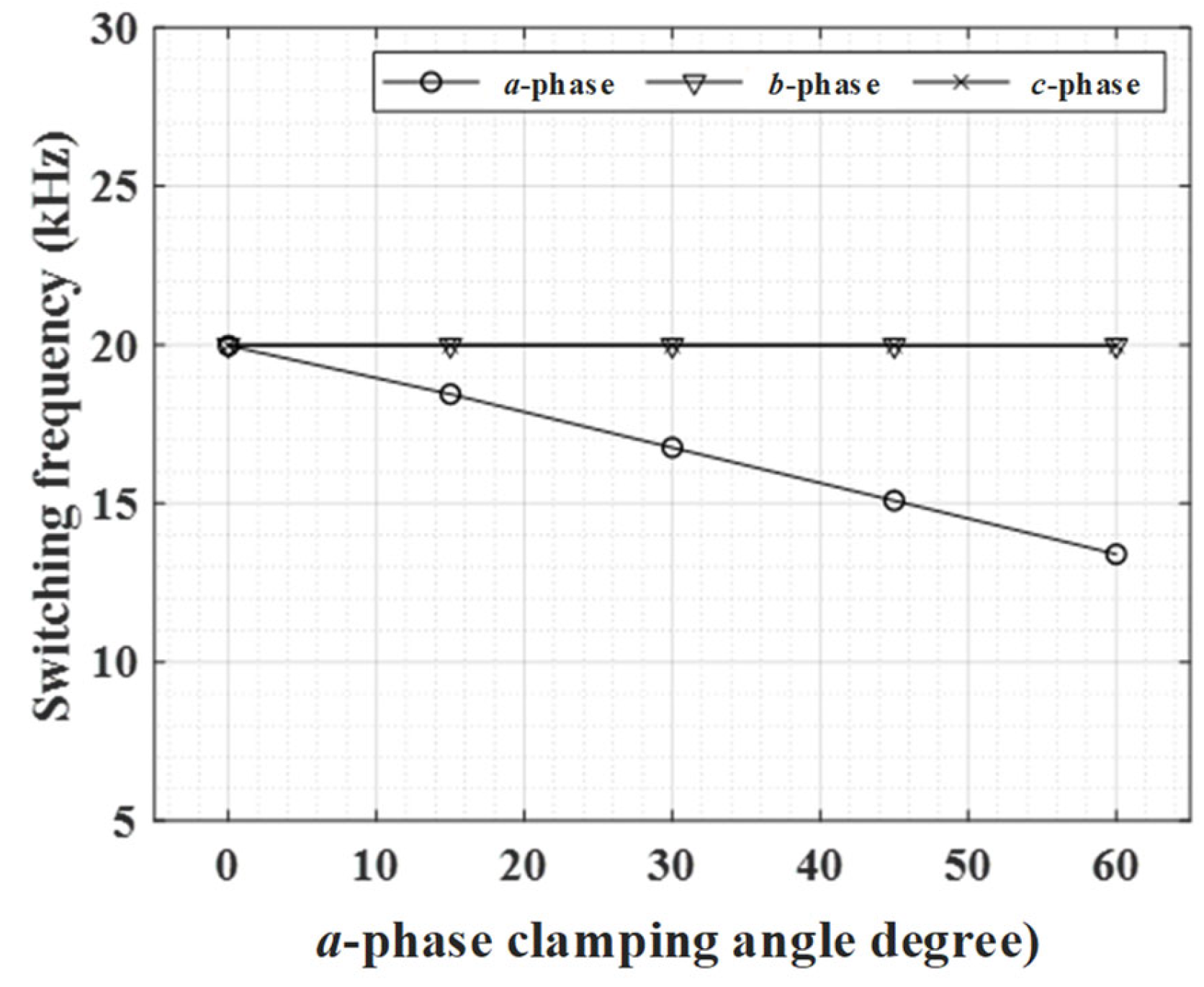
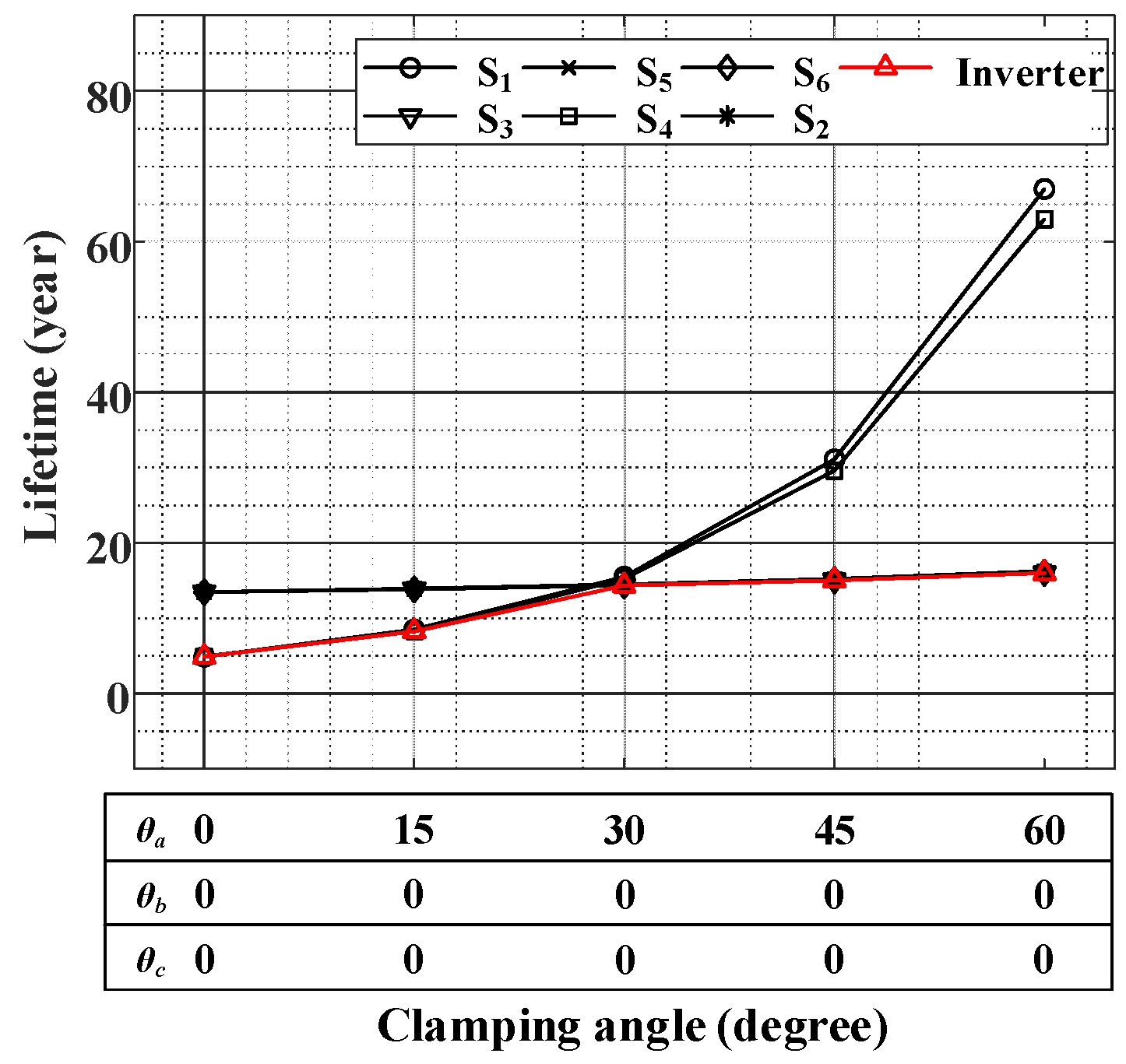
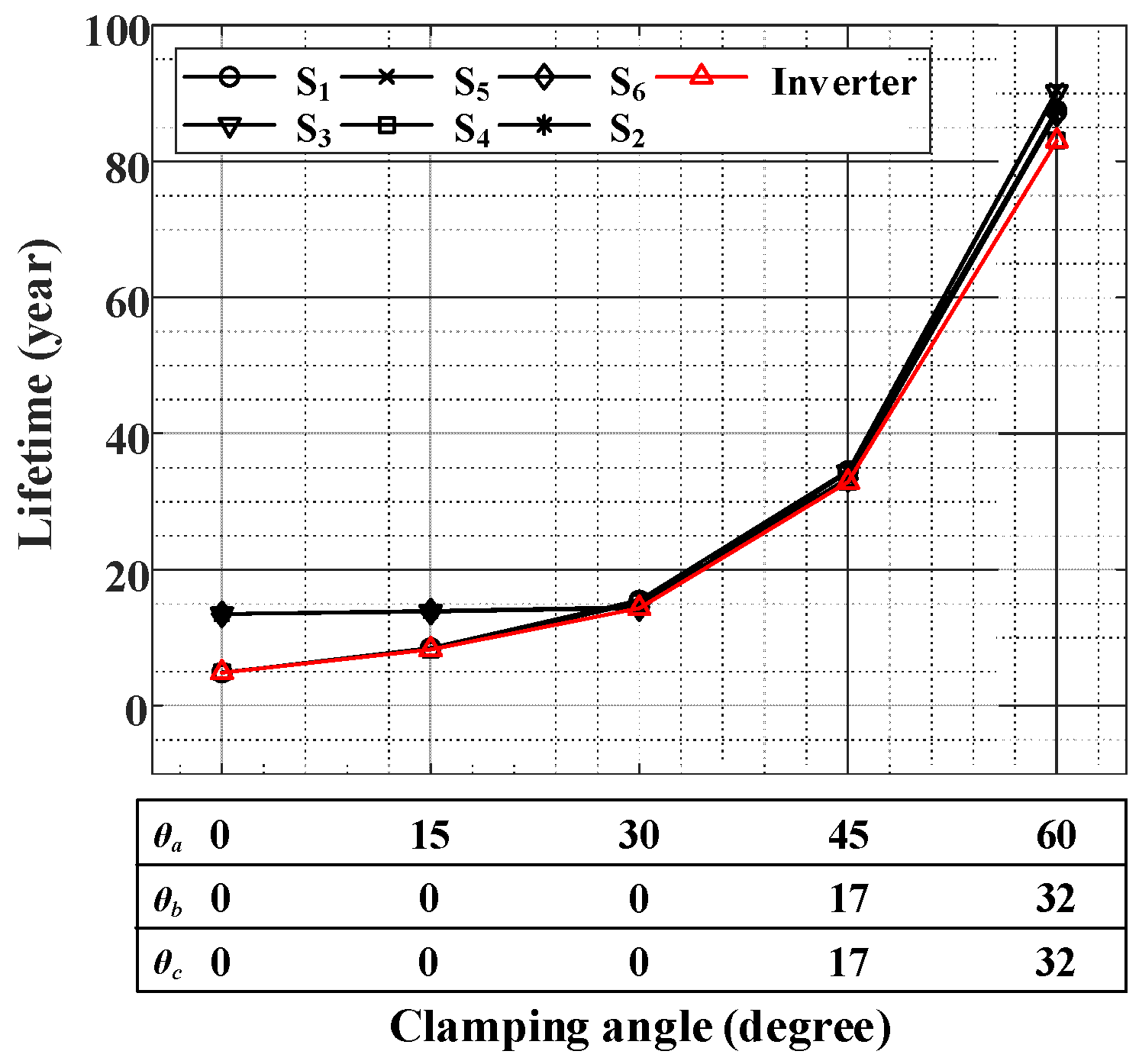
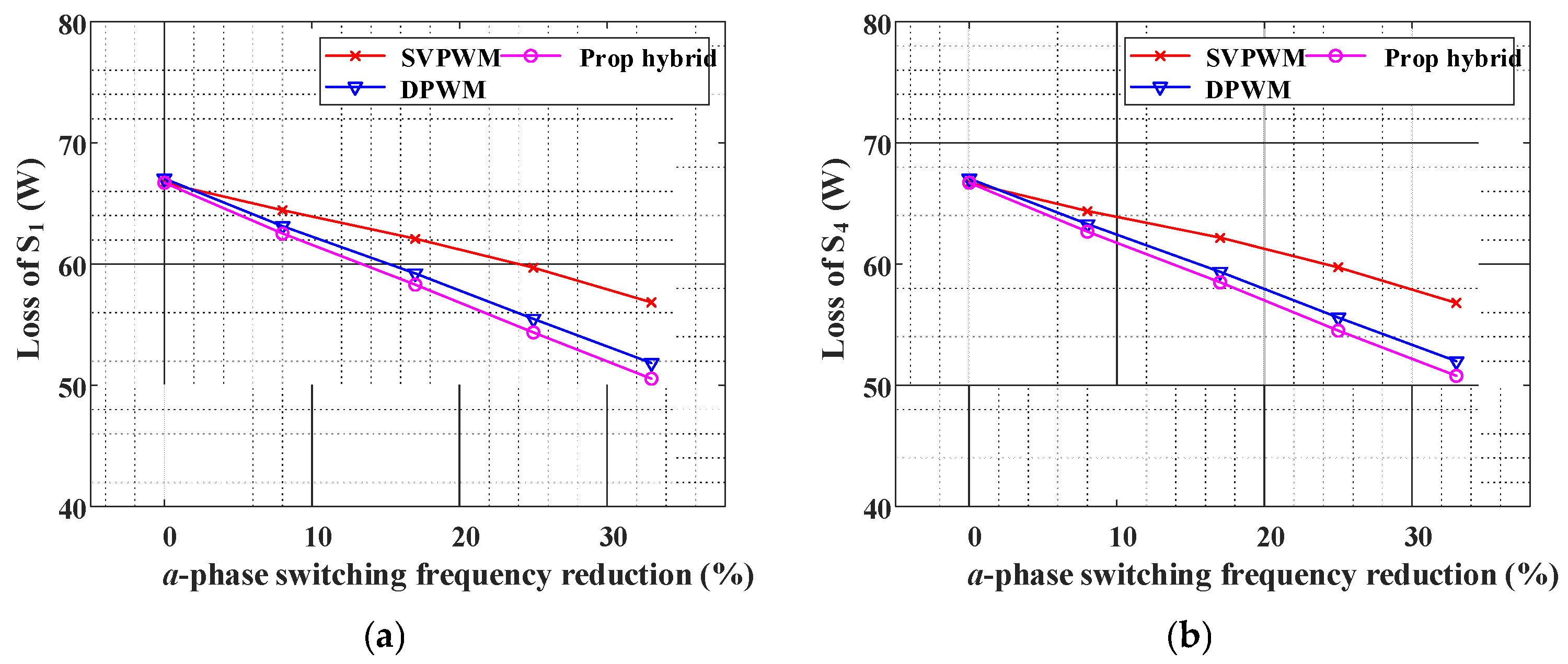
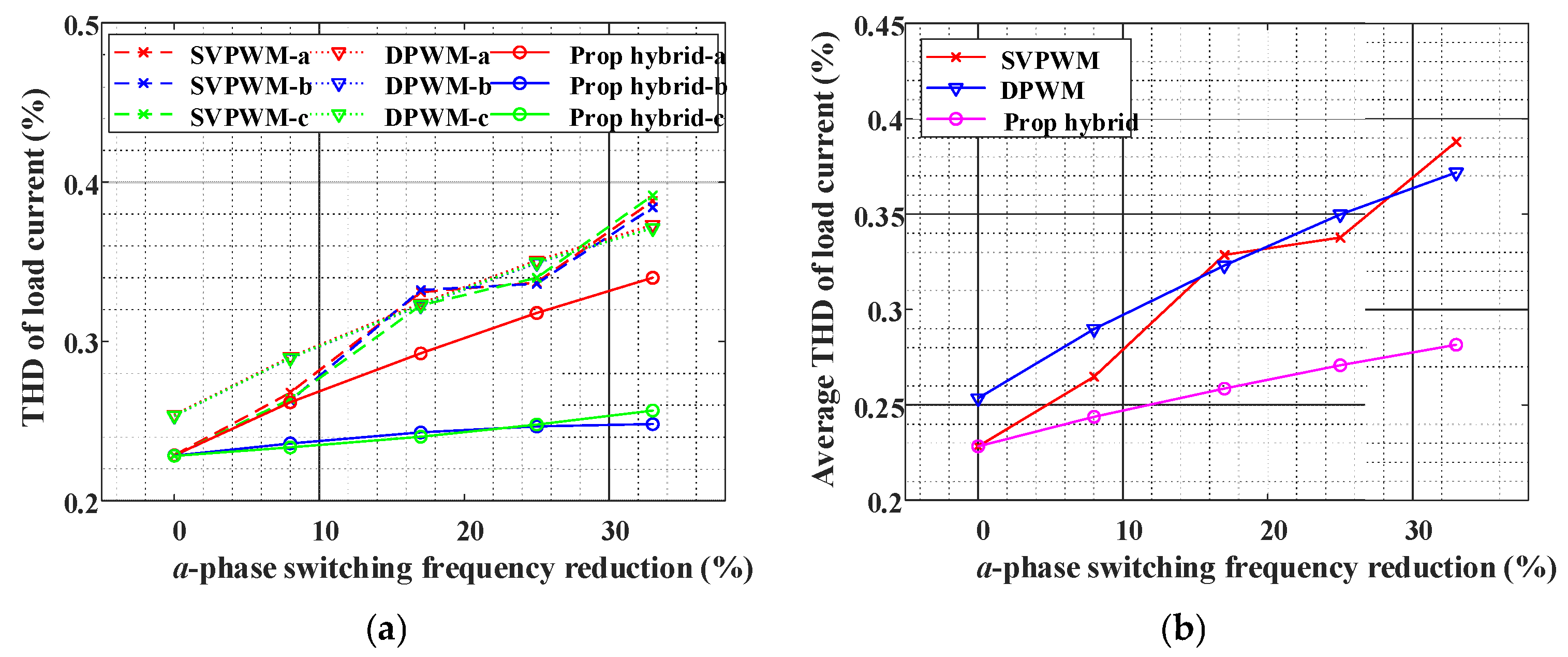
This paper proposes a lifespan extension technique for three-phase voltage inverters using hybrid offset voltage. The proposed method lengthens the inverter lifetime by independently adjusting the switching frequency of the three phases in accordance with the aging degree. To reduce the switching operation of the phase with the shortest lifetime, the proposed technique injects the offset voltage for generalized discontinuous pulse-width modulation PWM (GDPWM) into the reference voltage in the region where the switching operation of the shortest lifespan phase can be stopped. When the switching operation does not need to be stopped, the offset voltage for space vector PWM (SVPWM) is injected into the reference voltage for high inverter load current quality. An offset voltage that varies according to the need to stop the switching operation is the proposed hybrid offset voltage. Using the proposed hybrid offset voltage, the switching frequencies of the three phases are independently controllable. In addition, since only the switching operation of the phase having the shortest lifespan is reduced, the load current quality in accordance with the switching operation reduction is good compared to the conventional method to simultaneously diminish all phase switching frequencies. The proposed method significantly increases the reliability of the three-phase voltage inverter, where the thermal stress of the phase having the shortest lifespan is decreased up to 55%, whereas the inverter lifetime can be increased by 10 times. The proposed technique was verified by simulations and experiments.
Keywords: lifetime extension; SiC MOSFET; gate oxide degradation; switching frequency; space vector PWM; discontinuous PWM; three-phase voltage source inverter; junction temperature lifetime extension; SiC MOSFET; gate oxide degradation; switching frequency; space vector PWM; discontinuous PWM; three-phase voltage source inverter; junction temperature