Article

Design of Finite Difference Method and Neural Network Approach for Casson Nanofluid Flow: A Computational Study


by
Muhammad Shoaib Arif
1,2,*,
Kamaleldin Abodayeh
1,* and
Yasir Nawaz
2
1
Department of Mathematics and Sciences, College of Humanities and Sciences, Prince Sultan University, Riyadh 11586, Saudi Arabia
2
Department of Mathematics, Air University, PAF Complex E-9, Islamabad 44000, Pakistan
*
Authors to whom correspondence should be addressed.
Axioms 2023, 12(6), 527; https://doi.org/10.3390/axioms12060527

Submission received: 15 April 2023 / Revised: 10 May 2023 / Accepted: 16 May 2023 / Published: 27 May 2023

Abstract

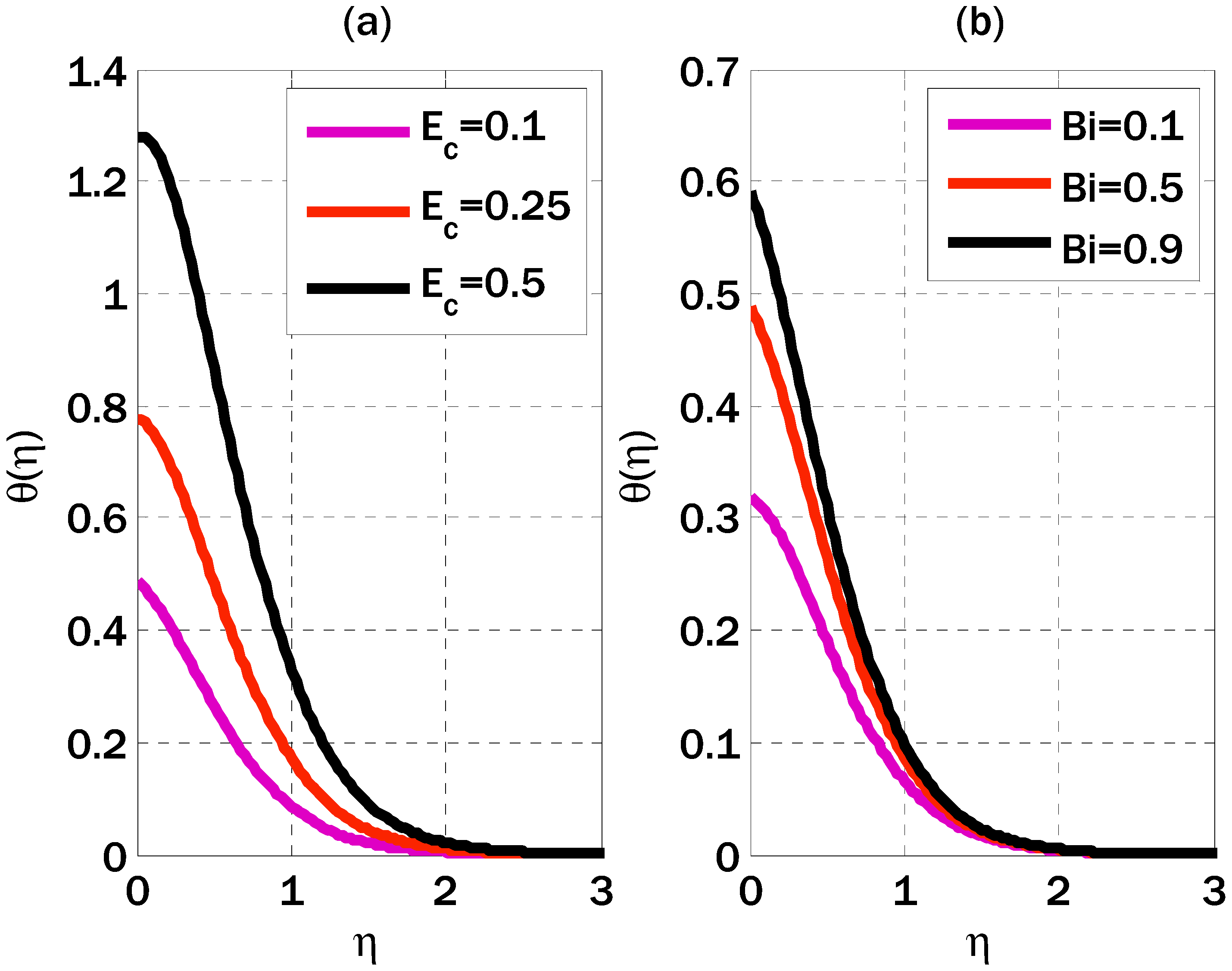
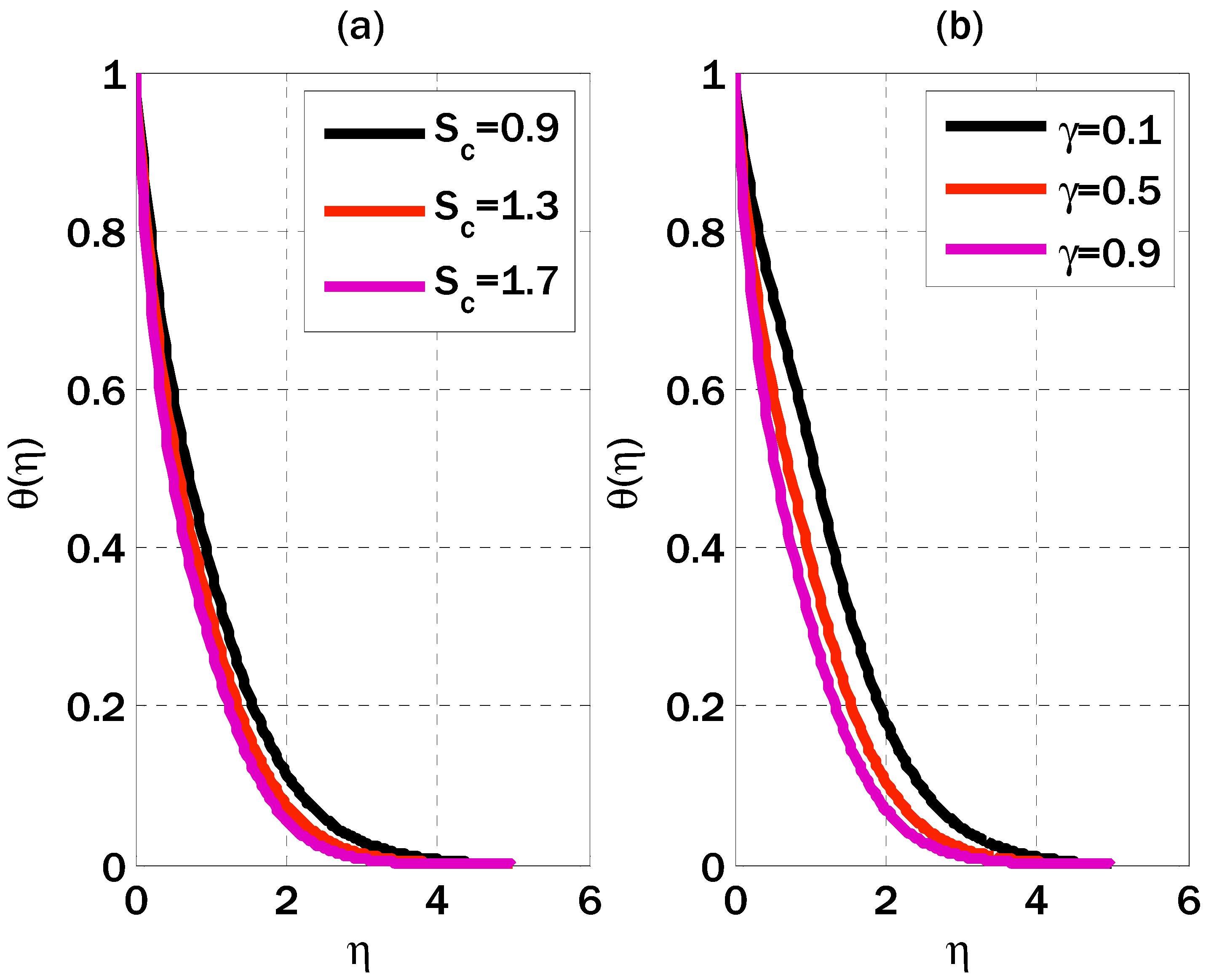
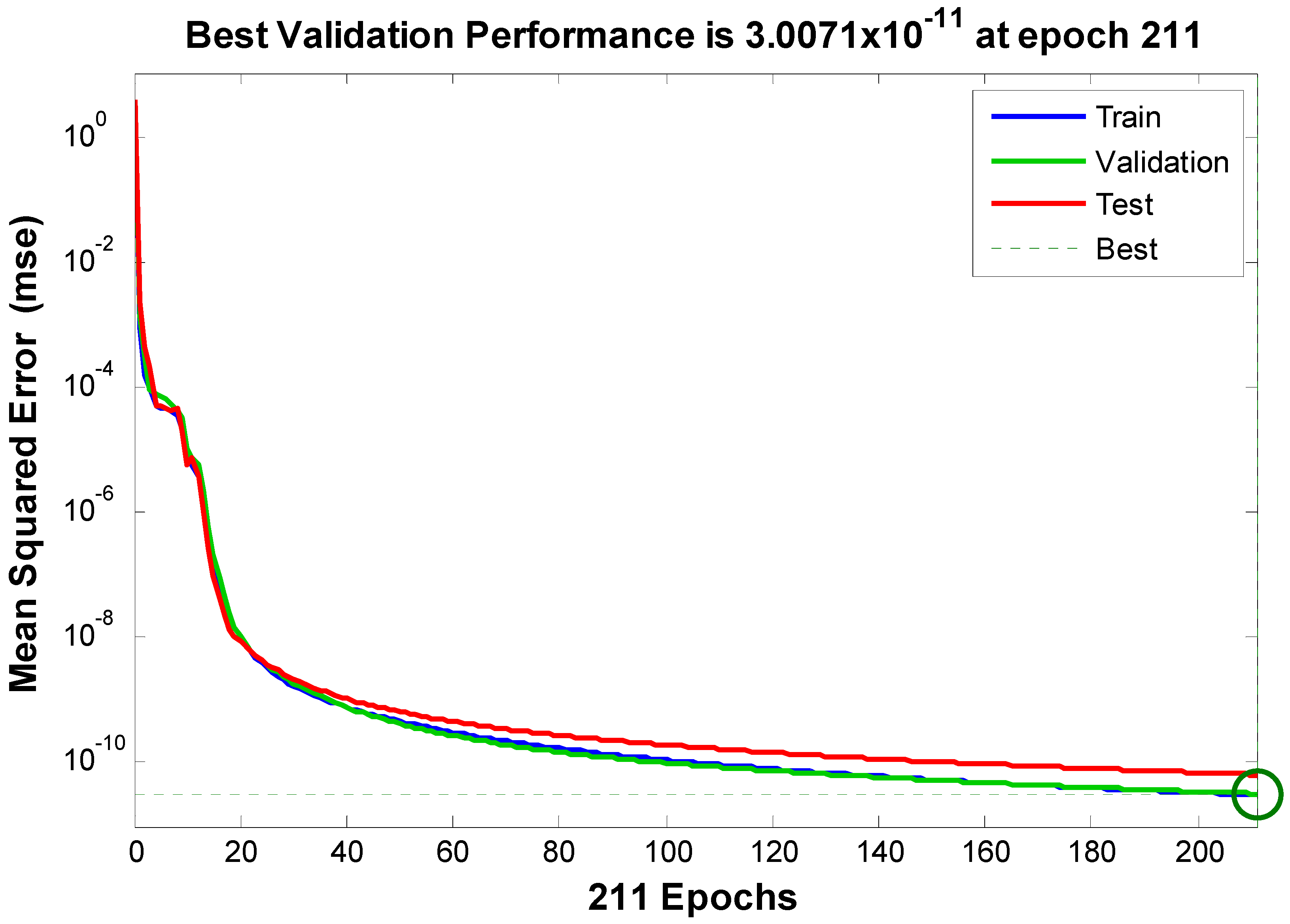
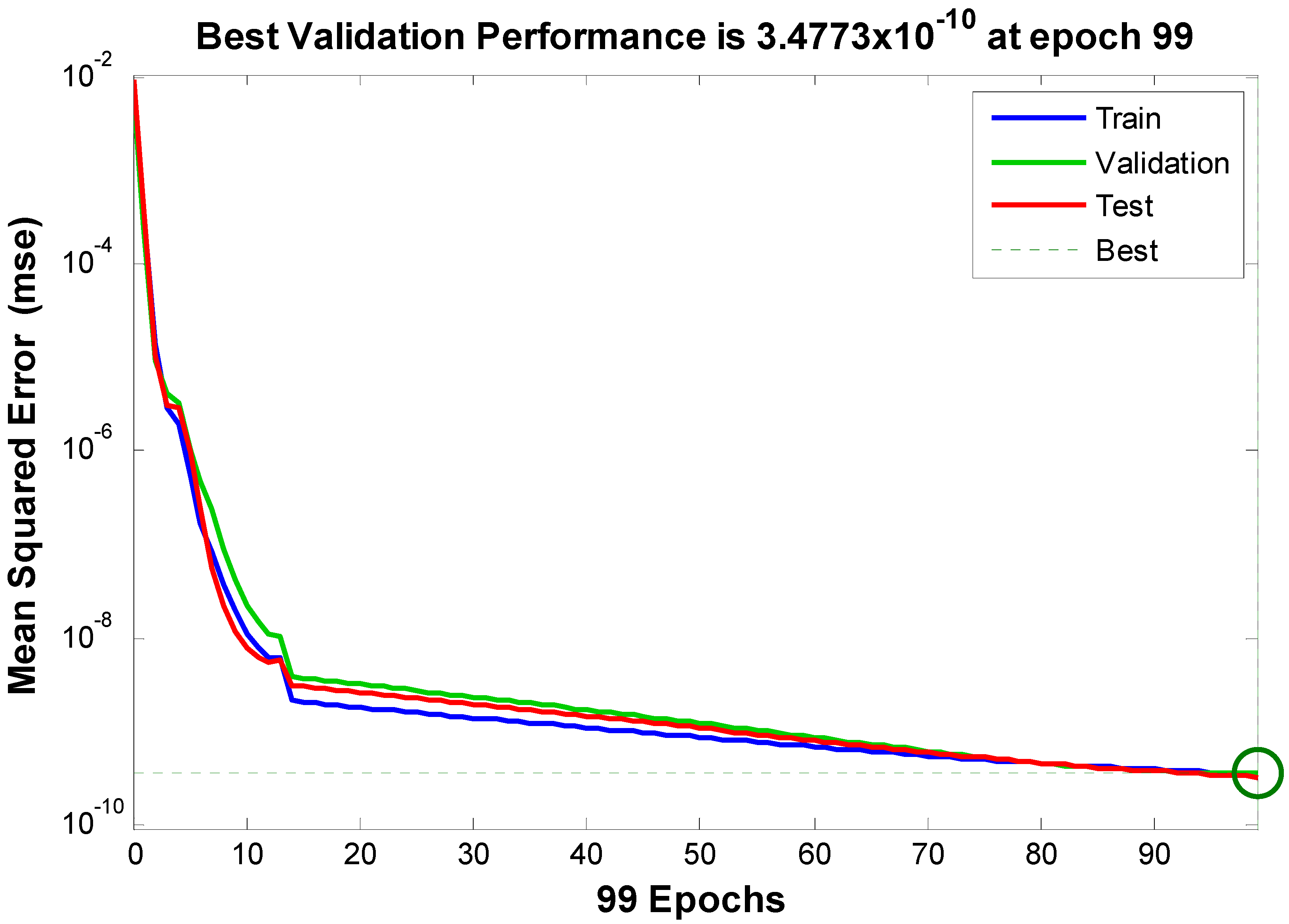
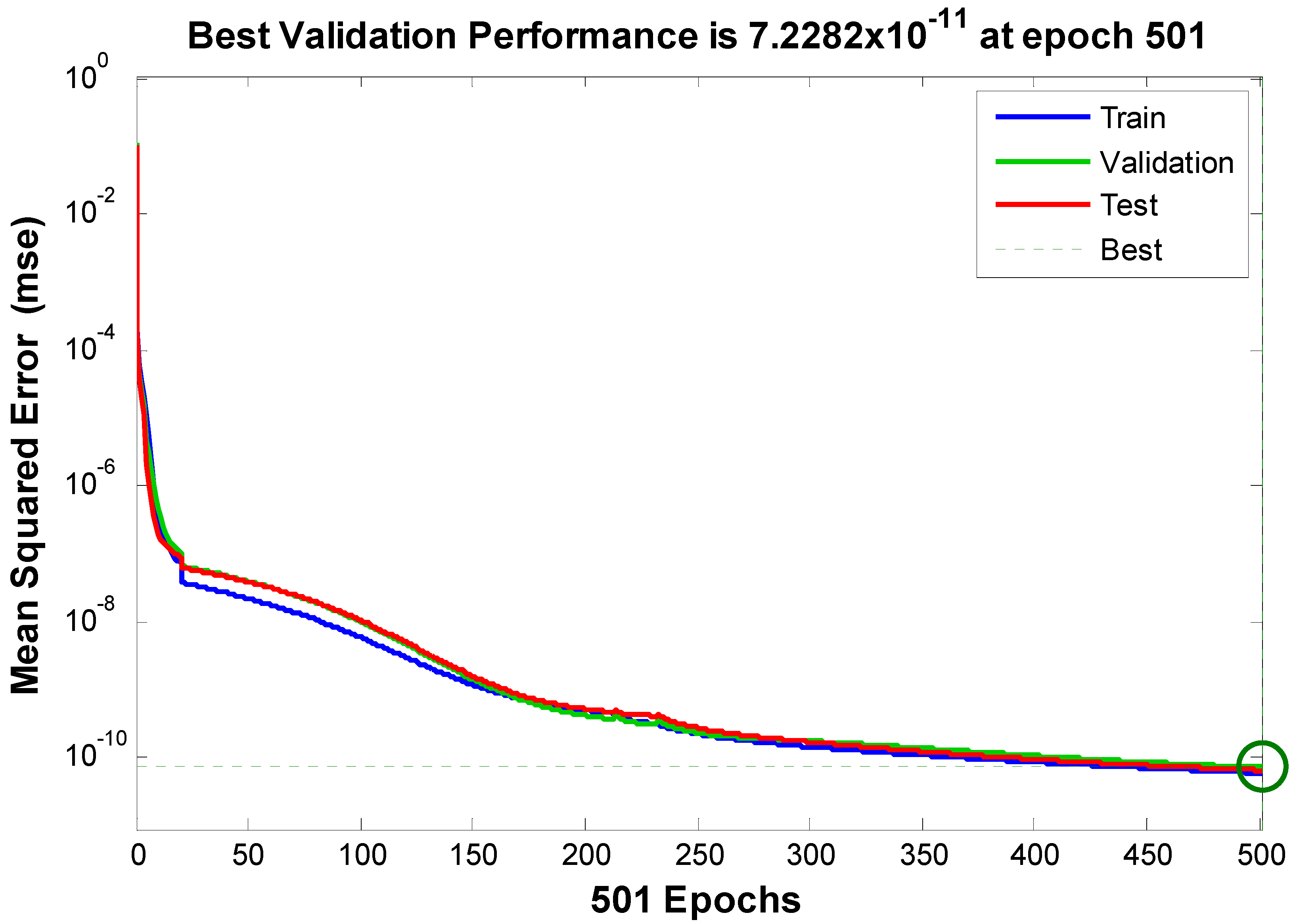
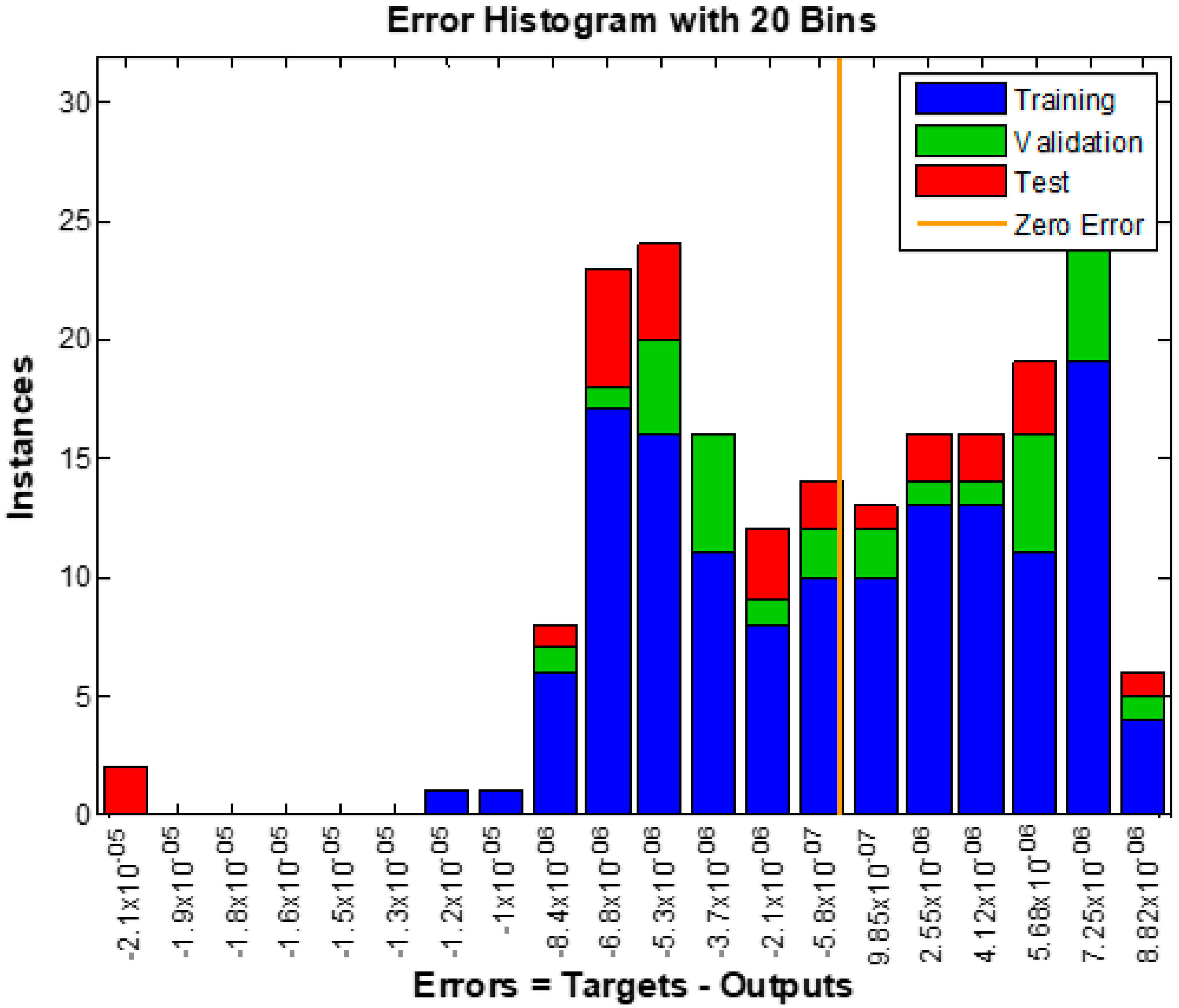
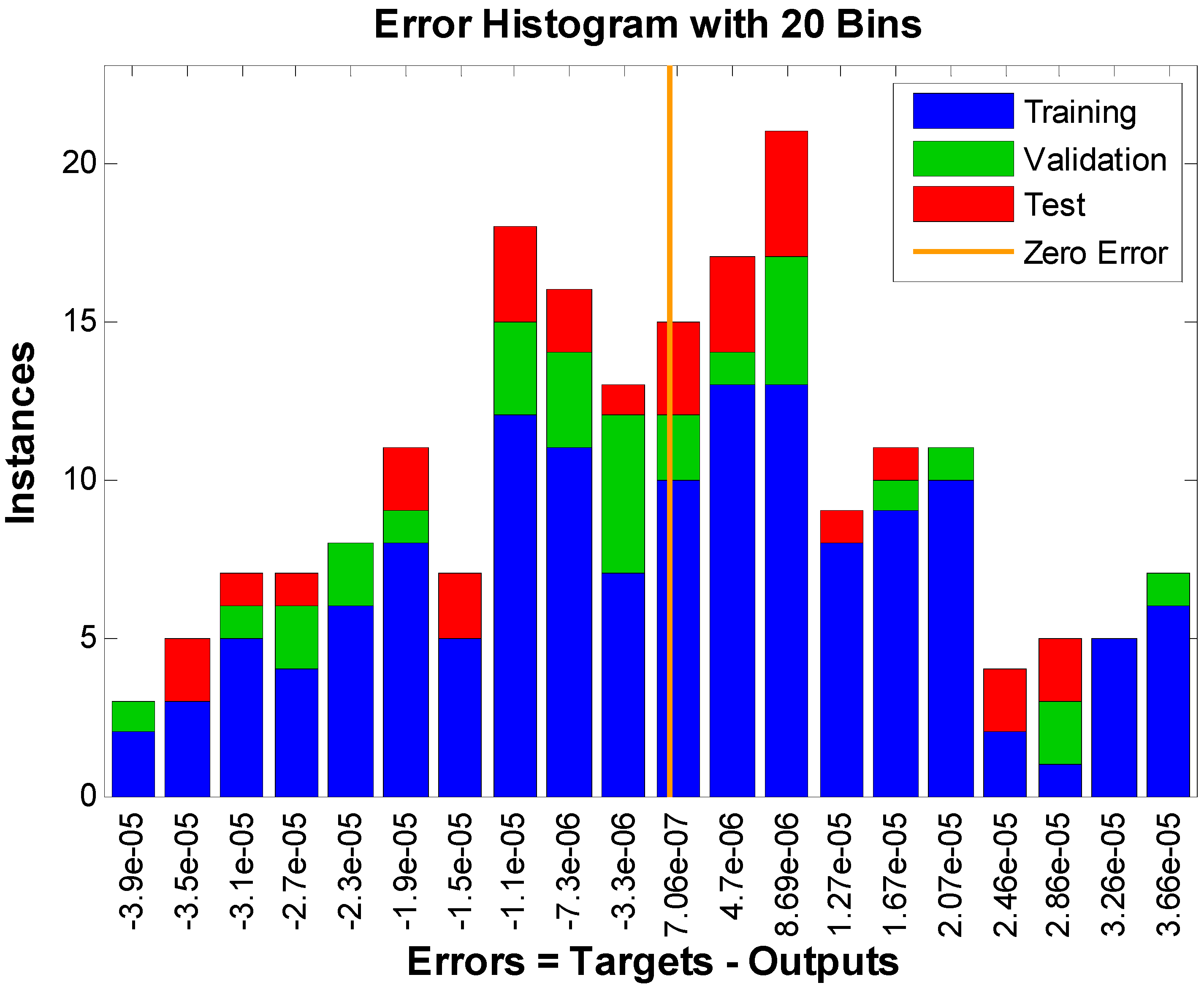
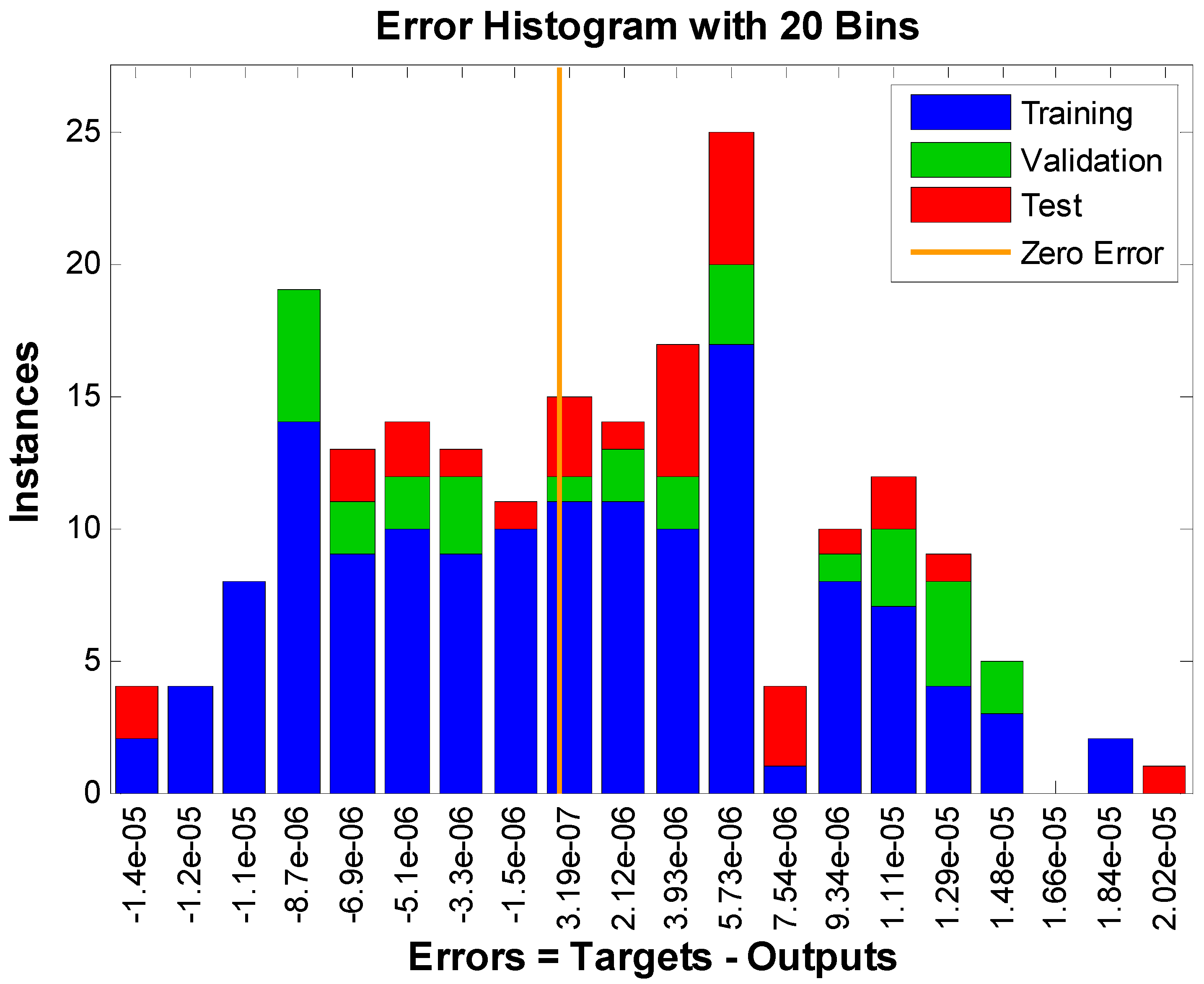
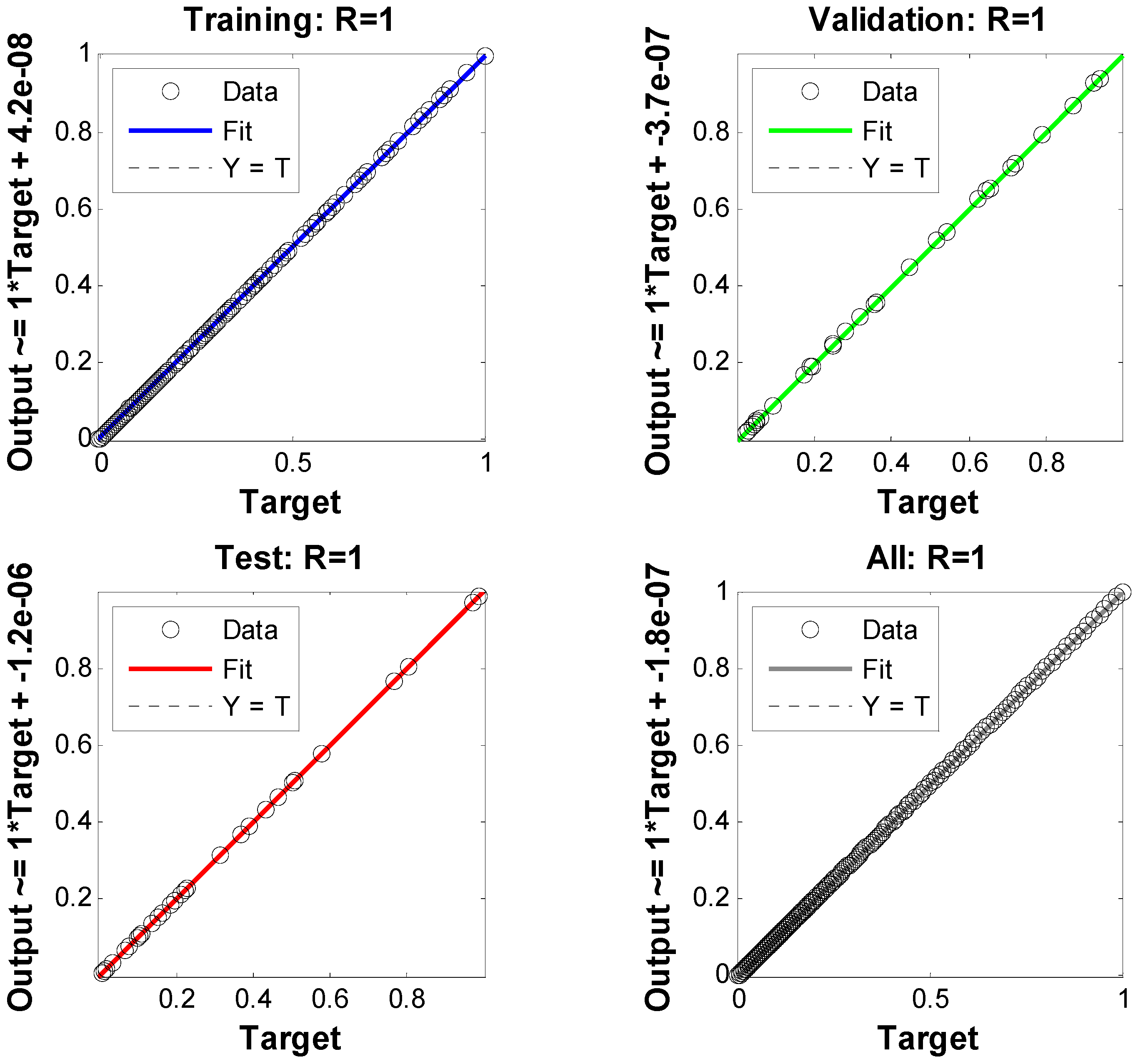
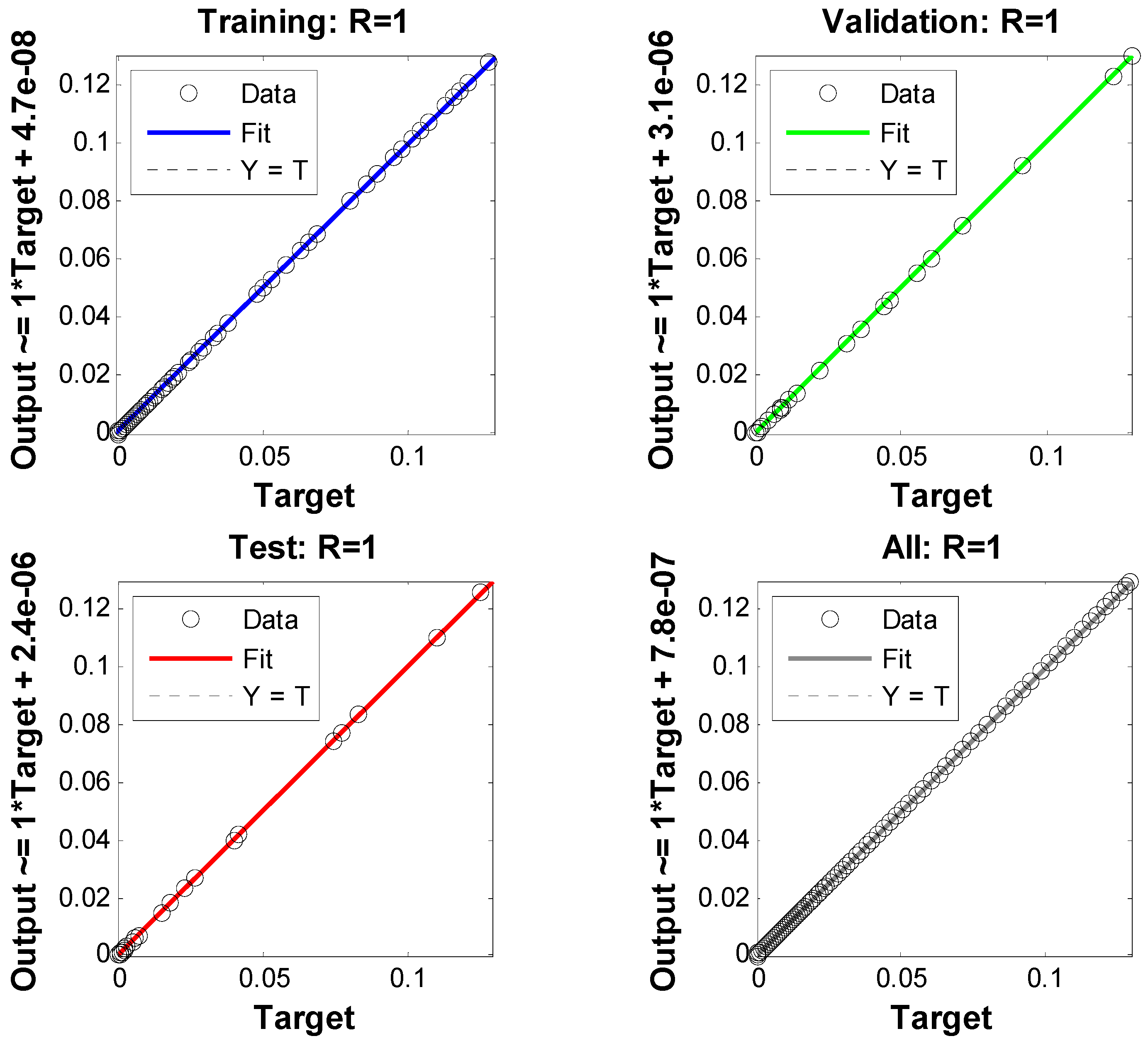
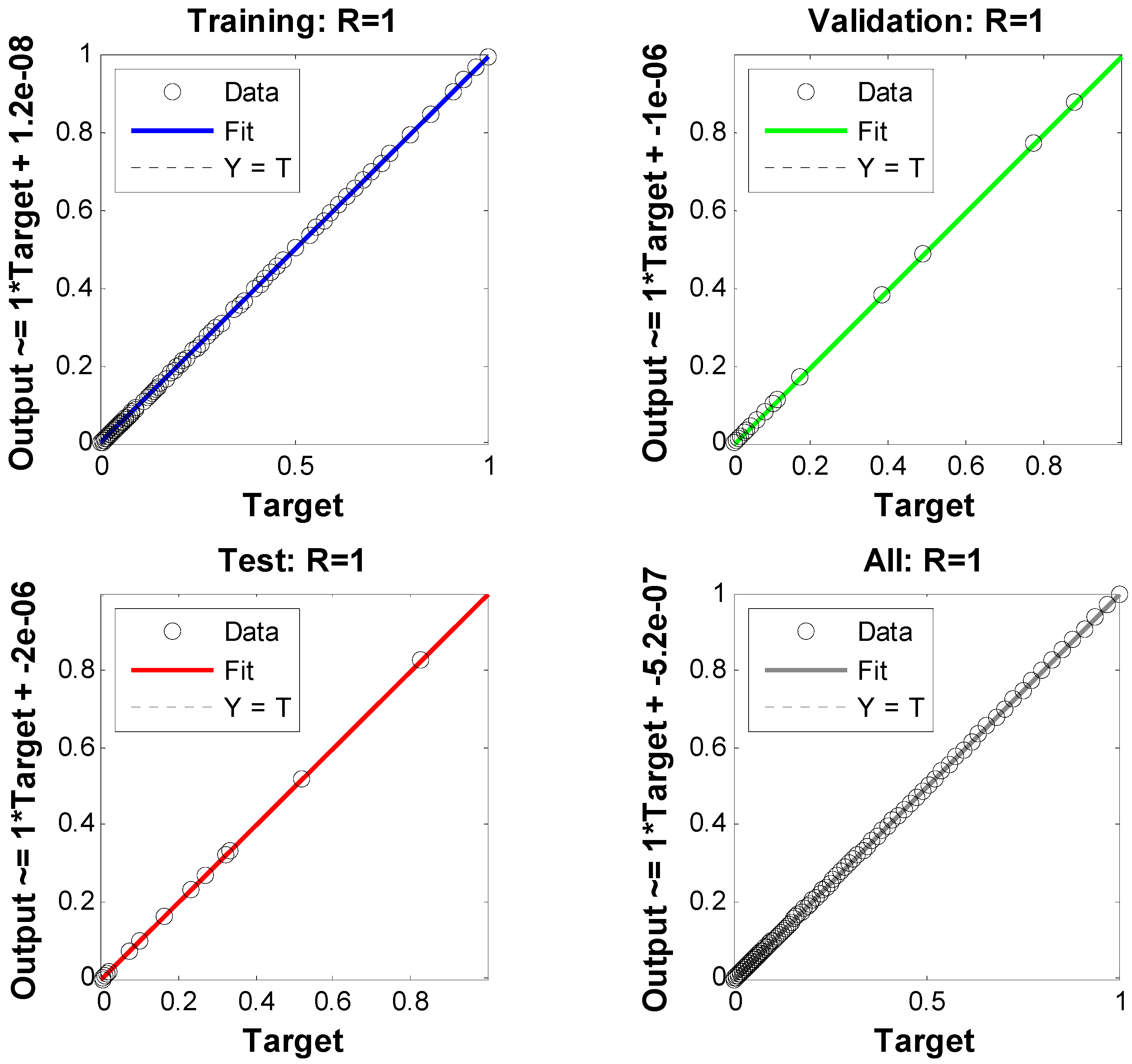
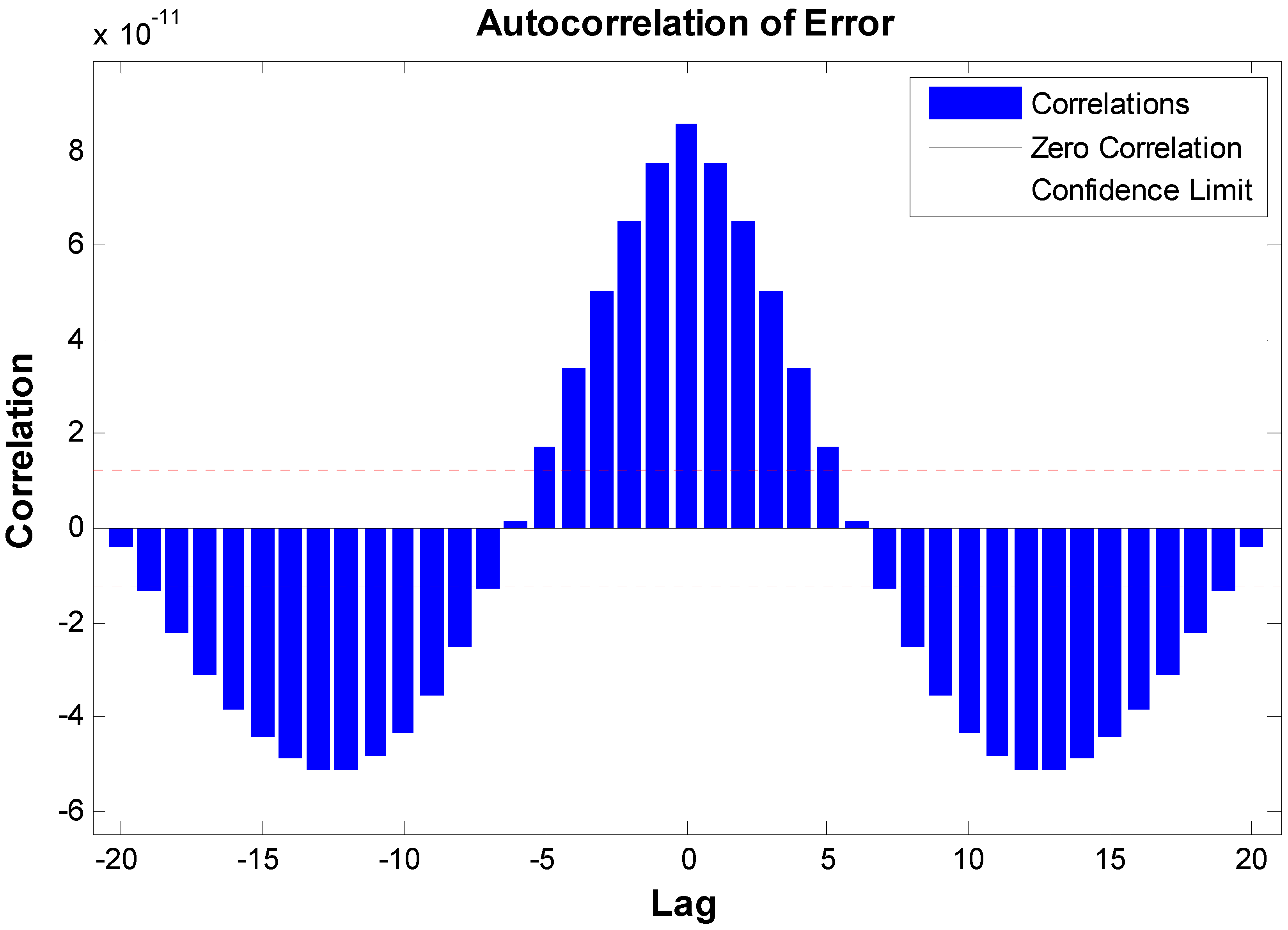
To boost productivity, commercial strategies, and social advancement, neural network techniques are gaining popularity among engineering and technical research groups. This work proposes a numerical scheme to solve linear and non-linear ordinary differential equations (ODEs). The scheme’s primary benefit included its third-order accuracy in two stages, whereas most examples in the literature do not provide third-order accuracy in two stages. The scheme was explicit and correct to the third order. The stability region and consistency analysis of the scheme for linear ODE are provided in this paper. Moreover, a mathematical model of heat and mass transfer for the non-Newtonian Casson nanofluid flow is given under the effects of the induced magnetic field, which was explored quantitatively using the method of Levenberg–Marquardt back propagation artificial neural networks. The governing equations were reduced to ODEs using suitable similarity transformations and later solved by the proposed scheme with a third-order accuracy. Additionally, a neural network approach for input and output/predicted values is given. In addition, inputs for velocity, temperature, and concentration profiles were mapped to the outputs using a neural network. The results are displayed in different types of graphs. Absolute error, regression studies, mean square error, and error histogram analyses are presented to validate the suggested neural networks’ performance. The neural network technique is currently used on three of these four targets. Two hundred points were utilized, with 140 samples used for training, 30 samples used for validation, and 30 samples used for testing. These findings demonstrate the efficacy of artificial neural networks in forecasting and optimizing complex systems.
Keywords: numerical scheme; stability; induced magnetic field; heat and mass transfer; neural network numerical scheme; stability; induced magnetic field; heat and mass transfer; neural network