Article

Initial Stages of Gypsum Nucleation: The Role of “Nano/Microdust”


1
JSC “Fine Chemicals R&D Centre”, 107258 Moscow, Russia
2
Department of Chemistry and Technology of Biomedical Pharmaceuticals, Mendeleev University of Chemical Technology, 125047 Moscow, Russia
3
Department of Inorganic Substances and Electrochemical Processes, Mendeleev University of Chemical Technology, 125047 Moscow, Russia
*
Author to whom correspondence should be addressed.
Minerals 2020, 10(12), 1083; https://doi.org/10.3390/min10121083
Submission received: 20 October 2020 / Revised: 27 November 2020 / Accepted: 30 November 2020 / Published: 2 December 2020
(This article belongs to the Special Issue Formation of Sulfate Minerals in Natural and Industrial Environments)

Abstract

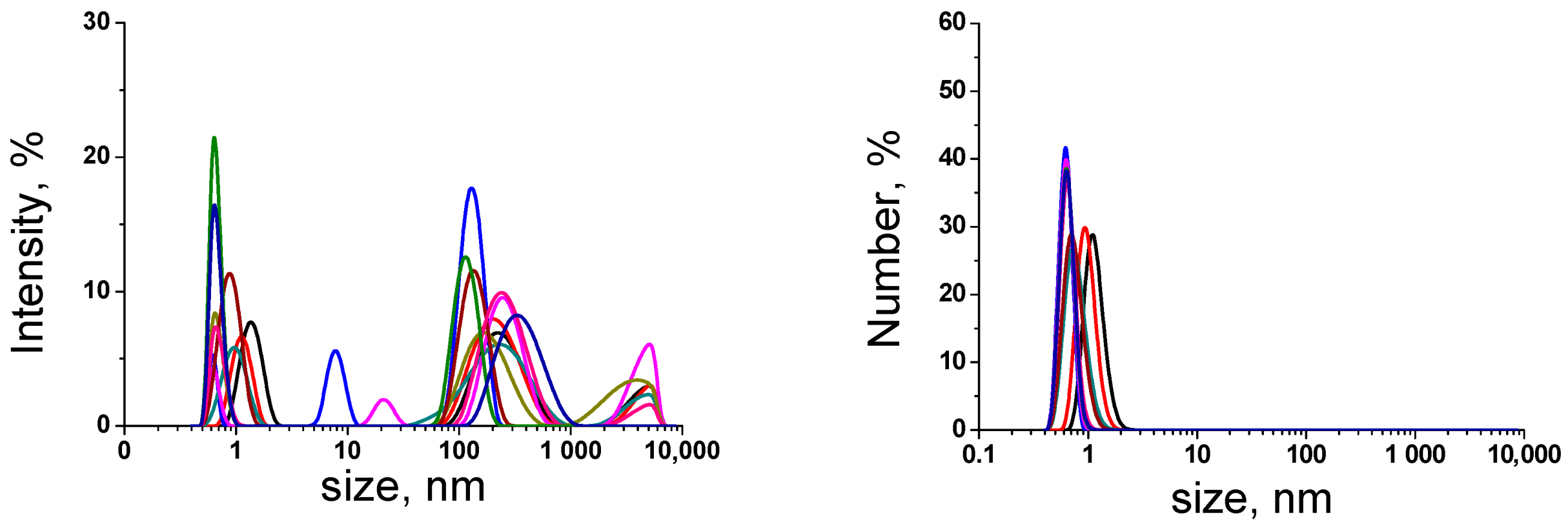
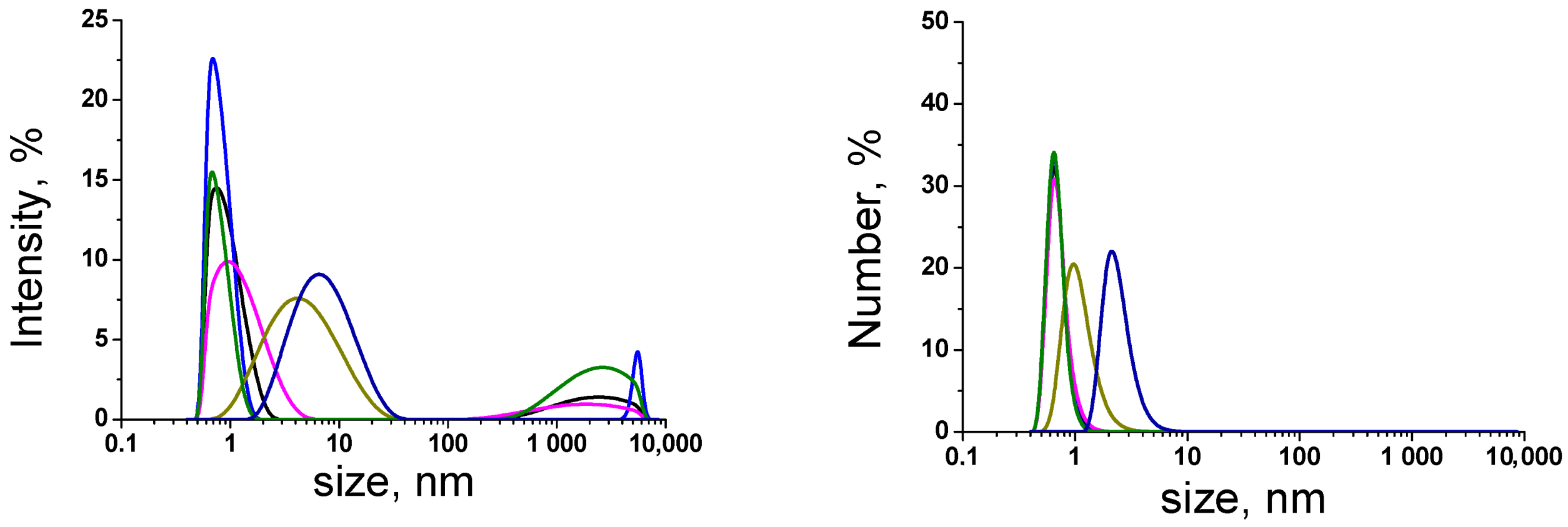
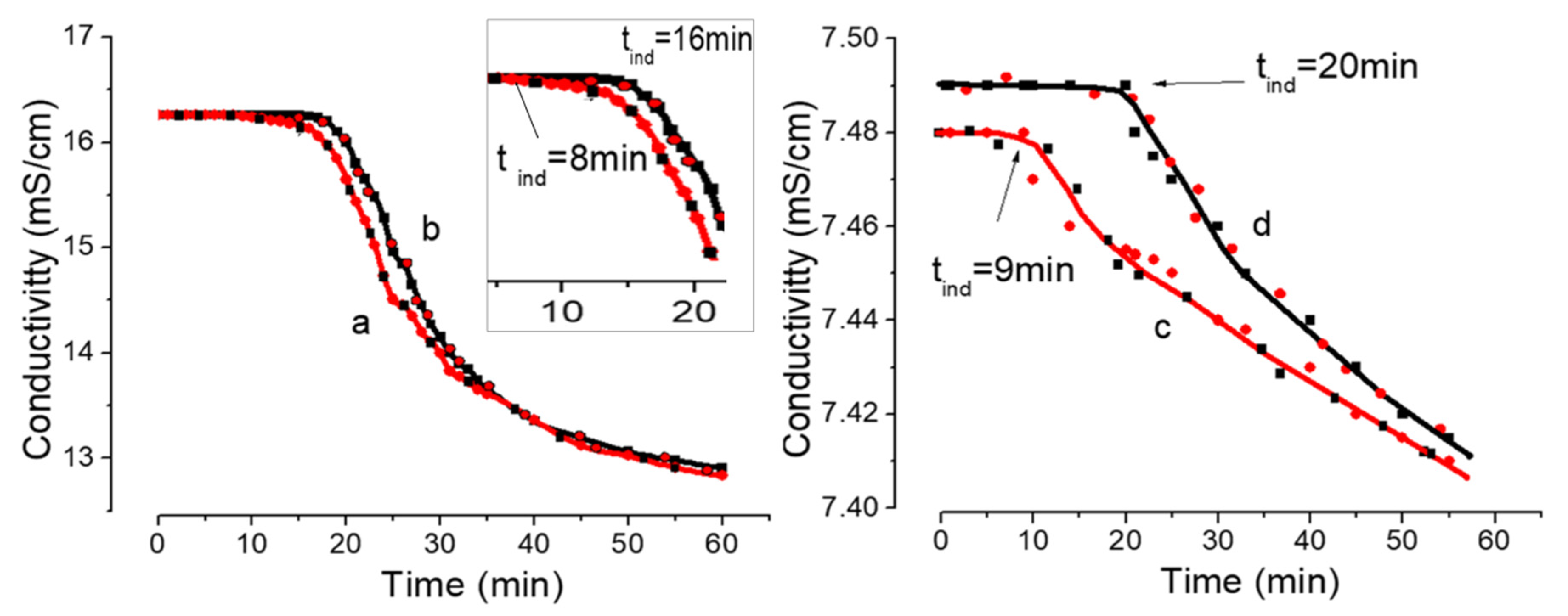
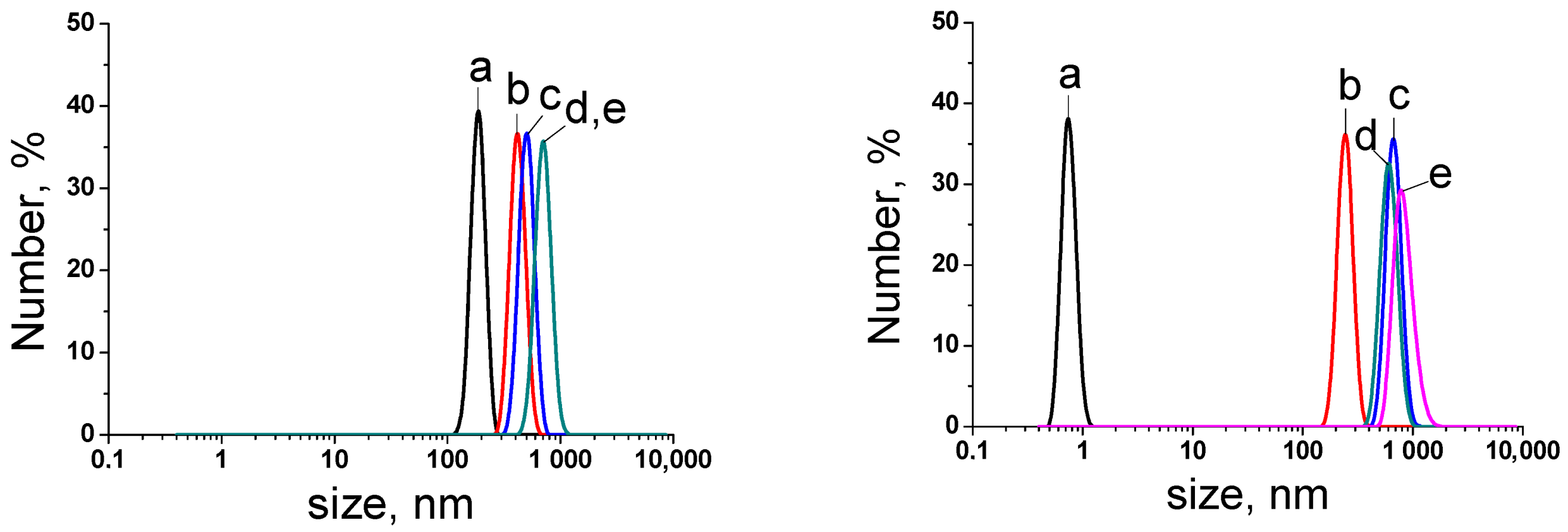
The primary nucleation mechanism of the gypsum in a bulk aqueous medium was identified as a heterogeneous one for 0.05 and 0.03 mol·L−1 CaSO4·2H2O solutions and 25 °C. By means of a particle counter and dynamic light scattering (DLS) technique, solid nano/microimpurities were found, and controlled in stock brines for gypsum supersaturated solutions preparation. It is demonstrated that the common procedure of reagent grade 0.10 mol·L‒1 CaCl2 and Na2SO4 aqueous solutions filtration via 200 nm membranes is capable to reduce the foreign solid microimpurities content (size > 100 nm) from 106 to 103 units in 1 mL, but fails to affect the more numerous nanofraction (size < 100 nm). Thus, the gypsum nucleation takes place in presence of a significant amount of “nano/microcodust” templates, and has a heterogenous character. The induction time, measured by conductivity for the similar supersaturation levels, reveals a well detectable dependence on nano/microdust concentent: an increasing background particle concentration substantially decreases the induction period at a constant saturation state and temperature, and thus increases the nucleation rate. Therefore, the gypsum nucleation reaction starts tentatively through the fast heterogeneous formation of well-defined, primary nuclei via [Ca2+], [SO42‒], and [CaSO4]o species sorption on the surface of “nano/microdust” particles. Thus, the “nano/microdust”, naturally occurring in any high purity chemical, plays a key role in sparingly soluble salts nucleation in the bulk aqueous medium.
Keywords: gypsum nucleation; particle counter; dynamic light scattering; natural nano/microdust impurities; induction time; conductivity gypsum nucleation; particle counter; dynamic light scattering; natural nano/microdust impurities; induction time; conductivity