Article

Origin and Evolution of Ore-Forming Fluid and Gold-Deposition Processes at the Sanshandao Gold Deposit, Jiaodong Peninsula, Eastern China

1
State Key Laboratory of Geological Processes and Mineral Resources, China University of Geosciences, Beijing 100083, China
2
Shandong Institute of Geological Sciences, Shandong Key Laboratory of Geological Processes and Resource Utilization in Metallic Minerals, Key Laboratory of Gold Mineralization Processes and Resources Utilization Subordinated to the Ministry of Land and Resources, Jinan 250013, China
3
Sanshandao Gold Company, Shandong Gold Mining Stock Co., Ltd., Laizhou 261442, China
*
Author to whom correspondence should be addressed.
Minerals 2019, 9(3), 189; https://doi.org/10.3390/min9030189
Submission received: 14 January 2019 / Revised: 3 March 2019 / Accepted: 7 March 2019 / Published: 19 March 2019
(This article belongs to the Special Issue Polymetallic Metallogenic System)

Abstract

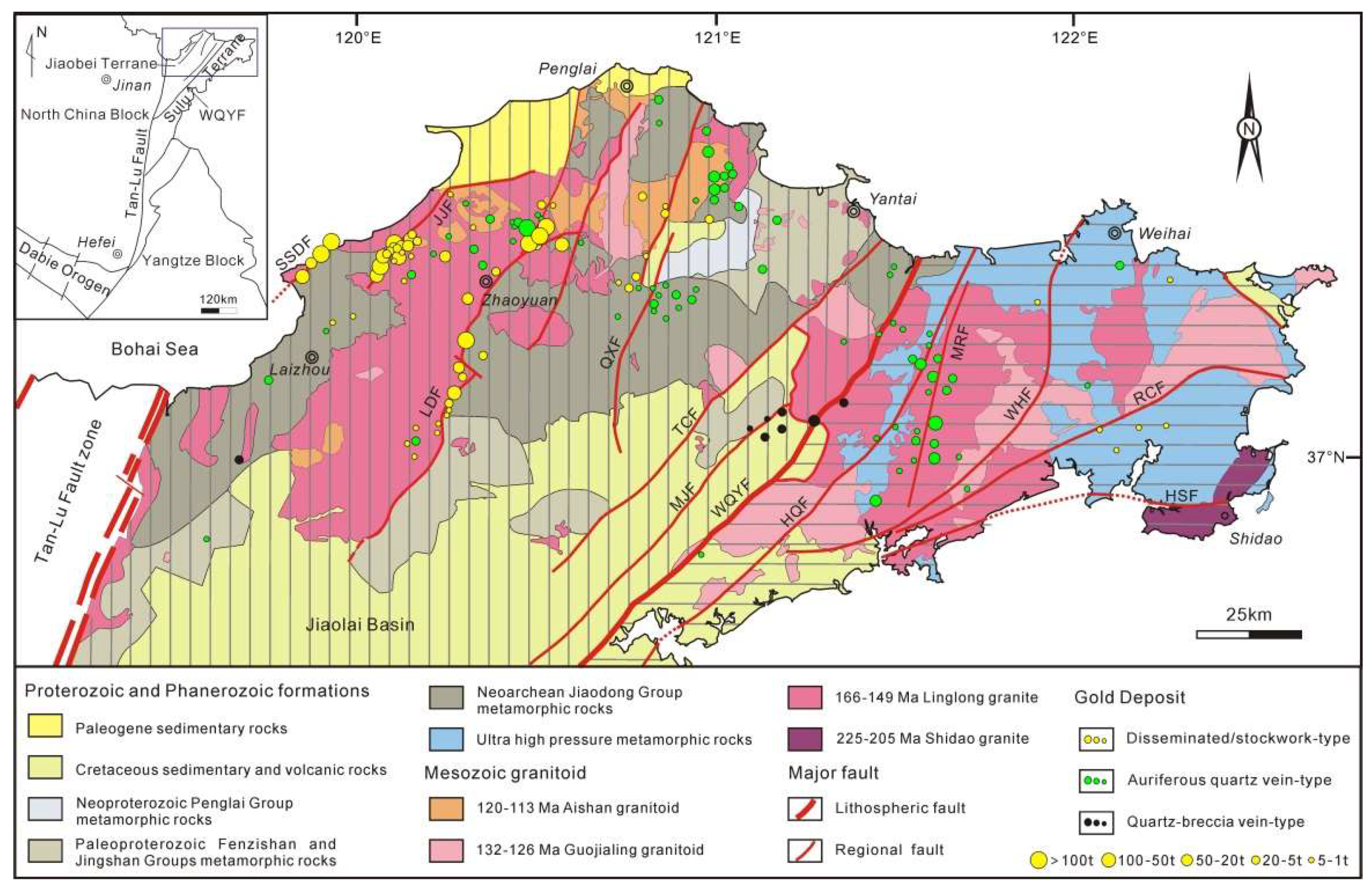
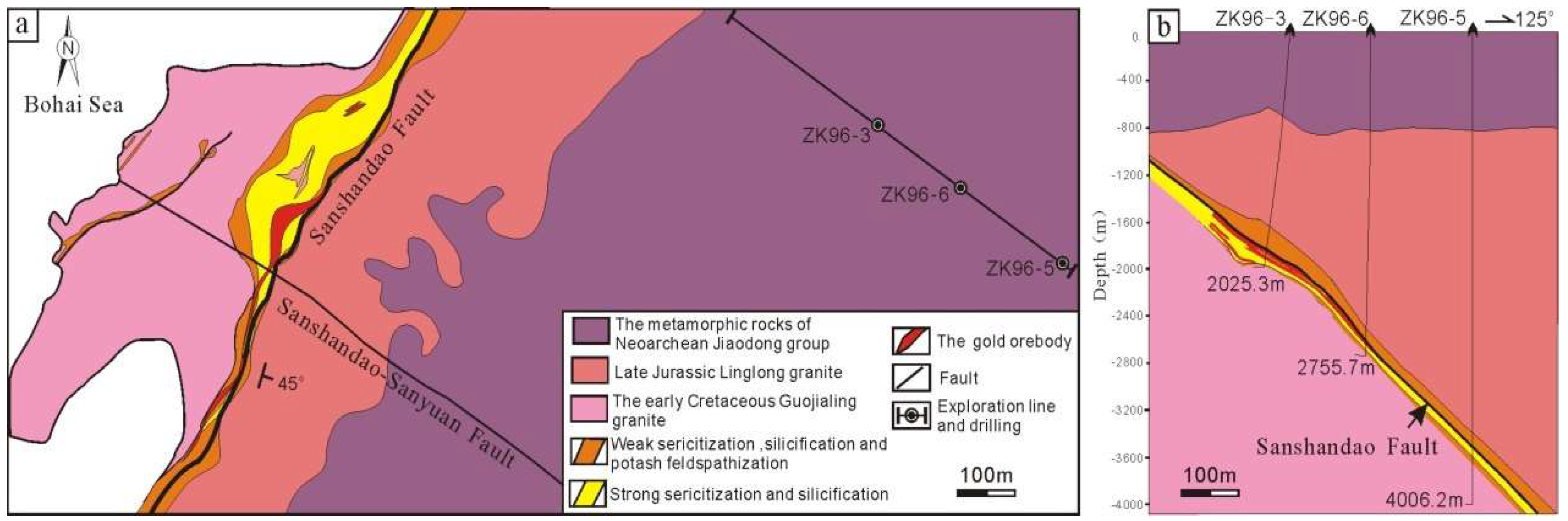
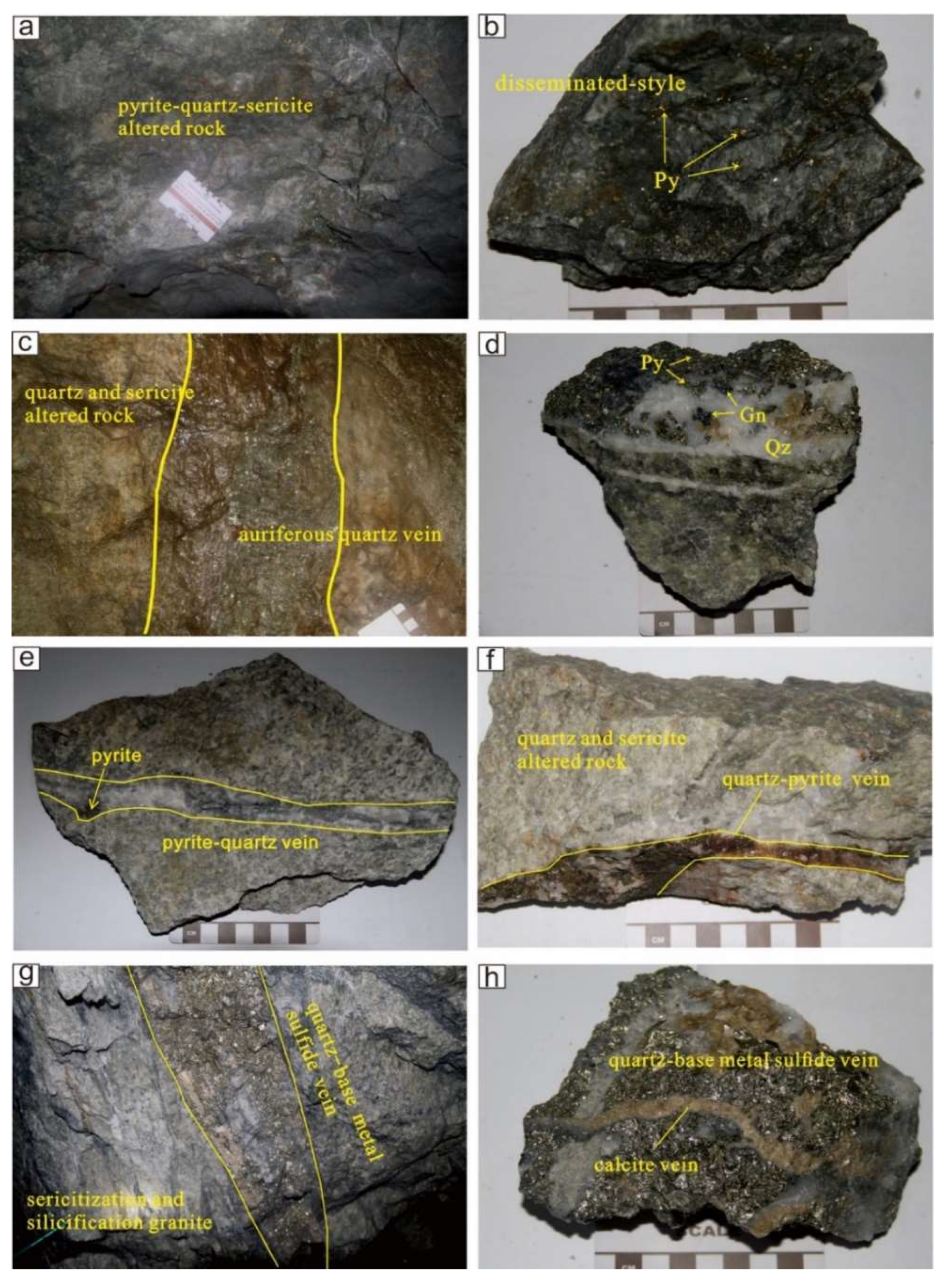
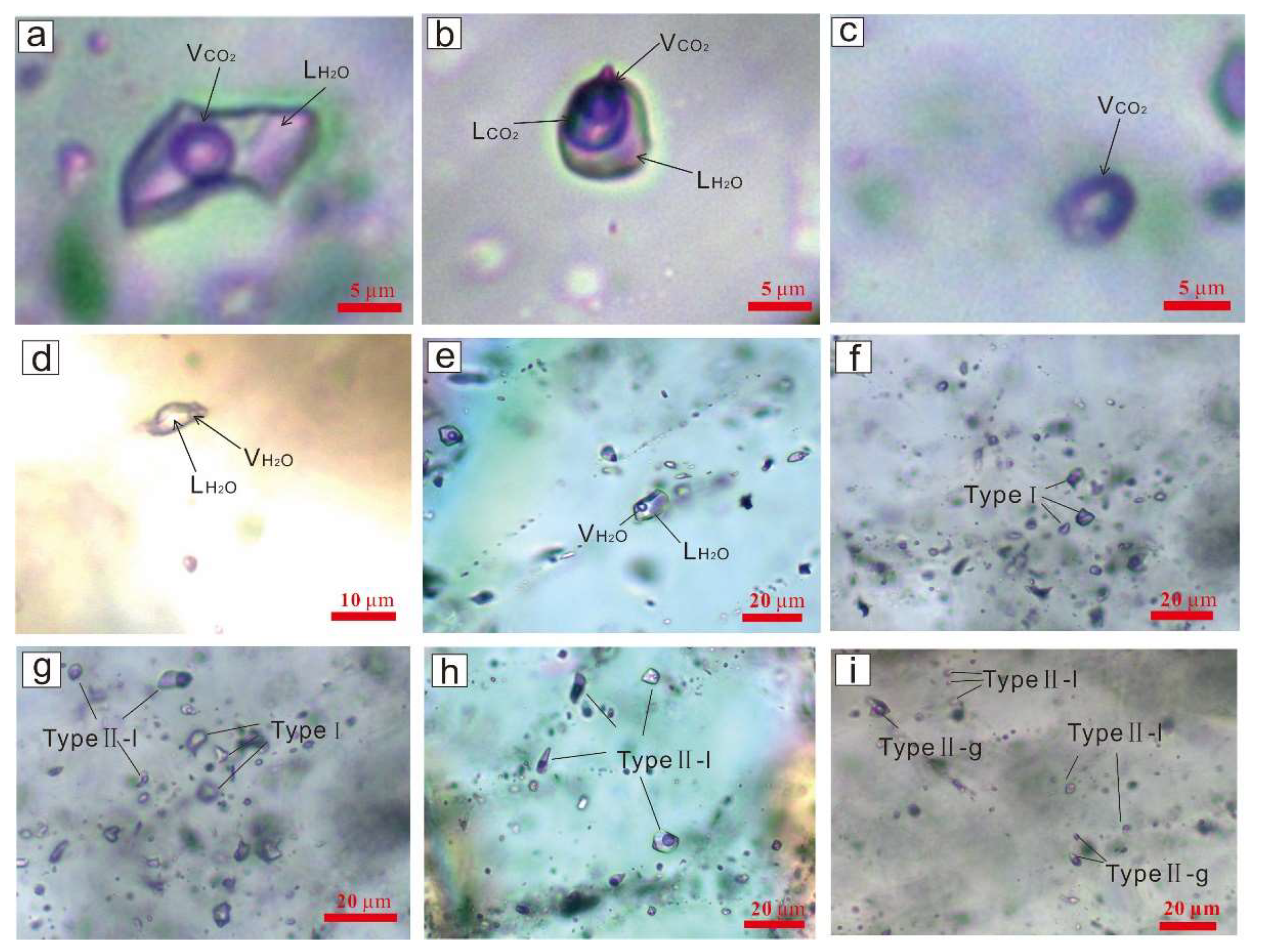
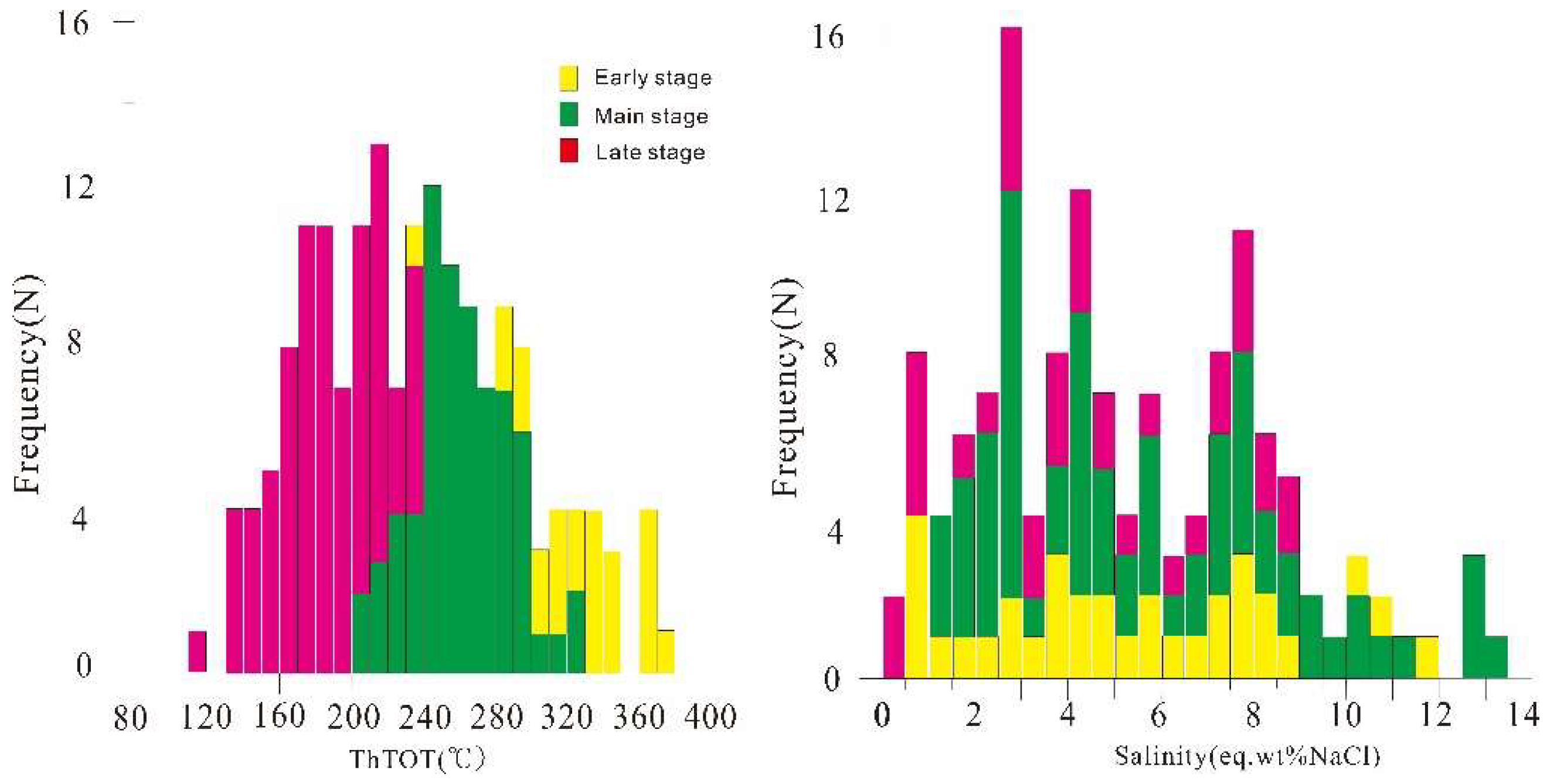
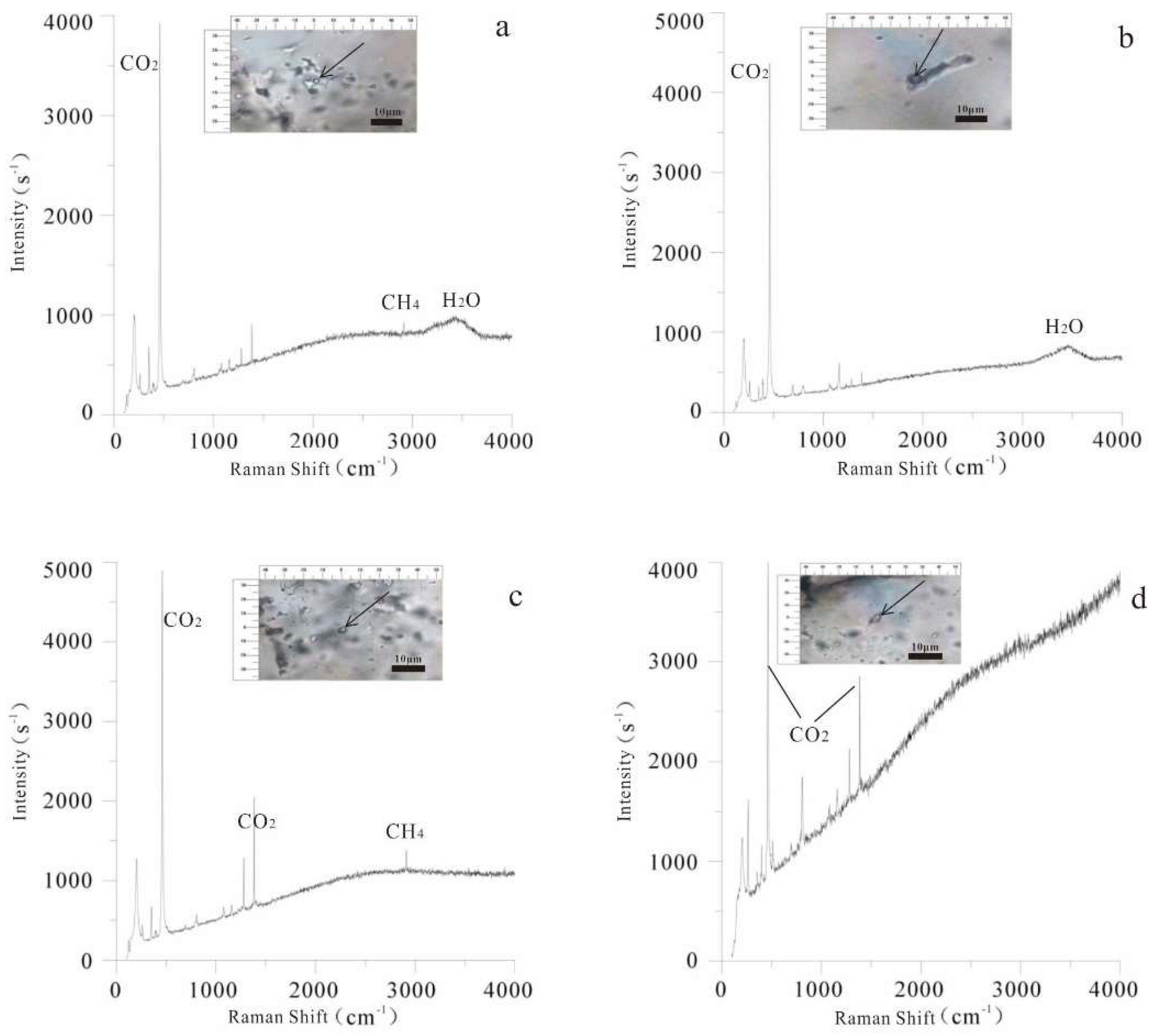
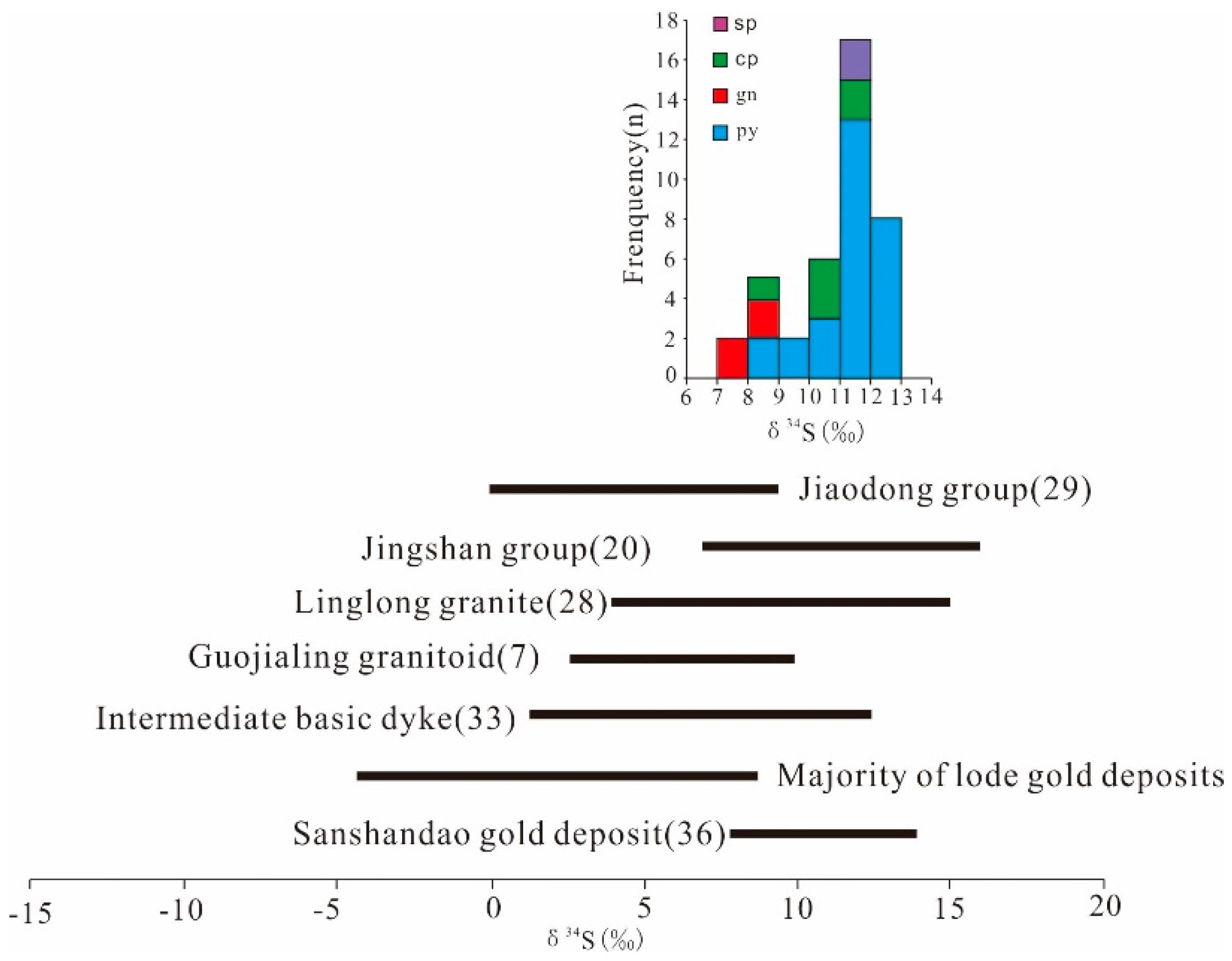
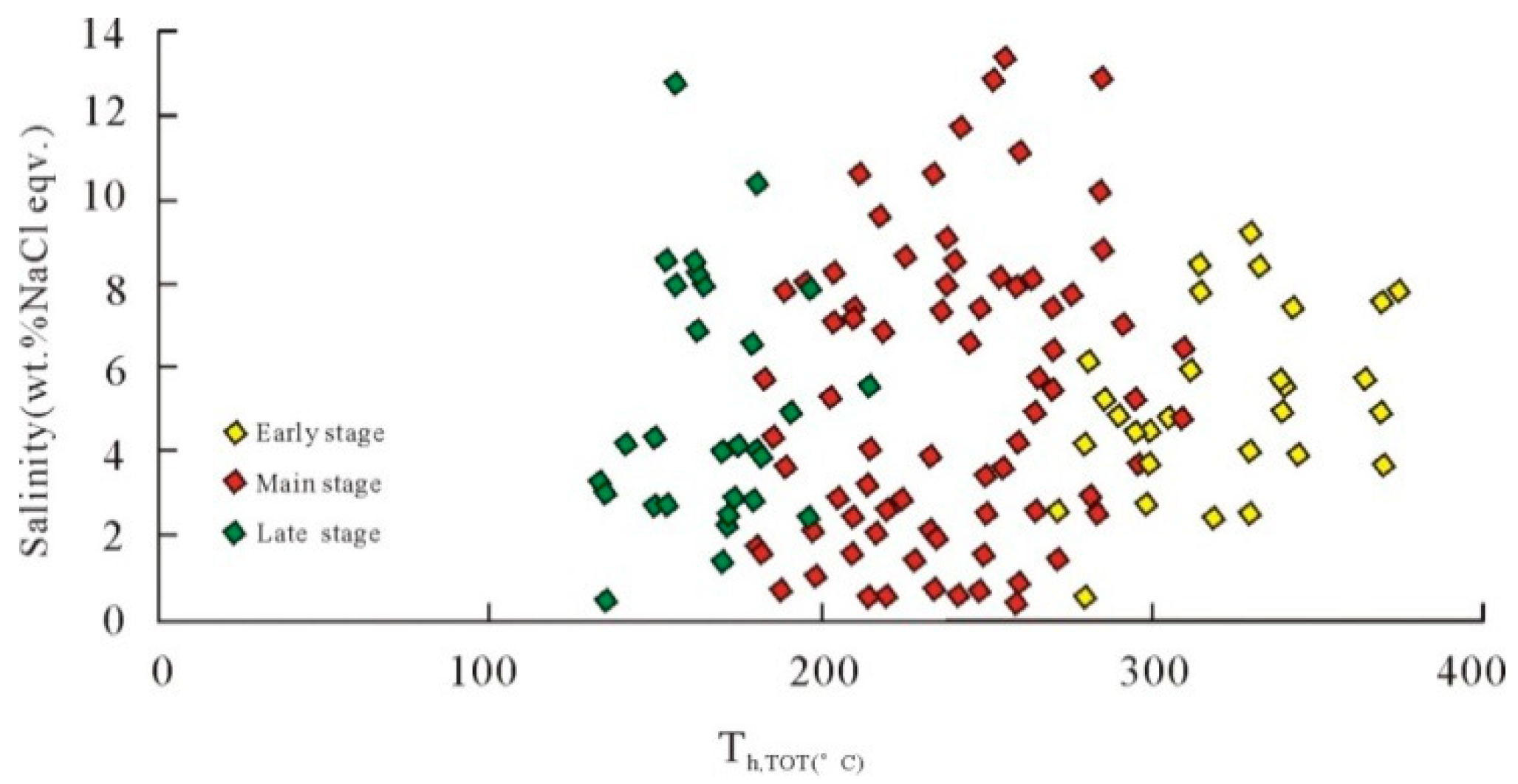
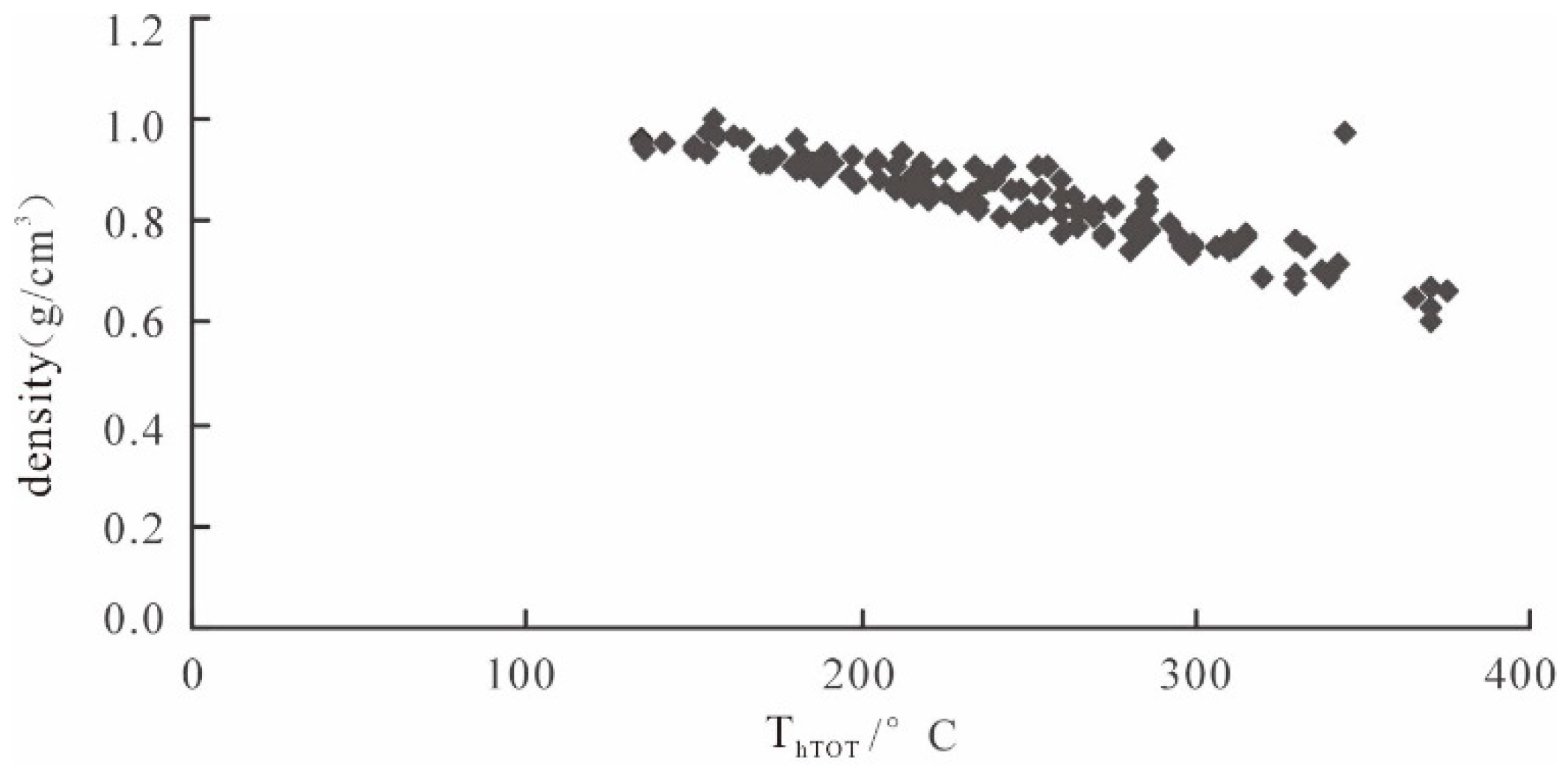
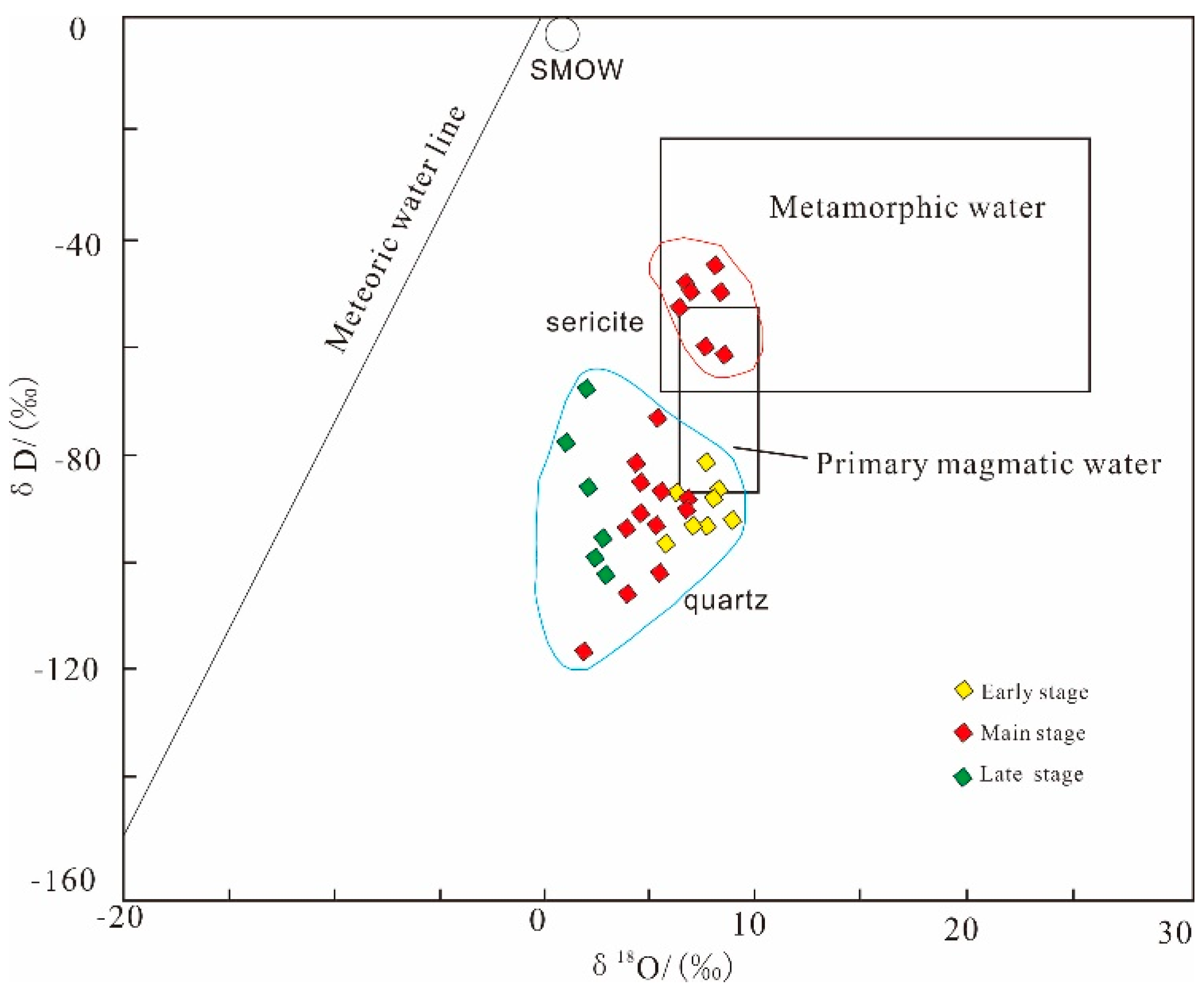
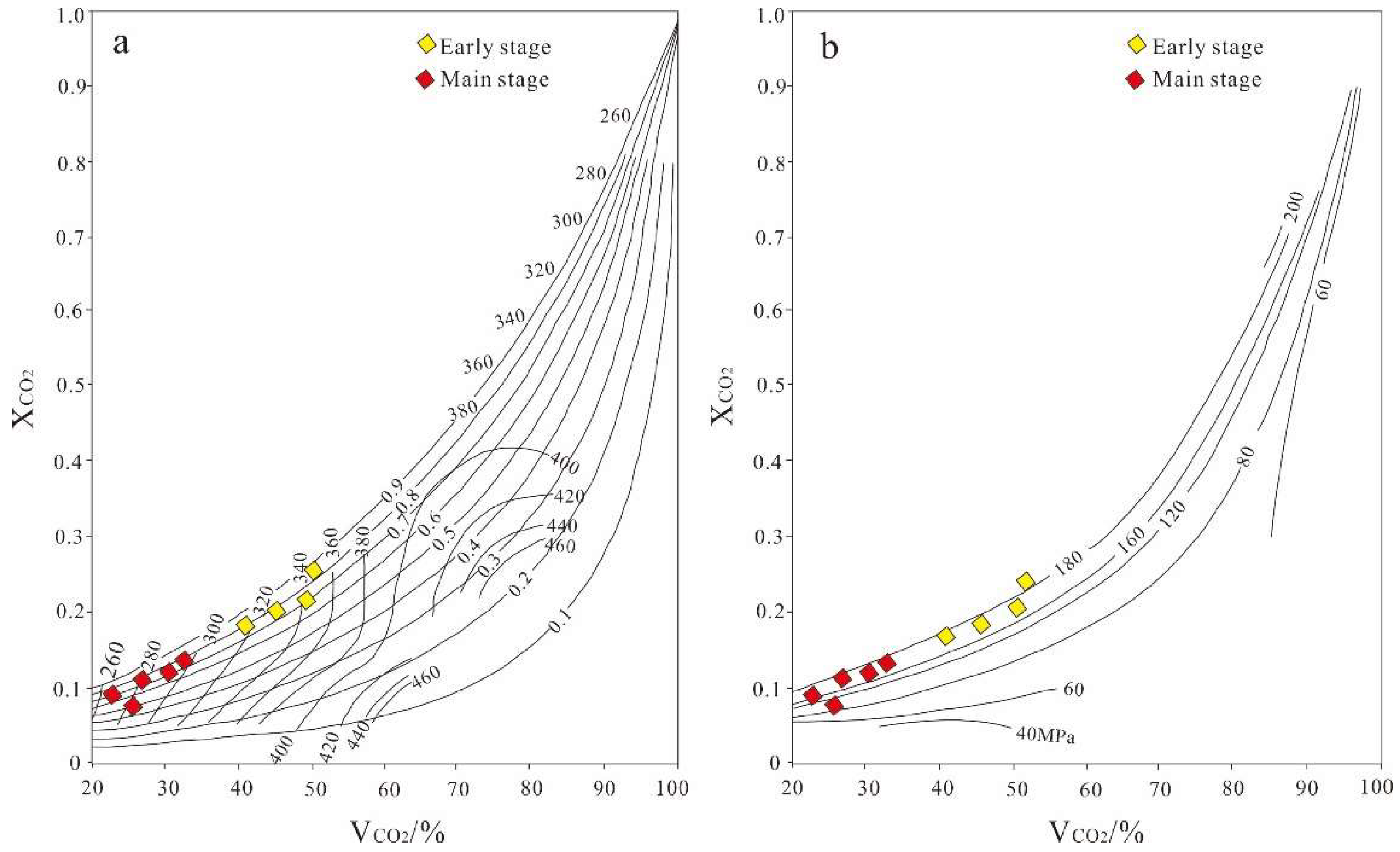
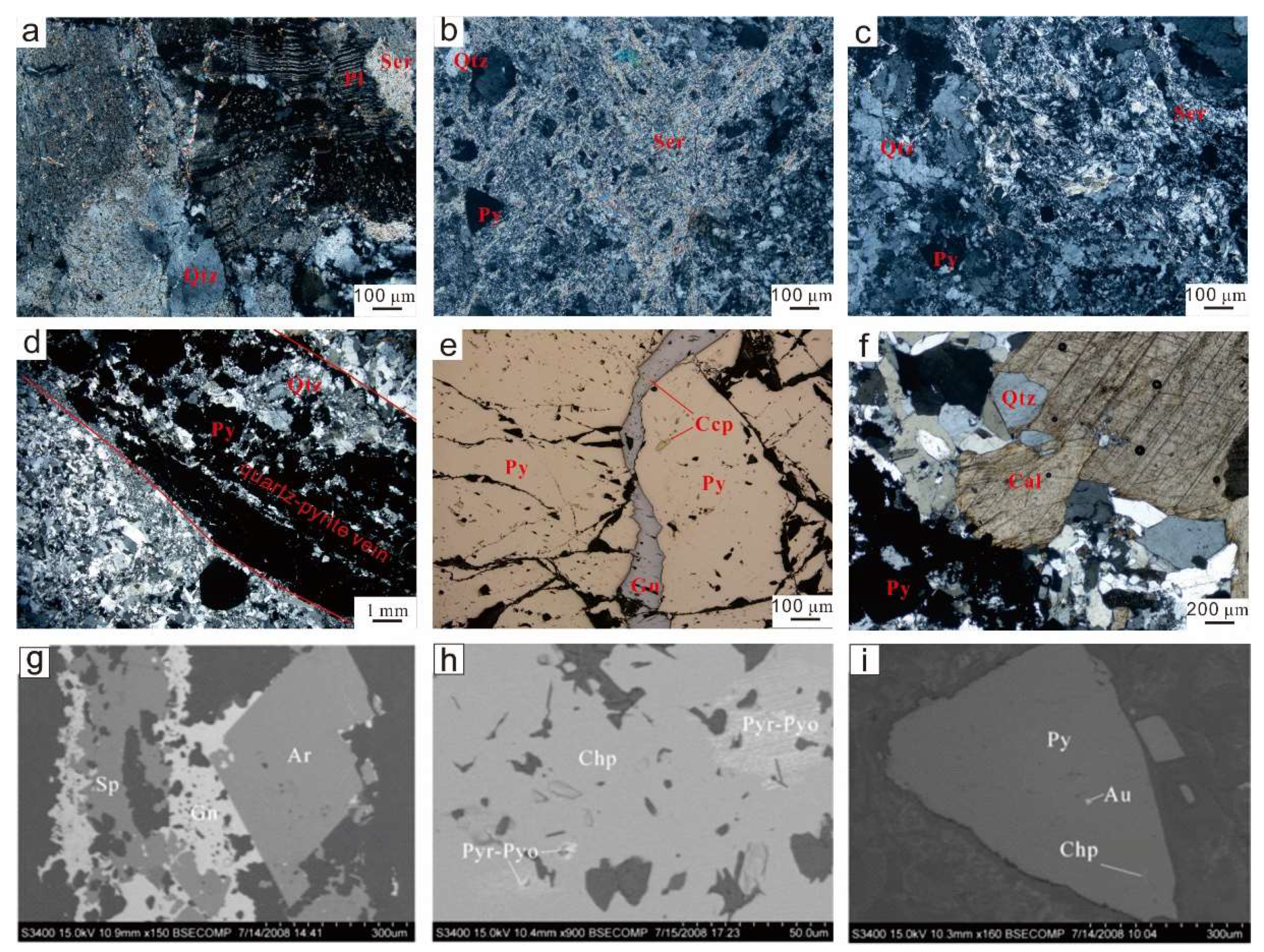
The Early Cretaceous Sanshandao gold deposit, the largest deposit in the Sanshandao-Cangshang goldfield, is located in the northwestern part of the Jiaodong peninsula. It is host to Mesozoic granitoids and is controlled by the north by northeast (NNE) to northeast (NE)-trending Sanshandao-Cangshang fault. Two gold mineralizations were identified in the deposit’s disseminated and stockwork veinlets and quartz–sulfide veins, which are typically enveloped by broad alteration selvages. Based on the cross-cutting relationships and mineralogical and textural characteristics, four stages have been identified for both styles of mineralization: Pyrite–quartz (stage 1), quartz–pyrite (stage 2), quartz–pyrite–base metal–sulfide (stage 3), and quartz–carbonate (stage 4), with gold mainly occurring in stages 2 and 3. Three types of fluid inclusion have been distinguished on the basis of fluid-inclusion assemblages in quartz and calcite from the four stages: Pure CO2 gas (type I), CO2–H2O inclusions (type II), and aqueous inclusions (type III). Early-stage (stage 1) quartz primary inclusions are only type II inclusions, with trapping at 280–400 °C and salinity at 0.35 wt %–10.4 wt % NaCl equivalent. The main mineralizing stages (stages 2 and 3) typically contain primary fluid-inclusion assemblages of all three types, which show similar phase transition temperatures and are trapped between 210 and 320 °C. The late stage (stage 4) quartz and calcite contain only type III aqueous inclusions with trapping temperatures of 150–230 °C. The δ34S values of the hydrothermal sulfides from the main stage range from 7.7‰ to 12.6‰ with an average of 10.15‰. The δ18O values of hydrothermal quartz mainly occur between 9.7‰ and 15.1‰ (mainly 10.7‰–12.5‰, average 12.4‰); calculated fluid δ18O values are from 0.97‰ to 10.79‰ with a median value of 5.5‰. The δDwater values calculated from hydrothermal sericite range from −67‰ to −48‰. Considering the fluid-inclusion compositions, δ18O and δD compositions of ore-forming fluids, and regional geological events, the most likely ultimate potential fluid and metal would have originated from dehydration and desulfidation of the subducting paleo-Pacific slab and the subsequent devolatilization of the enriched mantle wedge. Fluid immiscibility occurred during the main ore-forming stage due to pressure decrease from the early stage (165–200 MPa) to the main stage (90–175 MPa). Followed by the changing physical and chemical conditions, the metallic elements (including Au) in the fluid could no longer exist in the form of complexes and precipitated from the fluid. Water–rock sulfidation and pressure fluctuations, with associated fluid unmixing and other chemical changes, were the two main mechanisms of gold deposition.
Keywords: fluid inclusion; stable isotopes; gold deposition; Sanshandao gold deposit; Jiaodong fluid inclusion; stable isotopes; gold deposition; Sanshandao gold deposit; Jiaodong