Article

The Moroccan Massive Sulphide Deposits: Evidence for a Polyphase Mineralization


1
Geology Department, Cadi Ayyad University, BP. 2390, Marrakech 40000, Morocco
2
British Geological Survey, The Lyell Centre Research Avenue South, Edinburgh EH14 4AP, UK
3
Instituto de Geociencias (IGEO, CSIC-UCM), Calle Dr Severo Ochoa, 7, 28040 Madrid, Spain
4
Managem Group, BP. 5199, Casablanca 20100, Morocco
*
Author to whom correspondence should be addressed.
Minerals 2019, 9(3), 156; https://doi.org/10.3390/min9030156
Submission received: 28 January 2019 / Revised: 20 February 2019 / Accepted: 3 March 2019 / Published: 6 March 2019
(This article belongs to the Special Issue Massive Sulfide Deposits all around the World)

Abstract

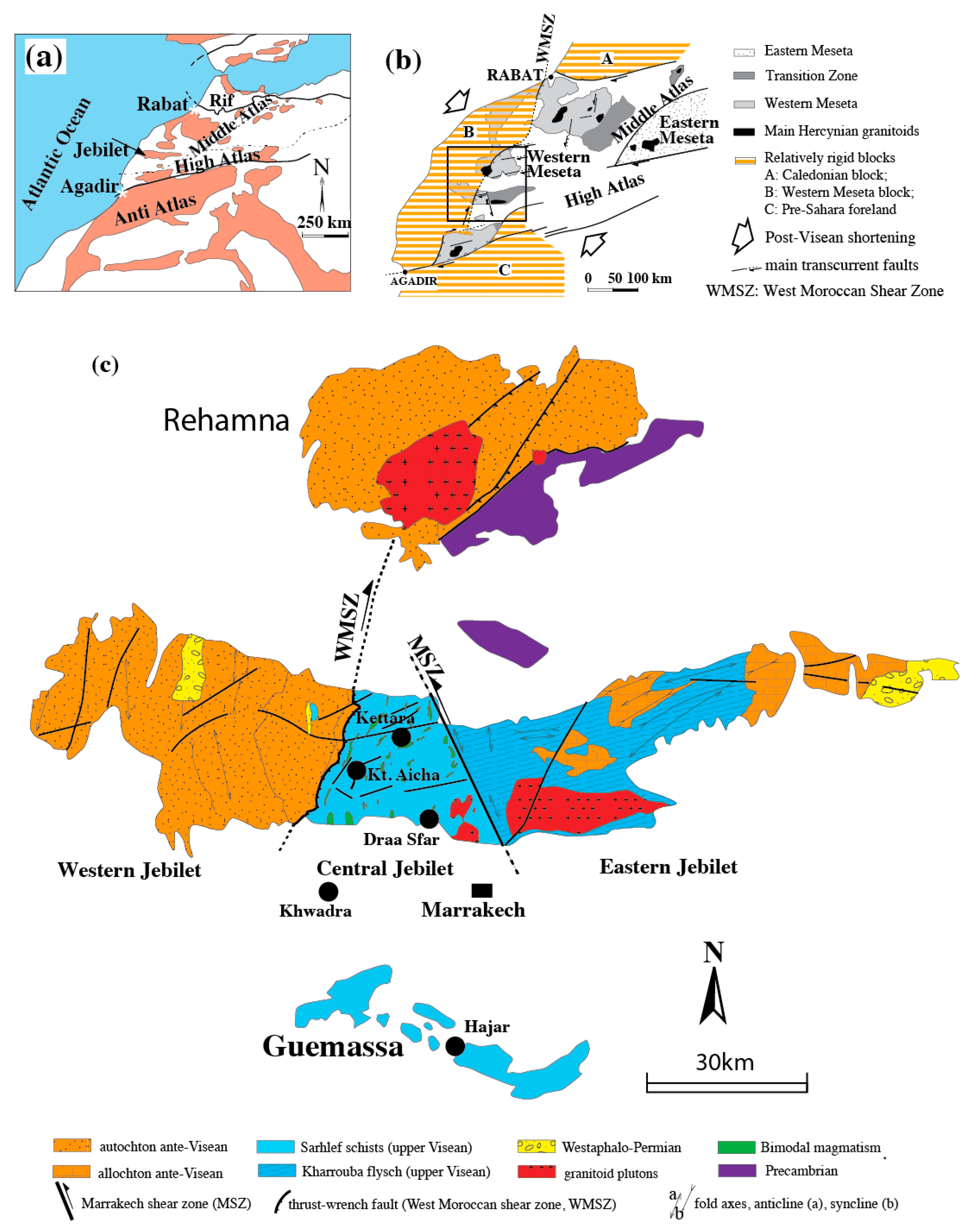
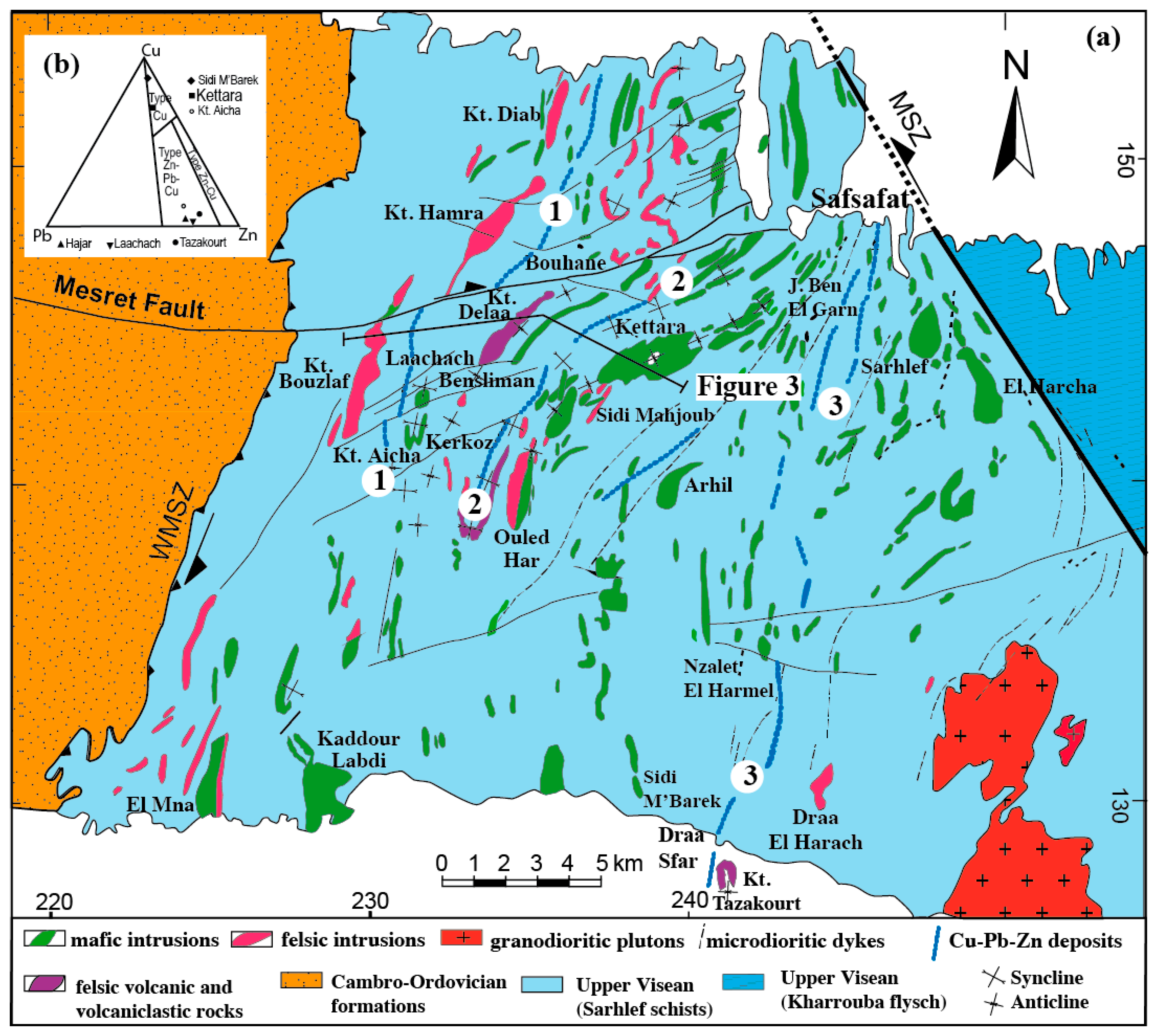
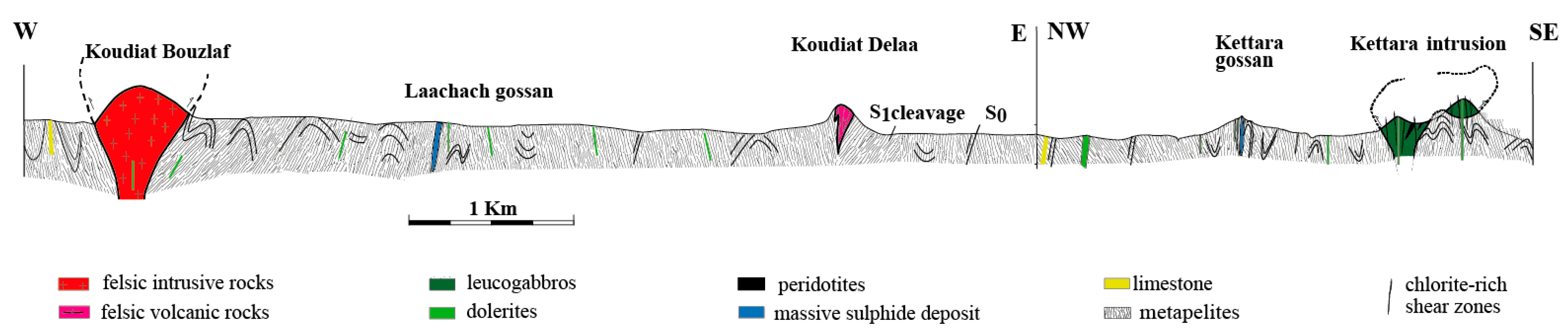
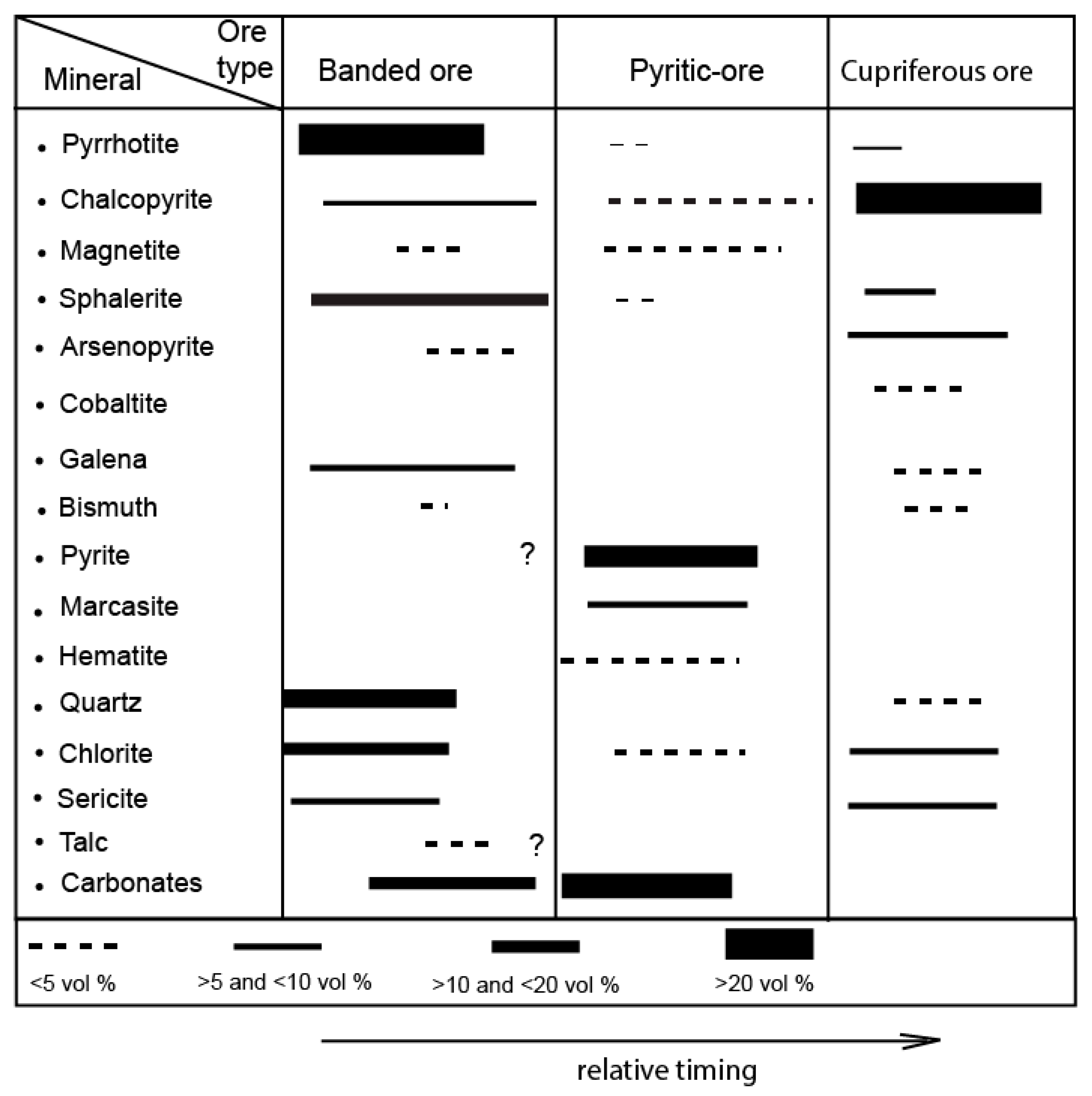
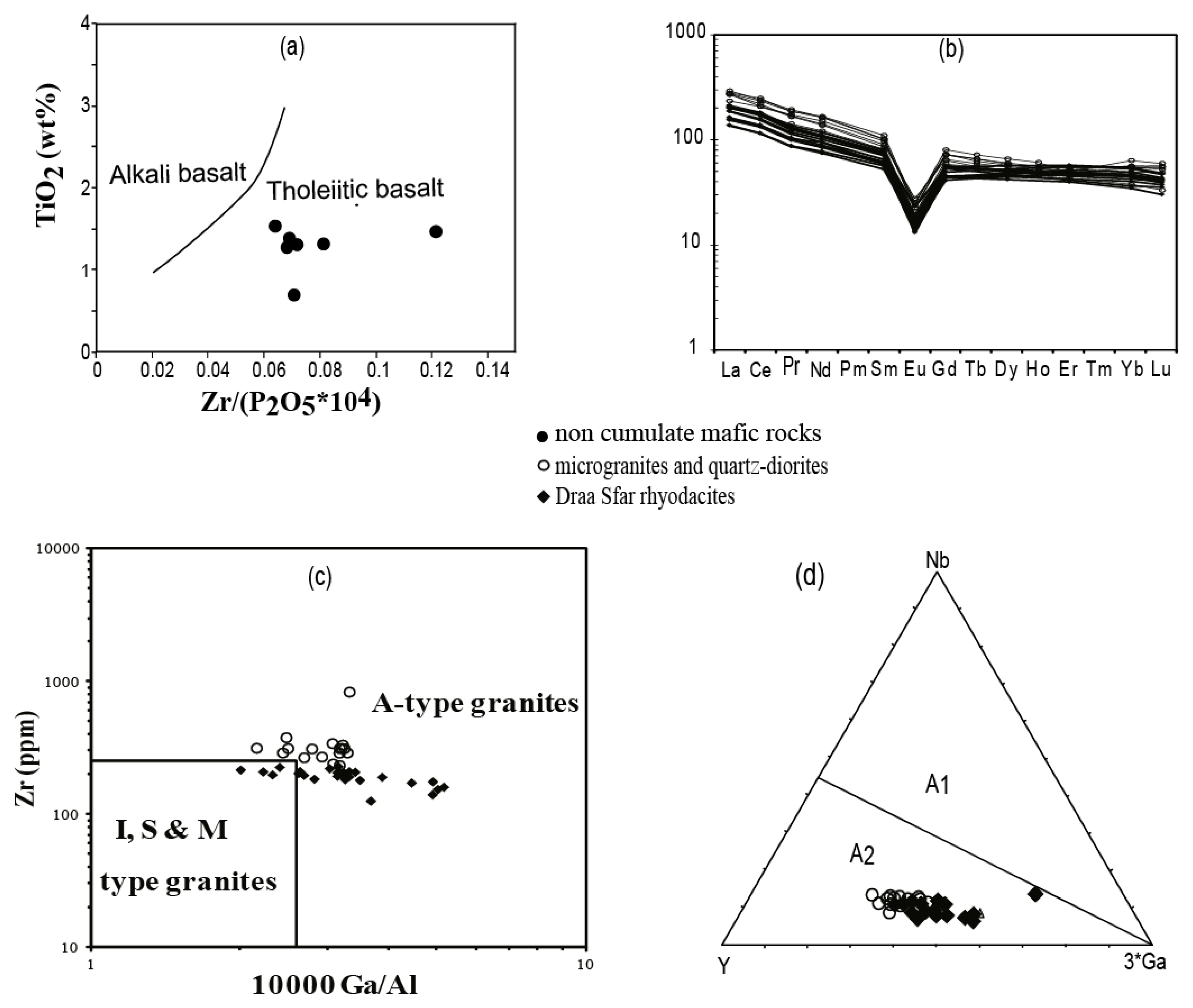
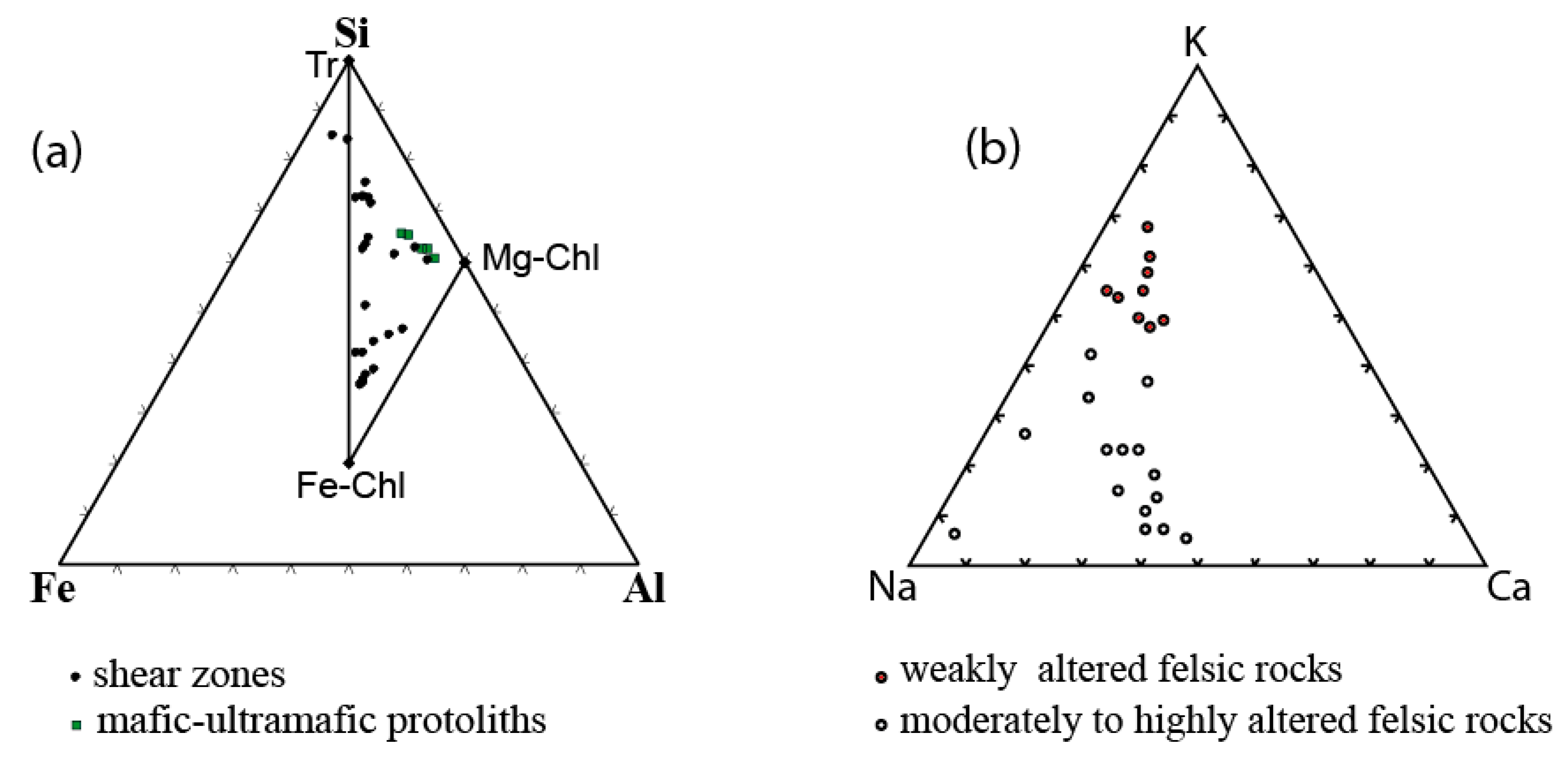
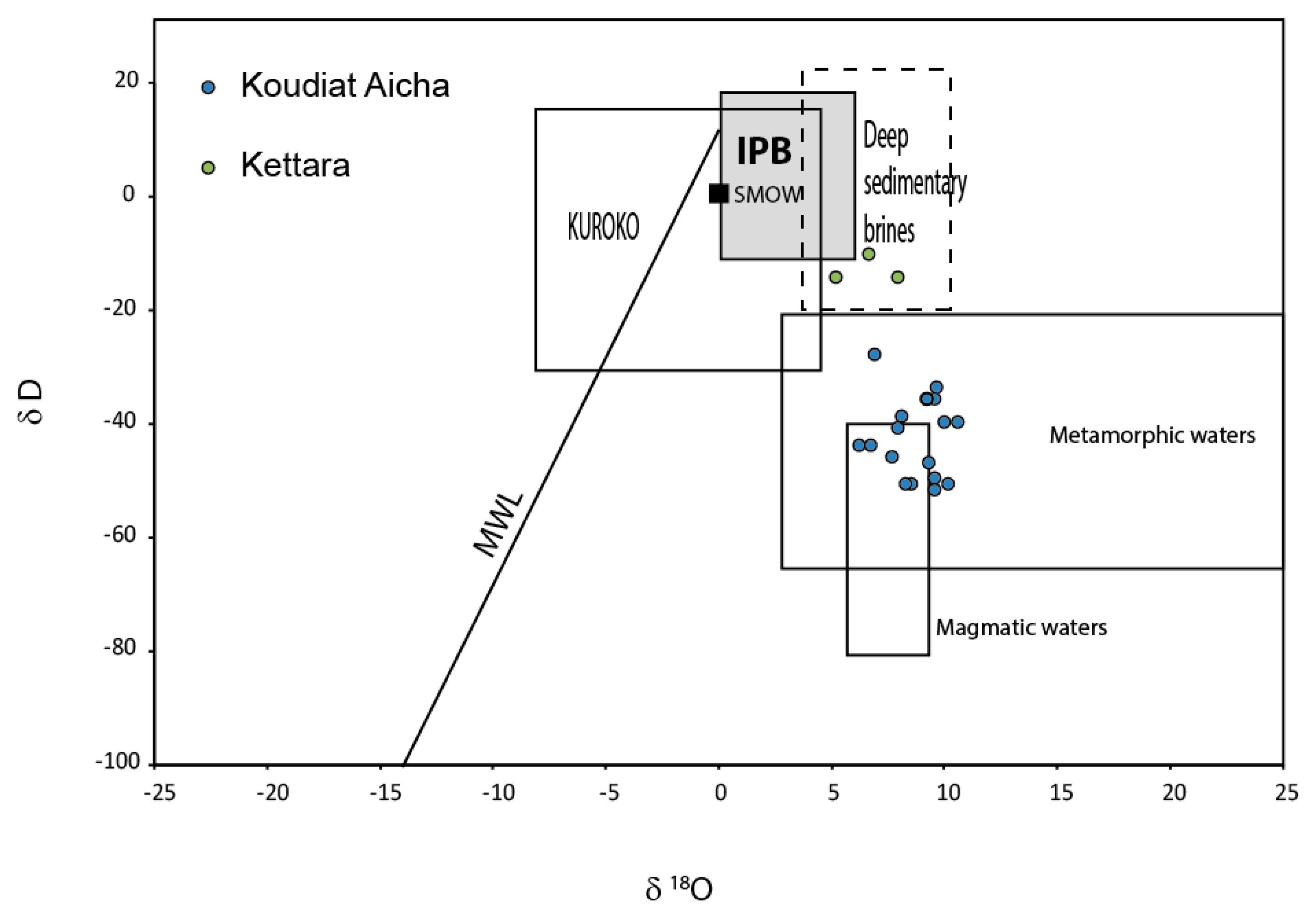
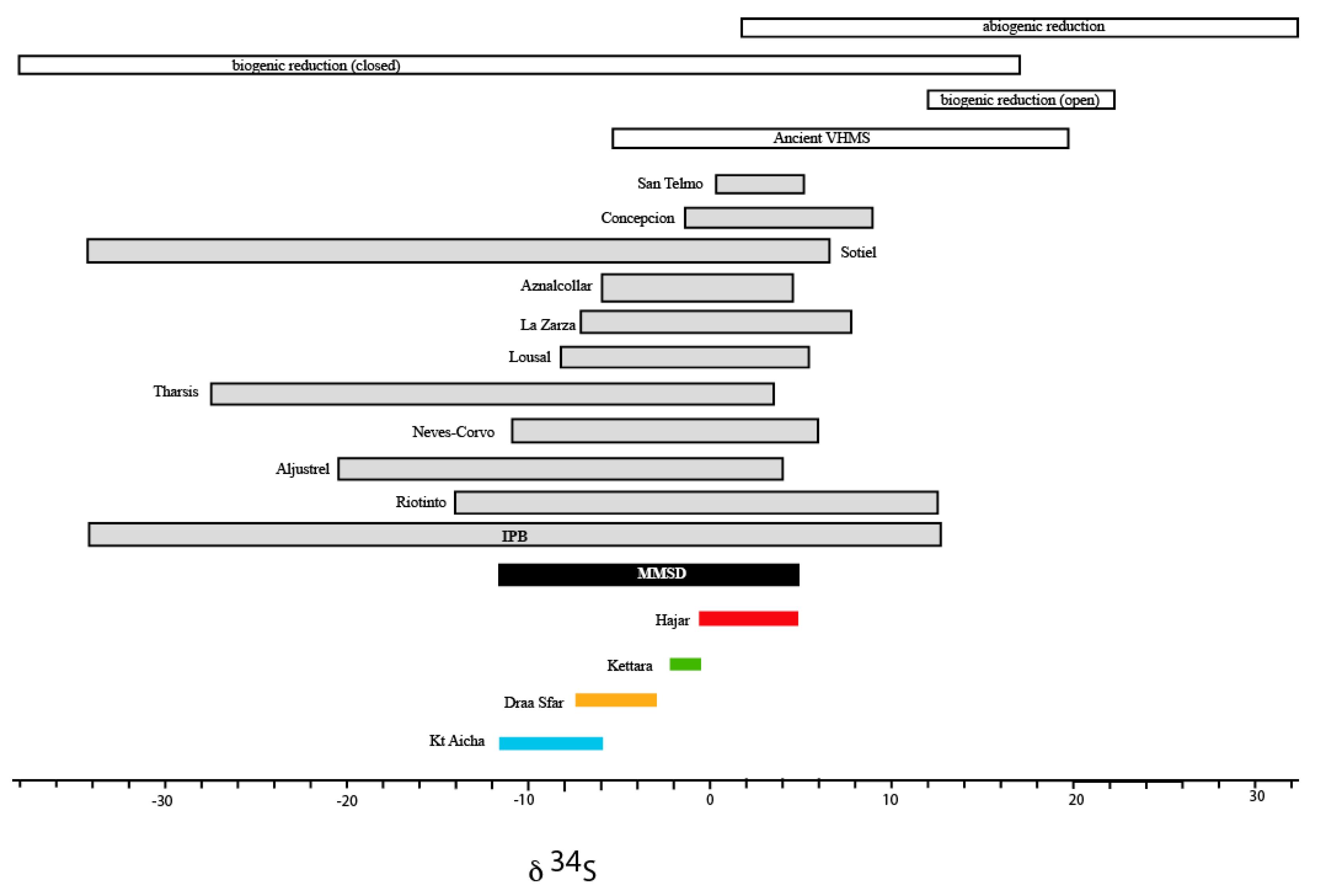
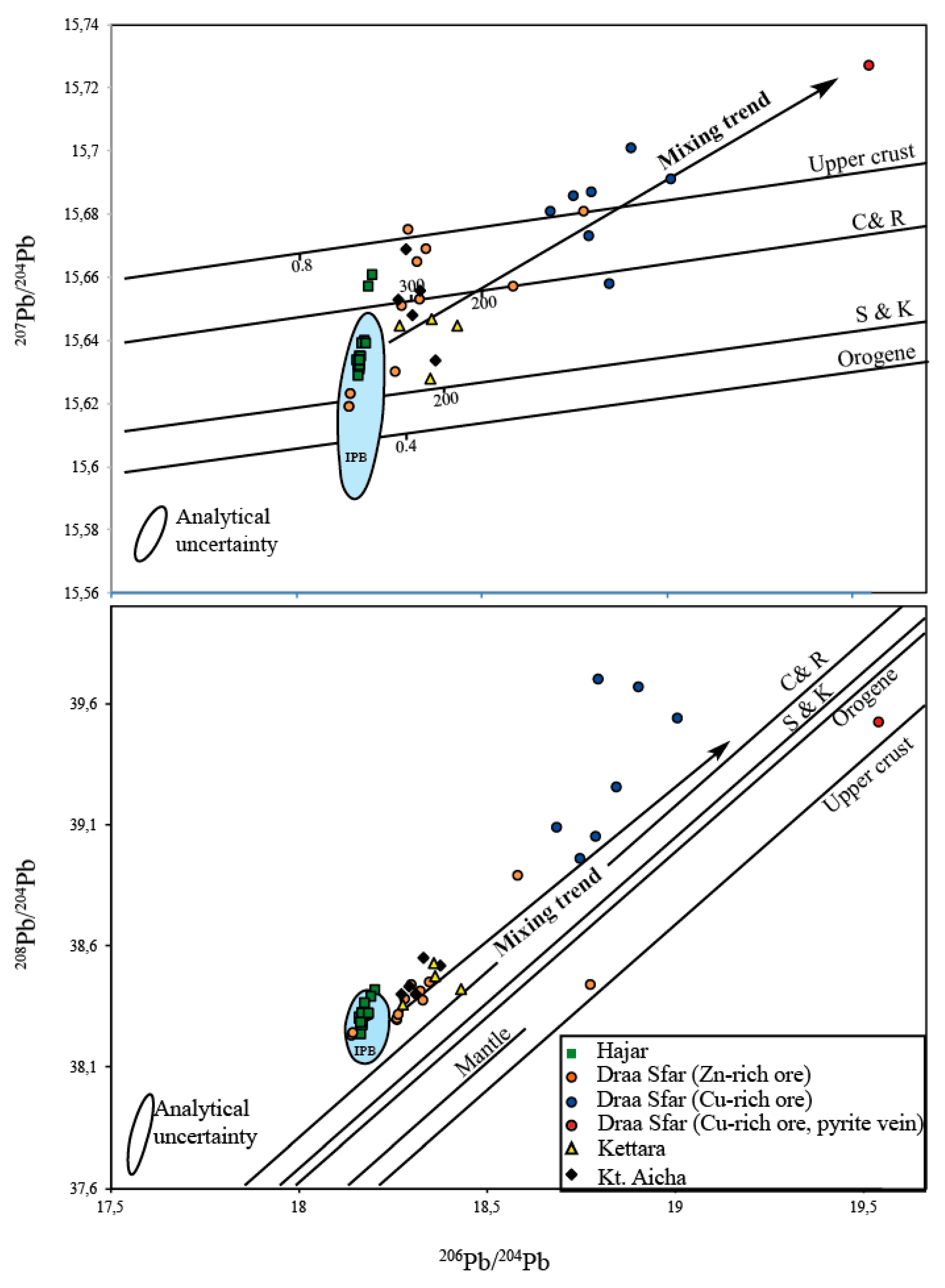
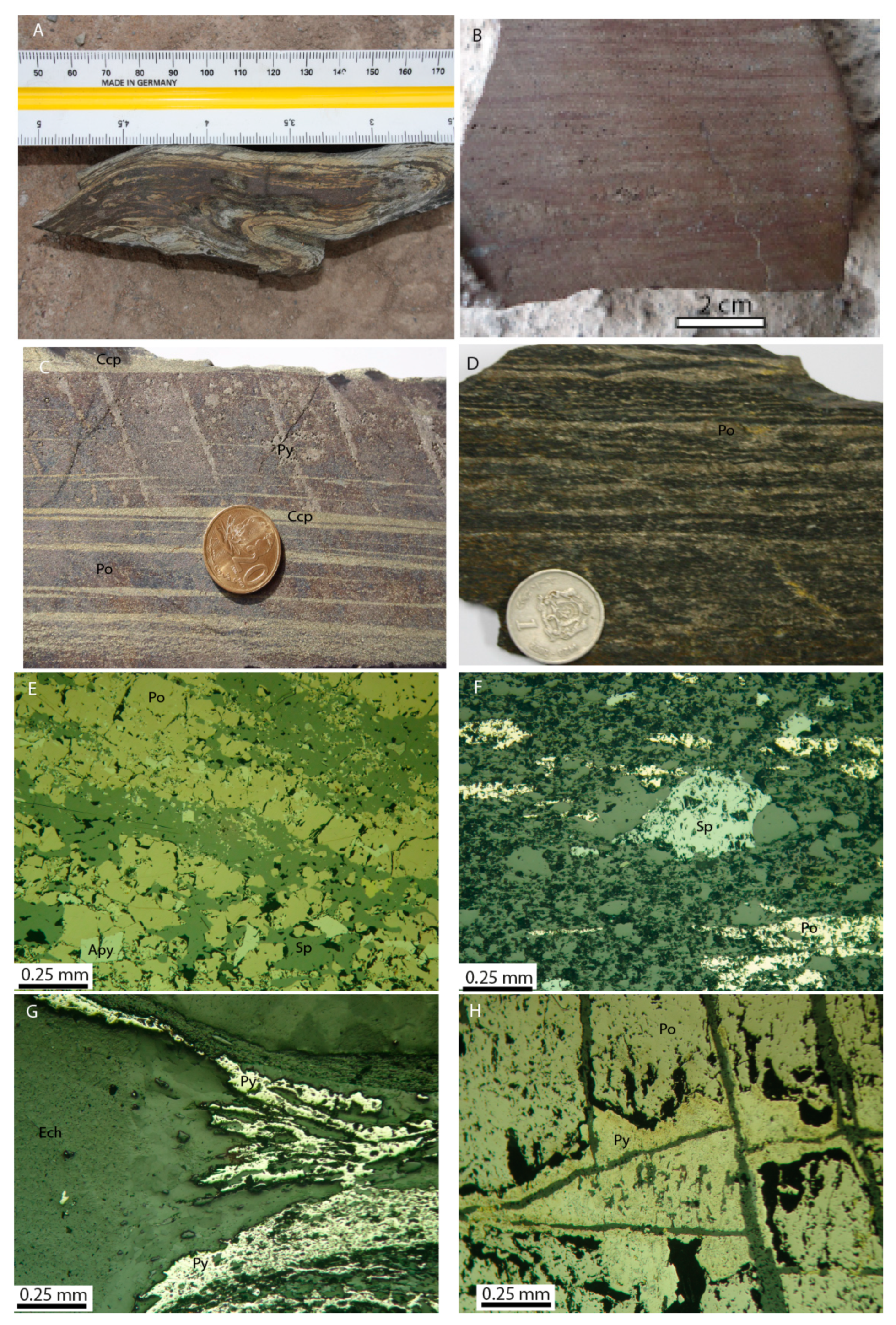
This work provides an overview of the geological, geochemical, and metallogenic data available up to date on the Moroccan massive sulphide deposits, including some new results, and then discusses the evidences for the epigenetic and syngenetic hypotheses. All of the ore deposits are located within a crustal block located at the intersection between two major shear zones and are characterized by a sustained and long-lived magmatic activity. The ore deposits are located within second-order shear zones, which played an important role in controlling the geometry of the mineralization. The mineralization lacks the unequivocal textural and structural features that are indicative of a sedimentary or diagenetic origin, and a syntectonic to late-tectonic pyrite-rich assemblage is superimposed on an earlier, pretectonic to syntectonic pyrrhotite-rich mineralization. Each deposit has a distinctive pyrrhotite sulfur isotopic signature, while the sulfur isotopic signature of pyrite is similar in all deposits. Lead isotopes suggest a shift from a magmatic source during the pyrrhotite-rich mineralization to a source that is inherited from the host shales during the pyrite-rich mineralization. The O/H isotopic signatures record a predominance of fluids of metamorphic derivation. These results are consistent with a model in which an earlier pyrrhotite-rich mineralization, which formed during transtension, was deformed and then remobilized to pyrite-rich mineralization during transpression.
Keywords: polymetallic massive sulphide deposits; shear zones; geochemistry; Moroccan Meseta; Hercynian polymetallic massive sulphide deposits; shear zones; geochemistry; Moroccan Meseta; Hercynian