


Abstract
Submarine volcanic-hosted iron oxide deposits are critical archives for reconstructing the interplay between hydrothermal activities and marine redox conditions, yet the genesis of these deposits remains controversial. Here, we present a comprehensive geochronological and geochemical study on the Shikebutai iron deposit in the Western Tianshan, northwestern China, to constrain the mineralization age, the source of iron, and deposit genesis. The stratiform-to-lenticular orebodies are hosted within the Late Carboniferous marine volcanic–sedimentary sequence of the Yishijilike Formation. The iron ores consist primarily of hematite and quartz, with minor siderite and barite, exhibiting massive to locally banded textures. SHRIMP zircon U-Pb dating of the overlying andesite yields an age of 315.8 ± 1.5 Ma, consistent with the Sm–Nd isochron age of the iron ore samples (319 ± 26 Ma), precisely constraining the mineralization age to the Late Carboniferous (ca. 315–320 Ma). The geochemical compositions of the iron ore samples indicate negligible syn-depositional detrital contamination, as evidenced by low Al2O3 (<1.00 wt%) and TiO2 (<0.20 wt%) contents. Low abundances of trace elements, including Sr (0.33–31.18 ppm), Hf (0.05–1.77 ppm) and Rb (1.49–39.02 ppm), further support the minimal detrital influence. Geochemical signatures, such as pronounced positive Eu anomalies (Eu/Eu = 1.62–7.12, mean 4.14), LREE enrichment ((La/Yb) (PAAS) = 0.58–4.78), and near-chondritic Y/Ho ratios (mean 28.5), suggest a significant high-temperature (>250 °C) hydrothermal contribution. Moreover, the εNd(t) values of iron ore samples (+1.99 to +2.93) are comparable to those of coeval andesites (+2.75 to +3.44) but exceed those of associated metasiltstones (+0.41 to +0.95), suggesting that ore-forming materials were derived from hydrothermal fluids leaching juvenile crust. The Shikebutai iron deposit exhibits geochemical and mineralogical similarities to modern Red Sea and East Pacific Rise metalliferous sediments, establishing the deposit as a product of active vent-proximal hydrothermal systems rather than marine chemical sediments such as banded iron formations.
1. Introduction
Marine Fe(III) oxyhydroxide sediments related to hydrothermal activity are widespread in modern seafloor settings [1,2,3,4]. Some ancient stratiform submarine volcanic–hydrothermal sedimentary Fe-oxide deposits, composed predominantly of hematite, are considered to be chemical sedimentary rocks that exhibit similarities to these modern Fe(III) oxyhydroxide precipitates [5,6,7,8]. Marine Fe-oxide deposits represent critical geochemical archives that can be utilized to reconstruct iron sources [9,10,11,12]. Representative examples include the Middle to Late Devonian Lahn-Dill-type iron deposit in the Rhenish Massif of Germany [13,14], the Ordovician iron ores hosted in the Løkken ophiolite of central Norway [9], and the Mesoproterozoic Jingtieshan iron deposit in the North Qilian region of northwestern China [15].
In the Western Tianshan Orogenic Belt of northwestern China, the Awulale Fe-oxide metallogenic belt hosts several submarine volcanic-hosted Fe-oxide deposits [16,17,18], most notably the Shikebutai hematite deposit and the Motuosala iron–manganese deposit, both of which formed within the marine volcanic sequences [19]. However, the genesis of submarine volcanic-hosted hematite deposits associated with sedimentary processes, such as the Shikebutai deposit, remains highly controversial and poorly understood. Currently, two primary genetic models have been advanced for the Shikebutai deposit: (1) formation through direct iron-rich hydrothermal precipitation induced by submarine volcanic activity [20,21,22,23]; and (2) precipitation from mixed seawater–hydrothermal fluids within anoxic to suboxic depositional basins, with formation processes analogous to those of Precambrian banded iron formations (BIFs) [24,25].
The Shikebutai iron deposit, located at the westernmost end of the Awulale Fe-oxide metallogenic belt, is hosted in Carboniferous volcano-sedimentary sequences and comprises stratiform-to-lenticular orebodies [13,20,26]. The ore exhibits predominantly massive textures and is dominated by hematite, quartz, siderite, and barite [16,17], with some samples displaying alternating iron- and silica-rich layers that closely resemble those in Precambrian BIFs [19]. While previous studies have characterized the deposit using Fe-O-C-Si isotopes and mineral chemistry [22,24,25], several critical questions remain unresolved. First, the precise timing of mineralization is still poorly constrained, as previous age estimates rely on the ages of host volcanics rather than direct dating of the ore itself. Second, the relative contributions of hydrothermal fluids versus seawater to the iron budget have not been quantified, and the provenance of iron-bearing fluids has not been directly constrained using Nd isotopic systematics. Third, the genetic affinity of the Shikebutai deposit with Precambrian BIFs versus modern vent-proximal hydrothermal systems has not been evaluated through direct comparison of geochemical signatures. To address these gaps, this study provides the first Sm–Nd isochron age obtained directly from the Shikebutai iron ores, which, combined with high-precision SHRIMP zircon U-Pb dating of the overlying andesite, establishes a more stringent age bracket for the mineralization. By integrating these new geochronological constraints with a systematic Nd isotope and trace element study, we aim to: (1) precisely define the mineralization age; (2) quantitatively constrain the relative contributions of hydrothermal fluids and seawater to iron mineralization; and (3) evaluate whether the Shikebutai deposit represents a Phanerozoic analogue of active vent-proximal hydrothermal systems or a chemical sedimentary sequence genetically comparable to that of Precambrian BIFs.
2. Geologic Background
The Chinese Western Tianshan Orogenic Belt is located on the southwestern part of the Central Asian Orogenic belt, which is sandwiched between the Tarim Craton and the Junggar Terrane (Figure 1a). From south to north, this orogenic belt is composed of the South and North Margins of the Tarim Craton, the Central Tianshan Terrane, and the Yili Block (Figure 1b) [27,28]. The Western Tianshan Orogenic belt has undergone complex tectonic evolution (Figure 1b), beginning with the accretion and breakup of Paleo-to-Neoproterozoic supercontinents. This was followed by the collision of multi-continental microplates and island arcs within the ancient Asian Ocean during the Early Paleozoic [28,29]. Subsequently, the Paleozoic ocean between the Junggar terrane and the Tarim craton closed in the Late Paleozoic, leading to post-collisional extension during the Mesozoic [18,27,28].
Figure 1.
(a) Tectonic map showing major tectonic units of the Central Asian Orogenic Belt and the location of the Chinese Western Tianshan Orogen (CWTO); (b) regional geological map of the West Tianshan showing the locations of major iron deposits in the Awulale metallogenic belt (modified after [27,28]).
Carboniferous volcano-sedimentary strata, including the lower Dahalajunshan, middle Akeshake, and upper Yishijilike formations, are widely distributed along the southeastern margin of the Yili Block and Central Tianshan Terrane. These sequences represent the primary host strata for the regional Fe deposits (Figure 1b) [24,30]. The Lower Carboniferous Dahalajunshan Formation is composed of marine intermediate-acid volcanic rocks and pyroclastic rocks with sedimentary rocks. The Dahalajunshan Formation consists mainly of andesite, rhyolite and andesitic tuff, with a small amount of limestone and sandstone. In addition, many magmatic–hydrothermal magnetite deposits, such as Beizhan, Dunde, Zhibo, Chagangnuoer, Nixintage and Songhu iron deposits, are found in this stratum (Figure 1b) [18]. The Lower Carboniferous Akeshake Formation is composed of clastic rocks, limestone, siliceous rocks and a small amount of volcanic rocks, which produced exhalative sedimentary iron–manganese deposits (e.g., the Motuosala deposit) and sedimentary manganese deposits (e.g., the Zhaosu manganese deposit) [31]. The Upper Yishijilike Formation is composed of submarine–subaerial intermediate-acid volcanic rocks and volcaniclastic sedimentary rocks mixed with sedimentary rocks, with the major lithologies being andesite, rhyolite, volcanic breccia and andesitic tuff, partially intercalated with metasiltstones [24]. The Shikebutai hematite deposit studied occurs in this stratum. In addition to the iron and manganese deposits hosted in the Carboniferous strata, a series of copper, zinc and gold deposits are also distributed in the surrounding area [17]. Additionally, it is widely suggested that the Carboniferous volcanic–sedimentary strata in the Western Tianshan Orogenic belt were deposited in a subduction-related arc tectonic setting, with sedimentary iron and manganese deposits likely formed within extensional back-arc basins [17,19].
3. Ore Deposit Geology
The Shikebutai iron deposit (43°33′ N, 83°37′ E) is located in the western section of the Carboniferous volcanic–sedimentary sequences in the Western Tianshan Orogenic belt (Figure 1b), with reserves of ~28.39 Mt and an average grade of 56% total Fe (TFe), and occurs within the upper Yishijilike Formation [20,32]. The Yishijilike Formation is subdivided into four major lithological members (Members 1–4; mapped as C2Y1–C2Y4) from the bottom to the top, with the second member being the ore-bearing horizon (Figure 2). Member 1 (C2Y1) consists of rhyolite, andesite, andesitic tuff, tuff, with the top transitioning to tuffaceous metasandstone and tuffaceous phyllite. Member 2 (C2Y2) is characterized by chlorite–sericite phyllite, ferruginous sericite phyllite, iron orebody, metasiltstone, sericite–quartz schist, tuffaceous phyllite and andesitic tuff from bottom to top, which is the main ore-bearing horizon and mining locality. Member 3 (C2Y3) is composed of andesite, andesitic tuff, andesitic volcanic breccia and volcanic agglomerate. Member 4 (C2Y4) is dominated by andesite, trachyandesite, trachyte and sedimentary volcanic breccia, and the bottom is composed of complex volcanic breccia, which is absent in the study area [26,32].
Figure 2.
Geological map of the Shikebutai iron deposit in the West Tianshan Orogen (modified after [25,26]). The blue line (A–B) indicates the location of the measured cross-section shown in Figure 3.
The Shikebutai iron deposit is situated on the southern limb of an east–west-trending syncline structure, with strata dipping southward at angles ranging from 60° to 80°. The iron orebodies are structurally controlled by east–west-trending faults, which are locally crosscut by later northeast- and northwest-trending faults. The orebodies extend approximately 4.6 km along strike and 1.3 km in width (Figure 2). Three major orebody zones have been identified along the east–west strata, classified from north to south as follows: (1) the Main and Eastern, (2) Western and Southwestern, and (3) South and Southeastern zones. The main orebody is characterized by layers and lenses of hematite ore hosted within ore-bearing horizons near the contact between metasiltstone and andesite (the hanging wall of the orebodies) and ferruginous sericite phyllite (the footwall of the orebodies), in association with chlorite–sericite phyllite, sericite–quartz schist, and tuffaceous phyllite (Figure 3). The orebody is subdivided into 14 ore layers, extending 1000 m east–west and 100 m north–south. Among these, three layers are notably thick, extending 400 to 600 m along strike, with a maximum thickness of ~24 m and an average thickness of ~8 m. These orebodies generally pinch out along the east–west strike and thin gradually at depth. In contrast, other ore zones contain fewer ore layers with relatively smaller thicknesses (maximum ~10 m; average ~2 m). The continuity of these ore layers along the strike and dip is relatively variable [19,20,26].
Figure 3.
The measured section of the Shikebutai iron deposit.
4. Sampling and Analytical Techniques
4.1. Sample Preparation
Field observations were conducted primarily on the open pit of the Shikebutai iron deposit (Figure 3). Forty samples were collected from iron ores and associated rocks (andesite and metasiltstone). During sampling, we specifically targeted fresh specimens and avoided obvious fault zones or highly altered features to ensure data reliability. A detailed petrographic examination, using both transmitted and reflected light, was carried out to determine mineral assemblages and the paragenesis of all samples. Polished thin sections were examined using scanning electron microscopy coupled with energy-dispersive X-ray spectroscopy (SEM-EDS) at the Institute of Geology and Geophysics, Chinese Academy of Sciences (IGGCAS).
4.2. SHRIMP Zircon U-Pb Geochronology
Zircon grains were separated from one andesite sample (19SW-11) located in the hanging wall of the iron orebody, using conventional magnetic and density techniques. These grains were handpicked under a binocular microscope to ensure purity and cast in an epoxy mount along with Plešovice (PLE) zircon standards. They were then polished to expose the center of the grains. Following this step, photographs were taken in both reflected and transmitted light, and to further reveal their internal structures, cathodoluminescence (CL) images were gained using a TESCAN GAIA3 scanning electron microscope (SEM) (TESCAN ORSAY HOLDING, Brno, Czech Republic) at the Beijing Research Institute of Uranium Geology. Thereafter, mounts were cleaned with deionized water and alcohol, and vacuum-coated with gold prior to secondary ion mass spectrometry (SIMS) analyses.
Measurements of zircon U, Th, and Pb isotopes were conducted using a Sensitive High-Resolution Ion Micro Probe (SHRIMP II) (Australian Scientific Instruments, Canberra, Australia) at the Beijing SHRIMP Center, Chinese Academy of Geological Sciences. Procedures and conditions were referred to those described by Williams [33]. The intensity of the primary O2− ion beam was ~3.5 nA. The spot size was ~25 μm, with 120 s raster prior to each isotopic analysis, and the total measurement time for one spot was about 12 min. The reference zircon Plešovice (206Pb/238U age = 337.1 Ma, [34]) was analyzed for every third analysis to calibrate the Pb/U ratios. During the session, ten analyses of the PLE standard yielded a weighted mean 206Pb/238U age = 337.1 ± 2.1 Ma (MSWD = 1.6), shown in Supplementary Table S1, which is in excellent agreement with its recommended value. A common Pb correction was applied using the measured 204Pb abundances and model Pb compositions of Cumming and Richards [35]. Data processing and assessment were carried out using the SQUID 2.50 and ISOPLOT 4.15 programs [36]. The uncertainties for individual analyses on the concordia diagrams are presented at the 1σ level, whereas uncertainties for the final weighted mean ages are quoted with a 95% confidence interval.
4.3. Major and Trace Element Analysis
Major and trace element analyses were measured at the Wuhan Sample Solution Analytical Technology Co., Ltd., Wuhan, China. Major oxides were analyzed with a Zsx Primus II wavelength dispersive X-ray fluorescence spectrometer (XRF) on fused glass beads. LOI was analyzed by the gravimetric method. The analytical uncertainty for reference materials is better than 2% for elements with content > 1 wt%. Ferrous iron content (FeO) was completed by titration with potassium dichromate. The limit of detection was greater than 0.5% with the relative standard deviations (RSD) below 0.8%. Whole-rock trace elements were analyzed by Agilent 7700e inductively Coupled Plasma Mass Spectrometer (ICP-MS) after HNO3 + HF digestion of about 50 mg sample powder in high-pressure Teflon vessel. These analyses were performed with an ELEMENT spectrometer using international standards samples BHVO-2, BCR-2 and RGM-2. Accuracies based on repeated analyses of internal standards are ± 5% for REE (rare earth element) and ±5%–10% for trace elements.
Shale-normalized REY (REE + Y) patterns (subscript “SN”, normalized to the post-Archean Australian Shale (PAAS), after McLennan [37]) are presented for all iron ore samples. Considering that the chemical behavior of Y is similar to that of other REEs, Y is inserted between Dy and Ho based on its ionic radius [38]. Thus, Y and the REEs are considered together. The La anomaly was calculated using the procedure of Bolhar et al. [39]: (La/La*) SN = La SN/(3Pr SN − 2Nd SN); the Eu anomaly was calculated as (Eu/Eu*) SN = Eu SN/(0.67Sm SN + 0.33Tb SN); and the Ce anomaly was calculated as (Ce/Ce*) SN = (2Ce SN/(La SN + Pr SN)) [38].
4.4. Sm-Nd Isotopic Analysis
The procedure of Sm-Nd isotopic analysis is similar to that described by Li et al. [40,41]. Whole-rock powders (~150–300 mg) for Sm-Nd isotopic analyses were dissolved in Savillex Teflon screw-top capsule after being spiked with the mixed 149Sm-150Nd tracers prior to HF + HNO3 + HClO4 dissolution. Sm and Nd were separated using the classical two-step ion exchange chromatographic method and measured using a Triton Plus (Thermo Scientific, Bremen, Germany) multi-collector thermal ionization mass spectrometer at the IGGCAS in Beijing. The whole procedure blank was lower than 100 pg for Sm-Nd. Measured 143Nd/144Nd ratios were corrected for mass-fractionation using 146Nd/144Nd = 0.7219. The JNdi-1 international standard sample was employed to evaluate instrument stability during the period of data collection, yielding values of 143Nd/144Nd = 0.512110 ± 0.000008 (2 SD, n = 3). The USGS reference material BCR-2 was measured for Sm/Nd isotopic composition to monitor the accuracy of the analytical procedures, with the following results: 143Nd/144Nd = 0.512630 ± 0.000008. The 143Nd/144Nd data of BCR-2 showed good agreement with previously published data by TIMS techniques Li et al. [40,41]. Depleted mantle model ages (TDM(Nd)) were calculated according to DePaolo [42].
5. Results
5.1. Petrography
The Shikebutai iron ores display mainly massive and locally banded/lamellar structures (Figure 4). Massive hematite ore is steel-gray (Figure 4a) and dominated by hematite (>85%) with minor quartz, siderite, barite, and organic matter (Figure 4b). The petrographic study reveals that hematite exhibits a platy texture with weak orientation and grain sizes up to 50 μm, while associated quartz grains frequently host inclusions of extremely fine-grained hematite (Figure 4c). Banded jasper–hematite ore shows discontinuous red jasper bands (0.5–2 cm wide) alternating with steel-gray hematite (Figure 4d). Its mineralogy comprises hematite (20%–80%), quartz (10%–70%), ~5% siderite, ~5% barite, minor sericite and chlorite, trace pyrite, and locally preserved organic matter. Hematite occurs mainly as flaky to bladed crystals ranging from 50 to 200 μm in size, associated with irregular patches of organic matter that was identified by its low backscatter intensity in BSE images and confirmed by SEM-EDS spot analysis revealing high carbon concentrations (Figure 4e). Some sheet-like hematite preserves deformation textures without obvious preferred orientation. Particulate hematite (1–10 μm) within jasper matrix likely represents primary precipitation (Figure 4c,f).
Figure 4.
Representative hand-specimen photos and microphotographs of the Shikebutai iron ore samples. (a) Massive hematite ore; (b) massive hematite ore is dominated by hematite (>85%) with minor quartz (crossed polarized light); (c) hematite displaying platy texture and weak orientation, with associated quartz grains containing fine-grained hematite inclusions (BSE); (d) banded jasper–hematite ore; (e) the mineralogy consists of hematite, quartz, siderite, and barite, with hematite occurring mainly as flaky to bladed crystals (BSE); (f) particulate hematite within jasper matrix (BSE); Hem—hematite; Sid—siderite; Bar—barite; Jasper—Jasper; Qtz—quartz; OM—organic matter (identified by EDS and low BSE contrast).
The andesite sample is greyish green to dark grey and exhibits a porphyritic texture characterized by approximately 15%–20% phenocrysts and 80%–85% cryptocrystalline to fine-grained matrix (Figure 5a). The phenocrysts are primarily composed of plagioclase, which forms subhedral-to-euhedral tabular crystals ranging in size from 0.5 to 2 mm, randomly distributed within the dark matrix (Figure 5b). The plagioclase phenocrysts exhibit clear crystal outlines, displaying bright interference colors, predominantly in light gray, with prominent twinning and some crystals showing concentric zoning (Figure 5c). The matrix exhibits a pilotaxitic texture under plane-polarized light, and is mainly composed of microcrystalline plagioclases, mafic crystallites, opaque minerals, and interstitial glass, appearing deep brown to black in color (Figure 5c).
Figure 5.
Photographs and photomicrographs of andesite (a–c), metasiltstone (d) and chlorite-sericite phyllite (e,f) from the Shikebutai iron deposit. (a) Hand specimen showing porphyritic texture with white plagioclase phenocrysts in a greyish-green matrix; (b) tabular plagioclase phenocrysts within the dark matrix (plain-polarized light); (c) twinning and zoning in plagioclase phenocrysts (crossed polarized light); (d) the metasiltstone exhibits a uniform fine-grained matrix, with mineral grains being extremely fine (grain size < 0.01mm) (plain-polarized light); (e) the chlorite-sericite phyllite showing fine-grained matrix and the distinct foliation (plain-polarized light); (f) the chlorite-sericite phyllite showing strong preferred orientation of phyllosilicates (sericite) which display bright interference colors (crossed polarized light); Pl: plagioclase; Qtz: quartz; Ser: sericite; Chl: chlorite; Hem: hematite.
The metasiltstone is dark gray to black and exhibits a massive structure with indistinct lamination. The rock exhibits a uniform fine-grained matrix, with mineral grains being extremely fine (grain size < 0.01mm), presenting a cryptocrystalline-to-microcrystalline texture. The matrix is dominated by primarily of clay minerals (60%–70%), fine-grained quartz (20%–25%), and opaque minerals (5%–10%) (Figure 5d). A small amount of coarser clastic minerals is visible, distributed in a scattered pattern, primarily consisting of silt-sized quartz grains (grain size approximately 0.01–0.05mm), which are sub-rounded to sub-angular and display first-order-gray-to-pale-yellow interference colors (Figure 5d). The overall structural characteristics suggest that the metasiltstone was formed in a low-energy depositional environment, experiencing compaction with very low metamorphic alteration.
The chlorite–sericite phyllite is gray green to light gray in color, displaying a typical phyllitic texture. The rock shows distinct foliation, with smooth and silky lustrous surfaces. Under the microscope, the rock displays a strong preferred orientation, with mineral grains aligned in a streamline-like pattern parallel to the foliation (Figure 5e). The mineral assemblage is composed of fine-grained phyllosilicates (50%–60%, predominantly sericite and chlorite), granular quartz (20%–30%), and metallic minerals (5%–10%, mainly hematite) (Figure 5e). The platy minerals are extremely fine-grained (<0.05 mm) and are aligned to form continuous foliation planes. The sericite and chlorite microcrystals display interference colors (bluish green to greenish), aligned along the foliation direction, forming a distinct lepidoblastic texture with band widths ranging from approximately 0.1 to 0.5 mm (Figure 5f). Quartz appears in lens-shaped or banded forms between the foliation planes, exhibiting typical residual clastic features (Figure 5f). In some areas, dark metallic minerals (hematite) are observed as bands or disseminated spots in certain areas.
5.2. Zircon SHIRMP U–Pb Dating
Twenty-nine spots were analyzed on zircons collected from the andesite (sample 19SW-11). The zircons are predominantly colorless to pale brown, euhedral to subhedral, and prismatic or fragmented, with lengths of 60–80 µm and aspect ratios of 1:1.2 to 1:2. Although zircon is often less abundant in intermediate lavas, the host andesite (19SW-11) is relatively silica-rich (SiO2: ~60%; Table S1), which facilitated zircon saturation during magma differentiation. Most of the zircon grains exhibit well-developed magmatic oscillatory or sector zone in CL images (Figure 6a; Supplementary Figure S1); the slightly sub-rounded morphology of a few grains is attributed to magmatic resorption or polishing effects rather than sedimentary abrasion, as their internal oscillatory zones remain sharp and untruncated. A few zircons have dark cores with homogenous or sectored structures (Figure 6a). The oscillatory-zoned cores and rims indicate a magmatic origin. 238U and 232Th abundances are 99–723 ppm and 63–950 ppm, respectively, yielding 232Th/238U ratios of 0.39–1.57 (Table S1). These high ratios, with the majority exceeding 0.4, indicate a typical magmatic origin for the analyzed zircons [43]. Among the twenty-nine analytical spots, twenty-one analyses plot in a small region overlapping the concordia curve, with a concordia 206Pb/238U age of 315.8 ± 1.5 Ma (MSWD = 1.7), and a weighted mean 206Pb/238U age of 315.8 ± 3.4 Ma (MSWD = 0.31) (Figure 6b). The remaining eight data points were excluded from the age calculation due to their significant deviation from the main cluster. Specifically, spots 4, 16, 19, 26, and 31 yielded scattered 206Pb/238U ages ranging from 350.5 to 449.3 Ma; their occurrence in dark, structured cores suggests they are inherited grains captured during magma ascent (Figure 6a). Conversely, spots 8, 10, and 17 produced younger, slightly discordant 206Pb/238U ages (297.4–305.0 Ma), which are attributed to post-crystallization lead loss or the presence of microscopic inclusions. Consequently, these eight points were omitted to ensure the geological accuracy of the andesite’s crystallization age.
Figure 6.
The cathodoluminescence (CL) images (a) and U-Pb concordia diagrams (b) of zircons from andesite of the Shikebutai iron deposit. (Note that all 29 analyses are plotted in the main diagram, with an inset blow-up showing the 21 analyses used for the age calculation. Error ellipses are at the 1σ level; the age error is quoted at the 95% confidence level).
5.3. Whole-Rock Major and Trace Elements
Whole-rock major and trace elements of the iron ore samples are provided in Table S2. The chemical composition of the ten iron ore samples is predominantly characterized by high contents of TFe2O3 (54.54%–98.26%) and SiO2 (0.9%–19.05%). The Al2O3 contents of these samples between 0.27 wt% and 4.43 wt% is likely attributed to the addition of minor terrigenous material during their deposition. Specifically, two banded iron ore samples (e.g., 19ST-4-2 and 19ST-4-8) exhibit relatively high concentrations of FeO + MnO + MgO + CaO (8.2% and 13.75%), accompanied by correspondingly high loss on ignition (LOI) values (6.62% and 9.24%). Other typical oxides, including TiO2 (0.01%–0.18%), Na2O (0.00%–0.88%), K2O (0.05%–0.94%) and P2O5 (0.01%–0.23%), were present at low concentrations (i.e., <1 wt%).
The trace elements abundances in the iron ore samples exhibit significant variations, such as Ba (7.22–1873.6 ppm), V (68.1–617.1 ppm), Mo (5.95–172.4 ppm), Cu (0.52–96.6 ppm), and Zn (0.63–37 ppm). The relatively high concentrations of these elements are likely attributable to the presence of minor barite and other sparse sulfide minerals. Additionally, the samples exhibit significantly low concentrations of high-field strength elements (HFSE), such as Zr (2.52–74 ppm), Ta (0.004–0.18 ppm),Nb (0.1–1.82 ppm), Th (0.09–2 ppm), and Hf (0.05–1.77 ppm), relative to Post-Archean Australian Shale (PAAS; Zr: 210 ppm; Ta: 1.28; Nb: 33.9 ppm; Th: 14.6 ppm; Hf: 5 ppm; [37]). Since these elements are typically immobile and concentrated in detrital minerals, their depletion suggests minimal terrigenous clastic input during the deposition of the iron ores [38]. Furthermore, the distinct depletion of large ion lithophile elements (LILEs), including K (0.04%–0.78%), Rb (1.49–39.02 ppm), Cs (0.04–0.77 ppm), and Sr (0.33–31.18 ppm), compared to crustal abundances (K: 3.1%; Rb: 82 ppm; Cs: 4.9 ppm; Sr: 320 ppm; [44]) indicates that the samples have preserved their primary chemical signatures and have not undergone significant post-depositional alteration or metasomatism.
PAAS-normalized REY patterns of iron ore samples are characterized by relative enrichment of light REEs (LREEs) with respect to heavy REEs (HREEs) (Figure 7a), with (La/Yb) SN and (Sm/Yb) SN ratios ranging between 0.58 and 4.78 and 1.84 and 6.93, respectively (Table S2). All REY patterns are also characterized by positive La anomalies ((La/La*) SN = 1.05–2.56) and near-chondrite Y/Ho ratios (22.96–32.61). All analyzed iron ore samples exhibit pronounced positive Eu anomalies ranging from 1.62 to 7.12 (average 4.17) and lack true negative Ce anomalies (Figure 7a).
Figure 7.
PAAS-normalized REY distributions of the Shikebutai iron ore samples (a) with high-T hydrothermal fluid, low-T hydrothermal fluid, average South Pacific and North Pacific Deep seawaters (b). Data from [45,46,47,48].
5.4. Sm-Nd Isotopes
Sm-Nd isotopes and concentrations, as well as the calculated εNd(t) for andesites, metasiltstones and iron ore samples, are reported in Table S3. The andesites contain 1.46–6.03 ppm Sm and 5.11–24.50 ppm Nd, with 147Sm/144Nd and 143Nd/144Nd ratios of 0.1281–0.1733 and 0.512641–0.512746, respectively, and εNd(t = 315.8 Ma) values of +2.75 to +3.44 (average of +3.11). The metasiltstones show Sm contents of 0.86 to 5.44 ppm, Nd contents of 2.95 to 28.06 ppm, 147Sm/144Nd ratios of 0.1175 to 0.1761, 143Nd/144Nd ratios of 0.512499 to 0.512644, and εNd(t = 315.8 Ma) values of +0.41 to +0.95 (average of +0.7). By comparison, the iron ores (banded iron ore and massive iron ore) display Sm and Nd abundances of 0.27 to 5.07 ppm and 0.73 to 20.26 ppm, respectively, corresponding to 147Sm/144Nd ratios of 0.1429 to 0.2811, 143Nd/144Nd ratios of 0.512671 to 0.512964, and εNd(t = 319 Ma) values of +1.99 to +2.93 (average of +2.59).
In addition, Sm–Nd isotope data of all iron ores (eight samples) are plotted along a correlation line in a conventional isochron diagram (Figure 8) with an apparent age of 319 ± 26 Ma (MSWD = 2.1). The initial 143Nd/144Nd value is 0.50930 ± 0.00018. The analytical data are presented on isochron diagram with 2σ errors, and the age error is quoted at the 95% confidence level.
Figure 8.
Sm-Nd isochron diagram with data from all iron ore samples of the Shikebutai iron deposit (error ellipses are given at the 2σ level; the age error is quoted at the 95% confidence level).
6. Discussion
6.1. The Mineralization Age
The Late Carboniferous Yishijilike Formation, exposed in the Awulale belt of the Yili Block, comprises a marine volcanic sequence dominated by basaltic porphyry, andesitic porphyry, andesite, dacite, rhyolite, volcanic clastic rocks, and tuffaceous clastic rocks [49]. Geochronological investigations have established multiple age constraints on the Yishijilike Formation. Whole-rock Rb-Sr isochron ages of 317 ± 16 Ma and 319 ± 8 Ma were reported for andesites in the Aketasi area, Xinyuan County [50]. Similarly, Zhu et al. [51] obtained a SHRIMP zircon U-Pb age of 313 ± 4 Ma for trachy-andesites on the northern slope of Nalati Mountain south of Xinyuan County. In the Awulale Mountains, the formation age is further constrained by a U-Pb zircon date of 313 ± 2.6 Ma from a rhyolite at the top of the sequence [52]. The Shikebutai iron deposit is hosted within the marine volcanic rocks of the Yishijilike Formation. Regarding the Shikebutai iron deposit, age constraints have primarily relied on the footwall volcanic rocks. Reported ages include a U-Pb zircon date of 313 ± 2 Ma from a tuff at the base of the iron body [53] and 320 ± 3 Ma from a dacite at a similar stratigraphic position [54]. However, the lack of geochronological data for the overlying strata has prevented a precise determination of the upper age limit for mineralization. To address this, we conducted SHRIMP zircon dating on andesites from the Yishijilike Formation in the hanging wall of the Shikebutai ore body.
Zircons from an andesite sample (19SW-11) are morphologically short-prismatic and exhibit clear magmatic oscillatory zoning indicative of a magmatic origin (Figure 6a). Twenty-one analyses yielded apparent 206Pb/238U ages ranging from 307.9 to 323.2 Ma (Table S1). These analyses plot on or near concordia and yield a concordia age of 315.8 ± 1.5 Ma (MSWD = 1.7) and a weighted mean 206Pb/238U age of 315.8 ± 3.4 Ma (MSWD = 0.31) (Figure 6b), which is interpreted as the crystallization age of the andesite. Notably, although the analyzed samples were collected from the hanging-wall andesite overlying the orebody, its crystallization age (ca. 315.8 Ma) is slightly older than the previously reported age of the underlying tuff (313 ± 2 Ma; [53]), suggesting post-depositional faulting likely has disrupted the local sequence. This apparent stratigraphic inversion, although subtle within analytical uncertainties, may indicate localized structural disruption (e.g., faulting or folding) that has affected the original sequence—a common occurrence given the complex tectonic evolution of the Western Tianshan Orogen [27,28]. Alternatively, the slight age discrepancy could stem from inter-laboratory calibration differences or the overlapping nature of these volcanic events within a narrow time window. Accordingly, combined with the 320 ± 3 Ma age from the underlying dacite [54], the depositional age of the Shikebutai iron deposit can be more precisely constrained to the time interval of 315–320 Ma in the Late Carboniferous.
This temporal framework is independently corroborated by the direct dating of the iron ores. As illustrated in Figure 8, the Sm–Nd isotopic data for the iron ore samples define a linear array, yielding an isochron age of 319 ± 26 Ma (MSWD = 2.1). Although the analytical uncertainty of the Sm–Nd method is larger than that of zircon U–Pb dating, this age overlaps with the 315–320 Ma interval defined by the volcanic host rocks. The concordance between the crystallization ages of the wall rocks and the formation age of the ore minerals provides compelling evidence that the iron mineralization was coeval with the Late Carboniferous submarine volcanism.
6.2. Effects of Syn- and Post-Depositional Processes
Primary geochemical compositions in ancient iron deposits can be obscured by terrigenous input and metamorphic overprints. Consequently, prior to interpreting REY systematics or other tracers in terms of depositional processes, the potential influence of syn-depositional clastic contamination and post-depositional alteration must be evaluated to ensure that the data reflect original signals [39,55].
Generally, pure chemical metalliferous sediments are enriched in Fe and Mn, whereas the influx of terrigenous clastic or volcaniclastic materials is characterized by elevated concentrations of immobile elements such as Al and Ti [56,57]. Most of the iron ore samples are chemically pure, characterized by high SiO2 + TFe2O3 (average 85.6 wt%), low concentrations of Al2O3 (generally <1.00 wt%) and TiO2 (<0.10 wt%) and HFSEs (e.g., Nb (0.1–1.82 ppm), Th (0.09–2 ppm), and Hf (0.05–1.77 ppm)), indicating a negligible detrital contribution. As shown in Figure 9a, the majority of the Shikebutai ore samples plot within the ‘Hydrothermal’ field, confirming that the observed sedimentary textures, such as locally banded/lamellar structures, resulted from the direct seafloor precipitation of hydrothermal fluids rather than normal sedimentary processes [58,59]. Exceptions are observed in the banded jasper–hematite samples (19ST-4-2 and 19ST-4-8), which show slightly elevated Al2O3 (4.25–4.43 wt%) and TiO2 (0.15–0.18 wt%) levels and plot near the boundary of detrital input (Figure 9a). These enrichments are consistent with the presence of minor Al-bearing phyllosilicates (e.g., sericite and chlorite). A strong positive correlation between Al2O3 and TiO2 (Figure 9b) is observed, suggesting that the banded ores were subjected to a certain degree of syn-depositional mixing with fine-grained clastic or volcanic material rather than random post-depositional alteration. Nevertheless, no significant correlations were observed between Al2O3 and key paleo-environmental tracers (e.g., Y/Ho, Eu/Eu*; Figure 9c,d), suggesting that the primary signals are essentially preserved.
Figure 9.
Correlations between selected major and trace elements with data from all iron ore samples of the Shikebutai iron deposit. (a) SiO2 versus Al2O3 [58,59], (b) TiO2 versus Al2O3, (c) Y/Ho versus Al2O3, (d) Eu/Eu* (PAAS) versus Al2O3.
The REY system, particularly the redox-sensitive elements Ce and Eu, is susceptible to mobilization during diagenesis and metamorphism, which may obscure primary depositional signatures [56,60]. Specifically, extensive interaction with reducing, high-temperature metamorphic fluids typically results in the reduction of Eu3+ to Eu2+ and its subsequent desorption, leading to negative Eu anomalies in iron ore samples formed by chemical sedimentary processes [56]. However, this is not observed in iron ore samples here. As shown in Figure 7a, all samples—ranging from pure massive ores to contaminated banded ores—exhibit pronounced positive Eu anomalies (Eu/Eu* > 1) rather than Eu depletion. The absence of negative anomalies indicates that the REY system was not affected by metamorphic overprinting and fluid leaching. Moreover, the conservative behavior of the REY suite is further evidenced by the covariance in redox-sensitive elements with their immobile neighbors. In the iron ore samples, Ce defines a perfect linear trend with Pr (R2 = 1.00), and Eu correlates well with Sm (R2 = 0.76). According to Bolhar et al. [61], these correlations indicate that the REY system remained closed, resisting decoupling during post-depositional events. Thus, the REY signatures from all iron ore samples of the Shikebutai deposit are interpreted as pristine depositional signals.
Sm-Nd isochron ages are widely used to assess the integrity of isotopic systems in ancient precipitates [62]. The analyzed iron ore samples form a correlation trend (Figure 8) that corresponds to an age of 319 ± 26 Ma (MSWD = 2.1). Significantly, this age overlaps with the accepted formation age of the deposit, constrained by the ~315.8 Ma zircon U-Pb age of the underlying andesite. If the Sm-Nd system had been altered by later geological events, geochronological resetting would be expected, resulting in a discrepancy between the isochron and zircon ages. The observed consistency, therefore, argues against significant element mobilization, implying that the pristine Nd isotopic fingerprint (initial 143Nd/144Nd = 0.512360 ± 0.000034) has been preserved.
6.3. Inferences for Iron Sources
Major element compositions of the Shikebutai iron ore samples suggest a predominant hydrothermal origin, with high SiO2 + TFe2O3 (average 85.6 wt%) and low Al2O3 (≤1.02 wt%) and TiO2 (<0.18 wt%), consistent with pure chemical precipitates minimally affected by detrital influx [63,64]. The high Fe/Ti and Fe/Al ratios of the analyzed iron ore samples are comparable to those of typical hydrothermal sediments [65,66]. To assess the hydrothermal contribution, we employed the Fe/Ti vs. Al/(Al + Fe + Mn) discrimination diagram (Figure 10) [67]. In Figure 10, the iron ore samples plot exclusively along the hydrothermal end-member curve at low Al/(Al + Fe + Mn) values (<0.1) and high Fe/Ti ratios (>10), overlapping with the reference fields of modern metalliferous sediments from the Red Sea and East Pacific Rise (EPR), and are clearly separated from modern terrigenous sediments and pelagic sediments that plot toward higher Al/(Al + Fe + Mn) values. This distribution supports a significant hydrothermal input potentially exceeding 80%, although it should be noted that this diagram is semi-quantitative and the exact proportion may vary depending on the degree of mixing with terrigenous or volcanogenic components (Figure 10) [63]. Furthermore, the samples exhibit low transition metal ratios (e.g., Co/Zn and Ni/Zn), which are diagnostic of a hydrothermal origin, distinct from hydrogenous ferromanganese crusts (Table S2) [66].
Figure 10.
Fe/Ti-Al/(Al + Fe + Mn) discriminant diagram [63] for iron ore samples of the Shikebutai iron deposit.
REE patterns offer particularly robust discrimination between hydrothermal and seawater end-members. High-temperature (>250 °C) submarine hydrothermal fluids exhibit pronounced positive Eu anomalies (Figure 7b) resulting from preferential mobilization of Eu2+ during plagioclase breakdown in the oceanic crust reaction zone, coupled with LREE-enriched patterns reflecting fluid–rock equilibration at elevated temperatures [45,48]. The Shikebutai iron ore samples display significant positive Eu anomalies ranging from 1.62 to 7.12 (mean 4.14) (Figure 7a), substantially exceeding typical terrigenous sediments (Eu/Eu* ~0.65; PAAS) or low-temperature (<200 °C) hydrothermal fluids (Eu/Eu* < 1.1; [45]). The positive correlation between Fe/Al ratios and Eu/Eu* values (R2 = 0.4) further supports that samples with the strongest hydrothermal signatures (highest Fe/Al) preserve the most pronounced Eu enrichment, consistent with coupled delivery between Fe and REY from high-temperature fluids [68]. However, it should be noted that positive Eu anomalies can also be influenced by factors such as diagenetic processes, extensive fluid mixing, or the inheritance of signatures from plagioclase-rich source rocks. In this study, the lack of significant correlation between Eu anomalies and detrital indicators (Figure 9d) suggests that these signatures likely reflect primary hydrothermal control. A comparison with modern submarine hydrothermal systems reveals clear compositional similarities. Figure 7 compares the Shikebutai iron ore samples REY patterns with modern high-temperature black smoker fluids (>250 °C), low-temperature diffuse flow fluids (~30 °C), and Pacific deep seawater compositions (data from [45,46,47,48]). The Shikebutai samples show LREE-enriched patterns ((La/Yb) (PAAS) = 0.58–4.78) that closely follow the trends of high-temperature hydrothermal fluids, contrasting with the LREE-depleted character of modern seawater ((La/Yb) (PAAS) < 0.5). Additionally, positive La anomalies (La/La* > 1.0) found in several samples indicate either signatures derived from seawater or partial oxidation of rising hydrothermal plumes [38], consistent with precipitation at the fluid–seawater interface where mixing occurs. Notably, the absence of a negative Ce anomaly in the iron ores samples (Ce/Ce* < 1.05) is best explained by rapid, near-vent precipitation following hydrothermal discharge, rather than by prolonged mixing with oxygenated ambient seawater that would impart a strong seawater-like negative Ce signature. This rapid kinetic scavenging potentially “freezes” the REY signature of the vent fluids (or the immediate mixing zone) into the precipitating particles before the distinct negative Ce anomaly of the bulk seawater can be imprinted [66,69]. As a result, the primary reducing signature of the hydrothermal fluids was likely preserved.
Y/Ho ratios provide kinetic constraints on precipitation rates. Modern oxygenated seawater displays super-chondritic Y/Ho ratios (44–74) due to preferential Ho scavenging onto particles under equilibrium conditions, whereas hydrothermal fluids and rapidly precipitated metalliferous sediments exhibit near-chondritic to moderately super-chondritic values (26–32) reflecting non-equilibrium fractionation [38,70]. The Shikebutai iron ore samples yield Y/Ho ratios averaging 28.5 (range 26.49–32.61), intermediate between chondritic and seawater end-members, which may suggest rapid precipitation that precluded full Y-Ho fractionation equilibration. However, this interpretation should be considered cautiously, as Y/Ho ratios in ancient chemical sediments can also be influenced by the degree of basin restriction and water column stratification. In a restricted or semi-restricted back-arc basin setting, as inferred for the Yishijilike Formation depositional environment [17,19], limited exchange with open ocean seawater could independently produce near-chondritic Y/Ho values even without exceptionally rapid precipitation kinetics. Nevertheless, the convergence of near-chondritic Y/Ho ratios with pronounced positive Eu anomalies and LREE-enriched REY patterns collectively lends support to a vent-proximal hydrothermal precipitation model. This pattern mirrors modern East Pacific Rise hydrothermal precipitates (Y/Ho ~28–35; [71]), consistent with rapid Fe(II) oxidation and deposition upon hydrothermal fluid discharge into oxygenated shallow seawater.
Neodymium isotope compositions of chemical sediments serve as robust tracers for constraining the provenance of iron and evaluating the relative mass fractions derived from competing sources [55,72,73]. It is broadly accepted that the Nd isotopic composition of chemical precipitates reflects that of the ore-forming fluids, which, in turn, represents a balance between two isotopically distinct end-members: a continental end-member characterized by negative εNd(t) values derived from weathering and erosion of older crustal material, and a hydrothermal end-member with positive εNd(t) values inherited from leaching of juvenile oceanic or arc crust during sub-seafloor circulation [74,75,76]. The Shikebutai iron ore samples display consistently positive, depleted mantle-like initial εNd(t) values (ranging from +1.99 to +2.93; average +2.59; Figure 11a), coupled with pronounced positive Eu anomalies. These features are consistent with the interpretation that the dissolved Nd (and by inference, Fe) was significantly, if not dominantly, derived from sub-seafloor hydrothermal systems circulating through juvenile oceanic crust. Notably, comparison with global iron formations reveals that the Shikebutai ores display markedly more positive εNd(t) values than typical Precambrian BIFs (e.g., Brockman BIF, Pietersburg BIF, Temaqami BIF, and BIF of the Qingyuan greenstone belt; Figure 11a), which generally record ambient seawater-dominated signatures, further underscoring the disproportionately large contribution of juvenile arc-derived hydrothermal fluids at Shikebutai [75,77,78,79]. Typically, seafloor-vented hydrothermal fluids acquire their isotopic signature via high-temperature alteration in the volcanic basement [73,75].
Figure 11.
(a) Nd isotopic evolution diagram showing εNd(t) values versus time for the Shikebutai district. The vertical dashed line represents the formation age of t = 316 Ma used for calculation. Reference data for global BIF are from: Brockman BIF [77]; Pietersburg BIF [75]; Temaqami BIF [78]; BIF of the Qingyuan greenstone belt [79]. (b) Comparison of εNd(t) values among the andesites, metasiltstones, and iron ore samples.
In this regard, the mean εNd(t) value of the andesites is +3.11 (ranging from +2.75 to +3.44; Figure 11b), which is consistent with the depleted mantle-like values reported for the underlying volcaniclastic rocks [25]. Therefore, this value serves as a robust constraint for the hydrothermal end-member, representing fluids equilibrated with the juvenile arc crust of the Yishijilike Formation. However, the Nd isotopic composition of a depositional basin is rarely controlled by a single source; rather, it reflects a balance between hydrothermal flux and ambient seawater, the latter being dominated by dissolved riverine input and weathering of continental margins [80,81]. We acknowledge that the two-component mixing framework employed here represents a simplification of what was likely a more complex system. In particular, the Nd budget of the depositional basin could have been influenced by additional factors, including: (1) the residence time of Nd in the water column, which in restricted or semi-restricted basins is typically short (on the order of 50–200 years) relative to open ocean settings (~400–1000 years), meaning that local hydrothermal and terrigenous inputs exert a disproportionately strong control on basin water Nd isotopic compositions [22,80]; and (2) the degree of basin restriction, which governs the extent of exchange between hydrothermal vent fluids, local pore waters, and open seawater. The inferred back-arc basin setting of the Yishijilike Formation [17,19] implies that seawater circulation was likely restricted, amplifying the isotopic imprint of local hydrothermal sources relative to distal continental inputs. These factors collectively support the dominance of hydrothermal Nd in the ore-forming system, although they also introduce uncertainty into any precise quantitative partitioning between end-members. Notably, the Shikebutai iron ores display εNd(t) values (average +2.59) that are distinctly lower than those of the andesitic hydrothermal end-member (average +3.11). Studies on global marine Nd isotopic compositions show that the Nd budget of modern oceans is dominated by dissolved riverine input and material mobilized from continental erosion products, such as eolian dust and continental margin sediments [80,82,83,84]. For instance, weathering of young mantle-derived rocks around the Pacific Ocean produces more radiogenic εNd values than the Atlantic Ocean, whose margins are dominated by old continental crust [81]. It can thus be inferred that the Nd isotope composition of Late Carboniferous ambient seawater was also closely linked to local Nd sources. Consequently, the geochemistry and Nd isotopic data of the associated metasiltstones provide critical constraints on this continental end-member [74,75].
To constrain this ambient seawater end-member, we examine the associated metasiltstones, which yield consistently lower εNd(t) values (average +0.70; +0.41 to +0.95; Figure 11b), reflecting the isotopic signature of terrigenous detritus derived from the weathering of the hinterland. Metasiltstones record the isotopic signature of their detrital source material rather than directly measuring dissolved seawater Nd. However, in restricted basin settings where the residence time of Nd is short, the dissolved Nd composition of ambient seawater tends to converge toward that of the dominant particulate input. In this case, terrigenous detritus derived from the surrounding continental margin [75,76,80]. The fine-grained, low-energy depositional characteristics of the metasiltstones are consistent with slow settling of continent-derived material in a restricted basin, suggesting that their εNd(t) values approximate the isotopic composition of dissolved Nd in the background seawater with which the iron-precipitating fluids interacted. Since the dissolved Nd load of ambient seawater is generally coupled to the provenance of detrital inputs in restricted basins [75,76], these metasiltstones provide the best available approximation for the background seawater signal. Using the measured εNd(t) values of the andesites (+3.11) and metasiltstones (+0.70) as hydrothermal and seawater end-members, respectively, a simple binary mixing calculation suggests that the iron ore samples (average εNd(t) = +2.59) received approximately 75%–80% of their Nd budget from the hydrothermal end-member, with the remaining 20%–25% attributable to ambient seawater. While this estimate carries inherent uncertainties associated with the two-component approximation discussed above, it demonstrates that hydrothermal input overwhelmingly dominated the dissolved REE and Fe budget of the depositional system. The observed range of εNd(t) values in the iron ores (+1.99 to +2.93; Figure 11a,b) likely reflects a dynamic depositional system in which the proportions of hydrothermal versus seawater-derived Nd varied spatially or temporally, possibly driven by fluctuations in vent activity or changes in the degree of basin restriction. Contributions from varying proportions of unradiogenic older continental material and radiogenic juvenile mafic volcanic rocks within the ambient seawater cannot be fully excluded, and may account for part of the isotopic variability observed. Yet, the Shikebutai ores exhibit a strong isotopic affinity toward the hydrothermal (andesitic) end-member rather than the ambient seawater (metasiltstone) signal. This pattern suggests that the hydrothermal input did not merely contribute to the basin but overwhelmingly dominated the dissolved REE and Fe budget. The high εNd(t) values indicate that the rate of hydrothermally sourced Fe and Nd supply far exceeded the input from background seawater circulation. Consequently, the Nd isotopic systematics strongly support the interpretation that the Shikebutai deposit is the product of focused, intense submarine volcanic exhalative activity, where the rapid discharge of high-temperature fluids leaching the juvenile arc crust served as the primary driver for mineralization, with minimal dilution by ambient Carboniferous seawater.
As summarized in Table 1, the Shikebutai iron ores are consistently distinguished from Precambrian BIFs by their markedly more positive εNd(t) values (+1.99 to +2.93 vs. −2 to +2 for seawater-dominated BIFs), lower Y/Ho ratios (avg. 28.5 vs. 40–65), and stronger positive Eu anomalies (average. 4.14) while closely resembling modern Red Sea and East Pacific Rise metalliferous sediments across all key geochemical and isotopic proxies. These systematic differences indicate that the Shikebutai deposit formed through focused, high-temperature hydrothermal exhalation rather than by chemical precipitation from a seawater-buffered ocean, establishing it as a Phanerozoic analogue of vent-proximal hydrothermal mineralization rather than a BIF.
Table 1.
Comparative characteristics of Precambrian BIFs, modern hydrothermal sediments, and the Shikebutai iron deposit.
7. Conclusions
The Shikebutai iron deposit is hosted within the Late Carboniferous Yishijilike Formation in Western Tianshan. It features two principal ore types: massive hematite ores and banded jasper–hematite ores, primarily composed of hematite and quartz, with minor siderite and accessory minerals. SHRIMP zircon U-Pb dating of the overlying andesite (315.8 ± 1.5 Ma) and the Sm–Nd isochron age of the iron ore samples (319 ± 26 Ma), combined with the previous age of the underlying dacite (320 ± 3 Ma), refine the timing of mineralization to the tight interval of 315–320 Ma.
Geochemical signatures, including low Al2O3, TiO2, and HFSEs concentrations, indicate negligible detrital contamination. High Fe/Ti and Fe/Al ratios, coupled with positive Eu anomalies, LREE enrichment, positive La anomalies, and near-chondritic Y/Ho ratios, affirm that high-temperature submarine hydrothermal fluids provided the dominant contribution to iron mineralization, analogous to modern vent systems.
Sm-Nd systematics of the Shikebutai iron ores samples indicate mixing between hydrothermal fluids and ambient seawater. Crucially, the strong isotopic affinity to host andesites confirms that mineralization was overwhelmingly driven by intense submarine exhalation leaching juvenile arc crust, with minimal dilution by continental-derived seawater inputs.
Therefore, the Shikebutai deposit represents a Phanerozoic analogue of proximal hydrothermal exhalative mineralization formed via direct hydrothermal fluid discharge.
Supplementary Materials
The following supporting information can be downloaded at: https://www.mdpi.com/article/10.3390/min16040398/s1, Table S1: SHRIMP zircon U–Pb analytical results for the andesite sample (19SW-11) and the Plešovice reference standard; Table S2: Whole-rock major (wt%) and trace (ppm) element geochemical results of the Shikebutai iron ore samples; Table S3: Sm-Nd concentrations and isotopic ratios for the selected samples from the Shikebutai iron deposit. Figure S1. Cathodoluminescence (CL) images of zircon grains from andesite sample 19SW-11, showing the full set of 29 analytical spots and their specific locations (indicated by green circles).
Author Contributions
Conceptualization, X.Z. and C.W.; methodology, X.Z. and S.X.; investigation, X.Z., Z.D., Z.P. and F.S.; data curation, S.X.; writing—original draft preparation, X.Z.; writing—review and editing, C.W. and L.Z.; supervision, C.W. and L.Z.; project administration, C.W.; funding acquisition, C.W. All authors have read and agreed to the published version of the manuscript.
Funding
This work was supported by the National Key R&D Program of China (2024YFF0810200), the National Natural Science Foundation of China (42150104), the Strategy Priority Research Program (Category B) of the Chinese Academy of Sciences (XDB0710000), and the Third Comprehensive Scientific Expedition to Xinjiang, grant number 2022xjkk1301.
Data Availability Statement
The data presented in this study are available in the Supplementary Materials.
Acknowledgments
We express our gratitude to Wencheng Liu from the School of Earth Sciences and Resources, China University of Geosciences, and Gao Liang from the Institute of Geology and Geophysics, Chinese Academy of Sciences, for their helpful discussions and assistance.
Conflicts of Interest
Author Shangjun Xie was employed by the company Kunlun Digital Technology Co., Ltd. Author Fusheng Su was employed by the company Yili Bagang Mining Co., Ltd. The remaining authors declare that the research was conducted in the absence of any commercial or financial relationships that could be construed as a potential conflict of interest.
References
- Moeller, K.; Schoenberg, R.; Grenne, T.; Thorseth, I.H.; Drost, K.; Pedersen, R.B. Comparison of Iron Isotope Variations in Modern and Ordovician Siliceous Fe Oxyhydroxide Deposits. Geochim. Cosmochim. Acta 2014, 126, 422–440. [Google Scholar] [CrossRef] [Scilit]
- Li, J.T.; Sun, M.X.; Qi, W.L.; Zhou, Z.; Hohl, S.V.; He, Z.W. Geochemical and Sr-Nd-Pb-Fe Isotopic Constraints on the Formation of Fe-Si Oxyhydroxide Deposits at the Ultraslow-Spreading Southwest Indian Ridge. Geochem. Geophys. Geosyst. 2024, 25, e2023GC011185. [Google Scholar] [CrossRef] [Scilit]
- Gablina, I.F.; Dobretsova, I.G.; Popova, E.A.; Dara, O.M.; Sadchikova, T.A.; Gor’kova, N.V.; Mikheev, V.V. Mineral Composition and Geochemical Zoning of Bottom Sediments in the Pobeda Hydrothermal Cluster (17°07.45′ N–17°08.7′ N Mid-Atlantic Ridge). Lithol. Miner. Resour. 2021, 56, 113–131. [Google Scholar] [CrossRef] [Scilit]
- Hrischeva, E.; Scott, S.D. Geochemistry and Morphology of Metalliferous Sediments and Oxyhydroxides from the Endeavour Segment, Juan de Fuca Ridge. Geochim. Cosmochim. Acta 2007, 71, 3476–3497. [Google Scholar] [CrossRef] [Scilit]
- James, H.L. Sedimentary Facies of Iron-Formation. Econ. Geol. 1954, 49, 235–293. [Google Scholar] [CrossRef] [Scilit]
- Duhig, N.C.; Stolz, J.; Davidson, G.J.; Large, R.R. Cambrian Microbial and Silica Gel Textures in Silica Iron Exhalites from the Mount Windsor Volcanic Belt, Australia; Their Petrography, Chemistry, and Origin. Econ. Geol. 1992, 87, 764–784. [Google Scholar] [CrossRef] [Scilit]
- Grenne, T.; Slack, J.F. Paleozoic and Mesozoic Silica-Rich Seawater: Evidence from Hematitic Chert (Jasper) Deposits. Geology 2003, 31, 319–322. [Google Scholar] [CrossRef] [Scilit]
- Edwards, K.J.; Glazer, B.T.; Rouxel, O.J.; Bach, W.; Emerson, D.; Davis, R.E.; Toner, B.M.; Chan, C.S.; Tebo, B.M.; Staudigel, H.; et al. Ultra-Diffuse Hydrothermal Venting Supports Fe-Oxidizing Bacteria and Massive Umber Deposition at 5000 m off Hawaii. ISME J. 2011, 5, 1748–1758. [Google Scholar] [CrossRef] [Scilit]
- Grenne, T.; Slack, J.F. Bedded Jaspers of the Ordovician Løkken Ophiolite, Norway: Seafloor Deposition and Diagenetic Maturation of Hydrothermal Plume-Derived Silica-Iron Gels. Miner. Depos. 2003, 38, 625–639. [Google Scholar] [CrossRef] [Scilit]
- Bekker, A.; Slack, J.F.; Planavsky, N.; Krapez, B.; Hofmann, A.; Konhauser, K.O.; Rouxel, O.J. Iron Formation: The Sedimentary Product of a Complex Interplay among Mantle, Tectonic, Oceanic, and Biospheric Processes. Econ. Geol. 2010, 105, 467–508. [Google Scholar] [CrossRef] [Scilit]
- Konhauser, K.O.; Planavsky, N.J.; Hardisty, D.S.; Robbins, L.J.; Warchola, T.J.; Haugaard, R.; Lalonde, S.V.; Partin, C.A.; Oonk, P.B.H.; Tsikos, H.; et al. Iron Formations: A Global Record of Neoarchaean to Palaeoproterozoic Environmental History. Earth-Sci. Rev. 2017, 172, 140–177. [Google Scholar] [CrossRef] [Scilit]
- Abd El-Rahman, Y.; Gutzmer, J.; Li, X.-H.; Seifert, T.; Li, C.-F.; Ling, X.-X.; Li, J. Not All Neoproterozoic Iron Formations Are Glaciogenic: Sturtian-Aged Non-Rapitan Exhalative Iron Formations from the Arabian–Nubian Shield. Miner. Depos. 2020, 55, 577–596. [Google Scholar] [CrossRef] [Scilit]
- Schmitt, L.; Kirnbauer, T.; Angerer, T.; Volkmann, R.; Roddatis, V.; Wirth, R.; Klein, S. Genesis of Devonian Volcanic-Associated Lahn-Dill-Type Iron Ores—Part I: Iron Mobilisation and Mineralisation Style. Miner. Depos. 2023, 59, 1777–1801. [Google Scholar] [CrossRef] [Scilit]
- Schmitt, L.; Kirnbauer, T.; Angerer, T.; Kraemer, D.; Garbe-Schoenberg, D.; Fockenberg, T.; Klein, S. Genesis of Devonian Volcanic-Associated Lahn-Dill-Type Iron Ores—Part II: Trace Element Fractionation Evidences Diffuse Fluid Venting. Miner. Depos. 2024, 59, 1803–1829. [Google Scholar] [CrossRef] [Scilit]
- Yang, X.Q.; Zhang, Z.H.; Santosh, M.; Duan, S.G.; Liang, T. Anoxic to Suboxic Mesoproterozoic Ocean: Evidence from Iron Isotope and Geochemistry of Siderite in the Banded Iron Formations from North Qilian, NW China. Precambrian Res. 2018, 307, 115–124. [Google Scholar] [CrossRef] [Scilit]
- Wang, B.Y.; Jing, D.L.; Zhang, B.; Han, L.; Jiang, C.Y. Petrology and Geochemistry of Carboniferous Volcanic Rocks from the Awulale Iron Metallogenetic Belt in the West Tianshan Orogen (NW China): Constraints on Petrogenesis and Tectonic Setting. Geol. J. 2019, 54, 2347–2363. [Google Scholar] [CrossRef] [Scilit]
- Zhang, Z.C.; Hou, T.; Santosh, M.; Li, H.M.; Li, J.W.; Zhang, Z.H.; Song, X.Y.; Wang, M. Spatio-Temporal Distribution and Tectonic Settings of the Major Iron Deposits in China: An Overview. Ore Geol. Rev. 2014, 57, 247–263. [Google Scholar] [CrossRef] [Scilit]
- Zhang, Z.H.; Hong, W.; Jiang, Z.S.; Duan, S.G.; Li, F.M.; Shi, F.P. Geological Characteristics and Metallogenesis of Iron Deposits in Western Tianshan, China. Ore Geol. Rev. 2014, 57, 425–440. [Google Scholar] [CrossRef] [Scilit]
- Yuan, T. Contrast of Geological Characteristics between Motuoshala Iron (Manganese) Deposit and Shikebutai Iron Deposit in West Tianshan Mountain of Xinjiang Autonomous Region. Contrib. Geol. Miner. Resour. Res. 2003, 18, 88–92. [Google Scholar]
- Mo, J.P.; Huang, M.Y.; Tan, L.F.; Lu, H.D. The Origin of Kaiputai Iron-Copper Deposit in Yuxu, Xinjiang, China. Geol. Prospect. 1997, 33, 7–12, (In Chinese with English Abstract). [Google Scholar]
- Li, F.M.; Peng, X.P.; Shi, F.P.; Zhou, C.P.; Chen, J.Z. Analysis on Fe-Mn Mineralization Regularity in Carboniferous Volcanic-Sedimentary Basin of West Tianshan. Xinjiang Geol. 2011, 29, 55–60, (In Chinese with English Abstract). [Google Scholar]
- Chen, J.; Duan, S.G.; Zhang, Z.H.; Luo, G.; Jiang, Z.S.; Luo, W.J.; Wang, D.C.; Zheng, R.Q. Geology, Mineral Chemistry and Sulfur Isotope Geochemistry of the Shikebutai Iron Deposit in West Tianshan Mountains, Xinjiang: Constraints on Genesis of the Deposit. Geol. China 2014, 41, 1833–1852, (In Chinese with English Abstract). [Google Scholar]
- Zhang, X.; Dong, Z.; Peng, Z.; Zhang, L.; Zhang, B.; Wang, C. Sedimentary-Diagenetic Processes of the Carboniferous Shikebutai Iron Deposit in West Tianshan Mountains: Evidences from Petrography and Mineralogy. Acta Petrol. Sin. 2022, 38, 3125–3142. [Google Scholar] [CrossRef] [Scilit]
- Yang, X.Q.; Mao, J.W.; Jiang, Z.S.; Santosh, M.; Zhang, Z.H.; Duan, S.G.; Wang, D.C. The Carboniferous Shikebutai Iron Deposit in Western Tianshan, Northwestern China: Petrology, Fe-O-C-Si Isotopes, and Implications for Iron Pathways. Econ. Geol. 2019, 114, 1207–1222. [Google Scholar] [CrossRef] [Scilit]
- Yang, X.Q.; Mao, J.W.; Zhang, Z.H.; Robbins, L.J.; Planavsky, N.J.; Jiang, Z.S.; Duan, S.G.; Chen, Z.W. Episodic Ferruginous Conditions Associated with Submarine Volcanism Led to the Deposition of a Late Carboniferous Iron Formation. Geochim. Cosmochim. Acta 2021, 292, 1–23. [Google Scholar] [CrossRef] [Scilit]
- Tian, P.R. Deposit Characteristics and Mechanism Discussion Yuxukaiputai Iron-Copper Deposit in Xinjiang. Miner. Prospect. Explor. 1990, 5, 17–26. (In Chinese) [Google Scholar]
- Gao, J.; Long, L.; Klemd, R.; Qian, Q.; Liu, D.; Xiong, X.; Su, W.; Liu, W.; Wang, Y.; Yang, F. Tectonic Evolution of the South Tianshan Orogen and Adjacent Regions, NW China: Geochemical and Age Constraints of Granitoid Rocks. Int. J. Earth Sci. 2009, 98, 1221–1238. [Google Scholar] [CrossRef] [Scilit]
- Xiao, W.; Windley, B.F.; Allen, M.B.; Han, C. Paleozoic Multiple Accretionary and Collisional Tectonics of the Chinese Tianshan Orogenic Collage. Gondwana Res. 2013, 23, 1316–1341. [Google Scholar] [CrossRef] [Scilit]
- Kröner, A.; Windley, B.F.; Badarch, G.; Tomurtogoo, O.; Hegner, E.; Jahn, B.M.; Gruschka, S.; Khain, E.V.; Demoux, A.; Wingate, M.T.D. Accretionary Growth and Crust Formation in the Central Asian Orogenic Belt and Comparison with the Arabian-Nubian Shield. In Geological Society of America Memoirs; Geological Society of America: Boulder, Colorado, 2007; Volume 200, pp. 181–209. [Google Scholar]
- Wang, X.-S.; Zhang, X.; Gao, J.; Li, J.-L.; Jiang, T.; Xue, S.-C. A Slab Break-off Model for the Submarine Volcanic-Hosted Iron Mineralization in the Chinese Western Tianshan: Insights from Paleozoic Subduction-Related to Post-Collisional Magmatism. Ore Geol. Rev. 2018, 92, 144–160. [Google Scholar] [CrossRef] [Scilit]
- Dong, Z.; Zhang, B.; Shi, F.; Zhang, L.; Gao, B.; Zhang, X.; Peng, Z.; Wang, C. Mineralogical and Geochemical Characteristics of Motuosala Exhalative Sedimentary Fe-Mn Deposit in the West Tianshan, Xinjiang, NW China. Acta Petrol. Sin. 2021, 37, 1099–1121. [Google Scholar] [CrossRef] [Scilit]
- Lu, Z.; Mo, J. Geological Characters and Ore Genesis of Awulale Iron-Rich Deposit in Xinjiang. Geol. Prospect. 2006, 42, 8–11, (In Chinese with English Abstract). [Google Scholar]
- Williams, I.S. U-Th-Pb Geochronology by Ion Microprobe. In Applications of Microanalytical Techniques to Understanding Mineralizing Processes; Society of Economic Geologists: Littleton, CO, USA, 1998; Volume 7, pp. 1–35. [Google Scholar]
- Black, L.P.; Kamo, S.L.; Allen, C.M.; Aleinikoff, J.N.; Davis, D.W.; Korsch, R.J.; Foudoulis, C. TEMORA 1: A New Zircon Standard for Phanerozoic U–Pb Geochronology. Chem. Geol. 2003, 200, 155–170. [Google Scholar] [CrossRef] [Scilit]
- Cumming, G.L.; Richards, J.R. Ore Lead Isotope Ratios in a Continuously Changing Earth. Earth Planet. Sci. Lett. 1975, 28, 155–171. [Google Scholar] [CrossRef] [Scilit]
- Ludwig, K.R. User’s Manual for Isoplot 3.00: A Geochronological Toolkit for Microsoft Excel; Ludwig, K.R., Ed.; Berkeley Geochronology Center: Berkeley, CA, USA, 2003. [Google Scholar]
- McLennan, S.M. Chapter 7. Rare Earth Elements in Sedimentary Rocks: Influence of Provenance and Sedimentary Processes. In Geochemistry and Mineralogy of Rare Earth Elements; Lipin, B.R., McKay, G.A., Eds.; De Gruyter: Berlin, Germany, 1989; pp. 169–200. [Google Scholar]
- Bau, M.; Dulski, P. Distribution of Yttrium and Rare-Earth Elements in the Penge and Kuruman Iron-Formations, Transvaal Supergroup, South Africa. Precambrian Res. 1996, 79, 37–55. [Google Scholar] [CrossRef] [Scilit]
- Bolhar, R.; Kamber, B.S.; Moorbath, S.; Fedo, C.M.; Whitehouse, M.J. Characterisation of Early Archaean Chemical Sediments by Trace Element Signatures. Earth Planet. Sci. Lett. 2004, 222, 43–60. [Google Scholar] [CrossRef] [Scilit]
- Li, C.-F.; Chu, Z.-Y.; Guo, J.-H.; Li, Y.-L.; Yang, Y.-H.; Li, X.-H. A Rapid Single Column Separation Scheme for High-Precision Sr–Nd–Pb Isotopic Analysis in Geological Samples Using Thermal Ionization Mass Spectrometry. Anal. Methods 2015, 7, 4793–4802. [Google Scholar] [CrossRef] [Scilit]
- Li, C.-F.; Wang, X.-C.; Guo, J.-H.; Chu, Z.-Y.; Feng, L.-J. Rapid Separation Scheme of Sr, Nd, Pb, and Hf from a Single Rock Digest Using a Tandem Chromatography Column Prior to Isotope Ratio Measurements by Mass Spectrometry. J. Anal. At. Spectrom. 2016, 31, 1150–1159. [Google Scholar] [CrossRef] [Scilit]
- DePaolo, D.J. Neodymium Isotopes in the Colorado Front Range and Crust–Mantle Evolution in the Proterozoic. Nature 1981, 291, 193–196. [Google Scholar] [CrossRef] [Scilit]
- Hoskin, P.W.; Schaltegger, U. The Composition of Zircon and Igneous and Metamorphic Petrogenesis. Rev. Mineral. Geochem. 2003, 53, 27–62. [Google Scholar] [CrossRef] [Scilit]
- Gao, S.; Rudnick, R.L.; Yuan, H.-L.; Liu, X.-M.; Liu, Y.-S.; Xu, W.-L.; Ling, W.-L.; Ayers, J.; Wang, X.-C.; Wang, Q.-H. Recycling Lower Continental Crust in the North China Craton. Nature 2004, 432, 892–897. [Google Scholar] [CrossRef] [Scilit]
- Michard, A.; Michard, G.; Stüben, D.; Stoffers, P.; Cheminée, J.-L.; Binard, N. Submarine Thermal Springs Associated with Young Volcanoes: The Teahitia Vents, Society Islands, Pacific Ocean. Geochim. Cosmochim. Acta 1993, 57, 4977–4986. [Google Scholar] [CrossRef] [Scilit]
- Zhang, J.; Nozaki, Y. Rare Earth Elements and Yttrium in Seawater: ICP-MS Determinations in the East Caroline, Coral Sea, and South Fiji Basins of the Western South Pacific Ocean. Geochim. Cosmochim. Acta 1996, 60, 4631–4644. [Google Scholar] [CrossRef] [Scilit]
- Alibo, D.S.; Nozaki, Y. Rare Earth Elements in Seawater: Particle Association, Shale-Normalization, and Ce Oxidation. Geochim. Cosmochim. Acta 1999, 63, 363–372. [Google Scholar] [CrossRef] [Scilit]
- Bau, M.; Dulski, P. Comparing Yttrium and Rare Earths in Hydrothermal Fluids from the Mid-Atlantic Ridge: Implications for Y and REE Behaviour during near-Vent Mixing and for the Y/Ho Ratio of Proterozoic Seawater. Chem. Geol. 1999, 155, 77–90. [Google Scholar] [CrossRef] [Scilit]
- Li, Y.; Li, Z.; Zhou, J.; Gao, Z.; Gao, Y.; Tong, L.; Liu, J. Division of the Carboniferous Lithostratigraphic Units in Awulale Area, Western Tianshan. Acta Petrol. Sin. 2009, 25, 1332–1340, (In Chinese with English Abstract). [Google Scholar]
- No. 2 Geological Party of Xinjiang Geological and Mineral Resources Survey. Report of the Aktaş Area, Xinyuan County (1:50,000 Scale); No. 2 Geological Party of Xinjiang Geological and Mineral Resources Survey: Changji, China, 2005. [Google Scholar]
- Zhu, Y.; Zhang, L.; Gu, L.; Guo, X.; Zhou, J. The Zircon SHRIMP Chronology and Trace Element Geochemistry of the Carboniferous Volcanic Rocks in Western Tianshan Mountains. Chin. Sci. Bull. 2005, 50, 2201–2212. [Google Scholar] [CrossRef] [Scilit]
- Bai, J.; Li, Z.; Xu, X.; Sun, J.; Niu, Y. Carboniferous Volcanic-Sedimentary Succession and Basin Properties in Ili Area, Western Tianshan, Xinjiang. Geol. Rev. 2015, 61, 195–206, (In Chinese with English Abstract). [Google Scholar]
- Li, X.L.B.; Gong, X.P.; Ma, H.D.; Han, Q.; Song, X.L.; Xie, L.; Feng, J.; Wang, J.S. Geochemical Characteristics and Petrogenic Age of Volcanic Rocks in the Shikebutai Iron Deposit of West Tianshan Mountains. Geol. China 2014, 41, 1791–1804, (In Chinese with English Abstract). [Google Scholar]
- Chen, J. A Study on the Mineralization of Iron Ores in the Shikebutai Iron Deposit in Western Tianshan, China. Master’s Thesis, China University of Geosciences (Beijing), Beijing, China, 2016. [Google Scholar]
- Alexander, B.W.; Bau, M.; Andersson, P.; Dulski, P. Continentally-Derived Solutes in Shallow Archean Seawater: Rare Earth Element and Nd Isotope Evidence in Iron Formation from the 2.9Ga Pongola Supergroup, South Africa. Geochim. Cosmochim. Acta 2008, 72, 378–394. [Google Scholar] [CrossRef] [Scilit]
- Bau, M. Effects of Syn- and Post-Depositional Processes on the Rare-Earth Element Distribution in Precambrian Iron-Formations. Eur. J. Mineral. 1993, 5, 257–268. [Google Scholar] [CrossRef] [Scilit]
- Cox, G.M.; Halverson, G.P.; Minarik, W.G.; Le Heron, D.P.; Macdonald, F.A.; Bellefroid, E.J.; Strauss, J.V. Neoproterozoic Iron Formation: An Evaluation of Its Temporal, Environmental and Tectonic Significance. Chem. Geol. 2013, 362, 232–249. [Google Scholar] [CrossRef] [Scilit]
- Wonder, J.D.; Spry, P.G.; Windom, K.E. Geochemistry and Origin of Manganese-Rich Rocks Related to Iron-Formation and Sulfide Deposits, Western Georgia. Econ. Geol. 1988, 83, 1071–1081. [Google Scholar] [CrossRef] [Scilit]
- Aftabi, A.; Atapour, H.; Mohseni, S.; Babaki, A. Geochemical Discrimination among Different Types of Banded Iron Formations (BIFs): A Comparative Review. Ore Geol. Rev. 2021, 136, 104244. [Google Scholar] [CrossRef] [Scilit]
- Polat, A.; Hofmann, A.W. Alteration and Geochemical Patterns in the 3.7–3.8 Ga Isua Greenstone Belt, West Greenland. Precambrian Res. 2003, 126, 197–218. [Google Scholar] [CrossRef] [Scilit]
- Bolhar, R.; Hofmann, A.; Siahi, M.; Feng, Y.; Delvigne, C. A Trace Element and Pb Isotopic Investigation into the Provenance and Deposition of Stromatolitic Carbonates, Ironstones and Associated Shales of the ∼3.0Ga Pongola Supergroup, Kaapvaal Craton. Geochim. Cosmochim. Acta 2015, 158, 57–78. [Google Scholar] [CrossRef] [Scilit]
- Shimizu, H.; Umemoto, N.; Masuda, A.; Appel, P.W.U. Sources of Iron-Formations in the Archean Isua and Malene Supracrustals, West Greenland: Evidence from La-Ce and Sm-Nd Isotopic Data and REE Abundances. Geochim. Cosmochim. Acta 1990, 54, 1147–1154. [Google Scholar] [CrossRef] [Scilit]
- Bonatti, E.; Honnorez, J.; Kirst, P.; Radicati, F. Metagabbros from the Mid-Atlantic Ridge at 06°N: Contact-Hydrothermal-Dynamic Metamorphism beneath the Axial Valley. J. Geol. 1975, 83, 61–78. [Google Scholar] [CrossRef] [Scilit]
- Klein, C. Some Precambrian Banded Iron-Formations (BIFs) from around the World: Their Age, Geologic Setting, Mineralogy, Metamorphism, Geochemistry, and Origins. Am. Mineral. 2005, 90, 1473–1499. [Google Scholar] [CrossRef] [Scilit]
- Gurvich, E.G. Metalliferous Sediments of the World Ocean: Fundamental Theory of Deep-Sea Hydrothermal Sedimentation; Springer: Berlin/Heidelberg, Germany, 2006. [Google Scholar]
- Sugitani, K. Geochemical Characteristics of Archean Cherts and Other Sedimentary Rocks in the Pilbara Block, Western Australia: Evidence for Archean Seawater Enriched in Hydrothermally-Derived Iron and Silica. Precambrian Res. 1992, 57, 21–47. [Google Scholar] [CrossRef] [Scilit]
- Boström, K. The Origin and Fate of Ferromanganoan Active Ridge Sediments: Stockholm Contributions in Geology. In Pelagic Sediments: On Land and Under the Sea; Wiley: Hoboken, NJ, USA, 1973; Volume 27. [Google Scholar]
- Planavsky, N.; Bekker, A.; Rouxel, O.J.; Kamber, B.; Hofmann, A.; Knudsen, A.; Lyons, T.W. Rare Earth Element and Yttrium Compositions of Archean and Paleoproterozoic Fe Formations Revisited: New Perspectives on the Significance and Mechanisms of Deposition. Geochim. Cosmochim. Acta 2010, 74, 6387–6405. [Google Scholar] [CrossRef] [Scilit]
- Edmonds, H.N.; German, C.R. Particle Geochemistry in the Rainbow Hydrothermal Plume, Mid-Atlantic Ridge1. Geochim. Cosmochim. Acta 2004, 68, 759–772. [Google Scholar] [CrossRef] [Scilit]
- Nozaki, Y.; Zhang, J.; Amakawa, H. The Fractionation between Y and Ho in the Marine Environment. Earth Planet. Sci. Lett. 1997, 148, 329–340. [Google Scholar] [CrossRef] [Scilit]
- German, C.R.; Elderfield, H. Application of the Ce Anomaly as a Paleoredox Indicator: The Ground Rules. Paleoceanography 1990, 5, 823–833. [Google Scholar] [CrossRef] [Scilit]
- Haugaard, R.; Frei, R.; Stendal, H.; Konhauser, K. Petrology and Geochemistry of the ∼2.9 Ga Itilliarsuk Banded Iron Formation and Associated Supracrustal Rocks, West Greenland: Source Characteristics and Depositional Environment. Precambrian Res. 2013, 229, 151–176. [Google Scholar] [CrossRef] [Scilit]
- Wang, C.L.; Wu, H.Y.; Li, W.J.; Peng, Z.D.; Zhang, L.C.; Zhai, M.G. Changes of Ge/Si, REE + Y and SmNd Isotopes in Alternating Fe- and Si-Rich Mesobands Reveal Source Heterogeneity of the ~2.54 Ga Sijiaying Banded Iron Formation in Eastern Hebei, China. Ore Geol. Rev. 2017, 80, 363–376. [Google Scholar] [CrossRef] [Scilit]
- Frei, R.; Polat, A. Source Heterogeneity for the Major Components of ∼ 3.7 Ga Banded Iron Formations (Isua Greenstone Belt, Western Greenland): Tracing the Nature of Interacting Water Masses in BIF Formation. Earth Planet. Sci. Lett. 2007, 253, 266–281. [Google Scholar] [CrossRef] [Scilit]
- Alexander, B.W.; Bau, M.; Andersson, P. Neodymium Isotopes in Archean Seawater and Implications for the Marine Nd Cycle in Earth’s Early Oceans. Earth Planet. Sci. Lett. 2009, 283, 144–155. [Google Scholar] [CrossRef] [Scilit]
- Viehmann, S.; Bau, M.; Hoffmann, J.E.; Münker, C. Geochemistry of the Krivoy Rog Banded Iron Formation, Ukraine, and the Impact of Peak Episodes of Increased Global Magmatic Activity on the Trace Element Composition of Precambrian Seawater. Precambrian Res. 2015, 270, 165–180. [Google Scholar] [CrossRef] [Scilit]
- Li, W.Q.; Beard, B.L.; Johnson, C.M. Biologically Recycled Continental Iron Is a Major Component in Banded Iron Formations. Proc. Natl. Acad. Sci. USA 2015, 112, 8193–8198. [Google Scholar] [CrossRef] [Scilit] [PubMed]
- Viehmann, S.; Hoffmann, J.E.; Münker, C.; Bau, M. Decoupled Hf-Nd Isotopes in Neoarchean Seawater Reveal Weathering of Emerged Continents. Geology 2014, 42, 115–118. [Google Scholar] [CrossRef] [Scilit]
- Peng, Z.; Wang, C.; Tong, X.; Zhang, L.; Zhang, B. Element Geochemistry and Neodymium Isotope Systematics of the Neoarchean Banded Iron Formations in the Qingyuan Greenstone Belt, North China Craton. Ore Geol. Rev. 2018, 102, 562–584. [Google Scholar] [CrossRef] [Scilit]
- Jeandel, C.; Arsouze, T.; Lacan, F.; Téchiné, P.; Dutay, J.-C. Isotopic Nd Compositions and Concentrations of the Lithogenic Inputs into the Ocean: A Compilation, with an Emphasis on the Margins. Chem. Geol. 2007, 239, 156–164. [Google Scholar] [CrossRef] [Scilit]
- Grasse, P.; Stichel, T.; Stumpf, R.; Stramma, L.; Frank, M. The Distribution of Neodymium Isotopes and Concentrations in the Eastern Equatorial Pacific: Water Mass Advection versus Particle Exchange. Earth Planet. Sci. Lett. 2012, 353–354, 198–207. [Google Scholar] [CrossRef] [Scilit]
- Elderfield, H.; Upstill-Goddard, R.; Sholkovitz, E.R. The Rare Earth Elements in Rivers, Estuaries, and Coastal Seas and Their Significance to the Composition of Ocean Waters. Geochim. Cosmochim. Acta 1990, 54, 971–991. [Google Scholar] [CrossRef] [Scilit]
- Lacan, F.; Jeandel, C. Tracing Papua New Guinea Imprint on the Central Equatorial Pacific Ocean Using Neodymium Isotopic Compositions and Rare Earth Element Patterns. Earth Planet. Sci. Lett. 2001, 186, 497–512. [Google Scholar] [CrossRef] [Scilit]
- Tepe, N.; Bau, M. Distribution of Rare Earth Elements and Other High Field Strength Elements in Glacial Meltwaters and Sediments from the Western Greenland Ice Sheet: Evidence for Different Sources of Particles and Nanoparticles. Chem. Geol. 2015, 412, 59–68. [Google Scholar] [CrossRef] [Scilit]
- Barrett, T.J.; Jarvis, I.; Hannington, M.D.; Thirlwall, M.F. Chemical Characteristics of Modern Deep-Sea Metalliferous Sediments in Closed versus Open Basins, with Emphasis on Rare-Earth Elements and Nd Isotopes. Earth-Sci. Rev. 2021, 222, 103801. [Google Scholar] [CrossRef] [Scilit]
- Sherrell, R.M.; Field, M.P.; Ravizza, G. Uptake and Fractionation of Rare Earth Elements on Hydrothermal Plume Particles at 9°45′ N, East Pacific Rise. Geochim. Cosmochim. Acta 1999, 63, 1709–1722. [Google Scholar] [CrossRef] [Scilit]
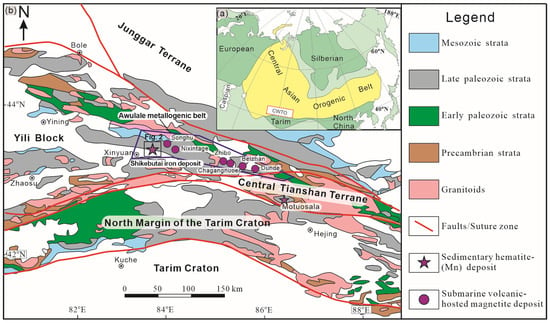
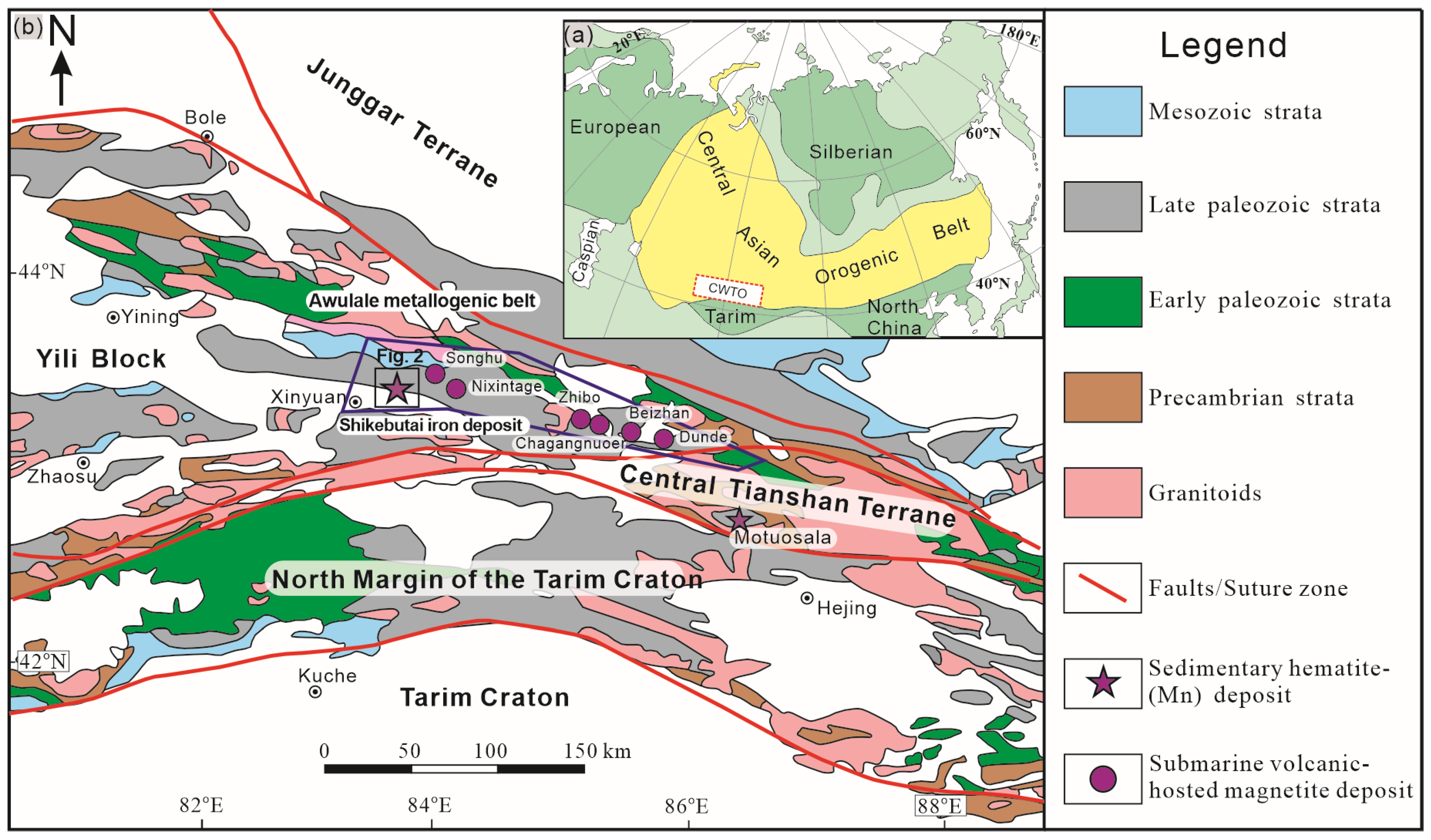
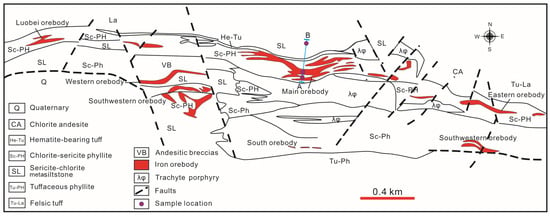
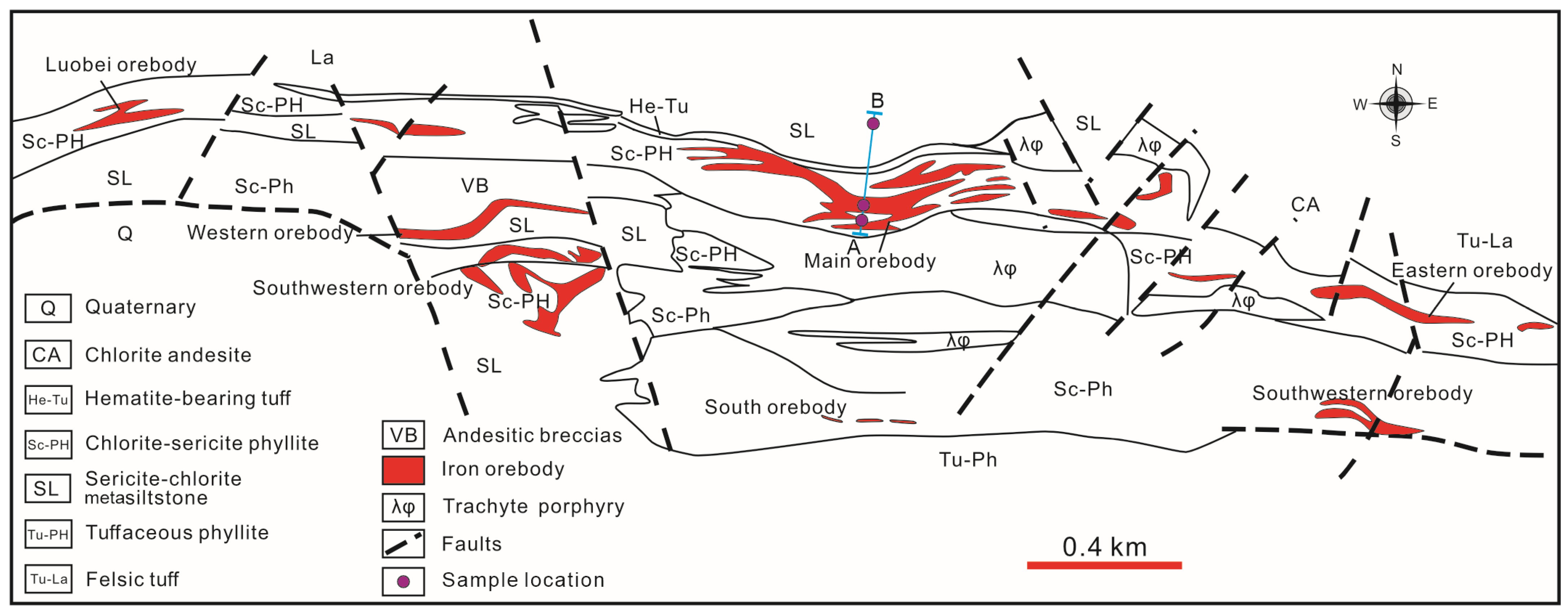
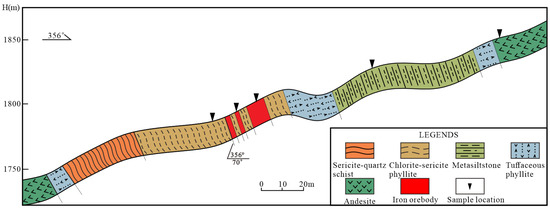
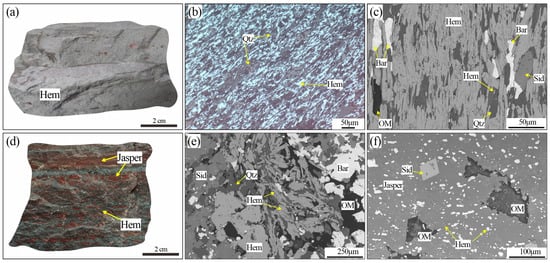
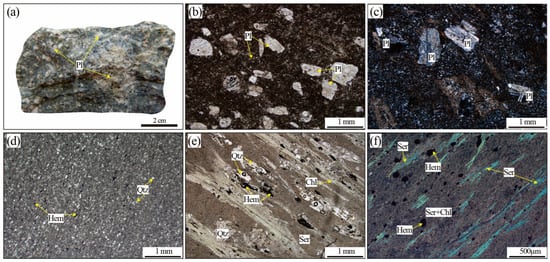
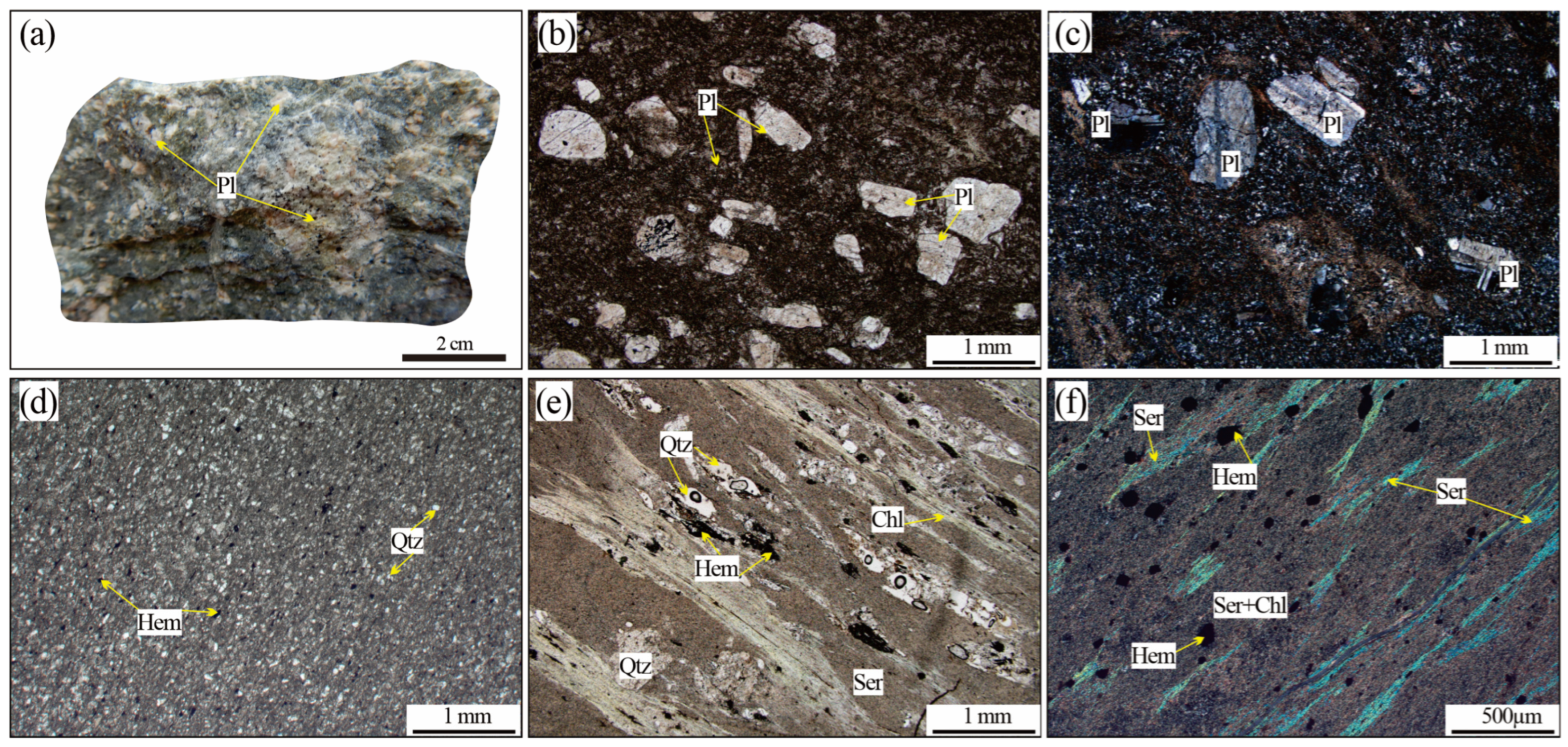
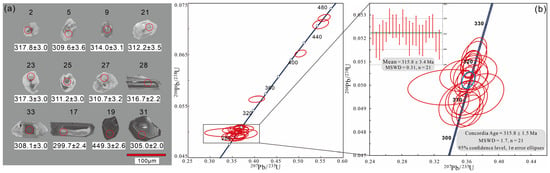
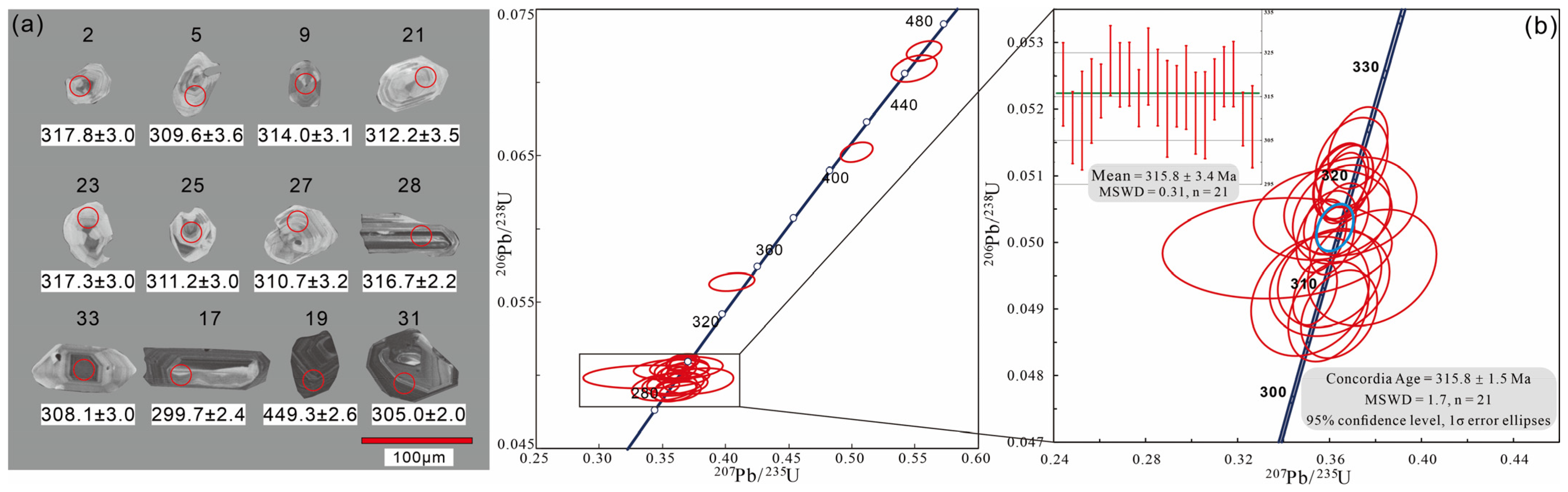
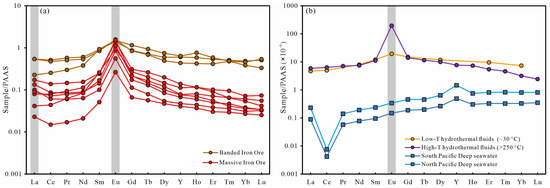
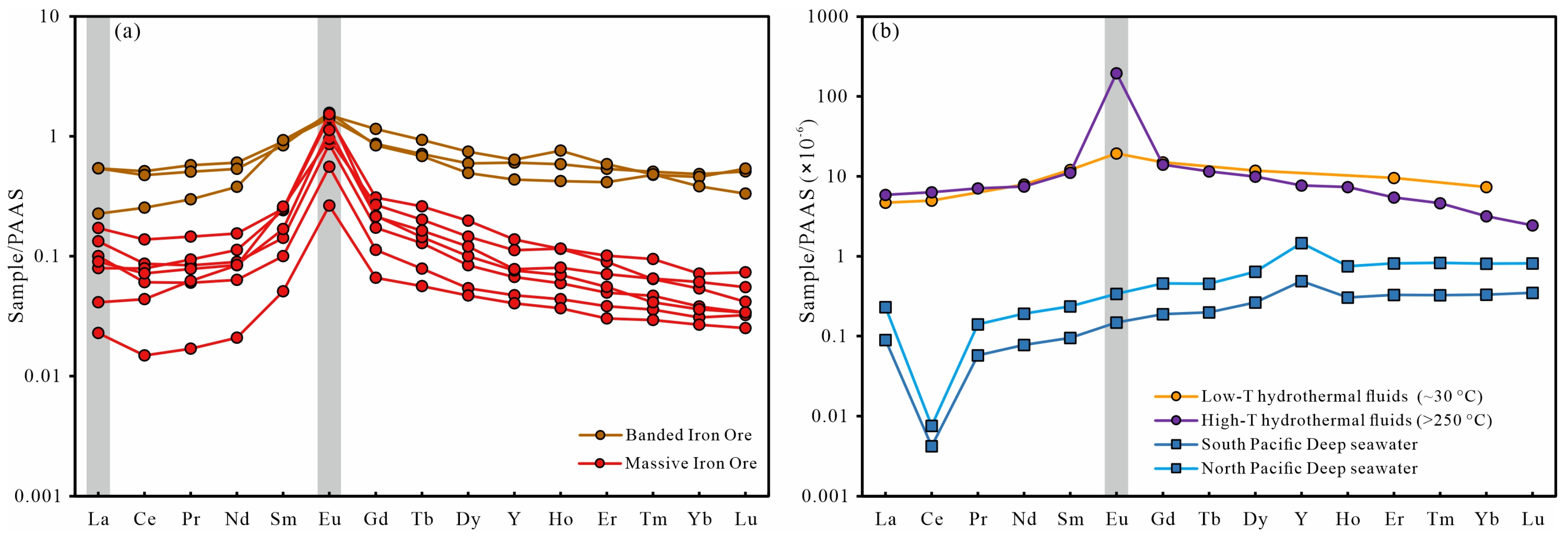
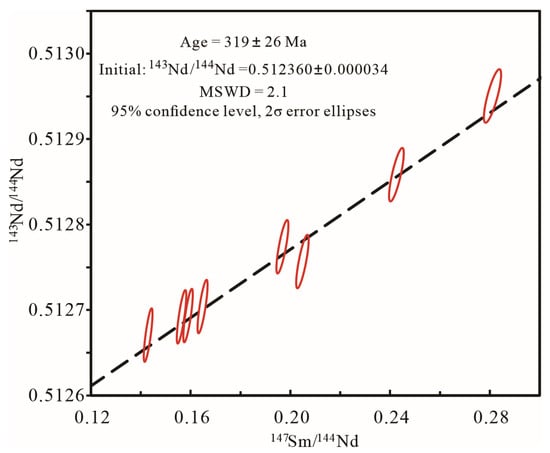
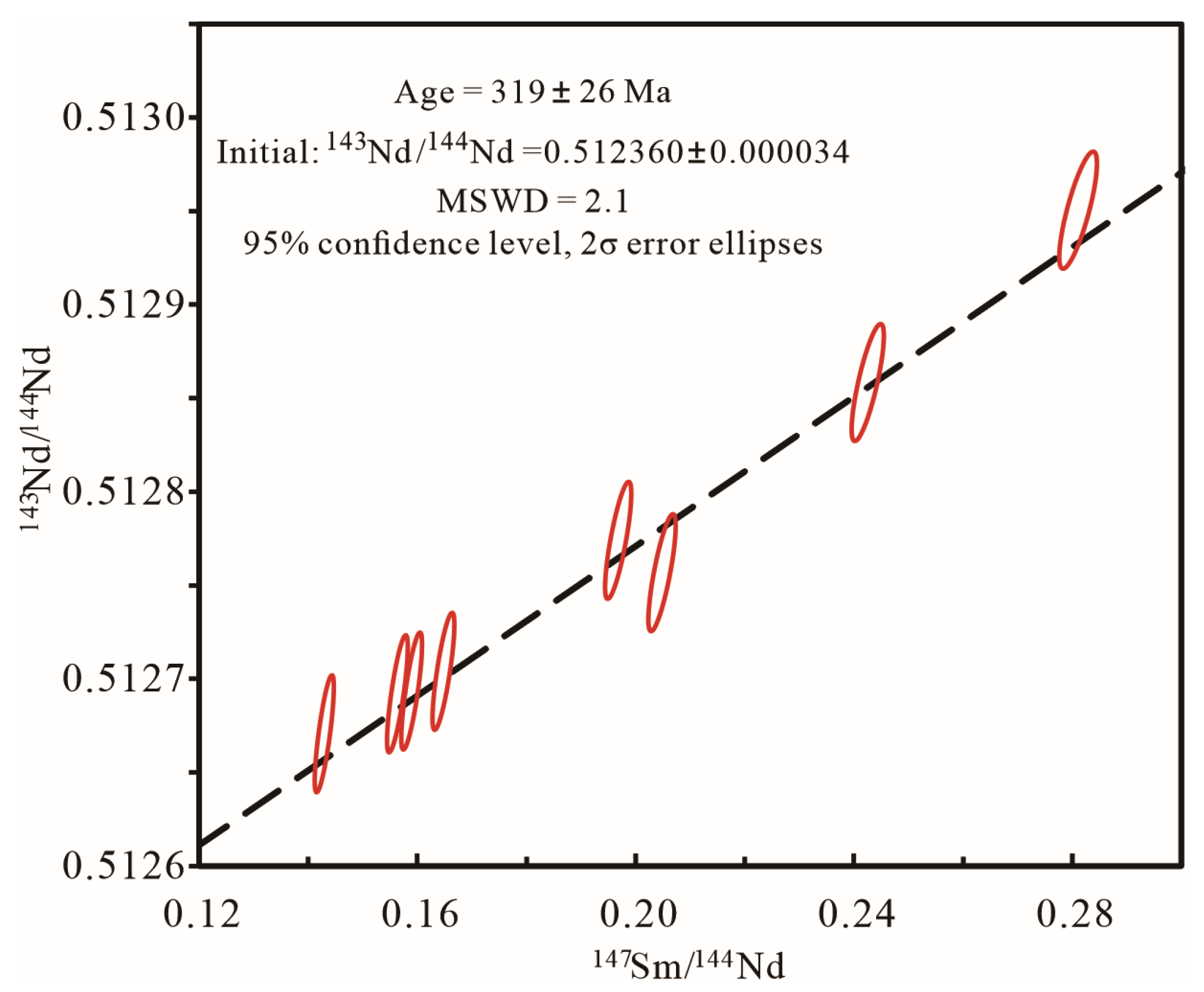
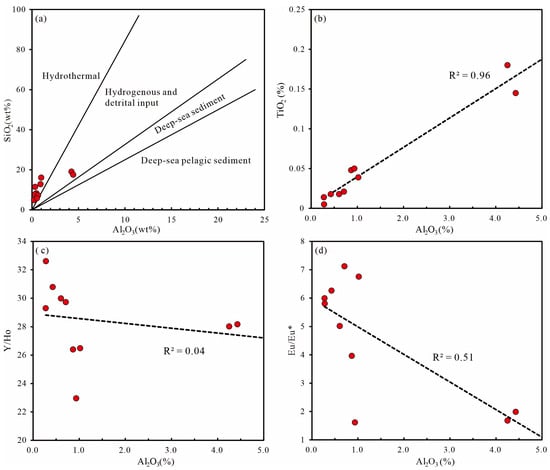
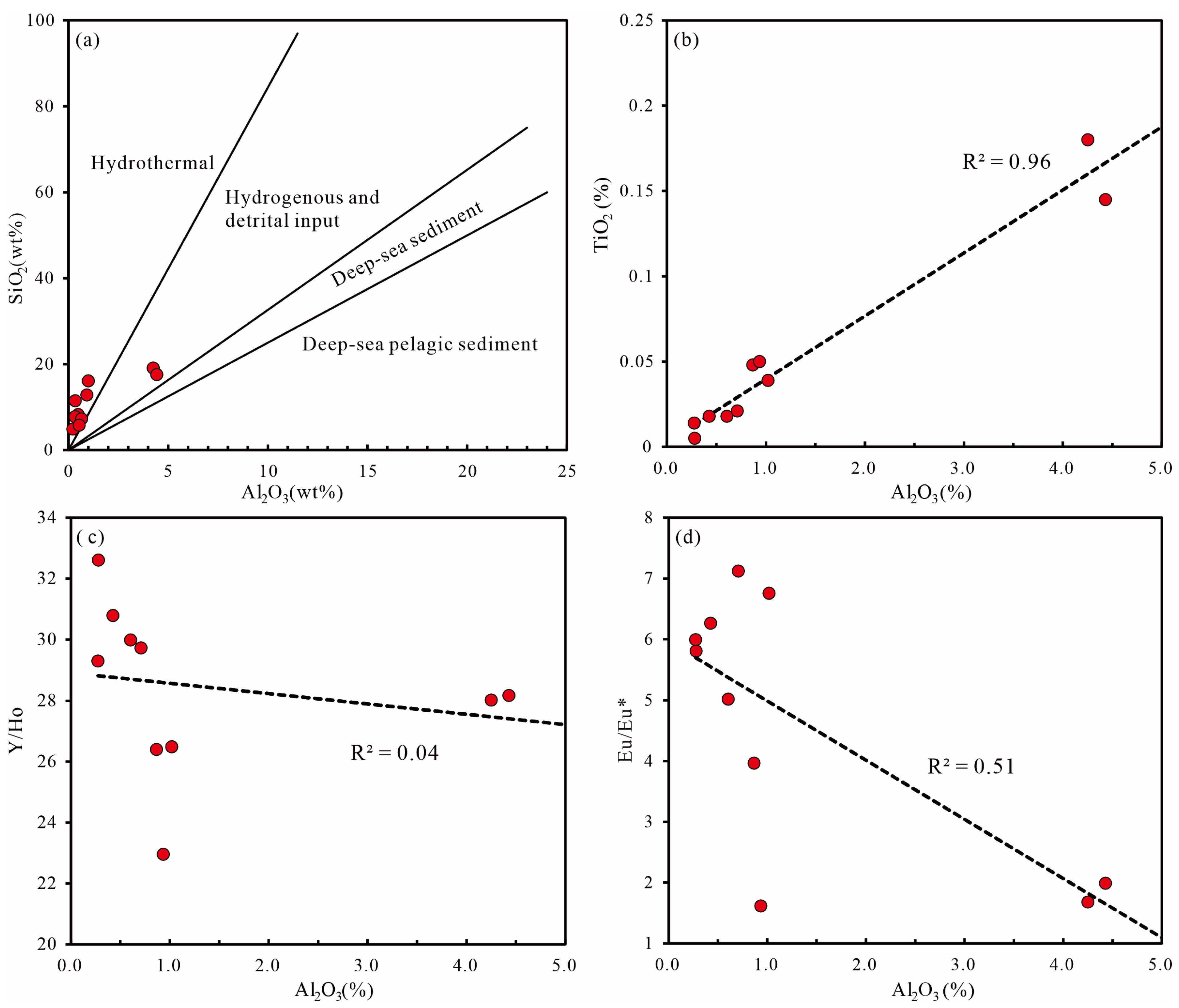
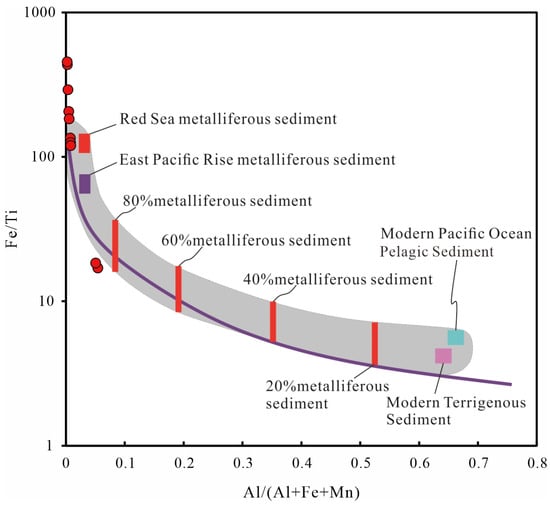
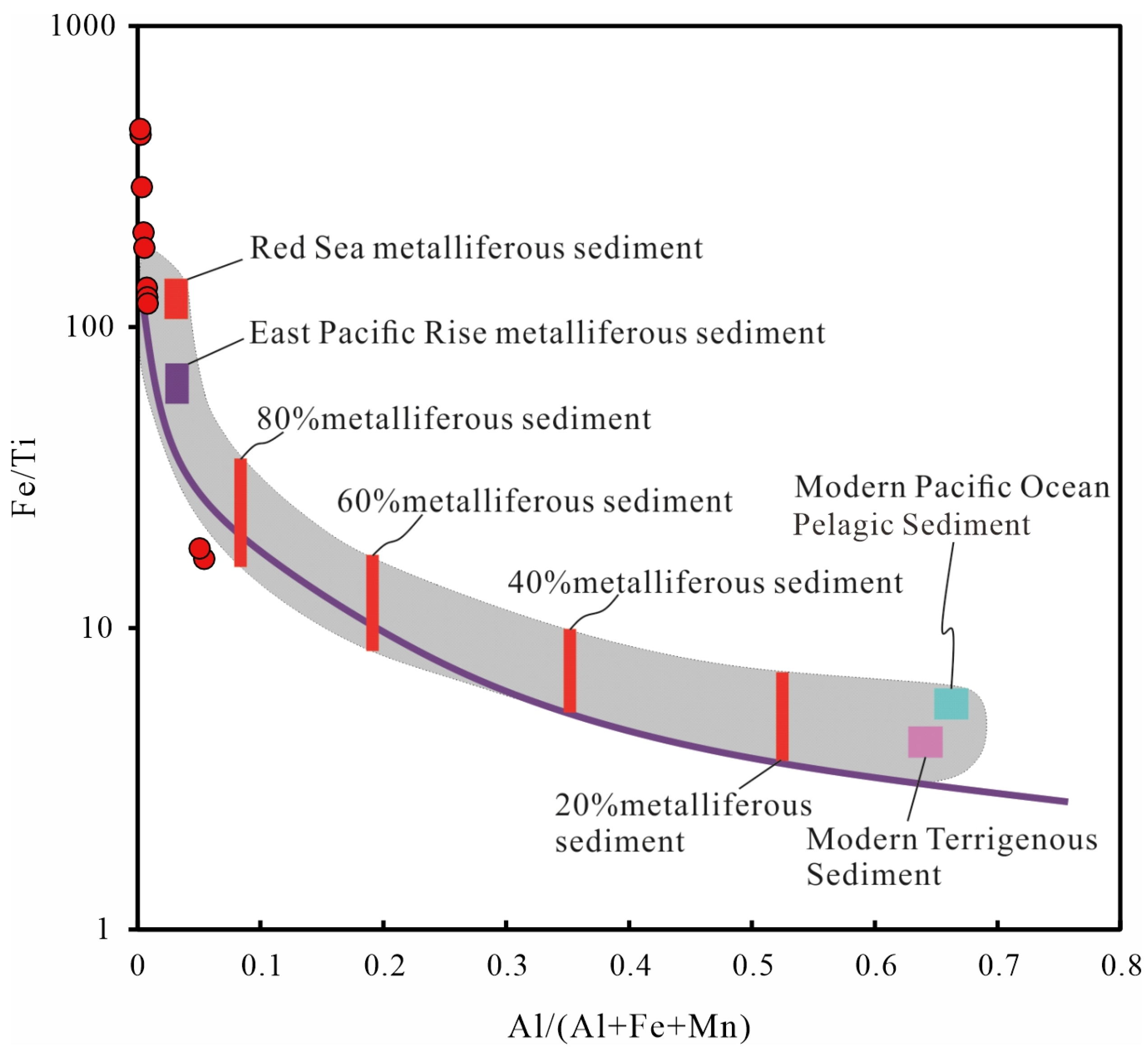
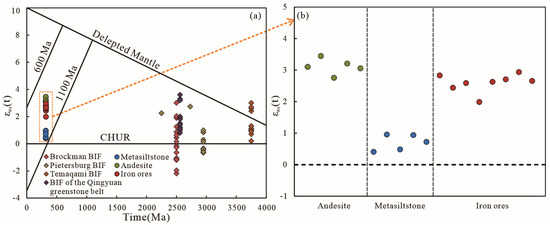
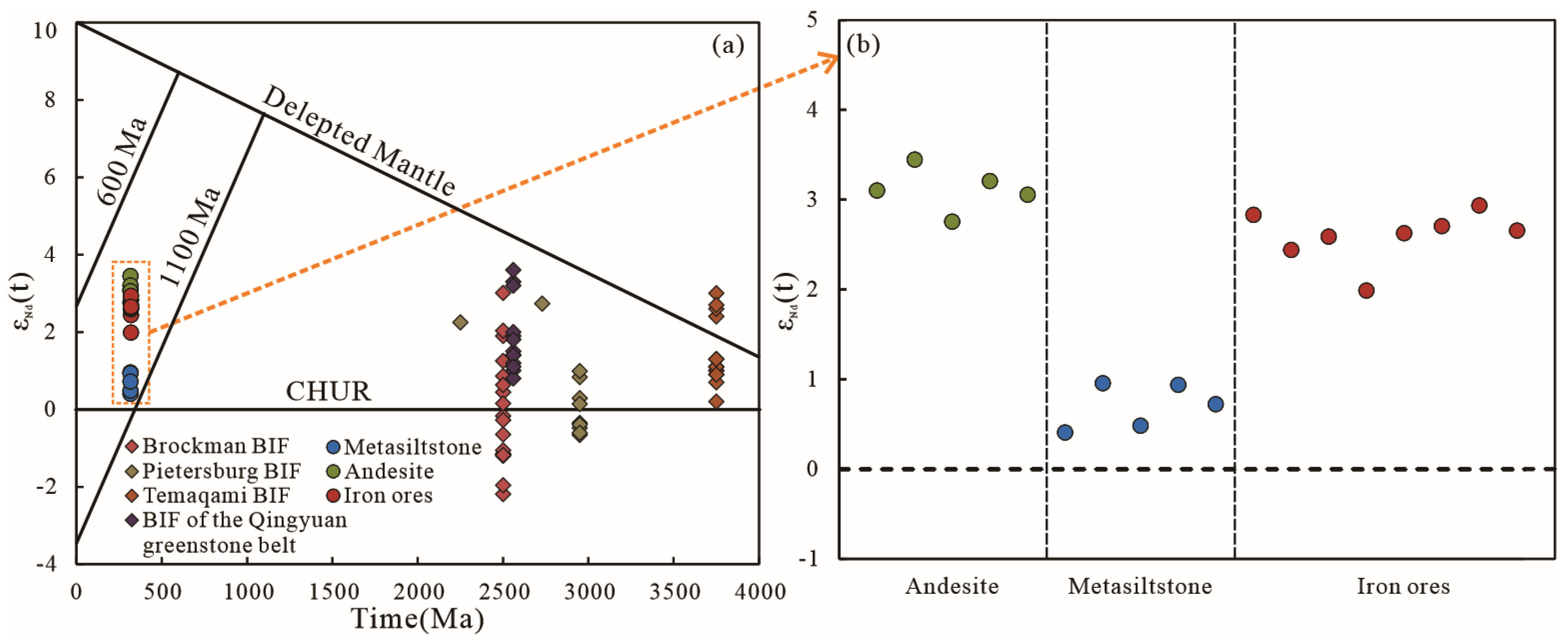

Disclaimer/Publisher’s Note: The statements, opinions and data contained in all publications are solely those of the individual author(s) and contributor(s) and not of MDPI and/or the editor(s). MDPI and/or the editor(s) disclaim responsibility for any injury to people or property resulting from any ideas, methods, instructions or products referred to in the content. |
© 2026 by the authors. Licensee MDPI, Basel, Switzerland. This article is an open access article distributed under the terms and conditions of the Creative Commons Attribution (CC BY) license.