


Abstract
Lava tubes on Earth provide unique hydrogeological niches for life to proliferate. Orbital observations of the Martian surface indicate the presence of lava tubes, which could hold the potential for extant life or the preservation of past life within a subsurface environment protected from harsh conditions or weathering at the surface. Secondary minerals in lava tubes form as a combination of abiotic and biotic processes. Microbes colonize the surfaces rich in these secondary minerals, and their actions induce further alteration of the mineral deposits and host basalts. We conducted a biogeochemical investigation of basaltic lava tubes in the Medicine Lake region of northern California by characterizing the compositional variations in secondary minerals, organic compounds, microbial communities, and the host rocks to better understand how their biogeochemical signatures could indicate habitability. We used methods applicable to landed Mars missions, including Raman spectroscopy, X-ray diffraction (XRD), Laser-Induced Breakdown Spectroscopy (LIBS), and gas chromatography–mass spectrometry (GC-MS), along with scanning electron microscopy (SEM) and metagenomic DNA/RNA sequencing. The main secondary minerals, amorphous silicates, and calcite, formed abiotically from the cave waters. Two types of gypsum, large euhedral grains with halites, and cryptocrystalline masses near microbial material, were observed in our samples, indicating different formation pathways. The cryptocrystalline gypsum, along with clay minerals, was associated with microbial materials and biomolecular signatures among weathered primary basalt minerals, suggesting that their formation was related to biologic processes. Some of the genes and pathways observed indicated a mix of metabolisms, including those involved in sulfur and nitrogen cycling. The spatial relationships of microbial material, Cu-enriched hematite in the host basalts, and genetic signatures indicative of metal cycling also pointed to localized Fe oxidation and mobilization of Cu by the microbial communities. Collectively these results affirm the availability of bio-essential elements supporting diverse microbial populations on lava tube basalts. Further work exploring these relationships in lava tubes is needed to unravel the intertwined nature of abiotic and biotic interactions and how that affects habitability in these environments on Earth and the potential for life on Mars.
1. Introduction
Lava tubes are subterranean structures that form in volcanic regimes on Earth as the result of an initial lava flow that cools at the surface while hot lava continues to flow below. Eventually, the top layer solidifies, and the flowing layer drains out, leaving behind a long tube or cave beneath the surface [1,2]. Over time, the basaltic rocks that form the lava tube are permeated with meteoric water or volcanic aerosols laden with reactive ions and trace metals [3,4]. The influx of water that seeps through the basalts results in the formation of mineral crusts on the rock surfaces and within cracks of the lava tube walls and ceilings, or thick powders on the floors. These deposits are often composed of sulfates and carbonates, amorphous silicates, and various phases of Fe-oxides [5,6,7]. The speciation of those minerals is dependent on the water and rock chemistry and interior conditions, such as temperature, humidity, and presence of aerosols [3].
The abiotically precipitated secondary mineral deposits and host basalts within lava tubes act as habitable environments by providing cation- and nutrient-rich substrates for microbial colonization as scavenged Ca2+, Na+, Mg2+, Fe2+/Fe3+, Cu2+, Mn2+, and CHNOPS elements from the rocks, waters, and degraded organic matter are utilized throughout the life cycles of those communities [8,9,10]. Trace metals common in lava tubes, such as Cu, are essential components of certain enzymes at low levels, but they can also be toxic to life if concentrations are too high [11,12,13]. Autolithotrophy—metabolisms that weather rocks to produce nutrients and energy—often serves as the central process in these oligotrophic environments [14,15]. While autolithotrophy may be dominant, a wide variety of metabolisms supporting diverse and unique microbial communities in these mostly dark and isolated environments have yet to be fully characterized [16,17,18,19,20,21,22].
The release of organic acids by microbes is highly effective for weathering silicates, as this process decreases the pH and induces metal complexation [15]. In addition, microbial materials (e.g., extracellular polymeric substances, cells, sheaths) are made up of a variety of proteins, lipids, enzymes, etc., that are collectively negatively charged to attract the positively charged cations serving as templates for mineral formation [23,24]. The variations in biotic elemental cycling and subsequent mineral precipitation can leave behind measurable chemical and morphological signatures that are indicative of life [12,25,26]. Though not always easy to distinguish in natural samples, minerals that precipitate through biotic means can have observable characteristics that differ from those that are purely abiotic [27,28]. This becomes important for life detection efforts in environments where the preservation of biotically derived organic material is less likely to occur, and only the minerals remain [29].
To accurately assess what processes are occurring in the formation or alteration of minerals in terrestrial environments, multiple analytical techniques are typically needed [25,30,31]. Raman spectroscopy, a laser-based vibrational spectroscopy technique, has long been used in geochemical studies to characterize the organic and inorganic composition of natural geologic samples [5,32,33,34,35,36]. The main challenge using Raman spectroscopy in this context is the overlap of peaks between different components in the same spectrum, as well as natural fluorescence, both of which can obscure diagnostic information of a probed sample [37,38]. In such cases, X-ray diffraction (XRD), another well-established technique to identify minerals, is often useful in clarifying which mineral phases are present [28,39]. To better understand how microbes are associated with minerals, techniques like Laser-Induced Breakdown Spectroscopy (LIBS) and scanning electron microscopy (SEM) coupled with energy-dispersive X-ray spectroscopy (EDS) can help identify the elemental variations in the minerals and their relationships with microbial material [5,11,40]. Gas chromatography–mass spectrometry (GC-MS), a compound-specific organic chemistry technique, allows the separation and identification of a large range of compounds, and metagenomic DNA/RNA sequencing to assess general microorganism types and metabolisms further complements the above techniques [5,14,41,42].
Raman spectroscopy, XRD, LIBS, and GC-MS have all been employed by Mars rovers to search for signatures of life and to assess the habitability of the Martian surface [43,44,45,46]. Orbital observations of the Martian surface indicate the presence of surface structures that resemble surface features of lava tubes on Earth, including sinewy structures, collapse pits, and skylights [1,47]. If lava tubes exist on Mars, they would provide habitable, sheltered environments protected from the harsh conditions at the surface that could hold the potential for extant life as well as for the preservation of past life [48]. The lithologies of the rocks at Lava Beds National Monument, CA, are similar to those targeted by Mars rovers and provide an ideal field site to study the compositional variations in basalt and crust minerals, organic compounds, microbial communities, and how their biogeochemical signatures could be potential indicators of habitability [49,50].
We conducted a biogeochemical investigation of two basaltic lava tubes in the Medicine Lake region of the northern California Cascades by characterizing the compositional variations in secondary minerals, organic compounds, microbial communities, and the host rocks using a suite of instruments relevant to Mars missions. Our main goal was to understand how the mineralogy is shaped by microbial communities in basaltic lava tube systems and how some minerals may provide habitable environments for the microbes to thrive. A better grasp of their biogeochemical signatures will also be useful for life detection on rocky planetary bodies beyond Earth.
2. Materials and Methods
Samples of secondary precipitates (crusts) and the host basalts were collected from different locations inside two different lava tubes in Lava Beds National Monument (LBNM), CA: Golden Dome and Hercules Leg (Figure 1). All samples were collected from isolated areas not exposed to sunlight or the surface. Golden Dome (GD) is about 679 m long and is characterized by a golden sheen coating many of the ceilings and some of the walls, which has been attributed to the concentration of water droplets by Actinobacteria [19]. Water was observed mainly on one side of the tube, seeping down the walls or dripping from the ceiling, and there were a few areas on the floor with standing water (~ a few cm’s deep). Hercules Leg (HL) is about 594 m long and much drier in comparison to GD, with only a few areas where appreciable water was observed. The four sampling locations in HL included an interface of the ceiling and upper wall (HL1-T) and a lower wall near the floor (HL1-L), an area of white, brown, and beige crust on an upper wall (HL-2), and an orange crust on the wall (HL3). The four sampling locations in GD included a gray crust on an upper wall with beige-yellow and white-tipped spicules (GD-1), beige and yellow on gray crusts on a lower wall (GD-2), black coatings on beige crust on a low ceiling (GD-3), and pink and beige on gray spicular crust on an upper wall (GD-4). Samples were collected cleanly from both tubes using ashed tools and glass jars and were kept on ice until returned to the laboratory, where they were kept in cold storage (−30 °C and −80 °C) or in a desiccation cabinet (subsamples for mineral analyses). A subset of samples was cleanly collected for metagenomic analyses, stored and transported in liquid nitrogen, and kept in cold storage (−80 °C) in the laboratory. Images of the sampling locations are shown in Figure 1, and descriptions of each sample discussed here are summarized in Table 1.
Figure 1.
Sampling locations in the two lava tubes in LBNM that were studied exhibited characteristics of color variations, textures, and varying degrees of moisture. Four sampling locations in HL included an interface of the ceiling and upper wall (HL1-T) and lower wall near the floor (HL1-L), an intersection of white, brown, and beige crust on the upper wall (HL-2), and orange crust (HL-3). Four locations in GD included beige-yellow and white-tipped spicules on gray crust (GD-1), beige and yellow on gray crusts (GD-2), black coatings on beige crust (GD-3), and pink and beige on gray spicular crust (GD-4).
Table 1.
The source areas, mineralogy, and elemental and molecular composition detected with Raman spectroscopy, XRD, EDS, and LIBS in lava tube samples.
Field measurements were performed using a portable VIS Raman spectrometer (TSI, Inc., EZ Raman, Shoreview, MN, USA), which uses a 532 nm excitation laser with a 1.2 μm fiber optic probe and a spot size of 50 µm. Calcite (CaCO3), gypsum (CaSO4·2H2O), and quartz (SiO2) minerals were used as calibration standards to keep track of any spectrometer drift and to accurately assign peak positions to our samples. The instrument has a spectral range between 100 and 4000 cm−1, with a resolution of ~10 cm−1. Power output is controlled by the software, and a minimum amount of power (0.3–2.0 mW) was applied as appropriate for each individual sample. Scan times varied for each sample, typically ~10–40 s/spot for each target, while some required up to 180 s/spot. Images of the probed areas were collected for context using a Dino-Lite handheld digital microscope (Dunwell tech, Inc., Los Angeles, CA, USA).
High-resolution micro-Raman measurements were performed on the samples that were collected and returned to the laboratory with a WITec α-Scanning Near-Field Optical Microscope (WITec GMBH, Ulm, Germany) customized to incorporate confocal VIS (488 nm and 532 nm) Raman spectroscopy imaging utilizing 50× and 100× objectives to achieve a lateral resolution of ~300 nm and a spot size of ~1 μm. Spectra maps and spot scans were performed using low power at the sample (~0.05–3 mW) with acquisition times ~1–2 s/pixel for each map and 3–120 s/per spot for spot scans.
The Raman data collected with the portable instrument were processed using ACD Labs Optical Workbench and Spectrus Processor software packages (2023.1.1). Baseline correction and peak fitting were performed manually using Gaussian–Lorentzian fits. For the micro-Raman imaging data, WITec Project Plus (V5) software was used to map peaks of interest across the sample and to compute peak intensity maps. Gaussian–Lorentzian fits were also used to baseline correct the spectra and to assign peaks. Interpretations of the Raman spectra were based on careful comparisons to publicly available databases (e.g., RRUFF), our previous work, and published literature (cited where relevant).
The mineral compositions of secondary precipitates and host rocks were also determined by X-ray diffraction (XRD) analyses. Sample fines were prepared by crushing the precipitate crusts to a fine powder via mortar and pestle or drilling material from the surfaces of samples using a Dremel (Mt. Prospect, IL, USA) rotary tool when necessary. XRD patterns were acquired from 2 to 70° 2Theta (Cu Kα radiation, k = 1.54059 Å), at 0.01°/step and at least 2 s/step using a Bruker D8 Discover diffractometer (Bruker, Billerica, MA, USA). Mineralogy was obtained using the MDI (Materials Data Incorporated) Jade analysis software v9.
Compositional and textural features of the samples were characterized using scanning electron microscopy (SEM) and energy-dispersive X-ray spectroscopy (EDS). Rock and crust fragments were mounted on carbon tape and analyzed uncoated with a Phenom ProX SEM-EDS (Thermo Fisher Scientific, Waltham, MA, USA) system for high magnification imaging and basic chemical composition of grain surfaces, microbial material, and mineral precipitates [27]. EDS analyses were performed at 10 kV or 15 kV with a spot size of <1 mm. The relative elemental composition was determined using Phenom ProSuite v2.9.0 software.
UV-VIS-NIR (UVN, 200–1000 nm) + Long-wave IR (LWIR, 5.6 to 10 µm, 1785 to 1000 cm−1 in the mid-IR region) Laser-Induced Breakdown Spectroscopy (LIBS) (Brimrose Corporation of America, Sparks-Glencoe, MD, USA) was also performed on a subset of the samples to confirm elemental and molecular composition. Spectra were obtained by averaging results from four laser pulses sampling different spots on the sample surface. Calcite (CaCO3), gypsum (CaSO4 2H2O), quartz (SiO2), magnetite (Fe3O4), alumina (Al2O3), feldspar and augite minerals, plus a basalt from a GSI 1050-00E mounted specimen set, were used as calibration standards. Fragments of the samples collected and returned from the field were mounted vertically on an XYZ translational sample stage that was positioned 1 m away from the front end of the collection reflecting telescope and probed in the ambient atmosphere. Broad spectra of emission signatures in both the UVN and LWIR spectral regions initiated by the same single laser-pulse-induced micro-plasma on the target surface were recorded with a 3 µs delay with a 10 µs integration window for the UVN spectrometer and a 24 µs delay with a 44 µs integration window for the LWIR spectrometer [51]. Origin Pro 2023 spectroscopy software was used to analyze all LIBS data.
The organic composition of the samples was determined by pyrolysis GC-MS using a Frontier Laboratories 3030D multi-shot pyrolyzer (Quantum Analytics, Woodlands, TX, USA), and a Trace 1310 GC coupled to a quadrupole mass spectrometer (ThermoFisher, Waltham, MA, USA) equipped with a Restek (Centre County, PA, USA) capillary MXT-5 column (30 m long × 0.25 mm ID bonded with a 0.25 µm thick stationary phase). Prior to analysis, samples were powdered using solvent-washed agate mortar and pestle and ashed tools, and aliquots (~10 mg) were deposited into the pyrolysis stainless-steel cup. The samples were pyrolyzed using a slow pyrolysis ramp of 35 °C·min−1 within two temperature ranges: first, 55–250 °C to remove any adsorbed water or volatiles, then 250–950 °C intended to extract the organic molecules and potential biosignatures trapped in the minerals that decompose within this range (e.g., clays, sulfates, carbonates). During pyrolysis, volatilized molecules were trapped at the column inlet using a liquid nitrogen cold trap (−180 °C); the GC injector downstream was set between 250 and 300 °C to prevent condensation. After pyrolysis, the cold trap was heated, automatically triggering the beginning of the GC analysis. The temperature program used for the GC was an initial temperature of 35 °C held for 5 min, followed by a 5 °C.min−1 ramp up to a temperature of 200 °C, followed by a second 10 °C.min−1 ramp up to a final temperature of 320 °C held for 1 min for bakeout. Helium was used as the carrier gas and set at a 1.2 mL.min−1 flow rate with splitless analyses or 10–30 split ratios depending on the sample. The MS ion source and transfer line were both set at 300 °C, and ions produced by the 70 eV electron ionization source were scanned with mass-to-charge ratios (m/z) between 40 and 550 with a scan time of 0.2 s. Flight-like wet chemistry experiments, and more specifically, tetramethylammonium hydroxide (TMAH) thermochemolysis, were also performed, analogous to one of the wet chemistry techniques currently utilized onboard the Sample Analysis at Mars (SAM) instrument of the NASA Curiosity rover [45].
For DNA extraction, samples from Golden Dome and Hercules Leg caves were extracted in duplicate and underwent a pre-extraction chemical lysis in which ~250 mg of sample was mixed with 400 µL 2X PBS, 25 µL metapolyzyme (Millipore Sigma, Milwaukee, WI, USA, cat. no. MAC4LDF-5X1VL), and 250 µL ZymoBIOMICS DNA Miniprep Kit Lysis Solution (ZymoBIOMICs, Orange, CA, USA). Each mixture was initially vortexed for 10 s and incubated at 35 °C for 2 h, with intervals of 10 s of vortexing every 30 min. An amount of 5 µL of proteinase K was then added to each sample, followed by another incubation at 55 °C for 1 h. The lysed samples were then processed using steps 4–11 of the ZymoBIOMICS DNA Miniprep Kit (ZymoBIOMICs, Orange, CA, USA cat. no. D6035). Paired-end 150 bp libraries were prepared using the Nextera XT DNA Library Preparation Kit with Illumina DNA/RNA UD Indexes (Illumina, San Diego, CA, USA) and sequenced on a NovaSeq platform. Reads were trimmed to remove adapters and low-quality bases using Trimmomatic v0.39, assembled using SPAdes genome assembler v4.0.0 (metaSPAdes mode), and filtered for a minimum length of 500 bp using bbtools v39.08 [52,53]. Functional and taxonomic gene annotation was performed with JGI IMG/M ER v6.0.0 [54].
3. Results and Discussion
Amorphous silicates were identified as the predominant secondary mineral in crusts and coatings from both lava tubes by Raman spectroscopy, XRD, and SEM/EDS, which is in agreement with previous studies [55,56]. The amorphous silicates were identified with Raman spectroscopy by peaks ~336 cm−1 (O-Si-O deformation), 398 cm−1 (Si-O-Si bending), 449–480 cm−1 (Si-O-Si), 538 cm−1 (Si-O-Si bending + M), 730–772 cm−1 (Si-O-Si symmetric stretch), 930 cm−1 (Si-O stretch), and 1044 cm−1 (Si-O-Si asymmetric stretch) [57,58]. The maxima for the broad features in all Raman spectra were centered between 410 cm−1 and 480 cm−1, suggesting that the main phase is opal-A [59,60]. A broad “hump”, centered near a d-spacing of ~4 Å, was observed in the XRD patterns, which is typically attributed to silica-rich X-ray amorphous material similar to opal-A [60,61]. The SEM images show the pervasiveness of the amorphous silicates from both lava tubes, ranging from masses of silica spherules to layers of crusts up to 100 mm thick (Figure 2). EDS data typically mainly showed constituents Al and Mg in addition to the Si, and O in the silica-rich materials, and Ca, Na, and Fe were also observed less frequently (Figure 2).
Figure 2.
Samples from both lava tubes are dominated by coatings or crusts of amorphous silica. (A) SEM images and EDS spectra of silica-rich features: silica spherules on basalt surface in GD-2 (A), and amorphous silica coating in crust of HL-3 (B), Raman spectra from the field-portable instrument: the silicified areas of samples showed broad characteristics indicative of amorphous silica, main Raman bands labeled (C). XRD patterns of samples dominated by amorphous silica and calcite; the wide hump indicates amorphous silica, the sharp peaks labeled “C” indicate calcite, and the sharp peaks labeled “P” indicate plagioclase feldspar (a basaltic mineral). (D) LIBS spectra from silica-rich samples with strong emission lines from elements expected in an opal-like amorphous silica (Si, O, H) and calcite (Ca).
The LIBS spectra from the silica-rich samples revealed a complex elemental composition with both major and minor constituents (Figure 2D). The most prominent emission features belong to silicon (Si), which appears strongly at 251, 288, 385, and 390 nm, and again near 634 nm, consistent with the dominance of silica in the sample. Magnesium (Mg) exhibits strong peaks at ~279.5 nm, 285.2 nm, and 517 nm, and sodium (Na) is clearly identified by its characteristic doublet at 589.0 and 589.6 nm. Calcium (Ca) is extensively present with intense lines at 393.4 nm, 396.8 nm, 422.7 nm, and several others at 616, 643, and 646 nm, indicating the presence of Ca-bearing phases. Copper (Cu) is visible with moderate-intensity peaks in the 320–330 nm range. Among the minor elements, sulfur (S) appears near 470 nm, iron (Fe) is distributed throughout the UV and visible regions, and chromium (Cr) shows a clear signal at ~263 nm. Additional minor species include vanadium (V), aluminum (Al), and titanium (Ti), primarily in the 300–340 nm region, and lithium (Li) with a weak but distinct peak at 670.8 nm. Carbon-related C2 Swan bands spanning 467–473 nm suggest the presence of carbonaceous material or ambient molecular contributions [62]. A strong hydrogen (Hα) line at 656 nm and an oxygen (O) emission near 777 nm further point to atmospheric or moisture interactions during plasma formation. The high-intensity, well-resolved peaks and broad elemental coverage affirm the efficacy of LIBS in revealing both matrix and trace components in silica-rich amorphous samples.
As noted in other studies of lava tubes, our observations of composition indicate that water-basalt interactions are one of the primary mechanisms of amorphous silica formation in these lava tubes [56]. The uneven layers and patchiness of crusts we observed also likely reflect the fluctuation of evaporation and condensation within the lava tube over time [3]. Multiple microbial features appeared to be encrusted or replaced by amorphous silica as observed with SEM, including filaments and trichomes (individuals and masses), coccoids, tetrad clusters, and extracellular polymeric substances (EPS) (Figure 3). Coarse-grained amorphous silicate-rich and clay-rich areas were often interspersed with masses of microbial material as well. The inconsistent appearance (smooth vs. rough) of silica-coated microbial materials also suggests that the silica is passively formed on some materials and not on others due to the environmental conditions and not due to active biomineralization. EDS identified C (~1–11 Wt%), N (~1–12 Wt%), and P (~0.6–2 Wt%) in the microbial materials from both lava tubes that did not appear to be associated with carbonate or phosphate and could be attributed to organic compounds.
Figure 3.
Microbial features observed in the lava tubes with SEM/EDS. (A–D) HL, (E–I) GD. (A) Masses of microbial filaments engulf Fe-oxide rhombs, and larger silicified filaments emerge from silicate-rich crusts surrounding the rhombs in HL1. (B) Masses of vacated trichomes on Fe,-Al-silicate crust (HL2). (C) Silicified and sulfate-rich EPS and coccoids in HL-3. (D) Silicified EPS surrounded by Fe-, Al-silicates in HL4. (E) Ca-, Mg-silicified, and sulfate-rich clusters of coccoids in GD1. (F) Clusters and strings of coccoids amid Fe-, Mg-silicates in GD2. (G) Clusters of coccoids and EPS and Mg-rich silicified material in GD3. (H) Recent silicification of EPS rich in C in GD3. (I) Masses of coccoids and EPS among Mg-, Al-silicates, and CaSO4 in GD4.
Hydrated silicates were also identified in both lava tubes by XRD, SEM/EDS, LIBS, and Raman spectroscopy (Table 1). Smectite clays were identified by Raman bands ~3575 cm−1 (AlFeOH), 3440 cm−1 (HOH), 3354 cm−1 (HOH), and 3120 cm−1 (HOH stretch) [63]. Na-poor vermiculites were identified less frequently by Raman bands ~3720 cm−1 (Mg3OH), 3450 cm−1 (HOH), 3240 cm−1 (Al-OH), 930 cm−1 (Si-O), 754 cm−1 (Si-O), and 410 cm−1 (O-Mg-O). The higher frequency hydration Raman bands 3000 cm−1–3800 cm−1 were highly variable in all samples, reflecting a wide range of hydration states and phase transitions [63]. XRD did not indicate clay minerals present at abundances above XRD detection limits in our bulk powder samples, but it did show broad features indicating a high frequency of X-ray amorphous materials (likely Si-rich) in both lava tubes. The EDS data showed high Mg and Al with lesser Ca, Na, and Fe content in many amorphous silica-rich coatings and crusts observed with SEM. The LIBS data were mostly in agreement with EDS, but with strong signatures for Ca and Mg detected in all of the samples.
Plagioclase feldspar and pyroxene were identified as the main basalt minerals by Raman spectroscopy and XRD. Both minerals are expected to weather to poorly crystallized material and then smectite in the presence of water and under the ambient temperatures of the lava tube environments, though their dissolution rates are highest under acidic (pH 4–6) conditions [64,65]. Kulkarni et al., 2022 reported the pH of ~7 for the cave waters at LBNM, and a neutral pH is typical for basaltic lava tube systems worldwide [5,19,56,66]. The formation of the clay minerals may be enhanced by microbial processes under the environmental conditions within the lava tubes we studied [67]. During the bioweathering of silicates, the organic acids and EPS released by microbes effectively remove cations and break bonds within the silicate lattice, providing nutrients for the microbes and altering the mineral substrate [68,69]. In the process, the local pH can be decreased, creating conditions more conducive to secondary mineral formation [15,64]. SEM images show microbial filaments on or near clay-like textures among flat pyroxene or plagioclase surfaces in some of our samples (Figure 3). The spatial relationships between the swathes of microbial material and organic compounds with regions where the clay minerals/mineraloids formed suggest that the formation of the clay minerals we observed could be due to the microbial activity in those areas.
Samples from GD exhibited the most variety of microbial features, including filaments and EPS with an abundance of coccoidal forms, while the HL samples seemed to lack coccoids and tetrads and instead contained an abundance of filamentous morphotypes and EPS (Figure 3). Evidence of microbial populations was most easily observed on the basalts just under or near the silicified layers, where distinct morphologies were still intact (Figure 4 and Figure 5). The Raman signatures for organic acids were identified by weak bands at ~696 cm−1, 999 cm−1, 1185 cm−1, 1280 cm−1, 1349 cm−1, and 1602 cm−1, and broad features between ~2800 cm−1 and 3500 cm−1 in almost all the silica-encrusted samples. Carotenoid pigments were detected by Raman bands ~1002 cm−1, 1152 cm−1, and 1506 cm−1 along with nitrogen-bearing compounds (M-CN) ~2148 cm−1, (N=C=O) 2289 cm−1, and S-bearing compounds (S-H) 2643 cm−1 (Figure 4). Multiple biomolecular signatures were detected with LWIR LIBS in the crusts, including emission bands for CO, SCN, CN, COC, and CH (Table 1, Figure 4). The Raman and LIBS signatures indicating N-bearing compounds observed in the HL and GD samples are similar to those seen in a lava tube on Mauna Loa, Hawaii, and may indicate an active microbial N-cycle in lava tube environments [5,70,71].
Figure 4.
Sulfates and clay minerals observed with SEM/EDS, Raman spectroscopy, and LIBS in the LBNM lava tube samples appear to be associated with microbial material. (A) EDS spectra from coccoids showing the presence of Ca, S, Mg, and P in a sample from GD; (B) SEM image showing amorphous silica around microbial coccoids in GD; (C) EDS spectra of amorphous silica surrounding microbial coccoids in GD; (D) EDS spectra from coccoids and EPS showing the presence of Ca, S, C, N, and P along with silicate in HL; (E) SEM image showing cryptocrystalline-granular appearance of material around microbial coccoids in HL; (F) EDS spectra of CaSO4 and a silicate in the granular material surrounding microbial coccoids and EPS in HL. (G) Raman spectrum of a carotenoid and other organic components, including S and N; (H) Raman spectrum of gypsum; (I,J) LWIR LIBS spectra showing S- and N-bearing organic compounds.
Figure 5.
Histograms showing the total number of organic molecules detected in some of the lava tube samples after pyrolysis and their attributed chemical families. Classes of organic molecules include PAHs, nitrogen-bearing aliphatic and aromatic compounds, oxygen-bearing aliphatic and aromatic compounds, aliphatic hydrocarbons, hetero aliphatic and aromatic compounds, halogenated compounds, and other unidentified compounds (colors shown in legend).
The taxonomic groups we observed in our samples are similar to those in other basaltic lava tube systems, where similar secondary minerals (e.g., amorphous silica, gypsum, calcite) form and reflect diverse potential lifestyles present in the community, including obligate aerobes, chemoheterotrophs, and nitrogen fixers [14,21,22]. The metagenomic results indicated that samples from both lava tubes largely contained Pseudomonadota and Actinomyceota, with smaller amounts of Chloroflexota, Bacillota, Bacteroidota, and Acidobacteria. The Pseudomonadota were present as Gammaproteobacteria (Pseudomonadales, Lysobacterales), Alphaproteobacteria (Hyphomicrobiales, Sphingomonadales, Rhodobacterales), and Betaproteobacteria (Burkholderiales), while the Actinomyceota present are largely members of the Actinomycetes (Micrococcales) class. Some archaeal and eukaryotic sequences were present as Nitrosphaerota, Ascomycota, and Basidiomycota, respectively. The genes and pathways observed indicate a dominance of aerobic respiration via the tricarboxylic acid (TCA) cycle and the Entner–Doudoroff pathway, with autotrophy, photosynthesis, anaerobic respiration, and sulfate and nitrate pathways secondarily present. In addition, a previously unknown member of the Rubrobacteraceae was also identified in some of the GD samples in this study, which represents a facultative anaerobic heterotroph and potential methanotroph [72].
Gypsum (CaSO4·2H2O) is a commonly occurring precipitate from cave waters in most basaltic lava tube systems; however, it is not known to be a major component in the LBNM caves [55,56]. Kulkarni et al., 2022 concluded that the scarcity of sulfate minerals resulted from the low concentrations of S (~4 mg/L) and SO4 (~1 mg/L) in the cave waters, with up to 80% of the sulfur in the organic form [56]. SEM imaging revealed large, euhedral grains of CaSO4 with halite in areas where no microbial material or extensive silica had formed, only in the GD samples, indicating precipitation from cave waters. SEM imaging and EDS spectra also revealed the co-occurrence of cryptocrystalline grains of CaSO4 spatially associated with silicified microbial material and masses of mineralized filaments or coccoids in samples from both lava tubes in areas where the host basalt surface intersected layers of amorphous silica (Figure 4 and Figure 6). These spatial associations between the microbial material and the cryptocrystalline gypsum suggest a second formation pathway involving the nucleation of sulfate on the cellular materials [73]. Gypsum was only rarely identified in the samples by XRD and by SO4 Raman bands ~415 cm−1, 493 cm−1, 605 cm−1, 620 cm−1, 664 cm−1, 1004 cm−1, 1109 cm−1, and 1138 cm−1 in some of the HL samples [74]. It is possible that the gypsum was not detected with Raman more often due to its cryptocrystalline nature in most of the samples and its location within the areas dominated by amorphous silica.
Figure 6.
Fe-oxides enriched in Cu were identified as part of the basalts near silicification fronts in samples from HL. (A) Overview: SEM image of the area where the basalt is exposed near the crust. (B) Higher magnification SEM image showing multiple Fe-oxide rhombs (bright angular grains), masses of microbial filaments (M), clinopyroxene (Cl), plagioclase (Pl), and sulfate (S). (C) Close-up SEM image of one of the Fe-oxide rhombs enriched in Cu surrounded by masses of microbial filaments (M). (D) Close-up of microbial filaments on a clay-rich area on weathered pyroxene. (E) Raman spectra collected from the grain shown in (F,G) indicate a mix of hematite and Cu-enriched hematite, gypsum, and organic signatures. (F) An image of the sample taken with the portable microscope shows basalt (gray) encrusted by a white-beige material. (G) Raman microscope image of a grain where spectra in E were collected. Note the long swathes of blue across the grain. (H) LIBS spectrum from the basalt surface on the same sample. (I) LWIR LIBS spectrum showing organic signatures associated with sulfur and nitrogen.
A complex set of broad molecular vibrational features characteristic of silicate- and sulfate-bearing minerals, along with distinct signatures from water and organic species, was observed with LIBS (Figure 4). A prominent, overlapping band around 9.2–11 μm (1086–909 cm−1) corresponds to Si–O–Si asymmetric stretching, while a similarly broad and intense feature at 8.9 μm (1123 cm−1) is attributed to the SO42− asymmetric stretching vibration [40]. The overlap of these two strong bands reflects the coexistence of amorphous silica and sulfate components within the matrix, likely forming a composite of layered mineral structure. In the 6.6–6.8 μm range (1470–1515 cm−1), the spectra reveal pronounced water bending modes, along with a distinct vapor-phase H2O feature at 6.6 μm (1515 cm−1), strongly indicating the presence of structural or adsorbed water, as would be expected in gypsum-like hydrated sulfate minerals [75]. Additional emission peaks, such as the C=O stretching at 6.02 μm (1661 cm−1), CN stretching at 8.4, 8.96, and 9.35 μm (1190, 1112, and 1069 cm−1), and signals from isocyanate (OCN) and thiocyanate (SCN) at 6.98 μm (1433 cm−1) and 9.05 μm (1105 cm−1), highlight the presence of diverse organic sulfur-bearing and nitrogen-bearing compounds [76,77,78,79]. S-H bonds were also observed in Raman spectra of carotenoid pigments with gypsum, which correlates with the LIBS data and EDS data from the microbial materials, where enrichment in S (~1–6 Wt%) was observed (Figure 3).
Organic sulfur is a known component of microbial biomass that can be transformed and utilized in both the S- and N-cycles [80]. Dimethyl-sulfide (DMS), dimethyl-disulfide (DMDS), thiophene, and methyl-thiophene were detected in sulfate-bearing samples from HL with pyrolysis GC-MS. These S-bearing compounds can be derived from amino acids and readily cycled by microorganisms utilizing various metabolic pathways [81]. The metagenomic results indicated that samples from both lava tubes largely contained Pseudomonadota and Actinomyceota, with smaller amounts of Chloroflexota, Bacillota, Bacteroidota, and Acidobacteria. Several of these taxa could be involved in precipitating or inducing precipitation of the sulfate present in this environment, or their consumption may be the reason that sulfate was not widely detected. For example, the Pseudomonadota present in our samples, specifically the Burkholderiales, have previously been detected in lava caves and associated with sulfate-reducing metabolisms and abiotically precipitated lava tube gypsum [14,82]. Additionally, Burkholderiales are capable of both oxidation and reduction of sulfur compounds [83]. Gammaproteobacteria, Alphaproteobacteria, and Bacillota are also capable of sulfur oxidation, as well as EPS and biofilm formation, which have been shown to promote mineral nucleation and gypsum formation [22,84]. Members of the Alphaproteobacteria Hyphomicrobiales group we detected are capable of degrading DMS and oxidizing it to CO2 and forming compounds such as sulfide, formaldehyde, and thiosulfate, while members of the Sphingobacteria group have been associated with the assimilation of DMDS [85,86]. It should also be noted that though the microbial materials can template crystal formation, gypsum may also be growth-limited in the areas rich in microbes, as laboratory studies have shown the inhibition of gypsum crystal growth in the presence of carboxylic acids [87].
Half of the total number of organic molecules detected in all of the samples with pyrolysis GC-MS included mono- and polycyclic aromatic hydrocarbons (PAHs) and aliphatic saturated and unsaturated hydrocarbons such as n-alkanes and n-alkenes pairs (Figure 5). Nitrogen-bearing organic molecules represented the second most numerous chemical family (15%–20% of the total number of organics), mostly in the form of aromatics: pyrroles, imidazoles, indoles, pyrimidines, benzonitriles (11%–17%), and fewer aliphatic compounds such as amines and nitriles (3%–4%), which correlates with the detection of N-bearing compounds with Raman spectroscopy and LIBS (Figure 3). Oxygen-bearing compounds were the second most numerous chemical family (~12% of the total number of organics) and were also detected as aromatics in the form of furans, phenols, naphthalenones, benzaldehydes, and aliphatics such as alcohols and ketones. Other aromatic forms of oxygen- and nitrogen-bearing molecules, such as pyridinones and quinolinols, were detected as well. A few chlorine-bearing molecules, such as chloromethane and C11-C15 chlorobenzenes, were also detected. We note that less than 10% of the molecules present in the chromatograms were not identified because of multiple coelutions and/or low match with the NIST mass spectra library [88].
TMAH thermochemolysis of the samples from both lava tubes yielded complex chromatograms with a high number of coelutions, preventing complete molecular characterization. Small sulfur-bearing compounds that were detected in the pyrolysis experiments could not be assessed due to coelution with solvent and TMAH decomposition products. Long-chain alkane/alkene pairs (C14–C32) were detected in HL-1T and HL-1L and in lower abundance (C16–C24) in GD-3. Detected molecular families included mono- and polycyclic aromatic hydrocarbons (PAHs), oxygen-bearing compounds such as furans and phenol esters, and nitrogen-bearing heterocycles such as pyrroles and indoles. HL-1T and HL-1L contained a higher relative abundance of PAHs in comparison to the other samples. Molecular biomarkers were also detected, including methylated sugars, fatty acid methyl esters (FAMEs), nucleobases, and amino acids. The detection of amino acids and nucleobases in particular is consistent with inputs from active microorganisms in the samples, as these compounds are degraded or recycled quickly in natural environments. Quantitative FAME content ranged from 150 to 3800 µg/g, with chain lengths between C11 and C18–C26. Nine to 46 distinct FAME species were identified in the samples, including linear, unsaturated, and branched.
Calcite was identified as a major component of the speleothems following amorphous silica in previous studies of these lava tubes [56]. In our study, calcite was detected in several of the samples by XRD (Table 1, Figure 2). Calcite was identified only weakly by Raman bands ~154 cm−1, 282 cm−1, and 1090 cm−1 [89]. Several spectra collected from our samples exhibited high fluorescence, which could be caused by the calcite excited under the 532 nm Raman laser [90]. Evidence of calcite was also observed in the LIBS spectra by intense Ca lines at 393.4 nm, 396.8 nm, 422.7 nm, and several others at 616, 643, and 646 nm (Figure 2, Table 1). The SEM/EDS spectra did not inform associations between calcite and microbial material since both could contribute to any C detected with EDS, and no obvious morphologic or textural features indicative of calcite that could be spatially correlated with microbial features were observed with the SEM.
Hematite (Fe2O3) was also identified based on Raman peaks ~220 cm−1, 293 cm−1, 407 cm−1, 660 cm−1, and 1310 cm−1. Some of the hematites were also mixed with other Fe-oxide phases, such as lepidocrocite based on peaks ~250 cm−1, 530 cm−1, and 650 cm−1; magnetite based on peaks ~310 cm−1, 380 cm−1 and 670 cm−1; wuestite based on peaks ~360 cm−1 and 590 cm−1; and goethite based on peaks ~478 cm−1, 547 cm−1, and 680 cm−1 [91]. Some Fe-oxide phases, such as lepidocrocite, may not be expected to persist in these settings, but they can form from nitrate-reducing, Fe-oxidizing bacteria [92]. Large Fe-oxide rhombs (20–60 mm) were also observed on the basalt in zones rich in plagioclase, pyroxene, and smectite along the transition areas in the HL samples with SEM and EDS (Figure 6). Aggregates of small grains of Fe-oxides were observed in the GD samples in contrast to the large Fe-oxide rhombs observed in the HL samples (Figure 7). Dominant atomic emission lines from Ca, Fe, Mg, Na, and Si, characteristic of basaltic material, were observed with UV-VIS LIBS [93]. Calcium lines are especially intense at 393.4 nm and 396.8 nm (Ca II) and at 422.7 nm (Ca I), signifying a calcium-rich matrix. Multiple Fe emission lines are distributed throughout the 240–570 nm range, with notable peaks at 275.6, 358.1, 373.5, 404.5, 438.3, and 492.0 nm, indicating both Fe I and Fe II transitions (Figure 5). Magnesium is evident at 279.5 nm, 383.2 nm, and 517.2 nm, while sodium shows its characteristic doublet at 589.0 and 589.6 nm. Other elements detected in the host basalts included Si (~252, 288, 390 nm), Al (309.3, 396.2 nm), Cr (~263, 425 nm), Ti (~336 nm), Cu (~324.7 nm), and V (~318 nm).
Figure 7.
Samples from GD exhibited relationships between Cu-enriched Fe-oxides and microbes. (A) SEM image showing clusters of coccoids among silicates–clays. (B) SEM image at higher magnification showing close proximity of the coccoid clusters (M) with grains of Cu-enriched Fe-oxide (Fe-Cu) on a pyroxene surface (Pyx), with surrounding secondary silicates (Si). (C) Image through the Raman microscope showing the grainy nature of the sample surface; the red box indicates the Raman map area shown in (D). (D) Raman map showing distribution of Cu, Fe-oxide (red), OH (teal), and organic acids (yellow) on pyroxene (green), indicating basalt weathering related to microbial activity. (E) Raman spectra show each component with the organic acid signatures only appearing with the pyroxene. Spectra for broad hydration features ~3200–3500 cm−1 left out for clarity.
Masses of microbial material were observed with SEM in the transition areas between silicate crusts and the underlying basalt surfaces, often in close association with the Cu-enriched (~2–8 Wt%) Fe-oxides (Figure 6). In their study of lava tube materials, Northrup et al., 2011 described remnant hematite rhombs associated with basaltic glass that were similar in size and at various stages of degradation [17]. Similarly to what we observed in our samples, masses of filaments were also observed between and on the rhombs in that study, suggesting that the rhombs formed abiotically and were later colonized by microbial communities [17]. The large size of the Fe-oxide rhombs in our samples facilitated correlated Raman measurements of the same grains (Figure 6). On the same grains characterized with SEM, the microbial filaments stretched across the rhombs had the distinct bright blue color typically attributed to Cu-rich material under the Raman microscope (Figure 6). FeCuO3 and Cu incorporated with the Fe2O3 were identified by Raman peaks ~280 cm−1, 340 cm−1, 662 cm−1, and a strong peak ~707 cm−1 [94]. Biomolecular Raman signatures were identified with these Cu-rich phases, including carotenoids, along with bands ~1057 cm−1, 1172 cm−1, 1212 cm−1, and 1548 cm−1. Carotenoids were observed by Kopacz et al. in Cu-enriched silicates from an Icelandic lava tube [11].
A broad set of Raman bands ~1268 cm−1, 1289 cm−1 (-COOH), 1330 cm−1 (CH2), 1350–1362 cm−1 (CH), 1380 cm−1 (-COOH), and 1423 cm−1 (-COOH) were observed either in place of or along with the 1310 cm−1 hematite band (Figure 7). These compounds could be components of the EPS observed in these samples with SEM, as EPS is known to have a high binding capacity for Cu and Fe salts [95,96]. Organic acids were also observed in close association with Fe-oxides, plagioclase, or pyroxene of the basalts by Raman bands ~1111 cm−1 (C-C), 1448–1460 cm−1 (CH2/CH3), 2850 cm−1 (nsymCH2), 2880 cm−1 (nasymCH2), and 2940 cm−1 (nasymCH3) [97,98]. Raman maps exhibiting the spatial relationships between these compounds and Cu-enriched Fe-oxides, combined with SEM images showing microbes with the same mineral phases, suggest a link between the microbes and secondary mineral phases, but the exact mechanisms cannot be determined based on our data (Figure 6).
The concentration of Cu in the cave waters is known to be ~23 μg/L, and Cu is an essential enzyme metal for some bacterial metabolisms [56,99]. Some of the taxa present in our samples could be involved in iron metabolism and/or promotion of copper mobilization. For example, the Actinomyceota we observed are capable of oxidizing iron under specific concentrations of nitrate, and some Pseudomonadales and Burkholderiales are known to produce siderophores for enhanced iron solubilization and copper mobilization from mineral matrices [100,101,102,103]. Weathering experiments have also shown that actinomycetes produced organic acids to facilitate both the leaching and complexation of metals from host rocks, with a strong preference for Cu [104]. Another taxon we detected, Bacteroides, is a diverse and understudied group that often produces carotenoids and has also been associated with the circulation of metal elements in lava tube environments [21]. Further taxa-specific laboratory studies focused on the biomobilization of Cu and other metals are needed to better understand the role of microbes in these systems.
Molecular vibrational emissions tied to both inorganic and organic species, similar to some of the other samples without Cu or Fe-oxides, were observed in these samples with LWIR LIBS as well. Emission features around 5.6 μm (1786 cm−1) correspond to C=O stretching vibrations, while a broad H2O bending feature centered at 6.6 μm (1515 cm−1) indicates the presence of molecular or bound water, likely from hydrated sulfate phases such as gypsum [75]. In addition to these features, two broad, intense, and partially overlapping bands represent key inorganic oxide signatures: the SO42− asymmetric stretching vibration at 8.9 μm (1123 cm−1), confirming the presence of sulfate minerals, and the broad Si–O–Si stretching mode of amorphous or crystalline silica at 9.2–11 μm (1086–909 cm−1), indicative of SiO2-rich phases [40]. Organic signatures are especially pronounced in the mid-region: CH deformation bands appear at 8.03–8.4 μm (1245–1190 cm−1), typically associated with amino acids or chlorophyll-like compounds. The OCN (isocyanate) band is present at 6.98 μm (1433 cm−1), while strong CN stretching bands are observed at 8.96 μm and 9.35 μm (1112 and 1069 cm−1). A C–O–C ether-like stretching feature is also visible at 9.05 μm (1104 cm−1). In addition, a prominent SCN (thiocyanate) band was observed at 11.2 μm (893 cm−1), reflecting sulfur-containing organics or secondary atmospheric interactions during the LIBS analysis [5].
NiFe2O4 (Ni-ferrite) was also identified by Raman bands ~330 cm−1, 484 cm−1, 665 cm−1, and 698 cm−1 and NiO by the recurring band ~504 cm−1 in some of the samples from both lava tubes [105,106]. SEM-EDS identified a few Ni-enriched (~2 Wt%) Fe-oxide rhombs, but microbial material was not observed in any of the Ni-rich areas. Metal-oxide grains containing Ag (~40 Wt%) and grains of an Fe-, Cr oxide were also identified with EDS in isolated silica-rich areas devoid of microbial material in samples from GD. LIBS emission features for Cu, Cr, and Ti were detected in samples from both lava tubes, but Ni and Mn were only detected in the HL samples (Table 1).
4. Conclusions
- (1)
- The predominant secondary minerals we identified in the crusts and coatings of the lava tube samples were amorphous silicates, derived from basalt-cave water interactions. These precipitates were enriched in Al, Mg, Ca, Na, and Fe with lesser amounts of Cu, Cr, and V. Much of the microbial material we observed was permineralized with amorphous silica, which was enriched in C, N, P, and S.
- (2)
- Cryptocrystalline gypsum was identified at the interface between the basalts and amorphous silicate crusts. Sulfate and nitrate metabolisms indicated by some of the genes and pathways we identified, along with the S-bearing organic compounds detected as pyrolysis products or observed from Raman and LIBS analyses, and the spatial relationships between the microbial materials and the gypsum collectively indicate an active S-cycle in both lava tubes. It is not clear, however, if the microbes are actively inducing the sulfate formation or if they are utilizing abiotically formed sulfates as an energy source.
- (3)
- Clay minerals were also identified at interfaces between the basalts and amorphous silica crusts with Raman, SEM/EDS, and LIBS, often in areas where the cryptocrystalline gypsum was identified. The spatial relationships between the microbial materials and the clays and altered textures on basalt minerals observed by SEM suggest that the formation of these clays may be related to changes in local pH induced by microbial activity. We note that clay minerals were not detected with XRD, highlighting the importance of combining complementary techniques.
- (4)
- Large Fe-oxide rhombs and aggregates of Fe-oxide grains at the interface between the basalts and amorphous silicate crusts exhibited evidence of microbial colonization. Many of these were Cu-bearing Fe-oxides that were associated with microbial material, and we also detected taxa involved in iron metabolism and/or promotion of copper mobilization. Our combined results suggest that the Cu-enriched Fe-oxides we detected may have resulted from localized Fe oxidation and mobilization of Cu by the microbial communities.
The availability of bio-essential elements from cave waters and mineral surfaces supports diverse microbial lifestyles in the lava tubes at LBNM. The evidence for habitability in the lava tubes was collected using Mars-relevant instrumentation and highlights the utility of combined analytical techniques in the exploration of such environments. Further work targeting the interface between secondary mineral crusts and the host basalts is needed to unravel the intertwined nature of abiotic and biotic interactions, how that affects habitability in these highly dynamic environments on Earth, and what that might mean for similar environments on Mars.
Author Contributions
Conceptualization and methodology, D.M.B.; formal analysis, D.M.B., A.C.M., M.M. (Maeva Millan), C.C., M.M. (Mathilde Mussetta), C.S.C.Y., F.J., J.J., Z.J., C.M. and C.K.; investigation, D.M.B., M.M. (Maeva Millan) and A.C.M.; resources, A.C.M., P.W. and J.R.; data curation, D.M.B.; writing—original draft preparation, D.M.B.; writing—review and editing, A.C.M., M.M. (Maeva Millan), S.J. and C.S.C.Y.; visualization, D.M.B.; supervision, A.C.M.; project administration, D.M.B. and A.C.M.; funding acquisition, D.M.B. All authors have read and agreed to the published version of the manuscript.
Funding
The work was funded through NASA’s Planetary Science Division Research Program through the GSFC ISFM Goddard Instrument Field Team program and the GSFC ISFM Fundamental Laboratory Research program.
Data Availability Statement
Data supporting reported results can be found at the Astrobiology Habitable Environments Database (AHED) at https://doi.org/10.48667/rwvz-ng27.
Acknowledgments
We would like to thank the United States Park Service at Lava Beds National Monument. All sample collection was performed in accordance with permit # LABE-2021-SCI-0020.
Conflicts of Interest
Clayton Yang and Feng Jin were employed by Brimrose Corporation of America. The paper reflects the views of the scientists and not the company. The remaining authors declare that the research was conducted in the absence of any commercial or financial relationships that could be construed as a potential conflict of interest.
References
- Sauro, F.; Pozzobon, R.; Massironi, M.; De Berardinis, P.; Santagata, T.; De Waele, J. Lava tubes on Earth, Moon, and Mars: A review on their size and morphology revealed by comparative planetology. Earth-Sci. Rev. 2020, 209, 103288. [Google Scholar] [CrossRef] [Scilit]
- Peterson, D.W.; Holcomb, R.T.; Tilling, R.I.; Christiansen, R.L. Development of lava tubes in the light of observations at Mauna Ulu, Kilauea Volcano, Hawaii. Bull. Volcanol. 1994, 56, 343–360. [Google Scholar] [CrossRef]
- Forti, P. Genetic processes of cave minerals in volcanic environments: An overview. J. Cave Karst Stud. 2005, 67, 3–13. [Google Scholar]
- Sawlowicz, Z. A short review of pyroproducts (lava tubes). Ann. Soc. Geol. Pol. 2020, 90, 513–534. [Google Scholar] [CrossRef] [Scilit]
- Bower, D.M.; McAdam, A.C.; Yang, C.S.-C.; Millan, M.; Arevalo, R.; Achilles, C.N.; Knudson, C.; Hewagama, T.; Nixon, C.A.; Fishman, C.; et al. Spectroscopic comparisons of two different terrestrial basaltic environments: Exploring the correlation between nitrogen compounds and biomolecular signatures. Icarus 2023, 402, 115626. [Google Scholar] [CrossRef] [Scilit]
- White, W.B. Secondary minerals in volcanic caves: Data from Hawai’i. J. Cave Karst Stud. 2009, 72, 75–85. [Google Scholar] [CrossRef] [Scilit]
- Mulder, S.J.; van Ruitenbeek, F.J.A.; Foing, B.H.; Sanchez-Roman, M. Multitechnique characterization of secondary minerals near HI-SEAS, Hawaii, as martian subsurface analogues. Sci. Rep. 2023, 13, 22603. [Google Scholar] [CrossRef] [Scilit]
- Gonzalez-Pimentel, J.L.; Martin-Pozas, T.; Jurado, V.; Miller, A.Z.; Caldeira, A.T.; Fernandez-Lorenzo, O.; Sanchez-Moral, S.; Saiz-Jimenez, C. Prokaryoyic communities from a lava tube in La Palma Island (Spain) are involved in the biogeochemical cycle of major elements. Peer J. 2021, 9, e11386. [Google Scholar] [CrossRef] [Scilit]
- Byloos, B.; Maan, h.; Van Houdt, R.; Boon, N.; Leys, N. The ability of basalt to leach nutrients and support growth of Cupriavidus metallidurans CH34 depends on basalt composition and element release. Geomicrobiol. J. 2018, 35, 438–446. [Google Scholar] [CrossRef] [Scilit]
- Podia, M.; Yadav, P.; Hooda, S.; Diwan, P.; Gupta, R.K. Microbial weathering of rocks in natural habitat: Genetic basis and omics-based exploration. In Weathering and Erosion Processes in the Natural Environment; Singh, V.B., Madhav, S., Pant, N.C., Shekhar, R., Eds.; John Wiley and Sons, Ltd.: Hoboken, NJ, USA, 2024; pp. 265–302. [Google Scholar]
- Kopacz, N.; Csuka, J.; Baque, M.; Iakubivskyi, I.; Guolaugardottir, H.; Klarenberg, I.J.; Ahmed, M.; Zetterlind, A.; Singh, A.; Loes ten Kate, I.; et al. A study in blue: Secondary copper-ric minerals and their associated bacterial diversity in Icelandic lava tubes. Earth Space Sci. 2022, 9, e2022EA002234. [Google Scholar] [CrossRef] [Scilit]
- Dong, H.; Huang, L.; Zhao, L.-J.; Zeng, Q.; Liu, X.; Sheng, Y.; Shi, L.; Wu, G.; Jiang, H.; Li, F.; et al. A critical review of mineral-microbe interaction and co-evolution: Mechanisms and applications. Natl. Sci. Rev. 2022, 9, nwac128. [Google Scholar] [CrossRef] [Scilit] [PubMed]
- Hopker, S.N.; Breitenbach, S.F.M.; Grainger, M.; Stirling, C.H.; Hartland, A. Characterising the decay of organic metal complexes in speleothem-forming cave waters. Geochim. Cosmochim. Acta 2024, 373, 98–108. [Google Scholar] [CrossRef] [Scilit]
- Palma, V.; Gonzalez-Pimentel, J.L.; Jiminez-Morillo, N.T.; Sauro, F.; Guitierrez-Patricio, S.; De la Rosa, J.M.; Tomasi, I.; Massironi, M.; Onac, B.P.; Tiago, I.; et al. Connecting molecular biomarkers, mineralogical composition, and microbial diversity from Mars analog lava tubes. Sci. Total Environ. 2024, 913, 169583. [Google Scholar] [CrossRef] [Scilit]
- Samuels, T.; Bryce, C.; Landenmark, H.; Marie-Loudon, C.; Nicholson, N.; Stevens, A.H.; Cockell, C. Microbial weathering of minerals and rocks in natural environments. In Biogeochemical Cycles—Ecological Drivers and Environmental Impact; Dontsova, K., Balogh-Brunstad, Z., Le Roux, G., Eds.; Wiley-AGU: Hoboken, NJ, USA, 2020; Volume 251, pp. 59–80. [Google Scholar]
- Fishman, C.B.; Bevilacqua, J.G.; Hahn, A.S.; Morgan-Lang, C.; Wagner, N.; Gadson, O.; McAdam, A.C.; Bleacher, J.E.; Achilles, C.N.; Knudson, C.; et al. Extreme niche partitioning and microbial dark matter in a Mauna Loa lava tube. J. Geophys. Res. Planets 2023, 128, e2022JE007283. [Google Scholar] [CrossRef] [Scilit]
- Northrup, D.E.; Melim, L.A.; Spilde, M.N.; Hathaway, J.J.M.; Garcia, M.G.; Moya, M.; Stone, F.D.; Boston, P.J.; Dapkevicius, M.L.N.E.; Riquelme, C. Lava and cave microbial communities withn mats and secondary mineral deposits: Implications for life detection on other planets. Astrobiology 2011, 11, 601–618. [Google Scholar] [CrossRef] [Scilit]
- Itcus, C.; Pascu, M.D.; Lavin, P.; Persoiu, A.; Iancu, L.; Purcarea, C. Bacterial and acrchaeal community structures in perennial ice cave. Sci. Rep. 2018, 8, 15671. [Google Scholar] [CrossRef] [Scilit]
- Lavoie, K.H.; Winter, A.S.; Read, K.J.H.; Hughes, E.M.; Spilde, M.N.; Northup, D.E. Comparison of bacterial communities from lava cave microbial mats to overlying surface soilds from Lava Beds National Monument, USA. PLoS ONE 2017, 12, e0169339. [Google Scholar] [CrossRef] [Scilit] [PubMed]
- Prescott, R.D.; Zamkovaya, T.; Donachie, S.P.; Northrup, D.E.; Medley, J.J.; Monsalve, N.; Saw, J.H.; Decho, A.W.; Chain, P.S.G.; Boston, P.J. Islands within islands: Bacterial phylogenetic structure and consortia in Hawaiian lava caves and fumaroles. Front. Microbiol. 2022, 13, 934708. [Google Scholar] [CrossRef] [Scilit]
- Tomczyk-Zak, K.; Zielenkiewicz, U. Microbial diversity in caves. Geomicrobiol. J. 2016, 33, 20–38. [Google Scholar] [CrossRef] [Scilit]
- Devlin, M.G.; Hathaway, J.J.M.; Northrup, D.E.; Spilde, M.N.; Moser, D.P.; Blank, J.G. Bacterial, archaeal, and eukaryotic life of volcanic cave features from Lava Beds National Monument, California, USA. Geomicrobiol. J. 2025, 42, 183–196. [Google Scholar] [CrossRef] [Scilit]
- Schultze-Lam, S.; Fortin, D.; Davis, B.S.; Beveridge, T.J. Mineralization of bacterial surfaces. Chem. Geol. 1996, 132, 171–181. [Google Scholar] [CrossRef] [Scilit]
- Weiner, S.; Dove, P.M. An overview of biomineralization processes and the problem of the vital effect. In Biomineralization; Dove, P.M., De Yoreo, J.J., Weiner, S., Rosso, J.J., Eds.; De Gruyter: Berlin/Heidelberg, Germany, 2003; pp. 1–29. [Google Scholar]
- Chan, M.; Hinman, N.W.; Potter-McIntyre, S.L.; Schubert, K.E.; Gillams, R.J.; Awramik, S.M.; Boston, P.J.; Bower, D.M.; Des Marais, D.J.; Farmer, J.D.; et al. Deciphering biosignatures in planetary contexts. Astrobiology 2019, 19, 1075–1102. [Google Scholar] [CrossRef] [Scilit] [PubMed]
- Boston, P.J.; Spilde, M.N.; Northup, D.E.; Melim, L.A.; Soroka, D.S.; Kleina, L.G.; Lavoie, K.H.; Hose, L.D.; Mallory, L.M.; Dahm, C.N.; et al. Cave biosignature suites: Microbes, minerals, Mars. Astrobiology 2001, 1, 25–56. [Google Scholar] [CrossRef] [Scilit]
- Bower, D.M.; Hummer, D.R.; Steele, A.; Kyono, A. The co-evolution of Fe,-Ti,-oxides and other microbially induced mineral precipitates in sandy sediments: Understanding the role of cyanobacteria in weathering and early diagenesis. J. Sediment. Res. 2015, 85, 1213–1227. [Google Scholar] [CrossRef] [Scilit]
- Farfan, G.A.; McKeown, D.A.; Post, J.E. Mineralogical characterization of biosilicas versus geological analogs. Geobiology 2023, 21, 520–533. [Google Scholar] [CrossRef] [Scilit]
- Benzerara, K.; Bernard, S.; Miot, J. Mineralogical identification of traces of life. In Biosignatures for Astrobiology; Cavalazzi, B., Westall, F., Eds.; Springer: Cham, Switzerland, 2018; pp. 123–144. [Google Scholar]
- Shen, J.; Liu, L.; Chen, Y.; Lin, W. A suite of spectroscopic devices as a potential tool to discriminate biotic and abiotic materials with igneous rock. Icarus 2024, 407, 115804. [Google Scholar] [CrossRef] [Scilit]
- Neveu, M.; Hays, L.E.; Voytek, M.A.; New, M.H.; Schulte, M.D. The ladder of life detection. Astrobiology 2018, 18, 1375–1402. [Google Scholar] [CrossRef] [Scilit]
- Bower, D.M.; Yang, C.S.-C.; Hewagama, T.; Nixon, C.A.; Aslam, S.; Whelley, P.L.; Eigenbrode, J.L.; Jin, F.; Ruliffson, J.; Kolasinski, J.R.; et al. Spectroscopic characterization of samples from different environments in a volcano-glacial region in Iceland: Implications for in situ planetary exploration. Spectrochim. Acta Part A 2021, 263, 120205. [Google Scholar] [CrossRef] [Scilit]
- Chou, I.-M.; Wang, A. Application of laser Raman micro-analyses to Earth and planetary materials. J. Asian Earth Sci. 2017, 145, 309–333. [Google Scholar] [CrossRef] [Scilit]
- Jehlicka, J.; Edwards, H.G.M. Raman spectroscopy as a tool for the non-destructive identification of organic minerals in the geologic record. Org. Geochem. 2008, 39, 371–386. [Google Scholar] [CrossRef] [Scilit]
- Miralles, I.; Jorge-Villar, S.E.; van Wesemael, B.; Lazaro, R. Raman spectroscopy detection of biomolecules in biocrusts from differening environmental conditions. Spectrochim. Acta Part A Mol. Biomol. Spectrosc. 2017, 171, 40–51. [Google Scholar] [CrossRef] [Scilit]
- Wang, A.; Jolliff, B.L.; Haskin, L.A. Raman spectroscopic characterization of a highly weathered basalt: Igneous mineralogy, alteration products, and a microorganism. J. Geophys. Res. 1999, 104, 27067–27077. [Google Scholar] [CrossRef] [Scilit]
- Edwards, H.G.M.; Hutchinson, I.B.; Ingley, R.; Jehlicka, J. Biomarkers and their Raman spectroscopic signatures: A spectral challenge for analytical astrobiology. Phil. Trans. R. Soc. A 2014, 372, 20140193. [Google Scholar] [CrossRef] [Scilit] [PubMed]
- Pasteris, J.D.; Beyssac, O. Welcome to Raman spectroscopy: Successes, challenges, and pitfalls. Elements 2020, 16, 87–92. [Google Scholar] [CrossRef] [Scilit]
- Tomic, Z.; Makreski, P.; Gajic, B. Identification and spectra-structure determination of soil minerals: Raman study supported by IR spectroscopy and X-ray powder diffraction. J. Raman Spectrosc. 2010, 41, 582–586. [Google Scholar] [CrossRef] [Scilit]
- Yang, C.S.-C.; Bower, D.M.; Jin, F.; Hewagama, T.; Aslam, S.; Nixon, C.A.; Kolasinski, J.; Samuels, A.C. Raman and UVN+LWIR LIBS detection system for in situ surface chemical identification. Methods X 2022, 9, 101647. [Google Scholar] [CrossRef] [Scilit]
- Malherbe, C.; Hutchinson, I.B.; Ingley, R.; Boom, A.; Carr, A.S.; Edwards, H.; Vertruyen, B.; Gilbert, B.; Eppe, G. On the habitability of desert varnish: A combined study by micro-Raman spectroscopy, X-ray diffraction, and methylated pyrolysis-gas chromatography-mass spectrometry. Astrobiology 2017, 17, 1123–1138. [Google Scholar] [CrossRef] [Scilit]
- Millan, M.; Campbell, K.A.; Sriaporn, C.; Handley, K.M.; Teece, B.L.; Mahaffy, P.; Johnson, S.S. Recovery of lipid biomarkers in hot spring digitate silica sinter as analogs for potential biosignatures on Mars: Results from laboratory and flight-like expleriments. Astrobiology 2025, 25, 225–252. [Google Scholar] [CrossRef] [Scilit]
- Blake, D.; Tu, V.; Bristow, T.; Rampe, E.; Vaniman, D.; Chipera, S.; Sarrazin, P.; Morris, R.; Morrison, S.; Yen, A.; et al. The chemistry and mineralogy (CheMin) X-ray diffractometer on the MSL Curiosity rover: A decade of mineralogy from Gale carte, Mars. Minerals 2024, 14, 568. [Google Scholar] [CrossRef] [Scilit]
- Bhartia, R.; Beegle, L.W.; DeFlores, L.; Abbey, W.; Razzell Hollis, J.; Uckert, K.; Monacelli, B.; Edgett, K.S.; Kennedy, M.R.; Sylvia, M.; et al. Perserverance’s Scanning Habitable Environments with Raman and Luminescence for Organics and Chemicals (SHERLOC) Investigation. Space Sci. Rev. 2021, 217, 58. [Google Scholar] [CrossRef] [Scilit]
- Mahaffy, P.; Webster, C.R.; Cabane, M.; Conrad, P.G.; Coll, P.; Atreya, S.K.; Arvey, R.; Barciniak, M.; Benna, M.; Bleacher, L.; et al. The Sample Analysis at Mars investigation and instrument suite. Space Sci. Rev. 2012, 170, 401–478. [Google Scholar] [CrossRef] [Scilit]
- Wiens, R.C.; Maurice, S.; Rull Perez, F. The SuperCam remote sensing instrument suite for the Mars 2020 rover: A preview. Spectroscopy 2017, 32, 50–55. [Google Scholar]
- Crown, D.A.; Scheidt, S.P.; Berman, D.C. Distribution and morphology of lava tube systems on the Western flank of Alba Mons, Mars. JGR Planets 2022, 127, e2022JE007263. [Google Scholar] [CrossRef] [Scilit]
- Leveille, R.J.; Datta, S. Lava tubes and basaltic caves as astrobiological targets on Earth and Mars: A review. Planet. Space Sci. 2010, 58, 592–598. [Google Scholar] [CrossRef] [Scilit]
- Gerlach, D.C.; Grove, T.L. Petrology of Medicine Lake highland volcanics: Characterization of endmembers of magma mixing. Contrib Miner. Pet. 1982, 80, 147–159. [Google Scholar] [CrossRef] [Scilit]
- Ehlmann, B.L.; Edwards, C.S. Mineralogy of the martian surface. Annu. Rev. Earth Planet. Sci. 2014, 42, 291–315. [Google Scholar] [CrossRef] [Scilit]
- Yang, C.S.-C.; Jin, F.; Trivedi, S.B.; Brown, E.; Hommerich, U.; Tripathi, A.B.; Samuels, A.C. Long-Wave Infrared (LWIR) Molecular Laser-Induced Breakdown Spectroscopy (LIBS) Emissions of Thin Solid Explosive Powder Films Deposited on Aluminum Substrates. Appl. Spectrosc. 2017, 71, 728–734. [Google Scholar] [CrossRef] [Scilit]
- Bolger, A.M.; Lohse, M.; Usadel, B. Trimmomatic: A flexible trimmer for Illumina sequence data. Bioinformatics 2014, 30, 2114–2120. [Google Scholar] [CrossRef] [Scilit] [PubMed]
- Nurk, S.; Meleshko, D.; Korobeynikov, A.; Pevzner, P.A. metaSPAdes: A new versatile metagenomic assembler. Genome Res. 2017, 27, 824–834. [Google Scholar] [CrossRef] [Scilit] [PubMed]
- Markowitz, V.M.; Chen, I.-M.A.; Palaniappan, K.; Chu, K.; Szeto, E.; Grechkin, Y.; Ratner, A.; Jacob, B.; Huang, J.; Williams, P.; et al. IMG: The integrated microbial genomes database and comparative analysis system. Nucleic Acids Res. 2012, 40, 115–122. [Google Scholar] [CrossRef] [Scilit]
- Ford, J. A geochemical study of speleothems and cave waters in basaltic caves at Lava Beds National Monument, Northern California, USA. Master’s Thesis, Kansas State University, Manhattan, KS, USA, 2020. [Google Scholar]
- Kulkarni, H.V.; Ford, J.; Blank, J.G.; Park, M.; Datta, S. Geochemical interations among water, minerals, microbes, and organic matter in formation of speleothems in volcanic (lava tube) caves. Chem. Geol. 2022, 594, 120759. [Google Scholar] [CrossRef] [Scilit]
- Smallwood, A.G.; Thomas, P.S.; Ray, A.S. Characterisation of sedimentary opals by Fourier transform Raman spectroscopy. Spectrochim. Acta Part A 1997, 53, 2341–2345. [Google Scholar] [CrossRef] [Scilit]
- McMillan, P.; Piriou, B.; Navrotsky, A. A Raman spectroscopic study of glasses along the joins silica-calcium aluminate, silica-sodium aluminate, and silica-potassium aluminate. Geochim. Cosmochim. Acta 1982, 46, 2021–2037. [Google Scholar] [CrossRef] [Scilit]
- Ivanov, V.G.; Reyes, B.A.; Fritsch, E.; Faulques, E. Vibrational states in opals revisited. J. Phys. Chem. C 2011, 115, 11968–11975. [Google Scholar] [CrossRef] [Scilit]
- Curtis, N.J.; Gasscooke, J.R.; Johnston, M.R.; Pring, A. A review of classification of opal with reference to recent new localities. Minerals 2019, 9, 299. [Google Scholar] [CrossRef] [Scilit]
- Ilieva, A.; Mihailova, B.; Tsintsov, Z.; Petrov, O. Structural state of microscrystalline opals: A Raman spectroscopic study. Am. Mineral. 2007, 92, 1325–1333. [Google Scholar] [CrossRef] [Scilit]
- Moros, J.; Laserna, J.J. Laser-induced breakdown spectroscopy (LIBS) of organic compounds: A review. Appl. Spectrosc. 2019, 73, 963–1011. [Google Scholar] [CrossRef] [Scilit]
- Kloprogge, J.T. Raman spectroscopy of clay minerals. In Infrared and Raman Spectroscopies of Clay Minerals; Gates, W., Kloprogge, J.T., Madejova, J., Bergaya, F., Eds.; Elsevier: Amsterdam, The Netherlands, 2017; pp. 150–199. [Google Scholar]
- Wilson, M.J. Weathering of the primary rock-forming minerals: Processes, products and rates. Clay Miner. 2004, 39, 233–266. [Google Scholar] [CrossRef] [Scilit]
- Noack, Y.; Colin, F.; Nahon, D.; Delvigne, J.; Michaux, L. Secondary-mineral formation during natural weathering of pyroxene: Review and thermodynamic approach. Am. J. Sci. 1993, 293, 111–134. [Google Scholar] [CrossRef] [Scilit]
- Lopez-Martinez, R.; Barragan, R.; Geraldi-Campesi, H.; Lanczos, T.; Vidal-Romani, J.R.; Aubrecht, R.; Bernal Uruchurtu, J.P.; Puig, T.P.; Espinasa-Perena, R. Morphological and mineralogical characterization of speleothems from the Chimalacatepec lava tube system, Central Mexico. Int. J. Speleol. 2016, 45, 111–122. [Google Scholar] [CrossRef] [Scilit]
- Eggleton, R.A.; Foudoulis, C.; Varkevisser, D. Weathering of basalt: Changes in rock chemistry and mineralogy. Clays Clay Miner. 1987, 35, 161–169. [Google Scholar] [CrossRef] [Scilit]
- Gadd, G.M. Metals, minerals and microbes: Geomicrobiology and bioremediation. Microbiology 2010, 156, 609–643. [Google Scholar] [CrossRef] [Scilit]
- Jones, A.A.; Bennet, P.C. Mineral microniches control the diversity of subsurface microbial populations. Geomicrobiol. J. 2014, 31, 246–261. [Google Scholar] [CrossRef] [Scilit]
- Gutierrez-Patricio, S.; Osman, J.R.; Gonzalez-Pimentel, J.L.; Jurado, V.; Laiz, L.; Lainez Concepcion, A.; Saiz-Jimenez, C.; Miller, A.Z. Microbiological exploration of Cueva del Viento lava tube system in Tenerife, Canary Islands. Environ. Microbiol. 2024, 16, e13245. [Google Scholar] [CrossRef] [Scilit]
- Marshall Hathaway, J.J.; Sinsabaugh, R.L.; De Lurdes, N.E.; Dapkevicius, M.; Northup, D.E. Diversity of ammonia oxidation (amoA) and nitrogen fixation (nifH) genes in lava caves of Terceira, Azores, Portugal. Geomicrobiol. J. 2014, 31, 221–235. [Google Scholar] [CrossRef] [Scilit]
- Maggiori, C.; John, Z.; Bower, D.M.; Millan, M.; Hahn, A.S.; McAdam, A.; Johnson, S.S. Draft genome sequence of a member of a putatively novel Rubrobacteraceae genus from lava tubes in Lava Beds National Monument. Microbiol. Resour. Announc. 2025, 14, e0133524. [Google Scholar] [CrossRef] [Scilit] [PubMed]
- Van Driessche, A.E.S.; Stawski, T.M.; Kellermeier, M. Calcium sulfate precipitation pathways in natural and engineered environments. Chem. Geol. 2019, 530, 119274. [Google Scholar] [CrossRef] [Scilit]
- Prieto-Taboada, N.; Gomez-Laserna, O.; Martinez-Arkarazo, I.; Olazabal, M.A.; Madariaga, J.M. Raman spectra of the different phases in the CaSO4-H2O system. Anal. Chem. 2014, 86, 10131–10137. [Google Scholar] [CrossRef] [Scilit] [PubMed]
- Yang, C.-S.C.; Jin, F.; Trivedi, S.; Hommerich, U.; Nemes, L.; Samuels, A.C. Long wave infrared laser-induced breakdown spectroscopy of complex gas molecules in the vicinity of a laser-induced plasma. Spectrochim. Acta Part A Mol. Biomol. Spectrosc. 2023, 294, 122536. [Google Scholar] [CrossRef] [Scilit]
- Chapados, C.; Lemieux, S.; Carpentier, R. Protein and chlorophyll in photosystem II probed by infrared spectroscopy. Biophys. Chem. 1991, 39, 225–239. [Google Scholar] [CrossRef] [Scilit]
- Terpugov, E.L.; Degtyareva, O.V.; Savransky, V.V. Fourier Transform Infrared Spectroscopy Analysis of Pigments in Fresh Tobacco Leaves. Phys. Wave Phenom. 2019, 27, 13–19. [Google Scholar] [CrossRef] [Scilit]
- Barth, A. Infrared spectroscopy of proteins. Biochim. Biophys. Acta 2007, 1767, 1073–1101. [Google Scholar] [CrossRef] [Scilit]
- Hirschmann, R.P.; Kniseley, R.N.; Fassel, V.A. The infrared spectra of isocyanates. Spectrochim. Acta 1965, 21, 2125–2133. [Google Scholar] [CrossRef] [Scilit]
- Aiuppa, A.; Allard, P.; D’Alessandro, W.; Michel, A.; Parello, F.; Treuil, M.; Valenza, M. Mobility and fluxes of major, minor and trace metals during basalt weathering and groundwater transport at Mt. Etna volcano (Sicily). Geochim. Cosmochim. Acta 2000, 64, 1827–1841. [Google Scholar] [CrossRef] [Scilit]
- Schafer, H.; Myronova, N.; Boden, R. Microbial degradation of dimethylsulphide and related C1-sulphur compounds: Organisms and pathways controlling fluxes of sulfur in the biosphere. J. Exp. Bot. 2010, 61, 315–334. [Google Scholar] [CrossRef] [Scilit]
- Nicolosi, G.; Gonzalez-Pimentel, J.L.; Piano, E.; Isaia, M.; Miller, A.Z. First insights into the bacterial diversity of Mount Etna volcanic caves. Microb. Ecol. 2023, 86, 1632–1645. [Google Scholar] [CrossRef] [Scilit]
- Konrad, R.; Vergara-Barros, P.; Alcorta, J.; Alcaman-Arias, M.E.; Levican, G.; Ridley, C. Distribution and Activity of Sulfur-Metabolizing Bacteria along the Temperature Gradient in Phototrophic Mats of the Chilean Hot Spring Porcelana. Microorganisms 2023, 11, 1803. [Google Scholar] [CrossRef] [Scilit]
- Cron, B.; Macalady, J.L.; Cosmidis, J. Organic stabilization of extracellular elemetal sulfur in a sulfurovun-rich biofilm: A new role for extracellular polymeric substances? Front. Microbiol. 2021, 12, 720101. [Google Scholar] [CrossRef] [Scilit]
- Koch, T.; Dahl, C. A novel bacterial sulfur oxidation pathway provides a new link between the cycles of organic and inorganic sulfur compounds. ISME J. 2018, 12, 2479–2491. [Google Scholar] [CrossRef] [Scilit] [PubMed]
- Kristiansen, A.; Lindholst, S.; Feilberg, A.; Nielsen, P.H.; Neufeld, J.D.; Nielsen, J.L. Butryic acid- and dimethyly disulfide-assimilating microorganisms in a biofilter treating air emissions from a livestock facility. Appl. Environ. Microbiol. 2011, 77, 8595–8604. [Google Scholar] [CrossRef] [Scilit] [PubMed]
- Rabizadeh, T.; Peacock, C.L.; Benning, L.G. Carboxylic acids: Effective inhibitors for calcium sulfate precipitation? Mineral. Mag. 2014, 78, 1465–1472. [Google Scholar] [CrossRef] [Scilit]
- Johnson, R.D. NIST Chemistry WebBook. In NIST Standard Reference Database; National Institute of Standards and Technology: Gaithersburg, MD, USA, 2019. [Google Scholar]
- Dufresne, W.J.B.; Rufledt, C.J.; Marshall, C.P. Raman spectroscopy of the eight natural carbonate minerals of calcite structure. J. Raman Spectrosc. 2018, 49, 1999–2007. [Google Scholar] [CrossRef] [Scilit]
- Blacksberg, J.; Rossman, G.R.; Gleckler, A. Time-resolved Raman spectroscopy for in situ planetary mineralogy. Appl. Opt. 2010, 49, 4951–4962. [Google Scholar] [CrossRef] [Scilit]
- Hanesch, M. Raman spectroscopy of iron oxides and (oxy)hydroxides at low laser power and possible applications in environmental magnetic studies. Geophys. J. Int. 2009, 177, 941–948. [Google Scholar] [CrossRef] [Scilit]
- Larese-Casanova, P.; Haderlein, S.B.; Kappler, A. Biomineralization of lepidocrocite and geothite by nitrate-reducing Fe(II)-oxidizing bacteria: Effects of pH, bicarbonate, phosphate, and humic acids. Geochim. Cosmochim. Acta 2010, 74, 3721–3734. [Google Scholar] [CrossRef] [Scilit]
- Ralchenko, Y.; Jou, F.-C.; Kelleher, D.E.; Kramida, A.E.; Musgrove, A.; Reader, J.; Wiese, W.L.; Olson, K. NIST Atomic Spectra Database; National Institute of Standards and Technology: Gaithersburg, MD, USA, 2007. [Google Scholar]
- Yogi, A.; Varshney, D. Cu doping effect of hematite (a-Fe2-xCuxO3): Effect on the structural and magnetic properties. Mater. Sci. Semicond. Process. 2014, 21, 38–44. [Google Scholar] [CrossRef] [Scilit]
- Moppert, X.; Costaouec, T.L.; Raguenes, G.; Courtois, A.; Simon-Colin, C.; Crassous, P.; Costa, B.; Guesennec, J. Investigations into the uptake of copper, iron and selenium by a highly sulphated bacterial exopolysaccharide isolated from microbial mats. J. Ind. Microbiol. Biotechnol. 2009, 36, 599–604. [Google Scholar] [CrossRef] [Scilit] [PubMed]
- Ivleva, N.P.; Wagner, M.; Horn, H.; Niessner, R.; Haisch, C. Towards a nondestructive chemical characterization of biofilm matriz by Raman microscopy. Anal Bioanal Chem 2009, 393, 197–206. [Google Scholar] [CrossRef] [Scilit]
- Czamara, K.; Majzner, K.; Pacia, M.Z.; Kochan, K.; Kaczor, A.; Baranska, M. Raman spectroscopy of lipids: A review. J. Raman Spectrosc. 2014, 46, 4–20. [Google Scholar] [CrossRef] [Scilit]
- Jehlicka, J.; Edwards, H.G.M.; Oren, A. Raman spectroscopy of microbial pigments. Appl. Environ. Microbiol. 2014, 80, 3286–3295. [Google Scholar] [CrossRef] [Scilit]
- Velazquez-Fernandez, J.B.; Aceves Suriano, C.E.; Thalasso, F.; Montoya-Ciriaco, N.; Dendooven, L. Structural and functional bacterial biodiversity in a copper, zinc, and nickel amended bioreactor: Shotgun metagenomic study. BMC Microbiol. 2024, 24, 313. [Google Scholar] [CrossRef] [Scilit]
- Kanaparthi, D.; Pommerenke, B.; Casper, P.; Dumont, M.G. Chemolithotrophic nitrate-dependent Fe(II)-oxidizing nature of actinobacterial subdivision lineage TM3. ISME J. 2013, 7, 1582–1594. [Google Scholar] [CrossRef] [Scilit]
- Lujan, A.M.; Gomez, P.; Buckling, A. Siderophore cooperation of the bacterium Pseudomonas fluorescens in soil. Biol. Lett. 2015, 11, 20140934. [Google Scholar] [CrossRef] [Scilit]
- Farda, B.; D’jebaili, R.; Vaccarelli, I.; Del Gallo, M.; Pellegrini, M. Actinomycetes from caves: And overview of their diversity, biotechnological properties, and insights for their use in soil environments. Microorganisms 2022, 10, 453. [Google Scholar] [CrossRef] [Scilit] [PubMed]
- Wang, Y.; Huang, W.; Li, Y.; Yu, F.; Penttinen, P. Isolation, characterization, and evaluation of a high-siderophore-yielding bacterium from heavy metal–contaminated soil. Environ. Sci. Pollut. Res. 2022, 29, 3888–3899. [Google Scholar] [CrossRef] [Scilit] [PubMed]
- Addadi, L.; Raz, S.; Weiner, S. Taking advantage of disorder: Amorphous calcium carbonate and its roles in biomineralization. Adv. Mater. 2003, 15, 959–970. [Google Scholar] [CrossRef] [Scilit]
- Cherpin, C.; Lister, D.; Dacquait, F.; Liu, L. Study of the solid-state synthesis of nickel ferrite (NiFe2O4) by x-ray diffraction (XRD), scanning electron microscopy (SEM) and Raman spectroscopy. Materials 2021, 14, 2557. [Google Scholar] [CrossRef] [Scilit]
- Graves, P.R.; Johnston, C.; Campaniello, J.J. Raman scattering in spinel structure ferrites. Mater. Res. Bull. 1988, 23, 1651–1660. [Google Scholar] [CrossRef] [Scilit]
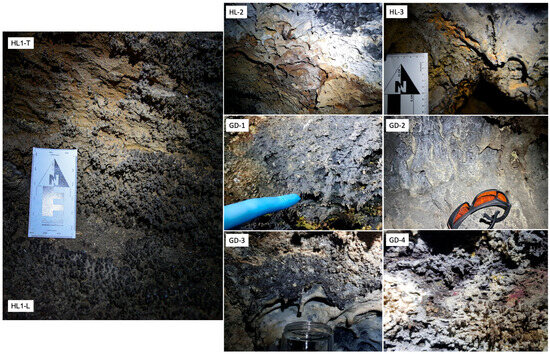
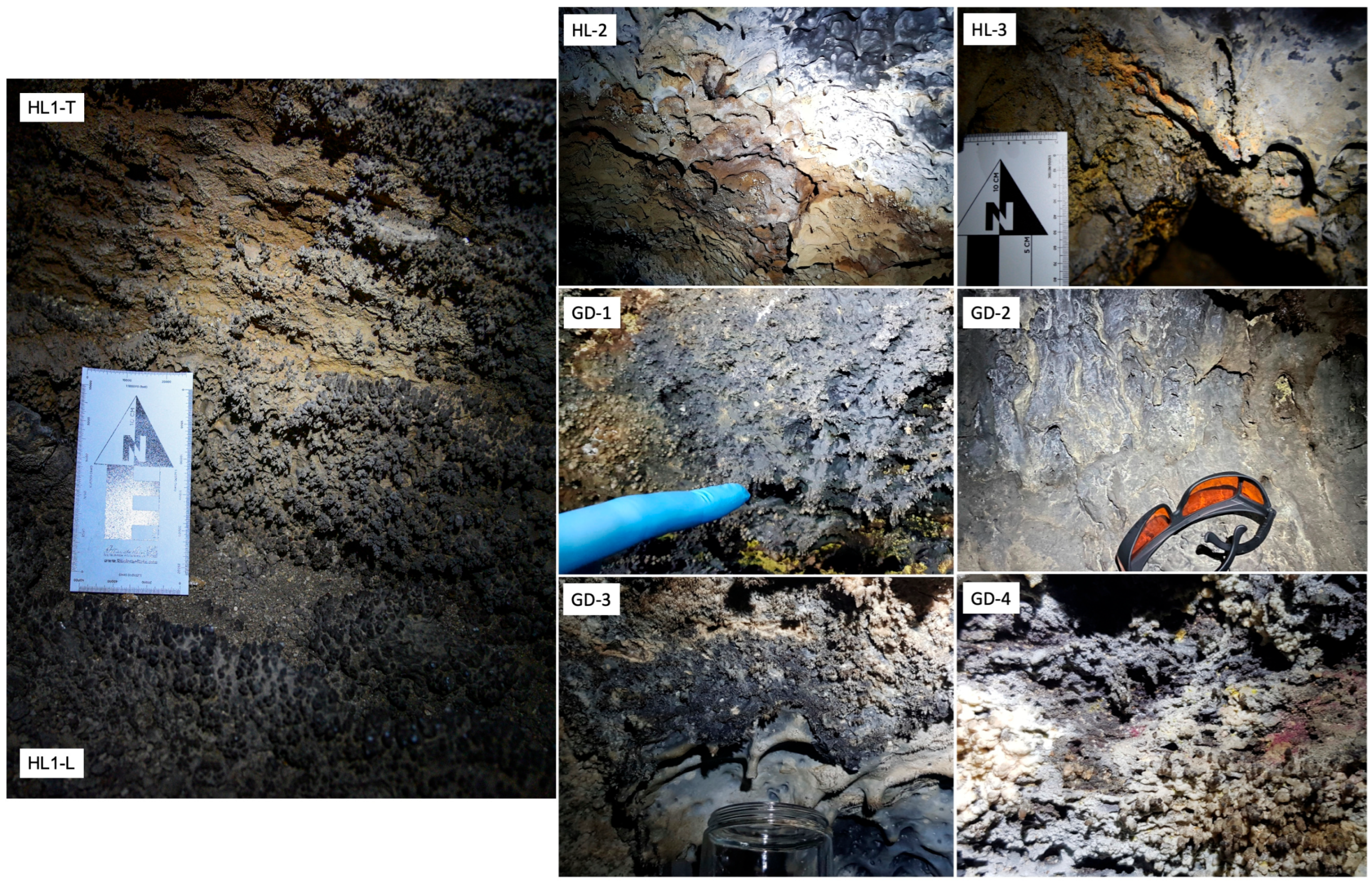
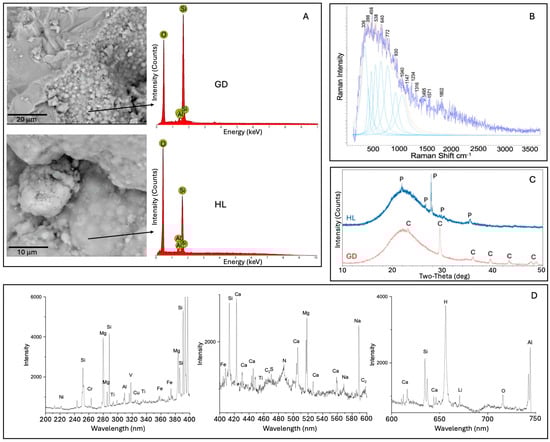
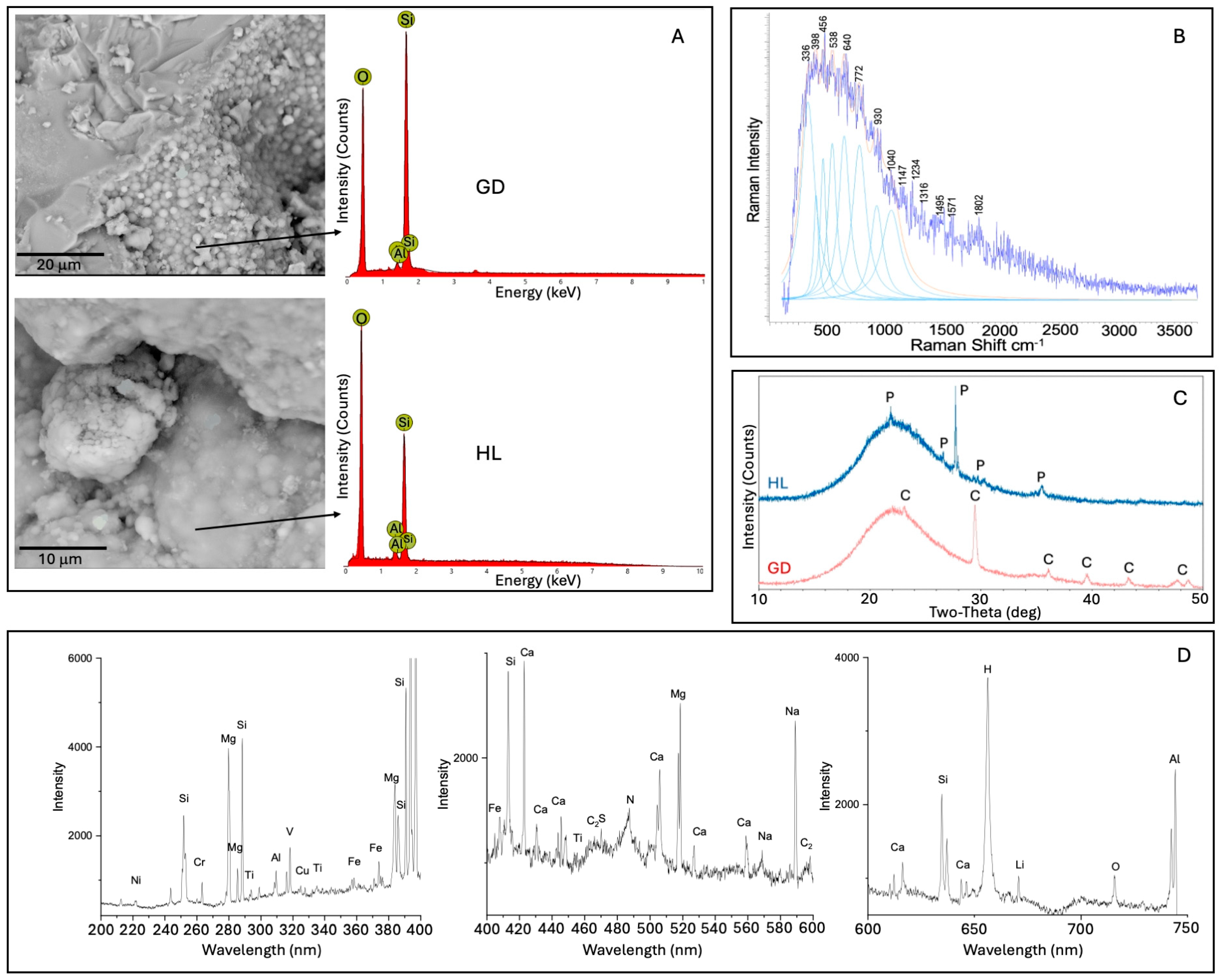
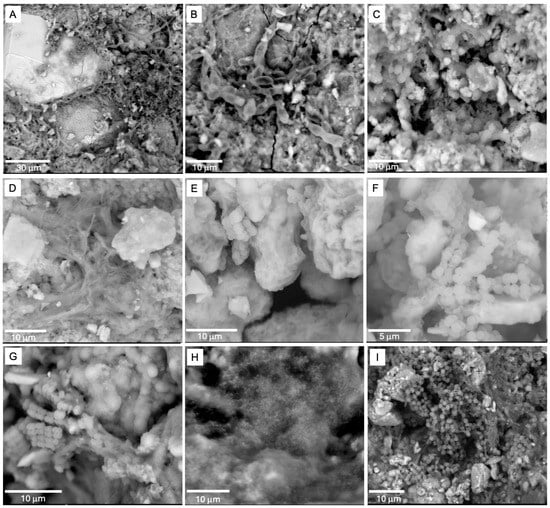
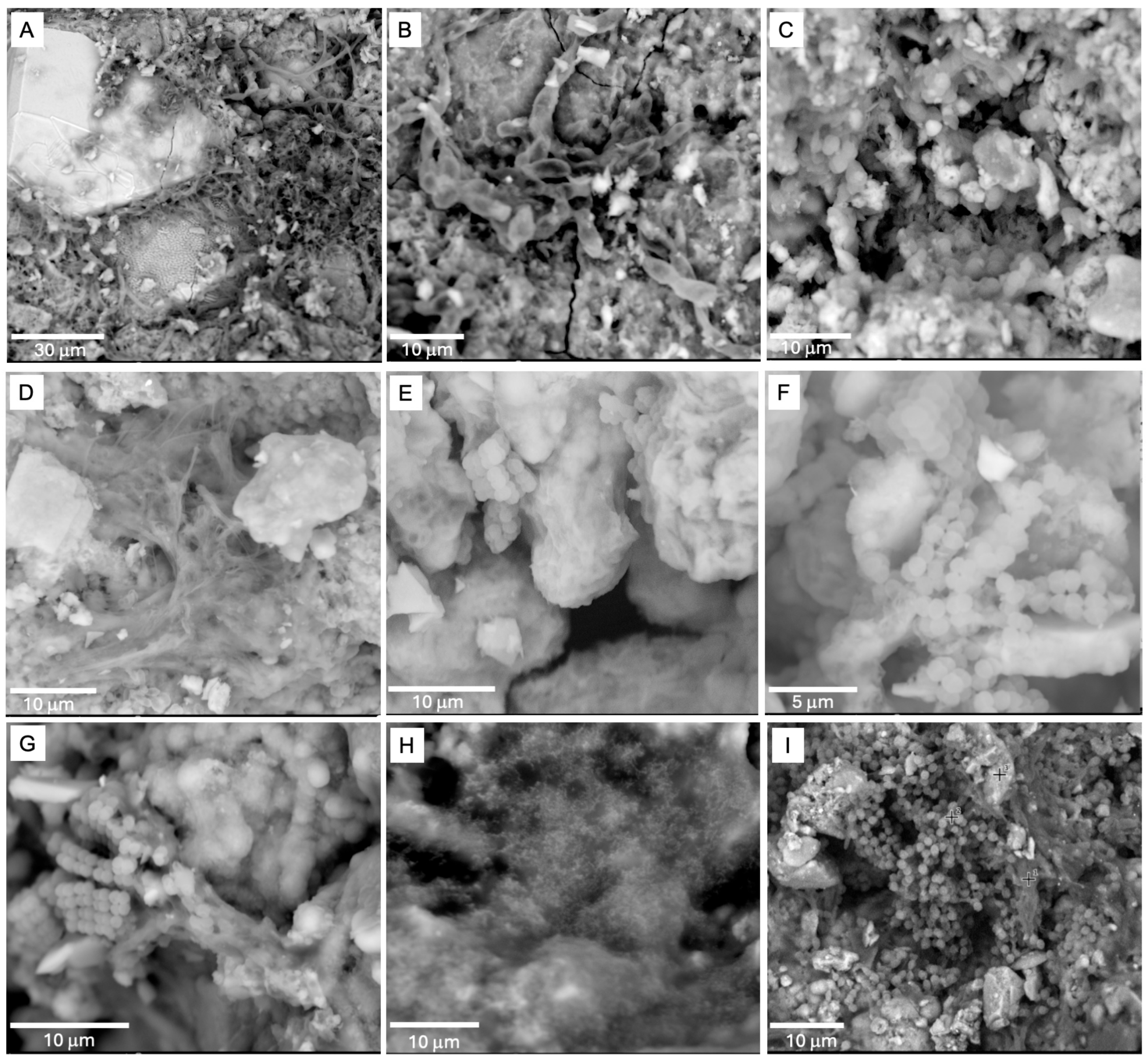
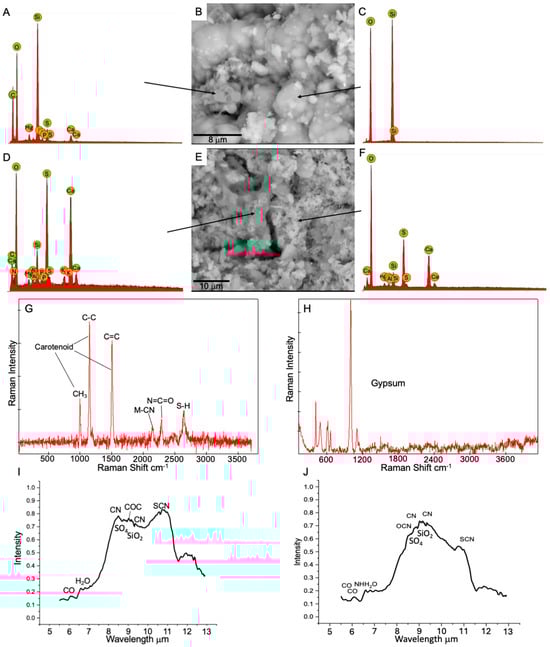
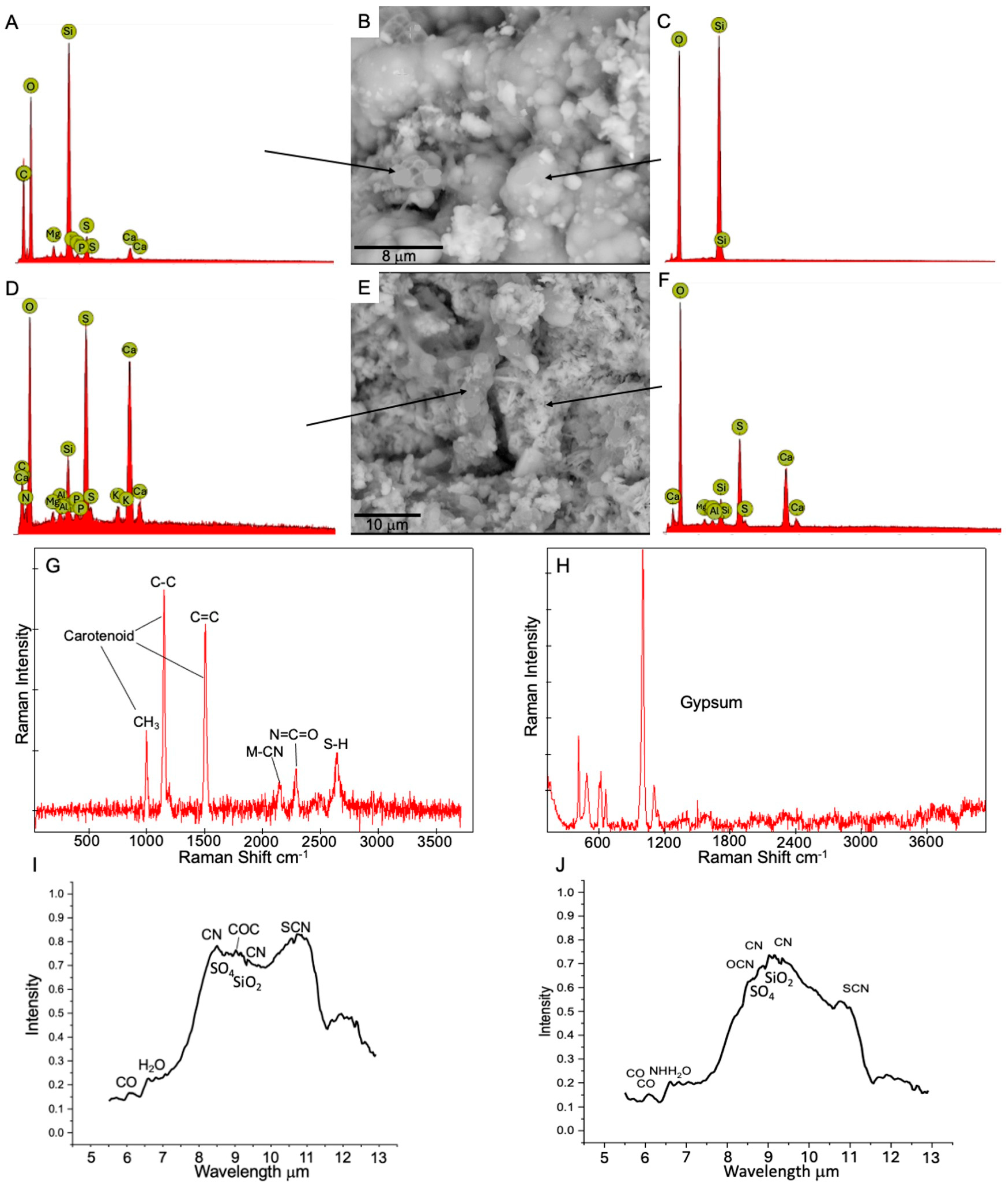
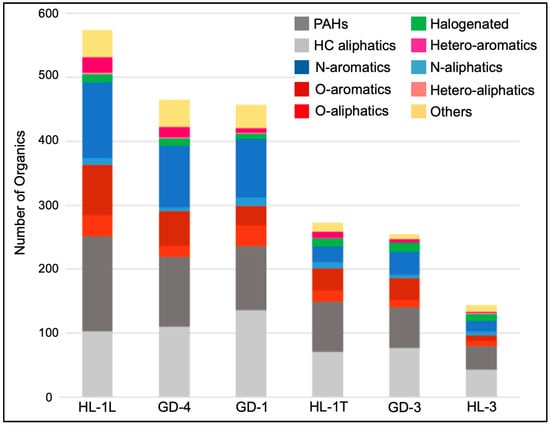
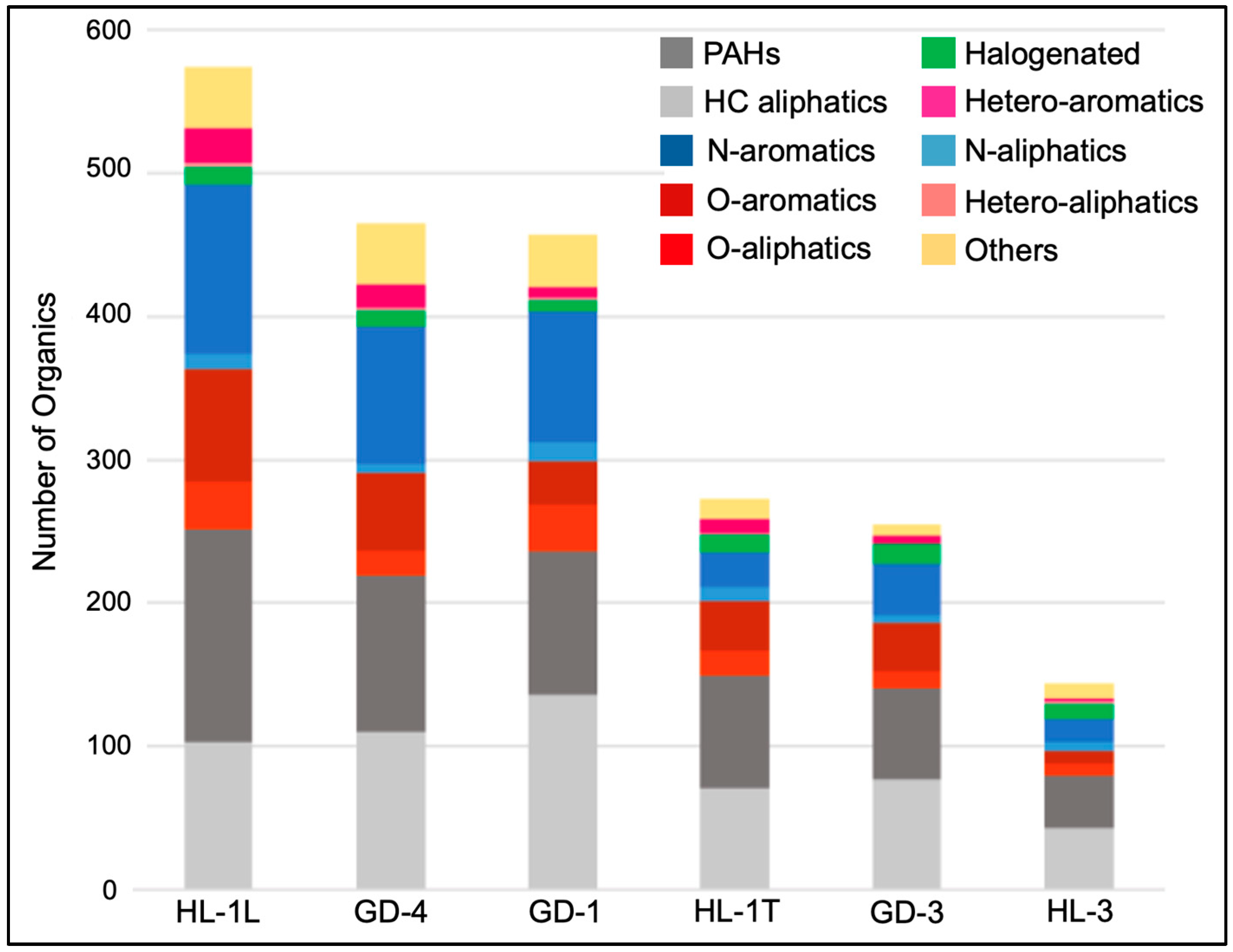
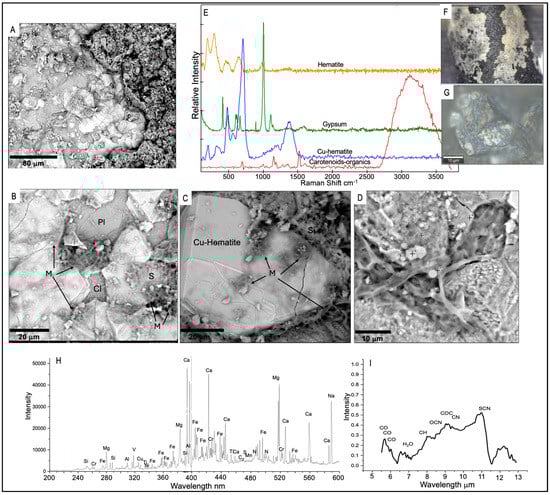
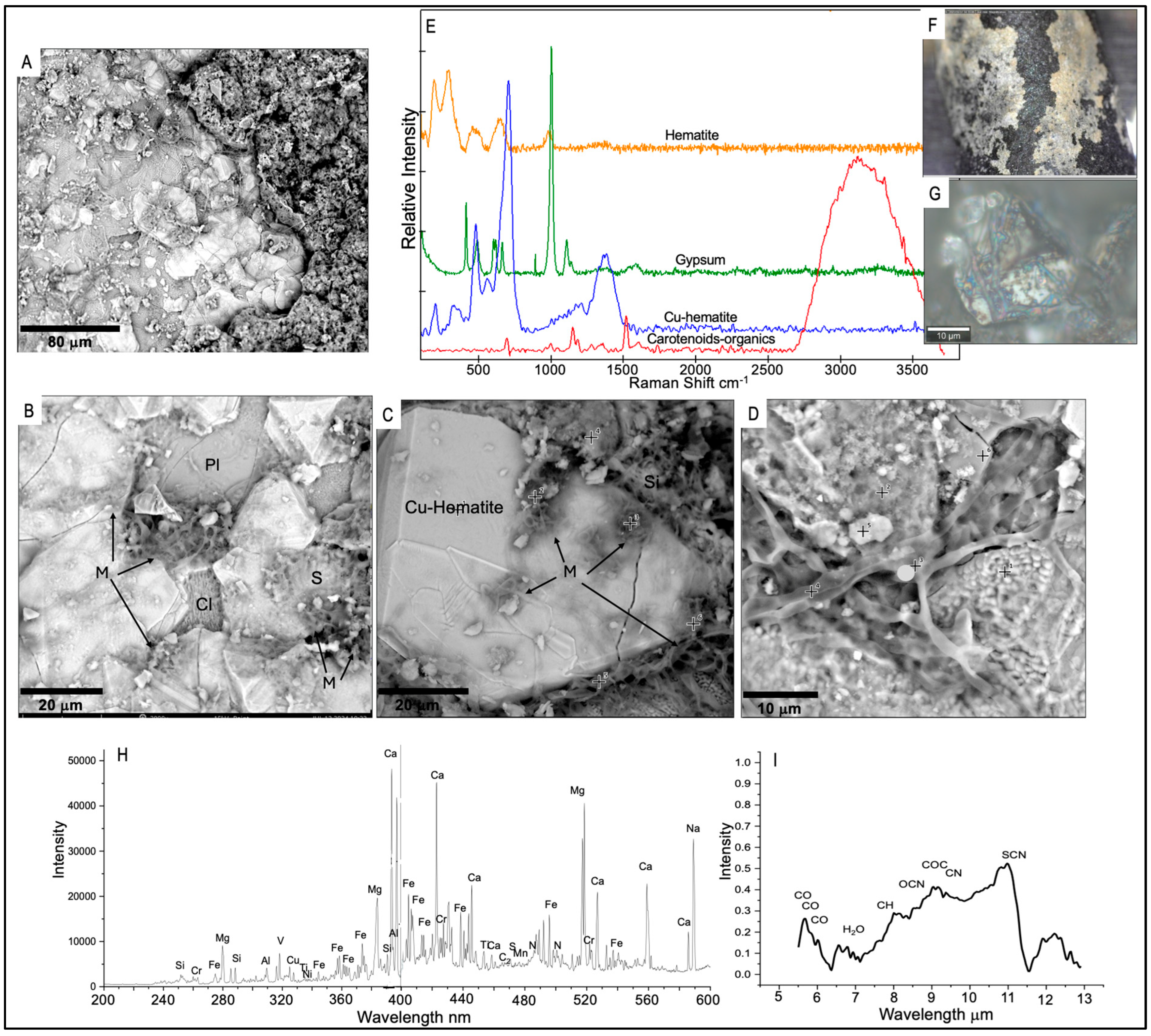
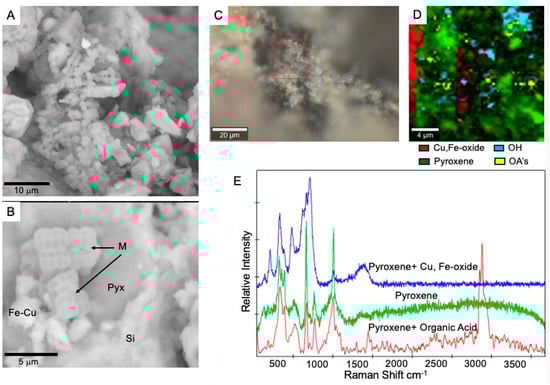
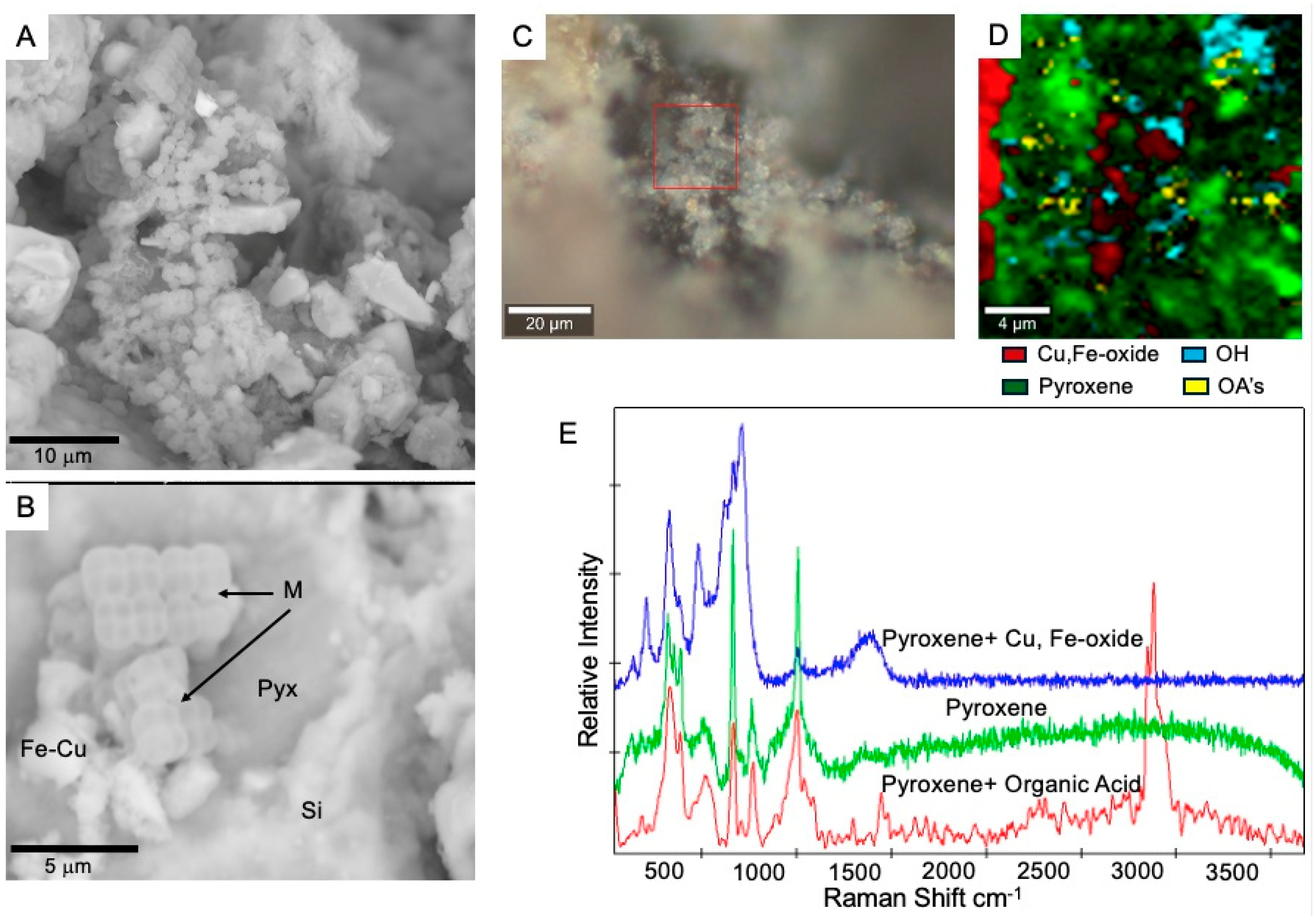

Disclaimer/Publisher’s Note: The statements, opinions and data contained in all publications are solely those of the individual author(s) and contributor(s) and not of MDPI and/or the editor(s). MDPI and/or the editor(s) disclaim responsibility for any injury to people or property resulting from any ideas, methods, instructions or products referred to in the content. |
© 2025 by the authors. Licensee MDPI, Basel, Switzerland. This article is an open access article distributed under the terms and conditions of the Creative Commons Attribution (CC BY) license (https://creativecommons.org/licenses/by/4.0/).