Article

The Submarine Trachytic Lobe–Hyaloclastite Complex of the Caldera of Taburiente (La Palma, Canary Islands): The Age and Meaning of the Oldest Geological Formation on the Island

1
Departamento de Biología Animal, Edafología y Geología, Universidad de La Laguna, P.O. Box 456, 38200 La Laguna, Spain
2
Departamento de Geología, Facultad de Ciencias, Universidad de Salamanca, Plaza de la Merced s/n, 37008 Salamanca, Spain
3
Departamento de Geodinámica, Estratigrafía y Paleontología, Facultad de Ciencias Geológicas, Universidad Complutense de Madrid, C. de José Antonio Novais, 12, 28040 Madrid, Spain
4
Western Australian Argon Isotope Facility, School of Earth and Planetary Sciences, John de Laeter Centre/Space Science and Technology Centre/TIGeR, Curtin University, GPO Box U1987, Perth, WA 6845, Australia
5
Department of Petrology and Geochemistry, Institute of Geography and Earth Sciences, Eötvös Loránd University, Pázmány Sétány 1/C, H-1117 Budapest, Hungary
6
MTA–HUN-REN CSFK Lendület “Momentum” PannonianVolcano Research Group, Institute for Geological and Geochemical Research, HUN-REN Research Centre for Astronomy and Earth Sciences, Budaörsi út 45, H-1112 Budapest, Hungary
7
HUN-REN CSFK, MTA Centre of Excellence, Budapest, Konkoly Thege Miklós út 15-17, H-1121 Budapest, Hungary
*
Author to whom correspondence should be addressed.
Minerals 2025, 15(10), 1007; https://doi.org/10.3390/min15101007
Submission received: 12 July 2025 / Revised: 9 September 2025 / Accepted: 16 September 2025 / Published: 23 September 2025

Abstract

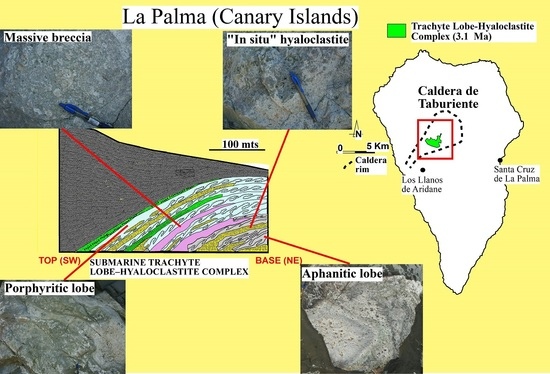
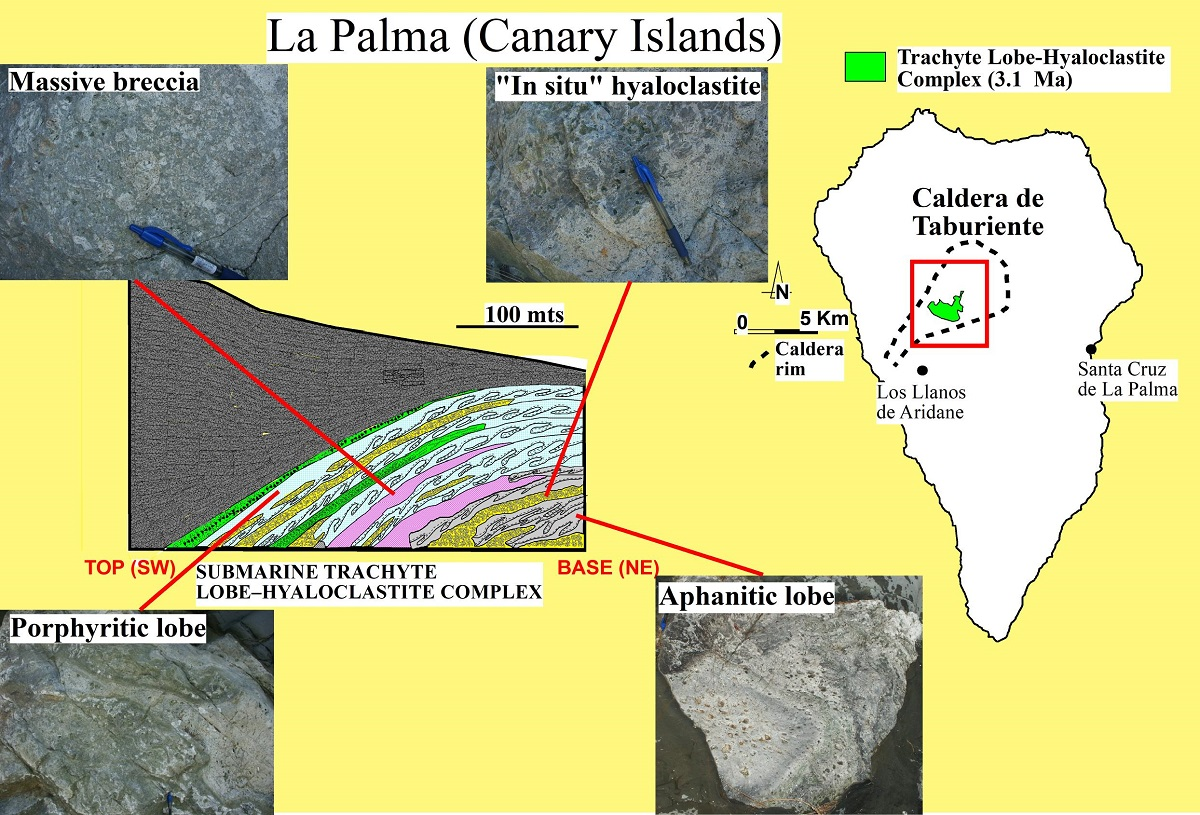
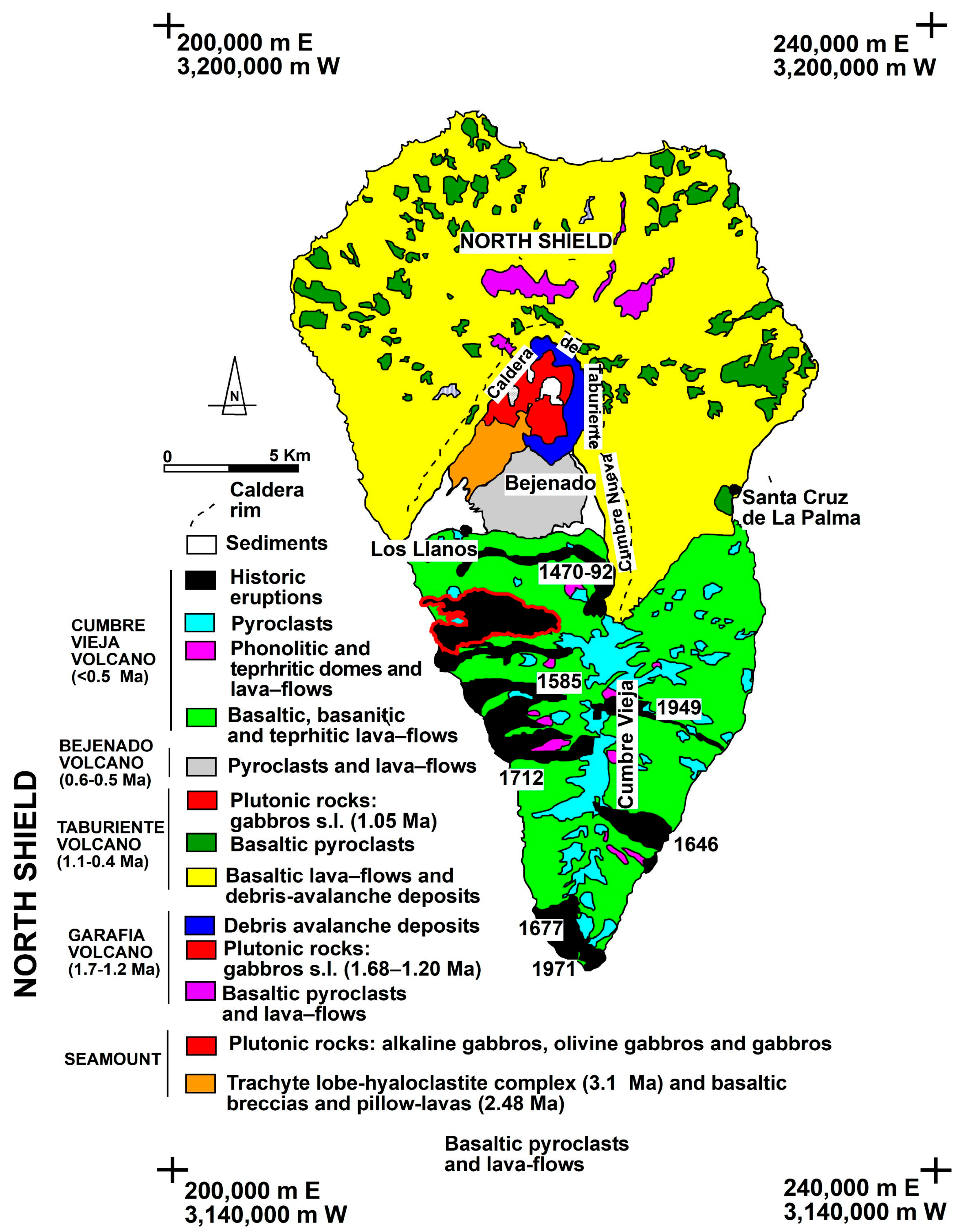
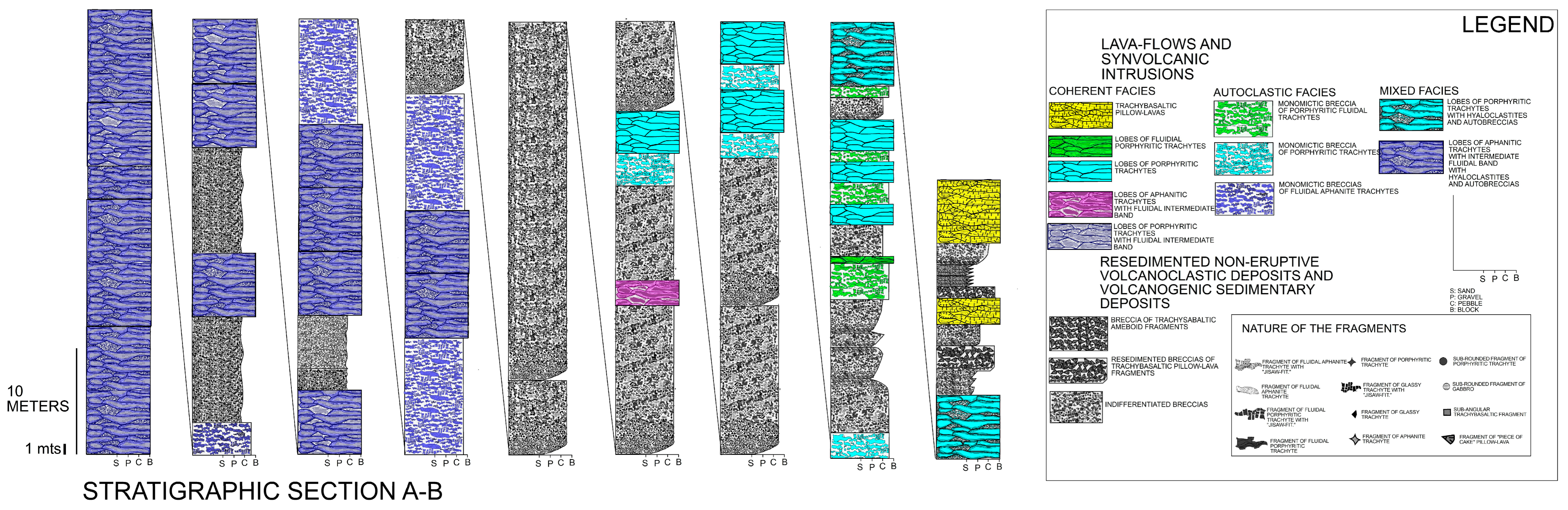
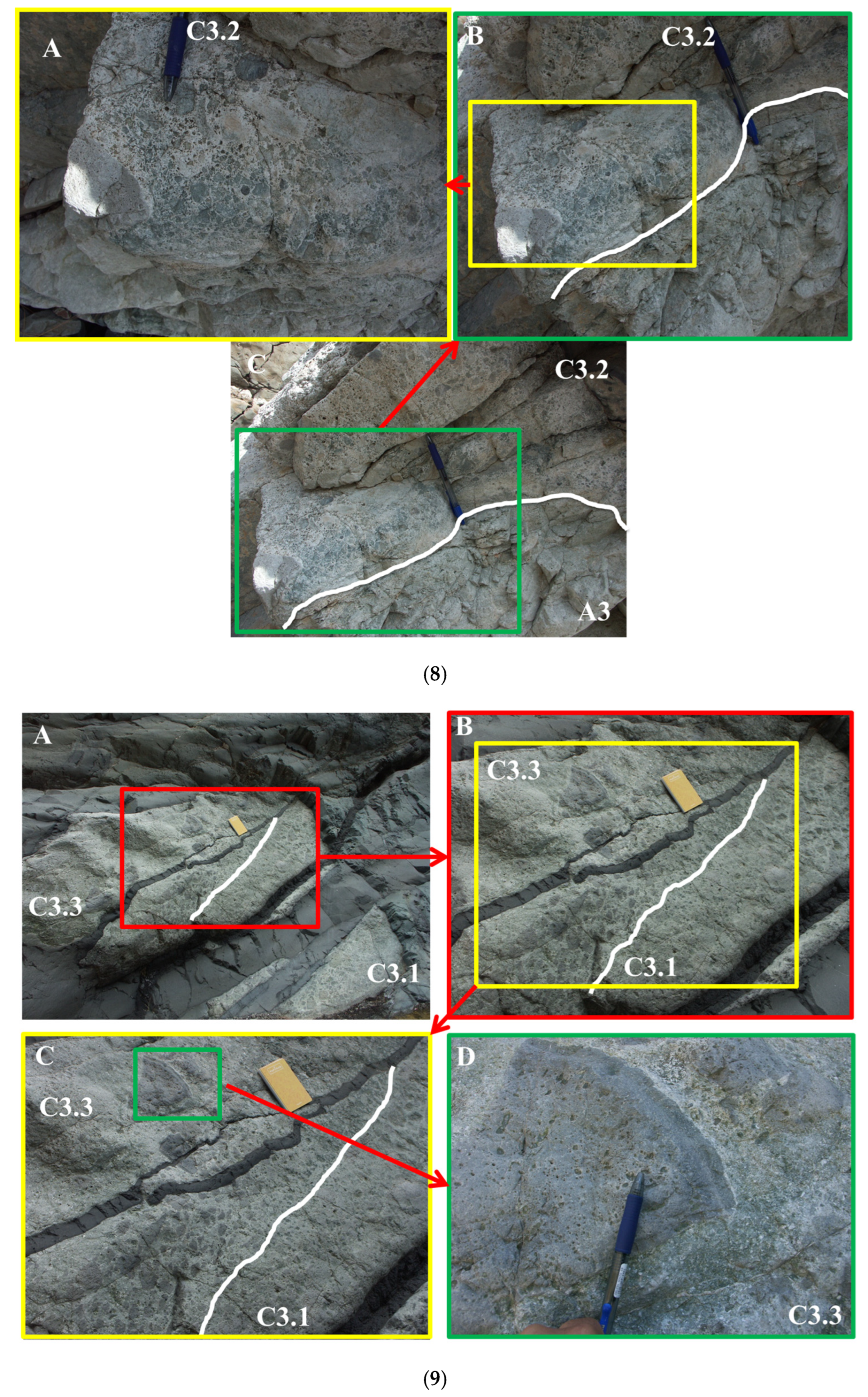
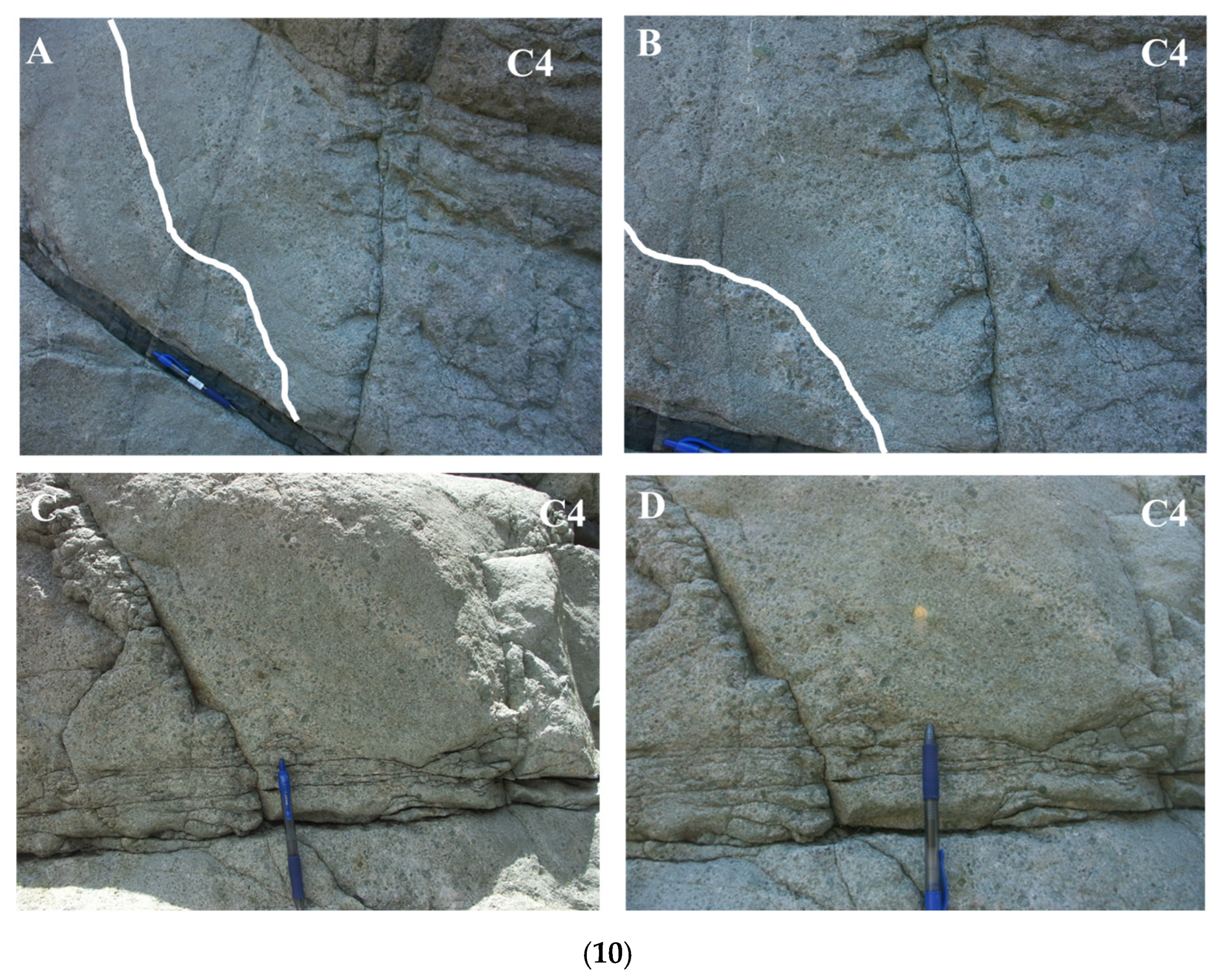
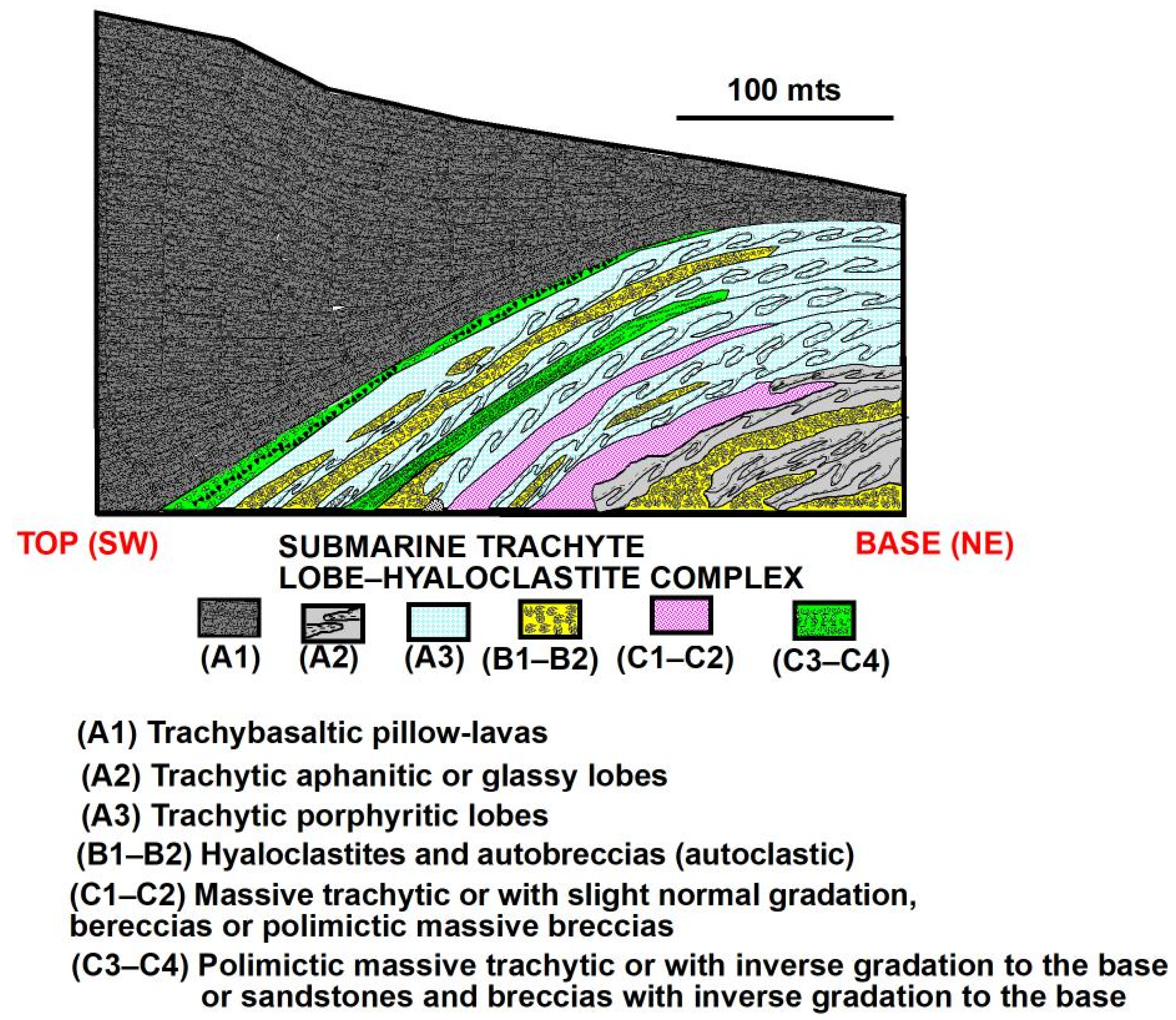
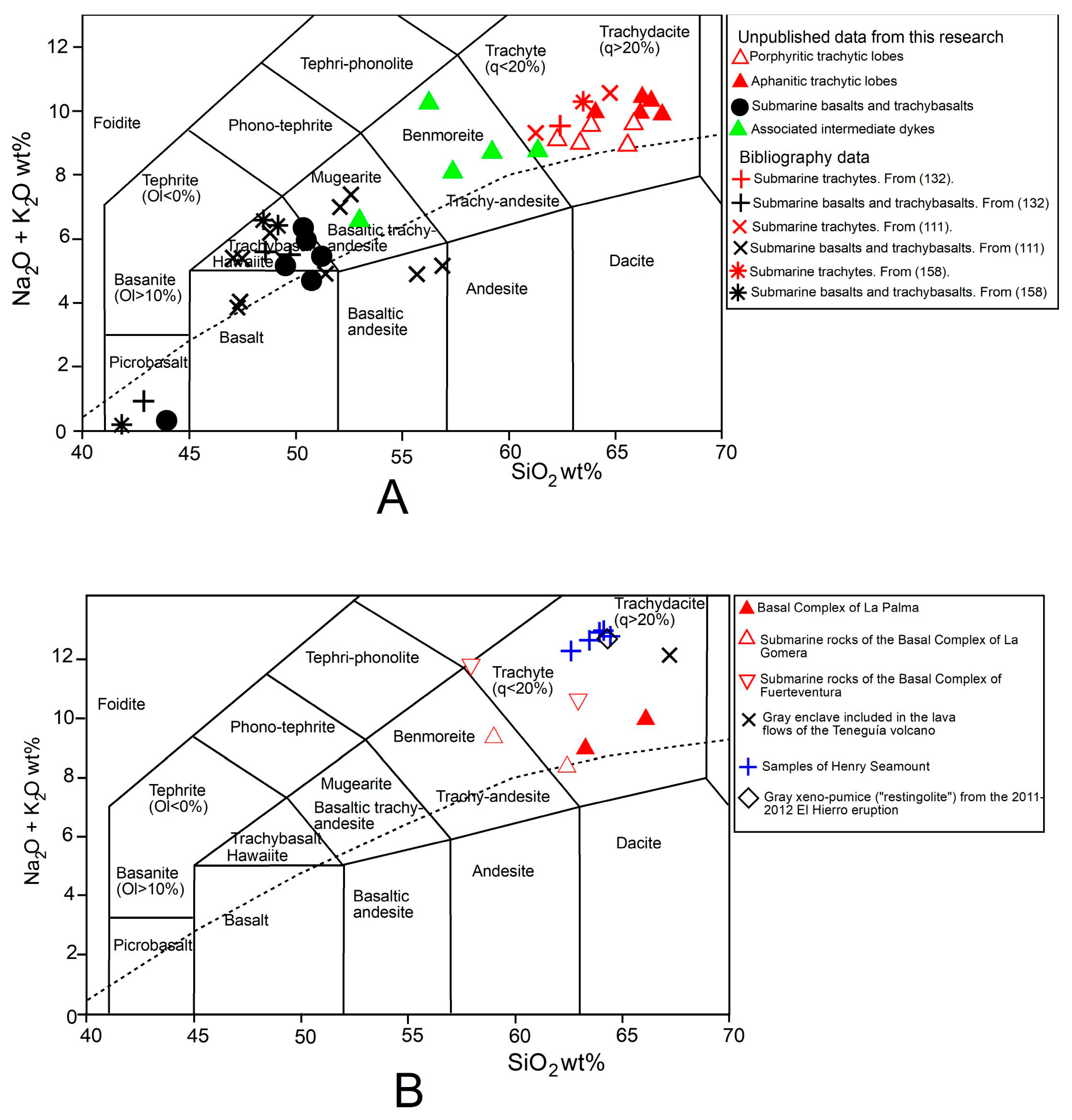
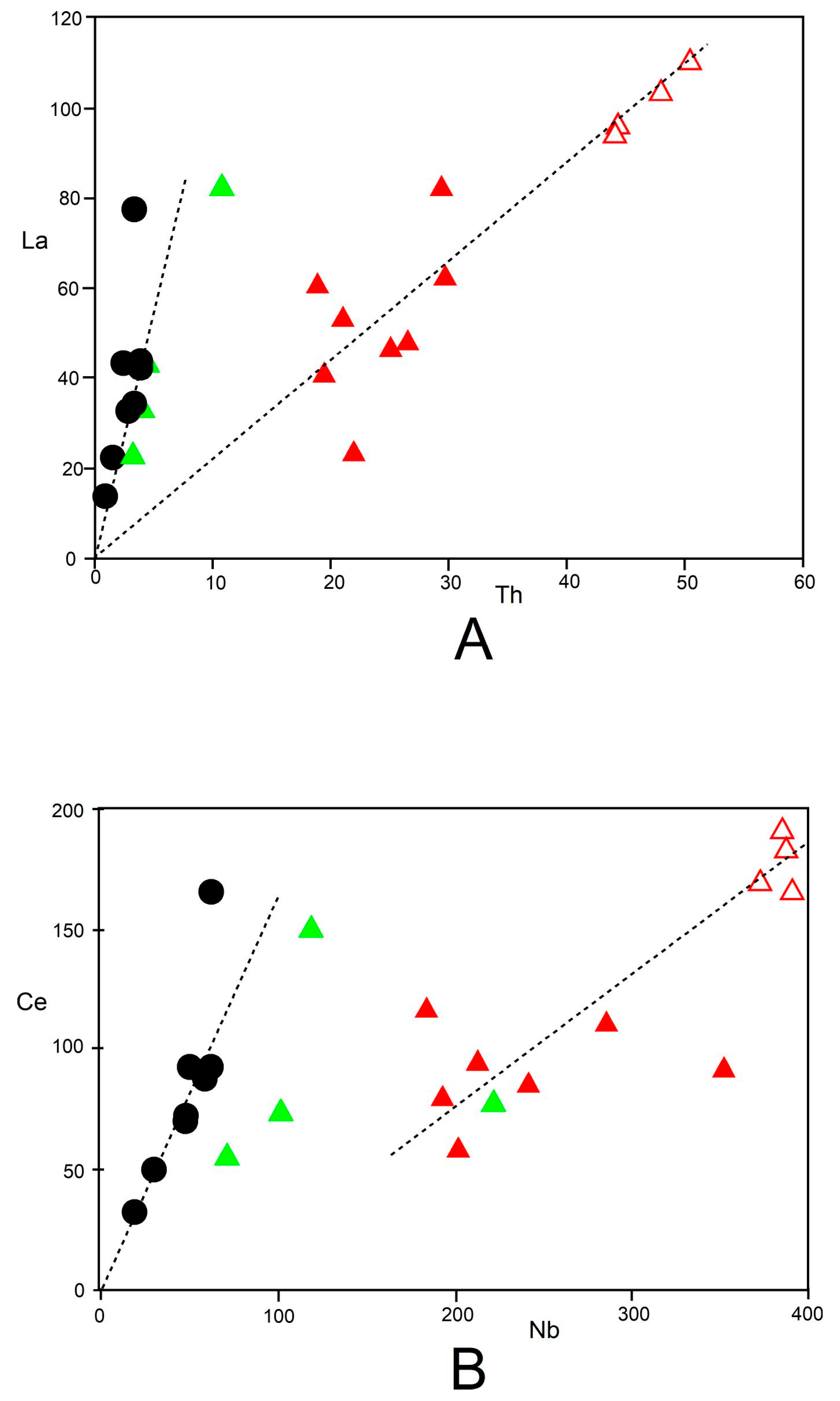
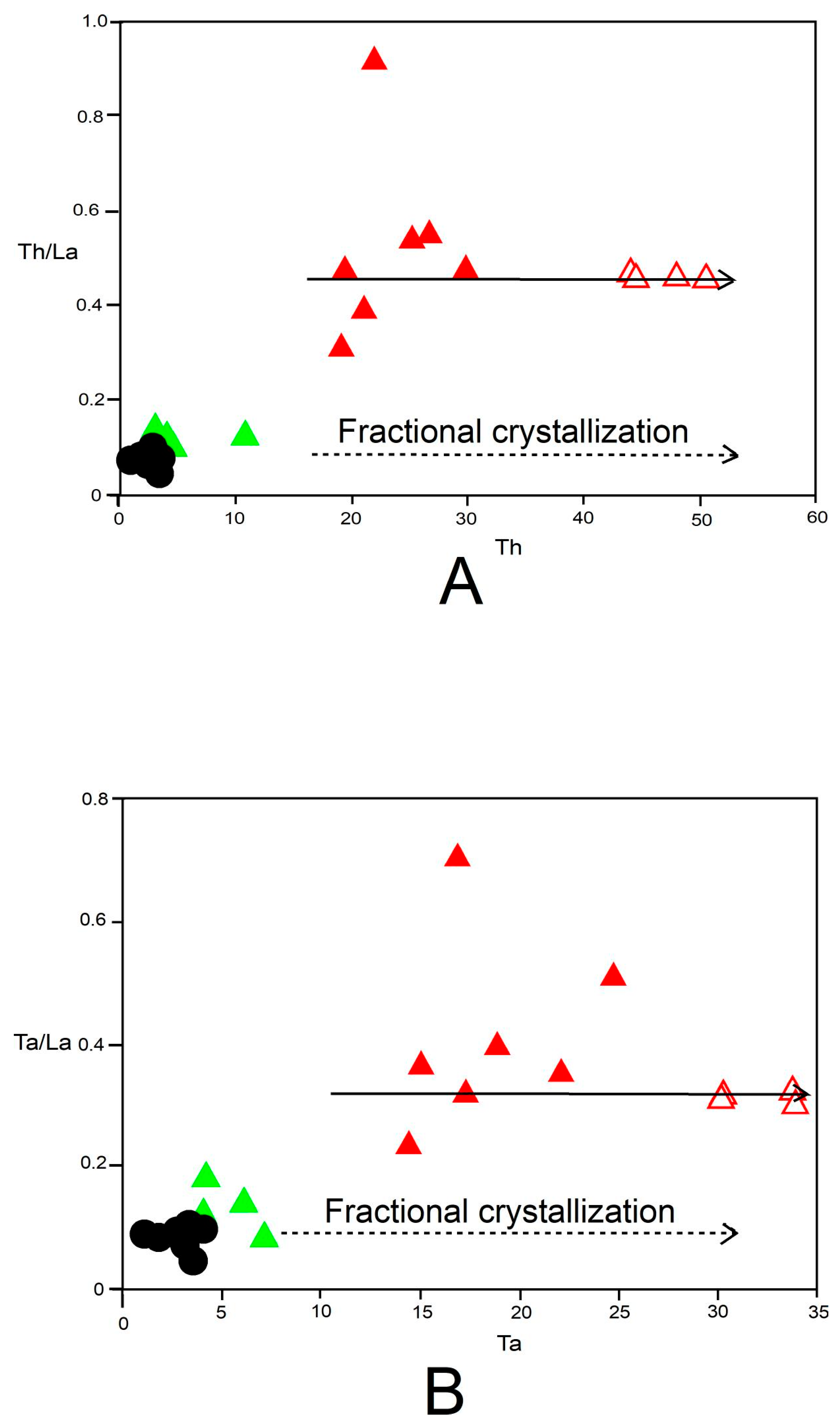
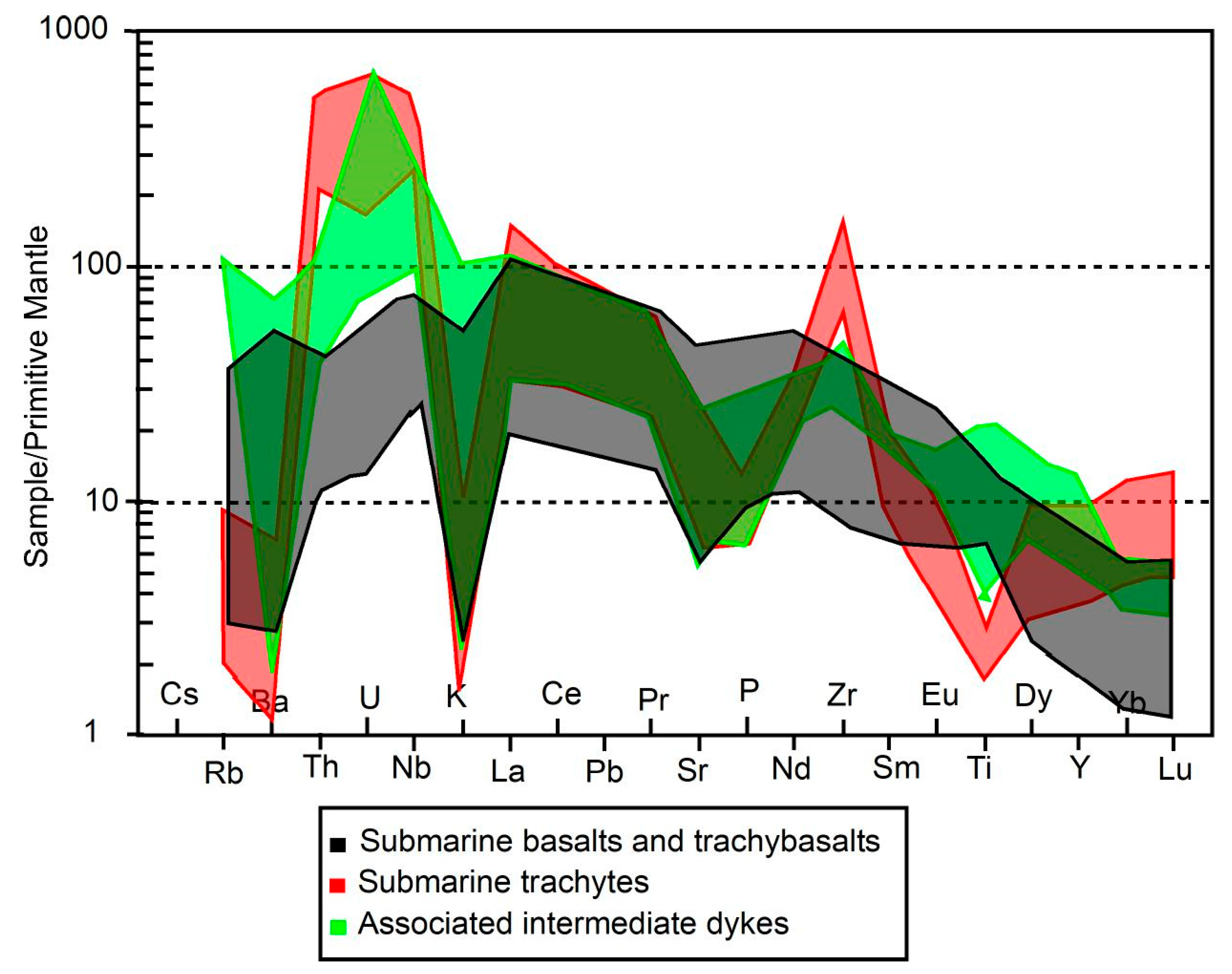
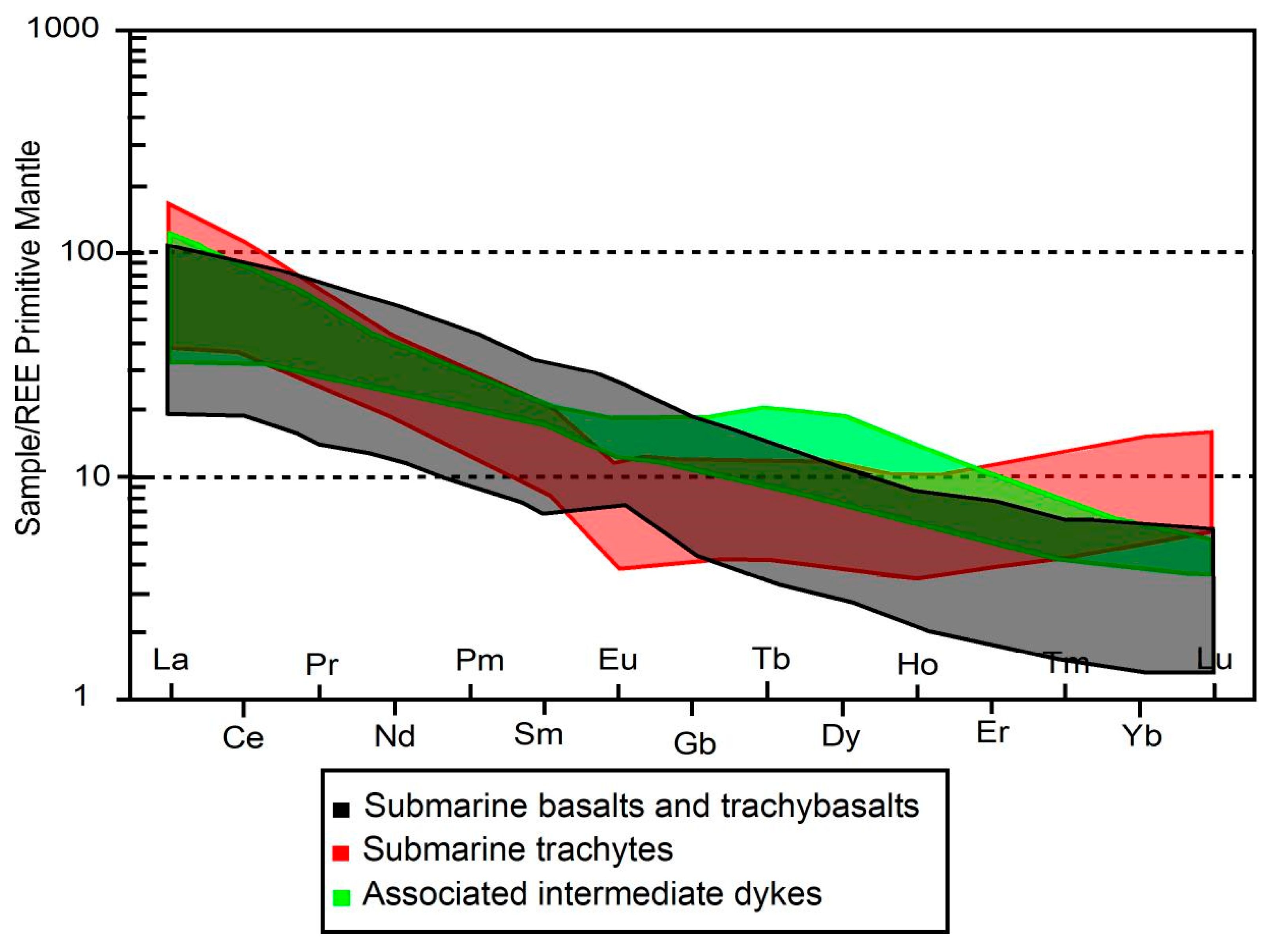
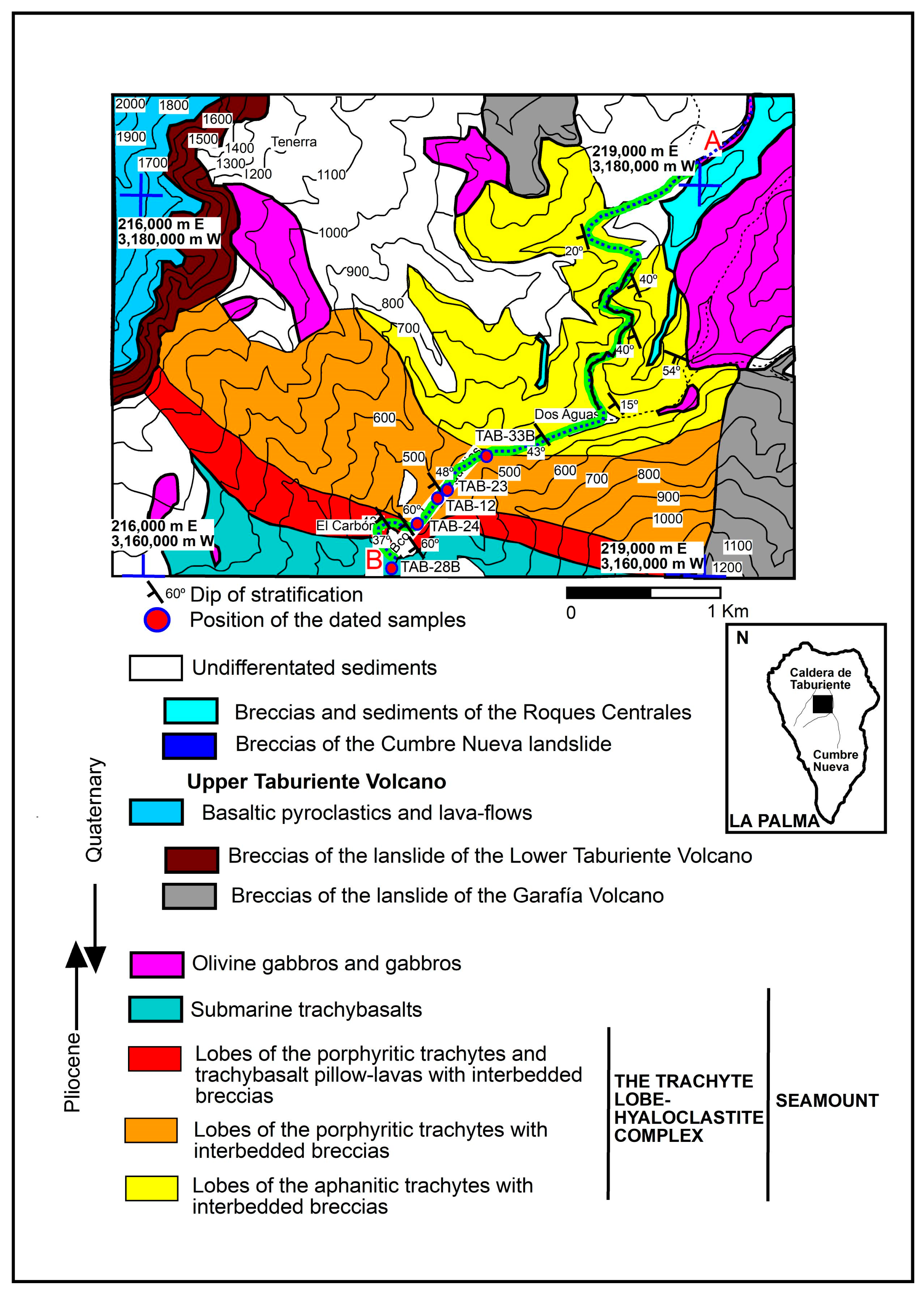
This paper describes for the first time a lobe–hyaloclastite felsic complex on an oceanic island of intraplate setting. In the submarine volcanic succession of the Basal Complex of La Palma (Canary Islands), two main units are identified: an older felsic formation and a conformable upper basaltic–trachybasaltic formation. The felsic formation comprises three facies associations: (1) coherent facies, represented by trachytic lobes with porphyritic, aphanitic, or glass trachytes; (2) autoclastic facies, including hyaloclastites and autobreccias; and (3) syn-eruptive resedimented facies, consisting of mono- and polymictic breccias (massive or graded), and of volcaniclastic sandstones and breccias. The internal architecture and facies relationships are consistent with sedimentation in a submarine trachytic lobe–hyaloclastite complex, which predates the basaltic–trachybasaltic formation. These felsic rocks are classified as trachytes, although they exhibit extensive hydrothermal alteration. The behavior of incompatible trace elements suggests that the variety of the trachytic rocks—porphyritic or aphanitic terms—can be attributed to fractional crystallization processes. However, the features of the incompatible trace elements and the rare earth elements indicate that these trachytes are not cogenetic with the submarine basaltic–trachybasaltic rocks of the Basal Complex of La Palma. Instead, the trachytic magmas responsible for the lobe–hyaloclastite complex formation likely represent the late evolution of a precursor basaltic magma that would have led to the formation of a basaltic submarine shield not exposed nowadays. This study also presents the first robust geochronological constraints for the submarine volcanic units of the La Palma Basal Complex, based on U–Pb on zircons and Ar–Ar on amphiboles. Given that the submarine trachytic lobe–hyaloclastite complex is the oldest lithostratigraphic unit exposed on La Palma, a minimum age of 3.10 Ma is proposed for the initiation of the island submarine growth stage.
Keywords: Caldera de Taburiente; La Palma; lobe–hyaloclastite complex; trachytes Caldera de Taburiente; La Palma; lobe–hyaloclastite complex; trachytes
Graphical Abstract