Article

Microtextural Characteristics of Ultramafic Rock-Forming Minerals and Their Effects on Carbon Sequestration

by
Tadsuda Taksavasu
1,*,
Piyanat Arin
2,
Thanakon Khatecha
1 and
Suchanya Kojinok
3
1
Department of Mining and Petroleum Engineering, Faculty of Engineering, Chiang Mai University, 239 Huay Kaew Road, Suthep, Muang Chiang Mai 50200, Chiang Mai, Thailand
2
Department of Geological Sciences, Faculty of Science, Chiang Mai University, 239 Huay Kaew Road, Suthep, Muang Chiang Mai 50200, Chiang Mai, Thailand
3
Institute of Product Quality and Standardization, Maejo University, 63 Moo. 4, Nong Han, San Sai 50290, Chiang Mai, Thailand
*
Author to whom correspondence should be addressed.
Minerals 2024, 14(6), 597; https://doi.org/10.3390/min14060597
Submission received: 10 May 2024 / Revised: 1 June 2024 / Accepted: 5 June 2024 / Published: 6 June 2024
(This article belongs to the Special Issue Chemical Weathering Studies)

Abstract

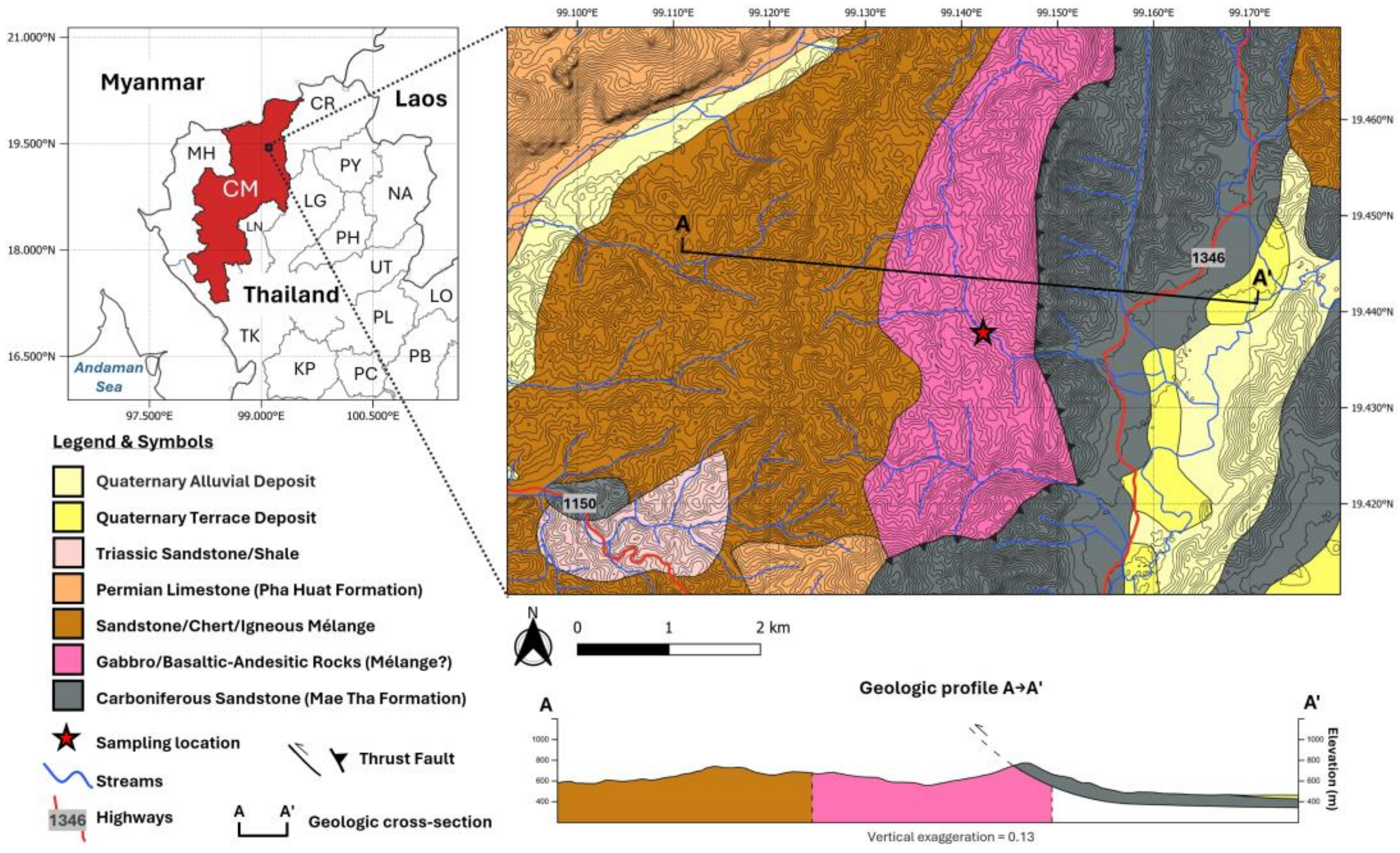
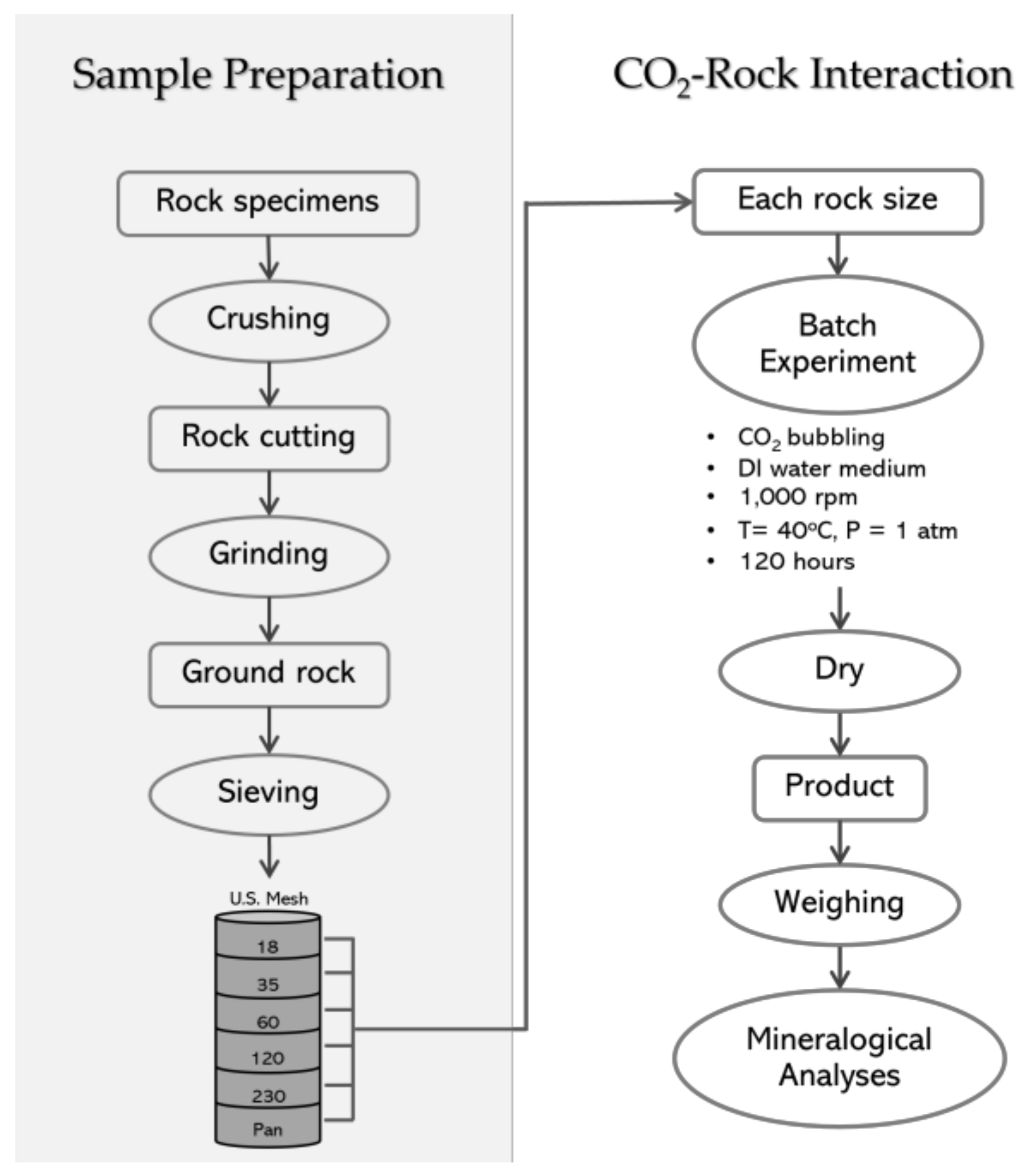
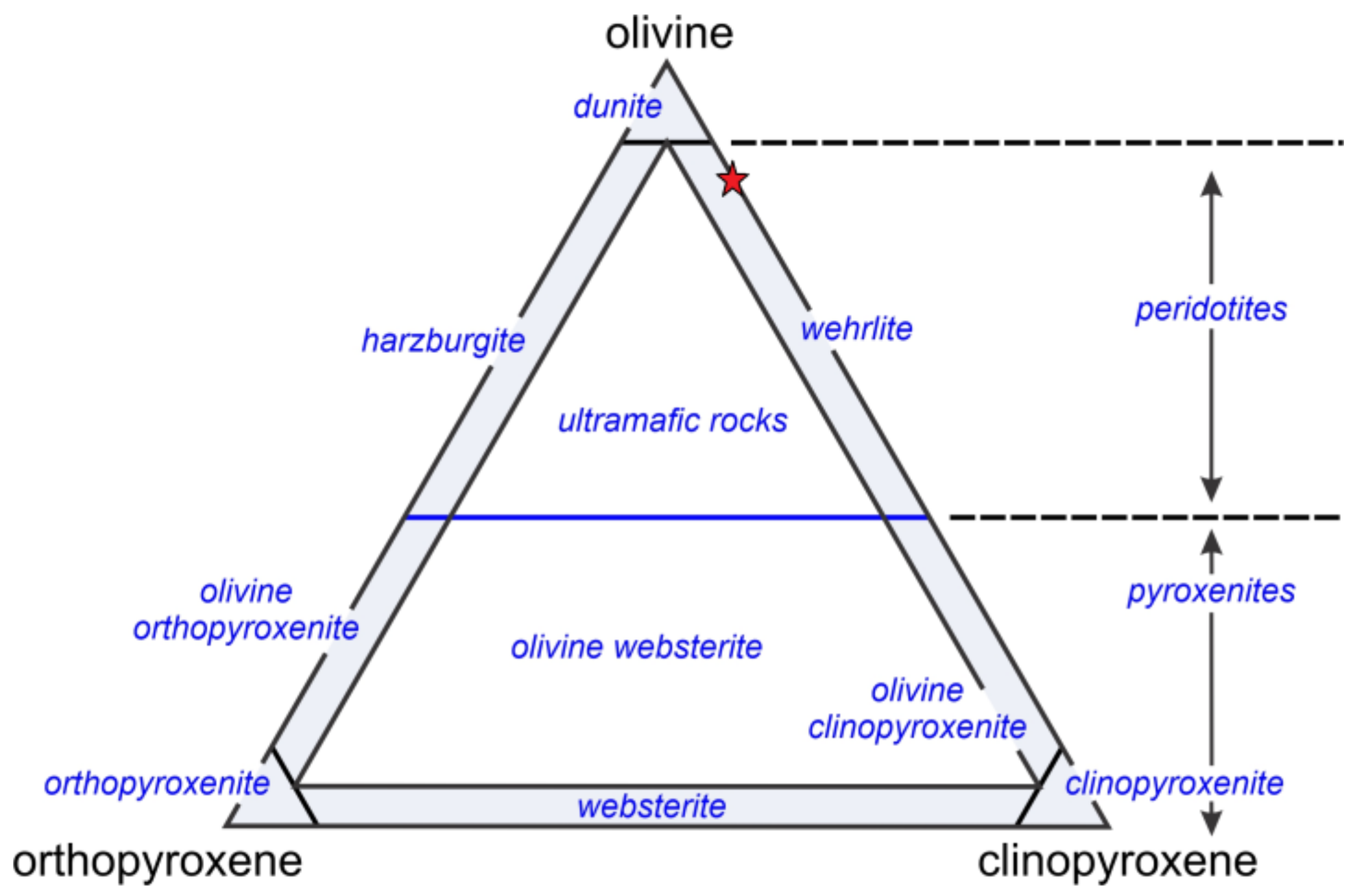
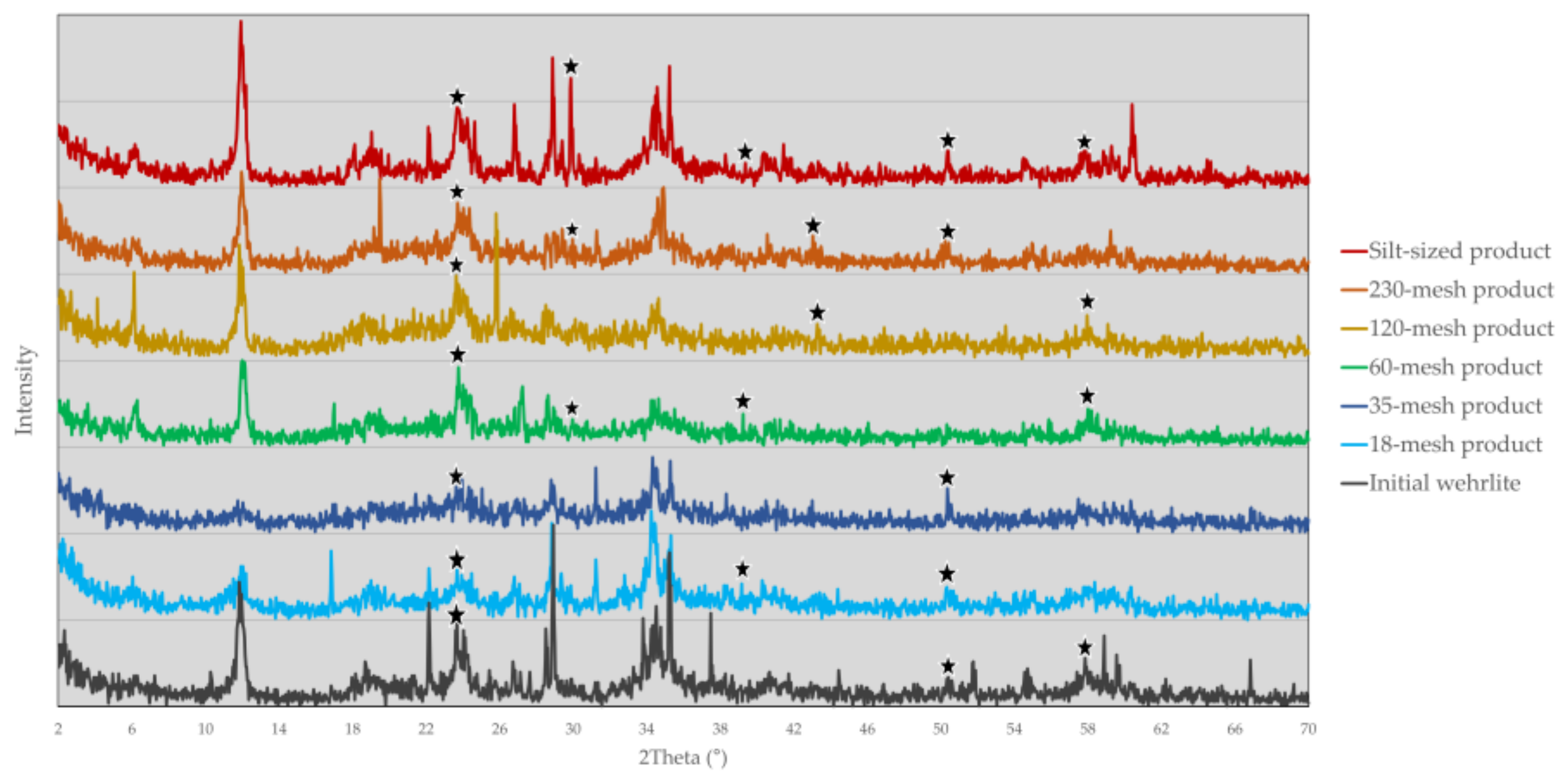
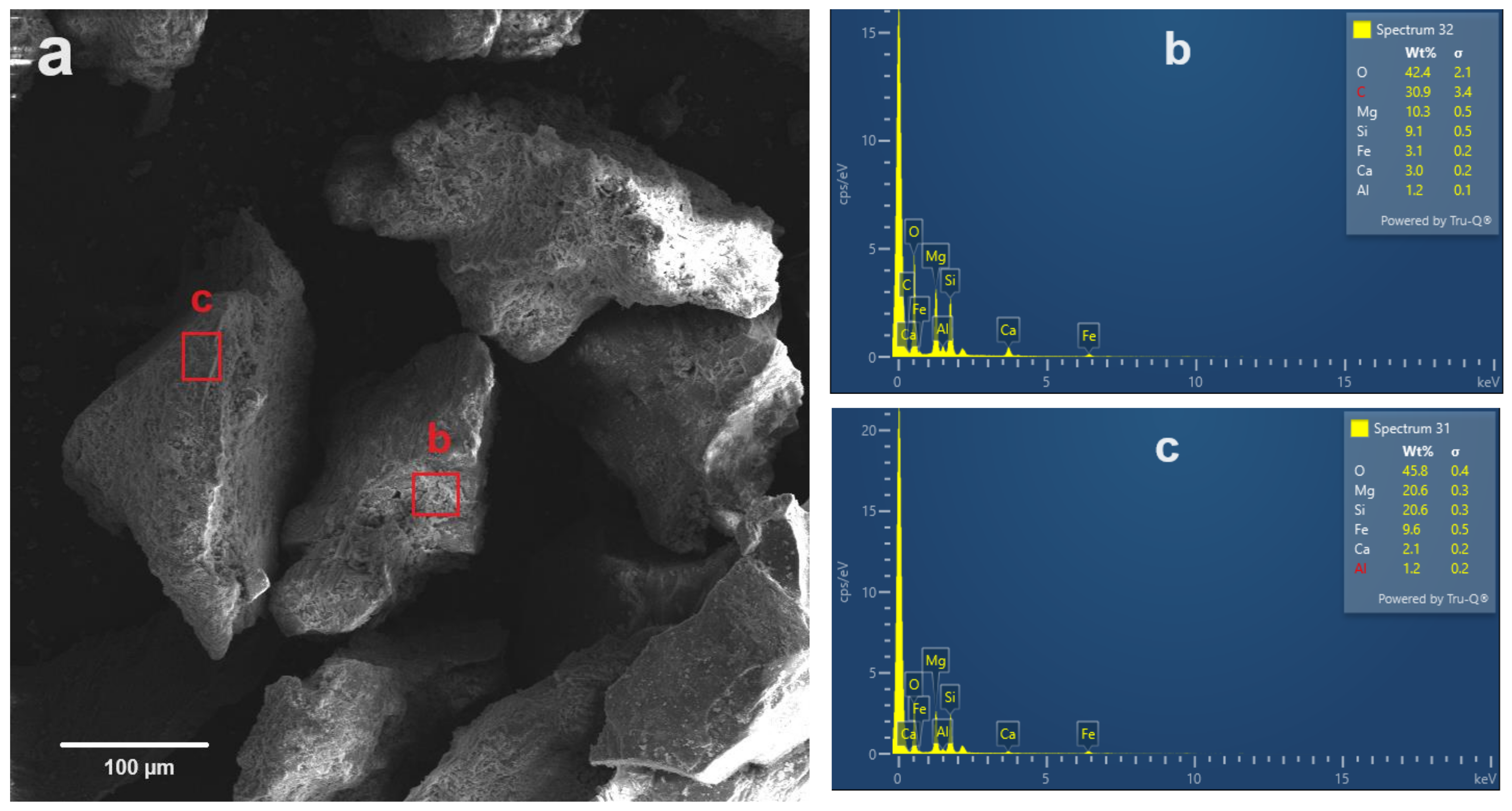
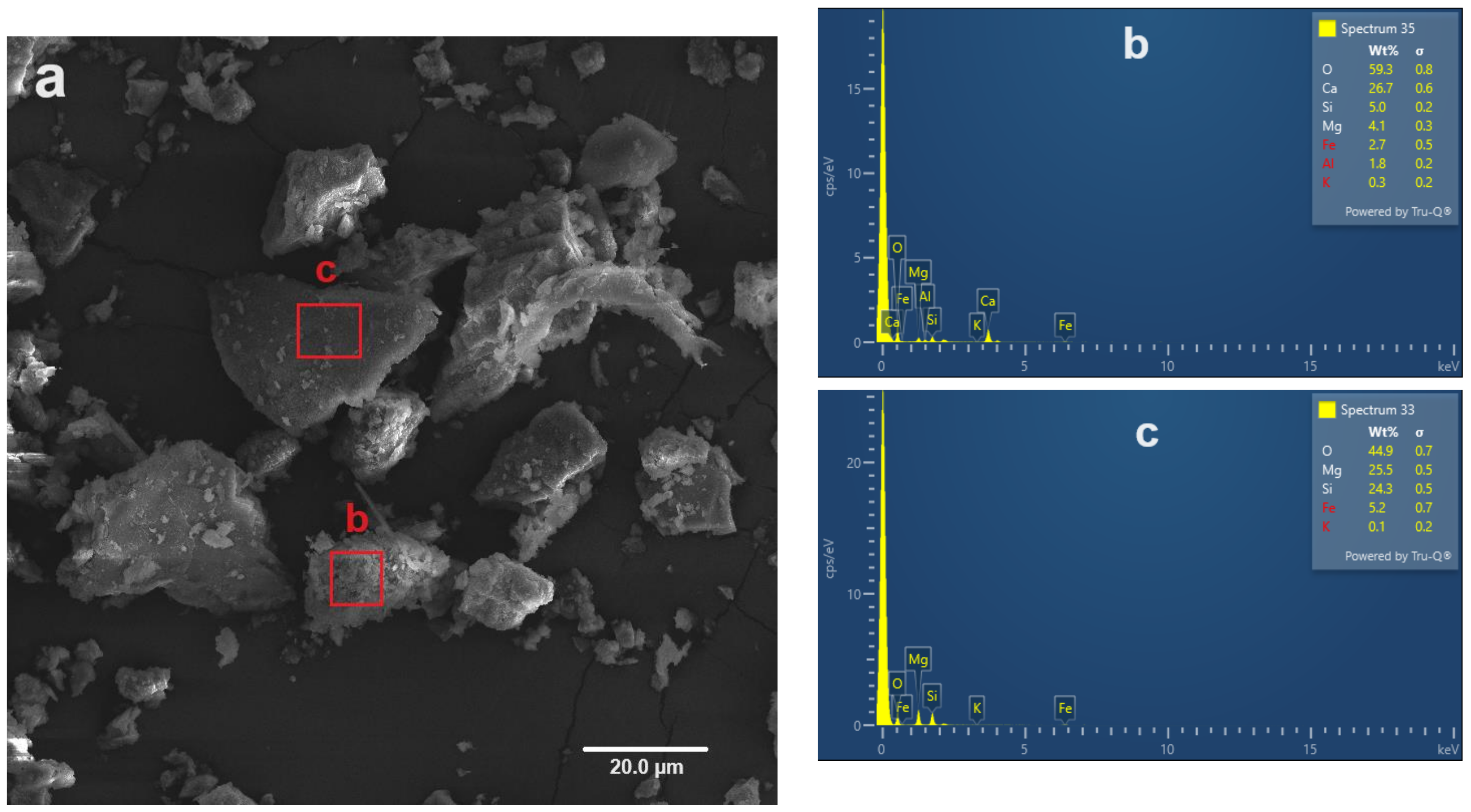
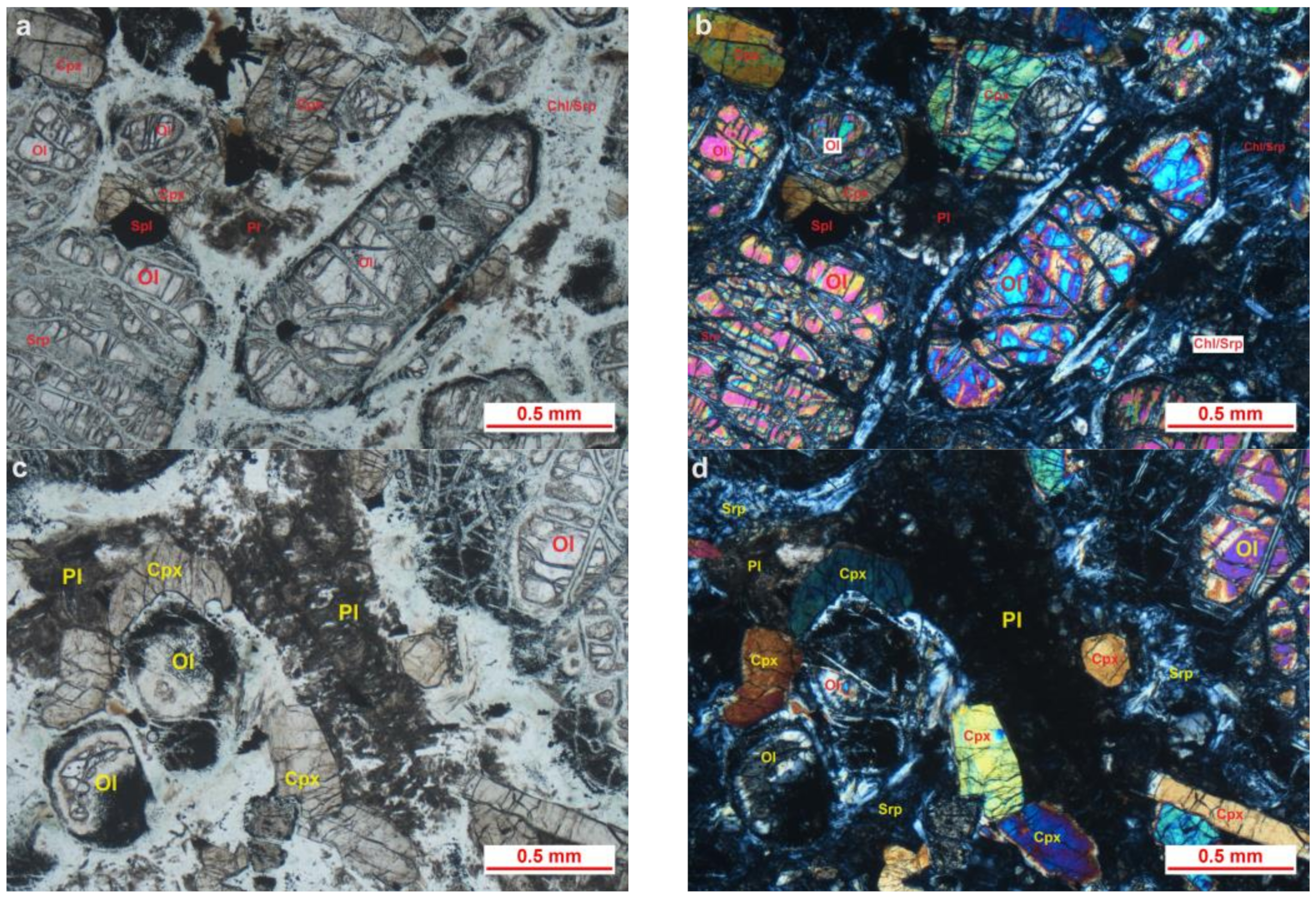
Ultramafic rocks are promising candidates for carbon sequestration by enhanced carbon dioxide (CO2) mineralization strategies due to their highly CO2-reactive mineral composition and their abundant availability. This study reports the mineralogy and microtextures of a representative ultramafic rock from the Ma-Hin Creek in northern Thailand and provides evidence of CO2 mineralization occurring through the interaction between CO2 and the rock in the presence of water under ambient conditions. After sample collection, rock description was determined by optical petrographic analysis. The rock petrography revealed a cumulated wehrlite comprising over 50% olivine and minor amounts of clinopyroxene, plagioclase, and chromian spinel. Approximately 25% of the wehrlite had altered to serpentine and chlorite. A series of CO2 batch experiments were conducted on six different rock sizes at a temperature of 40 °C and pressure of 1 atm over five consecutive days. The post-experimental products were dried, weighed, and geochemically analyzed to detect changes in mineral species. Experimental results showed that product weight and the presence of calcite increased with reducing grain size. Additionally, the modal mineralogy of the wehrlite theoretically suggests potential CO2 uptake of up to 53%, which is higher than the average uptake values of mafic rocks. These findings support the rock investigation approach used and the preliminary assessment of carbon mineralization potential, contributing to enhanced rock weathering techniques for CO2 removal that could be adopted by mining and rock supplier industries.
Keywords: carbon sequestration; climate action; enhanced rock weathering (ERW); mineralization; natural-based materials carbon sequestration; climate action; enhanced rock weathering (ERW); mineralization; natural-based materials