Article

Activation of Dolomite Flotation by Ferrous Hydroxide and Carbonate

1
CAS Key Laboratory of Green Process and Engineering, Institute of Process Engineering, Chinese Academy of Sciences, Beijing 100190, China
2
National Engineering Research Center of Green Recycling for Strategic Metal Resources, Chinese Academy of Sciences, Beijing 100190, China
3
University of Chinese Academy of Sciences, Beijing 100049, China
4
Postdoctoral Research Station, Guosen Securities Co., Ltd., Shenzhen 518001, China
*
Author to whom correspondence should be addressed.
Minerals 2023, 13(2), 200; https://doi.org/10.3390/min13020200
Submission received: 19 December 2022 / Revised: 13 January 2023 / Accepted: 19 January 2023 / Published: 30 January 2023
(This article belongs to the Special Issue Sulphate and Carbonate Minerals)

Abstract

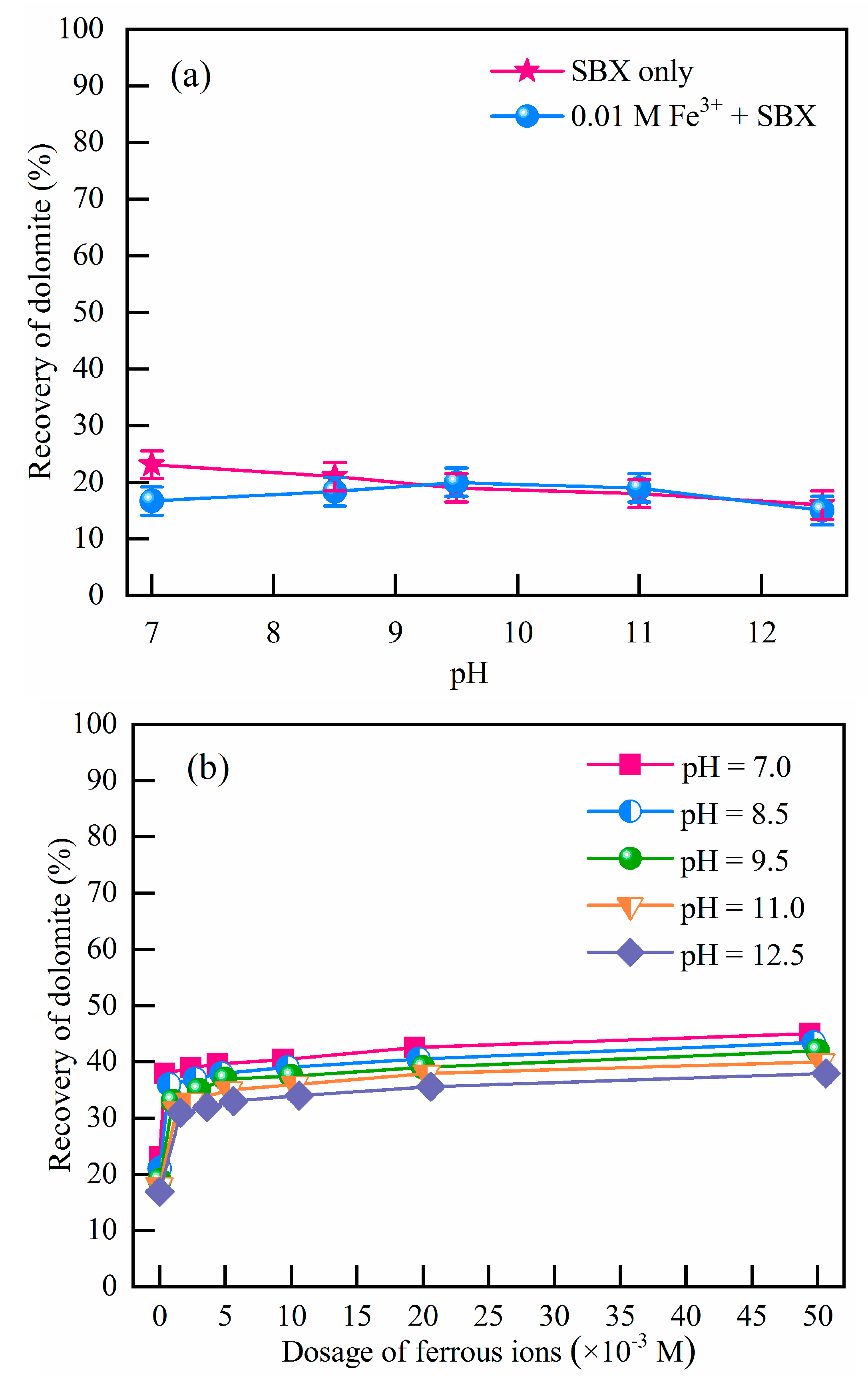
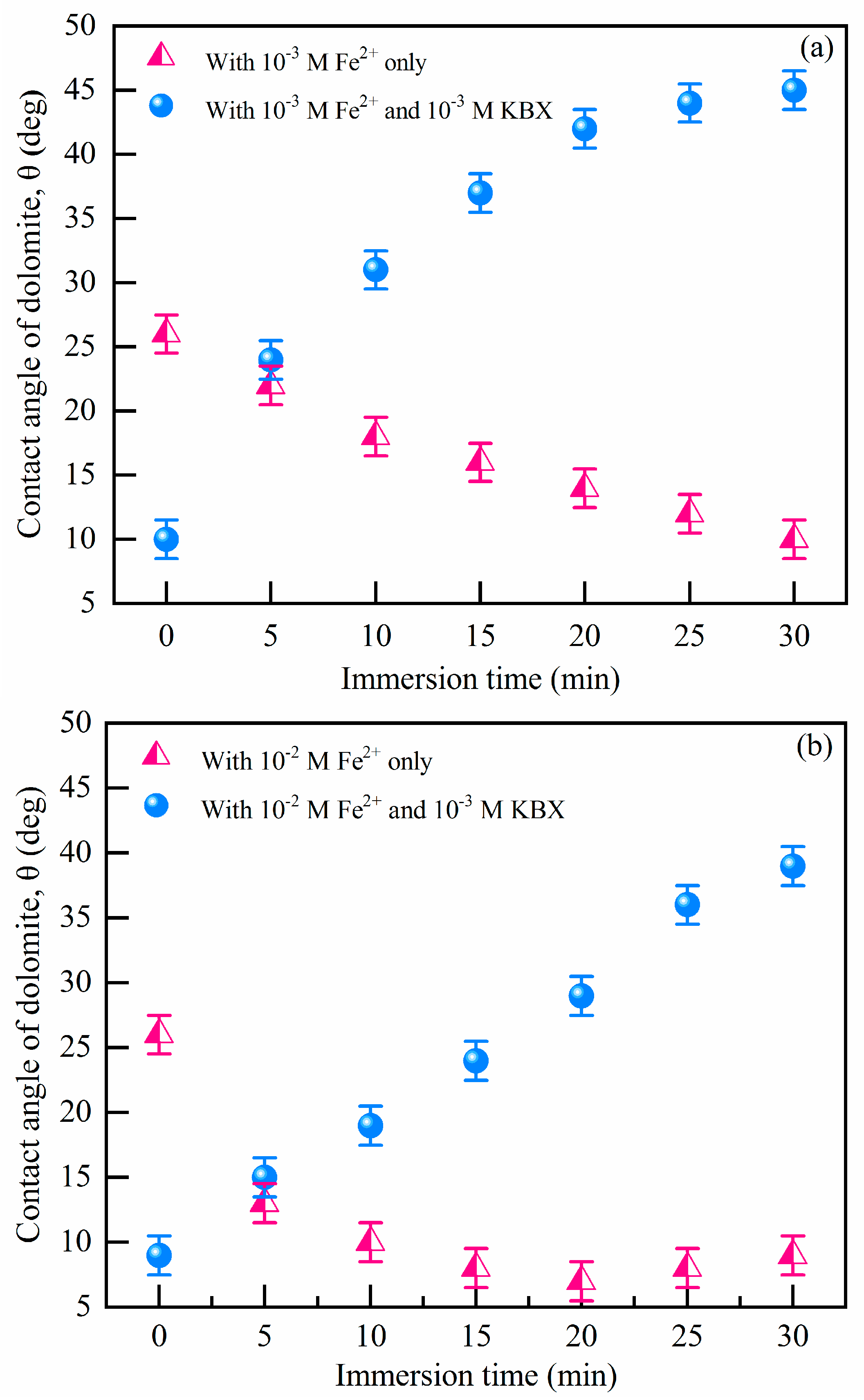
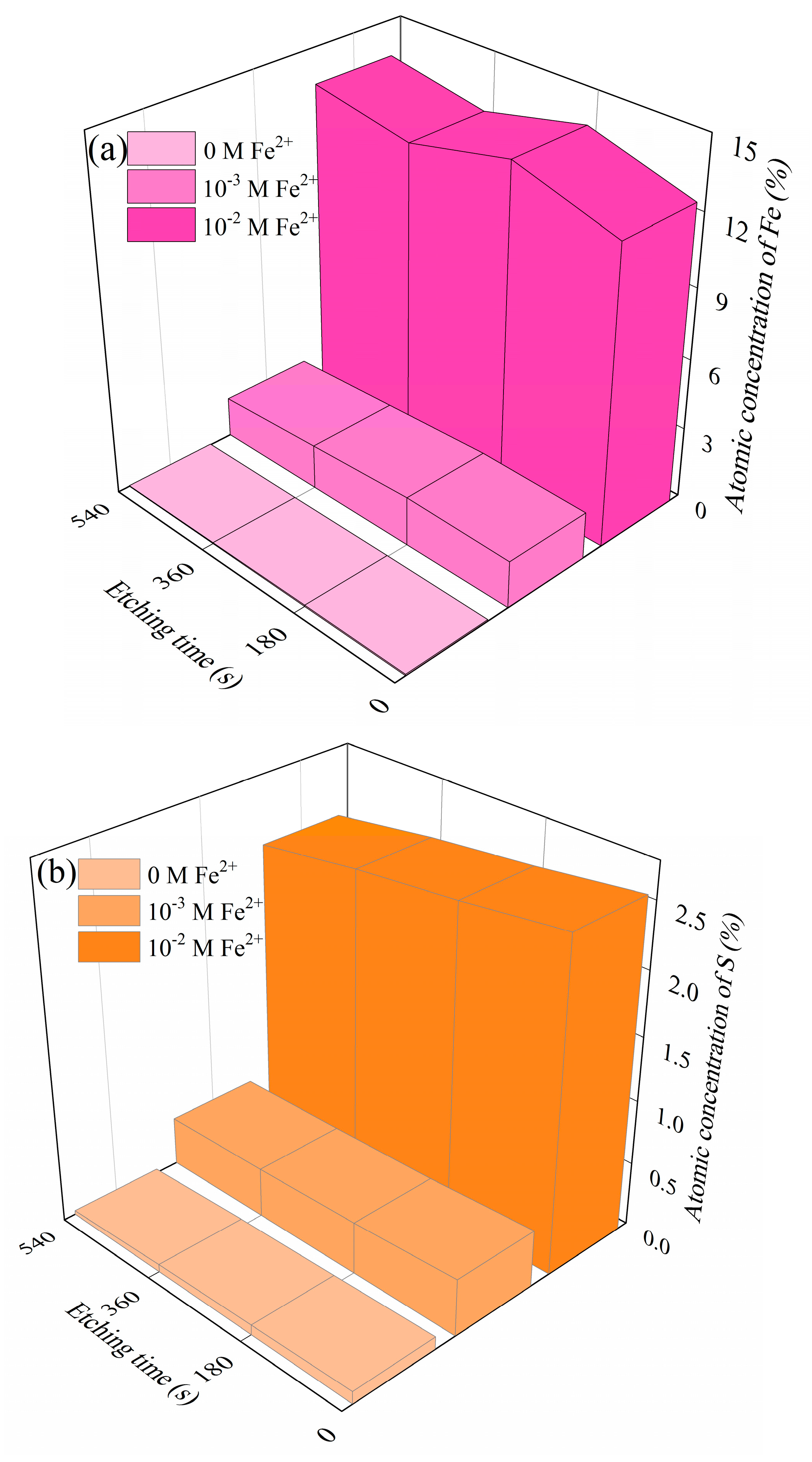
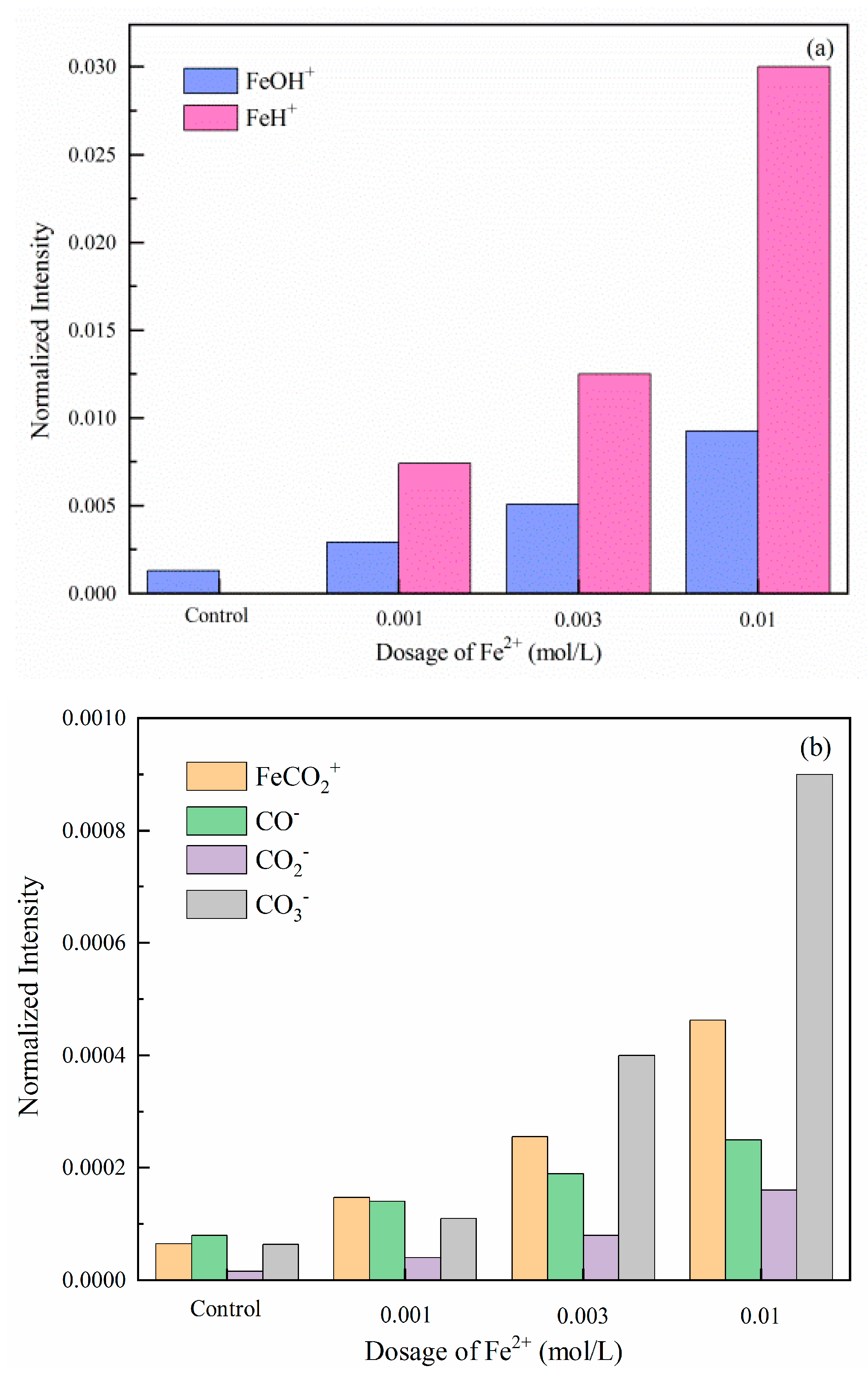
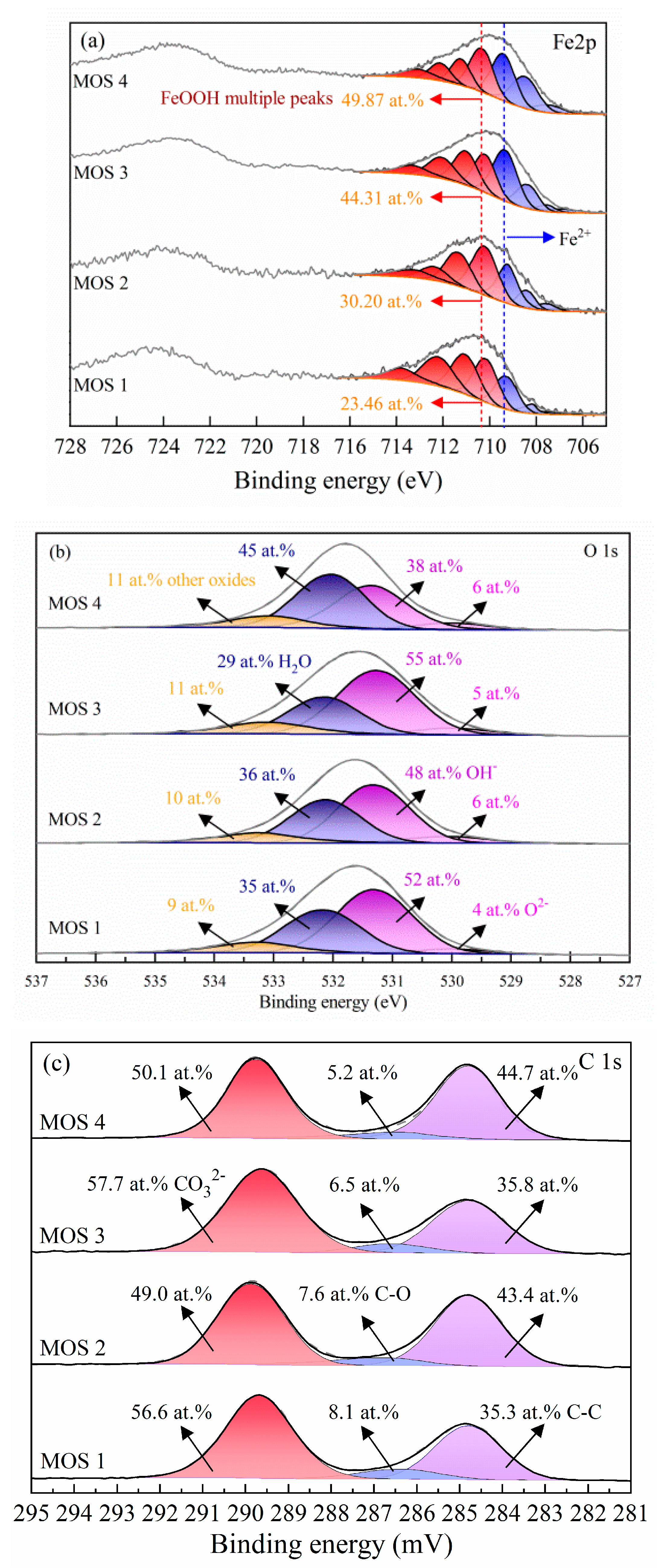
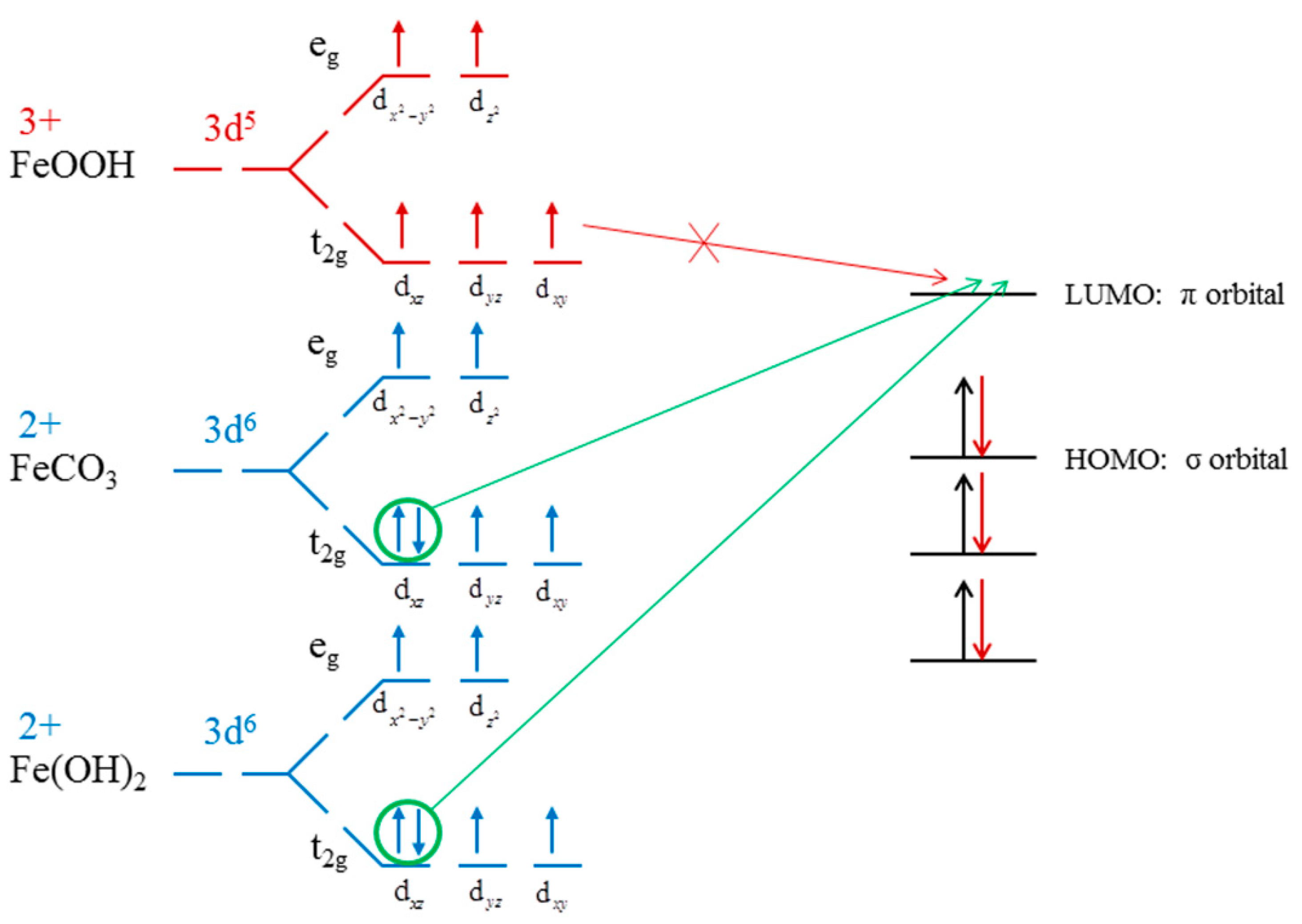
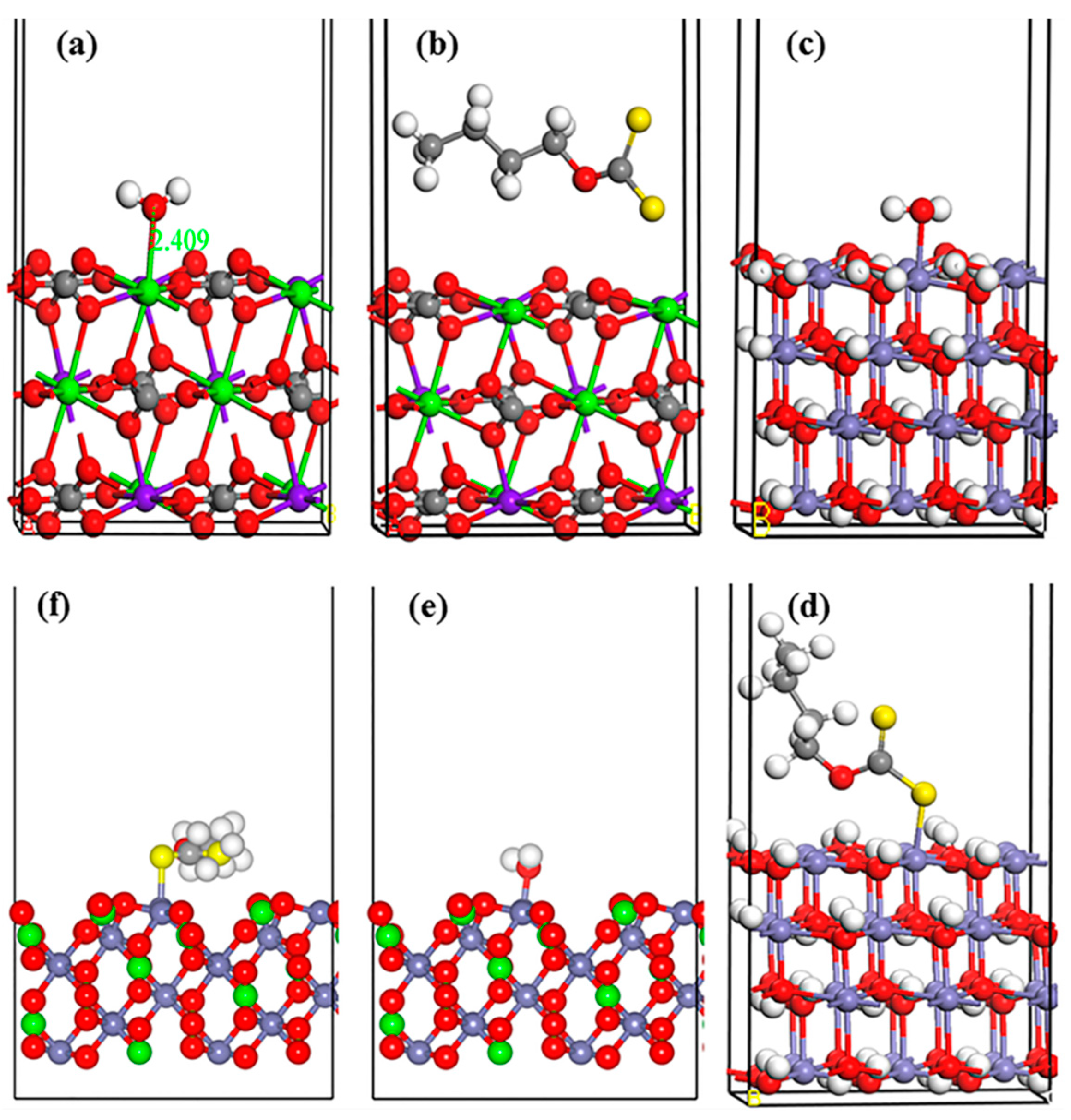
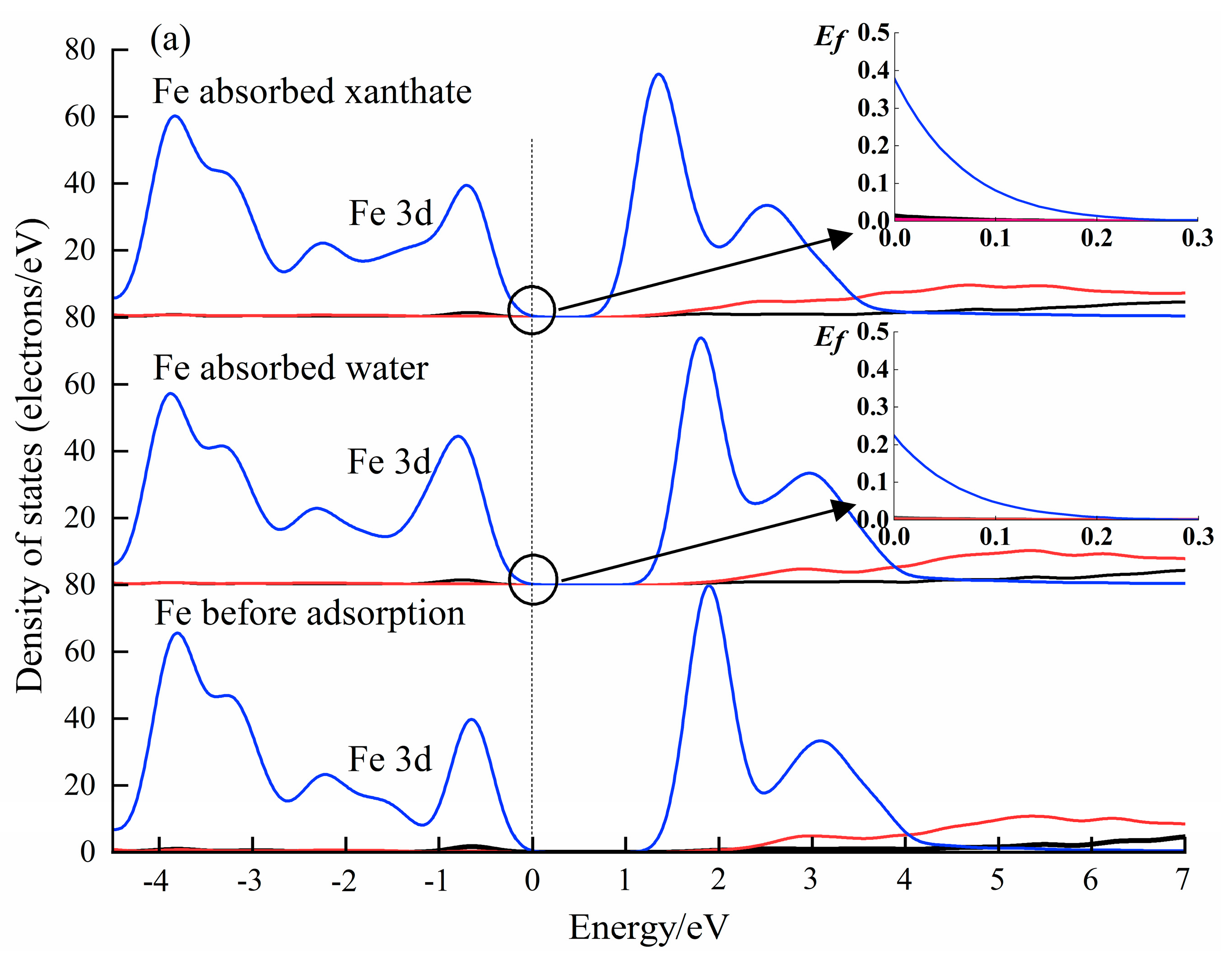
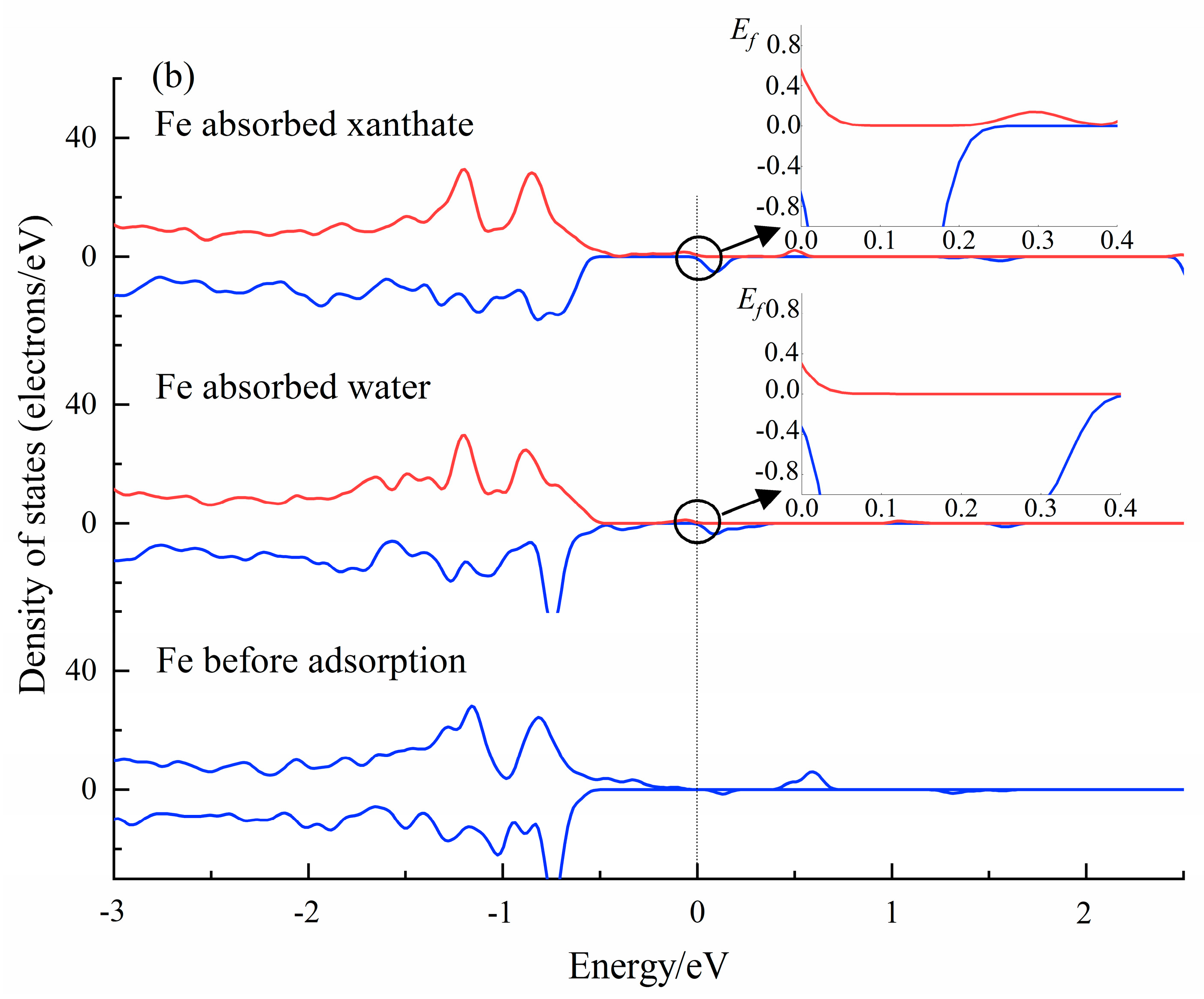
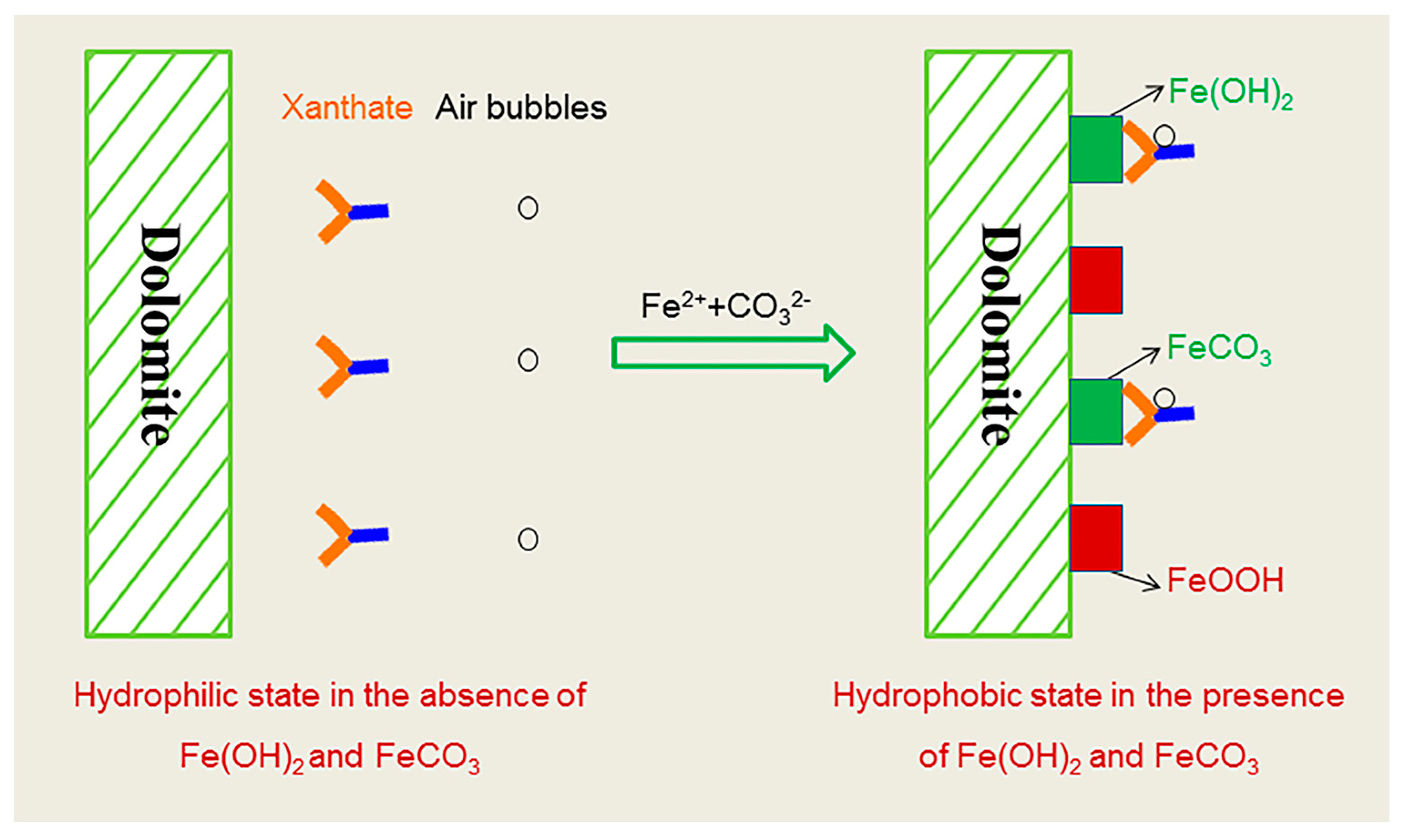
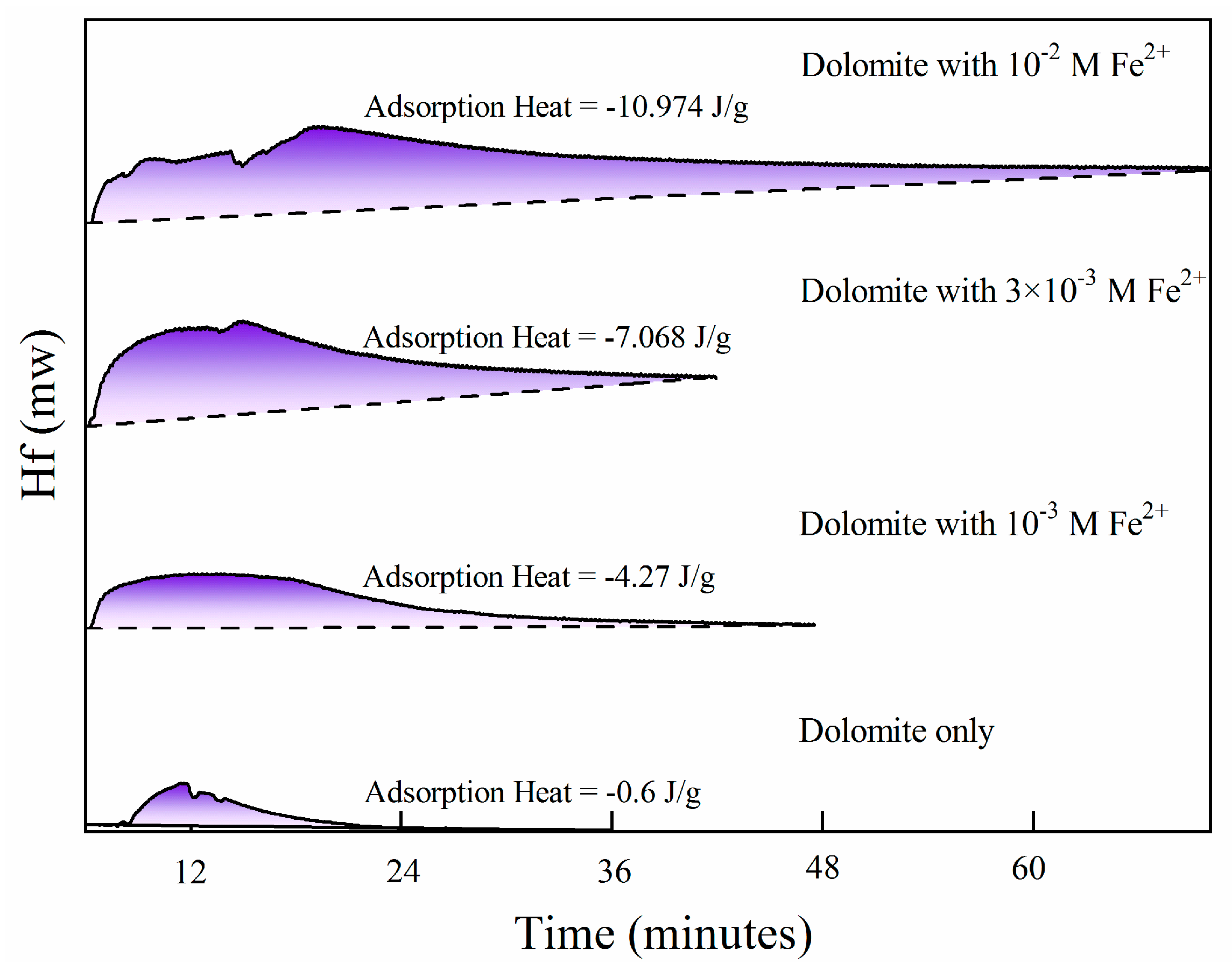
The major problem with Carlin-type gold deposit flotation is that the high dolomite content in the concentrate decreases the quality of gold. Further, the activation mechanisms involved in dolomite flotation are still not fully understood. Herein, the correlation of Fe2+ conversion with xanthate adsorption and dolomite flotation was investigated to reveal the effect of dolomite embedded with pyrite. Flotation tests suggested that Fe2+ rather than Fe3+ improved the floatability of dolomite from 20% to 45%. Contact angles and thermodynamic tests indicated that the hydrophobicity of Fe2+-modified dolomite corresponds to the adsorption of xanthate. Importantly, time-of-flight secondary ion mass spectroscopy (Tof-SIMS) and x-ray photoelectron spectroscopy (XPS) attributed the activation of dolomite flotation to the formation of Fe(OH)2 and FeCO3. The coordination model of flotation successfully elucidated the selective adsorption of xanthate between Fe(OH)2, FeCO3 and FeOOH surfaces. The density function theory (DFT) simulation calculation was performed to identify the reaction rate at the atomic level, and the density of states (DOS) was also conducted to verify the conclusions at the electronic level. This study presents important surface chemistry evidence for understanding and regulating the poor selectivity in the flotation of Carlin-type gold deposits.
Keywords: ferrous hydroxide/carbonate; dolomite activation; coordination model; carlin-type gold deposits; flotation ferrous hydroxide/carbonate; dolomite activation; coordination model; carlin-type gold deposits; flotation