
Article

Insights into Selection of the Auxiliary Collector and Its Applicability Analysis for Improving Molybdenite Flotation

1
College of Resource and Civil Engineering, Northeastern University, Shenyang 110819, China
2
National-Local Joint Engineering Research Center of High-Efficient Exploitation Technology for Refractory Iron Ore Resources, Shenyang 110819, China
3
School of Resources Engineering, Xi’an University of Architecture and Technology, Xi’an 710055, China
4
China Molybdenum Co. Ltd., Luanchuan 471500, China
*
Authors to whom correspondence should be addressed.
Minerals 2021, 11(5), 528; https://doi.org/10.3390/min11050528
Submission received: 9 April 2021 / Revised: 5 May 2021 / Accepted: 10 May 2021 / Published: 17 May 2021
(This article belongs to the Section Mineral Processing and Extractive Metallurgy)

Abstract

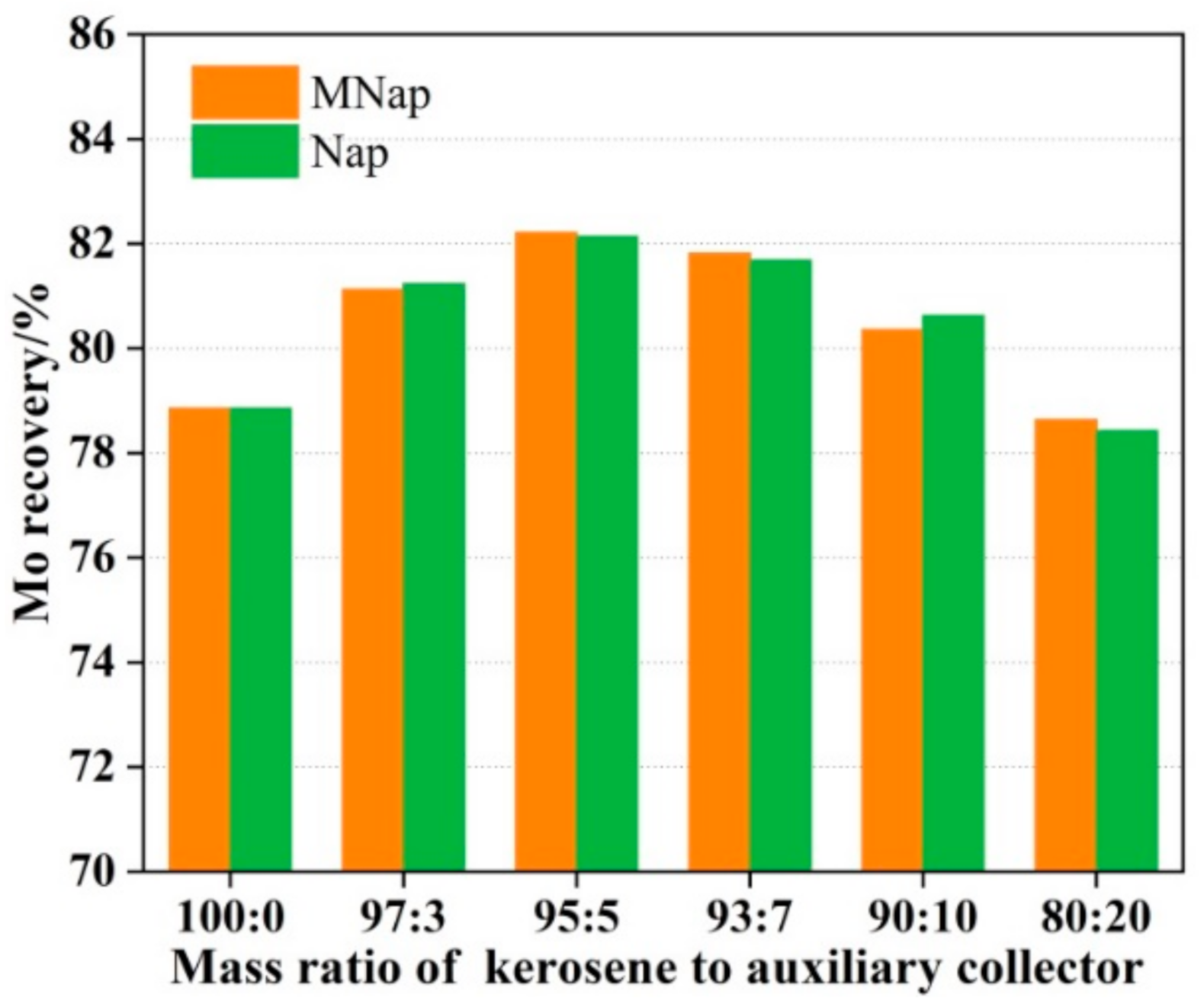
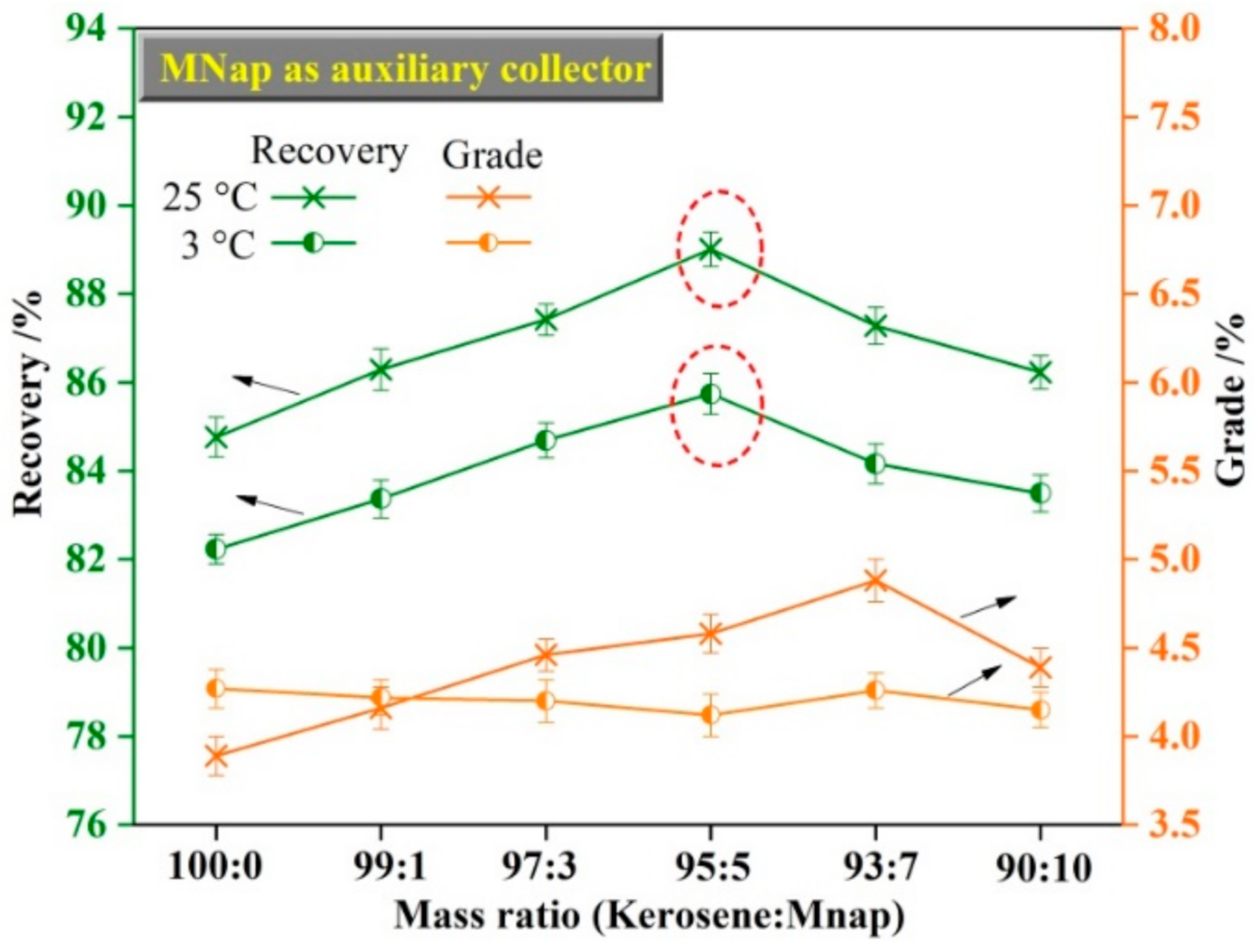
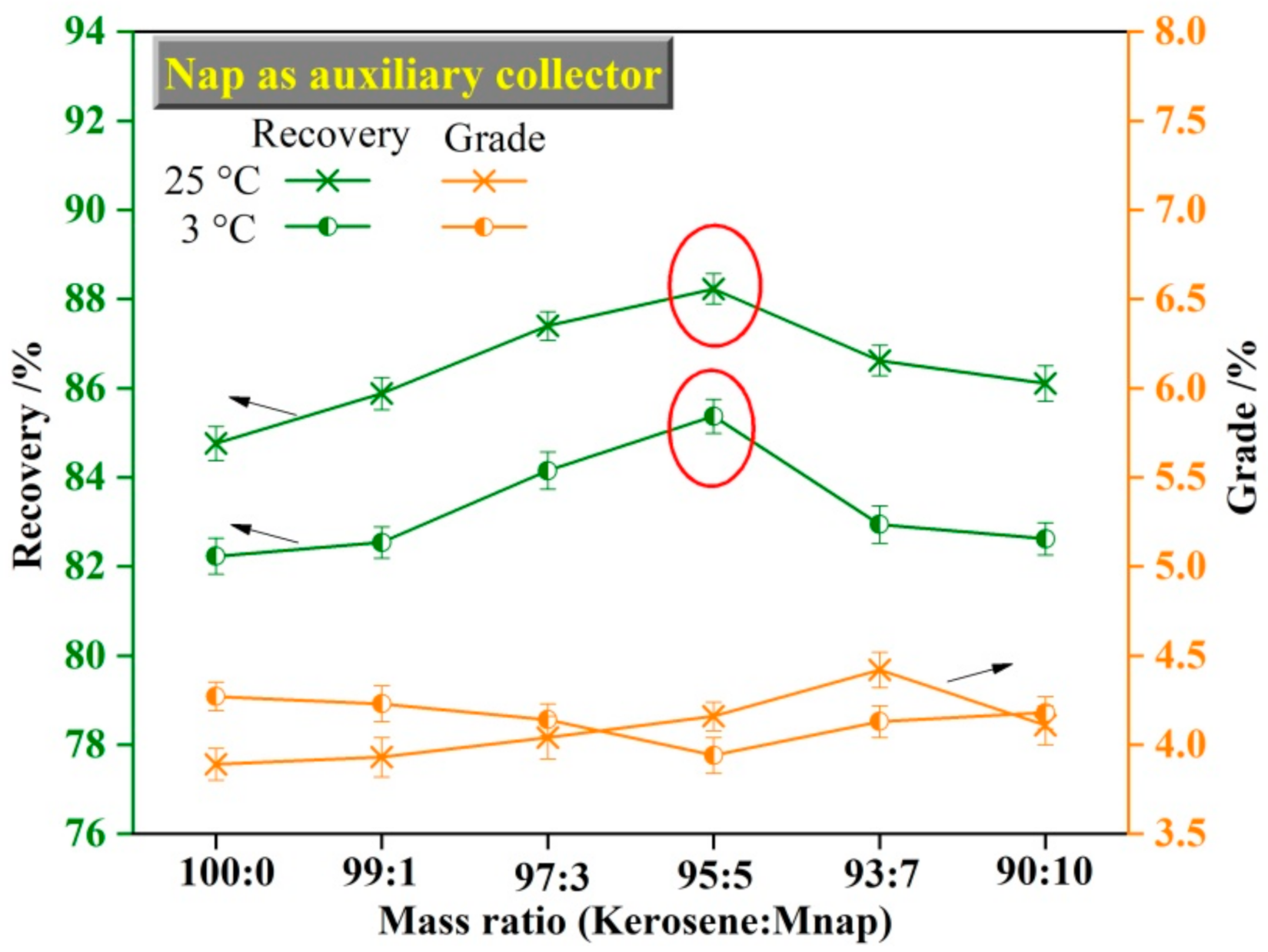
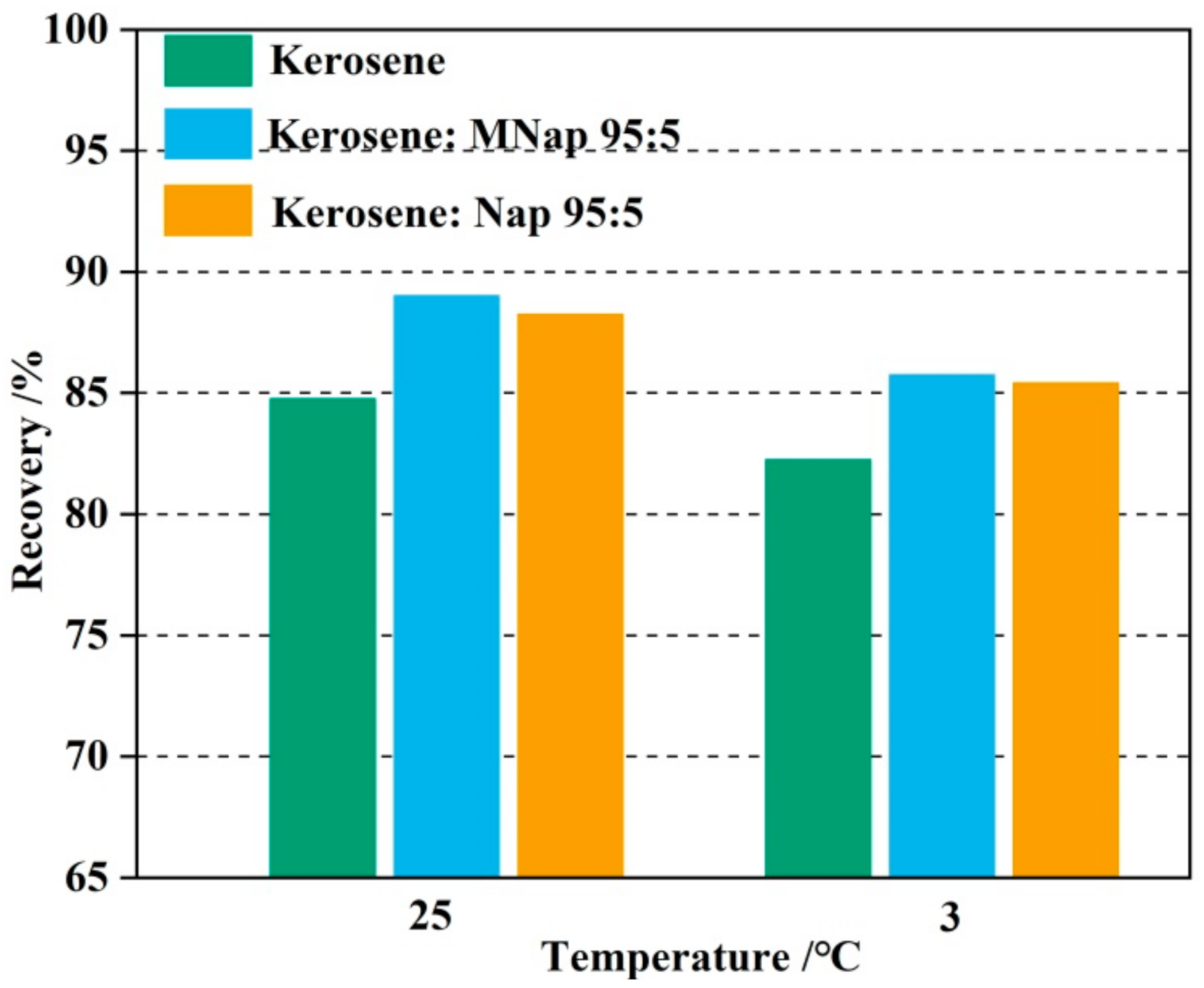
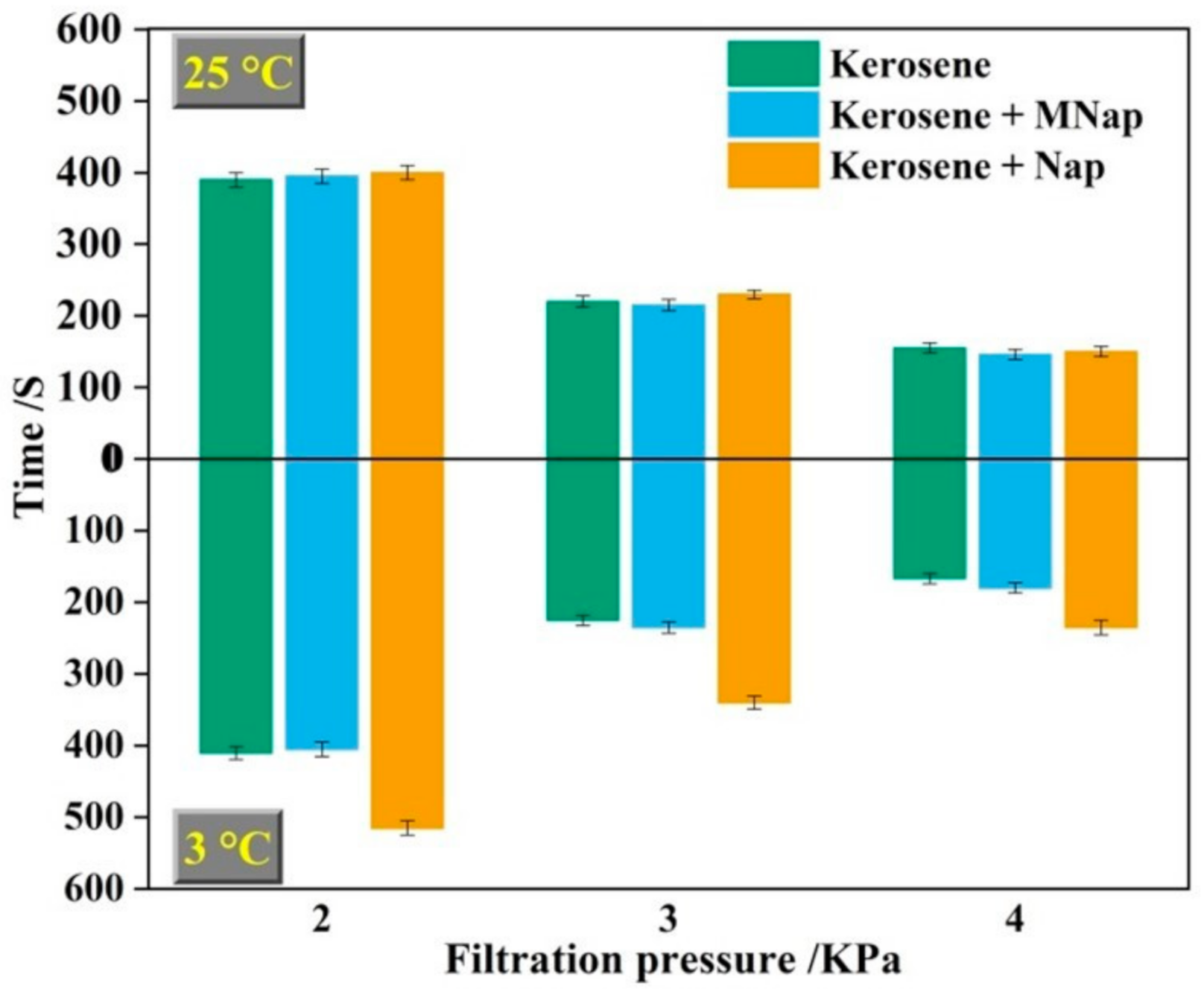
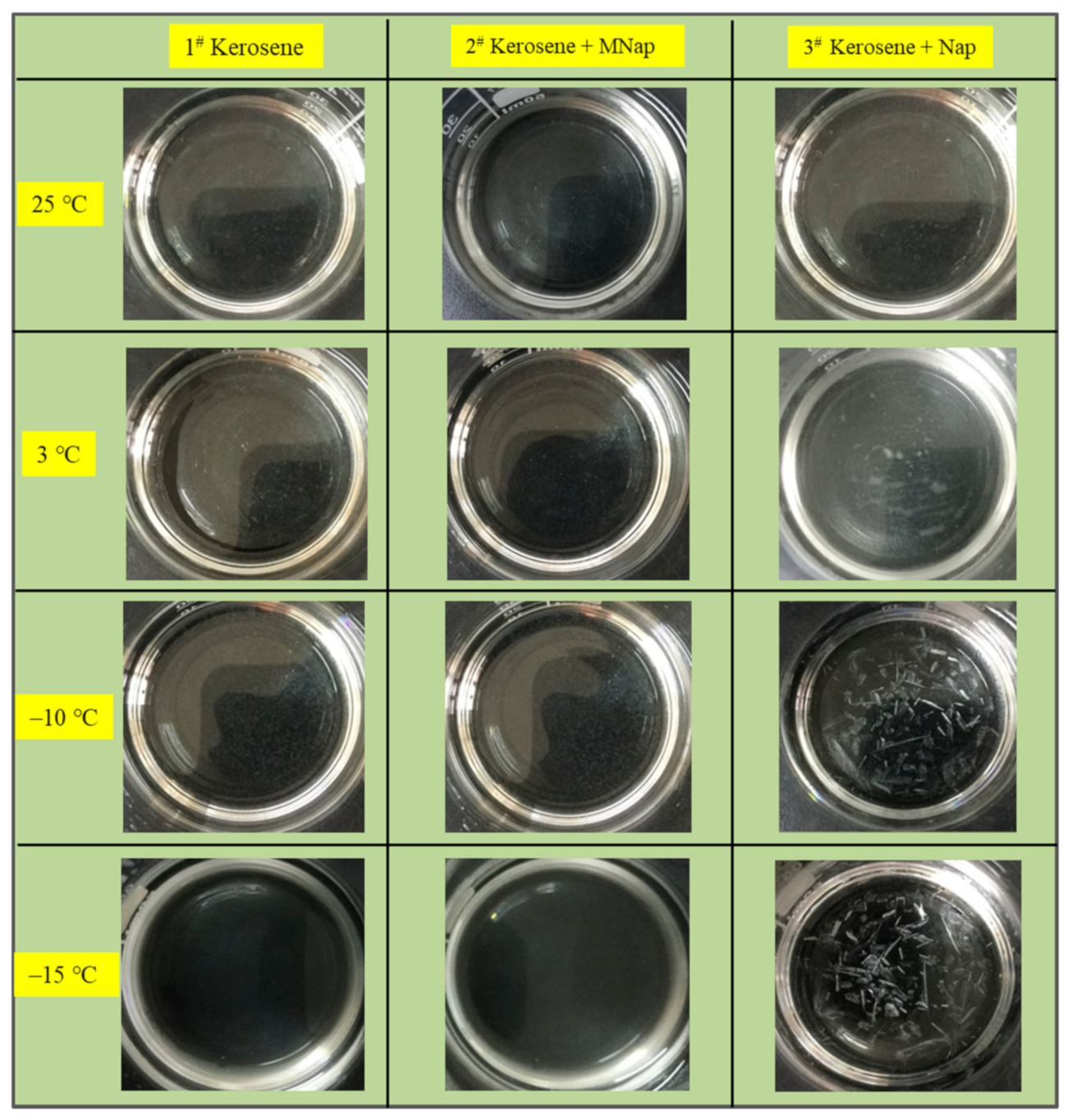
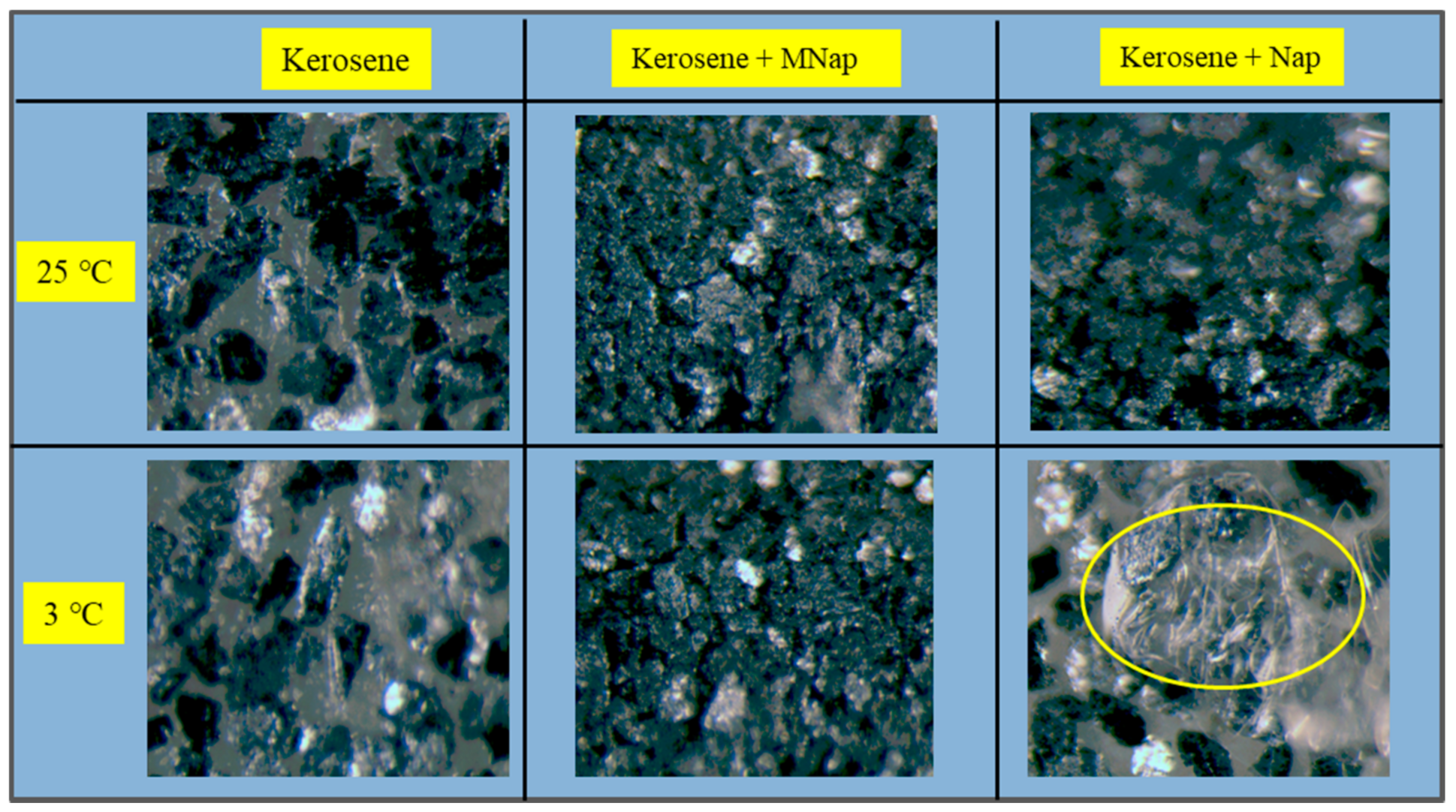
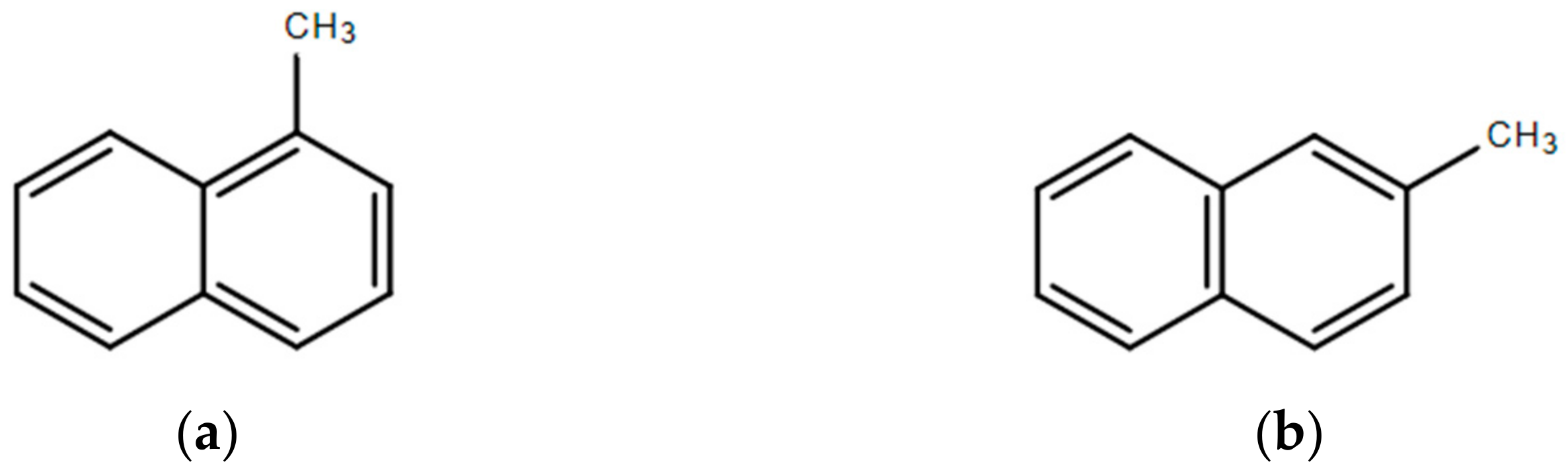
In this study, two auxiliary collectors (methyl naphthalene and naphthalene) of molybdenite and the traditional collector (kerosene) were mixed for molybdenite flotation, respectively. According to the selection and analysis of the auxiliary collector, it was found that the surface energy (γC= 44.50 mJ/m2) of the polycyclic aromatic hydrocarbons is very close to that (γS= 42.55 mJ/m2) of the molybdenite {100} surface. Therefore, it can be physically adsorbed onto the molybdenite {100} surface according to the principle of similar compatibility. Batch flotation was conducted on actual ore with the mixed collector, compared with kerosene alone. Batch flotation results showed that the mixed collector at a mass ratio of 95:5 of main collector to auxiliary collector at pH 11.0 improved molybdenite flotation, that is, the Mo recovery was increased by 3–4%. The practical application feasibility of the auxiliary collector was analyzed by the filtration speed of the flotation concentrate and the crystal resolution characteristics of the auxiliary collector. The results show that solid naphthalene (Nap) is easy to crystallize at low temperature and adhere to the surface of the flotation concentrate, resulting in a decrease of filtration velocity, while liquid methylnaphthalene (MNap) does not crystallize at low temperature. These results imply that the mixed collector Kerosene/MNap can generate a superior synergistic effect and achieve better collecting capacity than kerosene alone, resulting in the increase of flotation recovery by 3–4 percentage points. Moreover, the addition of MNap has little negative impact on the subsequent treatment of the product.
Keywords: auxiliary collector; molybdenite flotation; selection basis; filtration velocity; crystallization characteristics auxiliary collector; molybdenite flotation; selection basis; filtration velocity; crystallization characteristics