Article

Upper Paleozoic Transitional Shale Gas Enrichment Factors: A Case Study of Typical Areas in China

1
School of Energy Resource, China University of Geosciences (Beijing), Beijing 100083, China
2
Key Laboratory of Strategy Evaluation for Shale Gas, Ministry of Land and Resources, Beijing 100083, China
*
Author to whom correspondence should be addressed.
Minerals 2020, 10(2), 194; https://doi.org/10.3390/min10020194
Submission received: 28 January 2020 / Revised: 15 February 2020 / Accepted: 18 February 2020 / Published: 20 February 2020
(This article belongs to the Section Mineral Deposits)

Abstract

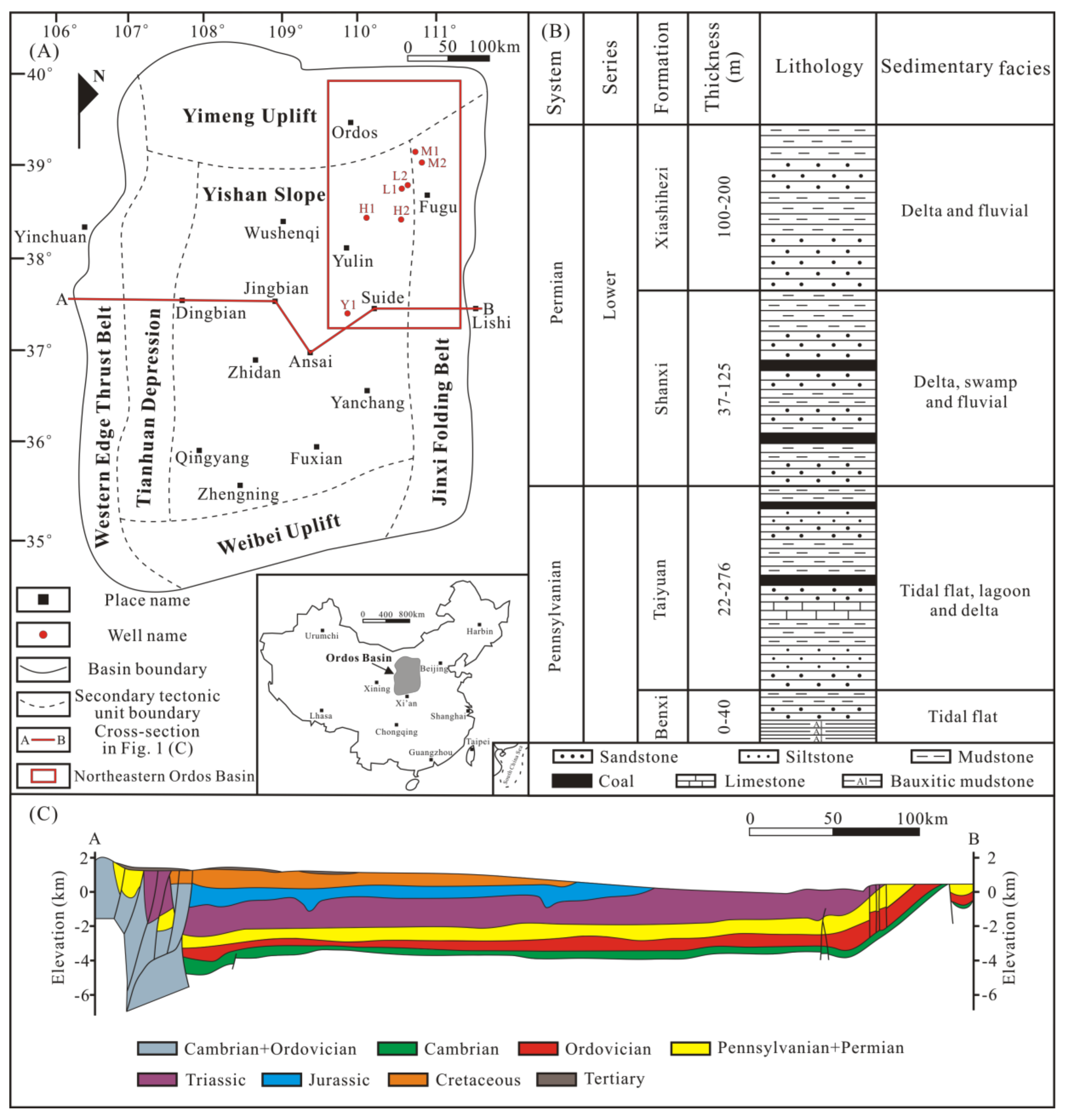
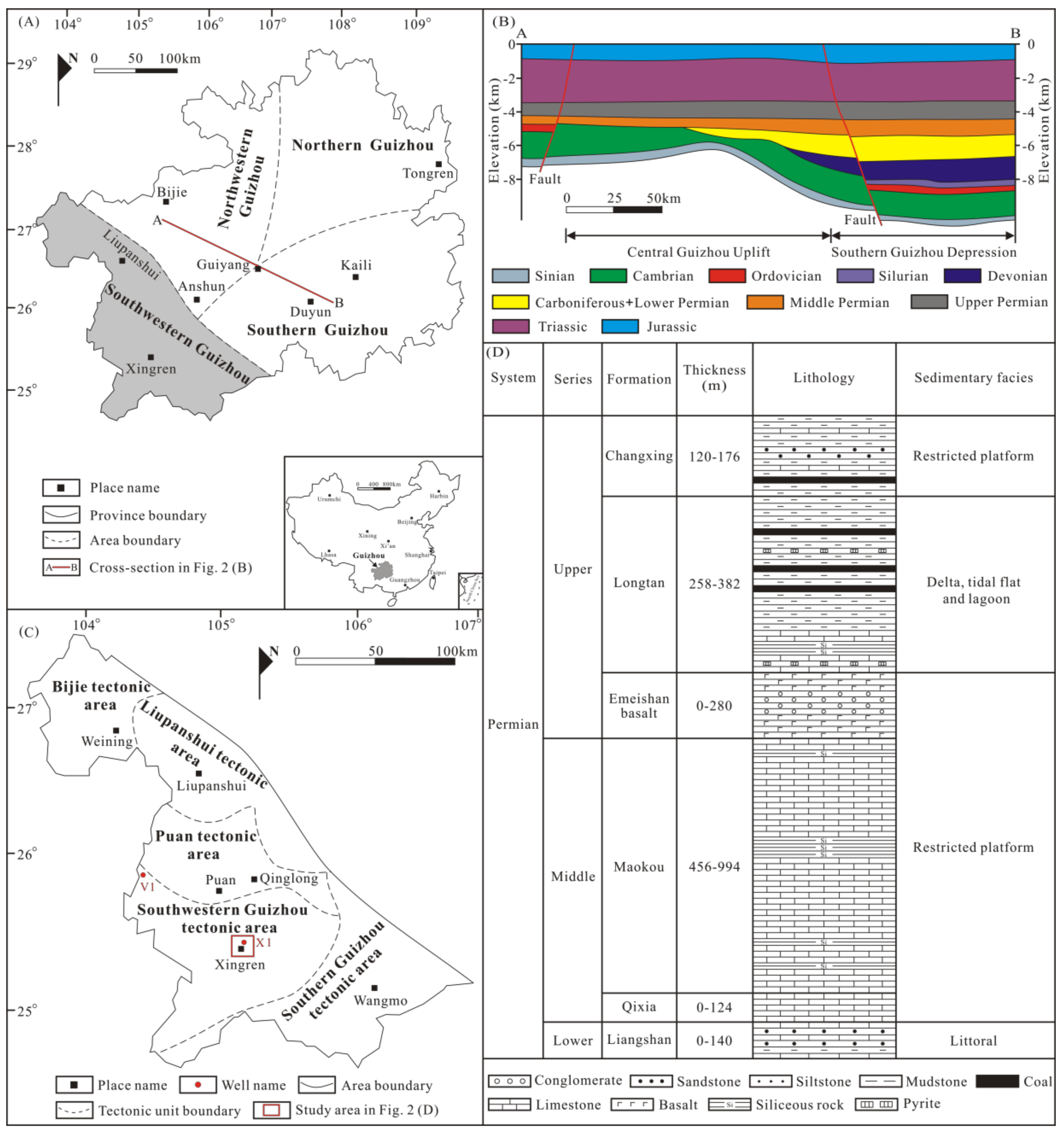
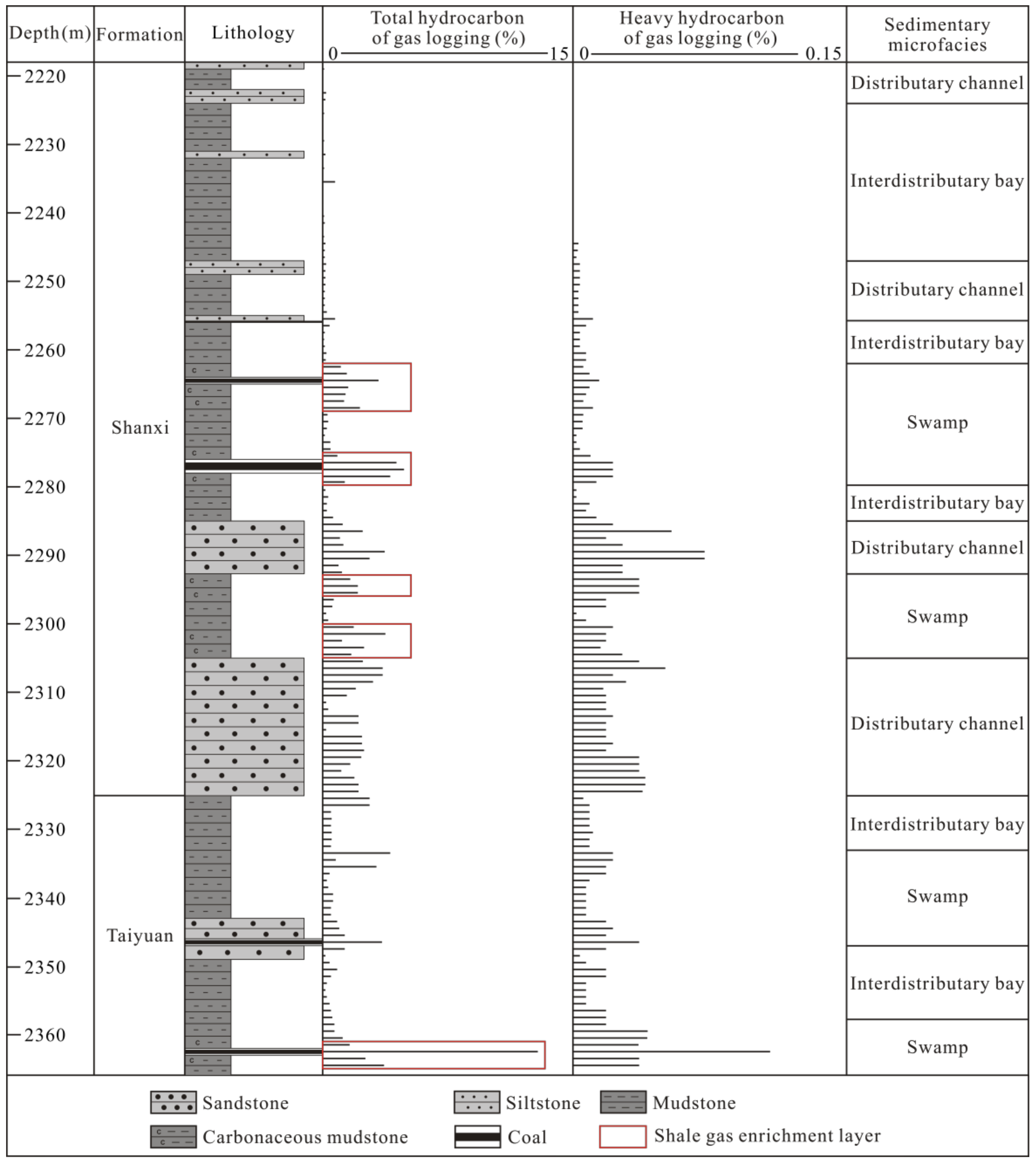
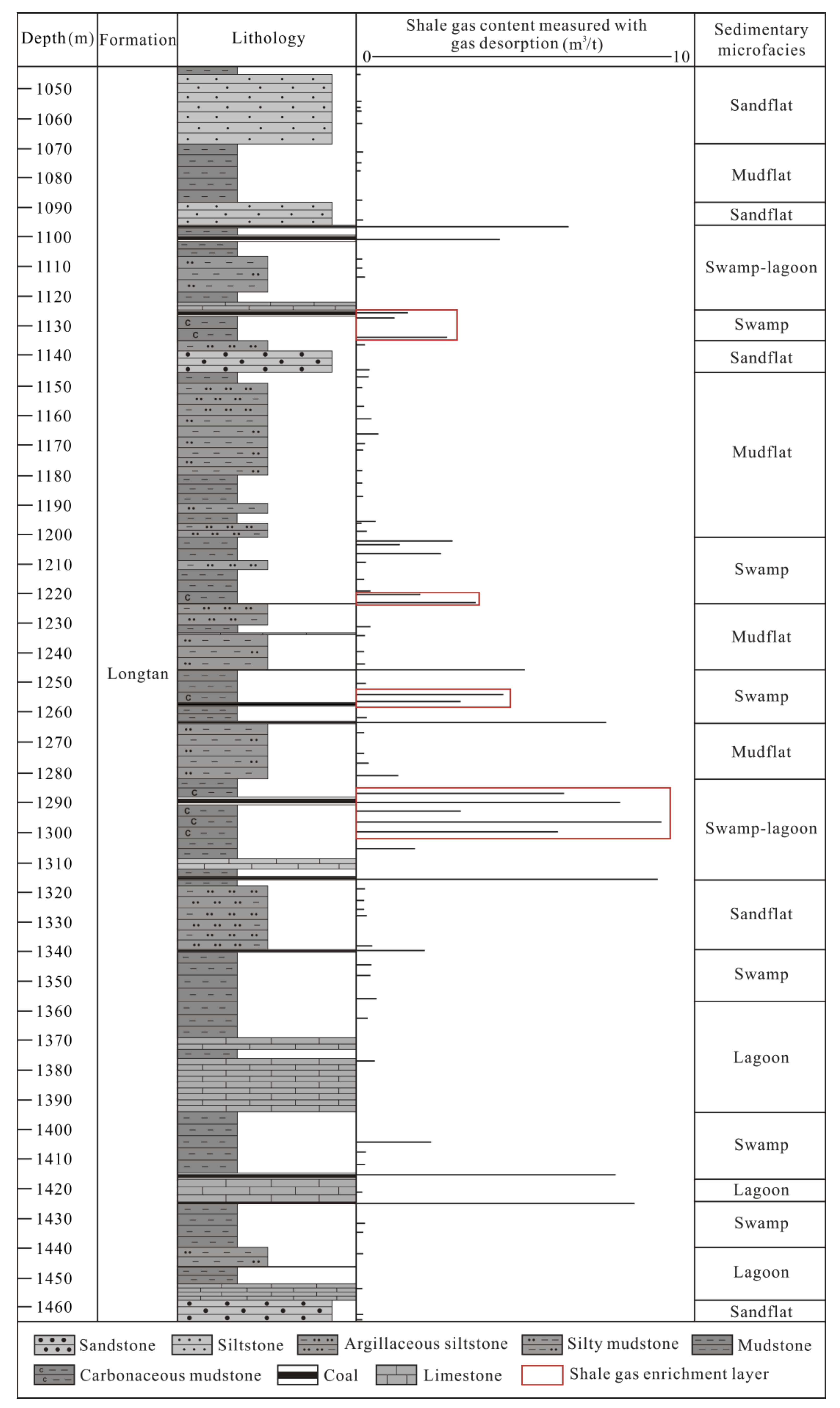
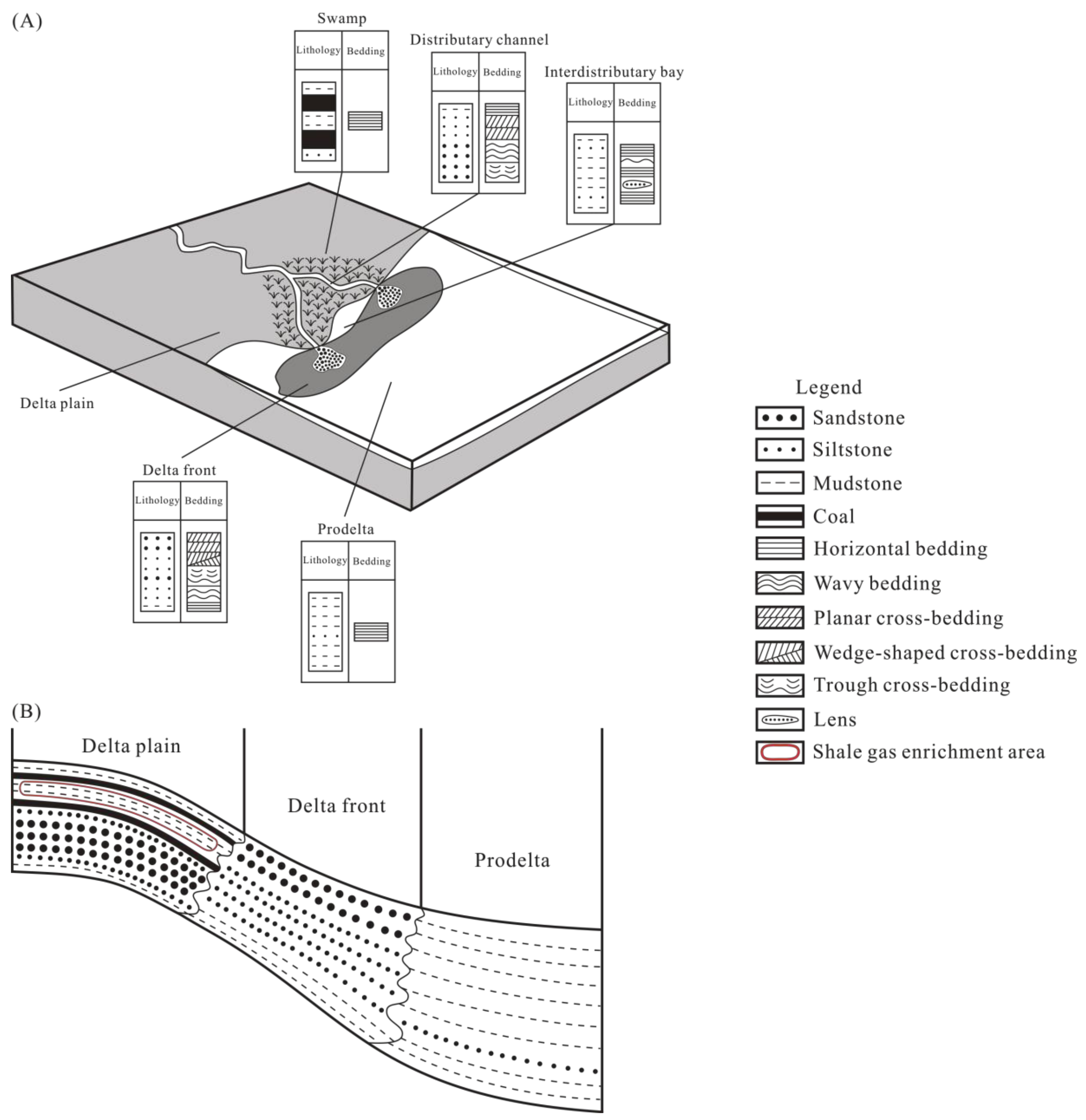
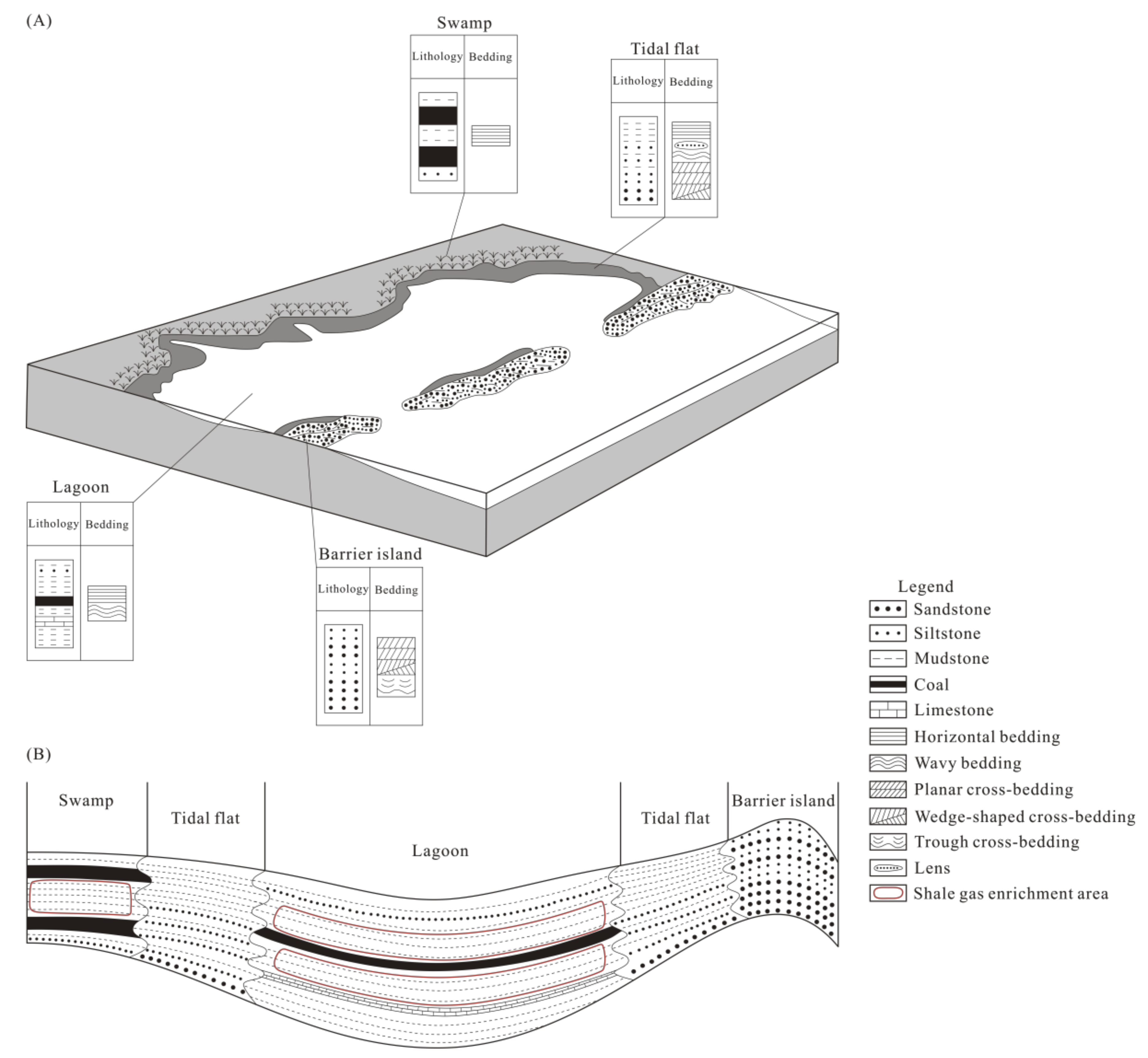
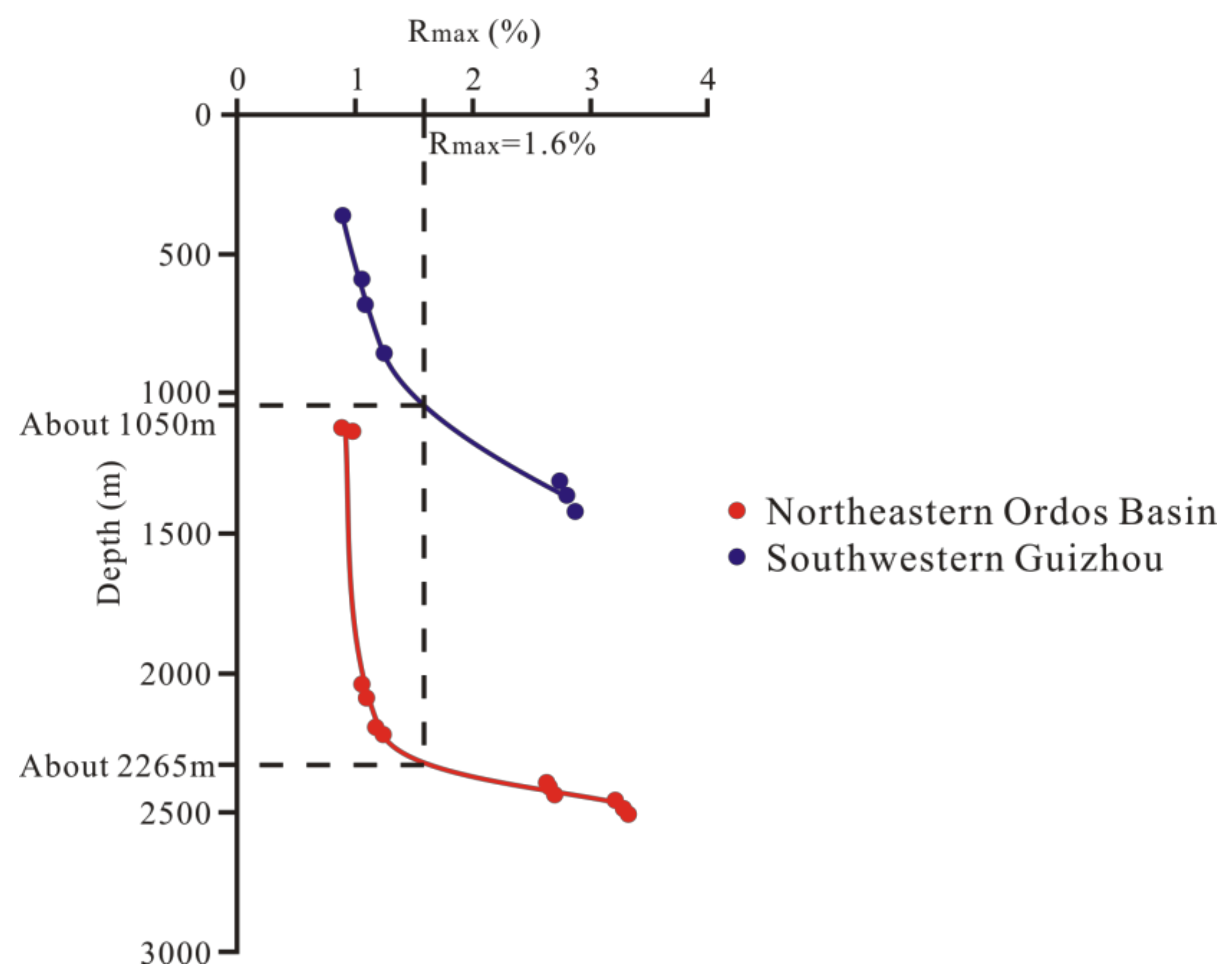
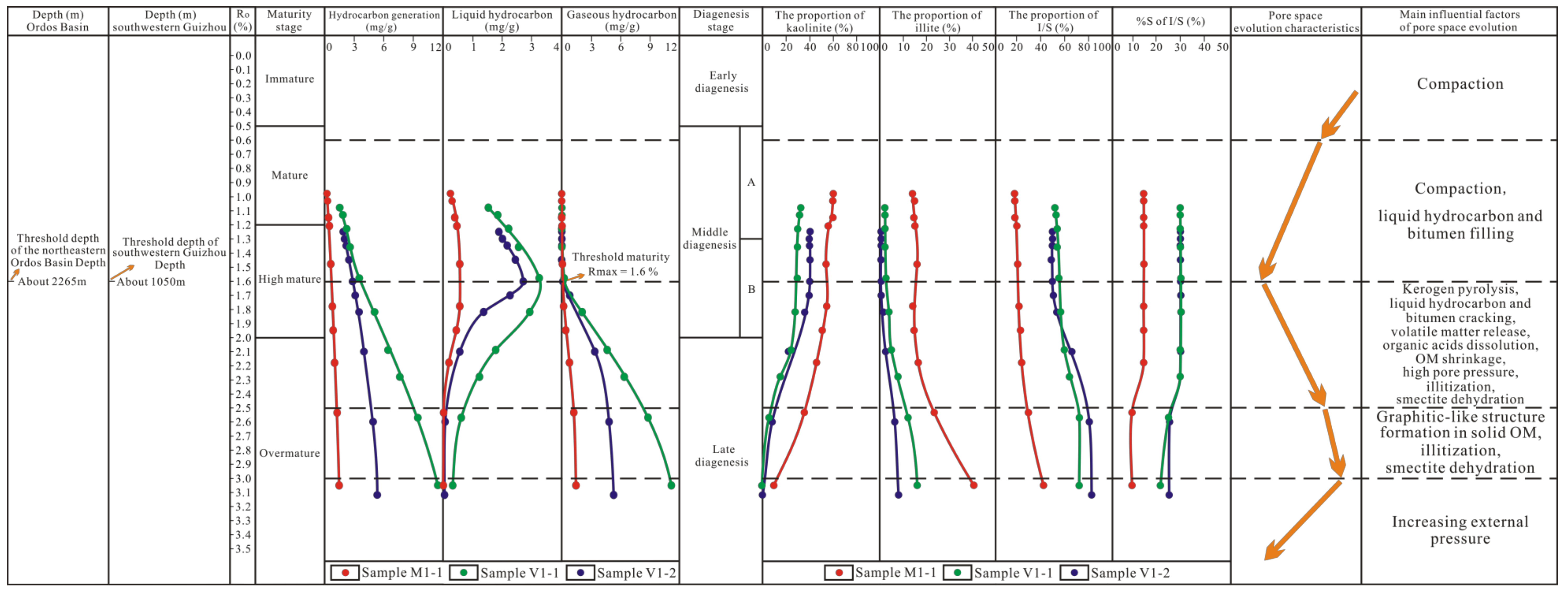
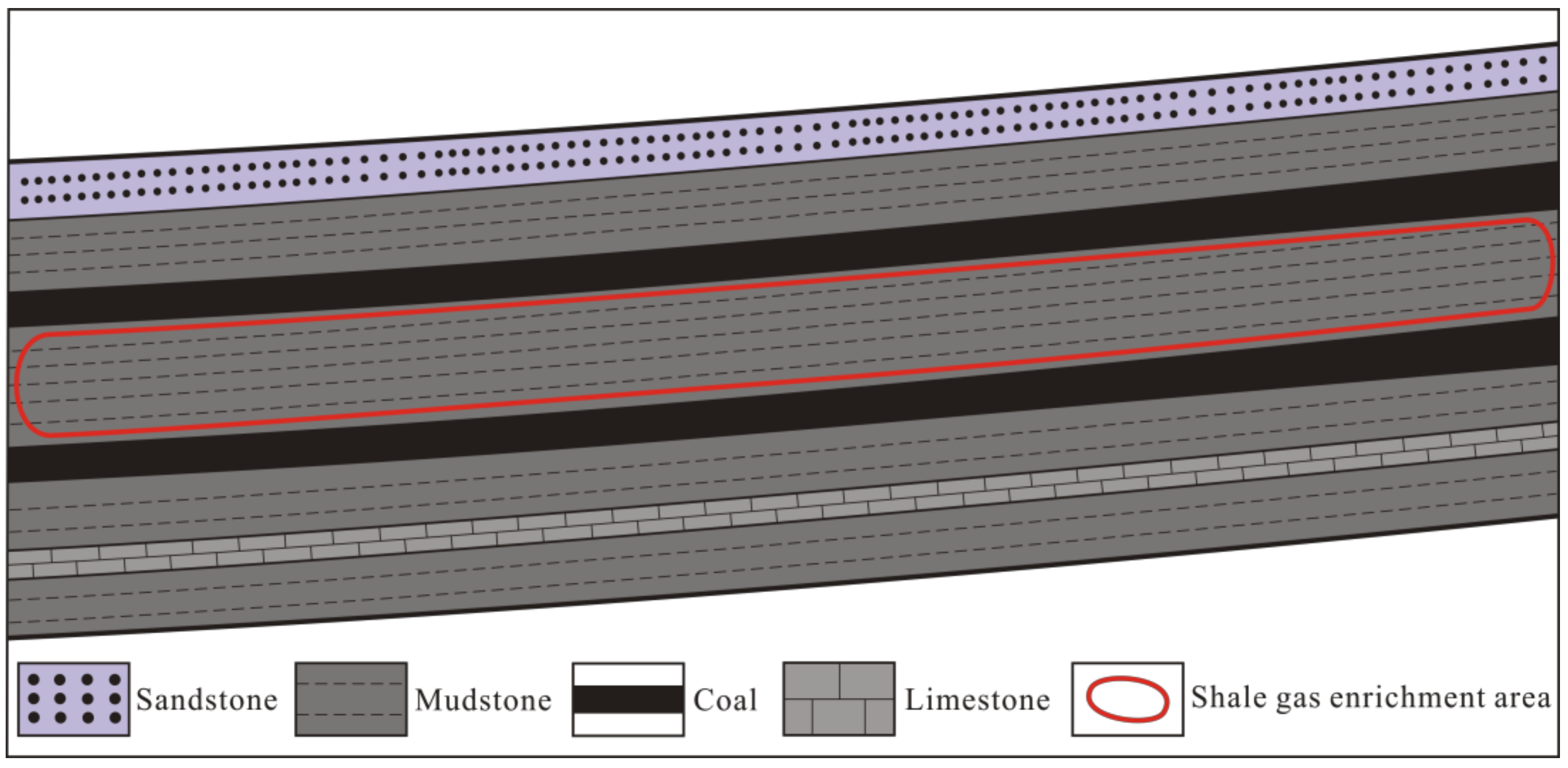
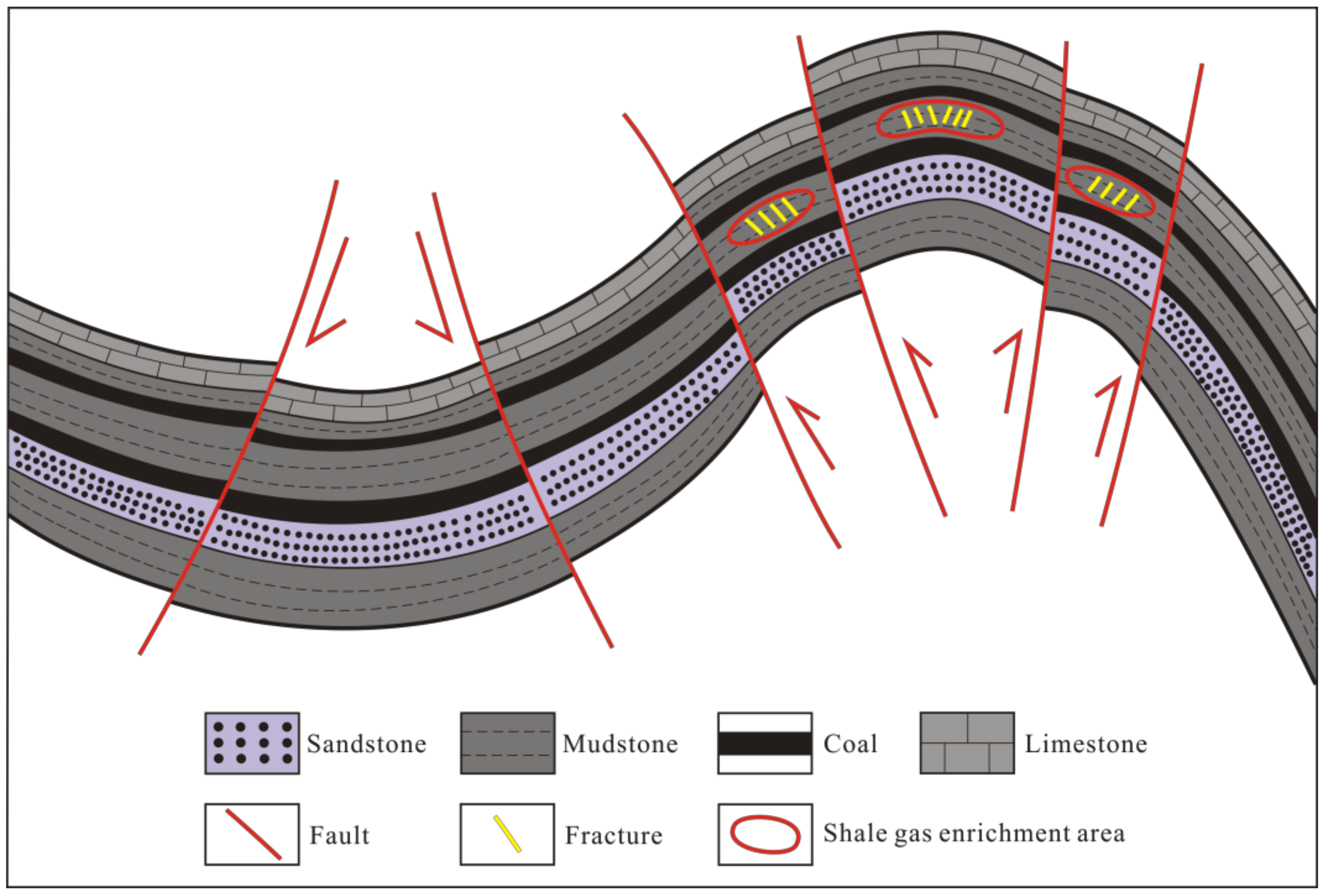
Based on the shale gas research experience in North America, large-scale geological evaluations have been conducted in China to determine the enrichment characteristics of deep marine shale gas, leading to the discovery of the Fuling, Changning and Weiyuan shale gas fields. However, research on Upper Paleozoic transitional shale gas remains limited, restricting the subsequent exploration and development. Therefore, taking the Lower Permian Shanxi and Pennsylvanian Taiyuan Formations in the northeastern Ordos Basin and the Upper Permian Longtan Formation in southwestern Guizhou as examples, gas logging, gas desorption, thermal simulation, maximum vitrinite reflectance (Rmax), and X-ray diffraction (XRD) were used to study the influence of lithological associations, sedimentary facies, gas generation thresholds, and pore evolution on transitional shale gas, and then Upper Paleozoic transitional shale gas enrichment factors of the northeastern Ordos Basin and southwestern Guizhou were analysed. The results show that carbonaceous mudstone adjacent to coal seams presents a high gas content level, and is primarily developed in swamps in the delta plain environment, and swamps and lagoons in the barrier coastal environment. The gas generation threshold maturity (Rmax) of transitional shale is 1.6% and the corresponding threshold depths of the northeastern Ordos Basin and southwestern Guizhou are estimated to be 2265 m and 1050 m. Transitional shale pore evolution is jointly controlled by hydrocarbon generation, clay minerals transformation, and compaction, and may have the tendency to decrease when Rmax < 1.6% or Rmax > 3.0%, but increase when Rmax ranges between 1.6% and 3.0%, while the main influential factors of pore evolution differ in each period. Continuous distribution of transitional shale gas enrichment areas can be formed along the slope adjacent to coal seams with a moderate maturity range (1.6%–3.0%) in the northeastern Ordos Basin, and transitional shale gas can be enriched in the areas adjacent to coal seams with a moderate maturity range (1.6%–3.0%), abundant fractures, and favorable sealing faults in southwestern Guizhou.
Keywords: Upper Paleozoic; transitional shale gas; lithological associations; gas generation thresholds; pore evolution Upper Paleozoic; transitional shale gas; lithological associations; gas generation thresholds; pore evolution