1. Introduction
In fields like mineral flotation [
1,
2,
3] and hydropower generation [
4,
5,
6,
7], equipment often operates in fluid environments. Cavitation in the flow field causes significant pressure fluctuations and vibrations, leading to serious erosion and damage on equipment surfaces [
8,
9,
10,
11]. The flow field also contains small impurities such as solid particles, which interact with cavitation bubbles and produce complex dynamic effects [
12,
13,
14]. Especially near multiple particles, particle clusters noticeably change bubble collapse dynamics, resulting in more complex mechanisms on material surfaces. In addition, this particle-bubble coupling effect has great potential in applications like ultrasonic cleaning [
15,
16,
17] and biomedicine [
18,
19]. Therefore, in-depth analysis of the interaction between bubbles and multiple particles is particularly important.
The dynamics of bubble collapse like anisotropic deformation, jet penetration, and centroid displacement depend on the properties of the surrounding boundaries, including flat and curved boundaries. In the interactions between bubble and flat wall, recent research is mostly related to rigid flat walls [
20,
21,
22], conical walls [
23,
24,
25], free liquid surfaces [
26,
27], and combined walls [
28,
29,
30]. Regarding research on rigid flat walls, Andrews et al. [
20] found that near a porous plate, bubble displacement and rebound depend mainly on bubble-wall distance and void fraction. Yin et al. [
23] found that near conical tips, bubble collapse pressure peaks as the distance decreases. Zhang et al. [
26] studied bubble oscillation between a free surface and a rigid wall, noting key features of jets, spikes, and bubble shape evolution. Brujan et al. [
28] showed that near a 90° angled wall, bubble jets deflect inversely with bubble-wall distance.
In the interactions between bubbles and curved walls, the interactions between bubbles and particles have been relatively more studied. Strong fluid–structure coupling and the collective effect of particle clusters lead to more diverse deformation behavior [
31,
32,
33,
34], collapse jets [
35,
36,
37], and shock waves [
38]. On deformation, Zevnik and Dular [
31] used the finite volume method to study bubble collapse near a particle and explored the mechanical load on the particle. They found that the load increases with a larger bubble-particle size ratio and a smaller distance. Regarding collapse jets, Chahine et al. [
35] numerically simulated the interaction between particle motion and jet formation, showing that particle movement toward or away from the bubble depends on particle size and distances to the bubble and wall. On shock waves, Zou et al. [
38] experimentally studied shock wave dynamics from bubble collapse near particles of different shapes, revealing that shock wave intensity is strongly affected by bubble-particle distance and particle shape. In addition, scholars have also conducted relevant research on the quantity and size differences of particles. Chen et al. [
39] examined the bubble collapse dynamics between two particles and discussed the asymmetry in bubble behavior induced by particle size differences. Zhang et al. [
40,
41] systematically studied the dynamics of bubble collapse near triple equal-sized particles and elucidated the law of bubble migration through experimental and theoretical verification.
So far, studies on bubble-particle cluster interactions have not fully considered the effect of particle size ratios. Building on these prior works, this study analyzes the nonlinear interaction mechanisms arising from three particles and their size differences, as well as the resulting asymmetry in cavitation bubble collapse behavior. Additionally, the present work reveals several new physical insights, including the existence of the zero-Kelvin-impulse point and the critical particle size ratio threshold. The bubble dynamics are captured experimentally using high-speed photography and modeled theoretically via a Kelvin impulse model. Key behaviors analyzed include bubble morphology, flow velocity fields, and bubble displacement during its first period.
2. Theoretical Method
For the bubbles investigated in this study, the characteristic Reynolds number during the collapse process is on the order of 10
4, and the Weber number is on the order of 10
3.
Accordingly, the theoretical model in this paper assumes that the liquid is incompressible and neglects the effect of surface tension [
42,
43]. The bubble remains nearly spherical for most of its first oscillation period. Therefore, the bubble can be treated as a fixed-strength and isotropic point source [
44]. Furthermore, Wang et al. [
45] found that the effect of buoyancy on the bubble is much weaker than the bubble-boundary interaction. Therefore, the influence of buoyancy can be safely neglected.
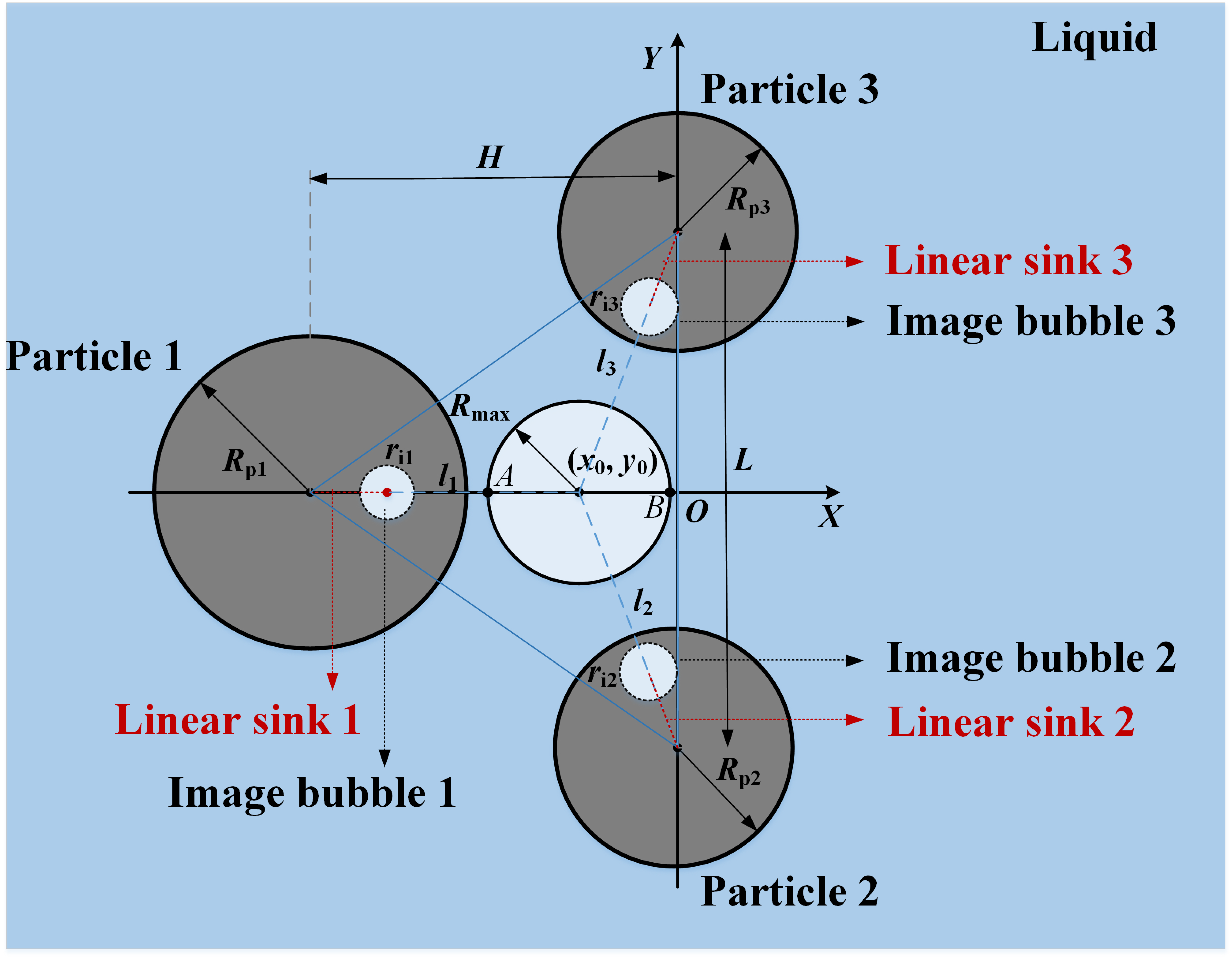
Figure 1 illustrates the physical model of triple unequally sized particles and their boundary treatment. Here, the radius of particle 1 varies, while the radii of particles 2 and 3 remain constant and equal. Points
A and
B as feature points are depicted in the figure. According to Weiss’s theorem, the effect of particles on the flow field can be characterized as the combined effect of a virtual point source and an isotropic linear source with uniformly distributed intensity [
44]. Thus, as depicted in
Figure 1, a set of image bubbles and linear sinks is introduced within each of the three particles. All parameters in
Figure 1 are defined in
Table 1.
The coordinates of any point in the liquid are denoted as
r(
x,
y), and its velocity potential function constitutes the superposed velocity potentials induced by the bubble and particles. The velocity potential function of the flow field is mathematically expressed as follows [
44]:
where
Here, m denotes the strength of the point source equivalent to the bubble; R denotes the instantaneous radius of the bubble; dR/dt denotes the derivative of R.
Thus, the velocity potential functions of image bubbles and linear sinks can be obtained as follows:
Therefore, the complete velocity potential at any point in the flow field can be expressed as:
According to the work of Wang et al. [
45], the expression for the Kelvin impulse of a bubble is simplified as follows:
where,
Here, T denotes the time duration from the birth of the bubble to the end of its first cycle; r0 denotes the coordinate of the bubble’s initial centroid; r denotes the coordinate of an arbitrary point in the flow field.
To close the system, an equation for describing the motion of the bubble wall is employed [
44]. By incorporating the bubble radius
R and its time derivative d
R/d
t obtained from solving the equation into Equation (6), the Kelvin impulse of the bubble can be determined.
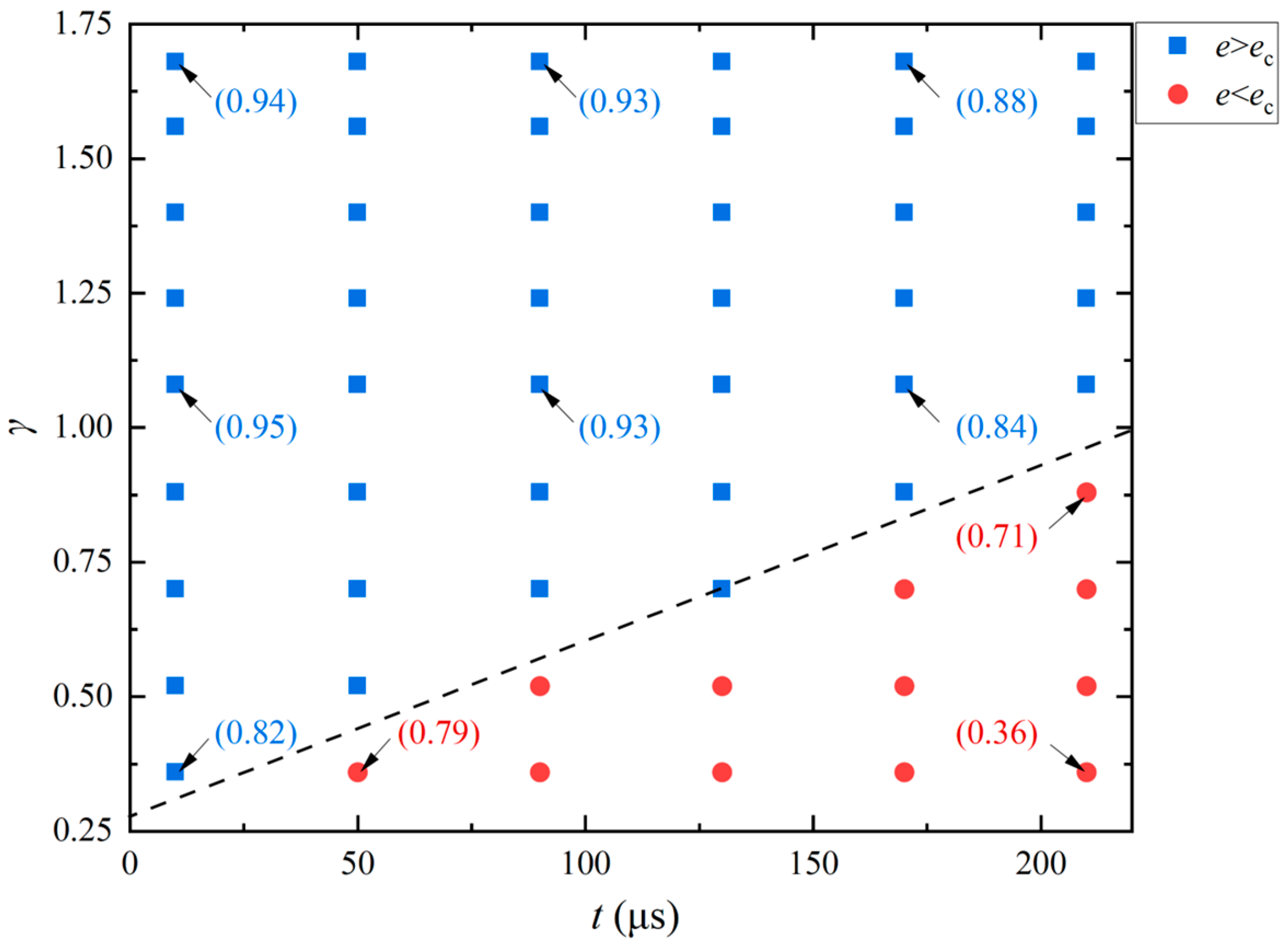
To evaluate the validity of the model, the concept of sphericity is introduced. The sphericity of the bubble is defined as follows:
Here, A and P denote the area and perimeter of the bubble’s cross-section, respectively.
This paper establishes a critical sphericity ec = 0.80 as the quasi-spherical criterion. Thus, when the measured sphericity e is greater than the critical value ec, the Kelvin impulse can be determined.
Figure 2 illustrates the variation of bubble sphericity with respect to time and dimensionless distance. The dimensionless distance is defined as
γ = (
l1 −
Rp1)/
Rmax. As shown in the figure, the black dashed line indicates the critical threshold
ec = 0.80. As depicted, when
γ ≥ 1, the bubble satisfies theoretical applicability throughout its entire lifecycle.
3. Experimental Setup
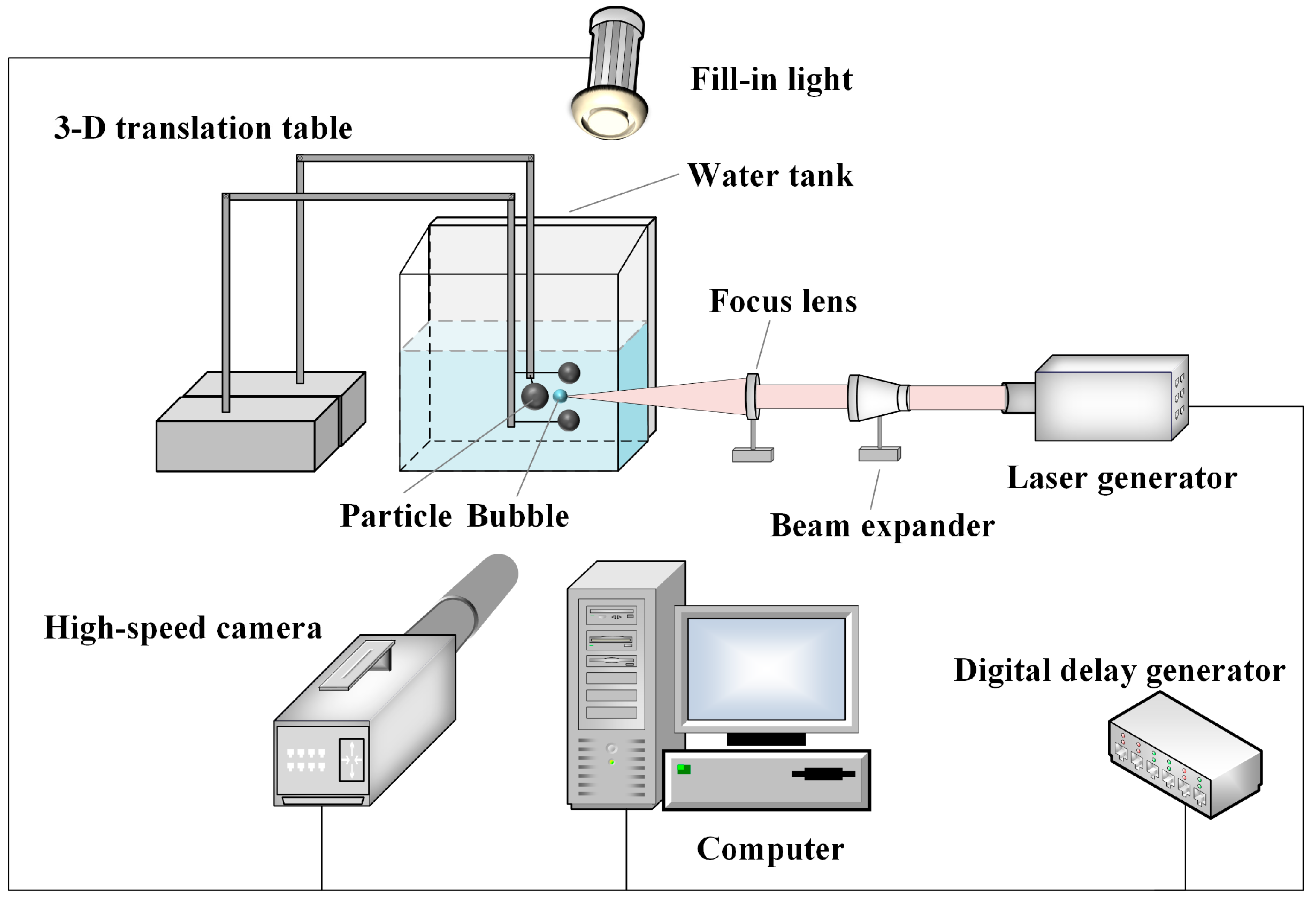
Figure 3 illustrates the experimental setup designed to capture the dynamics of cavitation bubble collapse near triple unequally sized particles. As depicted, the system comprises a laser-induced bubble generation system, an image acquisition system, and a data processing system. The laser-induced cavitation bubble generation system, consisting of a laser generator, a beam expander, and a focusing lens, ensures the laser beam is focused onto a single point. The image acquisition system, composed of a high-speed camera and a supplementary light, captures the rapid collapse dynamics of the bubbles. A computer serves as the data output and processing device, used to evaluate experimental results and determine whether repetition is necessary. Additionally, a digital delay generator is employed to synchronize the triggers for the high-speed camera and the laser generator. Detailed parameters of the key equipment mentioned above are exhibited in
Table 2.
In the experiment, two 3D translation stages were used to position the single left particle and the double right particles, respectively, enabling precise arrangement and adjustment of the three particles. The particles and the bubble were maintained coplanar, with relative distances controlled via the translation stages. The bubble maximum radius was adjusted by varying the laser energy. The dynamics were recorded using a high-speed camera and saved for analysis.
Bubble maximum radius and centroid position stability were verified through repetition. Under consistent flow conditions and fixed parameters, eighteen trials at six laser energy levels yielded the mean and standard deviation of the maximum radius. As shown in
Table 3, bubble size variation was below 2%, meeting experimental requirements. Similarly, eighteen trials at five bubble positions provided mean centroid coordinates and error ranges.
Table 4 confirms minimal positional deviation, demonstrating high stability and repeatability of laser-induced bubbles.
To better quantitatively analyze the influence of particle size parameters on bubble collapse behavior, this paper defines the following dimensionless parameters:
Here, Rp* represents the dimensionless radius of the particle; δ represents the size ratio of particle 1 to the bubble; λ represents the size ratio of particle 2 and particle 3 to the bubble; H* represents the dimensionless spacing between the centroid of particle 1 and the vertical axis; L* represents the dimensionless spacing of particles 2 and 3; xb* represents the dimensionless abscissa of the bubble; X* and Y* represent the dimensionless coordinates of any point in the coordinate system. In this paper, Rmax is set to 1.14 mm. Additionally, the dimensionless radius of particle 2 equals 1.32, and the dimensionless radius range of particle 1 is from 0.88 to 2.63.
4. Analysis of Typical Bubble Collapse Behaviors
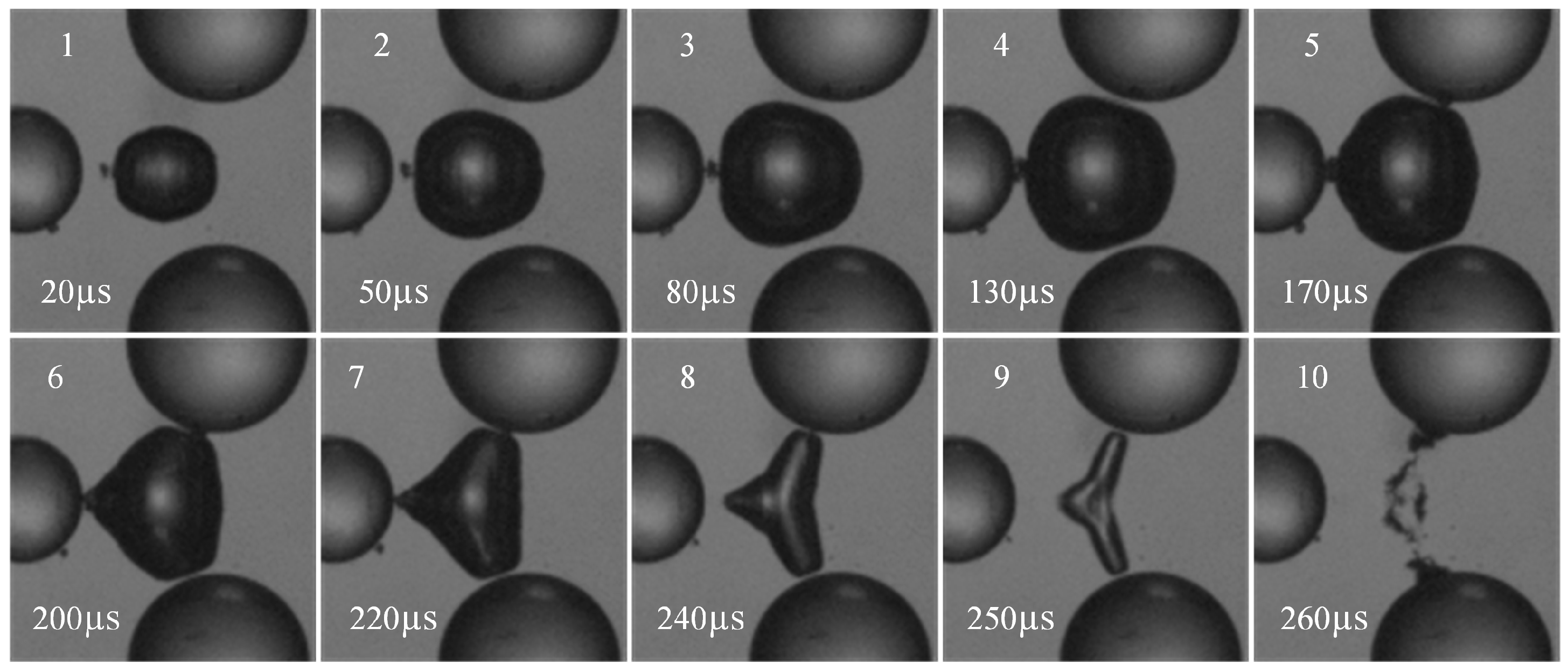
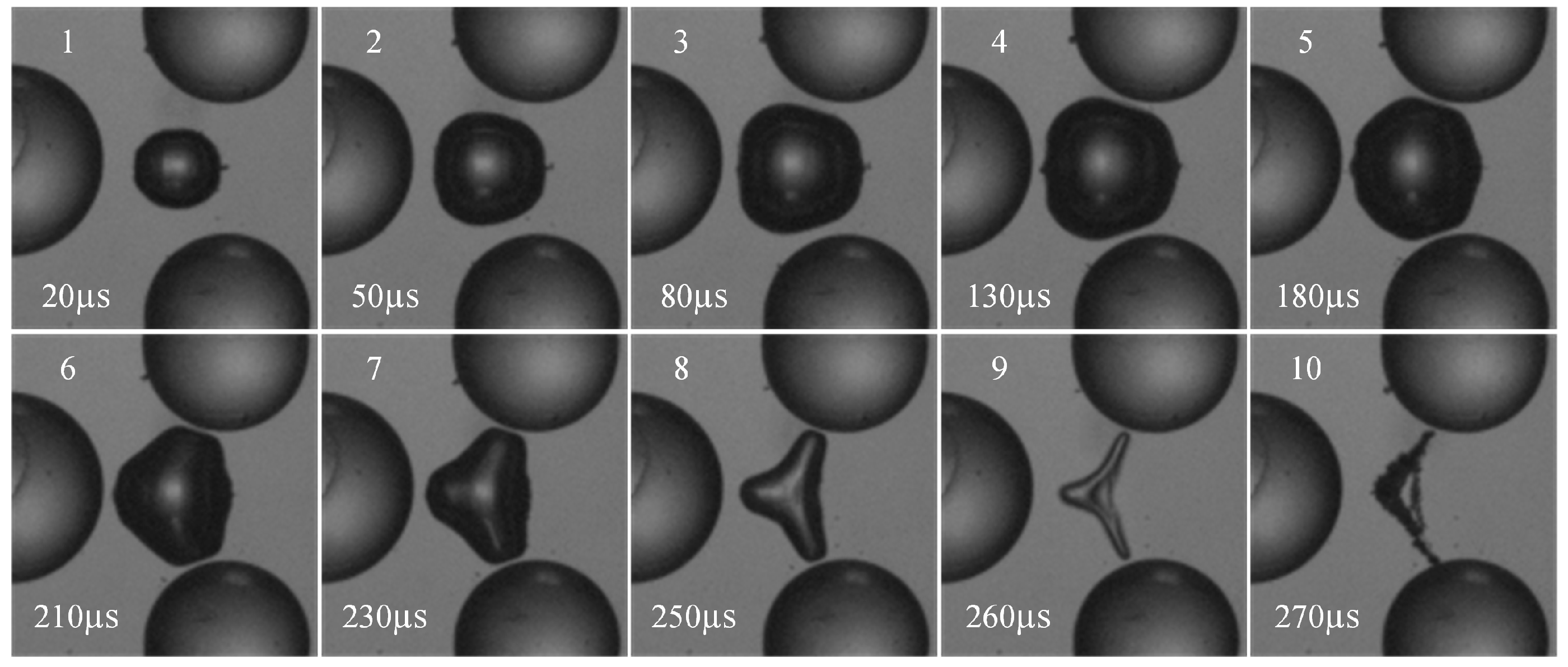
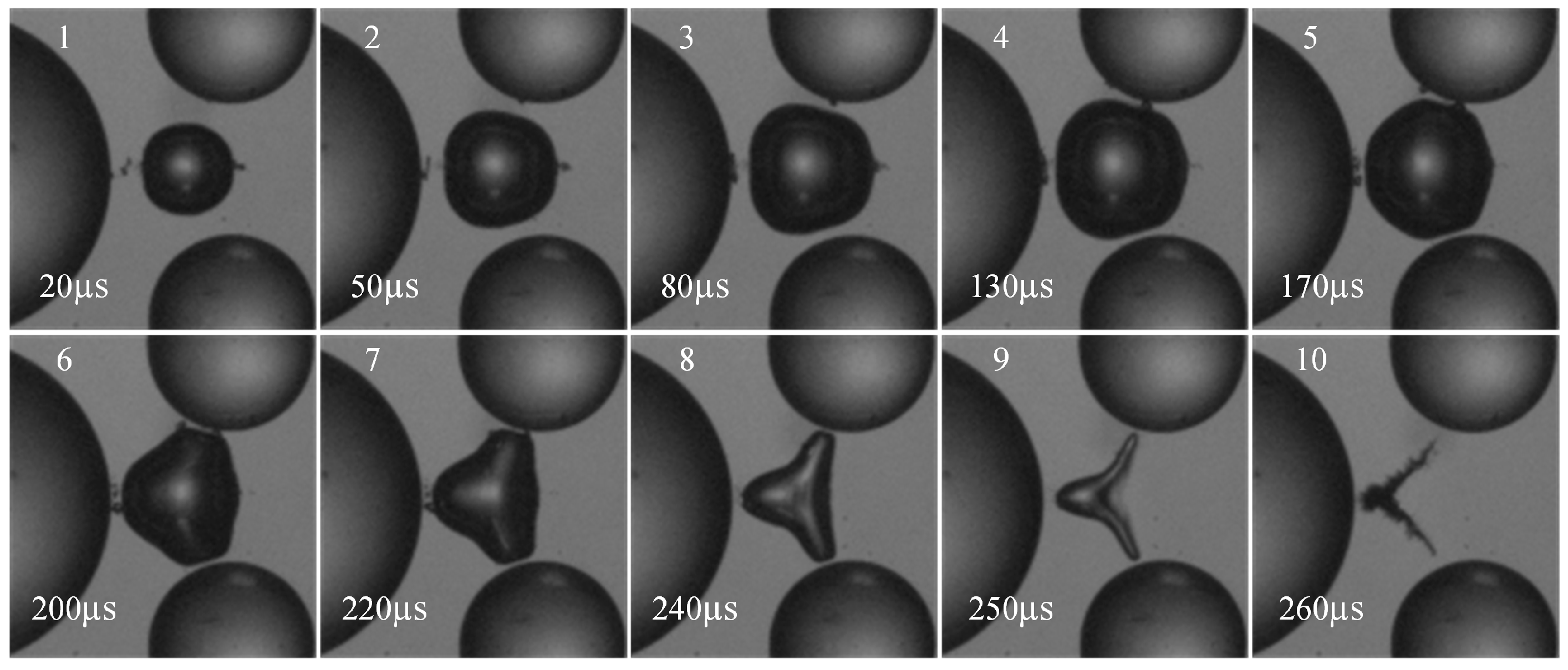
Figure 4,
Figure 5 and
Figure 6 illustrate the typical collapse behaviors of bubbles under different
Rp* (
Rp* = 0.67, 1.33, and 2.00, respectively). The positional and size parameters of the bubble remained constant across all cases:
H* = 1.96,
L* = 4.65, and
xb* = −0.92. Within
Figure 4,
Figure 5 and
Figure 6, subfigures 1–4 indicate the bubble growth phase, while subfigures 5–10 indicate the collapse phase. The figure shows that throughout the entire collapse behavior, the presence of the particles induces a non-uniform flow field distribution around the bubble. The bubble exhibits lower expansion and contraction velocities near particles than in other regions. Specifically, its asymmetry increases progressively during collapse. The bubble wall closest to the particles exhibits minimal deformation, whereas regions far away experience greater deformation. This ultimately causes the bubble to assume a “V” shape. Comparing
Figure 4,
Figure 5 and
Figure 6 reveals that the increase in the size of particle 1 has little influence on the bubble growth stage. However, during the collapse stage, the effect of the size of particle 1 primarily converges on the left side of the bubble. It can be observed that a larger radius of particle 1 results in a greater width and length on the left side of the bubble during collapse.
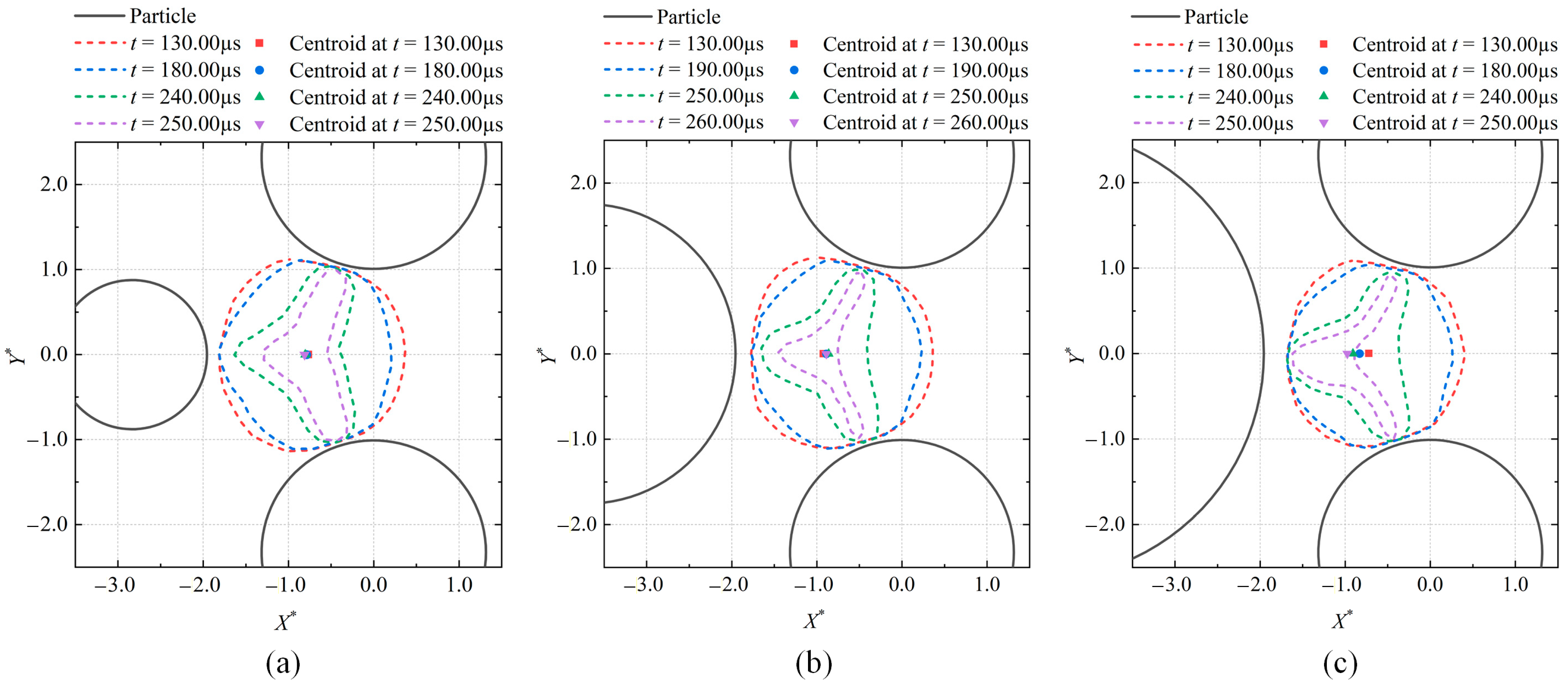
Figure 7 illustrates the bubble contours and centroid positions during bubble collapse under different
Rp*. Subfigures (a–c) correspond to the cases of
Rp* = 0.67, 1.33, and 2.00, respectively. The positional and size parameters of the bubble remained consistent with those in
Figure 4,
Figure 5 and
Figure 6. As shown in the figure, the contour plots provide a more intuitive visualization of the wall contraction during the bubble collapse stage. By comparing the different
Rp* cases, it is revealed that as collapse proceeds, the bubble wall adjacent to the particles becomes more convex, while the wall in other regions gradually concaves inward. Furthermore, with increasing
Rp*, the influence of the particles is most pronounced at the leftmost extremity of the bubble. The region near particle 1 exhibits greater width and length. This demonstrates that larger particle sizes exert a more significant inhibitory effect on the contraction velocity of the bubble wall.
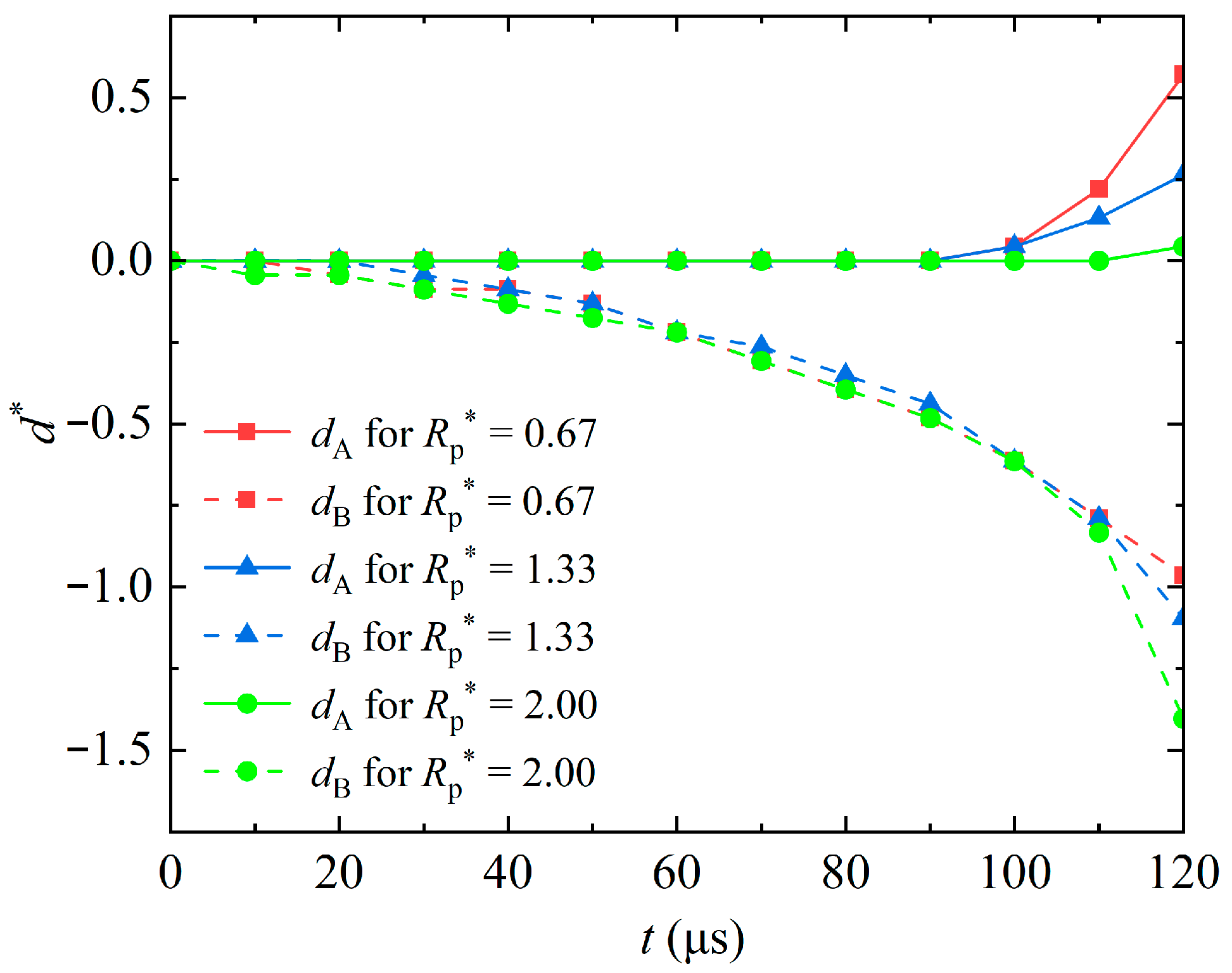
Figure 8 illustrates the dimensionless displacement
d* of feature points
A and
B with time under different
Rp*.
Solid lines denote the displacement characteristics of point
A, while dashed lines denote those of point
B. The positional and size parameters of the bubble remained consistent with those in
Figure 4,
Figure 5 and
Figure 6. The time spans from the bubble achieving its maximum radius (
Rmax) to its subsequent collapse to a minimum volume. It can be observed from the figure that the direction and magnitude of displacement of points
A and
B exhibit significant differences over time. Taking the case of
Rp* = 0.67 as an example. During the initial collapse phase, point
A exhibits negligible displacement, only displacing to the right near the end of collapse. Point
A is located closer to particle 1, where the inhibitory effect of the particle on the bubble’s radial motion is stronger. The particle acts as a rigid boundary that impedes the contraction of the adjacent bubble wall, thereby delaying the onset of displacement and reducing its overall magnitude. In contrast, point
B begins to displace to the left from the onset of collapse, and its velocity increases over time. Point
B is farther from particle 1, so it experiences weaker initial inhibition and can respond more promptly to the pressure gradient generated during bubble collapse, leading to earlier and more pronounced displacement.
Comparing the displacement curves for points A and B across different Rp* values reveals that a larger size of particle 1 results in a later and smaller displacement of point A. Conversely, the displacement of point B increases progressively. Notably, a larger size of particle 1 pushes point A closer to particle 1, subjecting it to a more inhibitory effect. Consequently, the contraction rate of the bubble wall decreases, leading to a reduced displacement. For point B, although it is farther from particle 1, the influence exerted by particle 1 increases progressively as its size grows. This results in a gradual increase in the displacement of point B.
5. Analysis of the Velocity Distribution of the Liquid
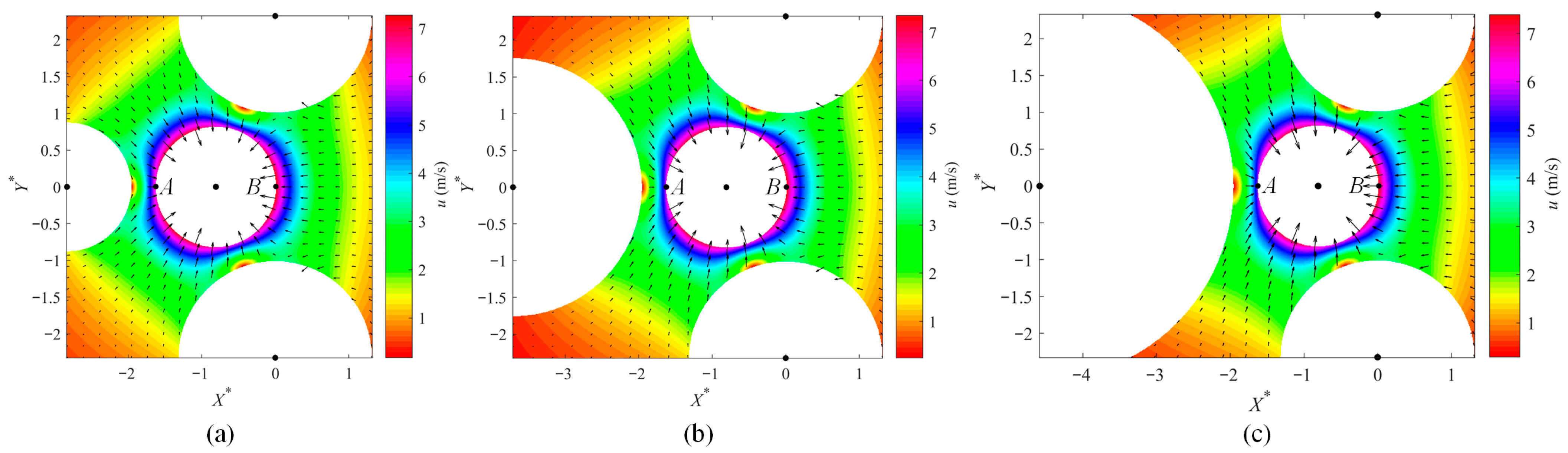
Figure 9 illustrates the velocity distributions around the bubble under different
Rp*. As shown in the figure, the liquid flows converge towards the bubble, with velocity increasing closer to the bubble wall. Three distinct low-velocity zones form in the region between the bubble and the particles, where the liquid velocity is significantly lower than elsewhere. In the region near the particles (point
A), the presence of particle 1 obstructs the radial flow of liquid toward the bubble, forming a low-velocity zone, which directly exerts an inhibitory effect on the contraction velocity of the bubble wall. As
Rp* increases, the relative distance between the particles and the bubble decreases, further intensifying this inhibitory effect, expanding the spatial extent of the low-velocity zone, and more significantly restricting the contraction velocity of the bubble wall. In the region far from the particles (point
B), the liquid flow is less disturbed by the particles, resulting in a higher and more stable flow velocity, which accelerates the contraction velocity of the bubble wall. Meanwhile, the suppression of liquid flow by the particles forces more liquid to converge toward the uninhibited regions, further enhancing the contraction velocity of the bubble wall. Notably, as
Rp* increases, the difference in the inhibitory and accelerative effects of particles on the velocity of bubble walls becomes increasingly significant, leading to enhanced asymmetry in the velocity of the bubble wall.
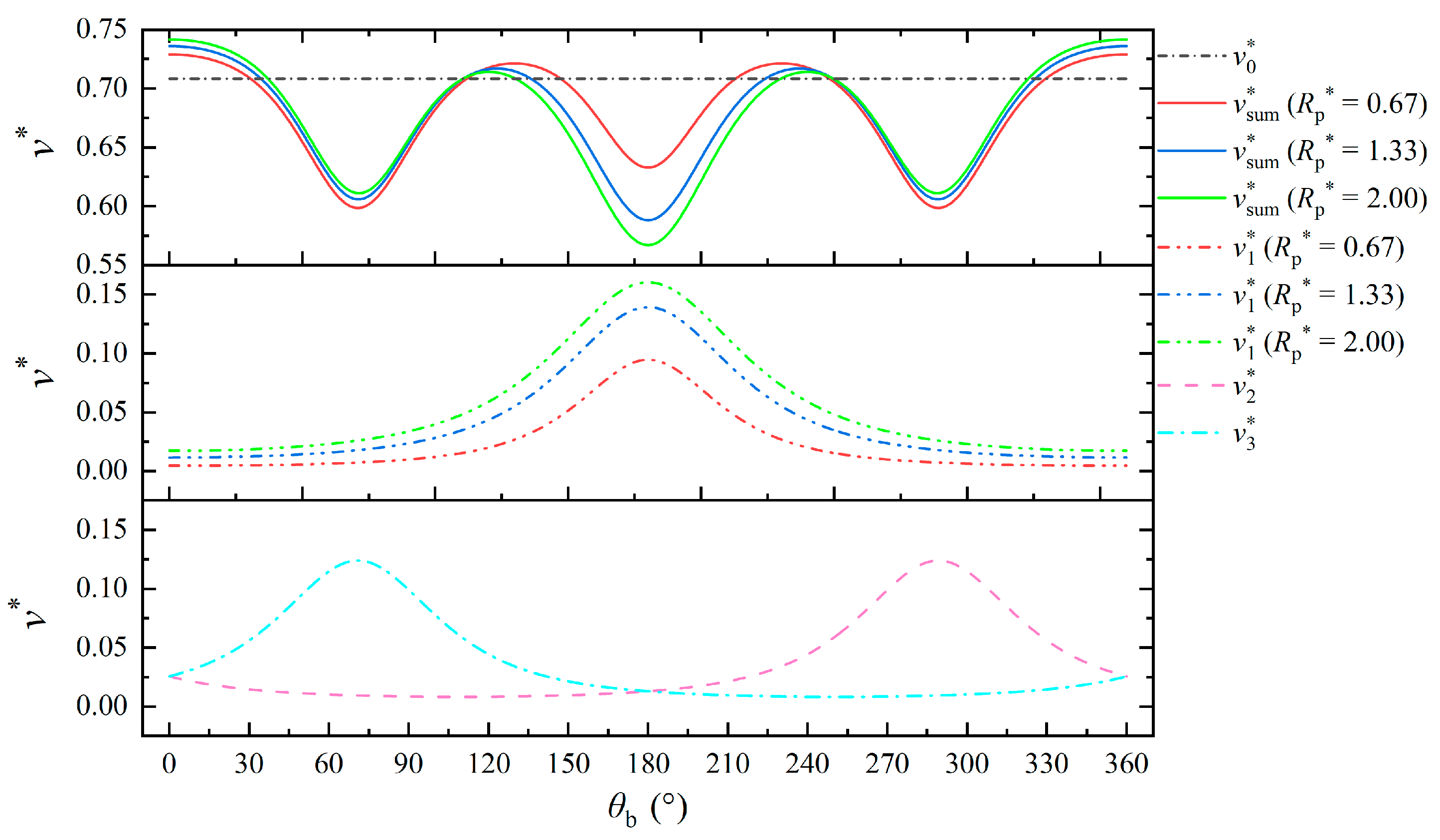
Figure 10 illustrates the variation trends of the dimensionless total liquid velocity
v* and its components on the bubble wall under different
Rp*.
In the figure, v* represents the liquid velocity in the X direction, and θb represents the angle of the position vector relative to the X axis. v0* represents the velocity component caused by the bubble itself, which is a constant; vsum* represents the sum of the liquid velocity; v1* represents the component induced by particle 1 alone; v2* represents the component induced by particle 2 alone; v3* represents the component induced by particle 3 alone. In the figure, the sizes of particles 2 and 3 are kept constant, so v2* and v3* remain unchanged as Rp* increases. The trends of v2* and v3* with θb both exhibit a pattern of initial increase followed by subsequent decrease. Specifically, v2* reaches its maximum value at θb is around 70°, which corresponds to the closest position of particle 2 to the bubble wall. Similarly, v3* peaks at θb is around 290°, the closest position of particle 3 to the bubble wall. This peak behavior arises from the distance-dependent interaction between each particle and the bubble wall. As the bubble wall approaches a particle, the induced flow from the particle strengthens, reaching a maximum at the closest point, and weakens again as the bubble wall moves away.
For the total velocity vsum* and the component v1*, their changing trends are symmetric about θb = 180°, as exemplified by the case Rp* = 0.67. Within the range 0° ≤ θb ≤ 180°, vsum* first decreases, then increases, and finally decreases again, forming a valley at θb = 70° and a peak at θb = 135°. By comparing cases with different Rp*, it is found that the overall variation trends of the bubble-wall velocity remain roughly consistent. However, as Rp* increases, the peak and valley values of vsum* increase. Moreover, the extreme values of vsum* during its second appearance are significantly decreased, and the bubble-wall angle corresponding to the peak is also notably reduced.
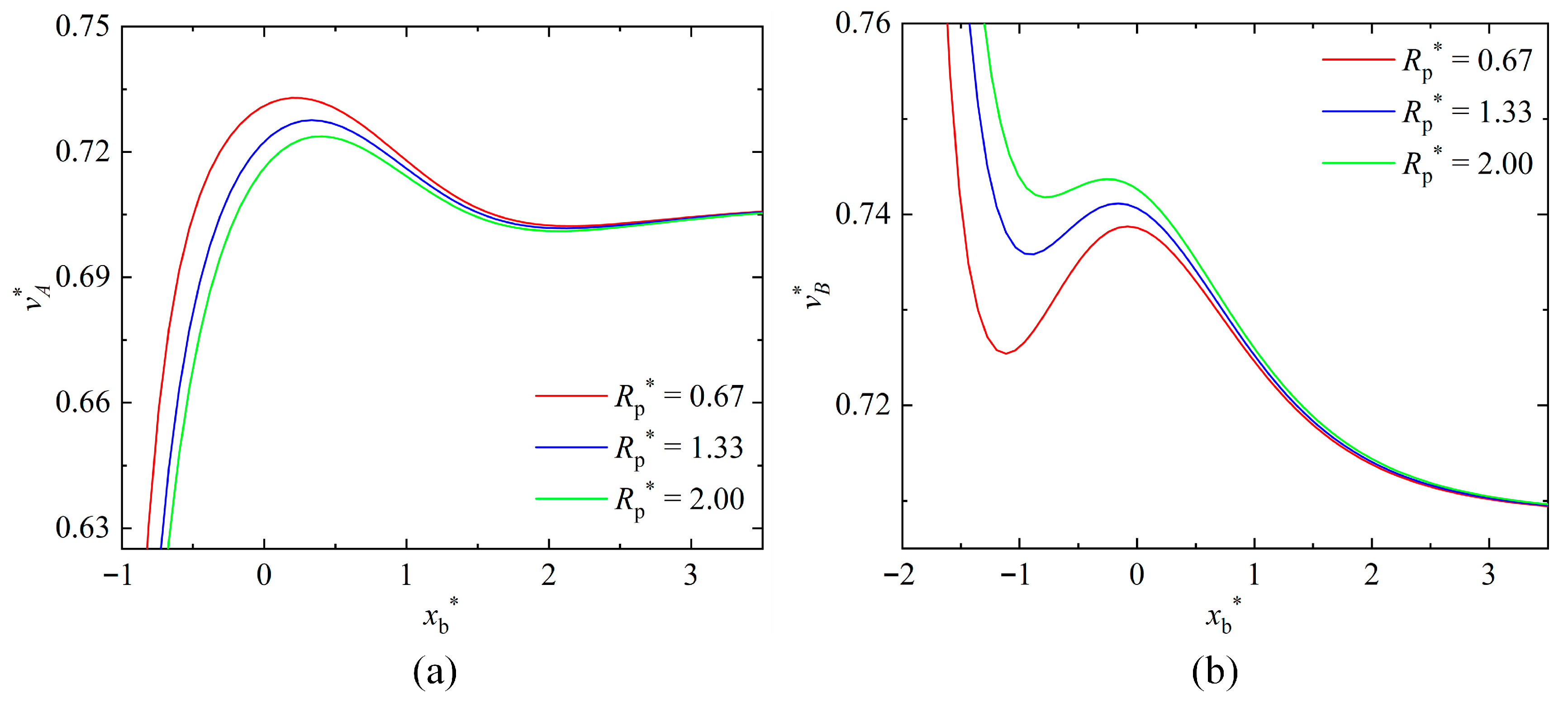
Figure 11 illustrates the variation of the dimensionless velocity of feature points (
A and
B) with the initial bubble position (
xb*) under different
Rp*. Taking
Rp* = 0.67 as an example, as the
xb* increases, the velocity of point
A first increases rapidly and then decreases slowly, reaching a peak value at around
xb* = 0 and a valley value at around
xb* = 2.00, respectively. Subsequently, the velocity exhibits a slight increase before approaching a constant value. The velocity of point
B first decreases, then increases, and subsequently decreases again, reaching a valley value at around
xb* = −1.00 and a peak value at around
xb* = 0, respectively. Subsequently, the velocity tends to a constant value after
xb* > 3.50. The distinct velocity evolution of points
A and
B originates from the spatially non-uniform force distribution induced by the particles. Point
A, closer to the particle, is dominated by the particle’s inhibitory effect on bubble radial contraction. The inhibitory effect peaks at
xb* = 0, leading to a velocity maximum, and weakens as the bubble moves away. For point
B, farther from the particle, its velocity reflects competition between the bubble’s intrinsic collapse and the particle’s distant disturbance. The initial decrease arises from weak repulsion, the peak at
xb* = 0 corresponds to the maximum pressure gradient, and the subsequent decay reflects diminishing forces.
By comparing different Rp* cases, it can be found that the larger Rp* results in smoother velocity variation curves. The xb* corresponding to the peak velocity of the feature point is larger, while the xb* corresponding to the valley velocity is smaller. In addition, as Rp* increases, the velocity at point A exhibits an overall reduction throughout the bubble’s displacement. Conversely, the velocity at point B exhibits an overall increase throughout the bubble’s displacement.
6. Analysis of the Displacement of the Bubble
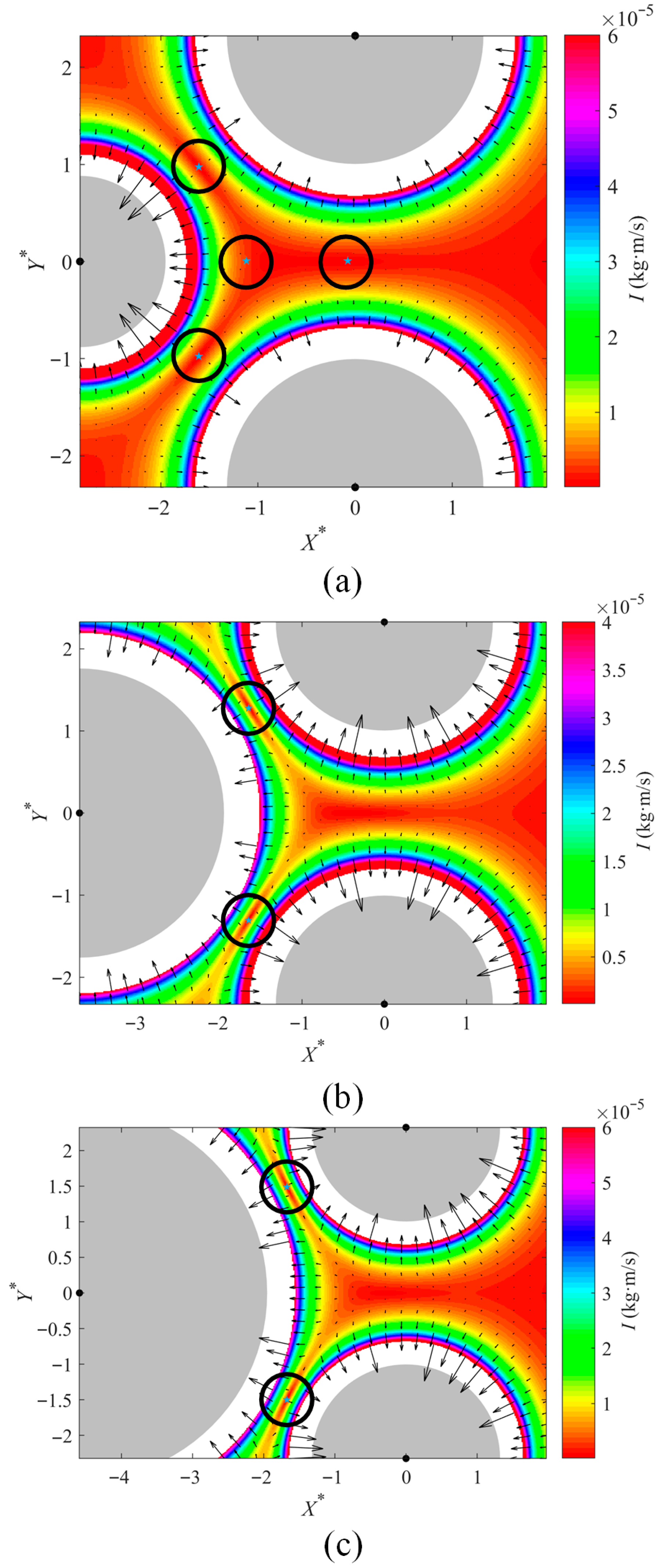
Figure 12 illustrates the Kelvin impulse acting on the bubble within the flow field around triple particles for different
Rp* values. The figure reveals that when the bubble approaches any single particle, that particle exerts the dominant force on the bubble. Hence, the bubble experiences a strong Kelvin impulse directed at the particle’s centroid, which diminishes as the bubble moves away. Therefore, there is a certain position where the forces from the triple particles balance each other, resulting in zero Kelvin impulse on the bubble. We define such points as zero-Kelvin impulse points (abbreviated as zero points subsequently), marked in the figure by star symbols (highlighted with black circles). The spatial distribution and number of these zero points vary with the
Rp*. At a smaller
Rp* (subfigure (a)), there are three zero points located between each pair of particles and one zero point located near the centroid of the triple-particle system. As
Rp* increases (subfigures (b,c)), the two zero points lying along the symmetry axis vanish.
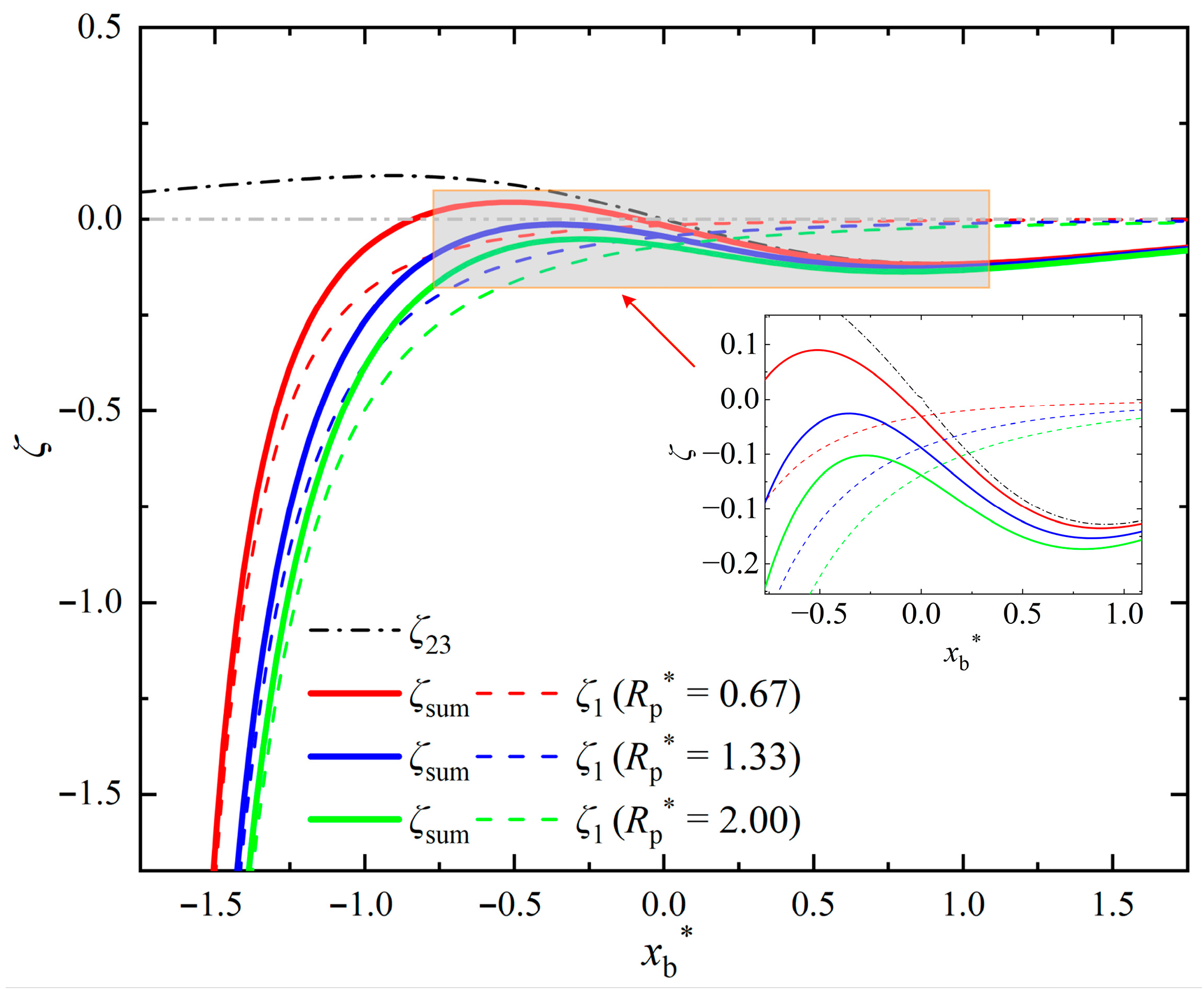
Figure 13 illustrates the theoretical results for the variation of the sum of the dimensionless Kelvin impulse (
ζsum) and its components (
ζ1 and
ζ23) with
xb* under different
Rp*.
For the
ζsum, taking
Rp* = 0.67 as an example, during the bubble’s displacement to the right, the direction of
ζsum reverses at around
xb* = −0.83 and
xb* = −0.08. This signifies that the bubble experiences zero impulse at these locations, meaning
xb* = −0.83 and
xb* = −0.08 represent the abscissa of two zero points located on the symmetry axis. As
xb* increases, starting from cases of
Rp* = 1.33, the direction of
ζsum remains constant throughout the bubble’s rightward displacement. This indicates the disappearance of the two zero points on the
X axis, which coincides with the findings in
Figure 12. The reversal of
ζsum arises from the competition between the impulse induced by particle 1 and that from particles 2 and 3. At
xb* = −0.83 and
xb* = −0.08, the opposing impulses from the particle groups cancel each other out, resulting in zero Kelvin impulse. As
Rp* increases, the stronger inhibitory effect of particle 1 dominates the impulse balance, eliminating the zero points and leading to a unidirectional
ζsum.
For the ζ1 and ζ23, ζ1 is a component caused by particle 1, and it is shown in the figure that ζ1 gradually decreases in magnitude and its direction remains constant as the bubble moves away from particle 1. Furthermore, as Rp* increases, the variation curve of ζ1 becomes smoother and the magnitude of ζ1 progressively decreases. Additionally, ζ23 is a component caused by particles 2 and 3, and it is shown in the figure that the direction of ζ23 reverses at xb* = 0.00. Specifically, since the sizes of particles 2 and 3 remain unchanged across the different Rp* cases, ζ23 does not vary with Rp*.
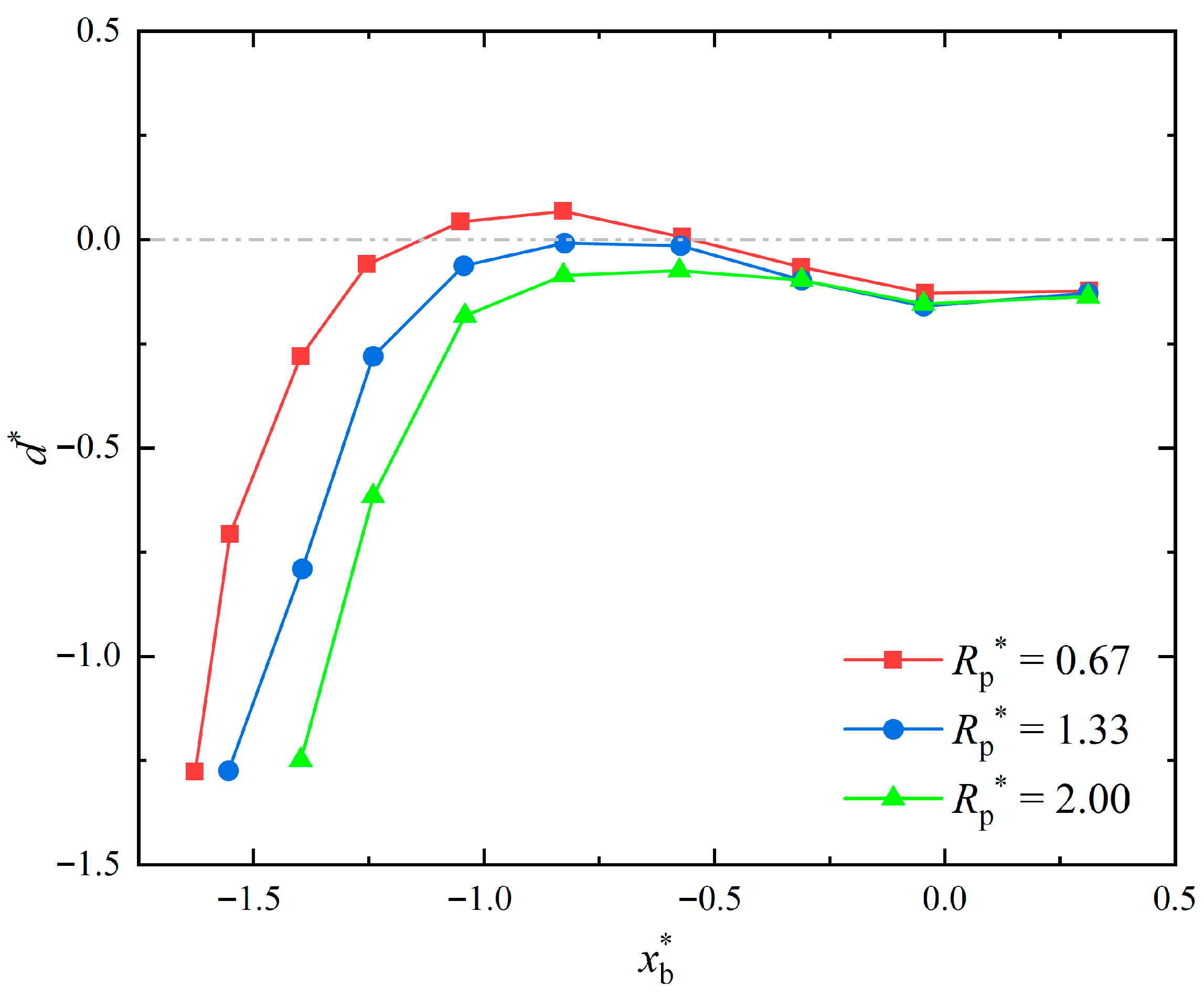
Figure 14 illustrates the experimental results for the dimensionless bubble centroid displacement (
d*) with
xb* under different
Rp*. As shown in the figure, the experimental results are in excellent agreement with the theoretical results, which validates the accuracy of the model.
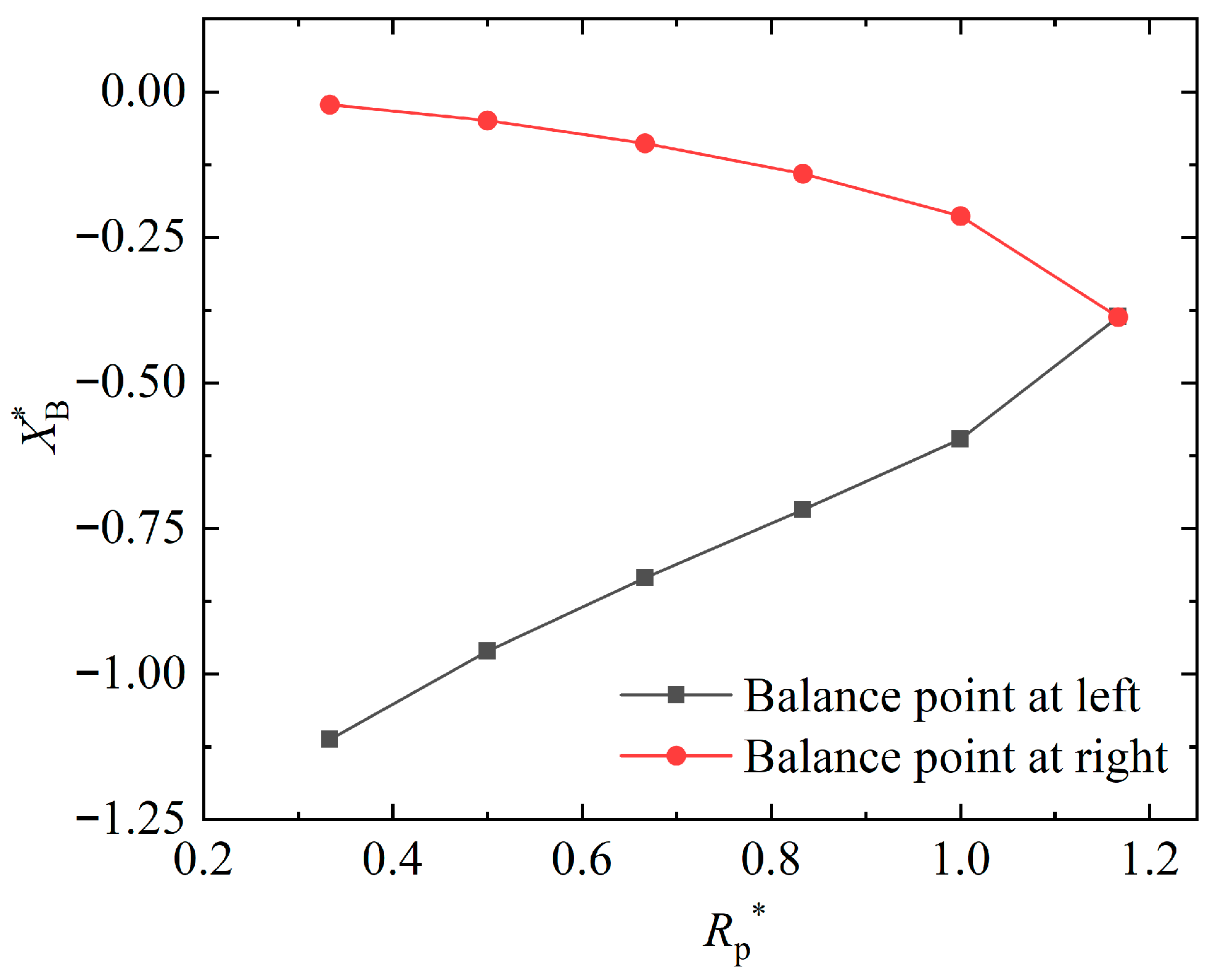
Figure 15 illustrates the variations of the abscissa of the zero points with
Rp*.
XB* denotes the dimensionless abscissa of a zero point, defined as the ratio of the zero point’s abscissa to
Rmax. As shown in the figure, as
Rp* increases, the distance between the two zero points gradually decreases, the left zero point moves rightward, and the right zero point moves leftward. Obviously, there is a threshold at which only one zero point is left when
Rp* = 1.15, and no zero point is left when
Rp* > 1.15.
This occurs because, as Rp* increases, the force from particle 1 on the negative X-axis grows dominant, while the double particles on the right fail to generate a sufficient positive X-axis force to counterbalance it. The Kelvin impulse is therefore directed along the negative X-axis, thus resulting in the absence of zero points.
7. Analysis of the Size Ratio of the Particles
Table 5 exhibits the quantitative differences in various bubble characteristics under different particle size ratios. As shown in
Table 5, the dimensionless size ratio of particles to cavitation bubbles (
Rp*) exerts distinct effects on bubble dynamics characteristics. With the increase in
Rp* from 0.167 to 1.000, the dimensionless velocity
vA* decreases monotonically from 0.733 to 0.519, with a total reduction of approximately 29.2%. Notably, the decline of
vA* is relatively gentle when
Rp* ≤ 0.500, but accelerates significantly as
Rp* exceeds 0.500, indicating that larger particles exert a stronger inhibitory effect on the corresponding bubble motion. In contrast,
vB* remains nearly stable, rising slightly from 0.727 to 0.738 (a total increase of only ~1.5%), suggesting that the particle size ratio has a negligible influence on this velocity component. The divergent evolution of
vA* and
vB* directly reflects the symmetry breaking of the bubble-particle system induced by the finite particle size. As
Rp* increases, the particle’s perturbation becomes more localized and intense on the side of point
A (adjacent to the particle), while the flow field on the side of point
B (opposite to the particle) remains nearly undisturbed. This asymmetric suppression of bubble-wall motion grows stronger with larger
Rp*, breaking the inherent symmetry of the single-bubble dynamics and leading to a pronounced discrepancy between
vA* and
vB*.
For the dimensionless Kelvin impulse ζ, which can be used to describe the centroid movement of the bubble, it decreases monotonically from 0.241 to 0.134 as Rp* increases from 0.167 to 0.833, and drops sharply to less than 0.001 when Rp* = 1.000. This trend reveals that larger particles effectively suppress the lateral movement of the bubble centroid.
8. Conclusions
This study examines bubble collapse near three unequally sized particles using high-speed imaging and Kelvin impulse theory. Bubble dynamics were captured via high-speed imaging and laser-induced bubbles. A Kelvin impulse model incorporating the Weiss theorem, method of images, and velocity potential superposition was developed to predict collapse behavior and associated symmetry-breaking behavior. Key findings are as follows:
(1) Particles induce asymmetric bubble deformation, which intensifies with increasing Rp*. Near the enlarging particle (particle 1), a larger Rp* leads to greater stretching of the bubble wall during collapse, forming a more convex contour. Further from particle 1, increased Rp* indirectly accelerates the inward concave velocity, raises the wall displacement, and exacerbates asymmetric deformation.
(2) Three distinct low-velocity zones exist between the bubble and particles. As Rp* increases, the zone near particle 1 expands noticeably, while velocities elsewhere remain largely unchanged. As Rp* increases from 0.167 to 1.000, vA* decreases monotonically from 0.733 to 0.519, representing a total reduction of 29.2%. The larger Rp* significantly suppresses the radial contraction of the adjacent bubble wall, breaking the symmetric velocity distribution of the bubble.
(3) Increasing Rp* alters bubble migration by modifying zero-Kelvin impulse points and centroid motion. As Rp* increases from 0.167 to 0.833, the dimensionless Kelvin impulse ζ decreases monotonically from 0.241 to 0.134 (a 44.4% reduction), indicating suppressed lateral migration. The growing particle 1 strengthens its negative X-axis force component, disturbing the impulse balance. This reduces the original four zero-Kelvin-impulse points to two and shifts the centroid displacement from θb-dependent to a consistent leftward direction.