1. Introduction
Epidemics, especially pandemics, not only cause social panic but also threaten human survival [
1]. Each outbreak of an epidemic has inflicted immense destruction on human society [
2]. For instance, the 2003 SARS outbreak endangered the lives and health of thousands; the 2019 coronavirus pandemic inflicted human and property losses far exceeding our initial estimates [
3]. Therefore, to mitigate damage from such emergencies, understanding epidemic spreading patterns and their influencing factors is crucial. The propagation of pandemic-related information can effectively raise public awareness, prompting individuals to adopt protective behaviors and thereby slowing the spread of the outbreak [
4,
5]. For instance, with the emergence of the COVID-19 pandemic, relevant information began circulating online. After accessing COVID-19-related information, individuals adopted various self-protective behaviors, including wearing masks, frequent hand washing, and adhering to social distancing measures [
6]. These self-protective actions disrupted spreading pathways, ultimately curbing the outbreak [
7,
8].
In recent years, complex network theory has emerged as a crucial tool for studying epidemic spreading mechanisms, serving as a vital research domain for simulating and exploring factors influencing epidemic spread [
9,
10,
11,
12,
13,
14,
15]. However, single-layer networks are insufficient to simultaneously represent diverse spreading pathways within real-world systems. Consequently, multi-layer networks provide an essential framework for constructing epidemic spreading models [
16,
17,
18]. Within these networks, nodes represent identical entities across all layers, yet the link relationships between nodes may vary significantly. Granell et al. employed a
dual-layer coupled network model to analyze the relationship between information and epidemic spreading processes, revealing that information propagation influences epidemic spreading thresholds. Their findings indicate that awareness propagation can effectively control epidemic spread [
19]. Wang et al. developed a
model to investigate the multifaceted interactions between awareness propagation and epidemic spreading, discovering that epidemic thresholds correlate with both awareness propagation and network topology [
20]. Zheng et al. developed a
network model, revealing that the epidemic spreading threshold depends on the coupling between multi-network topology and two spreading dynamics [
21]. Shi et al. proposed the
model to analyze the dynamic interactions between behavior and epidemics in multi-network settings, incorporating the impact of individual heterogeneity on epidemic spreading dynamics.
With the rapid advancement of internet technology, mass media (such as print and digital newspapers, radio, and television) have significantly enhanced the efficiency of information propagation, playing an increasingly vital role in the coupled spreading of epidemics and related information [
22]. Consequently, scholars have incorporated the influence of mass media into their research on the coupled spread of information and epidemic. Xia et al. investigated how various preventive measures affect epidemic spreading in multiplex networks under the influence of mass media [
23,
24]. Granell et al. found that mass media can indirectly influence epidemic outbreak scale by disrupting the spreading of epidemic-related information, thereby raising the epidemic spreading threshold [
25]. Meanwhile, Ma et al. analyzed the effects of self-awareness and mass media on epidemic spreading, discovering that a reduced proportion of asymptomatic carriers suppresses epidemic spreading and increases the spreading threshold [
26]. Wang et al. investigated the coupled spreading of multiple information types and epidemics under mass media influence. They found that accelerating the spread of positive information through enhanced media campaigns effectively suppresses epidemic spreading. When positive information fails to propagate, accelerating the spread of negative information can also inhibit epidemic spreading [
27].
The above studies on the dynamic interaction between information and epidemics were conducted on epidemic contact networks where nodes represent individuals. Due to daily social activities, individuals constantly move cyclically between adjacent patches, leading to changes in spatial location. As individuals migrate within the actual contact network [
28], epidemics spread more extensively across populations. Consequently, individual-level network models fail to accurately represent regional epidemic spreading characteristics, and accounting for individual mobility is also a critical factor influencing epidemic dynamics [
29,
30,
31]. Consequently, researchers began studying epidemic spreading through population networks that account for individual migration within each population, where nodes represent patches (e.g., regions, cities) and links denote migration routes between patches. Wang et al. proposed a two-layer model: one layer simulating migration of unaware individuals and another representing migration of aware individuals [
29]. Gao et al. found that conscious spreading suppression proved more effective than restricting population mobility in curbing epidemics [
30]. An et al. constructed a multilayer population network model incorporating individual adaptive behaviors and stranding mechanisms, revealing that the combined effects of information propagation and individual migration between patches significantly influence epidemic outbreak thresholds and steady-state prevalence levels [
32]. Zhang et al. observed in a two-layer population network model that enhanced neighborhood group awareness (1-simplex) markedly improved information propagation efficiency and effectively reduced infection scale, whereas higher-order group awareness (2-simplex) showed negligible suppression effects [
33]. Xu et al. constructed a coupled model incorporating an unconscious-aware-silent-unaware (
) mechanism based on a two-layer network. They found that regulating individual migration behavior indirectly suppressed epidemic spread, with particularly pronounced effects at low migration rates [
34].
However, while the above studies on the coupling of metapopulation networks and epidemics have thoroughly explored the impact of population mobility on the spatial spread of epidemics, they have generally overlooked the dynamic changes in individual communication patterns during migration. Specifically, current models often view mass media as a globally homogeneous information source, that disseminates identical messages to all individuals. This assumption overlooks the fact that each city has its own regional mass media and that individuals predominantly attend to media information originating from their home city. To more accurately approximate real-world information-epidemic coupling processes, this paper proposes a three-layer metapopulation network model that integrates city-level differentiated media mechanisms. In this model, each city’s mass media disseminates information specifically to its residents. When individuals migrate between cities, they may adopt the mass media information of the destination city with a certain probability. This framework not only addresses the limitations of existing models in characterizing information interactions among mobile individuals but also offers a novel analytical perspective for elucidating the coupling dynamics between information flow and epidemic spreading. In summary, the innovations of this paper are as follows:
- (1)
Unlike previous research that treated mass media as a unified global information source, we propose an innovative mass media layer that assigns a regional mass media node to each city. These nodes propagate information to residents within the corresponding cities.
- (2)
The model considers the dynamic information acquisition mechanism of individuals during migration. After individuals move to a destination city and then return to their original city, individuals can simultaneously access and receive media information from both cities, and they may adopt the mass media information of the destination city with a certain probability. This dual-source media input model facilitates enhanced cross-regional information propagation.
- (3)
At the informational level, individuals receive both epidemic-related information propagation by other individuals within their own region and from other regions. This assumption broadens the pathways of information propagation, thus more realistically simulating the dynamic process of information propagation within a metapopulation.
The remainder of this paper is structured as follows: First, in
Section 2, we describe a
metapopulation network spreading model that accounts for regional mass media influence. Next, in
Section 3, we conduct a theoretical analysis of the model based on the Micro-Markov Chain Approach (MMCA) and derive the critical conditions for epidemic spreading. Then, in
Section 4, we perform extensive numerical simulations to validate the theoretical findings. Finally, in
Section 5, we draw the conclusions of the paper.
2. Model Description
In the real world, mass media propagation is inherently regional. Residents of Beijing focus on information released by Beijing’s mass media outlets, such as Beijing Release, while residents of Shanghai pay attention to updates from Shanghai-based outlets, such as Shanghai Release. When an individual residing in Beijing travels to Shanghai for work, their information environment changes fundamentally: during their stay in Shanghai, they not only receive updates on the pandemic situation from local media outlets but also continue to pay attention to media information released by their place of residence, Beijing. This cross-regional dual media exposure results in individuals’ risk perceptions being jointly shaped by epidemic developments in both locations. Even after returning to Beijing, these informational links persist. Individuals continue to monitor epidemic updates from Shanghai media while receiving local Beijing updates, creating a sustained dual-source media information overlay effect. This migration-induced, sustained exposure to multiple media sources profoundly shaped individuals’ perceptions and protective behaviors.
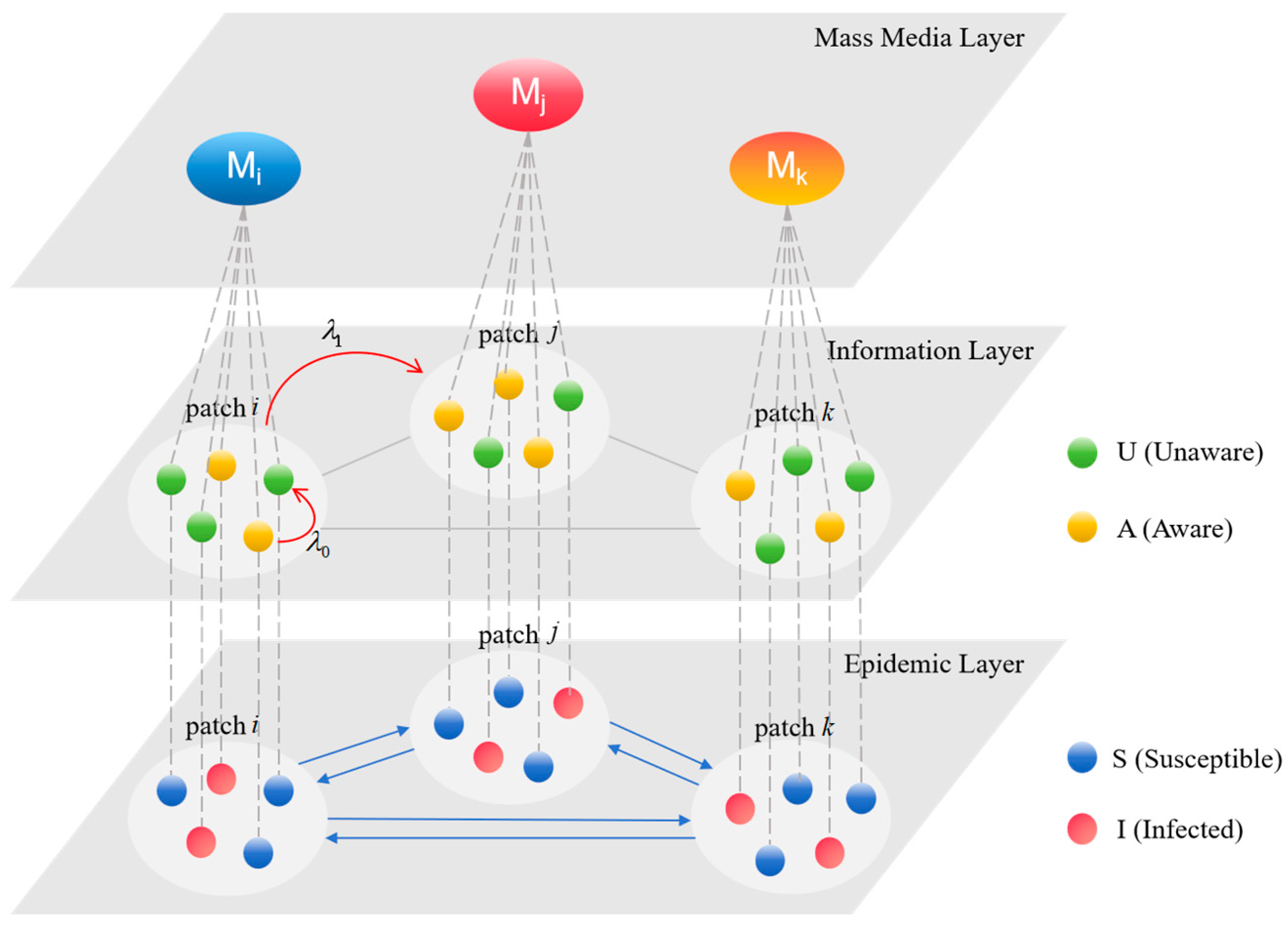
As illustrated in
Figure 1, to more accurately depict how population mobility dynamically influences individuals’ information environments and to reveal the profound impact of this process on the patterns of epidemic spreading, this paper constructs a three-layer metapopulation network model. The upper layer constitutes the mass media layer, where each node represents a media outlet corresponding to a patch. Media nodes propagate epidemic-related information to individuals within their respective cities. Within the information layer, each node denotes a patch, and individuals within patches exist in two states:
(aware state) and
(unaware state). The information propagation rate between individuals within a patch is
, while the rate of information propagation between patches is
. The epidemic spreading layer employs a metapopulation network framework to simulate individual movement between patches, where the epidemic spreads through interpersonal interactions. Within this layer, individuals exist in two states:
(susceptible state) and
(infected state). The nodes in the information layer and the epidemic spreading layer are identical and correspond one-to-one. The perceived state of nodes in the information layer may influence their behavioral performance in the epidemic layer. Similarly, the infection status of nodes in the epidemic layer also affects their perception and response to the epidemic in the information layer. Typically, when nodes acquire epidemic risk information through online social networks, they tend to adopt protective behaviors to reduce infection probability during physical contact. Conversely, if a node becomes infected through contact with another node, its perception intensity of the epidemic within the information layer will significantly increase.
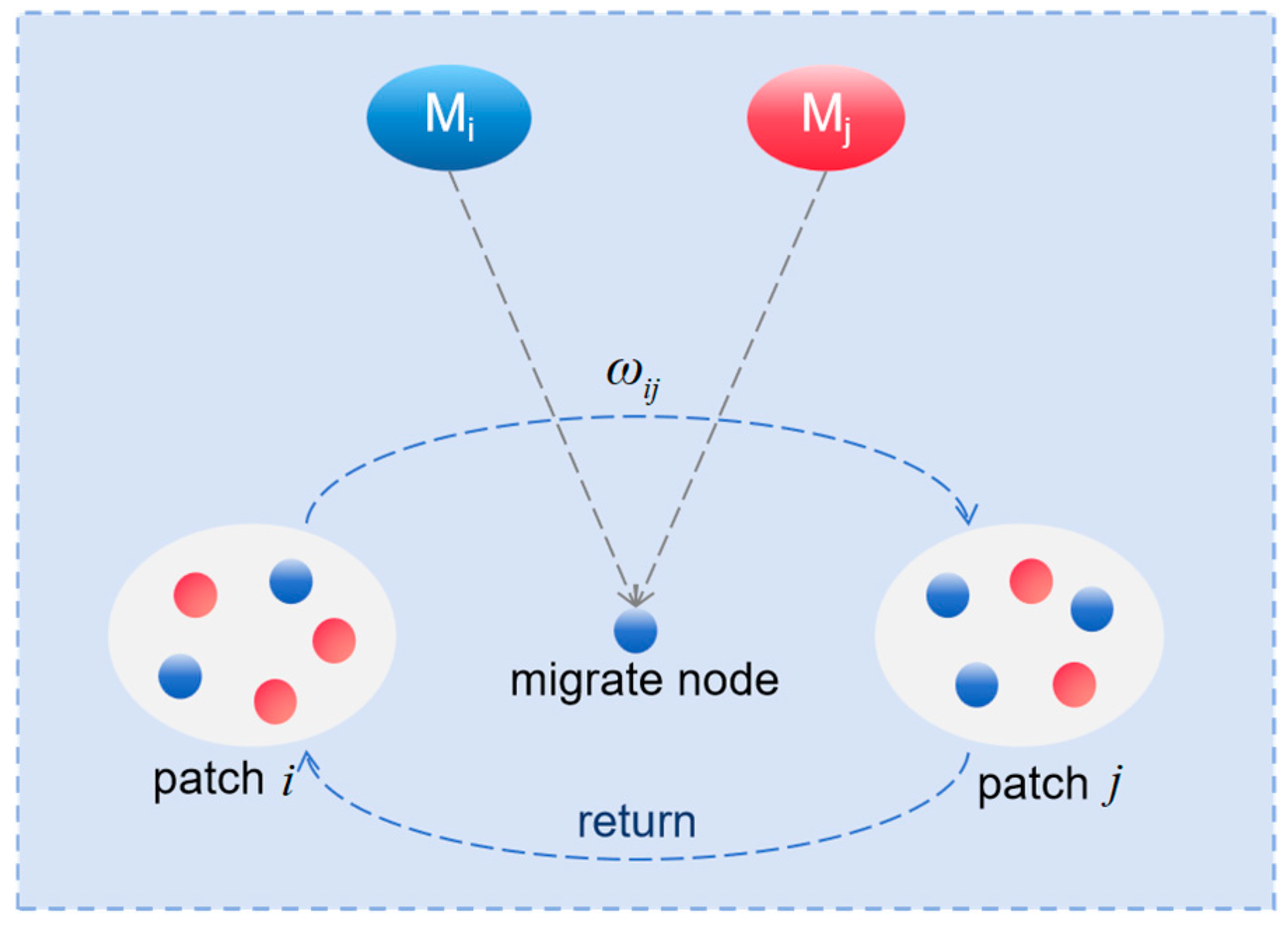
To describe the spatial characteristics and metapopulation dynamics of epidemic spreading at the epidemiological level, the epidemic spreading layer employs a metapopulation network model that accounts for individual migration (
Figure 2). This model posits that the metapopulation network comprises
patches (each representing a city where individuals reside), with patch
containing
individuals. For simplicity, individuals within each patch are considered fully mixed. The boundaries between populations form a transport network facilitating individual migration.
Consequently, within this model, epidemics can spread not only within a single patch but also spread between patches via node migration. Individuals within a region depart their residence with probability , with migration preferences influenced by weights. We define the transition probability matrix from patch to patch as , where represents the contact weight between patch and patch in epidemic spreading layer (e.g., physical distance, traffic flow between cities). Individuals prefer to migrate to patches with higher contact intensity relative to their original residence. Here, we assume individuals maintain fixed residential locations, meaning they return to their original patch after migrating to another patch (similar to commuting). Within the metapopulation network, the dynamic migration process at each time step follows the, Migration-Interaction-Return () rule.
- (1)
Migration (): At the start of each time step, individuals are placed in their residential patches. Then, individuals in each patch move to an adjacent patch with probability , or remain in their residential patch with probability . If an individual decides to migrate, it can determine the destination patch based on the transition probability matrix .
- (2)
Interaction (): Individuals update their epidemic infection status through contacts within their current patch, while their consciousness state is updated through social interactions within the information layer.
- (3)
Return (): At time step , after completing migration and infection processes, individuals shall return to their residential patches. At time step , the above process shall be repeated.
The mass media layer reflects the dynamic process by which mass media corresponding to patches propagate information to individuals. Unlike the epidemic layer’s network mechanism, information propagation in the mass media layer does not depend on individual mobility, and media outlets do not influence one another. Therefore, individuals can obtain epidemic information not only from neighbors within their residential patch or neighbors of neighboring patches, but also through mass media.
Typically, the greater the number of infected individuals within a patch, the more intense the mass media publicity becomes. Therefore, we reasonably assume that the information propagation rate of mass media corresponding to a patch
is positively correlated with the proportion of infected individuals within that patch. We denote the mass media information propagation rates corresponding to patch
by variables
.
where
represents the basic information propagation rate of mass media,
is the proportion of infection individuals in patch
i at time step
.
Assuming an individual in patch
chooses to migrate to patch
at time step
and then returns to its original patch
, there is a certain probability that it will receive information propagated by the mass media in the destination patch. Therefore, the probability
that an individual in patch
receives information from the mass media is defined as:
The first part on the right-hand side of the equation indicates that individuals in patch do not migrate. The second part indicates that individuals in patch migrate out of their home patch with probability and choose to migrate to patch with probability . In this case, they receive information propagated toward them from both patches.
Similarly, the information layer reflects the dynamic process of information propagation among
patches. Unlike the spreading mechanism in the epidemic spreading layer, we assume here that information propagation in the information layer does not depend on individual mobility but rather occurs through the cognitive cascading properties of social platforms. This assumption is reasonable because, under normal circumstances, changes in individuals’ geographical locations in the real world generally do not affect their relationships with friends across different social platforms. Therefore, in the information layer, the edges connecting each individual to their neighbors are considered constant. It is important to note that an individual’s neighbors include both intra-patch neighbors (within the same patch) and inter-patch neighbors (across different patches). The constant online relationships between individuals imply that the edges between patches are also constant, representing a fixed topological structure for the information layer. Each individual can receive epidemic-related information and transition to a conscious state. Nodes in the information layer can exist in two possible states: unaware (
) or aware (
). Generally, unaware individuals gradually perceive epidemic risks and increase their vigilance as the proportion of aware individuals in their vicinity grows. Thus, we reasonably assume that the information propagation rate is positively correlated with the proportion of aware individuals in the individual’s own patch or neighboring patches. We define
as the probability that an unaware individual in patch
is informed by neighbors within their own patch or in adjacent patches at time
.
Here, denotes the proportion of aware individuals in the neighboring patches of patch , and represents the set of neighboring patches of patch . The parameter describes the degree to which individuals are inclined toward their own patch. Since individuals within a given region possess more authentic epidemiological information, people tend to trust epidemic-related information propagated by neighbors within the same region more readily, exhibiting greater trust in neighbors within the same patch. Therefore, .
3. Theoretical Analysis
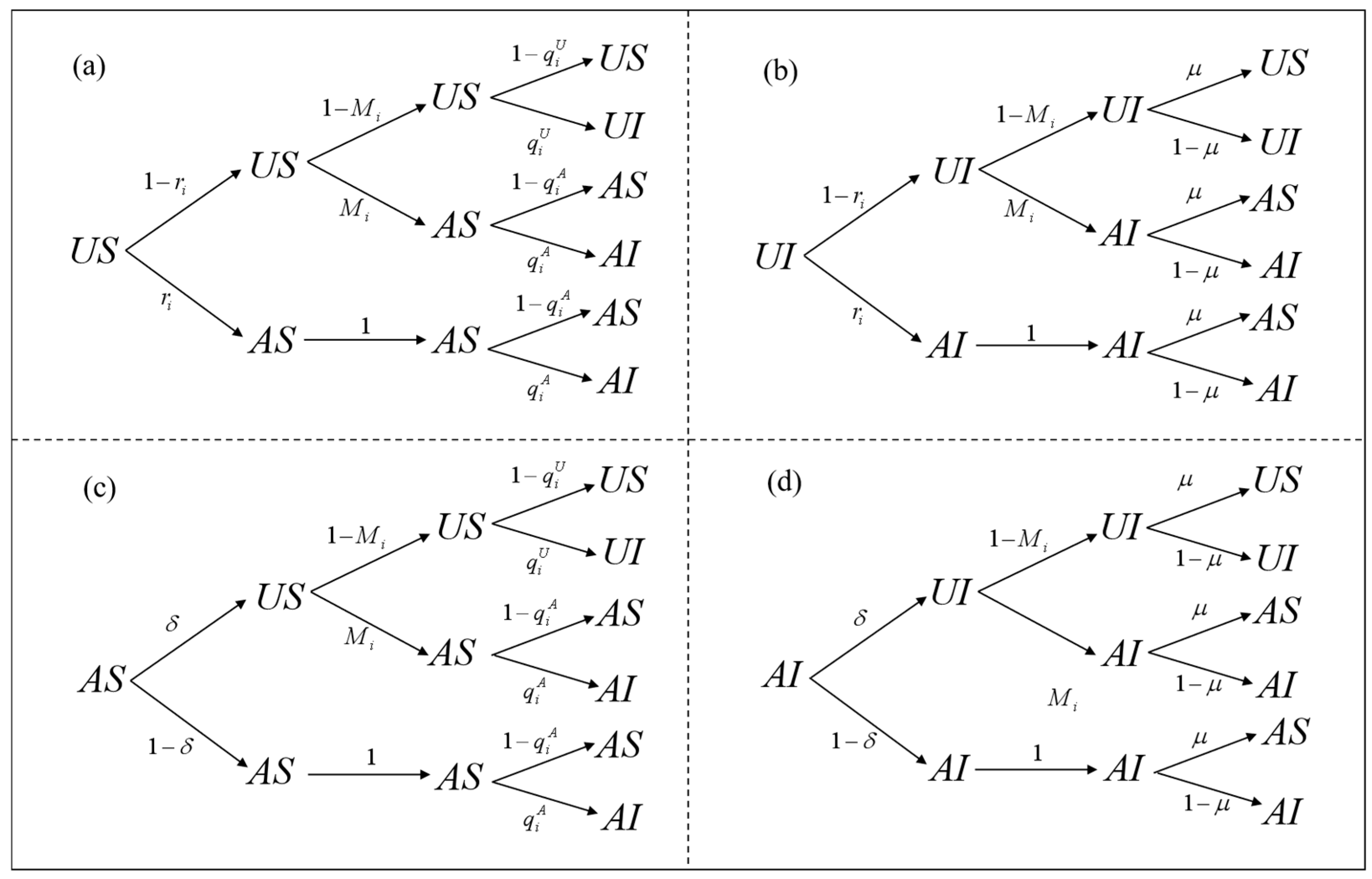
To describe the dynamic processes of epidemic and information propagation within a metapopulation network under the influence of regional mass media, this paper employs a coupled
model that defines the state of each patch at each discrete time step (
Figure 3). For epidemic spreading in the epidemic layer, all individuals are categorized into two distinct states:
(susceptible) and
(infected). During spreading, susceptible individuals in patch
may become infected by interacting with infected neighbors at rates
and
, respectively. Infected individuals recover to the susceptible state with probability
. For information propagation between individuals, the classical
model is employed, reducing each individual to one of two states:
(Aware) or
(Unaware). Unaware individuals in patch
can be informed about epidemic-related information by aware neighbors with probability
. Conversely, aware individuals may forget information with probability
.
In the model proposed above, which integrates epidemic spreading and information propagation, each individual may exist in one of four possible states: unaware and susceptible (), unaware and infected (), aware and susceptible (), and aware and infected (). Typically, an already infected individual will transition to the aware state due to self-awareness, with a probability of . Generally, aware individuals take protective behaviors such as wearing masks and frequent handwashing to reduce their risk of infection. We assume , where . Let and represent the infection rates for aware and unaware individuals, respectively, with . Thus , when , aware individuals are completely immune to infection, and when , information has no effect on aware individuals.
The probabilities that an individual in state at time step is in states , , and are , , and , respectively. Clearly, the normalization condition is satisfied: .
Define
(
) represents the probability of unaware (aware) susceptible individuals associated with patch
being infected by neighbor patches at time
. They can be formulized as:
In (6) and (7),
(
) denotes the probability that an unaware (aware) susceptible individuals in (but not necessarily associated with) patch
being infected by exposed or infected individuals placed in the same patch at time
. They can be denoted as:
Here,
denotes the number of individuals that move from patch
to patch
over time,
Here, denotes the Kronecker delta function, which when and otherwise.
Based on the micro-Markov chain (
) method, we present the dynamic evolution as follows:
When , the dynamic process reaches a steady state, yielding the equation , , , , where , , and denote the final probabilities of being in states , , and in patch at the steady state.
For epidemic spreading in physical contact layers, we define
as the critical threshold for epidemic spreading. If
, the infectious epidemic will reach a certain epidemic scale. Otherwise, the epidemic will quickly die out. Therefore, in the steady state near the critical threshold, the proportion of individuals in the infected state approaches 0. Adding the third and fourth equations in (9) yields:
When
approaches the epidemic threshold
, the number of infected individuals in compartment
is very small,
,
, we can obtain:
Exact threshold solutions for infectious diseases are hard to find because of high computational complexity. To simplify the equations, we ignore the infection interaction terms when the epidemic spreading rate is near the critical threshold. Thus,
can be approximated as
, and
. Substituting all the above approximations into (11) yields the epidemic steady state:
Substituting
and
into (12), we obtain:
Here,
is an
matrix whose elements
are defined as:
Therefore, the epidemic spreading threshold
is denoted as:
where
signifies the maximum eigenvalue of matrix
. Our analysis thus reveals a profound relationship between epidemic transmission thresholds and the dynamics of information propagation within information layers, particularly concerning
. Furthermore, the parameters of the epidemic transmission layer exert a significant influence on epidemic spreading thresholds.
4. Numerical Validation
In this section, we will validate the accuracy of the proposed theoretical model through Monte Carlo () simulations and analyze the impact of information propagation and population mobility on epidemic spread. All simulations are conducted on a three-layer network constructed based on the Barabasi-Albert () scale-free network model, comprising a mass media layer, an information propagation layer, and an epidemic spreading layer. The network consists of 50 patches with an average degree , each containing 1000 initial individuals. The initial proportions of nodes in states , , and are all set to 0.01. Each simulation run produces results after 50 iterations.
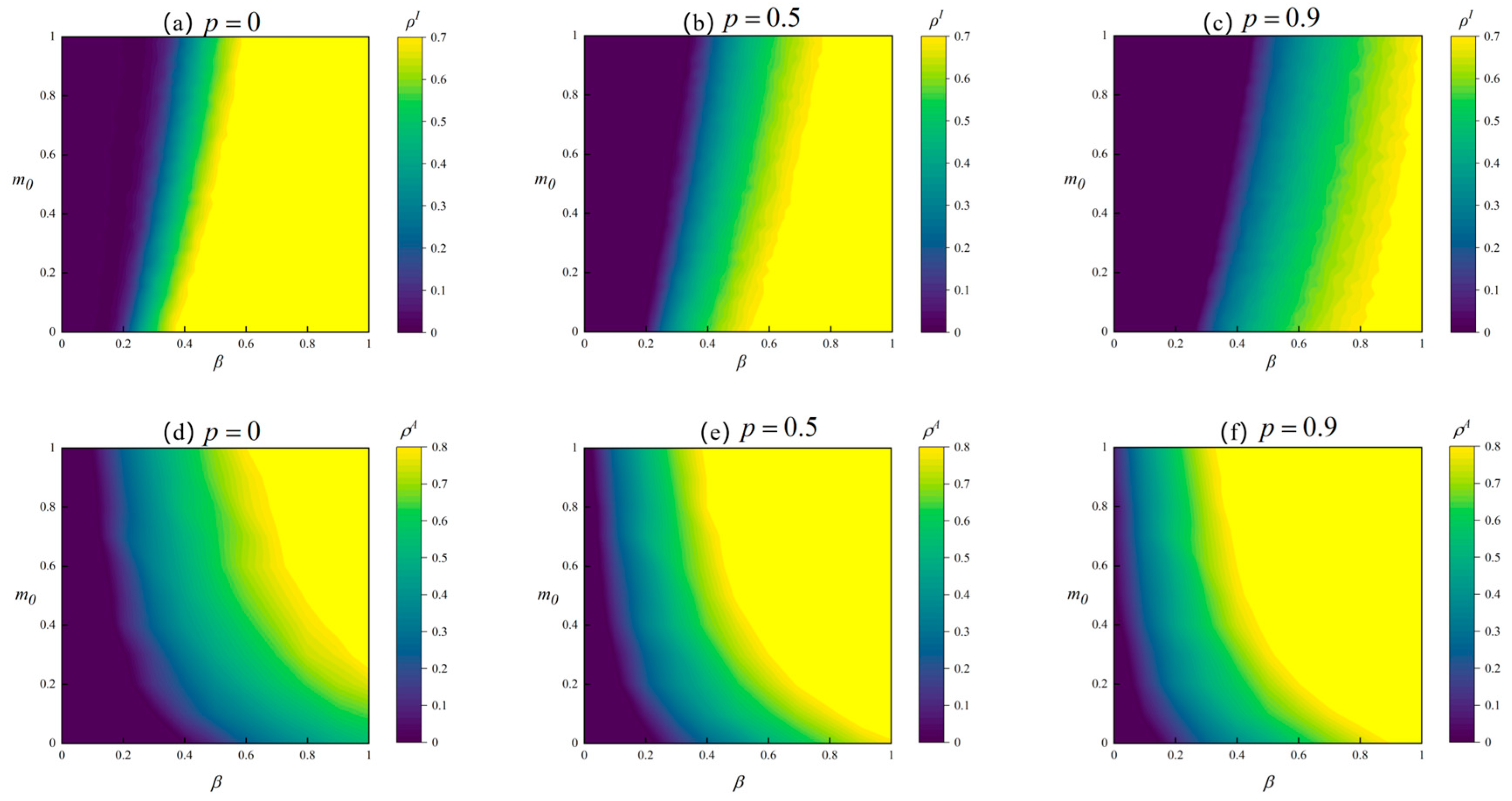
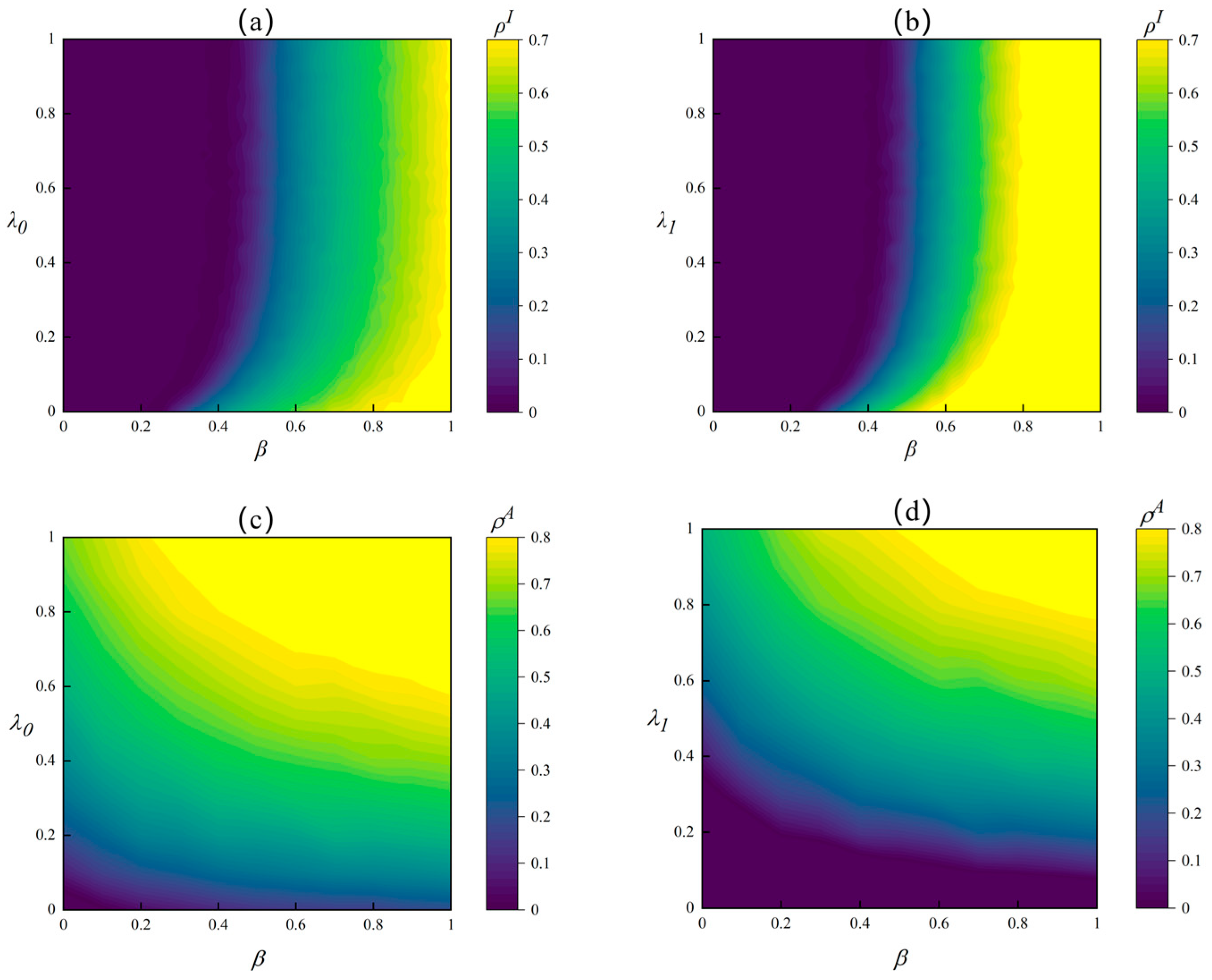
Figure 4 shows how the mass media information propagation intensity parameter
and the epidemic infection rate
affect the proportion of infected individuals
and the proportion of aware individuals
when the migration rate
takes three different values, respectively. When the migration probability
, according to Formula (2), individuals do not migrate across patches. Consequently, their probability of receiving information from mass media simplifies to
, meaning each individual can only access mass media information from their residential patch. When
is low, even if the epidemic spreading rate
is high, the proportion of aware individuals (
) in the system remains extremely low. In
Figure 4a, the proportion of infected individuals stays consistently high. This is because no migration limits information propagation, which ultimately weakens the overall effectiveness of prevention measures. When the migration probability rises to
, a significant number of individuals have migrated. Driven by migration, these individuals can receive mass media information from both their original residence and destination through the multi-source media information perception mechanism. As shown in
Figure 4e, this makes the proportion of aware individuals in the population rise noticeably compared to the no-migration situation, while the scale of infected individuals (as in
Figure 4b) is suppressed to some extent. When the migration probability further increases to
, most individuals move across regions. As shown in
Figure 4f, the proportion of aware individuals reaches a higher level, especially in areas with a larger media promotion intensity parameter
. Correspondingly, the infection scale in
Figure 4c is suppressed to a lower level. This shows that high mobility allows individuals to access more media information, which effectively translates into stronger protective capabilities, curbing the spread of the epidemic and significantly raising the system’s epidemic spreading threshold.
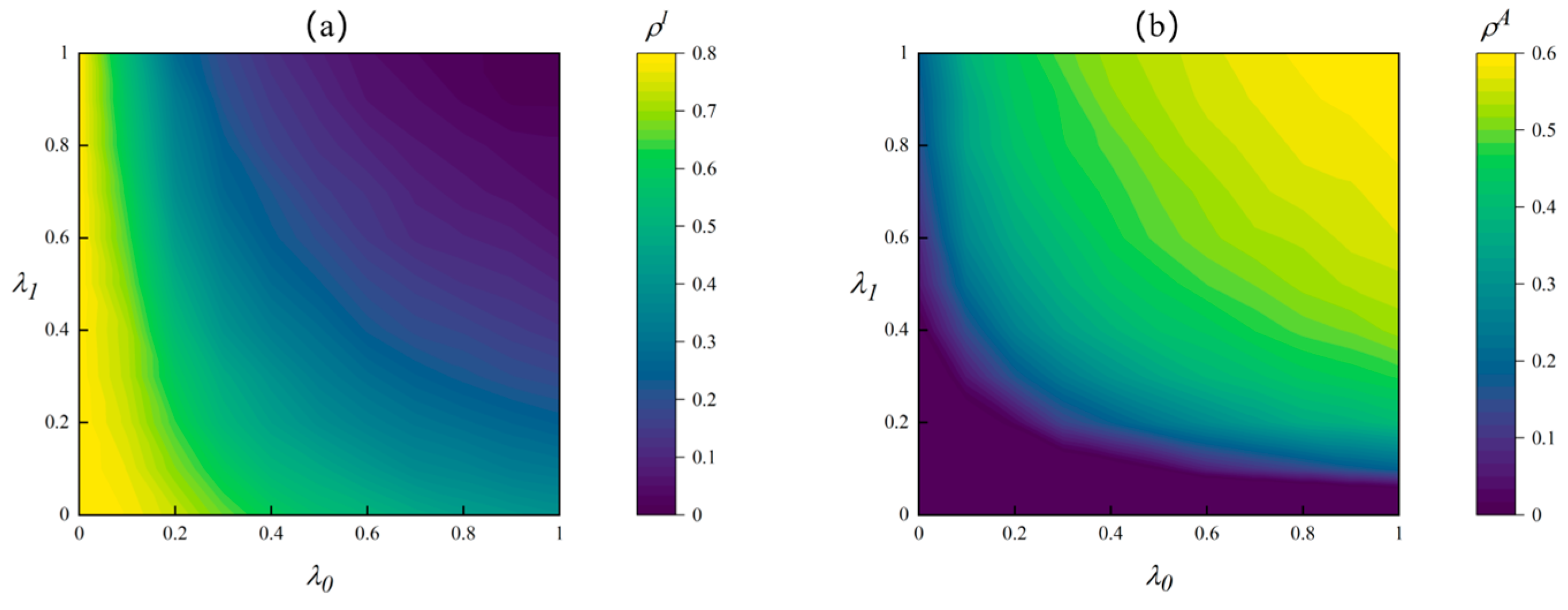
Figure 5 illustrates the effects of intra-population information propagation rate
and inter-population information propagation rate
on the proportion of conscious individuals
and infected individuals
under identical parameter conditions, with epidemic spreading rate
. The heatmap reveals the coupling relationship between information propagation and epidemic spread. Specifically,
Figure 5b,d show that regardless of the value of the epidemic spreading rate
, low information propagation rates will keep the proportion of aware individuals
at a very low level. Even if the epidemic spreading rate
is increased, the proportion of people who know about the epidemic struggles to rise significantly. As the information propagation rate goes up, this proportion increases rapidly, and this trend becomes more obvious when the epidemic spreading rate is high. At the same time, the intra-population information propagation rate
has a more obvious effect on increasing the proportion of aware individuals than the inter-population information propagation rate
. This is because information from local and nearby scenarios is easier to be trusted and accepted.
Figure 5a,c indicate that the scale of infected individuals rises as the epidemic spreading rate
increases, which conforms to the classic
transmission law; information propagation (especially local information) can suppress the epidemic by raising the level of group awareness. By comparing the two figures, we can see that under the same combination of information propagation rates, the areas with low infection rates in
Figure 5a correspond exactly to the areas with high infection rates in
Figure 5c. This confirms that information can break the epidemic spreading chain by changing individuals’ protective behaviors. Moreover, when the information propagation rate reaches a critical threshold, even a high epidemic spreading rate can suppress the infection scale to an extremely low level.
Figure 6 illustrates the effects of intra-population information propagation rate
, inter-population spreading rate
, proportion of aware individuals
, and proportion of infected individuals
on the system. Comparing the two heatmaps reveals that information propagation rates play a dual role in epidemic control: on one hand, they enhance individual awareness and increase the size of the conscious population; on the other hand, they indirectly reduce the overall scale of infection through conscious behavioral feedback mechanisms, further validating the findings in
Figure 5. In
Figure 6a, as information propagation rates
and
increase, the proportion of infected individuals
shows a gradual downward trend. This means that information spread not only raises the proportion of people who know the information but also significantly suppresses virus spread by prompting protective behaviors. Especially in areas with extremely low information propagation rates, even a small-scale outbreak will quickly push the system into a highly infected state. This is because insufficient information coverage prevents individuals from taking adequate protective actions, eventually leading to rapid epidemic spread. In
Figure 6b,
and
increase, the proportion of aware individuals
shows an upward trend. Notably, even if
is low, a high proportion of aware individuals can still form in the system as long as
is high enough. This means that in social networks, strengthening information exchange within the same region is more critical than promoting cross-regional information spread. Besides, when
is high but
is low, even though information can spread across regions, the proportion of people who know the information remains limited due to low local information reception efficiency. This also shows that cross-regional information spread can hardly work well if the local information reception mechanism is not good enough.
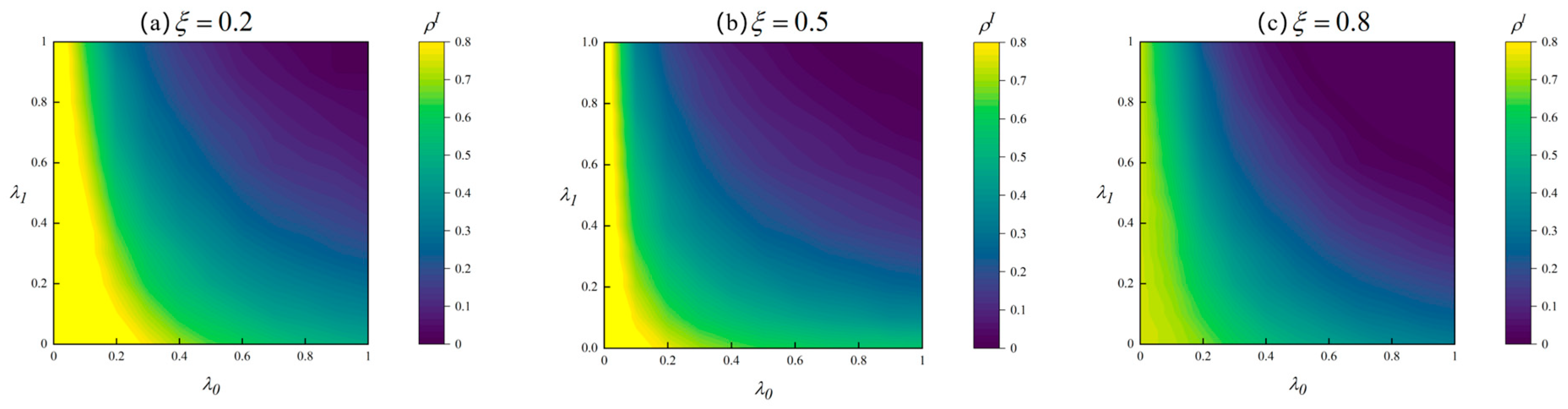
To find out whether the parameter
(which stands for an individual’s tendency to trust local information) affects epidemic spread,
Figure 7 compares changes in epidemic scale when
takes three different values. By comparing the three simulation plots for different
values, the regulating effect of local trust preference on epidemic spreading can be clearly seen. When
is set to a high value, such as in
Figure 7c, individuals are more inclined to trust local information. This preference enables information to spread quickly within a region, thus fostering collective protective awareness. In addition, in plots with low
values, like
Figure 7a, the infection scale rises rapidly as the epidemic spreading rate increases, and even keeping a high information propagation rate cannot effectively suppress the epidemic. This phenomenon shows that the stronger an individual’s preference for local information is, the easier it is to form effective protection and better curb epidemic spreading.
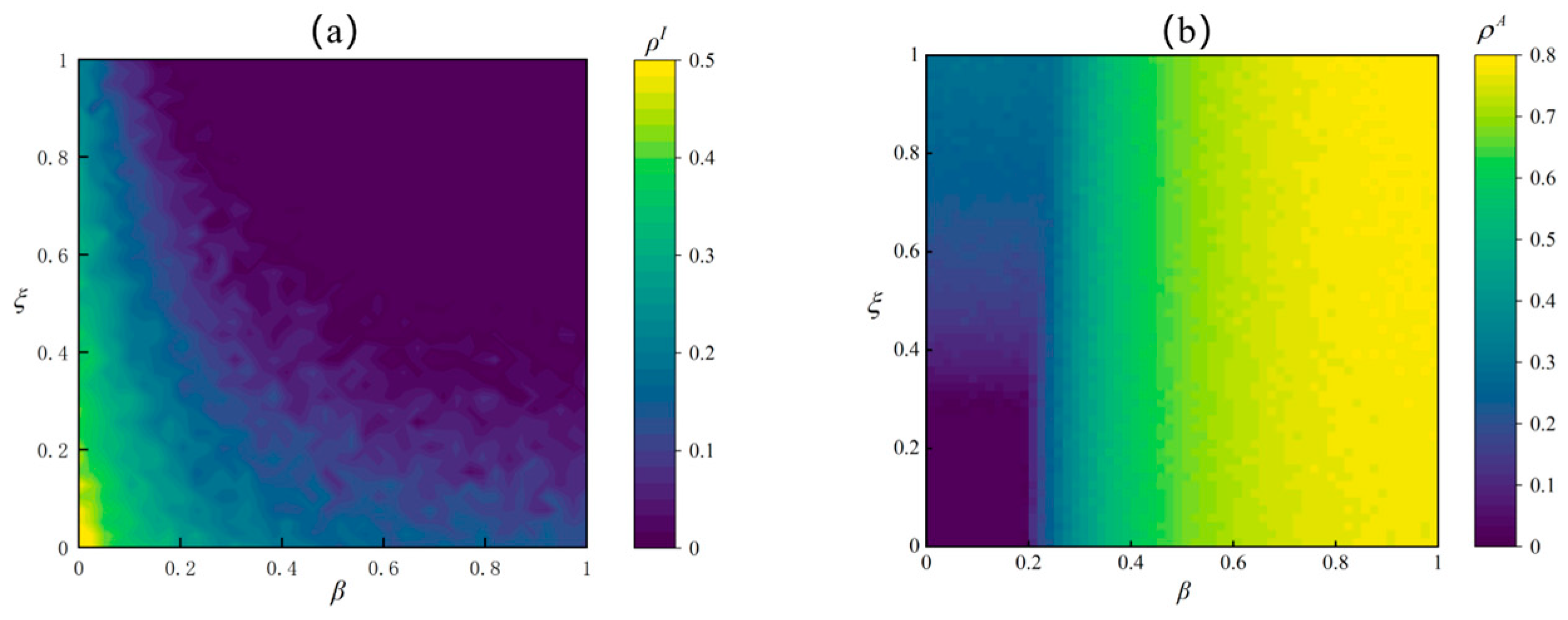
Figure 8 further elucidates the regulatory role of the individual’s trust preference parameter
towards local information within the coupled information-epidemic transmission system. In
Figure 8b, as the infection rate
rises, the proportion of aware individuals
is affected by the parameter
. The higher the value of
, the more inclined individuals are to trust information from their place of residence, and the proportion of aware individuals increases. This phenomenon shows that a strong preference for trusting local residential information can stimulate collective protective awareness at the early stage of epidemic spread and maintain a high level of awareness throughout the epidemic’s development. Clearly, a higher
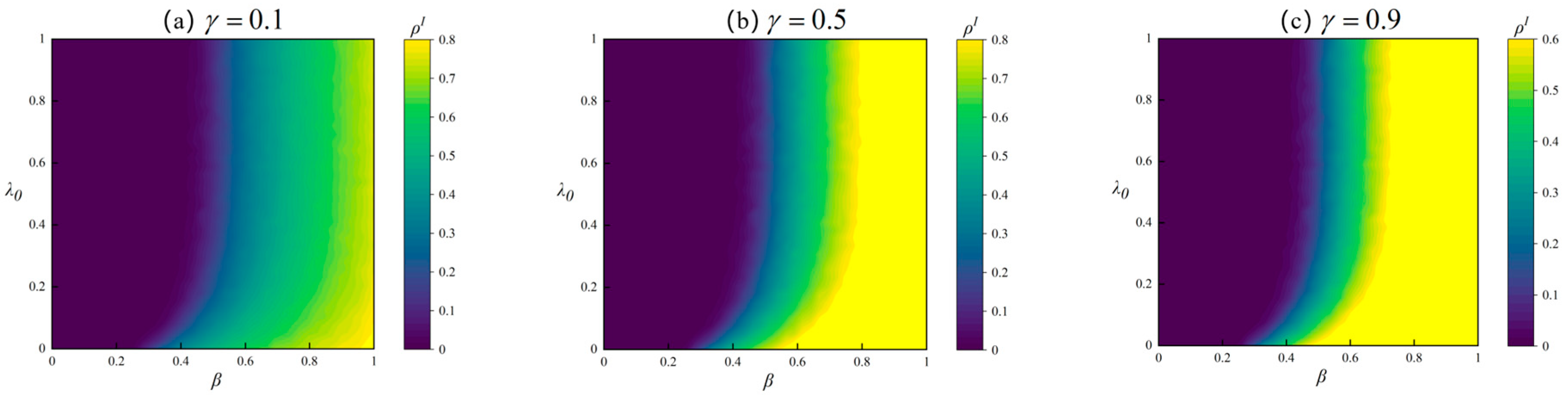
value can effectively curb the upward trend in the proportion of infected individuals. This not only significantly raises the epidemic outbreak threshold (meaning a higher infection rate is needed to trigger large-scale outbreaks) but also proves that improving information propagation efficiency by strengthening trust within communities can effectively contain the epidemic by enhancing individuals’ protective behaviors. This forms a robust non-pharmaceutical intervention strategy.
Figure 9 simulates the impact of information propagation rate
and epidemic spreading rate
on infection scale under different infection attenuation factors
, aiming to understand the role of informed individuals’ protective behaviors in controlling epidemic spread. In the model, the infection rate of informed individuals is set as
to represent the effectiveness of behavioral protection: when
is smaller, the effect of informed individuals reducing infection through protective measures (such as wearing masks and maintaining social distancing) is more pronounced; When
, the influence of awareness on infection risk is virtually eliminated.
Figure 9a corresponds to
, clearly showing that even under high epidemic spreading rates, the infection scale remains low-particularly when
is large, nearly completely suppressing the outbreak. This demonstrates that when individuals effectively translate information into protective actions, information propagation alone can achieve strong suppression. This phenomenon becomes more pronounced as
increases.