Article

Study of Steady Natural Convective Laminar Fluid Flow over a Vertical Cylinder Using Lie Group Transformation

Department of Engineering Mathematics and Physics, Faculty of Engineering, Alexandria University, Alexandria 21544, Egypt
*
Author to whom correspondence should be addressed.
Symmetry 2024, 16(12), 1558; https://doi.org/10.3390/sym16121558
Submission received: 16 October 2024 / Revised: 6 November 2024 / Accepted: 14 November 2024 / Published: 21 November 2024
(This article belongs to the Special Issue Recent Advances of Symmetry in Computational Fluid Dynamics)

Abstract

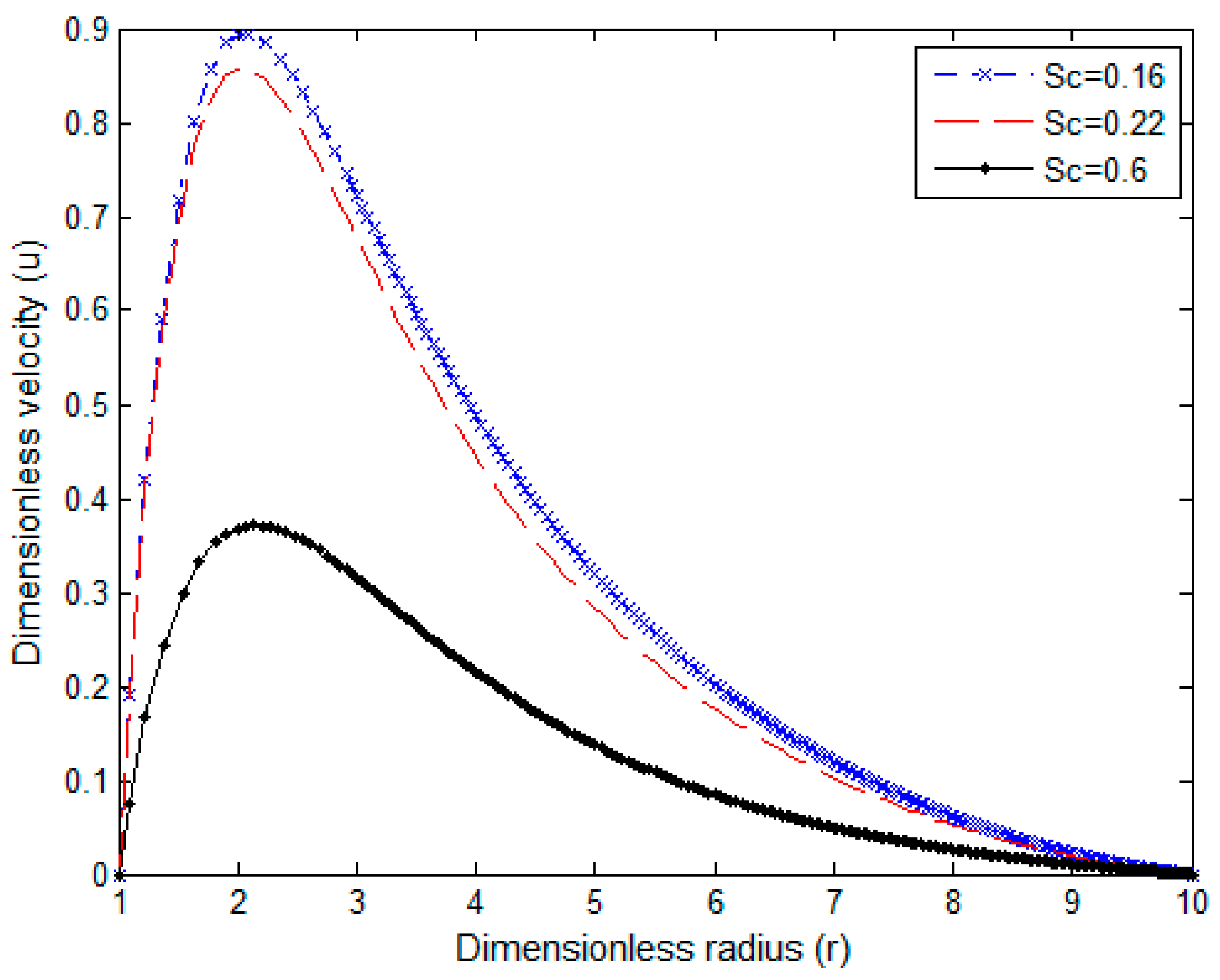
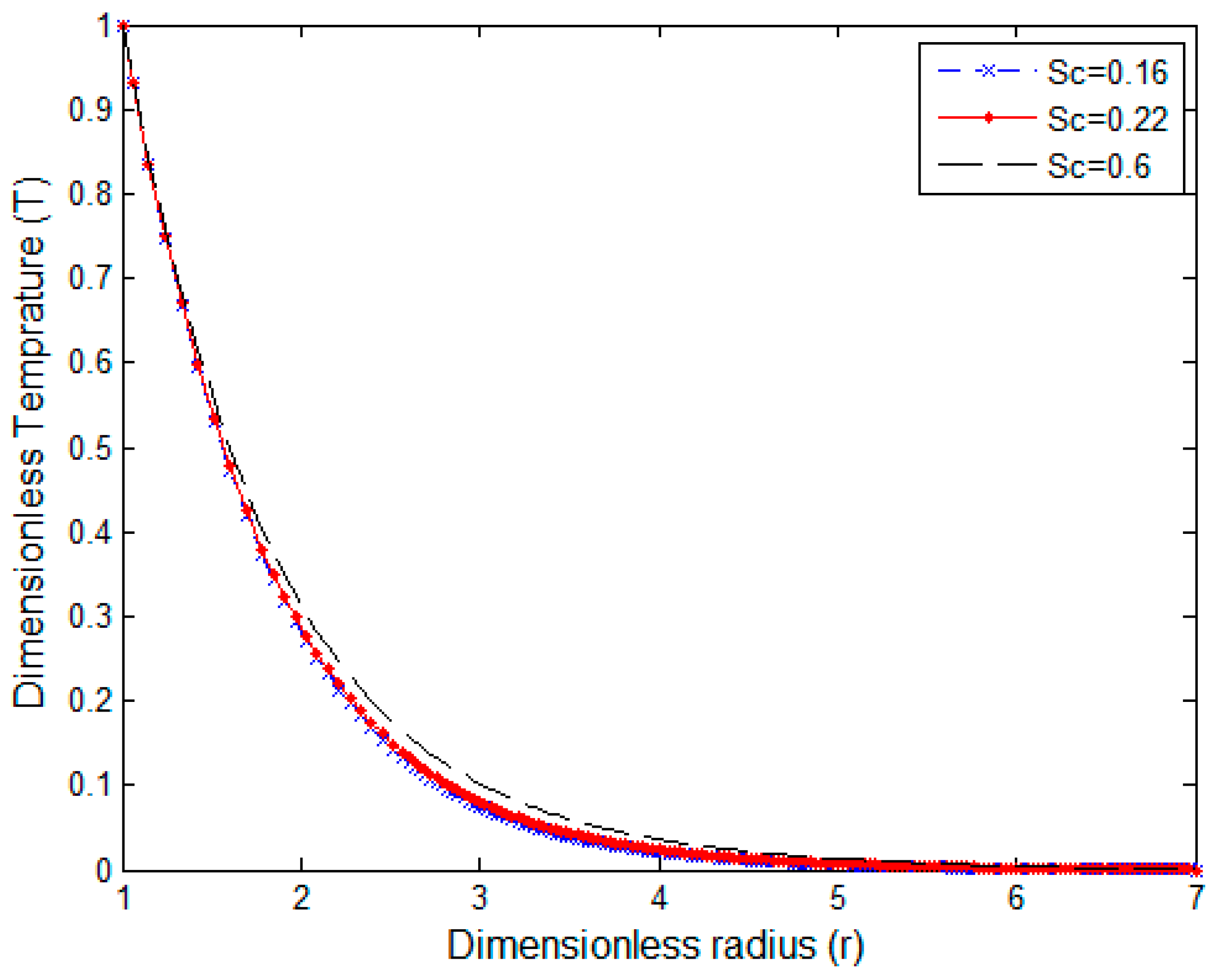
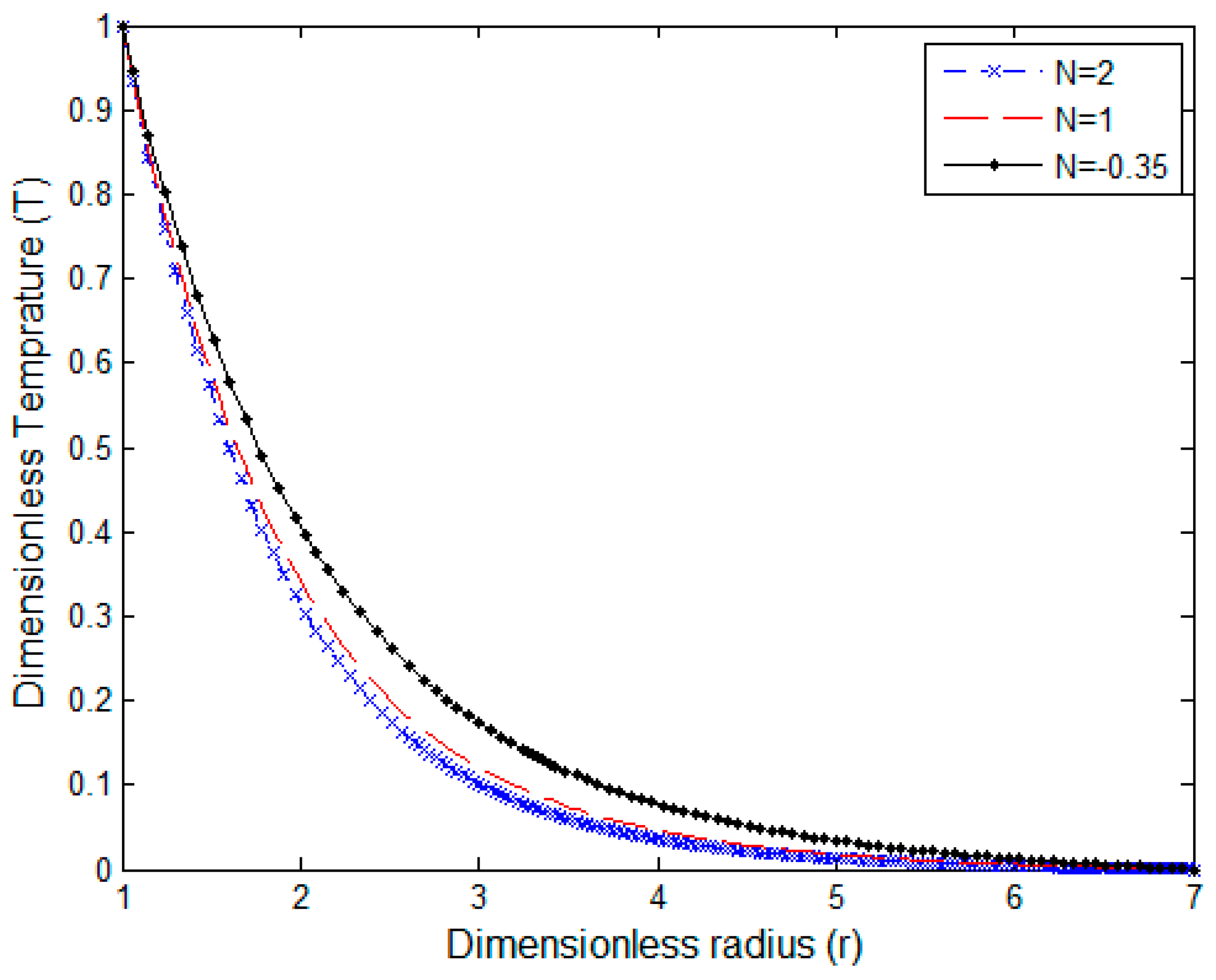
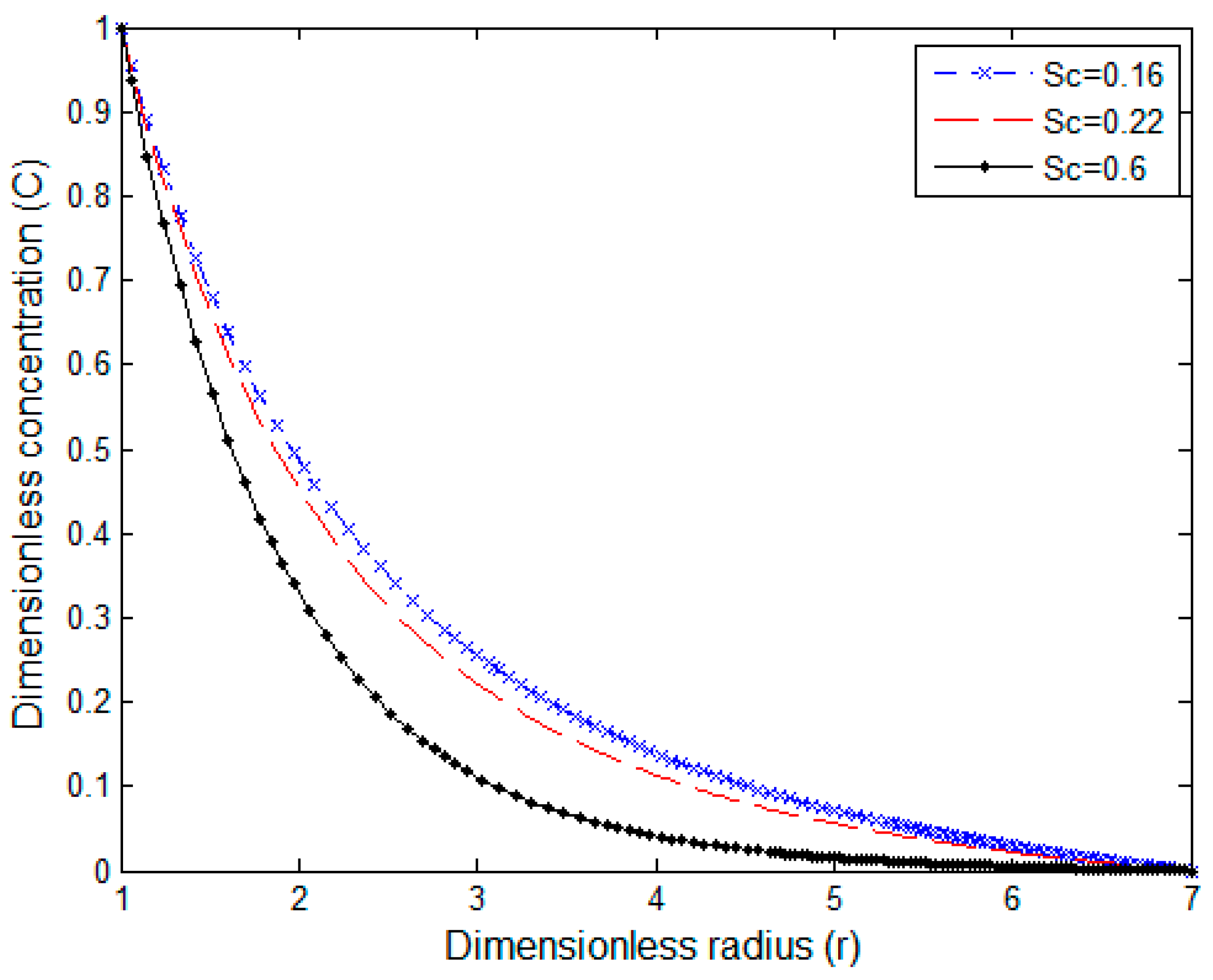
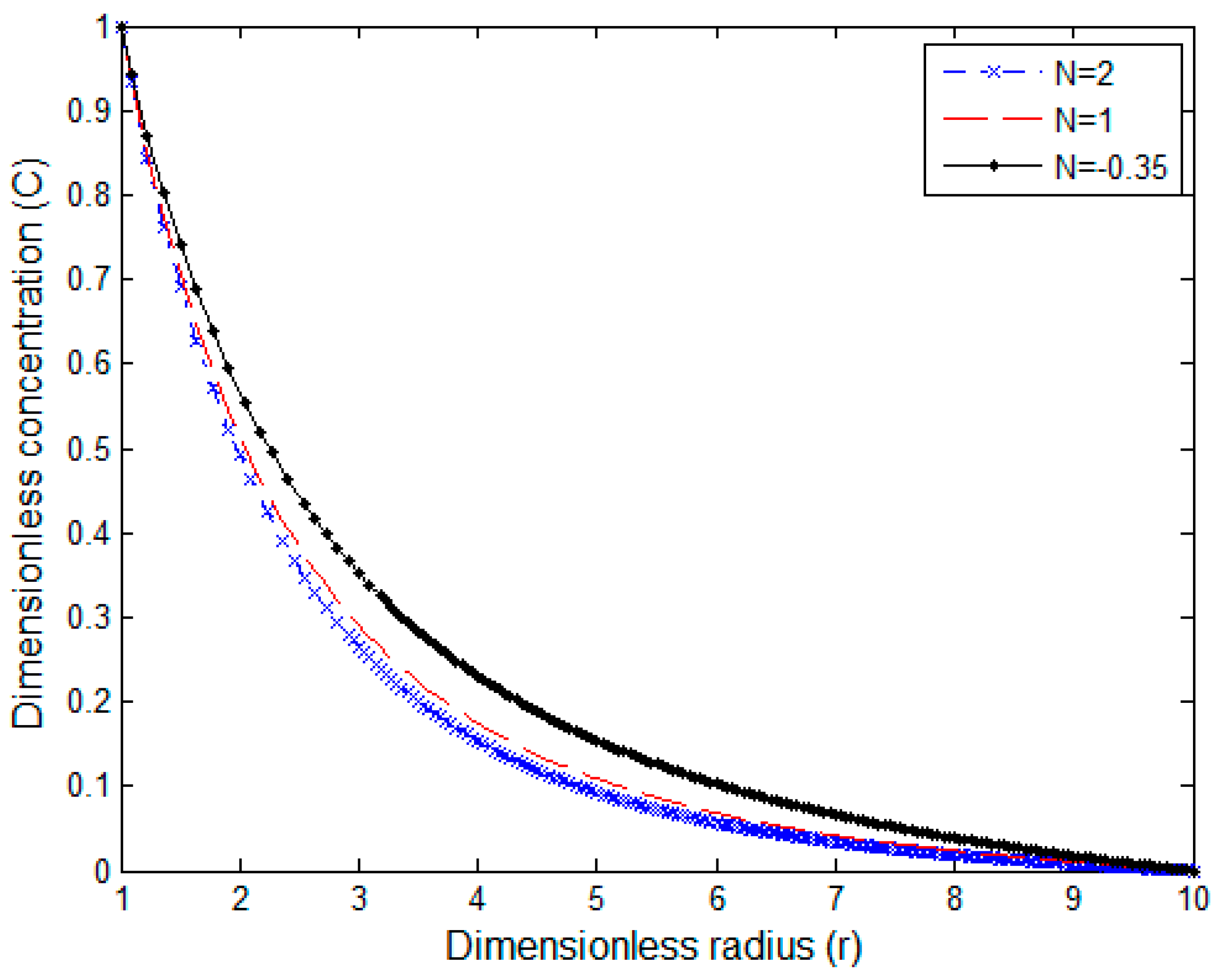
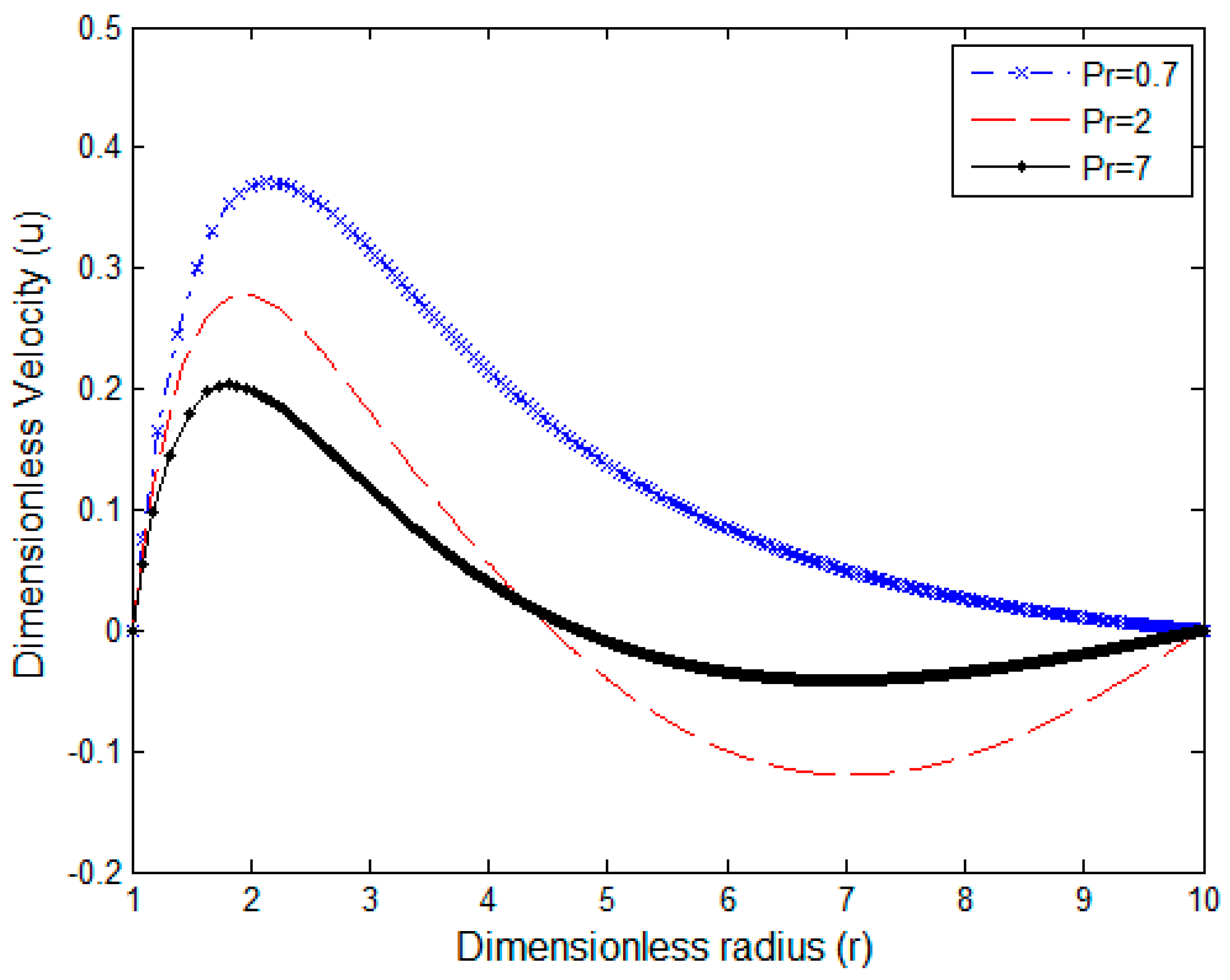
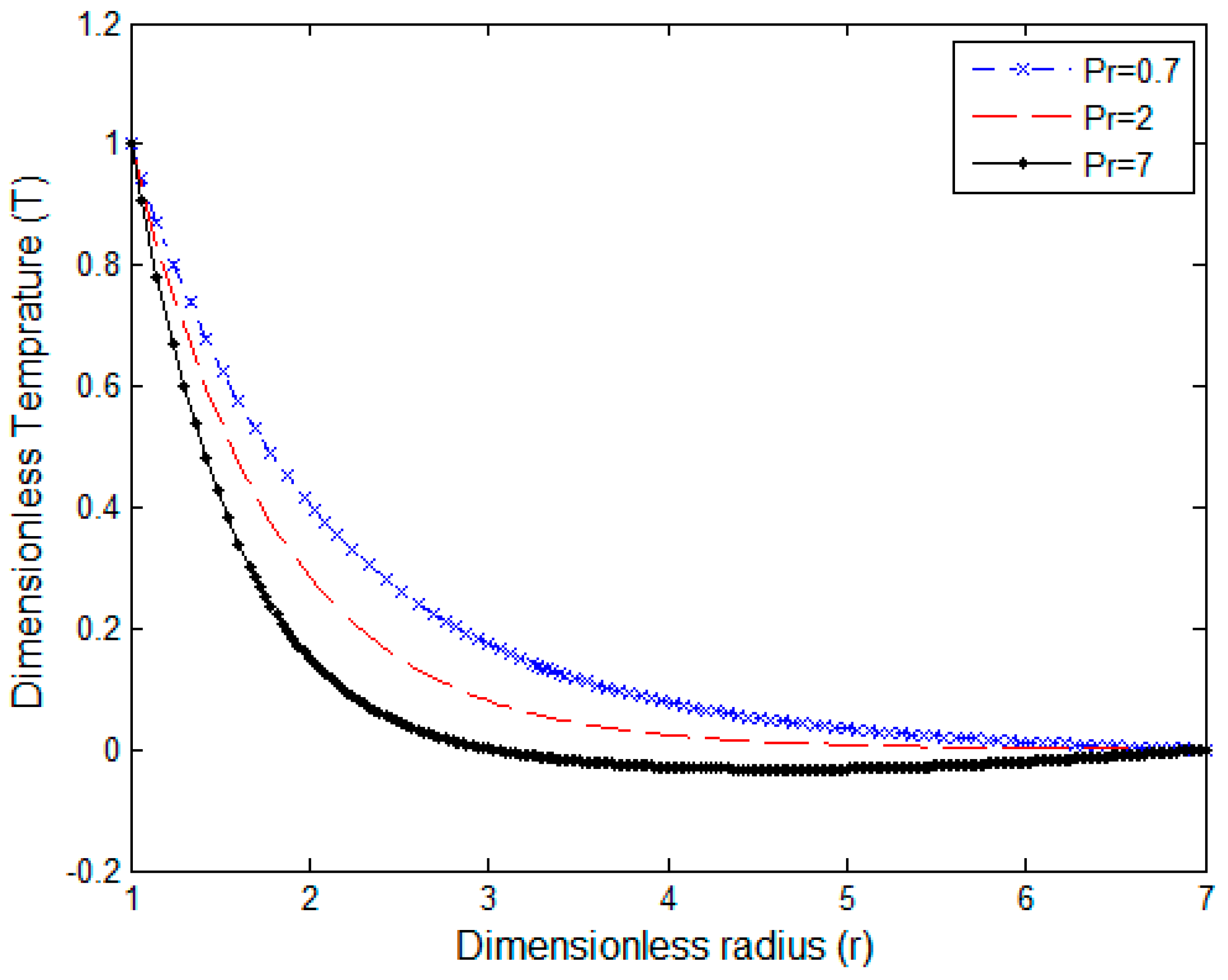
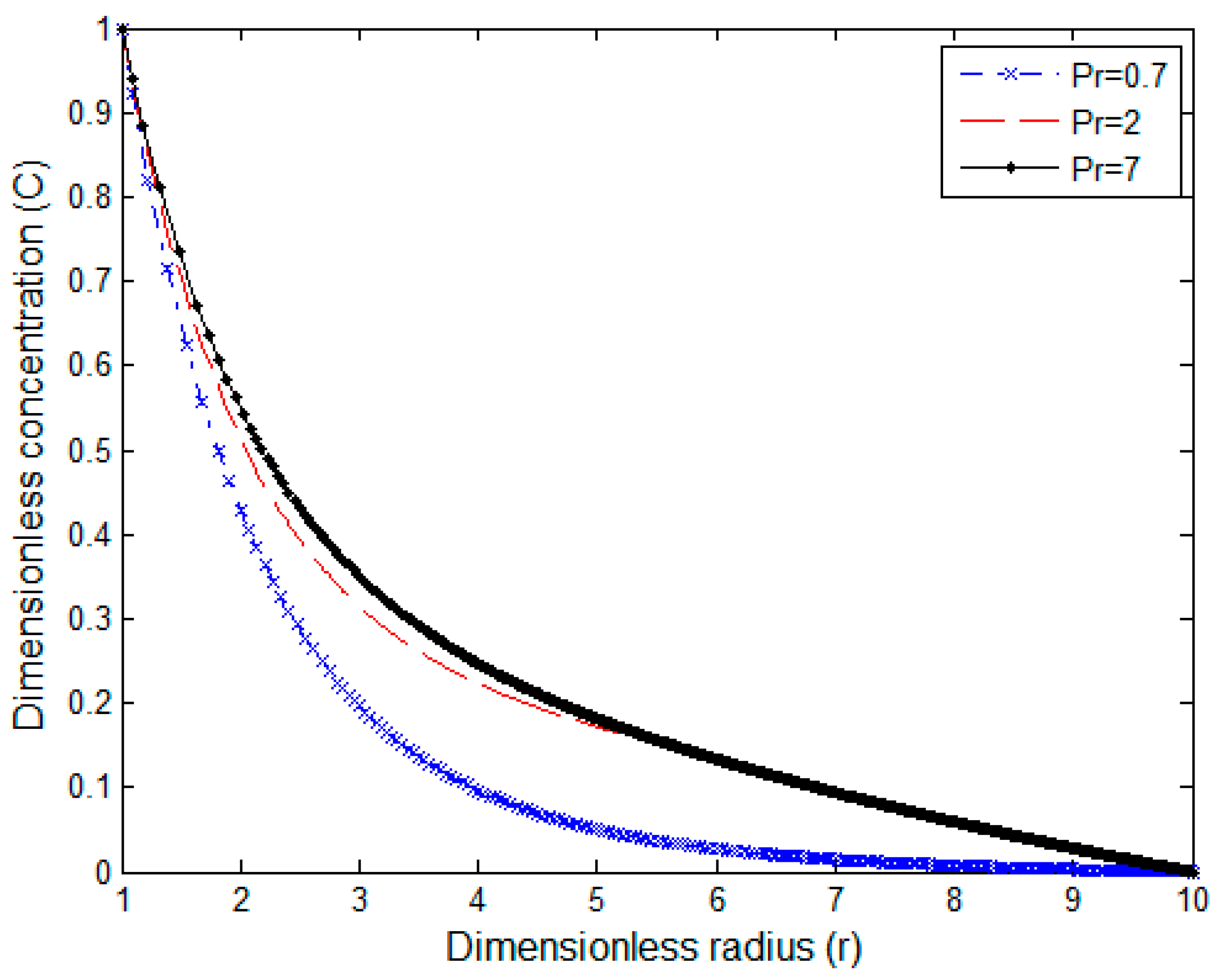
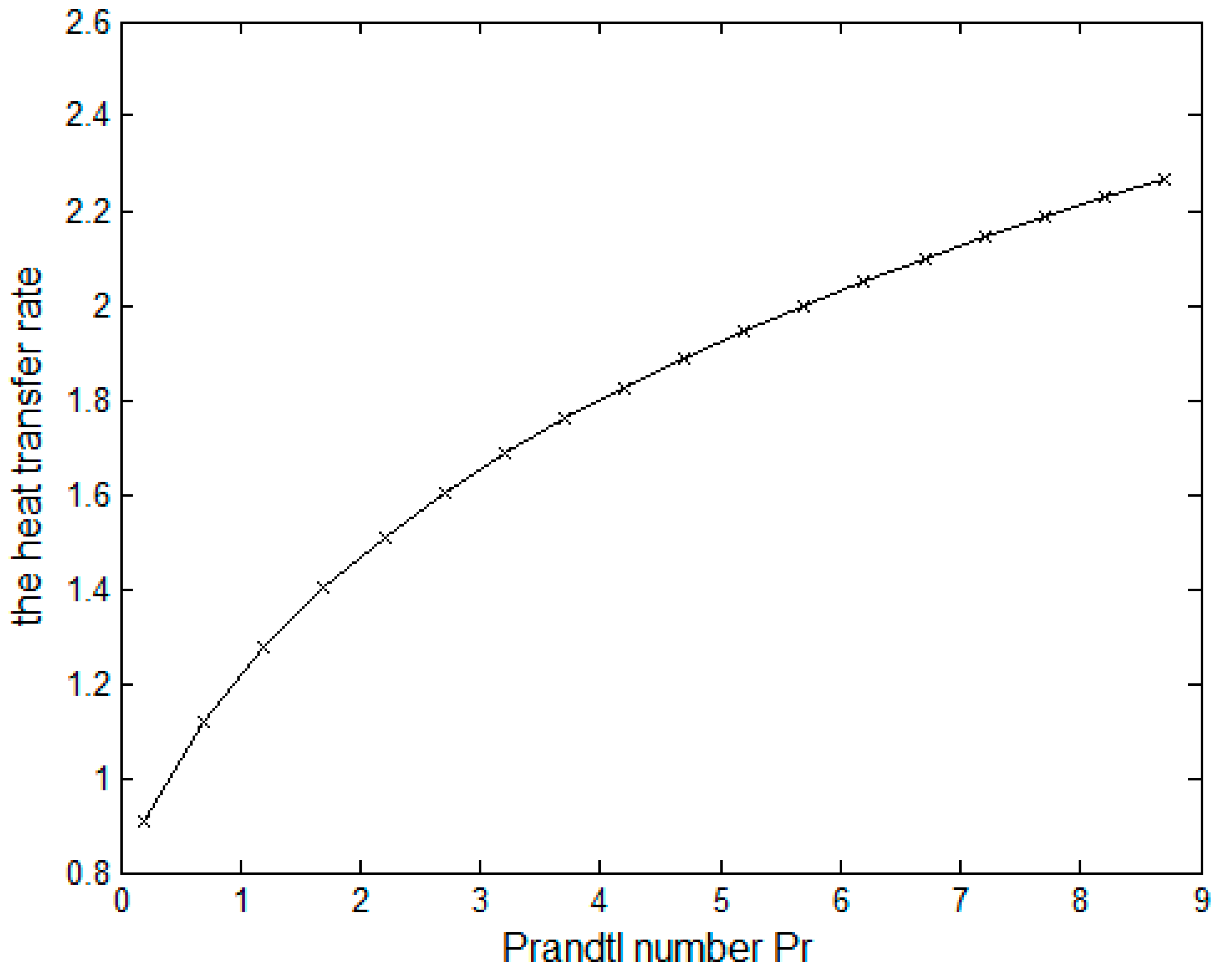
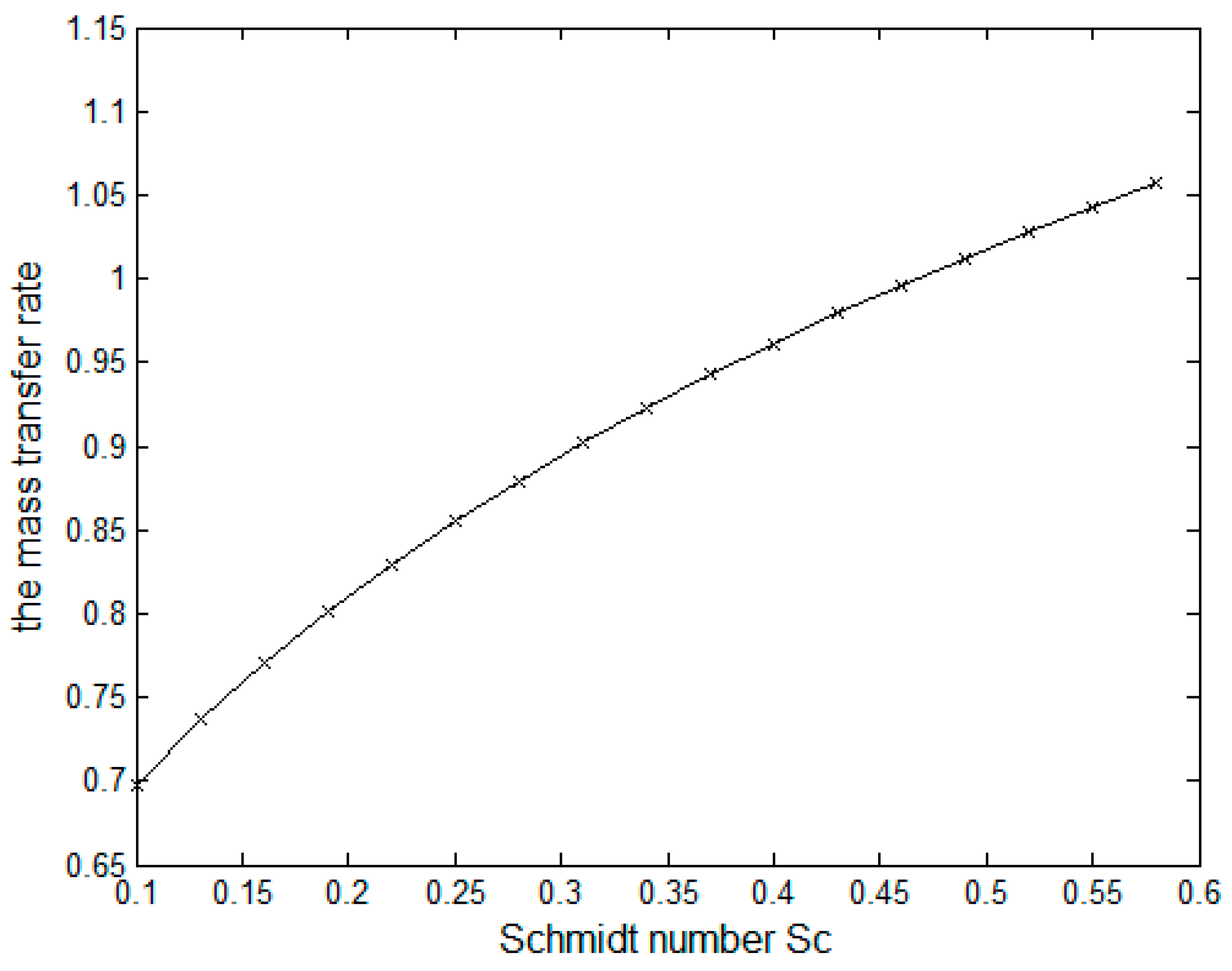
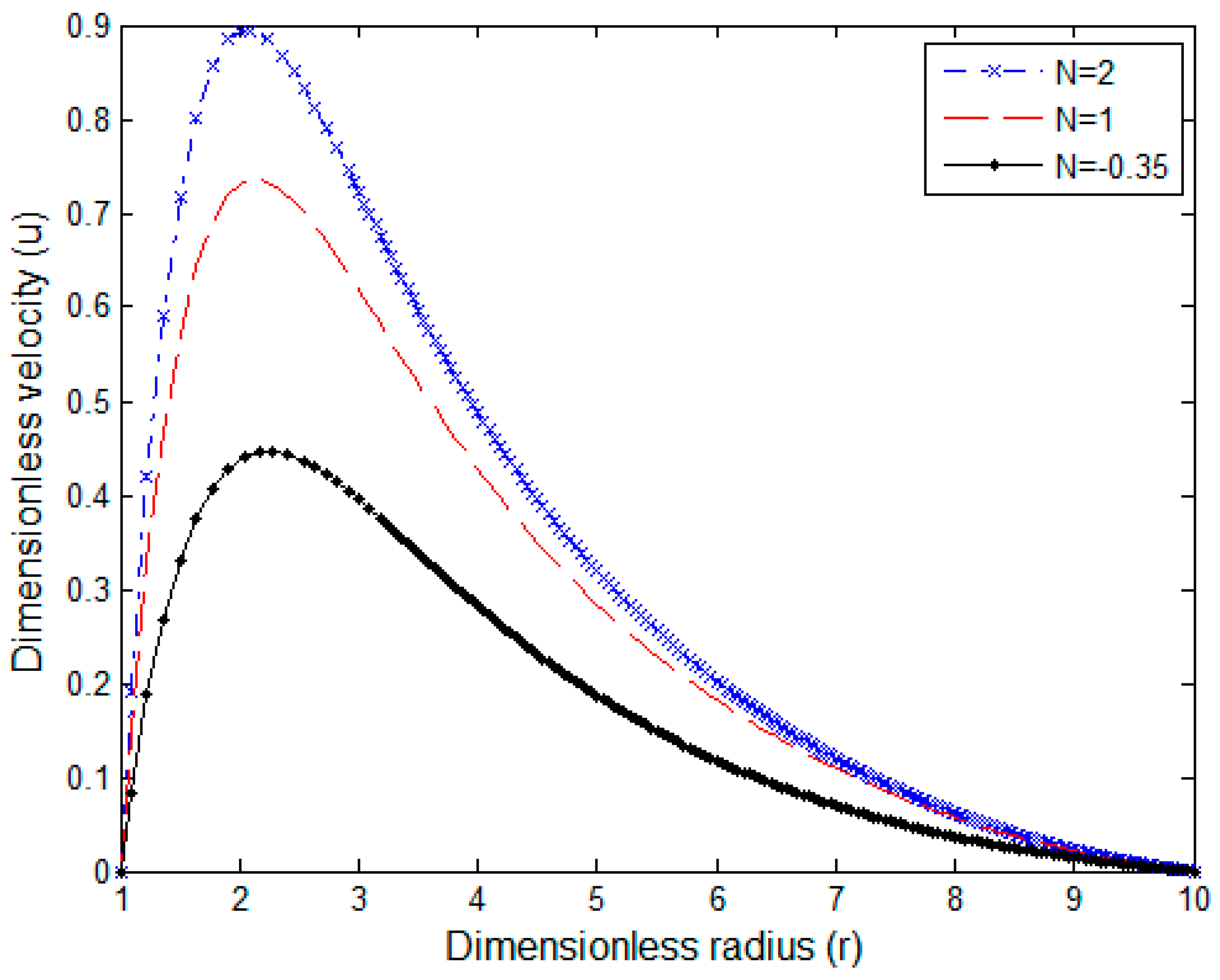
Due to its critical importance in engineering applications, this study is motivated by the essential need to understand natural convection over a vertical cylinder with combined heat and mass transfer. Lie group symmetry transformations are used to analyze the thermal and velocity boundary layers of steady, naturally convective laminar fluid flow over the surface of a vertical cylinder. The one-parameter Lie group symmetry technique converts the system of governing equations into ordinary differential equations, which are then solved numerically using the implicit Runge–Kutta method. The effect of the Prandtl number, Schmidt number, and combined buoyancy ratio parameter on axial velocity, temperature, and concentration profiles are illustrated graphically. A specific range of parameter values was chosen to compare the obtained results with previous studies, demonstrating the accuracy of this method relative to others. The average Nusselt number and average Sherwood number are computed for various values of the Prandtl number Pr and Schmidt number Sc and presented in tables. It was found that the time required to reach a steady state for velocity and concentration profiles decreases as the Schmidt number Sc increases. Additionally, both temperature and concentration profiles decrease with an increase in the combined buoyancy ratio parameter N. Flow reversal and temperature defect with varying Prandtl numbers are also shown and discussed in detail.
Keywords: Lie symmetry group transform; laminar fluid flow; heat transfer; mass transfer; Prandtl number; Schmidt number; combined buoyancy ratio parameter; vertical cylinder Lie symmetry group transform; laminar fluid flow; heat transfer; mass transfer; Prandtl number; Schmidt number; combined buoyancy ratio parameter; vertical cylinder