Article

Analytical Analyses for a Fractional Low-Pass Electrical Transmission Line Model with Dynamic Transition

1
Department of Mathematics, College of Sciences, Jazan University, Jazan 45142, Saudi Arabia
2
Department of Mathematics, Namal University, Mianwali 42250, Pakistan
3
Department of Mathematics, University of Central Punjab, Lahore 54000, Pakistan
*
Author to whom correspondence should be addressed.
Symmetry 2022, 14(7), 1377; https://doi.org/10.3390/sym14071377
Submission received: 10 May 2022 / Revised: 16 June 2022 / Accepted: 21 June 2022 / Published: 4 July 2022
(This article belongs to the Special Issue Symmetry in Nonlinear Optics: Topics and Advances)

Abstract

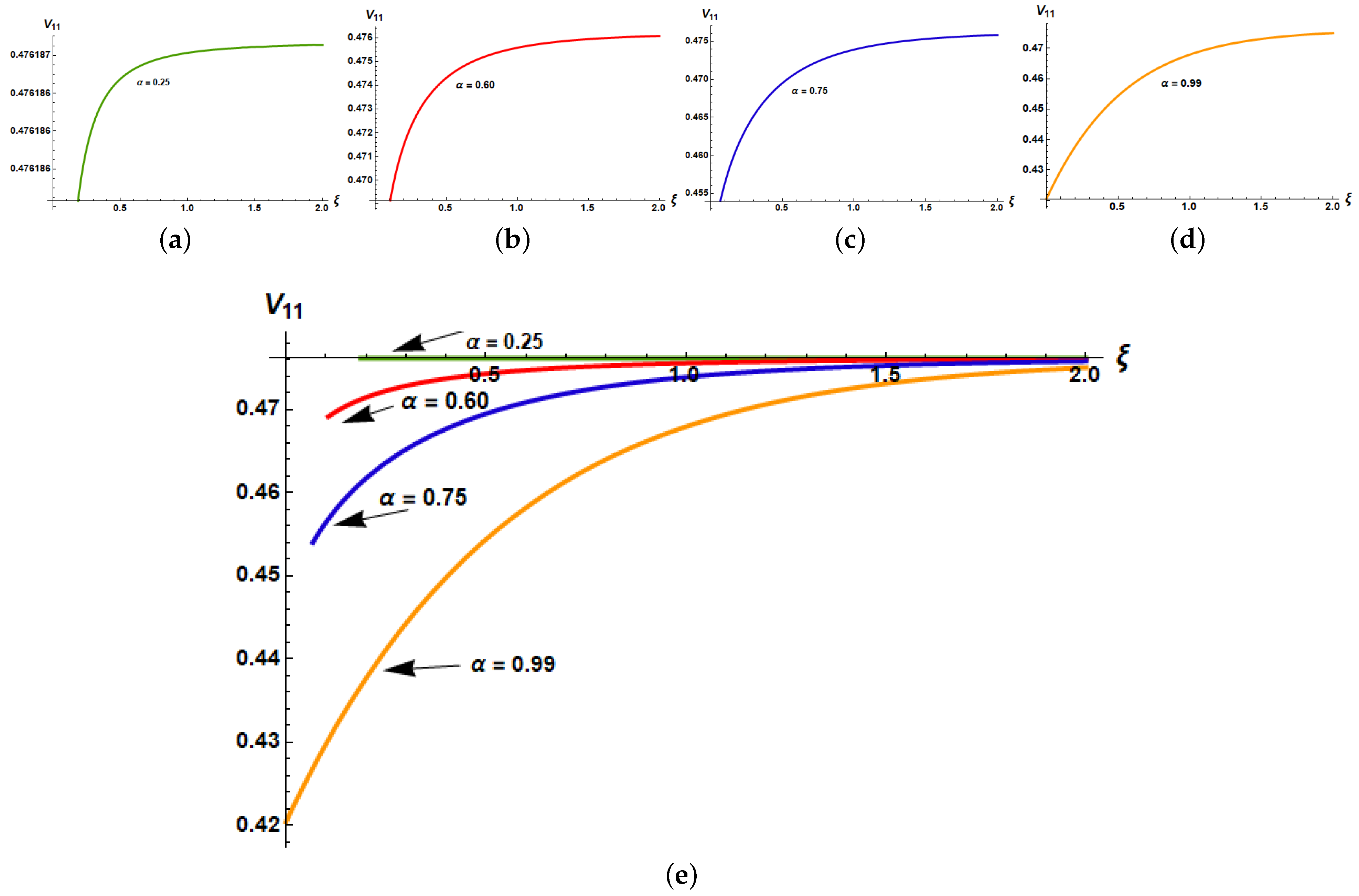
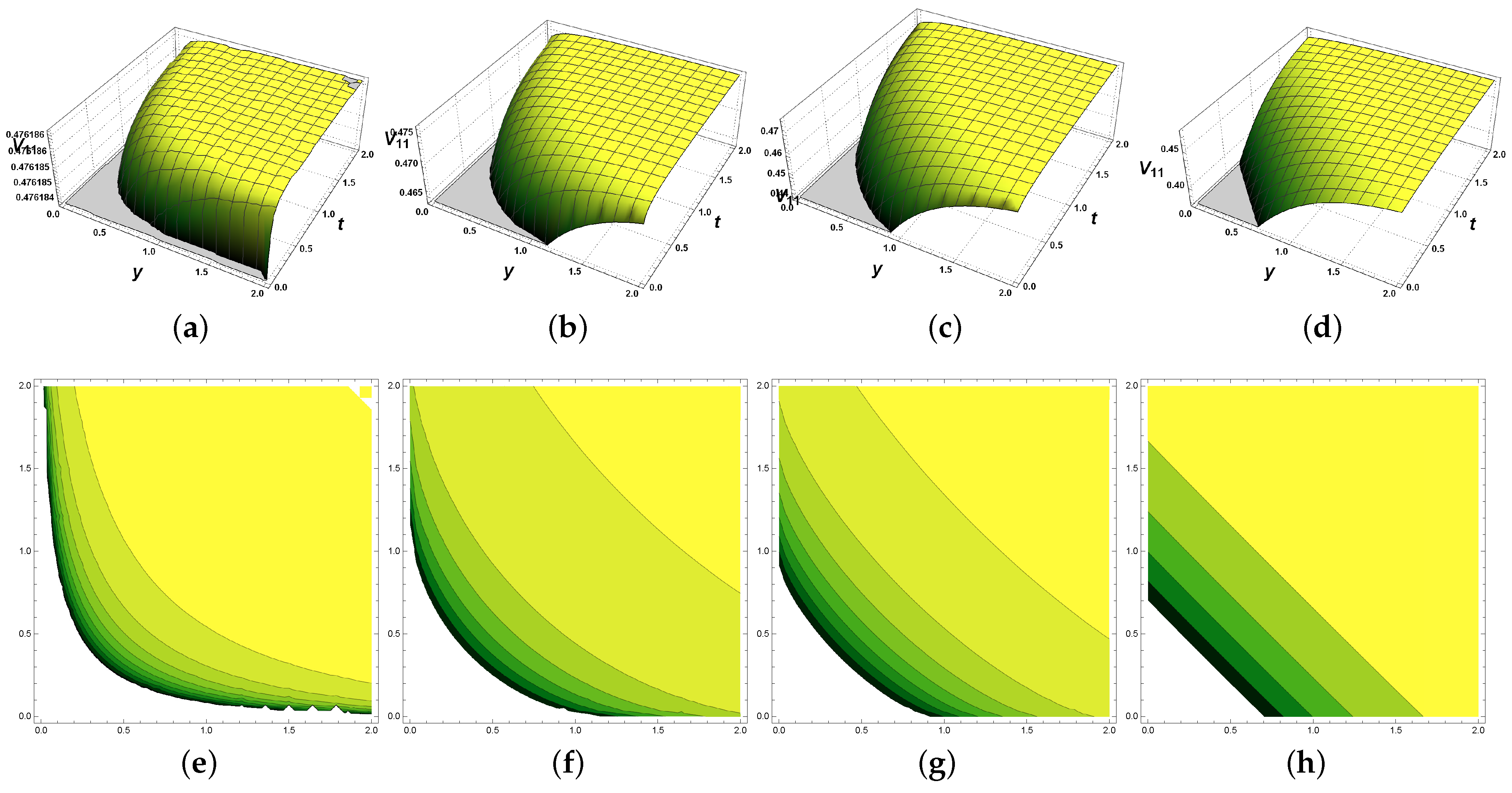
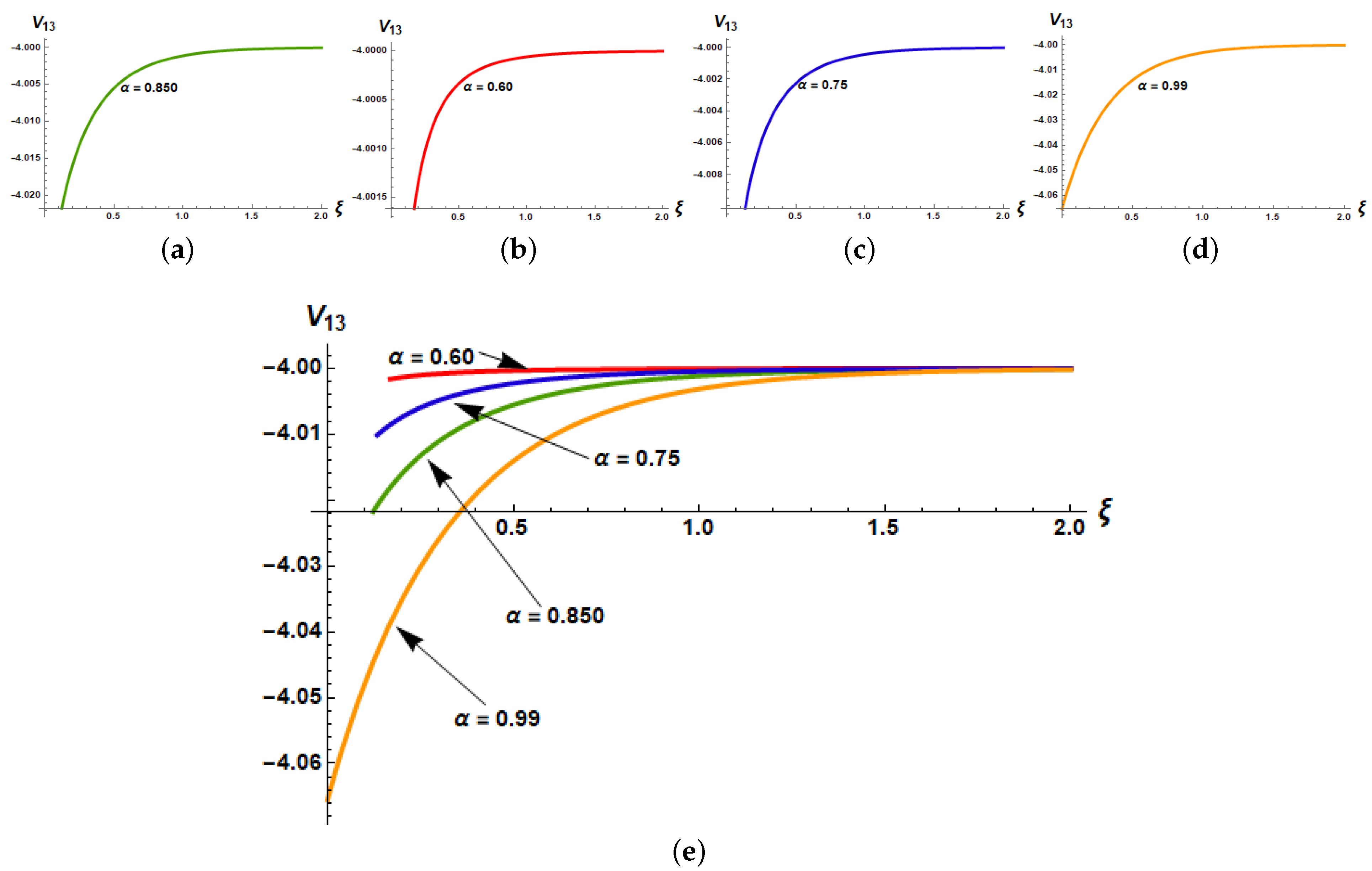
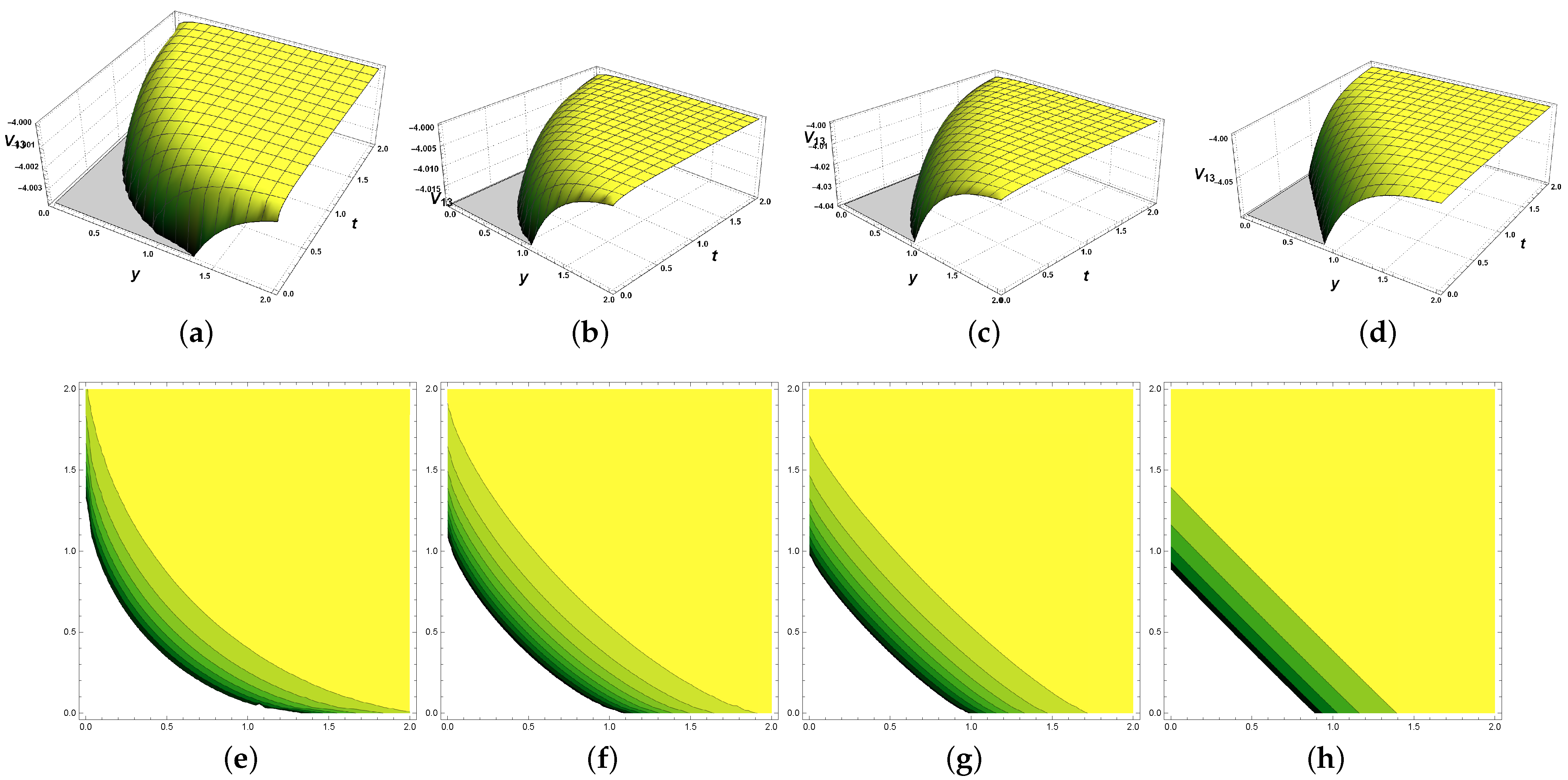
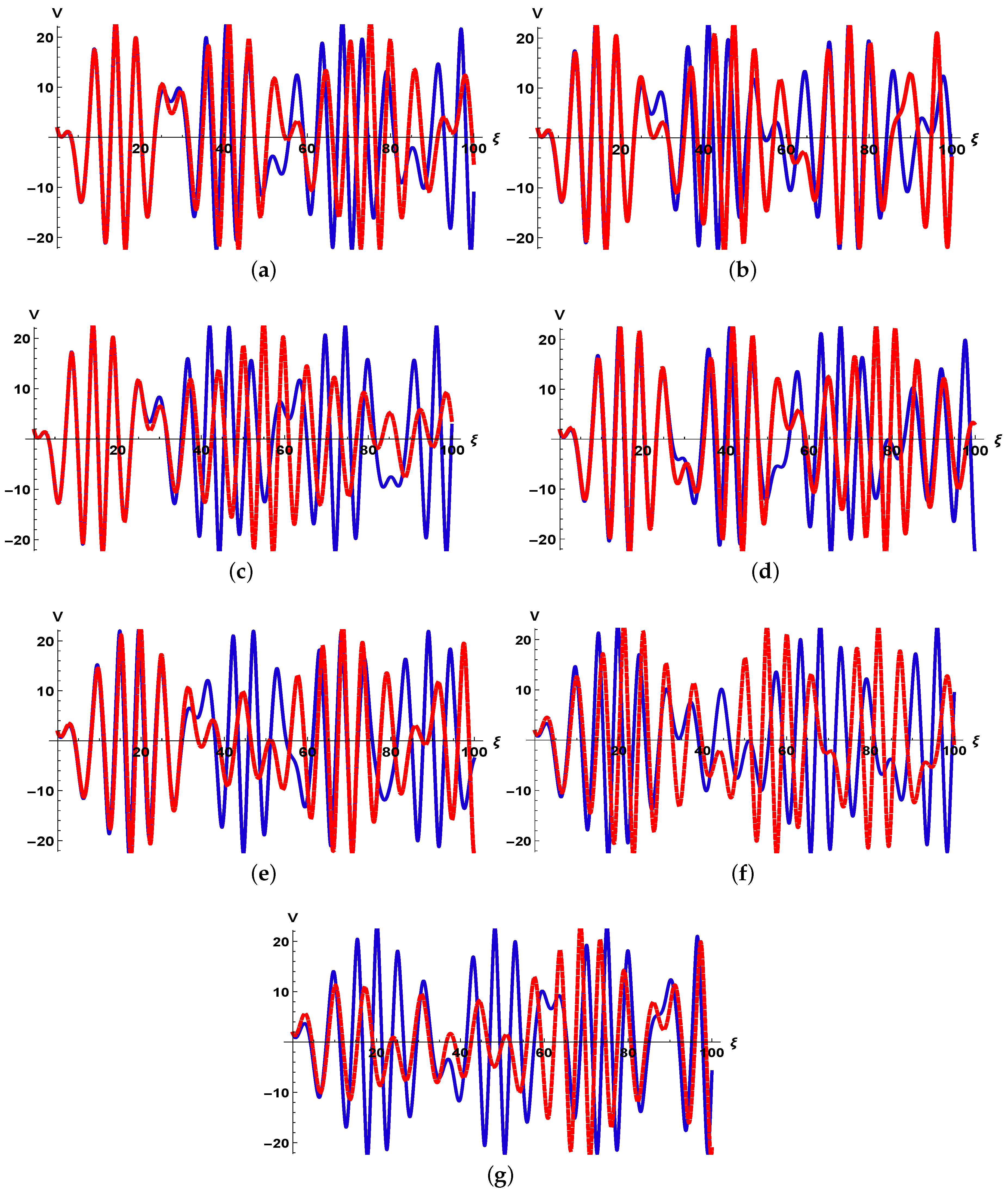
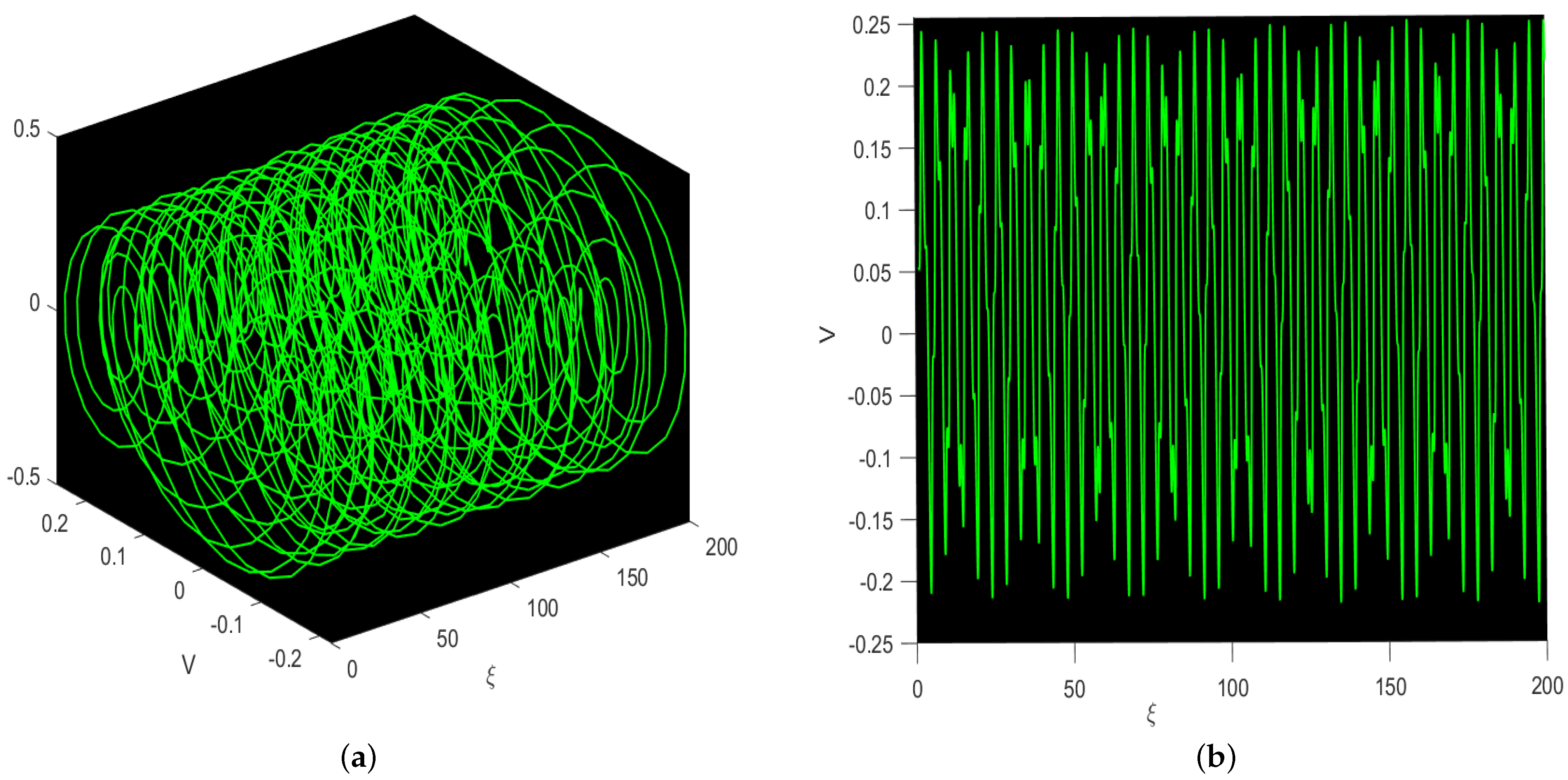
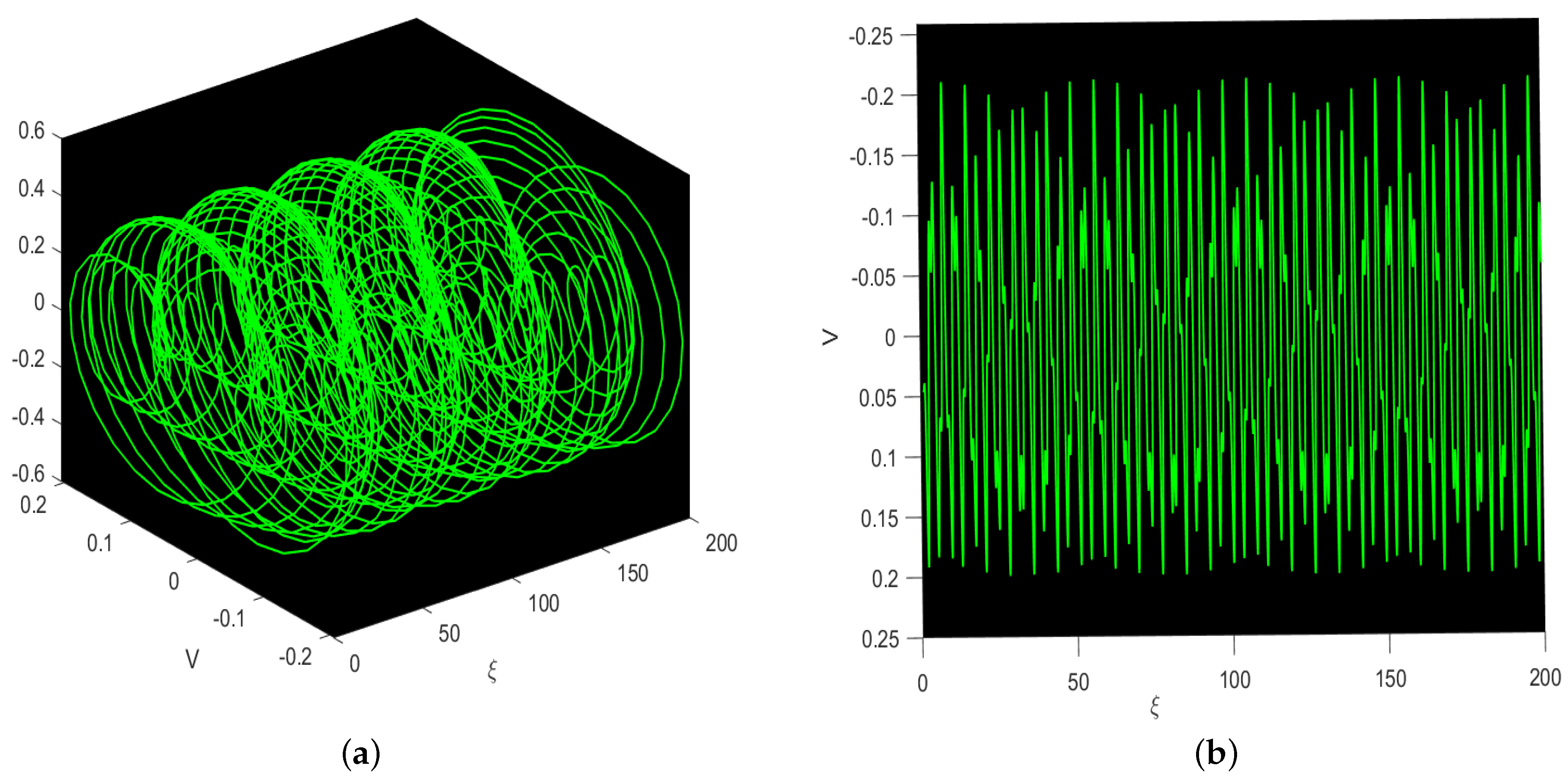
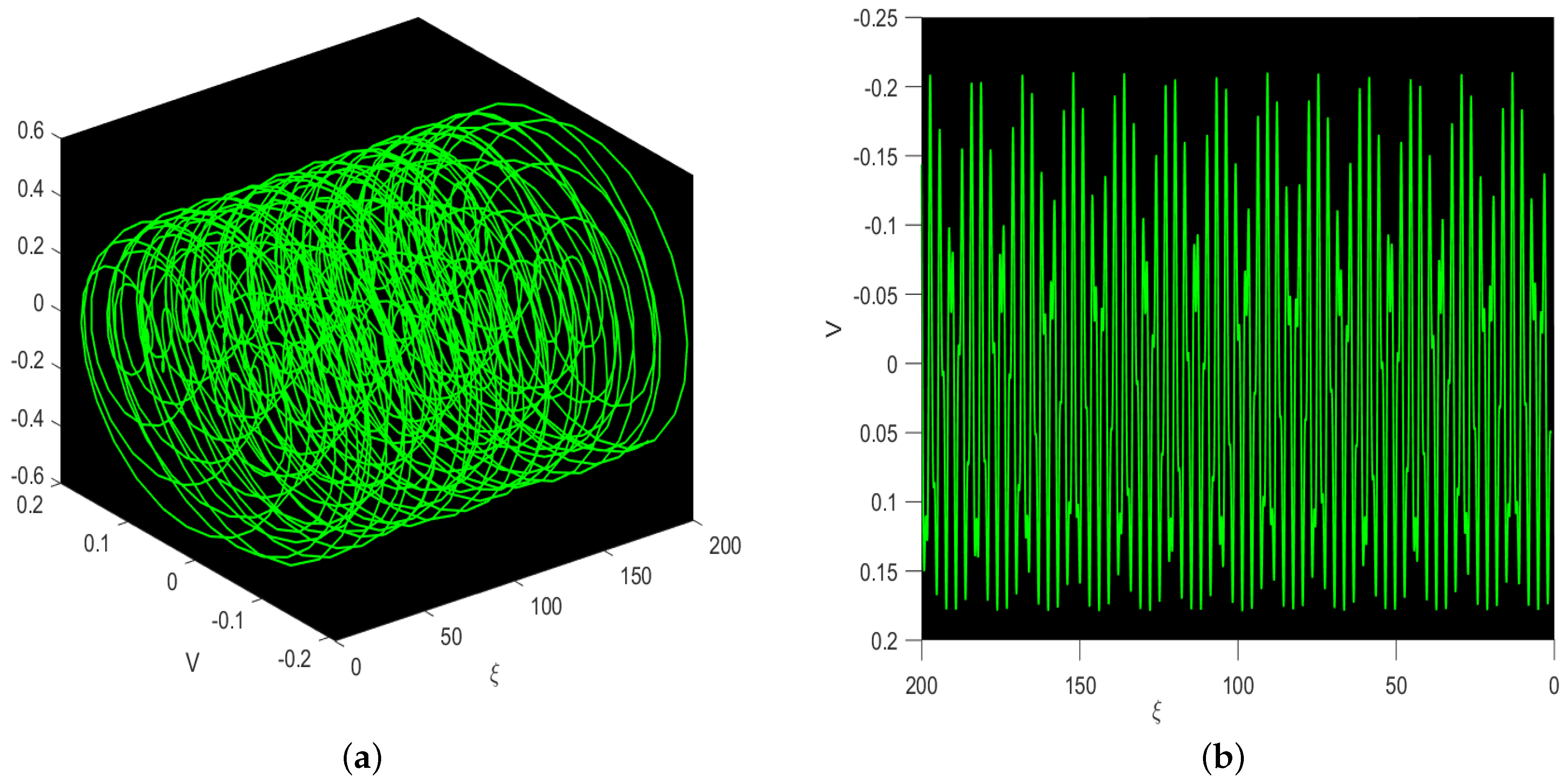
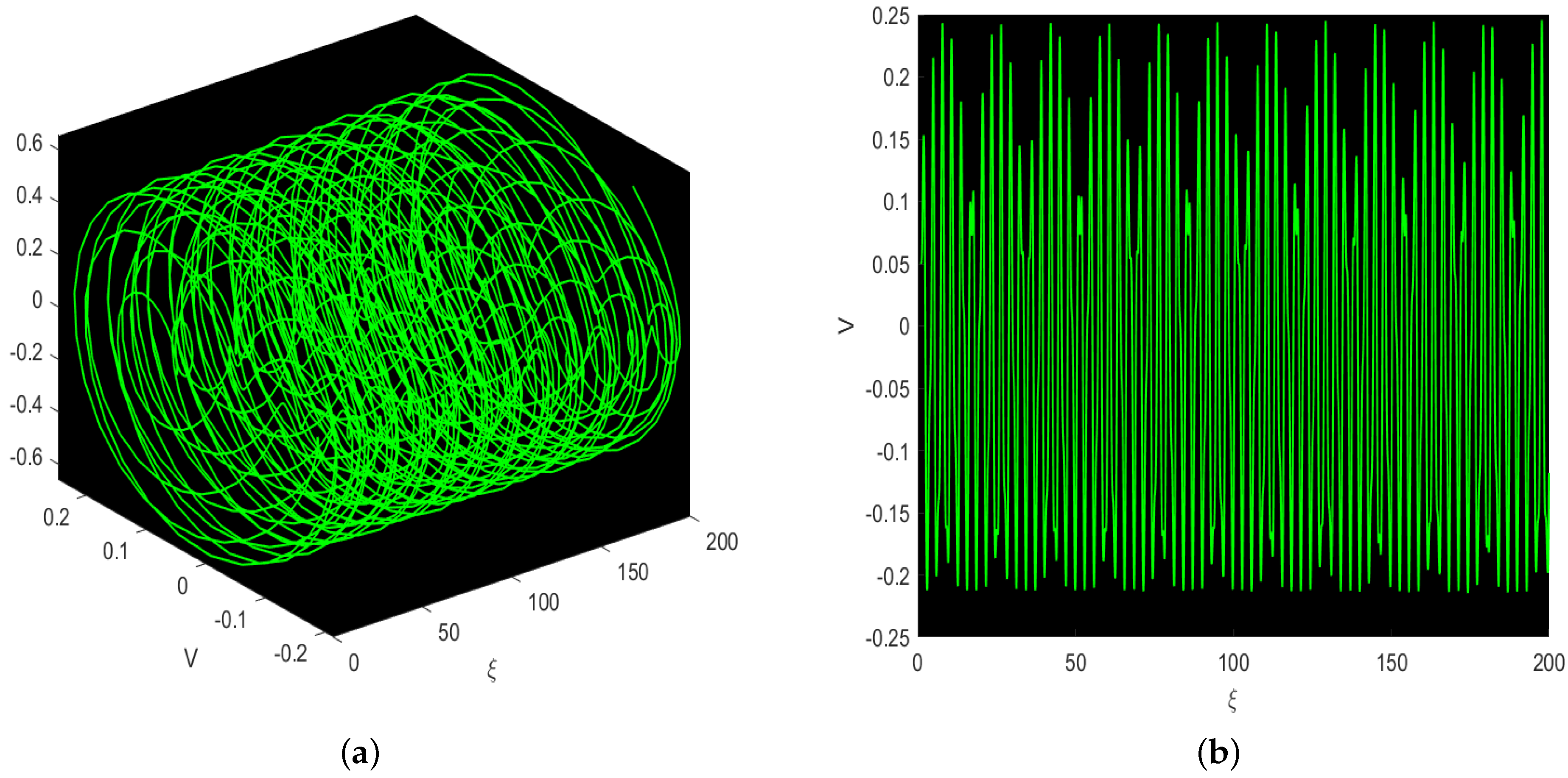
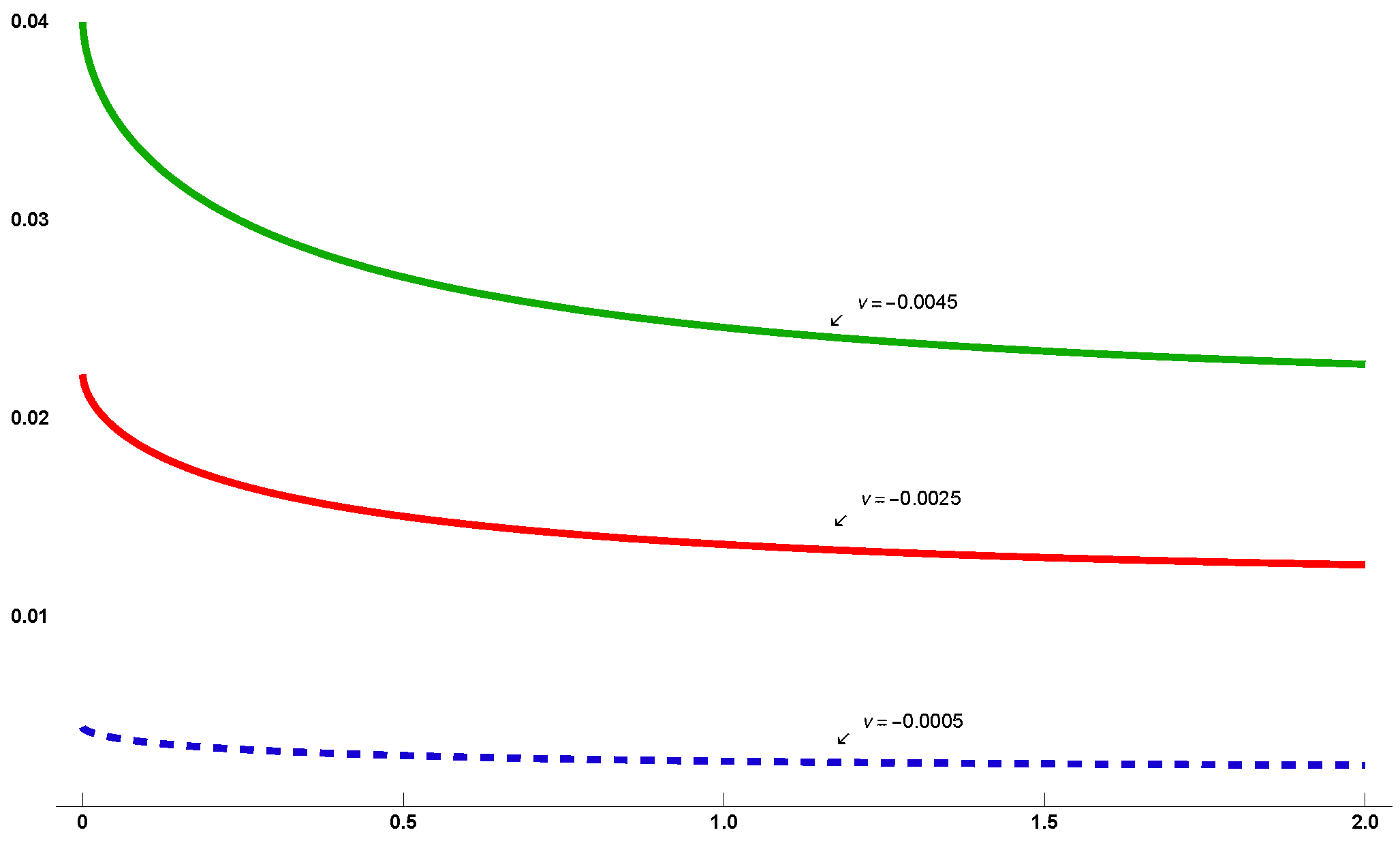
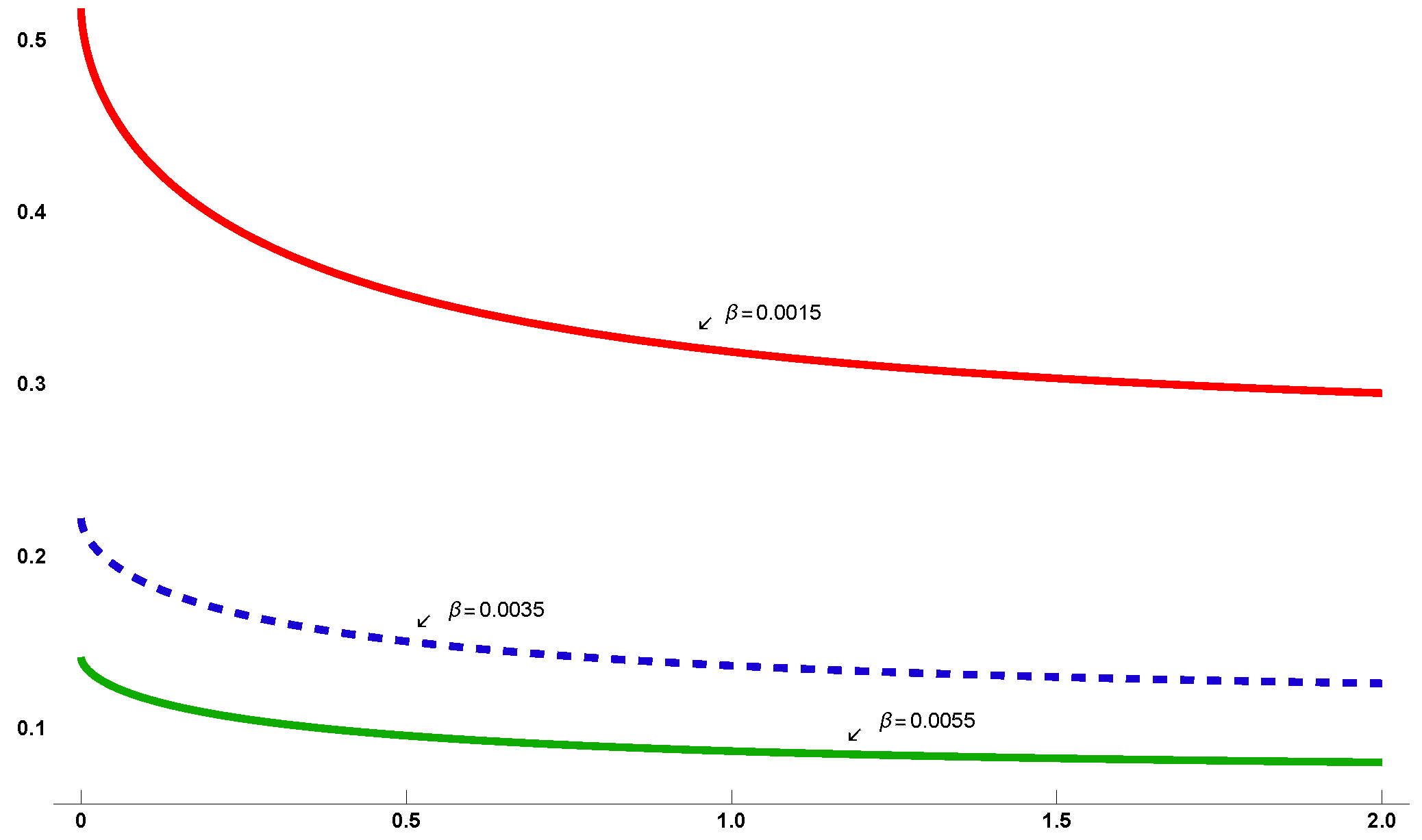
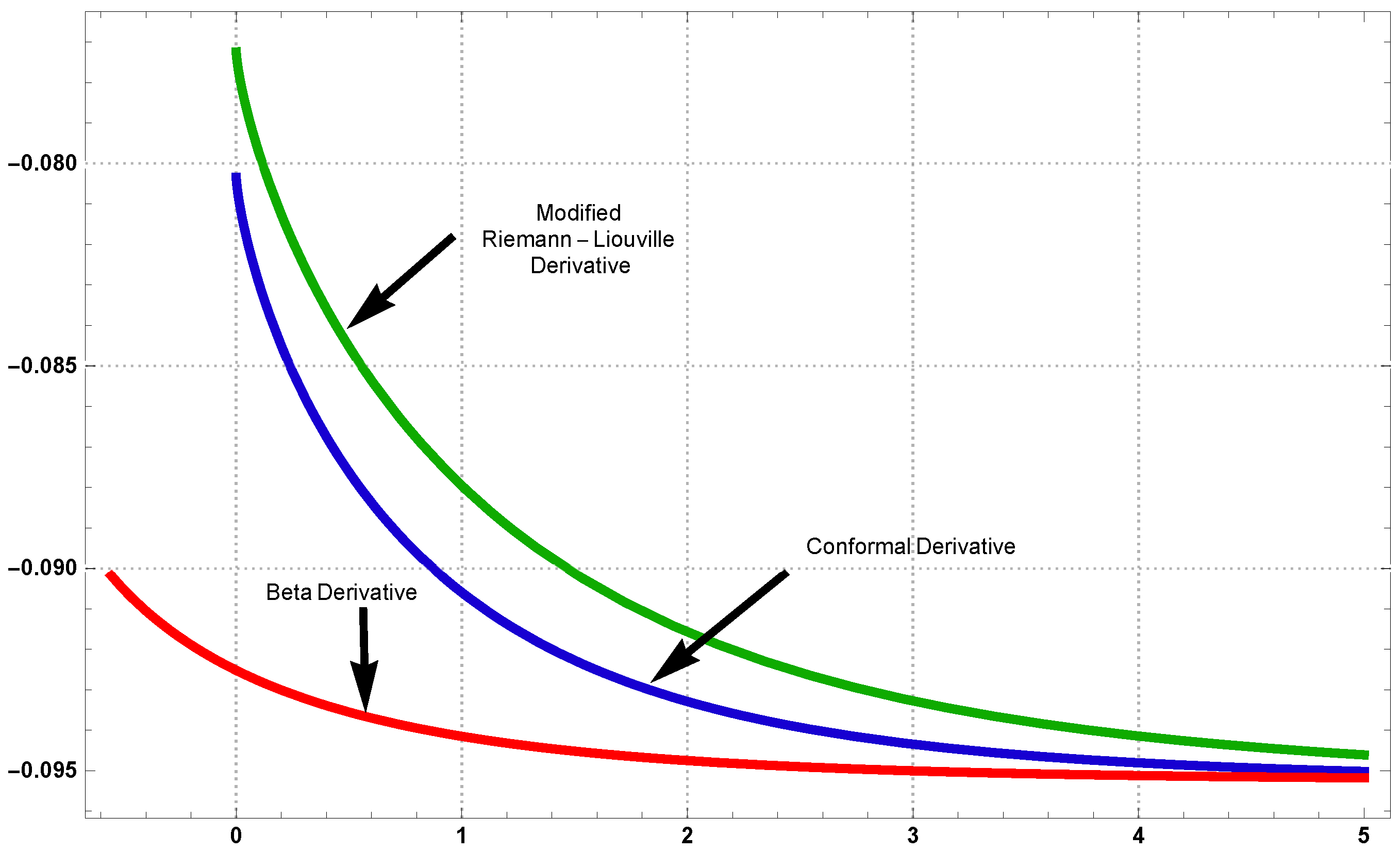
This research explores the solitary wave solutions, including dynamic transitions for a fractional low-pass electrical transmission (LPET) line model. The fractional-order (FO) LPET line mathematical system has yet to be published, and neither has it been addressed via the extended direct algebraic technique. A computer program is utilized to validate all of the incoming solutions. To illustrate the dynamical pattern of a few obtained solutions indicating trigonometric, merged hyperbolic, but also rational soliton solutions, dark soliton solutions, the representatives of the semi-bright soliton solutions, dark singular, singular solitons of Type 1 and 2, and their 2D and 3D trajectories are presented by choosing appropriate values of the solutions’ unrestricted parameters. The effects of fractionality and unrestricted parameters on the dynamical performance of achieved soliton solutions are depicted visually and thoroughly explored. We furthermore discuss the sensitivity assessment. We, however, still examine how our model’s perturbed dynamical framework exhibits quasi periodic-chaotic characteristics. Our investigated solutions are compared with those listed in published literature. This research demonstrates the approach’s profitability and effectiveness in extracting a range of wave solutions to nonlinear evolution problems in mathematics, technology, and science.
Keywords: conformal fractional derivative; new extended algebraic method; soliton solutions; nonlinear low-pass electrical transmission line conformal fractional derivative; new extended algebraic method; soliton solutions; nonlinear low-pass electrical transmission line