Article

Negative Poisson’s Ratio Re-Entrant Base Modeling and Vibration Isolation Performance Analysis
1
Beijing Key Laboratory of Nonlinear Vibrations and Strength of Mechanical Structures College of Mechanical Engineering, Beijing University of Technology, Beijing 100124, China
2
School of Mathematics and Statistics, Qingdao University, Qingdao 266071, China
*
Author to whom correspondence should be addressed.
Symmetry 2022, 14(7), 1356; https://doi.org/10.3390/sym14071356
Submission received: 31 May 2022 / Revised: 25 June 2022 / Accepted: 26 June 2022 / Published: 30 June 2022
(This article belongs to the Special Issue Symmetry and Partial Differential Equations: Theory and Application)

Abstract

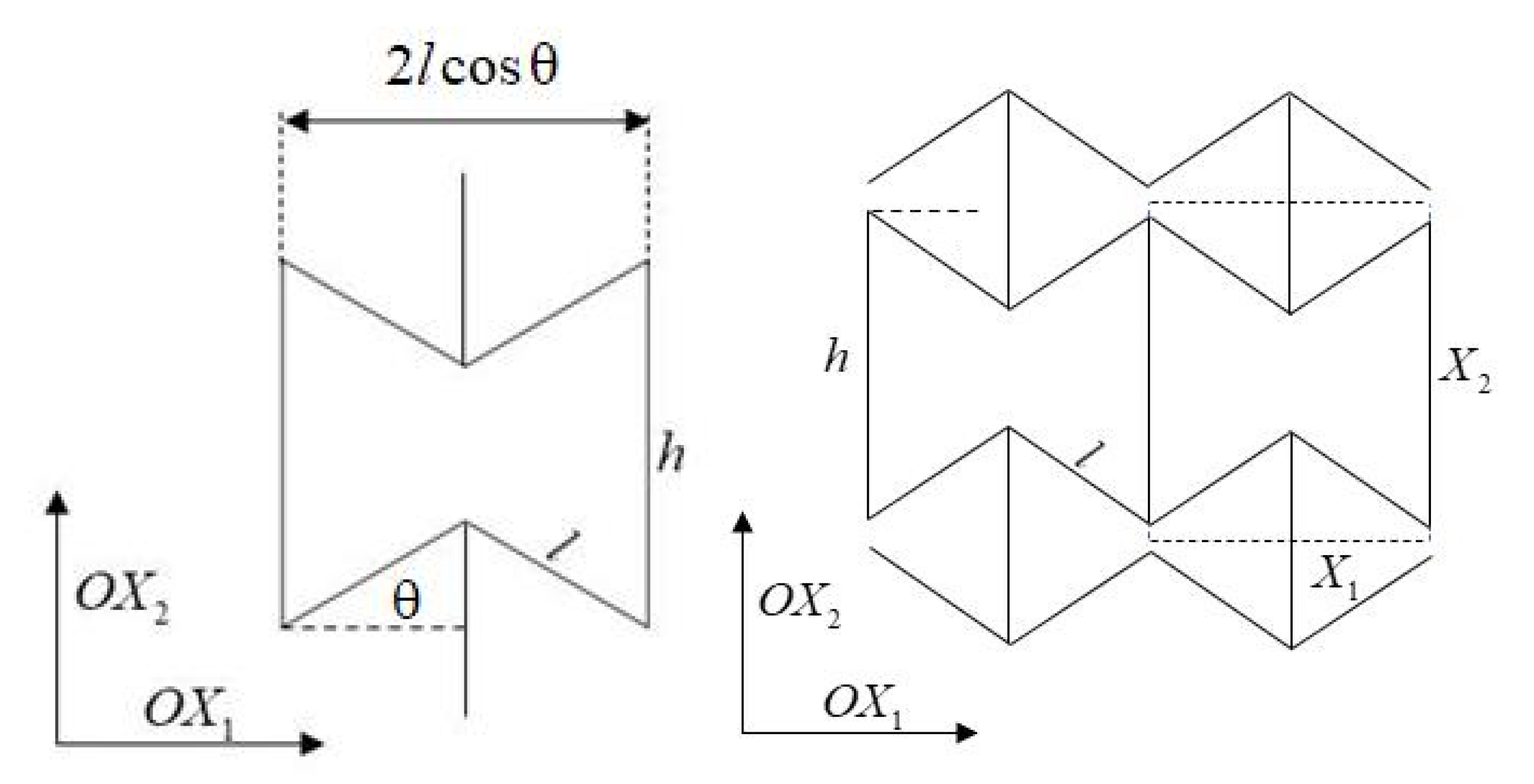
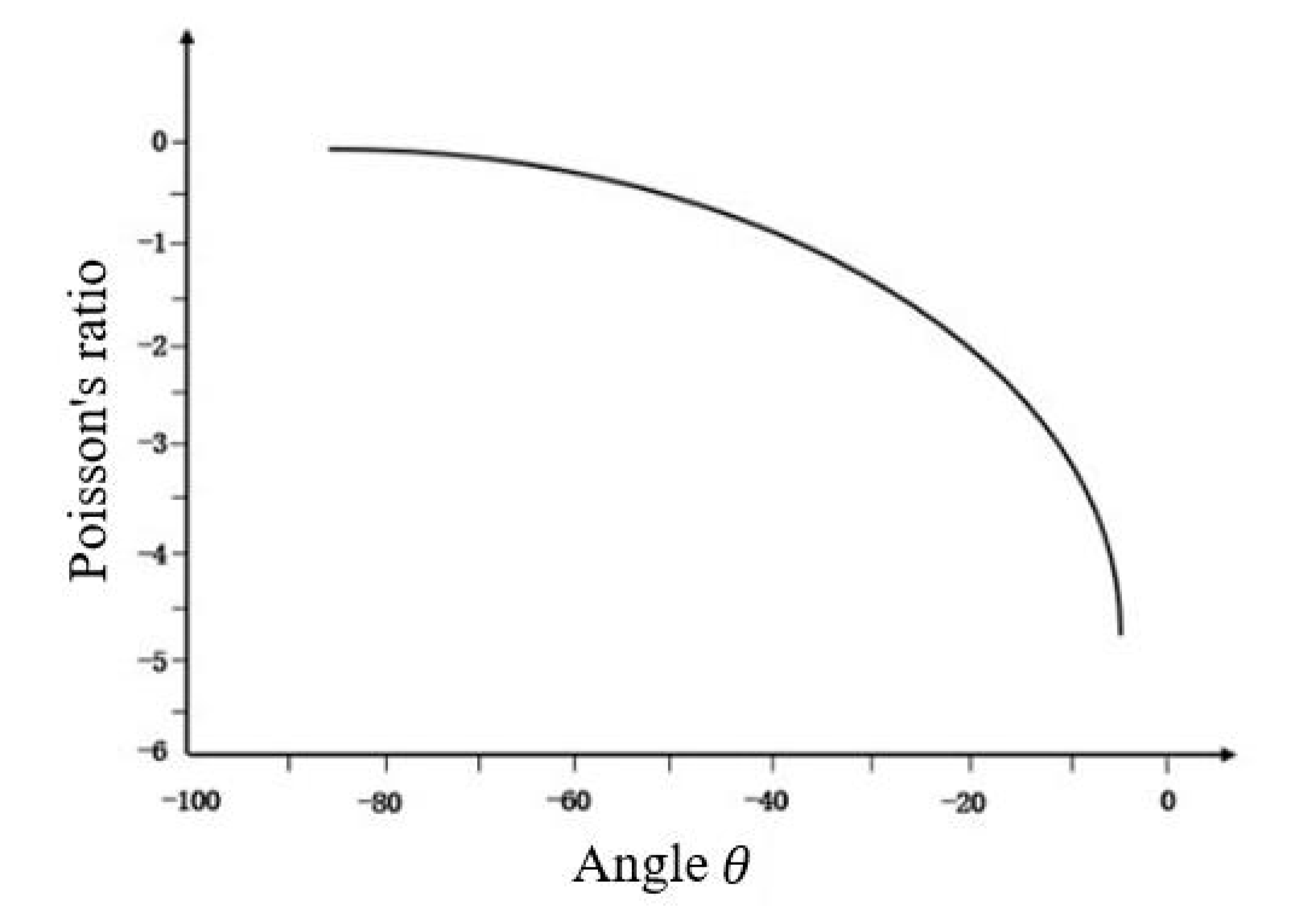
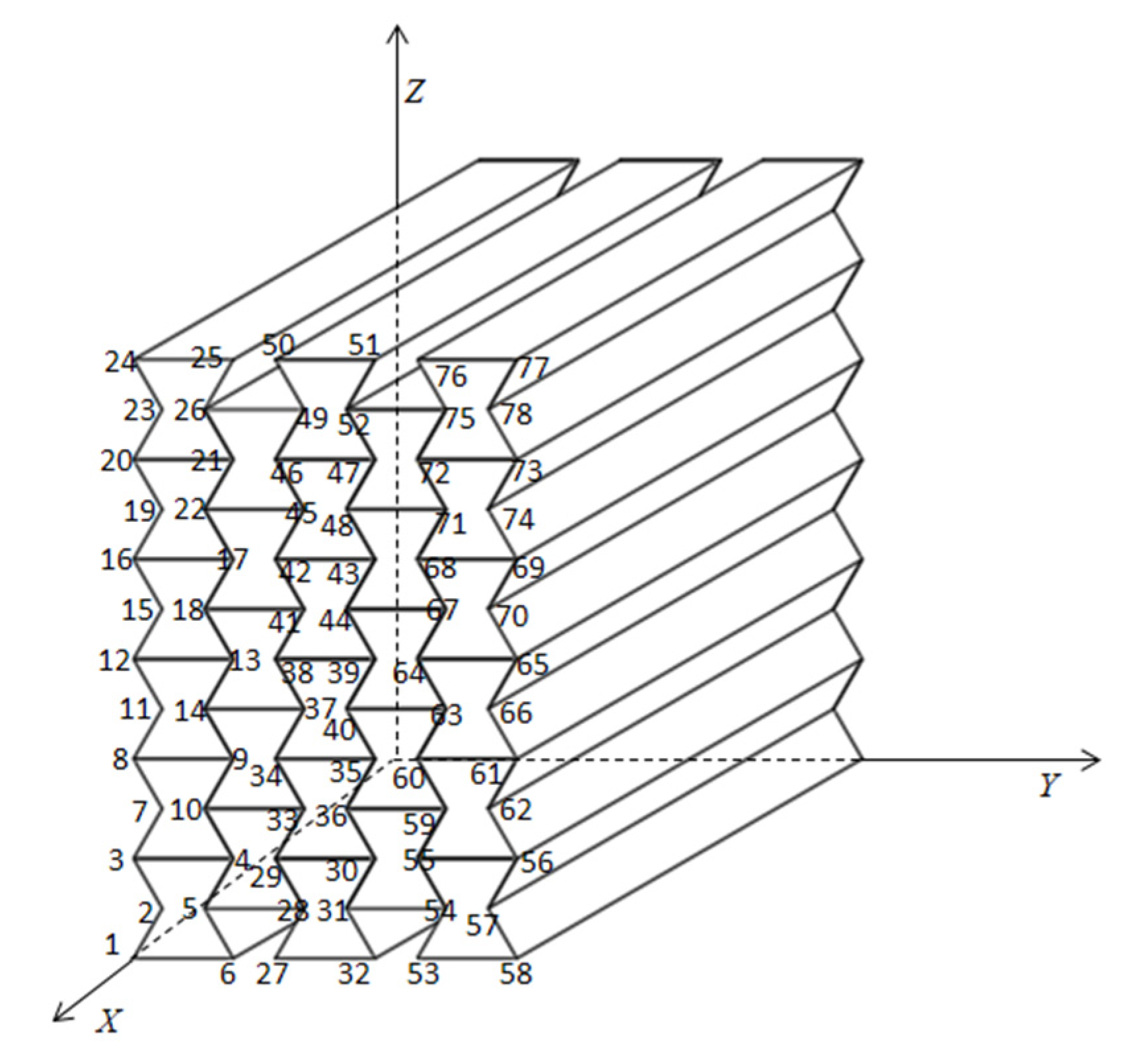
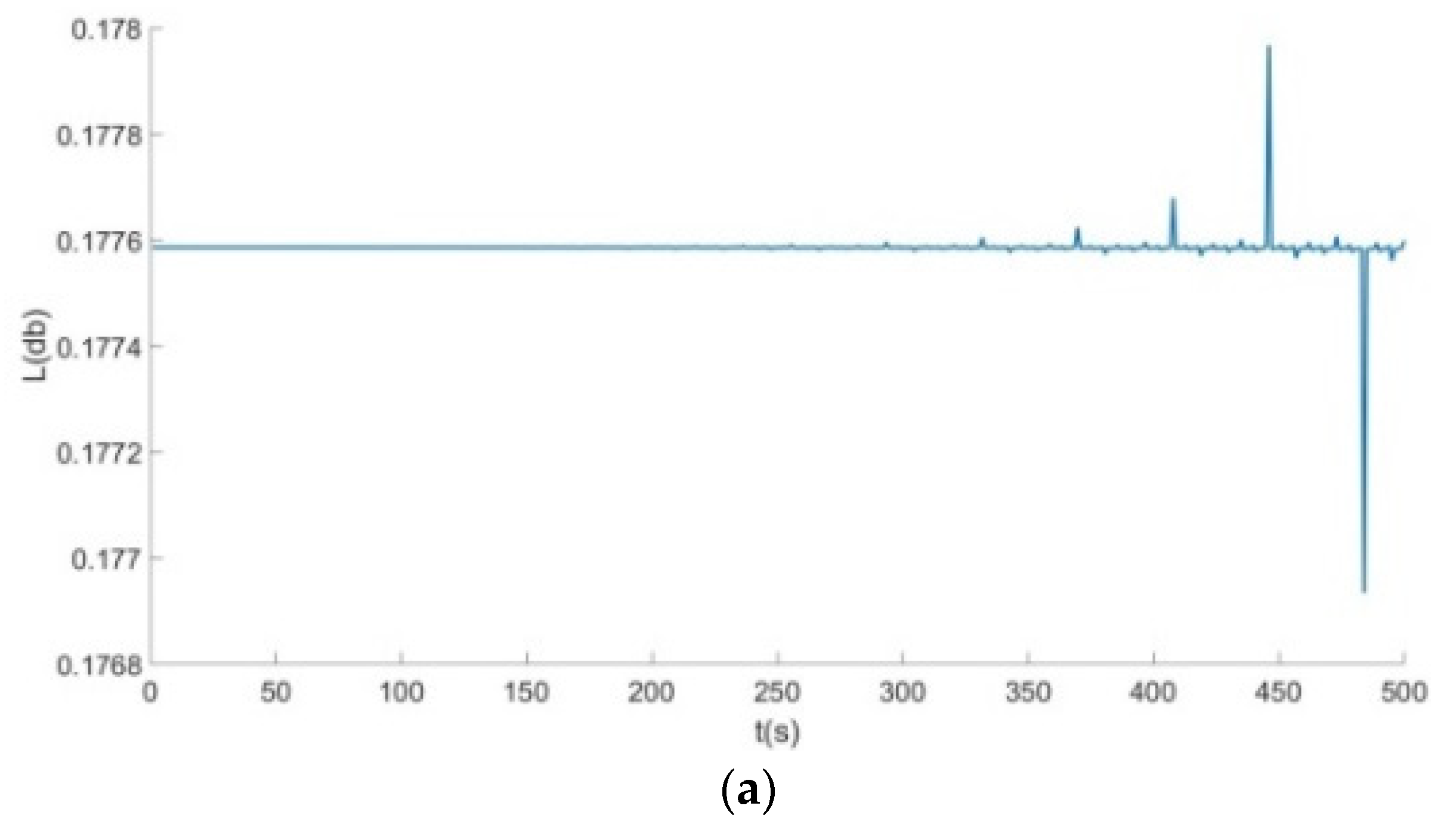
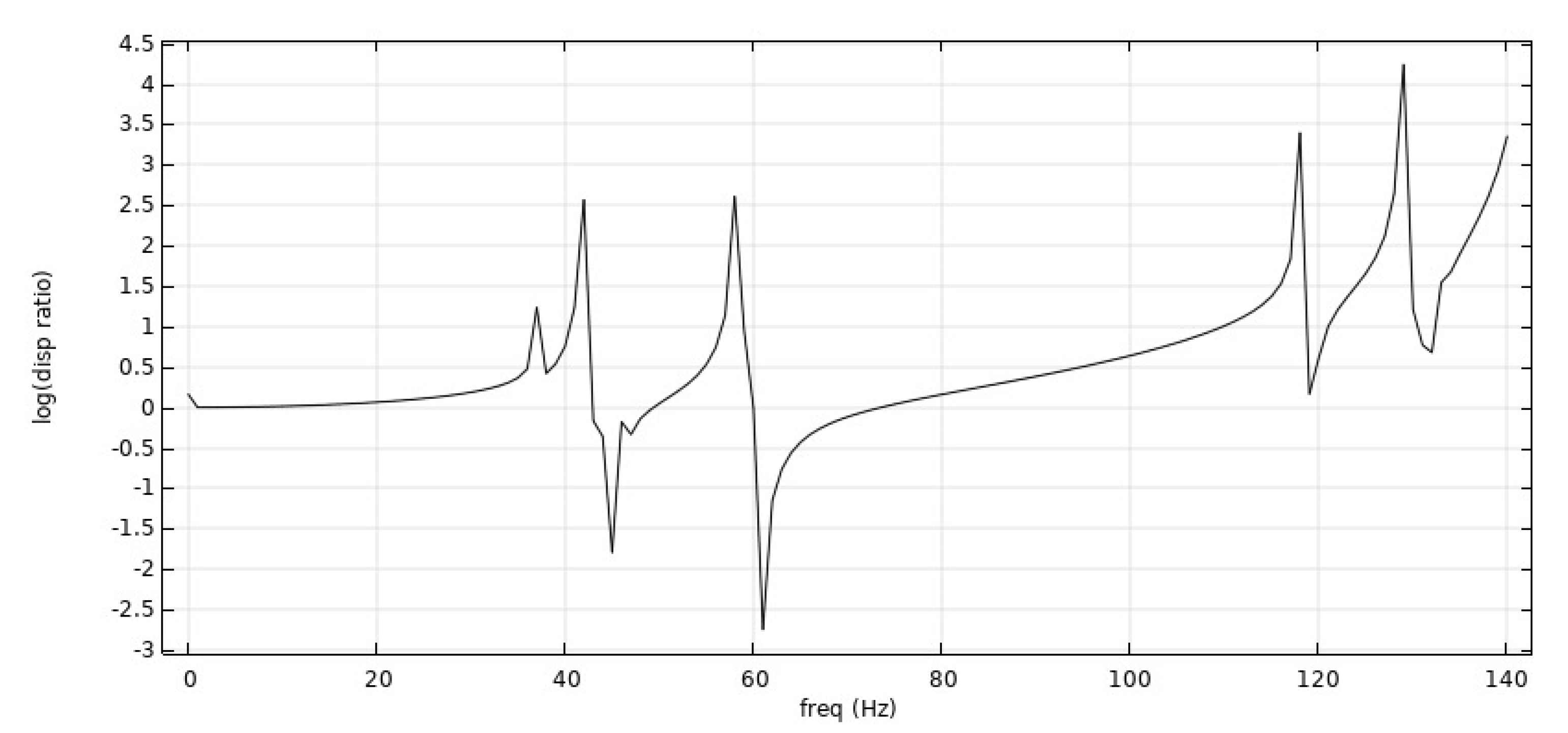
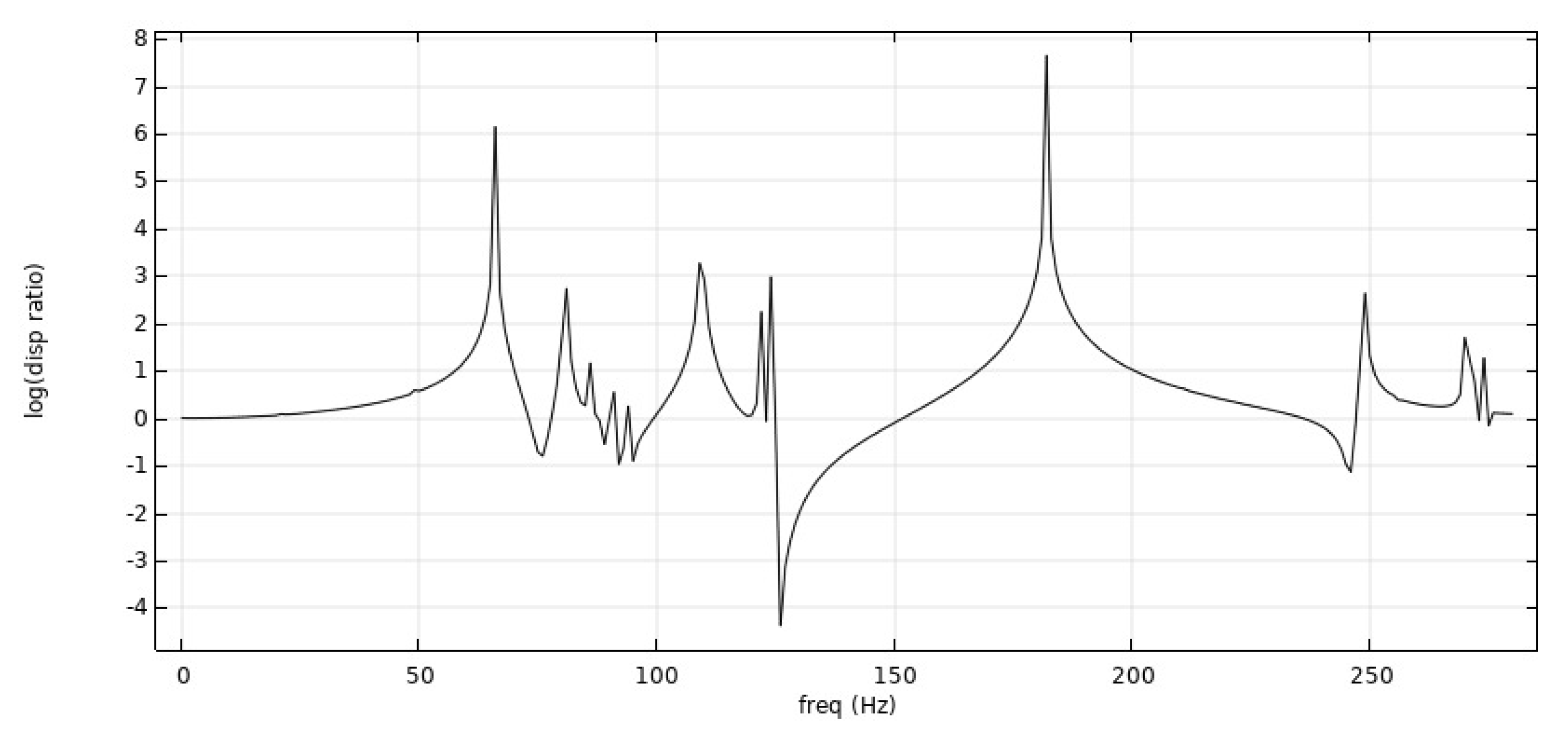
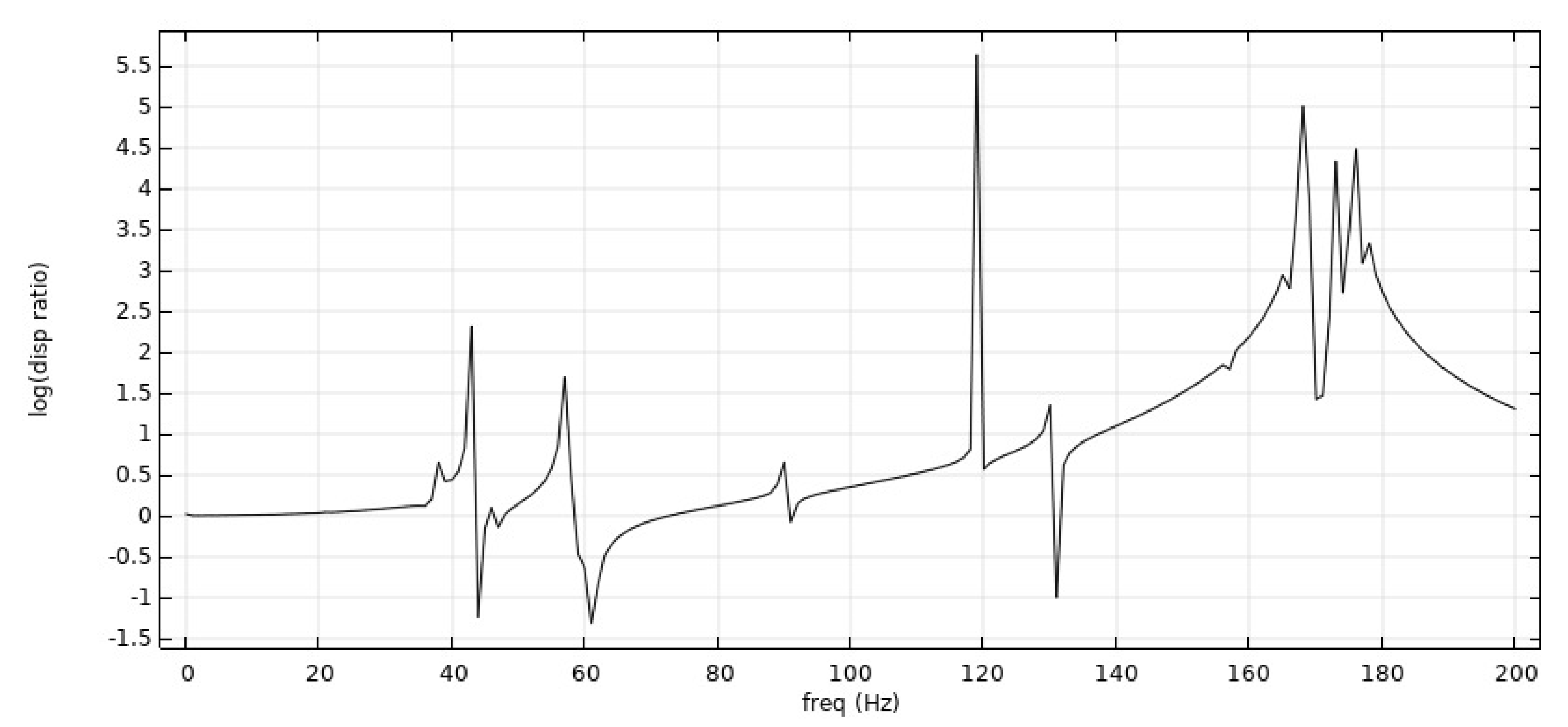
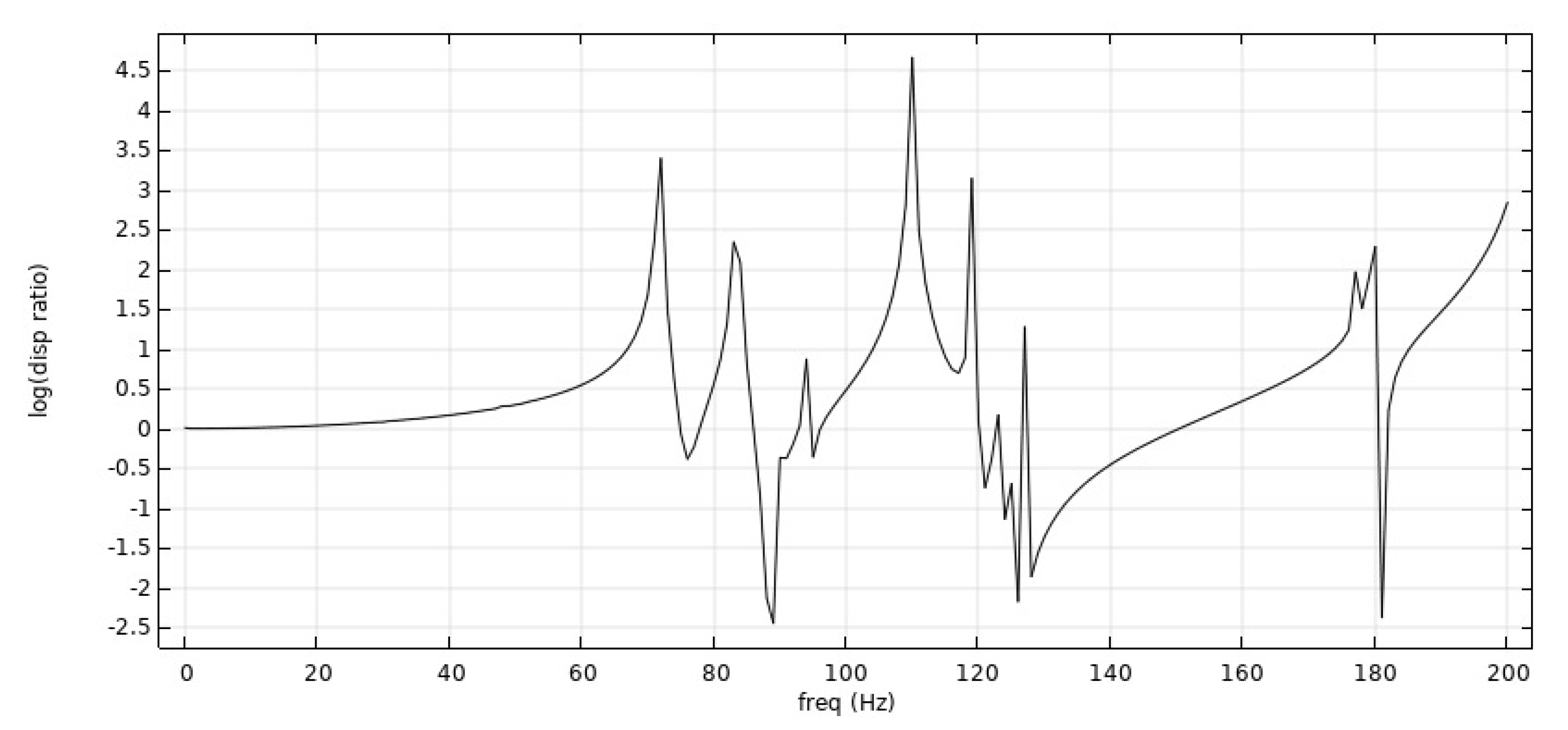
Negative Poisson’s ratio materials are increasingly used in the design of vibration isolation bases due to their unique tensile properties. In this paper, based on the expansion feature of the negative Poisson’s ratio re-entrant structure, the influence of the size of the re-entrant structure within a single structure was analyzed, and a honeycomb base was designed with a negative Poisson’s ratio re-entrant structure. A new modeling method for the honeycomb base is proposed. In the modeling process, the honeycomb base was analyzed according to its symmetry using the Lagrange equation for base modeling and the finite element consistent mass matrix was introduced to simplify the calculation. The vibration isolation performance of the honeycomb base was evaluated by vibration level difference. COMSOL software was used to simulate and analyze the cellular base in order to verify the correctness of the results obtained from numerical modeling. In conclusion, the honeycomb base had a vibration isolation effect on external excitation in the vertical direction of the base. Furthermore, the vibration isolation performance of the base was greatly related to the wall thickness and Poisson’s ratio of the re-entrant structure.
Keywords: negative Poisson’s ratio; Lagrange equation; model; vibration isolation negative Poisson’s ratio; Lagrange equation; model; vibration isolation