Empirical Consequences of Emergent Mass


1
School of Physics, Nanjing University, Nanjing 210093, Jiangsu, China
2
Institute for Nonperturbative Physics, Nanjing University, Nanjing 210093, Jiangsu, China
Symmetry 2020, 12(9), 1468; https://doi.org/10.3390/sym12091468
Submission received: 28 July 2020
/
Revised: 21 August 2020
/
Accepted: 28 August 2020
/
Published: 7 September 2020
(This article belongs to the Special Issue Chiral Symmetry in Physics)
Abstract
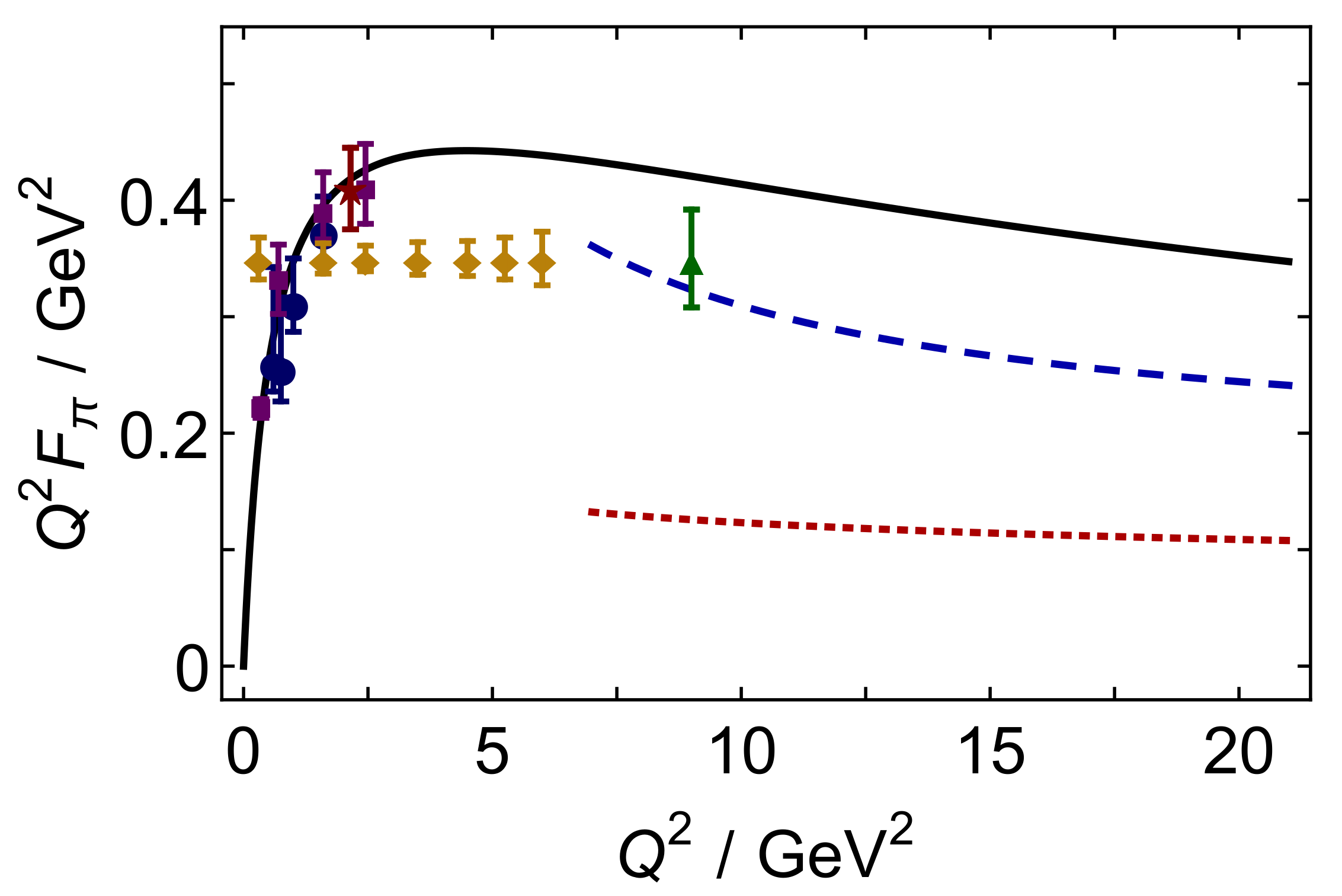
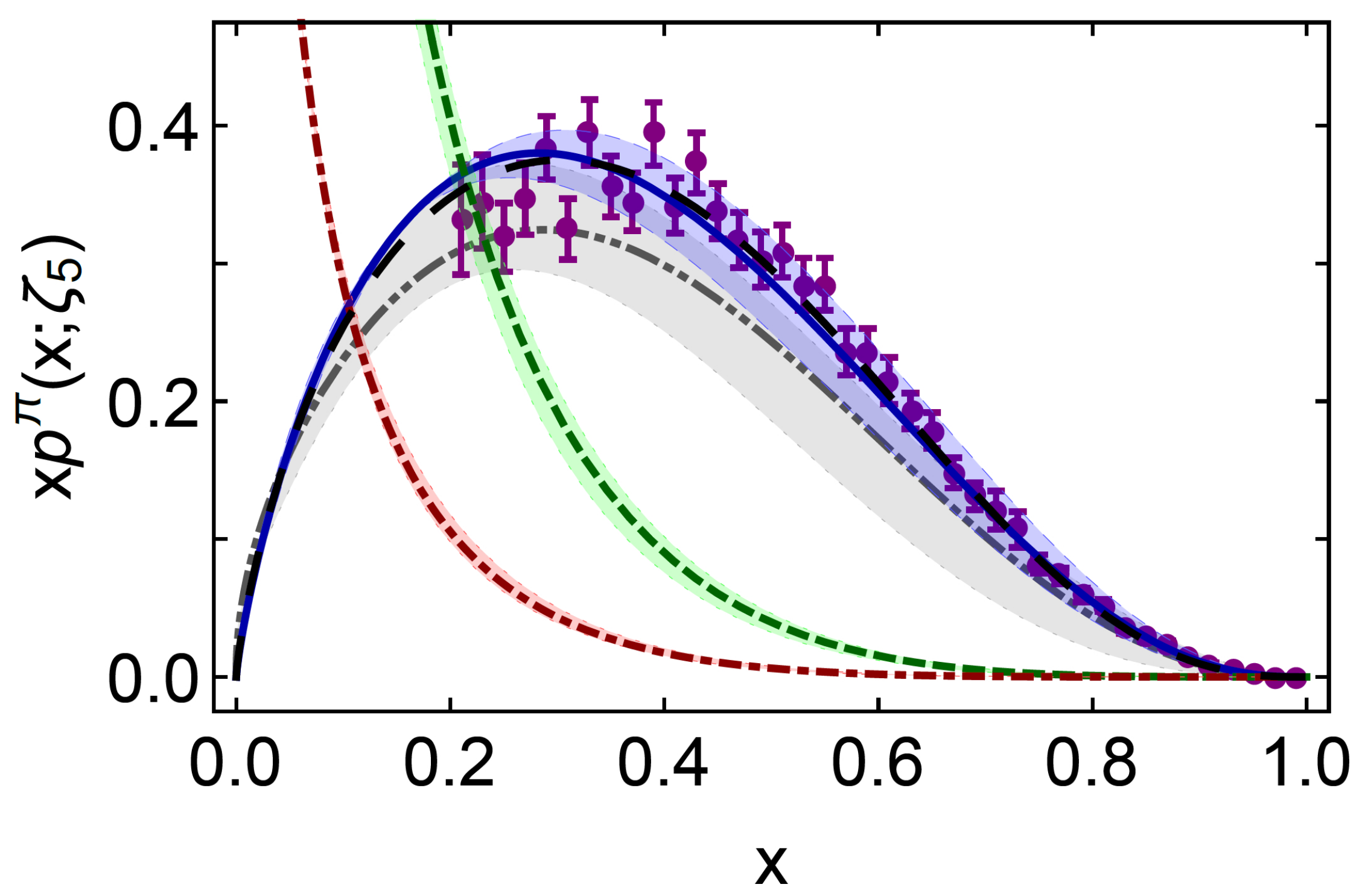
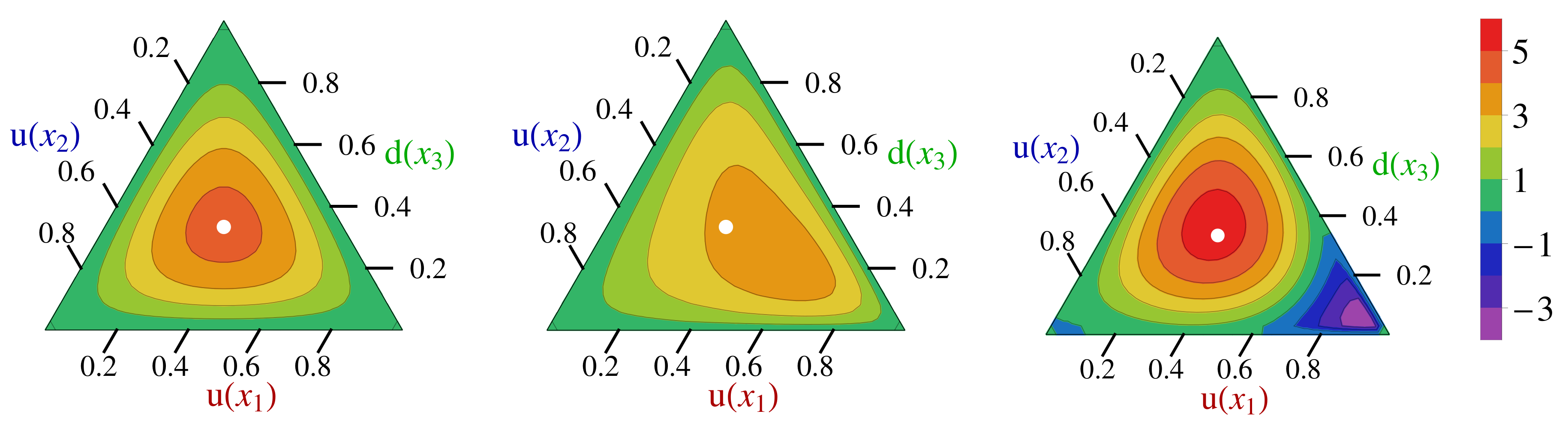
The Lagrangian that defines quantum chromodynamics (QCD), the strong interaction piece of the Standard Model, appears very simple. Nevertheless, it is responsible for an astonishing array of high-level phenomena with enormous apparent complexity, e.g., the existence, number and structure of atomic nuclei. The source of all these things can be traced to emergent mass, which might itself be QCD’s self-stabilising mechanism. A background to this perspective is provided, presenting, inter alia, a discussion of the gluon mass and QCD’s process-independent effective charge and highlighting an array of observable expressions of emergent mass, ranging from its manifestations in pion parton distributions to those in nucleon electromagnetic form factors.
Share and Cite
MDPI and ACS Style
Roberts, C.D. Empirical Consequences of Emergent Mass. Symmetry 2020, 12, 1468. https://doi.org/10.3390/sym12091468
AMA Style
Roberts CD. Empirical Consequences of Emergent Mass. Symmetry. 2020; 12(9):1468. https://doi.org/10.3390/sym12091468
Chicago/Turabian StyleRoberts, Craig D. 2020. "Empirical Consequences of Emergent Mass" Symmetry 12, no. 9: 1468. https://doi.org/10.3390/sym12091468
APA StyleRoberts, C. D. (2020). Empirical Consequences of Emergent Mass. Symmetry, 12(9), 1468. https://doi.org/10.3390/sym12091468
Note that from the first issue of 2016, this journal uses article numbers instead of page numbers. See further details here.