Article

Significance of Thermal Slip and Convective Boundary Conditions in Three Dimensional Rotating Darcy-Forchheimer Nanofluid Flow


by
Anum Shafiq
1,2,
Ghulam Rasool
3,* and
Chaudry Masood Khalique
2,4,5
1
School of Mathematics and Statistics, Nanjing University of Information Science and Technology, Nanjing 210044, China
2
Department of Mathematical Sciences, International Institute for Symmetry Analysis and Mathematical Modeling, North-West University, Mafikeng Campus, Private Bag X 2046, Mmabatho 2735, South Africa
3
School of Mathematical Sciences, Zhejiang University, Hangzhou 310027, China
4
College of Mathematics and Systems Science, Shandong University of Science and Technology, Qingdao 266590, Shandong, China
5
Department of Mathematics and Informatics, Azerbaijan University, Jeyhun Hajibeyli str., 71, Baku AZ1007, Azerbaijan
*
Author to whom correspondence should be addressed.
Symmetry 2020, 12(5), 741; https://doi.org/10.3390/sym12050741
Submission received: 9 March 2020 / Revised: 27 March 2020 / Accepted: 31 March 2020 / Published: 5 May 2020

Abstract

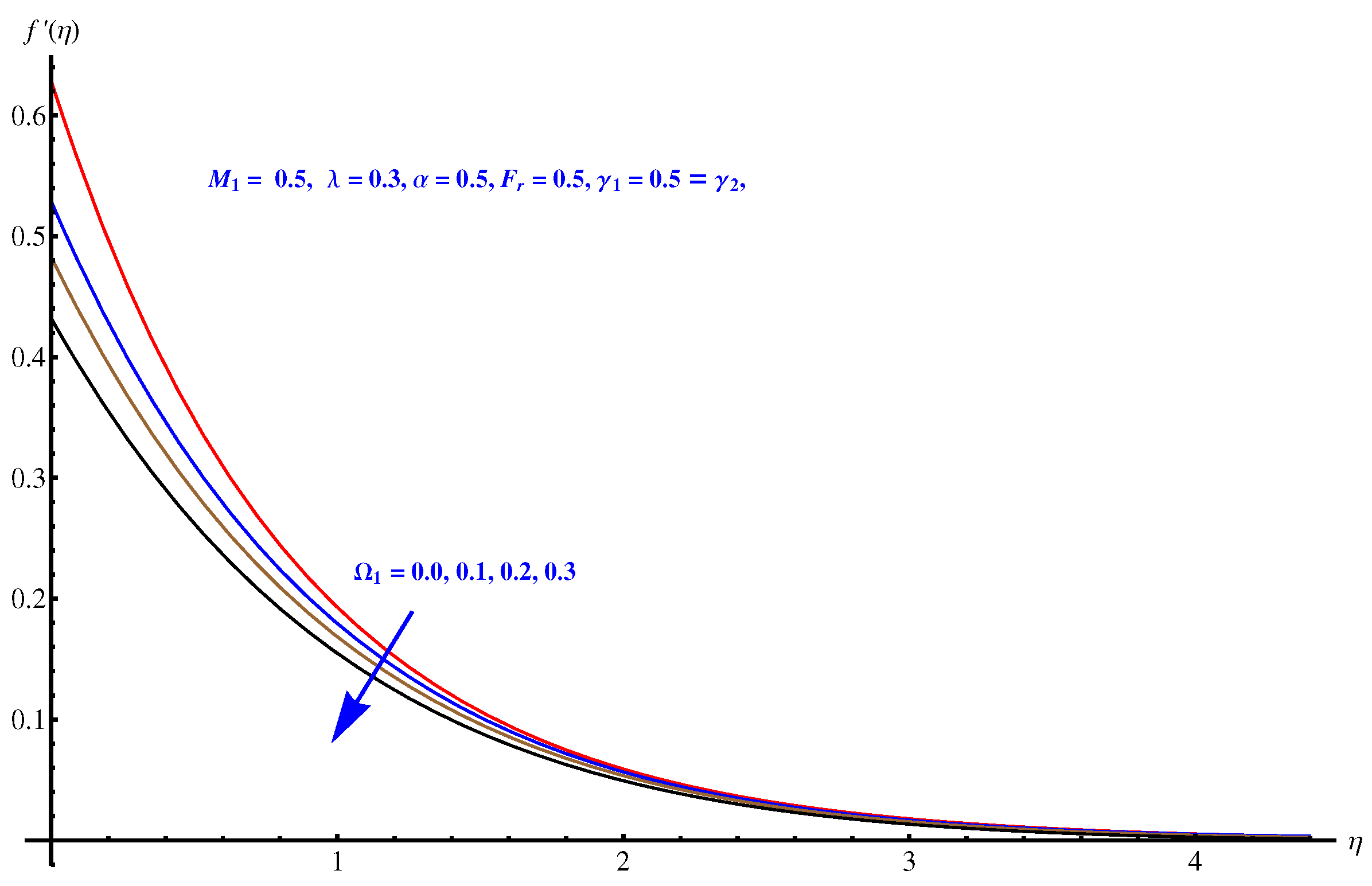
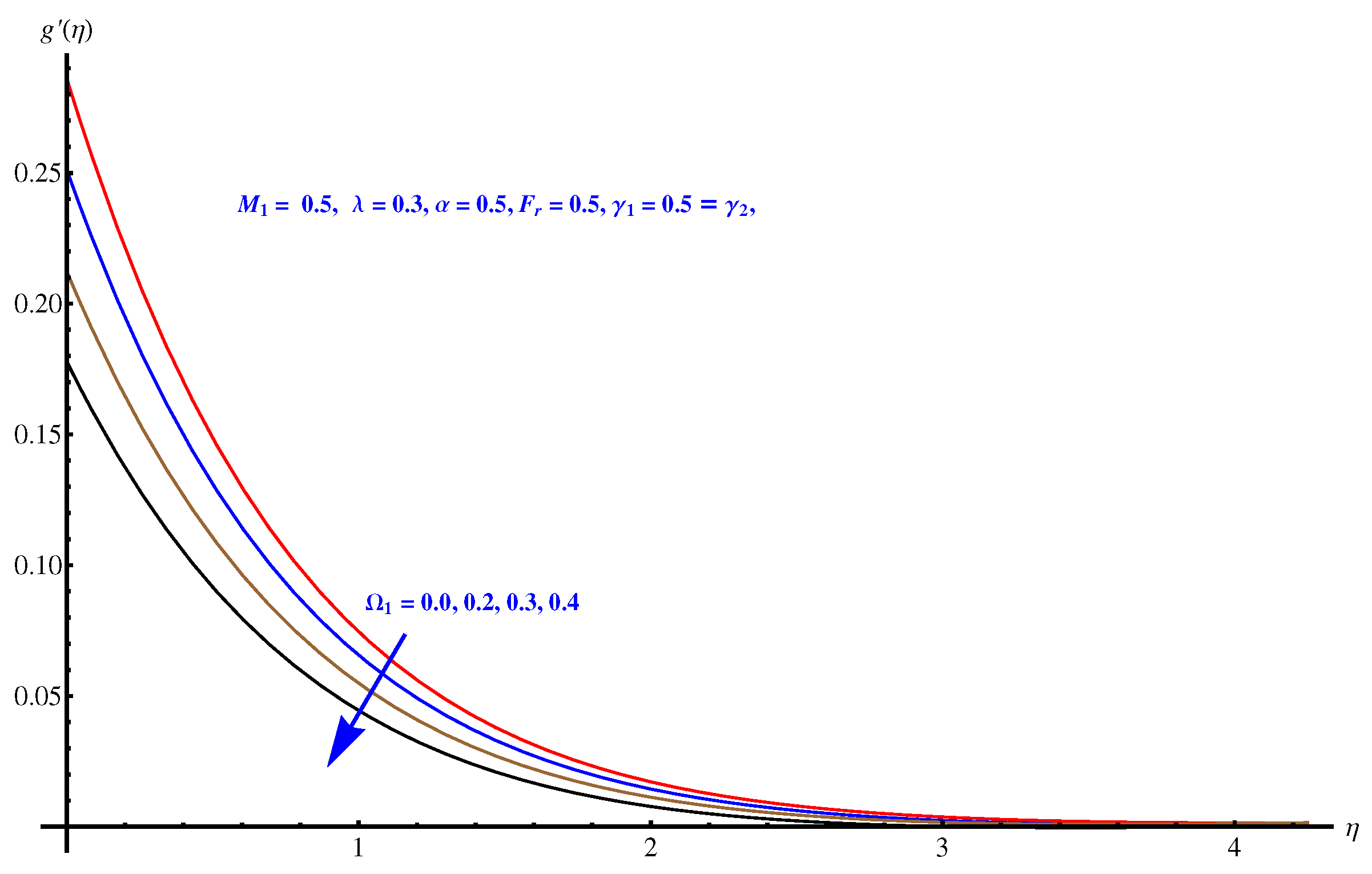
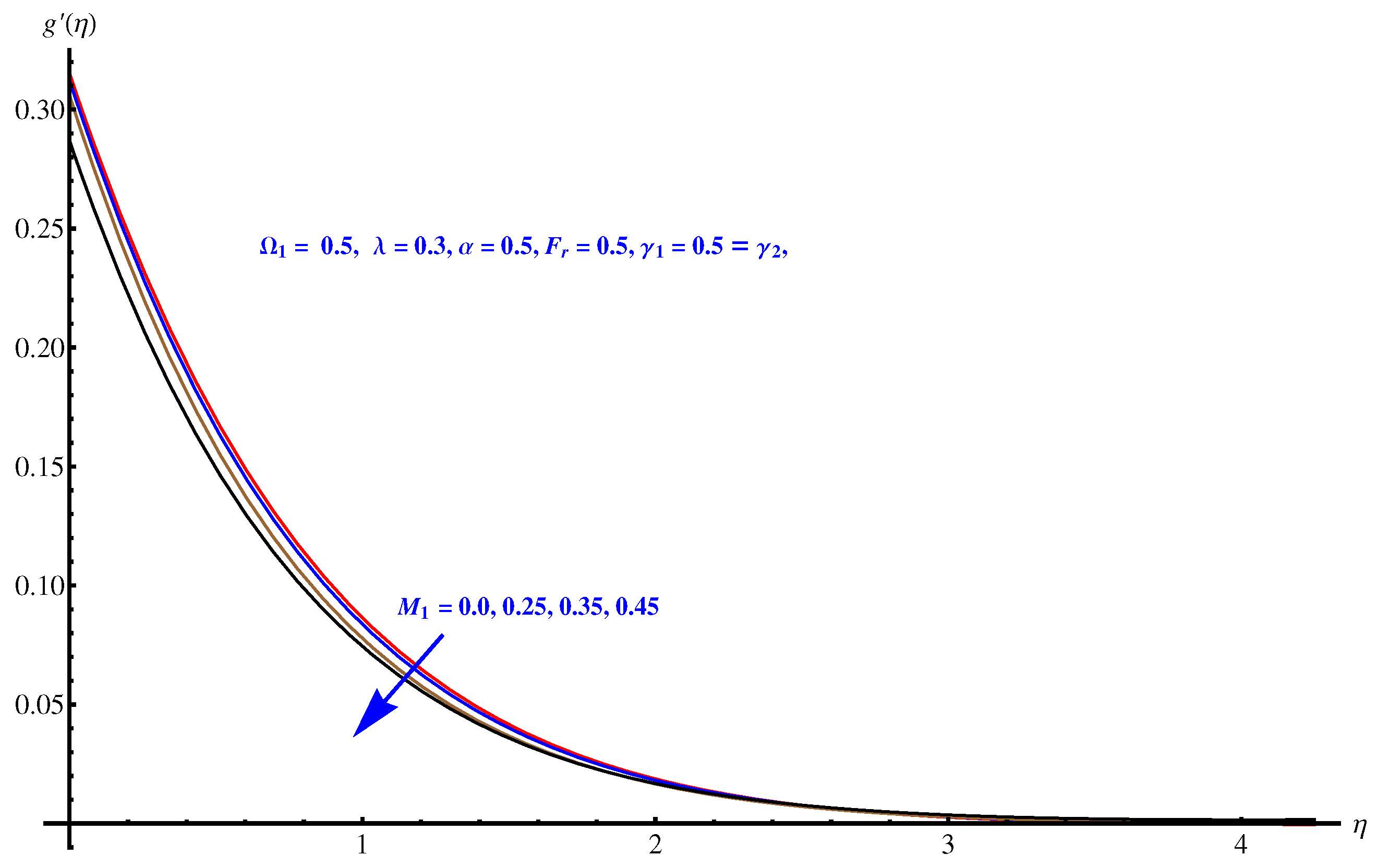
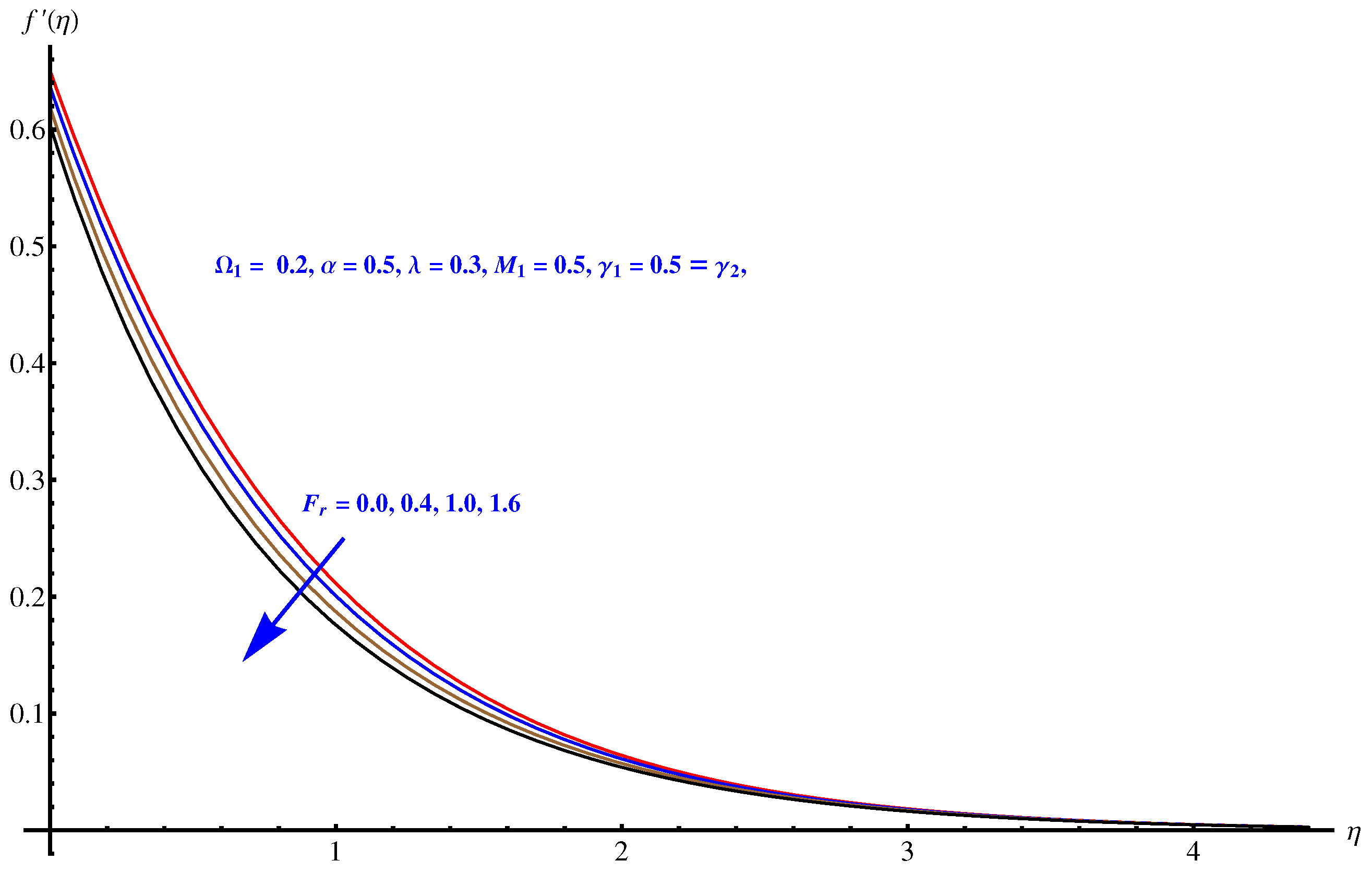
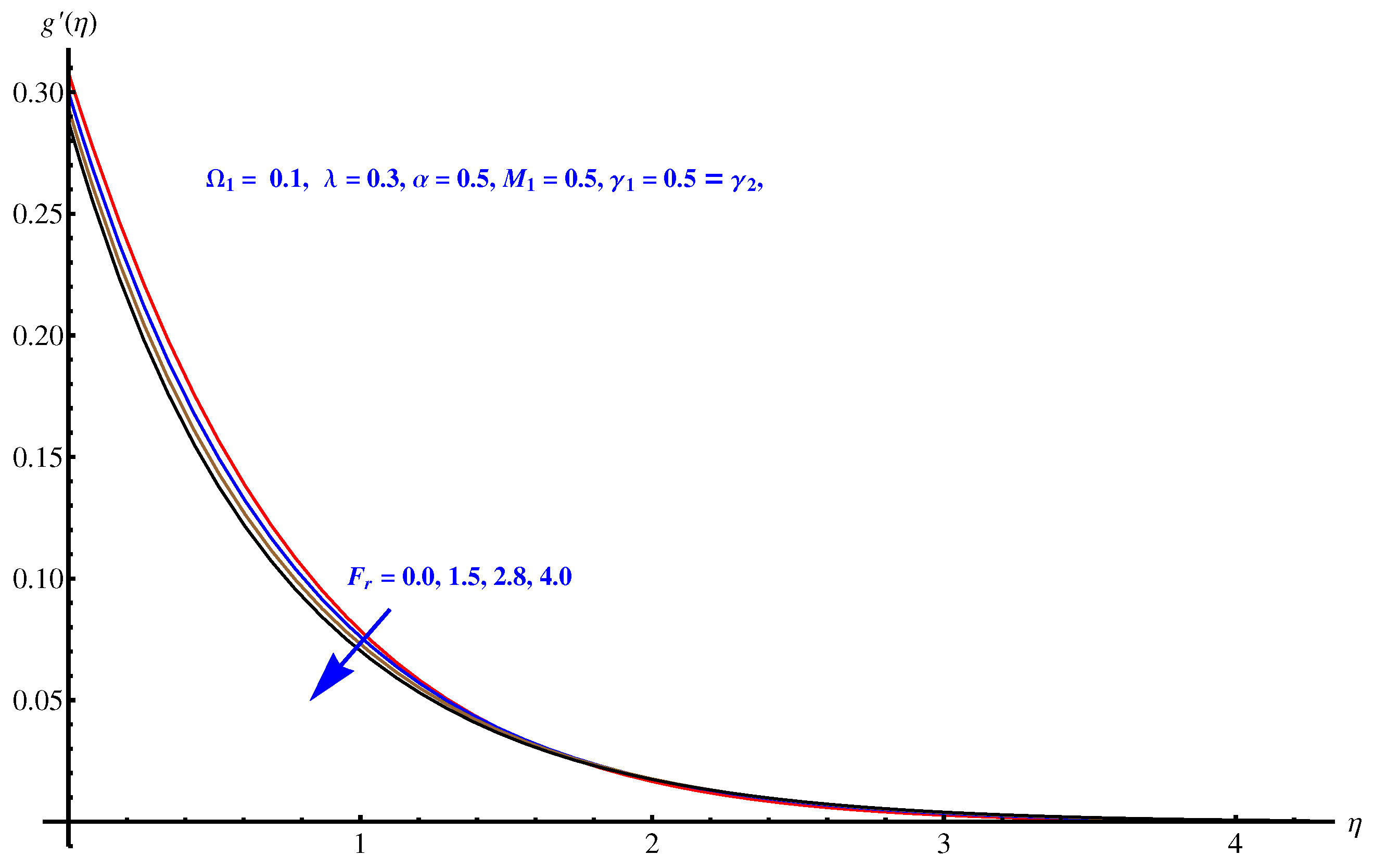
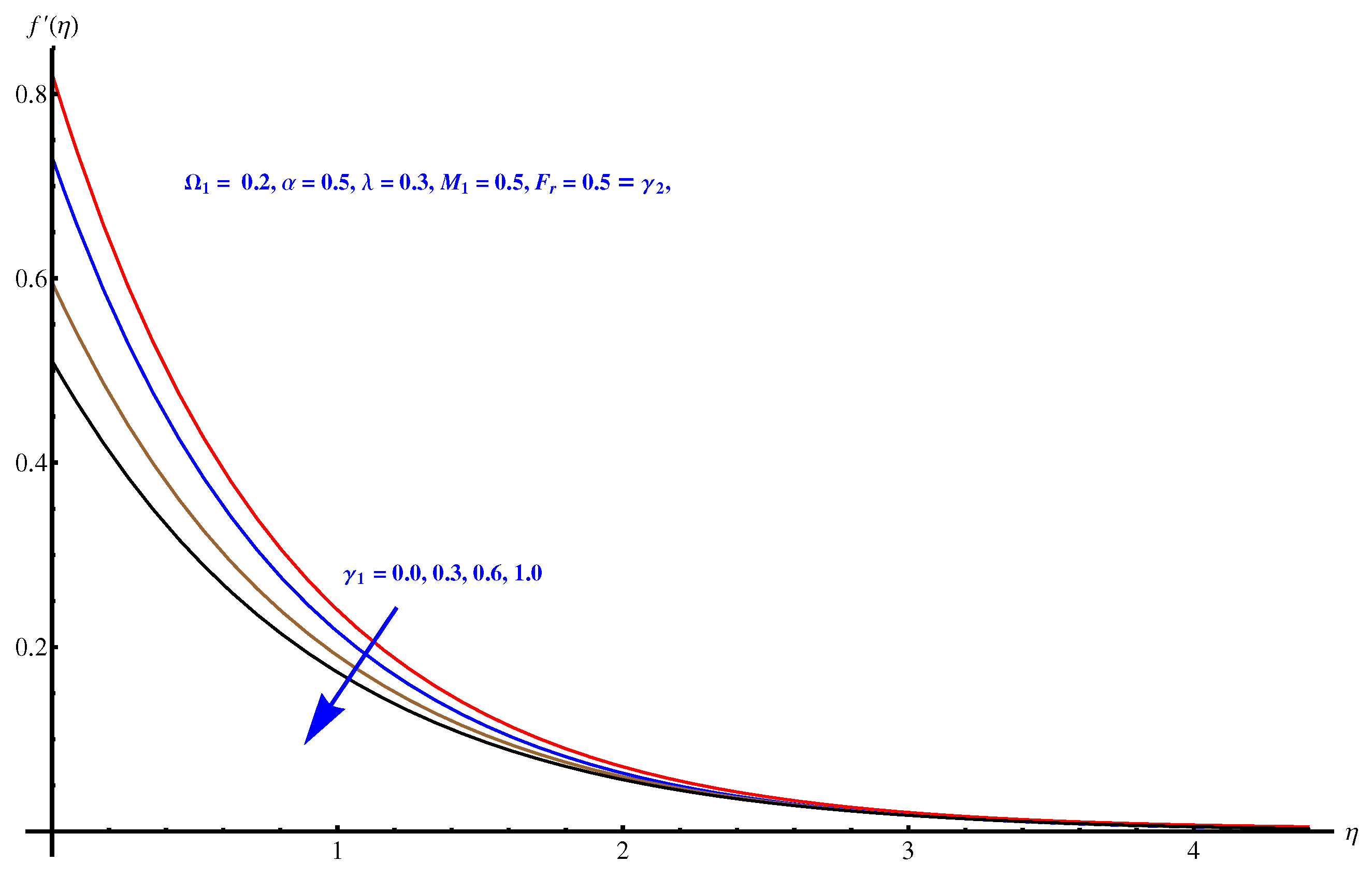
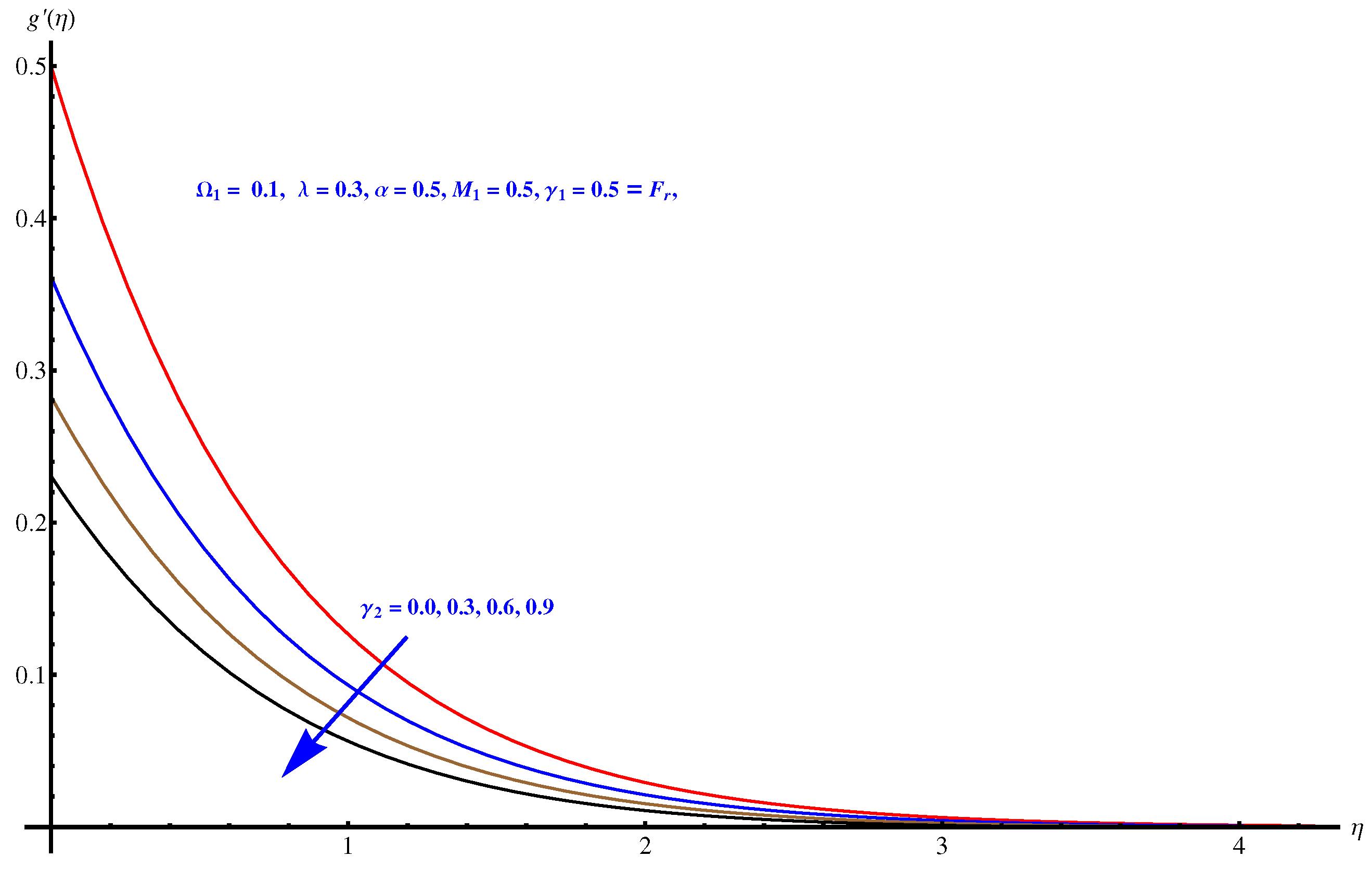
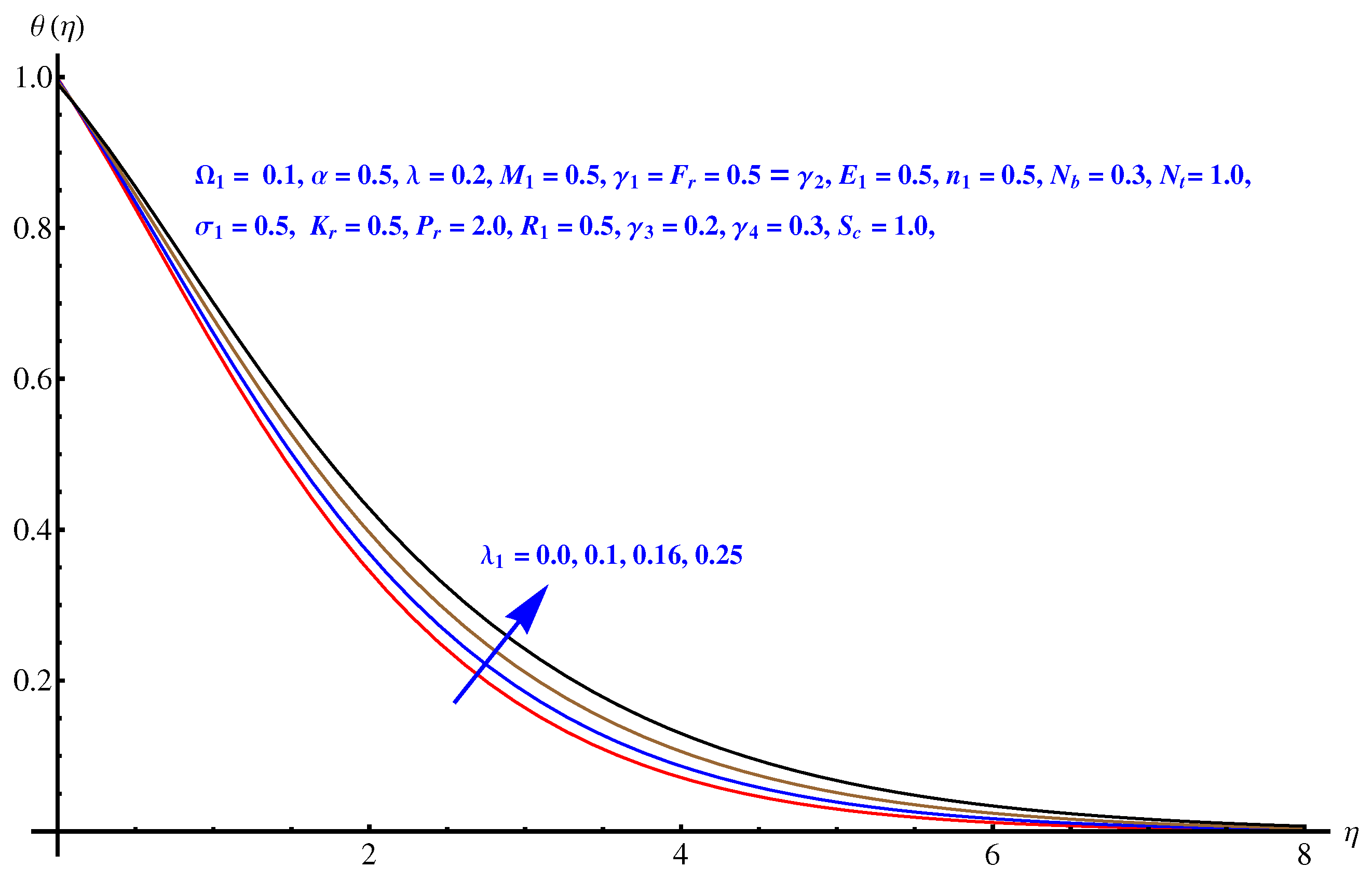
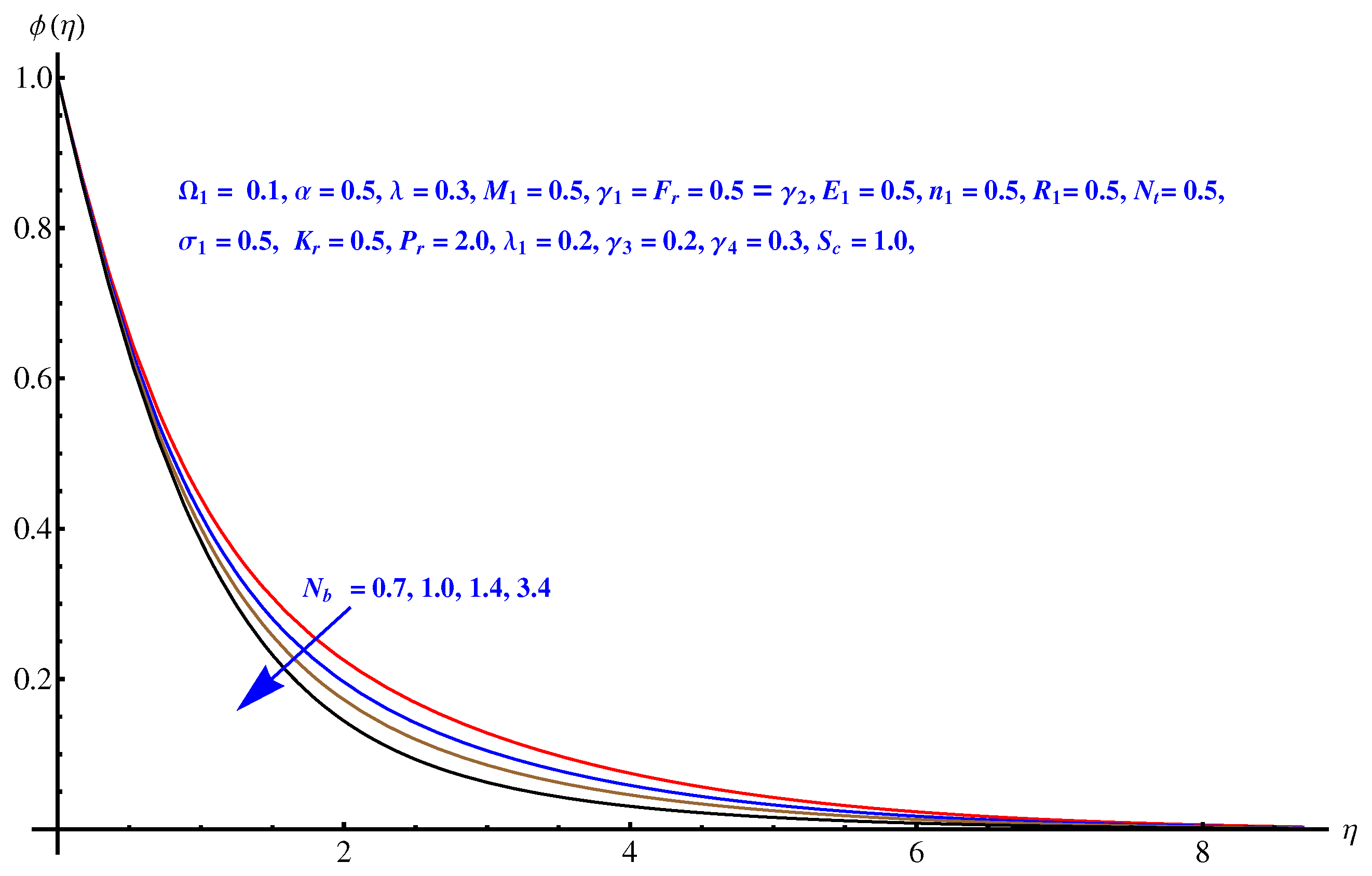
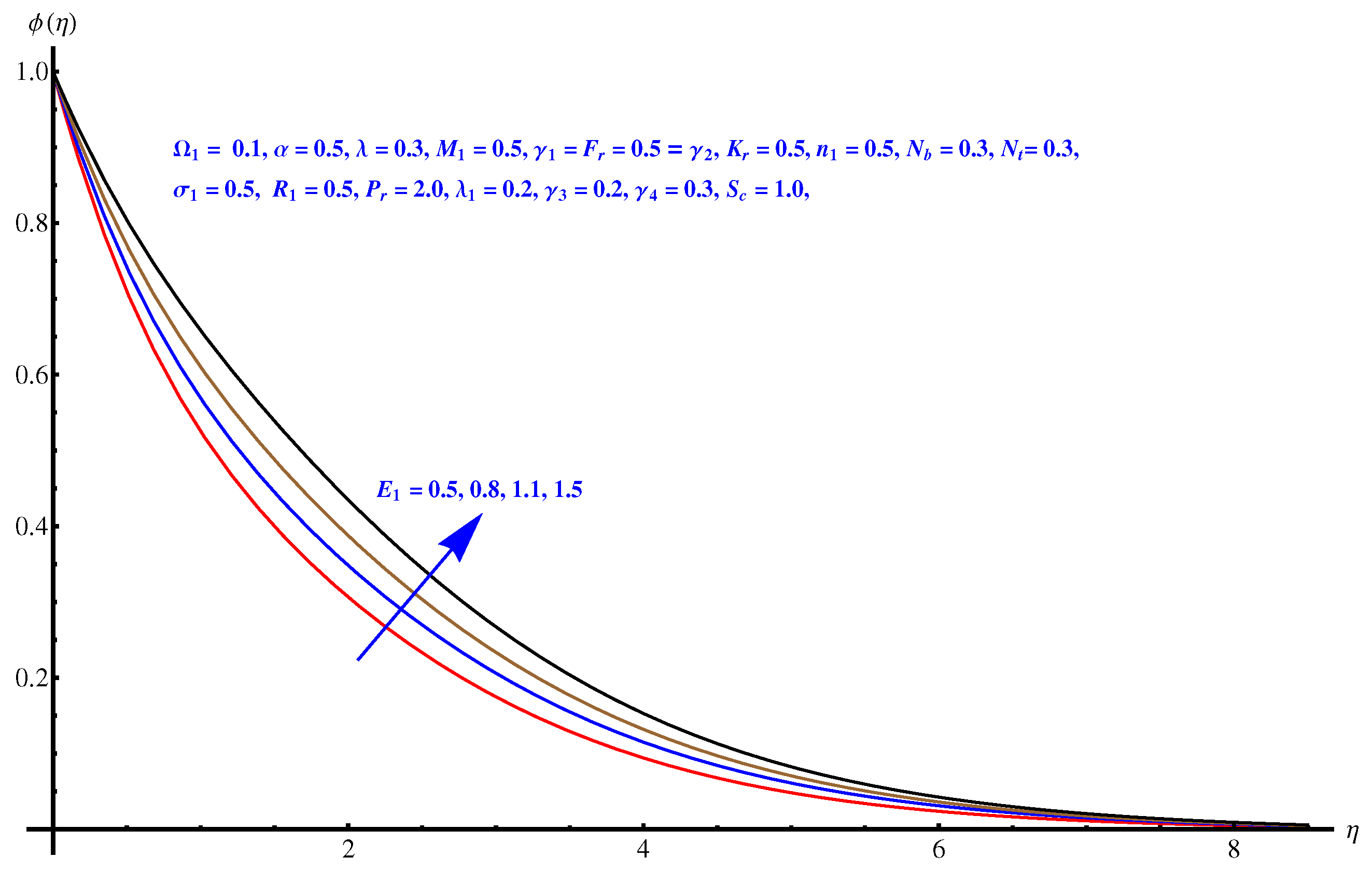
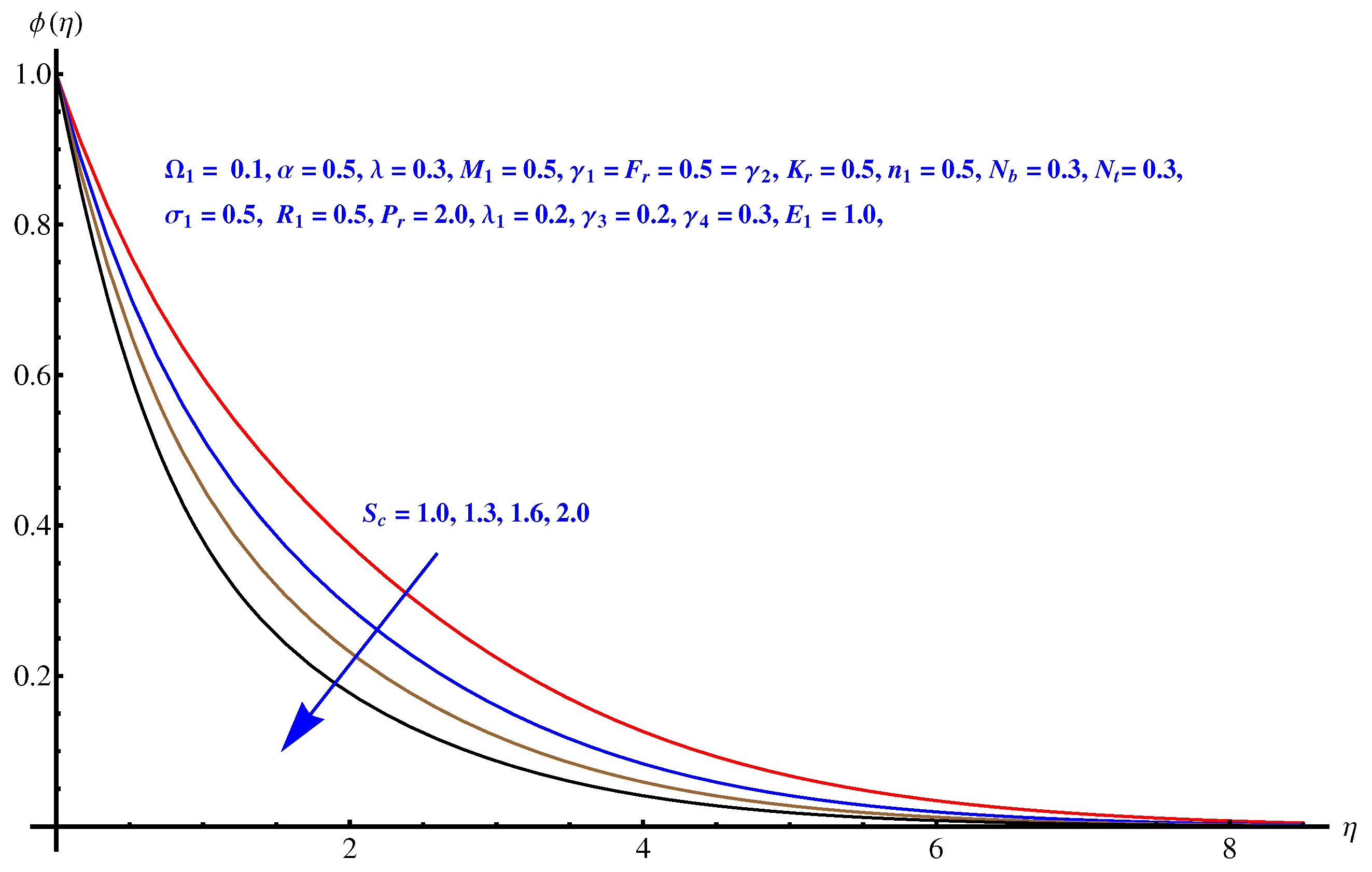
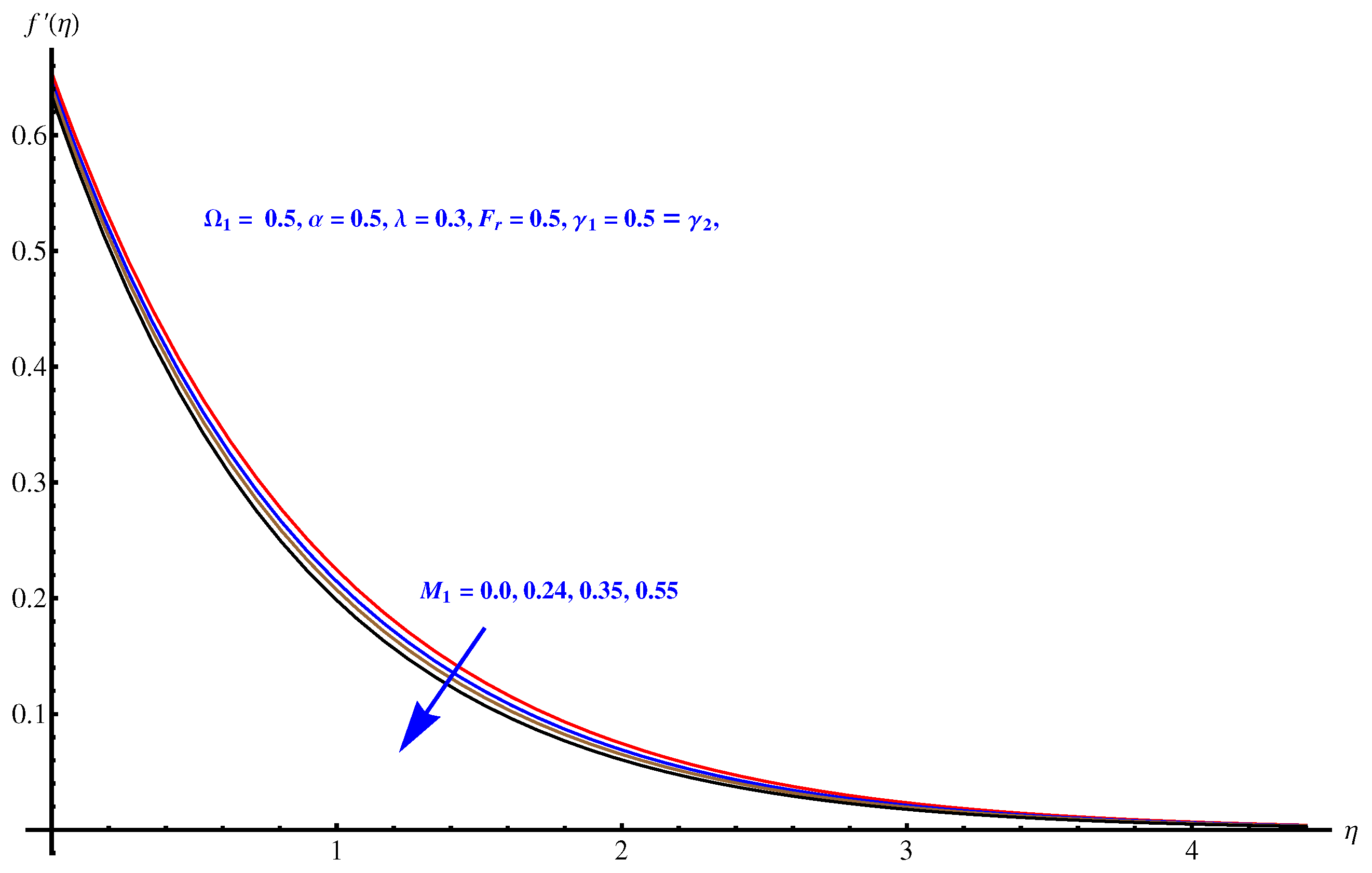
This article is concerned with the nanofluid flow in a rotating frame under the simultaneous effects of thermal slip and convective boundary conditions. Arrhenius activation energy is another important aspect of the present study. Flow phenomena solely rely on the Darcy–Forchheimer-type porous medium in three-dimensional space to tackle the symmetric behavior of viscous terms. The stretching sheet is assumed to drive the fluid. Buongiorno’s model is adopted to see the features of Brownian diffusion and thermophoresis on the basis of symmetry fundamentals. Governing equations are modeled and transformed into ordinary differential equations by suitable transformations. Solutions are obtained through the numerical RK45-scheme, reporting the important findings graphically. The outputs indicate that larger values of stretching reduce the fluid velocity. Both the axial and transverse velocity fields undergo much decline due to strong retardation produced by the Forchheimer number. The thermal radiation parameter greatly raises the thermal state of the field. The temperature field rises for a stronger reaction within the fluid flow, however reducing for an intensive quantity of activation energy. A declination in the concentration profile is noticed for stronger thermophoresis. The Forchheimer number and porosity factors result in the enhancement of the skin friction, while both slip parameters result in a decline of skin friction. The thermal slip factor results in decreasing both the heat and mass flux rates. The study is important in various industrial applications of nanofluids including the electro-chemical industry, the polymer industry, geophysical setups, geothermal setups, catalytic reactors, and many others.
Keywords: three-dimensional frame; velocity and thermal slip condition; rotating frame; convective boundary conditions; Darcy–Forchheimer model three-dimensional frame; velocity and thermal slip condition; rotating frame; convective boundary conditions; Darcy–Forchheimer model