Article

The Impact of Nanoparticles Due to Applied Magnetic Dipole in Micropolar Fluid Flow Using the Finite Element Method


1
School of Energy and Power, Xi’an Jiaotong University, No. 28, Xianning West Road, Xi’an 710049, China
2
Department of Applied Mathematics, Northwestern Polytechnical University, Dongxiang Road, Beilin District, Xi’an 710129, China
3
School of Management, Xi’an Jiaotong University, No. 28, Xianning West Road, Xi’an 710049, China
4
School of Mathematics, Northwest University, No. 229 North Taibai Avenue, Xi’an 7100069, China
5
Department of Electrical Engineering, School of Automation, Northwestern Polytechnical University, Xi’an 710072, China
*
Author to whom correspondence should be addressed.
Symmetry 2020, 12(4), 520; https://doi.org/10.3390/sym12040520
Submission received: 10 February 2020 / Revised: 7 March 2020 / Accepted: 12 March 2020 / Published: 2 April 2020

Abstract

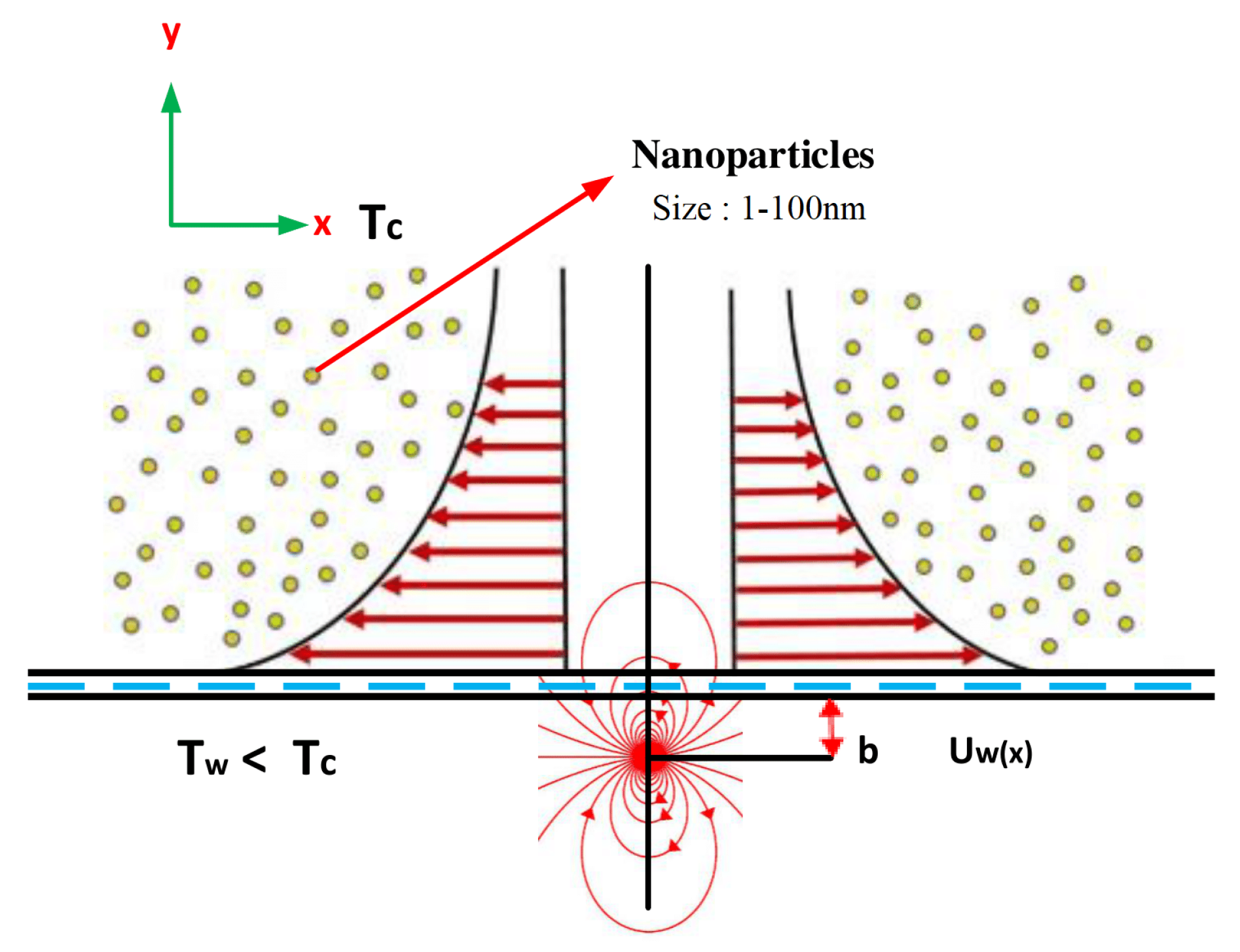
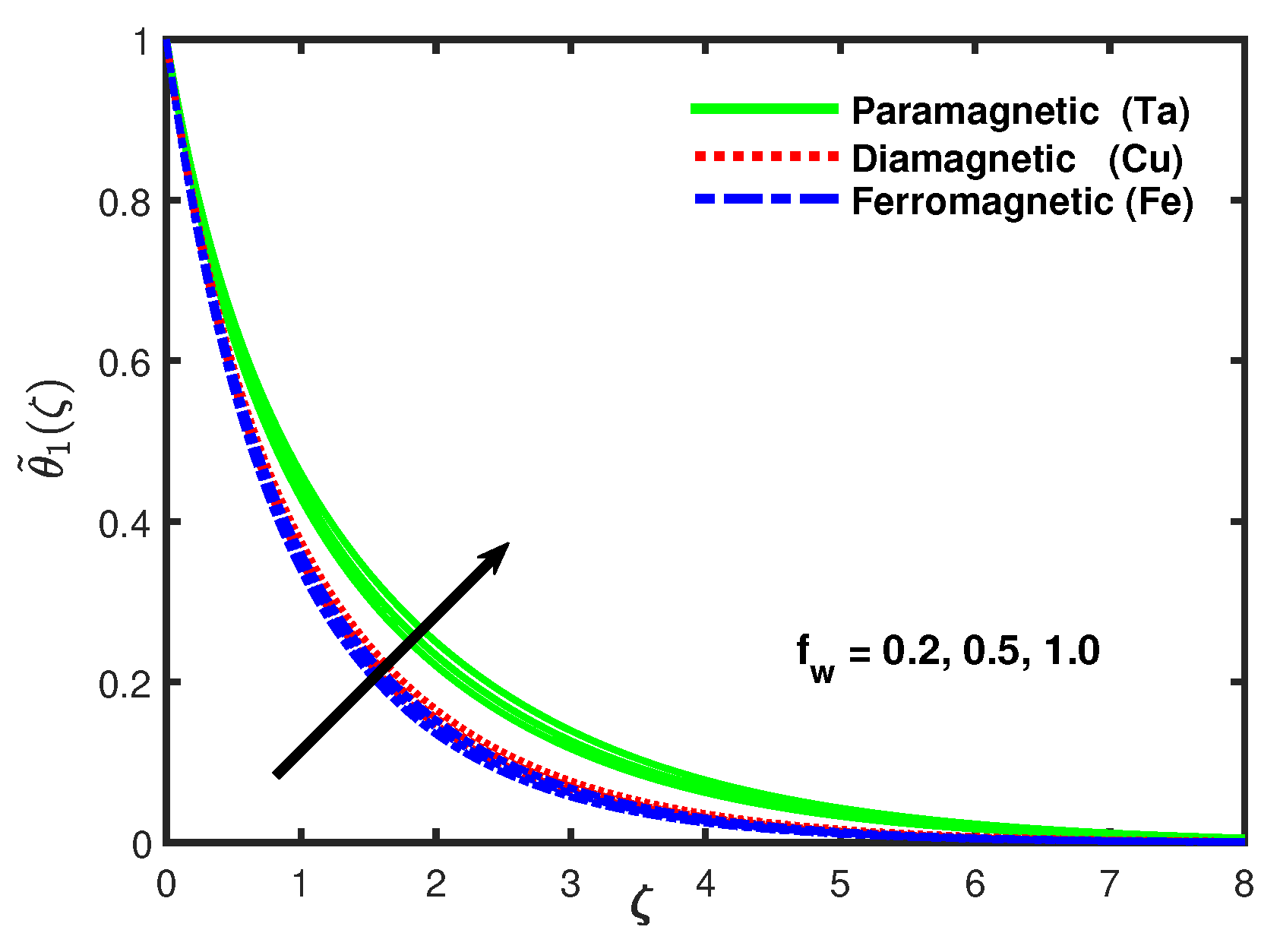
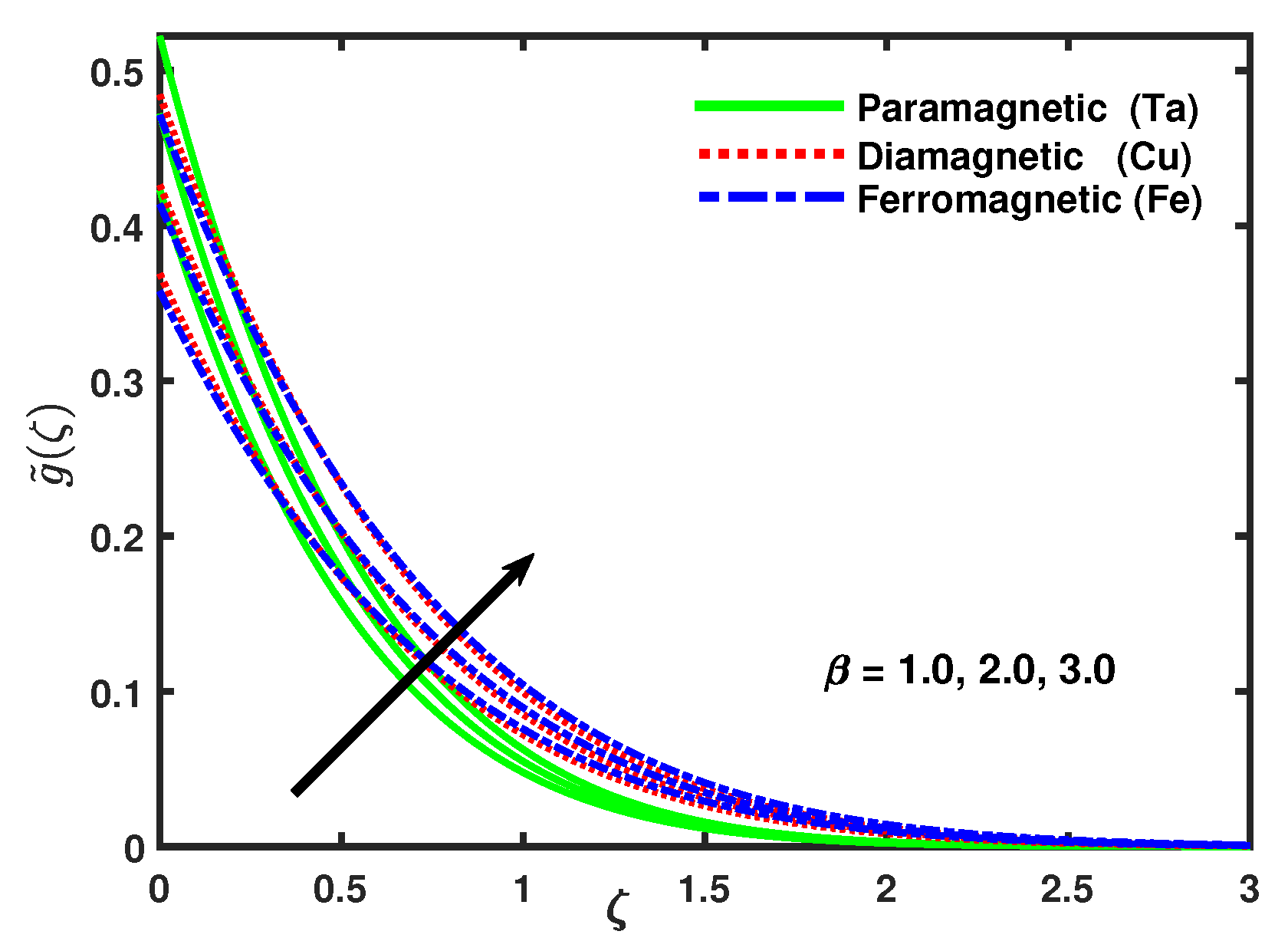
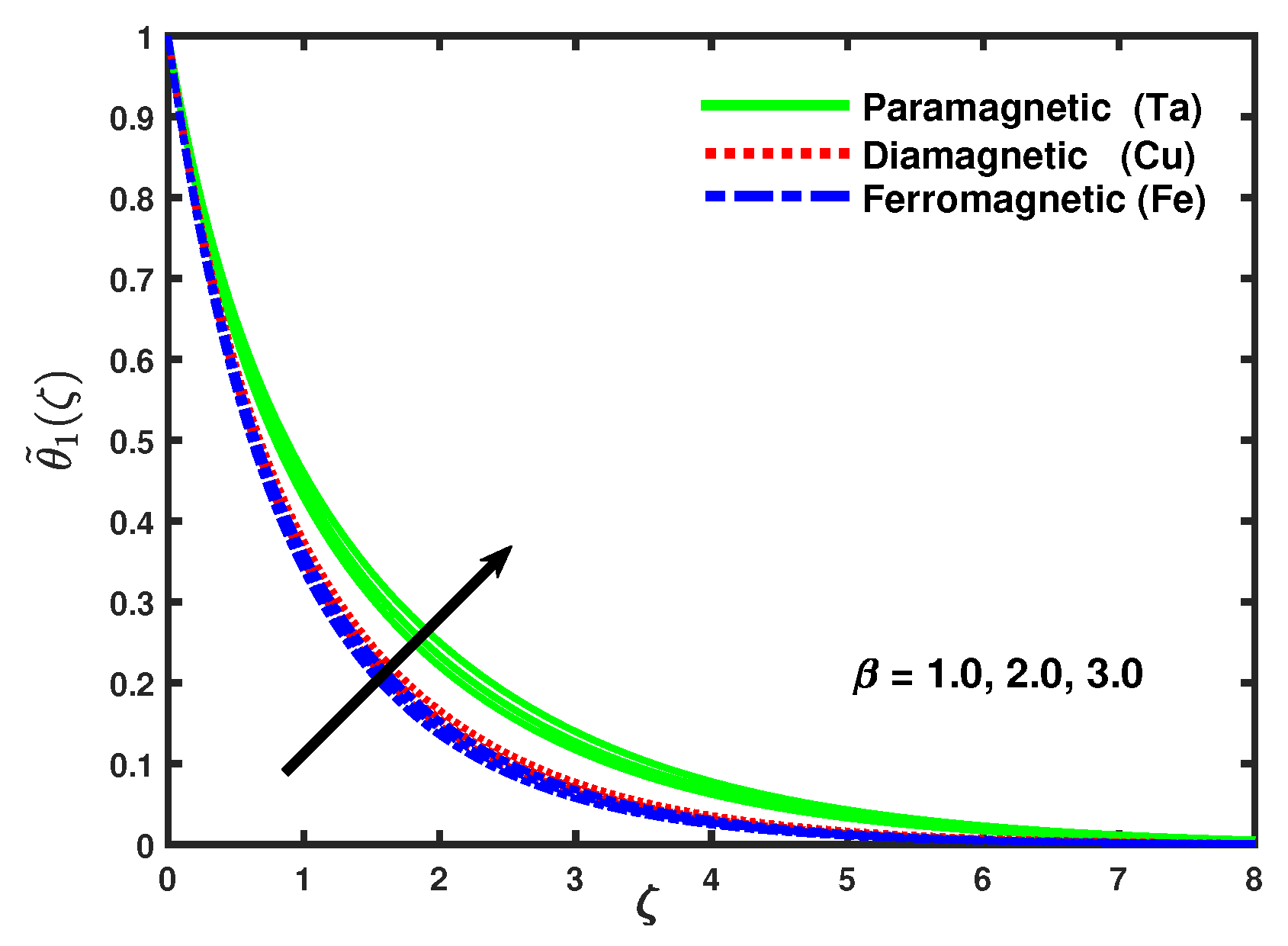
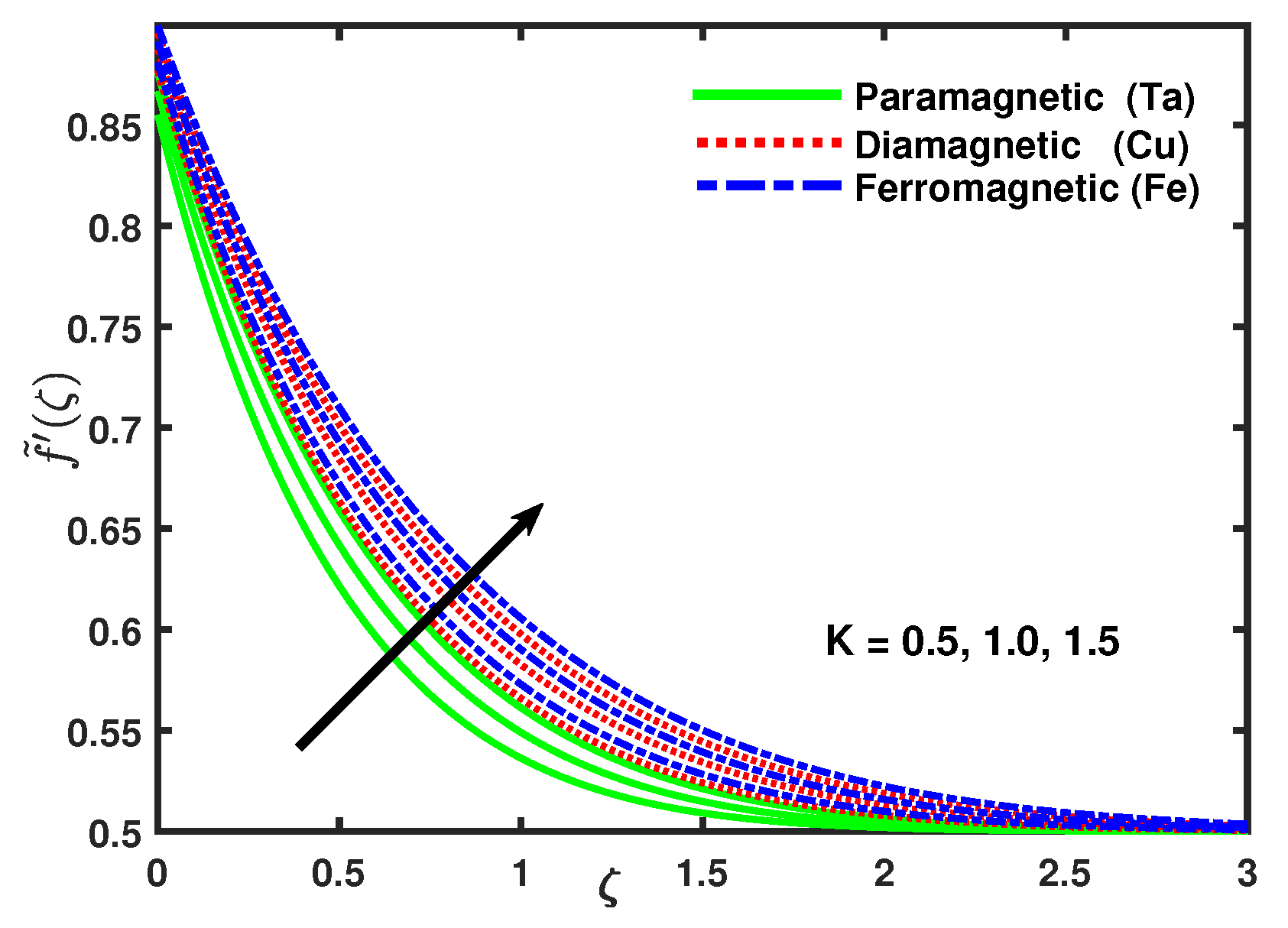
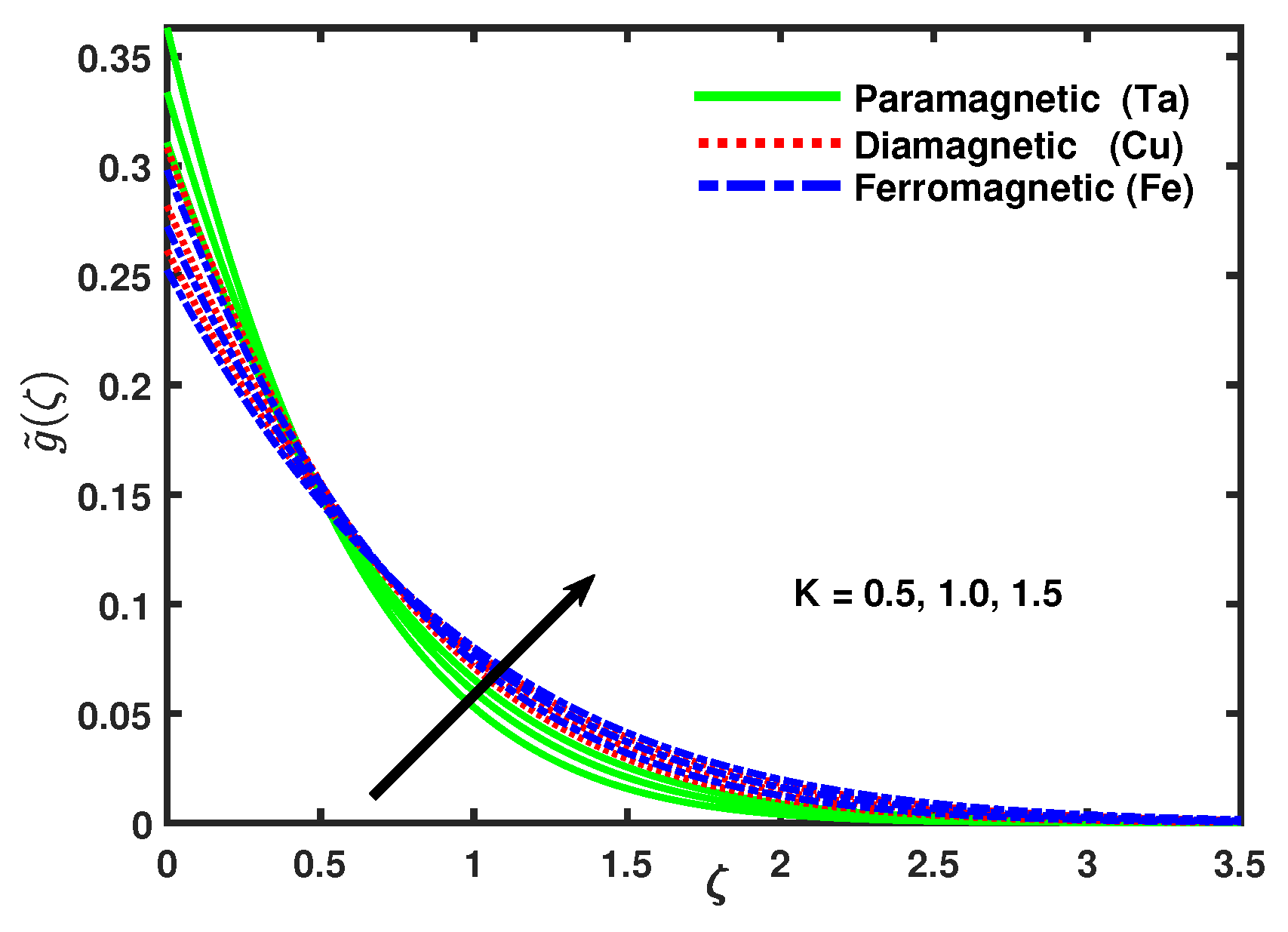
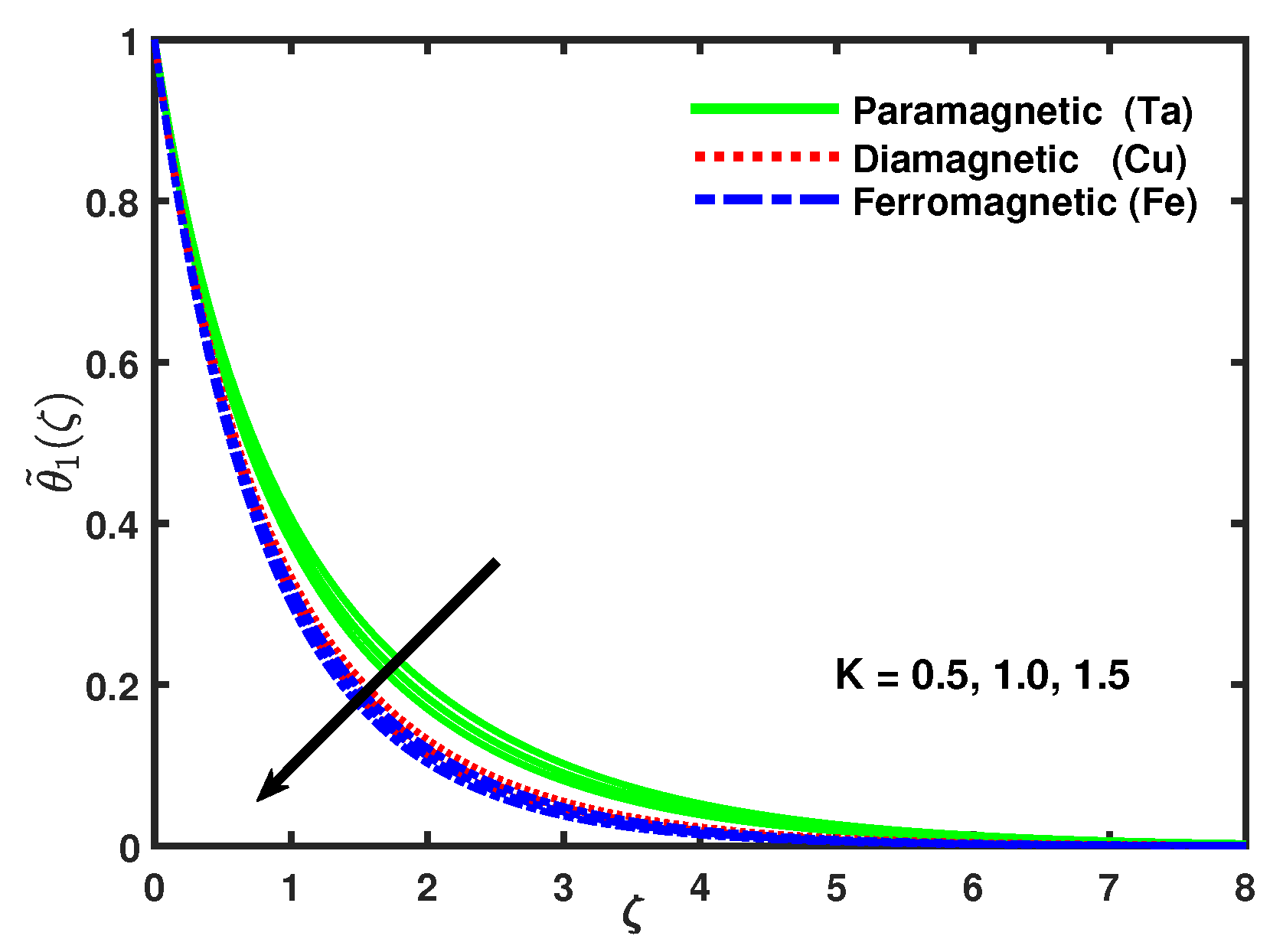
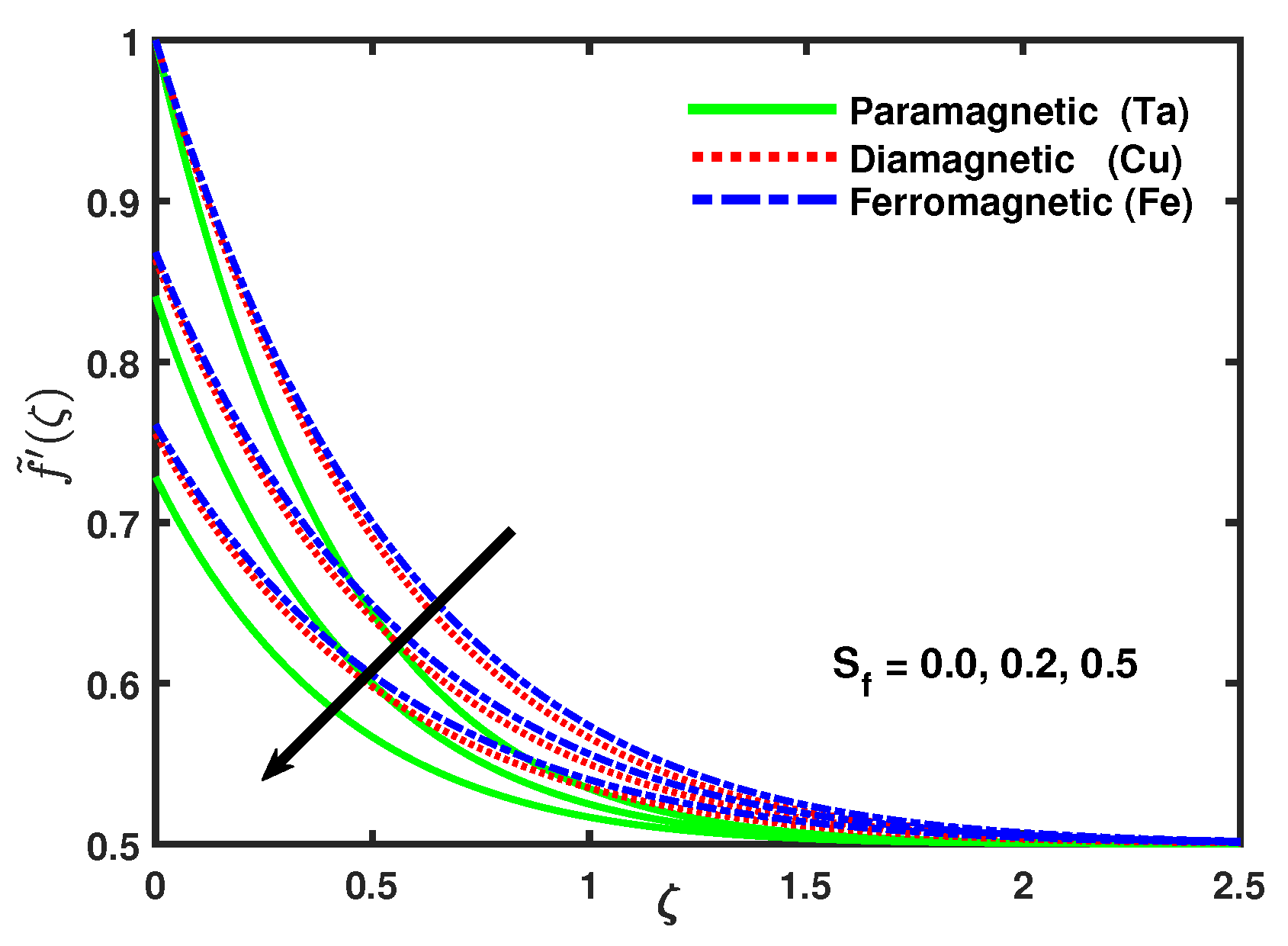
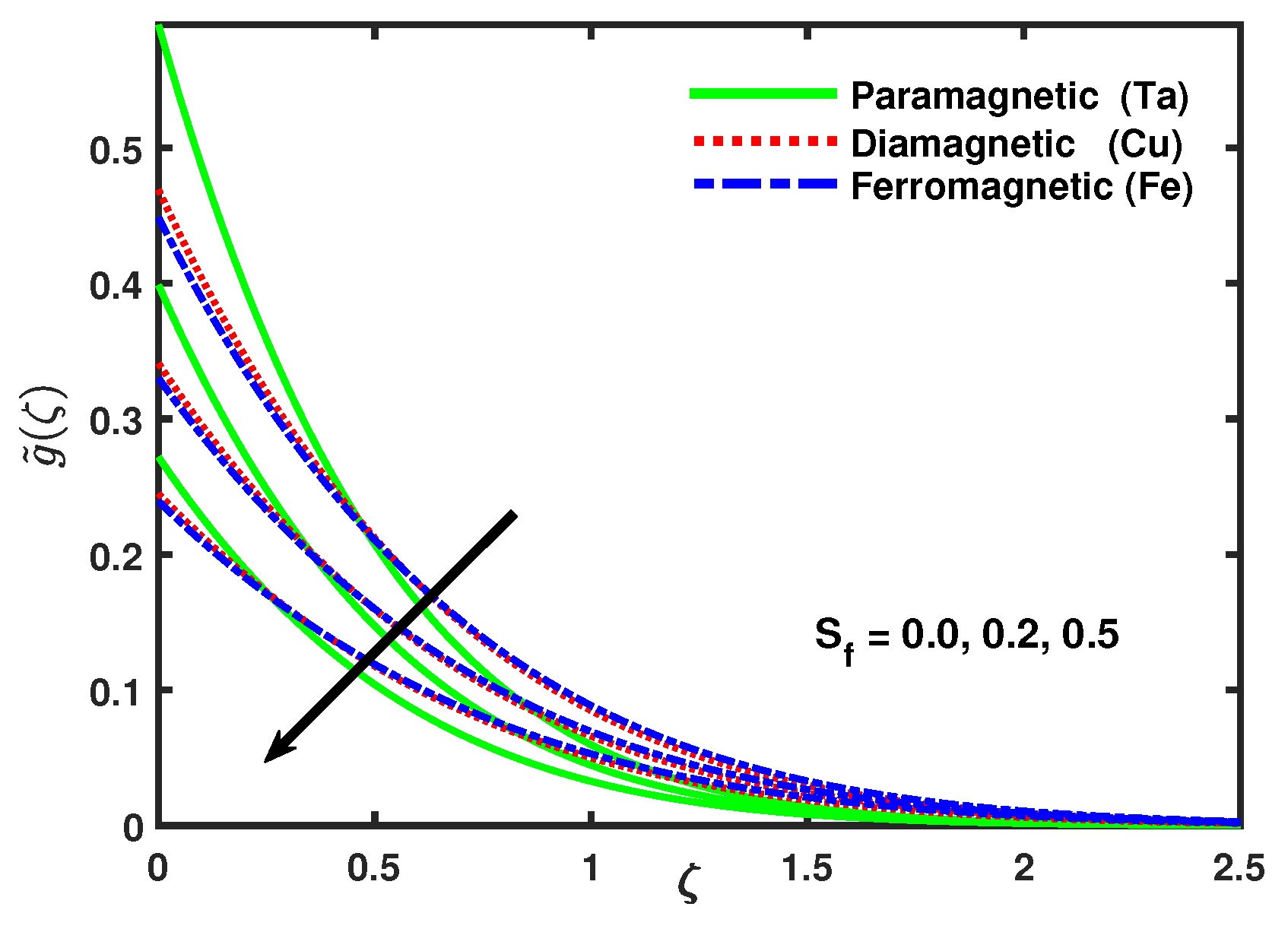
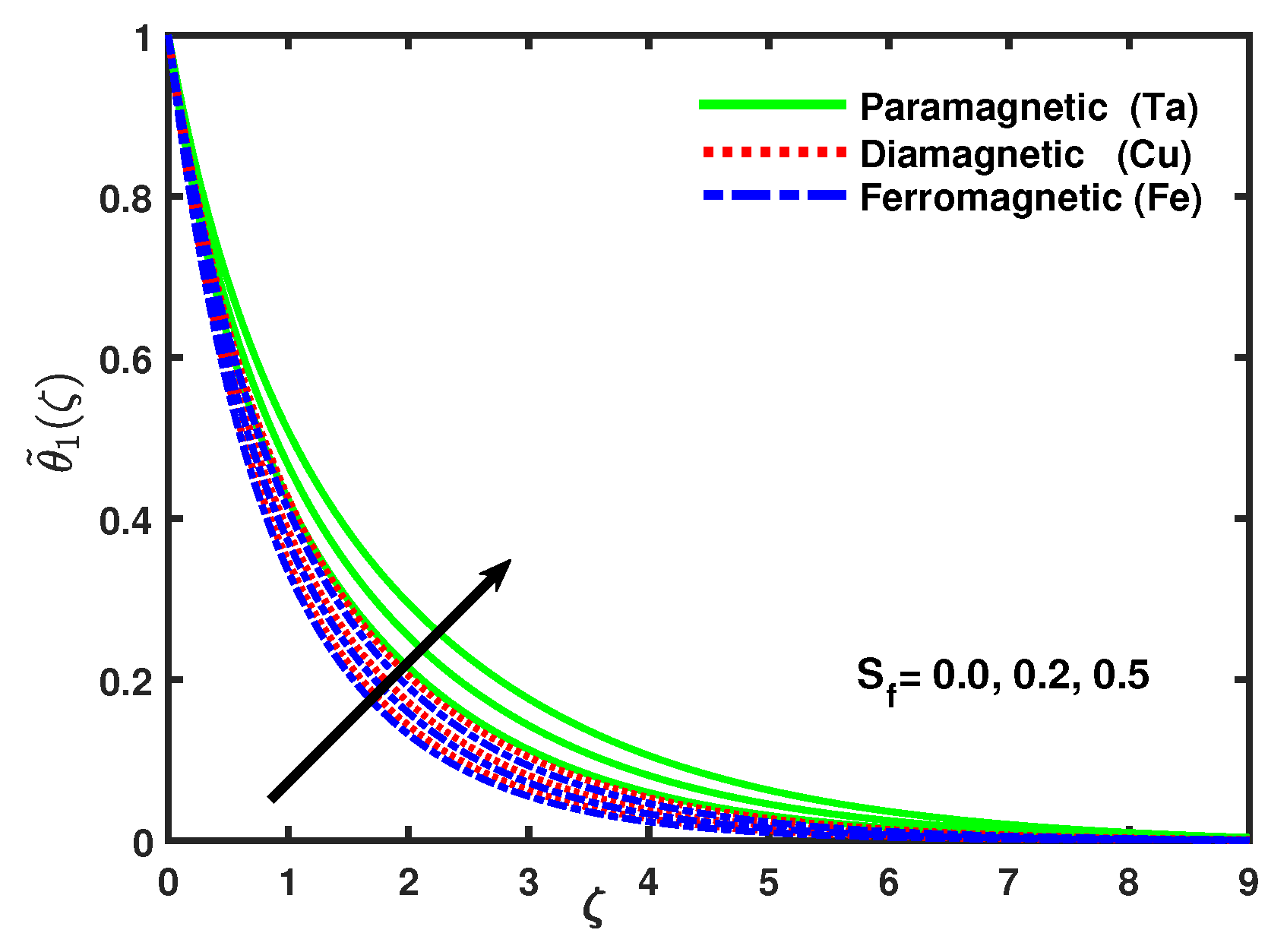
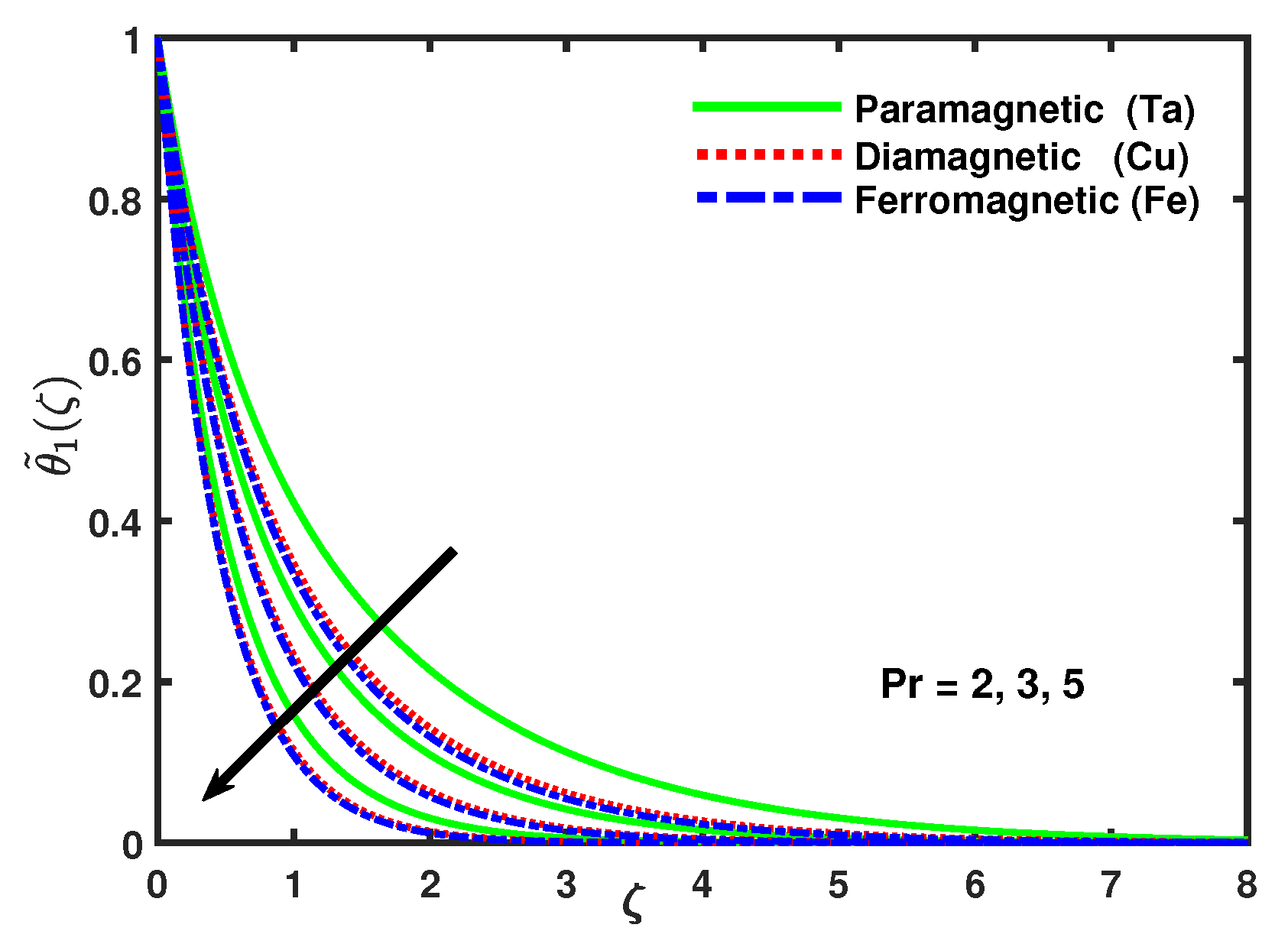
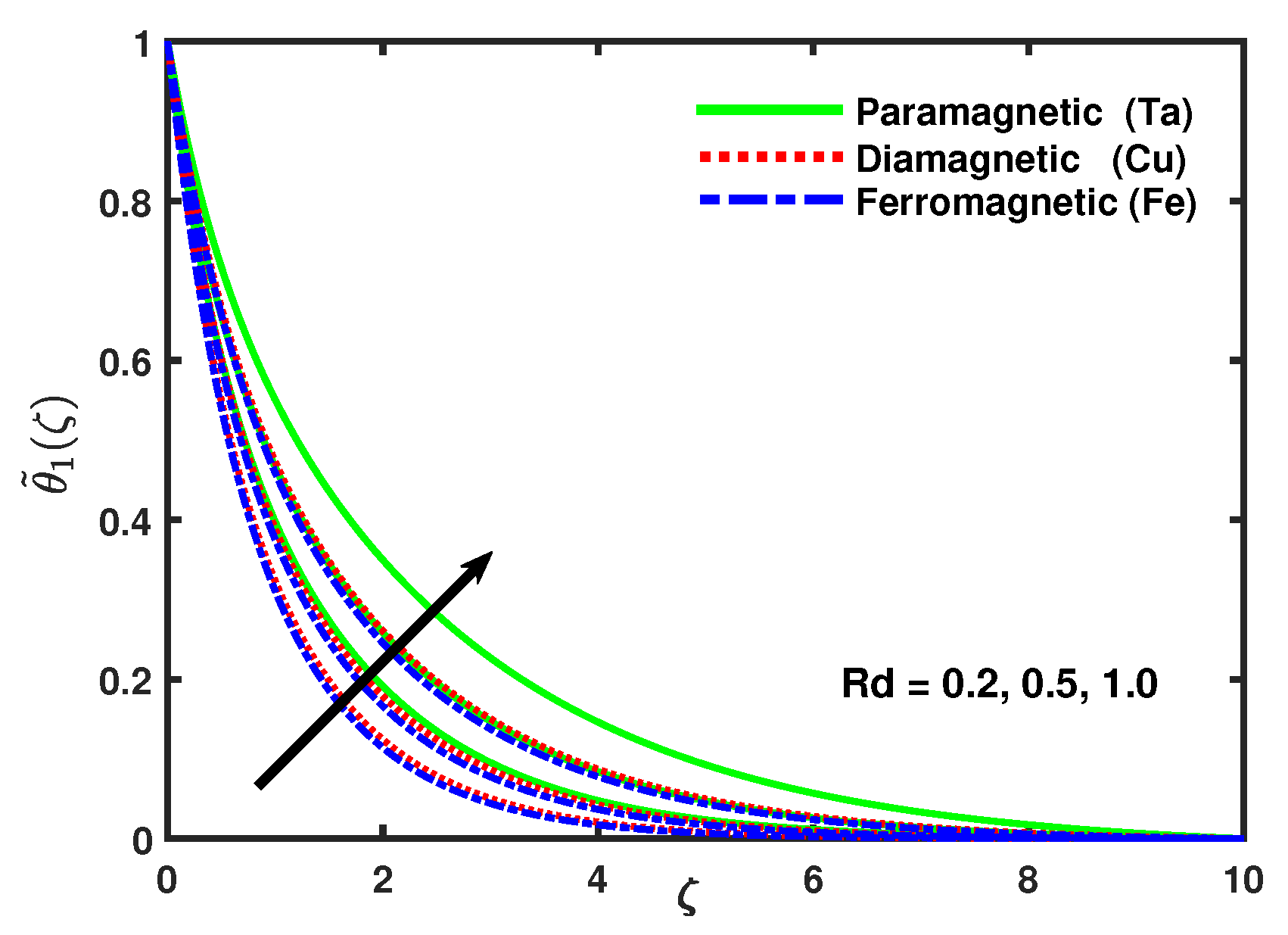
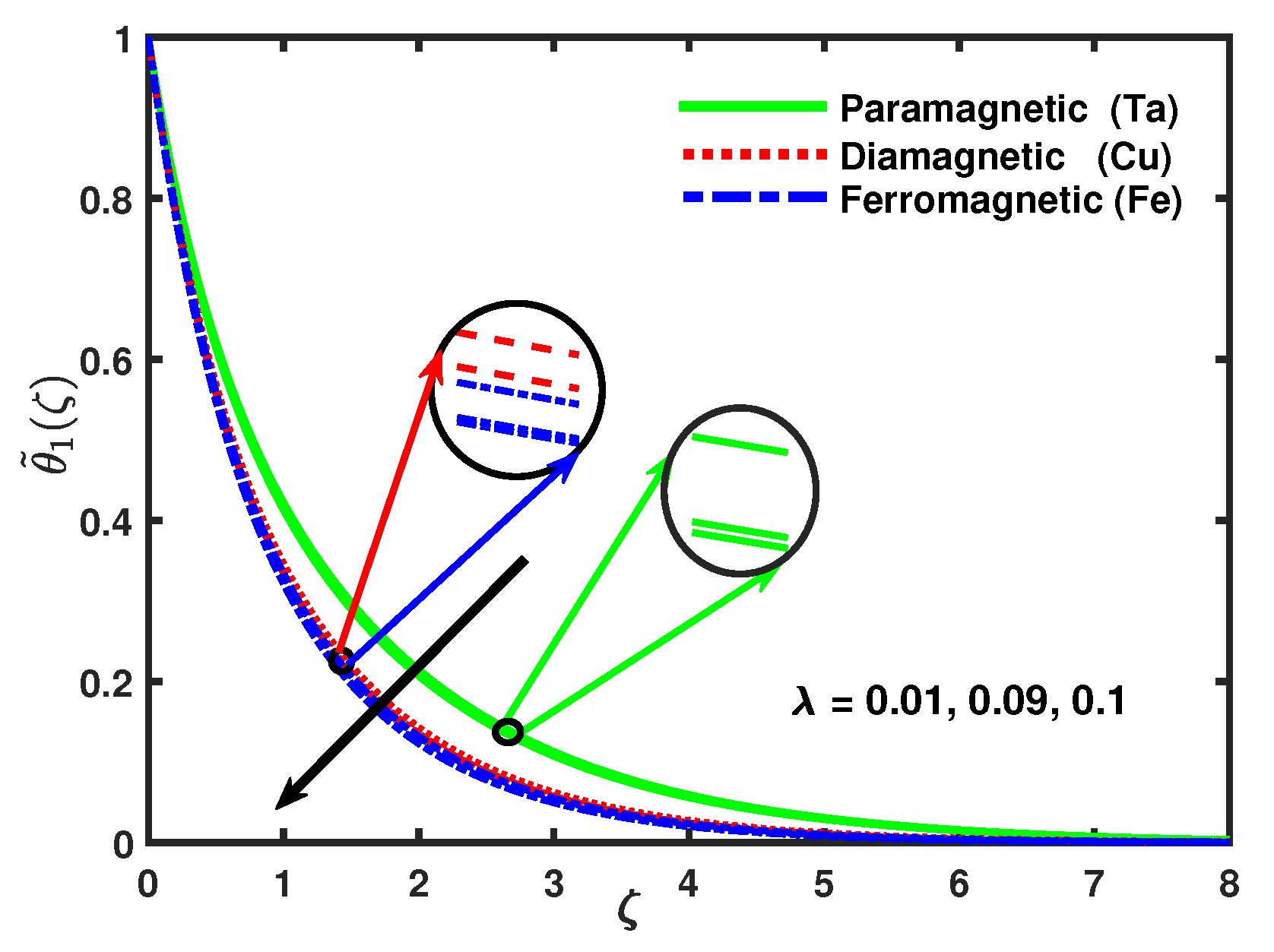
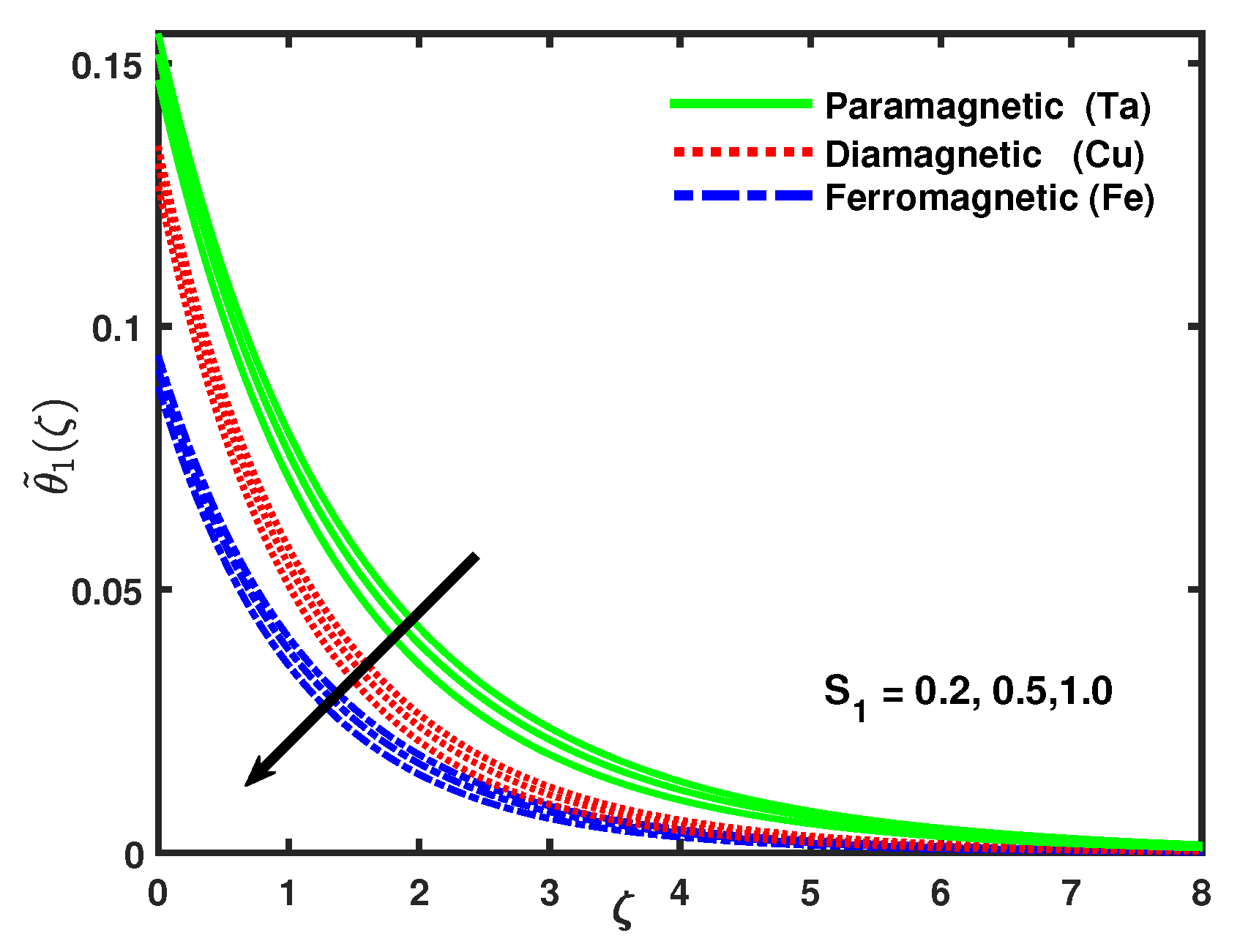
The present work examines the effect of different magnetic nanoparticles and the heat transfer phenomena over the stretching sheet with thermal stratification and slips effect. The mixture of water (H 2 O) and ethylene glycol (C 2 H 6 O 2 ) is used as base fluid whereas the paramagnetic, diamagnetic, and ferromagnetic ferrites are taken as nanoparticles. In the presence of ferrite nanoparticles, the magnetic dipole has a significant effect in controlling the rate of heat transfer and the thermal boundary layers. By using suitable similarity transformations, the system of partial differential equations is transformed into nonlinear ordinary differential equations. The numerical solution of resulting equations is found out by using the variational finite element method. The effect of numerous emerging parameters on velocity, temperature, and micro-rotation velocity are represented graphically and analyzed numerically. It has been noticed that comparatively the diamagnetic ferrites have gained maximum thermal conductivity relative to the other nanoparticles. It was also observed that the thermal conduction of nanoparticles increases with the variation of volume fraction. Moreover, with increasing values of thermal stratification the thermal boundary layer thickness decreases and the heat transfer rate increases at the surface. Furthermore, the validation of code and the accuracy of the numerical technique has been confirmed by the assessment of current results with earlier studies.
Keywords: ferromagnetic; magnetic dipole; FEM; slip effect; diamagnetic; paramagnetic ferromagnetic; magnetic dipole; FEM; slip effect; diamagnetic; paramagnetic