Article

Spatiotemporal Evolution of Entrepreneurial Activities and Its Driving Factors in the Yangtze River Delta, China

1
Institute of Geographic Sciences & Natural Resources Research, Chinese Academy of Sciences, Beijing 100101, China
2
Key Laboratory of Regional Sustainable Development Modeling, Chinese Academy of Sciences, Beijing 100101, China
3
College of Resource and Environment, University of Chinese Academy of Sciences, Beijing 100049, China
*
Author to whom correspondence should be addressed.
Land 2022, 11(2), 216; https://doi.org/10.3390/land11020216
Submission received: 2 January 2022 / Revised: 27 January 2022 / Accepted: 28 January 2022 / Published: 30 January 2022
(This article belongs to the Special Issue Regional Sustainable Development of Yangtze River Delta, China)

Abstract

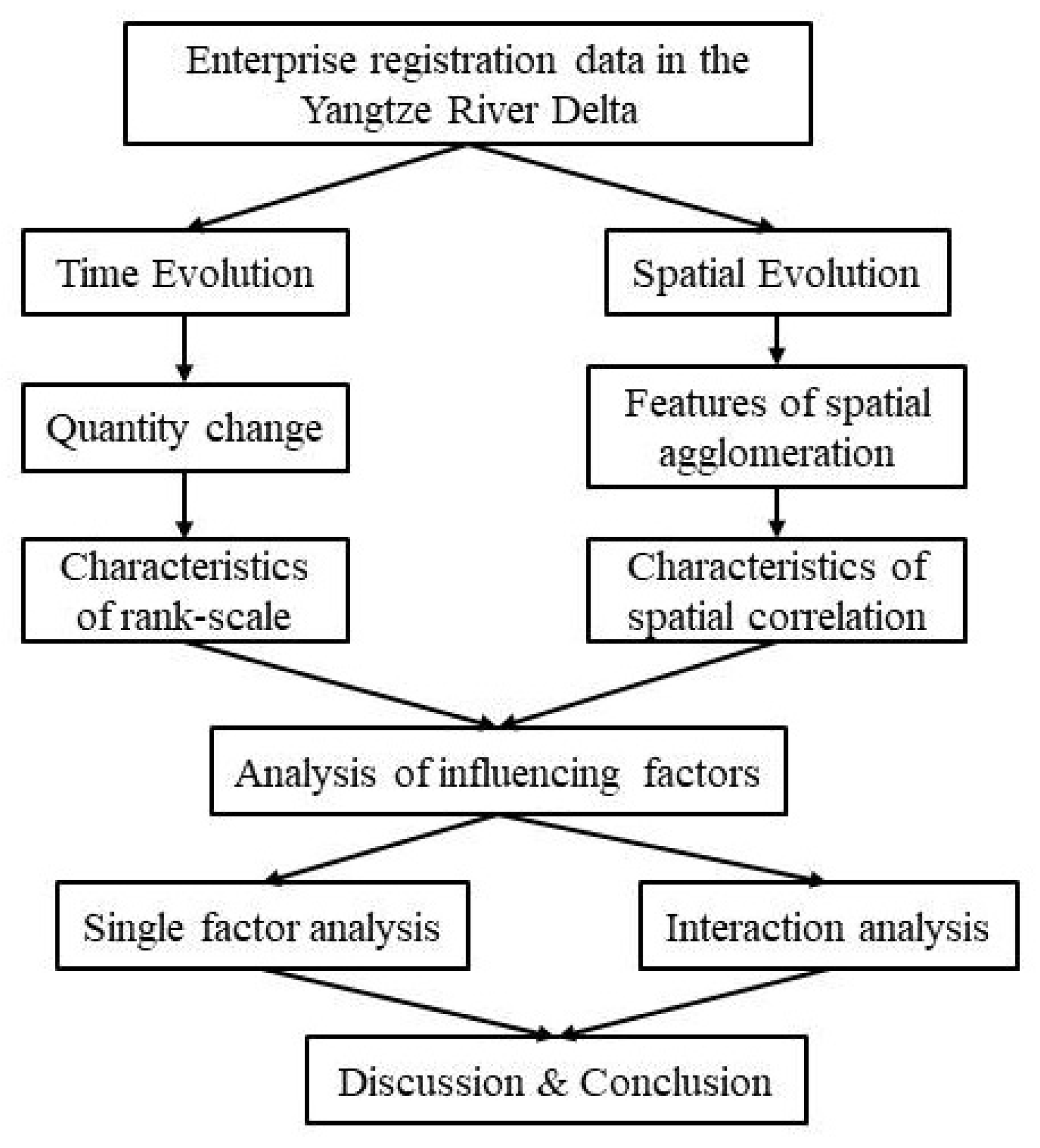
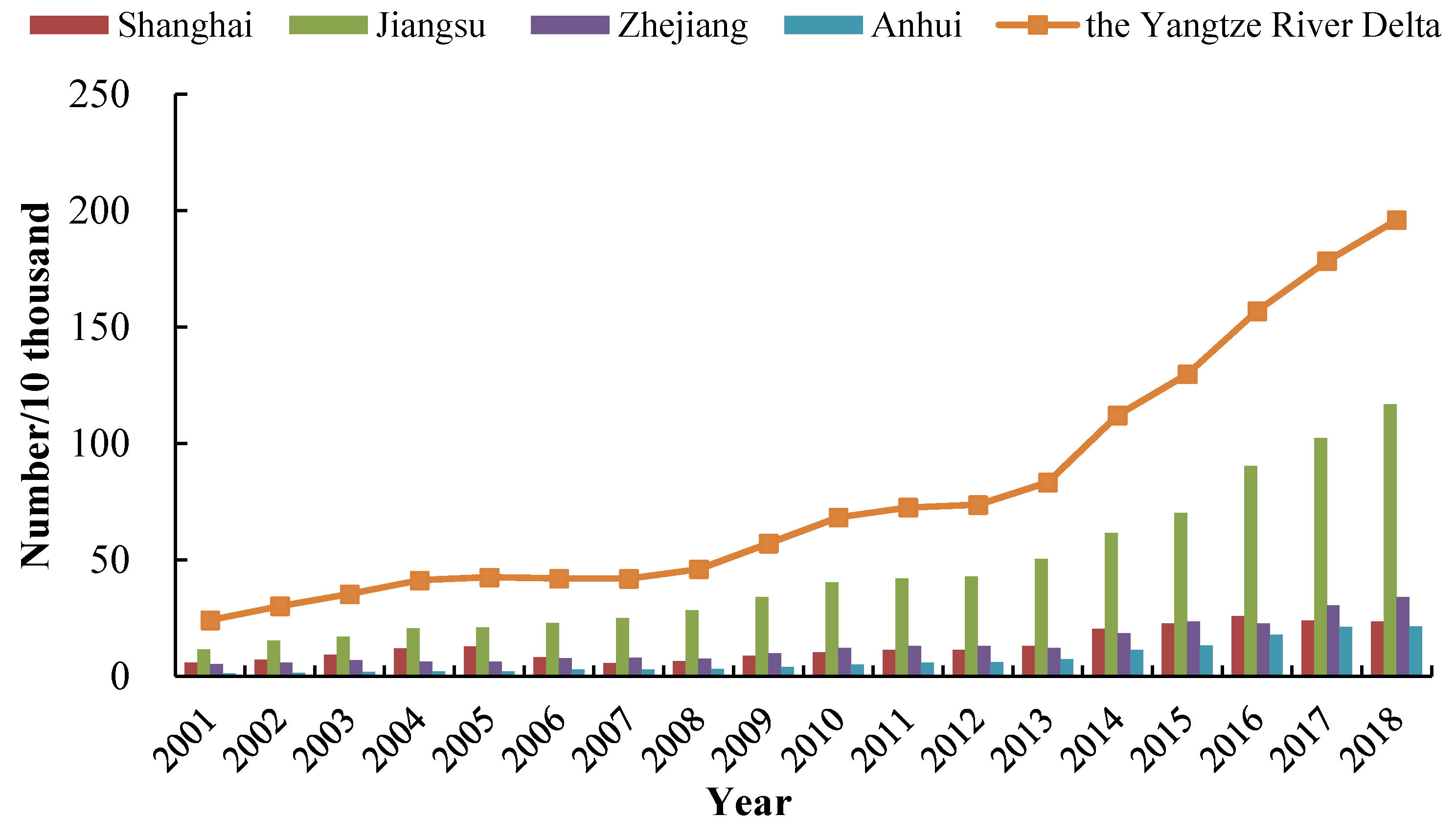
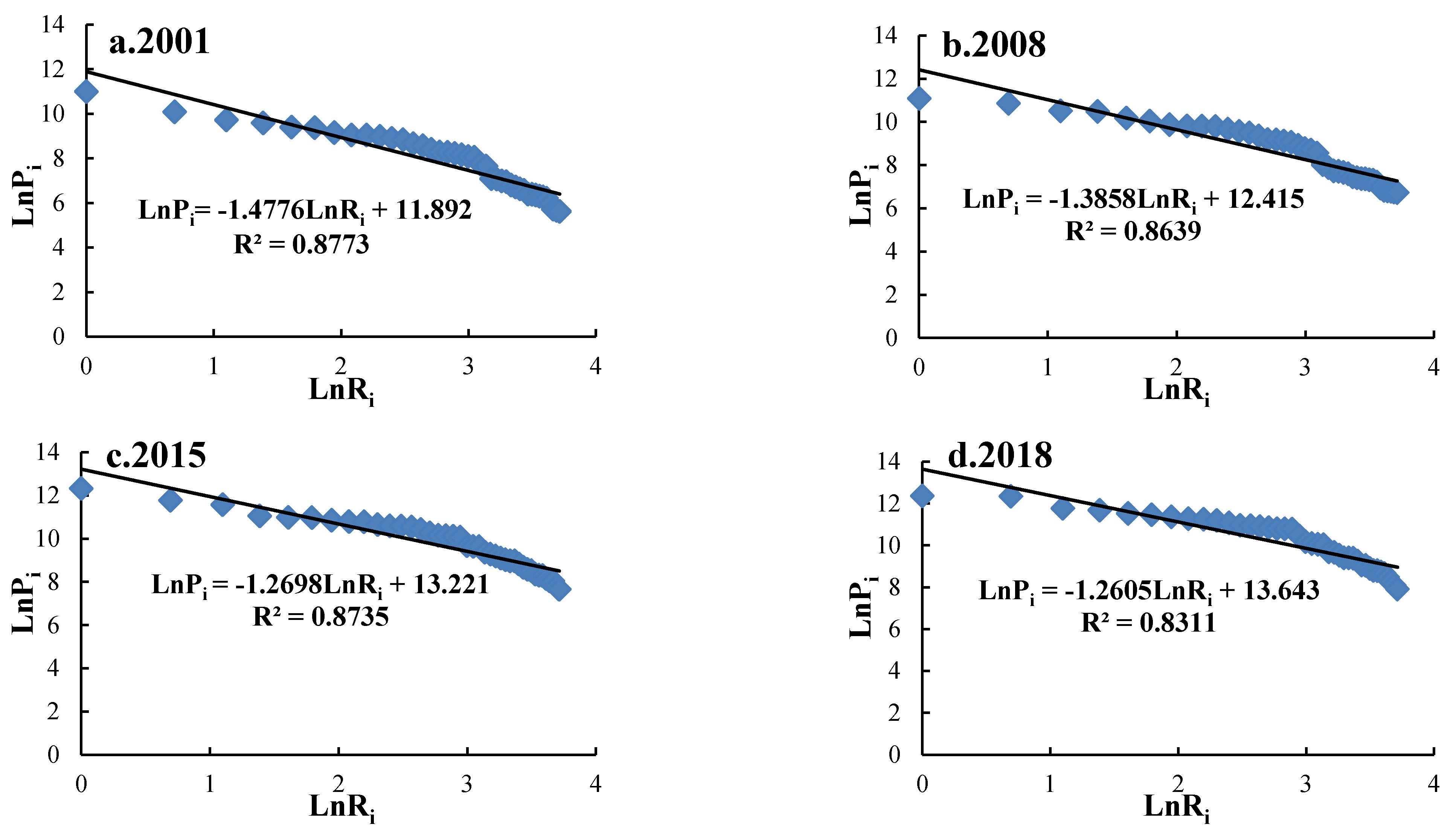
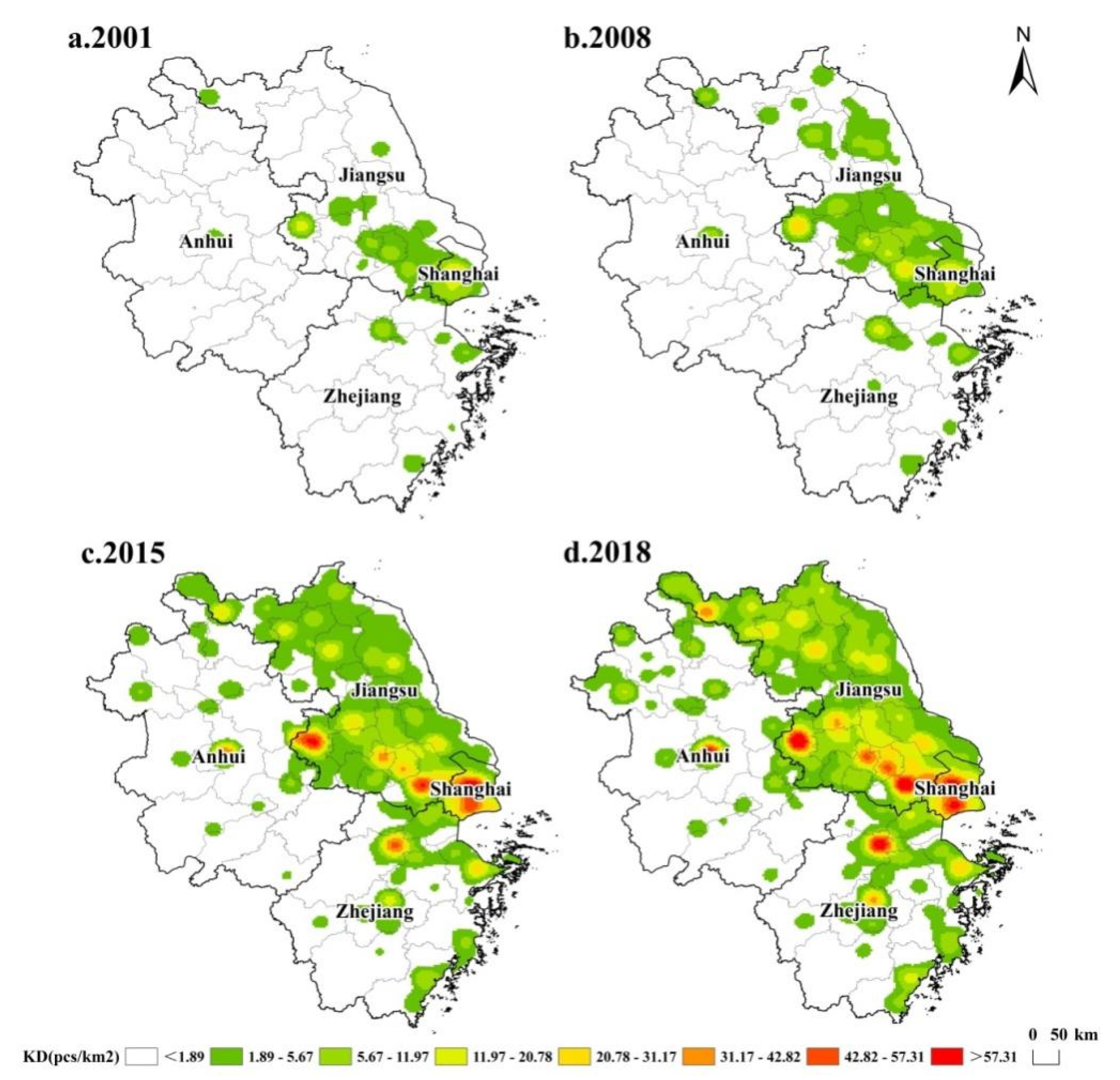
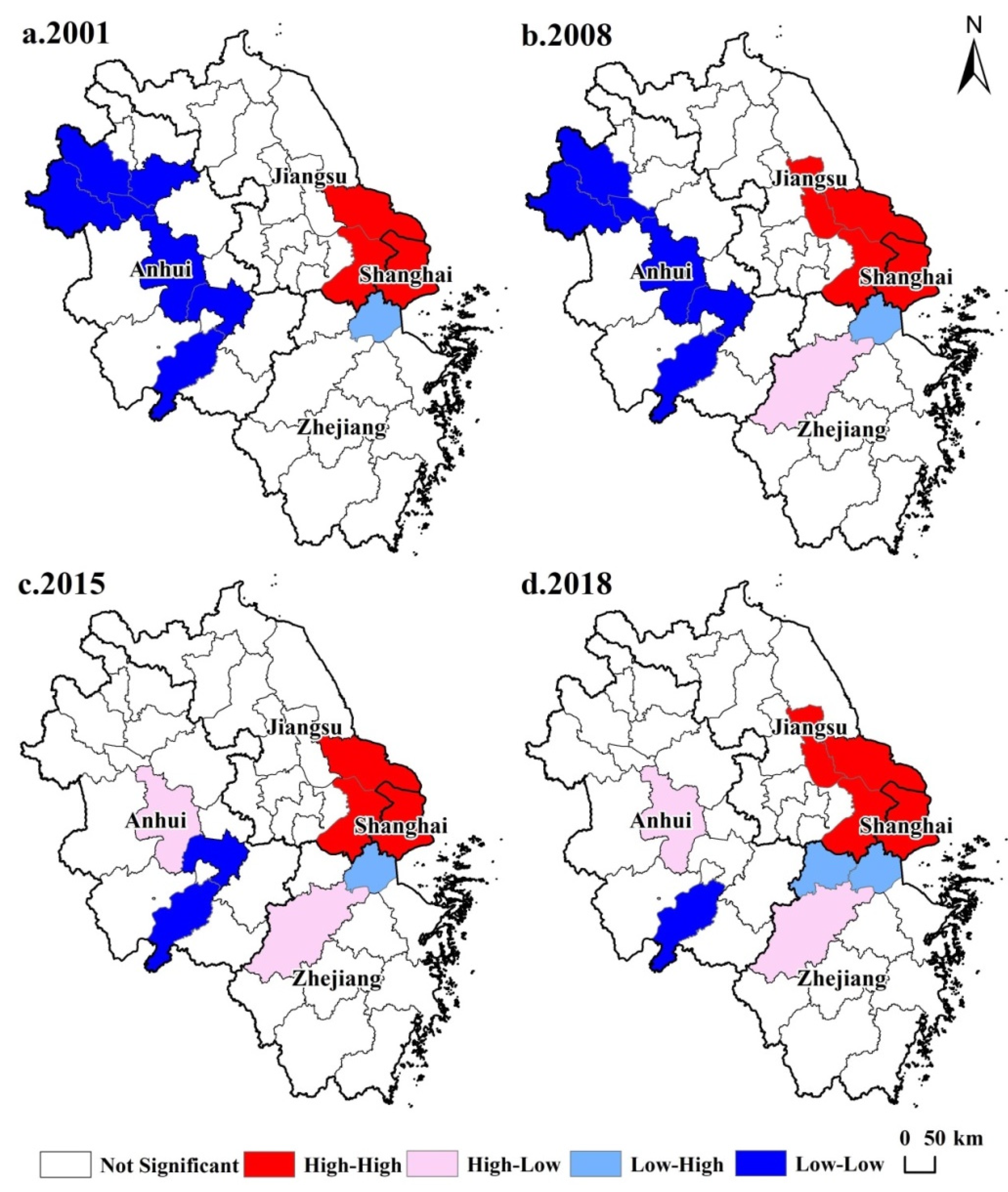
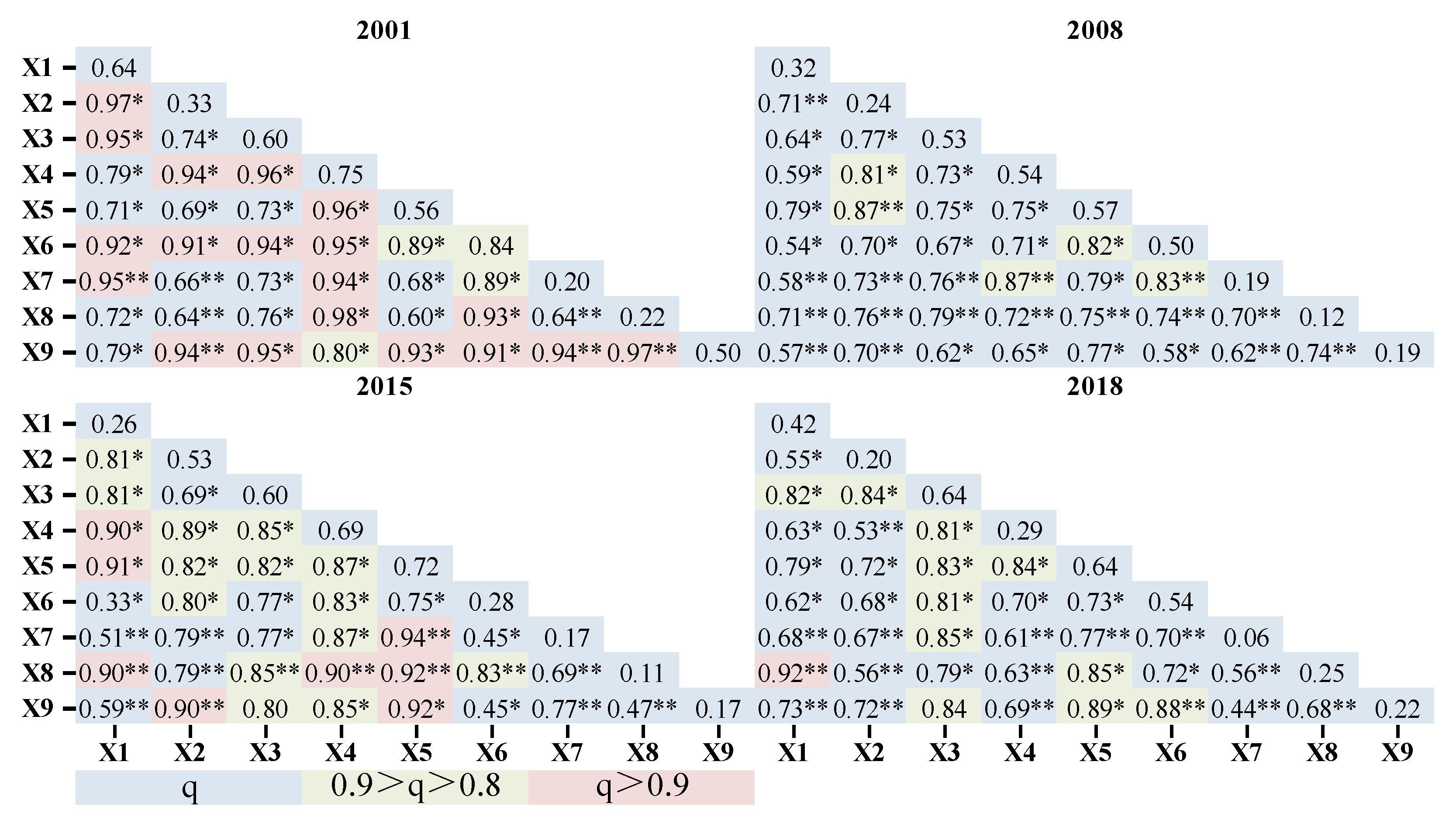
The purpose of this paper is to reveal the spatiotemporal evolution of entrepreneurial activities in the local municipalities of the Yangtze River Delta at long timescales from a geographic perspective and to reveal the underlying factors driving such evolution. The ontology of entrepreneurial activities—startups—was chosen as the object of this study, and the developmental characteristics of entrepreneurial activities in the region since 2001 were explored in two dimensions: time series changes and spatial evolution. The driving mechanism was further explored using the geographical detector. The results showed that: (1) Intensive entrepreneurial activities have been underway in the Yangtze River Delta since the beginning of the 21st century. The entrepreneurial process has undergone a stable period of slow growth (2001–2013), as well as one of rapid growth (2014–2018). The number of startups increased during this period, from 241,700 in 2001 to 1,959,600 in 2018. (2) The density of entrepreneurial activities in the Yangtze River Delta has increased since 2001. The agglomerative patterns showed developmental trends of both concentration and diffusion, forming a dotted pattern of agglomeration centered on the provincial capitals of Nanjing, Hangzhou, and Hefei and a belt of agglomeration centered on Shanghai-Suzhou-Wuxi-Changzhou. (3) High-value agglomeration of entrepreneurial activities was found to be relatively stable, and low-value agglomeration steadily weakened. Shanghai, Suzhou, and Nantong have long been part of H-H clusters, while Chizhou, Wuhu, Bozhou, Huaibei, and Huainan in Anhui have become areas of depressed entrepreneurial activities. (4) Financial strength, degree of informationization, economic foundation, innovative vitality, openness, and market demand are the main factors affecting entrepreneurial activities in the Yangtze River Delta. Entrepreneurial activities have significant spatial correlation, and areas with high entrepreneurial vitality radiate their effect to the entrepreneurial activities in the surrounding areas. The factors affecting entrepreneurial activities have multiple characteristics, and policy makers should promote entrepreneurial activities with a comprehensive vision and multi-channel efforts. The findings of this study add to the understanding of the spatial proximity characteristics of long time series of entrepreneurial activities at the municipal scale in developing countries and reveal the characteristics of the multi-factor combinations affecting them.
Keywords: entrepreneurial activity; startup; spatiotemporal variation; driving factor; Yangtze River Delta entrepreneurial activity; startup; spatiotemporal variation; driving factor; Yangtze River Delta