Article

How Do Spring Birdsong Soundscapes Vary Across Landscape Microhabitats on an Urban Campus? Spatiotemporal Patterns and Implications for Landscape Planning


School of Landscape Architecture and Forestry, Qingdao Agricultural University, Changcheng Road No. 700, Chengyang District, Qingdao 266000, China
*
Author to whom correspondence should be addressed.
Land 2026, 15(9), 1732; https://doi.org/10.3390/land15091732
Submission received: 17 August 2026 / Revised: 8 September 2026 / Accepted: 13 September 2026 / Published: 17 September 2026

Abstract

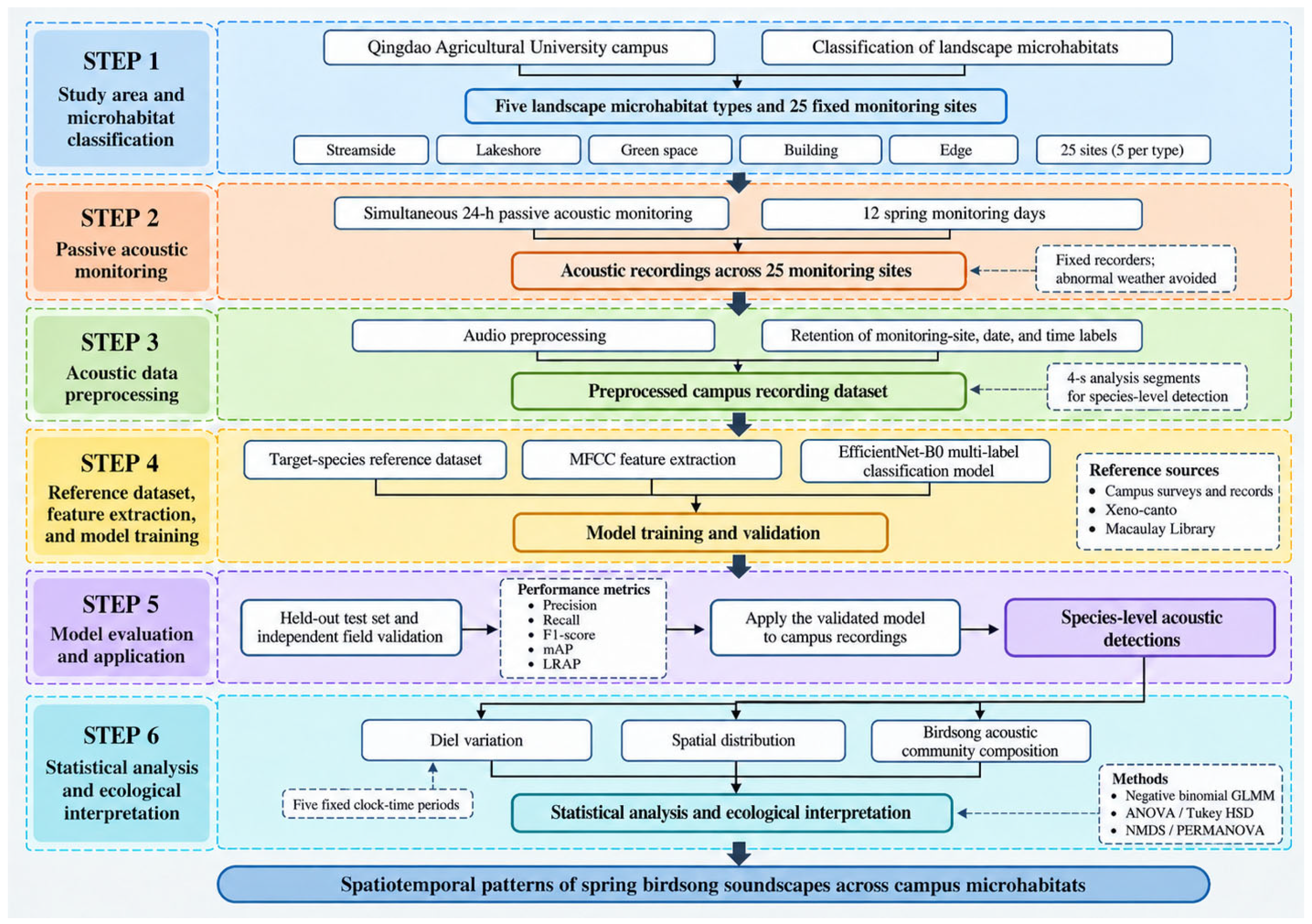
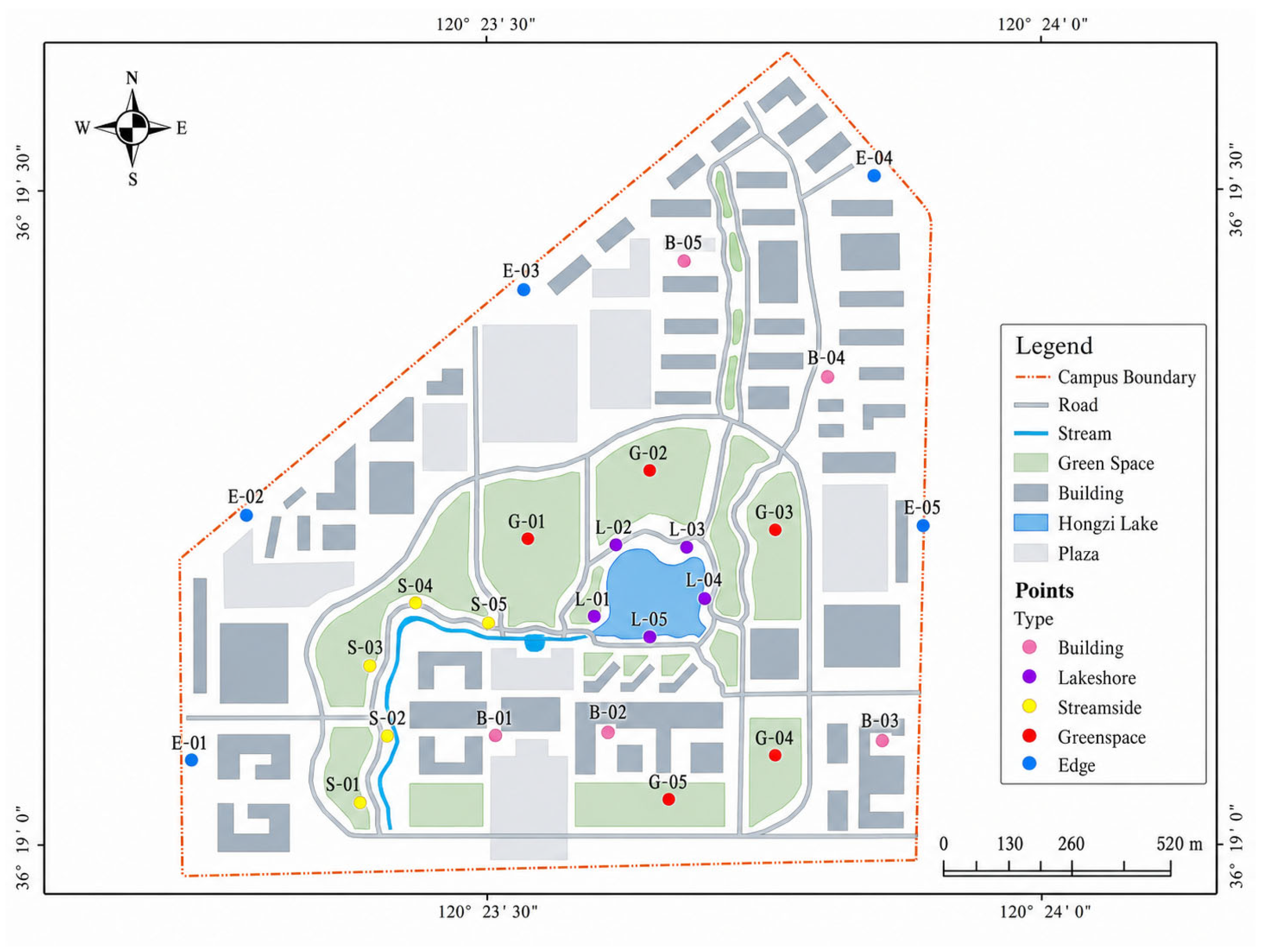
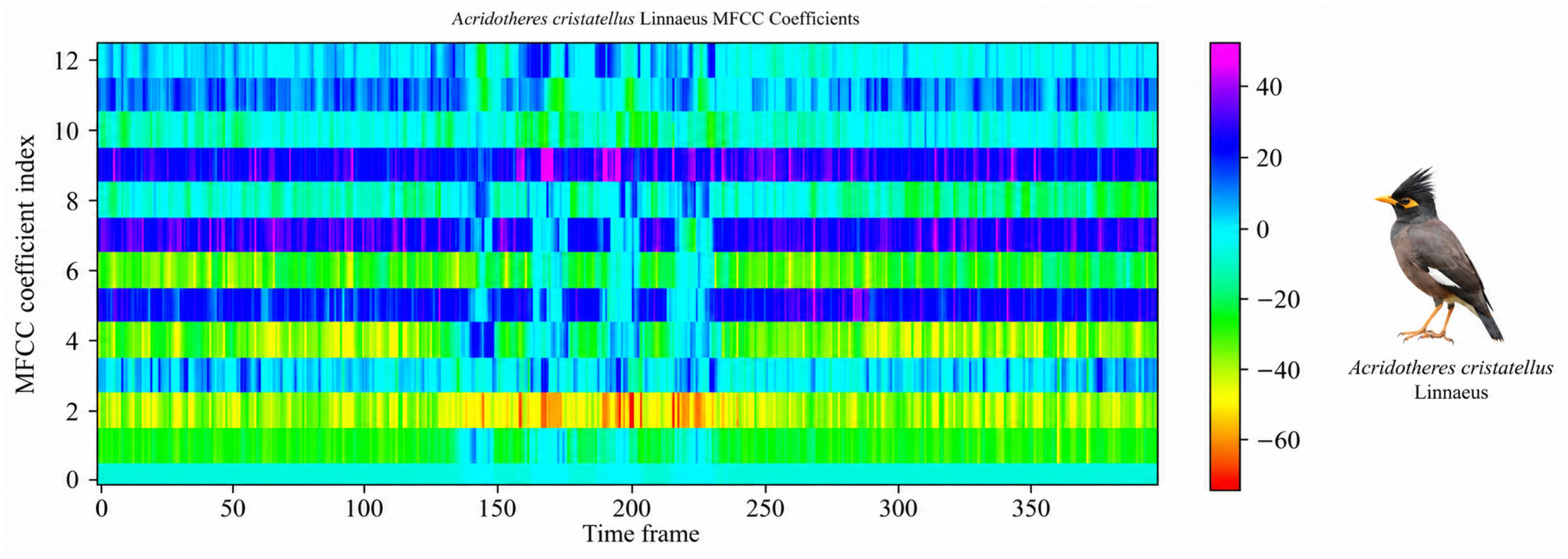
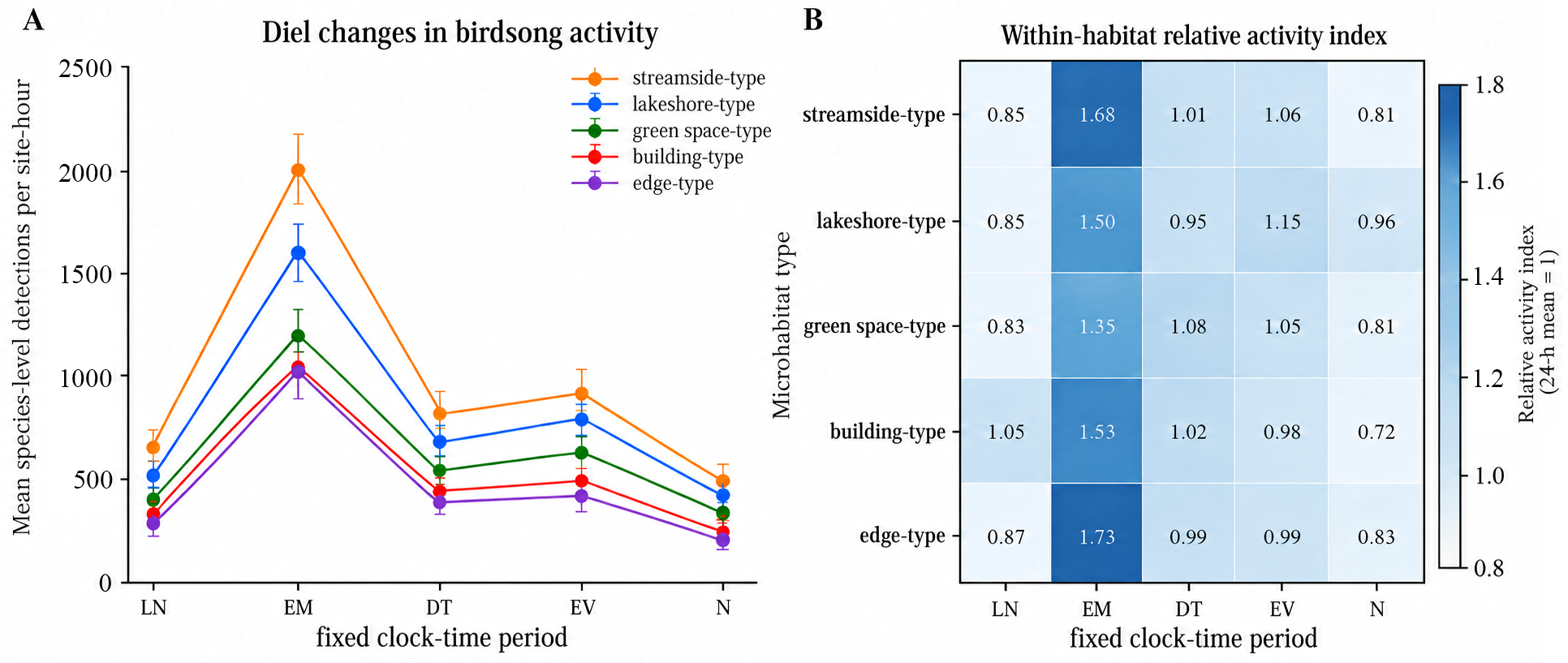
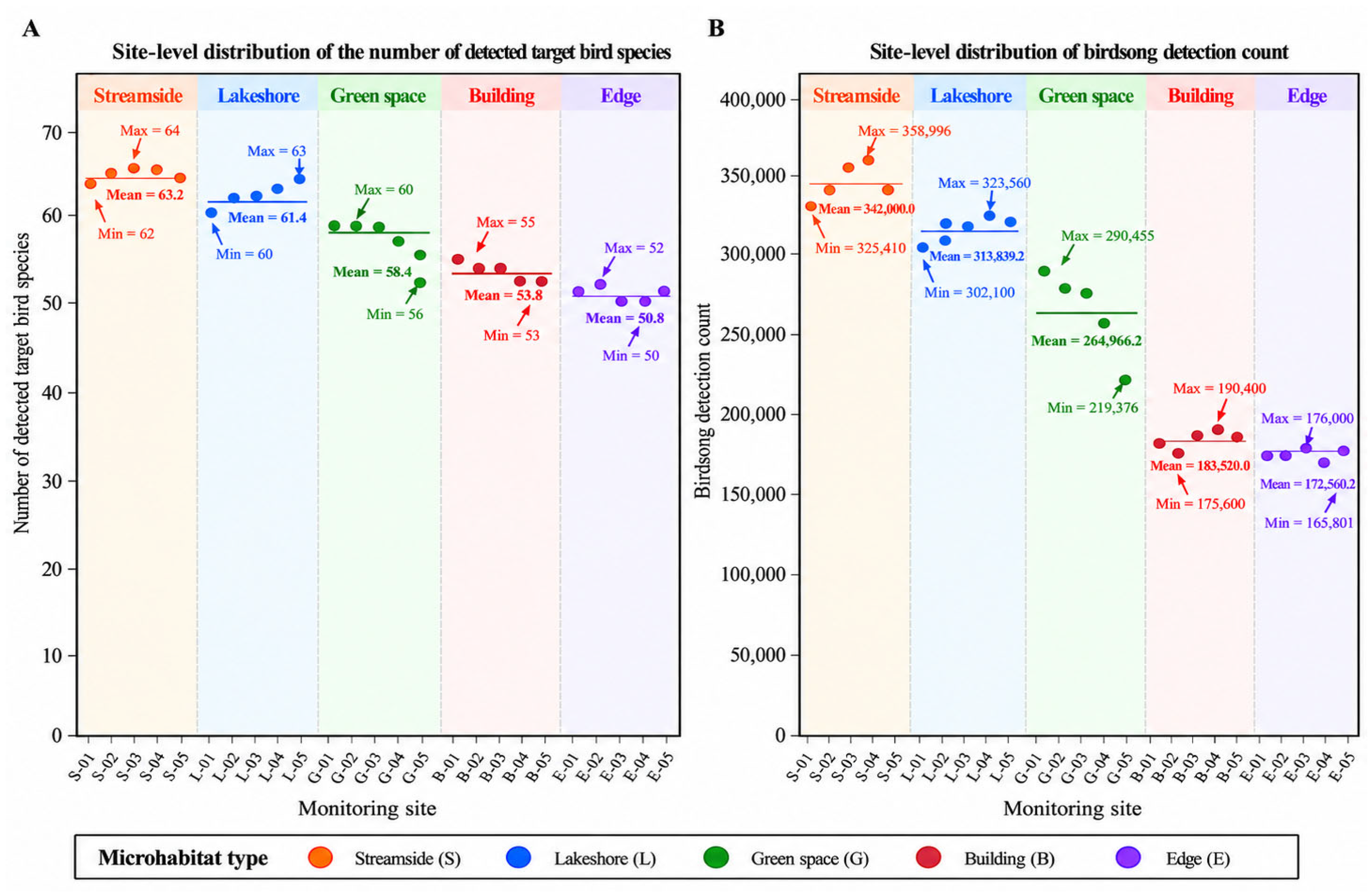
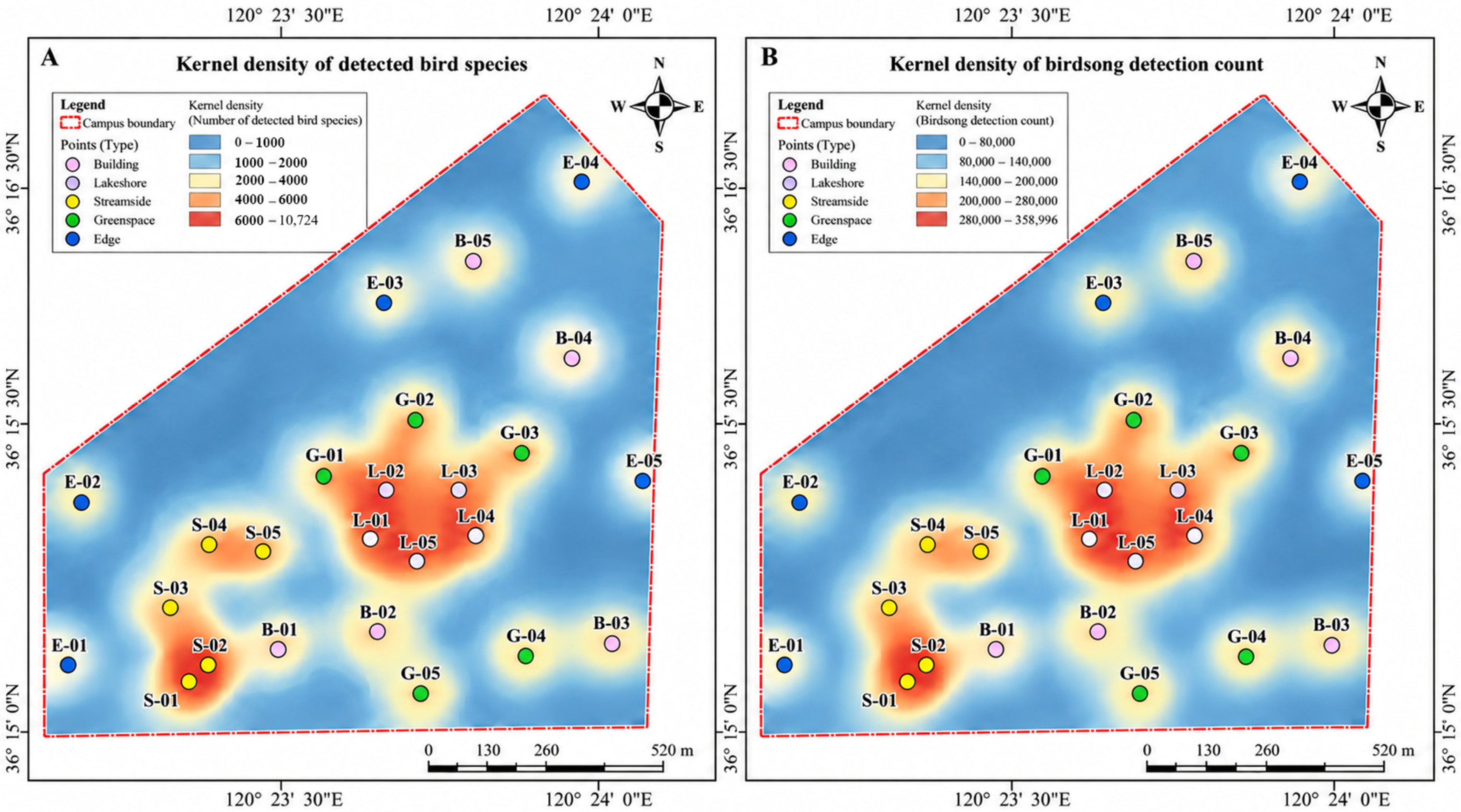
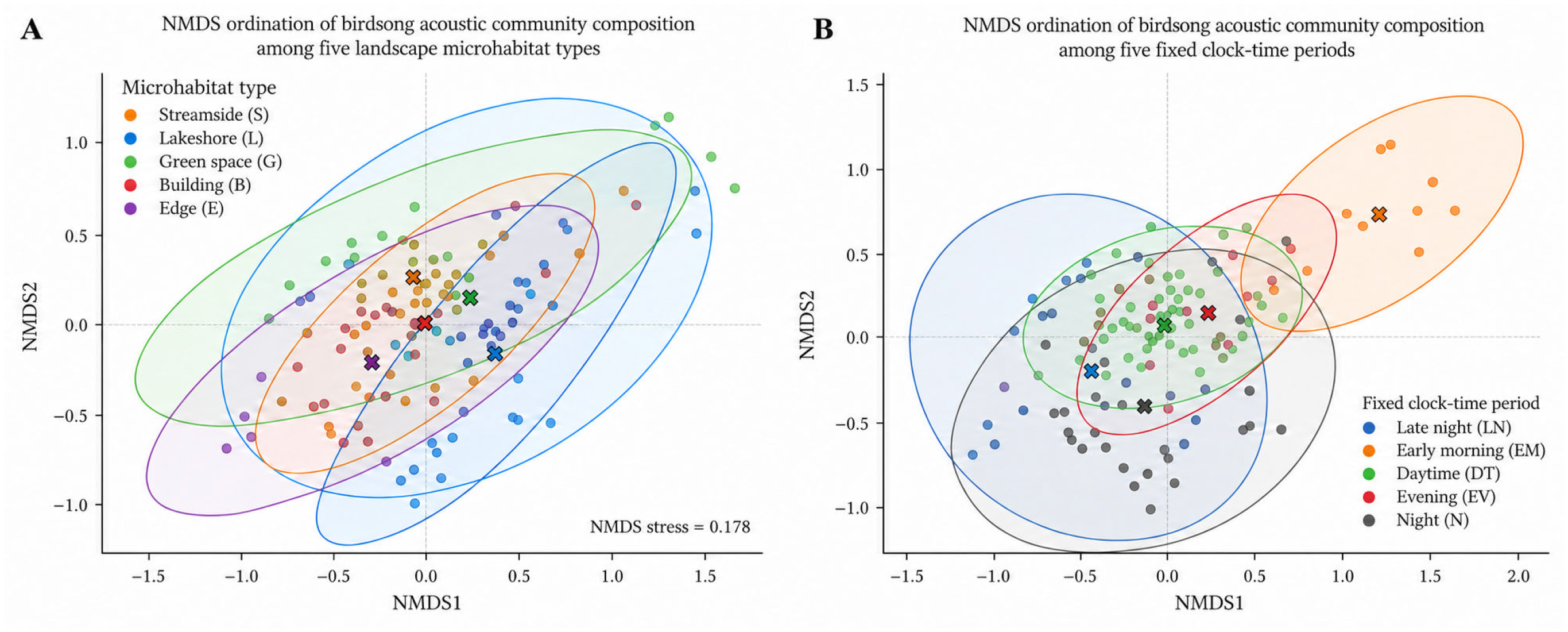
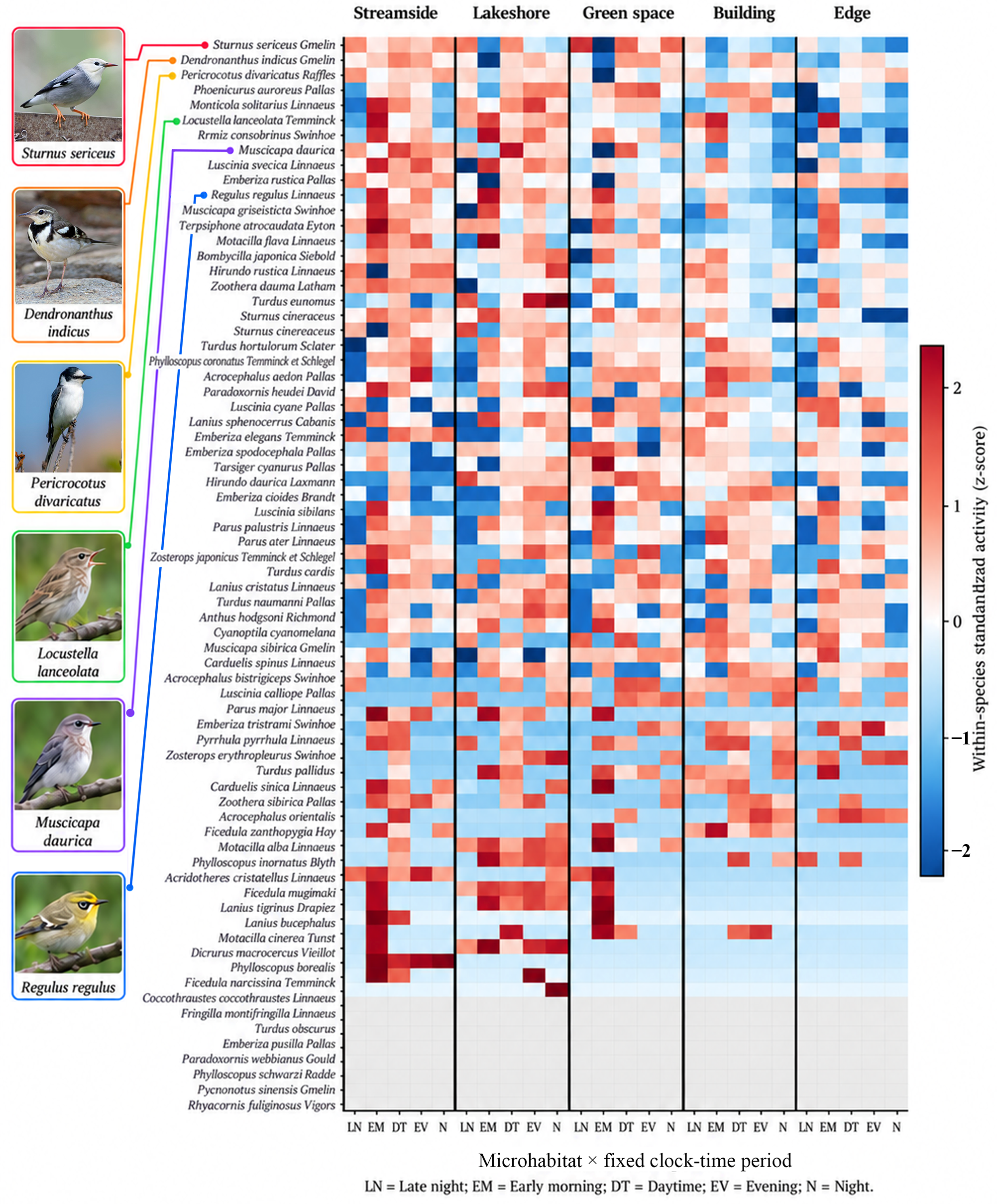
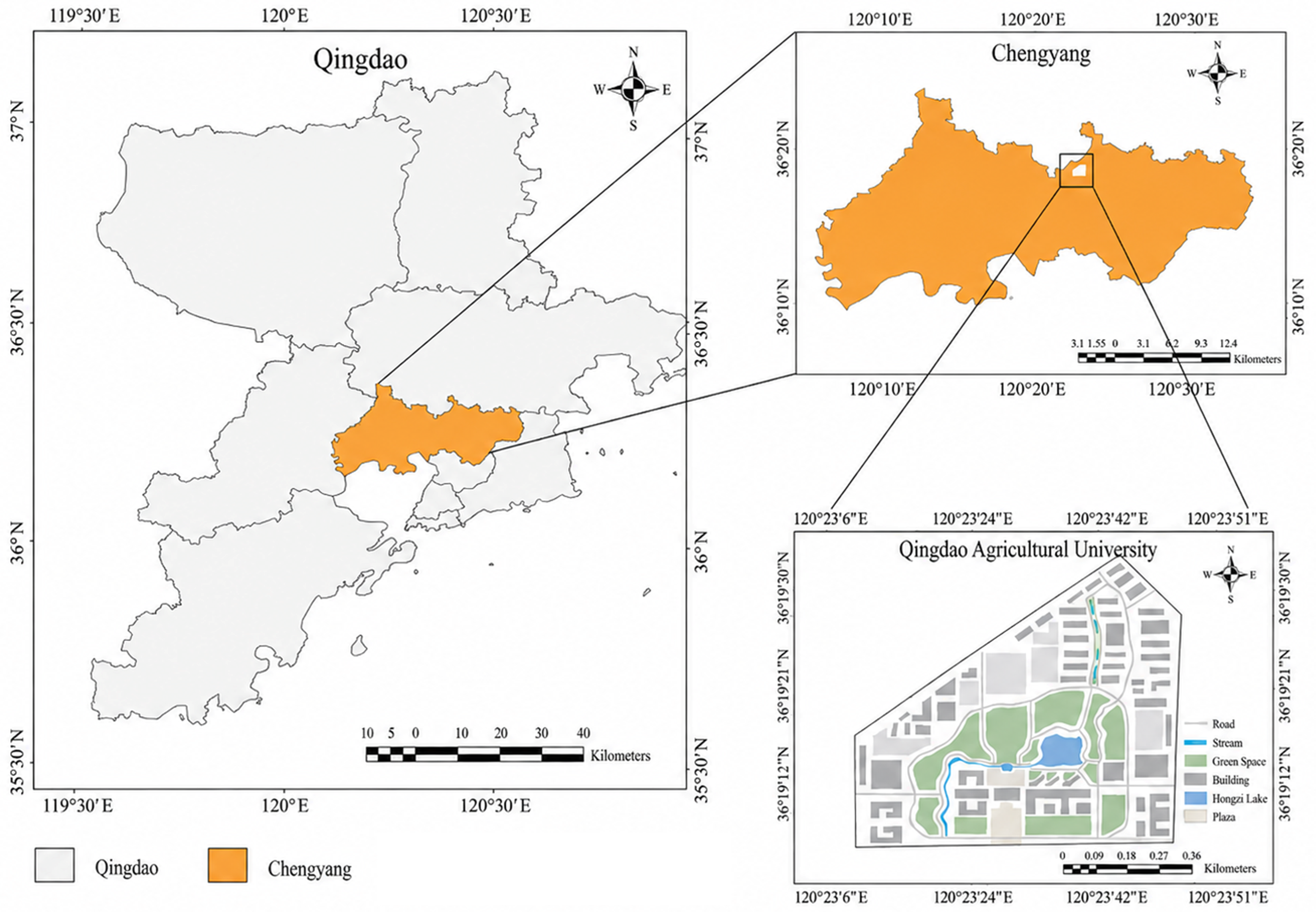
Urban campuses represent complex landscapes comprising buildings, roads, water bodies, and vegetation patches. Differences in spatial structures among landscape microhabitats and levels of human disturbance may influence avian acoustic activity and birdsong soundscape characteristics. However, continuous spatiotemporal dynamics of birdsong soundscapes and differences in acoustic community composition at the campus scale remain insufficiently explored. To address this gap, this study integrates 24 h continuous passive acoustic monitoring across replicated landscape microhabitats with field-validated deep learning-based birdsong identification, enabling diel, spatial, and acoustic-community patterns to be evaluated within a unified fine-scale campus framework. Using the Qingdao Agricultural University campus as a case study, we established 25 monitoring sites from March to May 2026 across five landscape microhabitat types: streamside, lakeshore, green space, building, and edge. Twelve days of 24 h continuous passive acoustic monitoring were conducted, and target bird species were identified using MFCC–based acoustic features combined with the EfficientNet–B0 multi-label classification model, whose field applicability was further evaluated using an independently selected and manually annotated subset of the campus recordings. The results revealed that birdsong soundscapes across different landscape microhabitats exhibited consistent diel rhythms, with the highest avian acoustic activity occurring during the early-morning period. Spatially, avian acoustic activity and the number of detected target bird species were generally higher in streamside-type, lakeshore-type, and green space-type microhabitats than in building-type and edge-type microhabitats. Significant differences in birdsong acoustic community composition were observed among different landscape microhabitats and fixed clock-time periods, showing species-specific spatiotemporal responses. These findings demonstrate the value of species-resolved birdsong soundscape monitoring as a complementary approach for fine-scale ecological assessment and provide site-specific evidence for landscape microhabitat management and bird-friendly planning on urban campuses.
Keywords: urban campus; landscape microhabitat; birdsong soundscape; spatiotemporal characteristics; passive acoustic monitoring; deep learning-based identification; bird-friendly landscape planning urban campus; landscape microhabitat; birdsong soundscape; spatiotemporal characteristics; passive acoustic monitoring; deep learning-based identification; bird-friendly landscape planning