

Article

Digital Economy and Urban Green Land Use Efficiency: Evidence on Pathways Through Spatial Compactness in China


1
School of Economics, Shandong University of Technology, Zibo 255300, China
2
Department of Strategy and International Business, University of Birmingham, Birmingham B15 2TT, UK
3
School of Economics and Management, Beijing Jiaotong University, Beijing 100044, China
4
School of Public Affairs, Zhejiang University, Hangzhou 310058, China
*
Authors to whom correspondence should be addressed.
Land 2026, 15(6), 907; https://doi.org/10.3390/land15060907
Submission received: 13 April 2026 / Revised: 17 May 2026 / Accepted: 20 May 2026 / Published: 25 May 2026
(This article belongs to the Special Issue Land Use Transition Pathways: Governance, Resources, and Policies)

Abstract

The rapid expansion of the digital economy is reshaping urban systems, yet the pathways through which digitalization drives urban green land use transition remain insufficiently understood. Using panel data from 279 Chinese cities, we measure Urban Green Land Use Efficiency (UGLUE) via a super-efficiency Slack-Based Measure (SBM) model and estimate digital economy effects through double machine learning (DML). We find that digital technology, digital industry, and digital infrastructure all positively influence UGLUE, with digital technology exerting the strongest effect, followed by digital industry, while digital infrastructure exerts the weakest direct effect. Urban spatial compactness (USC) mediates this relationship, functioning as a dominant transmission channel for both digital industry and digital technology, and a supplementary yet significant pathway for digital infrastructure, indicating that digitalization enhances UGLUE in part by promoting more compact urban forms. Effects are heterogeneous, as resource-based and old industrial cities benefit more from technological upgrades, while cities with higher administrative status gain more from broader digital development. These findings identify USC as a key transition pathway linking digitalization to sustainable land use outcomes, and provide evidence-based support for governance-differentiated digital economy policies that steer urban land use transition toward green and compact development trajectories.

1. Introduction

As global industrialization and urbanization rapidly advance, land resources confront unprecedented pressures and challenges. In China, the urbanization rate has surged from 17.92% in 1978 to 66.16% in 2023. By the end of 2023, China’s urban area encompassed approximately 110,200 square kilometers in total urban statistical areas, with actual built-up regions covering 78,000 square kilometers, yet this expansion has been accompanied by environmental pollution, ecological degradation, and inefficient land utilization [1,2]. This rapid urban expansion has resulted in deficient urban green land use efficiency (UGLUE), constituting a major threat to sustainable development. To address these challenges, the Chinese government has emphasized the importance of green and sustainable land utilization in its 14th Five-Year Plan for National Economic and Social Development and the Long-Range Objectives Through 2035, positioning the enhancement of UGLUE as a key strategy for achieving high-quality urban development [3].
UGLUE represents a paradigmatic shift from traditional economic-centered land use metrics toward integrated sustainability assessment, simultaneously capturing resource efficiency, environmental performance, and ecological value creation [4]. Improving UGLUE directly contributes to China’s carbon peaking and carbon neutrality goals, effectively reducing energy consumption, regulating carbon emissions, and optimizing ecosystem functionality [5]. Despite rapid urbanization, however, most Chinese cities maintain only moderate to low land use efficiency levels with marked regional disparities. This presents a pressing challenge that demands attention [6]. This inefficient state is mainly manifested in three interconnected structural problems [7,8]. First, urban areas exhibit extensive land resource utilization, wherein the expansion rate of construction land far exceeds actual development needs. Second, these cities experience continually rising environmental costs, with increasingly prominent issues of pollution emissions and ecological damage. Third, urban development demonstrates spatial structure imbalance, where dispersed urban functional layout leads to inefficient resource allocation. Notably, USC emerges as a critical mediating mechanism that systematically links digital transformation processes with land use efficiency outcomes through density-driven resource optimization [9,10]. In recent years, the digital economy, as a new economic form reshaping resource allocation patterns, is profoundly changing urban spatial structure and land use patterns, providing new possible pathways for UGLUE improvement. However, the specific pathways through which distinct dimensions of the digital economy drive urban green land use transition, particularly the mediating role of urban spatial compactness as a structural transition channel, remain theoretically and empirically underexplored, representing a critical knowledge gap this study addresses.
The digital economy is essentially a new economic form with digitalized knowledge and information as key production factors and modern information networks as important carriers, and its development shows obvious multi-dimensional characteristics [11,12,13,14]. Academic understanding of the digital economy has evolved from a single perspective to multi-dimensional deconstruction, including three core dimensions, digital infrastructure, digital technology, and digital industry, which together form a comprehensive framework of the digital economy and may have differentiated impacts on land use [11,15]. From an evolutionary perspective, the enhancement of digital infrastructure establishes the material foundation for digital economic development while advancing information transmission efficiency and resource allocation optimization [16]. Continuous innovation in digital technologies provides new impetus for economic transformation as emerging technologies such as artificial intelligence, big data and cloud computing reshape traditional industrial production methods [17]. Building upon these foundations, the digital industry generates new growth poles through the profound integration of digital technology with the real economy [18]. Existing research shows that the digital economy has significantly enhanced the green transformation of urban land use through optimizing resource allocation, promoting industrial agglomeration, and driving technological innovation [19]. In addition, some empirical studies have also verified that the digital economy has significant spatial effects on land use efficiency, including spatial spillover and spatial heterogeneity [5,20,21]. Although these studies reveal the relationship between the digital economy and land use efficiency, research on the mediating mechanism of how different dimensions of the digital economy influence UGLUE through urban spatial structure characteristics is still insufficient, which to some extent limits a comprehensive understanding of the digital economy’s impact on UGLUE. It should be acknowledged, however, that the digital economy carries countervailing environmental pressures alongside its efficiency-enhancing potential. The large-scale deployment of digital infrastructure entails rising energy demands, electronic waste accumulation, and potential disruptions to urban land management systems, while data-intensive operations may generate secondary pollutant loads that adversely affect urban environmental quality [22]. Beyond resource-side externalities, the digitization of urban land management also introduces cybersecurity exposure, the potential manipulation of land-use information systems, and physical risks such as battery fires at energy storage installations and unsafe disposal of digital-industry by-products, all of which can directly compromise UGLUE if inadequately governed. These countervailing forces underscore the importance of rigorous empirical identification of net effects rather than an a priori assumption of uniformly positive outcomes.
Within urban land use efficiency research, USC is recognized as a critical determinant. Compact urban morphology can significantly enhance land use efficiency through the intensive utilization of land resources and improved infrastructure efficiency [9,10]. Recent studies have shown that USC, as a core characteristic of urban spatial structure, not only affects urban energy consumption and carbon emissions but also directly impacts UGLUE, serving as an important mediating variable connecting the digital economy and UGLUE [23]. From a theoretical mechanism perspective, compact cities can reduce infrastructure input costs per unit area and decrease transportation energy consumption by increasing spatial density and the degree of mixed land use, thereby enhancing resource utilization efficiency [24,25]. Empirical research indicates that appropriate spatial compactness not only helps control urban sprawl but also promotes the protection of ecological spaces through optimizing spatial structure [25]. The digital era has witnessed substantial transformation in urban spatial organization patterns driven by various dimensions of digital economic development. Research literature presents divergent perspectives regarding how digital economy development influences urban spatial evolution trajectories [26,27]. This bidirectional agglomeration-dispersion dynamic constitutes the paradoxical effect of digital economy, rendering its influence on urban spatial structures inherently complex and uncertain. Different dimensions of the digital economy potentially affect urban spatial compactness through distinct pathways, subsequently transmitting effects to UGLUE. However, this intricate mediating mechanism remains insufficiently examined through systematic empirical investigation.
Despite notable progress, three gaps motivate this study. First, prior empirical work treats the digital economy predominantly as a homogeneous construct, producing composite-index estimates that obscure the differentiated contributions of its constituent dimensions [19,20,21]; which component drives efficiency gains and through what mechanism remains unresolved. Second, while USC is recognized as a determinant of land use outcomes [23], its role as a transmission channel linking digital economy development to UGLUE has not been systematically examined; existing mediation studies focus on industrial structure or technological innovation as intermediaries, leaving the spatial pathway underexplored. Third, the conditions under which digital economy inputs generate measurable efficiency gains remain poorly understood, as most studies implicitly assume uniform treatment effects across heterogeneous urban contexts.
To address these gaps, this paper employs panel data from 279 prefecture-level and higher cities in China spanning 2011–2021 and makes three contributions. First, we decompose the digital economy into DIF, DT, and DID and estimate their differentiated causal effects on UGLUE using double machine learning, enabling component-specific identification beyond composite-index approaches [19,20,21]. Second, we provide the first systematic empirical test of USC as a mediating pathway, demonstrating that it serves as the dominant transmission channel for DID and a major channel for DT, extending prior mediation analyses centered on industrial structure and innovation channels. Third, heterogeneity analysis across four urban typologies reveals that digital economy effects are conditional on structural and institutional contexts, challenging uniform-treatment assumptions and supporting city-differentiated governance strategies. These contributions advance the evidence base for digital economy policies that steer urban land use transitions toward green and compact development trajectories.
The remainder of this paper is structured as follows. Section 2 establishes the theoretical framework and formulates research hypotheses. Section 3 presents research methods and data sources. Section 4 details empirical results, examining direct effects, mediating effects, and robustness and heterogeneity tests. Section 5 discusses the findings in relation to existing literature and elaborates on underlying mechanisms. Section 6 summarizes research conclusions and contributions while advancing policy recommendations.

2. Theoretical Framework and Hypotheses

2.1. Analysis of Multi-Dimensional Characteristics of Digital Economy

Digital economy represents a fundamental transformation in economic organization where digitalized knowledge functions as the primary production factor, fundamentally altering resource allocation mechanisms and spatial interaction patterns [28,29]. Understanding digital economy’s spatial implications requires theoretical disaggregation into its constituent elements, each operating through distinct mechanisms that collectively reshape urban resource allocation patterns. The development of the digital economy depends fundamentally on three core elements: digital infrastructure support, digital technology innovation, and digital industry cultivation [11,15,30].
As a multi-dimensional research object [13], we deconstruct digital economy into three theoretically distinct yet interconnected dimensions, infrastructure, technology, and industry, each exhibiting unique causal pathways in urban land resource transformation. Specifically, digital infrastructure serves as the material foundation for digital economy development, primarily encompassing information and communication facilities such as fiber-optic networks, mobile base stations, and data centers [16,31]. As a crucial foundation and engine driving the overall development of the digital economy, the significance of urban digital infrastructure has become increasingly prominent. Essentially, digital infrastructure provides ubiquitous connectivity and massive information storage capabilities, thereby reducing geographical distance constraints, reshaping spatial interaction patterns, and creating technical possibilities for both spatial agglomeration and dispersion of economic activities [32]. This connectivity capability transforms information flow patterns, thereby restructuring resource allocation efficiency and creating new conditions for intensive urban land utilization.
In parallel, digital technology serves as the core driving force for digital economy development, primarily involving big data, artificial intelligence, cloud computing, blockchain, and other technologies [17]. Compared to traditional technologies, digital technology is characterized by strong permeability, short innovation cycles, and broad application boundaries, forming a complete technological chain from data collection and analysis to intelligent decision-making. Digital technology drives the digital transformation of economy and society through optimizing resource allocation, reshaping production processes, and innovating business models, while simultaneously injecting new momentum and cultivating new advantages for traditional industries [17,33].
Building on these two pillars, digital industry functions as both a significant outcome of digital economy development and a key carrier for digital economy prosperity [18]. Digital industry exhibits characteristics of asset-light operations, high added value, and low resource consumption, achieving higher economic output per unit of resource input through more efficient production organization methods. On one hand, the development of digital technologies such as big data, cloud computing, and artificial intelligence has catalyzed emerging industries including digital content production, digital information transmission, and digital information services [34,35]. On the other hand, traditional industries achieve transformation and upgrading through digital transformation, forming a networked collaborative modern industrial system [36]. Notably, digital industry typically exhibits strong agglomeration characteristics, tending to form spatial clusters in regions with abundant innovation resources and concentrated talent, a feature that significantly influences the evolution of urban spatial structures.
The digital economy comprises three interdependent core dimensions that collectively shape urban spatial transformation. Digital infrastructure provides foundational connectivity and development conditions. Digital technology serves as the innovation driver, enabling transformative processes and system optimization. Digital industry materializes economic value creation through new business models and industrial restructuring. These dimensions exhibit hierarchical complementarity: infrastructure establishes the foundation, technology drives transformation, and industry realizes value creation. This theoretical architecture enables systematic examination of how different components of digital transformation influence urban spatial resource allocation through distinct yet complementary mechanisms (Figure 1).

2.2. Direct Effect Mechanisms of Digital Economy Dimensions on UGLUE

The theoretical mechanisms linking digital economy dimensions to UGLUE operate through distinct yet complementary pathways, each reflecting different aspects of urban transformation processes.

2.2.1. Digital Infrastructure and UGLUE

Digital infrastructure operates as the foundational layer of digital transformation, enhancing UGLUE through two primary theoretical pathways: information asymmetry reduction and spatial connectivity optimization. Digital infrastructure fundamentally alters information flow patterns in urban systems, reducing transaction costs and enabling more precise spatial resource allocation through enhanced connectivity and reduced geographical constraints. Specifically, digital infrastructure can reduce the costs for market entities to obtain land value information and enhance market-oriented land resource allocation through providing high-speed, ubiquitous network connectivity [37,38]. This information transparency effect enables land resources to flow more precisely toward the most efficient users, reducing resource misallocation and waste phenomena. From a governance mechanism perspective, digital infrastructure provides hardware support for the scientific management of land resources by government authorities. The promotion and application of big data platforms can strengthen dynamic monitoring of land use, optimize land planning layouts, and enhance economical and intensive land utilization levels [39]. The construction of new smart city infrastructure such as Digital Twin Cities provides data-driven scientific decision support for land planning and management through real-time perception and precise prediction of urban land use conditions. From an industrial ecology perspective, the proliferation of digital infrastructure can significantly reduce operational and transaction costs for enterprises, facilitating efficient flow and optimal combination of production factors [40]. Through the action chain of data sharing, resource integration, and efficiency improvement, digital infrastructure can catalyze industrial spatial pattern restructuring, promote low-carbon and intensive industrial development, thereby enhancing green output efficiency per unit of land area. These theoretical foundations lead to our first hypothesis:
Hypothesis H1a.
The enhancement of digital infrastructure levels contributes positively to UGLUE.

2.2.2. Digital Technology and UGLUE

Digital technology is the core driving force for digital economy development, and its widespread application can significantly enhance urban economic green development through optimizing resource allocation, reshaping production processes, and other methods [41]. Compared to the foundational role played by infrastructure, digital technology engages more directly with production activities, penetrating the entire chain from data perception and intelligent analysis to decision-making and adaptive optimization. This deeper involvement in production processes suggests that digital technology may contribute to UGLUE through more immediate and tangible channels.
At the micro level, digital technology directly optimizes resource input structures and improves unit land output efficiency through data analysis and intelligent algorithms [42]. Such technology enhances resource utilization efficiency through data-driven decision frameworks, thereby indirectly contributing to improved urban green economic performance. Additionally, digital technology promotes fundamental transformations in urban land use patterns by enabling circular economy development [43].
From a macro perspective, digital technology establishes new production organization models through the development of sharing economy ecosystems, characterized by the integration of platforms, networks, and sharing mechanisms. This integration significantly enhances resource mobility and utilization efficiency. Additionally, the implementation of digital technology platforms facilitates the exchange and sharing of idle resources, effectively revitalizing numerous underutilized fixed assets such as land and industrial facilities. Consequently, this process enhances both urban land resource utilization efficiency and sustainable development capacity [44,45]. Based on these theoretical foundations, this study proposes the following hypothesis:
Hypothesis H1b.
Digital technology positively influences UGLUE through its direct integration with production processes and optimization of resource allocation structures.

2.2.3. Digital Industry and UGLUE

Digital industry, as a key carrier for digital economy development, influences UGLUE through three primary mechanisms: industrial structure optimization, spatial layout reconstruction, and green development leadership.
On one hand, the development of digital industry signifies the optimization and upgrading of urban industrial structures. Emerging industries such as artificial intelligence not only possess inherent characteristics of high technological content and high added value, but their unit land output intensity also significantly exceeds that of traditional manufacturing [46]. These industries exhibit a resource allocation pattern of light assets, high intelligence, and low consumption, with the ratio of economic value created to land resources consumed significantly outperforming traditional industries, while simultaneously achieving dual benefits of reduced energy consumption and diminished environmental impact. Furthermore, the rapid development of digital industry accelerates the elimination of outdated production capacities, driving land resources toward high-efficiency sectors and enhancing overall UGLUE. On the other hand, digital industry drives upstream and downstream sectors to accelerate digital transformation through significant technological spillover effects. Industries such as digital content production and software development infuse cultural creativity and industrial design sectors with new innovative momentum. Digital information transmission services establish efficient connectivity frameworks across diverse industries. Meanwhile, the electronic information manufacturing sector leads transformative change in manufacturing processes through continuous technological innovation. This systematic industrial chain upgrading effect accelerates the greening and high-end transformation processes of urban industrial systems, thereby enhancing both allocation efficiency and environmental performance of land resources [21,47]. Based on these insights, this study proposes the following hypothesis:
Hypothesis H1c.
The development of digital industry positively influences UGLUE through industrial structure optimization and technological spillover effects.

2.3. Digital Economy, USC, and UGLUE

2.3.1. Digital Infrastructure, USC, and UGLUE

Digital infrastructure deployment significantly influences urban spatial morphology through dual mechanisms that operate in opposing directions. High-speed information networks strengthen intra-urban connectivity, accelerating population and resource agglomeration in central areas [48]. According to location theory, information infrastructure reduces spatial distance costs and enhances agglomeration economy and knowledge spillover effects. New infrastructure such as 5G base stations is typically located in urban core areas to facilitate information aggregation and sharing, further strengthening the attractiveness of central urban districts. This digital agglomeration mechanism enhances compact spatial structures’ comparative advantages by reducing information acquisition and transaction costs, thereby promoting urban spatial evolution toward more compact morphologies.
However, digital infrastructure may also facilitate spatial dispersion of urban functions through what scholars term the spatial flattening effect [49]. The development of information technology reduces transaction costs of remote collaboration, diminishes the importance of geographical proximity, and thus may lead to spatial dispersion of specific economic activities. Empirical research indicates that digital infrastructure facilitates spatial agglomeration in low-congestion areas while promoting production dispersion in high-congestion areas [50]. This dual agglomeration-dispersion dynamic creates complex effects on USC.
Theoretically, changes in USC significantly affect UGLUE. Compact cities facilitate intensive land resource utilization and achieve higher economic output per unit area through mixed land use, reduced infrastructure redundancy, and optimized resource allocation. Conversely, urban sprawl typically leads to extensive land use patterns and reduced efficiency [51]. From an agglomeration economics perspective, digital infrastructure reduces information transmission costs and reinforces the spatial concentration of economic activities in established urban cores [14]. In China’s institutional context, the household registration system, the hierarchical allocation of public services, and local governments’ dependence on land finance collectively constrain decentralizing forces and sustain factor concentration in core cities. The agglomeration dominance posited in Hypothesis H2a is therefore a stage-specific regularity contingent on China’s present institutional configuration, not a universal outcome. Systematic empirical evidence on the mediating role of digital infrastructure through USC nevertheless remains limited [48]. Based on this theoretical framework, we propose the following hypothesis:
Hypothesis H2a.
The improvement of digital infrastructure indirectly enhances UGLUE by promoting urban spatial compactness, as the agglomeration effects of information networks in reducing spatial distance costs are expected to dominate over potential dispersion effects under China’s current urbanization trajectory.

2.3.2. Digital Technology, USC, and UGLUE

Digital technology’s relationship with urban spatial compactness exhibits theoretical bidirectionality and practical complexity. Digital technologies such as big data, cloud computing, and artificial intelligence alleviate congestion effects from population concentration by enhancing urban management precision and optimizing traffic flow, energy distribution, and public services, thereby improving large cities’ carrying capacity [52]. This intelligent capacity enhancement mechanism effectively mitigates negative externalities associated with high-density urban forms. Simultaneously, digital technology development improves traditional industry efficiency while triggering inter-industry integration and development [53], establishing itself as a core driver of urban spatial agglomeration.
However, some scholars argue that digital technology popularization may substitute virtual proximity for geographical proximity, diminishing spatial constraints and promoting urban decentralization [54]. The post-pandemic era has particularly demonstrated how digital technology-enabled business forms, including smart transportation, remote work, and online education, reduce spatial agglomeration necessity and weaken location-specific dependencies. Digital technology creates parallel digital and physical spaces by transcending traditional spatiotemporal boundaries, enabling economic and social activities to occur in virtual environments [53,55]. Despite the theoretical possibility of spatial dispersion enabled by digital technology, empirical evidence shows that innovation clusters and high-skilled labor markets in China remain strongly concentrated in established urban cores [14]. This pattern reflects the continued importance of geographic proximity for knowledge exchange and entrepreneurial activity, reinforced by China’s hierarchical allocation of elite universities, national research programs, and high-technology development zones to higher-tier cities. Under these structural conditions, agglomeration forces are expected to dominate dispersion tendencies, and we therefore propose the following hypothesis:
Hypothesis H2b.
The development of digital technology indirectly enhances UGLUE by promoting urban spatial compactness, with agglomeration effects expected to outweigh dispersion effects given the sustained concentration of innovation activities in Chinese urban centers.

2.3.3. Digital Industry, USC, and UGLUE

Digital industry development significantly influences urban spatial organization patterns. Unlike traditional industries, digital economy-era industrial organization exhibits knowledge intensity and innovation-driven characteristics. Central urban areas, serving as information hubs and innovation sources, demonstrate stronger agglomeration effects for digital enterprises [56,57]. Agglomeration economy theory suggests that digital industry enterprises depend more heavily on innovation environments, talent resources, and supporting services than traditional enterprises, thus exhibiting stronger spatial clustering tendencies. In digital creative industries, where knowledge spillovers and face-to-face communication remain crucial, demand for creative interaction drives high concentration in urban core areas [58,59].
While some digital industrial parks locate in suburban areas, exhibiting what Batty (2013) characterizes as enclave-style development, these areas typically represent concentrated dispersion patterns [60]. These suburban parks establish robust connections with urban cores through coordinated industrial-innovation chain mechanisms, forming polycentric networked compact spatial structures. This arrangement enables peripheral developments to maintain functional integration with central urban systems despite their physical separation. Empirical research demonstrates that digital industry development significantly enhances central urban areas’ economic vitality, strengthening USC through efficient resource allocation and functional mix optimization, thereby improving UGLUE [61]. This spatial clustering tendency is reinforced by knowledge spillover externalities that require geographic proximity, as face-to-face interaction and the co-location of complementary services remain critical to digital industry innovation productivity, sustaining strong centripetal forces for digital enterprise concentration in established urban cores [58,62]. Based on agglomeration economy principles, we propose the following hypothesis:
Hypothesis H2c.
The development of digital industry indirectly promotes the improvement of UGLUE by enhancing urban spatial compactness.

3. Research Design and Methodology

3.1. Double Machine Learning Model

Linking digital economy to UGLUE is complicated by confounders such as economic development, government intervention, and population density, whose effects on both treatment and outcome may be nonlinear and interactive. Pre-specifying functional forms risks misspecification, and reverse causality, together with omitted variables, raises endogeneity concerns. We therefore adopt the double machine learning framework of Chernozhukov et al. (2018) [63], a semiparametric approach that estimates high-dimensional nuisance functions by machine learning while delivering consistent and asymptotically normal inference for a low-dimensional causal parameter [64].
We implement a partially linear specification:
Y i t = θ   D i t + f ( X i t ) + ε i t
D i t = m ( X i t ) + V i t
Here, i indexes cities and t indexes years; Y is UGLUE and D is the treatment variable, set in turn to digital infrastructure, digital industry, and digital technology across three parallel specifications. X is the control-variable vector; f ( X ) and m X are nuisance functions estimated by machine learning; θ is the causal parameter of interest; and ε i t , V i t are errors with conditional mean zero.
Three properties make DML well-suited to our setting. The first is debiasing through orthogonalization. Plugging machine-learning estimates of f ( X ) directly into Equation (1) would propagate regularization bias and prevent n1/2-consistency. DML instead partials out covariate effects from both equations and recovers θ from the residualized outcome and residualized treatment:
θ ^ = i t ( D i t m ^ ( X i t ) ) 2 1 i t ( D i t m ^ ( X i t ) ) ( Y i t f ^ ( X i t ) )
The second property is Neyman orthogonality. The score behind Equation (3) is locally insensitive to small errors in the nuisance estimates, so the convergence rate of θ ^ depends on the product of the rates of f ^ and m ^ . If each converges faster than n−1/4, θ ^ remains n1/2-consistent and asymptotically normal even when individual machine-learning estimators converge more slowly than parametric rates. The third property is cross-fitting, which removes overfitting bias by training the nuisance functions and estimating θ on disjoint folds and then swapping their roles. We adopt a 1:4 split, with 20% of observations used for nuisance training and 80% for causal estimation, and average θ ^ across multiple random partitions. Further technical detail on the bias decomposition and convergence analysis is given in Chernozhukov et al. (2018) [63].

3.2. Variable Selection and Measurement

3.2.1. Measurement of UGLUE

Within the context of China’s dual carbon objectives and territorial spatial optimization, UGLUE has emerged as a critical indicator for evaluating urban sustainable development capacity [5]. Drawing on theoretical foundations and empirical feasibility considerations [65], this research develops a UGLUE evaluation framework incorporating three indicator categories: inputs, expected outputs and undesired outputs (Table 1). The selection of specific indicators reflects data availability constraints at the prefecture-city level. For expected outputs, economic benefits are measured through per capita value added of secondary and tertiary industries, social benefits through average urban wages as a widely adopted proxy in Chinese urban efficiency studies [6,65], and environmental benefits through green coverage rate of built-up areas. We acknowledge that alternative indicators such as public service accessibility or ecosystem service value could provide additional perspectives, though data constraints at this spatial scale limit their inclusion. Carbon emissions are not included in the undesired output set in this study. The prevailing operationalization of UGLUE in the established literature specifies industrial wastewater, industrial soot or waste gas, and industrial SO2 emissions as the undesired output vector [2,3,6], and our specification follows this convention to preserve comparability with the body of research that motivates our investigation. Recent ULGUE studies that incorporate CO2 into the input-output system [66] explicitly position carbon-augmented measurement as a methodological extension to the mainstream practice, integrating a global externality alongside the locally bound environmental burdens that UGLUE is designed to capture. This direction is complementary to our analysis and is identified as a priority for future research in Section 6.3. For undesired outputs, we focus on industrial emissions as the primary pollutant sources reported in China City Statistical Yearbook, recognizing that this may underestimate the environmental burden of service-dominated cities where transportation and residential emissions play a larger role. For measurement model selection, we employ the Super-SBM approach, which estimates efficiency values by considering the slack values between inputs and outputs based on the traditional SBM model, directly addressing issues of excessive inputs and insufficient outputs in decision-making units. Moreover, this approach incorporates the influence of undesired output indicators on efficiency [67], enabling more precise quantification of UGLUE values. We note that the super-efficiency SBM model is deterministic and does not accommodate stochastic noise in the production relationship, rendering efficiency scores potentially sensitive to extreme observations. To address this, winsorization at both the 1–99% and 5–95% levels is applied as part of the robustness tests in Section 4.2.

3.2.2. Construction and Measurement of Multi-Dimensional Digital Economy Indicator System

Empirical literature on digital economy measurement consistently identifies three fundamental dimensions: digital infrastructure, digital technology, and digital industry [14,68,69,70,71]. These dimensions provide a comprehensive framework for analyzing digital economy development across spatial scales. We employ the International Telecommunication Union’s indicator framework from Measuring Digital Development: Facts and Figures 2024, adapted for Chinese municipal data availability and analytical requirements. Internet user counts serve as our digital infrastructure proxy (DIF), capturing network penetration and access capabilities fundamental to digital economic activities [72,73]. We recognize that this measure more closely reflects digital adoption rates than infrastructure hardware such as fiber-optic coverage or base station density, yet it remains the most consistent and widely available city-level indicator across the full study period and has been employed in comparable studies [74,75]. Internet penetration rates and physical infrastructure deployment co-evolve in practice, such that cities with denser broadband networks and mobile base station coverage tend to exhibit higher user adoption, providing the empirical basis for treating internet user counts as a proxy for the underlying infrastructure stock [39,72]. This measure is also widely employed as a city-level digital connectivity indicator in comparable studies of digital economy and urban outcomes in China [74,75], supporting cross-study comparability. We acknowledge that more granular supply-side hardware indicators would provide additional precision and note this as a limitation in Section 6.3. Digital technology development is measured through granted patents in communication networks, computing, artificial intelligence, big data, and IoT (DT), effectively capturing urban digital innovation capacity and technological sophistication [75]. Digital enterprise counts represent digital industry development (DID), directly measuring industrialization scale and economic digitalization progress. Digital enterprise classification follows China’s Statistical Classification of Digital Economy and Its Core Industries (2021) [76], encompassing electronic information manufacturing, telecommunications, internet services, and software development. This dimensional approach enables precise identification of component-specific impact mechanisms while maintaining analytical rigor.

3.2.3. Urban Spatial Compactness

We employ Harari’s (2020) USC index, which combines theoretical rigor with empirical feasibility [51]. This index is inversely scaled, meaning that a higher USC value indicates a less compact, more dispersed urban footprint with greater intra-urban distances, while a lower value signals a more compact spatial configuration. Throughout the empirical analysis, a negative coefficient on USC should therefore be interpreted as an increase in compactness. Implementation integrates urban morphology with population distribution data across 279 Chinese cities. We then track urban footprints across different temporal points through the combination of historical maps and population grid data. Subsequently, for each city-year observation, we calculate quantitative urban geometry indicators that function as proxies for intra-urban travel patterns in urban planning contexts. In comparison with alternative measurement approaches, the USC index effectively captures urban spatial geometric characteristics while eliminating the confounding influence of city size on measurement outcomes.

3.2.4. Control Variables

Based on existing theoretical frameworks and empirical research, this study incorporates the following control variables to isolate potential confounding factors. (1) Economic development level (PGDP). We use the logarithm of per capita GDP for measurement. This indicator not only reflects the stage of urban economic development but also directly affects land market price formation and resource allocation efficiency [77]. (2) Government intervention intensity (GOV), represented by the proportion of fiscal expenditure to GDP. Under China’s distinctive administrative system, the government plays a key role in land resource allocation, and this indicator effectively captures the degree of government intervention in land planning and utilization [78]. (3) Infrastructure level (INF), measured by road area per capita. Well-developed infrastructure serves as the material prerequisite for enhancing intensive land use and acts as a critical link connecting urban functional zones [79]. (4) Population density (Popd), measured by the ratio of urban area population to urban area size. This indicator directly relates to land carrying pressure and utilization intensity, serving as a bridge connecting population agglomeration and land use [80]. (5) Opening level (Trade), measured by the proportion of total imports and exports to GDP. The degree of openness affects urban industrial structure and spatial layout, thereby influencing land use efficiency [81]. (6) Environmental regulation intensity (ERS), measured by the comprehensive utilization rate of industrial solid waste. Stringent environmental regulations can guide the optimized allocation of land resources towards green and low-carbon directions [82]. (7) Green technology innovation level (GTI), represented by the number of authorized green patents. Green technological innovation provides technical support for green and efficient land use, serving as an endogenous driver for enhancing UGLUE [83].

3.3. Data Sources and Descriptive Statistics

Our analysis employs a balanced panel dataset of 279 Chinese prefecture-level cities spanning 2011–2021, covering eastern, central, and western regions and encompassing cities at varying development stages to support analytical generalizability. Primary data sources include China City Statistical Yearbook, provincial yearbooks, government bulletins, and databases from National Bureau of Statistics, National Intellectual Property Administration, and relevant research institutions. We exclude cities with extensive missing data and apply linear polynomial interpolation to fill isolated missing observations in individual indicators across the remaining sample. The number of interpolated data points is minimal and is not expected to materially affect overall sample quality or the robustness of the main findings. Descriptive statistics for the variables are shown in Table 2.

4. Empirical Results

4.1. Direct Effects of Digital Economy Dimensions on UGLUE

Table 3 reports the main regression results. Model (1) incorporates city fixed effects, time fixed effects, and linear terms of control variables. Empirical analysis shows that the regression coefficients of digital infrastructure, digital technology, and digital industry are all significantly positive: digital technology and digital industry at the 1% level, and digital infrastructure at the 5% level, providing empirical support consistent with hypotheses H1a, H1b, and H1c. Analysis of coefficient magnitudes reveals a hierarchical pattern whereby digital technology exhibits the strongest effect, followed by digital industry, and digital infrastructure. These differential effects are consistent with distinct operational mechanisms through which various dimensions of the digital economy relate to UGLUE. The pronounced impact of digital technology on UGLUE is consistent with its role in optimizing resource allocation at both firm and sectoral levels, as digital technologies enable intelligent monitoring and dynamic adjustment of production processes that reduce energy consumption and environmental pollution [42]. Digital industry primarily influences UGLUE through industrial structure optimization, as its characteristics of high added value, low consumption, and low emissions generate higher unit land output while accelerating the transformation and upgrading of traditional industries and eliminating outdated capacity. Digital infrastructure indirectly promotes optimal resource allocation by improving information transmission and transaction environments, resulting in a relatively more moderate impact. Model (2) further controls for quadratic terms of control variables, with regression coefficients of the three dimensions maintaining consistent direction and significance, highlighting the robustness of the results.
To analyze the impact of digital economy on UGLUE considering digital policy changes, this study uses 2016 as a turning point, adjusting the sample period for models 3 and 4 to 2016–2021. In 2016, as the G20 host country, China incorporated the digital economy as a significant topic in the innovation growth blueprint, formally establishing its digital economy development strategy [84]. While other policy milestones also occurred during the study period, such as the Broadband China Strategy in 2013 and the New Infrastructure Initiative in 2020, we select 2016 as it represents the most formalized policy shift for the digital economy. Results indicate that the impact coefficients of digital infrastructure and digital technology have increased, a pattern consistent with policy implementation effects. Notably, the impact coefficient of digital industry on UGLUE declines after 2016, a phenomenon that can be attributed to two mechanisms. First, the diminishing marginal effects of digital industry development reduce incremental benefits as scale expands. Second, short-term fluctuations occur during the digital industry’s adjustment period, as industrial upgrading processes may temporarily affect its contribution to UGLUE [21]. This finding suggests that the impact of the digital economy on UGLUE exhibits temporal variation, depending on the policy environment and development stage.
To test the significance of differences in impact effects across the three digital economy dimensions, this study conducted a Wald coefficient difference test (Table 4). The p-values for all pairwise coefficient differences are below 0.01, confirming statistically significant heterogeneity across digital economy dimensions. The coefficient difference test reveals a clear impact strength hierarchy, with digital technology showing the strongest effect, followed by digital industry, and digital infrastructure demonstrating the weakest impact. This finding reveals that at the current stage of Chinese urban development, the application of digital technology innovation makes the most prominent contribution to improving UGLUE, while also indicating clear differences in the transmission mechanisms of digital economy’s impact on UGLUE, providing precise policy leverage points.

4.2. Robustness Tests

To validate the reliability of our findings, we conduct comprehensive robustness tests along five dimensions: sample composition, outlier treatment, fixed effects specification, model parameter adjustment, and endogeneity control.

4.2.1. Sample Adjustment

Given China’s heterogeneous regional development patterns, we exclude six provinces with relatively weak digital economy foundations (Gansu, Qinghai, Ningxia, Xinjiang, Yunnan, and Guizhou) along with two leading municipalities (Beijing and Shanghai). Results in column (1) of Table 5 demonstrate that the impact coefficients of the three digital economy dimensions on UGLUE remain stable in terms of statistical significance and direction, confirming the robustness of conclusions to changes in sample composition.

4.2.2. Outlier Treatment

We employ dual winsorization procedures at the 1–99% and 5–95% levels to address potential extreme UGLUE values generated by the Super-SBM calculation. Results in column (2) of Table 5 confirm that even under stringent 5% winsorization conditions, the core conclusions remain robust.

4.2.3. Province-Time Interaction Fixed Effects

Given that provinces constitute critical administrative units in China’s governance structure, cities within the same province often share similar policy environments, locational characteristics, and historical backgrounds. We therefore incorporate province-time interaction fixed effects to control for common shocks and policy heterogeneity at the provincial level. Column (3) of Table 5 shows that coefficients and significance levels of core variables remain stable, eliminating interference from common time-varying factors at the provincial level.

4.2.4. Model Specification Sensitivity

To assess the sensitivity of our results to model specifications, we adjust key parameters of the double machine learning framework. First, we modify the sample splitting ratios to 1:2 and 1:7, respectively. Second, we replace the base learning algorithms with gradient boosting and neural networks [63,85]. Results in columns (4)–(5) of Table 5 show that under different parameter settings, the positive effects of the three digital economy dimensions on UGLUE remain significant.

4.2.5. Endogeneity Treatment

To address potential endogeneity concerns, we construct a partially linear instrumental variable model within the double machine learning framework following Chernozhukov et al. (2018) [63]. We select the interaction between urban terrain ruggedness and time trend as our instrumental variable. This variable satisfies relevance requirements: terrain ruggedness is a naturally formed geological feature determined over geological timescales and therefore unrelated to contemporary shocks affecting digital economy development, while simultaneously affecting the construction costs of communication infrastructure, application of digital technologies, and development levels of digital industries. Regarding the exclusion restriction, terrain ruggedness could conceivably affect UGLUE through channels other than digital economy, for example by constraining physical urban expansion or influencing transportation infrastructure layouts. We argue that after controlling for city fixed effects, population density, infrastructure level, and urban spatial compactness in our model, the remaining influence of terrain ruggedness on UGLUE operates predominantly through its impact on digital economy deployment costs. While this exclusion restriction cannot be directly tested, the consistency of our IV results with the baseline estimates provides reassuring evidence. Column (6) of Table 5 shows that after considering endogeneity, coefficients of all three digital economy dimensions on UGLUE increase, indicating that the actual impact of digital economy may be underestimated when endogeneity is not considered. We therefore treat the IV estimates as a robustness check providing directional confirmation of the baseline results rather than as a definitive identification strategy, given that the exclusion restriction cannot be formally verified.

4.3. Mediating Effects of USC

Having confirmed the direct positive effects of digital economy dimensions on UGLUE, we proceed to investigate the underlying mechanisms through which these effects are transmitted. Our theoretical framework posits that USC serves as a critical intermediary pathway linking digital economy development to enhanced land use efficiency. To test this mediation hypothesis rigorously, we implement the double machine learning causal mediation framework proposed by Farbmacher et al. (2022) [86]. This approach uses LASSO regression to identify mediating effects while controlling for high-dimensional variables and addressing potential endogeneity concerns. Causal mediation analysis rests on the sequential ignorability assumption, which requires that, conditional on observed covariates, the treatment variable is independent of both the mediator and the outcome, and that the mediator is independent of the outcome given the treatment and covariates. In our setting, city fixed effects and time fixed effects absorb time-invariant unobserved heterogeneity and common temporal shocks, while the set of control variables further mitigates concerns about omitted variable bias. Nevertheless, sequential ignorability cannot be directly tested, and we acknowledge this as a maintained assumption of our analysis. The mediation analysis results are presented in Table 6. Within this framework, the natural indirect effect (NIE) through USC is identified as the difference between the total effect and the natural direct effect (NDE), with mediation proportions computed as NIE divided by the total effect.
The analysis demonstrates that digital infrastructure exerts a significant negative effect on the USC index, indicating that digital infrastructure development is associated with greater USC. This finding is consistent with the view that digital infrastructure, especially high-speed information networks, enhances the agglomeration of talent and enterprises in central urban areas by reducing information transmission costs, and is thereby associated with urban development toward high-density, mixed-use compact configurations. The significantly negative coefficient of USC on UGLUE indicates that greater spatial compactness is associated with higher UGLUE. This relationship stems from the economies of scale inherent in compact urban forms, which optimize shared infrastructure utilization, minimize transportation energy consumption, and enable intensive land use patterns. The NIE of digital infrastructure through USC is 0.026, accounting for 15.5% of its total effect (Table 6), confirming USC as a significant transmission channel. These results are consistent with Hypothesis H2a.
Digital technology exhibits a more pronounced impact on the USC index, with an effect magnitude substantially greater than that of digital infrastructure. This result supports theoretical expectations regarding digital technology’s agglomeration effects. Specifically, digital technologies including artificial intelligence and cloud computing mitigate congestion effects from population concentration through intelligent urban management systems, thereby enhancing carrying capacity. The absence of empirically observed dispersion effects suggests that, under China’s present urbanization conditions, the agglomeration advantages generated by digital technology currently outweigh any decentralizing forces. The significantly negative coefficient linking USC to UGLUE establishes USC as a critical transmission mechanism through which digital technology influences land use efficiency, thereby confirming Hypothesis H2b. The NIE of digital technology through USC is 0.586, accounting for 46.2% of its total effect (Table 6). USC thus constitutes a primary transmission channel operating alongside direct channels of production optimization and resource allocation. These findings suggest that under China’s present urbanization trajectory, digital technology’s agglomeration effects predominate over dispersion tendencies, with enhanced UGLUE achieved through the promotion of spatial compactness.
Digital industry also demonstrates a significant negative effect on the USC index, confirming that digital industry development promotes greater USC. This pattern aligns with theoretical predictions given digital industry’s substantial reliance on innovation ecosystems, talent pools, and specialized services for location decisions. Such dependencies drive concentration within innovation corridors and high-technology parks, fostering innovation clusters and industrial agglomeration [58]. The significantly negative coefficient linking USC to UGLUE is consistent with USC operating as a transmission channel through which digital industry relates to UGLUE, thus supporting Hypothesis H2c. The NIE of digital industry through USC is 0.777, accounting for 76.2% of its total effect (Table 6), indicating that USC accounts for the larger share of the estimated association between digital industry development and UGLUE.
Comparative analysis reveals that the three dimensions exhibit varying impact intensities on the USC index, with digital technology demonstrating the strongest effect, followed by digital industry, and digital infrastructure showing the weakest influence. This hierarchical pattern reflects the profound restructuring capacity of digital technology in spatial organization. Digital technologies including artificial intelligence and cloud computing enhance traditional industry efficiency while facilitating information convergence and value chain reorganization through cross-sector integrated innovation. These processes strengthen agglomeration advantages and innovation spillovers in urban core areas, thereby amplifying the competitive benefits of compact spatial configurations. The mediation analysis reveals that USC functions as the dominant transmission channel for digital industry and digital technology, with NIE values of 0.777 (76.2%) and 0.586 (46.2%) respectively, while serving as a supplementary yet significant channel for digital infrastructure, with NIE = 0.026 (15.5%). It bears noting that the natural indirect effect values obtained through the difference method differ substantially from what a multiplication of the intermediate path coefficients would suggest. This divergence is an expected feature of the semiparametric double machine learning mediation framework, which accommodates nonlinear and interactive relationships between treatment and mediator without imposing the linearity assumptions required by the product-of-coefficients approach. The difference-method estimates reported here are therefore the appropriate measures of causal mediation within this framework.

4.4. Heterogeneous Effects Across Urban Typologies

4.4.1. Resource Endowment Dimension

Resource endowment variations constitute a fundamental determinant of urban development trajectories and transformation capabilities. Resource-based cities frequently experience the resource curse phenomenon, where dependence on singular economic structures creates industrial development models characterized by resource-intensive inputs and basic processing activities. This dependence generates persistent lock-in effects and path dependencies that constrain diversification efforts. The dominance of resource-intensive industries often crowds out capital and labor resources, elevates factor utilization costs, and impedes both industrial diversification and economic transformation processes. To examine heterogeneous effects of digital economy on UGLUE across different resource endowments, we classify sample cities into resource-based and non-resource-based categories following the National Resource-Based Cities Sustainable Development Planning (2013–2020) (State Council of the People’s Republic of China 2013) [87] and conduct subsample regression analyses. Table 7, column (1) reveals that all three digital economy dimensions exert positive effects on UGLUE across both city types. These results suggest that digital technology assumes a particularly crucial role in enhancing UGLUE within resource-based cities. This pattern can be understood through the lens of marginal returns. Resource-based cities, constrained by entrenched industrial structures and limited diversification, stand to gain disproportionately from the application of digital technologies that enable process optimization and resource monitoring in extractive and heavy industrial sectors. The very rigidity of mono-industrial structures creates exceptional scope for digital technology. These cities operate substantially further from the efficiency frontier than diversified counterparts, and their concentrated pollutant outputs and limited land use variation are directly amenable to process-level improvements through intelligent monitoring and automated control, whereas non-resource cities face diminishing marginal returns to the same inputs.

4.4.2. Industrial Development Foundation Dimension

Industrial development trajectories exert profound influence on urban economic structures and transformation capabilities. China’s historical emphasis on heavy industry during the planned economy era created structural distortions and high-carbon lock-in effects. The high-emission and energy-intensive nature of heavy industrial development continues to constrain urban green development pathways. To assess differential digital economy effects across cities with varying industrial foundations, we categorize sample cities into old industrial bases and non-old industrial bases following the National Old Industrial Base Adjustment and Reconstruction Planning (2013–2020) (National Development and Reform Commission of the People’s Republic of China 2013) [88].
Column (2) of Table 7 demonstrates pronounced heterogeneity across industrial foundation types. Digital infrastructure and digital industry coefficients lack significance in old industrial bases, while exhibiting significantly positive effects in non-old industrial bases. These findings suggest that digital infrastructure and digital industry primarily enhance UGLUE in non-old industrial base cities while demonstrating limited effectiveness in promoting efficiency improvement within old industrial cities. This differential pattern likely reflects the institutional and structural inertia specific to old industrial cities. Decades of heavy industrial specialization have produced deeply entrenched industrial ecosystems with sunk costs in physical capital, established supply chains, and workforce skill profiles oriented toward traditional manufacturing. In such environments, the benefits of improved information connectivity through digital infrastructure or the growth of new digital enterprises may be absorbed or offset by the slow pace at which legacy industrial systems can integrate with digital innovations. Non-old industrial bases, by contrast, typically feature more diversified and adaptable economic structures that allow for faster absorption of digital inputs. Digital technology demonstrates significant positive effects on UGLUE across both city types, with particularly pronounced impacts in old industrial bases. This pattern reveals digital technology’s distinctive capability to penetrate established production systems, as technologies such as intelligent monitoring, predictive maintenance, and automated process control can be grafted onto existing heavy industrial operations without requiring wholesale restructuring of the underlying industrial base. The non-significance of DIF and DID reflects structural lock-in. Sunk capital, co-specialized worker skills, and legacy supplier networks generate switching costs that limit the host economy’s absorptive capacity for new digital connectivity or new digital enterprises, whereas DT’s modular deployability allows process-level interventions within existing systems without requiring the reorganization of the surrounding industrial ecosystem.

4.4.3. City Hierarchy Dimension

China’s urban system exhibits distinct hierarchical stratification. Cities across different tiers demonstrate substantial variation in resource endowments, development stages, and innovation capabilities. We categorize sample cities into three groups based on the 2020 China City Commercial Appeal Ranking: economically developed cities (first and second tier), moderately developed cities (third tier), and less developed cities (fourth and fifth tier).
Column (3) of Table 7 reveals clear gradient differentiation in digital economy impacts across urban tiers. Digital economy effects are significantly positive for developed and moderately developed cities but statistically insignificant for less developed cities. Specifically, digital technology’s impact is markedly stronger in moderately developed cities than in developed cities, while digital industry and digital infrastructure exhibit somewhat larger coefficients in developed cities, though both dimensions remain significant across both tiers. These variations are consistent with the role of complementary conditions in shaping digital economy effects on UGLUE. Developed cities possess thick labor markets for digital talent, mature venture capital ecosystems, and dense inter-firm networks that amplify the returns to both digital infrastructure investment and digital industry clustering. Moderately developed cities, while lacking these full ecosystems, have reached a threshold level of institutional and human capital development that enables digital technologies to generate significant efficiency gains, particularly as these cities actively pursue technological catch-up strategies. Less developed cities, however, have not yet accumulated the prerequisite conditions for digital economy inputs to translate into measurable improvements in land use efficiency, including adequate human capital, institutional capacity, and baseline connectivity. This finding highlights the potential risk that digital economy development may widen urban disparities while providing empirical evidence for implementing differentiated policies across urban hierarchies. The absence of significant effects in less developed cities reflects an absorptive capacity threshold. Digital economy inputs are complements to, rather than substitutes for, foundational human capital, institutional quality, and baseline connectivity, and below minimum thresholds in these dimensions, additional digital investment cannot translate into measurable UGLUE gains.

4.4.4. Administrative Level Dimension

Under China’s administrative system, a city’s administrative rank influences its access to resources, policy support, and development pathways, potentially mediating the relationship between digital economy and UGLUE. We classified sample cities by administrative rank into high-ranking cities (municipalities, provincial capitals, and sub-provincial cities) and low-ranking cities (prefecture-level cities) [89]. Results in Table 7 column (4) reveal significant variation in digital economy’s influence on UGLUE across administrative hierarchies. Specifically, digital infrastructure shows no significant effect in either city category, while digital industry exhibits significant positive effects in both categories with stronger impacts in high-ranking cities. Digital technology generates significant positive effects only in high-ranking cities. These disparities are consistent with advantages that high-ranking cities possess regarding institutional environment, innovation resources, and talent concentration, conditions that may support more effective translation of digital technology and digital industry inputs into UGLUE improvements. This finding offers important insights into the interaction between digital economy and urban development within China’s administrative framework. In China’s governance system, administrative rank functions as a de facto resource allocation mechanism. Higher-ranking cities receive preferential access to digital economy pilot programs, greater fiscal autonomy in directing land use planning toward high-technology sectors, and disproportionate shares of skilled digital talent through superior public services, creating an institutional multiplier on digital economy inputs that lower-ranking cities cannot replicate through market forces alone.
Across all four dimensions, heterogeneity analyses reveal that digital economy effects on UGLUE demonstrate significant conditional dependencies, highlighting the need for city-specific policy formulation. We performed coefficient difference tests to examine the statistical significance of coefficient variations across different sub-samples. Results in Table 8 show that the F-statistics for all three digital economy dimensions are statistically significant at the 1% level across all heterogeneity dimensions, confirming the robustness of our heterogeneity analyses. These findings enhance our understanding of mechanisms through which digital economy affects UGLUE and establish an empirical foundation for developing differentiated strategies for digital economy advancement and urban land policy formulation.

5. Discussion

5.1. Core Findings in Dialog with Existing Literature

The finding that all three digital economy dimensions positively influence UGLUE is broadly consistent with prior evidence [19,21], but the decomposed analysis reveals a gradient in effect magnitudes that composite-index approaches necessarily conceal. The relative strength of DT is consistent with its direct engagement with production-level resource flows. Digital technologies penetrate the production process at multiple stages, from real-time resource monitoring to adaptive process optimization, whereas DIF primarily reduces information asymmetries and DID operates through restructuring the sectoral composition of urban output [42]. This hierarchical ordering advances prior composite-index studies by demonstrating that the digital economy-UGLUE relationship is internally differentiated, with technology-focused components accounting for the larger share of the aggregate effect.

5.2. The Spatial Compactness Pathway

The mediation results suggest that digital industry’s estimated association with UGLUE is predominantly spatial. USC accounts for 76.2% of DID’s total effect, consistent with the interpretation that the digital industry’s relationship to UGLUE operates primarily through more compact urban spatial organization rather than through direct improvements in production-level resource flows. This pattern is theoretically coherent with digital industry’s clustering tendency, as the spatial concentration of digital enterprises and associated services reshapes functional land use density in core urban areas, a pattern compatible with UGLUE improvement through spatial reorganization [61]. DT’s mediation share (46.2%) reflects both a substantial direct channel and a major indirect channel operating through USC simultaneously, while DIF’s smaller share (15.5%) is consistent with its dual agglomeration-dispersion dynamic generating a weaker net compactness effect. These proportions suggest that governance approaches targeting UGLUE improvement through digital industry promotion need to account for spatial structure explicitly, as the majority of DID’s efficiency contribution is statistically associated with the USC pathway rather than through direct production improvements.

5.3. Scope and Generalizability

The consistent finding that all three digital economy dimensions promote greater spatial compactness confirms agglomeration force dominance in the current Chinese context, consistent with agglomeration economics [14]. In China’s institutional setting, the household registration system, the hierarchical distribution of public resources, and local governments’ fiscal dependence on urban land transactions collectively reinforce centripetal forces and constrain the decentralizing potential that digital connectivity might otherwise enable. These findings should be understood as stage-specific. As hukou reform deepens and inter-city transportation networks expand, the balance of spatial forces may shift, and the specific mediation proportions and effect magnitudes reported here may not generalize to other national contexts or to future phases of China’s urbanization at which the institutional barriers to decentralization have diminished.

6. Conclusions and Policy Implications

6.1. Conclusions

Based on panel data from 279 cities in China spanning 2011–2021, this research employs the super-efficiency SBM model to measure UGLUE, utilizes DML to analyze the impact mechanisms of multi-dimensional digital economy on UGLUE, explores the mediating role of USC, and examines heterogeneity across different city types. The main research findings are as follows.
(1)
All three digital economy dimensions, DT, DID, and DIF, significantly and positively influence UGLUE, with a clear gradient in effect magnitudes consistent with the directness with which each dimension engages production-level resource flows. This hierarchy advances prior composite-index studies by demonstrating that the digital economy-UGLUE relationship is internally differentiated, with technology-focused components accounting for the larger share of the aggregate effect. Results are robust across multiple sensitivity checks.
(2)
USC functions as a significant mediating variable linking all three digital economy dimensions to UGLUE. It serves as the dominant transmission channel for DID and a major secondary channel for DT, while representing a supplementary pathway for DIF. Digital industry’s contribution to UGLUE thus operates predominantly through spatial reorganization, a pathway that has received limited attention in prior empirical work on digital economy and land use efficiency.
(3)
Digital economy effects on UGLUE are conditional on structural and institutional contexts. DT generates disproportionately large effects in resource-based cities due to high marginal returns from process-level interventions in mono-industrial economies. DIF and DID show significant effects only in non-old-industrial-base cities, while DT retains significance in old industrial bases due to its modular deployability within legacy production systems. Digital economy effects concentrate in developed and moderately developed cities, with less developed cities showing no significant response, consistent with absorptive capacity threshold effects. Across administrative ranks, digital industry generates significant positive effects in both high-ranking and lower-ranking cities while digital technology shows significant effects only in high-ranking cities, reflecting the institutional resource advantages that high administrative rank confers.

6.2. Policy Implications

Our empirical analysis reveals the impact mechanisms of digital economy on UGLUE and their conditional dependencies, providing empirical evidence for targeted policy development. Based on our key findings, we propose the following targeted policy recommendations.
Our empirical findings call for city-type-differentiated digital economy governance. For resource-based cities, where all three dimensions significantly influence UGLUE, policymakers should prioritize intelligent environmental monitoring platforms and automated process control systems that directly reduce the land and emissions intensity of incumbent industrial operations, while complementary investments in DIF and DID can leverage the high marginal returns that efficiency deficits create. For old industrial base cities, where only DT shows significant effects, policy resources should concentrate on technology-level digital integration within existing heavy industrial systems; broad DIF expansion or new digital enterprise attraction are unlikely to generate near-term UGLUE gains without parallel industrial restructuring. For developed and moderately developed cities, comprehensive digital economy deepening can build on existing absorptive capacity to generate compactness-mediated efficiency gains. For less developed cities, foundational investments in human capital, administrative capacity, and baseline connectivity should precede digital economy initiatives, as the empirical evidence indicates that digital economy inputs alone are insufficient to improve UGLUE in these contexts. Integrating UGLUE metrics into digital economy performance evaluation frameworks would enable policymakers to track efficiency gains across city types and adjust resource allocation accordingly.
Optimizing USC can effectively complement the contribution of digital economy to UGLUE improvement. Research confirms that USC is a significant mediating variable connecting the digital economy and UGLUE. At the practical level, we suggest that policymakers should advance the coordinated development of digital technology and urban spatial planning by optimizing urban functional spatial layout, developing mixed land-use patterns, and strengthening Transit-Oriented Development (TOD) for compact urban development. Additionally, digital twin city systems should be constructed to improve the precision of spatial resource allocation. An evaluation index system for spatial compactness should be established and integrated into land-use planning assessment frameworks, creating a synergistic mechanism wherein digital empowerment facilitates spatial optimization, which in turn advances green development.

6.3. Limitations and Future Research

This study has several limitations that point toward future research. First, the proxy variables for digital economy dimensions capture quantity rather than quality. Internet user counts reflect adoption rates more than the underlying physical infrastructure stock, and digital enterprise counts do not distinguish among firms by technological sophistication; future research should incorporate more granular supply-side indicators as these become available through official statistical channels. Second, our analysis does not incorporate spatial econometric methods to account for potential spillover effects across neighboring cities. Digital economy development in one city may enhance or constrain UGLUE in adjacent cities through knowledge diffusion and shared infrastructure effects, and ignoring spatial dependence may produce biased own-city estimates. The DML framework has not yet been integrated with spatial econometric structures; future research could develop spatial DML extensions to provide a more complete picture of regional externalities. Third, the sequential ignorability assumption underlying the mediation analysis cannot be directly tested; while city and time fixed effects and the full set of control variables mitigate this concern, unmeasured confounders simultaneously affecting USC and UGLUE cannot be fully ruled out. Fourth, our UGLUE measure adopts the mainstream operationalization that specifies local industrial undesired outputs and does not incorporate CO2 within the undesired output vector. Future research could systematically develop a carbon-augmented UGLUE framework that reconciles the local spatial logic of land-bound efficiency with the global character of carbon externalities, potentially through dual-frontier estimation that separates local environmental efficiency from carbon performance, particularly for service-intensive cities where industrial emission indicators alone underestimate the full environmental footprint. Fifth, the deterministic nature of the super-efficiency SBM model means that measurement error and stochastic shocks in inputs and outputs are absorbed into efficiency scores rather than being separated as noise; future research could employ stochastic frontier analysis as a complementary approach to test the sensitivity of UGLUE distributions to this modeling assumption.

Author Contributions

Conceptualization, Y.Z. and J.Z.; methodology, Y.Z., Z.L., X.S. and J.Z.; software, J.Z.; validation, Y.Z.; formal analysis, Y.Z. and C.Z.; data curation, Z.L., X.S. and C.Z.; writing—original draft preparation, Y.Z.; writing—review and editing, Y.Z., Z.L., X.S. and J.Z.; visualization, Y.Z.; supervision, J.Z.; project administration, J.Z. All authors have read and agreed to the published version of the manuscript.

Funding

This research was supported by the National Natural Science Foundation of China (Grant No. 42401210), Shandong Provincial Natural Science Foundation (ZR2025MS645), and Shandong Provincial Higher Education Youth Innovation Team Program (2025RWE012).

Data Availability Statement

The raw data supporting the conclusions of this article will be made available by the authors on request.

Conflicts of Interest

The authors declare no conflicts of interest.

References

  1. Liu, Q.; Jiang, H.; Li, J.; Song, J.; Zhang, X. Antidote or Poison? Digital Economy and Land-Use. Land Use Policy 2024, 139, 107083. [Google Scholar] [CrossRef]
  2. Tan, S.; Hu, B.; Kuang, B.; Zhou, M. Regional Differences and Dynamic Evolution of Urban Land Green Use Efficiency within the Yangtze River Delta, China. Land Use Policy 2021, 106, 105449. [Google Scholar] [CrossRef]
  3. Cui, X.; Lin, M.; Qiu, Y. Regional Differences and Dynamic Evolution of Urban Land Green Use Efficiency within the Yangtze River Economic Belt, China. Front. Environ. Sci. 2023, 10, 1098924. [Google Scholar] [CrossRef]
  4. Xu, W.; Guo, J.; Zhou, J. Impact of Digital Governance on the Green Utilization Efficiency of Urban Land. Land Use Policy 2025, 153, 107539. [Google Scholar] [CrossRef]
  5. Li, L.; Huang, X.; Yang, H. Optimizing Land Use Patterns to Improve the Contribution of Land Use Planning to Carbon Neutrality Target. Land Use Policy 2023, 135, 106959. [Google Scholar] [CrossRef]
  6. Liang, L.T.; Yong, Y.J.; Yuan, C.G. Measurement of Urban Land Green Use Efficiency and Its Spatial Differentiation Characteristics: An Empirical Study Based on 284 Cities. China Land Sci. 2019, 33, 80–87. [Google Scholar]
  7. Zhang, H. The Impact of Urban Sprawl on Environmental Pollution: Empirical Analysis from Large and Medium-Sized Cities of China. Int. J. Environ. Res. Public Health 2021, 18, 8650. [Google Scholar] [CrossRef]
  8. Puplampu, D.A.; Boafo, Y.A. Exploring the Impacts of Urban Expansion on Green Spaces Availability and Delivery of Ecosystem Services in the Accra Metropolis. Environ. Chall. 2021, 5, 100283. [Google Scholar] [CrossRef]
  9. Whitford, V.; Ennos, A.R.; Handley, J.F. “City Form and Natural Process”—Indicators for the Ecological Performance of Urban Areas and Their Application to Merseyside, UK. Landsc. Urban Plan. 2001, 57, 91–103. [Google Scholar] [CrossRef]
  10. Ding, G.; Guo, J.; Pueppke, S.G.; Yi, J.; Ou, M.; Ou, W.; Tao, Y. The Influence of Urban Form Compactness on CO2 Emissions and Its Threshold Effect: Evidence from Cities in China. J. Environ. Manag. 2022, 322, 116032. [Google Scholar] [CrossRef]
  11. Xu, Y.; Li, T. Measuring Digital Economy in China. Natl. Account. Rev. 2022, 4, 251–272. [Google Scholar] [CrossRef]
  12. Verhoef, P.C.; Broekhuizen, T.; Bart, Y.; Bhattacharya, A.; Dong, J.Q.; Fabian, N.; Haenlein, M. Digital Transformation: A Multidisciplinary Reflection and Research Agenda. J. Bus. Res. 2021, 122, 889–901. [Google Scholar] [CrossRef]
  13. Zhang, Z.; Chen, L.; Li, J.; Ding, S. Digital Economy Development and Carbon Emission Intensity—Mechanisms and Evidence from 72 Countries. Sci. Rep. 2024, 14, 28459. [Google Scholar] [CrossRef]
  14. Fan, J.; Wang, Y.; Zhou, L.; Xu, L.; Wang, Z. Can Digital Economy Reshape Urban Spatial Structure? Evidence from the Perspective of Urban Sprawl. Ann. Reg. Sci. 2025, 74, 73. [Google Scholar] [CrossRef]
  15. Lai, S.; Chen, H.; Zhao, Y. Measurement and Prediction of the Development Level of China’s Digital Economy. Humanit. Soc. Sci. Commun. 2024, 11, 1756. [Google Scholar] [CrossRef]
  16. Milskaya, E.; Seeleva, O. Main Directions of Development of Infrastructure in Digital Economy. IOP Conf. Ser. Mater. Sci. Eng. 2019, 497, 012081. [Google Scholar] [CrossRef]
  17. Popkova, E.G.; De Bernardi, P.; Tyurina, Y.G.; Sergi, B.S. A Theory of Digital Technology Advancement to Address the Grand Challenges of Sustainable Development. Technol. Soc. 2022, 68, 101831. [Google Scholar] [CrossRef]
  18. Zhang, X.; Ji, C.E.; Zhang, H.; Wei, Y.; Jin, J. On the Role of the Digital Industry in Reshaping Urban Economic Structure: The Case of Hangzhou, China. J. Econ. Anal. 2023, 2, 123–139. [Google Scholar] [CrossRef]
  19. Cai, Z.; Song, G.; Li, W. Does Digital Economy Promote Urban Land Green Use Efficiency? Environ. Dev. Sustain. 2025, 27, 8043–8064. [Google Scholar] [CrossRef]
  20. Ai, K.; Li, H.; Zhang, W.; Yan, X.-W. Digital Economy and Green and Low-Carbon Transformation of Land Use: Spatial Effects and Moderating Mechanisms. Land 2024, 13, 1172. [Google Scholar] [CrossRef]
  21. Wen, R.; Li, H. Impact of Digital Economy on Urban Land Green Use Efficiency: Evidence from Chinese Cities. Environ. Res. Commun. 2024, 6, 055008. [Google Scholar] [CrossRef]
  22. Yuan, H.; Liu, J.; Li, X.; Zhong, S. The Impact of Digital Economy on Environmental Pollution: Evidence from 267 Cities in China. PLoS ONE 2024, 19, e0297009. [Google Scholar] [CrossRef] [PubMed]
  23. Wang, Y.; Liu, Y.; Zhou, G.; Ma, Z.; Sun, H.; Fu, H. Coordinated Relationship between Compactness and Land-Use Efficiency in Shrinking Cities: A Case Study of Northeast China. Land 2022, 11, 366. [Google Scholar] [CrossRef]
  24. Bibri, S.E.; Krogstie, J.; Kärrholm, M. Compact City Planning and Development: Emerging Practices and Strategies for Achieving the Goals of Sustainability. Dev. Built Environ. 2020, 4, 100021. [Google Scholar] [CrossRef]
  25. Ye, H.; He, X.; Song, Y.; Li, X.; Zhang, G.; Lin, T.; Xiao, L. A Sustainable Urban Form: The Challenges of Compactness from the Viewpoint of Energy Consumption and Carbon Emission. Energy Build. 2015, 93, 90–98. [Google Scholar] [CrossRef]
  26. Stephens, M.; Poorthuis, A. Follow Thy Neighbor: Connecting the Social and the Spatial Networks on Twitter. Comput. Environ. Urban Syst. 2015, 53, 87–95. [Google Scholar] [CrossRef]
  27. Delventhal, M.J.; Kwon, E.; Parkhomenko, A. JUE Insight: How Do Cities Change When We Work from Home? J. Urban Econ. 2022, 127, 103331. [Google Scholar] [CrossRef]
  28. Gong, X.Y.; Wang, H.F. Research on the Development and Effects of Contemporary Digital Economy. E-Government 2019, 8, 51–62. [Google Scholar]
  29. Javaid, M.; Haleem, A.; Singh, R.P.; Sinha, A.K. Digital Economy to Improve the Culture of Industry 4.0: A Study on Features, Implementation and Challenges. Green Technol. Sustain. 2024, 2, 100083. [Google Scholar] [CrossRef]
  30. Carlsson, B. The Digital Economy: What Is New and What Is Not? Struct. Change Econ. Dyn. 2004, 15, 245–264. [Google Scholar] [CrossRef]
  31. Ding, W.; Wu, Q.; Xu, X. Digital Infrastructure Construction and Improvement of Non-Farm Employment Quality of Rural Labor Force—From the Perspective of Informal Employment. Sustainability 2024, 16, 5345. [Google Scholar] [CrossRef]
  32. Graham, S.; Marvin, S. Splintering Urbanism at 20 and the “Infrastructural Turn”. J. Urban Technol. 2022, 29, 169–175. [Google Scholar] [CrossRef]
  33. Shen, L.; Zhang, X.; Liu, H. Digital Technology Adoption, Digital Dynamic Capability, and Digital Transformation Performance of Textile Industry: Moderating Role of Digital Innovation Orientation. Manag. Decis. Econ. 2022, 43, 2038–2054. [Google Scholar] [CrossRef]
  34. Li, Y.; Dai, J.; Cui, L. The Impact of Digital Technologies on Economic and Environmental Performance in the Context of Industry 4.0: A Moderated Mediation Model. Int. J. Prod. Econ. 2020, 229, 107777. [Google Scholar] [CrossRef]
  35. Attaran, M.; Attaran, S.; Celik, B.G. The Impact of Digital Twins on the Evolution of Intelligent Manufacturing and Industry 4.0. Adv. Comput. Intell. 2023, 3, 11. [Google Scholar] [CrossRef] [PubMed]
  36. Fernandez-Escobedo, R.; Eguía-Peña, B.; Aldaz-Odriozola, L. Economic Agglomeration in the Age of Industry 4.0: Developing a Digital Industrial Cluster as a New Policy Tool for the Digital World. Compet. Rev. Int. Bus. J. 2024, 34, 538–558. [Google Scholar] [CrossRef]
  37. Ahlfeldt, G.; Koutroumpis, P.; Valletti, T. Speed 2.0: Evaluating Access to Universal Digital Highways. J. Eur. Econ. Assoc. 2017, 15, 586–625. [Google Scholar] [CrossRef]
  38. Zhou, X.; Liu, S. How Does Digital Infrastructure Development Affect Housing Prices? A Quasi-Natural Experiment Based on the “Broadband China” Program. Hous. Policy Debate 2025, 35, 865–889. [Google Scholar] [CrossRef]
  39. Wang, S.; Zhai, C.; Zhang, Y. Evaluating the Impact of Urban Digital Infrastructure on Land Use Efficiency Based on 279 Cities in China. Land 2024, 13, 404. [Google Scholar] [CrossRef]
  40. Yao, L.; Li, A.; Yan, E. Research on Digital Infrastructure Construction Empowering New Quality Productivity. Sci. Rep. 2025, 15, 6645. [Google Scholar] [CrossRef]
  41. Borowski, P.F. Digitization, Digital Twins, Blockchain, and Industry 4.0 as Elements of Management Process in Enterprises in the Energy Sector. Energies 2021, 14, 1885. [Google Scholar] [CrossRef]
  42. Wang, L.; Chen, Y.; Ramsey, T.S.; Hewings, G.J. Will Researching Digital Technology Really Empower Green Development? Technol. Soc. 2021, 66, 101638. [Google Scholar] [CrossRef]
  43. Kristoffersen, E.; Blomsma, F.; Mikalef, P.; Li, J. The Smart Circular Economy: A Digital-Enabled Circular Strategies Framework for Manufacturing Companies. J. Bus. Res. 2020, 120, 241–261. [Google Scholar] [CrossRef]
  44. Rejeb, A.; Suhaiza, Z.; Rejeb, K.; Seuring, S.; Treiblmaier, H. The Internet of Things and the Circular Economy: A Systematic Literature Review and Research Agenda. J. Clean. Prod. 2022, 350, 131439. [Google Scholar] [CrossRef]
  45. Cagno, E.; Neri, A.; Negri, M.; Bassani, C.A.; Lampertico, T. The Role of Digital Technologies in Operationalizing the Circular Economy Transition: A Systematic Literature Review. Appl. Sci. 2021, 11, 3328. [Google Scholar] [CrossRef]
  46. Wang, J.; Wang, B.; Dong, K.; Dong, X. How Does the Digital Economy Improve High-Quality Energy Development? The Case of China. Technol. Forecast. Soc. Chang. 2022, 184, 121960. [Google Scholar] [CrossRef]
  47. Gu, R.; Li, C.; Yang, Y.; Zhang, J. The Impact of Industrial Digital Transformation on Green Development Efficiency Considering the Threshold Effect of Regional Collaborative Innovation: Evidence from the Beijing-Tianjin-Hebei Urban Agglomeration in China. J. Clean. Prod. 2023, 420, 138345. [Google Scholar] [CrossRef]
  48. Tranos, E.; Nijkamp, P. The Death of Distance Revisited: Cyber-Place, Physical and Relational Proximities. J. Reg. Sci. 2013, 53, 855–873. [Google Scholar] [CrossRef]
  49. Audirac, I. Information Technology and Urban Form: Challenges to Smart Growth. Int. Reg. Sci. Rev. 2005, 28, 119–145. [Google Scholar] [CrossRef]
  50. Feng, G.; Kai, C. Internet Technology, Urban Crowd and Manufacturing Space Choice—Based on New Economic Geography Model and Evidence. J. Ind. Technol. Econ. 2020, 39, 71–79. [Google Scholar]
  51. Harari, M. Cities in Bad Shape: Urban Geometry in India. Am. Econ. Rev. 2020, 110, 2377–2421. [Google Scholar] [CrossRef]
  52. Bibri, S.E.; Krogstie, J. Smart Sustainable Cities of the Future: An Extensive Interdisciplinary Literature Review. Sustain. Cities Soc. 2017, 31, 183–212. [Google Scholar] [CrossRef]
  53. Shen, Y.; Yang, Z.; Zhang, X. Impact of Digital Technology on Carbon Emissions: Evidence from Chinese Cities. Front. Ecol. Evol. 2023, 11, 1166376. [Google Scholar] [CrossRef]
  54. Tranos, E.; Ioannides, Y.M. ICT and Cities Revisited. Telemat. Inform. 2020, 55, 101439. [Google Scholar] [CrossRef]
  55. Elldér, E. Telework and Daily Travel: New Evidence from Sweden. J. Transp. Geogr. 2020, 86, 102777. [Google Scholar] [CrossRef]
  56. Chang, K.; Zhang, H.; Li, B. The Impact of Digital Economy and Industrial Agglomeration on the Changes of Industrial Structure in the Yangtze River Delta. J. Knowl. Econ. 2024, 15, 9207–9227. [Google Scholar] [CrossRef]
  57. Capozza, C.; Salomone, S.; Somma, E. Local Industrial Structure, Agglomeration Economies and the Creation of Innovative Start-Ups: Evidence from the Italian Case. Entrep. Reg. Dev. 2018, 30, 749–775. [Google Scholar] [CrossRef]
  58. Audretsch, D.B.; Feldman, M.P. R&D Spillovers and the Geography of Innovation and Production. Am. Econ. Rev. 1996, 86, 630–640. [Google Scholar]
  59. Caragliu, A.; Del Bo, C.; Nijkamp, P. Smart Cities in Europe. In Creating Smart-er Cities; Routledge: London, UK, 2013; pp. 65–82. [Google Scholar]
  60. Batty, M. The New Science of Cities; MIT Press: Cambridge, MA, USA, 2013. [Google Scholar]
  61. Wang, S.; Li, J. Nonlinear Spatial Impacts of the Digital Economy on Urban Ecological Welfare Performance: Evidence from China. Front. Ecol. Evol. 2024, 12, 1361741. [Google Scholar] [CrossRef]
  62. Lu, D.; Hui, E.C.M.; Shen, J.; Shi, J. Digital Industry Agglomeration and Urban Innovation: Evidence from China. Econ. Anal. Policy 2024, 84, 1998–2025. [Google Scholar] [CrossRef]
  63. Chernozhukov, V.; Chetverikov, D.; Demirer, M.; Duflo, E.; Hansen, C.; Newey, W.; Robins, J. Double/Debiased Machine Learning for Treatment and Structural Parameters. Econom. J. 2018, 21, C1–C68. [Google Scholar] [CrossRef]
  64. Bodory, H.; Huber, M.; Lafférs, L. Evaluating (Weighted) Dynamic Treatment Effects by Double Machine Learning. Econom. J. 2022, 25, 628–648. [Google Scholar] [CrossRef]
  65. Xue, D.; Yue, L.; Ahmad, F.; Draz, M.U.; Chandio, A.A.; Ahmad, M.; Amin, W. Empirical Investigation of Urban Land Use Efficiency and Influencing Factors of the Yellow River Basin Chinese Cities. Land Use Policy 2022, 117, 106117. [Google Scholar] [CrossRef]
  66. Su, H.; Yang, S. Spatio-Temporal Urban Land Green Use Efficiency under Carbon Emission Constraints in the Yellow River Basin, China. Int. J. Environ. Res. Public Health 2022, 19, 12700. [Google Scholar] [CrossRef]
  67. Zhang, F.; Xie, A.; Jiang, C.; Chen, J.; An, Y.; Yang, P.; Ma, D. Coupling Coordination Analysis and Spatiotemporal Heterogeneity between Urban Land Green Use Efficiency and Ecosystem Services in Yangtze River Economic Belt, China. Humanit. Soc. Sci. Commun. 2024, 11, 1328. [Google Scholar] [CrossRef]
  68. Li, J.; Chen, L.; Chen, Y.; He, J. Digital Economy, Technological Innovation, and Green Economic Efficiency—Empirical Evidence from 277 Cities in China. Manag. Decis. Econ. 2022, 43, 616–629. [Google Scholar] [CrossRef]
  69. Lyu, Y.; Wang, W.; Wu, Y.; Zhang, J. How Does Digital Economy Affect Green Total Factor Productivity? Evidence from China. Sci. Total Environ. 2023, 857, 159428. [Google Scholar] [CrossRef]
  70. Zakari, A. Unlocking Green Potentials for Carbon Neutrality in OECD Countries. Energy Sources Part B Econ. Plan. Policy 2024, 19, 2361774. [Google Scholar] [CrossRef]
  71. Zhang, Y.; Wang, M.; Kuang, A.; Fu, L.; Cui, L. Multidimensional Mechanisms and Spatial Effects of Digital Economy Enabling Urban Innovation and Development in China. Prog. Geogr. 2023, 42, 2283–2295. [Google Scholar] [CrossRef]
  72. Huang, L.; Zhang, H.; Si, H.; Wang, H. Can the Digital Economy Promote Urban Green Economic Efficiency? Evidence from 273 Cities in China. Ecol. Indic. 2023, 155, 110977. [Google Scholar] [CrossRef]
  73. Dian, J.; Song, T.; Li, S. Facilitating or Inhibiting? Spatial Effects of the Digital Economy Affecting Urban Green Technology Innovation. Energy Econ. 2024, 129, 107223. [Google Scholar] [CrossRef]
  74. Zhang, W.; Liu, X.; Wang, D.; Zhou, J. Digital Economy and Carbon Emission Performance: Evidence at China’s City Level. Energy Policy 2022, 165, 112927. [Google Scholar] [CrossRef]
  75. Zhang, J.; Lyu, Y.; Li, Y.; Geng, Y. Digital Economy: An Innovation Driving Factor for Low-Carbon Development. Environ. Impact Assess. Rev. 2022, 96, 106821. [Google Scholar] [CrossRef]
  76. Statistical Classification of Digital Economy and Its Core Industries (2021). Available online: http://www.stats.gov.cn/sj/tjbz/gjtjbz/202302/t20230213_1902784.html (accessed on 8 July 2024).
  77. Leng, A.; Wang, K.; Bai, J.; Gu, N.; Feng, R. Analyzing Sustainable Development in Chinese Cities: A Focus on Land Use Efficiency in Production-Living-Ecological Aspects. J. Clean. Prod. 2024, 448, 141461. [Google Scholar] [CrossRef]
  78. Pu, W.; Zhang, A.; Wen, L. Can China’s Resource-Saving and Environmentally Friendly Society Really Improve the Efficiency of Industrial Land Use? Land 2021, 10, 751. [Google Scholar] [CrossRef]
  79. Fan, X.; Zhou, Y.; Xie, Q. Performance Evaluation, Environmental Regulation, and Urban Land Green Use Efficiency: Evidence from China. Environ. Prog. Sustain. Energy 2023, 42, e14120. [Google Scholar] [CrossRef]
  80. Koroso, N.H.; Zevenbergen, J.A.; Lengoiboni, M. Urban Land Use Efficiency in Ethiopia: An Assessment of Urban Land Use Sustainability in Addis Ababa. Land Use Policy 2020, 99, 105081. [Google Scholar] [CrossRef]
  81. Cole, M.A.; Elliott, R.J.; Okubo, T. Trade, Environmental Regulations and Industrial Mobility: An Industry-Level Study of Japan. Ecol. Econ. 2010, 69, 1995–2002. [Google Scholar] [CrossRef]
  82. Bai, Y.; Deng, X.; Jiang, S.; Zhang, Q.; Wang, Z. Exploring the Relationship between Urbanization and Urban Eco-Efficiency: Evidence from Prefecture-Level Cities in China. J. Clean. Prod. 2018, 195, 1487–1496. [Google Scholar] [CrossRef]
  83. Caviggioli, F. Technology Fusion: Identification and Analysis of the Drivers of Technology Convergence Using Patent Data. Technovation 2016, 55, 22–32. [Google Scholar] [CrossRef]
  84. Ye, Y.; Zhou, A.; Shi, X.; Huang, C. A SEED Model for Constructing the Data Factor Market: Evidence from Guiyang Global Big Data Exchange (GBDEx) in China. J. Digit. Econ. 2022, 1, 273–283. [Google Scholar] [CrossRef]
  85. Lu, Y.; Zhuang, J.; Chen, J.; Yang, C.; Kong, M. The Impact of Farmland Transfer on Urban–Rural Integration: Causal Inference Based on Double Machine Learning. Land 2025, 14, 148. [Google Scholar] [CrossRef]
  86. Farbmacher, H.; Huber, M.; Lafférs, L.; Langen, H.; Spindler, M. Causal Mediation Analysis with Double Machine Learning. Econom. J. 2022, 25, 277–300. [Google Scholar] [CrossRef]
  87. National Resource-Based Cities Sustainable Development Planning (2013–2020). Available online: https://www.gov.cn/zwgk/2013-12/03/content_2540070.htm (accessed on 10 July 2024).
  88. National Old Industrial Base Adjustment and Reconstruction Planning (2013–2020). Available online: https://www.gov.cn/gongbao/content/2013/content_2441018.htm (accessed on 11 July 2024).
  89. Wang, W. The Heterogeneity of Agglomeration Effect: Evidence from Chinese Cities. Growth Change 2021, 52, 392–424. [Google Scholar] [CrossRef]
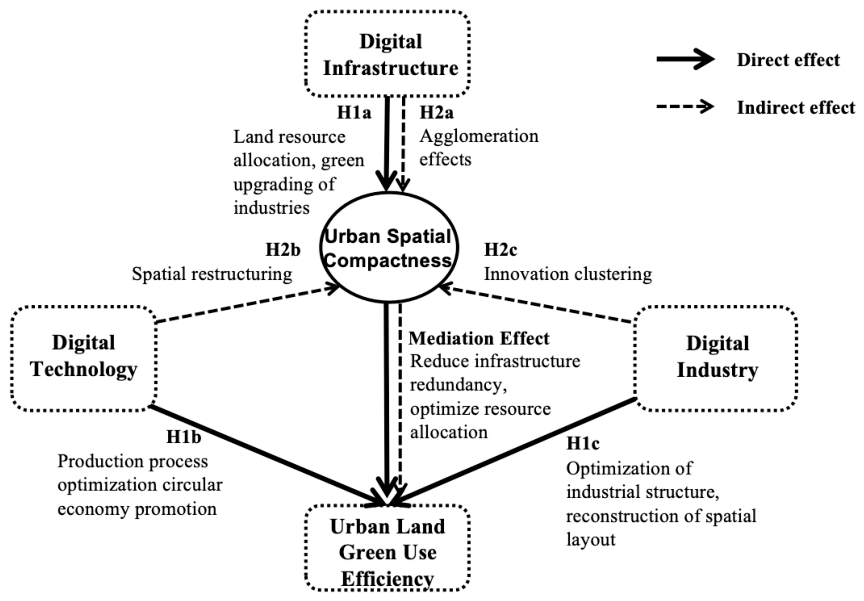
Figure 1. Framework for analyzing impact mechanisms.
Land 15 00907 g001
Table 1. Indicator system for UGLUE measurement.
VariableIndicatorIndexDefinition
UGLUEInputLandArea of built-up land within the city limits (km2)
CapitalCalculated through the perpetual inventory method (CNY)
LaborNumber of employees in the secondary and tertiary industries (person)
Expected OutputEconomic benefitsPer capita value added of the secondary and tertiary industries (ten thousand yuan)
Social benefitsAverage wage of urban residents (yuan)
Environmental benefitsGreen coverage rate of built-up area (%)
Undesired OutputNegative impact on the environmentIndustrial wastewater discharge (ten thousand tons)
Industrial soot emissions (tons)
Industrial SO2 emissions (tons)
Table 2. Descriptive statistics of variables (2011–2021, N = 3069 observations).
VariableSymbolObsMeanStd. Dev.MinMax
Urban Green Land Use EfficiencyUGLUE30690.37670.18470.00581.3762
Digital infrastructureDIF30690.19810.07970.00460.5695
Digital technologyDT30690.18430.09330.00000.9514
Digital industryDID30690.03170.04010.00200.5147
Urban spatial compactnessUSC30690.14390.09610.00001.0000
Economic development levelPGDP306910.75830.57098.772913.0557
Intensity of government interventionGOV30690.20200.10210.04390.9155
Infrastructure levelINF306918.03227.71500.000060.0700
Population densityPopd30695.73070.94830.68317.8816
Opening levelTrade30690.17410.28300.00002.4913
Green technology innovation levelGTI3069412.24571154.79000.000018238
Environmental regulationERS306978.601523.07800.2400146.4900
Table 3. Results of DML for direct effects.
Variables(1) UGLUE(2) UGLUE(3) UGLUE(4) UGLUE
DIF0.168 ** (0.079)0.183 ** (0.079)0.182 ** (0.079)0.188 ** (0.079)
DT1.267 *** (0.397)1.104 *** (0.392)1.278 *** (0.284)1.213 *** (0.257)
DID1.020 *** (0.222)1.087 *** (0.222)0.483 ** (0.220)0.532 ** (0.204)
Linear term of the control variablesYesYesYesYes
Quadratic term of the control variablesNoYesNoYes
Time fixed effectYesYesYesYes
City fixed effectYesYesYesYes
N3069306916741674
Notes: **, *** indicate significance at the 5%, and 1% levels, respectively. Standard errors are reported in parentheses.
Table 4. Results of coefficient difference test.
Variables(1)Normal-Based
DIF-DT−2.566 *** (0.325)−3.204, −1.927
DT-DID−0.472 *** (0.122)−0.711, −0.233
DID-DIF2.093 *** (0.369)1.371, 2.816
Notes: *** indicate significance at the 1% levels. Standard errors are reported in parentheses. DIF-DT: The coefficient difference between digital infrastructure and digital technology. DT-DID: The coefficient difference between digital technology and digital industry. DID-DIF: The coefficient difference between digital industry and digital infrastructure.
Table 5. Robustness test.
Variables(1) Sample Adjustment(2) Outlier Treatment(3) Province-Time Fixed Effects(4) Alternative Sample Splits(5) Alternative ML Algorithms(6) Instrumental Variable
1% Tail Reduction5% Tail Reduction Kfolds = 3Kfolds = 8GRADBOOSTNnet
DIF0.186 ** (0.085)0.272 ** (0.075)0.190 ** (0.061)0.189 *** (0.070)0.301 *** (0.073)0.216 *** (0.072)0.507 *** (0.064)0.212 * (0.114)2.846 *** (0.802)
DT1.265 *** (0.317)0.701 *** (0.192)1.389 *** (0.701)1.318 *** (0.360)1.000 *** (0.337)1.211 *** (0.379)1.243 *** (0.277)1.090 *** (0.331)10.528 ** (0.536)
DID0.783 *** (0.204)0.542 * (0.423)0.593 ** (0.259)0.609 *** (0.193)0.940 *** (0.202)0.894 *** (0.224)0.719 *** (0.188)1.081 *** (0.330)8.912 *** (2.745)
Linear term controlsYesYesYesYesYesYesYesYesYes
Quadratic term controlsYesYesYesYesYesYesYesYesYes
Time fixed effectYesYesYesYesYesYesYesYesYes
City fixed effectYesYesYesYesYesYesYesYesYes
Province-Time Fixed EffectsNoNoNoYesNoNoNoNoNo
N270630693069306930693069306930693069
Notes: *, **, *** indicate significance at the 10%, 5%, and 1% levels, respectively. Standard errors are reported in parentheses.
Table 6. Results of USC as mediating variable.
DIF Mediation PathDT Mediation PathDID Mediation Path
Variables(1)
UGLUE
Total Effect
(2)
USC
DIF→USC
(3)
UGLUE
NDE of DIF
(4)
UGLUE
Total Effect
(5)
USC
DT→USC
(6)
UGLUE
NDE of DT
(7)
UGLUE Total Effect
(8)
USC
DID→USC
(9)
UGLUE
NDE of DID
DIF0.168 ** (0.079)−0.100 ** (0.028)0.142 *** (0.011)
DT 1.267 ***
(0.397)
−0.311 ** (0.081)0.681 *** (0.008)
DID 1.020 ***
(0.222)
−0.166 **
(0.039)
0.243 ***
(0.012)
USC −0.102 *** (0.003) −0.093 *** (0.002) −0.094 ***
(0.002)
NIE = (1)–(3)0.026
(15.5% of total)
0.586
(46.2% of total)
0.777
(76.2% of total)
ControlsYes (linear + quadratic)
Time/City FEYes
N3069
Notes: **, *** indicate significance at the 5%, and 1% levels, respectively. Standard errors are reported in parentheses. Columns (1), (4), and (7) report the total effects of DIF, DT, and DID on UGLUE estimated without the mediator. Columns (2)–(3), (5)–(6), and (8)–(9) present the DIF, DT, and DID mediation paths, respectively, where columns (3), (6), and (9) report the natural direct effect (NDE) of each dimension with USC included as a regressor. The natural indirect effect (NIE) is computed as total effect − NDE, following Farbmacher et al. (2022) [86].
Table 7. Results of the heterogeneity across urban typologies.
Variables(1) Resource Endowment(2) Industrial Foundation(3) City Hierarchy(4) Administrative Level
Resource-Based CityNon-Resource-Based CityOld Industrial BaseNon-Old Industrial BaseDeveloped CityModerately Developed CityLess Developed CityHigher Grade CityLower Grade City
DIF0.202 * (0.108)0.194 ** (0.111)0.046 (0.097)0.265 ** (0.114)0.283 ** (0.120)0.220 ** (0.128)0.005 (0.093)0.164 (0.134)0.109 (0.090)
DT8.391 *** (1.142)0.897 *** (0.284)6.455 *** (1.411)1.048 *** (0.256)0.778 *** (0.157)5.932 *** (0.187)−0.333 (3.912)1.083 ** (0.461)0.451 (0.267)
DID1.402 * (0.760)0.849 *** (0.188)1.057 (0.869)0.902 *** (0.200)1.146 *** (0.294)0.912 *** (0.472)−0.199 (0.675)0.896 *** (0.188)0.521 ** (0.188)
Linear term controlsYesYesYesYesYesYesYesYesYes
Quadratic term controlsYesYesYesYesYesYesYesYesYes
Time fixed effectYesYesYesYesYesYesYesYesYes
City fixed effectYesYesYesYesYesYesYesYesYes
N124318261034203553977017603852684
Notes: *, **, *** indicate significance at the 10%, 5%, and 1% levels, respectively. Standard errors are reported in parentheses.
Table 8. Coefficient Difference Test between Subsamples.
Variable(1) Resource Endowment(2) Industrial Development Basis(3) City Class(4) Administrative Level
DIF7.12 ***8.74 ***33.92 ***51.76 ***
DT3.67 ***10.37 ***25.90 ***35.94 ***
DID6.99 ***10.57 ***35.05 ***59.03 ***
Notes: *** indicate significance at the 1% levels.
Disclaimer/Publisher’s Note: The statements, opinions and data contained in all publications are solely those of the individual author(s) and contributor(s) and not of MDPI and/or the editor(s). MDPI and/or the editor(s) disclaim responsibility for any injury to people or property resulting from any ideas, methods, instructions or products referred to in the content.


