1. Introduction
Formal rural credit, particularly land-backed collateralized lending, is widely regarded as a cornerstone of agricultural modernization and rural economic development [
1,
2]. Agricultural land is the most significant asset held by rural households in most developing economies, yet its capital potential remains largely unrealized because the institutional infrastructure needed to convert land rights into financial instruments is underdeveloped [
3,
4]. In China, this challenge prompted a major institutional reform: the “three-rights separation” framework disaggregated farmland ownership (retained by rural collectives), contracting rights (held by farm households), and management rights (transferable to operational entities), with the explicit aim of making farmland management rights (FMR) pledgeable as collateral. By 2018, the national pilot program for FMR mortgage lending had been formally completed; the 2019 revision of the Rural Land Contracting Law then enshrined FMR pledging in statute, removing the final formal legal barrier to farmland-backed credit at scale.
Despite this enabling framework, FMR mortgage lending has conspicuously failed to achieve self-sustaining viability across China’s pilot regions. The program exhibits a recurring pattern: government-driven momentum is followed by rapid stagnation once state facilitation weakens, leaving both supply and demand sides of the market simultaneously cold [
5,
6,
7]. Loan balances and transaction volumes have contracted sharply in documented cases; some pilot sites have entered a state of near-total stasis; and a growing share of formally recorded FMR mortgage loans appear to be retrofitted obligations—existing loans retrospectively reclassified to include farmland as supplementary collateral rather than genuinely new transactions [
8]. This trajectory raises a fundamental question that current literature has not fully answered: what structural factors prevent FMR mortgage lending from generating endogenous market demand and supply, and why does the program collapse once the government withdraws?
To break through this impasse, it is necessary to examine the interacting constraints that have been proposed to explain farmland mortgage failures across institutional contexts. Three major clusters of constraints emerge from the literature. (1) Property rights insecurity: weak or ambiguous tenure arrangements inflate transaction costs, reduce collateral certainty, and dampen land market activity [
9,
10,
11]. In China, management rights derived primarily through rental contracts carry debt-claim rather than real-property attributes, making collateral enforcement legally contested; the complexity of the three-rights structure further complicates valuation and post-default disposal [
12,
13]. (2) Land market underdevelopment: where secondary markets for land transfers are thin or absent, banks cannot reliably value or liquidate collateral; the near-absence of a secondary FMR market in China means that price discovery is ad hoc and collateral realization is practically impossible [
14,
15,
16,
17]. (3) Subject-level and institutional barriers: the high risk and low returns of smallholder agriculture discourage financial institution participation [
18,
19]; the absence of specialized agricultural credit instruments amplifies institutional reluctance [
20]; and individual household characteristics—income level, risk tolerance, and access to informal credit—determine whether FMR-backed borrowing is a rational choice at all [
21,
22].
While each constraint cluster has received attention in isolation, the existing literature has not produced an integrated theoretical account of how these factors interact to generate the specific outcome observed in China’s program: a durable state of mutual non-recognition in which neither lenders nor borrowers regard FMR as a workable collateral instrument. Most studies focus on a single constraint dimension or a single stakeholder perspective [
23,
24,
25]; few examine the institutional environment—rural credit culture, supervisory capacity, professional appraisal infrastructure—as a mediating layer that amplifies or attenuates the primary constraints. Crucially, no prior study has employed a methodology capable of both inductively identifying the full range of operative constraints from primary evidence and empirically quantifying their relative influence on program sustainability. This gap limits both theoretical understanding of land-backed rural finance and the design of policy interventions capable of addressing root causes rather than surface symptoms.
In some regions in eastern China, such as Jiangsu Province and Zhejiang Province, the land circulation market has developed well, and farmland management rights have been regarded as a form of credit, functioning smoothly for many years. However, Henan Province has particularly unique characteristics. Firstly, it has a large population and limited land resources, with a relatively good per capita cultivated land area of 1.14 mu (approximately 0.073 hectares) per person, which is lower than the national average. Additionally, considering the livelihood of farmers, the progress of large-scale circulation is relatively slow. Secondly, Henan Province is a major agricultural province, where farmers’ agricultural income accounts for a large proportion of their total income. Furthermore, farmers cherish their land very much. Without reasonable resettlement after land circulation, their enthusiasm for land circulation is not very high, and there may even be breaches of contract.
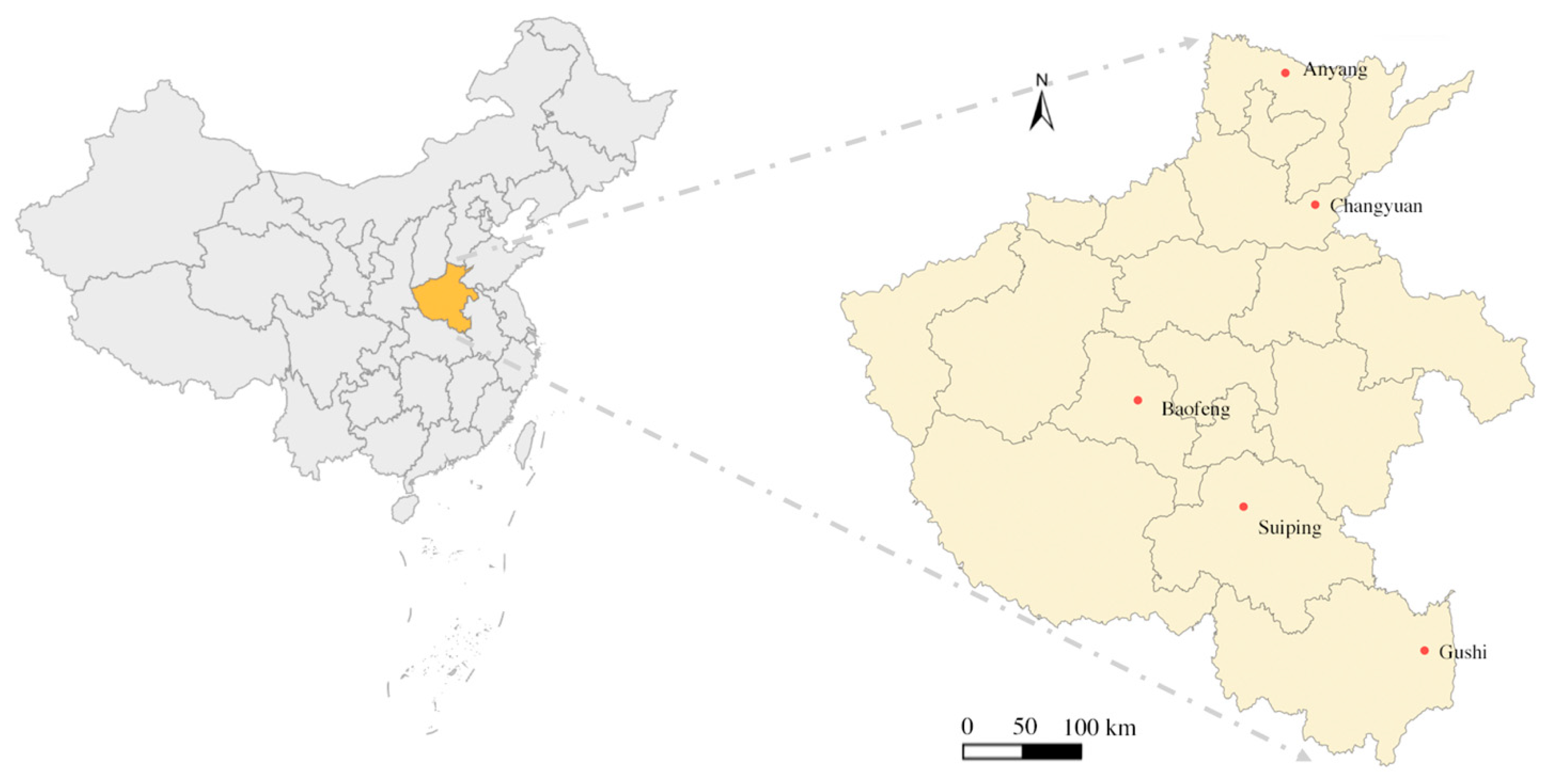
Therefore, this investigation probes the structural factors underpinning this sustainability failure. We conducted a multi-county survey in Henan Province—a major agricultural hub in China—to address these research gaps. Henan Province represents a dense concentration of national and provincial-level Family Mortgage Refinancing (FMR) pilot projects. Our analysis draws upon 16 in-depth interviews with government officials, financial institution staff, and guarantee company representatives from five key pilot counties, enriched by policy documents, media reports, and a structured survey yielding 1055 valid responses from farmers and financial institution staff across the same region. This study employs a sequential mixed-methods approach: first, qualitative evidence is analyzed using grounded theory to inductively construct a comprehensive constraints framework. This framework links property rights, market, subject, and environmental constraints with mutual non-recognition, providing a more complete causal explanation for project failure than single-factor analyses. Subsequently, the framework undergoes empirical validation and quantification via Structural Equation Modeling (SEM). We reveal how environmental constraints, extending beyond mere internal collateral defects, critically impact collateral acceptance. Drawing insights from one of China’s most extensively documented land mortgage pilot projects, we offer comparative perspectives for developing economies striving to leverage agricultural land assets to establish credit channels for smallholders—a widespread challenge confronting numerous countries across Sub-Saharan Africa, South Asia, and Southeast Asia. In these regions, land titling advancements have frequently outpaced the construction of essential complementary institutional ecosystems that confer commercial rights.
The remainder of this paper is organized as follows.
Section 2 develops the theoretical framework and research hypotheses.
Section 3 describes the study design, data sources, and analytical methods.
Section 4 presents the grounded theory and SEM results.
Section 5 discusses the findings in light of the existing literature.
Section 6 concludes with policy implications and directions for future research.
2. Theoretical Framework and Research Hypotheses
2.1. Theoretical Framework
The sustainability of any collateral-based lending market rests on two interdependent conditions. First, the pledged asset must possess adequate collateral attributes—specifically, legal security (clear and enforceable rights), liquidity (a functioning market in which the asset can be realized), and determinable value (credible and independent appraisal). Second, both transacting parties must mutually recognize the asset as a workable collateral instrument. Drawing on institutional logics theory [
26,
27] and the property rights-based literature on land finance [
4,
9,
12], we propose that FMR mortgage lending fails to sustain itself because neither condition is met under China’s current institutional arrangements. The insufficiency of FMR’s collateral attributes is driven by three internal constraint categories arising from the nature of the asset and the market in which it operates; these are compounded by an external environmental constraint arising from the broader institutional context in which lending occurs. The combined effect is a state of mutual non-recognition—a stable equilibrium in which banks and farmers each rationally withhold participation—that the program cannot escape without continuous government intervention.
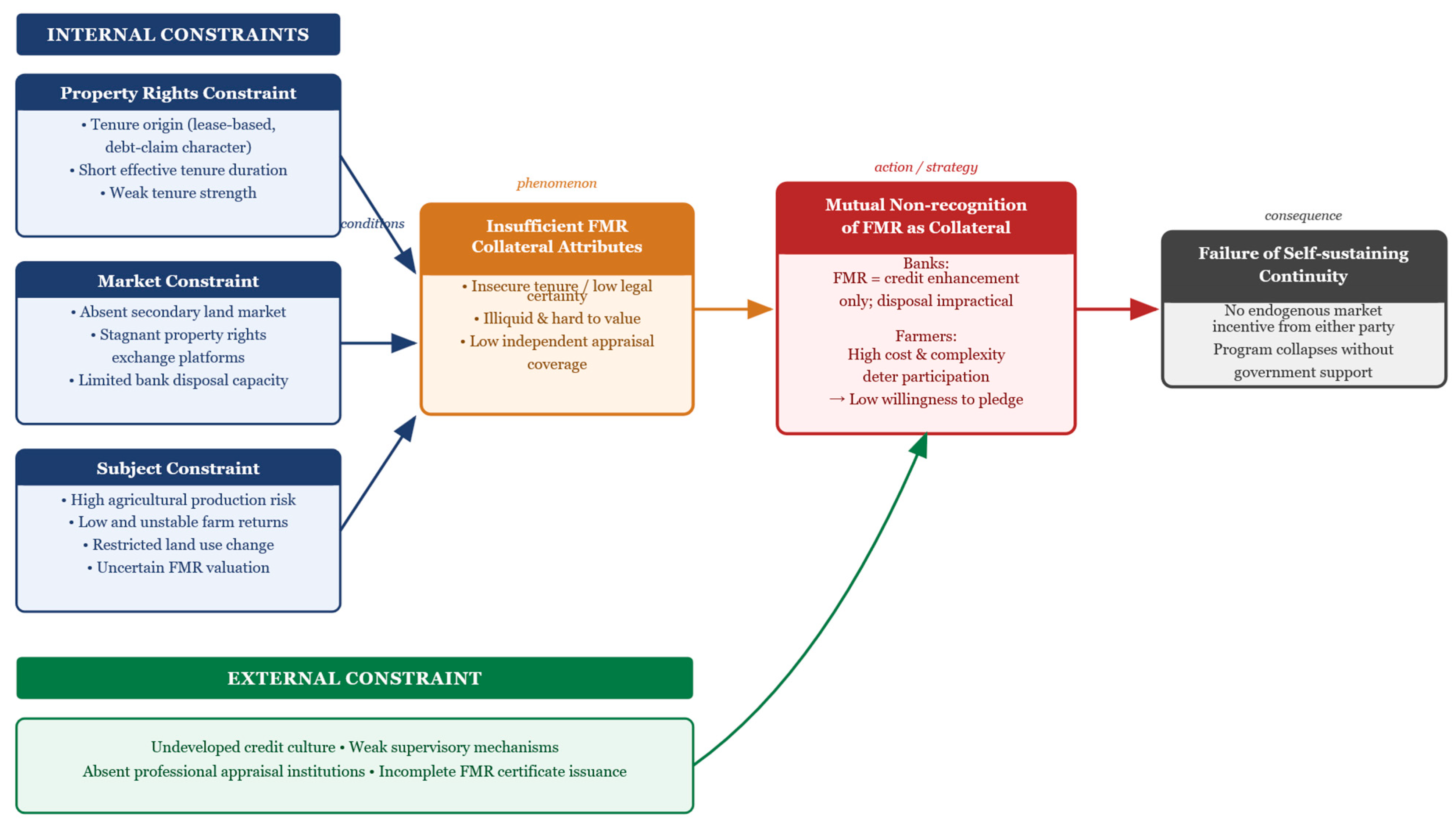
As depicted in
Figure 1, the framework is organized as a paradigm model, moving from causal conditions through a central phenomenon and intervening context to a strategic response and consequential outcome. The three internal constraint categories operate as causal conditions that jointly produce the phenomenon of insufficient FMR collateral attributes. First, property rights constraints stem from the hybrid legal character of lease-derived management rights. Because FMR is predominantly obtained through rental contracts rather than direct statutory assignment, it carries debt-claim rather than real-property attributes: collateral enforcement requires the cooperation of the original contracting-rights holder, creating legal ambiguity in any default scenario. Tenure duration deepens this problem—because rents are typically paid on an annual basis, the operator’s effective tenure security at any given time extends only twelve months, a horizon too short to underpin durable collateral. The social and institutional non-recognition of FMR as pledgeable property—captured in interview evidence comparing it to mortgaging a rented apartment without the landlord’s consent—compounds the legal fragility of the underlying right. Second, market constraints reflect the near-absence of a functioning secondary market for FMR disposals. Land transfer prices in the primary market are largely determined by private negotiation rather than competitive price discovery, contract standardization is weak, and the property rights exchange platforms established across pilot sites have largely stagnated due to fiscal pressure, unclear operational mandates, and insufficient transaction volume. Without a liquid secondary market, banks face fundamental inability to value or liquidate FMR as collateral and are exposed to acute adverse selection in pricing FMR-backed loans. Third, subject constraints capture the sector-level characteristics that depress the expected income stream underlying any collateral valuation: high production risk from weather and market price volatility; structurally low and narrow profit margins in smallholder farming; and mandatory restrictions on agricultural land use that prevent FMR value from diversifying beyond agricultural income. When banks evaluate FMR, they typically rely solely on current rental income, ignoring improvements and other asset components—further compressing the assessed collateral value.
The external environmental constraint operates as the context that determines whether market participants can recognize and act upon whatever collateral attributes FMR does possess. It comprises four interacting institutional deficiencies: an undeveloped rural credit culture in which informal norms of obligation and reciprocity resist formal debt relations, and in which rural credit information systems are fragmented and non-interoperable, making it difficult for financial institutions to assess borrower repayment capacity accurately; weak supervisory mechanisms that allow misuse of loan proceeds and create high monitoring costs with no corresponding enforcement tools; the near-total absence of professional agricultural land appraisal agencies, leaving valuation entirely dependent on financial institution staff whose methods lack specialist training, consistency, and independence; and incomplete progress in issuing FMR certificates, which leaves many transferred management rights legally undocumented and therefore impossible to formalize as registered collateral. Together, these deficiencies raise the transaction costs of FMR-backed lending to a level that neither party has an independent incentive to absorb—a point confirmed empirically by the dominance of environmental constraints in the SEM.
These converging constraints produce, as their action/strategy outcome, a state of mutual non-recognition of FMR as collateral. Financial institutions treat FMR not as a realizable pledge but as a marginal credit-enhancement device offering no genuine recovery value in a default. Farming households and operating entities, meanwhile, encounter an application process laden with procedural complexity, appraisal costs, guarantee premiums, and documentation requirements that push the effective all-in cost of FMR-backed borrowing above that of informal credit alternatives. The ultimate consequence is the failure of self-sustaining program continuity: without endogenous commercial motivation from either side, loan volumes can only be maintained through direct government coordination, and activity collapses when that support withdraws.
2.2. Research Hypotheses
Based on the theoretical framework, four research hypotheses are formulated for empirical testing.
H1. Internal constraints—property rights insecurity, thin land markets, and subject-level agricultural risk—each significantly undermine FMR collateral attributes.
The framework predicts that all three internal constraints exert independent, significant effects on the measured collateral attributes of FMR (tenure stability, asset liquidity, and valuability). Property rights constraints should most strongly affect the security dimension, given the contested legal status of lease-derived FMR; market constraints should most strongly affect the liquidity dimension; and subject constraints should affect the value dimension by depressing expected agricultural income streams. These three pathways are examined separately to allow disaggregation of their relative effects.
H2. FMR collateral attributes positively influence collateral acceptance among market participants.
As FMR’s collateral attributes improve—tenure becomes more secure, liquidity increases, and valuation becomes more reliable—both financial institutions and farming households should be more willing to treat FMR as legitimate collateral. This represents the standard expectation from collateral theory: better collateral quality raises lender willingness to lend and borrower incentive to pledge. This hypothesis allows us to assess whether the asset quality pathway is functioning as expected, or whether institutional non-recognition has become decoupled from the underlying collateral fundamentals.
H3. Environmental constraints are the primary positive driver of collateral acceptance.
A more developed rural credit system, more effective supervisory mechanisms, professional appraisal capacity, and complete FMR certificate coverage should lower transaction costs and information asymmetries, raising institutional confidence in FMR-backed lending. We hypothesize that the environmental constraint pathway will dominate the collateral attributes pathway in determining collateral acceptance—reflecting the view that institutional context is not a background condition but a first-order determinant of whether land-backed lending can function at all.
H4. Collateral acceptance positively drives FMR mortgage lending continuity, but the demand-side pathway may operate through different mechanisms from the supply-side pathway.
We expect that institutional receptiveness—the willingness of financial institutions to process FMR-backed loan applications—will respond significantly to collateral acceptance, driving supply-side continuity. However, farmer mortgage willingness may be driven less by institutional acceptance of FMR as collateral than by the relative cost of FMR-backed loans, the complexity of the application process, and the availability of competing informal credit channels. This hypothesis thus anticipates a potential supply-demand asymmetry in the drivers of FMR mortgage continuity.
4. Results
4.1. Open Coding: Puyang County Primary Case
Systematic open coding of the Puyang County interview transcripts, policy documents, and media reports yielded 31 initial concepts, subsequently consolidated into 14 preliminary categories spanning four recurring constraint domains.
Under property rights constraints, interviewees consistently identified three interlocking problems. The first concerned the origin of FMR tenure: because management rights in Puyang are overwhelmingly acquired through rental contracts with original contracting-rights holders, they carry the character of debt claims rather than usufructuary real-property rights. This fundamental legal status means that any collateral enforcement action requires the cooperation of the original contracting-rights holder—a party with no contractual obligation to facilitate the bank’s recovery and every incentive to reclaim the land in a default scenario. The second problem concerned effective tenure duration. Although rental contracts nominally span five to ten years, annual rent payment schedules mean that the operator’s practical tenure security at any given time extends only twelve months (X3-1). For banks evaluating collateral with loan terms of three to five years, this creates an unacceptable mismatch between the tenor of the loan and the security of the pledge. The third problem was the weak social and institutional recognition of FMR as pledgeable property—financial institution staff widely described pledging rented management rights as equivalent to attempting to mortgage property that does not belong to the borrower (J2-1).
Under market constraints, the dominant finding was the practical non-existence of a secondary FMR market. Land transfer prices in the primary market were determined entirely through bilateral negotiation, with no price benchmarks, standardized contracts, or competitive market mechanisms. The local property rights exchange platform—established as part of the pilot infrastructure—had ceased meaningful activity prior to the study period, citing reasons including insufficient transaction volume and absence of dedicated operational funding. Banks could identify no realistic mechanism for converting an FMR pledge into cash recovery in a default scenario; valuations were therefore almost entirely notional, focused on rental income with no secondary market comparables and no improvement value.
Under subject constraints, high agricultural production risk and low profitability were cited consistently across all interviewee categories—not as peripheral concerns but as foundational reasons why FMR-backed loans cannot be underwritten on conventional commercial terms (G7-1, G8-1). The structural weakness of agricultural income means that loan repayment is vulnerable to a single bad season, and mandatory land-use restrictions preclude diversification of the income stream. When banks did attempt to appraise FMR, the rental income component was typically assessed at conservative levels, while ground improvements and any agricultural infrastructure investment were effectively discounted to zero (X3-2).
Under environmental constraints, three independent institutional barriers emerged: an underdeveloped rural credit culture in which informal borrowing norms are dominant and the rural credit information system lacks interconnectivity across institutions (X2-1); weak supervisory mechanisms with no practical tools available to monitor loan use or enforce compliance (C2-2); and the absence of professional appraisal agencies, leaving banks to rely on their own staff’s assessments conducted without specific training or standardized methodology (J1-2).
Table 1 presents representative open coding examples drawn from both the primary and supplementary cases.
The operational record of the Puyang program reinforced these qualitative findings at the aggregate level. By end-2020, the program had accumulated 2249 loans totalling CNY 480 million. However, by October 2021, overdue FMR mortgage balances had exceeded CNY 10 million, with a default rate surpassing 10%. Critically, virtually all recovery was achieved through government risk compensation fund disbursements rather than collateral disposal: in documented default resolutions, financial institutions consistently pursued the co-pledged guarantors rather than the FMR itself (C3-1), confirming that the land management right contributed negligibly to actual credit security. This pattern—FMR as supplementary credit-enhancement device rather than primary collateral instrument—was replicated uniformly across all five focal sites, establishing the mutual non-recognition dynamic as a systemic structural feature of the program.
4.2. Cross-Case Analysis, Axial Coding, and Theoretical Model
Extending analysis to the four supplementary focal cases—Jiyuan, Changge, Dengzhou, and Xun County—yielded 20 additional initial concepts and 10 new preliminary categories not present in the Puyang data. The cross-case comparison confirmed and substantially enriched each of the four constraint domains identified in the primary case, while introducing important new dimensions absent from the Puyang evidence.
The new concepts falling under environmental constraints were the most analytically significant additions. The stagnation of property rights exchange platforms emerged as a cross-cutting finding: in Jiyuan, the “Four Platforms and One Council” system had formally coordinated the institutional actors needed to support FMR lending but had produced only one documented loan by 2019; in Xun County, the rural comprehensive property rights exchange was reportedly non-operational at the time of data collection despite earlier activity. In both cases, stagnation was attributed to a combination of fiscal pressure and insufficient transaction volumes—a self-reinforcing dynamic in which low activity reduces platform revenue, which further reduces operational capacity, which further reduces activity. The absence of professional appraisal agencies was confirmed universally across cases (J1-2, A23), and the cross-case data added the specific finding that the resulting valuation vacuum was filled inconsistently: some sites delegated appraisal to informal panels of local government officials and banking staff with no relevant expertise, producing valuations that neither lenders nor borrowers trusted as independent or accurate. The incomplete issuance of FMR certificates was documented across multiple sites (G1-1, A24), with some counties having issued certificates only to the original contracting-rights holders rather than to the transferee-operators who sought to pledge the rights, rendering the formal precondition for FMR mortgage registration unmet in a significant proportion of cases.
Two important new categories emerged that were either absent or only implicit in the Puyang data. First, low subject participation willingness (A15) crystallized across the supplementary cases as a demand-side constraint distinct from collateral quality: insurance companies expressed reluctance to engage with the FMR program because they could not identify a commercially viable premium structure for agricultural risks (P1-1); and operating entities with complex multi-party rental arrangements encountered the additional transaction cost that the original contracting-rights holders were required to co-sign mortgage registration documents, creating consent-seeking delays and refusals that further deterred borrowers. Second, high transaction costs (A22) emerged as a compound category reflecting the cumulative burden of appraisal fees, guarantee premiums, certificate registration costs, and documentary requirements—a burden that, when set against the typically modest size of FMR-backed loan requests, produced effective annual all-in borrowing costs that were uncompetitive relative to informal credit channels.
The cross-case comparison also sharpened understanding of the
“government exit problem”—a phenomenon visible in embryonic form in the Puyang data but explicit and well-documented across the supplementary cases. In each of the four national-level sites, measurable loan activity coincided precisely with periods of active government coordination: when county governments provided direct transaction facilitation, operated risk compensation funds, and personally brokered loan agreements between banks and borrowers, volume was generated. When government attention shifted or funding was withdrawn, activity immediately ceased [
32]. Changge’s “project library” model, despite being recognized as a provincial best practice, was stagnant by the time of data collection; Dengzhou’s program halted after a single large-scale showcase transaction; Jiyuan produced only one documented loan over its entire pilot period. The consistency of this pattern across sites with very different institutional designs confirms that the program’s dependency on government support is a structural feature of the constraint architecture rather than an implementation failure at any individual site.
Table 2 presents the axial coding output. Detailed support mechanisms and operational outcomes for each focal site are summarized in
Table A3 (
Appendix A).
Selective coding integrated the seven main categories into the FMR Mortgage Constraint Model (
Figure 1), anchored by the core category “FMR mortgage constraint factors.” The storyline runs as follows: property rights, market, and subject constraints (causal conditions) jointly generate insufficient FMR collateral attributes (phenomenon); this deficiency, compounded by the environmental constraint (context), produces mutual non-recognition of FMR as collateral by both transacting parties (action/strategy); the combined absence of supply-side willingness from banks and demand-side willingness from farmers results in the failure of self-sustaining program continuity (consequence). Theoretical saturation was confirmed through additional analysis of policy materials from five further pilot counties—no new concepts, categories, or logical relationships emerged.
4.3. Measurement Model Validation
Before structural estimation, the measurement model was evaluated through EFA on a 500-respondent subsample and reliability/validity assessment on the full sample. EFA results (
Table 3) confirmed the expected factor structure for both Market Constraint (KMO = 0.709; χ
2 = 753.9,
p < 0.001; variance explained = 73.6%) and Property Rights Constraint (KMO = 0.750; χ
2 = 828.1,
p < 0.001; variance explained = 73.0%). Within the Market Constraint construct, the three secondary land market items (a11–a13) loaded predominantly on Factor 3 (loadings: 0.795, 0.702, 0.693), forming an independent dimension reflecting market liquidity and transaction standardization; bank disposal capacity items (a21–a22) loaded on Factor 1 (0.765, 0.728), confirming banks’ disposal competence as a core market constraint dimension; and property rights exchange operations items (a31–a32) loaded on Factor 2 (0.657, 0.771), capturing the platform infrastructure dimension. Within the Property Rights Constraint, tenure strength items (b11–b12) loaded on Factor 2 (0.646, 0.915), and tenure duration items (b21–b22) loaded on Factor 1 (0.727, 0.880), supporting the two-dimensional decomposition of property rights constraints into rights robustness and temporal horizon.
Reliability and convergent validity results on the full sample are presented in
Table 4. All six primary latent variables achieved Cronbach’s α > 0.70 (range: 0.714–0.918), meeting the standard threshold for internal consistency [
33]. Composite reliability (CR) values exceeded 0.80 for all constructs except Market Constraint (A; CR = 0.660), with the overall range of 0.660–0.948 indicating generally acceptable to strong construct reliability. Average variance extracted (AVE) exceeded the 0.50 convergent validity threshold for all primary constructs (range: 0.539–0.859). Collateral Acceptance (F) demonstrated the strongest measurement properties overall (α = 0.918, CR = 0.948, AVE = 0.859), consistent with its role as the pivotal endogenous construct in the theoretical model. Among the second-order sub-constructs, bank disposal capacity (A2; AVE = 0.752) and property rights exchange operations (A3; AVE = 0.738) demonstrated strong convergent validity, while the secondary land market sub-construct (A1) returned a below-threshold AVE of 0.368—a finding that likely reflects genuine multidimensionality in the measurement of land market activity across these heterogeneous pilot contexts, and is acknowledged as a measurement limitation. After passing the validity test, this paper conducted a fit index analysis on the model (
Table 5). The fit indices of the overall model all met the reference value criteria, indicating that the model constructed in this paper can fit the sample data well. Overall, the measurement model provides a sufficient foundation for structural estimation.
4.4. SEM Path Analysis and Hypothesis Testing
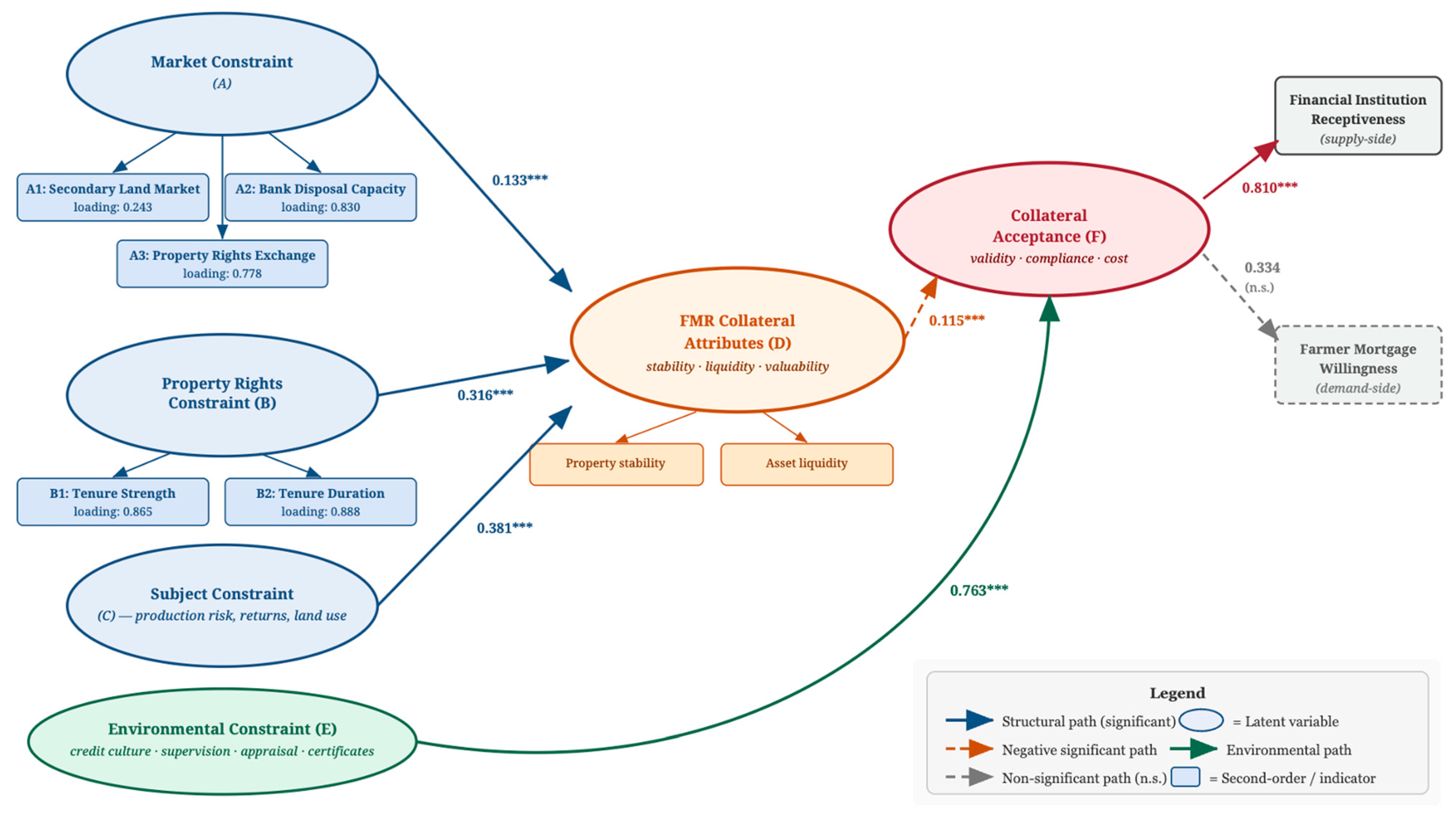
Figure 3 provides a graphical summary of the estimated SEM, including standardized path coefficients and significance levels, while
Table 6 reports the corresponding structural model path coefficients. The overall pattern of results strongly supports the theoretical framework, with all major hypothesized paths statistically significant except for the demand-side component of H4.
Table 6 presents the estimation results and significance tests of the model paths. Through the path coefficients, standard deviations, and
p values, the assumed relationships and influence directions among the latent variables are verified.
H1 (internal constraints → FMR collateral attributes) is supported. All three internal constraint paths are significant at p < 0.001. Subject constraints exert the largest effect on FMR collateral attributes (β = 0.381), followed by property rights constraints (β = 0.316) and market constraints (β = 0.133). The ranking of these coefficients is theoretically informative: subject constraints—high production risk, low returns, restricted land use—impose a structural ceiling on FMR’s collateral value that is sector-wide and cannot be addressed by institutional reforms targeting tenure security or market infrastructure alone. Property rights constraints reflect the fundamental legal ambiguity of lease-derived FMR, exerting a substantial independent effect on collateral attributes through both tenure strength (β = 0.865) and tenure duration (β = 0.888)—the near-identical loadings confirming that the legal robustness and the temporal horizon of FMR tenure are equally central to its collateral viability. Market constraints carry the smallest coefficient, with their effect concentrated in bank disposal capacity (β = 0.830) and property rights exchange operations (β = 0.778) rather than secondary land market activity (β = 0.243)—indicating that the institutional infrastructure for collateral disposal, rather than the raw scale of voluntary land transfer, is the binding market-side constraint.
H2 (FMR collateral attributes → collateral acceptance) is not supported in the expected direction. The path from FMR collateral attributes to collateral acceptance is statistically significant (β = −0.115, p < 0.001) but negative, contradicting the expected positive relationship. Rather than treating this as an anomalous finding, we interpret it as theoretically meaningful: as market actors develop a clearer assessment of FMR’s actual collateral properties—particularly through the accumulation of experience with disposal failures, valuation difficulties, and tenure disputes—their recognition of FMR as workable collateral decreases rather than increases. We characterize this as a “lucidity trap”: the program has been partially sustained by information opacity and by government guarantee absorption of default risk; as participant awareness of FMR’s collateral limitations improves, resistance intensifies. The implication is that improving asset quality alone, without simultaneous development of the institutional environment, cannot generate collateral acceptance.
H3 (environmental constraints → collateral acceptance) is strongly supported. Environmental constraints exert by far the largest influence on collateral acceptance (β = 0.763, p < 0.001), dominating all other pathways in the model. This is the study’s most policy-significant finding: the institutional environment—rural credit culture, supervisory capacity, guarantee mechanism performance, and certificate issuance completeness—is not a background condition for FMR mortgage lending but its primary determinant. The dominance of this pathway confirms that legal formalization of FMR pledging rights, while necessary, is far from sufficient to generate market recognition of FMR as collateral.
H4 (collateral acceptance → FMR mortgage continuity) is partially supported. The supply-side path from collateral acceptance to financial institution receptiveness is significant and substantial (β = 0.810, p < 0.001), confirming that when institutions genuinely accept FMR as collateral—typically after environmental conditions improve—they do increase their willingness to process FMR-backed applications. However, the demand-side path from collateral acceptance to farmer mortgage willingness is not significant (β = −0.334, p = 1.590), revealing a fundamental asymmetry: farmer participation is not meaningfully responsive to institutional acceptance of FMR as collateral. The most plausible interpretation, consistent with the qualitative evidence, is that farmers’ non-participation is driven primarily by the relative cost structure of FMR-backed loans—appraisal fees, guarantee premiums, and documentary complexity raise the effective borrowing cost above competing alternatives—rather than by concerns about institutional legitimacy. This finding carries a direct policy implication: supply-side improvements in institutional acceptance will not automatically generate demand-side uptake; reducing the transaction cost burden on borrowers is an independently necessary reform.
5. Discussion
Our mixed-methods findings converge on a central proposition: FMR mortgage lending in China has failed to achieve sustainability not because it is administratively dysfunctional, but because the underlying asset—farmland management rights—does not, under current institutional conditions, possess the collateral properties necessary to support a commercially viable lending market. The program has been sustained by government intervention that simulates market activity without generating the institutional foundations for endogenous demand and supply.
This proposition has important implications for the theoretical debate on land tenure and rural credit. The dominant strand of this literature, following De Soto [
3] and Besley [
34], holds that formalizing property rights is the key to unlocking the capital value of land for credit purposes. Our findings suggest that formalization is necessary but insufficient. In the case of FMR, legal formalization has occurred—management rights are legally pledgeable under the 2019 Rural Land Contracting Law—but the institutional ecosystem required to give those rights commercial traction is largely absent. The relevant institutions include a functioning secondary market for FMR disposals; professional appraisal agencies capable of credibly valuing FMR; supervisory mechanisms that monitor loan use and deter moral hazard; a rural credit information system that reduces adverse selection; and a judicial framework with clear enforcement procedures for FMR collateral. Without these complementary institutions, legal title is commercially inert [
35]. The finding that environmental constraints dominate collateral acceptance (β = 0.763) strongly supports this institutional complementarity argument, aligning with the broader institutional logics literature [
26,
27], which emphasizes that the viability of new organizational forms depends on their resonance with existing field-level institutional logics.
The negative path from FMR collateral attributes to collateral acceptance (β = −0.115) is among the study’s most analytically striking results. Rather than an anomaly, we read it as evidence of a “lucidity trap”: as actors gain clearer understanding of the true collateral quality of FMR—its short effective tenure, disposal difficulties, low independent valuation—their acceptance decreases rather than increases. This dynamic suggests that the program has partly survived on information asymmetry, with borrowers who do not fully understand the limitations of their collateral and lenders who rely on government guarantees rather than collateral realization. As participants become better informed, resistance intensifies. This has a counterintuitive policy implication: transparency improvements, without simultaneous institutional development, may actually contract program activity in the short run. The non-significance of the collateral acceptance → farmer mortgage willingness path (β = −0.334,
p = 1.590) is equally instructive. Demand-side participation is driven not primarily by institutional recognition of FMR as collateral but by the cost structure of FMR-backed loans relative to competing alternatives—a finding consistent with the credit rationing literature [
21], which documents that formal credit access does not automatically translate into formal credit utilization when transaction costs are high relative to loan size.
From a comparative perspective, the challenges encountered in China’s FMR mortgage program are not unique. Deininger et al. [
36] document analogous difficulties in South Asia, where incomplete land records and ambiguous legal frameworks obstruct collateral-based lending even after formal titling programs have concluded. Place and Hazell [
14] show that secure tenure alone does not generate productive investment or credit access without a functioning land market infrastructure. Holden et al. [
20] argue that land market development in Africa requires coordinated advances across tenure security, credit infrastructure, and information systems—no single-factor intervention proves sufficient. Barry and Robison [
19] note that in developed agricultural economies, the management of agricultural lending risk requires sophisticated complementary instruments—crop insurance, futures markets, government programs—that China’s rural financial sector has not yet developed at comparable scale. These parallels suggest that China’s FMR mortgage challenge is not idiosyncratic but reflects a broader pattern encountered by developing economies attempting to introduce complex financial instruments before the requisite institutional ecosystem is in place.
These findings also speak to the governance dimensions of rural finance reform. Across all five focal sites, the program demonstrated a structural dependency on government as coordinator of last resort: activity was sustained only through direct government orchestration of transactions, absorption of default risk, and bridging of information gaps. The normative question is not whether government involvement in rural credit markets is appropriate—the literature provides ample precedent—but whether the current form of involvement builds the institutional foundations for eventual market viability or merely displaces the incentive to develop them. The evidence from Henan suggests the latter: the very success of government facilitation in generating initial loan volumes reduced the urgency of developing the secondary market, professional appraisal, and credit information infrastructure that would be needed to sustain lending commercially. Transitioning from a government-simulated market to a self-sustaining one will require a deliberate strategy of institutional capacity building alongside—and ultimately replacing—direct government transaction support [
37,
38].
6. Conclusions
This paper has investigated the structural determinants of FMR mortgage lending’s sustainability failure in China through a multi-county study in Henan Province, combining grounded theory analysis of qualitative evidence with SEM quantification of survey data. The core finding is a coherent causal chain: three internal constraints—property rights insecurity, thin land markets, and subject-level agricultural risk—degrade FMR’s collateral attributes; these deficiencies, compounded by an underdeveloped institutional environment, produce mutual non-recognition of FMR as legitimate collateral by both financial institutions and farming households; and this non-recognition, in the absence of endogenous market incentives, prevents the program from sustaining itself without continuous government support. The SEM results add quantitative precision: subject constraints exert the largest effect on FMR collateral attributes (β = 0.381), the environmental constraint pathway dominates collateral acceptance (β = 0.763), and financial institution receptiveness—but not farmer willingness—responds significantly to collateral acceptance (β = 0.810 vs. β = −0.334, n.s.).
The policy implications are specific and actionable, organized around five priority areas. (1) Strengthen FMR tenure security. Accelerating the issuance of FMR certificates to all operating entities with leases of five years or more—as the 2019 Rural Land Contracting Law permits but implementation has been delivered inconsistently—would directly address the tenure strength and duration dimensions of property rights constraints. Standardizing lease contract terms to require multi-year rent commitments and structured payment schedules would extend effective tenure horizons and reduce the mismatch between loan tenor and collateral stability. (2) Build a functioning FMR secondary market. Rural property rights exchanges require realistic assessments of transaction demand, stable funding mechanisms linked to transaction fees rather than government appropriations, and clear operational mandates focused on FMR disposal and price discovery. Reviving and sustaining these platforms—without which collateral realization remains practically impossible—is a precondition for any commercially viable FMR mortgage market. (3) Establish professional agricultural land appraisal capacity. An independent, professionally certified appraisal of FMR—encompassing rental income, ground improvements, and comparative market evidence—is necessary to provide credible and consistent valuations. Without this, lender valuations will remain conservative and internally inconsistent, perpetuating the gap between nominal and realized collateral value. (4) Expand agricultural risk management instruments. Significantly increasing crop insurance penetration and coverage depth would stabilize the agricultural income streams underpinning FMR value, directly addressing the subject constraint. Without a meaningful risk floor for agricultural production, FMR’s value will remain structurally volatile and its collateral appeal limited. (5) Develop rural credit information infrastructure. Building shared rural credit databases, improving borrower monitoring capacity, and cultivating a culture of formal credit obligation are preconditions for sustainable lending rather than supplementary improvements—the dominance of the environmental constraint pathway in our results makes this unambiguous.
Several limitations merit acknowledgment. The geographic concentration of the study in Henan Province, while providing depth and policy relevance, limits generalizability to provinces with substantially different institutional configurations. The SEM analysis relies on self-reported survey data that may carry response bias in a politically sensitive policy domain. The below-threshold AVE for the secondary land market sub-construct suggests this dimension requires more refined operationalization in future research. Future studies might extend the comparative scope to provinces at varying stages of institutional development, incorporate administrative data on loan volumes and default rates for more objective outcome measurement, and examine the dynamic evolution of FMR mortgage programs over time to identify the conditions under which a transition from government-led to market-driven operation might become feasible.
China’s FMR mortgage program offers a richly documented and cautionary case for the international policy community: legal property rights reform is necessary, but the institutions that give legal rights commercial traction must be built with equal deliberateness. The challenge of unlocking agricultural land’s capital potential for smallholder credit access—shared by developing economies across Sub-Saharan Africa, South Asia, and Southeast Asia—cannot be resolved by formalization alone. What is required is a coordinated and sequenced approach to institutional ecosystem development, in which land rights, market infrastructure, supervisory capacity, and financial instruments are built together rather than in isolation.