Article

Fine-Scale Territorial Carbon Budget Accounting and Driver Identification in the Central Guizhou Urban Agglomeration, China

1
Department of Tourism and Geography, Tongren University, Tongren 554300, China
2
Engineering Research Center of Intelligent Monitoring and Policy Simulation of Mountainous Territorial Space, Higher Education Institutions of Guizhou Province, Tongren 554300, China
3
School of Public Administration, Guizhou University, Guiyang 550025, China
4
School of Geography, Geomatics and Planning, Jiangsu Normal University, Xuzhou 221116, China
*
Author to whom correspondence should be addressed.
These authors contributed equally to this work.
Land 2026, 15(4), 628; https://doi.org/10.3390/land15040628
Submission received: 24 February 2026 / Revised: 2 April 2026 / Accepted: 7 April 2026 / Published: 11 April 2026

Abstract

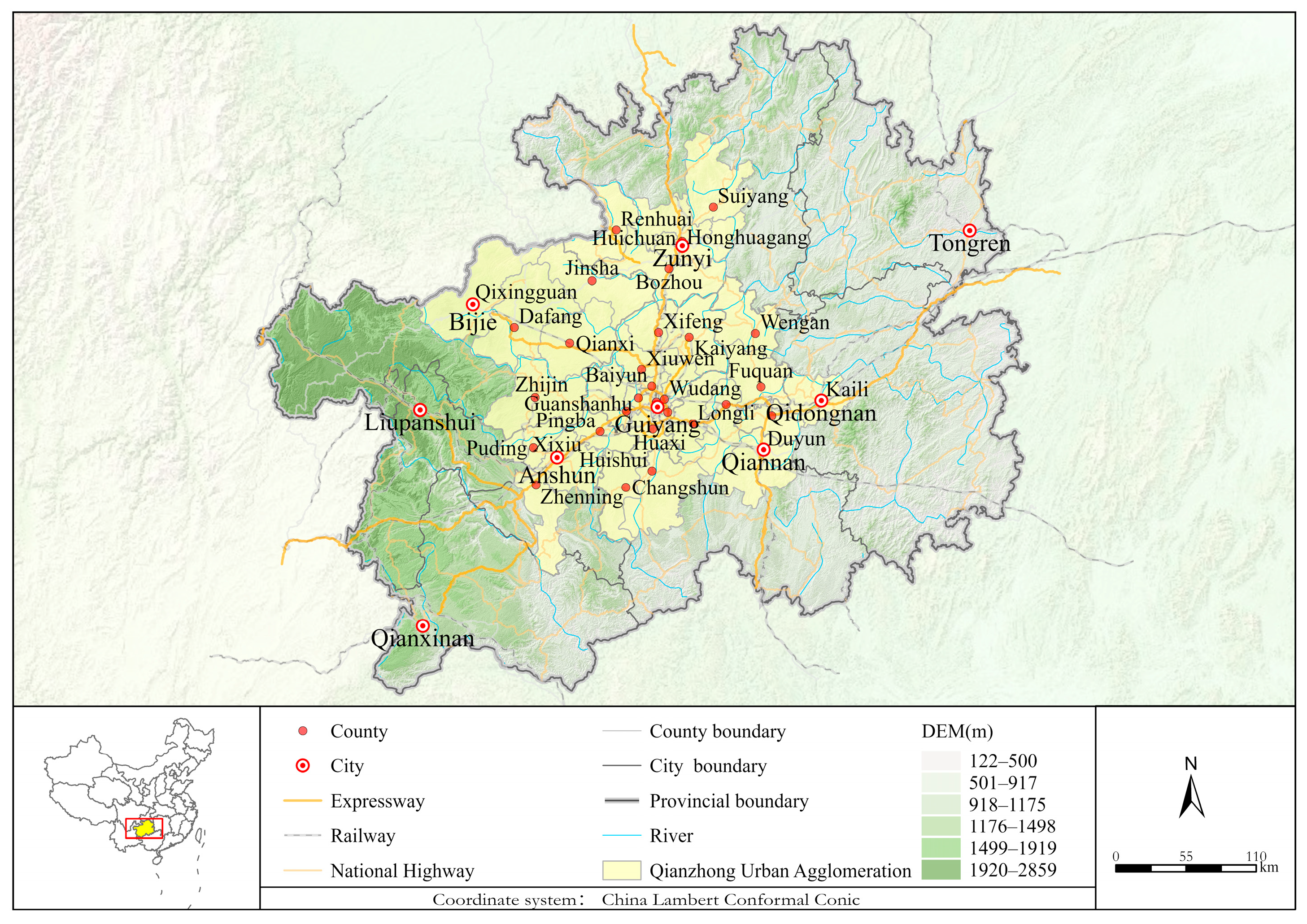
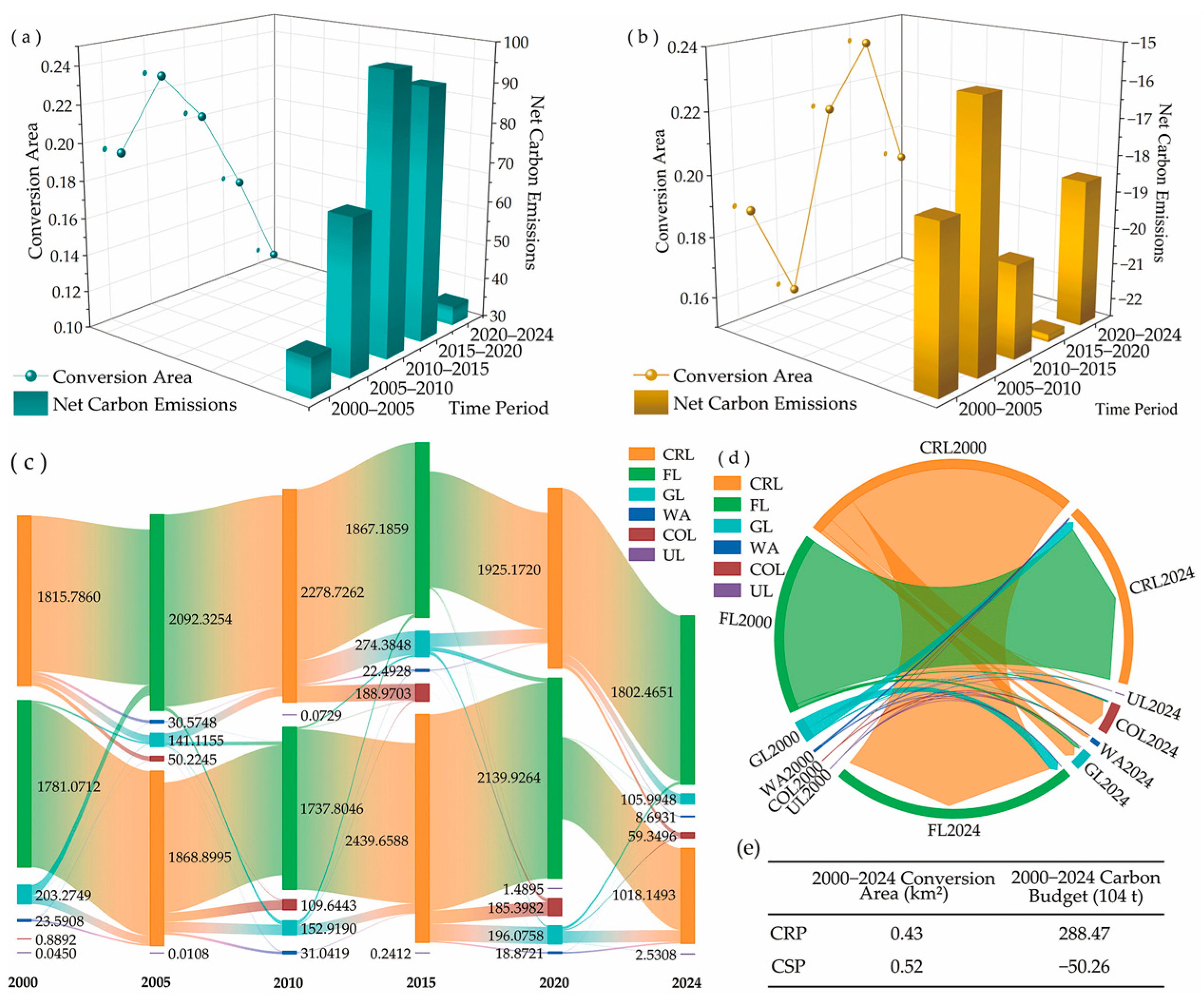
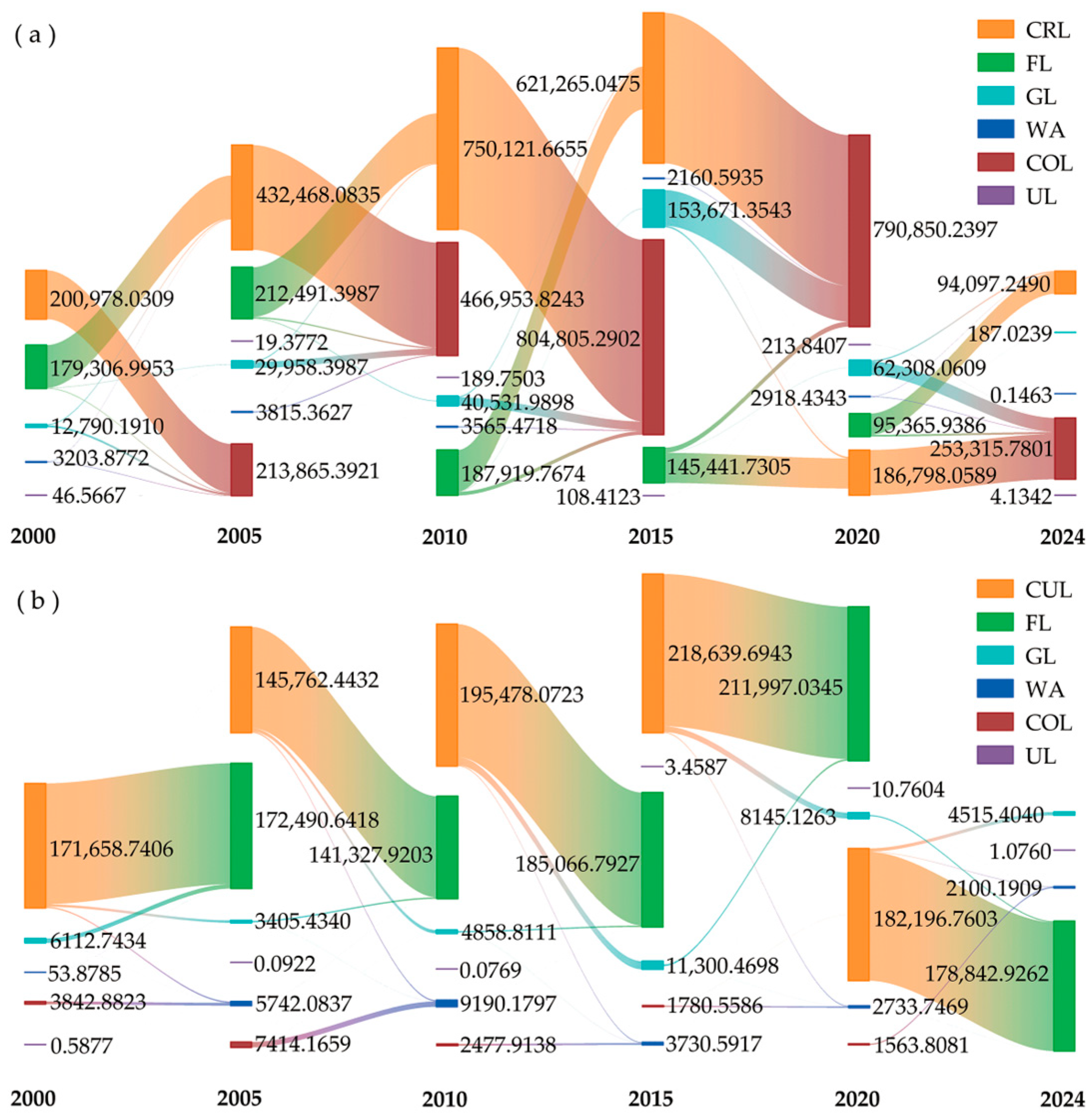
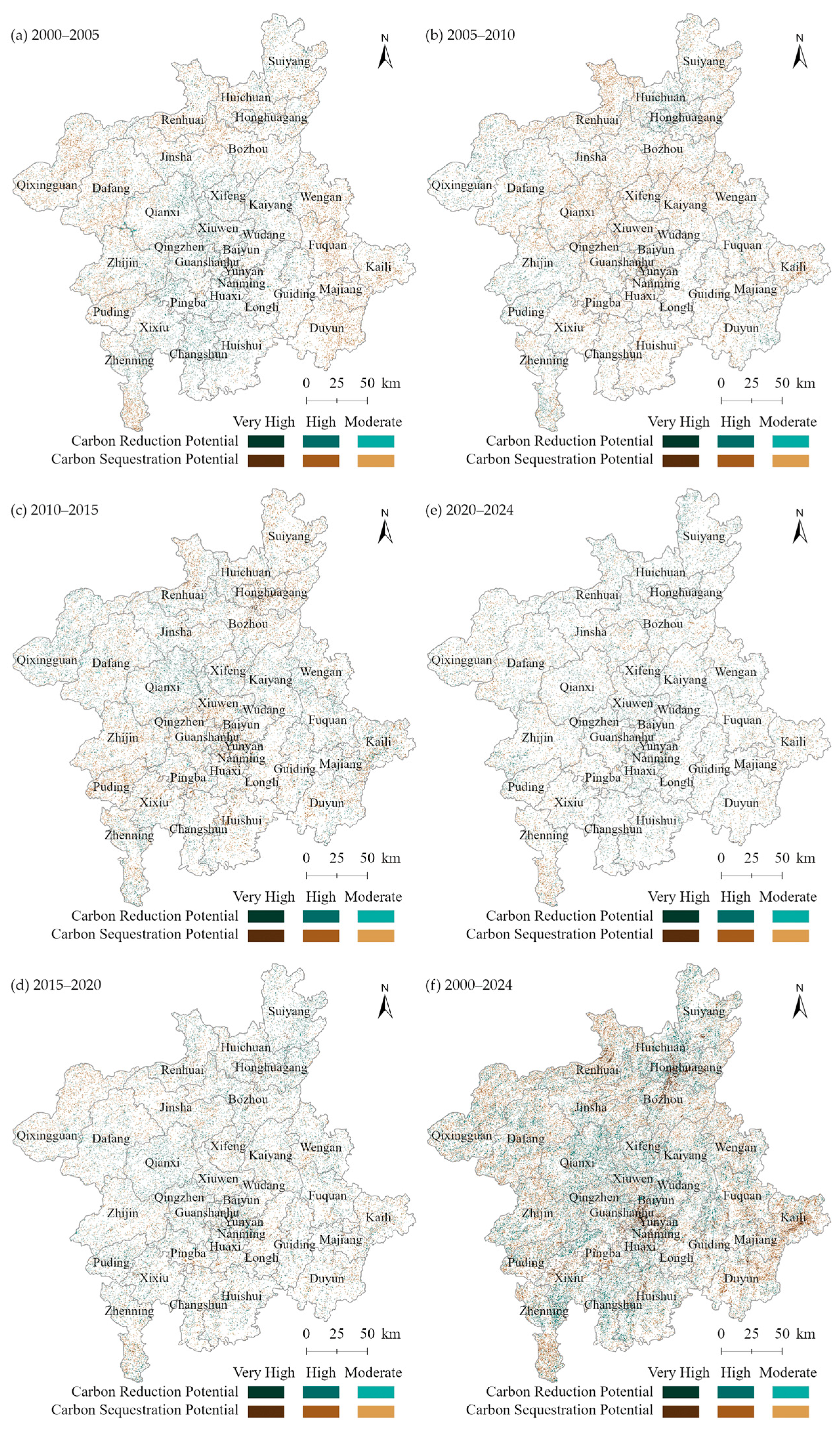
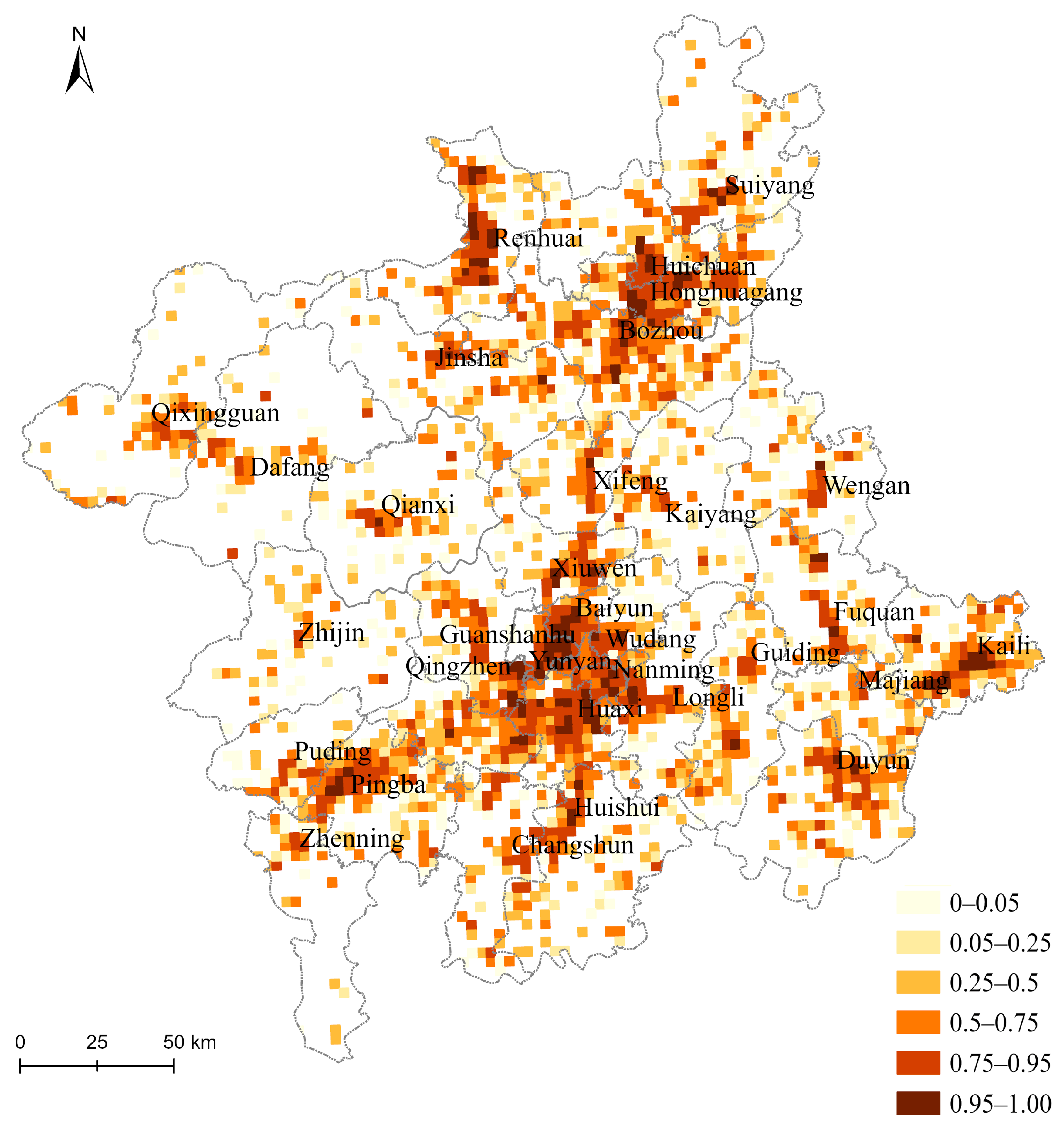
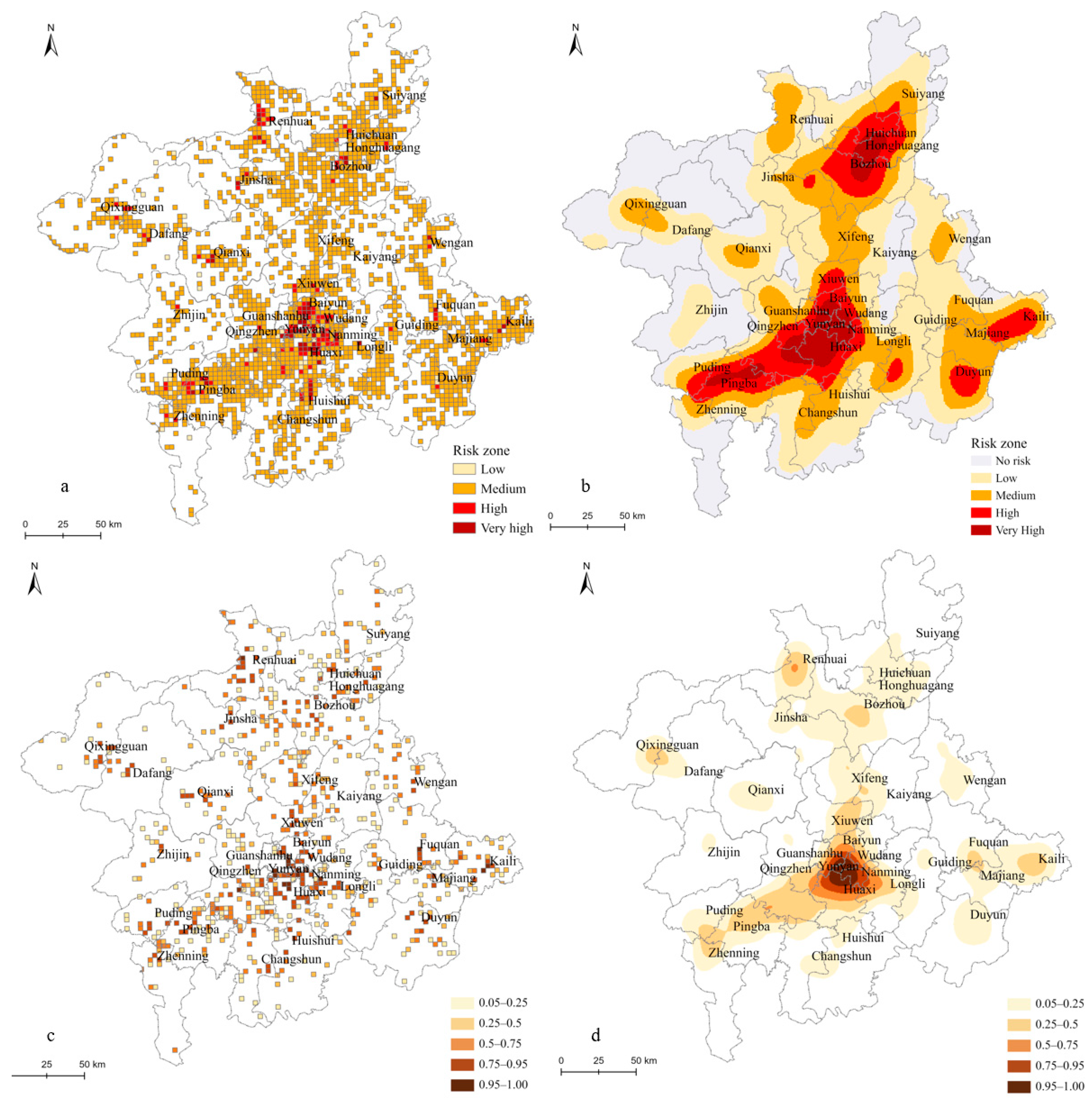
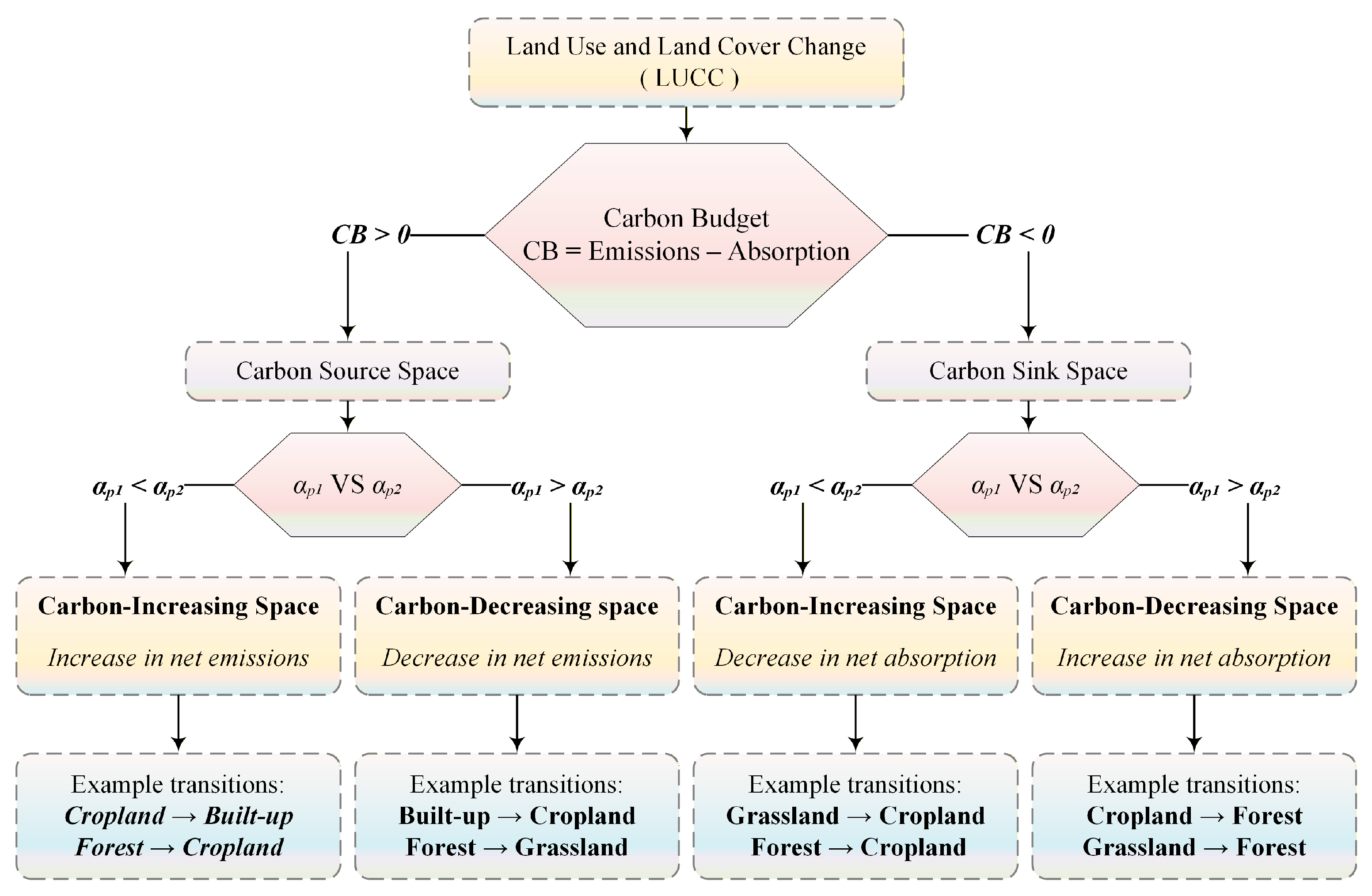
Fine-scale accounting of land use carbon budgets and identification of their driving factors provides an essential scientific basis for constructing green and low-carbon territorial spatial systems. This is of great significance for optimizing territorial spatial structure and promoting low-carbon development in urban agglomerations. Taking the Central Guizhou Urban Agglomeration as the study area, this study employed a composite carbon coefficient method to construct a 30 m × 30 m grid-based carbon budget index and quantitatively assessed carbon budget changes induced by land use transitions from 2000 to 2024. POI data and a quantile regression model were further integrated to analyze the dominant spatial characteristics associated with carbon budgets, and a carbon budget monitoring and early-warning index was developed to delineate risk zones. The results show that: (1) From 2000 to 2024, the total area of land use change reached 0.95 × 10⁴ km2 in the Central Guizhou Urban Agglomeration, accounting for 17.68% of the total land area, and leading to a net increase of 2.3821 million tons of carbon emissions. This increase was primarily associated with the conversion of cultivated land to construction land, with an accelerated growth rate observed in the later period. (2) The spatial patterns of carbon budgets and carbon emission risk levels exhibit a distinct “core–periphery” structure, with high carbon emission levels concentrated in built-up urban areas and lower levels observed in peripheral ecological land. (3) The expansion of construction land is the dominant contributor to the increase in net carbon emissions; industrial, transportation, and residential spaces exert significant positive driving effects, whereas commercial and service spaces show a negative association. (4) Carbon budget risk zoning based on dominant spatial characteristics identifies Guiyang and Anshun as extremely high-risk areas. The results further suggest that reducing carbon-increment spaces and increasing carbon-reduction spaces may play an important role in territorial carbon budget optimization. The integrated “accounting–driving–monitoring” analytical framework established in this study provides a scientific basis for territorial spatial optimization and carbon emission reduction in mountainous urban agglomerations.
Keywords: land use change; carbon budget; grid-based accounting; Central Guizhou Urban Agglomeration land use change; carbon budget; grid-based accounting; Central Guizhou Urban Agglomeration