1. Introduction
Territorial space constitutes the fundamental arena for carbon source and sink processes, and its utilization directly influences regional carbon emissions and carbon sequestration [
1,
2]. Therefore, optimizing land use patterns and regulating regional carbon budgets through territorial spatial planning and land use regulation has become an important pathway toward achieving China’s “dual-carbon” goals. Urban agglomerations have become the dominant spatial form of China’s new-type urbanization [
3], forming the principal framework of the national–territorial–spatial structure and playing a critical role in enhancing regional competitiveness and promoting high-quality development [
4]. At the same time, they are also key regions where population, industry, and construction activities are highly concentrated and where land use/land cover change (LUCC) is most intense and complex. With the rapid urbanization process, population, industry, and construction activities have continued to concentrate in urban areas, resulting in continuous restructuring of land use patterns and rapid growth in energy consumption. Although cities occupy only about 2% of the global land surface, they contribute nearly 75% of global carbon emissions [
5,
6], while the proportion in China is even higher, reaching approximately 85% [
7]. In particular, urban agglomerations formed around megacities or large metropolitan cores with strong regional driving capacity contribute more than 64% of China’s total carbon emissions, making them the principal spatial carriers of carbon emissions [
8,
9]. Within these agglomerations, land use patterns reshape the structure and functioning of terrestrial ecosystems, thereby directly influencing the spatiotemporal dynamics of regional carbon budgets, particularly the balance between carbon emissions and carbon sequestration under land use transitions [
10]. Optimizing land use patterns to reduce carbon emissions has become a key theme of national–territorial–spatial planning [
2,
11,
12]. Therefore, understanding the patterns and spatial associations of carbon budget changes in urban agglomerations from the perspective of LUCC is of great significance for optimizing territorial spatial patterns, promoting regional low-carbon transition, and achieving sustainable development.
Extensive research has been conducted worldwide on territorial carbon budget accounting, and estimation approaches have continuously evolved [
13,
14,
15,
16,
17]. Currently, the primary methods for assessing carbon budgets include the field inventory method (sample plot-based) [
18,
19], model-based approaches [
20,
21], and remote sensing-based estimation methods [
22,
23]. The field inventory method (sample plot-based) directly measures vegetation and soil carbon stocks at sample plot scales and generally provides high accuracy. However, they are labor-intensive, time-consuming, and often constrained by limited long-term observational data. The extrapolation from sample plots to regional scales introduces substantial uncertainty, particularly in mountainous regions characterized by strong spatial heterogeneity. The model-based approaches can be broadly classified into bookkeeping models and spatially explicit models [
21,
24]. Bookkeeping models describe changes in vegetation and soil carbon stocks under anthropogenic disturbances and reflect carbon cycle dynamics between terrestrial ecosystems and the atmosphere, driven by land use change. These models have been widely applied to estimate cumulative carbon emissions since the Industrial Revolution, with parameters progressively refined through empirical datasets [
25]. Spatial models include empirical models and process-based (mechanistic) models [
21]. Empirical models typically establish statistical relationships between carbon fluxes and climatic variables. Although they require fewer parameters and are relatively easy to implement, their estimation accuracy is often limited and associated with considerable uncertainty. Since the 1990s, more complex process-based models, such as CASA, CENTURY, and the BIOME series, have been increasingly adopted, significantly improving estimation accuracy but exhibiting strong regional variability [
26,
27,
28]. Remote sensing-based methods utilize remotely sensed data as primary driving variables, often coupled with ecological process models or integrated with statistical regression, machine learning, and deep learning techniques for carbon sequestration estimation [
29,
30]. Additionally, atmospheric CO
2 column concentration observations from satellite platforms have been used to invert ecosystem carbon fluxes through carbon assimilation approaches [
31], representing an emerging technique in terrestrial carbon sink estimation. Despite the availability of kilometer-to-meter-scale remote sensing imagery that supports relatively fine-scale carbon accounting, several limitations remain. First, current methods often lack explicit spatial linkage between quantitative accounting results and specific land parcels, limiting their ability to capture detailed spatiotemporal dynamics. Second, existing approaches struggle to disentangle the process-based mechanisms underlying LUCC-induced carbon budget dynamics, limiting the ability to identify whether increases in net carbon emissions result from declining carbon sinks, intensified carbon sources, or structural shifts between source–sink regimes. Third, carbon density is frequently treated as spatially homogeneous within land use categories, failing to represent intra-class heterogeneity. Therefore, substantial challenges remain in improving accounting precision, spatial representation, and mechanism identification. There is an urgent need to develop more fine-scale and interpretable territorial carbon budget accounting and monitoring frameworks.
In addition, natural topographic conditions and landscape configuration exert strong controls on the spatial morphology and land use structure of urban agglomerations, resulting in pronounced regional differentiation [
32,
33,
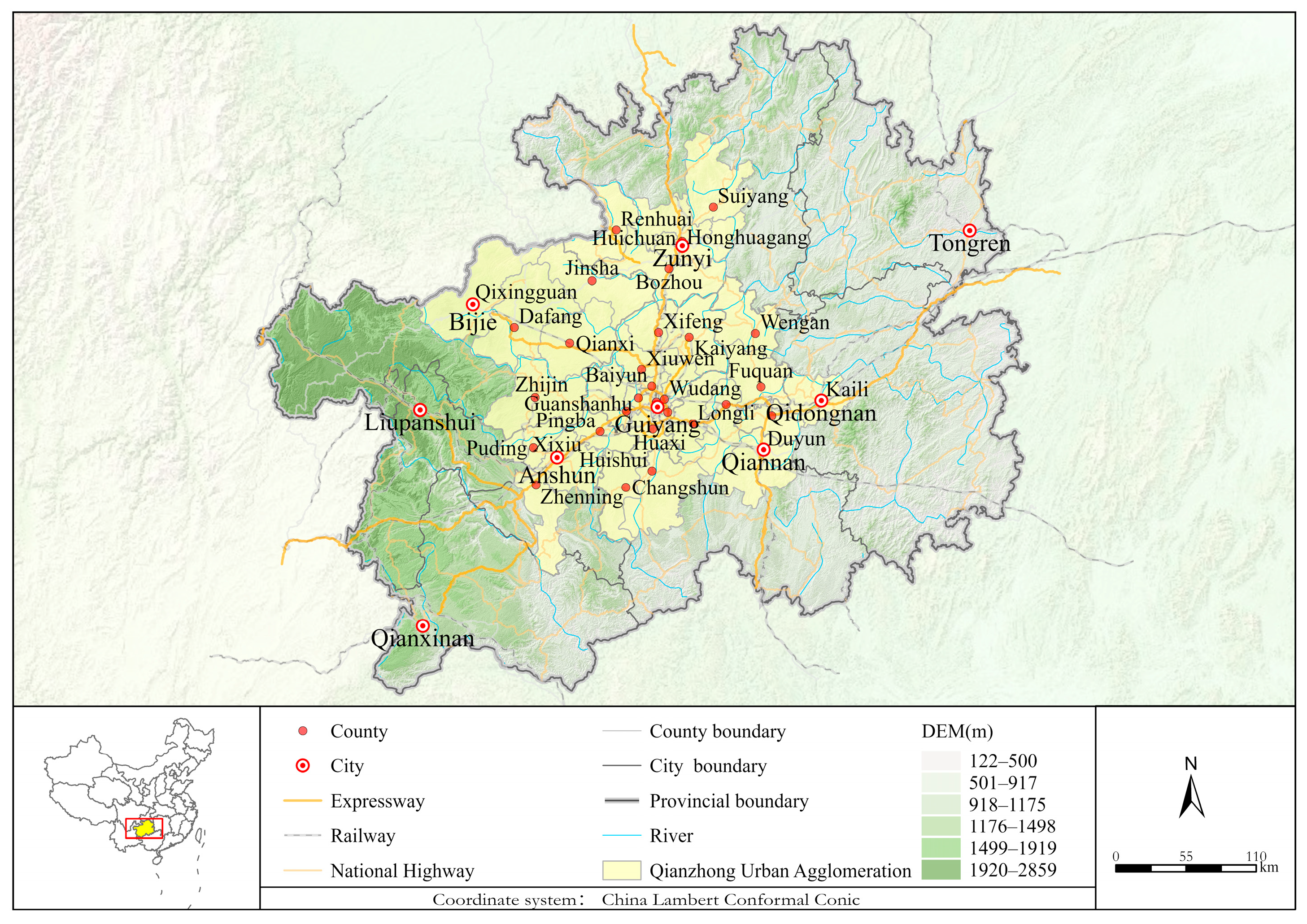
34]. However, existing studies on carbon budgets have largely focused on economically developed or plain-type urban agglomerations, with comparatively limited attention to mountainous urban systems. In particular, the spatial heterogeneity of carbon sources and sinks under complex terrain constraints, as well as their underlying driving mechanisms, remains insufficiently characterized. Limitations in spatial scale matching and process interpretability further constrain current assessments, indicating the need for more systematic investigation of carbon budget dynamics in mountainous urban agglomerations. The Central Guizhou Urban Agglomeration, located in the karst-dominated region of Southwestern China centered on the Guizhou Plateau, represents a typical mountainous urban system characterized by dense conical and tower karst landforms, extensive mountain ranges, pronounced topographic relief, and high spatial fragmentation. Rapid urbanization has resulted in a distinctive spatial configuration in which built-up areas and mountainous landscapes are highly interwoven [
35]. Compared with plain-type urban agglomerations, this region faces stronger land resource constraints, greater ecosystem heterogeneity, and more complex interactions between carbon sources and sinks [
33]. Mountainous terrain restricts urban expansion and intensifies human–land pressures, while relatively intact native or semi-natural vegetation in mountainous areas functions as an important carbon sink and plays key roles in biogeochemical cycling, hydrological regulation, and climate regulation [
36,
37,
38]. In the context of China’s “dual-carbon” goals, examining carbon budget dynamics in mountainous urban agglomerations is therefore of increasing scientific and practical relevance.
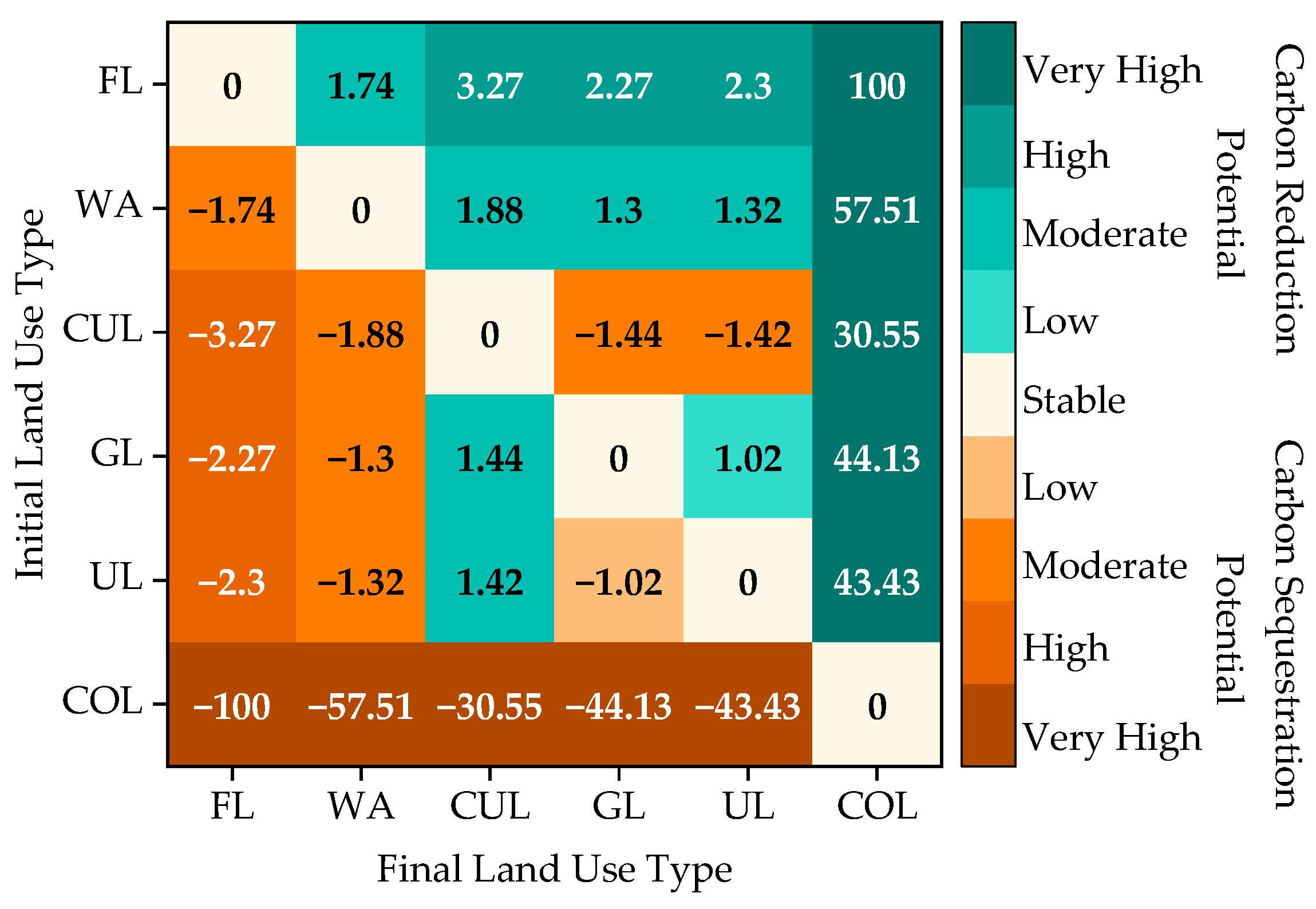
Therefore, this study focuses on the Central Guizhou Urban Agglomeration as a representative mountainous urban agglomeration. Building upon the conventional remote sensing-based carbon density method, a multi-factor correction mechanism was introduced to construct a composite carbon coefficient, thereby improving the representation of carbon budget heterogeneity under different land use transitions. A grid-based carbon budget index, corresponding to individual remote sensing pixels, was developed to systematically characterize the spatiotemporal evolution of carbon budgets induced by land use and land cover change (LUCC) from 2000 to 2024. Furthermore, point of interest (POI) data were integrated to analyze the dominant spatial patterns associated with construction land expansion and associated carbon budget variations, as well as carbon risk zones. The ultimate objective is to establish a fine-scale carbon budget monitoring framework tailored to mountainous urban agglomerations, thereby providing scientific support for territorial spatial optimization and carbon risk management.
4. Discussion
This study developed a grid-based fine-scale carbon budget accounting model for the Central Guizhou Urban Agglomeration using a composite carbon coefficient approach and systematically examined the mechanisms through which land use change drives regional net carbon emissions. The results indicate that construction land expansion is the dominant factor contributing to the carbon budget imbalance. In particular, the conversion of cultivated land to construction land accounted for 87.54% of the net carbon emission increase in extremely strong carbon-increment spaces. This finding is consistent with previous studies in the Yangtze River Delta and Chengdu–Chongqing urban agglomerations, further confirming that construction land growth is the principal driver of carbon source expansion in urban agglomerations [
12,
44,
51]. From the perspective of territorial spatial planning, these findings suggest that limiting disorderly construction land expansion, particularly the conversion of cultivated land into built-up areas, is critical for mitigating regional carbon budget imbalance.
However, unlike plain-type urban agglomerations, the Central Guizhou Urban Agglomeration, characterized by a typical karst mountainous landscape, exhibits a distinctive spatial configuration in which a core–periphery urban structure is intertwined with the ecological pattern of the “two barriers and three river basins.” This reflects strong regional specificity in carbon budget distribution. Traditional carbon accounting methods often struggle to capture fine-scale carbon dynamics in fragmented mountainous landscapes [
32]. By integrating 30 m × 30 m land use data with POI-derived spatial functional weights, this study achieves grid-level representation of carbon budgets and improves the characterization of spatial heterogeneity. These findings highlight the importance of high-resolution spatial data in regional carbon budget assessment [
12,
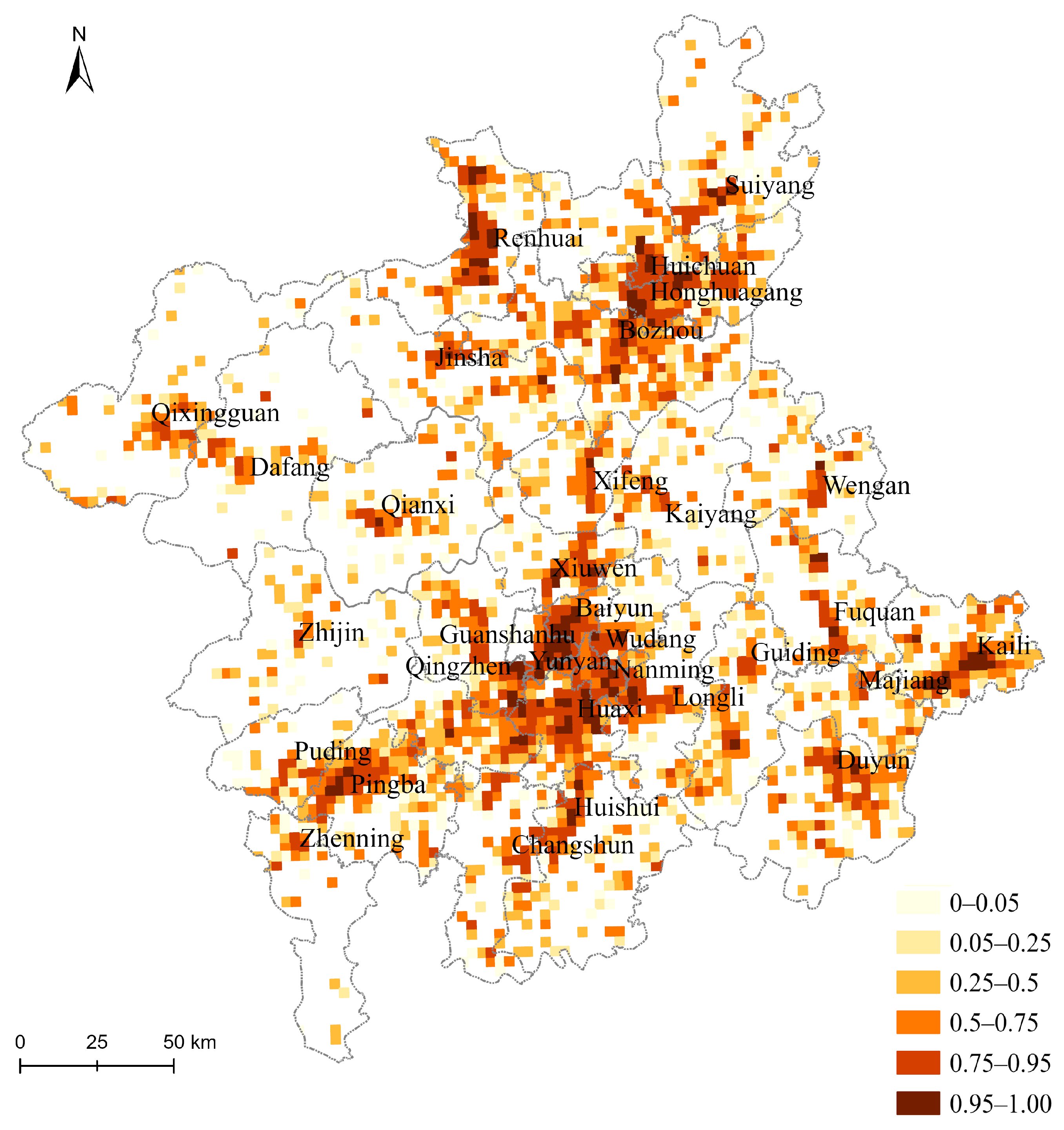
33]. More importantly, they indicate that spatial planning in mountainous urban agglomerations should not simply replicate the expansion-oriented planning logic commonly observed in plain-based urban systems. Instead, planning strategies need to account for the fragmented, corridor-like, and ecologically constrained nature of land development in mountainous terrain. In this context, high-risk carbon-increment spaces identified in this study can provide a spatial basis for delineating key control zones, optimizing development boundaries, and strengthening ecological protection in areas vulnerable to construction land encroachment.
Quantile regression results further demonstrate that industrial and transportation spaces are more strongly associated with carbon emissions associated with construction land expansion, with regression coefficients increasing toward higher quantiles. This suggests that high-emission areas are more sensitive to functional land use changes, consistent with previous findings on the carbon amplification effects of industrial agglomeration in Southwestern China. Methodologically, this study establishes an integrated analytical framework linking carbon budget indices, spatial association analysis, and monitoring early-warning mechanisms. The composite carbon coefficient approach enables dynamic grid-level simulation while refining generalized land use categories into functional spatial units through POI weighting. Compared with nighttime light data, which often fail to distinguish land use functions [
52,
53], this approach enhances the spatial interpretability of land use-related carbon budget variation. Although similar strategies have been applied in the Chengdu–Chongqing urban agglomeration [
12], systematic integration of multi-quantile regression at the grid scale remains limited. The results further reveal amplified emission effects of residential and industrial spaces at higher quantiles, deepening the understanding of spatial heterogeneity in urban core carbon source intensity. In addition, the error theory-based threshold method achieved an identification accuracy of 87.76%, outperforming parameter-based and fluctuation approaches, suggesting the strong applicability of normal distribution-based classification in regional carbon risk monitoring.
Despite these advances, several limitations remain. First, carbon coefficients were derived primarily from established literature and provide a reasonable basis for regional-scale carbon budget accounting; however, further localization may improve the representation of soil carbon pool characteristics and vegetation carbon density heterogeneity in karst regions. Future studies should incorporate field observations and remote sensing inversion methods, drawing on global carbon inventory techniques [
54], to refine region-specific carbon density parameters. Second, although POI data can effectively represent the functional structure of urban space, relying solely on POI indicators may not fully capture the complexity of urban functional activities. Future studies should integrate multi-source spatiotemporal data, such as remote sensing imagery, population mobility data, and energy consumption data, to improve the representation of urban functions and the characterization of carbon emission processes [
14]. Finally, while the monitoring and early-warning system effectively identifies high carbon risk areas, its integration with territorial spatial planning instruments requires further exploration [
1], particularly in relation to ecological compensation and carbon trading mechanisms. Future studies should further strengthen the translation of grid-based carbon budget results into operational planning tools, such as ecological restoration prioritization, differentiated land use regulation, urban growth boundary adjustment, and low-carbon territorial spatial governance.
5. Conclusions and Policy Implications
5.1. Conclusions
This study improved the conventional remote sensing-based carbon density approach by introducing a composite carbon coefficient method, enabling fine-scale grid-level carbon budget accounting, and providing a clearer understanding of spatial patterns and relationships through which land use change is associated with net carbon emissions. Based on 30 m × 30 m land use data for the Central Guizhou Urban Agglomeration from 2000 to 2024, the spatiotemporal evolution of net carbon emissions associated with land use change was systematically examined. Key driving factors of construction land expansion were identified, and a carbon budget monitoring and risk early-warning framework was established. The main conclusions are as follows:
- (1)
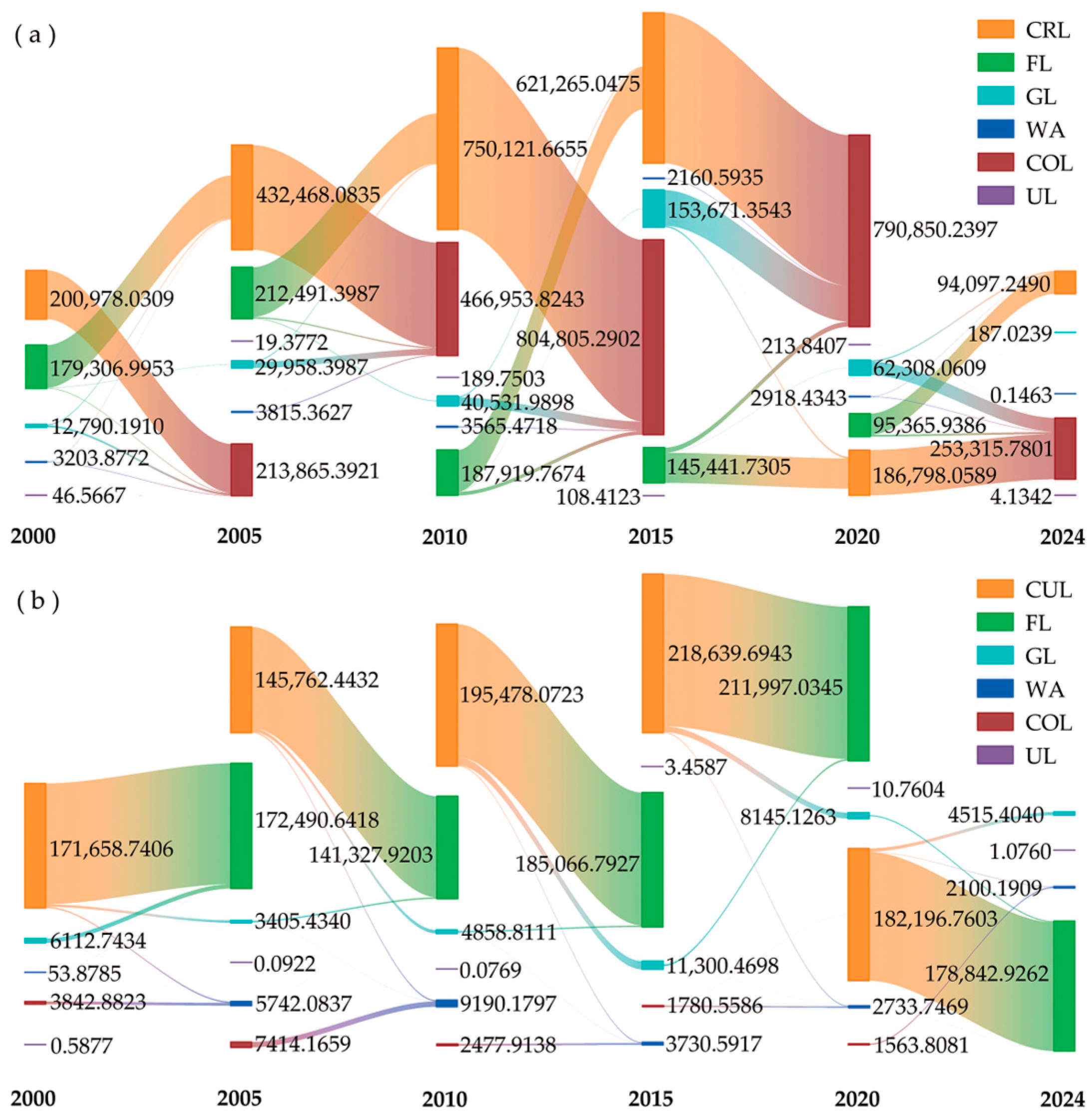
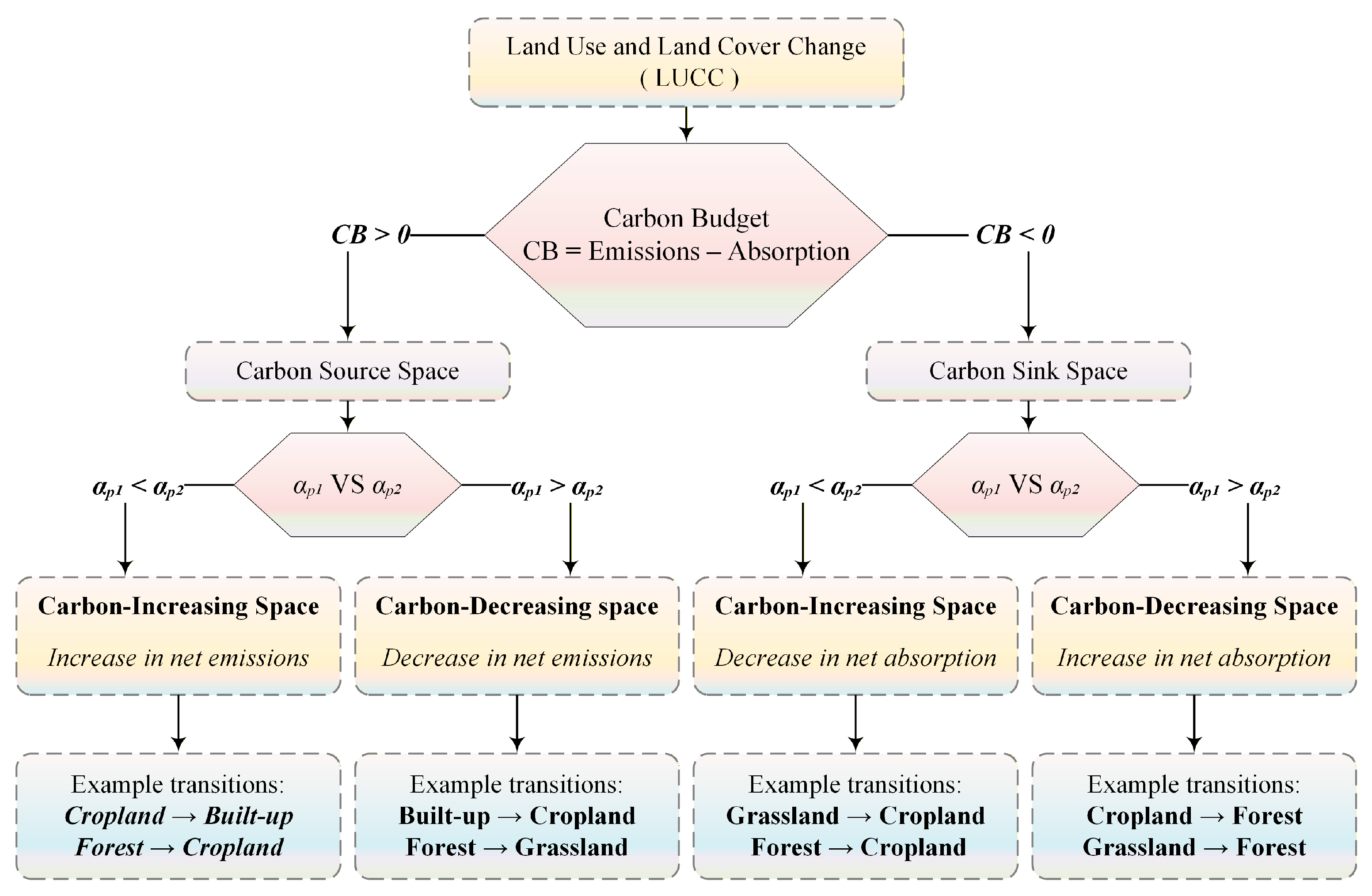
Rational adjustment of land use structure is important for shaping territorial carbon functions. Effective regulation depends not solely on expanding carbon sink areas or reducing carbon source areas independently, but rather on enlarging carbon-reduction spaces while constraining the expansion of carbon-increment spaces.
- (2)
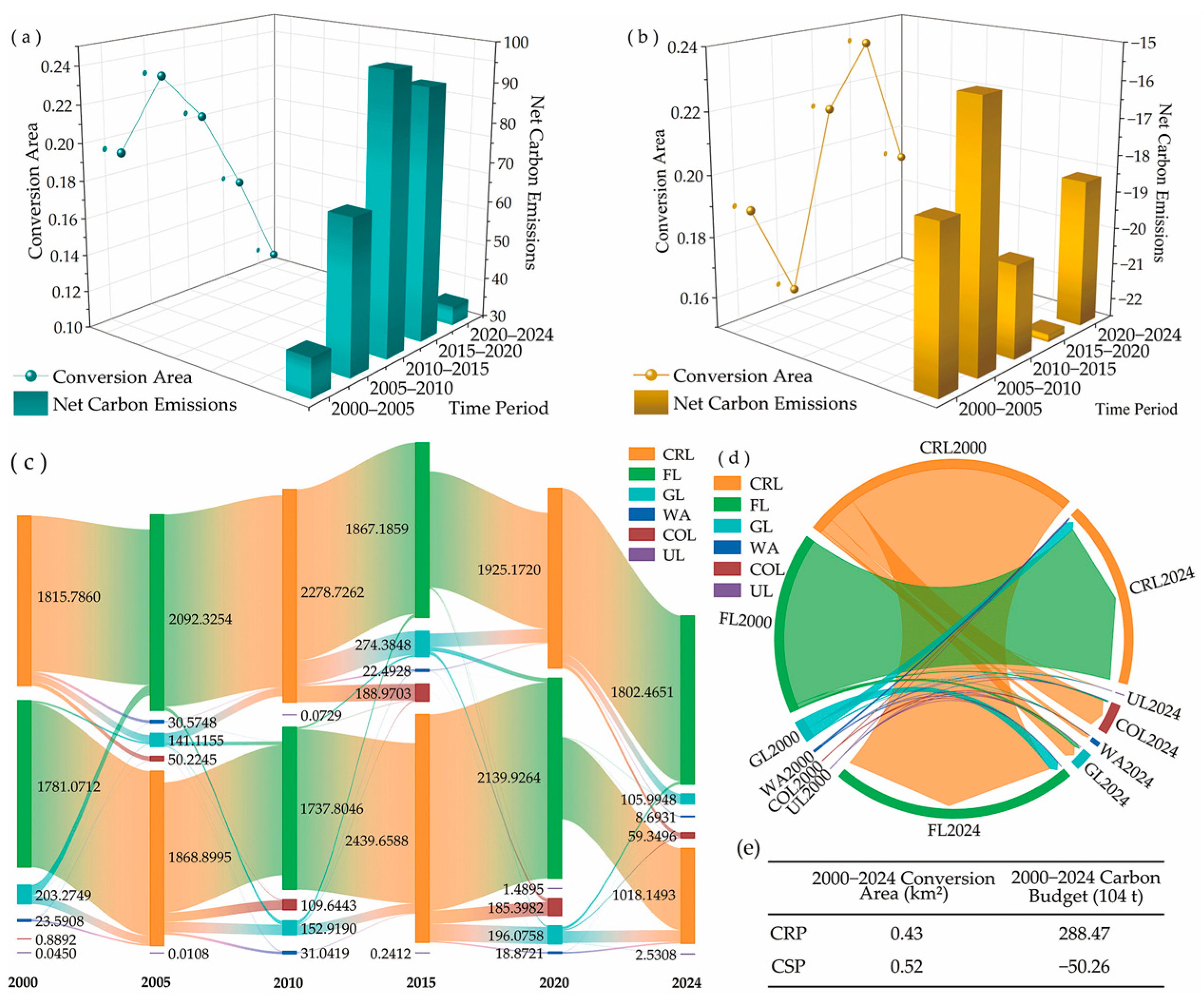
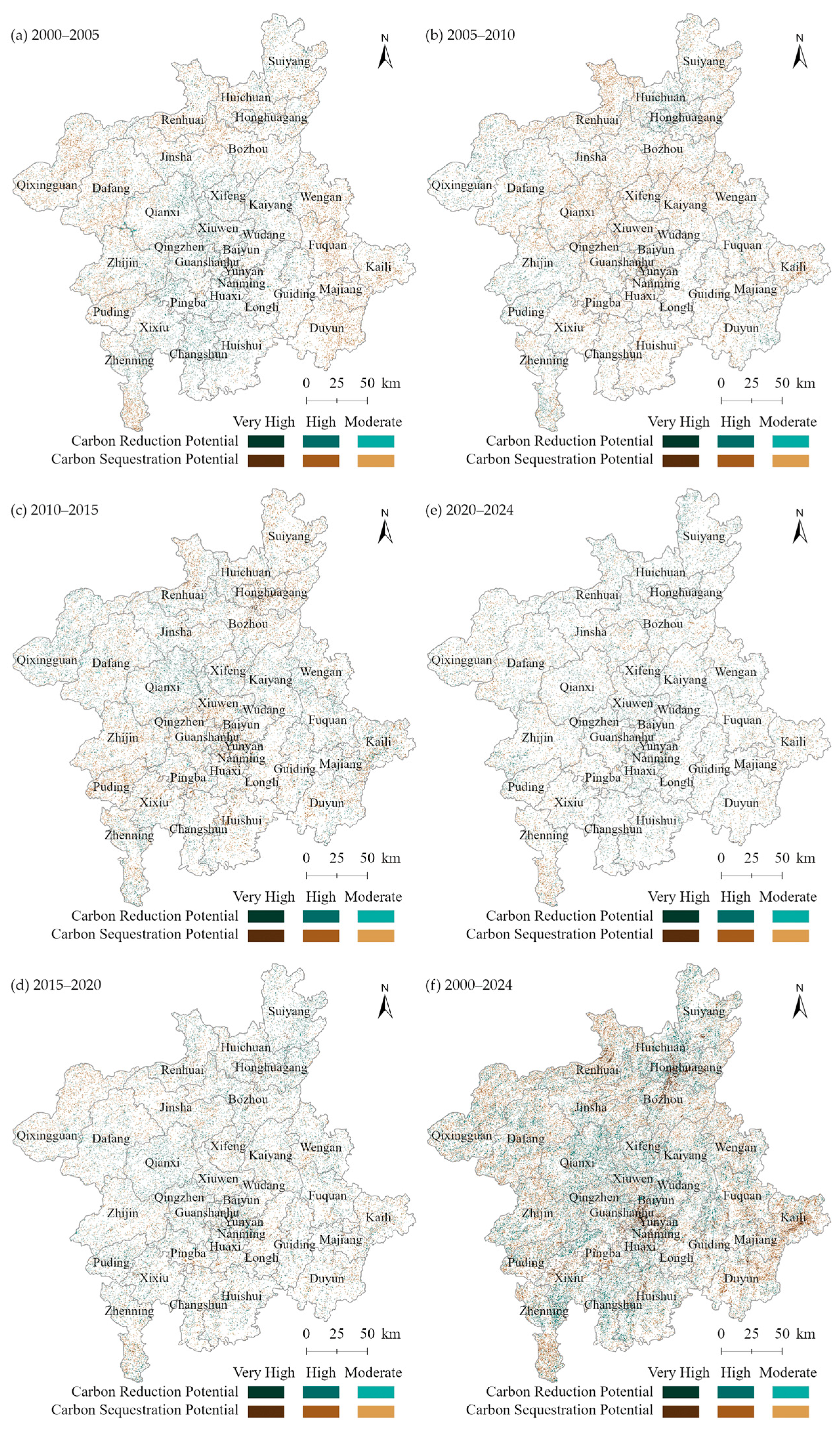
From 2000 to 2024, land use change in the Central Guizhou Urban Agglomeration resulted in a net carbon emission increase of 2.3821 million t, primarily associated with the conversion of cultivated land to construction land. Accelerated construction land expansion in the later stages significantly amplified net emission growth. Meanwhile, increases in ecological land, including forest and grassland, enhanced carbon-reduction spaces. The offsetting effect of carbon-reduction spaces relative to carbon-increment spaces exhibited a U-shaped trajectory over time, indicating a gradually strengthening contribution of carbon-reduction spaces to regional carbon balance.
- (3)
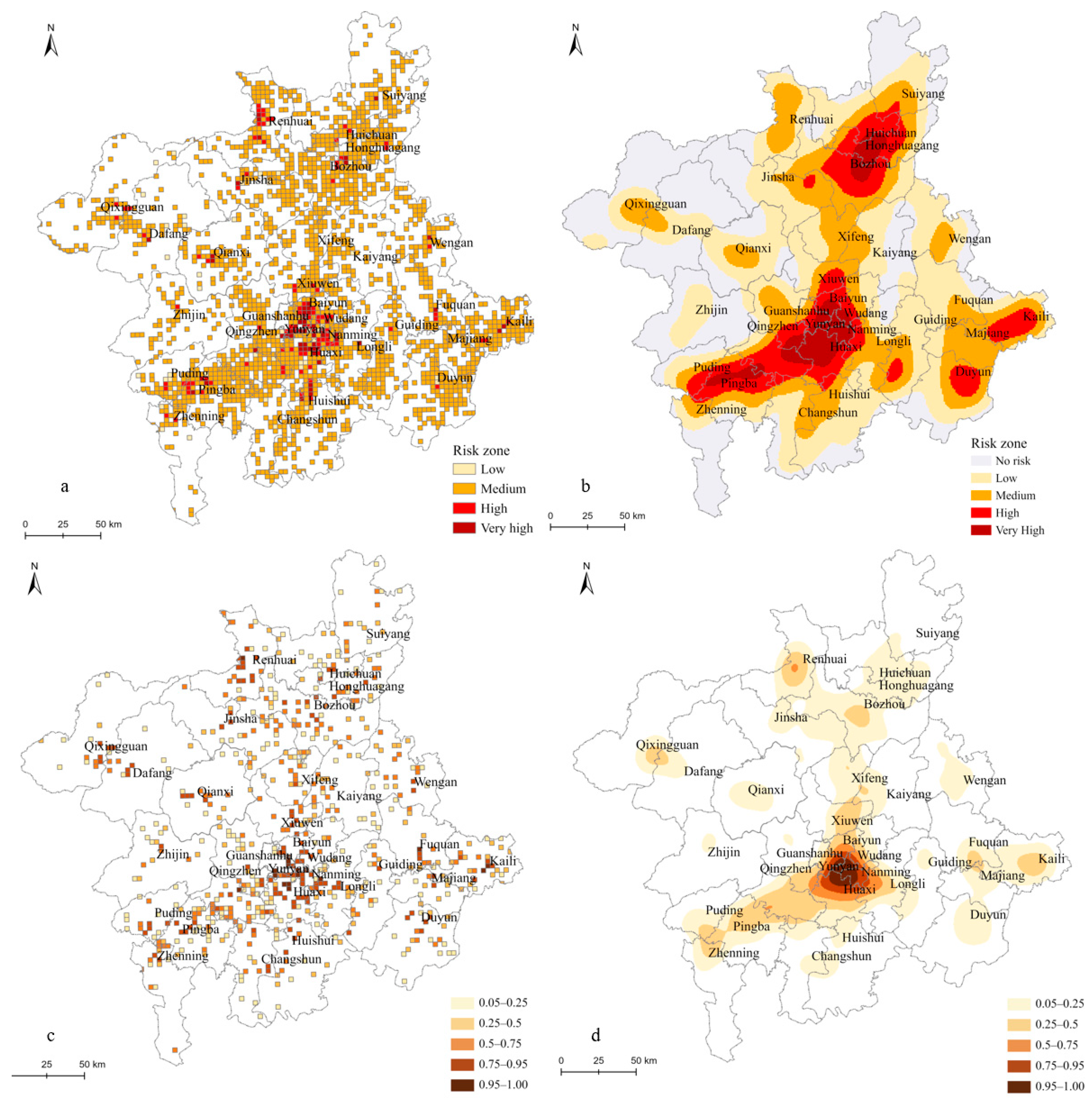
The spatial distribution of carbon-increment and carbon-reduction spaces closely corresponds to the core–periphery urbanization structure and the ecological configuration of the “two barriers and three river basins.” Carbon-increment spaces are highly concentrated in the core urban areas of Guiyang and Zunyi, whereas carbon-reduction spaces are mainly distributed in surrounding rural and ecological barrier zones.
- (4)
Construction land expansion is strongly associated with net carbon emission growth. Industrial and transportation spaces significantly promote emission increases associated with construction land, while residential spaces also exhibit a strong positive relationship. In contrast, commercial-service space shows a negative association with net emission growth, reflecting its role as a relatively mature urban functional space with lower marginal carbon impacts.
- (5)
Based on the dominant associated factors, a carbon budget monitoring framework integrating risk identification, monitoring, evaluation, and risk management was developed. Key monitoring areas were identified in the core districts of Guiyang, Zunyi, and Gui’an New Area. The early-warning system achieved an identification accuracy of 87.76%, indicating good applicability in supporting fine-scale carbon management in mountainous urban agglomerations.
5.2. Policy Implications
Rapid urbanization in the Central Guizhou Urban Agglomeration has been associated with substantial changes in the spatial configuration of carbon sources and carbon sinks. The spatiotemporal differentiation of carbon budgets has become increasingly complex, posing higher demands for fine-scale accounting and precise regulation. To support regional carbon mitigation decision-making and territorial spatial governance, the following policy implications are proposed based on the findings of this study.
(1) Strengthening and institutionalizing the carbon budget monitoring framework. The composite carbon coefficient method enables grid-level carbon budget accounting and, through the integration of POI data, helps distinguish carbon budget variation across different functional types of construction land. This approach improves the spatial representation of land use-related carbon budget variation compared with conventional methods. It is therefore recommended that this framework be incorporated into the dynamic monitoring, evaluation, and early-warning system of territorial spatial planning, and gradually integrated into the “One Map” supervision platform for territorial spatial planning implementation. This integration would provide a useful planning reference for supporting real-time carbon monitoring and spatial decision-making. By integrating big data analytics and artificial intelligence techniques into comprehensive monitoring platforms, model parameters and algorithms can be iteratively optimized to enhance scenario simulation and predictive capabilities. Furthermore, continuous feedback calibration mechanisms should be developed to improve system robustness and support its application within China’s “dual carbon” policy framework and territorial spatial governance system.
(2) Promoting low-carbon transformation of construction land development patterns. Given the pronounced core–periphery urban structure of the Central Guizhou Urban Agglomeration, differentiated strategies should be adopted to promote compact and multifunctional urban development. Enhancing vertical land use, improving green space integration, and increasing land use efficiency can mitigate the adverse carbon impacts of disorderly expansion. At the planning level, industrial land should transition toward intensive and clustered layouts to reduce emission pressures associated with spatial sprawl. In practice, these strategies may be implemented through urban renewal policies, redevelopment of inefficient land, and optimization of industrial park layouts within territorial spatial master planning. In extremely high- and high-risk carbon zones, mixed land use models may be encouraged to shorten commuting distances and reduce transport-related emissions, which may contribute to lower carbon pressures. Such approaches are consistent with existing planning tools aimed at promoting compact urban form and reducing transport-related carbon emissions.
(3) Coordinating cultivated land protection and ecological restoration.
In medium- to high-carbon-risk areas, strict control over the conversion of cultivated land to construction land is essential. Priority should be given to brownfield redevelopment, urban fringe land consolidation, and rural spatial restructuring, complemented by ecological compensation mechanisms that strengthen incentives for farmland protection. In medium- to low-risk areas, systematic restoration of ecologically fragile zones and key ecological corridors should be reinforced. These actions can be coordinated with ecological protection red lines and national ecological restoration programs to enhance implementation feasibility. The development of eco-agriculture, ecological tourism, and other green industries can enhance regional carbon sink capacity, improve ecosystem stability, and promote synergies between ecological conservation and economic development.
(4) Advancing cross-regional collaborative carbon governance.
Building upon fine-scale carbon budget accounting results, a cross-regional governance framework should be established that considers differentiated emission responsibilities, capacities, and mitigation potentials among cities. Clear allocation of roles and responsibilities in carbon reduction is essential. Through resource sharing, technological cooperation, and information exchange, a scientifically grounded carbon compensation mechanism may be developed to address carbon emission challenges in densely urbanized and peri-urban zones. This may be further supported by inter-city coordination mechanisms and regional policy frameworks for joint carbon reduction. Such collaborative governance can enhance overall emission-reduction efficiency and support coordinated low-carbon transition and high-quality development across the Guizhou Central Urban Agglomeration.