Article

Security over Enterprise? Functional Differentiation of Property Rights and Farmer Entrepreneurship: Evidence from Homestead Rights Confirmation in China


1
School of Public Affairs, Zhejiang University, Hangzhou 310058, China
2
Centre for Contemporary Chinese Studies, The University of Melbourne, Parkville, VIC 3010, Australia
*
Authors to whom correspondence should be addressed.
Land 2026, 15(4), 556; https://doi.org/10.3390/land15040556
Submission received: 15 February 2026 / Revised: 24 March 2026 / Accepted: 26 March 2026 / Published: 27 March 2026

Abstract

Rural property rights reform is considered paramount for mobilizing land resources and promoting rural entrepreneurship. However, the outcomes of tenure clarification depend on the role of the land in household livelihoods. The study focuses on China’s homestead rights confirmation and examines its effects on farmer entrepreneurship. The analysis is based on data from 2337 households in Jiangsu Province from the 2020 China Land Economic Survey. The application of Probit and endogenous switching Probit models yielded the following finding: confirming homestead rights reduces the probability of farmer entrepreneurship by approximately 11.4 percentage points. This decline can be attributed to several factors, including a decrease in homestead utilization, a shift towards lower-investment-risk preferences, an increase in entrepreneurial risk perception, and a contraction in entrepreneurial social networks. Collectively, these factors contribute to a reshaping of households’ risk evaluation and asset allocation. The negative impact is primarily observed among households with higher dependency ratios, poorer housing conditions, older heads of household, and those residing in less developed areas. The findings indicate that the consequences of property rights confirmation are characterized by institutional and functional specificity, thereby underscoring the necessity for measures that promote land transfer, exit, and risk-sharing to harmonize tenure reform with entrepreneurship.

1. Introduction

Rural areas across the world, particularly in developing countries, continue to face structural challenges such as limited livelihood opportunities, slow income growth, and persistent urban–rural disparities [1,2,3]. In this context, land and housing assets are central to rural households’ livelihood strategies. For a considerable number of agricultural households, land and housing represent the fundamental sources of security, thereby influencing their capacity to cope with economic uncertainty, access non-farm opportunities, and engage in entrepreneurial activities [4]. Given the evident constraints on agricultural income growth, non-farm employment and entrepreneurship have been identified as significant pathways to enhance rural livelihoods and augment household resilience. Land and housing systems have a considerable impact on the living conditions of rural residents. Moreover, it has been determined that these systems are instrumental in determining whether households possess the institutional foundation to participate in new economic activities [5]. Consequently, the issue of whether land system reforms can effectively promote rural development, particularly by fostering farmer entrepreneurship, has become a central issue in development policy [6].
A substantial body of literature, drawing on the principles of property rights theory, suggests that secure land rights reduce uncertainty, stabilize expectations, and thereby encourage investment and participation in non-agricultural activities [7]. The aforementioned theoretical logic has been a driving force behind reforms to land titling and registration processes in a multitude of developing countries across Latin America, Sub-Saharan Africa, and Asia [8]. Nevertheless, the relationship between land rights confirmation and entrepreneurial activity has been demonstrated to be equivocal, as evidenced by the extant empirical evidence. A plethora of studies have documented the positive effects of this approach across a variety of institutional contexts. A series of research using China’s land titling reform as a quasi-natural experiment has demonstrated that well-defined property rights have a significant effect on business creation in rural areas, with these effects operating through increased land availability and social trust [6]. Recent evidence from China’s rural collective construction land marketisation reform reveals county-level entrepreneurial vitality, attributed to increased land supply, enhanced infrastructure, and stimulated market demand [1]. The strengthening of collective land transfer rights has been demonstrated to resolve coordination failures caused by fragmented land tenure, leading to significant increases in rural entrepreneurship [9]. In the context of agricultural land, certification programs have been found to significantly improve agricultural entrepreneurship among certified farmers, though their effects on non-agricultural entrepreneurship appear limited [10]. However, other studies have yielded more conditional or nuanced findings. The long-term impact of land certification on factor reallocation in rural China is highly heterogeneous, varying considerably across household characteristics and local market conditions [3]. Research on urban land policy reform in Lesotho indicates that while land titling has been demonstrated to enhance credit access, these outcomes are frequently attributable to complementary regulatory reforms rather than titling alone. In addition, these effects may vary considerably across different institutional contexts [11]. Evidence from Tanzania suggests that the benefits of formal titling programs for rural land users—including improved credit access, enhanced tenure security for vulnerable groups, and reduced conflict—have frequently fallen short of expectations. This is partly because customary systems sometimes offer more adaptable tenure arrangements [8]. The discordant findings suggest that the economic ramifications of land rights confirmation depend on household land utilization. In particular, when land functions principally as a productive asset, the establishment of robust property rights has been shown to increase land utilization by entrepreneurs, thereby making it more readily available and, concomitantly, attenuating coordination issues. Conversely, when land primarily serves as a means of household security, enhanced tenure security reinforces its role as a safeguard against potential risks. It has been demonstrated that this can reduce the propensity to assume entrepreneurial risks, primarily by increasing the perceived value of retaining the land for security purposes [12]. This functional differentiation perspective, rooted in recent scholarship on the dual nature of property [13], helps reconcile seemingly contradictory evidence and underscores the analytical importance of distinguishing land types by their dominant institutional functions.
The rural homestead system in China provides a distinct institutional context for examining these functional roles. Since 2013, the government has implemented a nationwide homestead rights confirmation program, positioning it as a central pillar of rural land system reform. This initiative entails the systematic registration and certification of homestead land and rural housing, accompanied by the issuance of formal property rights certificates to delineate utilization boundaries and enhance legal protection [14,15]. The policy has been devised primarily to safeguard farmers’ residential entitlements, mitigate land-related disputes, and establish a clearer institutional basis for the governance of rural housing assets. By the early 2020s, the program had achieved extensive national coverage, with particularly noteworthy advancements in provinces such as Jiangsu, where registration and certification systems had been predominantly implemented. The reform is to be considered within the context of a distinctive institutional framework. In a collective ownership system, rural households are granted the right to utilize their designated landholdings. Nevertheless, their capacity to transfer, mortgage, or otherwise capitalize on these assets is significantly constrained by regulatory limitations [16]. In the absence of comprehensive formal social protection, homesteads have long served as a critical form of de facto security, providing a buffer against livelihood risks and uncertainties [14]. Consequently, the confirmation program operates at the intersection of enhanced tenure security and persistent institutional constraints, thereby reshaping the legal and economic environment in which households decide on land utilization, asset allocation, and livelihood strategies. It is imperative to comprehend the behavioral ramifications of this reform, particularly in contexts where homesteads occupy a pivotal role in rural household asset portfolios and risk management, especially in settings where formal social security systems remain underdeveloped [5]. Nevertheless, despite its extensive scope and policy relevance, systematic empirical evidence on how homestead rights confirmation influences household economic behavior—especially with respect to entrepreneurial decision-making—remains limited.
In the context of collective ownership, farmers are granted rights to utilize homestead land, while its utilization, transfer, and disposal are subject to stringent regulation [16]. In the absence of a comprehensive rural social security system, homesteads have long served as a vital safeguard against risks such as unemployment, illness, and old age [14]. The aforementioned security function serves to differentiate between homestead land and agricultural land, the latter of which is primarily oriented towards production and factor mobility [17]. Recent scholarship has increasingly recognized the multifaceted role of land within household economies and that the effects of tenure clarification vary accordingly [12,13]. In circumstances where land serves a predominant productive function and well-developed transfer markets are present, the establishment of robust property rights has been shown to facilitate entrepreneurial entry. This process is thought to be facilitated by enhanced land rental prospects and improved access to credit [6,9]. In contrast, when land functions primarily as a security asset, protecting against income shocks in the absence of formal social protection, enhanced tenure security may strengthen households’ attachment to land as a buffer. This may dampen entrepreneurial incentives [7,12]. This functional differentiation is particularly relevant in the context of residential land, which in many countries is subject to more stringent transfer restrictions than agricultural land. This limits its liquidity and potential as entrepreneurial capital [5]. A valuable lens through which to examine these dynamics is offered by China’s recent homestead rights confirmation program. The reform enhances the stability of homestead use rights through clearer boundaries and stronger legal protections, primarily aimed at securing farmers’ residential rights and reducing disputes rather than promoting land market transactions [14,15]. Notwithstanding its policy significance, extant research on homestead reform has predominantly focused on outcomes such as land-use efficiency, farmer welfare, and urban–rural integration [16,18]. In contrast, the behavioral responses of farmers to these institutional changes have received limited scholarly attention. In particular, the mechanisms through which homestead rights confirmation may shape entrepreneurial behavior–including changes in land use, risk preferences, risk perceptions, and social networks–remain unexplored [17]. It is imperative to comprehend the mechanisms in question, given that homestead land, in contrast to agricultural land, is inextricably intertwined with household livelihood security. Consequently, it may evoke discrete behavioral responses to tenure clarification.
Notwithstanding the burgeoning corpus of literature on land rights confirmation, its economic consequences remain highly context-dependent and under-researched in the case of home-stead land. A substantial proportion of extant research has focused on agricultural land, where it primarily functions as a productive asset. It is well established that stronger property rights are generally associated with higher investment, greater factor mobility, and greater entrepreneurial activity. Homestead land, by contrast, serves a fundamentally different institutional role. This asset is primarily residential and security-oriented, and is subject to strict regulatory constraints, limited transferability, and low market liquidity. It is evident that conventional analytical frameworks, which emphasize asset capitalization, collateralization, or access to formal finance, may not fully capture the behavioral effects of homestead rights confirmation. The majority of extant research on homestead land has focused on its economic and social effects, and on the influence of confirmation on land use. Concurrently, the examination of its impact on entrepreneurial behavior and the underlying mechanisms remains relatively limited. There is a paucity of studies that have considered the heterogeneity of policy effects. This has led to insufficient exploration of the differentiated impacts of homestead rights confirmation across household types and regions. Furthermore, the mechanisms through which tenure clarification may influence entrepreneurial decisions, including changes in risk perception, investment risk tolerance, home-stead utilization, and access to social networks, have yet to be systematically investigated. It is imperative to comprehend these mechanisms, as homestead land, unlike agricultural land, is deeply intertwined with household livelihood security and can engender unique behavioral responses to institutional reforms.
In light of the theoretical ambiguity surrounding the relationship between land rights and entrepreneurship, and the paucity of evidence on homestead land specifically, this study explores the impact of China’s affirmation of homestead land rights on farmer entrepreneurship. The study used micro-level data from 2337 households in Jiangsu Province, drawn from the 2020 China Land Economic Survey (CLES). The study examined both the average treatment effect and the underlying behavioral mechanisms, as well as heterogeneity across regions, villages, and household characteristics. This study makes three contributions to the existing literature on the subject. Firstly, while extant studies predominantly focus on agricultural land titling and its positive entrepreneurial effects, the study shifts attention to homestead land, which serves fundamentally different institutional functions. The study introduces a functional differentiation perspective, demonstrating that tenure clarification does not uniformly stimulate entrepreneurship; rather, its effects depend on whether land functions primarily as a security asset or a productive asset. Secondly, the study goes beyond estimating average effects by uncovering the behavioral mechanisms—reduced homestead utilization, lower risk preference, higher perceived entrepreneurial risk, and narrower entrepreneurial networks—through which home-stead rights confirmation discourages entrepreneurship. Thirdly, the study provides conditional evidence by demonstrating that the negative effect is concentrated among households with higher dependency ratios, poorer housing conditions, those located in relatively less developed regions within the province, and those with older heads. This highlights the need for complementary institutional support.

2. Theoretical Analysis and Research Hypothesis

2.1. Analysis of the Impact of Homestead Rights Confirmation on Farmer Entrepreneurship

Conventional property rights theory posits that tenure security mitigates uncertainty, thereby fostering investment. However, this logic assumes that land can be readily allocated to productive or market-oriented uses. In rural China, where land transfer restrictions and social security provisions are limited, tenure security can serve as a crucial safety net, shaping entrepreneurial decisions through alternative behavioral logics. The decision of whether farmers engage in entrepreneurship results from a comprehensive assessment of risks, potential rewards, and overall family security in uncertain environments [17]. Compared with urban households, rural farmers are more dependent on their housing and land. The living conditions of these individuals are not only indicative of their quality of life but also have a significant impact on the long-term financial stability of their families [19]. Consequently, alterations in the rights structure of predominantly residential homestead land may exert a multifaceted influence on farmers’ entrepreneurial decisions (Figure 1).
According to the principles of property rights theory, clearer property rights have been shown to reduce uncertainty and stabilize expectations, thereby providing a foundation for individuals to assume risks. The confirmation of homestead rights clarifies usage rights and thereby strengthens the legal protections available to farmers, thereby increasing their sense of security regarding their residential assets [20]. This enhanced sense of security has been shown to alleviate concerns about housing instability, allowing individuals to allocate more time, energy, and resources. Consequently, this has engendered more conducive conditions for engaging in entrepreneurship and other non-agricultural activities. However, applying this logic directly to the home-stead system in rural China may overlook the unique role that homestead land plays in rural households’ asset structures. In contrast to farmland, which is primarily intended for production, homestead land’s institutional purpose is not to appreciate or engage in market transactions but to safeguard farmers’ basic housing needs [21]. In the context of a relatively underdeveloped rural social security system, homestead land has long served as an important safety net against unemployment, illness, and old-age risks, thereby serving as a key material foundation for family stability. Consequently, enhancements in property rights security over homestead land may not be perceived by farmers as a “resource for bearing risks”; rather, it is likely to be regarded as a “safety net to be carefully protected” [22].
In this institutional context, confirmation of homestead rights has the potential to influence farmers’ overall risk assessment of entrepreneurship by reinforcing their dependence on the current housing arrangement [23]. The confirmation of rights can mitigate housing uncertainty. Consequently, it can be hypothesized that farmers will no longer be concerned about the potential loss of their housing due to property disputes or short-term policy changes. Conversely, this increased stability may lead farmers to place greater emphasis on family security, thereby discouraging them from taking on the risks of entrepreneurship and instead maintaining their current livelihoods. In summary, while the process of rights confirmation has been shown to enhance security, it may also lead to farmers’ increased preference for stability, thereby suppressing their response to entrepreneurial opportunities. Furthermore, given that the mechanisms for transferring and exiting from homestead land remain underdeveloped, rights confirmation has not significantly enhanced the ability to capitalize on or finance homestead land. Conversely, the land’s long-term holding nature has been reinforced, thereby rendering it an irreplaceable, illiquid asset within the family’s asset portfolio [12]. In this context, farmers are more likely to allocate their limited resources to maintaining their current living conditions rather than to invest in entrepreneurship with uncertain returns [24]. This conservative asset-allocation tendency further reduces the likelihood of entrepreneurial behavior.
This analysis suggests that the impact of homestead rights confirmation on farmer entrepreneurship may follow two distinct pathways. Firstly, enhancing property rights security can foster a more stable institutional environment for entrepreneurship. Conversely, within a system in which the primary objective is safeguarding housing and marketisation remains minimal, the confirmation of rights is more likely to curtail farmers’ propensity to engage in high-risk activities, such as entrepreneurship, by underscoring the security and stability of homestead land. Given the prevailing circumstances regarding the homestead system in rural China, it is postulated that this mechanism is more likely to predominate at this juncture. The following hypothesis is thus proposed:
Hypothesis 1.
Homestead rights confirmation suppresses farmer entrepreneurship.

2.2. Analysis of the Mechanisms Through Which Homestead Rights Confirmation Affects Farmer Entrepreneurship

It is evident that homestead rights confirmation, a pivotal component of rural land system reform, exerts a multifaceted influence on farmers’ entrepreneurial endeavors. A complex interplay of interconnected mechanisms characterizes this influence. The clarification of property rights has been shown to result in a greater appreciation of asset value. In this context, the initial shift in farmers’ understanding of the function and purpose of their homestead land, consequent to the confirmation of homestead rights, has been shown to affect their decisions and behaviors [25,26].
On the one hand, confirming homestead rights reinforces the institutional status of homestead land in rural society, thereby strengthening farmers’ perception of the land as “private.” Historically, homestead land has been subject to strict regulatory controls that have limited its economic value in market transactions. As is often the case in such contexts, farmers encounter challenges when attempting to convert homestead land into a resource that could directly support entrepreneurial activities [27]. Additionally, in the context of persistent uncertainties about rights adjustments and institutional transformations, it is anticipated that farmers will adopt a more cautious approach, prioritizing the preservation of their current living and production conditions. Consequently, they may be less inclined to transfer or exit the homestead land [20,28]. In addition, the importance of homestead land lies in its provision of non-economic functions, including intergenerational inheritance and the maintenance of family assets. Legal confirmation of rights clarifies and protects farmers’ rights, thereby further reinforcing their tendency to retain the land. The decreased mobility of homestead land has been demonstrated to limit farmers’ access to new markets and opportunities, as well as their ability to leverage the value of their homestead land for entrepreneurial purposes [27]. Furthermore, confirmation of homestead rights has been shown to significantly affect farmers’ risk assessments related to investment and entrepreneurship. Farmers, as rational decision-makers, evaluate the potential rewards and risks associated with their actions. The confirmation of homestead rights has been demonstrated to enhance the perceived security of the homestead as a family asset [29]. In this context, farmers have been found to demonstrate a heightened tendency to prioritize safeguarding their homestead. This tendency is concomitant with a diminished readiness to assume risks, leading to a pronounced preference for maintaining a stable livelihood rather than pursuing high-risk entrepreneurial ventures. Risk tolerance plays a pivotal role in entrepreneurship. Higher risk aversion has been observed to diminish farmers’ propensity to engage in entrepreneurial endeavors [30,31].
Moreover, confirmation of homestead rights has been demonstrated to enhance farmers’ awareness of the value of their land, thereby making them more cognizant of the risks that could compromise its security, including those associated with entrepreneurship. In addition, rights confirmation has been demonstrated to heighten farmers’ awareness of opportunity costs, rendering them more attentive to policy changes and legal risks. This, in turn, has been shown to increase their subjective perception of the uncertainty inherent in entrepreneurship [32]. When farmers perceive entrepreneurial risks as high and difficult to control, their concern over failure intensifies, and they are more likely to allocate their limited resources to safer, traditional production activities rather than risky entrepreneurial ventures. Moreover, in rural China, farmers’ economic behavior is deeply intertwined with their social networks. The process of homestead rights confirmation can indirectly influence entrepreneurship by altering how farmers interact within these networks. Following confirmation, farmers’ attitudes towards the utilization and retention of their homestead land may serve as a model within their social networks, thereby influencing the decisions of relatives, friends, and neighbors, resulting in a certain degree of behavioral conformity [33]. Furthermore, rights confirmation has been shown to enhance farmers’ sense of belonging to their local community, thereby reinforcing social networks rooted in geographic ties. Consequently, farmers may be more likely to rely on familiar, trusted relationships and less inclined to seek out new social ties that entail greater uncertainty. This entrenchment of their social networks may limit the entrepreneurial opportunities available to them, further reducing their willingness to engage in entrepreneurship [34]. The contraction of entrepreneurial social networks signifies that farmers have diminished access to critical entrepreneurial information, resources, and support, as well as a paucity of emotional encouragement that could impel them to assume entrepreneurial risks. In this context, perceptions of entrepreneurial uncertainty and the risk of failure are heightened, thereby hindering the establishment of a conducive social environment for entrepreneurship and further diminishing the likelihood that individuals will pursue entrepreneurial endeavors.
The following hypothesis is hereby proposed based on these mechanisms:
Hypothesis 2.
Homestead rights confirmation inhibits farmer entrepreneurship by altering farmers’ utilization of homestead land, investment risk preferences, entrepreneurial risk perceptions, and entrepreneurial social networks.
The behavioral implications of homestead rights confirmation are mediated by household-level characteristics, reflecting the family’s central role as the primary unit of economic decision-making in rural contexts. In the context of a household decision framework, entrepreneurial choices emerge from intertemporal trade-offs between current income opportunities and future livelihood security. Household resource endowments, demographic composition, and dependency structures shape both the perceived returns to entrepreneurship and the capacity to absorb potential downside risks. Consequently, the same institutional arrangement may enter household decision-making processes through distinct channels, depending on the household’s capacity to bear risk and its planning horizon [35]. From the perspective of household asset allocation and risk management, dependency burdens and livelihood uncertainty influence how the protective and productive attributes of homestead land are weighted within the household’s asset portfolio. Households facing greater exposure to livelihood risks tend to prioritize assets that stabilize long-term welfare, thereby heightening the salience of the homestead’s security function when rights are formally confirmed. In this context, the confirmation of homestead rights has the potential to modify the household’s intertemporal optimization problem by enhancing the perceived value of retaining residential assets relative to reallocating resources to uncertain entrepreneurial activities [36,37]. Conversely, households with more diversified asset portfolios and greater financial flexibility may incorporate rights confirmation into their decision calculus, placing less emphasis on asset preservation and more on resource reallocation.
The quality of housing is an important indicator of a household’s financial situation and asset position. Beyond their function as residential assets, housing has been shown to signal accumulated wealth. Moreover, expectations regarding income stability and access to credit are influenced by housing assets. Improvements in housing quality can influence the role of homestead land within the household’s asset portfolio, thereby shifting its function from a predominantly protective asset to one that can support productive or entrepreneurial endeavors [38]. To the extent that higher-quality housing relaxes liquidity or collateral constraints, it may alter the channels through which confirmation of homestead rights affects entrepreneurial decision-making. This may lead to heterogeneous responses across households [39]. It is proposed that the following hypothesis be formulated based on the analysis above:
Hypothesis 3.
The family dependency ratio and housing structure moderate the impact of homestead rights confirmation on farmer entrepreneurship.

2.3. Heterogeneity Analysis of the Impact of Homestead Rights Confirmation on Farmer Entrepreneurship

The entrepreneurial implications of homestead rights confirmation are unlikely to be homogeneous across rural households. Variations in regional development conditions, village-level economic environments, and household demographic structures significantly influence farmers’ livelihood constraints, resource endowments, and risk considerations. Consequently, the same institutional arrangement may manifest through diverse behavioral channels, thereby engendering heterogeneous entrepreneurial responses.
At the regional level, disparities in economic development, industrial composition, and institutional frameworks influence farmers’ perceptions of the functional role of homestead land and the broader entrepreneurial opportunity structure [38,40]. The relative availability of non-agricultural employment opportunities, the extent of market integration, and access to information all play pivotal roles in shaping perceptions of homestead land. Specifically, these factors influence whether homestead land is primarily viewed as a source of residential security or as part of a broader portfolio of livelihood assets. Accordingly, confirmation of homestead rights may affect entrepreneurial decision-making through distinct mechanisms across regions, depending on how it interacts with prevailing development contexts. At the village level, heterogeneity is attributable to variation in local resource endowments and external support conditions. Differences in infrastructure provision, market connectivity, and collective economic capacity shape the costs, uncertainties, and feasibility of entrepreneurial activities. In such settings, the confirmation of homestead rights has been shown to interact with village-specific economic environments. This interaction has been demonstrated to influence farmers’ expectations regarding access to resources, the flows of information, and the reliability of local institutions. The result of this interaction is the generation of differentiated behavioral responses [41]. At the household level, the family lifecycle stage and demographic composition play pivotal roles in shaping livelihood strategies and intertemporal planning. The interpretation of the security and asset attributes of homestead land by households is influenced by differences in dependency burdens, labor-allocation flexibility, and planning horizons [42]. Consequently, homestead rights confirmation may be perceived and incorporated into decision-making in distinct ways across households, leading to heterogeneity in entrepreneurial considerations [43].
Theoretically, the heterogeneity in the impact of homestead rights confirmation on farmer entrepreneurship stems from the interaction between institutional arrangements and multi-level contextual conditions. The manner in which the confirmation of rights influences risk perceptions, resource expectations, and strategic livelihood choices is conditioned by a combination of factors, including regional development patterns, village economic environments, and household lifecycle characteristics. It is proposed that the following hypothesis be put forward based on the analysis that has been conducted:
Hypothesis 4.
The impact of homestead rights confirmation on farmer entrepreneurship varies across regions, village economic levels, and family lifecycle stages.

3. Methods and Materials

3.1. Study Area

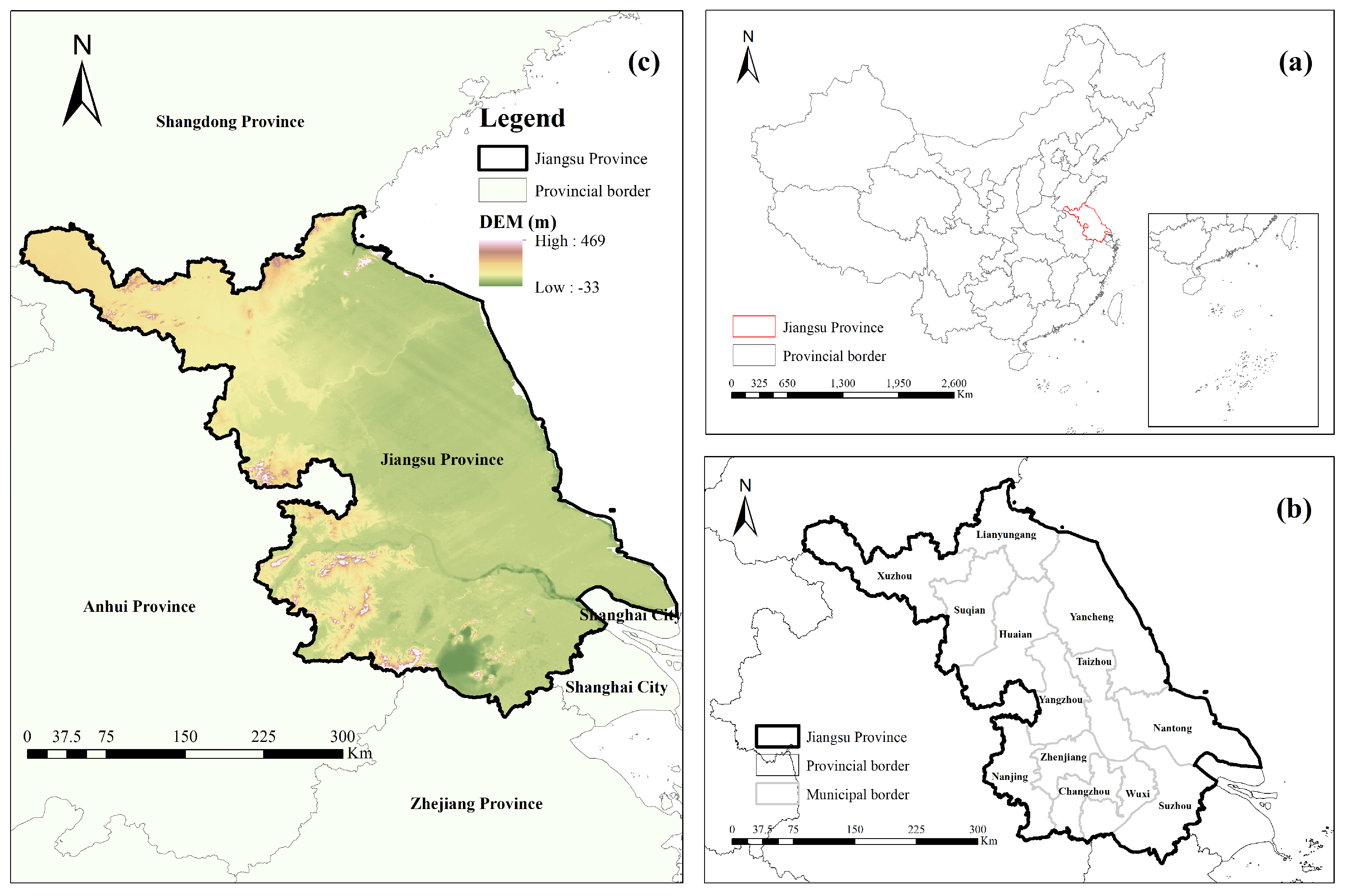
The study employs Jiangsu Province as the empirical study area. Jiangsu is located in the Yangtze River Delta and is one of China’s most economically dynamic provinces (Figure 2). It has been at the forefront of rural land system reform. The province has accumulated a relatively rich body of practical experience, which is supported by systematic policy implementation. The majority of regions in Jiangsu have completed the integration of registration and certification for rural homestead land and housing. Meanwhile, these regions have issued unified real property certificates and established a relatively sound homestead management system. Concurrently, amid substantial rural-urban migration and the restructuring of urban-rural relations, numerous regions in Jiangsu face shared challenges, including vacant rural housing, underutilized homestead land, and declining land-use efficiency. In response to the challenges posed by rural housing, local governments in certain counties and cities have initiated policy experiments. These experiments have encompassed implementing long-term management strategies for rural housing, introducing compensated homestead exit mechanisms, and revitalizing idle rural housing. Nevertheless, the asset realization potential of homestead land has not yet been fully realized. Farmers continue to hold divergent perceptions regarding property rights, security, asset expectations, and household production and livelihood strategies.
In addition, Jiangsu exhibits pronounced internal regional heterogeneity. A robust industrial infrastructure and a high level of urban-rural integration distinguish the Southern Jiangsu region. In this context, homestead land frequently fulfils dual roles, serving not only as residential space but also as operational terrain. The central region of Jiangsu Province is undergoing rapid industrial upgrading and population mobility, accompanied by experimentation with reform of the homestead system. In contrast, Northern Jiangsu remains more dependent on agriculture, experiences more severe population outflows, and features larger homestead plots with relatively high vacancy rates [18]. The existence of such internal variation creates a setting in which the institutional effects of homestead rights confirmation can be examined across contrasting rural contexts within a single provincial framework. The evidence suggests that differences in industrial structure, labor mobility, and patterns of rural transformation imply that farmers’ asset expectations and entrepreneurial responses to rights confirmation are unlikely to be uniform. Observing these differentiated responses within Jiangsu thus provides a nuanced empirical basis for assessing how homestead rights confirmation interacts with local development conditions.

3.2. Data Source

The data used in this study are derived from the 2020 China Land Economic Survey (CLES), conducted by Nanjing Agricultural University. A professional research team with backgrounds in land economics, rural sociology, and agricultural economics conducted the survey. All investigators received systematic training and were subject to on-site supervision to ensure data quality and consistency. The survey employed a probability-proportional-to-size (PPS) sampling strategy. Specifically, 26 counties (districts) were randomly selected from 13 prefecture-level cities in Jiangsu Province. Within each selected county, two townships were randomly selected; within each township, one administrative village was selected; and within each village, 50 farm households were randomly sampled. The multi-stage sampling design was meticulously crafted to ensure both regional diversity and geographical representativeness. A total of 2628 farm households were successfully surveyed. It is noteworthy that all respondents provided informed consent and participated voluntarily. During the survey, respondents were offered appropriate transportation subsidies or small gifts to encourage participation and improve response reliability. The CLES incorporates questionnaires at both the household and village levels. At the individual level, the survey collects information on respondents’ and household members’ age, education, farming experience, employment structure, participation in village governance, perceptions of rural revitalization, and household registration migration. At the household level, it encompasses household income and assets, production and business activities, and land endowments. At the village level, the survey collects data on population size, industrial structure, land transfers, infrastructure, and governance conditions. The study relies chiefly on household-level data. After excluding observations with missing values or outliers, a final sample of 2337 valid observations was obtained for the empirical analysis of the impact of homestead rights confirmation on farmer entrepreneurship.

3.3. Variable Declarations

3.3.1. Dependent Variable

The dependent variable in this study is farmer entrepreneurship, defined as a household’s current engagement in entrepreneurial activities. This variable is measured using the following question in the questionnaire: “Is the subject’s household currently operating an entrepreneurial venture?” A value of 1 is assigned if the household is identified as entrepreneurial, and 0 otherwise. In the full sample, entrepreneurial households account for approximately 12.8% of all observations (Table 1).

3.3.2. Core Independent Variable

The core independent variable is homestead rights confirmation, measured by whether the household has completed the formal registration and certification of homestead land and rural housing. The variable is set to 1 if the household has obtained an official homestead property rights certificate, and to 0 if not. This variable captures the extent to which farmers’ homestead property rights are formally clarified and legally protected.

3.3.3. Mediating Variables

The study aims to identify the behavioral and cognitive mechanisms through which confirmation of homestead rights influences farmer entrepreneurship. To this end, the study incorporates four mediating variables: homestead land utilization behavior, investment risk preference, entrepreneurial risk perception, and entrepreneurial social networks. These variables capture farmers’ post-confirmation adjustments from perspectives of resource-allocation attitudes, risk-bearing capacity, subjective uncertainty assessment, and access to entrepreneurial information and resources.
Their decisions regarding its use determine how farmers utilize homestead land, and this behavior is measured by the degree to which households have transferred or exited their homestead land. This variable reflects how farmers position homestead land within their household asset portfolio and serves as an indicator of whether it is regarded as an asset that can be actively reallocated. By enhancing the stability of property rights, homestead rights confirmation can reinforce the security function of homestead land. This may lead farmers to adopt more conservative stances towards transfer or exit decisions [44,45]. Consequently, the occurrence of transfers or exits provides a direct measure of the extent to which homestead land is mobilizable within the household asset system and closely aligns with resource-allocation behavior.
Investment risk preference measures farmers’ propensity to allocate financial resources to risky investments and is classified into three ordered categories, with higher values indicating stronger risk tolerance. This variable indicates farmers’ orientations in conditions of uncertain returns, thereby providing insight into how they trade off asset security against potential risk-adjusted gains. By reinforcing the perceived protective function of homestead land within the household, the confirmation of rights can influence farmers’ attitudes towards risk-taking investment [46,47,48]. The ordered risk preference scale has been shown to provide a comprehensive representation of farmers’ fundamental psychological equilibrium in risk-related decision-making. This scale functions as an instrumental behavioral framework that underpins entrepreneurial decision-making.
The scale used to measure entrepreneurial risk perception assesses farmers’ subjective perceptions of the risk of entrepreneurial failure. This scale is classified into five ordered levels, with higher values indicating higher perceived risk. This variable reflects farmers’ assessments of the probability of entrepreneurial failure and serves as a pivotal psychological mechanism that influences entrepreneurial decisions. As the degree of certainty regarding the future availability and value of homestead land increases following rights confirmation, the importance of entrepreneurial uncertainty in farmers’ decision-making may also increase [49,50]. The implementation of a graded scale to measure risk perception has been shown to facilitate the identification of psychological adjustments, thereby contributing to a more comprehensive understanding of the heterogeneity in entrepreneurial intentions.
The concept of entrepreneurial social networks is predicated on the premise that it is possible to measure farmers’ potential access to entrepreneurial information and resources. This potential is proxied by the number of relatives and friends engaged in entrepreneurial activities. The extent of entrepreneurial exposure within social networks directly influences farmers’ capacity to access external information and opportunities [51]. When such exposure is limited, access to entrepreneurial knowledge, experience, and support declines correspondingly, making it more difficult for new information to enter the household [38]. The use of the number of entrepreneurial relatives and friends as a proxy, therefore, provides a direct measure of the density of entrepreneurial resources embedded in farmers’ social networks and is consistent with the underlying information-diffusion mechanism.

3.3.4. Moderator Variables

The study examines how household characteristics moderate the effect of homestead rights confirmation on farmer entrepreneurship. To achieve this objective, the study incorporates two household-level moderating variables: the family dependency ratio and housing structure.
The family dependency ratio is a demographic and economic indicator that captures household composition and pressure. The term is measured as the proportion of household members aged 60 or older and 16 or younger relative to the total number of household members. A higher dependency ratio indicates a greater support burden and increased livelihood vulnerability. In rural areas where formal social security is limited, households facing higher dependency pressure tend to rely more on stable assets as buffers against risk. Traditionally, homestead land serves this purpose [52]. By fortifying the security of homestead rights, homestead rights confirmation accentuates the “safety net” function of homestead land for high-burden households, thereby diminishing the probability that it will be mobilized for high-uncertainty activities such as entrepreneurship. Conversely, households with lower dependency ratios tend to exhibit greater flexibility in resource allocation. There is reduced reliance on homestead land to ensure security, thereby weakening the asset lock-in effect induced by rights confirmation.
The housing structure variable is indicative of household economic conditions and living quality. Housing classification depends on construction, with structures divided into three categories based on structural integrity. Higher categories indicate superior housing conditions. Housing quality serves as an external indicator of household material security and asset resilience. Households with superior housing conditions generally exhibit a stronger risk-absorbing capacity, such that household land no longer functions as the exclusive security asset [53]. Following the confirmation of rights, these households are more likely to retain flexibility in resource allocation and to view homestead land as a potential resource for entrepreneurship, financing, or spatial re-allocation. In contrast, households with substandard housing conditions are more reliant on domestic land to maintain fundamental livelihood security. For the households in question, confirmation of rights reinforces the perceived irreplaceability of homestead land. This leads to more conservative, risk-averse responses when entrepreneurial opportunities arise.

3.3.5. Control Variables

In line with the extant literature, this study examines a range of factors that may collectively influence farmers’ entrepreneurial behavior. The aforementioned controls encompass individual characteristics, household conditions, and village-level environments [54,55]. Specifically, the individual characteristics considered in this study include age and age squared, gender, household registration status, years of education, participation in non-agricultural skills training, participation in agricultural technical training, and political affiliation. It is posited that these variables are indicative of disparities in demographic attributes, human capital accumulation, and institutional identity, which may affect entrepreneurial capacity and opportunity recognition [38]. Household-level controls include household size, the proportion of elderly members, whether the household has members engaged in off-farm employment, and homestead land endowment, measured by both the number of homestead plots and the total homestead area. Collectively, these variables reflect household labor availability, dependency pressure, migration strategies, and land resource conditions that are closely related to livelihood choices [56]. Furthermore, village-level characteristics, including terrain conditions, distance to the county seat, village economic development level, and village collective asset holdings, are included to account for differences in local development environments and collective economic foundations [57]. Finally, variables related to farmers’ information access, social interaction, and subjective well-being are incorporated to further control for heterogeneity in information acquisition, social participation, and psychological well-being. This is achieved by mitigating potential omitted-variable bias [58].

3.3.6. Instrumental Variables

To address potential endogeneity between homestead rights confirmation and farmer entrepreneurship, this study employs an instrumental variable (IV) approach. The instrumental variable is constructed as the average rate of homestead rights confirmation in other villages within the same prefecture-level city [59]. The validity of this instrument is predicated on two factors: relevance and exogeneity. In terms of relevance, the confirmation of homestead rights may be regarded as a policy reform implemented by local governments in a top-down manner. The rollout is usually implemented in accordance with a uniform administrative schedule that is consistent across the same prefecture-level jurisdiction. This results in a strong spatial correlation in the implementation progress across villages. Consequently, the mean confirmation rate in other villages is a reliable indicator of the local intensity and pace of policy enforcement. It is hypothesized that this is due to the influence of administrative coordination, demonstration effects, and information spillovers, which are expected to be strongly correlated with the likelihood that a given village completes homestead rights confirmation [60]. In relation to exogeneity, the confirmation status of homestead rights in other villages is predominantly influenced by administrative arrangements and policy implementation plans, rather than by the entrepreneurial abilities, preferences, or decisions of individual households in the focal village. Following the implementation of a control mechanism that accounts for prefecture-level fixed effects in addition to village- and household-level characteristics, it can be concluded that confirmation of homestead rights in other villages should not directly influence a household’s entrepreneurial behavior. The influence in question is exerted solely in accordance with the status of homestead rights confirmation within the household, thereby ensuring compliance with the stipulated exclusion restriction. The use of this instrumental variable mitigates the potential for self-selection bias attributable to unobserved factors, including, but not limited to, entrepreneurial propensity and risk attitudes. These factors may jointly influence both homestead rights confirmation and entrepreneurship. This IV strategy facilitates a more credible identification of the causal effect of homestead rights confirmation on farmer entrepreneurship.
The study is subject to several limitations related to variable measurement. Firstly, it is essential to highlight that several key variables depend on self-reported data. Such information is susceptible to potential biases, including social desirability, recall errors, and individual interpretation. Furthermore, certain theoretical concepts can only be estimated using available indicators and within the constraints of the data. Consequently, these proxies may not fully reflect their underlying complexity. Ultimately, the cross-sectional nature of the data renders it challenging to capture dynamic processes or to draw strong causal inferences. Notwithstanding, the empirical strategy employed in this study mitigates potential biases to a certain extent.

3.4. Model Setting

3.4.1. Benchmark Regression Model

To estimate the effect of homestead rights confirmation on farmer entrepreneurship, this study begins with a baseline empirical specification. Because farmer entrepreneurship is a binary outcome indicating whether a household engages in entrepreneurial activities, the model is estimated using a Probit framework. The baseline specification is given by:
P r o b Y i = 1 C o n f i r m i , X i = ϕ β 0 + β 1 C o n f i r m i + β 2 X i + ε i
where Y i denotes whether household engages in entrepreneurial activity, C o n f i r m i is the key explanatory variable capturing homestead rights confirmation, and X i is a vector of control variables that include individual-, household-, and village-level characteristics. β 0 is a constant term, β 1 measures the impact of homestead rights confirmation on farmer entrepreneurship, β 2 is a vector of coefficients associated with the control variables, and ε i represents the error term. All regressions include the full set of control variables to mitigate bias stemming from unobserved heterogeneity. All models employ heteroskedasticity-robust standard errors clustered at the village level to account for potential within-village correlation among households. To facilitate interpretation, the marginal effects from the Probit estimates are reported alongside the coefficient estimates.

3.4.2. Mediation Model

Regarding mediation analysis, the study eschews the conventional “three-step” approach. Previous research has demonstrated that the three-step method imposes stringent requirements on model specification and may underestimate—or even fail to detect—existing mediation mechanisms when endogeneity, suppression effects, or multiple mediating pathways are present [61]. This limitation is particularly pertinent in studies of policy shocks, in which institutional variables frequently exert an indirect influence on outcomes through multiple behavioral channels. In such contexts, treating statistical significance of the total effect as a prerequisite for mediation testing can lead to biased inferences.
Accordingly, the study employs the mediation analysis framework established in the causal inference literature to investigate the mechanisms through which homestead rights confirmation influences farmer entrepreneurship [62]. Rather than emphasizing a formal decomposition of mediation effects, this approach focuses on whether the explanatory variable significantly affects the mediator and whether the mediator plays a meaningful role in the outcome equation [63]. Compared with the conventional three-step approach, this strategy is more robust in contexts characterized by potential endogeneity and intricate behavioral responses. The study thus facilitates a more precise identification of the internal transmission channels through which confirmation of homestead rights affects farmer entrepreneurship. This finding is more consistent with the study’s conceptual framework, which views institutional change as operating through multiple behavioral mechanisms.
Empirically, the analysis examines the direction and statistical significance of the effects of homestead rights confirmation on homestead land utilization behavior, investment risk preference, entrepreneurial risk perception, and entrepreneurial social networks. This is done to assess whether institutional reform alters farmers’ behavior along theoretically predicted pathways. It is the contention of this paper that, in accordance with the aforementioned strategy, the mediation model is specified as follows:
M e d i a t o r i = γ 0 + γ 1 C o n f i r m i + γ 2 X i + ε i
where M e d i a t o r i denotes the mediating variable for household i , including homestead land utilization behavior, investment risk preference, entrepreneurial risk perception, and entrepreneurial social networks. γ 0 is a constant term, while γ 1 and γ 2 are parameters to be estimated. In particular, γ 1 captures the effect of homestead rights confirmation on the mediating variable. A statistically significant estimate of γ 1 indicates the presence of the corresponding mediation pathway, whereas an insignificant estimate suggests that the pathway is not supported.

3.4.3. Moderation Model

To assess whether the impact of homestead rights confirmation on farmer entrepreneurship differs across households with varying characteristics, this study introduces interaction terms to examine the moderating roles of the family dependency ratio and housing structure. The moderation model is specified as follows:
P r o b Y i = 1 C o n f i r m i , M o d e r a t o r i , C o n f i r m i × M o d e r a t o r i , X i = ϕ α 0 + α 1 C o n f i r m i + α 2 M o d e r a t o r i + α 3 C o n f i r m i × M o d e r a t o r i + α 4 X i + ε i
where M o d e r a t o r i denotes the moderating variables for household i , namely, the family dependency ratio and housing structure. α 0 is a constant term, and α 1 , α 2 , α 3 , and α 4 are parameters to be estimated. In particular, α 3 captures the moderating effect of the family dependency ratio and housing structure on the relationship between homestead rights confirmation and farmer entrepreneurship.

4. Empirical Results and Analysis

4.1. Basic Regression Analysis

Before estimating baseline models, multicollinearity among all control variables was examined using variance inflation factors (VIFs). The mean VIF was 1.65, and the maximum VIF was 4.00, both well below the conservative threshold of 5, indicating that multicollinearity does not pose a concern for the estimations. The adequacy of the models was evaluated using Pseudo R2 and the area under the ROC curve (AUC). The Pseudo R2 is 0.224, and the AUC is 0.823 (95% CI: 0.799–0.848), indicating acceptable goodness-of-fit and good discriminatory power. The findings of this study indicate that the Probit models appear to adequately capture the relationship between homestead rights confirmation and farmer entrepreneurship. As illustrated in Table 2, the baseline regression results are reported. The study’s findings indicate that homestead rights confirmation has a statistically significant negative effect on farmers’ entrepreneurial activities. Specifically, the confirmation of homestead rights has been shown to reduce the probability of entrepreneurship by approximately 11.4 percentage points on average. This effect is significant at the 1% level, thereby supporting Hypothesis 1.
This result is consistent with changes in farmers’ perceptions of homestead land as an asset. Following the confirmation of rights, homestead land is more likely to be perceived as a stable form of livelihood security. This, in turn, reinforces farmers’ attachment to existing living arrangements. Consequently, farmers may adopt a more conservative approach to homestead land use, preferring asset preservation to entrepreneurial activities that entail higher risk. The baseline estimates indicate that male farmers exhibit a higher propensity to engage in entrepreneurial activities, with a 3.7 percentage-point difference compared to their female counterparts. Participation in agricultural technical training programs is associated with a 4.8 percentage-point increase in the probability of engaging in entrepreneurial activities. In contrast, membership of the Communist Party is associated with a 4.7 percentage-point reduction in the probability of entrepreneurial activity. This may indicate a greater likelihood that Party members occupy relatively stable positions or employment in rural areas, thereby weakening their incentives to pursue entrepreneurial activities. Additionally, the household characteristics of the subjects also significantly affected decisions regarding entrepreneurship. A larger household size has been shown to provide greater human resource support and is conducive to entrepreneurship. Conversely, a higher household dependency burden has been demonstrated to suppress entrepreneurial participation. At the village level, higher economic development is negatively associated with farmer entrepreneurship. This may be because more affluent villages offer higher-wage employment opportunities, which, in turn, reduce the incentive for self-employment. In contrast, collective village assets have been shown to have a positive and significant effect on entrepreneurship, suggesting that asset-rich village collectives provide a more supportive resource environment and a degree of risk buffering that enhances farmers’ confidence in undertaking entrepreneurial activities. Furthermore, an affirmative correlation has been demonstrated among farmers’ preferences for investment returns, information-acquisition capacity, social capital, and subjective satisfaction, all of which exhibit significant positive associations with entrepreneurship. The results obtained demonstrate the significance of return-oriented attitudes, access to information and communication technologies, social networks, and psychological factors in shaping farmers’ entrepreneurial behavior.

4.2. Robustness Test

4.2.1. Endogeneity Test

To address potential endogeneity arising from reverse causality, omitted variables, and policy selection bias, this study employs an endogenous switching Probit (ESP) model and conducts a counterfactual analysis. Despite the implementation of homestead rights confirmation through a government-led process, the heterogeneity amongst farmers’ willingness to participate and their responsiveness to the policy may result in self-selection into confirmation status, thereby biasing conventional regression estimates. The endogenous switching Probit model is particularly well-suited to this analysis, as it can accommodate scenarios in which both the outcome and treatment variables are binary. This approach can address not only sample self-selection but also selection bias stemming from both observable and unobservable factors. The result is effective mitigation of potential endogeneity concerns [64,65,66]. The results of diagnostic tests for the instrumental variables indicate that the first-stage F-statistics exceed the conventional threshold of 10, suggesting that the instruments do not suffer from weak-instrument bias.
Table 3 presents the estimation results of the endogenous switching Probit model. The findings from the selection equation suggest that age exerts a significant positive influence on the confirmation of homestead rights. Conversely, the squared term of age exhibits a substantial negative association, suggesting an inverted U-shaped relationship. This pattern suggests that the likelihood of participating in rights confirmation increases with age up to a point and then declines, with middle-aged farmers being the most active participants. Moreover, educational attainment, village location, the level of collective village assets, total homestead land area, information usage, and subjective satisfaction all have a significantly positive effect on farmers’ participation in homestead rights confirmation. The findings suggest that farmers who have received more education, reside in villages with more favorable market environments, possess larger homestead holdings, have stronger information-acquisition capacity, and report higher life satisfaction are more likely to engage in the confirmation process. Furthermore, the mean level of homestead rights confirmation in other villages within the same prefecture-level city significantly positively influences individual farmers’ confirmation decisions. This finding suggests a demonstration or spillover effect in policy implementation, in which the progress of neighboring villages influences farmers’ responses. In tandem, this finding lends further credence to the validity of the instrumental variable.
The outcome equations presented in Table 3 demonstrate significant variations across different confirmation regimes. In the event of homestead rights confirmation, participation in non-agricultural and agricultural technical training, higher levels of collective village assets, greater social capital, and higher subjective satisfaction are significantly and positively associated with farmer entrepreneurship. The findings of this study indicate that, after validation, investments in human capital, enhancements in well-being, and the mobilization of social capital contribute to elevated levels of entrepreneurial participation. In contrast, a higher proportion of elderly household members and greater awareness of homestead assetization have been shown to affect entrepreneurship significantly negatively. This suggests that increased household dependency pressure and greater reliance on the security function of homestead land tend to restrain entrepreneurial behavior after confirmation. In instances where homestead rights confirmation has not been completed, there is a demonstrable correlation between participation in agricultural technical training, increased household size, information utilization, and elevated levels of subjective satisfaction, with entrepreneurship exhibiting a positive and statistically significant association. In the absence of confirmation, entrepreneurship can be promoted through skill development, family labor support, and improved access to information and communication technologies.
The lower panel of Table 3 presents the estimated correlation coefficients between the error terms of the selection and outcome equations, along with the Wald test of equation independence. The correlation coefficient, denoted ρ1, is significantly negative, indicating sample selection bias in the equation used to confirm homestead rights. Conversely, ρ0 does not attain statistical significance, suggesting that when the confirmation process has not yet been completed, the effect of ρ0 on entrepreneurship has not yet fully materialized. The Wald test rejected the null hypothesis of equation independence at the 1% significance level. This confirmed the presence of endogeneity and supported the appropriateness of the endogenous switching Probit model.
As illustrated in Table 4, the estimated average treatment effect of homestead rights confirmation on farmer entrepreneurship is demonstrated. The findings reveal a statistically significant decline in the probability of entrepreneurship following rights confirmation, thereby providing further support for Hypothesis 1.

4.2.2. Variable Substitution and Model Substitution

To assess the robustness of the results, farmer entrepreneurship is disaggregated into agricultural and non-agricultural entrepreneurship and estimated separately. As demonstrated in Table 5, substantiating homestead rights has a statistically significant negative effect on the domain of agricultural entrepreneurship. In particular, rights confirmation has been shown to reduce the probability of engaging in agricultural entrepreneurship by approximately 8.6 percentage points, thus providing further support for Hypothesis 1. Conversely, although the estimated coefficient of homestead rights confirmation for non-agricultural entrepreneurship is negative, it is not statistically significant. The findings of this study indicate that individual capabilities and external market conditions exert a more significant influence on non-agricultural entrepreneurship. The aforementioned confirmation of homestead rights does not serve as a primary determinant in non-agricultural entrepreneurial decisions. In addition, the robustness of the baseline findings to alternative model specifications is examined using a Logit and a complementary log–log (cloglog) model. The results in Table 5 show that the estimated coefficient on homestead rights confirmation remains significantly negative at the 1% level across the alternative specifications, consistent with the baseline regression results.

4.3. Mechanism Analysis

4.3.1. Mediating Effect Model

The theoretical analysis above suggests that confirmation of homestead rights may affect farmer entrepreneurship by altering homestead land-use behavior, investment risk preferences, perceptions of entrepreneurial risk, and entrepreneurial social networks. The following section will examine these channels empirically. As shown in Table 6, in the absence of other variables, homestead rights confirmation significantly affects the probability of homestead land use, investment risk preferences, perceptions of entrepreneurial risk, and the extent of entrepreneurial social networks. The findings suggest that, after rights confirmation, farmers tend to adopt a more conservative approach to homestead land use, place greater emphasis on risk avoidance, and concentrate more on the management and utilization of their own homestead land, thereby reducing entrepreneurial activity. The findings, when considered as a whole, provide empirical support for Hypothesis 2.

4.3.2. Moderating Effect Analysis

As illustrated in Table 7, the impact of homestead rights confirmation on the entrepreneurial activities of farmer households is influenced by the household dependency ratio and housing structure. The study explores the hypothesis that the household dependency ratio positively moderates the inhibitory effect of confirmation of homestead rights on entrepreneurship. In other words, it is proposed that as household dependency pressure increases, the suppressive effect of rights confirmation on entrepreneurial activity becomes more pronounced. This finding suggests that increased dependency burdens can strengthen farmers’ demand for homestead stability, thereby amplifying their conservative responses following rights confirmation. In contrast, the housing structure has been found to negatively influence the inhibitory effect of homestead rights confirmation on farmer entrepreneurship. Advancements in housing design have been demonstrated to diminish the suppressive effect of rights confirmation on entrepreneurial endeavors. This phenomenon may be attributed to the observation that households with superior housing conditions tend to possess greater economic capacity and social standing. Consequently, these households may demonstrate a heightened propensity and readiness to engage in entrepreneurial activities following the confirmation of their rights. When considered as a whole, these results provide empirical support for Hypothesis 3.

4.4. Heterogeneity Analysis

The study employs a theoretical framework to examine the heterogeneous effects of homestead rights confirmation on farmer entrepreneurship. The investigation encompasses various regional contexts, village-level economic conditions, and household life-cycle stages. Given the marked disparities in economic structure and development across Jiangsu Province, the sample is first divided into three subregions, namely, southern, central, and northern Jiangsu, to examine regional heterogeneity. Furthermore, villages are categorized into high- and low-income groups based on the median per capita net income. The age of the household head determines the household’s lifecycle stage. In accordance with established conventions in the relevant literature, a cutoff of 50 years is employed to differentiate between younger and older households.
The results indicate substantial regional heterogeneity in the effect of homestead rights confirmation (Table 8). The inhibitory impact on farmer entrepreneurship is most pronounced in central Jiangsu, while the corresponding effects in southern and northern Jiangsu are comparatively weaker. This pattern is likely associated with the transitional economic context of central Jiangsu, where ongoing structural adjustment renders farmers’ resource-allocation decisions more sensitive to institutional changes, such as homestead rights confirmation. Village-level economic conditions also influence the estimated effects. The suppressive effect of homestead rights confirmation on entrepreneurship is significantly stronger in low-income villages, whereas no statistically significant effect is detected in high-income villages. This finding indicates that in economically less developed villages, farmers may rely more on homesteads as a fundamental means of subsistence and face more stringent limitations in accessing alternative entrepreneurial resources and opportunities. Further heterogeneity is observed across household life-cycle stages. The confirmation of homestead rights has been demonstrated to have a substantial impact on the entrepreneurial activity of households headed by individuals aged 50 and above. However, the effect remains statistically insignificant for younger households. This discrepancy may indicate a stronger preference among older farmers for livelihood stability and more conservative land-use perceptions, which dampen entrepreneurial incentives following rights confirmation.

5. Discussion

5.1. A Theoretical Explanation for the Inhibitory Effect of Homestead Rights Confirmation on Farmer Entrepreneurship from the Perspective of Property-Rights Functional Differentiation

From the perspective of property rights functional differentiation, homestead rights confirmation has been demonstrated to serve a function that extends beyond the mere clarification of legal entitlements. Of greater significance is the manner in which it reshapes the manner in which farm households perceive and prioritize the multiple functions embedded in homestead land. In rural institutional settings, homestead land fulfils multiple functions, including residential, security, and allocative purposes. Household economic behavior is influenced by the relative importance they assign to these different roles. In contrast to conventional productive assets, homestead land is profoundly intertwined with household livelihood systems. It is evident that, despite confirming homestead rights, which enhance stability and certainty in their utilization, this does not inherently serve to fortify the allocative or asset function of homestead land. Instead, within the confines of the prevailing institutional framework, it has a propensity to reinforce its role in ensuring security [67].
In numerous rural regions where conventional social security systems remain underdeveloped, agricultural households rely heavily on homestead land to safeguard their livelihoods against potential risks [68]. The clarification of rights further consolidates this perception by making the long-term security role of homestead land more explicit and predictable. However, it should be noted that clearer rights do not necessarily lead to greater factor mobility. Conversely, they may increase households’ reluctance to relinquish or reallocate homestead land, thereby weakening its use as a basis for entrepreneurial risk-taking [36]. In this sense, enhancing security functions may compromise the allocative incentives associated with homestead land.
Concurrently, the operational framework of the homestead land system remains constrained by institutional limitations on land utilization, transferability, and exit mechanisms. These constraints limit the extent to which homestead land can be capitalized or used to absorb entrepreneurial risks. Homestead rights confirmation does not fundamentally alter these institutional arrangements [41]. Once homestead land is associated with high-risk economic activities, it becomes challenging to mitigate or reverse any potential losses. This results in significant factor lock-in effects. Instead of fostering an environment conducive to experimentation, the stabilization of rights can perpetuate conservative asset-holding behavior. It is an acknowledged fact that entrepreneurial activities are characterized by high uncertainty. Farmer entrepreneurship involving homestead land often entails difficult-to-reverse investment decisions. In the event of failure, it is important to consider the potential consequences for residential security, livelihood stability, and intergenerational arrangements, which may have a persistent impact. By clearly delineating rights, boundaries, and responsibilities, homestead rights confirmation makes potential losses more salient and foreseeable, thereby heightening households’ sensitivity to downside risks [12]. Confronted with these trade-offs, households are more inclined to safeguard homestead land as a fundamental security asset rather than to allocate it towards uncertain entrepreneurial endeavors.
However, under specific institutional conditions, confirmation of homestead rights does not catalyze factor reallocation or entrepreneurial expansion. Instead, the reinforcement of the security function of homestead land, the intensification of factor lock-in effects, and the amplification of perceptions of irreversible loss inhibit farmer entrepreneurship. This approach has been demonstrated to promote a greater tendency towards stability-oriented behavioral responses [69]. This outcome does not signify a failure of rights confirmation itself; rather, it reflects the broader institutional context in which property rights are clarified without corresponding mechanisms for factor circulation and risk sharing.

5.2. A Contextualized Interpretation of the Effects of Homestead Rights Confirmation: Explaining Divergent Findings in the Literature

Numerous studies posit that reforms to rural land systems can stimulate farmer entrepreneurship by strengthening property rights, improving resource allocation, and expanding access to finance [70]. As demonstrated in the relevant literature, the positive effects are particularly evident in studies focusing on non-agricultural activities and household-based businesses [17]. The hypothesis is supported by a substantial body of empirical evidence, particularly in research examining the confirmation of farmland rights, land transfers, or the marketisation of land-use and management rights [70]. In contrast, utilizing household-level data from Jiangsu Province, this study ascertains that the confirmation of homestead rights exerts a statistically significant inhibitory effect on farmer entrepreneurship. Whilst this result differs in direction from some prior studies, it does not contradict them. Instead, it is indicative of structural disparities in the economic ramifications of land institutions, engendered by variation in institutional objects and analytical perspectives.
From an institutional perspective, a significant proportion of the extant literature treats land primarily as a productive input, emphasizing its role in expanding operational scale, alleviating credit constraints, and facilitating factor mobility [71]. Nevertheless, Homestead land exhibits fundamental differences in both institutional design and practical operation. The asset primarily functions as a residential and security-oriented asset, with its core role exhibiting only a weak connection to production expansion. This distinction suggests that studies focusing on farmland or operational construction land are more likely to identify positive entrepreneurial incentives associated with land system reforms. Conversely, when homestead land is the object of analysis, farmers’ behavioral responses are more likely to manifest as risk aversion and asset preservation. In this sense, the findings of this study do not challenge the allocative benefits of clearer property rights per se, but instead indicate that when land institutions primarily serve a security function, their capacity to encourage high-risk economic activities may be inherently limited.
It is suggested that the regional context and sample scale further shape the observed entrepreneurial effects of homestead rights reforms. The study is predicated on data from a single province, a methodological approach that helps control for cross-regional institutional heterogeneity. However, this also signifies that the results primarily reflect farmer behavior within a specific institutional environment. Notably, analyses conducted across countries and regions have demonstrated that the efficacy of tenure security in promoting non-farm employment varies with broader socioeconomic conditions and local institutional environments [72]. Jiangsu Province exhibits significant internal heterogeneity in economic development, industrial structure, and the conditions that facilitate factor mobility between urban and rural areas. The rural economic foundations, access to non-agricultural employment, and the practical implementation of the homestead land system vary significantly between the southern, central, and northern Jiangsu regions. Intra-provincial variation suggests that the effects of homestead rights confirmation on farmer entrepreneurship do not operate through a single mechanism, but instead vary in magnitude and transmission pathways across local contexts. Consequently, the inhibitory effect identified at the provincial level is more accurately interpreted as the aggregate outcome of analogous behavioral logics operating across diverse regional settings, rather than the product of any single regional characteristic.
The discrepancy between the findings of this study and those of extant literature is not attributable to conflicting conclusions, but rather to differences in the types of land institutions and the analytical scale employed. The study provides a complementary perspective that deepens our understanding of the economic effects of rural land system reforms by situating homestead land within its specific institutional functions and the behavioral logic of farm households.

5.3. Interpreting Policy and Practice in the Context of Homestead Rights Confirmation

The evidence presented in this study suggests that, within the current institutional context, homestead rights confirmation is unlikely to function as an effective catalyst for farmer entrepreneurship. It has been demonstrated that, in contrast to the expected outcome of stimulating entrepreneurial engagement, the observed effect is instead one of reinforcing conservative asset-holding strategies among farm households [73]. This finding cautions against equating rights confirmation per se with factor activation or entrepreneurial incentives when assessing the economic consequences of homestead land system reforms. As a foundational institutional arrangement, the behavioral effects of homestead rights confirmation are inherently conditional on complementary institutions and the broader operating environment [74]. In the context of China’s contemporary policy framework, there has been an observable shift in the governance of rural homesteads towards a regime of standardized and compliance-oriented management. This shift is characterized by the enforcement of the ‘one household, one homestead’ principle, adherence to approved land-use quotas and spatial planning requirements, and the strengthening of administrative oversight throughout the processes of homestead application, approval, construction, and post-approval supervision [75]. This regulatory orientation prioritizes land-use discipline, planning coordination, and the safeguarding of basic residential security, rather than the promotion of factor mobility or asset capitalization. Consequently, although homestead rights confirmation enhances tenure clarity and legal certainty, it does so within a governance framework characterized by tight administrative control and a limited scope for market-oriented transfer, exit, or monetization of homestead use rights [76]. In such circumstances, the internalization of confirmed homestead rights by farm households is more likely as secure residential entitlements embedded in a managed system, rather than their use as flexible or entrepreneurial assets. In circumstances where mechanisms for homestead land transfer, exit, and risk sharing remain underdeveloped, rights confirmation is more likely to be interpreted as a strengthening of existing security functions. It is likely to guide households towards stability-oriented rather than expansionary economic choices.
From a pragmatic perspective, this configuration suggests the possibility of a discrepancy between the policy objectives of homestead land reform and farmers’ behavioral responses. Although rights confirmation enhances tenure security, it does not, in itself, relax the institutional constraints that limit the effective integration of homestead land into factor markets and financial systems. Consequently, farm households frequently encounter significant obstacles when attempting to translate confirmed homestead rights into the capital and resources necessary for entrepreneurial endeavors. In this context, it is important to note that emphasizing the incentive effects of rights confirmation alone may overstate farmers’ capacity to absorb entrepreneurial risk while understating the central role of homestead land in household livelihood security. For policymakers, the critical issue is therefore not whether rights confirmation should be further strengthened, but rather whether the post-confirmation environment allows homestead land to be reallocated across uses in a feasible and risk-manageable manner. More broadly, the findings emphasize the importance of policy coordination in reforming the homestead land system. In the absence of effective alignment between rights confirmation, expanded transfer opportunities, risk-disposal mechanisms, and appropriate financial support instruments, the potential of home-stead land to contribute to entrepreneurship and factor reallocation will remain constrained [77]. In practice, this suggests that reform efforts should prioritize reducing institutional uncertainty surrounding the participation of homestead land in economic activities, rather than focusing narrowly on the formal completeness of property rights. For instance, policy initiatives such as mortgage financing based on homestead use rights or compensated exit arrangements require careful consideration of farmers’ risk tolerance regarding core security assets. In the absence of robust risk-sharing mechanisms, entrepreneurial risks may be disproportionately internalized at the household level, with adverse implications for livelihood stability.
Finally, the Jiangsu-based analysis demonstrates that even within a single province, the behavioral effects of homestead rights confirmation can vary substantially across regions, reflecting differences in economic structures and factor-market conditions. This intra-provincial heterogeneity suggests that uniform reform expectations may be inappropriate in practice. Instead, greater attention should be paid to how local economic contexts and household circumstances influence farmers’ responses to rights confirmation [78]. Local governments would be well-advised to acknowledge these varied behavioral responses, thus ensuring that overly simplistic, one-size-fits-all approaches to institutional design and policy implementation are eschewed.
The policy and practical implications of this study lie not in questioning the institutional value of confirming homestead rights, but in clarifying the conditional nature of its economic behavioral effects. It is only when rights confirmation is effectively aligned with land factor allocation mechanisms, risk-sharing arrangements, and stages of regional development that the potential for entrepreneurship is likely to emerge. Before this juncture, the confirmation of homestead rights is more likely to perform stabilizing and defensive functions. This empirical reality should inform the interpretation of the outcomes of current homestead land reforms.

6. Conclusions and Implications

6.1. Conclusions

The study uses micro-level household survey data from Jiangsu Province to systematically examine the effects of homestead rights confirmation on farmer entrepreneurship and the mechanisms underlying these effects. The findings indicate that, within the prevailing institutional and market framework, substantiating homestead rights exerts an overall inhibitory influence on farmers’ entrepreneurial endeavors. This phenomenon cannot be attributed to a single factor; rather, it emerges from changes in farmers’ perceptions of homestead land as an asset, their assessments of risk, and their approaches to resource allocation. In contrast to studies that focus on productive land, the findings highlight that home-stead land—given its combined residential, security, and emotional attributes—follows a distinct logic in how institutional change shapes farmers’ economic behavior. The findings of this study call into question the assumption that the uniform clarification of property rights would promote entrepreneurial activity. Instead, the results suggest that the functional role of land within household livelihoods, as well as regional economic contexts, are critical factors in determining institutional outcomes.
The mechanism analysis indicates that while homestead rights confirmation strengthens farmers’ sense of tenure security, it also intensifies their emphasis on the security function and long-term holding value of homestead land. In a context where mechanisms for homestead land transfer, mortgage financing, and exit remain underdeveloped, rights confirmation does not substantially expand the feasible channels for converting homestead land into entrepreneurial capital. Conversely, the phenomenon under scrutiny influences residents’ land-use behavior, the risk preferences of the populace, perceptions of entrepreneurial risk, and the structure of social networks. The result is a reduction in the willingness of those engaged in agricultural pursuits to undertake entrepreneurial activities characterized by elevated uncertainty. In addition, heterogeneity in household-level factors, including dependency burdens and housing conditions, as well as variations in regional and village-level development environments, yields pronounced variation in the effects of homestead rights confirmation on farmer entrepreneurship.
The study contributes new empirical evidence to the extant literature on the economic effects of rural land system reform by embedding farmer entrepreneurship within a framework that integrates the functional attributes of the homestead land system and farmers’ risk decision-making. The study’s findings indicate that clarifying property rights does not necessarily generate entrepreneurial incentives. The impact is contingent on the functional orientation of land institutions, the degree of development of related factor markets, and the risk constraints faced by farm households. The findings presented herein contribute to a more nuanced understanding of the complexity of rural land reforms and their potential unintended consequences. It is imperative to acknowledge the limitations inherent in interpreting the results. Firstly, the cross-sectional nature of the data restricts the ability to make causal inferences, although the endogenous switching Probit model helps to mitigate selection bias. Secondly, the analysis is based on a single province, which may limit its generalizability to other regions with different institutional or economic conditions. Thirdly, key constructs such as risk perception and social networks are measured using self-reported indicators, which may introduce measurement error. To validate and extend these findings, future research should use both panel data and a broader geographic coverage.

6.2. Implications

Rural homestead institutions extend beyond the protection of individual property rights and household asset security. Indeed, they constitute a critical institutional lever for facilitating factor mobility and reshaping rural economic structures. A more profound examination of the concept of homestead reform reveals its intricate links to the institutional framework governing land rights, the institutional foundations of farmers’ development capacity, and the redistribution of resources during the reconfiguration of urban–rural relations. In the context of China’s ongoing property rights reform, it is imperative to examine the entrepreneurial implications of homestead rights confirmation. This analysis is crucial for informing effective land resource allocation, protecting farmers’ legitimate interests, and promoting diversified rural development.
The findings of this study indicate that homestead reform policies should evolve beyond a narrow focus on rights clarification and instead place greater emphasis on the functional integration of homestead land within the rural economic system. Whilst tenure security remains a necessary institutional foundation, its capacity to support entrepreneurial activity is contingent upon the meaningful connection of homestead land to mechanisms that facilitate factor circulation, value realization, and risk sharing. Policies that treat rights confirmation as a standalone endpoint, rather than as part of a broader institutional sequence, risk reinforcing the role of homesteads as static security assets rather than enabling their contribution to rural economic transformation.
From a policy design perspective, greater attention should be paid to aligning homestead institutions with farmers’ development capabilities. This encompasses not only the enhancement of formal property arrangements but also the reinforcement of complementary institutions that serve to diminish households’ reliance on homestead land as their primary source of security. It is suggested that expanding access to non-land-based social protection measures, enhancing financial inclusion, and cultivating stable non-agricultural income opportunities could alleviate the constraints currently impeding farmers’ propensity to engage in entrepreneurial activities. In this sense, promoting farmer entrepreneurship requires coordinated institutional reforms rather than isolated interventions in land rights alone. Moreover, the role of homestead reform in rural revitalization should be understood as inherently context-dependent. The existence of disparities in regional development conditions, local labor markets, and household resource endowments suggests that uniform policy expectations may not result in uniform outcomes. A more differentiated approach to homestead reform—one that allows for variation in implementation pathways while preserving core residential and security functions—may better accommodate the diverse economic realities of rural households and regions.
To move forward, future research and policy experimentation should focus on how homestead institutions can better support farmers’ long-term development capacity. This includes exploring institutional arrangements that balance asset security with economic flexibility and assessing how homestead reform can be coordinated with broader strategies for rural industrial upgrading and livelihood diversification. It is imperative to acknowledge the significance of these endeavors in ensuring that the reform of the homestead system contributes not only to institutional stability but also to the sustainable advancement of rural entrepreneurship and structural transformation.

Author Contributions

Conceptualization, X.C. and X.D.; methodology, X.C. and X.D.; validation, X.C.; formal analysis, X.C.; resources, X.C. and X.D.; data curation, X.C. and X.D.; writing—original draft preparation, X.C.; writing—review and editing, X.C. and X.D.; visualization, X.C.; supervision, Y.T.; project administration, X.D. and Y.T.; funding acquisition, X.D. and Y.T. All authors have read and agreed to the published version of the manuscript.

Funding

This research was funded by the National Natural Science Foundation of China (grant number 42071269), the Philosophy and Social Science Planning Project of Zhejiang Province (grant number 21WZQH12YB), and the China Scholarship Council Fund (grant number 202506320118).

Institutional Review Board Statement

This study is based exclusively on publicly available secondary data obtained from the China Land Economic Survey (CLES) database of Nanjing Agricultural University. The dataset is openly accessible and anonymized, containing no personally identifiable information. As the research does not involve human subject recruitment, interaction, or intervention, ethical review and approval were not required under Zhejiang University’s institutional regulations.

Data Availability Statement

The datasets analyzed in this study are available from the China Land Economic Survey (CLES) 2020. Due to privacy and ethical restrictions, raw data is not publicly accessible but can be obtained through an application process. The data acquisition process is detailed at: https://jiard.njau.edu.cn/info/1033/1506.htm (accessed on 15 February 2026).

Conflicts of Interest

The authors declare no conflicts of interest.

References

  1. De La O Campos, A.P.; Admasu, Y.; Covarrubias, K.A.; Davis, B.K.; Díaz Gonzalez, A.M. Reassessing Transformation Pathways: Global Trends in Rural Household Farm and Non-Farm Livelihood Strategies with a Spotlight on Sub-Saharan Africa. World Dev. 2025, 190, 106952. [Google Scholar] [CrossRef]
  2. Komarek, A.M.; Bhanjdeo, A.; Unkovich, M.; Pandey, R.; Kumar, A.; Pradhan, G.; Khandai, A.; Bellotti, W.D. Assets and Livelihood Strategies of Agricultural Households on the East India Plateau. World Dev. Perspect. 2025, 40, 100751. [Google Scholar] [CrossRef]
  3. Chen, M.; Ren, G.; Heerink, N. The Long-Term Impact of Land Certification on Factor Reallocation and Household Welfare in Rural China. J. Rural Stud. 2025, 119, 103762. [Google Scholar] [CrossRef]
  4. Ma, W.; Zheng, H.; Boansi, D.; Horlu, G.S.A.K.; Owusu, V. Types of Employment and Well-Being of Rural Residents: A Multinomial Endogenous Switching Regression Application. Econ. Model. 2025, 147, 107047. [Google Scholar] [CrossRef]
  5. Pierri, F.M.; Anseeuw, W.; Campolina, A. Land Tenure for Resilient and Inclusive Rural Transformation. Glob. Food Secur. 2025, 44, 100835. [Google Scholar] [CrossRef]
  6. Bu, D.; Liao, Y. Land Property Rights and Rural Enterprise Growth: Evidence from Land Titling Reform in China. J. Dev. Econ. 2022, 157, 102853. [Google Scholar] [CrossRef]
  7. De La O Campos, A.P.; Edouard, F.; Salvago, M.R. Effects of Land Titling on Household Tenure Security and Investments: Evidence from Nicaragua. Land Use Policy 2023, 126, 106547. [Google Scholar] [CrossRef]
  8. Stein, H.; Odgaard, R.; Askew, K.; Maganga, F. The World Bank and Rural Land Titling in Africa: The Case of Tanzania. Dev. Change 2024, 55, 1150–1181. [Google Scholar] [CrossRef]
  9. Lin, X.; Hui, E.C.; Cong, Z.; Shen, J. Solving Coordination Failures: Collective Land Transfer Rights and Rural Entrepreneurship. J. Dev. Econ. 2026, 178, 103609. [Google Scholar] [CrossRef]
  10. Nagler, P.; Naudé, W. Non-Farm Entrepreneurship in Rural Sub-Saharan Africa: New Empirical Evidence. Food Policy 2017, 67, 175–191. [Google Scholar] [CrossRef]
  11. Ali, D.A.; Deininger, K. Using Registry Data to Assess Gender-Differentiated Land and Credit Market Effects of Urban Land Policy Reform: Evidence from Lesotho. World Dev. 2024, 175, 106478. [Google Scholar] [CrossRef]
  12. Olagunju, K.O.; Olagunju, K.A.; Ogunniyi, A.I.; Omotayo, A.O.; Oyetunde-Usman, Z. To Own or Not to Own? Land Tenure Security and Production Risk in Small-Scale Farming. Land Use Policy 2023, 127, 106584. [Google Scholar] [CrossRef]
  13. Ireland, P. The Dual Nature of Property. In Property in Contemporary Capitalism; Policy Press: Bristol, UK, 2024; pp. 39–70. ISBN 978-1-5292-3578-4. [Google Scholar]
  14. Zhou, H.; Qiao, X.; Yang, Y.; Zhang, J.; Zheng, Q.; Gao, H.; Yan, Y. Willingness and Driving Factors of Rural Homestead Withdrawal in China’s Major Grain Producing Areas from the New Quality Productivity Perspective. Sci. Rep. 2025, 15, 23650. [Google Scholar] [CrossRef]
  15. Guan, G.; Zhao, W. Using Risk System Theory to Explore Farmers’ Intentions towards Rural Homestead Transfer: Empirical Evidence from Anhui, China. Land 2023, 12, 714. [Google Scholar] [CrossRef]
  16. Zhao, Q.; Bao, H.X.H.; Yao, S. Unpacking the Effects of Rural Homestead Development Rights Reform on Rural Revitalization in China. J. Rural Stud. 2024, 108, 103265. [Google Scholar] [CrossRef]
  17. Tian, C.; Luo, Y.; Teng, Y. Land Certification, Tenure Security and off-Farm Employment: Evidence from China. Land Use Policy 2024, 147, 107328. [Google Scholar] [CrossRef]
  18. Han, S.; Guo, G.; Sun, H. Influencing Factors and Zoning Governance of Rural Residential Land Withdrawal in Jiangsu Province. Econ. Geogr. 2024, 44, 171–180. [Google Scholar] [CrossRef]
  19. Zheng, Q.; Diao, W.; Lu, Y.; Wang, Y.; Chi, G. Transfer or Surrender Rural Homestead Land? An Investigation of Farmers’ Preferences in China. Chin. Econ. 2024, 57, 61–81. [Google Scholar] [CrossRef]
  20. Sun, X.; Wang, J.; Rao, F. Land Tenure Security and Sustainable Land Investment: Evidence from National Plot-Level Data in Rural China. Land 2025, 14, 191. [Google Scholar] [CrossRef]
  21. Liu, Y.; Li, X.; Guo, Y. Exploring Land System Reform for Demographic Transition in Rural China. Land Use Policy 2024, 147, 107355. [Google Scholar] [CrossRef]
  22. Liang, F.; Fan, R.; Lin, S.-H. How Does the Withdrawal of Rural Homesteads Impact Rural Resilience in China? A MADM Model. Int. J. Strateg. Prop. Manag. 2025, 29, 329–349. [Google Scholar] [CrossRef]
  23. Aragón, F.M.; Molina, O.; Outes-León, I.W. Property Rights and Risk Aversion: Evidence from a Titling Program. World Dev. 2020, 134, 105020. [Google Scholar] [CrossRef]
  24. Visser, M.; Le Roux, L.; Mulwa, C.K.; Tibesigwa, B.; Bezabih, M. Adaptive Investment with Land Tenure and Weather Risk: Behavioral Evidence from Tanzania. J. Econ. Behav. Organ. 2024, 217, 398–434. [Google Scholar] [CrossRef]
  25. Deininger, K.; Ali, D.A.; Alemu, T. Impacts of Land Certification on Tenure Security, Investment, and Land Market Participation: Evidence from Ethiopia. Land Econ. 2011, 87, 312–334. [Google Scholar] [CrossRef]
  26. Galiani, S.; Schargrodsky, E. Property Rights for the Poor: Effects of Land Titling. J. Public Econ. 2010, 94, 700–729. [Google Scholar] [CrossRef]
  27. Gao, J.; Cai, Y.; Liu, Y.; Wen, Q.; Marcouiller, D.W.; Chen, J. Understanding the Underutilization of Rural Housing Land in China: A Multi-Level Modeling Approach. J. Rural Stud. 2022, 89, 73–81. [Google Scholar] [CrossRef]
  28. Feng, S.; Heerink, N.; Ruben, R.; Qu, F. Land Rental Market, off-Farm Employment and Agricultural Production in Southeast China: A Plot-Level Case Study. China Econ. Rev. 2010, 21, 598–606. [Google Scholar] [CrossRef]
  29. Ma, X.; Heerink, N.; Ierland, E.; Shi, X. Land Tenure Insecurity and Rural-urban Migration in Rural China. Pap. Reg. Sci. 2016, 95, 383–407. [Google Scholar] [CrossRef]
  30. Caliendo, M.; Fossen, F.; Kritikos, A.S. Personality Characteristics and the Decisions to Become and Stay Self-Employed. Small Bus. Econ. 2014, 42, 787–814. [Google Scholar] [CrossRef]
  31. Dohmen, T.; Falk, A.; Huffman, D.; Sunde, U.; Schupp, J.; Wagner, G.G. Individual risk attitudes: Measurement, determinants, and behavioral consequences. J. Eur. Econ. Assoc. 2011, 9, 522–550. [Google Scholar] [CrossRef]
  32. Ren, G.; Zhu, X.; Heerink, N.; Feng, S. Rural Household Migration in China—The Roles of Actual and Perceived Tenure Security. China Econ. Rev. 2020, 63, 101534. [Google Scholar] [CrossRef]
  33. Zhu, H.; Chen, Y.; Chen, K. Vitalizing Rural Communities: China’s Rural Entrepreneurial Activities from Perspective of Mixed Embeddedness. Sustainability 2019, 11, 1609. [Google Scholar] [CrossRef]
  34. Li, J.; Matlay, H. Chinese Entrepreneurship and Small Business Development: An Overview and Research Agenda. J. Small Bus. Enterp. Dev. 2006, 13, 248–262. [Google Scholar] [CrossRef]
  35. Yuan, C.; Fan, Y.; Xu, B. Impact of China’s Rural Collective Construction Land Marketization Reform on Unlocking Entrepreneurial Potential. Land Use Policy 2025, 157, 107629. [Google Scholar] [CrossRef]
  36. Fan, Y.; Gao, M.; Bi, L.; Lee, C.L.; Yin, G. Land Rights, Resource Allocation and Urban Settlement Choices of Migrant Workers in Yunnan, Western China. Land Use Policy 2025, 148, 107411. [Google Scholar] [CrossRef]
  37. Zhu, D.; Wang, Y.; Niu, Q.; Wu, Z.; Wu, L. Bilateral Matching Decision-Making for Rural Homesteads Withdrawal Patterns and Types of Peasant Households’ Welfare Needs: Evidence from China in the Context of Land Spatial Planning Regulation. Heliyon 2024, 10, e30587. [Google Scholar] [CrossRef]
  38. Wang, H. Rural Revitalization and Farm Household Employment Decisions: Micro Evidence from China. Int. Rev. Econ. Financ. 2025, 104, 104622. [Google Scholar] [CrossRef]
  39. Zhang, Q.; Jin, C.; Cao, J.; Hu, J.; Dai, C.; Bilsborrow, R.E.; Li, T.; Song, C. Understanding the Role of Land Attachment in the Emergence of Hollow Villages Based on the Agent-Based Complex System Framework. Land Use Policy 2025, 150, 107441. [Google Scholar] [CrossRef]
  40. Guo, D.; Jiang, K.; Xu, C.; Yang, X. Industrial Clustering, Income and Inequality in Rural China. World Dev. 2022, 154, 105878. [Google Scholar] [CrossRef]
  41. Zhang, Y.; Westlund, H. Urban-Rural Integration in China: The Role of the Rural Homestead Transfer in Different Rural Areas. Habitat Int. 2026, 167, 103613. [Google Scholar] [CrossRef]
  42. Ren, G.; Kong, A.; Chen, M. The Impact of Land Expropriation on Household Relative Economic Deprivation in Rural China: The Roles of Livelihood Strategies and Heterogeneity. Econ. Anal. Policy 2025, 88, 1416–1432. [Google Scholar] [CrossRef]
  43. Peng, S.; Wang, L. Does Participation in Social Security Increase Chinese Farmers’ Willingness of Homestead Withdrawal? Land 2025, 14, 461. [Google Scholar] [CrossRef]
  44. Han, S.; Guo, G.; Liu, J.; Sun, H. Risk-Carrying Capacity, Homestead Confirmation, and Farmers’ Homestead Withdrawal Willingness: Evidence from 6754 Rural Households in Jiangsu Province. Habitat Int. 2025, 166, 103598. [Google Scholar] [CrossRef]
  45. Xu, S.; Zhou, D.; Li, X.; Li, Z. Differential Influencing Factors of Rural Residential Land Property Use Behavior: From the Dual Perspectives of Farmers and Villages. China Land Sci. 2025, 39, 69–80. [Google Scholar]
  46. Shao, C.; Zhou, T. Awakening Dormant Assets: Right Confirmation of Residential Land and Farmers’ Property Income. J. Shanxi Univ. Financ. Econ. 2025, 47, 113–126. [Google Scholar] [CrossRef]
  47. Qian, L.; Chen, H.; Chen, F. Can Certification Promote the Transfer of Homesteads?—Based on the Survey of Farmers in Wenzhou City. Reform Econ. Syst. 2020, 2, 186–193. [Google Scholar]
  48. Chen, F.; Qian, L.; Wang, J. Influence of confirmation of entitlement on farmers’ homesteads transfer based on evidence from Wenzhou. Acta Agric. Zhejiangensis 2019, 31, 503–511. [Google Scholar]
  49. Wang, Z.; Wang, Y.; Bi, G. How Does the Three Rights Separation of Rural Homestead (TRSRH) Impact Farmers’ Sense of Gain: Evidence from Typical Pilot Areas for Rural Homestead Reform in China. Land Use Policy 2025, 155, 107591. [Google Scholar] [CrossRef]
  50. Zhang, G.; Zhang, J. The Three Rights Separation Reform of Homestead and Increase of Farmers’ Income. Reform 2021, 10, 41–56. [Google Scholar]
  51. Xia, H.; Li, C.; Zhou, D.; Zhang, Y.; Xu, J. Peasant Households’ Land Use Decision-Making Analysis Using Social Network Analysis: A Case of Tantou Village, China. J. Rural Stud. 2020, 80, 452–468. [Google Scholar] [CrossRef]
  52. Wang, Z.; Lin, R.; Wang, J. Impact of right confirmation on farmers’ willingness to transfer rural homesteads: An analysis based on survey data from 1284 households in the Chengdu-Chongqing region. J. Agro-For. Econ. Manag. 2025, 24, 766–775. [Google Scholar] [CrossRef]
  53. Chen, Y.; Feng, S.; Li, M. Impact of Housing Conditions on Resident Willingness to Withdraw from Rural Homesteads and Preferences Regarding Compensation and Resettlement Mode: A Dual-Sample Selection Model. Habitat Int. 2025, 166, 103577. [Google Scholar] [CrossRef]
  54. Xu, H.; Jiang, X. Homestead Revitalization and Farmers’ Non-agricultural Entrepreneurship from the Perspective of Property Rights. J. Agrotech. Econ. 2024, 76–87. [Google Scholar] [CrossRef]
  55. Yang, F.; Liu, W.; Wen, T. The Rural Household’s Entrepreneurship under the Land Certification in China. Cogent Econ. Financ. 2022, 10, 2091088. [Google Scholar] [CrossRef]
  56. Guo, Q.; Qian, Y.; Tan, W.; Xie, Z. Does Financial Literacy Drive Entrepreneurship in Rural China? Financ. Res. Lett. 2024, 61, 105046. [Google Scholar] [CrossRef]
  57. Jia, X.; Zhang, N.; Tong, T.; Li, Y.; Han, R. Social Networks, Financial Knowledge, and Urban–Rural Family Entrepreneurship. Financ. Res. Lett. 2025, 76, 107029. [Google Scholar] [CrossRef]
  58. Koomson, I.; Zhang, Q.; Prakash, K. Entrepreneurship and Subjective Wellbeing in China: Exploring Linkages and Potential Channels. J. Bus. Ventur. Insights 2024, 21, e00449. [Google Scholar] [CrossRef]
  59. Lee, Y.; Hettinger, G.; Mitra, N. Policy Effect Evaluation under Counterfactual Neighbourhood Intervention in the Presence of Spillover. J. R. Stat. Soc. Ser. A Stat. Soc. 2026, 189, 392–411. [Google Scholar] [CrossRef]
  60. Zhang, Y.; Hu, Y.; Wang, M.; Luo, H. Does the “Three Rights Separation” System Improve the Economic Efficiency of Rural Residential Land Use?—Evidence from Yujiang and Deqing, China. Land 2025, 14, 1752. [Google Scholar] [CrossRef]
  61. Wen, Z.; Ye, B. Analyses of Mediating Effects: The Development of Methods and Models. Adv. Psychol. Sci. 2014, 22, 731–745. [Google Scholar] [CrossRef]
  62. Jiang, T. Mediating Effects and Moderating Effects in Causal Inference. China Ind. Econ. 2022, 100–120. [Google Scholar] [CrossRef]
  63. Huang, X.; Gao, Y. Technology Convergence of Digital and Real Economy Industries and Enterprise Total Factor Productivity: Research Based on Chinese Enterprise Patent Information. China Ind. Econ. 2023, 118–136. [Google Scholar] [CrossRef]
  64. Lokshin, M.; Sajaia, Z. Impact of Interventions on Discrete Outcomes: Maximum Likelihood Estimation of the Binary Choice Models with Binary Endogenous Regressors. Stata J. Promot. Commun. Stat. Stata 2011, 11, 368–385. [Google Scholar] [CrossRef]
  65. Abdulai, A.; Huffman, W. The Adoption and Impact of Soil and Water Conservation Technology: An Endogenous Switching Regression Application. Land Econ. 2014, 90, 26–43. [Google Scholar] [CrossRef]
  66. Ma, W.; Renwick, A.; Nie, P.; Tang, J.; Cai, R. Off-Farm Work, Smartphone Use and Household Income: Evidence from Rural China. China Econ. Rev. 2018, 52, 80–94. [Google Scholar] [CrossRef]
  67. Zhang, J.; Li, X.; Xie, S.; Xia, X. Research on the Influence Mechanism of Land Tenure Security on Farmers’ Cultivated Land Non-Grain Behavior. Agriculture 2022, 12, 1645. [Google Scholar] [CrossRef]
  68. Wan, J.; Wang, B.; Hu, Y.; Jia, C. The Impact of Risk Perception and Preference on Farmland Transfer-out: Evidence from a Survey of Farm Households in China. Heliyon 2023, 9, e19837. [Google Scholar] [CrossRef]
  69. Bao, H.X.H.; Jiang, Y.; Wang, Z.; Feng, L. Social Capital and the Effectiveness of Land Use Policies: Evidence from Rural China. Land Use Policy 2024, 139, 107069. [Google Scholar] [CrossRef]
  70. Yuan, B.; Pu, Y. Land Property Rights, Social Trust, and Non-Agricultural Employment: An Interactive Study of Formal and Informal Institutions in China. Land 2025, 14, 613. [Google Scholar] [CrossRef]
  71. Li, C.; Xie, H.; Huang, Z.; Gai, Q. Property Rights, Resource Reallocation and Welfare Effects: Evidence from a Land Certification Programme. Land Use Policy 2025, 154, 107562. [Google Scholar] [CrossRef]
  72. Pan, L.; Wan, H.; Cui, X. Exploring the Impact of Land Certification on Centralized Transfer in Rural China: The Roles of Timing, Inequality, and Governance. Land 2024, 13, 2022. [Google Scholar] [CrossRef]
  73. Holden, S.T.; Ghebru, H. Land Tenure Reforms, Tenure Security and Food Security in Poor Agrarian Economies: Causal Linkages and Research Gaps. Glob. Food Secur. 2016, 10, 21–28. [Google Scholar] [CrossRef]
  74. Ali, D.A.; Deininger, K.; Goldstein, M. Environmental and Gender Impacts of Land Tenure Regularization in Africa: Pilot Evidence from Rwanda. J. Dev. Econ. 2014, 110, 262–275. [Google Scholar] [CrossRef]
  75. Yan, Z.; Chen, M.; Zhang, T.; Rong, L.; Zou, M. The realistic dilemma and local innovative practice of the standardized management of rural homestead: A case study of 21 counties in Jiangxi Province. Res. Agric. Mod. 2024, 45, 52–60. [Google Scholar] [CrossRef]
  76. Zhang, Y.; Torre, A.; Ehrlich, M. Governance Structure of Rural Homestead Transfer in China: Government and/or Market? Land 2021, 10, 745. [Google Scholar] [CrossRef]
  77. Wang, H.; Riedinger, J.; Jin, S. Land Documents, Tenure Security and Land Rental Development: Panel Evidence from China. China Econ. Rev. 2015, 36, 220–235. [Google Scholar] [CrossRef]
  78. Jayne, T.S.; Chamberlin, J.; Headey, D.D. Land Pressures, the Evolution of Farming Systems, and Development Strategies in Africa: A Synthesis. Food Policy 2014, 48, 1–17. [Google Scholar] [CrossRef]
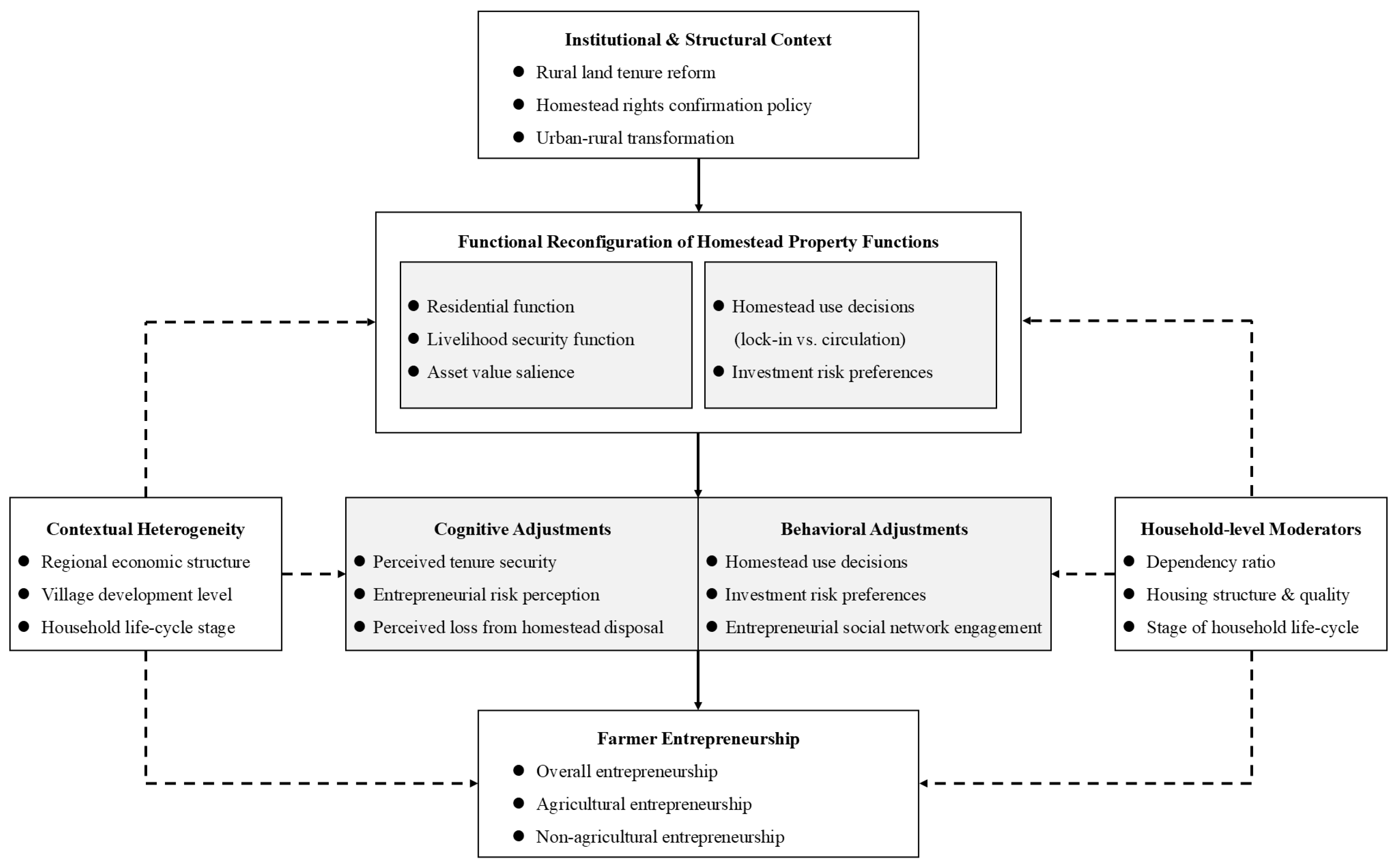
Figure 1. Theoretical framework of the effect of homestead rights confirmation on farmer entrepreneurship.
Land 15 00556 g001
Figure 2. Study area. (a) presents the location of Jiangsu Province within China (red outline). (b) showcases Jiangsu Province’s administrative divisions and main cities. (c) displays the Digital Elevation Model (DEM) of Jiangsu Province, indicating topography (high: 469 m; low: −33 m) and neighboring provinces.
Land 15 00556 g002
Table 1. Variable definition and descriptive statistical analysis results.
VariablesDefinitionMeanStd.
Dependent variable
Farmer entrepreneurship1 = entrepreneurial household; 0 = non-entrepreneurial household0.1280.334
Core independent variable
Homestead rights confirmation1 = rights confirmed; 0 = not confirmed0.2780.448
Control variables
AgeMeasured in years61.05711.278
Age squaredAge squared divided by 10038.55112.976
Gender1 = male; 0 = female0.6960.460
Household registration status1 = agricultural registration; 0 = non-agricultural registration0.9550.206
EducationYears of formal schooling6.9323.951
Non-farm vocational education or training1 = received; 0 = not received0.1160.319
Agricultural technical training1 = received; 0 = not received0.3010.459
Party membership1 = CPC member; 0 = non-member0.2230.416
Household sizeTotal number of household members4.3871.864
Proportion of elderly household membersShare of household members aged 60 and above0.3500.327
Household labor out-migrationNumber of household members residing outside the village on a long-term basis1.2361.620
Village topography1 = plain area; 0 = non-plain area0.8810.323
Village locationDistance from the village to the county seat (km)21.06015.751
Village economic development levelLogarithm of village-level per capita net income (yuan per person)9.8700.579
Village collective asset levelLogarithm of village collective assets (10,000 yuan)5.3692.479
Number of homesteadsNumber of homestead plots owned by the household1.1220.454
Total homestead areaLogarithm of total homestead area (m2)5.2981.143
Willingness to utilize homesteads1 = willing to transfer or exit homestead use rights; 0 = not willing0.1010.301
Perceived asset value of homesteads1 = homesteads perceived as collateralizable; 0 = not perceived as collateralizable0.4180.493
Investment risk–return preference1 = prioritizes current returns only; 2 = considers both current and future returns; 3 = prioritizes future returns only4.6860.720
Information utilizationComposite index capturing attention to economic and financial information and internet use0.1230.157
Social capitalComposite index based on social trust, network ties, and borrowing capacity0.0410.023
Subjective well-beingComposite index reflecting life satisfaction, perceived happiness, and self-assessed local economic status0.5320.136
Table 2. Benchmark results.
VariableCoef.dy/dx
Homestead rights confirmation−0.700 ***
(0.156)
−0.114 ***
(0.026)
Age0.017
(0.024)
0.003
(0.004)
Age squared−0.028
(0.023)
−0.005
(0.004)
Gender0.224 **
(0.093)
0.037 **
(0.015)
Household registration status0.265
(0.186)
0.043
(0.030)
Education0.024 *
(0.013)
0.004 *
(0.002)
Non-farm vocational education or training0.088
(0.111)
0.014
(0.018)
Agricultural technical training0.293 ***
(0.082)
0.048 ***
(0.013)
Party membership−0.286 ***
(0.099)
−0.047 ***
(0.016)
Household size0.081 ***
(0.023)
0.013 ***
(0.004)
Proportion of elderly household members−0.413 **
(0.168)
−0.067 **
(0.028)
Household labor out-migration−0.076 ***
(0.028)
−0.012 ***
(0.005)
Village topography0.123
(0.216)
0.020
(0.035)
Village location0.005
(0.003)
0.001
(0.001)
Village economic development level−0.287 ***
(0.098)
−0.047 ***
(0.016)
Village collective asset level0.091 ***
(0.025)
0.015 ***
(0.004)
Number of homesteads0.076
(0.091)
0.012
(0.015)
Total homestead area0.055
(0.040)
0.009
(0.007)
Willingness to utilize homesteads0.065
(0.119)
0.011
(0.019)
Perceived asset value of homesteads−0.162 **
(0.079)
−0.027 **
(0.013)
Investment risk–return preference0.089 *
(0.054)
0.015 *
(0.009)
Information utilization1.156 ***
(0.272)
0.189 ***
(0.044)
Social capital2.878 **
(1.439)
0.471 **
(0.235)
Subjective well-being1.801 ***
(0.331)
0.295 ***
(0.054)
Prefecture-level city fixed effectsYes
N2337
Pseudo R20.224
Note: (1) ***, **, and * denote statistical significance at the 1%, 5%, and 10% levels, respectively. (2) Values in parentheses are heteroskedasticity-robust standard errors clustered at the village level. (3) The table reports marginal effects estimated from the Probit model.
Table 3. Results of the endogenous switching probit (ESP) model.
VariableSelection Equation
(Homestead Rights Confirmation)
Outcome Equation
(Farmer Entrepreneurship)
ConfirmedNot Confirmed
Age0.073 ***
(0.023)
0.023
(0.048)
0.017
(0.027)
Age squared−0.054 ***
(0.020)
−0.020
(0.043)
−0.035
(0.026)
Gender−0.140 *
(0.075)
0.229
(0.172)
0.334 ***
(0.107)
Household registration status−0.218
(0.156)
0.311
(0.403)
0.124
(0.204)
Education0.035 ***
(0.010)
0.020
(0.027)
0.019
(0.014)
Non-farm vocational education or training−0.097
(0.102)
0.522 ***
(0.193)
−0.030
(0.123)
Agricultural technical training−0.118
(0.077)
0.322 **
(0.158)
0.322 ***
(0.091)
Party membership−0.060
(0.084)
−0.301
(0.190)
−0.262 **
(0.110)
Household size0.020
(0.022)
0.045
(0.047)
0.104 ***
(0.026)
Proportion of elderly household members0.177
(0.139)
−0.944 ***
(0.307)
−0.120
(0.191)
Household labor out-migration−0.011
(0.023)
−0.072
(0.050)
−0.067 **
(0.030)
Village topography−0.871 ***
(0.100)
0.509
(0.351)
−0.210
(0.159)
Village location0.020 ***
(0.002)
−0.0002
(0.004)
−0.005
(0.004)
Village economic development level−0.259 ***
(0.062)
−0.348 *
(0.192)
0.079
(0.104)
Village collective asset level0.067 ***
(0.016)
0.115 **
(0.058)
0.020
(0.024)
Number of homesteads−0.246 ***
(0.080)
0.153
(0.155)
−0.011
(0.105)
Total homestead area0.156 ***
(0.035)
−0.087
(0.071)
0.078
(0.049)
Willingness to utilize homesteads−0.225 *
(0.122)
0.266
(0.290)
0.249 *
(0.120)
Perceived asset value of homesteads0.038
(0.066)
−0.438 ***
(0.164)
−0.093
(0.087)
Investment risk–return preference−0.128 ***
(0.046)
0.162
(0.099)
0.066
(0.060)
Information utilization0.644 ***
(0.237)
−0.179
(0.548)
1.288 ***
(0.304)
Social capital−1.533
(1.383)
11.371 ***
(3.878)
1.583
(1.735)
Subjective well-being0.530 **
(0.264)
1.352 **
(0.666)
1.703 ***
(0.391)
Average homestead rights confirmation in other villages within the same prefecture-level city2.913 ***
(0.138)
Constant−1.855 **
(0.934)
−0.756
(2.361)
−4.119 ***
(1.293)
ρ0−0.164
(0.230)
ρ1−0.525 ***
(0.130)
Goodness-of-fit Test602.030 ***
Log Pseudo-Likelihood−1733.756
Test of Equation Independence9.790 ***
N2337
Note: (1) ***, **, and * denote statistical significance at the 1%, 5%, and 10% levels, respectively. (2) Values in parentheses are heteroskedasticity-robust standard errors clustered at the village level.
Table 4. Treatment effects of homestead rights confirmation on farmer entrepreneurship.
CategoryConfirmedNot ConfirmedATTt-Value
Households with Confirmed Homestead Rights0.089
(0.005)
0.097
(0.004)
−0.008 **
(0.004)
−2.232
Note: (1) ** denotes statistical significance at the 5% levels, respectively. (2) Values in parentheses are heteroskedasticity-robust standard errors clustered at the village level.
Table 5. Robustness check.
VariableAgricultural EntrepreneurshipNon-Agricultural EntrepreneurshipLogitCloglog
Coef.dy/dxCoef.dy/dxCoef.dy/dxCoef.dy/dx
Homestead rights confirmation−1.166 ***
(0.256)
−0.086 ***
(0.020)
−0.200
(0.170)
−0.024
(0.020)
−1.296 ***
(0.318)
−0.115 ***
(0.028)
−1.096 ***
(0.297)
−0.113 ***
(0.031)
Control VariablesYesYesYesYes
N2337233723372337
Pseudo R2/Log pseudolikelihood0.3370.1540.225−691.593
Note: (1) *** denotes statistical significance at the 1% levels, respectively. (2) Values in parentheses are heteroskedasticity-robust standard errors clustered at the village level. (3) The table reports marginal effects estimated from the models.
Table 6. Results of the mediation analysis.
VariableHomestead Land Utilization BehaviorInvestment Risk PreferenceEntrepreneurial Risk PerceptionEntrepreneurial Social Networks
Homestead rights confirmation−0.894 ***
(0.219)
−0.422 ***
(0.114)
0.151 *
(0.083)
−0.858 ***
(0.222)
Control VariablesYesYesYesYes
N2337233723372337
Pseudo R20.4780.0740.0260.086
Note: (1) *** and * denote statistical significance at the 1% and 10% levels, respectively. (2) Values in parentheses are heteroskedasticity-robust standard errors clustered at the village level.
Table 7. Results of the moderation analysis.
VariableEffect of the Family Dependency RatioEffect of the Housing Structure
Coef.dy/dxCoef.dy/dx
Homestead rights confirmation−0.433 **
(0.198)
−0.070 **
(0.032)
−1.510 ***
(0.450)
−0.245 ***
(0.074)
Family dependency ratio−0.812 **
(0.360)
−0.132 **
(0.059)
Family dependency ratio × Homestead rights confirmation−0.759 **
(0.345)
−0.123 **
(0.056)
Housing structure 0.176 **
(0.088)
0.028 **
(0.014)
Housing structure × Homestead rights confirmation 0.359 *
(0.186)
0.058 *
(0.030)
Control VariablesYesYes
N23372337
Pseudo R20.2290.231
Note: (1) ***, **, and * denote statistical significance at the 1%, 5%, and 10% levels, respectively. (2) Values in parentheses are heteroskedasticity-robust standard errors clustered at the village level. (3) The table reports marginal effects estimated from the moderation model.
Table 8. Results of the heterogeneity analysis.
VariableSouthern JiangsuCentral JiangsuNorthern Jiangsu
Coef.dy/dxCoef.dy/dxCoef.dy/dx
Homestead rights confirmation−0.545 *
(0.310)
−0.103 *
(0.058)
−1.116 ***
(0.304)
−0.117 ***
(0.033)
−0.380
(0.303)
−0.060
(0.048)
Control VariablesYesYesYes
N926514897
Pseudo R20.2150.2970.258
VariableHigh-Income villagesLow-Income villages
Coef.dy/dxCoef.dy/dx
Homestead rights confirmation−0.320
(0.224)
−0.053
(0.037)
−0.639 **
(0.305)
−0.097 **
(0.046)
Control VariablesYesYes
N11821155
Pseudo R20.2060.290
VariableHousehold Heads Aged 50 and AboveHousehold Heads Aged Below 50
Coef.dy/dxCoef.dy/dx
Homestead rights confirmation−0.754 ***
(0.175)
−0.110 ***
(0.026)
−0.208
(0.433)
−0.050
(0.105)
Control VariablesYesYes
N2038299
Pseudo R20.2010.283
Note: (1) ***, **, and * denote statistical significance at the 1%, 5%, and 10% levels, respectively. (2) Values in parentheses are heteroskedasticity-robust standard errors clustered at the village level. (3) The table reports marginal effects estimated from the Probit model.
Disclaimer/Publisher’s Note: The statements, opinions and data contained in all publications are solely those of the individual author(s) and contributor(s) and not of MDPI and/or the editor(s). MDPI and/or the editor(s) disclaim responsibility for any injury to people or property resulting from any ideas, methods, instructions or products referred to in the content.