Article

Mitigating Urban-Centric Bias to Address the Rural Eligibility Discovery Lag

1
Key Laboratory of Land Resources Survey and Planning of Qinghai Province, School of Politics and Public Administration, Qinghai Minzu University, Xining 810007, China
2
Institute of Remote Sensing Satellite, China Academy of Space Technology, Beijing 100094, China
*
Author to whom correspondence should be addressed.
Land 2026, 15(4), 535; https://doi.org/10.3390/land15040535
Submission received: 29 January 2026 / Revised: 5 March 2026 / Accepted: 17 March 2026 / Published: 25 March 2026

Abstract

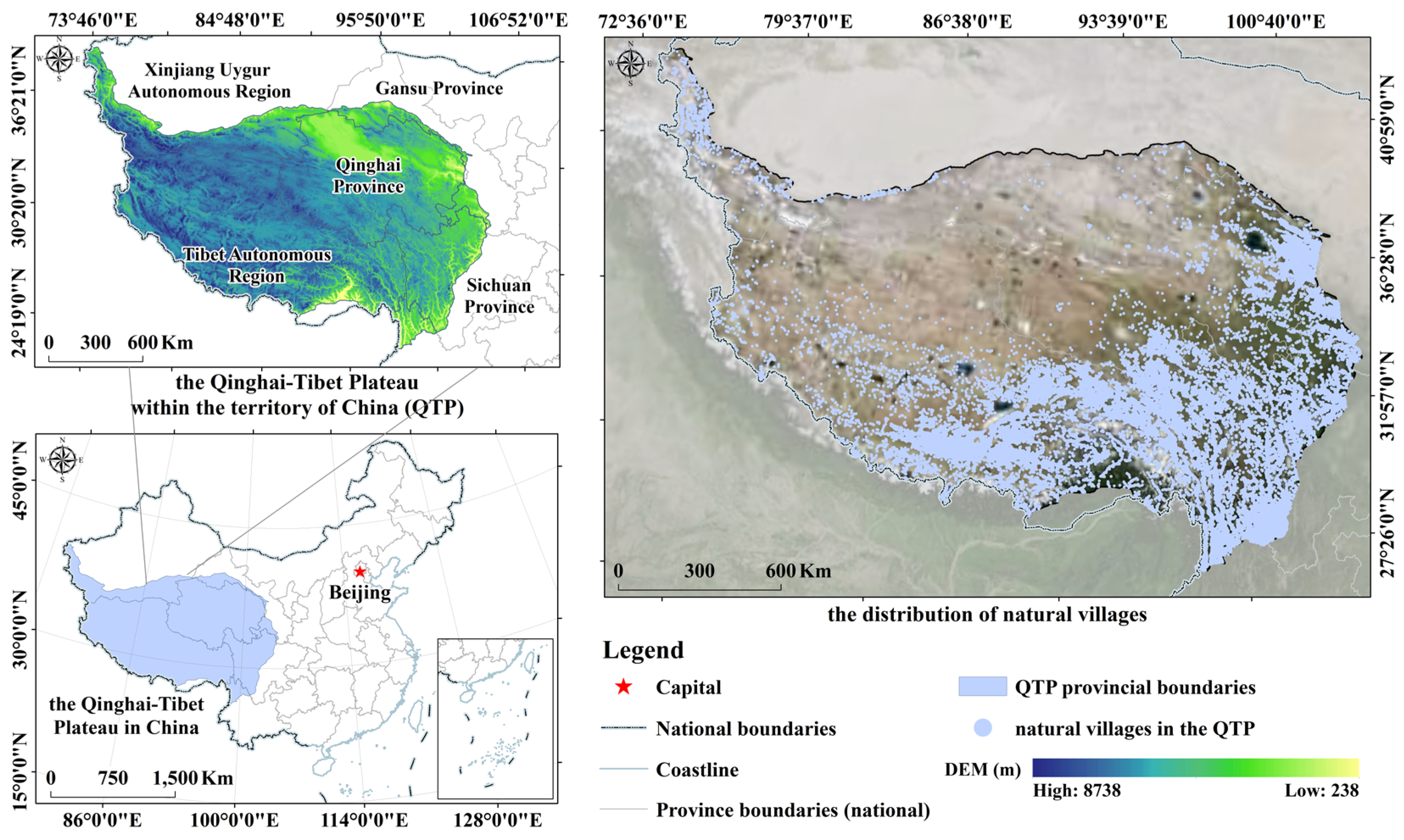
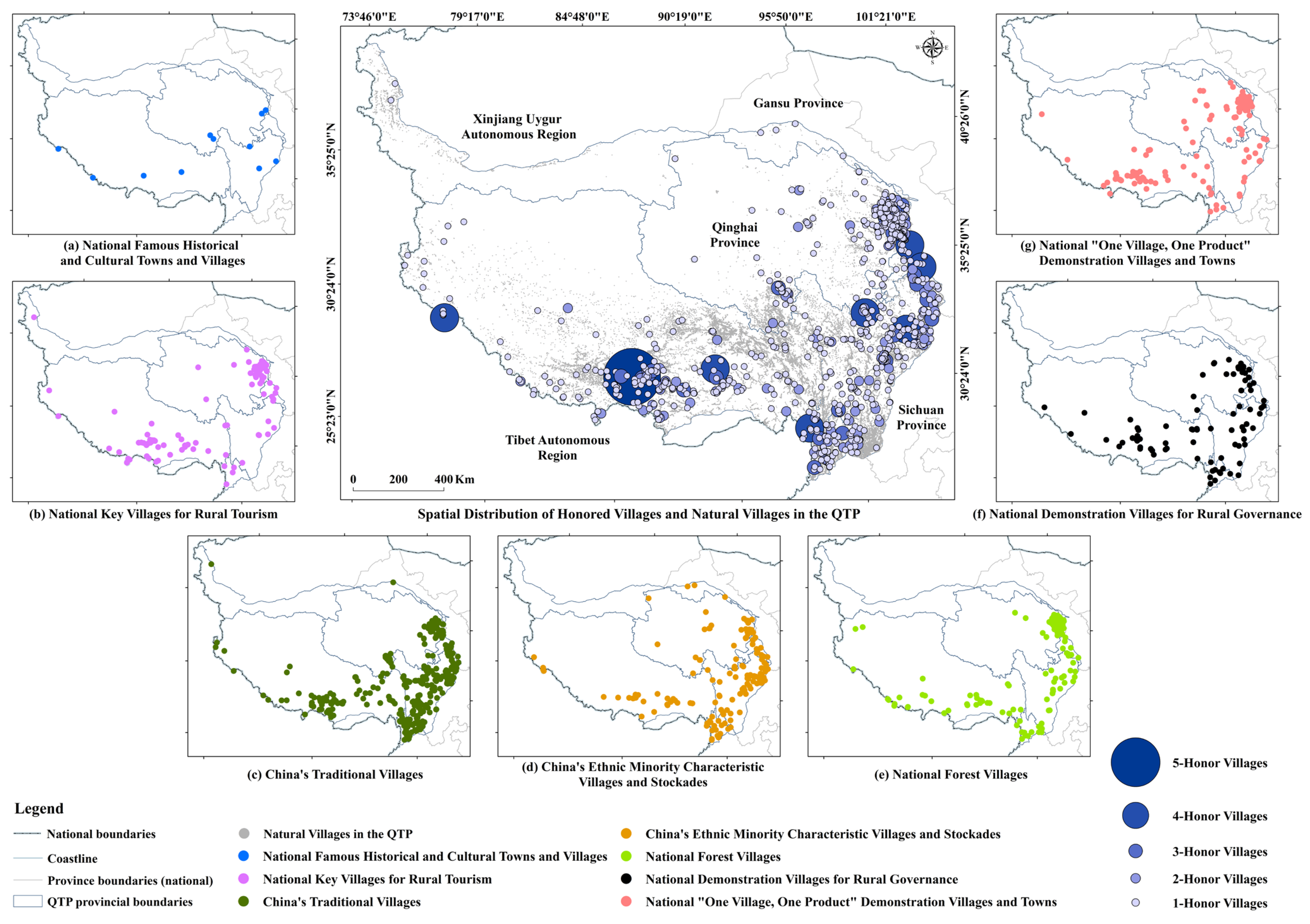
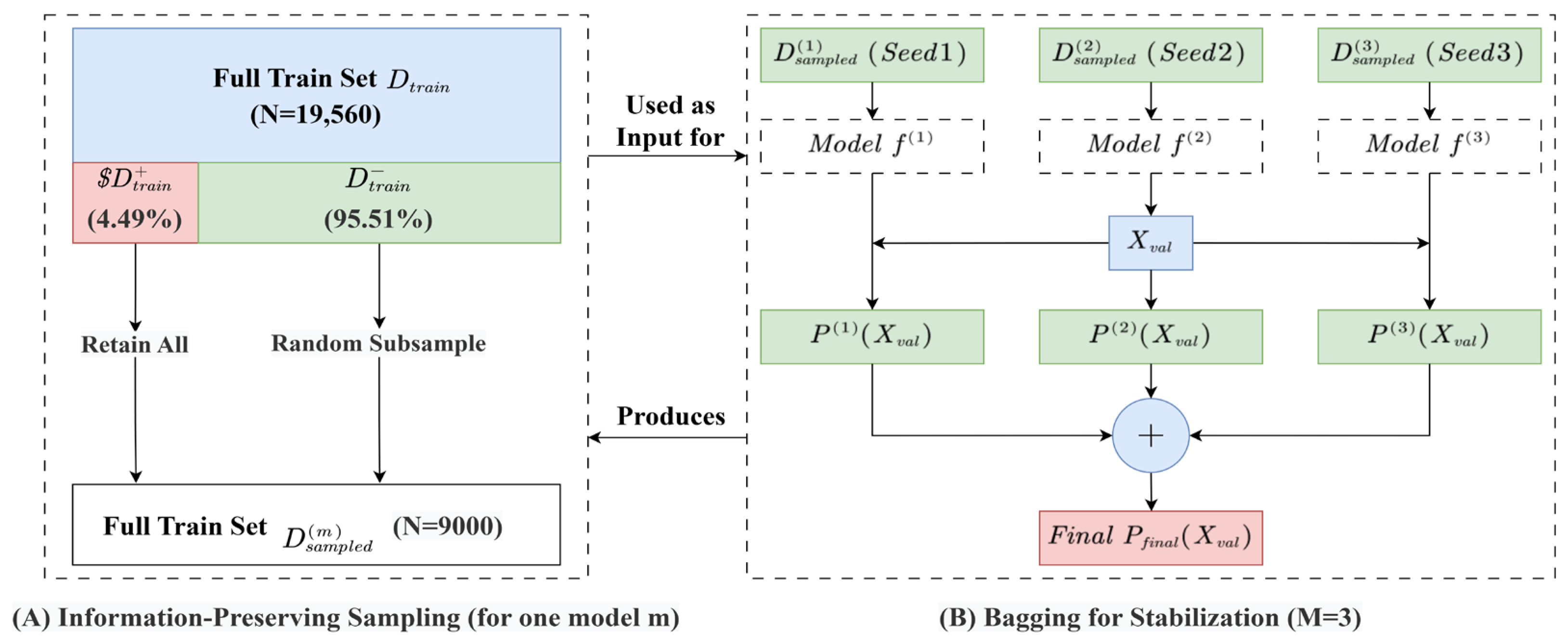
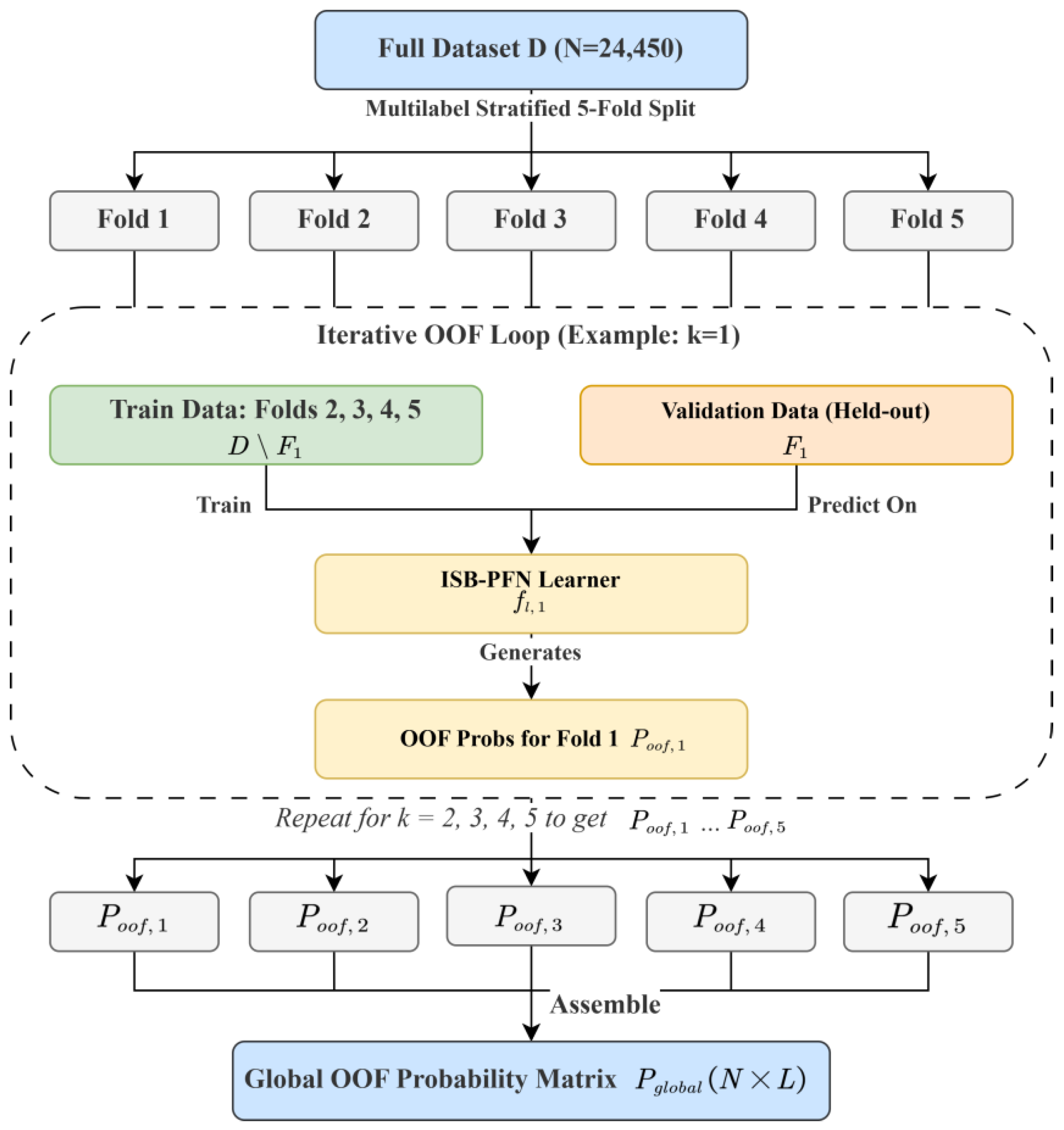
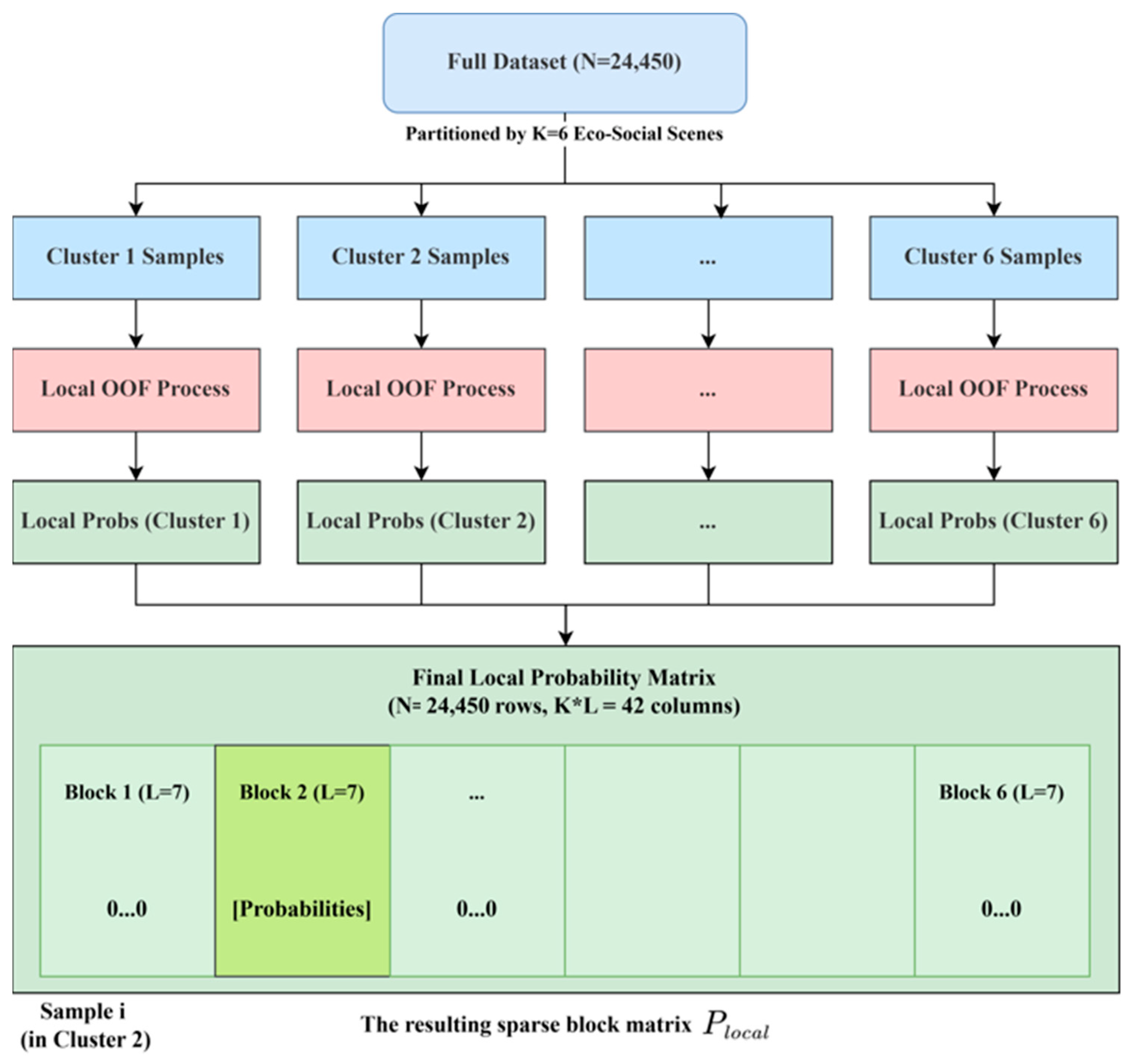
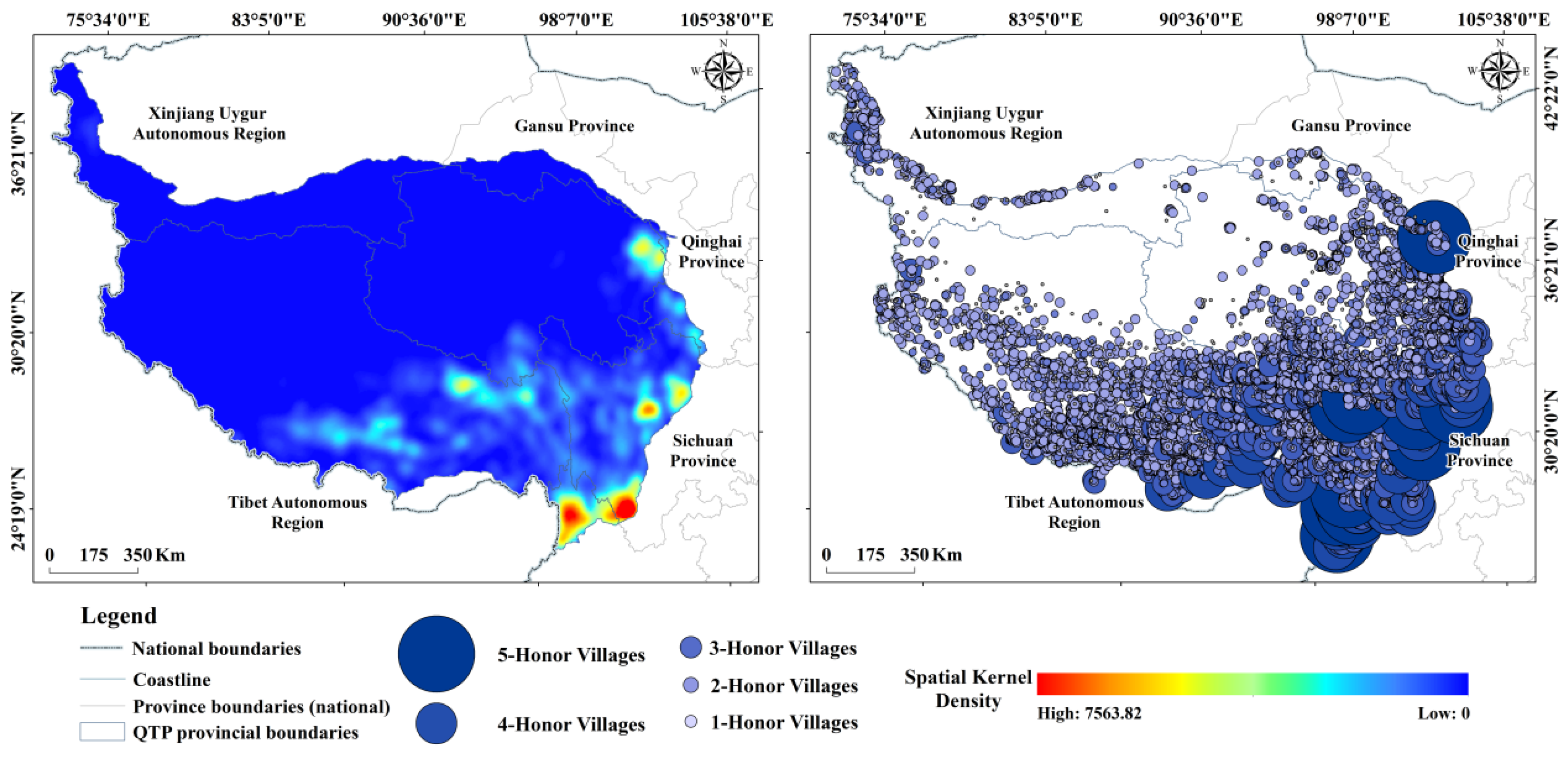
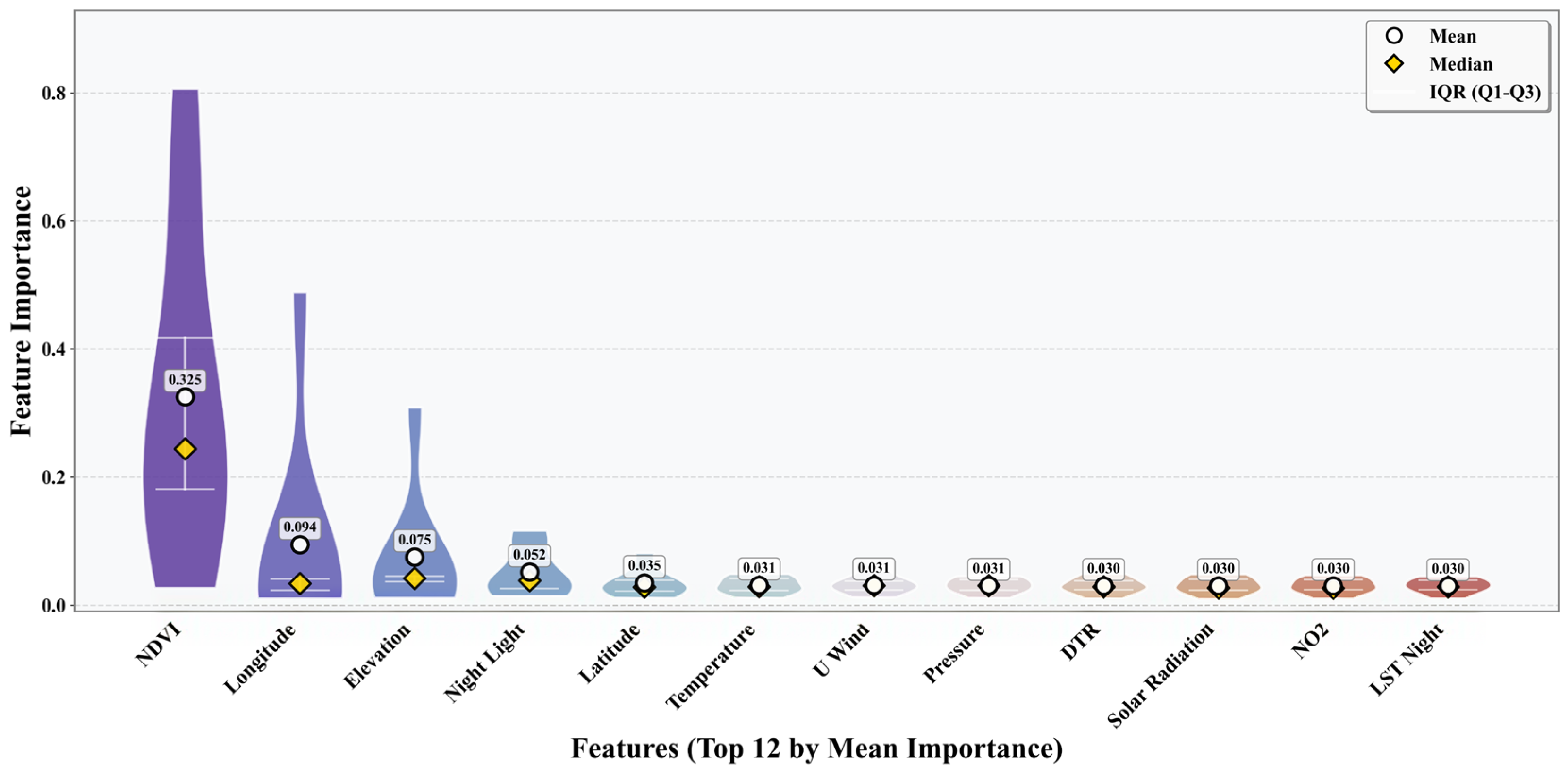
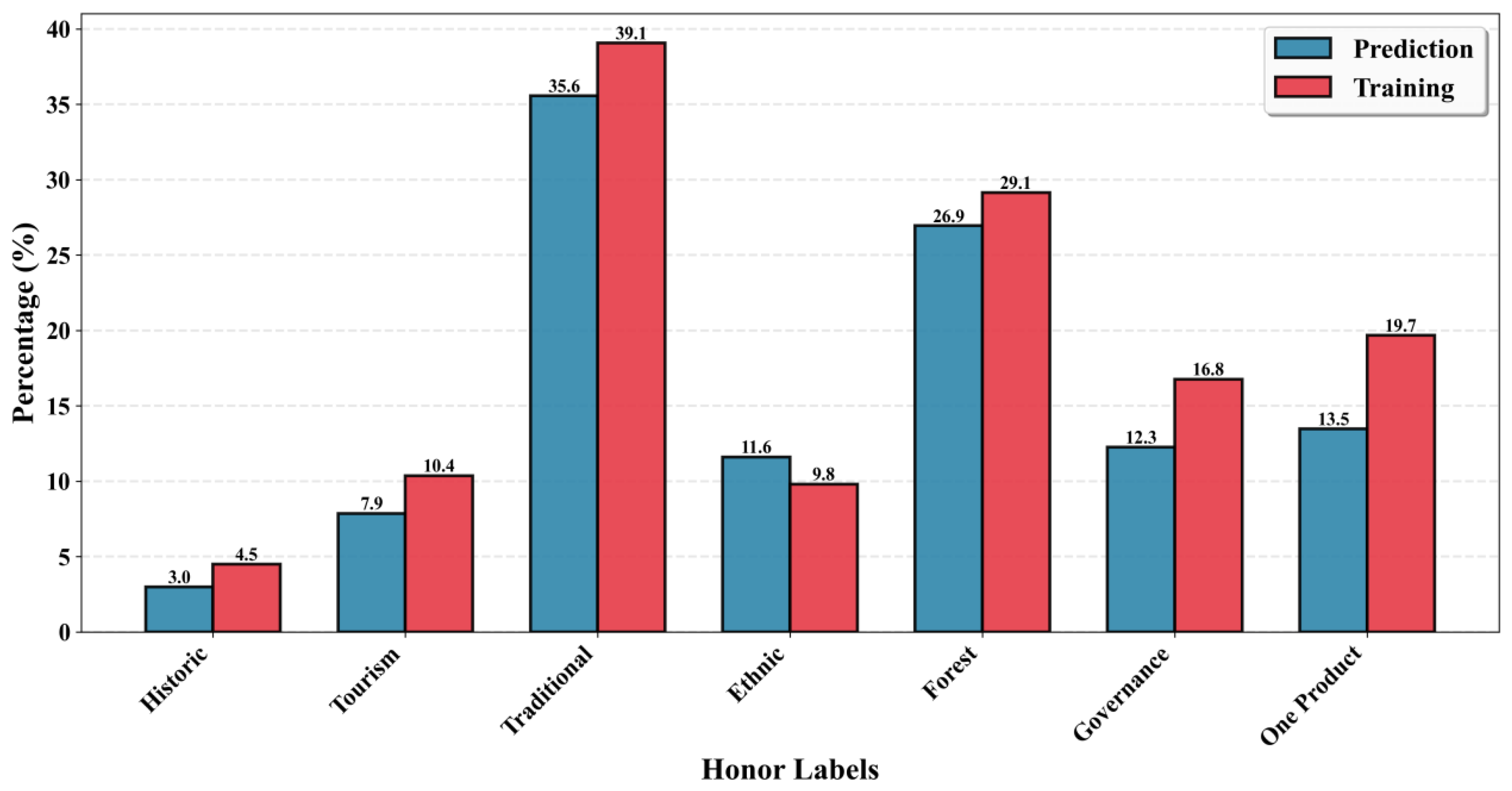
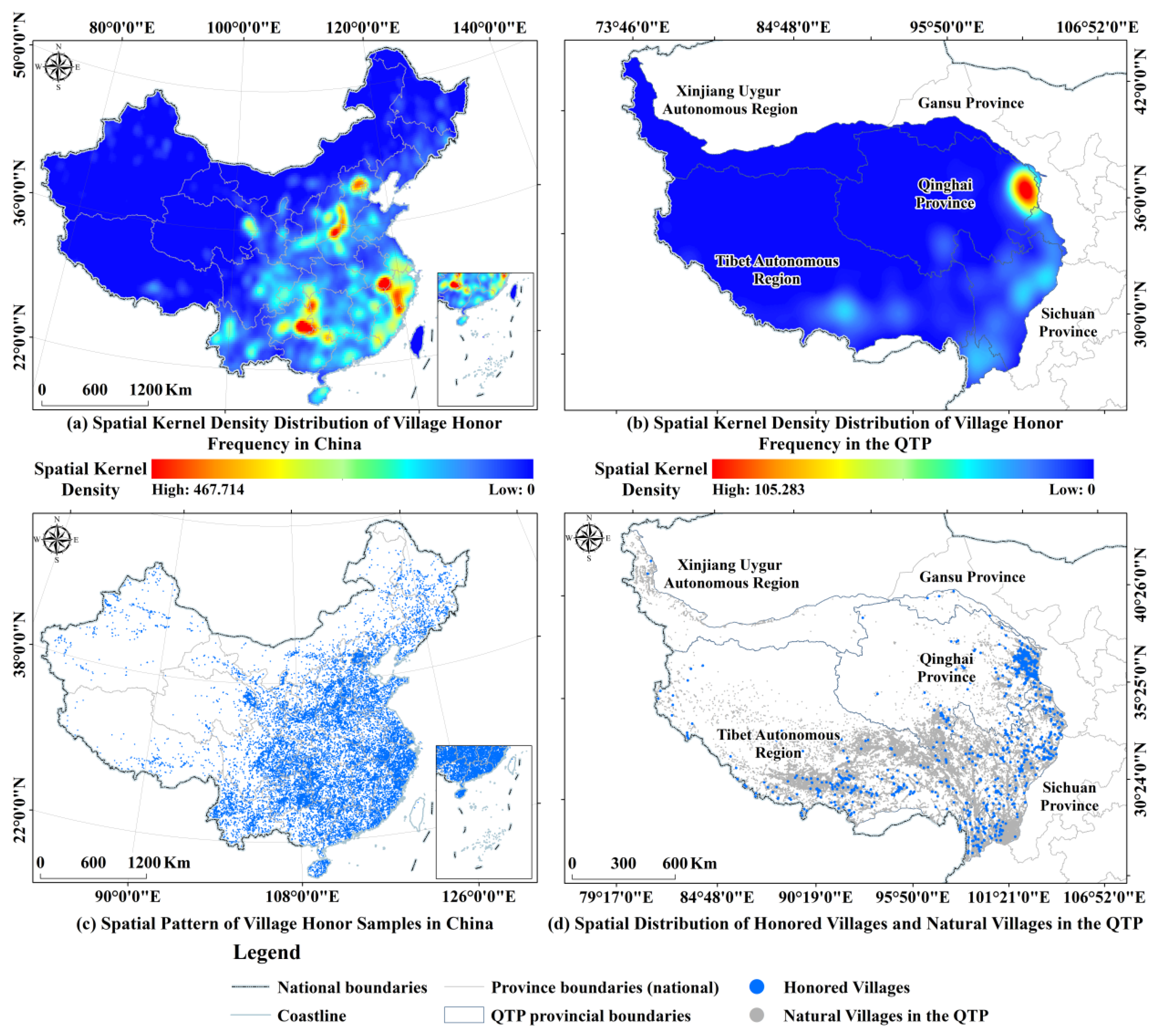
Urban sustainability depends on rural hinterlands, yet national-scale evaluation and AI screening often rely on urban-centric proxies, which can under-recognize remote villages where the evidence base is sparse. Using China’s national honored-village programme (N = 24,450) as a case, we examine how recognition patterns change when data availability and observability are unequal across regions, with a focus on the Qinghai–Tibetan Plateau (QTP), where 923 honored villages account for only 3.78% of the national total. We interpret urban-centric proxy reliance as the tendency for recognition patterns to correlate with urban-linked observability signals (e.g., nighttime lights). In this study, discovery lag refers to situations where villages exhibit characteristics similar to historically recognized villages but remain unrecognized under the current honor regime due to uneven data availability and observability. Methodologically, we build a scene-aware predictive framework that integrates multi-source geospatial indicators and explicitly handles extreme imbalance and environmental heterogeneity to estimate recognition likelihood under the current honor regime, treating national honor lists as administratively produced recognition outcomes rather than objective measures of village value. The model highlights four high-probability nomination belts on the QTP and reveals a pronounced DEM–NTL decoupling: the median NTL of currently honored QTP villages is 0, suggesting that NTL-based urban proxies can fail in high-altitude, data-scarce contexts. Overall, the observed under-representation is consistent with uneven observability and institutional constraints within the current honor system, and the proposed framework provides a scalable diagnostic and screening tool for identifying villages with high predicted recognition likelihood and supporting more evidence-aware rural data collection.
Keywords: Qinghai–Tibetan Plateau villages; honor-oriented village recognition; scene-aware multi-label learning; TabPFN ensemble; visibility and discoverability mechanism; multi-source remote sensing and statistical data; spatial extrapolation Qinghai–Tibetan Plateau villages; honor-oriented village recognition; scene-aware multi-label learning; TabPFN ensemble; visibility and discoverability mechanism; multi-source remote sensing and statistical data; spatial extrapolation