Article

Study on the Driving Mechanisms and Regulation Pathways of Rural Construction Land Changes Based on the Decoupling-Potential Linkage Model: A Case Study of a County in Northern China

by
Bing Zhao
1,2,
Weicheng Han
1,* and
Zhiqi Zhang
1
1
College of Architecture and Art, Taiyuan University of Technology, Taiyuan 030024, China
2
Shandong Urban and Rural Planning and Design Institute Co., Ltd., Jinan 250014, China
*
Author to whom correspondence should be addressed.
Land 2025, 14(5), 1079; https://doi.org/10.3390/land14051079
Submission received: 1 April 2025 / Revised: 12 May 2025 / Accepted: 13 May 2025 / Published: 15 May 2025
(This article belongs to the Special Issue Suburban Land Development and Rural-Urban Integration)

Abstract

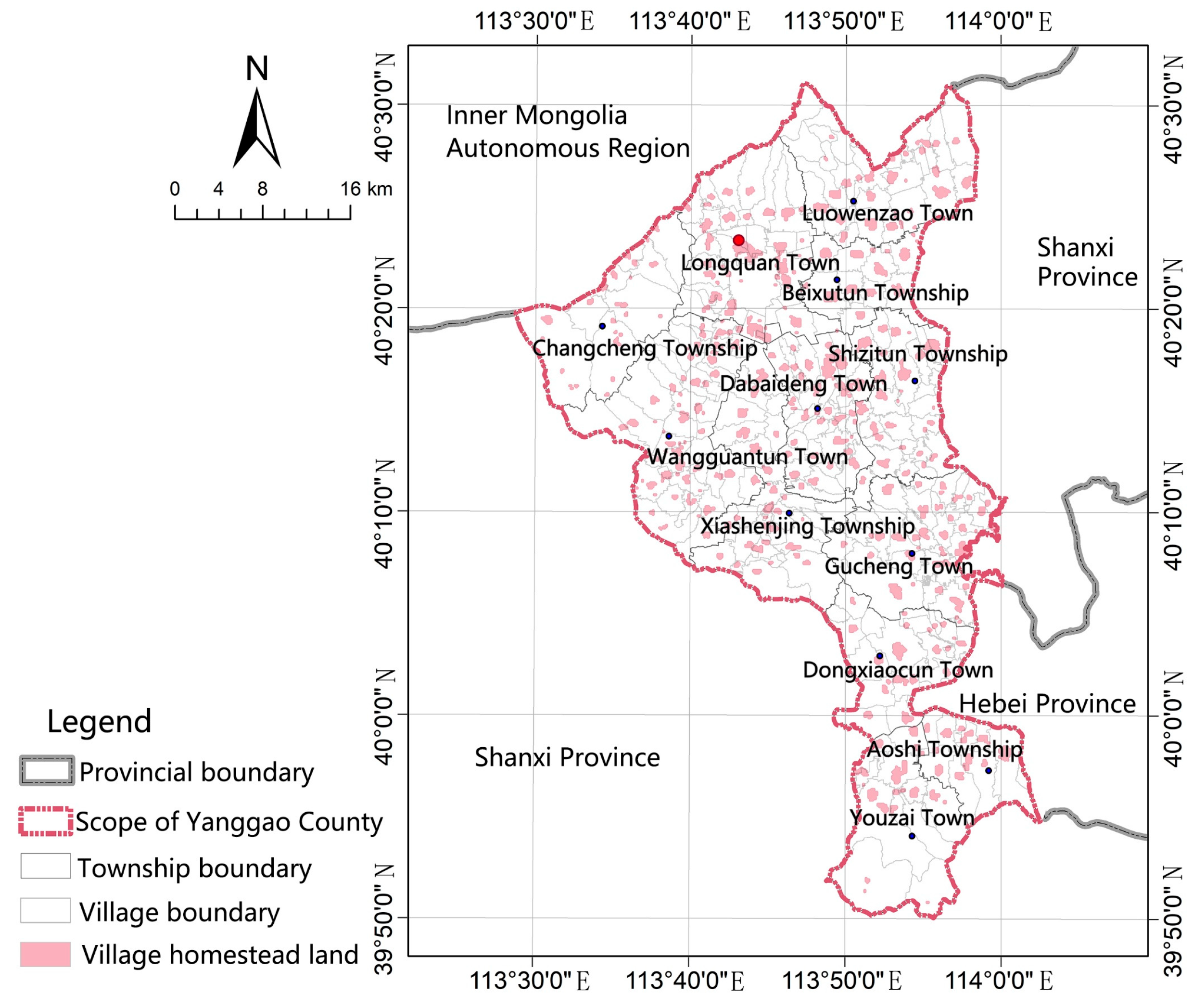
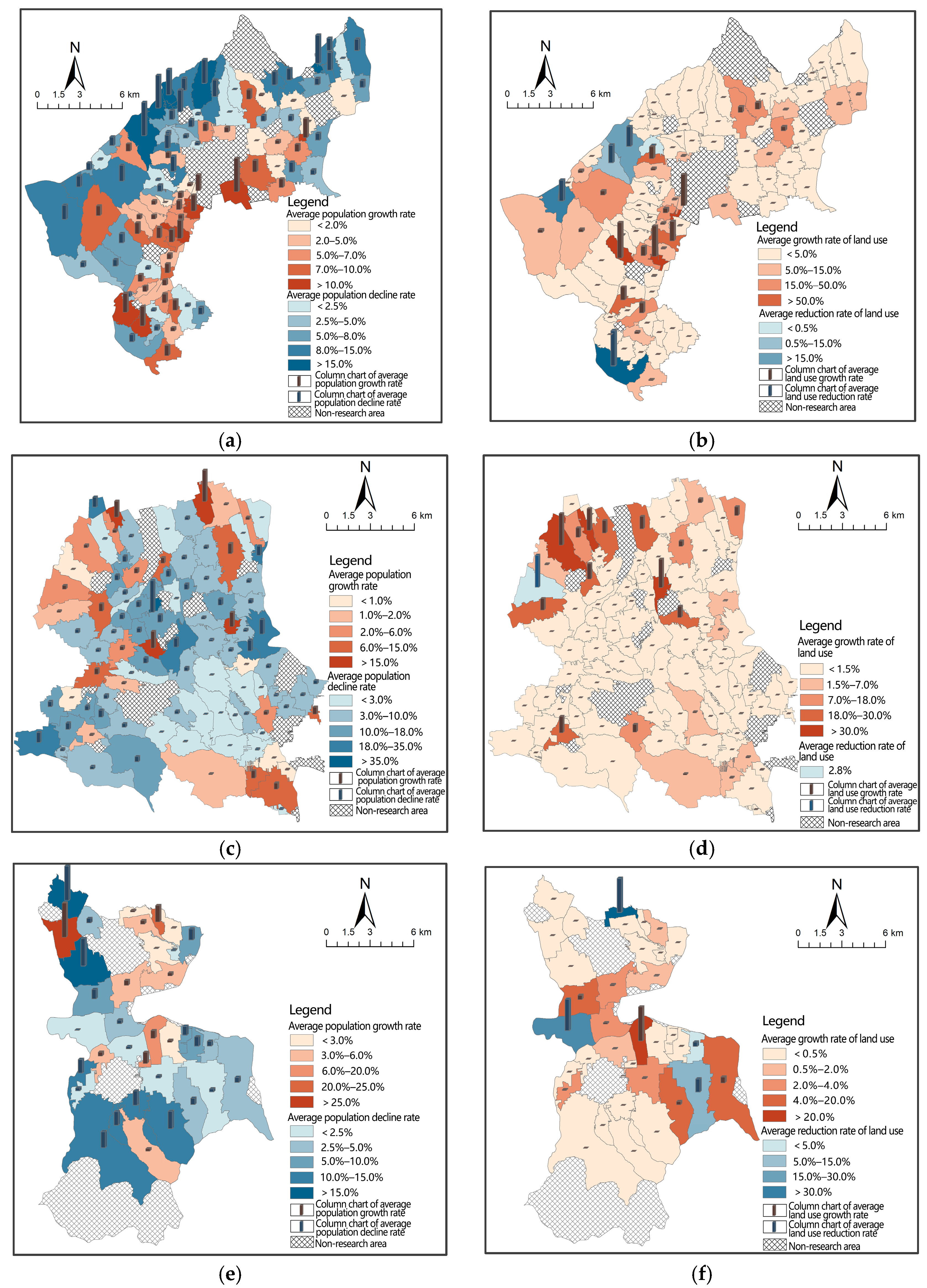
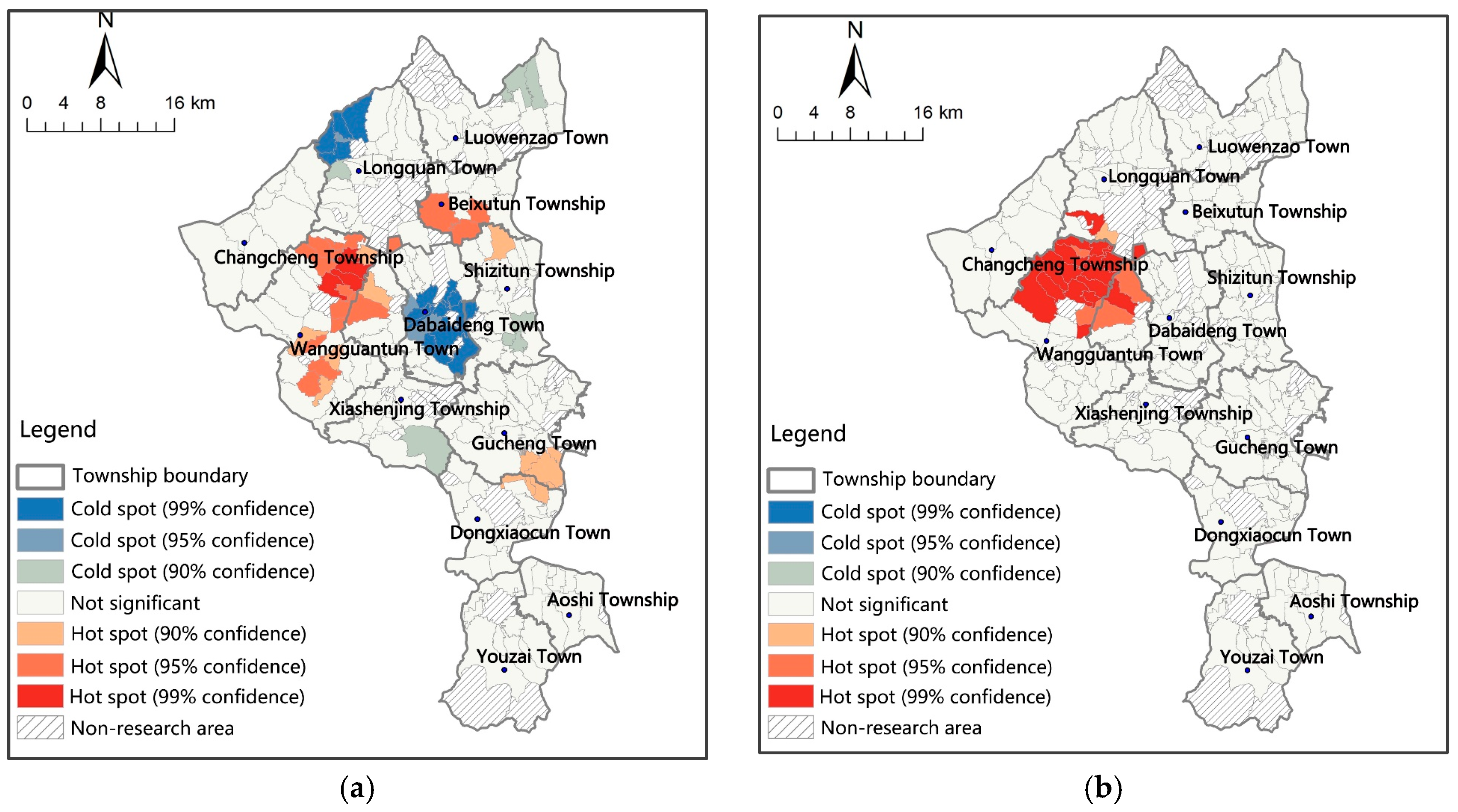
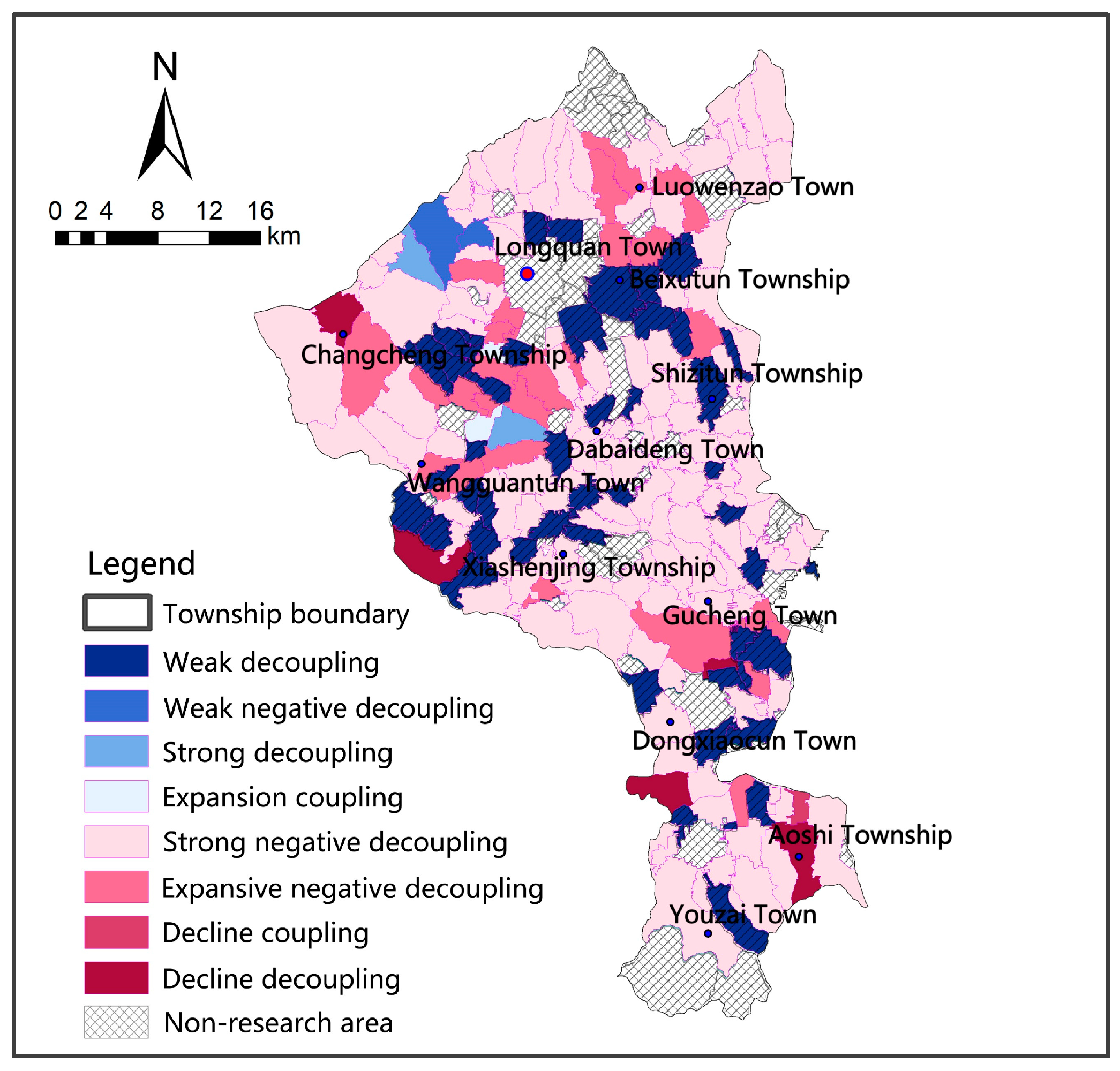
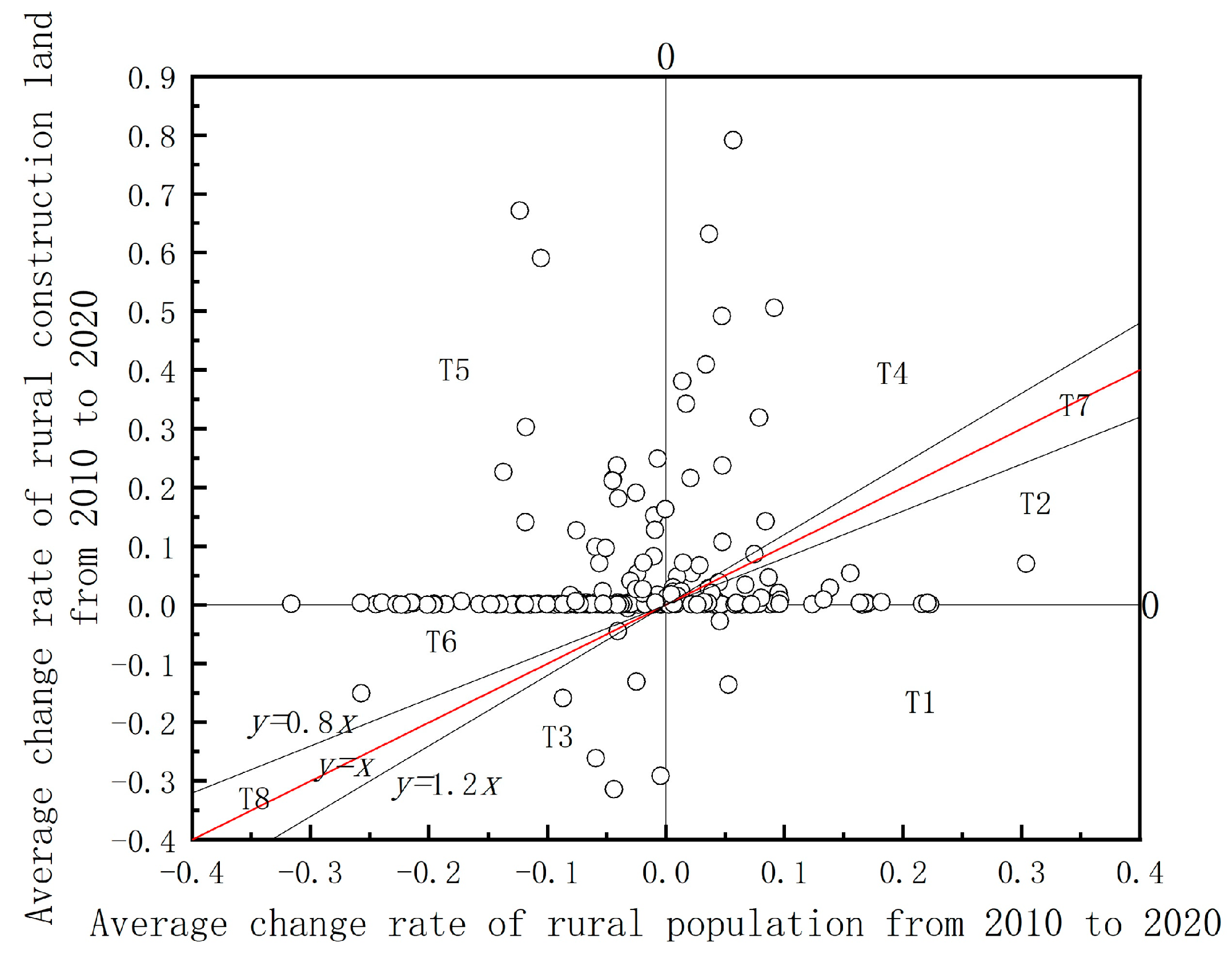
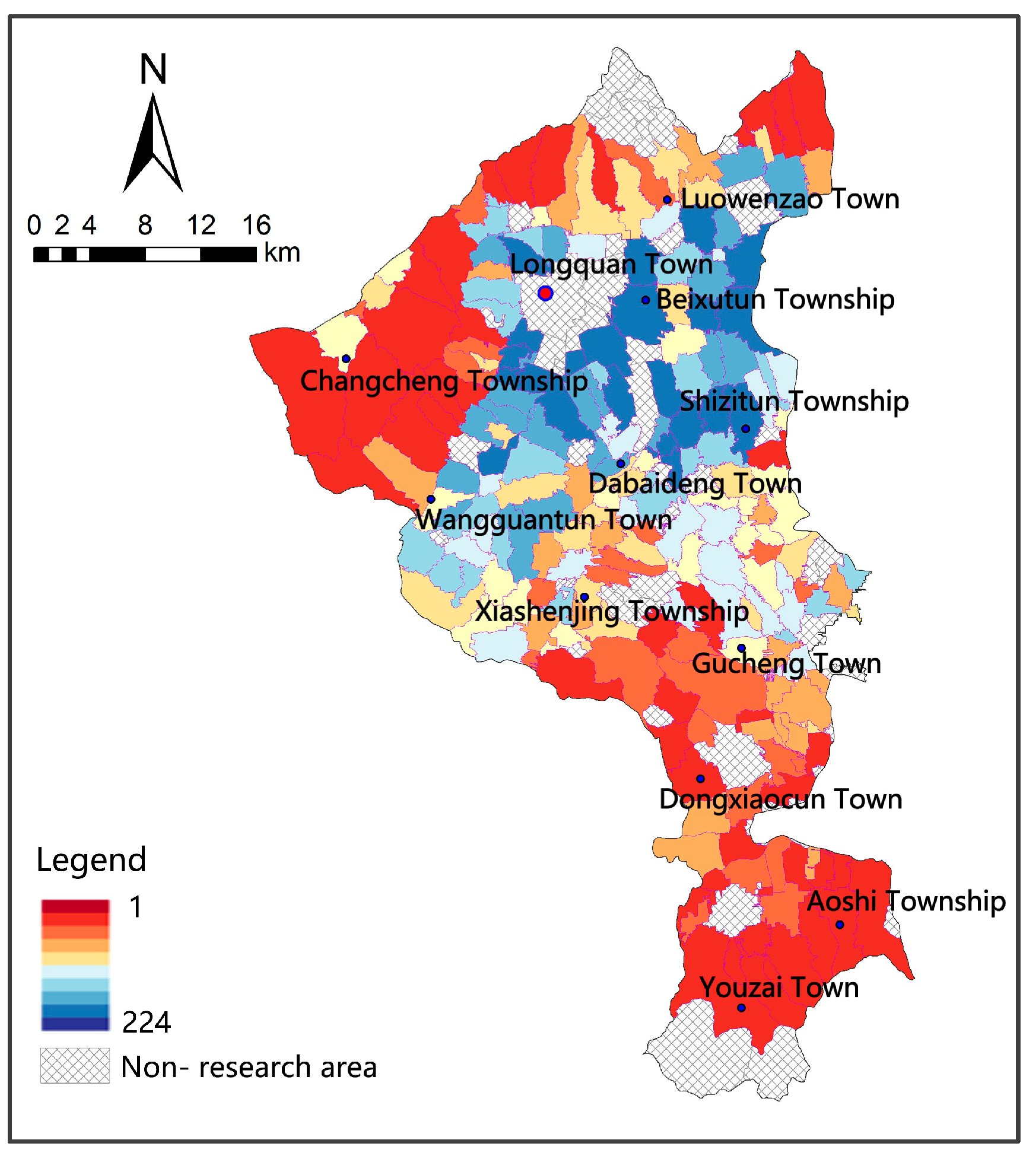
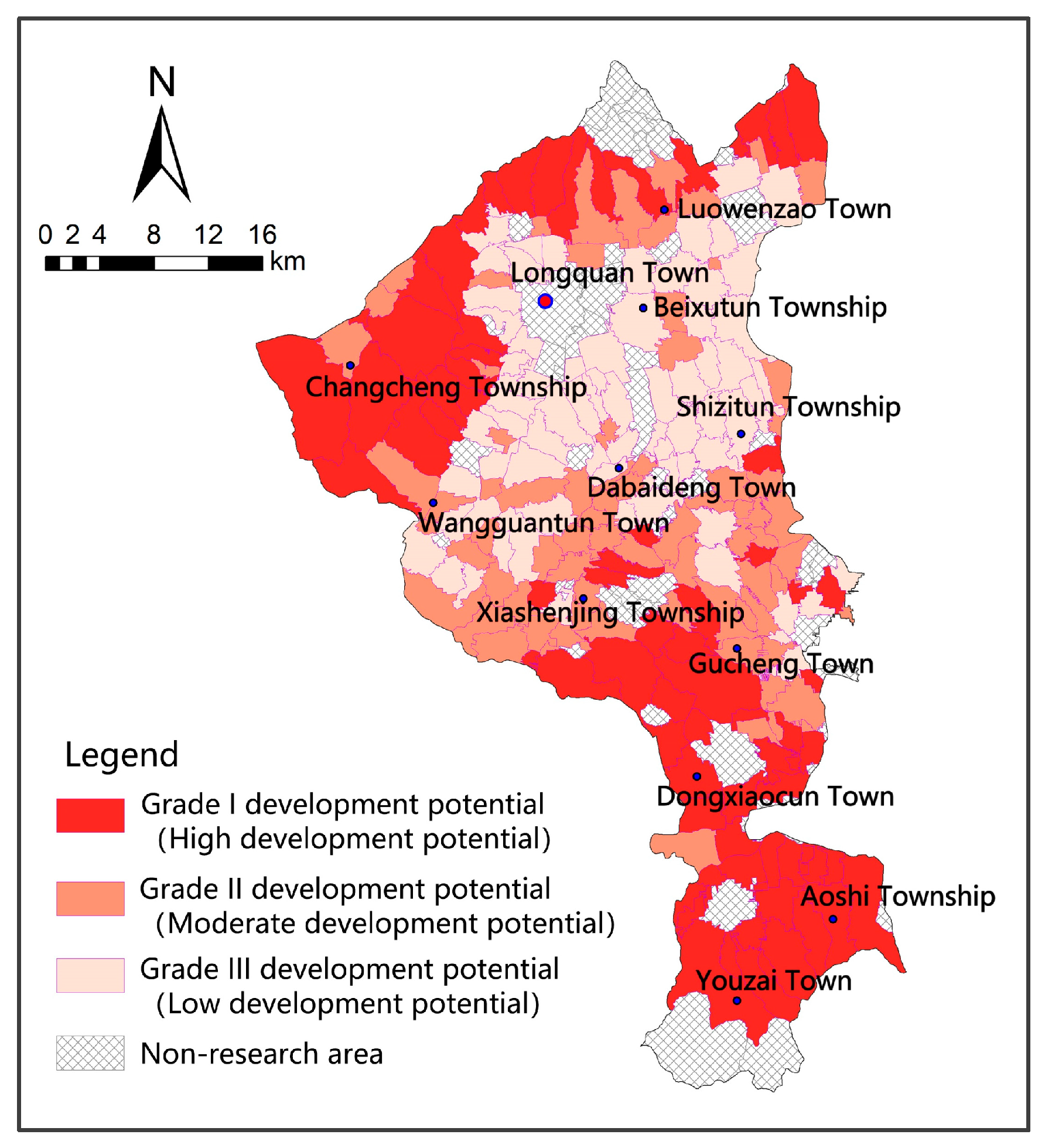
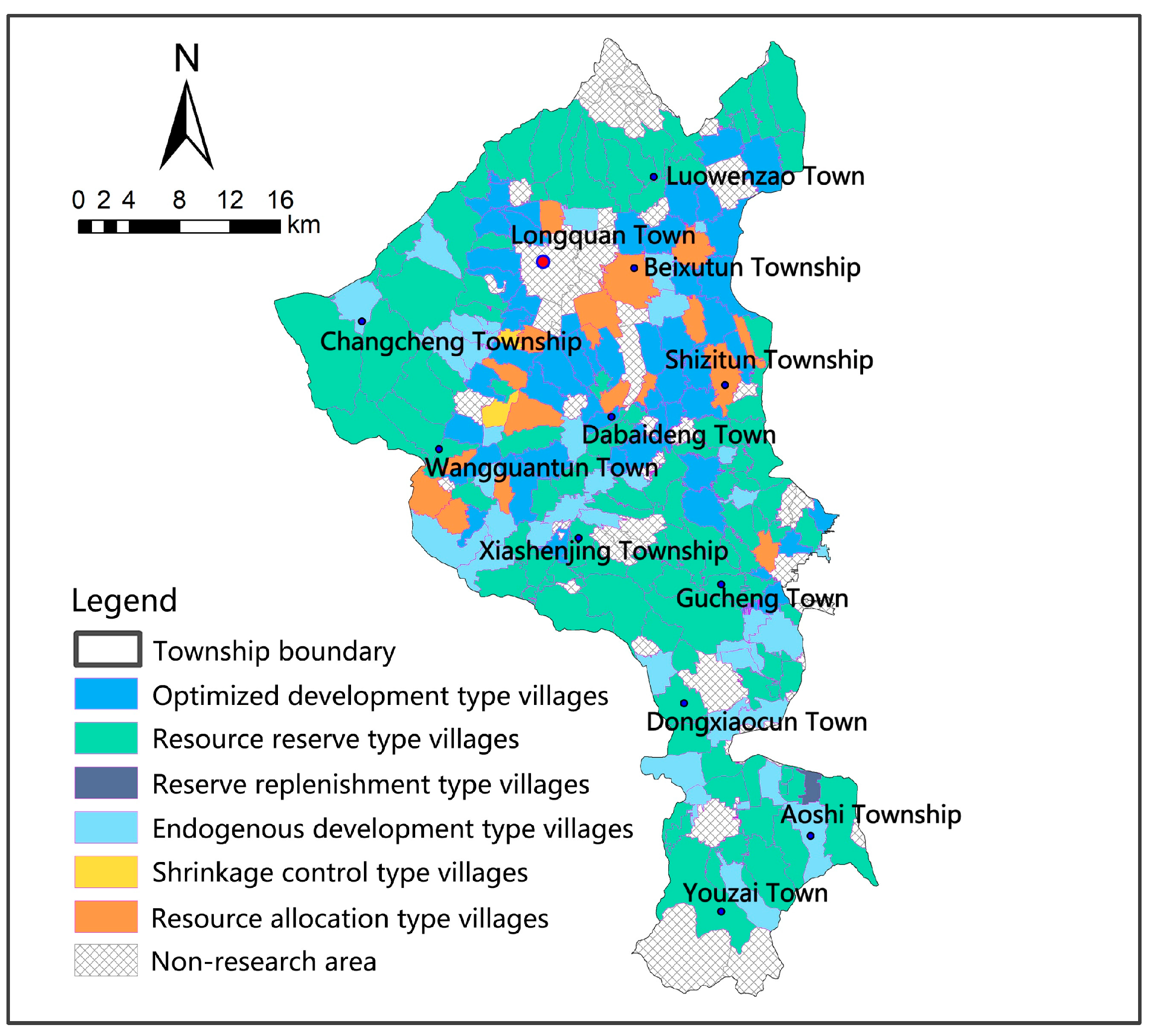
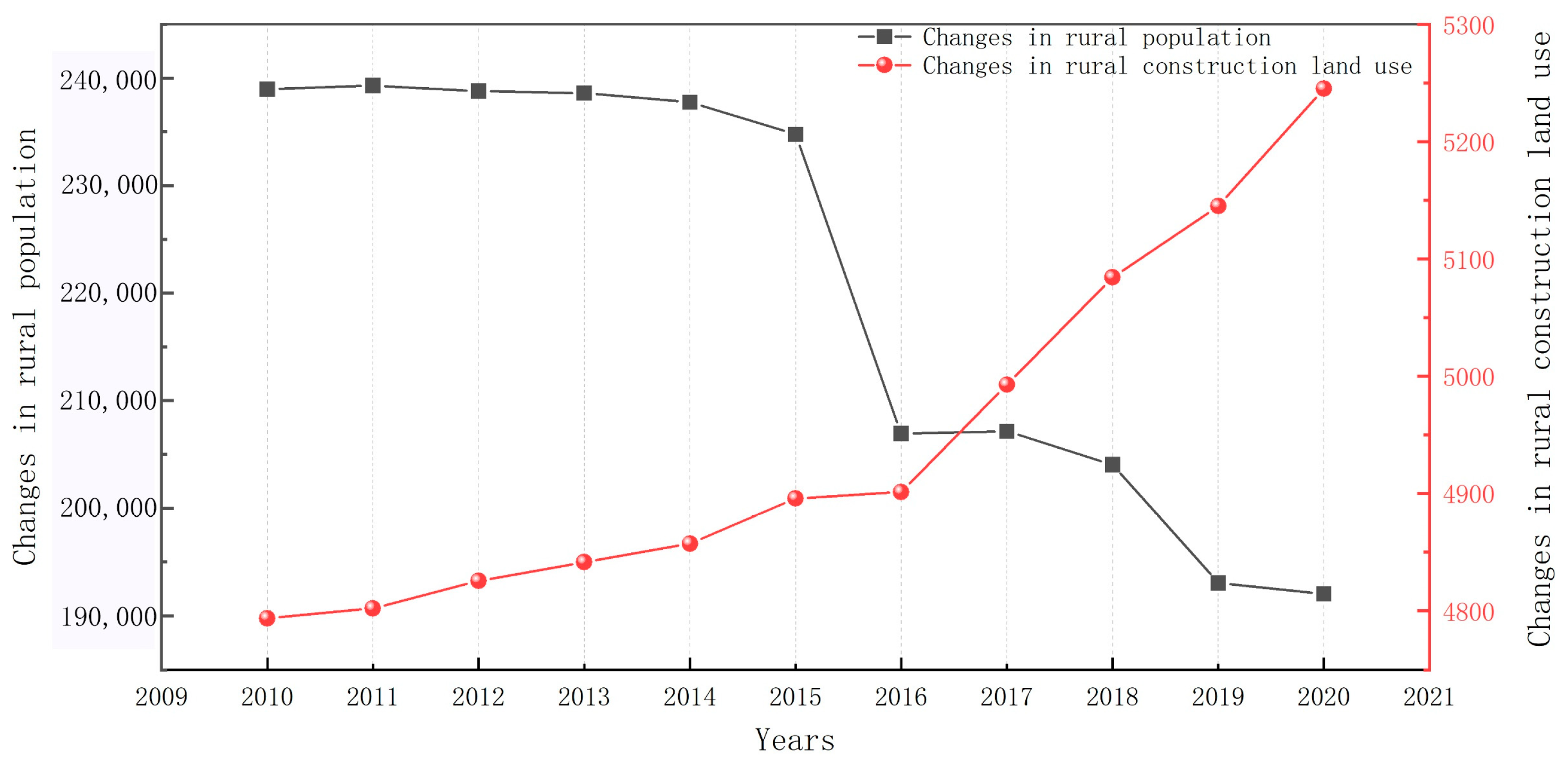
Amidst the backdrop of rural population decline and the inefficient expansion of construction land, traditional land management models are confronted with the dual challenges of supply–demand mismatch and low efficiency. This paper constructs a three-dimensional analytical framework based on decoupling types, development potential, and driving mechanisms. Initially, using Tapio’s decoupling theory, the study identifies the population–land decoupling types among 224 villages in Yanggao County, Shanxi Province, Northern China. It then evaluates the development potential of rural construction land using a comprehensive index system, and a linkage analysis between the two is conducted. Finally, the study employs the Logarithmic Mean Divisia Index (LMDI) method to conduct an in-depth analysis of the mechanisms driving changes in rural construction land. The results indicate the following: (1) Between 2010 and 2020, the study area exhibited a reverse evolution characterized by rural population loss and the expansion of construction land, with a significant “population–land decoupling” phenomenon. (2) The development potential for rural construction land shows a pattern of being high in the north and south, low in the middle, high in mountainous and hilly areas, low in plains, and high in peripheral areas but low in town centers. (3) Villages in Yanggao County are predominantly of the resource reserve type (49.11%), indicating relatively abundant land resource reserves. (4) In different population migration patterns, the reduction in land-use efficiency represents similar proportions (38% and 36%), with villages experiencing net population inflow performing better in improving land-use efficiency compared to those with net population outflow. Drawing on international governance experiences, the study proposes classification and phased implementation pathways. By revealing the dynamic patterns of rural population–land relationships—construction land potential and change mechanisms—the logic of regulatory path adaptation, the article provides a methodological paradigm for constructing a precise and differentiated land resource allocation system, promoting the transition of rural spatial governance from expansion in scale to an improvement in quality.
Keywords: decoupling theory; development potential; linkage model; driving mechanism; regulatory pathway decoupling theory; development potential; linkage model; driving mechanism; regulatory pathway