


Abstract
This study investigates the interaction between digital–intelligent integration and carbon productivity in 23 prefecture-level cities across the middle reaches of the Yellow River from 2013 to 2022, focusing on a resource-dependent region transitioning towards low-carbon development. The aim is to examine how digital technologies contribute to improving carbon productivity and reducing environmental pollution. An entropy-weighted index system was used to assess digital–intelligent transformation and carbon productivity. A coupling coordination model was applied to measure their joint performance, with spatial autocorrelation and spillover analyses used to detect regional patterns and intercity linkages. Data were sourced from official yearbooks, environmental bulletins, and urban big-data platforms. The results show a steady improvement in coordination between digital–intelligent integration and carbon productivity, with significant progress in 2018 and 2020 following national policy initiatives. Core cities showed higher coordination and generated positive spillovers, while peripheral cities lagged, resulting in noticeable spatial agglomeration. These findings highlight the growing coupling between digital–intelligent development and carbon productivity, reinforced by policy initiatives but accompanied by regional disparities. This study suggests that policies should focus on enhancing data infrastructure in core cities, improving regional cooperation, and bridging gaps in peripheral areas. It offers insights into the role of digital technologies in achieving low-carbon development in resource-dependent urban regions.
1. Introduction
The ongoing industrial revolution, characterized by digitalization, networking, and intelligence, is profoundly reshaping the global economic structure. As the world’s largest emerging economy, China is accelerating the construction of advanced infrastructure such as 5G, cloud computing, and artificial intelligence to promote industrial upgrading and economic transformation [1].
In the face of global warming, one of the most serious environmental challenges of our time, the Chinese government has placed ecological civilization at the center of its national strategy, aiming to achieve harmony between humans and nature. The 2021 Government Work Report officially proposed the goals of carbon peaking and carbon neutrality, showing a firm commitment to green and low-carbon development [2].
Within this strategic framework, policymakers stress the importance of seizing opportunities brought by the new wave of technological and industrial transformation. Emerging technologies—including the Internet, big data, artificial intelligence, and 5G—are being deeply integrated with green and low-carbon industries to accelerate technological innovation and the intelligent upgrading of industrial systems. Improving carbon productivity—enhancing energy efficiency and reducing carbon intensity while sustaining steady economic growth—has become a key task in balancing economic and environmental objectives [3].
Climate change not only threatens ecosystems but also endangers fundamental human rights such as the rights to life, health, food, water, and development. Addressing this challenge requires shifting from the recognition of environmental rights to practical actions and ensuring sufficient financial support for technological innovation and the energy transition [4]. In resource-dependent and ecologically fragile regions, it is urgent to explore effective pathways for integrating digital and intelligent technologies to enhance carbon productivity and achieve a just low-carbon transition [5].
Cities, as the main spaces of human activity, have become central to global carbon emissions and resource consumption. Although they occupy only about 3% of the Earth’s land area, cities consume most of the world’s resources and generate major environmental pressures [6]. With accelerating urbanization, resource use and ecological burdens continue to rise, requiring a shift from traditional growth models to sustainable development approaches.
Recent studies highlight that cities need to move from linear resource use to closed-loop circular systems to build a restorative and regenerative relationship with natural ecosystems [7]. This transition is essential for creating ecologically resilient urban systems and ensuring the long-term sustainability of cities within planetary boundaries.
Globally, researchers have developed multi-criteria evaluation frameworks that integrate environmental, economic, social, and smart indicators to compare urban sustainability performance. These studies reveal intrinsic links between smart transformation, energy restructuring, and carbon reduction, and identify interactions between urban sustainability potential and investment opportunities. Such findings provide valuable theoretical and policy insights for promoting green, smart, and regenerative urban transitions worldwide.
Existing studies related to this topic mainly focus on two areas: (1) the coupled evolution of ecological–economic systems in urban agglomerations of the Yellow River Basin, and (2) the relationship and mechanisms between digital–intelligent integration and carbon productivity.
Coupled Evolution of Ecological–Economic Systems in Urban Agglomerations of the Yellow River Basin. In the Yellow River Basin, resource-based cities face complex challenges in the coupling of ecological and economic systems. Existing research indicates that the coordination of the Energy–Economy–Environment–Technology (E3T) system has gradually improved, yet significant regional disparities remain, reflecting the imbalances in low-carbon transformation across cities [8]. The Water–Energy–Food (WEF) system has evolved in a “U-shaped” pattern, highlighting the temporal and spatial inefficiencies in resource synergy, which has impacted the simultaneous improvement of digital–intelligent integration and carbon productivity [9]. At the city level, the coupling between land-use efficiency and ecological resilience has been steadily increasing, with digital–intelligent technologies playing a significant role in enhancing the cities’ ability to adapt to environmental pressures [10].
The Relationship and Mechanisms Between Digital–Intelligent Integration and Carbon Productivity. The relationship between digital–intelligent technologies and carbon productivity is a central research topic. Digital infrastructure (e.g., artificial intelligence (AI), the Internet of Things (IoT), and big data) is widely recognized as a key driver of carbon productivity improvements. Studies show that digital technologies significantly contribute to carbon emission reduction and efficiency improvement by optimizing resource allocation, promoting green innovation, and enhancing energy efficiency [11,12]. The combination of intelligent manufacturing and green innovation has further promoted the development of low-carbon industries, thus boosting carbon productivity [13,14]. The widespread application of digital technologies not only improves carbon productivity but also optimizes industrial structures through intelligent transformation, leading to a reduction in resource consumption [14].
Regarding the mechanisms behind the improvement of carbon productivity, the dual promotion effect of digital transformation and green technological progress has been widely discussed. Digital infrastructure significantly boosts carbon productivity through green innovation and spatial spillover effects, with policy incentives amplifying this effect [15,16]. At the regional level, the effects of technological innovation are heterogeneous, and digital finance promotes the diffusion of technology and resource optimization [17,18]. At the firm level, digital transformation improves carbon productivity by optimizing resource allocation, advancing technological progress, and curbing inefficient investments, particularly in resource-intensive and technology-driven enterprises [19,20]. Overall, improvements in energy efficiency and industrial restructuring remain the core drivers of carbon productivity growth [21].
While the relationship between digital–intelligent integration and carbon productivity has been widely studied, there remains a lack of research on resource-dependent and ecologically sensitive regions like the Yellow River Basin. This region not only faces resource scarcity but also bears severe ecological pressures, making the demand for digital–intelligent integration particularly urgent. The construction of digital infrastructure provides technological support for industrial transformation in these areas, fostering the growth of green industries and enhancing carbon productivity [8]. Digital–intelligent integration not only boosts carbon productivity but also reduces carbon emissions by facilitating industrial restructuring and optimizing production processes. Through the application of intelligent technologies, digitalization promotes the formation of low-carbon industrial clusters and enhances the green synergy within industrial chains [9,10,22]. The application of these technologies accelerates the transformation of high-carbon industries, reduces resource consumption, and decreases carbon emissions. As digitalization progresses, the enhancement of carbon productivity becomes more closely aligned with low-carbon economic development.
Despite the valuable insights provided by existing research, there are notable limitations. First, many studies overlook the systemic interplay between the digital economy and carbon reduction, focusing too heavily on linear or one-way analyses. Second, traditional econometric methods dominate, limiting the ability to capture spatial dependence, nonlinear dynamics, and evolutionary processes. Third, most research is concentrated in coastal developed regions, neglecting resource-dependent and ecologically fragile areas such as the Yellow River Basin in the context of digital–low-carbon transitions.
This study aims to fill these gaps by focusing on the spatiotemporal evolution and coordination of digital–intelligent integration and carbon productivity in 23 prefecture-level cities in the middle reaches of the Yellow River from 2013 to 2022. The research addresses the following key questions: (1) How have the temporal and spatial patterns of coordination evolved? (2) What spatial structures and spillover effects characterize this process? (3) Which socioeconomic and structural factors significantly influence coordination levels? To address these questions, this study constructs a composite indicator system using the entropy-weight method, measures coordination through a coupling coordination model, and analyzes spatial interactions using the Spatial Durbin Model (SDM). The dataset integrates official statistics, environmental bulletins, and digital infrastructure records from 2013 to 2022. The findings are expected to deepen the understanding of the interaction between digitalization and low-carbon development, particularly in resource-dependent and ecologically fragile regions, and to provide context-specific policy implications for balanced, sustainable, and innovation-driven urban development, supporting China’s broader green transition goals.
2. Theoretical Basis
The relationship between environmental pollution and economic growth often follows an inverted U-shaped pattern, consistent with the Environmental Kuznets Curve (EKC) hypothesis [23,24]. However, achieving both sustained economic growth and environmental improvement while advancing the turning point of pollution remains a major challenge for sustainable development. Using the urban agglomeration in the middle reaches of the Yellow River as a case study, this paper examines how digital–intelligent integration (DII) promotes carbon productivity and mitigates environmental pollution.
In this study, DII is defined as a multidimensional system composed of three interrelated components: (1) digital infrastructure, which supports digital transformation through broadband networks, cloud computing, and 5G platforms; (2) intelligent applications, which integrate technologies such as the Internet of Things (IoT) and big data analytics into industrial and social processes; and (3) innovation and integration capacity, which reflects the ability to enhance efficiency, drive green innovation, and optimize energy use through digital and intelligent tools.
DII serves as a key driver of green transformation. It meets the diverse requirements of sustainable development and strengthens its impact by reshaping resource allocation, fostering technological progress, and transforming production and lifestyles. Through these mechanisms, DII promotes structural adjustments in the economy and accelerates industrial upgrading toward low-carbon, efficient, and intelligent models.
Among the factors influencing carbon productivity, resource allocation efficiency plays a critical role [25]. Digital technologies optimize input factors, improve energy efficiency, and reduce carbon intensity. Smart manufacturing reduces energy waste and enables real-time monitoring and adaptive regulation. At the industrial level, digital and intelligent integration promotes the formation of low-carbon industrial clusters, strengthens supply chain coordination, and accelerates the transformation of carbon-intensive sectors. Mechanisms such as the industrial internet, intelligent scheduling, and data sharing enhance industrial linkages, improve energy and material flows, and support low-carbon restructuring.
Technological progress is essential for improving total factor productivity [26] and reducing emissions [27]. The integration of digital and intelligent technologies accelerates the spread of green innovation [28,29], supports the adoption of low-carbon solutions, and drives the ecological upgrading of industries [19]. This process not only improves firm performance but also delivers environmental benefits. By optimizing resource allocation, it reduces emission intensity and guides traditional industries toward cleaner and more efficient production models [30]. In addition, digital tools streamline production, improve resource matching, and strengthen pollution control, thereby reducing resource consumption and environmental degradation [31]. These changes encourage the gradual phase-out of highly polluting industries and promote a shift toward a low-carbon and high-efficiency economy.
Digitalization also promotes the development of emission reduction technologies [32], improves the energy structure [33], enhances the spillover effects of green innovation, and facilitates factor substitution [34]. At the societal level, DII enables intelligent transformation in energy-intensive industries through precise control and dynamic adjustment, reducing ecological pressure and supporting low-carbon production systems. New models such as digital finance, smart transportation, intelligent logistics, and “Internet Plus” healthcare are reshaping urban operations. Supported by big data and intelligent scheduling, these innovations improve resource efficiency, enhance service quality, and further reduce carbon emissions [35,36,37]. Figure 1 summarizes these mechanisms, illustrating how DII enhances carbon productivity and drives green transformation across economic, industrial, and social dimensions.
Figure 1.
Conceptual framework of digital–intelligent integration pathways for improving carbon productivity.
Improving carbon productivity is central to achieving green development. It relies on policy support, public recognition of sustainability, and feedback from green wealth creation. At the policy level, “carbon peaking” and “carbon neutrality” have become national strategies. A series of fiscal incentives, financial tools, and tax benefits have provided institutional support for integrating digital and intelligent technologies into the green transition [38]. From a social perspective, higher carbon productivity strengthens public awareness of green values and encourages wider adoption of digital solutions in low-carbon practices. The spread of green production and lifestyles further enhances environmental awareness and promotes participation in digital transformation, providing talent and knowledge for sustainable growth [39,40].
At the economic level, higher carbon productivity improves business competitiveness, supports investment in digital infrastructure, and promotes industrial upgrading [41]. Evidence shows that firms in regions with higher carbon productivity are more likely to obtain financial support, accelerating capital accumulation and deepening the integration of digital and intelligent technologies [9,42].
Digital–intelligent integration plays an important role in improving carbon productivity. It supports low-carbon development by enabling real-time monitoring, optimizing resource allocation, and promoting green innovation. These effects help reduce emissions and increase efficiency. Over time, digitalization and green development have become more closely linked.
However, few studies have examined the spatiotemporal characteristics and coupling mechanisms between digital–intelligent integration and carbon productivity. Research on regions that are both resource-dependent and environmentally sensitive remains limited. Most existing work focuses on national or provincial scales and overlooks the internal differences and spatial spillover effects within urban agglomerations. To address this gap, this study focuses on the urban agglomeration in the middle reaches of the Yellow River, a region that faces serious ecological challenges and urgent industrial transformation. This area serves as both an ecological barrier and an energy base, making it a typical case to explore how digital–intelligent integration supports low-carbon transition under dual constraints.
Using a comprehensive indicator framework and spatial econometric analysis, this study aims to: (1) explore temporal changes and spatial distribution of coordination levels; (2) analyze spatial relationships and spillover effects among cities; and (3) identify the main driving factors that promote regional low-carbon transition through digital–intelligent integration. The uniqueness of this study lies in combining digital–intelligent development and carbon productivity into a unified spatial framework and revealing their interaction in a fragile, resource-based region. The findings provide theoretical insights and policy guidance for promoting sustainable, high-quality regional development.
3. Materials and Methods
3.1. Overview of the Study Area
The Yellow River—China’s second-largest by length—serves as a linchpin of national economic vigor, social stability, and ecological security, thereby exerting a decisive influence on sustainable regional development. Encompassing ≈ 1.7125 × 10⁶ km2, the basin anchors the economies of Shanxi, Shaanxi, Inner Mongolia, and Henan, and incorporates Tianshui, Qingyang, and Pingliang in Gansu. As of 2022, the basin’s middle-reach corridor accommodated 184 million people (13.96% of the national total) and produced 14.83 trillion yuan in GNP (12.3% of GDP). Industrial structure is notably heavy: the secondary sector exceeds 38% across involved provinces, surpassing the national average. Resource abundance—especially coal—has positioned the area as a strategic production base and a nucleus for coal-based power and chemicals, consolidating its role as a principal growth engine for the basin. However, uneven development and structural imbalances have accumulated environmental costs. High-intensity mineral exploitation has degraded habitats and amplified ecological-security pressures; in the 2024 national ranking, 11/20 worst-performing cities lie in the middle reaches, signaling the immediacy of ecological remediation. Against the strategies of Yellow River Basin ecological protection, high-quality development, and the dual-carbon targets, we probe the coupling and coordination between digital-intelligence integration and carbon productivity in the middle reaches. Drawing on [43,44], the study area is delineated by physiographic limits, administrative partitions, and basin–economy correlations, yielding 26 prefecture-level cities across Gansu, Shaanxi, Shanxi, Inner Mongolia, and Henan; three cities are omitted owing to incomplete data. The domain covers ≈ 395,300 km2 and comprises four major urban agglomerations: Hohhot–Baotou–Ordos–Yulin, Jinzhong, Guanzhong Plain, and Central Plains (Table 1; Figure 2) [45,46].
Table 1.
Distribution of Prefecture-Level Cities across Urban Clusters in the Middle Yellow River Region (2013–2022 baseline; verified as of 1 January 2024).
Figure 2.
Study area in the middle reaches of the Yellow River, showing the urban agglomeration and its constituent clusters. (Source: Author’s compilation based on the National Development and Reform Commission, Outline of the Plan for Ecological Protection and High-Quality Development of the Yellow River Basin. Notes: Administrative base map for visualization only; boundaries are indicative.
Situated along the Asia–Europe continental corridor, the Yellow River Basin occupies a pivotal position linking China’s east–west and north–south regions. It functions as a national ecological shield, a major base for farming and pastoral production, and a core node of the energy system, thereby carrying strategic weight for economic and social development. At the same time, the basin exhibits pronounced internal disparities shaped by resource endowments, historical trajectories, policy regimes, and uneven urbanization. The middle reaches are especially resource-rich, densely settled, and economically active, yet fast industrialization and urban expansion have intensified environmental pressures that threaten sustainable growth. In October 2021, the CPC Central Committee and the State Council issued the Outline of the Plan for Ecological Protection and High-Quality Development of the Yellow River Basin, proposing a spatial framework of “one axis, two regions, and five poles” to optimize factor allocation, encourage efficient flows and agglomeration, and reconcile ecological protection with high-quality development. Given the basin’s dual role as an ecological barrier and economic zone, improving ecological governance and strengthening pollution control have become urgent priorities. Integrated measures that align conservation with pollution management are needed to secure both regional environmental quality and long-term economic sustainability.
3.2. Research Methodology
The research design follows four main stages: data acquisition and processing, indicator weighting, coupling–coordination measurement, and spatial econometric analysis. The observation units consist of 23 prefecture-level and above cities located in the middle reaches of the Yellow River, with data spanning from 2013 to 2022. Data sources include official yearbooks, environmental bulletins, and municipal big-data platforms, ensuring both reliability and consistency across the variables. To explore the dynamic interplay between digital–intelligent integration and carbon productivity, this study adopts a multi-methodological approach that integrates coupling coordination analysis with spatial econometric modeling. Given the multidimensional and interactive nature of the systems involved, the study employs the Coupling Coordination Degree Model (CCDM) to quantify the degree of synergy between the two subsystems over time. Additionally, recognizing the significance of spatial spillovers and the geographic interdependence among cities, we incorporate spatial autocorrelation tests and the Spatial Durbin Model (SDM) to reveal spatial patterns and diffusion effects, thus providing a more comprehensive understanding of the interactions between these subsystems across different urban contexts.
3.2.1. Coupled Coordination Model
To measure the degree of coupling and coordination between the Digital Intelligence Fusion and Carbon Productivity systems, this research applies the Capacity Coupling Degree Model (CCDM) from physical systems. This model assesses whether the two systems can achieve coordinated growth despite differences in their levels of development, reflecting the underlying coordination and coupling between them. This study constructs a composite score for each subsystem—Digital–Intelligent Transformation (DIT) and Carbon Productivity (CP)—based on an entropy-weighted index system. The CCDM equations are as follows:
To aid in reader comprehension, the variables used in the model are defined as follows:
DIT: Composite score of the Digital and Intelligent Transformation subsystem;
CP: Composite score of the Carbon Productivity subsystem;
C: Coupling degree, representing the degree of interaction between the two systems;
T: Comprehensive coordination index, reflecting the overall level of development of both systems, calculated via linear weighting;
D: Coupling coordination degree, the final index used to evaluate the synergy between the two subsystems by integrating both C and T;
α, β: Weight coefficients for each subsystem. In this study, both are set to 0.5, assuming equal importance of DIT and CP in the coordination mechanism.
Following the classification criteria established in previous studies [25,47,48], the coupled coordination degree is divided into ten intervals: extremely dysfunctional (0–0.100), severely dysfunctional (0.100–0.200), moderately dysfunctional (0.200–0.300), mildly dysfunctional (0.300–0.400), on the verge of dysfunction (0.400–0.500), barely coordinated (0.500–0.600), primarily coordinated (0.600–0.700), moderately coordinated (0.700–0.800), well coordinated (0.800–0.900), and highly coordinated (0.900–1.000).
Rather than being a rigid classification, this framework provides a progressive scale that reflects how effectively two subsystems interact and evolve toward balanced development. Lower coordination levels indicate structural mismatches or weak linkage between digital–intelligent integration and carbon productivity, whereas higher levels reflect improved synergy, resource optimization, and feedback alignment. This tiered structure allows for a more nuanced interpretation of coordination dynamics, capturing both quantitative coupling strength and qualitative improvement in system interaction. It has been widely adopted in multi-system, multi-indicator studies because it supports nonlinear normalization while accounting for regional diversity and structural heterogeneity. In this study, it enables a balanced evaluation of how digital–intelligent integration aligns with carbon productivity and how spatial and structural disparities affect coordination outcomes.
3.2.2. Spatial Autocorrelation Models
The spatial autocorrelation framework is employed to assess whether observations of a variable within one region are systematically related to those in adjacent regions. Building on the measurement of coupling and coordination between digital–intelligence integration and carbon productivity, the analysis examines spatial distribution patterns and intercity relationships by detecting regional clustering. Spatial autocorrelation is evaluated at two scales. Global autocorrelation captures the overall spatial structure, testing whether the study area exhibits a general tendency toward clustering. Local autocorrelation, in contrast, identifies specific subregions or “hotspots” that contribute to, or deviate from, the broader spatial pattern. To quantify the spatial association between coupling–coordination levels, Global Moran’s I is applied, providing statistical evidence of the presence and strength of spatial correlation. For spatial modeling, a Rook contiguity spatial weight matrix is constructed, in which cities sharing a common border are considered spatially connected. This specification is well-suited to prefecture-level administrative divisions, effectively representing geographic dependence among neighboring cities and ensuring consistency across both Moran’s I tests and subsequent spatial regression analyses.
To explore the spatial spillover mechanisms behind the coordination between digital–intelligent integration and carbon productivity, the study adopts the Spatial Durbin Model (SDM) [49], specified as follows:
where
yit denotes the Coupling Coordination Degree (CCD) of city iii in year ttt;
Xit is the matrix of explanatory variables, including industrial structure (IS), labor input, urbanization rate (UR), and urban economic density (UED);
W is the Rook contiguity spatial weight matrix;
ρ is the spatial lag coefficient of the dependent variable;
θ captures the spatial spillover effects of explanatory variables;
μi and λt represent city and year fixed effects, respectively;
εit is the error term.
The model is estimated using the Maximum Likelihood (ML) method, which is suitable for spatial panel data and allows for reliable inference on both direct and indirect (spillover) effects, especially under moderate sample sizes.
3.2.3. Kernel Density Estimation
Following the approach described in [37], this study employs a three-dimensional kernel density estimation (KDE) technique to depict the spatial distribution of the coordination degree between digital–intelligent integration and carbon productivity within the study area. As a non-parametric method, KDE does not rely on predefined distributional assumptions and produces continuous, adaptable surfaces that are well-suited for detecting localized clustering, extreme-value zones, and regional gradient variations. By associating a weighting function with each sample point, the method facilitates the identification of spatial linkages and directional tendencies. In the context of this research, the generated spatial density maps reveal a distinctive “core–periphery” configuration in the coupling coordination pattern, along with its spatiotemporal diffusion trajectory across the middle reaches of the Yellow River urban agglomeration. These visual outputs provide a practical basis for recognizing priority zones for targeted policy intervention.
In this equation, N denotes the total number of cities, h refers to the bandwidth, x represents the sample mean, and K(·) indicates the kernel density function. In this study, the bandwidth h is not manually specified; instead, the default selection procedure in STATA software (Version 17.0; StataCorp LLC, College Station, TX, USA) is adopted. This built-in algorithm determines an optimal h according to the data’s distributional characteristics, thereby ensuring that the resulting kernel density curve maintains appropriate continuity and adaptability. The methodological framework developed herein integrates three mutually related yet distinct components—model design, data foundation, and indicator construction—which are presented in separate subsections to enhance clarity and maintain structural transparency. Transitional statements are incorporated to preserve logical consistency across sections.
3.3. Evaluation Indicator System for the Level of Digital Intelligence Integration
Given the limitations of municipal data accessibility and the characteristics of digital and intellectual integration, this study develops a comprehensive evaluation index system for digital and intellectual integration. This system is based on two dimensions: digital development level and intelligent capacity building, as discussed by scholars such as [30,33,50,51] (see Table 2 for details).
Table 2.
Evaluation Index System for Digital-Intelligence Synergetic Development.
As shown in Table 2, the level of digital development is evaluated through three main dimensions. (1) Digital infrastructure investment includes the Internet penetration rate, mobile communication penetration rate, total postal and telecommunication business, and the Digital Inclusive Finance Index compiled by the Digital Finance Research Center of Peking University. These indicators reflect the accessibility and capability of regional information transmission. Although they belong to the same category, each represents a different aspect: network access, communication scale, and the popularization of digital finance. Together, they provide a comprehensive view of digital infrastructure. (2) Digital application diffusion is measured by the number of international Internet users and the number of employees in the software and IT service industries. These indicators capture the spread of digital technology in both society and the economy. The first reflects user-level adoption, while the second represents industry-level integration. They complement rather than duplicate each other. (3) Digital innovation capability is represented by the number of granted invention patents, the number of patents in strategic emerging industries, and the number of employees in these sectors. These indicators jointly reflect the region’s capacity for digital innovation and knowledge creation.
The level of intelligent development is assessed through two main dimensions. (1) Intelligent input is measured by the number of employees in science and technology services and the share of science and technology expenditure in local government budgets. These indicators show the strength of innovation investment and policy support. (2) Intelligent innovation output is evaluated using the number of artificial intelligence enterprises, AI patent applications, and the density of industrial robot installations. These reflect three complementary aspects: technological application, knowledge output, and equipment deployment.
The Digital Inclusive Finance Index, jointly developed by the Digital Finance Research Center of Peking University and Ant Group Research Institute, is also included in the framework [35]. This index measures the accessibility and inclusiveness of digital financial services, serving as a bridge between infrastructure and application. Although it is outcome-oriented, it supplements traditional infrastructure indicators by emphasizing the practical role of digital finance in the inclusive service system.
To improve the consistency and independence of the indicator system, correlation tests and theoretical screening were conducted before final selection. The results showed that all indicators are statistically and conceptually distinct (correlation coefficients below 0.6). The framework follows three main principles: relevance, independence, and data availability, ensuring comprehensive yet non-redundant coverage. Indicator weights were calculated using the entropy weight method [52], which determines relative weights based on information entropy and variation degree. This method reduces subjectivity and improves the robustness of cross-regional comparisons. For data preprocessing, about 6.3% of short-term missing values (no more than two consecutive years) were interpolated linearly. Systematic missing data (less than 1.5% of total) were filled using Rubin’s (1987) [53] multiple imputation method. Robustness tests showed minimal differences between results from alternative imputation methods, indicating that the index system is stable and reliable.
Overall, the constructed indicator system remains complete in structure while improved in logic, independence, and scientific validity. It effectively reflects the overall level of regional digital–intelligent coordinated development.
3.4. Measurement of Carbon Productivity
Carbon productivity (CP), defined as the economic output per unit of carbon emissions, is an important indicator for evaluating progress toward a low-carbon economic transition. Although CP and carbon intensity (CO2 emissions per unit of GDP) are mathematical reciprocals, they reflect different perspectives. Carbon intensity measures the dependence of economic activity on carbon emissions, while CP focuses on the efficiency of economic output under emission constraints. Since this study aims to examine how digitalization and industrial transformation can improve economic efficiency while reducing emissions, CP provides a more direct and policy-relevant measure of green growth performance.
The STIRPAT model, while flexible in variable expansion and effective for nonlinear analysis, faces limitations in parameter interpretability, causal inference, and data demands, requiring large samples and independent predictors. The input–output model, which traces carbon flows across sectors, is hindered at the local scale by coarse sector classifications, limited data availability, and infrequent updates, restricting its applicability for dynamic and intertemporal analyses. The extended Kaya identity offers a more favorable balance between data adaptability, structural transparency, and explanatory strength, making it particularly suitable for the urban agglomeration in the middle reaches of the Yellow River examined in this study. To address inflation and price effects in output measures, regional GDP is deflated using annual GDP deflators from the National Bureau of Statistics (NBS), ensuring temporal comparability and analytical consistency. Within this framework [54], CP is calculated as the ratio of regional GDP to total CO2 emissions, as expressed by the following equation:
CO2 emissions are calculated based on the 2019 IPCC Guidelines for National Greenhouse Gas Inventories, using sector-specific activity data and corresponding emission factors.
where ADi denotes the physical quantity of fossil energy consumption for category i (e.g., raw coal, crude oil, natural gas), and EFi represents the corresponding carbon emission factor, based on IPCC default values and calibrated using the China Energy Statistical Yearbook. This approach excludes non-energy-related sources such as industrial process emissions (e.g., cement clinker, iron and steel production), agricultural emissions, and land-use change (LULUCF), which may lead to an underestimation of total carbon emissions and an upward bias in carbon productivity estimates. Given the focus on prefecture-level panel data, where non-energy carbon source statistics suffer from high missing rates, inconsistent accounting standards, and weak time-series continuity, energy-related emissions are used as the primary analytical basis to ensure greater comparability and robustness in the estimation.
3.5. Data Sources
The study covers 2013–2022 for two reasons. On the policy side, it captures China’s turn toward green development following the 18th CPC National Congress in 2012, when ecological civilization was embedded in the national “five-in-one” plan. On the data side, 2022 is the terminal year because the 2023 editions of core yearbooks (e.g., China Energy Statistical Yearbook, China Urban Statistical Yearbook) were not publicly released at the time of compilation. Data assembly follows a multi-source harmonization strategy: energy-use intensity is computed under the General Rules for Comprehensive Energy Consumption Calculation (GB/T 2589-2020) [55]; sectoral CO2 emissions are derived with the IPCC tiered emission-factor method using energy balances from the China Energy Statistical Yearbook; socioeconomic and infrastructure variables are taken from the China Urban Statistical Yearbook, China Regional Economic Statistical Yearbook, and the Urban and Rural Construction Statistics Yearbook. To ensure comparability, raw series are Z-score standardized and indicator polarity is aligned so that larger values denote better performance. Short gaps (≤2 consecutive years) are filled by linear interpolation, while systematic missingness is treated via multiple imputation (Rubin, 1987) [53] with five imputations, and pooled estimates are obtained using Rubin’s rules.
4. Results
4.1. Spatiotemporal Coordination Between Digitalization and Carbon Productivity
From 2013 to 2022, the median coordination index between digital–intelligent integration and carbon productivity in the middle reaches of the Yellow River increased steadily (Figure 3), showing a continuous improvement in regional synergy. In most years, the interquartile range (IQR) was narrow, meaning that differences among cities were small and development levels were relatively similar. Two periods, 2017 and 2019–2020, showed stronger clustering and more variation, mainly influenced by national and regional policies.
Figure 3.
Box plots of coordination degree between digital-intelligence integration and carbon productivity in the Yellow River middle reaches urban agglomeration, 2013–2022.
In 2017, the distribution became right-skewed. This pattern coincided with the implementation of the “Broadband China” initiative and the “Three-Year Action Plan for New-Generation Information Infrastructure (2017–2019)” [3]. These programs expanded broadband and fiber networks in Central and Western China. Cities with stronger administrative capacity and higher demand for digital services benefited earlier, forming clusters with higher coordination.
In 2019–2020, the IQR widened and more outliers appeared. This reflects uneven progress following the “Digital Economy Development Strategy Outline (2018)” and early provincial digital transformation plans. Some leading cities, such as Xi’an and Taiyuan, advanced faster due to early investments in digital infrastructure and low-carbon industries, while smaller and resource-dependent cities lagged behind. This uneven development pattern is consistent with findings from similar regions [56].
In 2021, the 14th Five-Year Plan emphasized both digital infrastructure and dual-carbon goals. Cities with stronger digital foundations adapted quickly to new green transition policies, while others were constrained by fiscal pressure, rigid industrial structures, and the COVID-19 pandemic. The persistent gap between the median and upper quartile also indicates that, in some resource-based cities, economic growth may have conflicted with emission reduction targets, weakening the reinforcing link between digital–intelligent integration and carbon productivity under traditional growth models [57].
Overall, these temporal changes suggest that national strategies and local policy capacity jointly shaped the evolution of spatial coordination. Infrastructure expansion policies promoted early clustering, while differences in local response and institutional strength led to divergence in the dual-carbon transition stage.
Figure 4 shows a three-dimensional dynamic kernel-density surface for the coupling coordination degree between digital–intelligent integration and carbon productivity in the middle reaches of the Yellow River during 2013–2022. The X-axis represents time, the Y-axis the coordination index (dimensionless), and the Z-axis kernel density. The surface presents several local peaks—most notably in 2016, 2018, and a dominant rise in 2020—together with an overall upward trend, suggesting continuous improvement in regional coordination. Fluctuations around 2017 and 2021 indicate greater variability across cities in those years.
Figure 4.
Three-dimensional dynamic kernel density map of coupling coordination between digital-intelligence integration and carbon productivity in the Yellow River middle reaches urban agglomeration, 2013–2022.
The strong 2020 peak reflects the effect of the “new infrastructure” initiative, launched under the “six stability and six guarantees” strategy to stimulate post-pandemic recovery. Investments in 5G, artificial intelligence, industrial Internet, and data centers accelerated the transition from planning to implementation, improving energy efficiency and reshaping industrial carbon structures [58]. The 2016 and 2018 peaks correspond to the Three-Year Action Plan for Major Information Infrastructure Projects (2016–2018) [59], which focused on digital infrastructure expansion and its integration into industrial and energy systems, thereby enhancing coordination between digital intelligence and carbon productivity.
The fluctuations in 2017 and 2021 likely stem from uneven policy implementation and external shocks. In 2017, varying local capacities in executing digital infrastructure projects led to short-term differences in progress. In 2021, COVID-19 restrictions disrupted investment and energy restructuring, even as the 14th Five-Year Plan advanced both digitalization and the dual-carbon agenda [60].
At the provincial level, policies such as Henan’s Implementation Plan for Promoting the Construction of the National Big Data Comprehensive Experimental Zone (2017) [57] played a catalytic role in strengthening digital foundations. However, differences in fiscal capacity, industrial adaptability, and governance efficiency across cities created persistent structural imbalances in integrating digital intelligence with low-carbon development. These factors jointly explain why clustering intensity varied across years and how policy timing and local responsiveness shaped the coordination trajectory.
We then examined the spatial pattern of the coupling coordination degree between digital–intelligent integration and carbon productivity across the middle Yellow River urban agglomeration. Using ArcGIS 10.3, maps were produced for 2013, 2018, and 2022 to visualize levels and changes over time (Figure 5). The maps highlight clear regional contrasts and their evolution, indicating marked spatial heterogeneity across the study area.
Figure 5.
Spatial patterns of the coupling coordination index between digital–intelligent integration and carbon productivity in the middle Yellow River urban agglomeration for 2013, 2018, and 2022.
From 2013 to 2022, the coupling coordination degree between digital–intelligent integration and carbon productivity in the middle Yellow River urban agglomerations increased steadily, accompanied by a clear spatial reconfiguration (Figure 5). In 2013, coordination levels were low, with most cities showing moderate or severe imbalance, especially in the Hohhot–Baotou–Ordos–Yulin cluster. By 2018, many jurisdictions had advanced into the primary coordination stage, and parts of the Guanzhong Plain and Central Plains clusters reached regional coordination. By 2022, a polycentric structure had emerged, anchored by Xi’an and Zhengzhou, while intermediate cities such as Taiyuan helped bridge interregional gaps.
The improvement observed between 2016 and 2018 aligns with the implementation of the Three-Year Action Plan for Major Information Infrastructure Projects (2016–2018), which accelerated broadband, cloud computing, and data center construction. These projects deepened the integration of digital infrastructure into industrial systems and promoted cleaner production, consistent with previous studies linking digitalization with higher green total factor productivity [61]. This policy-driven infrastructure expansion explains the regional clustering observed in that period.
By 2020, the “new infrastructure” initiative under the “six stability and six guarantees” framework strengthened investment in 5G, artificial intelligence, and industrial Internet systems. These programs enhanced the diffusion of digital–intelligent technologies and supported industrial carbon reduction, leading to stronger coordination peaks and more pronounced regional convergence.
By 2022, Xi’an and Zhengzhou had developed into dual-core hubs. Xi’an benefited from its concentration of top research institutions—such as Xi’an Jiaotong University and Northwestern Polytechnical University—that enhanced local innovation capacity in artificial intelligence, industrial software, and smart manufacturing [62]. Zhengzhou leveraged its position as a national central city and logistics hub to integrate digital technologies into supply chains and transportation networks. This innovation–application dual-core structure resembles patterns observed in other advanced city clusters that have successfully promoted green transitions.
Despite overall progress, spatial disparities remain, particularly in resource-based areas where economic expansion continues to exceed carbon control targets. These structural constraints weaken the synergy between digital–intelligent integration and low-carbon development [63]. To address these gaps, policies emphasizing digital capacity building and green industrial restructuring are essential [64,65].
4.2. Empirical Results and Analysis
As shown in Table 3, Moran’s I values were positive throughout 2013–2022, indicating that cities with similar CCD levels tended to cluster. The strongest clustering occurred between 2016 and 2019, peaking in 2016 with Moran’s I = 0.197 (Z > 1.96, p < 0.05). In other years, the autocorrelation weakened, and p-values approached or exceeded 0.05, suggesting that spatial dependence was less significant outside this window. These results align with the kernel-density and thematic mapping analyses, both of which underscore the evolving spatial heterogeneity of CCD within the middle Yellow River urban agglomeration.
Table 3.
Moran’s I for Coupling Coordination of Digital–Intelligence Integration and Carbon Productivity, Middle Reaches of the Yellow River, 2013–2022 (asterisk denotes significance).
The Coupling Coordination Degree (CCD) is used as the core metric for spatial autocorrelation, capturing the synergistic development between digital–intelligent integration and carbon productivity across prefecture-level cities. To characterize spatial structure and its evolution in the middle Yellow River urban agglomeration, four benchmark years—2013, 2016, 2019, and 2022—are examined. Moran’s scatter plots are applied to evaluate spatial clustering and shifts in spatial dependence (see Figure 6).
Figure 6.
Moran’s I scatter plots of coupling coordination between digital–intelligence integration and carbon productivity in the Yellow River middle reaches urban agglomeration: (a) Moran’s I scatter plot for 2013; (b) Moran’s I scatter plot for 2016; (c) Moran’s I scatter plot for 2019; (d) Moran’s I scatter plot for 2022. Note: X-axis legend: Standardized CCD; Y-axis legend: Spatial lag of CCD.
In 2013, China initiated its ecological civilization strategy, incorporating green and low-carbon development into national policy for the first time. At that stage, digital-intelligence integration was still nascent. Regional disparities in development were evident, and policy responses were slow, leading to significant spatial variation in coordination levels. A stable pattern of spatial dependence had yet to emerge. Moran’s I was 0.129, indicating low spatial correlation. The coordination levels across cities differed substantially, with only weak marginal clustering. By 2016, the implementation of the 13th Five-Year Plan introduced national strategies such as innovation-driven development, the digital economy, and intelligent manufacturing, which promoted the adoption of related technologies at the local level. Moran’s I increased to 0.201, reflecting stronger spatial autocorrelation. The scatter plot shows a rise in the number of cities in the first and third quadrants, indicating growing synergy among highly coordinated cities and emerging convergence in lower-performing regions. Regional coordination began to take shape during this period. In 2019, just prior to the launch of the “new infrastructure” initiative, Moran’s I declined slightly to 0.161. Although lower than the 2016 value, the index still pointed to moderate spatial agglomeration. Some cities continued to exhibit high- or low-value clustering, suggesting inertia in regional coordination. However, the more dispersed scatter pattern indicates increasing variation in the coordination process across cities. By 2022, as China’s dual-carbon goals entered full implementation, Moran’s I fell further to 0.103. Spatial autocorrelation weakened notably, and disparities in coordination levels widened. The sustainability of regional coordination appeared to be under strain, likely due to uneven policy execution, differences in resource allocation, and variations in industrial capacity.
4.2.1. Influential Factors
The emergence and evolution of coupling coordination between digital–intelligent integration and carbon productivity are shaped by multiple socioeconomic drivers. As the preceding analysis indicates, such coordination in the middle Yellow River urban agglomeration displays distinct spatial clustering. To further investigate the underlying mechanisms of this relationship, and drawing on prior research [66,67], this study focuses on four key influencing factors: industrial structure (IS), human capital (Labor), urbanization rate (UR), and urban economic density (UED), which are commonly recognized as critical determinants in regional digital-intelligence development and low-carbon transition.
Accordingly, an empirical analysis is conducted using indicators from these four dimensions: Industrial Structure (IS): Measured by the ratio of tertiary industry output to secondary industry output, reflecting the degree of service-oriented economic transformation.
Human Capital (Labor): Represented by the natural logarithm of the number of enrolled college students. Due to limitations in data availability and consistency at the prefecture-level city scale—such as infrequent updates or significant data gaps—college student enrollment serves as a practical proxy for local human capital. Urbanization Rate (UR): Defined as the share of the permanent urban population in the total regional population. This indicator is selected based on its statistical continuity and accessibility across cities. It provides a reliable approximation of urban population concentration and spatial expansion, particularly in the absence of uniformly defined data on registered population urbanization rates, infrastructure indices, or public service coverage at the city level. Urban Economic Density (UED): Calculated as the ratio of regional GDP to administrative land area, capturing the intensity of economic activity per unit of space.
Table 4 presents the VIF values of the explanatory variables. All variables were well below the threshold of 10, with a mean of 2.2, suggesting no serious multicollinearity issues. Labor (2.56) and UR (2.51) showed the highest VIFs, indicating moderate but acceptable correlation. UED (2.01) and IS (1.71) had relatively low values, confirming a limited degree of collinearity.
Table 4.
Variance Inflation Factor (VIF) Test Results for Multicollinearity among the Main Explanatory Variables.
The Lagrange Multiplier (LM) test results in Table 5 reject the null hypothesis for both spatial lag and spatial error models, confirming the presence of significant spatial dependence in the sample data.
Table 5.
Results of Lagrange Multiplier (LM) Tests for Spatial Dependence.
The Lagrange Multiplier tests (Table 5) reject the null for both spatial lag and spatial error (p < 0.05), indicating significant spatial autocorrelation. Model specification checks (Table 6) further guide the choice: the Hausman test (p = 0.007) favors fixed effects over random effects, and LR tests support including spatial and time fixed effects (p = 0.015 and p < 0.001, respectively). Wald and LR tests also indicate that SEM and SAR terms are significant (all p < 0.05), confirming the relevance of spatial dependence. Taken together, these results support using a Spatial Durbin Model (SDM) with two-way fixed effects for subsequent analysis.
Table 6.
Model Selection Tests for Spatial Econometric Specifications.
To ensure the robustness and statistical validity of the model estimations, diagnostic tests were conducted for each specification, including the Akaike Information Criterion (AIC), Jarque–Bera test for residual normality, Breusch–Pagan test for heteroskedasticity, and RESET test for functional form specification. The results, summarized in Table 7, indicate that Model (2)—the full Spatial Durbin Model (SDM) incorporating spatial effects—achieves the lowest AIC and passes all diagnostic tests, confirming its superior explanatory capacity and statistical soundness compared with Models (1) and (3).
Table 7.
Diagnostic Tests for Spatial Durbin Model (SDM) Specifications.
As shown in Table 8, Models (1) and (3) are included for comparison and model verification. Although their R2 values are low, they serve to illustrate the substantial improvement in explanatory power achieved by incorporating spatial effects in Model (2).
Table 8.
Spatial Durbin Model (SDM) Regression Results of the Effects of Industrial Structure, Human Capital, Urbanization Rate, and Urban Economic Density on Carbon Productivity.
Across all three model specifications, industrial structure (IS) exhibits a consistently significant and positive effect on carbon productivity, with coefficients of 3.0999, 1.5834, and 3.2260 (all significant at the 1% level). Moreover, the spatial lag term (WxIS) remains significantly positive in most cases, indicating that industrial upgrading not only enhances local coupling coordination but also generates measurable spillover effects on neighboring regions.
These spillover effects are primarily facilitated by the spatial clustering of green technologies and intelligent manufacturing capacities, which form high-value nodes within regional industrial chains. Through channels such as enterprise relocation, supply chain integration, and intercity industrial alliances, technological innovations, managerial practices, and standardized production systems developed in industrially advanced cities diffuse outward, driving knowledge transfer and the replication of advanced management models across the region.
In the context of core cities such as Zhengzhou and Xi’an, coordinated industrial planning and policy alignment have amplified their regional influence, promoting structural convergence across the urban agglomeration. Strategic adjustments—such as upgrading to high-end manufacturing and expanding modern service sectors—encourage the formation of green industrial clusters powered by digital technologies. This, in turn, enhances cross-regional coordination, accelerates the dissemination of digital innovations, and shapes regional carbon-mitigation patterns.
Human capital (Labor) demonstrates marked spatiotemporal heterogeneity. In models (1) and (3), the coefficients are negative (−8.8911 and −8.6194), while in model (2) the coefficient is positive and significant (13.1905). This divergence reflects the dual role of human capital in the process of coupling coordination.
In developed or rapidly transforming cities, high-quality human capital supports the diffusion of intelligent technologies and the transition to low-carbon production, consistent with previous studies emphasizing the positive effect of skill upgrading on digital–green synergy [68,69]. However, in resource-dependent or early-transition cities, human capital accumulation may not immediately convert into productivity gains within green industries. Similar patterns have been reported by [70,71], who found that when labor skills are mismatched with industrial demand, excessive or misallocated human capital can lead to structural inefficiencies—a phenomenon sometimes referred to as the “talent redundancy” or “skill–structure mismatch” effect. This negative relationship may also reflect the transitional friction of industrial upgrading. During early digital transformation, a large proportion of traditional labor may face adjustment costs, retraining delays, or employment displacement, temporarily weakening the link between human capital and carbon productivity. These findings highlight the importance of aligning human capital development with technological innovation and green industrial restructuring, particularly in regions constrained by resource dependence and slow labor reallocation.
For the urbanization rate (UR), models (1) and (3) reveal significant positive effects on the spatial distribution of digital–intelligence integration and green production, with coefficients of 2.8320 and 2.1960, respectively. These results suggest that, when supported by adequate infrastructure and governance, urbanization can facilitate the deployment of digital infrastructure and the expansion of green production capacity. In contrast, model (2) yields a significantly negative coefficient (−1.3901), indicating that in the absence of parallel improvements in infrastructure and environmental governance, urbanization may intensify energy consumption and carbon emissions. This divergence underscores the necessity of integrating infrastructure investment, governance capacity, and urban spatial planning into the urbanization process. Leveraging digital technologies to optimize spatial structure, transportation systems, and energy configurations can unlock the dual potential of urban growth for carbon mitigation and productivity enhancement.
Urban economic density (UED) is positively and robustly associated with the outcome in all specifications (coef. = 0.0003), indicating that agglomeration supports the coordinated advance of digital–intelligent integration and carbon productivity. Concentrated activity enables scale economies and knowledge spillovers, facilitating the uptake and diffusion of digital and green technologies. By contrast, the spatial lag of UED (WxUED) is significantly negative in all three models, implying that excessive concentration can induce interregional resource competition or carbon leakage, which dampens coordination in neighboring areas. The resulting negative spatial spillovers point to a trade-off between the gains from agglomeration and the constraints imposed by regional resource and environmental carrying capacity.
4.2.2. Decomposition of Spatial Effects
To investigate the spatial mechanisms shaping the coupling coordination between digital–intelligent integration and carbon productivity, the study employs the partial differential approach of LeSage et al. [49] to decompose the impacts of key drivers.
Based on the results of the Spatial Durbin Model (SDM), as reported in Table 9, industrial structure (IS) exerts a significant positive influence both locally and regionally, with a direct effect of 3.79 and an indirect effect of 9.02. The results imply that improvements in industrial structure are associated with enhanced regional coordination, potentially through technology diffusion and industrial reallocation. In contrast, human capital (Labor) shows a significantly negative direct effect on local coordination (−8.67), while the indirect effect is positive but statistically insignificant, yielding a net negative total effect. This may reflect underlying mismatches in skill allocation or limited institutional capacity to translate human capital into green innovation or industrial upgrading. The urbanization rate (UR) presents a positive direct effect (2.09), but a negative indirect effect (−2.77), resulting in a total effect of −0.68. The divergence between direct and indirect effects could be linked to spillover pressures from urban growth, including environmental and resource-related externalities affecting neighboring areas. Urban economic density (UED) demonstrates a significantly positive direct effect, while its indirect effect is significantly negative, consistent with the “carbon leakage” hypothesis. In this context, economic agglomeration improves carbon productivity within core cities but may shift environmental burdens to surrounding areas via industrial relocation. The decomposition results point to varying spatial dynamics among the explanatory variables, with industrial structure showing relatively stronger direct and spillover effects. In contrast, the impacts of human capital and urbanization are more context-dependent and may require closer alignment with labor market structures and urban planning strategies to mitigate potential adverse effects.
Table 9.
Decomposition of Direct, Indirect, and Total Effects from the Spatial Durbin Model (SDM) on Carbon Productivity.
4.2.3. Robustness Analysis
To check whether the baseline results hold under alternative settings, two additional tests were carried out. First, the spatial weight matrix was replaced with an inverse distance–squared matrix. As shown in Table 10, the signs and approximate magnitudes of the coefficients are consistent with those in the baseline Spatial Durbin Model, suggesting that the findings are not sensitive to the way spatial relationships are defined.
Table 10.
Robustness Test 1: Decomposition of Direct, Indirect, and Total Effects from the Spatial Durbin Model (SDM) on Carbon Productivity.
Second, following [72], a control for economic development level (DEL) (Economic development level (DEL) is measured as the natural logarithm of regional GDP per capita)—calculated as the natural logarithm of regional GDP per capita—was added to the model. Including this variable did not materially change the direction, size, or significance of the estimated coefficients, indicating that the results are not driven by differences in economic development across regions.
As shown in Table 11, introducing DEL as an additional control variable leaves the sign and magnitude of the estimated coefficients largely unchanged, reinforcing the robustness of the baseline results. Nonetheless, the present analysis does not incorporate spatial models designed to address local non-stationarity—such as Geographically Weighted Regression (GWR)—or spatial segmentation approaches that capture structural heterogeneity. This limitation means that possible regional differences in the coupling mechanisms between digital–intelligence integration and carbon productivity may not be fully reflected. Future work could employ more flexible spatial frameworks to account for locally varying relationships, thereby providing a finer-grained understanding of how these interactions unfold across different urban contexts.
Table 11.
Robustness Test 2: Decomposition of Direct, Indirect, and Total Effects from the Spatial Durbin Model (SDM) on Carbon Productivity with Energy Digitalization Level (EDL).
5. Discussion
5.1. Spatiotemporal Patterns and Key Insights
In this study, we used the coupling coordination model, spatial autocorrelation analysis, and spillover analysis to examine the interaction between digital–intelligent integration and carbon productivity. The results show clear differences between core and peripheral cities in coordinated development. Policy changes, especially in 2018 and 2020, significantly improved the level of coordination. Core cities, supported by technology and policy advantages, helped drive the development of surrounding areas, while peripheral cities showed slower progress due to gaps in resources and policy support. Spatial analysis also confirmed strong intercity linkages and spillover effects, particularly in green and low-carbon development. These findings provide useful guidance for regional policy design. From 2013 to 2022, coordination between digital–intelligence integration and carbon productivity rose overall, with brief setbacks in 2017 and 2021. A stable core–periphery structure persisted: the Central Plains and Guanzhong Plain outperformed peripheral and resource-dependent cities. Significant spatial autocorrelation confirms clustering [73]. These patterns point to diffusion led by regional hubs, industrial path dependence, and uneven governance capacity, which together condition how digitalization is converted into carbon-efficiency gains [74,75].
5.2. Drivers, Mechanisms, and Spatial Spillovers
Industrial upgrading and urban economic density are the most consistent drivers of improved coordination, in line with evidence that structural optimization both accelerates digital diffusion and raises energy and carbon efficiency [74,75]. Two channels are salient: a shift toward knowledge- and service-intensive sectors expands abatement potential at lower adoption costs, and dense economies reduce coordination frictions through data sharing, specialized suppliers, and platform effects [76,77]. Human capital and urbanization act less uniformly. In innovation hubs, a deep skilled-labor pool supports the embedding of digital tools into low-carbon production [78], whereas weaker bases and skill mismatches curb adoption elsewhere. Urbanization produces mixed spillovers: compact, service-oriented growth improves infrastructure utilization and policy coordination, but extensive expansion can trigger resource strain and displacement of polluting activities [79,80]. Digitalization’s mitigation benefits may also be mediated—and in some cases diluted—by agglomeration if clustering raises energy demand or concentrates high-emitting industries [81]. The observed outcomes therefore reflect a balance between diffusion and displacement shaped by local industrial structure and regulatory strength [82,83].
5.3. Robustness and Limitations
The main results are robust across alternative specifications, yet several caveats remain. Prefecture-level data obscure intra-urban variation; spatial weights based on distance, transport, or economic flows would better capture functional ties. The static framework cannot recover lagged adjustments. Carbon productivity relies on total emissions rather than sectoral sources, and equal-weight indices risk bias. In addition, city-specific qualitative context and institutional factors are only lightly covered. Future work should employ higher-resolution and dynamic data, adopt function-based spatial linkages, and integrate governance and legal dimensions to reduce coordination costs and improve identification [76].
5.4. Policy Implications and Future Directions
A system-level approach is warranted. Priorities include intelligent retrofitting, green substitution, and deployment of low-carbon digital solutions, supported by green finance and reinvestment of carbon-trading revenues [77]. Cross-regional carbon accounting and coordinated industrial siting can internalize relocation externalities; reskilling programs can address green-skill gaps [80]. Compact, green urban growth with synchronized infrastructure investment should be emphasized [82,83]. Regionally, data-sharing platforms, joint pollution control mechanisms, and pipelines for green investment can strengthen collaboration. Because agglomeration mediates digitalization’s emission effects, clustering requires active monitoring to prevent rebound outcomes. Institutional innovations—data-governance rights and legal easements—can further enable cross-boundary coordination [78].
6. Conclusions
This study systematically examines the spatiotemporal coordination between digital–intelligent integration and carbon productivity in the middle reaches of the Yellow River. The results show that overall coordination has improved, yet significant spatial disparities persist. Industrial restructuring and increasing economic density serve as the primary drivers of synergy, while the effects of human capital and urbanization differ among cities due to variations in industrial structure and development capacity. Regional spillovers are mainly realized through knowledge diffusion and industrial relocation, demonstrating that digitalization and intelligent transformation play dual roles in the low-carbon transition: improving energy efficiency and reshaping regional economic linkages.
At the theoretical level, this study advances the understanding of the coupling between the digital economy and low-carbon development. It reveals that digitalization acts not only as a technological catalyst but also as an institutional coordination mechanism that promotes inter-city collaboration through the integration of information, capital, and innovation flows. These findings enhance the conceptual framework of “digital–low-carbon synergy” and provide theoretical insights for resource-dependent and ecologically fragile regions seeking sustainable transition pathways.
From a policy perspective, achieving low-carbon transformation requires a system-oriented strategy that integrates industrial upgrading, digital infrastructure construction, and human capital development. Intelligent retrofitting, green technology adoption, and workforce reskilling should be prioritized to improve regional innovation capacity. Differentiated governance strategies are also essential: establishing cross-regional data-sharing and carbon-accounting mechanisms can enhance policy coordination and mitigate the negative externalities of industrial relocation. For resource-based cities, balancing stable economic growth with structural diversification and green transition remains a critical challenge.
Future research should extend the temporal and spatial scope of data, incorporating firm-level and sectoral emission information to improve analytical precision and causal identification. Advanced spatial econometric and causal inference models could be applied to capture dynamic mechanisms between digitalization and low-carbon development. Further exploration of institutional innovations—such as green finance systems, feedback policy loops, and regional cooperation frameworks—will strengthen the external validity and policy applicability of the digital–low-carbon coordination framework in multi-city regions.
Overall, this study confirms that digital–intelligent integration plays a vital role in promoting low-carbon transition and regional coordination. It also provides a theoretical foundation and practical reference for other resource-dependent economies seeking to align digital innovation with sustainable development goals.
Author Contributions
Conceptualization, J.R.; Methodology, J.R.; Software, J.R.; Validation, J.R. and J.L.; Formal analysis, J.R. and J.L.; Investigation, J.L.; Resources, J.R.; Data curation, J.R.; Writing—original draft, J.R.; Writing—review & editing, J.R.; Visualization, J.R., J.S. and S.W.; Supervision, L.G., J.S. and S.W.; Project administration, L.G.; Funding acquisition, J.S. and S.W. All authors have read and agreed to the published version of the manuscript.
Funding
This research was funded by the Xinjiang Science and Technology Program “Evaluation of the Efficiency of Fiscal Science and Technology Funding in Xinjiang” (Project No. 2024B04001-6), and the Department of Science and Technology of Xinjiang Uygur Autonomous Region under the Science and Technology Innovation Strategy Research Special Project “Research on the Path of Scientific and Technological Innovation for Developing New Quality Productive Forces with Xinjiang Characteristics” (Project No. 2024B04002-3); and by Xinjiang University under the Double First-Class Initiative Project “Theory and Practice of the Socialist Market Economy” (Project No. XIDX2024YIPK09). The APC was funded by: the Department of Science and Technology of Xinjiang Uygur Autonomous Region and Xinjiang University.
Data Availability Statement
The raw data supporting the conclusions of this article will be made available by the authors on request.
Conflicts of Interest
The authors declare no conflict of interest.
References
- Xiong, L.; Zhang, Q.; Yan, Y.; Jiang, S.; Su, L. Spatiotemporal Characteristics and Driving Factors of the Coupled Coordination Between Digital Intelligence Development and Carbon Productivity in Urban Agglomerations of the Middle Reaches of Yangtze River. Econ. Geogr. 2024, 10, 46–54. [Google Scholar]
- Wang, Y.; Li, X.; Zhang, S.; Liu, J.; Chen, H. Carbon Peak and Carbon Neutrality in China: Goals, Implementation Path and Prospects. China Geol. 2021, 4, 720–746. [Google Scholar] [CrossRef] [Scilit]
- National Development and Reform Commission (NDRC). Outline of the 14th Five-Year Plan for National Economic and Social Development and Long-Range Objectives for 2035; NDRC: Beijing, China, 2021. Available online: https://www.ndrc.gov.cn (accessed on 10 August 2025).
- Mladenov, M. COP28 in the Light of the Right to a Healthy Environment: Destructive Creation or Creative Destruction? Jurid. Trib. Rev. Comp. Int. Law 2024, 14, 481–493. [Google Scholar] [CrossRef] [Scilit]
- Girardet, H. Cities, People, Planet—Liveable Cities for a Sustainable World; Wiley-Academy: Chichester, UK, 2004. [Google Scholar]
- Girardet, H. Creating Regenerative Cities; Routledge: London, UK, 2014. [Google Scholar]
- Shmelev, S.E. (Ed.) Sustainable Cities Reimagined: Multidimensional Assessment and Smart Solutions; Routledge: London, UK, 2019. [Google Scholar]
- Li, Z.; Wang, J. The Dynamic Impact of Digital Economy on Carbon Emission Reduction: Evidence from City-Level Empirical Data in China. J. Clean. Prod. 2022, 351, 131570. [Google Scholar] [CrossRef] [Scilit]
- Wang, Y.; Li, N.; Song, J.; Li, Q. Solving the Sustainable Development Dilemma in the Yellow River Basin of China: Water–Energy–Food Linkages. J. Clean. Prod. 2025, 490, 144797. [Google Scholar] [CrossRef] [Scilit]
- Yu, T.; Jia, S.; Cui, X. From Efficiency to Resilience: Unraveling the Dynamic Coupling of Land Use Economic Efficiency and Urban Ecological Resilience in Yellow River Basin. Sci. Rep. 2024, 14, 16518. [Google Scholar] [CrossRef] [Scilit]
- Chen, Z.; Shen, S.; Cheng, Y.; Zhang, Q. Impact of New Digital Infrastructure on Carbon Productivity: A Case Study of the Yangtze River Economic Belt. Resour. Environ. Yangtze Basin 2024, 33, 1844–1859. [Google Scholar]
- Peng, W.; Cao, X. Impact of Digital Infrastructure Construction on Urban Carbon Productivity: Evidence from the “Broadband China” Initiative. Econ. Rev. J. 2024, 94–105. [Google Scholar]
- Sun, H.; Chen, T.; Wang, C.N. Spatial Impact of Digital Finance on Carbon Productivity. Geosci. Front. 2024, 15, 101674. [Google Scholar] [CrossRef] [Scilit]
- Song, C.; Liu, Q.; Ma, W.; Yang, D.; Song, J.; Li, B. A Comparative Study on the Impact Pathways of Technological Innovation on Carbon Productivity in the Yellow River Basin and the Yangtze River Economic Belt: Based on the Mediating Effect of Digital Finance. Resour. Sci. 2024, 450–461. [Google Scholar]
- Ahmed, E.M.; Elfaki, K.E.; Alamin, Y.M.M.; Abdel-Aziz, M.S.E.; Elmoustafa, A.M.G. Digitalization and Climate Change Spillover Effects on Saudi Digital Economy Sustainable Economic Growth. Fudan J. Hum. Soc. Sci. 2025, 14, 123–136. [Google Scholar] [CrossRef] [Scilit]
- Tao, M.; San Pedro, M.J.P.; Roubaud, D.; Tiwari, A.K. From Digital Clusters to Urban Environmental Sustainability: New Mechanisms and Spillover Effects. Sustain. Dev. 2025, 33, 7363–7386. [Google Scholar] [CrossRef] [Scilit]
- Fakhrullah, K.S.; DingDing, X.; Suplata, M. Global Technology Innovation: Comparison of New Broad-Based Index of Financial Development of Europe and Asia. Futur. Bus. J. 2025, 11, 127. [Google Scholar] [CrossRef] [Scilit]
- Agyekum, E.B.; Ali, E.B. Impact of Technological Innovation on Carbon Neutrality—Systematic and Bibliometric Review of Two Decades of Research. Carbon Res. 2025, 4, 30. [Google Scholar] [CrossRef] [Scilit]
- Feng, T.; Appolloni, A.; Chen, J. How Does Corporate Digital Transformation Affect Carbon Productivity? Evidence from Chinese Listed Companies. Environ. Dev. Sustain. 2024, 26, 31425–31445. [Google Scholar] [CrossRef] [Scilit]
- Feng, S.; Mao, Y.; Li, G.; Bai, J. Enterprise Digital Transformation, Biased Technological Progress and Carbon Total Factor Productivity. J. Environ. Plan. Manag. 2025, 68, 154–184. [Google Scholar] [CrossRef] [Scilit]
- Wang, X.; Wang, S.; Zhang, X. Heterogeneity and Influence Factors of Carbon Productivity: Evidence from Chinese Manufacturing Enterprises. J. Clean. Prod. 2023, 404, 136938. [Google Scholar] [CrossRef] [Scilit]
- Lu, F.; Liu, Q.; Wang, P. Spatiotemporal Characteristics of Ecological Resilience and Its Influencing Factors in the Yellow River Basin of China. Sci. Rep. 2024, 14, 16988. [Google Scholar] [CrossRef] [Scilit]
- Grossman, G.M.; Krueger, A.B. Economic Growth and the Environment. Q. J. Econ. 1995, 110, 353–377. [Google Scholar] [CrossRef] [Scilit]
- Zheng, J.; Zhang, B.; Zhu, H.; Zhao, Q. Theoretical Study on Pollution Emission Structure in Economic Development: From the Perspective of New Structural Economics. Inq. Econ. Issues 2024, 1–14. [Google Scholar]
- Xiao, Q.; Deng, Z.; Wang, J. Spatial–Temporal Pattern and Differentiation Mechanism of the Coupling Coordination Between Digital Economy and Green Development. J. Southwest Univ. 2024, 50, 167–182. [Google Scholar]
- Li, K.; Lin, B. How to Promote Energy Efficiency Through Technological Progress in China? Energy 2018, 143, 812–821. [Google Scholar] [CrossRef] [Scilit]
- Jiang, H.; Kong, P.; Hu, Y.-C.; Jiang, P. Forecasting China’s CO2 Emissions by Considering Interaction of Bilateral FDI Using the Improved Grey Multivariable Verhulst Model. Environ. Dev. Sustain. 2020, 23, 225–240. [Google Scholar] [CrossRef] [Scilit]
- Jiang, Y.; Guo, Y.; Bashir, M.F.; Shahbaz, M. Do Renewable Energy, Environmental Regulations and Green Innovation Matter for China’s Zero Carbon Transition: Evidence from Green Total Factor Productivity. J. Environ. Manag. 2024, 352, 120030. [Google Scholar] [CrossRef] [Scilit]
- Cardinali, P.G.; De Giovanni, P. Responsible Digitalization Through Digital Technologies and Green Practices. Corp. Soc. Responsib. Environ. Manag. 2022, 29, 984–995. [Google Scholar] [CrossRef] [Scilit]
- Meng, F.S.; Zhao, Y. Industrial Intelligence, Industrial Agglomeration, and Carbon Productivity. Stud. Sci. Sci. 2023, 10, 1789–1799. [Google Scholar]
- Peng, J.; Yi, M.; Fu, S.; Wang, H.; Wen, L.; Wang, T. Biased Technological Progress and Coordination of Carbon Emission Reduction and Haze Reduction. Environ. Sci. Pollut. Res. 2024, 31, 36307–36310. [Google Scholar] [CrossRef] [Scilit]
- Zhou, D.; Chu, J. The Carbon Emission Reduction Effect of the Digital Economy from the Perspective of Biased Technological Progress. J. Environ. Manag. 2025, 373, 123857. [Google Scholar] [CrossRef] [Scilit]
- Wang, L.H.; Jiang, H.; Dong, Z.Q. Will Industrial Intelligence Reshape the Geography of Companies? China Ind. Econ. 2022, 2, 137–155. [Google Scholar]
- Liu, Y.; Chen, X. Research on the Impact of Digital Intelligence Integration Development on Collaborative Governance of Pollution Reduction and Carbon Reduction in China. Res. Environ. Sci. 2023, 36, 2189–2199. [Google Scholar]
- Guo, F.; Zhang, S.; Shao, J.; Zhang, W.; Wang, J. Digital-Intelligent Integration Empowering Green and Low-Carbon Development in the Steel Industry. China Manag. Inform. 2024, 159–162. [Google Scholar]
- Hao, X.; Liang, Y.; Yang, C.; Wu, H.; Hao, Y. Can Industrial Digitalization Promote Regional Green Technology Innovation? J. Innov. Knowl. 2024, 9, 100463. [Google Scholar] [CrossRef] [Scilit]
- Huang, Y.; Huang, Y.; Chen, Y.; Yang, S. Spatial Evolution of Traditional Waterside Settlements South of the Yangtze River and the Distribution of Settlement Heritage: Evidence from the Nanxi River Basin. Npj Herit. Sci. 2025, 13, 62. [Google Scholar] [CrossRef] [Scilit]
- Mutanda, V.; Chirodzero, T.C.; Dzingirai, M. The Role of Green Leadership in Promoting Responsible Production. In Responsible Business and Sustainable Development; Routledge: London, UK, 2024; pp. 200–218. [Google Scholar]
- Balda, J.B.; Stanberry, J.; Altman, B. Leadership and the Regenerative Economy—Concepts, Cases, and Connections: Leveraging the Sustainable Development Goals to Move Toward Sustainability Leadership. New Dir. Stud. Leadersh. 2023, 2023, 121–141. [Google Scholar] [CrossRef] [Scilit] [PubMed]
- Zhang, J.; Shan, Y.; Jiang, S.; Xin, B.; Miao, Y.; Zhang, Y. Study on the Coordinated Development Degree of New Quality Productivity and Manufacturing Carbon Emission Efficiency in Provincial Regions of China. In Environment, Development and Sustainability; Springer: Berlin/Heidelberg, Germany, 2024. [Google Scholar] [CrossRef] [Scilit]
- Wen, L.; Shi, L.; Zhou, X. Coordinated Development of Bidirectional FDI, Green Innovation, and Environmental Regulation—Based on the Mediating Effect of Green Innovation. Econ. Issues 2023, 44–51. [Google Scholar] [CrossRef]
- Zhang, K.; Zhang, Y. Evolution of Regional Economic Disparities in the Yellow River Basin at Different Spatial Scales. Econ. Geogr. 2020, 40, 1–11. [Google Scholar] [CrossRef]
- Zhu, J.; Wang, H.; Zheng, P. Coupling and Coordinated Development of Circular Economy and Green Finance in Guizhou. Econ. Geogr. 2019, 19, 119–128. [Google Scholar]
- Ministry of Ecology and Environment. Air Quality Ranking of Prefecture-Level and Above Cities in 2024. Available online: https://www.mee.gov.cn (accessed on 10 April 2025).
- National Development and Reform Commission (NDRC). Outline of the Plan for Ecological Protection and High-Quality Development of the Yellow River Basin; NDRC: Beijing, China, 2021.
- National Bureau of Statistics of China. China Statistical Yearbook 2023; China Statistics Press: Beijing, China, 2023. [Google Scholar]
- Kuang, C.; Liu, J.; Li, W. Empowerment Through Digital-Intelligent Integration and Green Transformation of Manufacturing Enterprises. Contemp. Financ. Econ. 2024, 17, 114–127. [Google Scholar]
- Liu, Y.; Wang, S. The Relationship Between the Coupling Coordination of the Pension Industry and Tourism Industry and Economic Growth in the Yangtze River Economic Belt. Econ. Geogr. 2022, 42, 123–131. [Google Scholar] [CrossRef]
- LeSage, J.P.; Pace, R.K. Introduction to Spatial Econometrics; CRC Press: Boca Raton, FL, USA, 2009. [Google Scholar]
- Zhao, T.; Zhang, Z.; Liang, S. Digital Economy, Entrepreneurial Activity, and High-Quality Development: Empirical Evidence from Chinese Cities. Manag. World 2020, 36, 65–76. [Google Scholar] [CrossRef]
- Xu, J. Industrial Intelligence Empowering the Development of Low-Carbon Economy: Theoretical Mechanisms and Empirical Testing. Stat. Decis. Mak. 2024, 15, 76–81. [Google Scholar]
- Shannon, C.E. A Mathematical Theory of Communication. Bell Syst. Techn. J. 1948, 27, 379–423. [Google Scholar] [CrossRef] [Scilit]
- Rubin, D.B. Multiple Imputation for Nonresponse in Surveys; John Wiley & Sons, Inc.: New York, NY, USA, 1987. [Google Scholar] [CrossRef] [Scilit]
- Kaya, Y.; Yokobori, K. Global Environment, Energy, and Economic Development. In Proceedings of the United Nations University, Tokyo, Japan, 25–27 October 1993; United Nations University Press: Tokyo, Japan, 1997. [Google Scholar]
- GB/T 2589-2020; General Rules for Comprehensive Energy Consumption Calculation. Standards Press of China, Standardization Administration of China: Beijing, China, 2020.
- Liu, Y.; Yang, Y.; Li, H.; Zhong, K. Digital Economy Development, Industrial Structure Upgrading and Green Total Factor Productivity: Empirical Evidence from China’s Cities. Int. J. Environ. Res. Public Health 2022, 19, 2414. [Google Scholar] [CrossRef] [Scilit]
- Zhang, S.; Anser, M.K.; Peng, M.Y.-P.; Chen, C. Visualizing the sustainable development goals and natural resource utilization for green economic recovery after COVID-19 pandemic. Resour. Policy 2023, 80, 103182. [Google Scholar] [CrossRef] [Scilit]
- Li, J.; Sun, Z.; Zhou, J.; Sow, Y.; Cui, X.; Chen, H.; Shen, Q. The Impact of the Digital Economy on Carbon Emissions from Cultivated Land Use. Land 2023, 12, 665. [Google Scholar] [CrossRef] [Scilit]
- Wang, Q.; Li, G.; Du, M.; Zhou, X.; Liang, J. The impact of new digital infrastructure on green total factor productivity. Front. Energy Res. 2024, 12, 1396872. [Google Scholar] [CrossRef] [Scilit]
- Lyu, Y.; Wu, Y.; Wang, W.; Zhang, J. The Impact of COVID-19 Pandemic on Carbon Emissions: Empirical Evidence from China. Bullet. Monet. Econ. Bank. 2024, 27, 6. [Google Scholar] [CrossRef] [Scilit]
- Hu, X.; Wang, S.; Cao, J.; Hao, P. The Impact of Digital Infrastructure on China’s Green Total Factor Productivity: A Quasi-Natural Experiment Based on the “Broadband China” Pilot Policy. J. Inf. Econ. 2024, 2, 32–56. [Google Scholar] [CrossRef] [Scilit]
- Yi, J. Digital Government and Carbon Emissions: Evidence from China. Front. Environ. Sci. 2025, 13, 1470724. [Google Scholar] [CrossRef] [Scilit]
- Yu, K.; Li, Z. Coupling Coordination and Spatial Network Characteristics of Carbon Emission Efficiency and Urban Green Innovation in the Yellow River Basin, China. Sci. Rep. 2024, 14, 27690. [Google Scholar] [CrossRef] [Scilit]
- Zheng, H.; Ge, L. Carbon Emissions Reduction Effects of Sustainable Development Policy in Resource-Based Cities from the Perspective of Resource Dependence: Theory and Chinese Experience. Resour. Policy 2022, 78, 102799. [Google Scholar] [CrossRef] [Scilit]
- Liu, X.; Li, W.; Chang, R.; Shen, J.; Cui, J.; Jia, X. Examining the Influence of Location-Oriented Policies on Green Transition Development of Resource-Based Cities: Evidence from China. Environ. Sci. Pollut. Res. 2024, 31, 23505–23521. [Google Scholar] [CrossRef] [Scilit] [PubMed]
- Zhang, X.; Xie, L.; Xiao, J. Government Procurement, Digital Economy Development, and Industrial Structure Upgrading. Contemp. Financ. 2024, 19, 43–55. [Google Scholar] [CrossRef]
- Zhan, X.; Liu, W. Chinese-Style Fiscal Decentralization and Local Economic Growth Target Management: Empirical Evidence from Provincial and Municipal Government Work Reports. Manag. World 2020, 36, 23–39+77. [Google Scholar] [CrossRef]
- European Commission, Joint Research Centre; Radovanovic, N.; Stevanovic Carapina, H. Green Transition and Smart Specialisation in the Western Balkans; JRC136482; Publications Office of the European Union: Luxembourg, 2024. [Google Scholar] [CrossRef]
- Vona, F. Skills and Human Capital for the Low-Carbon Transition in Developing and Emerging Economies; Working Paper No. 019. 2023; Fondazione Eni Enrico Mattei (FEEM): Milan, Italy, 2023. [Google Scholar]
- Alka, T.A.; Raman, R.; Suresh, M. Critical Success Factors for Successful Technology Innovation Development in Sustainable Energy Enterprises. Sci. Rep. 2025, 15, 14138. [Google Scholar] [CrossRef] [Scilit]
- Ţigănaşu, R.; Bănică, A.; Wong, P.-H. Catalyzing Digital and Environmental Transformations by Institutions in a Diverse Socio-Economic World. World Dev. 2025, 193, 107052. [Google Scholar] [CrossRef] [Scilit]
- Huang, Z.; Jiang, P. The Digital Low-Carbon Path: Industrial Robots and Urban Industrial Carbon Emissions. Econ. Res. J. 2023, 49, 34–48. [Google Scholar]
- Anselin, L. Local Indicators of Spatial Association—LISA. Geogr. Anal. 1995, 27, 93–115. [Google Scholar] [CrossRef] [Scilit]
- Wu, H.; Hao, Y.; Ren, S.; Yang, X.; Xie, G. Does Internet Development Improve Green Total Factor Energy Efficiency? Evidence from China. Energy Policy 2021, 153, 112247. [Google Scholar] [CrossRef] [Scilit]
- Shen, J.; Ridwan, L.I.; Raimi, L.; Al-Faryan, M.A.S. Recent Developments in Green Hydrogen–Environmental Sustainability Nexus amidst Energy Efficiency, Green Finance, Eco-Innovation, and Digitalization in Top Hydrogen-Consuming Economies. Energy Environ. 2025, 36, 255–290. [Google Scholar] [CrossRef] [Scilit]
- Lu, K.; Qiu, Y.; Zhang, J.; Li, C.; Xie, J. Digital Industry Agglomeration and Inclusive Green Growth: Synergies and Path Exploration. Front. Environ. Sci. 2025, 13, 1552159. [Google Scholar] [CrossRef] [Scilit]
- Zhang, J.; Li, H.; Wang, X.; Chen, L. Impact of Digital Economy Industrial Agglomeration on Carbon Emissions: Spatial Evidence from Chinese Cities. Sustainability 2025, 17, 3053. [Google Scholar] [CrossRef] [Scilit]
- Faeni, D.P.; Oktaviani, R.F.; Riyadh, H.A.; Faeni, R.P.; Beshr, B.A.H. Green Human Resource Management (GHRM) and Corporate Social Responsibility (CSR) in Reducing Carbon Emissions for Sustainable Practices. Environ. Qual. Manag. 2025, 34, e70048. [Google Scholar] [CrossRef] [Scilit]
- Al-Raeei, M. The Smart Future for Sustainable Development: Artificial Intelligence Solutions for Sustainable Urbanization. Sustain. Dev. 2025, 33, 508–517. [Google Scholar] [CrossRef] [Scilit]
- Peráček, T.; Kaššaj, M. Legal Easements as Enablers of Sustainable Land Use and Infrastructure Development in Smart Cities. Land 2025, 14, 681. [Google Scholar] [CrossRef] [Scilit]
- Mao, Y.; Dai, W.; Yang, Y.; Liang, Q.; Wei, Z. Assessing the Impact of the Digital Economy on Carbon Emission Reduction: A Test of the Mediation Effect Based on Industrial Agglomeration. Sustainability 2025, 17, 7472. [Google Scholar] [CrossRef] [Scilit]
- Xin, C.; Fan, S.; Mbanyele, W.; Shahbaz, M. Towards inclusive green growth: Does digital economy matter? Environ. Sci. Pollut. Res. 2023, 30, 70348–70370. [Google Scholar] [CrossRef] [Scilit]
- Musa, M.; Rahman, T.; Deb, N.; Rahman, P. Harnessing Artificial Intelligence for Sustainable Urban Development: Advancing the Three Zeros Method through Innovation and Infrastructure. Sci. Rep. 2025, 15, 23673. [Google Scholar] [CrossRef] [Scilit]
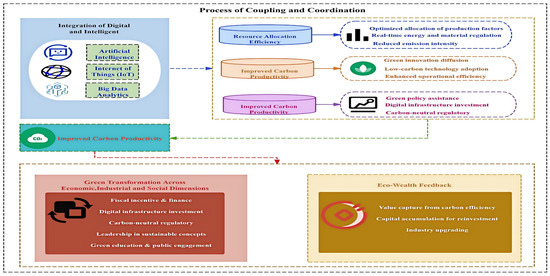
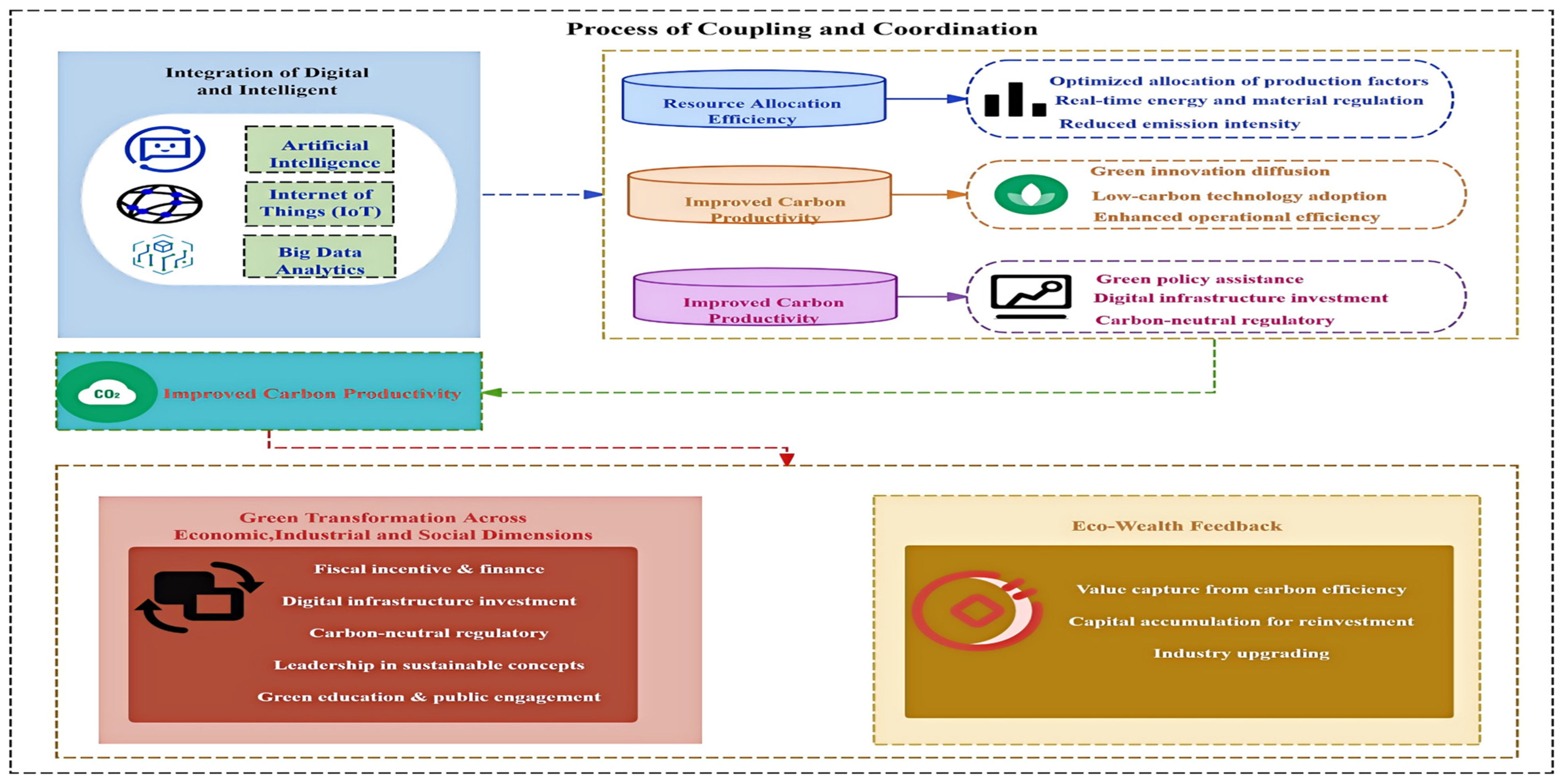
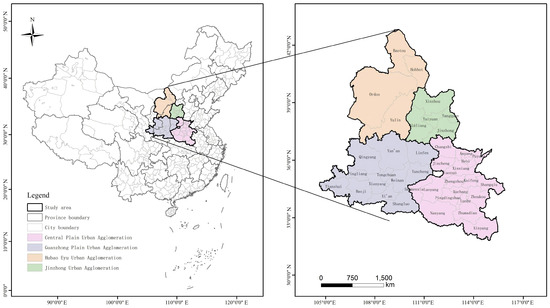
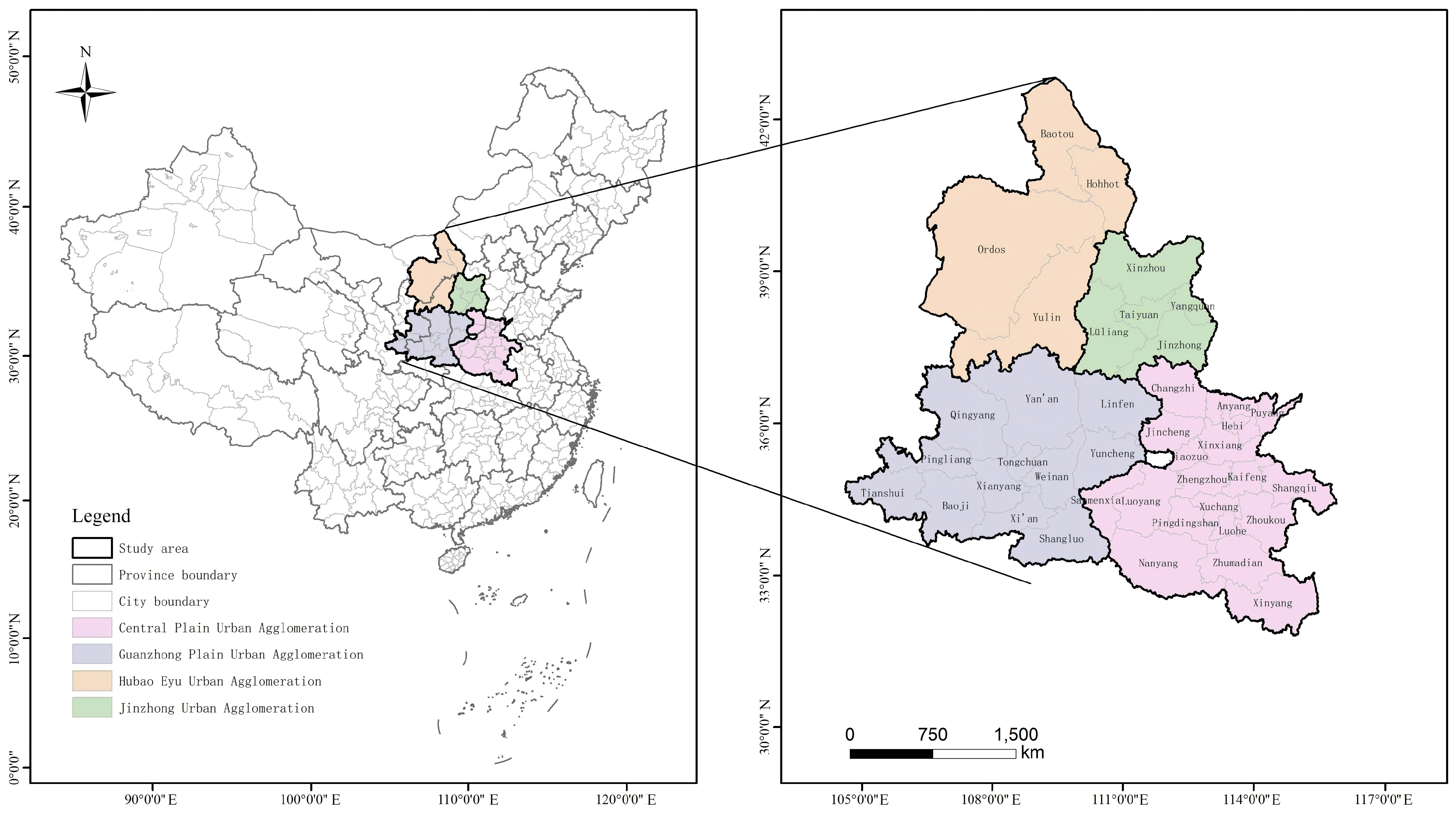
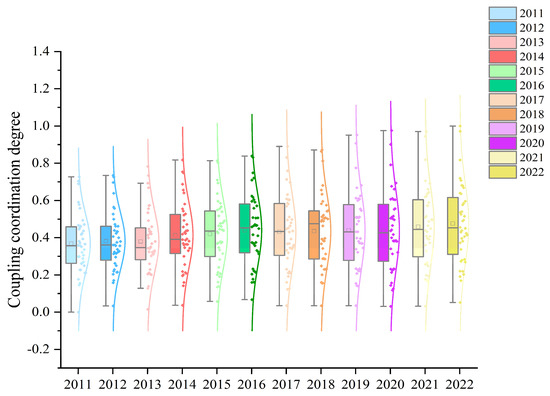
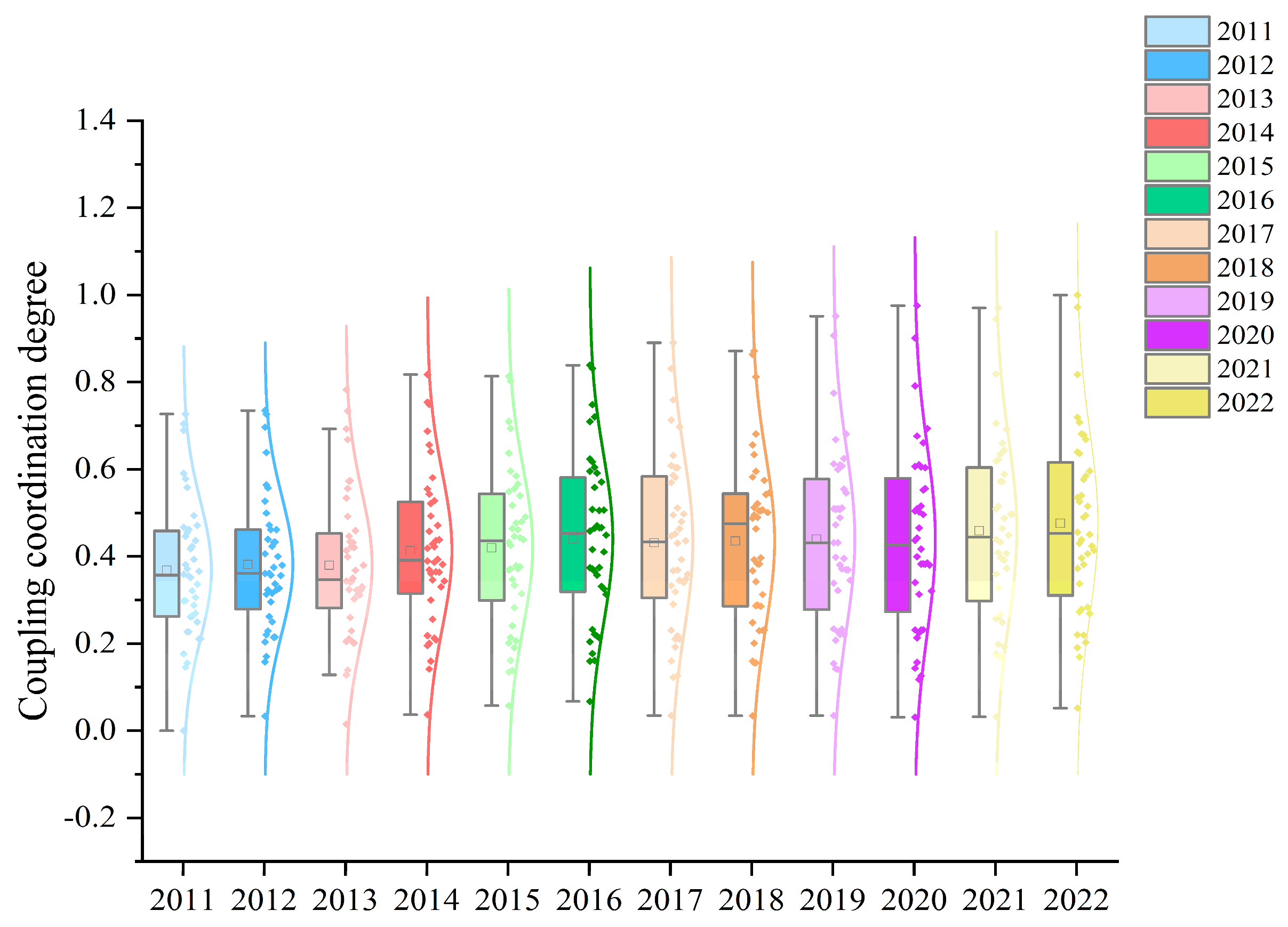
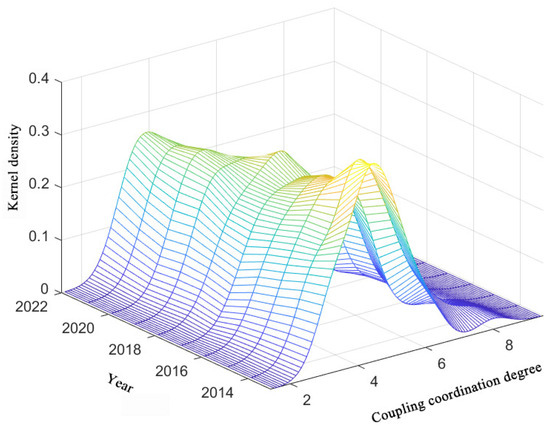
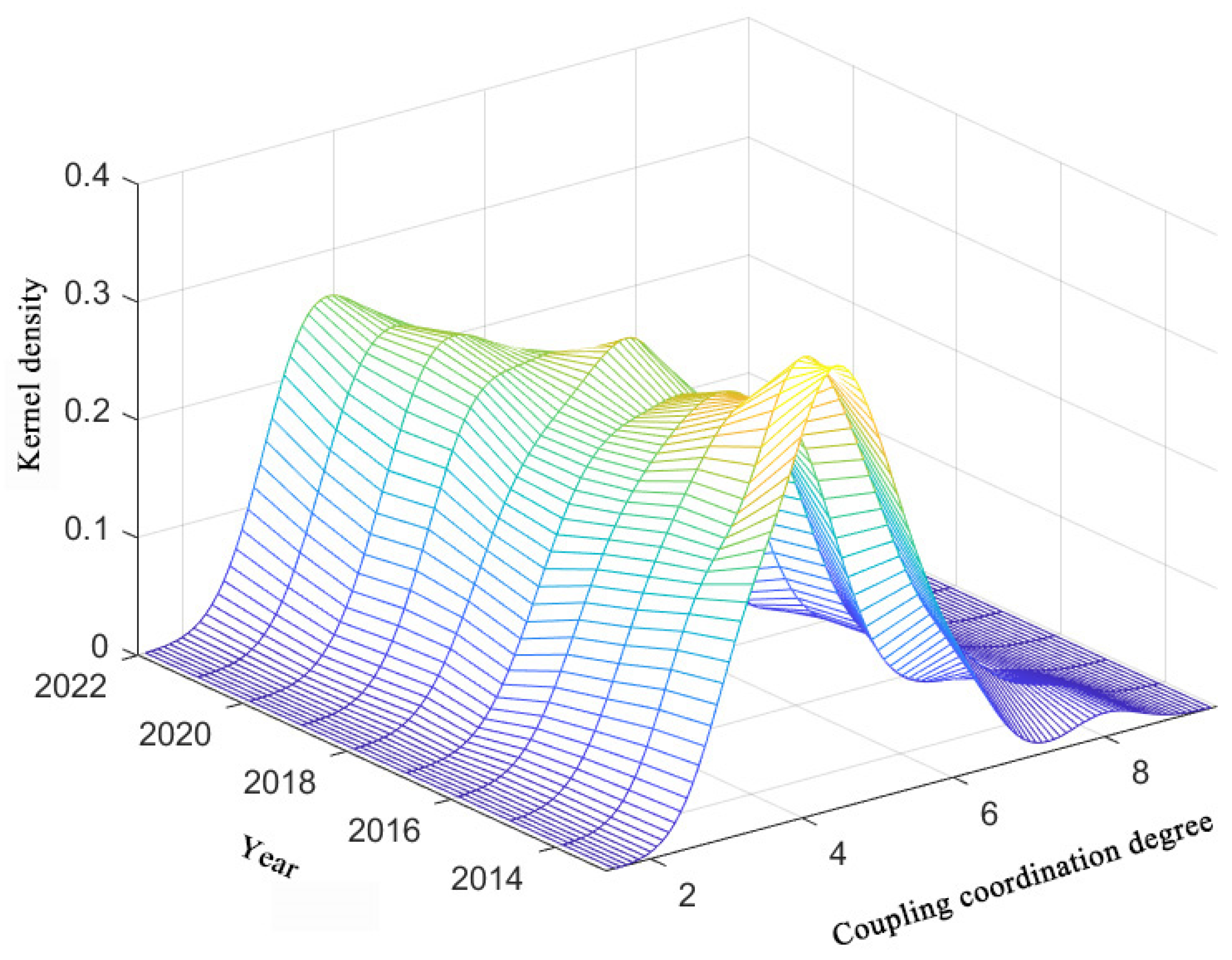
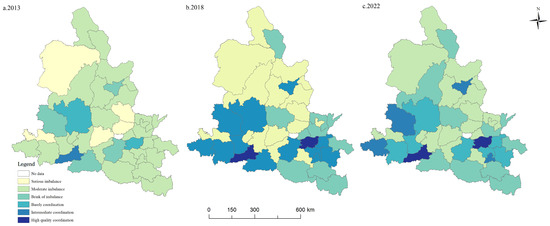
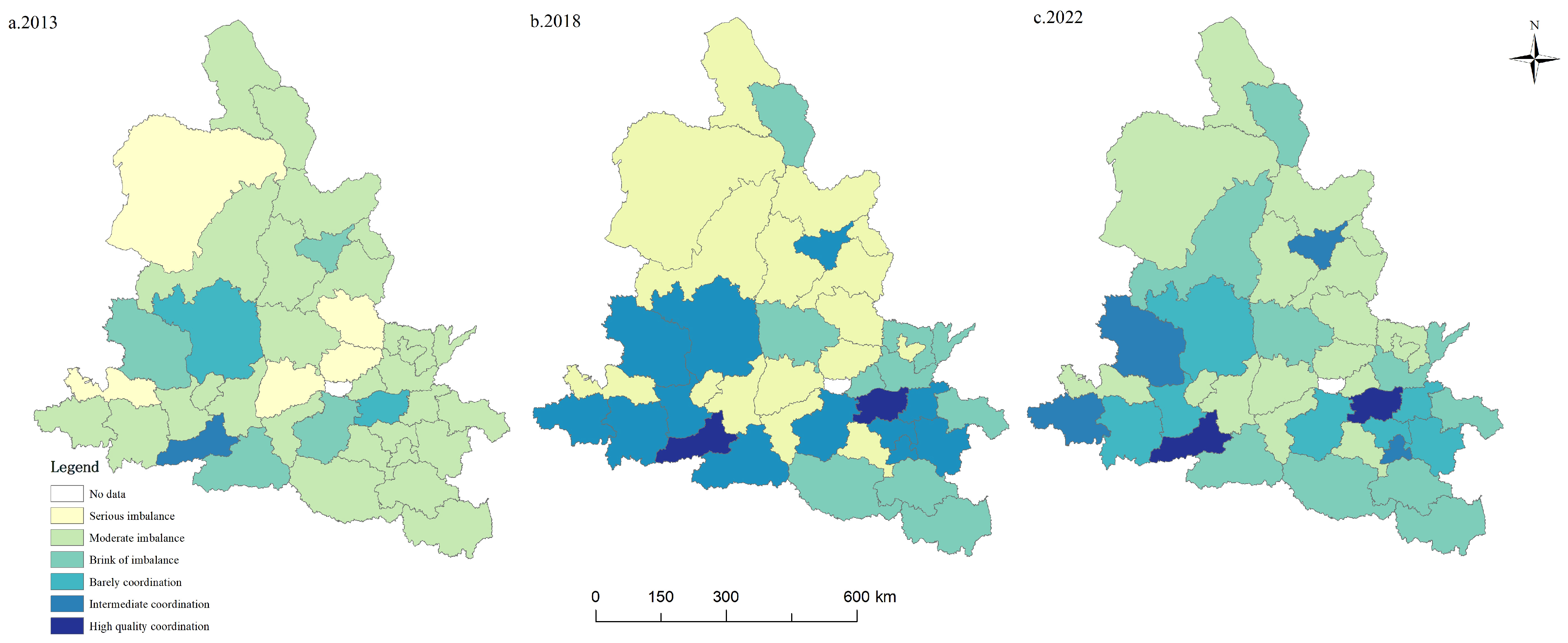
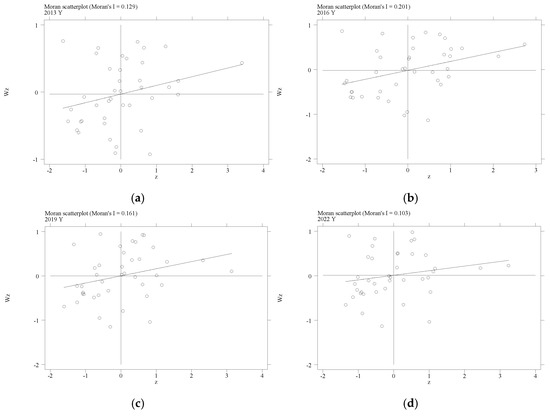
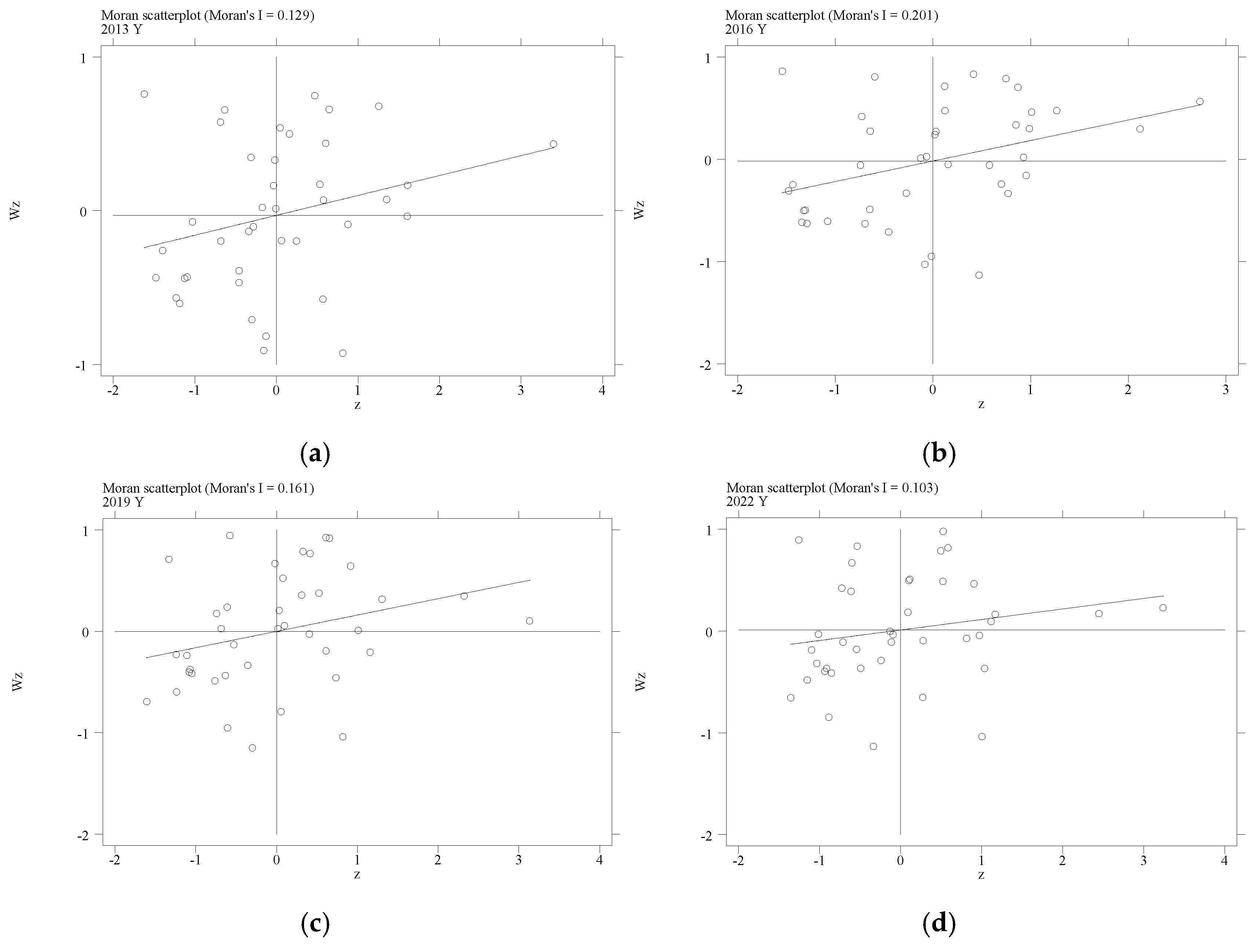

Disclaimer/Publisher’s Note: The statements, opinions and data contained in all publications are solely those of the individual author(s) and contributor(s) and not of MDPI and/or the editor(s). MDPI and/or the editor(s) disclaim responsibility for any injury to people or property resulting from any ideas, methods, instructions or products referred to in the content. |
© 2025 by the authors. Licensee MDPI, Basel, Switzerland. This article is an open access article distributed under the terms and conditions of the Creative Commons Attribution (CC BY) license (https://creativecommons.org/licenses/by/4.0/).