Article

Temporal and Spatial Characteristics and Influencing Factors of Carbon Storage in Black Soil Area Under Topographic Gradient


1
Postdoctoral Research Station of Agricultural and Forestry Economic Management, Northeast Agricultural University, Harbin 150030, China
2
School of Public Administration and Law, Northeast Agricultural University, Harbin 150030, China
*
Author to whom correspondence should be addressed.
Land 2025, 14(1), 16; https://doi.org/10.3390/land14010016
Submission received: 11 November 2024 / Revised: 23 December 2024 / Accepted: 24 December 2024 / Published: 25 December 2024
(This article belongs to the Special Issue Rural Demographic Changes and Land Use Response)

Abstract

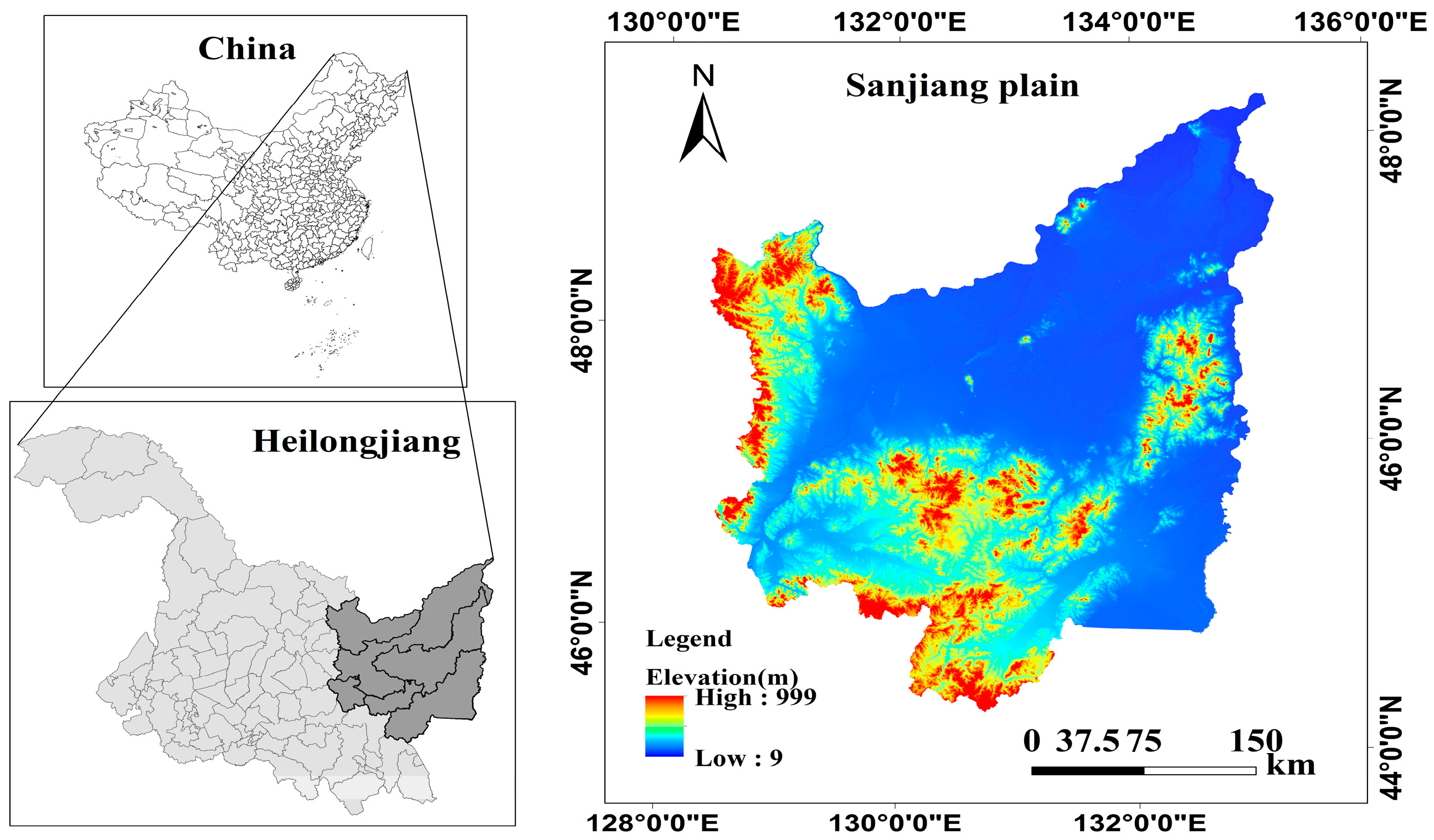
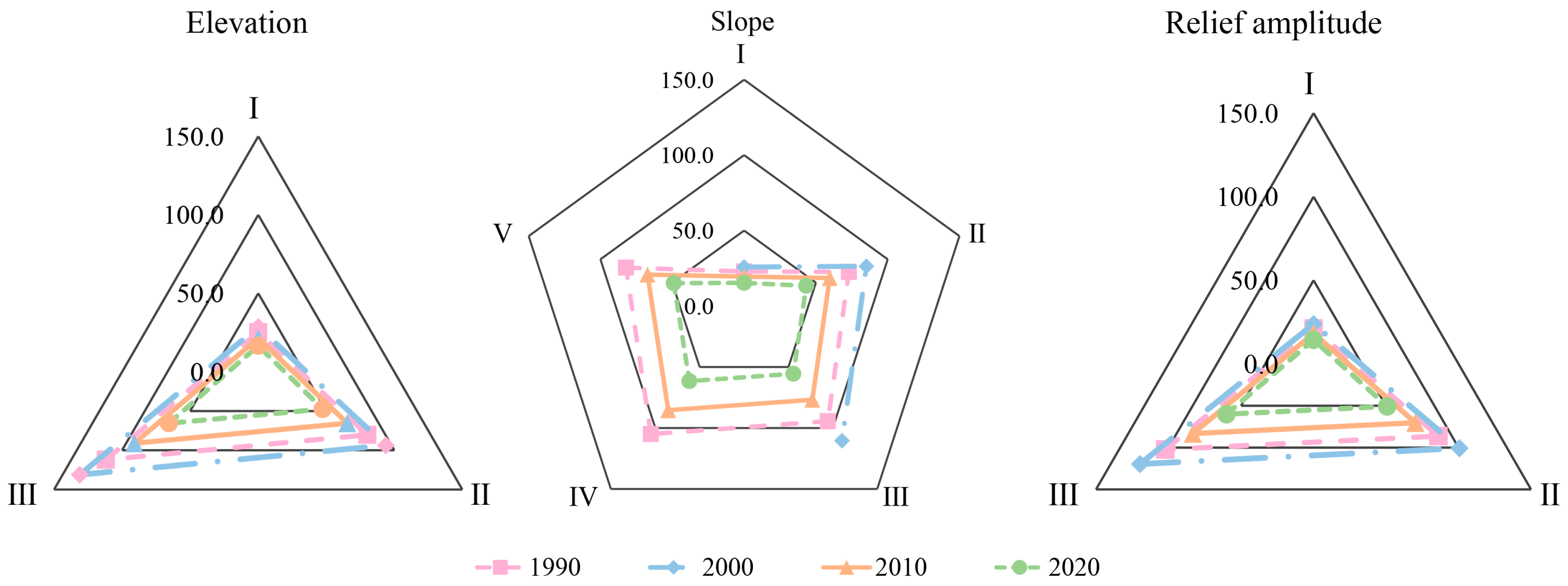
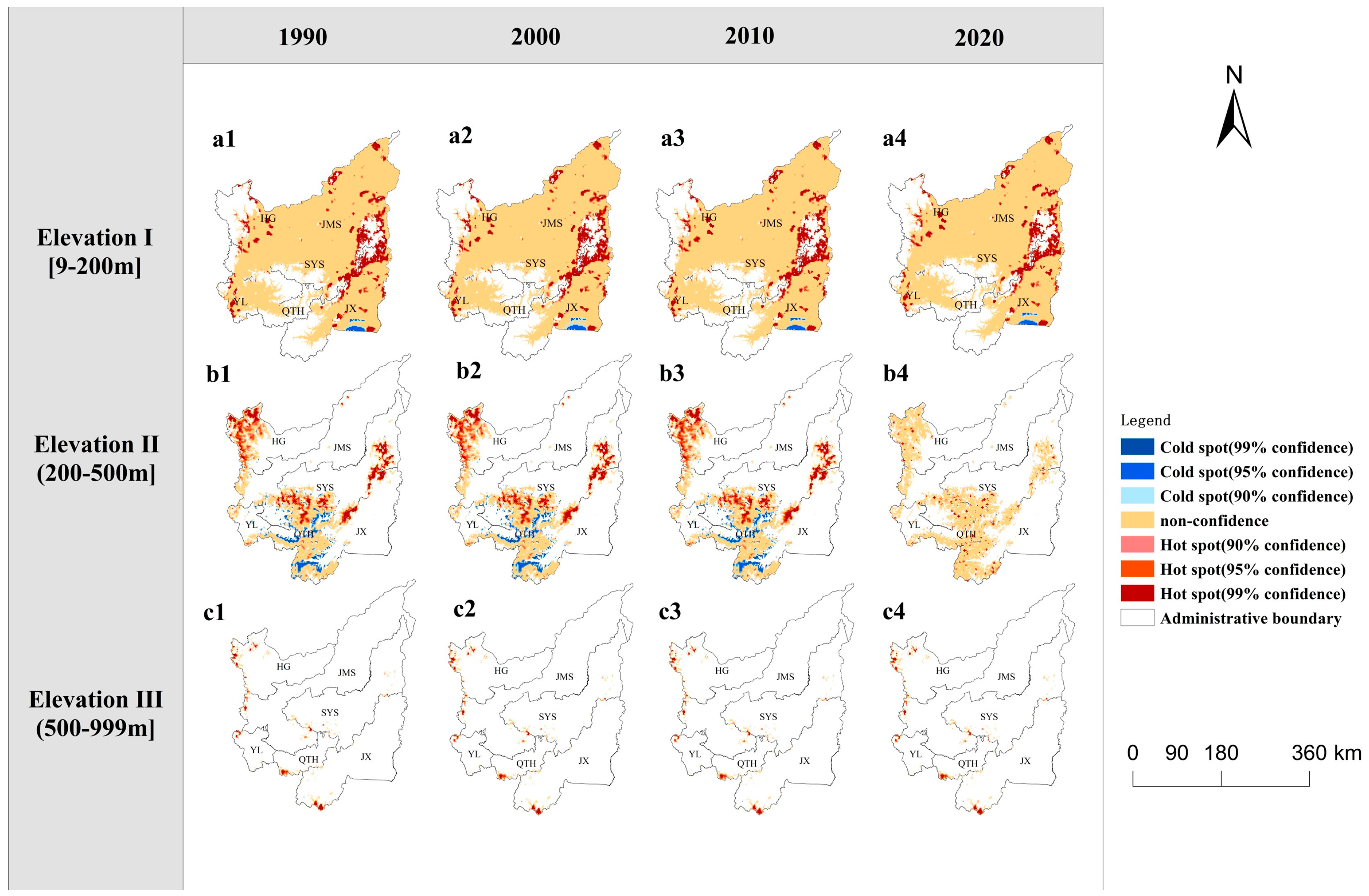
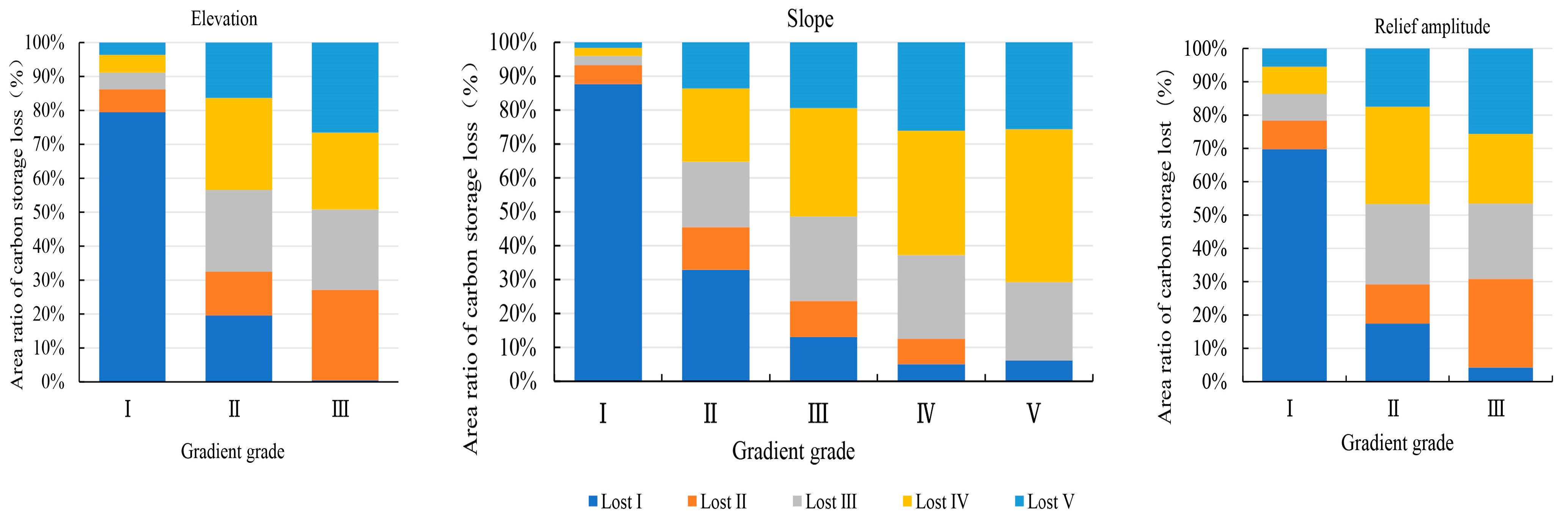
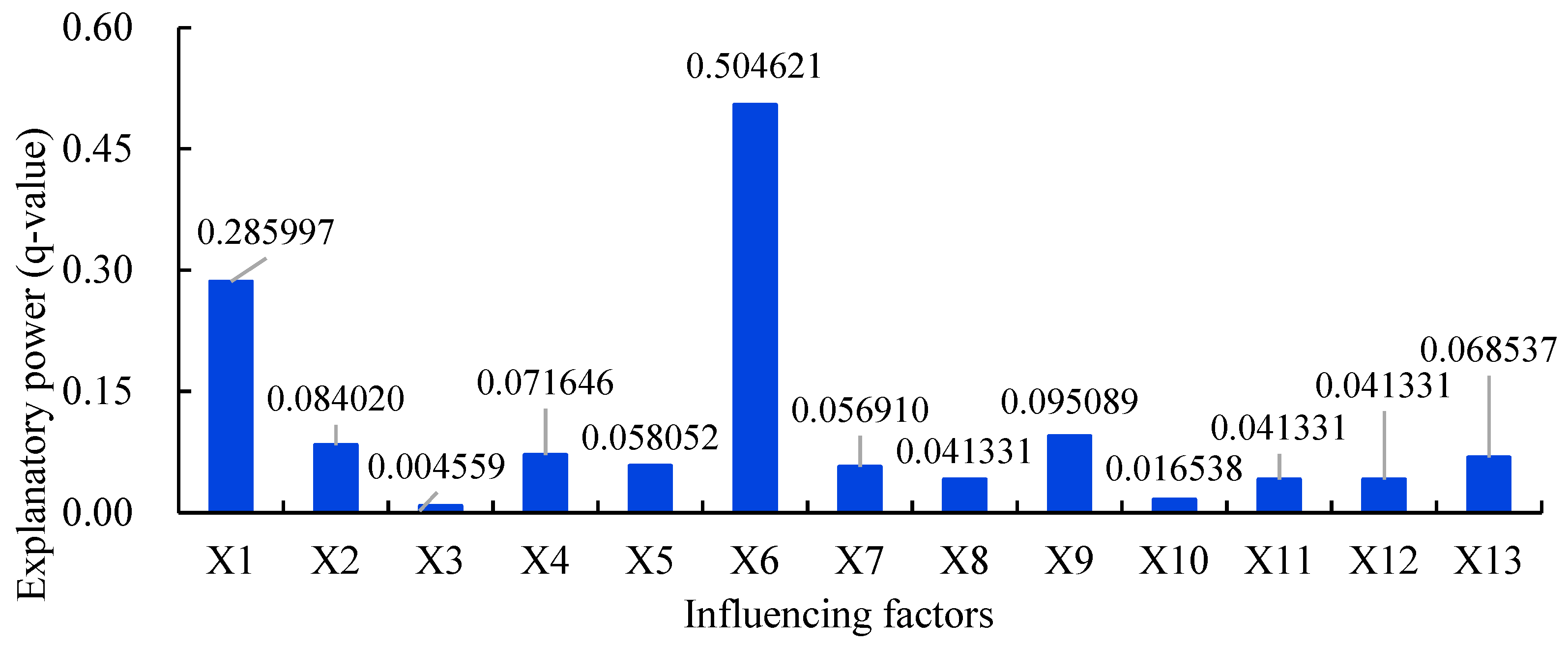
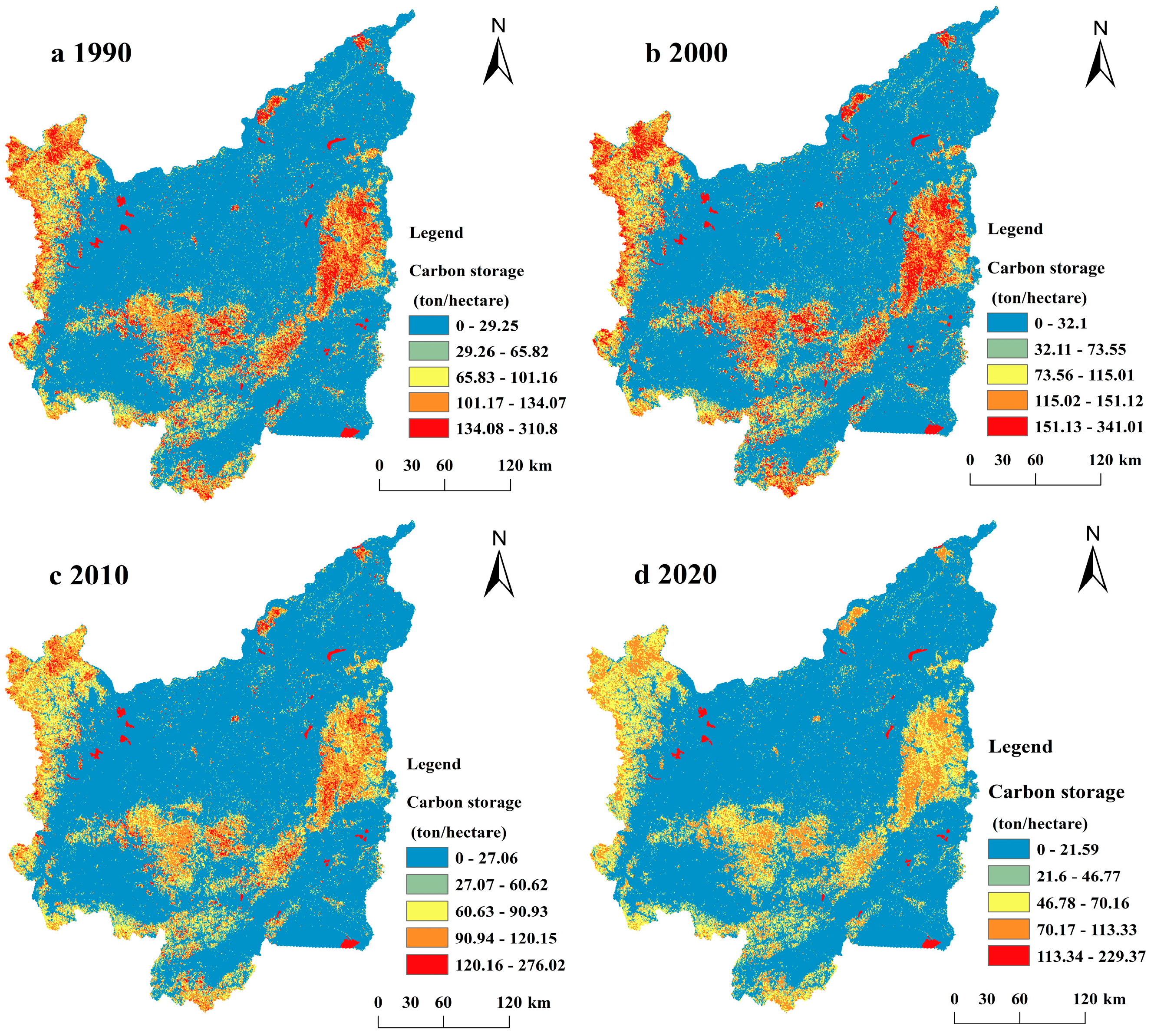
Exploring the characteristics and driving factors of carbon storage change in different terrain gradient variations can provide important insights for formulating the agricultural ecological protection policy for regional development. Previous studies have used the fixed value of carbon density to evaluate the change characteristics of carbon storage but ignored the spatio-temporal heterogeneity of carbon storage at the block scale and the impact of policy factors. Thus, this paper takes Sanjiang Plain, Heilongjiang Province, China, as a study area, and the spatio-temporal variation of carbon storage at different topographic gradients was revealed using hot and cold spot analysis and zonal statistics. Through the geographic detector and estimation of the soil carbon density model, the driving factors and intensity of carbon storage spatial distribution are revealed from 1990 to 2020. We conducted analyses on aboveground biomass, underground biomass, and soil carbon storage across three elevation levels (0–200 m, 200–500 m, 500–999 m) to reveal the quantitative distribution features of carbon storage. The study analysis finds that carbon storage indicates a sawtooth evolution during the study period. Carbon storage was dominant at elevation I (range is 0–200 m), slope I (range is 0–2°), and relief amplitude I (range is 0–30 m). Additionally, the carbon storage losses were severe at elevation II (range is 200–500 m), slope II (2–6°), and relief amplitude II (30–70 m). In contrast, the carbon storage losses at elevation III (500–999 m), slope III (6–15°), and relief amplitude III (70–186 m) were insignificant. The spatial pattern of carbon storage varies significantly under different topographic gradients from 1990 to 2020. The most critical driving factors influencing the spatial distribution pattern of carbon storage were land use and annual average temperature. Distance to urban centers and soil texture also moderately influence the distribution of carbon storage. As the topographic gradient increases, the dominant factors of carbon storage gradually change from annual mean temperature and the extent of land use to policy factors and other socio-economic factors. Therefore, this study emphasizes the importance of implementing policies that convert farmland to forests and wetlands and promote the green transformation of agriculture.
Keywords: carbon storage; terrain gradient; spatio-temporal characteristics; driving factors; black soil area carbon storage; terrain gradient; spatio-temporal characteristics; driving factors; black soil area