Review

Rewilding Landscape Creation in Country Parks Based on Wilderness Thinking—Taking Shanghai Heqing Country Park as an Example


1
College of Architecture and Urban Planning, Tongji University, Shanghai 200092, China
2
Shanghai Xiandai Architectural Design & Urban Planning Research Institute Co., Ltd., Shanghai 200041, China
3
Shanghai Landscape Industry Co., Ltd., Shanghai 200041, China
4
School of Landscape Architecture, Nanjing Forestry University, Nanjing 210037, China
5
Shanghai Academy of Landscape Architecture Science and Planning, Shanghai 200232, China
6
Key Laboratory of National Forestry and Grassland Administration on Ecological Landscaping of Challenging Urban Sites, Shanghai 200232, China
*
Author to whom correspondence should be addressed.
Land 2024, 13(12), 2254; https://doi.org/10.3390/land13122254
Submission received: 30 September 2024 / Revised: 13 December 2024 / Accepted: 17 December 2024 / Published: 23 December 2024

Abstract

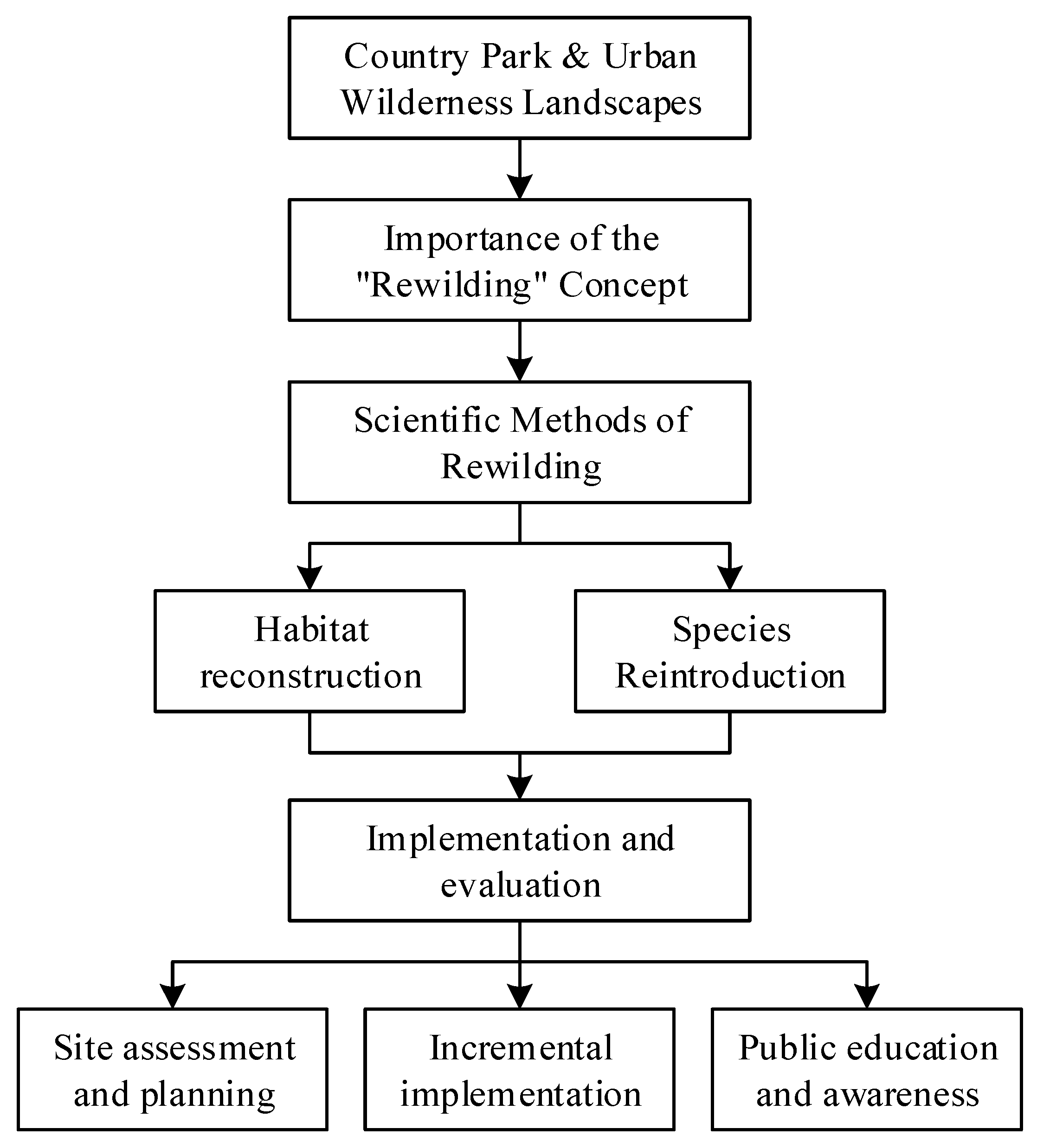
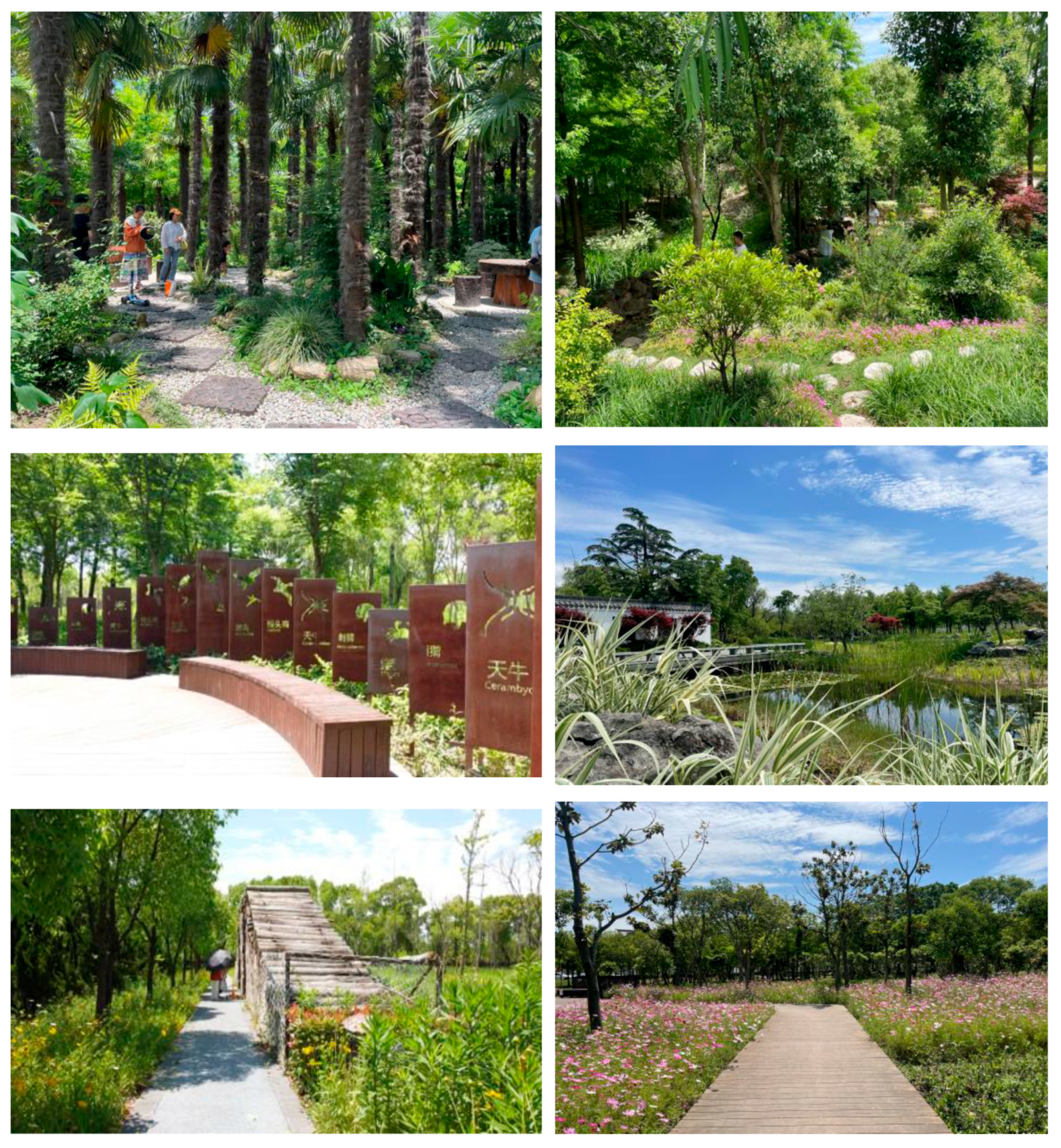
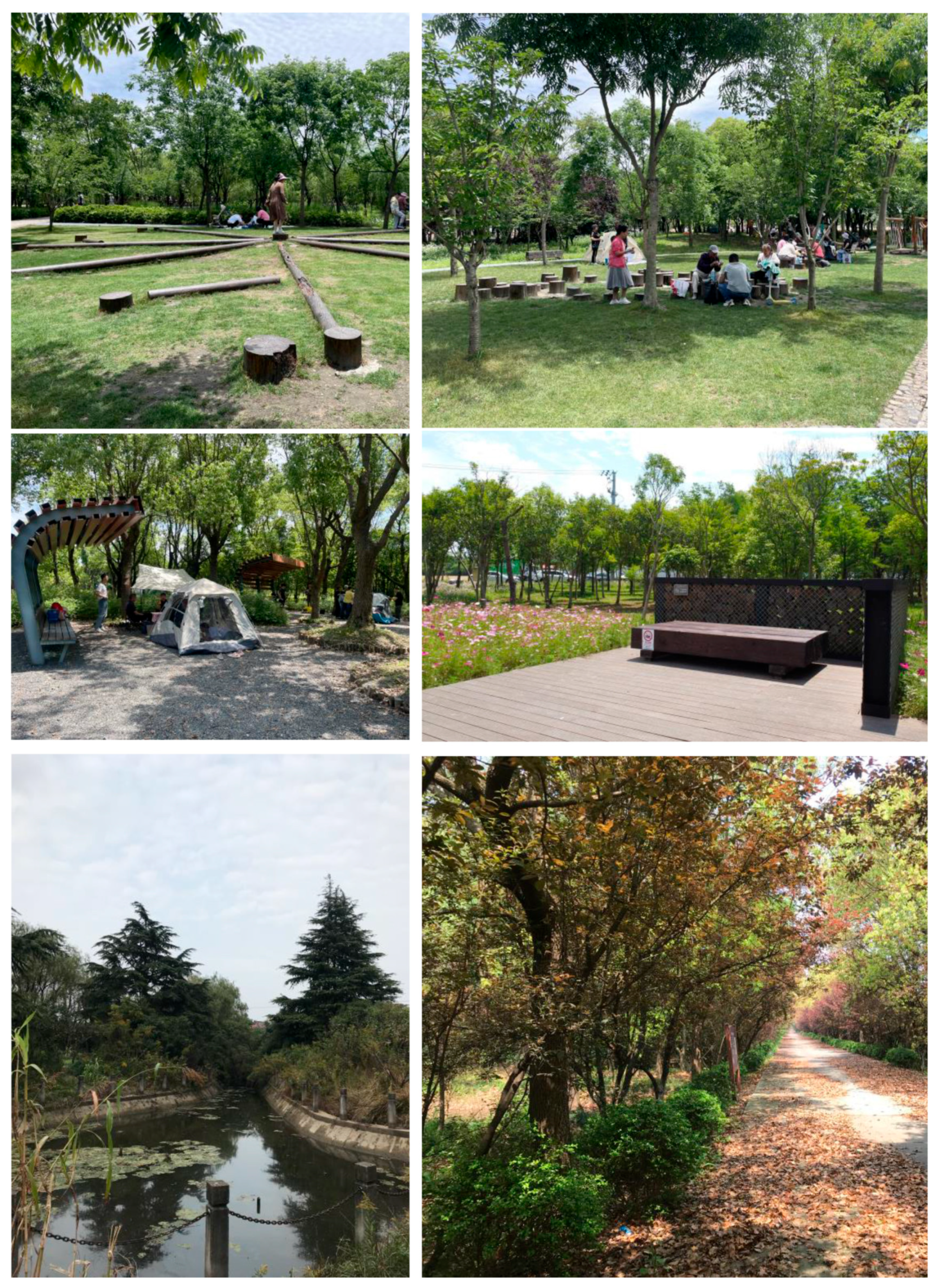
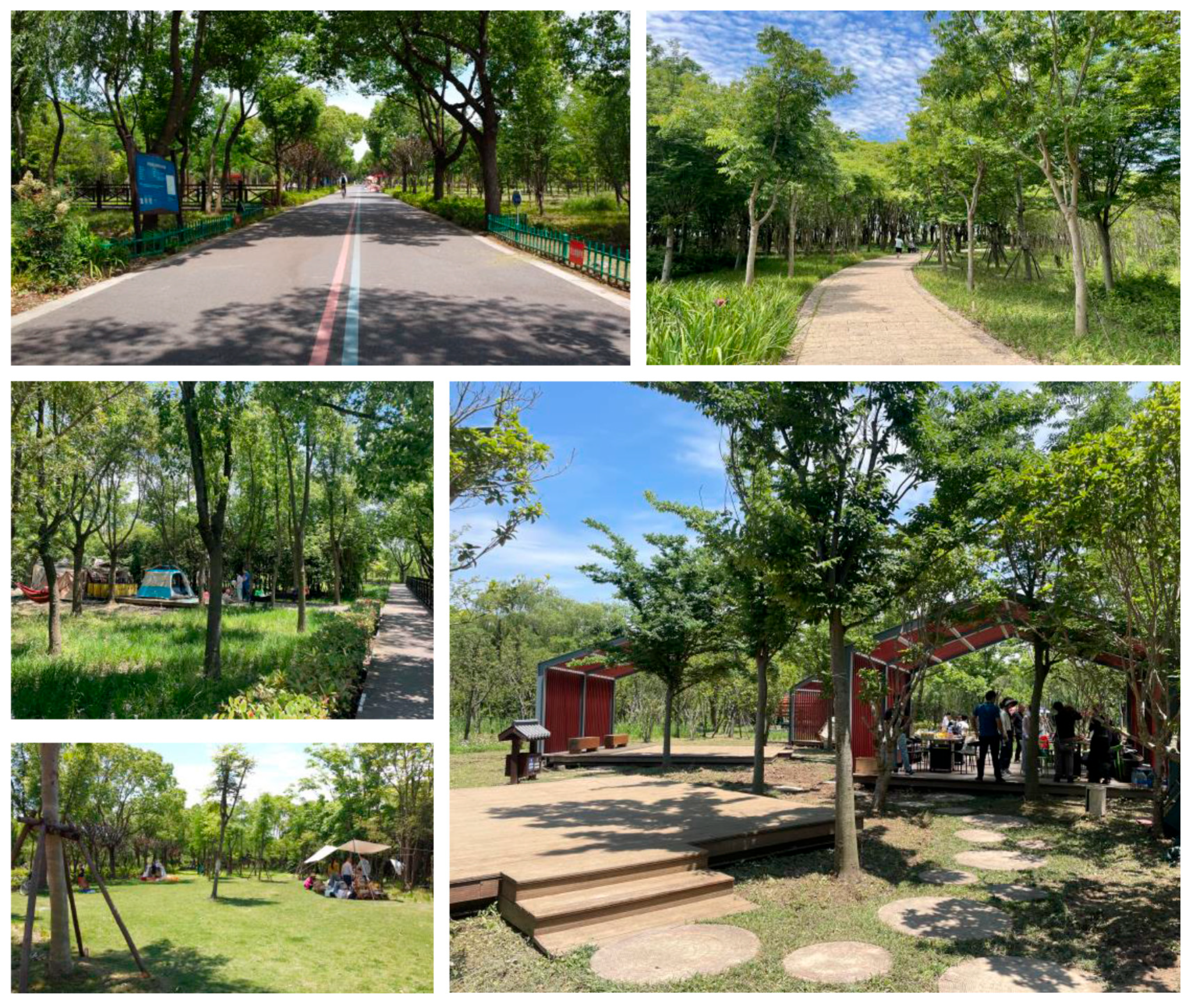
In recent years, rapid urbanization in China has driven cities to expand uncontrollably into surrounding rural areas. Within the global context of ecological restoration, protecting and rehabilitating natural spaces have become key issues in landscape design. The concept of rewilding, rooted in wilderness philosophy, has gained significant attention. This article explores the background, significance, and theoretical foundations of rewilding urban ecological spaces using the woodland area of Heqing Country Park in Shanghai as a case study. It examines the feasibility, methods, and strategies for implementing rewilding in urban settings, considering both natural and human-influenced activities, with a focus on minimizing human intervention. This approach enhances biodiversity, promotes the sustainable development of ecosystems, and helps the park maintain its rural character despite its tourist appeal. Four years after the project’s implementation, research data show that the richness of native plant species, the diversity of bird species, and insect populations have exceeded those of the previously maintained forest. Moreover, the rewilding landscapes have supported the natural succession of habitat communities, leading to a stable and revitalized ecosystem. The landscape improvements and visitor experiences have been highly positive. The reconstruction strategy developed in this project is expected to inform future ecological initiatives, such as country parks, promoting the harmonious development of human and natural environments and serving as a model for creating urban ecosystems where both can coexist sustainably.
Keywords: urban wilderness landscape; rewilding; country park; landscape design urban wilderness landscape; rewilding; country park; landscape design