Article

Response of Urban Ecosystem Carbon Storage to Land Use/Cover Change and Its Vulnerability Based on Major Function-Oriented Zone Planning


School of Economics & Management, Beijing Forestry University, Beijing 100107, China
*
Authors to whom correspondence should be addressed.
Land 2023, 12(8), 1563; https://doi.org/10.3390/land12081563
Submission received: 3 July 2023 / Revised: 29 July 2023 / Accepted: 30 July 2023 / Published: 7 August 2023

Abstract

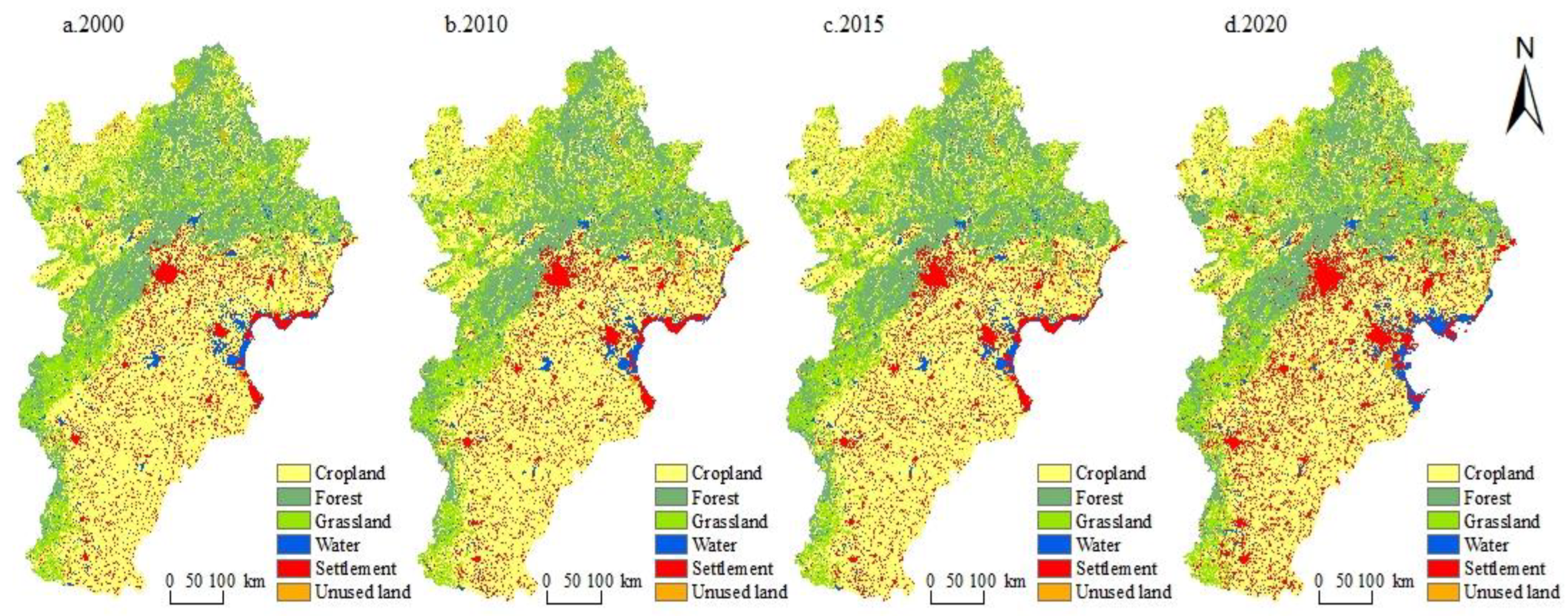
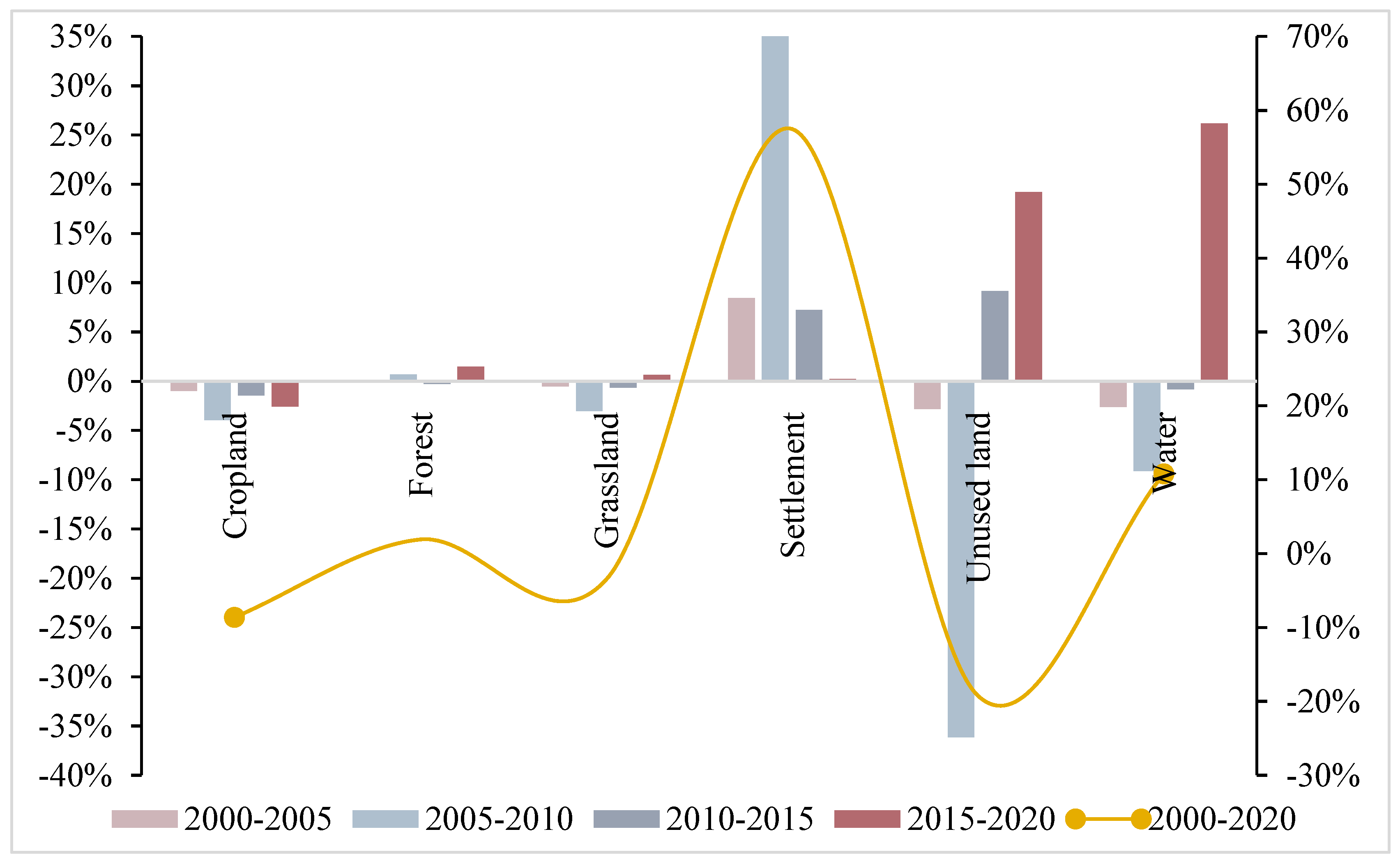
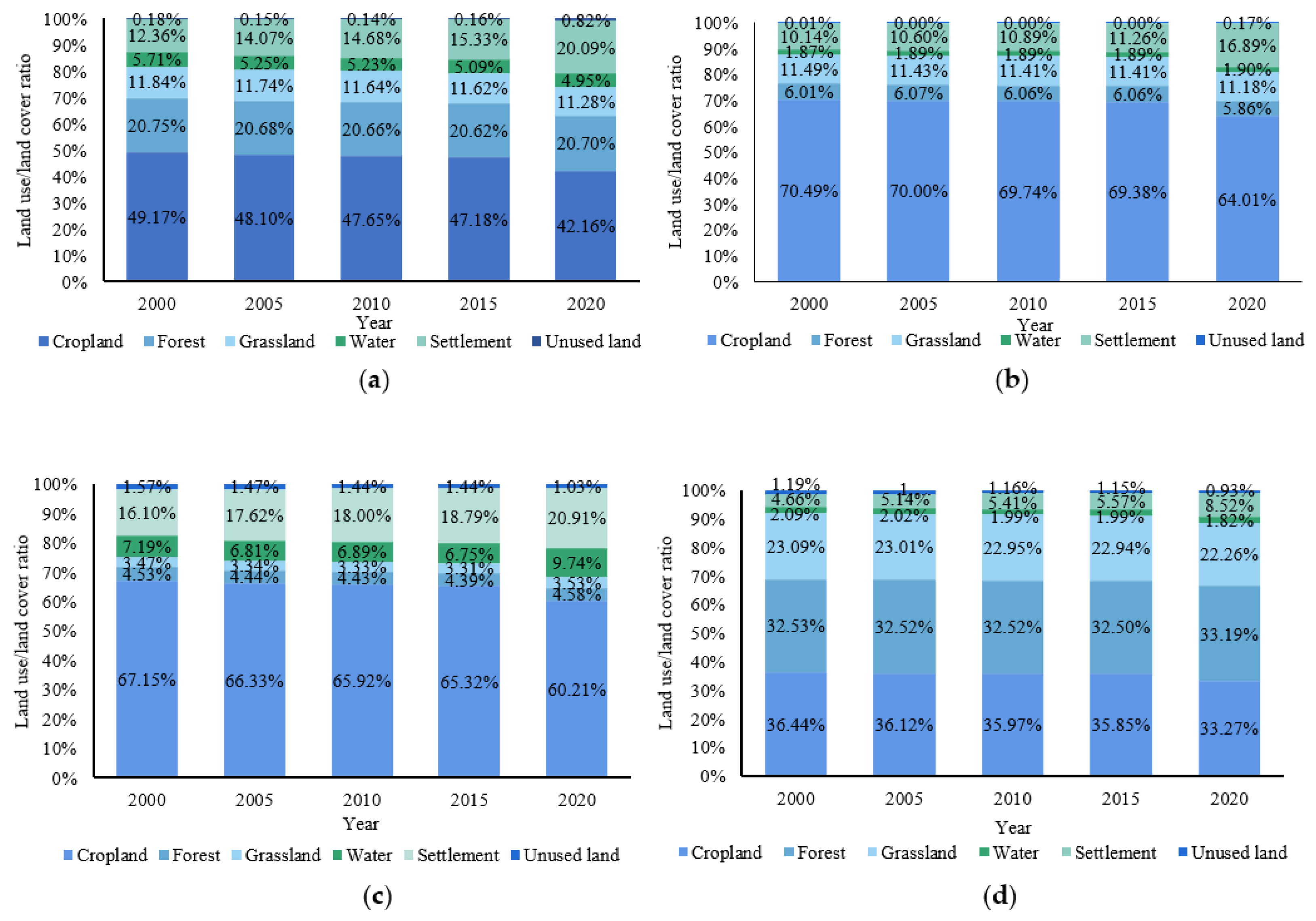
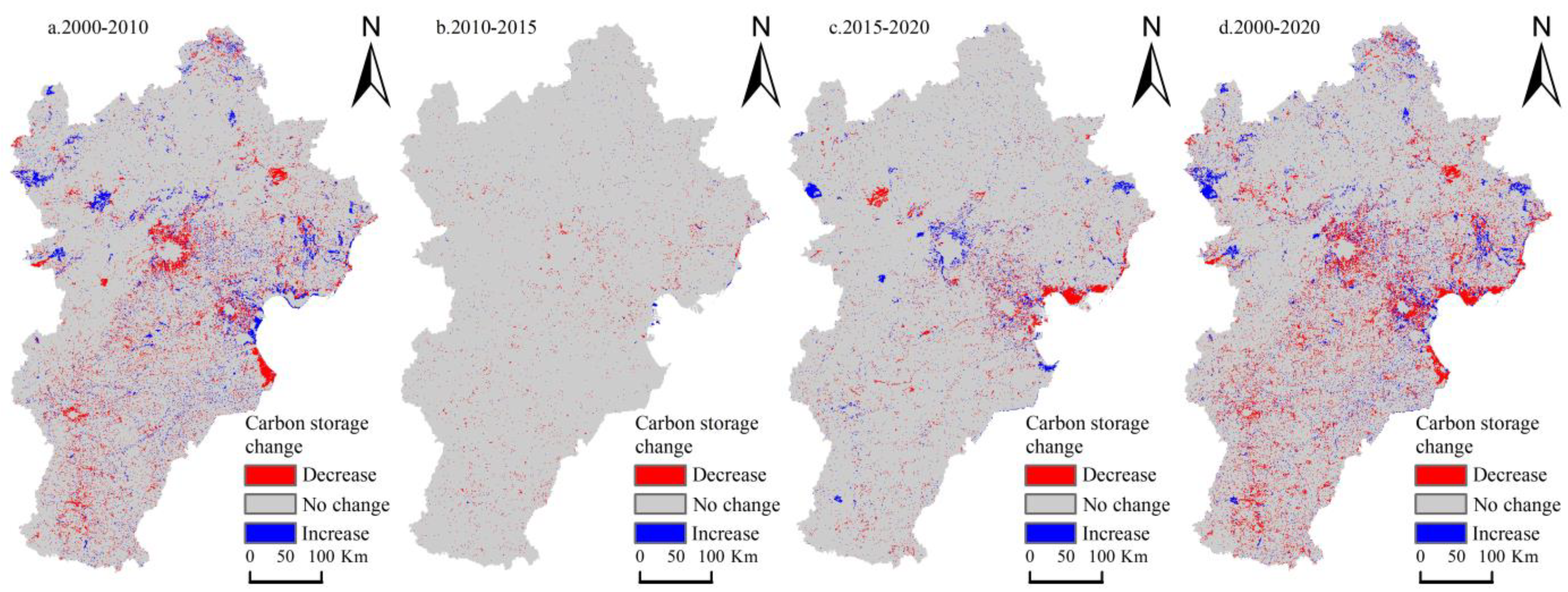
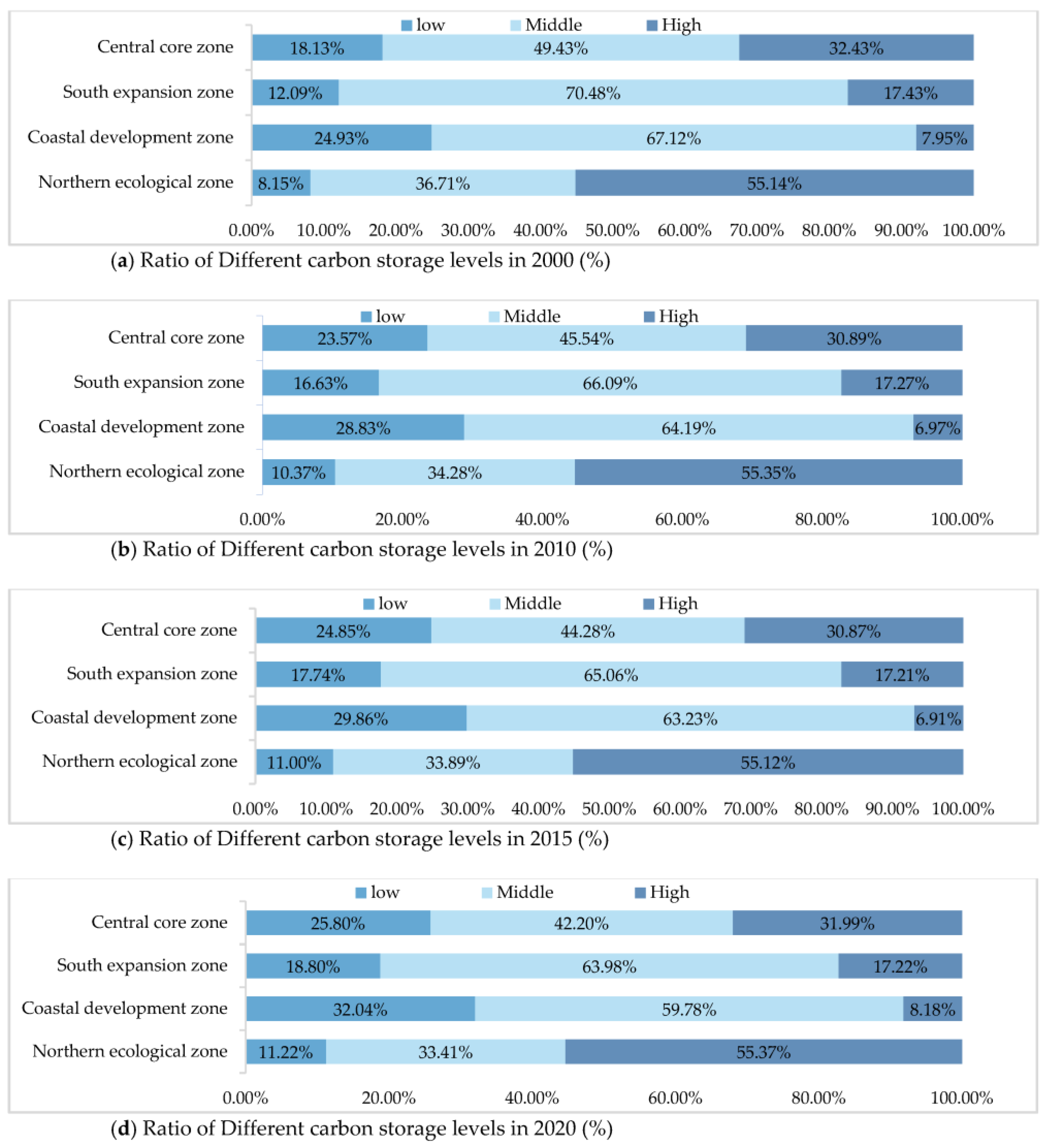
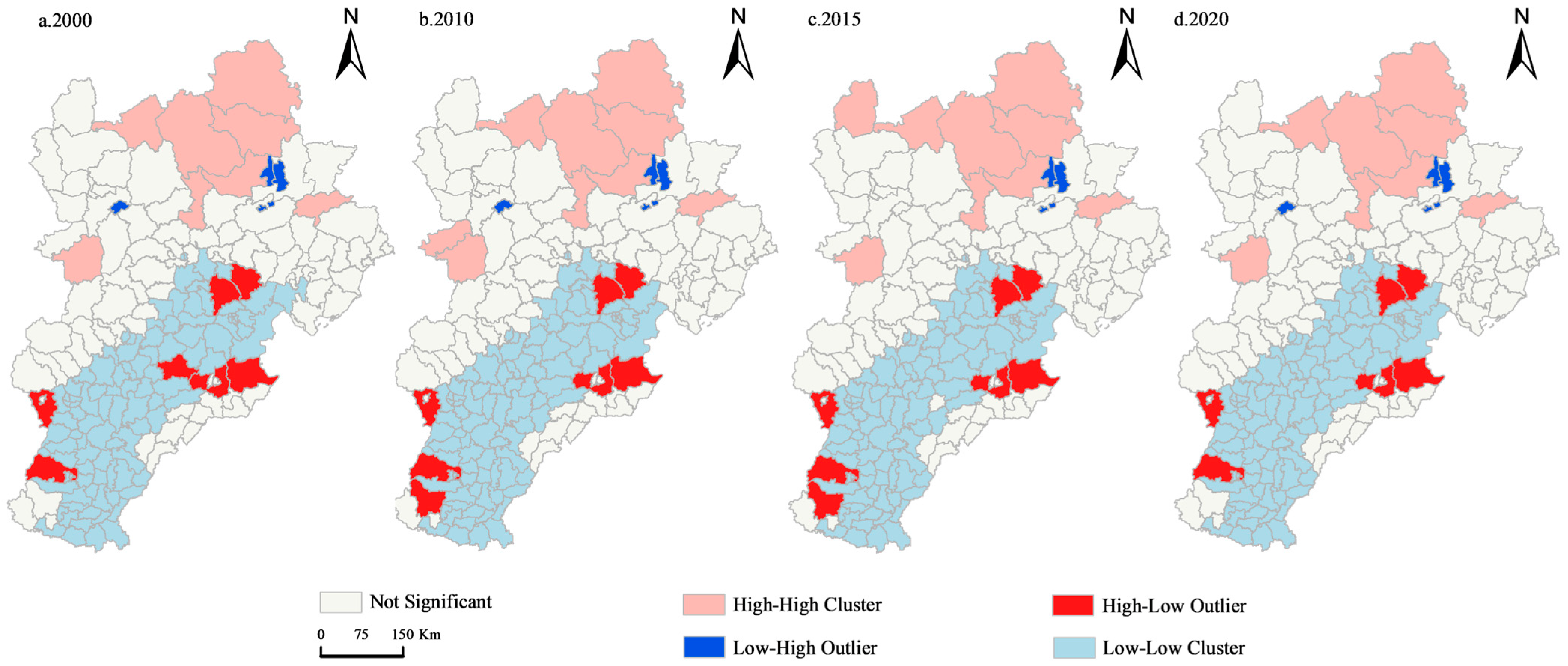
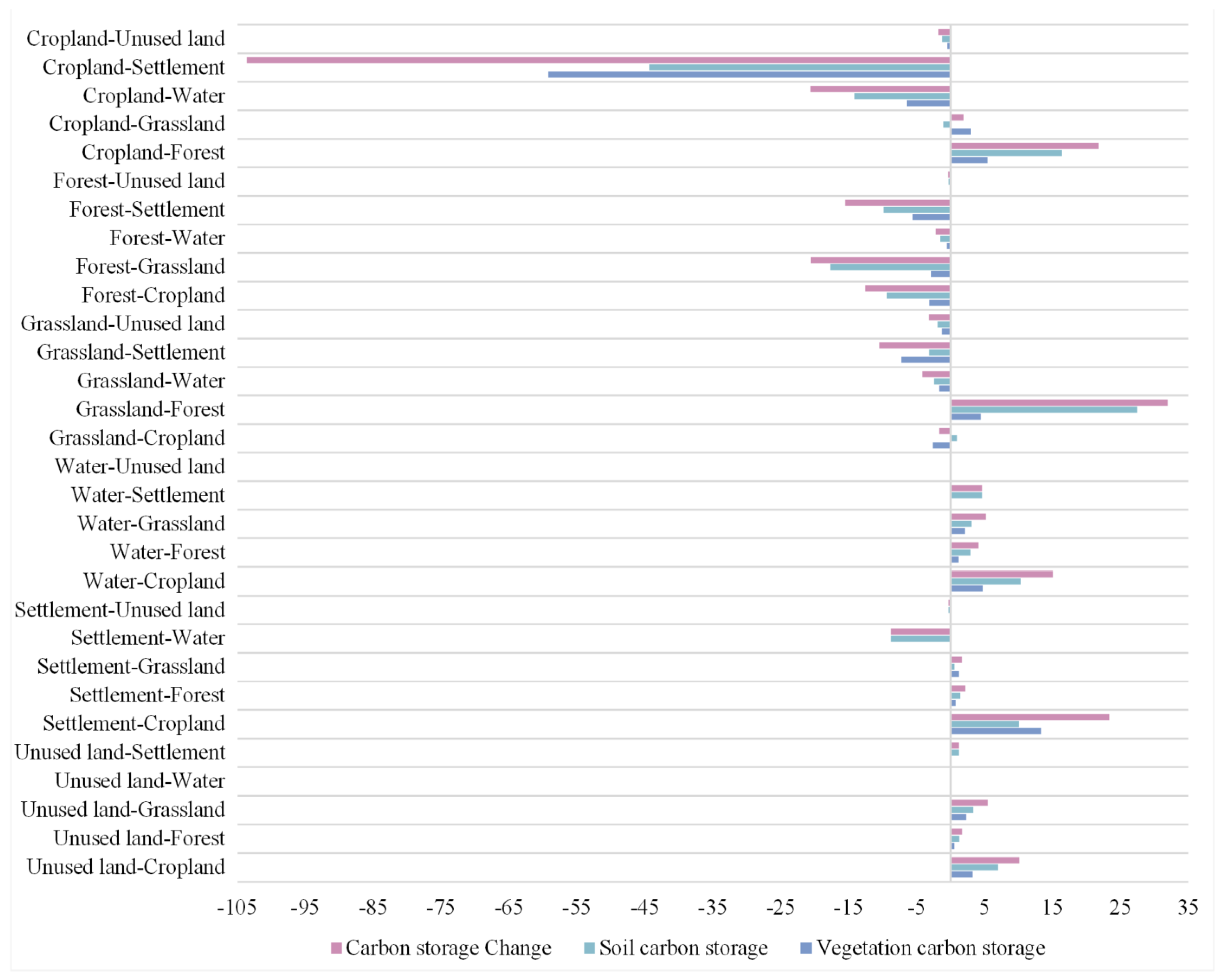
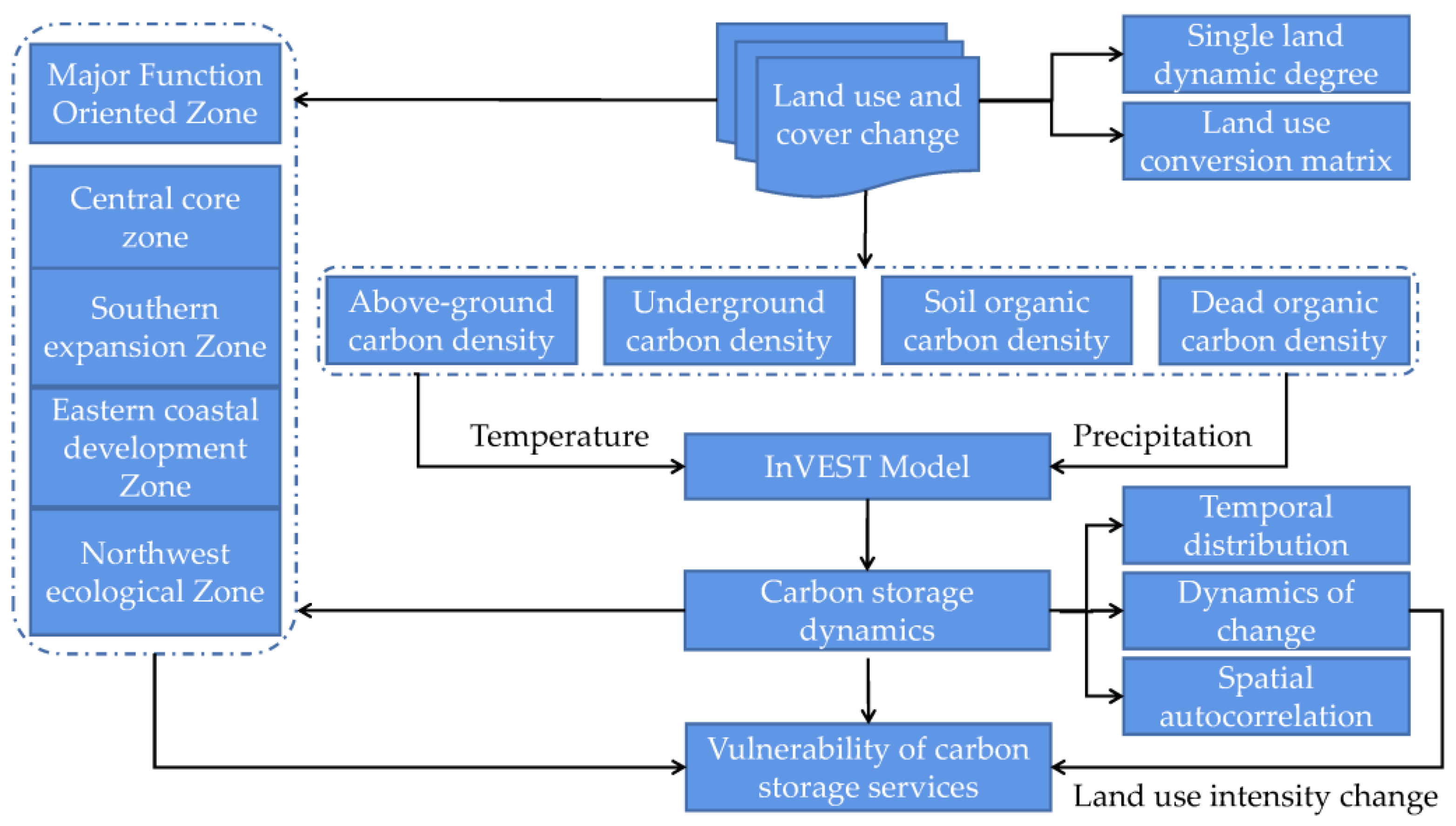
Vigorous emphasis has been placed on optimizing land spatial planning to protect carbon storage and enhance ecosystem resilience. What is the effectiveness of the Major Function-Oriented Zone (MFOZ) planning implemented to achieve this goal in China? Especially in urbanized areas where there are more pronounced conflicts between humans and land. Taking the Beijing-Tianjin-Hebei (BTH) urban agglomeration as the target area, this study explored the response of carbon storage to land use/cover change (LUCC) and its vulnerability to ecological service functions under MFOZ planning. The 30 m × 30 m spatially resolved Landsat TM/ETM remote sensing images from 2000 to 2020 were used. The data preprocessing was performed mainly through radiometric calibration, clipping, and reclassification through the ArcGIS 10.7 software. Applying the InVEST model, which uses the LUCC map and carbon storage density of the four carbon pools, including above-ground carbon density, below-ground carbon density, dead organic carbon density, and soil organic carbon density, to evaluate the carbon storage under the current landscape or in the future, the results show that: (1) The BTH ecosystem experienced a carbon storage reduction of about 7.25 × 10⁷ Mg from 2000 to 2020 due to the expansion of construction land, which crowded out cropland. Carbon storage in the BTH showed a high concentration in the “northeast-southwest” direction and a tiny distribution in the “middle-east” direction. (2) From 2015, the initial effects of the MFOZ planning were seen, with the ecological land in the Central Core Zone and Eastern Coastal Development Zone decreasing while the proportion of high-carbon storage areas in the Eastern Coastal Development Zone increasing. (3) Over the two decades, the land use intensity index improved by 4.65 overall, and vulnerability worsened from 2000 to 2015 and was alleviated from 2015 to 2020. This study will provide a scientific reference for optimizing urban spatial land use planning and promoting carbon sequestration in ecosystems.
Keywords: land use/cover change; carbon storage; InVEST model; Major Function-Oriented Zone Planning; vulnerability; Moran’s I index land use/cover change; carbon storage; InVEST model; Major Function-Oriented Zone Planning; vulnerability; Moran’s I index