1. Introduction
Urban sprawl is called inefficient because it generates low-density development that is “sprawled” over the landscape [
1]. In 2016, the United Nations Conference on Housing and Sustainable Urban Development (Habitat III) was held in Quito, the capital of Ecuador. The “New Urban Agenda” adopted at the conference stated that “By 2050, the world’s urban population is expected to nearly double, making urbanization one of the most transformative trends in the 21st century” and that, “We encourage spatial development strategies to consider the need for urban expansion… to prevent over expansion and marginalization of cites”. Over the last three decades, China has experienced rapid urban development and large-scale urban–rural migration. About 75% of China’s population is expected to live in cities within 20 years, resulting in a stronger demand for transport, energy, water, and other basic life necessities, which will be a huge challenge for resource and urban planners [
2].
Urban Growth Boundaries (UGBs) are one of the most used policy tools around the world to control urban sprawl. The practice of UGBs can be traced back to the Greater London Plan in the 1930s, when large-scale “green belts” were established on the edge of cities to limit urbanization to a defined area [
3]. The concept of smart growth, introduced to the United States in the 1990s to control uncontrolled urban sprawl, emphasizes environmental, social, and economic sustainability and is a compact, centralized, and efficient program. Under this concept, UGB was proposed as an important policy tool and has since been used in many countries around the world, including the United States, Canada, Japan, and the United Kingdom [
3]. Chinese government reformed the spatial planning system and proposed a new spatial planning requirement, including the implementation of the “Three Districts and Three Lines” project [
4], where delineating UGB plays a key role in regional spatial planning.
As far as the current research is concerned, cellular automata (CA) are a “bottom-up” dynamic model that is discrete in time and space. Thus, it is capable of simulating the spatiotemporal evolution of complex systems [
5]. In recent decades, this model has been widely used by researchers in land-use simulation and urban sprawl studies, thereby becoming an important technical approach for delineating urban growth boundaries [
6,
7,
8,
9]. The research methods based on the CA model can be mainly divided into logistic regression (LR) and Markov chain (MC)
, as well as CA combining artificial intelligence (AI) algorithms [
10]. However, given that LR is a linear simulation method that is not able to simulate complex and nonlinear changes in land use. Hence, recent research focuses on MC and AI methods. CA-MARKOV simulations require a dataset of land cover representations of the initial state, a Markov transition matrix, a set of suitability images (one for each land cover class), multiple iterations, and an adjacency filter. Therefore, transition rules were set up to develop suitability maps for each simulated land cover using multi-criteria evaluation (MCE) and fuzzy membership for land cover classes [
10], which took into account the influence of various spatial influencing factors on change in land use, but failed to characterize their influence on the changing process of land use. The artificial intelligence algorithm combined with CA can take into account random and nonlinear processes in the process of land-use change, as well as the impact of multiple driving factors on the temporal and spatial changing process of land use. At present, the main methods used in this field include ANN-CA, Random Forest (RF), Support Vector Machine (SVM) [
11], and so on—among which ANN-CA has been widely used by previous scholars, as it is based on artificial neural network (ANN). Considering that the ANN algorithm has proven to be an effective method to map the complex and nonlinear relationship between historical land use and various auxiliary data sources [
10], it has proven to be highly feasible. For instance, Tayyebi et al. proposed a method based on an artificial neural network (ANN), GIS, and RS-UGB model to construct a cluster with 90 growth lines centred on Tehran to simulate the complex geometric environment of Tehran, Iran [
8]; Liang designed a CA simulation based on the system dynamics (SD) model and an ANN to achieve a bottom-up urban growth simulation [
12]. However, this model still has various disadvantages despite its advantages in processing complex data. For example, simulation accuracy is limited by the transformation rules and data mining scale, thus, it is necessary to extract the difference between the two periods of land-use data before simulation. Meanwhile, the transformation of land use used increases the computational scale of data and makes the model more complex [
12]. Random Forest (RF) is a reliable non-parametric ensemble model that sits at the top of the classifier hierarchy. In addition, it uses a guided sampling strategy to create a “forest” of trees made up of various individual decisions. Each tree is based on a subset of feature variables and randomly selected observations. The final output RF model is a policy generated by averaging the decisions of individual trees or by voting [
13]. Moreover, this method has various applications and has been extensively studied. Thus, a genetic algorithm was used to optimize the model, and an RF model to estimate the possibility of urban development. However, these existing models are insufficient in the ability to evolve a certain land-use patch and simulate the spatiotemporal dynamics of multiple land-use types. Therefore, Liang et al. proposed the PLUS model to solve these problems, which combines a new Land Expansion Analysis Strategy (LEAS) and CA model based on multi-type random patch seeds (CARS). This method is superior in use efficiency and simulation accuracy [
14].
Furthermore, in most studies of UGBs, land-use maps derived from remote sensing are generally used as the only criterion for urban land identification. However, unfortunately, it is difficult to use them to reflect the use of urban land entities, and the specific conditions of human activities result in a certain degree of the unsuitability of the simulation of the urban growth boundary [
15]. Herein, urban vitality is considered to be a necessary condition for urban success and one of the necessary characteristics to identify a city, with features such as diversity, high density, and hybridity [
16]. In past studies, the amount of urban vitality was regarded as an important criterion for distinguishing urban and rural areas [
17,
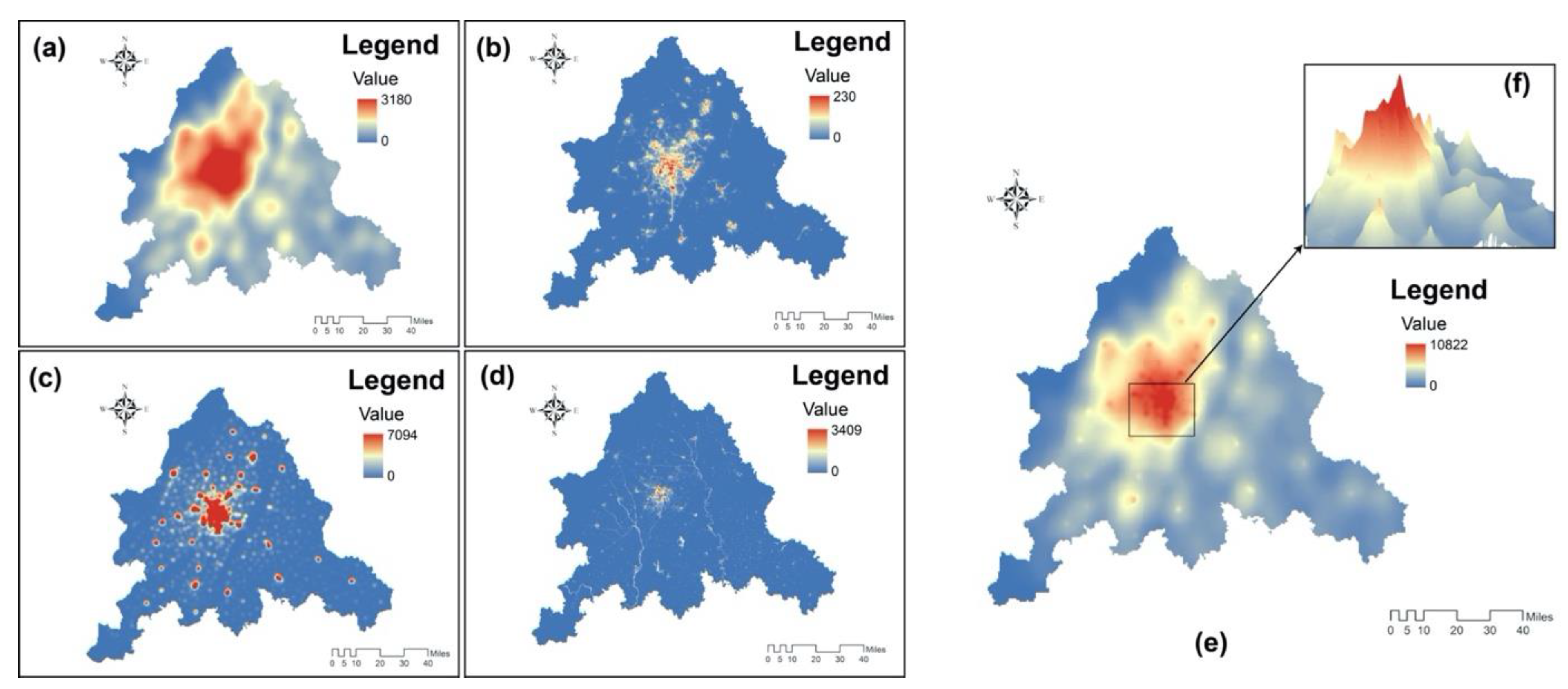
18]. In addition, with the development of big data collection and processing technology, human activity data have become a major data source for identifying urban built-up areas in recent years, such as point of interest (POI) data, mobile phone signaling data, and water and electricity data. Meanwhile, Long et al. used mobile phone signaling to evaluate the implementation effects of urban growth boundary [
15,
17,
18,
19]. Moreover, inventory land growth has become an important model of urban spatial growth in many areas of the world, particularly for countries and regions in the middle and late stages of urbanization. Therefore, we need more accurate ways to identify areas that need to be developed or have potential growth in future urban expansion. We also regard the evolution of urban growth boundaries as a dynamic process to achieve more accurate and reasonable guidance for urban spatial growth.
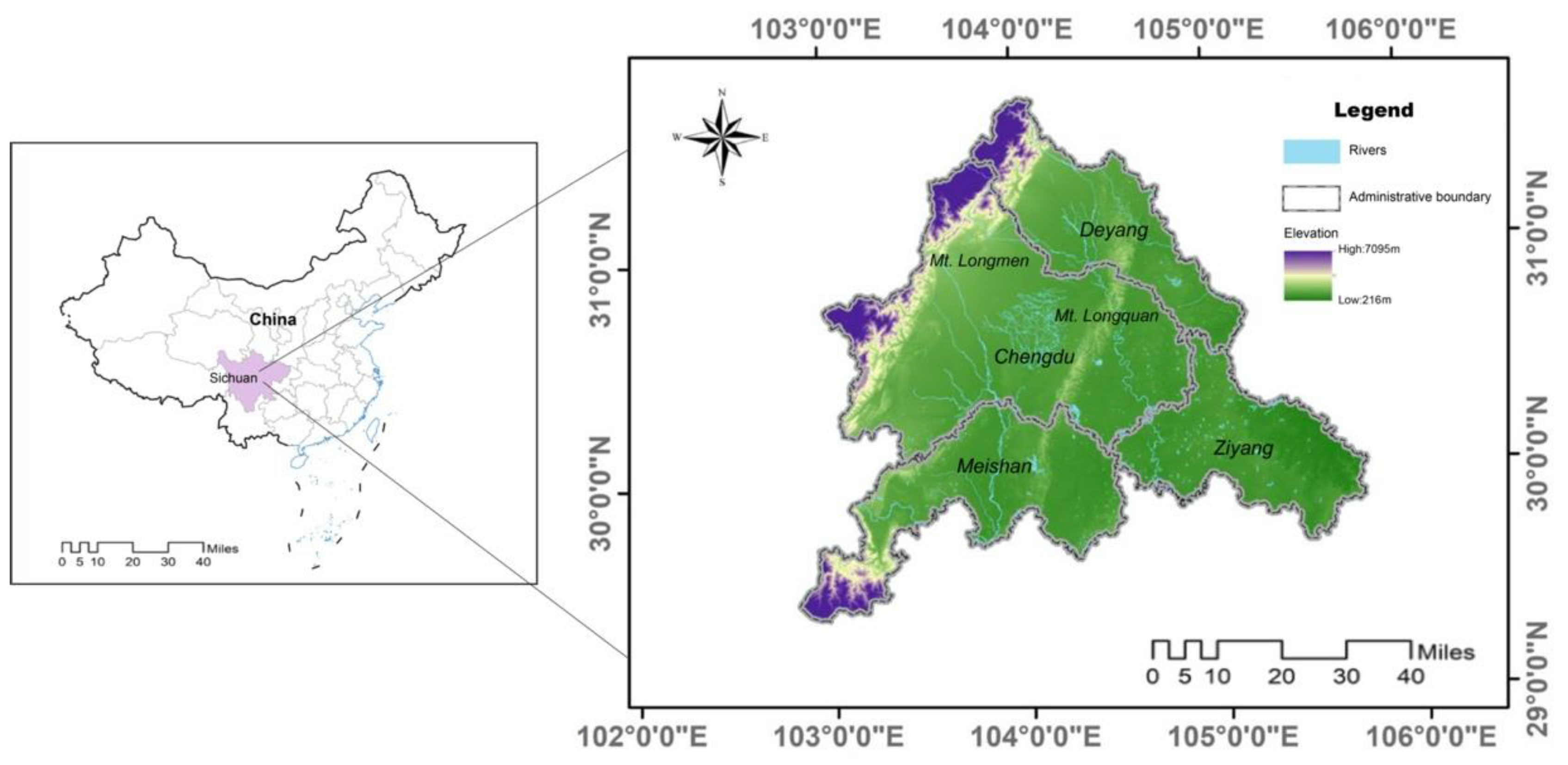
The research focuses on the Chengdu Metropolitan Area (CMA) in southwest China. Over the past decade, it has been one of the most rapidly urbanizing regions in the world. In addition, its location on the eastern edge of the world’s highest plateau, the Tibetan Plateau, makes it the closest metropolitan area to the roof of the world; it has a considerable degree of complexity and fragility in the ecological environment. Hence, we must pay attention to the influence of the ecological environment on urban spatial expansion.
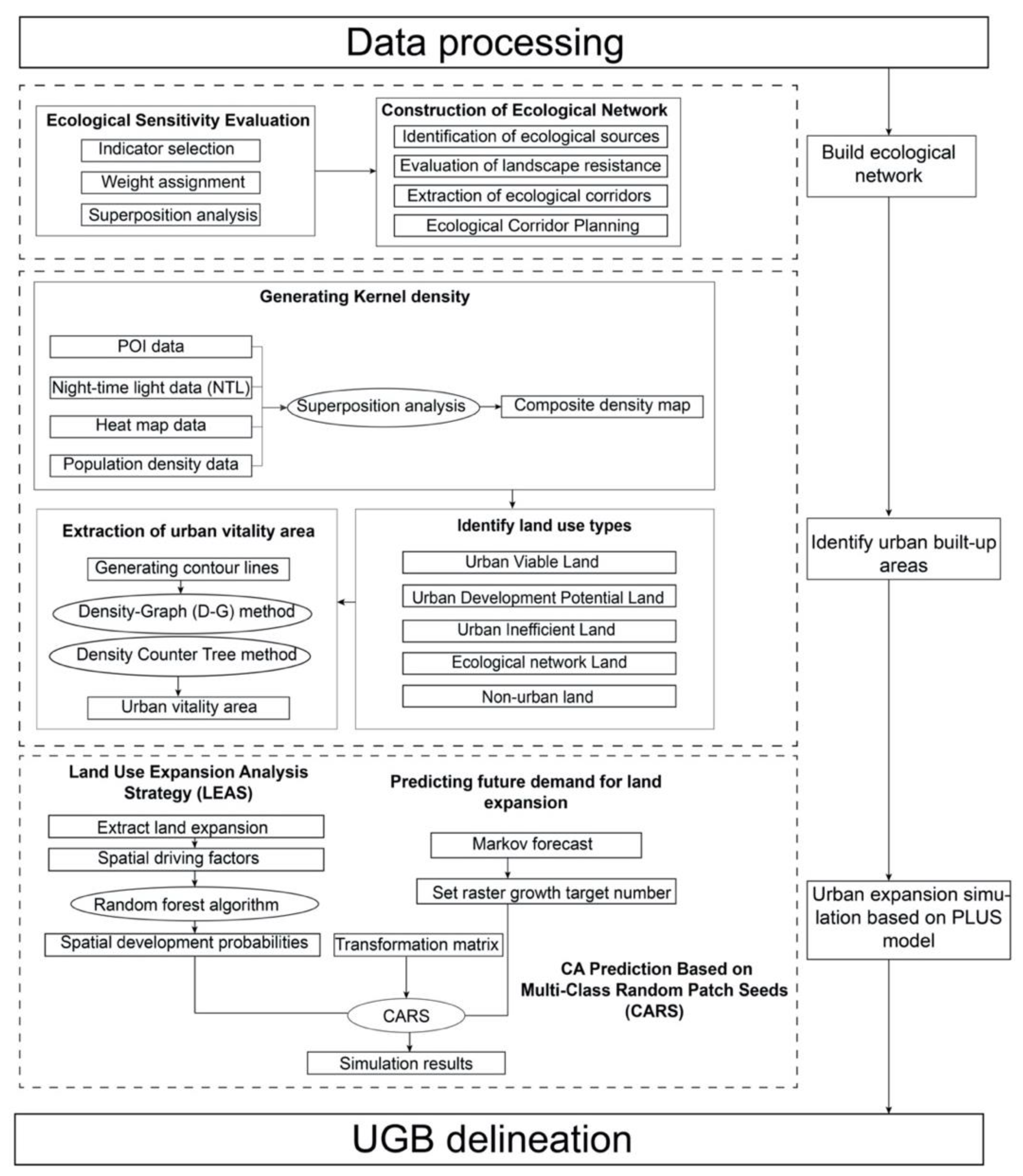
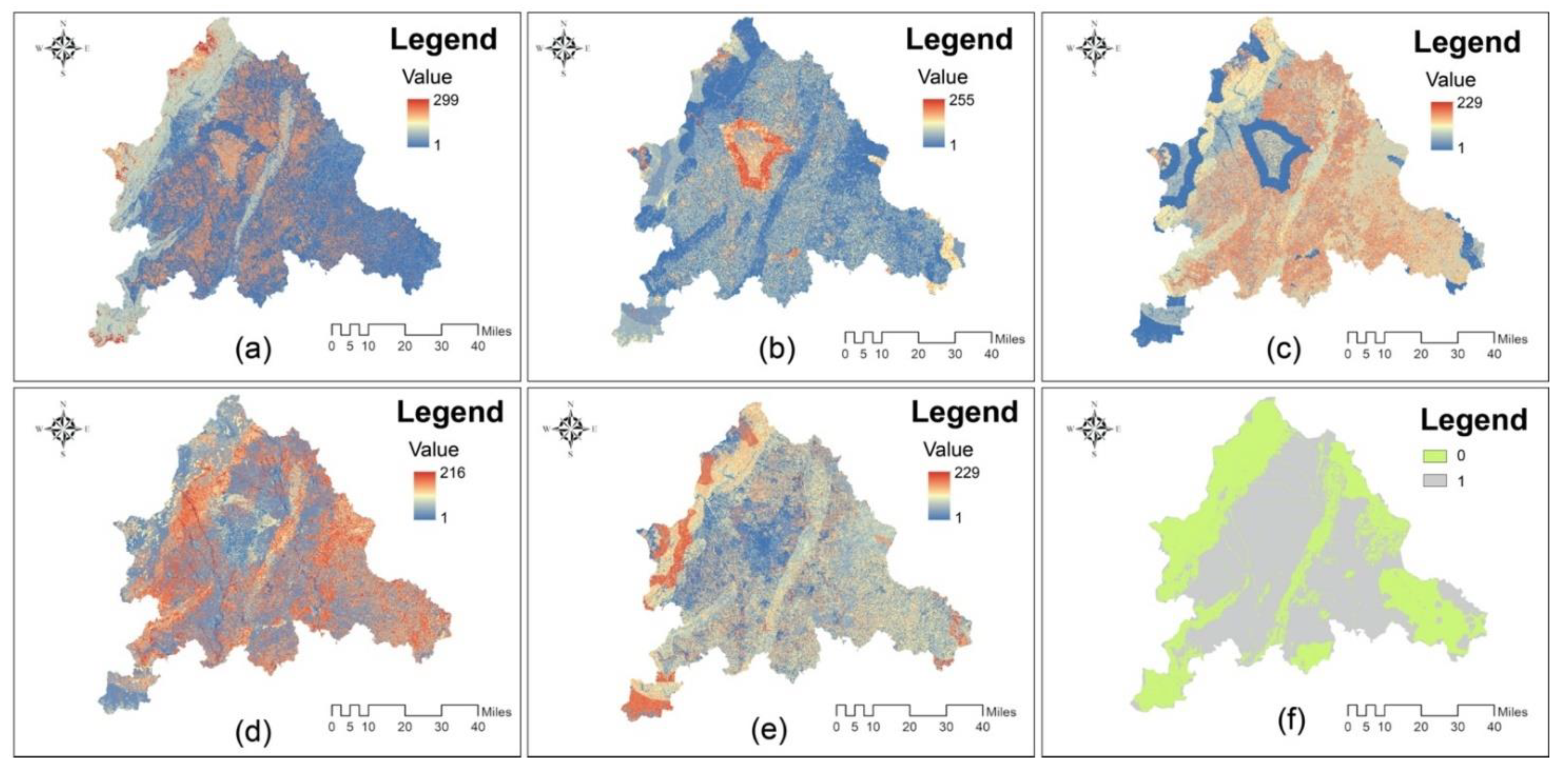
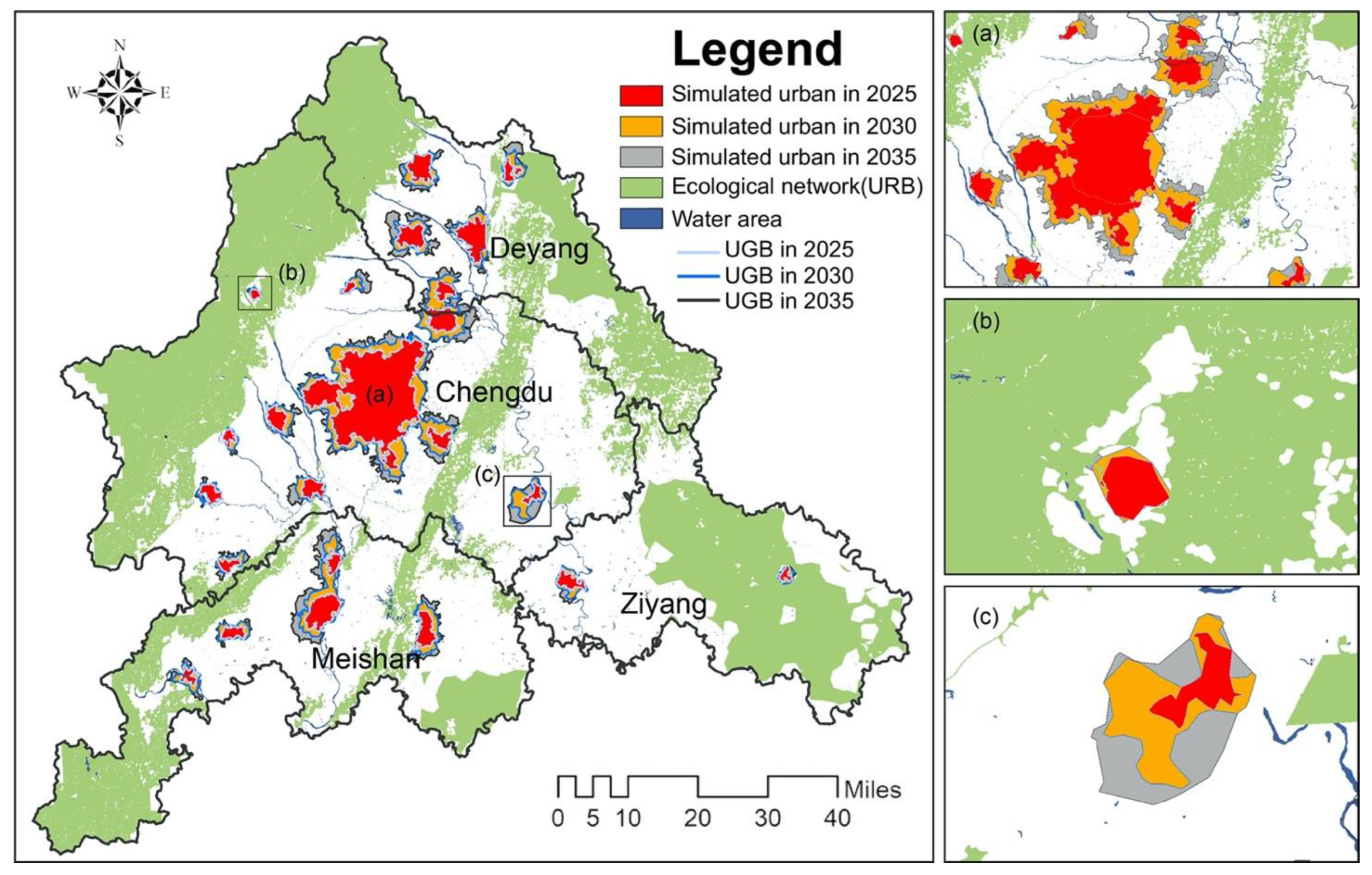
In practice, this study proposes an urban boundary delineation method based on urban human activities and urban vitality. The objectives are to identify areas with future development potential and existing urban low-efficiency land for the study area and incorporate them into the simulation of urban spatial expansion. Combined with the ecological security system of the ecological network, the random forest method is used in the PLUS model to calculate the future development probability of each land use. Moreover, the random seed CA prediction method is used under this constraint to simulate land use in three periods in the next 15 years. In this way, the urban and ecological spatial pattern of the study area is optimized, thereby delineating dynamic urban growth boundaries.
5. Discussion and Conclusions
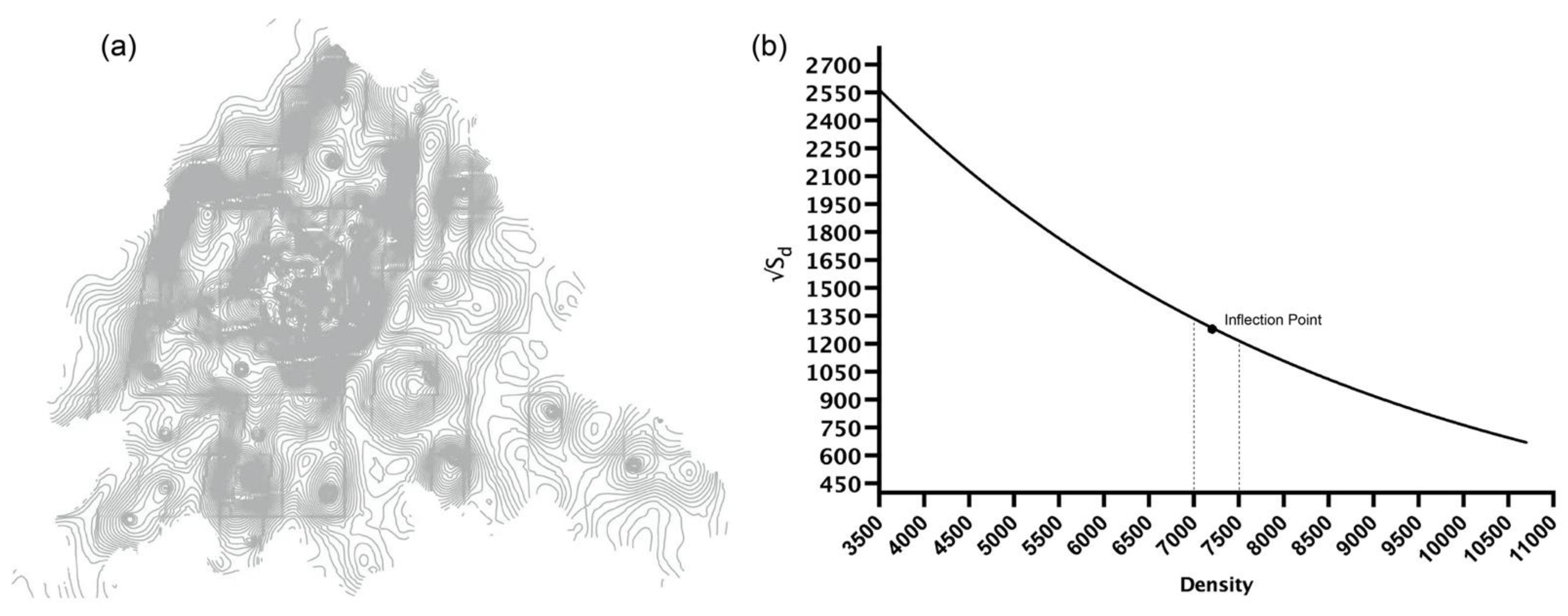
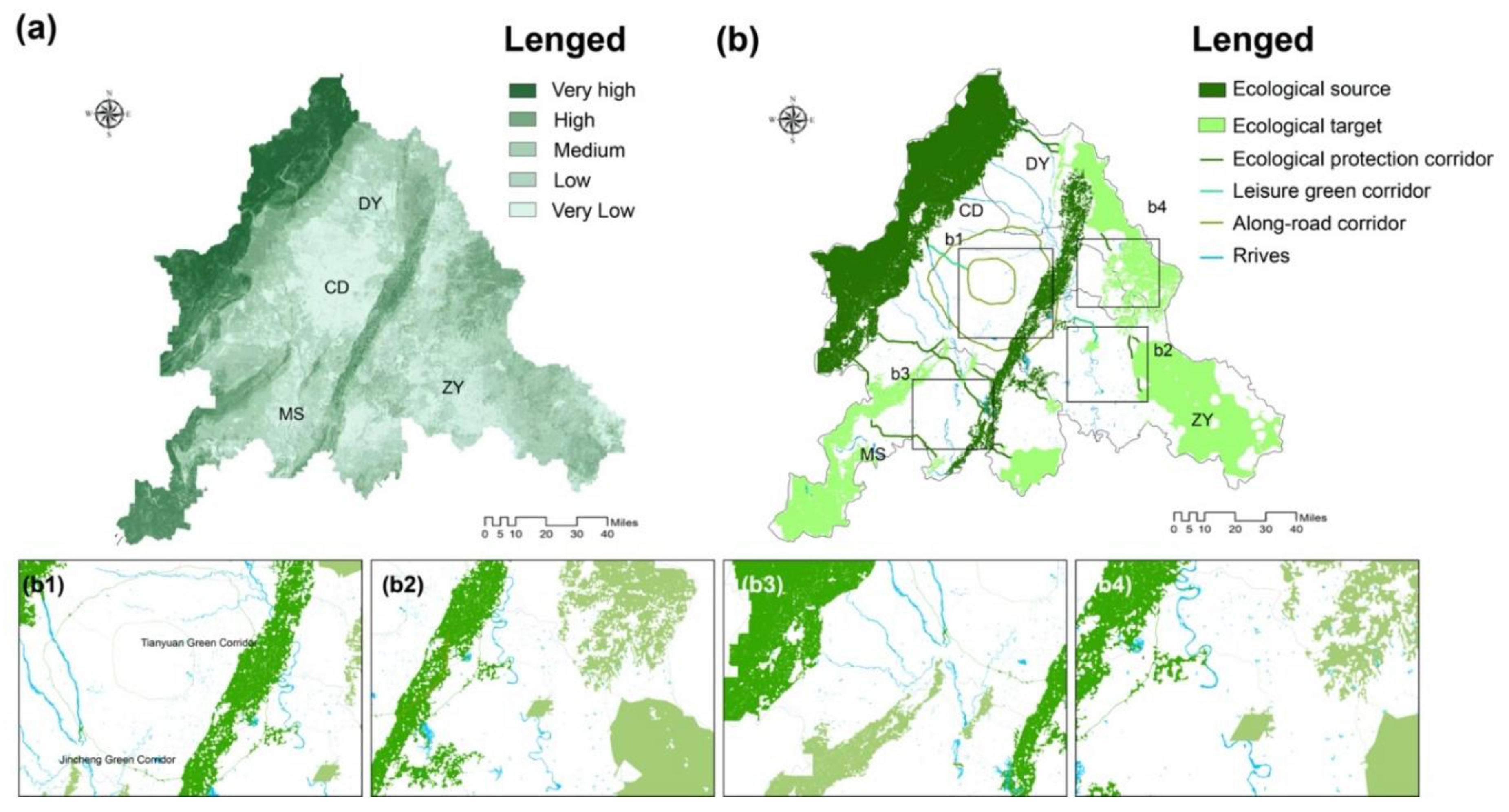
This study uses a set of research methods to predict the spatial expansion of CMA and delineate dynamic UGBs for it. Combined with the identification of UIL and UDPL, the two are included in the urban spatial land. In the prediction simulation of dynamic expansion and evolution, the ecological network construction technology method is used. Moreover, the ecological barrier of the CMA is constructed as a rigid boundary to control the growth. The technical methods include the PLUS model, LCP method, kernel density method, and D-G model. In short, the model can be applied to cities or metropolitan areas that are in the middle and later stages of urbanization and have certain spatial continuity characteristics.
Compared with the current UGBs delineation technical methods, this study has made certain progress: The urban vitality and land coverage are combined to consider the urban land expansion probability, thereby highlighting the dynamic transformation process of urban inefficient land and development potential land, which responses to the development strategy of the inventory expansion in the study area; It highlights the constraints derive by ecological pattern, ensures the ecological security and provides a considerable amount of green infrastructure and open space for cities and towns in the metropolitan area. However, the specific implementation results need further practice verification.
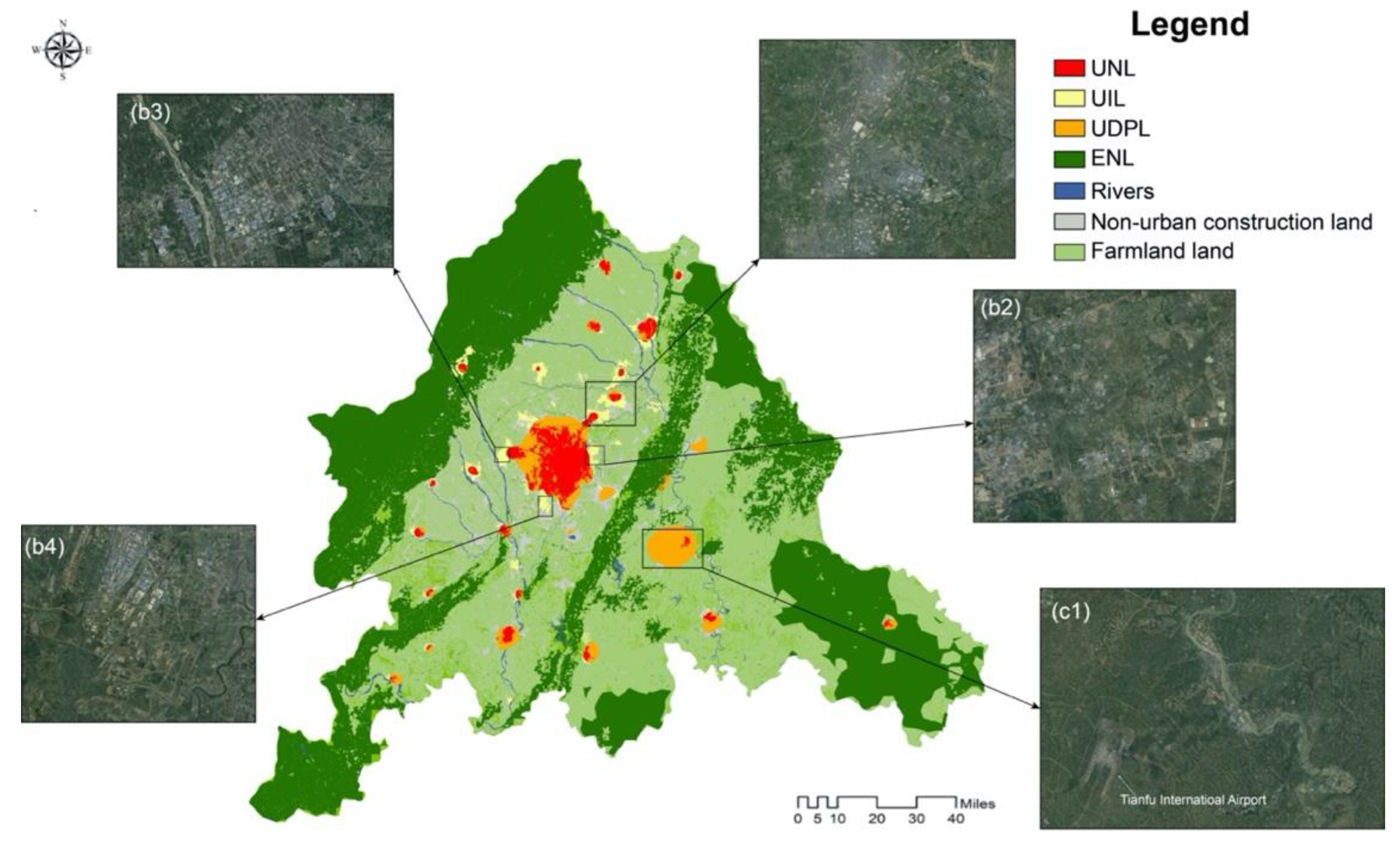
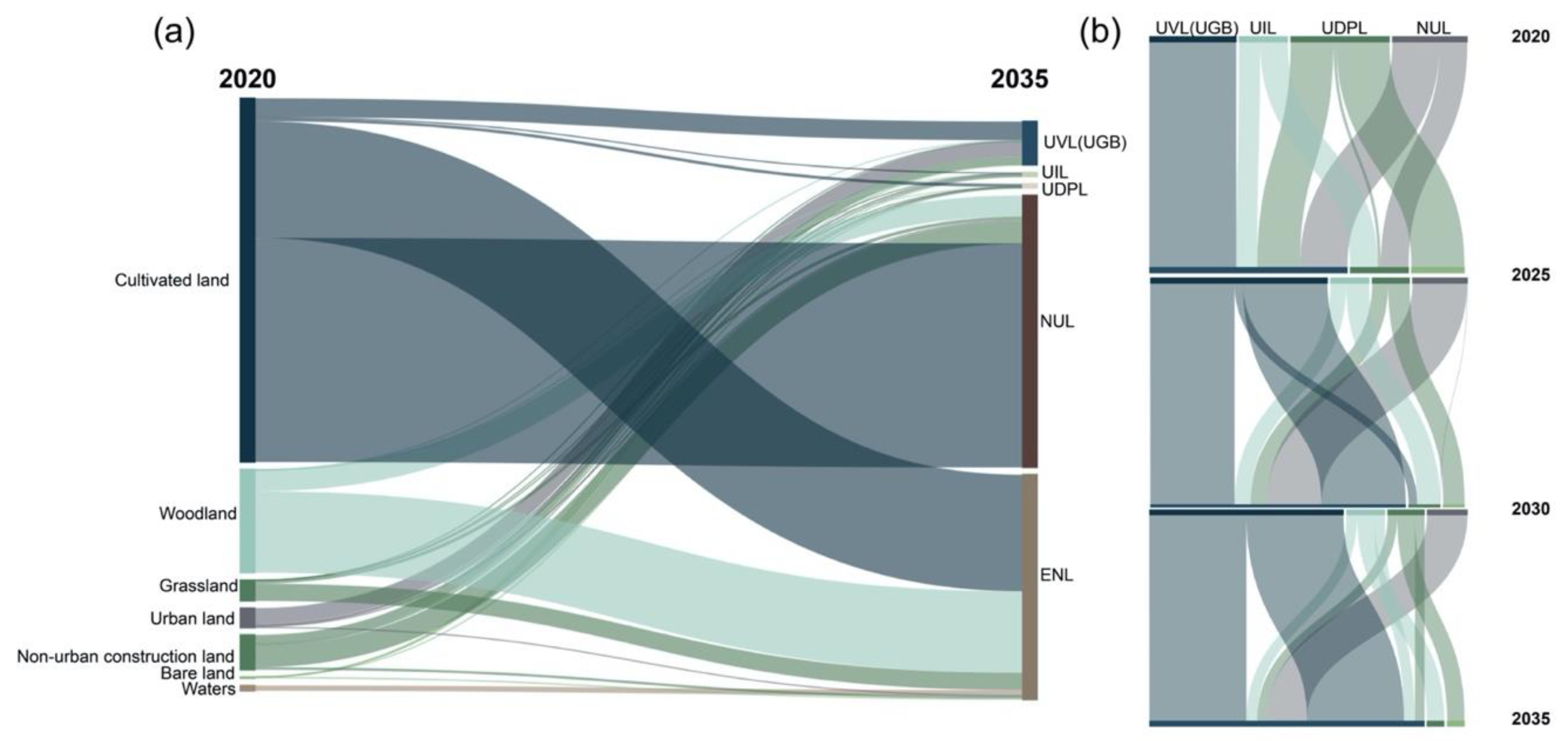
Owing to the data collection and processing technology of big data, through processing, the situation of human activities in the geographical space over a period of time can be clearly identified. Moreover, through a comparison with remote sensing images, inefficiencies and vitality in towns and cities can be distinguished. Insufficient areas can also be identified as NUL with development potential. As a dynamic policy tool, UGB should not blindly pursue urban extensional growth in the implementation process but should select appropriate land for appropriate extensional expansion and redevelopment of inefficient land. This process should also reflect in the process of UGB delineation. This study selects the CMA as a case, identifies a large number of urban low-efficiency land and development potential land, and incorporates them into expansion simulation and UGB delineation. The study also combines ecological sensitivity evaluation to construct an ecological network as a rigid growth boundary has formed the urban land development and control strategy and ecological landscape pattern in the next 15 years. Over the course of a 15-year dynamic simulation, inefficient lands were continuously reduced, meeting a considerable portion of the urban expansion needs.
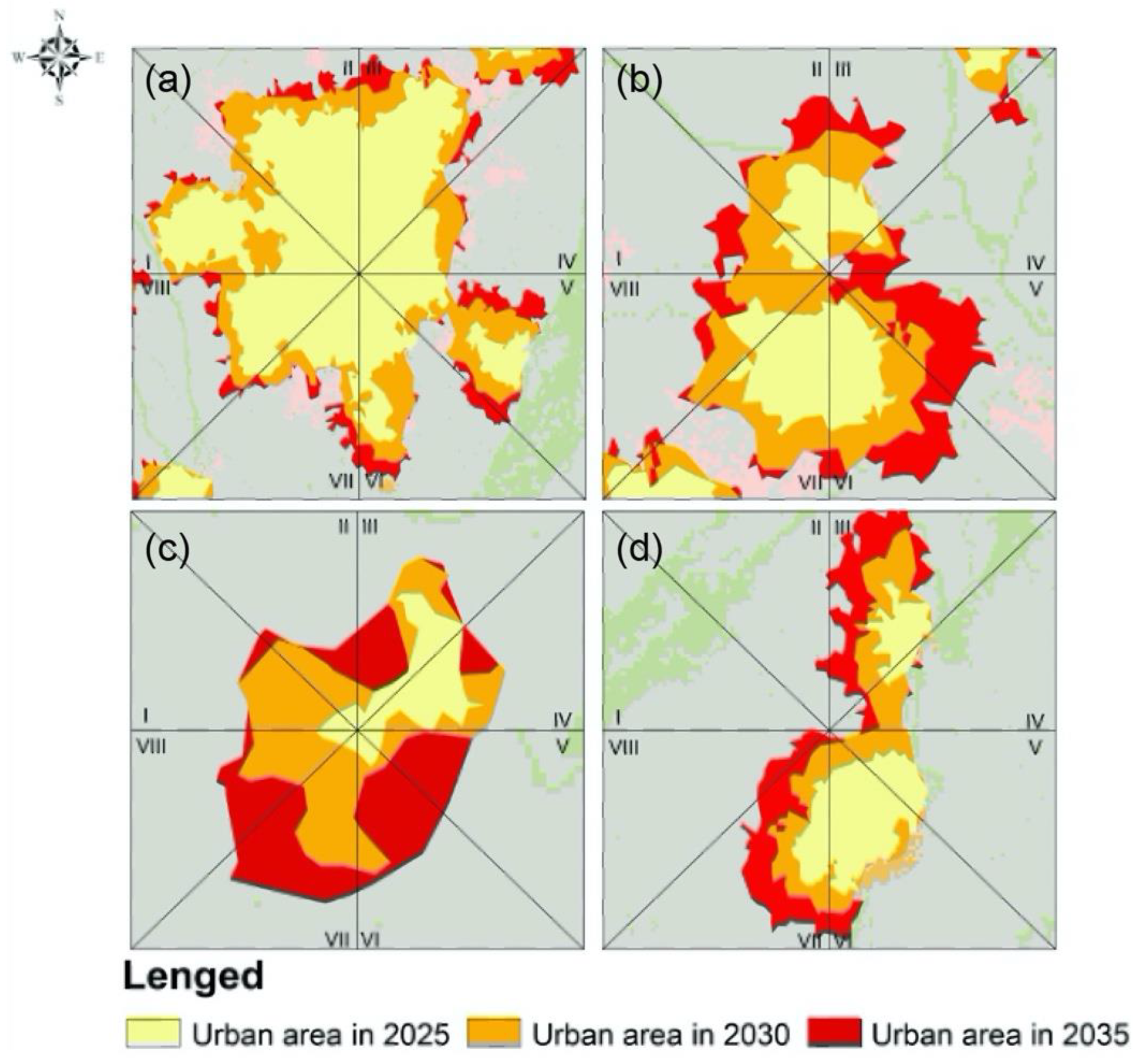
When the local government is using the results of this research, it can be combined with the implementation of territorial spatial planning. Based on China’s newly revised “Land Management Law”, territorial spatial planning should coordinate the layout of agricultural, ecological, urban, and other functional spaces, delineate, and implement permanent basic farmland red lines, ecological protection red lines, and urban development boundaries. Our study result can serve as a reference for the delineation of urban development boundaries of the Chengdu metropolitan area. In the process of delimiting the urban development boundary, we advocate that in the process of delineating urban development boundaries, five years are used as a planning period, and different development strategies are adopted for each stage to delineate growth boundaries based on the actual conditions (
Figure 10). Herein, the balance between the two development strategies of inventory development and incremental development in different stages was highlighted: In the first five years (2020–2025), the incremental development strategy will continue. The area around the central urban area of Chengdu and the Jiayang area has a higher expansive potential, and the government should give priority to the development potential areas of related areas. Meanwhile, in the second stage (2025–2030), the government should focus on guiding the slowdown of incremental development, and pay attention to the renewal and development of areas in the Northeast, West, and South of Chengdu, and take measures to improve traffic accessibility, enhance the diversity of urban land functions and land-use Intensity, and so on, to enhance the urban vitality of some regions, hence, to improve the carrying capacity of the urban population. Moreover, in the third stage (2030–2035), it is expected that the urbanization process of the study area will enter the later stage, and the incremental development will further slowdown, particularly in the Central urban area of Chengdu. Except for some areas (such as Jiayang, Measham, Deyang, etc.) that still have the potential for extensional growth, the development mode of other areas should be adjusted to the inventory development mode. However, areas with low density will be redeveloped to further improve the urban structure and functional layout. In addition, the delineation of the ecological network is from the perspective of the ecological function of the study area, and further extends the functionality of the ecological protection boundaries for ecological function assurance, environmental quality safety, and resource utilization, as well as further guides urban expansion in the appropriate range. Then, it can form a complete network with both ecological protection and recreational functions.
In the research, some problems still need to be solved. First, the identification methods for low-utility land are relatively simple. Owing to the large scope of the study area, this study lacks detailed research and observation on microscopic land-use and lacks investigations on the land-use properties, plot ratio, building density, and traffic conditions of relevant land parcels. Hence, some land use in special circumstances is included in the low-efficiency land. Therefore, when making a development plan, the land within the development scope should be re-identified first. Second, the identification and simulation of small urban patches will have some deviations. Considering their large differences in scale and vitality from the surrounding central urban areas, using the same parameter settings may reduce the accuracy of the simulation. Therefore, this research framework is more suitable for simulating a single continuous, highly concentrated urban area. Moreover, separate simulations are required for individual, relatively independent patches.