Article

Comparison of Bacterial Community in Paddy Soil after Short-Term Application of Pig Manure and the Corresponding Organic Fertilizer
1
Shanghai Academy of Environmental Sciences, Shanghai 200233, China
2
College of Environmental Science and Engineering, Donghua University, Shanghai 201600, China
*
Author to whom correspondence should be addressed.
Submission received: 9 November 2021 / Revised: 17 December 2021 / Accepted: 17 December 2021 / Published: 21 December 2021
(This article belongs to the Topic Climate Change and Environmental Sustainability)

Abstract

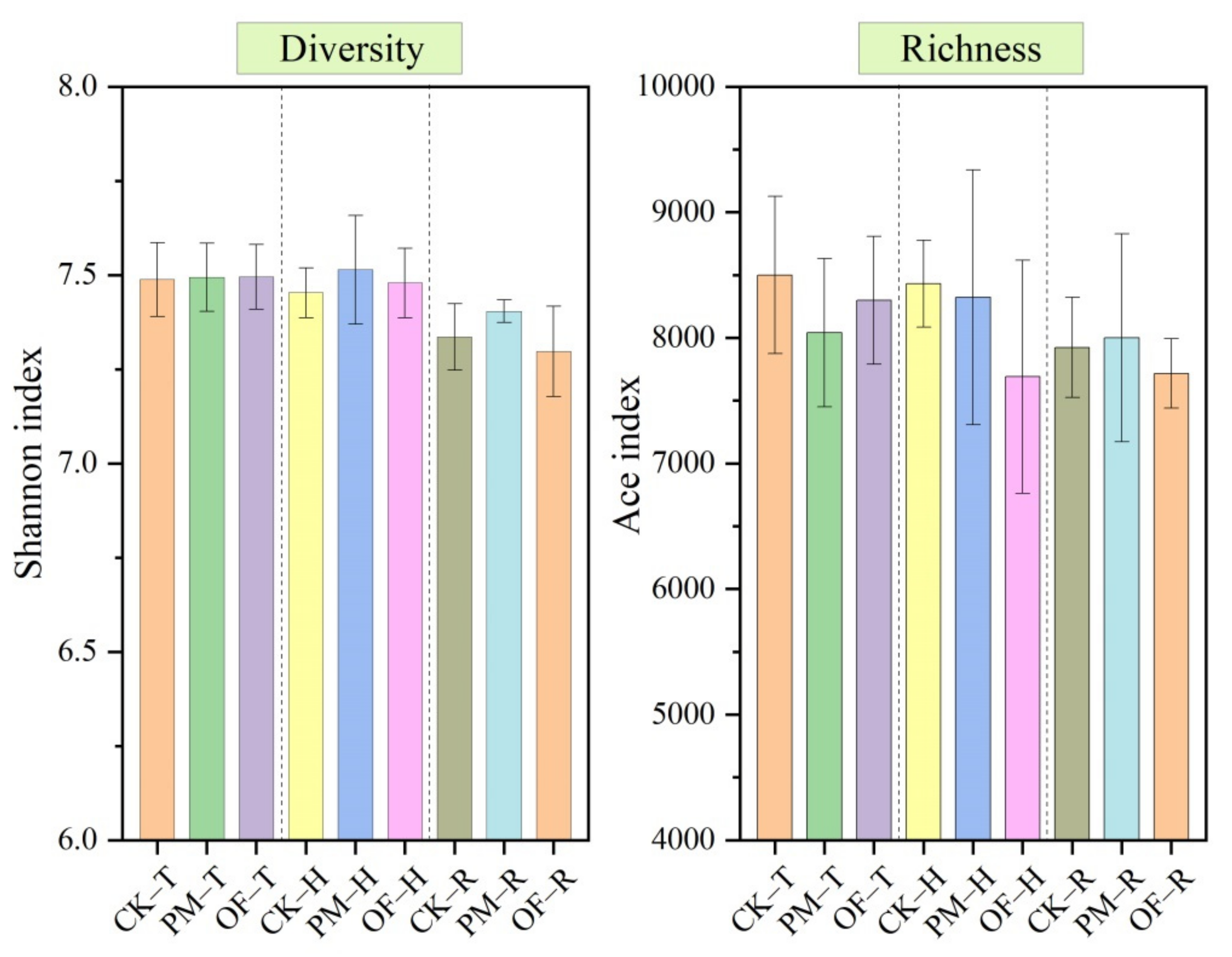
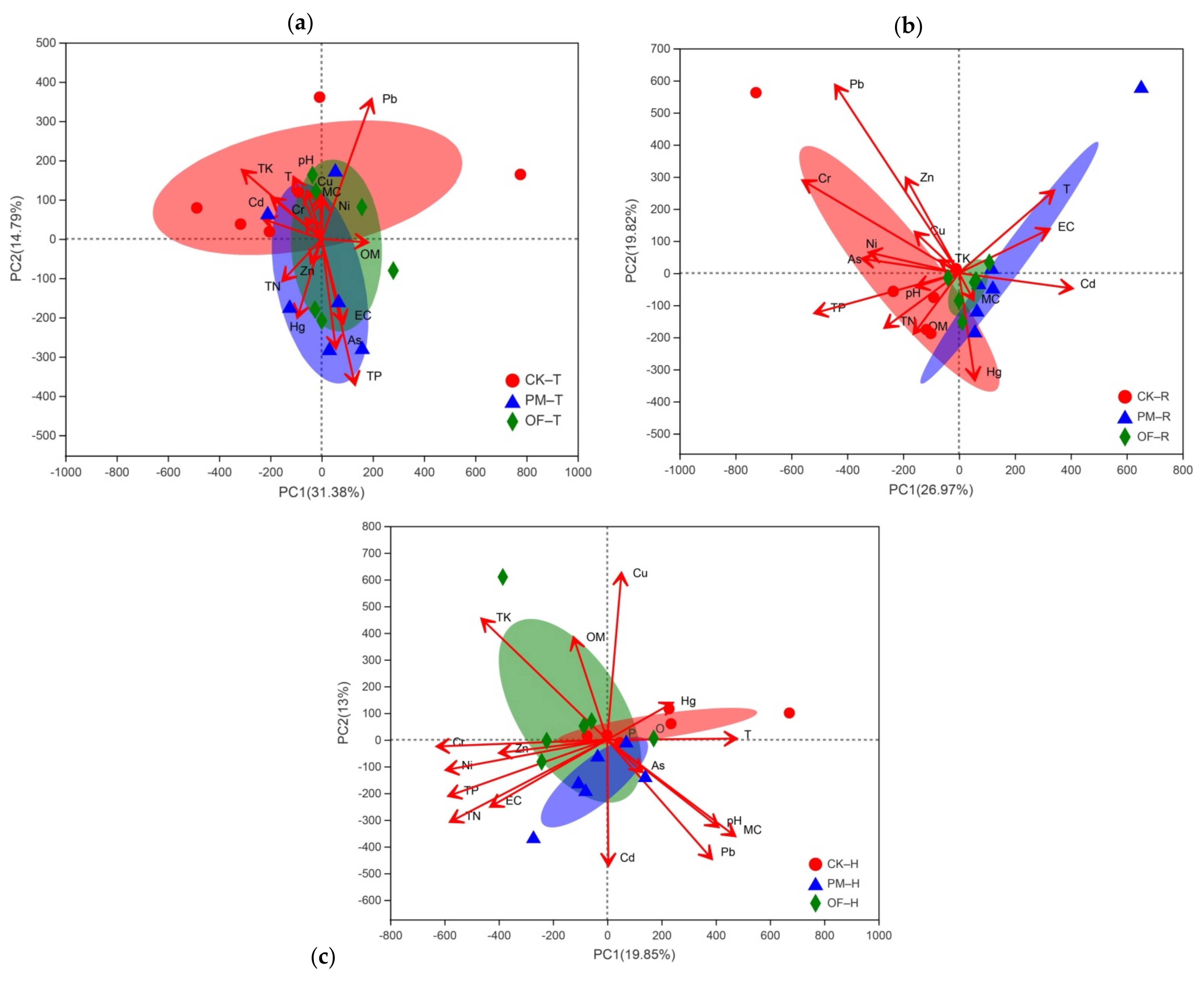
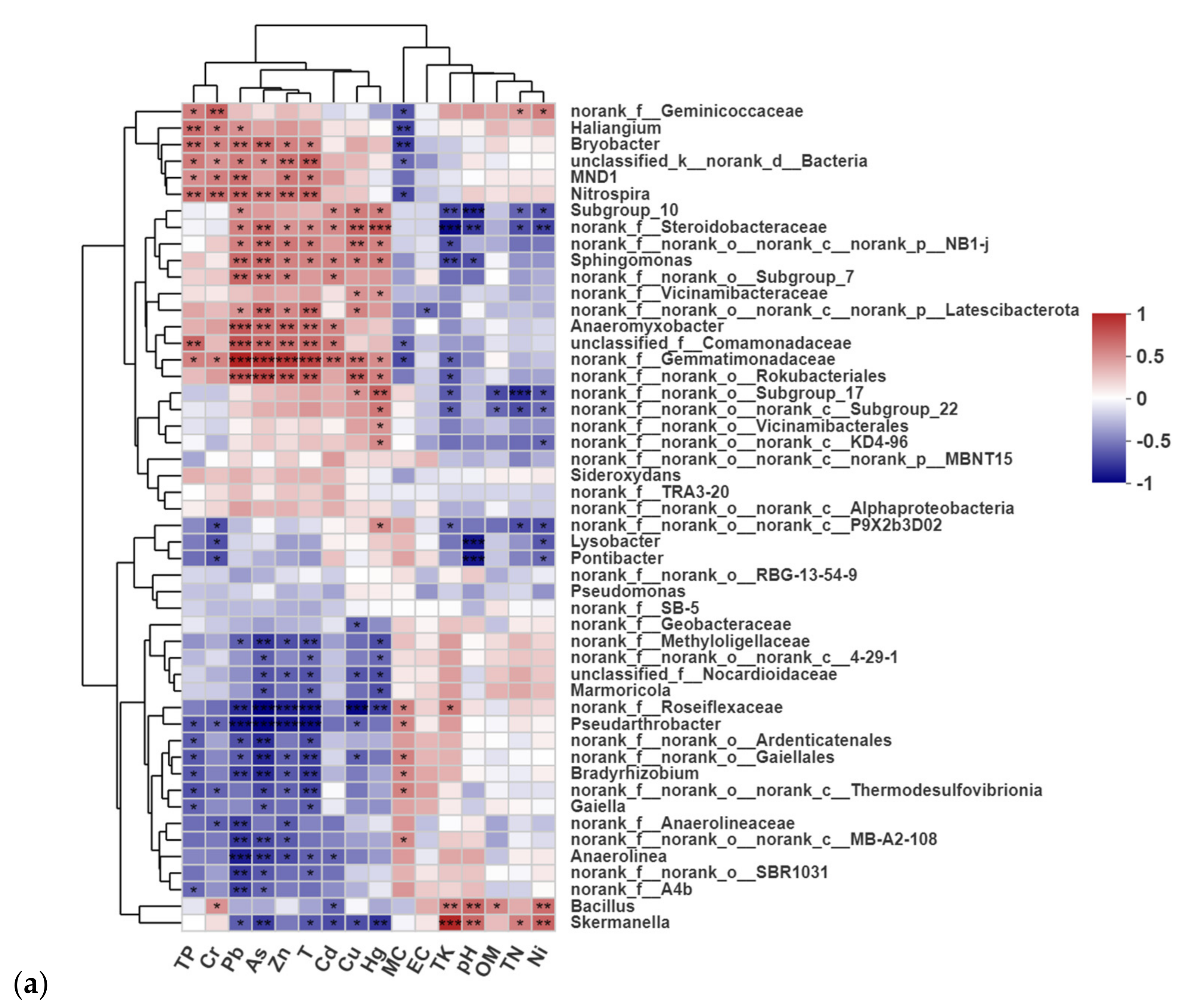
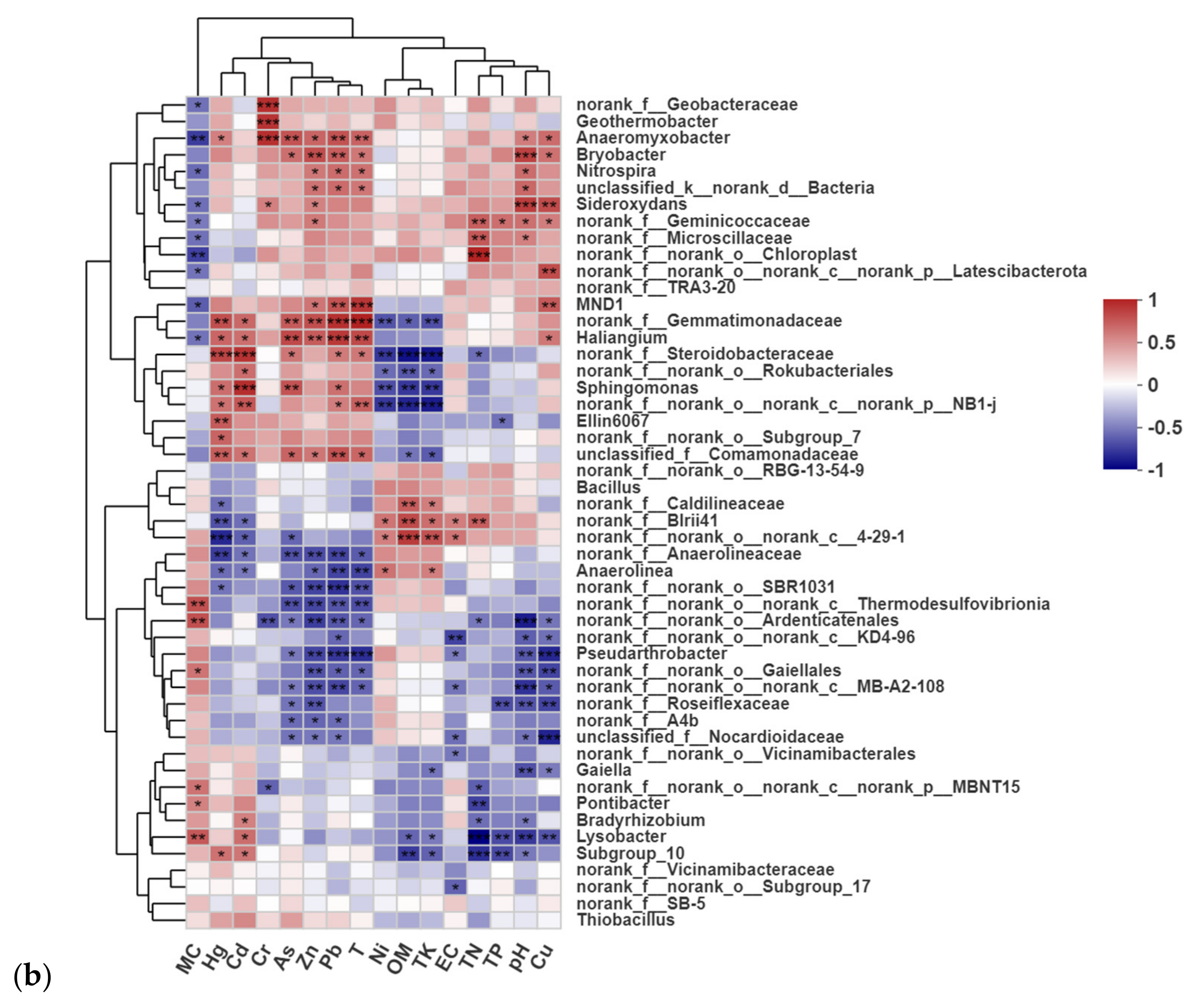
Agricultural fertilization significantly affects nutrients cycling in paddy soils. However, there are few systematic studies on the response of the application of livestock manure and corresponding organic fertilizer resulting in the microorganism and its nutrients entering farmland. Short-term application of pig manure and its corresponding organic fertilizer on the microorganisms of paddy fields were investigated. High-throughput sequencing technology was conducted to comprehensively study the microbial community composition and structure. Our results showed that organic fertilizer effectively enhanced nutrient substances such as nitrogen, phosphorus, and potassium at ripening stage and reduced the pH of soil, benefitting the soil fertility and the growth of rice. Though application of pig manure maintained higher microbial diversity, it increased the relative abundance of several pathogenic bacteria, which could threaten the soil health of the paddy fields. A large number of pathogenic bacteria can be reduced through composting pig manure to organic fertilizer. Nitrifying and denitrifying bacteria such as Anaerolineaceae, Pseudarthrobacter, Bacillus, and Nitrospira in the paddy soil were significantly promoted. The heavy metals such as Pb, Cr, and Cd, and nutrient substances such as phosphorus, as well as temperature, have important influences on the microbial compositions in ripening stage. The correlation analysis revealed more correlation efficiencies were observed with manure application, especially with the application of organic fertilizer. This study will provide a theoretical basis for improving land productivity and sustainable development in paddy fields.
Keywords: paddy fields; short-term fertilization; manure application; microbial community; environmental factors paddy fields; short-term fertilization; manure application; microbial community; environmental factors