1. Introduction
Elevated levels of nitrate and
E. coli in drinking water can pose risks to animals as well as public health, and mitigating risks of diseases and long-term health issues requires drinking water criteria. In general, the primary goal of human drinking water quality criteria is to protect public health from immediate and long-term health issues. The cattle water quality criteria are mainly focused on improving animal health and increasing milk and meat production. In both humans and cattle, nitrate reduces the blood’s ability to transport oxygen throughout the body, and for cattle, high levels of nitrate in drinking water can lead to fertility issues, trouble breathing, and even death in some cases [
1]. Elevated levels of bacteria can lead to diseases such as leptospirosis and brucellosis, which can also affect fertility and decrease milk production. In addition, high levels of these contaminants (in addition to algae growth from the presence of excessive nitrate) can decrease the general taste and smell qualities of the water, which can indirectly impact milk production by influencing cattle to drink less [
2]. It is, therefore, important to assess the levels of these two pollutants to determine whether the drinking water quality is within recommended levels for cattle health.
While it is well documented that both nitrate and bacteria can pose risks to animal health, there are currently no set regulations for nitrate or bacteria levels in dairy cattle drinking water within the United States, except for the regulations requiring no total coliform presence in drinking water for grade A dairy farms, which have the highest levels of quality standards [
3]. However, to improve animal health and milk production, there are general recommendations for both pollutant levels. The recommended concentration for nitrate cited in the literature is 44 ppm as nitrate (NO
3−) or 10 ppm as nitrogen (NO
3−–N) [
1,
4,
5]. To avoid confusion, the rest of this paper will primarily refer to values in terms of nitrate (NO
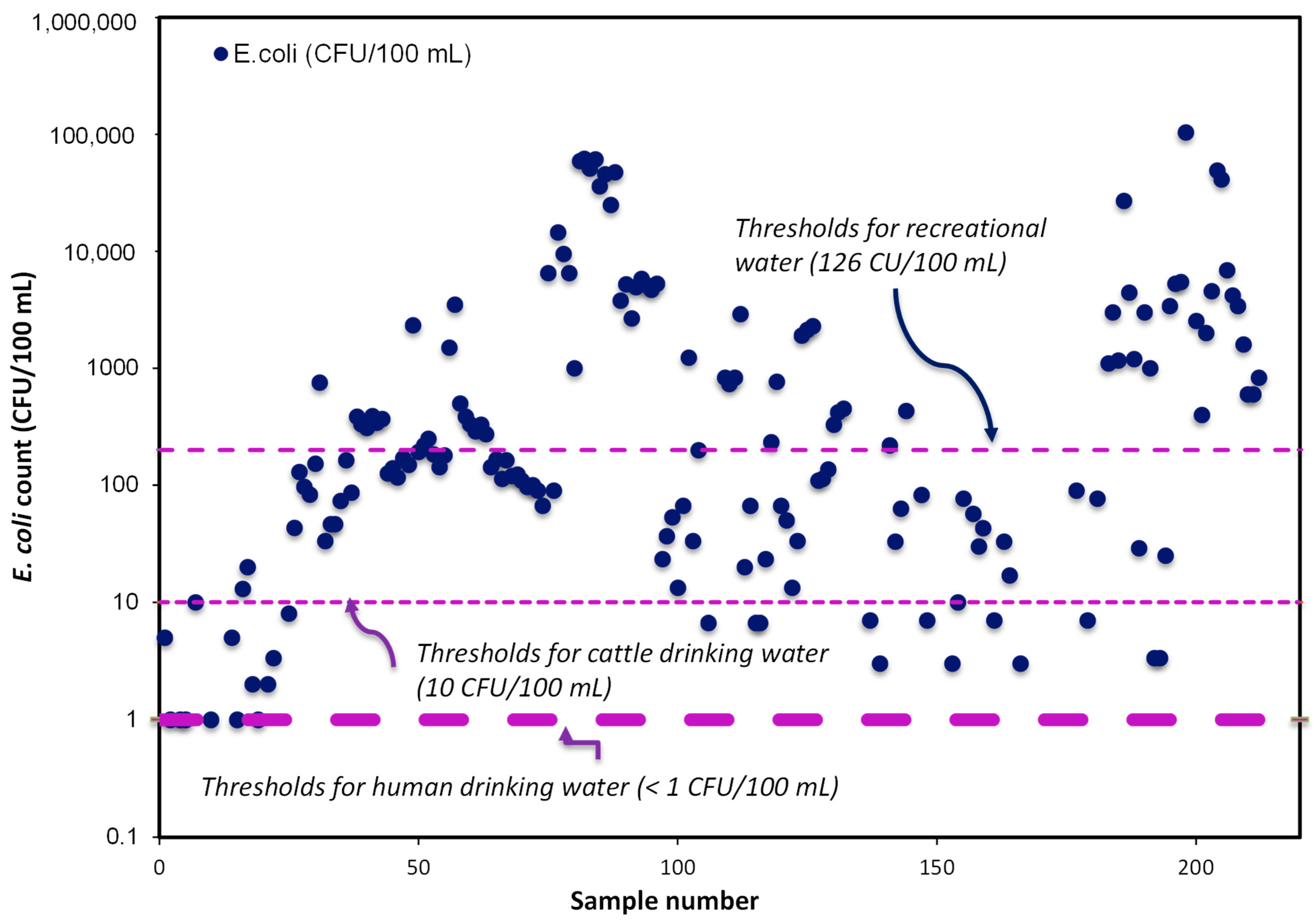
3−). Some sources recommend a concentration of 88 ppm as nitrate (or 20 ppm as nitrogen), but the more conservative level was chosen to compare against the data collected in this study, because nursing (i.e., dairy) cattle and young calves can be more susceptible than other cows (i.e., beef cattle). In terms of recommended bacteria levels, there are discrepancies between the different literature sources, but it is generally recommended that, for calves, the total coliform should remain below 1 coliform forming units per 100 mL of water (CFU/100 mL), and for adult cattle, the total coliform should remain below 15 CFU/100 mL. In another literature source, the target water quality range for livestock is listed as below 200 CFU/100 mL, because counts above this level could increase the risk of disease transmission amongst cattle in a herd [
1,
6,
7].
The main objectives of this research are to understand the nitrate and E. coli concentrations in cattle water troughs and identify potential sources. In this study, we seek to determine: (1) the nitrate prevalence within dairy cattle drinking water troughs, (2) evaluate E. coli levels within dairy cattle drinking water troughs, and (3) determine the potential sources of nitrate and E. coli in trough water.
While there are other pollutants of concern for dairy cattle drinking water, the scope of this study is limited to nitrate and
E. coli. Nitrate is a major issue in animal agriculture systems, due to manure land inputs and synthetic fertilizer application in surrounding areas of dairy farms.
E. coli contamination is also important, as it can lead to diseases such as leptospirosis and brucellosis, threaten the health of the herd, and lead to decreased milk production [
2].
2. Materials and Methods
2.1. Animal Drinking Water Sample Collection from Dairy Facilities
Trough water samples from multiple dairy farms throughout central California were collected and analyzed for both nitrate and bacteria with a total of 8 collection dates spanning from August of 2023 to August of 2024. During each sampling event, each trough was sampled in triplicate to ensure the reliability of measurement and reduce the effect of random errors in measurement. The dairy farms each had approximately 1500–2000 cows, which is classified a large farm, but is still considerably smaller than many other concentrated animal feeding operations in California and the rest of the United States. Samples were collected in sterile plastic bottles ranging in size from about 60 to 250 mL and stored at 4 °C before being analyzed for bacteria levels via membrane filtration using EPA method 1603 [
8]. It is recommended that water samples be stored below 10 °C but not frozen to best preserve the bacteria and that samples be analyzed within 48 h of sample collection. Considering the distance between the dairy farms and testing lab (100 miles), travel time, sample processing time, and logistic issues, it was not possible to test all samples within 48 h, and the samples were preserved at 4 °C and were analyzed as early possible. The majority of the samples, however, were analyzed within the recommended time limit. There were a total of 62 troughs tested for nitrate, and a total of 44 troughs had valid samples for
E. coli counts.
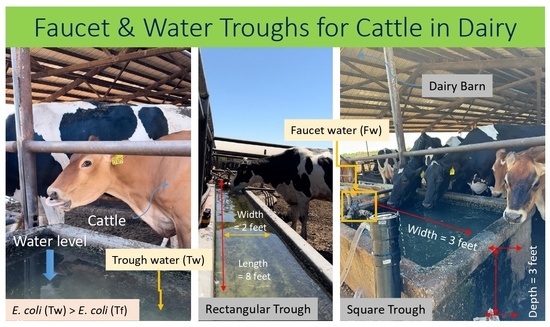
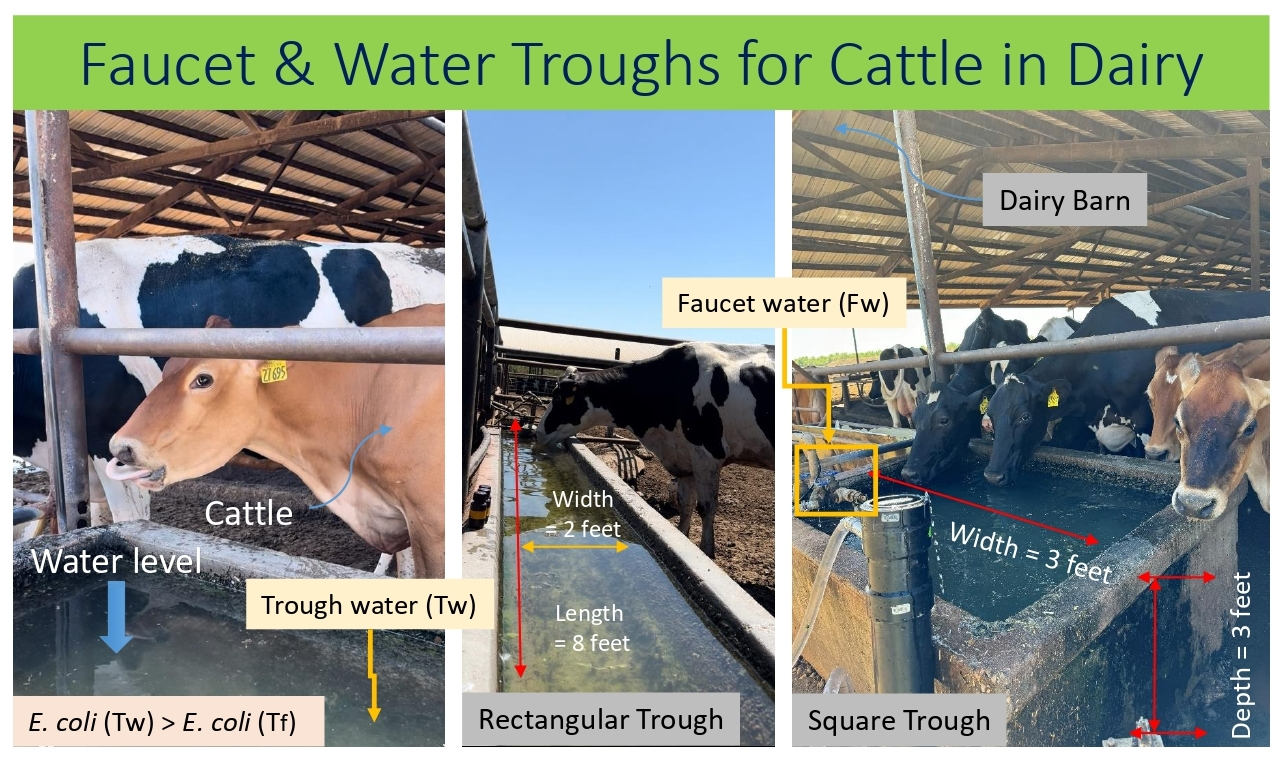
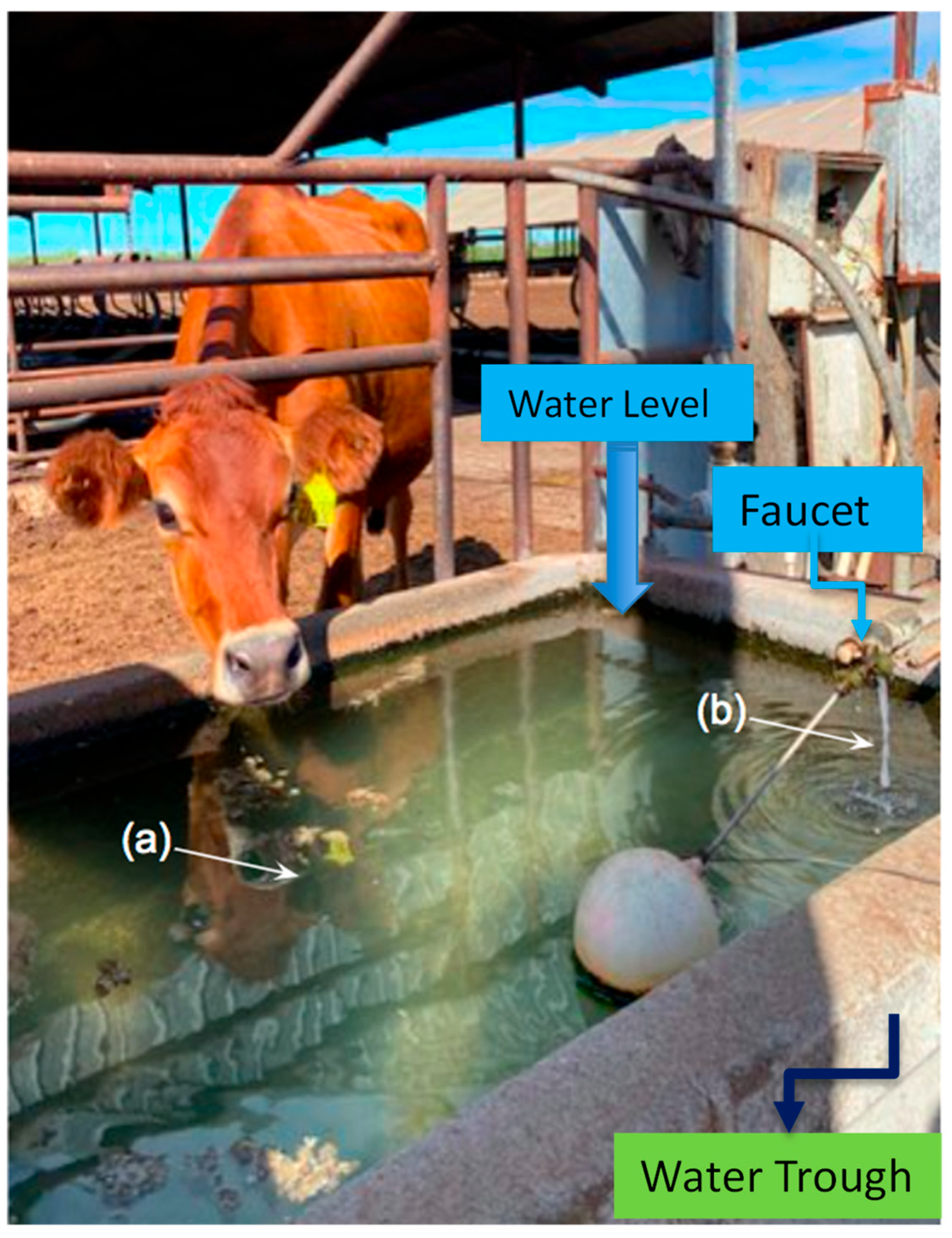
Most samples were collected from the troughs directly, but on the final sampling date, three replicate samples were collected directly from the trough faucet in addition to the three replicates from the trough as usual. A visualization of the sample locations in a typical trough set up is shown in
Figure 1.
The water samples from the two different locations in a trough were analyzed to help assess the source of the nitrate and bacteria and determine whether the nitrate and bacterial loads were found in the groundwater (and present in the faucet samples) directly, or if the contamination was contributed once the water was in the troughs.
2.2. Nitrate Testing with Ion Chromatography
The water samples were analyzed for nitrate concentrations via ion chromatography with Dionex ICS-6000 [Thermo Fisher Scientific, Waltham, MA, USA] [
9]. Ion chromatography (IC) for anions such as nitrate utilizes a column with a solid phase material, such as an anion exchange resin, that attracts the negatively charged ions of the sample as they pass through the column. Eluent is then continually flushed through the column, which removes the anions from the solid phase and flushes them out with the eluent solution. Different times are required to flush out different anions based on their affinity for the resin in the column; so, the corresponding conductivity that is measured at certain times as the sample leaves the column can then be used to calculate the concentration of the anion in the sample based on a previously developed calibration curve. The limit of detection (LOD) and limit of quantification (LOQ) for nitrate measurement were established as 0.25 mg/L, and 0.5 mg/L [1 ppm = 1 mg/L]. The LOD was determined based on the calibration curve and comparing the peak areas of blank and lowest detectable standards. The LOD was determined by determining the signal to noise (S/N) ratio, and the acceptable S/N ratio for LOD was set to 3:1.
Prior to being run through the ion chromatograph, suspended solids were removed from the trough water samples via a syringe with a filter size of 0.45 μm to prevent the column from getting clogged, but otherwise no pretreatment was used, because the sample nitrate concentrations were already within measurable range [
10]. A total of about 1 to 2 mL of trough water sample was used for analyzing the nitrate concentration in the ion chromatography machine. In this study, we used duplicate plating for each sample, and ultrapure Milli-Q water was used as a blank. Because this water was considered and verified as a pure lab water (without any
E. coli), we used Milli-Q water as a field blank.
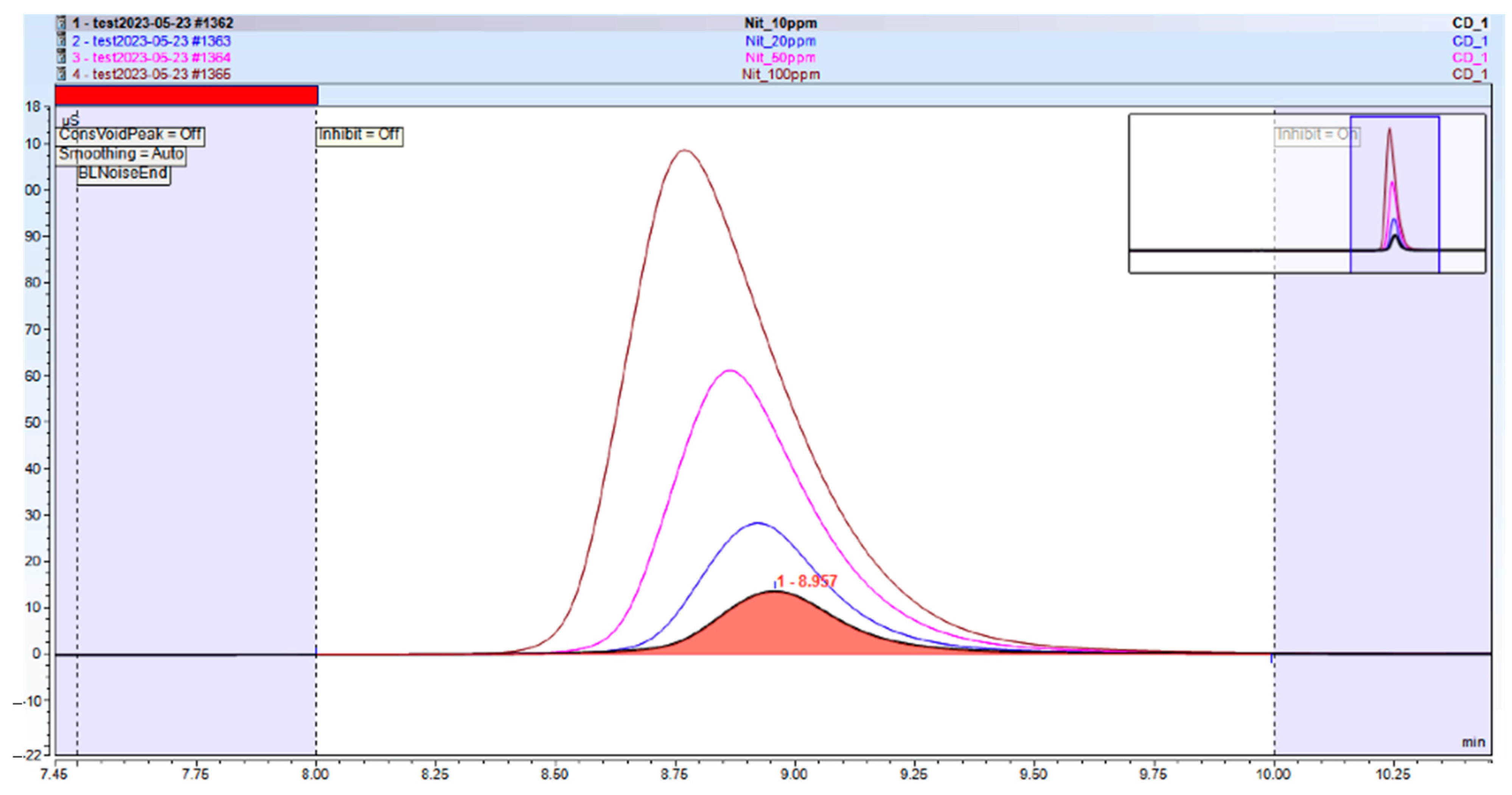
A calibration curve was developed by creating several standard solutions with known concentrations of nitrate, ranging from 0 to 120 ppm, and passing each standard through the IC machine to create chromatographs. For the robust linearity check, we determined the linearity at various ranges of nitrate: (1) 0 ppm to 40 ppm, (2) 25 ppm to 100 ppm, and (3) 25 ppm to 125 ppm [1 ppm to 1 mg/L). The coefficient of determination (
r2) was estimated, and the
r2 value for nitrate was higher than 0.99 regardless of the range. As shown below in
Figure 2, the chromatographs produced a peak whose area under the curve corresponded with the nitrate concentration, which could then be used to create the calibration curve equation. Additionally, the standard nitrate sample produced a peak around a consistent time (about 9 min), which was used to identify the nitrate peak in subsequent trough samples, where other ions were sometimes present.
The chromatograph consists of peaks on a graph with the x-axis showing the elution time in minutes and a y-axis with conductivity in milli-Absorbance Units, which is a measure of the signal produced from the ions leaving the chromatography column. Calibration curves were routinely produced throughout the timeline of sampling dates and between the IC nitrate analyses of the samples to ensure maintained accuracy.
2.3. E. coli Testing with Membrane Filtration Methods
The trough water samples were analyzed for
Escherichia coli (
E. coli) using the membrane filtration protocol outlined by EPA method 1603 [
8]. The samples were analyzed for
E. coli because it is a useful indicator organism that is present when there is human or animal fecal contamination and is used to indicate the potential presence of harmful pathogens in the water [
11].
E. coli counts were used as a proxy for the total coliform counts in the trough water, since the recommendations for cattle are in units of total coliform, and
E. coli is a specific type of coliform bacteria.
The volume of water passed through each membrane filter was initially 3 mL and 30 mL, with a targeted amount of
E. coli on the membrane of about 20–80 colonies. Because there was high variability in the microbial density of the water samples, additional volumes of 200 μL and 100 mL were chosen based on a trial-and-error process, and different sample volumes were filtered until countable colony numbers were produced or it was 48 h past the collection time, and the counts were no longer viable. The water samples were passed through a filter with a 0.45 μm pore size, which is small enough to trap the
E. coli on the filter. The sample was passed through the filter using a vacuum set up, and the filter was then carefully placed in modified membrane-Thermotolerant
E. coli (mTEC) agar plates and then incubated around 42 °C for about 20 to 24 h. The resulting plates had magenta colonies that could then be counted and recorded. If there were insufficient bacteria or too many to count, the volume was adjusted, and the process was repeated. This process gives a direct count of the
E. coli present, and these values were then used to calculate the colony forming unit (CFU)/100 mL, which is a common measurement unit for bacteria and the most commonly cited unit in the literature regarding bacterial concentrations in animal (and human) drinking water. The following calculations (Equation (1)) were performed to normalize the data and get values in terms of CFU/100 mL:
For example, if a 200 μL sample from a trough produced a bacteria count of 29, the following calculation (Equation (2)) would be performed:
Bacteria counts were averaged among replicates for each trough to get the bacteria count data for each drinking water trough. These values were then recorded and assessed to determine the levels of bacteria present in drinking water troughs throughout multiple dairy farms in central California.
2.4. Water Characteristic Analysis with Portable Sensors
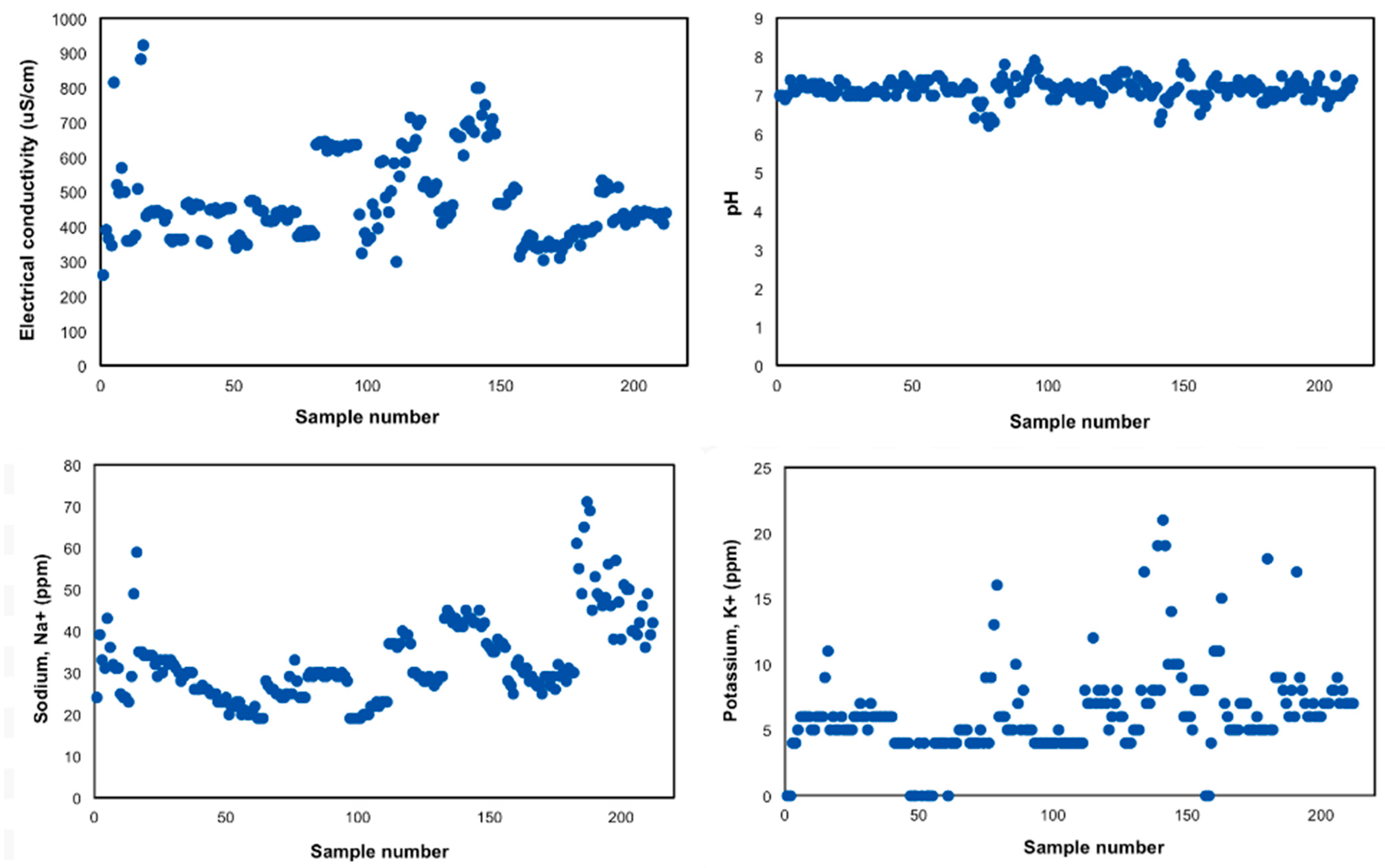
In order to better understand the characteristics of the trough water, handheld sensors were used to measure the electrical conductivity, sodium and potassium, as well as pH of every trough sample. The results are shown in the results and discussion section.
2.5. Statistical Analysis
We estimated descriptive statistics using Microsoft Excel (Microsoft Corp., Redmond, WA, USA) Analysis Toolpak add-in. Further, we determined correlation analysis and coefficient of determination using the XLSAT functionality of Excel. The significance test was determined using the t-test for two groups. The p-value threshold was set to 0.05. In addition, chromatography data were analyzed using Thermo Scientific Chromeleon Data System (CDS) [Thermo Fisher Scientific, Waltham, MA, USA; CDS Software, Version 7.3.2].
4. Discussion
The four main objectives of this paper were to (1) assess nitrate levels in drinking water troughs and (2) assess the bacteria levels, specifically E. coli bacteria counts, to determine whether each contaminant level is within the acceptable levels for protecting cattle health. Additionally, (3) troughs were assessed to determine the source of nitrate, and similarly, (4) troughs were sampled to determine the source of bacterial contamination. The last two objectives are important to understand for any future implementation of treatment options.
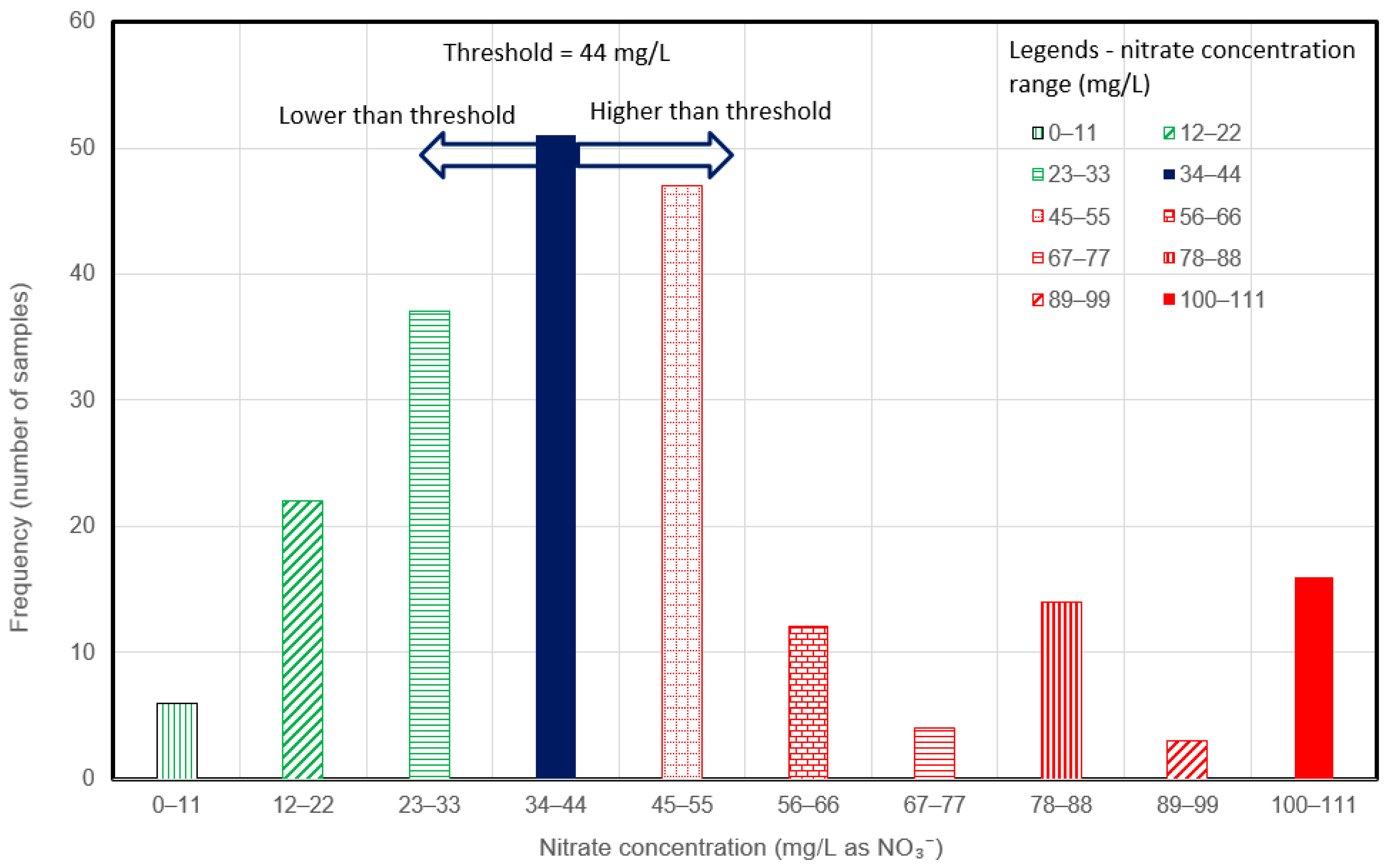
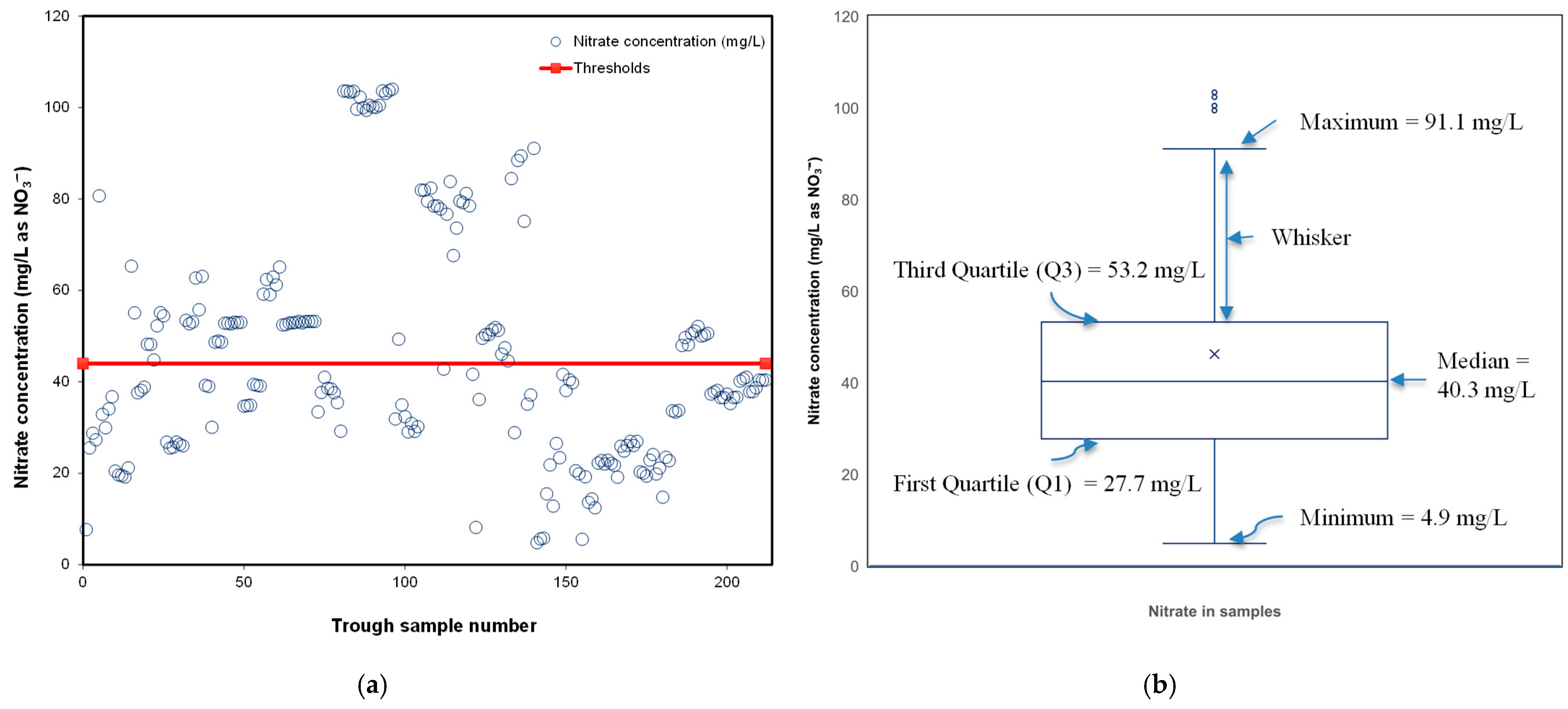
The results of testing nitrate levels in trough drinking water suggest that the levels present are likely not causing any short-term acute harm for cattle health, with an average concentration of 45 ppm, which is only marginally higher than the recommended level of 44 ppm. There was, however, a significant portion of the troughs, 47%, that were above the recommended level. While there is not much information on the health effects of slightly elevated nitrate levels over long-term ingestion, it may not be optimal for cattle health, with some studies observing a drop in fertility after several years of high nitrate concentrations in drinking water [
16,
17,
18]. This is especially true if the nitrate levels in the cattle’s feed are elevated because of the additive effects of nitrate in their diet. Six percent of the troughs exceeded the 88 ppm benchmark for nitrate concentration, which indicates that even with a diet low in nitrate, it may be harmful for the health of the cattle if the nitrate concentration remains elevated for an extended period of time.
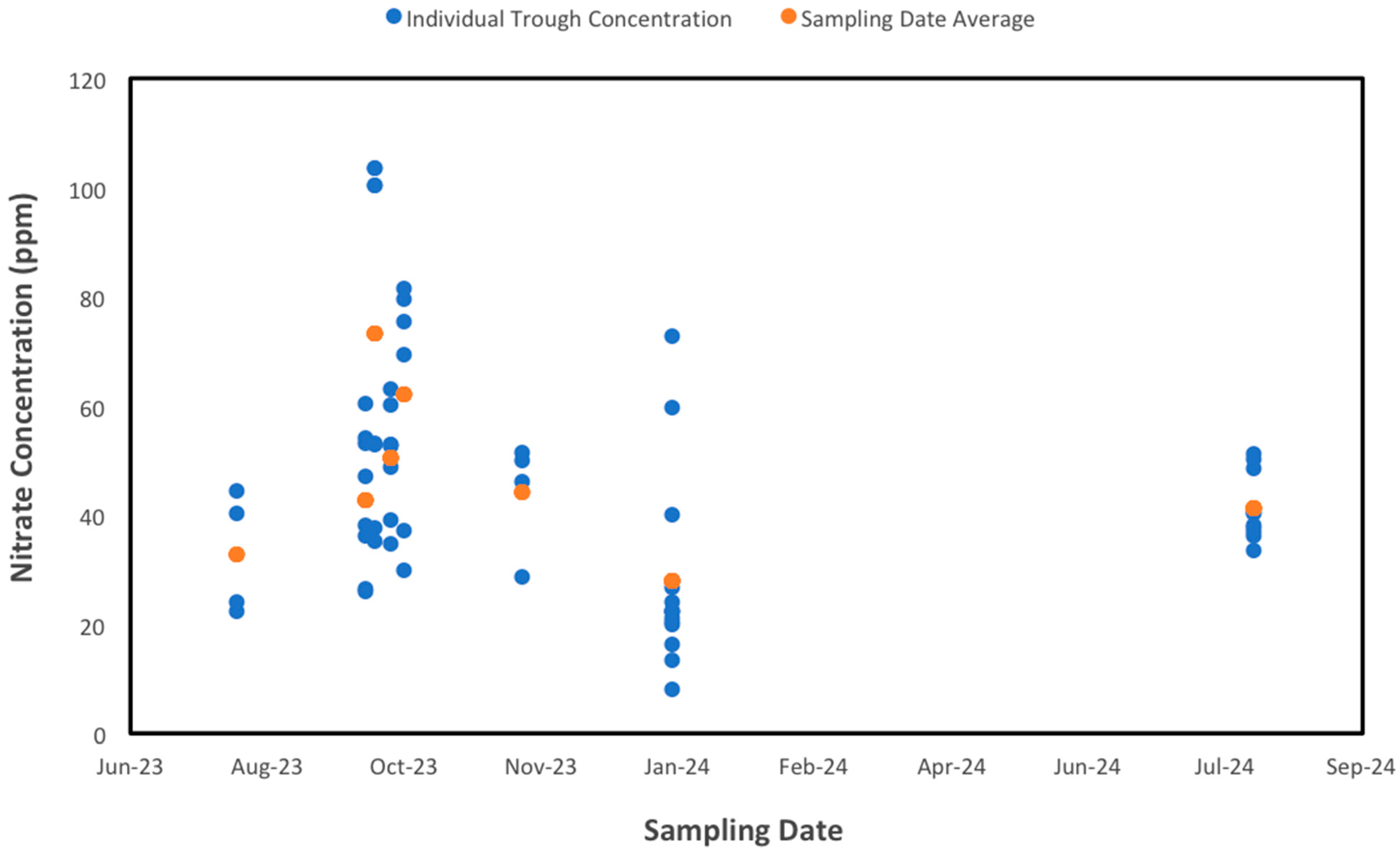
Samples were collected multiple times throughout the year from several different farms in the same region of central California. While there was a lot of variability in nitrate concentrations even on the same sampling dates, it appears that there is some seasonality to the nitrate concentrations—peaking around fall time—so it may be that the most elevated nitrate levels would not persist long enough for major detrimental health effects, but as mentioned previously, the health effects may also depend on the nitrate levels in feed, and concentrations between 44 and 88 ppm may still not be optimal. The trend of increased nitrate concentrations in the trough water occurring around fall is consistent with the literature and is likely due to less sunlight and decreased plant growth, as well as low levels of precipitation to dilute groundwater nitrate concentrations; in general, lower temperatures and less precipitation tend to correlate with higher concentrations of groundwater nitrate [
12]. The manure application schedule of each farm may also influence trends of elevated nitrate levels in groundwater and subsequently trough water, and the timing of surrounding synthetic fertilizer applications may also be affecting the seasonality observed. Overall, the nitrate levels found in the drinking water troughs were not high enough to suggest there are immediate and acute health effects for cattle, but a significant portion of the troughs exceeded recommended levels, and if ingested over the long term with feed with high levels of nitrate as well, there may be some cause for concern for long-term health impacts.
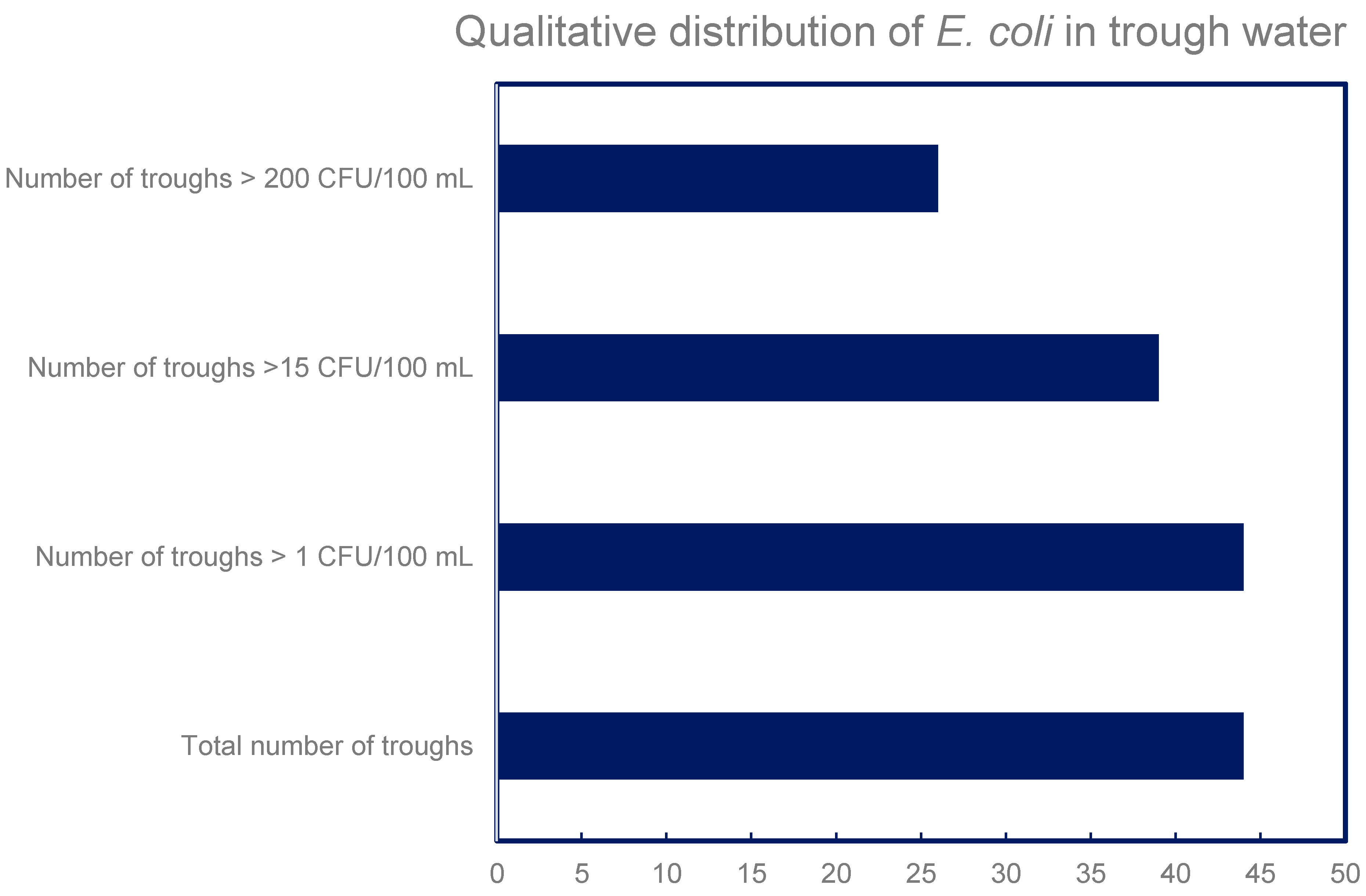
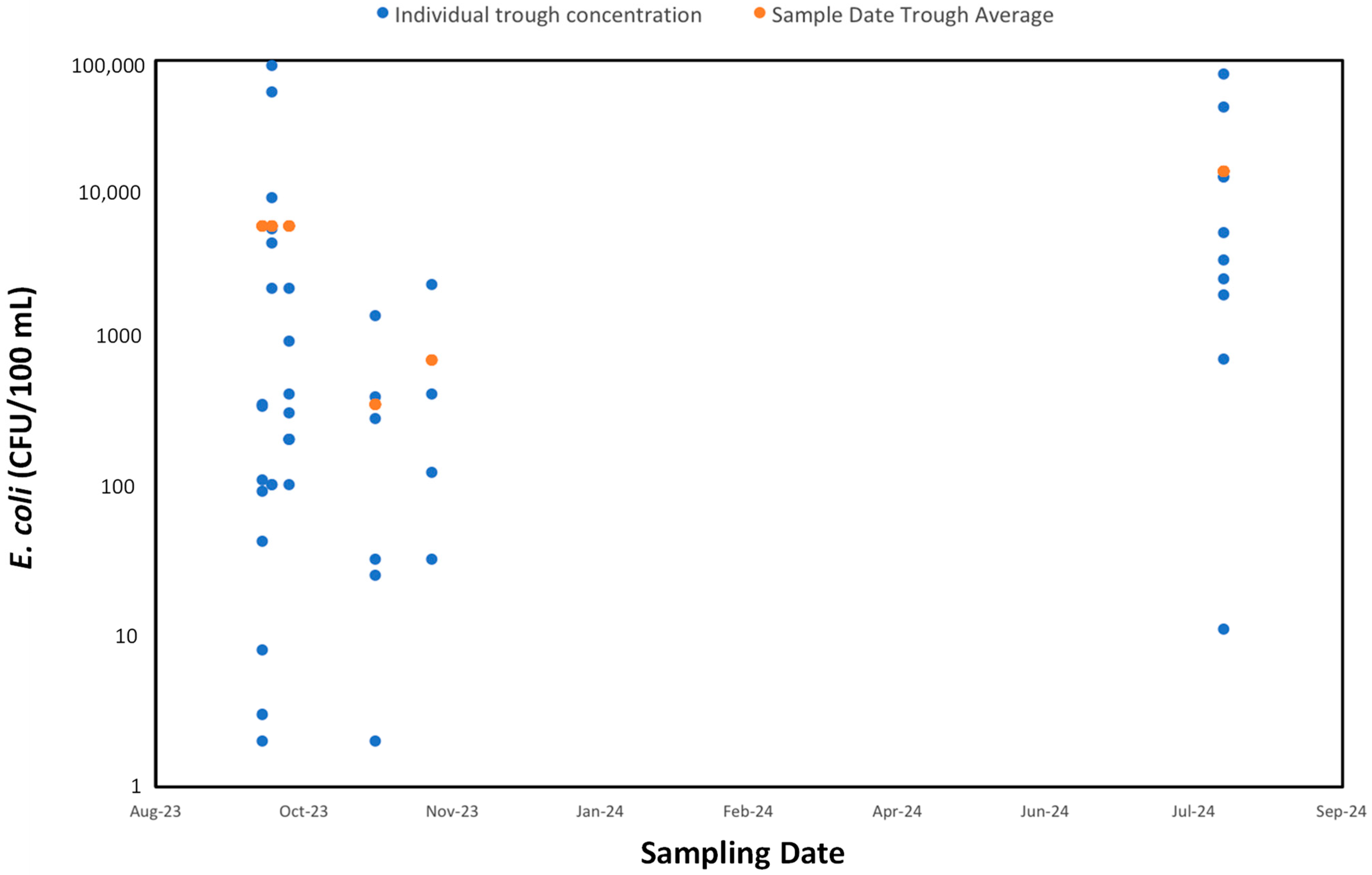
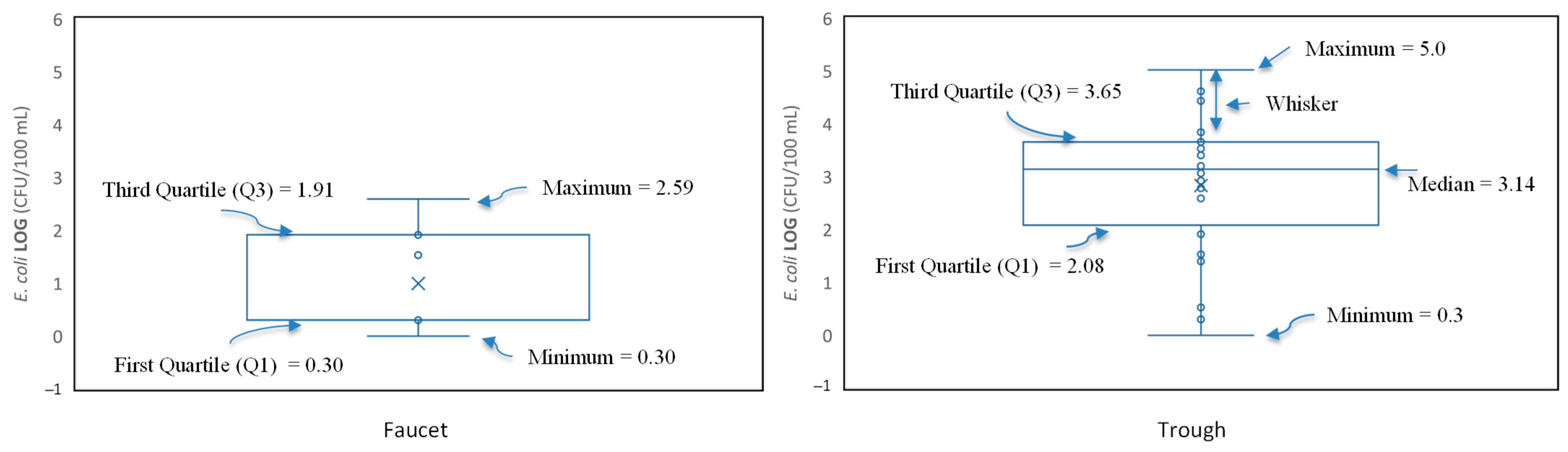
The E. coli levels in troughs largely exceeded the recommended levels found in the literature for cattle health. The 15 CFU/100 mL benchmark suggested for adult cattle was exceeded in 39 of the 44 troughs sampled (89%), and 26 of the troughs exceeded the more conservative benchmark of 200 CFU/100 mL (59%). This suggests that not only are bacterial levels higher than is optimal for each cattle’s individual health, but there is also a likely risk of disease transmission throughout the herd with levels so high. Additionally, when bacteria levels were plotted versus time of year, there was again a trend of seasonality, with the highest bacteria counts generally occurring in late summer and early fall.
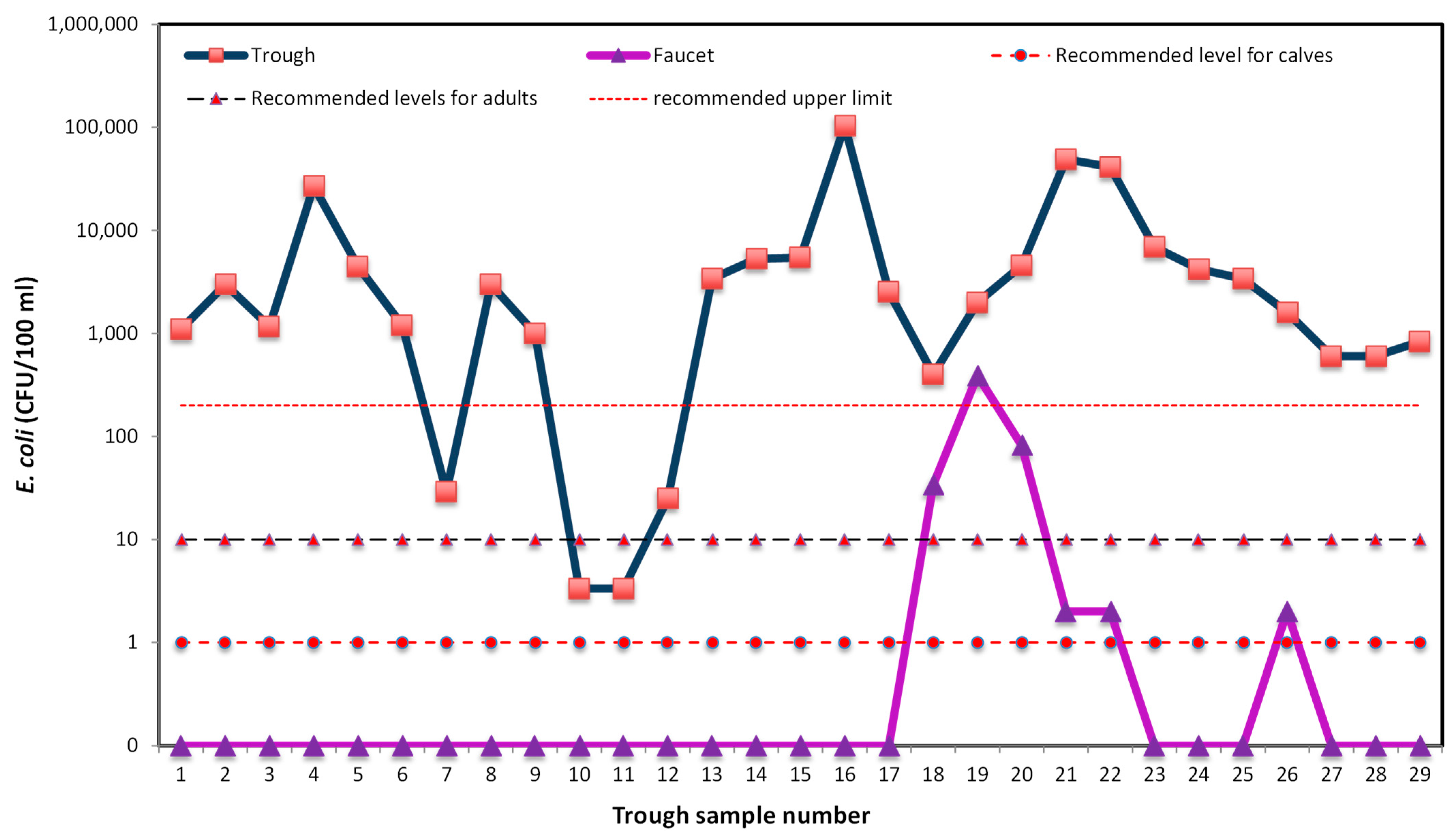
The variability in bacteria counts between different troughs and throughout the year may in some part be explained by the source of the bacterial contamination itself. When samples of the trough water (where cattle had already had the chance to drink from the troughs) were compared to the samples collected directly from the faucet (i.e., directly from the groundwater and before any contact with the cattle), there was a statistically significant difference between the mean bacteria levels in the trough and faucet samples
(p < 0.05;
t-test; normal distribution assumptions). In fact, most of the faucet samples were within the recommended levels, with only one sample exceeding 200 CFU/100 mL and only three samples exceeding 15 CFU/100 mL. A total of 24 samples (80%) even had a bacteria count of 0 CFU/100 mL. The troughs, on the other hand, had consistently higher levels in every sample taken, suggesting that a significant contribution of bacteria occurred after the water reached the troughs. This supports the literature that bacterial contamination in cattle drinking water troughs is not always from the groundwater itself but from the cattle themselves via manure contamination or saliva [
19]. The faucet samples that did have elevated bacteria levels compared to other samples shows that there can still be some bacterial loads in groundwater, and it suggests that perhaps the well sourcing the groundwater is contaminated. One reason for this could be due to the well being too close to the manure disposal site or some kind of pipe contamination.
Cattle’s water intake is largely influenced by ambient temperature, and the higher temperatures in late summer and early fall likely leads to increased quantity or frequency that cattle are drinking from the troughs, therefore correlating with higher bacteria levels. There was a lot of variability in bacteria counts between troughs even on the same day and at the same farm locations; so, the ambient temperature is only one factor affecting bacteria levels, but many different factors affecting the bacterial quality of trough water exist including the volume of water in troughs, the material of troughs, distance to the milking parlor, and ambient temperatures [
20,
21]. In addition to bacteria and nitrate, many other contaminations in water such as polyfluoroalkyl substances (PFAS), arsenic, and total dissolved solids are also a concern. Previous studies have shown that the quality of drinking water offered to cattle may affect rumen physiology, feed intake and milk yield. For example, total dissolved solids higher than 1000 ppm have a negative impact on cattle and milk production [
22]. Often grazing animals access drinking water from ponds located in ranches, and a study showed that total coliform and
E. coli were present in more than 95% and 55% of the samples, and 39% of samples exceeded the maximum upper level for TCB, which was set to 1000 CFU/100 mL [
23]. Other studies suggested to add 3-NOP (i.e., 3-Nitrooxypropanol) to cattle drinking water as a strategy to reduce enteric greenhouse gas (GHG), methane, emission from cattle; however, additional research is needed to evaluate long-term impacts of these strategies on cattle [
24]. Contaminants such as PFAS present in cattle drinking water result in the presence of perfluoroalkyl sulfonic acid (PFSA) in plasma, milk and tissue samples of dairy cattle [
25]. In general, cows are able to adapt their drinking water behavior to the level of water availability and temporary restrictions [
26]; however, the quality of water and feed is critical, as it can affect cattle performance and health [
27,
28]. On a dairy farm, it is particularly important, because prolonged reduced water intake and unhealthy water and feed can reduce milk production and reproductive health [
29,
30].
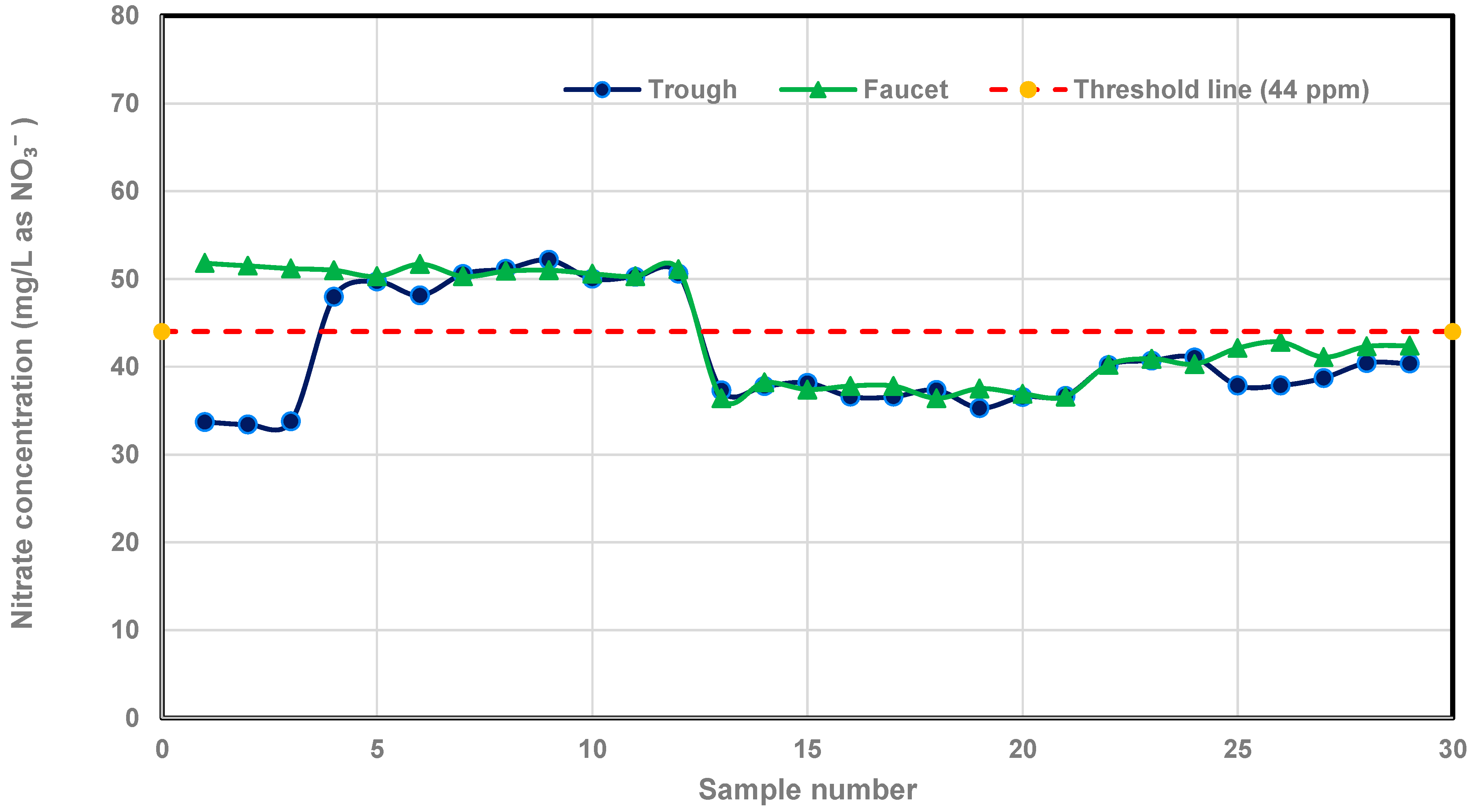
In terms of the nitrate levels in the faucet and trough water for dairy cattle, a comparison is shown in
Figure 6. Comparing nitrate concentrations in the faucet versus trough samples showed a much different relationship; the concentration of nitrate found in the faucet samples was very similar to those from the trough. This confirms that the nitrate is in fact coming from the groundwater, and the cattle themselves are not contributing a significant amount to the drinking water nitrate concentrations. Interestingly, the nitrate concentrations for 24 of the 30 total faucet samples were higher than the concentration of the trough water. One possible explanation for this is that the nitrate levels in the groundwater were rising at time of sampling, and there is a lag between the concentrations of the troughs reaching those of the groundwater sources. Because the difference of nitrate levels between troughs and faucets were from only one sampling date, this is merely a conjecture and may or may not represent a larger trend of increasing nitrate concentrations in groundwater. An alternative possibility is that water in the troughs had become anaerobic due to levels of manure and algae consuming oxygen, which could have led to conditions where some nitrate was reduced [
21].