

Review

Distinctive Climate Change Features in Latvia and Their Implications for Freshwater Ecosystems

1
Department of Geography, Faculty of Science and Technology, University of Latvia, Raiņa Bulvāris 19, LV-1586 Riga, Latvia
2
Department of Environmental Science, Faculty of Science and Technology, University of Latvia, Raiņa Bulvāris 19, LV-1586 Riga, Latvia
3
Institute of Biology, Faculty of Medicine and Life Sciences, University of Latvia, Raiņa Bulvāris 19, LV-1586 Riga, Latvia
4
Latvian Environment, Geology and Meteorology Centre, Latgales Iela 165, LV-1019 Riga, Latvia
*
Author to whom correspondence should be addressed.
Water 2026, 18(16), 2015; https://doi.org/10.3390/w18162015
Submission received: 3 July 2026 / Revised: 10 August 2026 / Accepted: 14 August 2026 / Published: 18 August 2026

Abstract

Climate change is increasingly affecting freshwater ecosystems across Northern Europe, yet the responses of inland waters differ according to regional climatic and environmental conditions. Latvia, located within the boreo-nemoral transition zone, provides an important case for understanding these responses. This review synthesises published evidence on climate-driven changes in Latvian inland surface waters by integrating information on climatic trends, hydrological processes, hydrochemical responses and freshwater biota. The available evidence indicates that increasing air temperature, changing precipitation patterns and more frequent hydrological extremes have altered river discharge, ice regimes, water temperature and lake processes. These hydrological changes generate cascading effects on nutrient transport, dissolved organic matter and water quality, ultimately influencing primary production, community composition, species redistribution and fish communities. The review identifies hydrology as the principal mechanism linking climatic forcing with hydrochemical and biological responses. Although the overall direction of change is consistent with observations across Northern Europe, local catchment characteristics and multiple stressors modify ecosystem responses in Latvia. The synthesis also identifies major knowledge gaps regarding ecosystem-scale processes, ecological thresholds and long-term integrated monitoring. Addressing these gaps will improve understanding of climate-driven changes in Latvian inland waters and strengthen the scientific basis for adaptive freshwater management in Latvia and comparable northern European regions.

1. Introduction

Climate change is altering freshwater systems worldwide through changes in air temperature, precipitation, atmospheric circulation, and the frequency of extreme events. These changes modify hydrological processes, water quality, and aquatic ecosystems, making inland waters one of the most sensitive indicators of environmental change [1,2,3,4,5,6].
Despite considerable progress in understanding climate change impacts on freshwater ecosystems, important knowledge gaps remain, as existing studies are unevenly distributed among ecosystem components, taxonomic groups, and geographic regions [3,7,8].
Although numerous studies have examined climate change impacts on individual components of freshwater systems, relatively few have integrated evidence across hydrology, hydrochemistry and freshwater ecology within a single conceptual framework [3,8]. Consequently, interactions among these components remain insufficiently understood, limiting a comprehensive understanding of climate-driven changes in freshwater systems.
Latvia provides a suitable case for such an integrated analysis due to its location within the boreo-nemoral transition zone and its position between the maritime and continental climatic regions of Europe. The varying influence of maritime and continental air masses creates pronounced regional climatic gradients and a gradual increase in continentality from west to east [9,10,11]. Consequently, climatic conditions in Latvia are spatially heterogeneous, influenced by proximity to the Baltic Sea and Gulf of Riga, as well as by topography and land cover [12,13]. The country is also rich in inland surface waters, with more than 12,000 rivers and over 2000 lakes larger than 1 ha [14], providing diverse conditions for examining climate-driven changes in freshwater systems.
Despite the availability of long-term observations and numerous studies addressing individual components of freshwater systems, no recent review has synthesised climate-driven changes across climatic, hydrological, hydrochemical and biological domains within a single framework [15,16].
To address this gap, this review presents the first integrated synthesis of climate-driven changes in Latvian inland surface waters, linking climatic trends with hydrological, hydrochemical and biological responses within a Climate–Hydrology–Hydrochemistry–Biota cascade. This framework illustrates how climatic drivers propagate through freshwater systems and identifies major knowledge gaps relevant to future research and adaptive water management.
Accordingly, this review aims to synthesise current knowledge on (i) the principal climatic changes observed in Latvia, (ii) their effects on hydrological processes, (iii) the reported hydrochemical and biological responses of inland waters, and (iv) the major priorities for future research.
Although focused on Latvia, the review provides a framework that may also support similar syntheses in other boreo-nemoral and northern temperate regions experiencing comparable climate-driven changes.

Scope of the Review

This manuscript is a narrative review intended to provide a comprehensive synthesis of published knowledge on climate change impacts on Latvian inland surface waters. The review includes peer-reviewed journal articles, scientific books and book chapters relevant to climatic, hydrological, hydrochemical and biological responses of inland waters. Relevant publications were identified using combinations of topic-related keywords, including Latvia, climate change, inland waters, rivers, lakes, hydrology, hydrochemistry, water quality, freshwater ecology, and aquatic biodiversity, together with reference lists of key publications. Because research on climate change impacts on Latvian inland surface waters has been conducted by a limited number of research groups, the review aimed to include all relevant published studies addressing this topic.
The review primarily focuses on studies published from the 1990s onwards, when climate change became an increasingly important topic in freshwater research. Earlier publications were retained where they provide essential baseline information, document long-term environmental changes in Latvia, or support the interpretation of observed climate-related changes. Conference abstracts and unpublished materials were excluded.
The selected literature was organised thematically according to the Climate–Hydrology–Hydrochemistry–Biota framework applied throughout the review.
Given the heterogeneity of the reviewed studies, no formal quality-scoring system was applied. Instead, the strength and representativeness of the available evidence were considered qualitatively in relation to study design, spatial coverage and temporal extent, with particular attention to whether conclusions were supported by long-term or multi-site observations or were based on individual study sites.
OpenAI ChatGPT (GPT-5.5) was used during manuscript preparation to assist with English-language editing, improve readability, and support the organisation and restructuring of selected passages. The tool was not used to independently select literature, generate or analyse data, or determine the scientific conclusions of the review. All AI-assisted text was critically reviewed, edited and verified by the authors, who take full responsibility for the final content of the manuscript.

2. Climate Drivers and Recent Trends Relevant to Freshwater Systems in Latvia

Air temperature in Latvia has increased over the long term, with the most pronounced warming observed during winter and spring [13,17]. This seasonal asymmetry is particularly important for freshwater systems, as it directly influences snow accumulation, the timing of snowmelt, and the duration of ice cover. In addition to changes in mean conditions, an increase in the number of days with extremely high air temperatures and a decrease in extremely low temperature days have been documented [18,19], indicating a shift in temperature extremes. Changes in the diurnal temperature range have also been observed, although these vary seasonally and do not show a consistent annual trend [20].
Recent analyses further confirm the magnitude and spatial variability of warming in Latvia. Comparisons across successive climatological reference periods demonstrate a clear shift in air temperature distributions relative to the baseline period of 1961–1990. The most pronounced warming has occurred in winter, with increases of around 2 °C, particularly in inland regions where continental influences are stronger. In contrast, spring and summer temperatures have increased more moderately, by approximately 1 °C, while changes in autumn are weaker and mainly evident in recent decades. Overall, the annual mean temperature has increased by about 1.2 °C, corresponding to a rate of approximately 0.4 °C per decade, which is higher than reported European averages [13].
Precipitation in Latvia is characterised by high spatial and temporal variability, and long-term trends are not uniform across the country [21,22]. However, more recent assessments indicate an overall increase in annual precipitation over the period 1951–2020, with statistically significant increases observed at the majority of monitoring stations [22]. The most pronounced increases occur during winter, particularly in January and February, indicating shifts in seasonal precipitation patterns. At the same time, an increase in the frequency and intensity of heavy and very heavy precipitation events has been documented [18,22,23], reflecting changes not only in total amounts but also in precipitation characteristics. These changes directly influence runoff generation, soil moisture conditions, and the mobilisation of nutrients and organic matter from catchments.
Changes in snow conditions provide additional evidence of shifting winter regimes. A decrease in snow cover duration has been observed across the Baltic States, with the most pronounced reductions occurring in early and late winter, and statistically significant trends detected in spring months [24]. These changes are consistent with increasing temperatures and changes in precipitation phase, and they have important implications for seasonal runoff dynamics, including reduced snow storage and altered timing of peak flows.
In addition to gradual trends, climate extremes have become an increasingly important component of climate variability in Latvia. Long-term observations indicate a rise in temperature-related extremes, including increases in warm days, heat waves, and tropical nights, alongside a decline in cold extremes such as frost and ice days [25]. Recent findings highlight not only an increase in the frequency of heat waves, but also their duration and intensity, particularly during summer months [25]. Precipitation extremes show similar tendencies, with increases in the occurrence of heavy rainfall events and greater short-term intensity [19]. Emerging evidence also points to increasing persistence of contrasting hydroclimatic conditions, with more frequent prolonged warm and dry spells alongside cold and wet periods in the Baltic region [26]. These changes highlight the growing importance of variability, persistence, and extremes in shaping hydrological responses.
Atmospheric circulation exerts a strong control on climate variability in Latvia, with the North Atlantic Oscillation (NAO) playing a dominant role [4,5]. Positive NAO phases are associated with increased westerly airflow, resulting in warmer and wetter winter conditions. In Latvia, these circulation patterns have been linked to variations in temperature, precipitation, and river discharge [18,19,21], highlighting the influence of large-scale atmospheric drivers on regional hydrological processes.
Climate projections for Latvia consistently indicate continued warming and increasing annual precipitation, particularly during the winter season [6,27,28,29]. Under higher-emission scenarios, mean annual air temperature may increase by approximately 4 °C by the end of the twenty-first century, accompanied by substantial increases in winter precipitation and evaporation [28]. These changes are expected to enhance winter runoff, reduce the importance of snowmelt-driven spring floods, and increase the likelihood of high-flow events associated with more frequent winter rainfall and heavy precipitation episodes. At the same time, increasing temperatures and variability in precipitation may contribute to more frequent low-flow conditions during summer. Although projections vary in magnitude depending on models and emission scenarios, they consistently indicate a shift towards warmer, wetter winters and more variable hydrological regimes. Taken together, these climatic changes define the boundary conditions for freshwater systems in Latvia. Increasing temperatures, seasonal redistribution of precipitation, declining snow cover, changes in atmospheric circulation, and a growing role of extreme and persistent events collectively alter runoff generation, ice dynamics, and water temperature regimes. These hydrological responses form the basis for subsequent changes in water chemistry and biological communities, as discussed in the following sections.

3. Hydrological Responses to Climate Change

Hydrological processes represent the primary pathway through which climate change influences freshwater ecosystems. In Latvia, river discharge, floods, droughts, water temperature, and ice conditions are closely linked to changes in air temperature, precipitation, and snow accumulation, while regional differences are further controlled by catchment characteristics and the west–east climatic gradient [14]. Consequently, hydrological responses represent some of the earliest manifestations of climate change in inland waters and largely determine subsequent hydrochemical and ecological processes [8].

3.1. Long-Term and Seasonal Runoff Changes

River runoff in Latvia has undergone substantial changes during recent decades in response to increasing air temperature, altered precipitation patterns, and declining snow accumulation. Historically, Latvian rivers were characterised by pronounced spring snowmelt floods and relatively low winter discharge, particularly in the eastern part of the country where continental climatic influences are stronger [30,31]. However, warmer winters and more frequent thaw events have progressively shifted runoff from spring towards winter, resulting in increasing winter discharge, declining spring runoff, and a more even annual distribution of river flow [21,31,32,33,34]. For example, winter discharge increased by 11% during 1988–2009 compared with 1951–1987, whereas spring discharge decreased by 8% over the same period [31].
Updated analyses extending observations to 2020 confirm that these changes have continued under ongoing climate warming [30,34]. Although the magnitude of change differs among river basins, the direction of seasonal redistribution is consistent throughout Latvia and closely follows observed increases in winter air temperature and precipitation [13]. Similar changes have been reported across the Baltic States and other snow-dominated catchments of Northern Europe, indicating a regional transition from snowmelt-controlled towards increasingly rainfall-influenced runoff regimes [6,32,33].
The redistribution of seasonal runoff has important implications for freshwater systems. Earlier runoff generation and weaker spring floods modify river connectivity, sediment transport, and the mobilisation of nutrients and dissolved organic matter from catchments, while increasing winter discharge alters hydraulic residence time and flow variability. These hydrological changes form the basis for subsequent hydrochemical and ecological responses in Latvian inland waters.

3.2. Floods and Hydrological Droughts

Changes in runoff seasonality have been accompanied by substantial modifications in the occurrence of hydrological extremes. Traditionally, annual flood regimes in Latvia were dominated by spring snowmelt but increasing winter temperatures and changing precipitation patterns have progressively altered flood generation processes [14,31]. Recent analyses of long-term observations from Latvian rivers demonstrate that spring flood peaks now occur, on average, almost three weeks earlier than during the second half of the twentieth century, while flood magnitude generally shows declining tendencies due to reduced snow accumulation [34]. Consequently, winter rainfall and thaw events have become increasingly important drivers of high-flow conditions.
These changes are consistent with observations from neighbouring Baltic countries, where earlier flood occurrence, reduced dependence on snowmelt, and increasing importance of rainfall-generated floods have been widely reported [35,36,37]. Although snowmelt floods remain an important component of the hydrological regime in many Latvian rivers, flood generation is becoming increasingly controlled by winter precipitation and short-term meteorological variability.
At the same time, climate change is increasing the likelihood of hydrological droughts across the Baltic region. Rising air temperatures together with increasing variability in summer precipitation contribute to more frequent and prolonged low-flow periods, particularly in smaller catchments [38].
Although evidence for long-term drought trends in Latvia remains less consistent than for flood dynamics, recent regional studies suggest that hydrological drought is becoming an increasingly important component of hydroclimatic variability under continued warming.
Together, these changes indicate a progressive increase in hydrological variability across Latvia, characterised by earlier and less pronounced spring floods, increasing winter high-flow events, and a greater risk of summer low flows [14,31]. Such changes directly influence river morphology, sediment transport, nutrient mobilisation, and the exchange of dissolved substances between catchments and inland waters, thereby modifying the hydrological pathways that govern subsequent hydrochemical and biological processes [1,2,3].

3.3. Water Temperature, Ice Regime and Lakes

Water temperature and ice conditions are among the most sensitive indicators of climate change in inland waters, responding rapidly to increasing air temperature and changing winter conditions. Long-term observations in Latvia demonstrate consistent warming of both river and lake waters, accompanied by progressively shorter ice seasons, earlier ice breakup, and later freeze-up [39,40,41,42,43,44]. For example, annual mean water temperature in Latvian lakes increased by 0.4–0.8 °C during 1987–2002 compared with the preceding period [40]. These changes are particularly pronounced during spring, reflecting earlier snowmelt and a longer open-water period.
The warming of inland waters affects both physical and ecological processes. Higher water temperatures modify thermal stratification, mixing regimes, oxygen dynamics, and habitat conditions, while shorter ice-cover duration extends the growing season for aquatic organisms [1,41]. Although interannual variability is partly controlled by large-scale atmospheric circulation, particularly the North Atlantic Oscillation [21,44], long-term warming remains the dominant driver of observed changes. Similar trends have been reported throughout the Baltic region, indicating a coherent regional response of inland waters to climate change [6,39].
Compared with rivers, hydrological responses of lakes are more strongly influenced by basin morphometry, groundwater interactions, and, in some cases, historical water-level regulation [39,40]. Consequently, long-term climate signals are generally more evident in lake thermal and ice regimes than in water-level fluctuations. Nevertheless, Latvian lakes integrate atmospheric forcing over long time scales and therefore provide valuable indicators of ongoing climatic change and its effects on freshwater ecosystems.

3.4. Future Hydrological Changes

Climate projections consistently indicate that the hydrological regime of Latvian inland waters will continue to change throughout the twenty-first century in response to increasing air temperature, changing precipitation regimes, and declining snow accumulation [6,27,28,29]. Although projected changes differ in magnitude among climate models and emission scenarios, all studies indicate a continued redistribution of runoff from spring towards winter, accompanied by shorter ice seasons and increasing hydrological variability.
Future conditions are expected to be characterised by higher winter discharge, weaker and earlier spring floods, increasing importance of rainfall-generated flood events, and a greater likelihood of prolonged summer low-flow periods [14,28,29,34]. Recent studies indicate that, despite continued winter warming, heavy precipitation and changes in river ice regimes will remain important drivers of flood risk in Latvia and the Baltic region [34,36,37].
Collectively, these changes indicate a continued transition from snowmelt-dominated towards rainfall-dominated hydrological regimes across Latvia.
Overall, evidence from long-term observations and climate projections consistently demonstrates that climate warming is fundamentally reorganising the hydrological functioning of Latvian inland waters. The redistribution of seasonal runoff has important implications for freshwater systems. Earlier runoff generation and weaker spring floods modify river connectivity, sediment transport, and the mobilisation of nutrients and dissolved organic matter from catchments, while increasing winter discharge alters hydraulic residence time and flow variability [2,3,45].
Consequently, hydrological change represents the principal mechanism linking climatic forcing with hydrochemical processes and provides the foundation for understanding subsequent changes in water quality and freshwater biota.

4. Hydrochemical Responses to Climate Change

Hydrological changes described in the previous section directly influence the chemical composition of inland waters by regulating water flow pathways, residence time, dilution, and biogeochemical cycling. Consequently, climate-driven changes in runoff seasonality, flood frequency, drought occurrence, water temperature, and ice conditions increasingly affect the mobilisation, transport, retention, and transformation of dissolved and particulate substances within catchments and aquatic ecosystems [2,45,46]. Long-term hydrochemical monitoring, initiated in Latvia in 1946, provides a valuable basis for evaluating these changes and distinguishing climate-driven responses from the effects of land use and other anthropogenic pressures.

4.1. Major Ions

The chemical composition of Latvian inland waters is primarily controlled by catchment geology and groundwater inputs. Bicarbonate and calcium are the dominant ions in most rivers and lakes, whereas elevated sulphate and magnesium concentrations occur in parts of the Lielupe River basin due to the underlying geology. Higher concentrations of chloride, sulphate, and sodium are characteristic of river mouths and coastal lakes influenced by the Baltic Sea [47].
River discharge is one of the principal controls of major ion concentrations. Long-term observations reveal significant negative relationships between discharge and the concentrations of the dominant dissolved ions, reflecting dilution during high-flow periods and greater groundwater contributions during low-flow conditions [48,49]. In eight Latvian rivers, discharge explained 18–72% of the variability in HCO3 concentrations, 5–72% in Ca2+, and 16–55% in Mg2+ [49]. Trend analyses indicate increasing concentrations of bicarbonate, calcium, sulphate, and total dissolved solids in several Latvian rivers [47,49]. These trends primarily reflect enhanced carbonate weathering and greater groundwater contributions under changing hydrological conditions. In contrast, sodium and chloride are additionally influenced by atmospheric deposition, marine aerosols in coastal areas, and local anthropogenic sources, resulting in different long-term trends among individual ions [47].

4.2. Nutrient Transport and Cycling

Nutrient dynamics in Latvian inland waters are governed by the combined influence of climate variability and human activities within catchments. Although reductions in agricultural and point-source pollution have contributed to decreasing nutrient concentrations in many medium-sized and large rivers since the 1990s [50,51], climate-driven changes in hydrological processes increasingly regulate nutrient mobilisation, transport, and retention. In particular, runoff pathways, water residence time, and the mineralisation of soil organic matter influence the export of nitrogen and phosphorus from catchments to surface waters [45,46]. Regional studies across the Nordic-Baltic region demonstrate that nutrient responses differ considerably among agricultural catchments owing to variations in land use, soil properties, hydrological conditions, and climate [51,52]. Long-term monitoring in Latvia similarly reveals contrasting trends in total nitrogen concentrations, with decreasing, increasing, and statistically insignificant changes observed among individual catchments, highlighting the strong influence of local catchment characteristics and management practices [53,54].
Nitrogen losses from agricultural catchments are controlled not only by fertiliser inputs but also by climatic conditions and hydrological processes. Warmer winters, increasing winter runoff, and more frequent rainfall during the cold season promote enhanced nitrate leaching and nutrient export, particularly in agricultural catchments [51,52,55].
Extreme hydroclimatic events further amplify nutrient transport. Intense rainfall following prolonged dry periods can generate exceptionally high nitrogen losses and elevated nitrate concentrations in small agricultural catchments [56]. Similarly, projected increases in the frequency and intensity of heavy precipitation are expected to enhance phosphorus export, particularly in particulate form through increased soil erosion [52,56]. Consequently, future nutrient dynamics will increasingly depend on the interaction between climate-driven hydrological change, catchment characteristics, and land management practices [52].

4.3. Dissolved Organic Matter

Long-term observations indicate that organic matter dynamics in Latvian inland waters are increasingly influenced by hydrological and climatic processes. Earlier studies reported declining trends in chemical oxygen demand and water colour, largely attributed to reduced anthropogenic pressures in catchments [57]. Subsequent analyses demonstrated that river discharge is one of the principal controls of dissolved organic carbon export from Latvian catchments [58], while longer-term observations revealed increasing concentrations of dissolved organic matter and water colour, particularly during winter and early spring [59]. Projected increases in winter precipitation and discharge are therefore expected to further enhance the transport of dissolved organic matter from peatland and forested catchments, with potential consequences for water colour, light penetration, microbial activity and oxygen consumption [29,31,60].

4.4. Oxygen Conditions and Overall Water Quality

Climate-driven changes in hydrology and water temperature also influence oxygen dynamics and the overall chemical functioning of freshwater ecosystems. Warmer water temperatures reduce oxygen solubility, while longer periods of thermal stratification and lower summer flows can promote oxygen depletion, particularly in lakes and slow-flowing rivers [1,8]. At the same time, increased inputs of dissolved organic matter and nutrients can stimulate biological oxygen demand and modify biogeochemical cycling, thereby affecting nutrient availability and ecosystem functioning [3].
Overall, hydrochemical conditions in Latvian inland waters reflect the combined influence of climate change, catchment characteristics, land use, and long-term improvements in wastewater treatment and agricultural management. Although improvements in wastewater treatment and agricultural management have so far reduced nutrient loading in many catchments, the intensification of agriculture, together with climate-induced changes in runoff seasonality, hydrological connectivity, and water temperature, will require additional measures to protect aquatic ecosystems.
Hydrochemical conditions mediate the effects of hydrological change on freshwater ecosystems. Alterations in nutrient availability, dissolved organic matter, oxygen conditions, and water transparency directly influence primary production, habitat quality, species interactions, and ecosystem functioning [1,2,3]. Consequently, hydrochemical change provides the principal link between climate-driven hydrological responses and biological community dynamics discussed in the following section.

5. Response of Biotic Communities to Climate Change

Climate-driven changes in hydrology and water chemistry described in the previous sections modify habitat conditions, resource availability, and species interactions in freshwater ecosystems. Consequently, biological responses integrate the cumulative effects of climatic, hydrological, and hydrochemical change and therefore provide one of the most comprehensive indicators of ecosystem response to climate change [2].

5.1. Primary Production

Primary producers are among the first biological components to respond to climate-driven changes in freshwater ecosystems. Rising water temperatures, longer growing seasons, altered hydrological conditions, and increasing nutrient availability collectively favour higher primary production and modify the composition of aquatic plant and phytoplankton communities [2]. Consequently, changes in phytoplankton and macrophyte communities represent some of the earliest biological manifestations of climate change in inland waters.
Among phytoplankton, cyanobacteria are considered particularly sensitive indicators of climate warming. The effects of eutrophication and climate change act synergistically, promoting more frequent, prolonged, and intensive cyanobacterial blooms [61,62].
Long-term observations from the Salaca River indicate that increasing water temperature is an important driver of both cyanobacterial biomass and total phytoplankton biomass, highlighting the potential importance of climatic conditions for primary production at this study site [63].
Climate warming is also expected to promote the expansion of aquatic macrophytes. Surveys conducted in the relatively undisturbed Salaca River revealed a substantial increase in macrophyte cover since the 1980s (from 15–50% in the 1980s to 30–80% in the 2010s), with aquatic vegetation doubling in some river sections [64]. These changes have been attributed to increasing air and water temperatures, a prolonged growing season, and reduced mechanical disturbance associated with thinner ice cover and less intensive ice break-up [64]. Together, these observations indicate that climate warming is already modifying the structure and productivity of primary producer communities in Latvian freshwater ecosystems.

5.2. Community Composition and Phenological Responses

Freshwater community composition responds sensitively to long-term changes in temperature, hydrology, and water quality through shifts in species abundance, functional diversity, and phenology. Increasing temperatures generally favour warm-adapted taxa, whereas cold-adapted species decline, resulting in gradual changes in community structure and ecosystem functioning [7]. Long-term observations in Latvia demonstrate that freshwater communities are already responding to ongoing climatic changes. Zooplankton communities in the middle reach of the Daugava River have undergone considerable changes during the past five decades despite relatively stable levels of anthropogenic pollution, indicating that climatic and hydrological factors have become increasingly important drivers of community dynamics [65]. Increasing air and water temperatures favour thermophilic cladoceran species, whereas the abundance of Rotifera and Copepoda has remained comparatively stable. Zooplankton abundance, biomass, species diversity, and taxonomic composition are strongly influenced by temperature and water-level fluctuations, particularly during spring floods, resulting in a gradual shift from cryophilic to thermophilic communities [42,43,65]. Furthermore, projected changes in runoff seasonality, increasing winter discharge, and reduced spring floods are expected to modify biodiversity and ecosystem functioning in floodplain lakes by altering hydrological connectivity [66,67,68].
Comparable patterns have been observed in benthic macroinvertebrate communities. Analyses performed within the European Long-Term Ecological Research (eLTER) network, including two monitoring sites in the Salaca River, demonstrated that community responses were primarily explained by regional differences, followed by antecedent climatic conditions and local habitat characteristics [16]. At the Latvian sites, increasing mean air temperature, higher mean daily precipitation, and more frequent extreme precipitation events were recorded during the study period, consistent with the climatic changes described in the previous sections. Although overall abundance and taxonomic richness remained relatively stable, significant shifts occurred in community composition. Higher temperatures were associated with increased Shannon diversity, changes in the relative contribution of Ephemeroptera, Plecoptera and Trichoptera (EPT) taxa, and an increasing abundance of Ephemeroptera, whereas the richness and abundance of the cold-adapted Plecoptera declined [16]. These observations agree with broader European studies indicating that Plecoptera are among the freshwater invertebrates most vulnerable to climate warming owing to their narrow thermal tolerance [69,70], whereas many Trichoptera species exhibit broader ecological tolerances and are therefore considered less sensitive to climatic change [71].
Climate change also modifies the phenology of freshwater communities. Earlier emergence has been documented for several aquatic insect groups across Europe [72,73]. In Latvia, the emergence of the pale burrower mayfly Ephoron virgo now occurs up to two weeks earlier than approximately 90 years ago, corresponding to the long-term increase in mean annual air temperature [74]. Earlier emergence and changes in life-cycle timing may alter trophic interactions, species synchrony, and ecosystem functioning, particularly where climatic warming coincides with changes in hydrological conditions.
Overall, the available evidence indicates that climate change is progressively restructuring freshwater communities in Latvia through changes in species composition, functional diversity, and phenology. However, biological responses remain strongly influenced by local habitat conditions, hydrological variability, and other anthropogenic pressures, emphasising the importance of long-term integrated monitoring for distinguishing climatic effects from other environmental drivers.

5.3. Species Redistribution and Range Expansion

Climate warming is increasingly altering the geographical distribution of freshwater species by facilitating the expansion of warm-adapted taxa while restricting cold-adapted species. In Northern Europe, continued climate change is expected to increase the richness of freshwater communities through northward range shifts, although these gains may be accompanied by the regional decline or disappearance of cold-water species [7]. Consequently, changes in species distributions have become one of the clearest biological indicators of ongoing climate change.
Evidence of climate-driven range shifts has been accumulating in Latvia over the past decade. An earlier study by Kalniņš [75] documented an increasing occurrence of dragonfly species typical of southern Europe. More recently, the least water snipefly Atrichops crassipes has expanded its distribution northwards and has been recorded for the first time in Latvia [76]. Similar distributional changes have also been observed for three dragonfly species newly recorded in Latvia, which are regarded as indicators of climate warming and the continuing northward expansion of southern European fauna [77]. These findings demonstrate that climate warming is already contributing to the northward expansion of freshwater species in Latvia, indicating that changes in species distributions have become detectable even in the northern Baltic region. Continued warming is expected to further modify freshwater communities through ongoing range shifts and the establishment of warm-adapted species.

5.4. Fish Responses to Climate Change

Fish communities integrate the cumulative effects of climate change through alterations in thermal habitat, hydrological regimes, migration patterns, reproductive success, and species interactions. Consequently, changes in fish community composition and life-history characteristics provide valuable indicators of long-term ecological responses to climate change in freshwater ecosystems [2,7].
Long-term evidence from Latvia indicates that climate warming has already influenced both the composition and geographical distribution of freshwater fish communities. Comparisons of archaeological records with observations from the nineteenth and twentieth centuries demonstrate an increasing occurrence of warm-water species, including European catfish (Silurus glanis), pike-perch (Sander lucioperca), and asp (Leuciscus aspius), whereas cold-water species, such as vendace (Coregonus albula) and European smelt (Osmerus eperlanus), have declined. Since 2008, a new Ponto-Caspian species has been recorded in Latvian rivers. Initially identified as Sabanejewia aurata, it was subsequently confirmed as the northern golden loach Sabanejewia baltica, illustrating the continuing northward expansion of southern freshwater fauna [78,79].
Climate-driven changes are also reflected in the ecological structure of fish communities. Long-term monitoring in the Salaca River demonstrates that increasing water temperature together with altered river discharge has modified the relative abundance of fish ecological guilds [63]. The proportion of tolerant species has increased over time, particularly among phytophilic and omnivorous fishes, while warm-water species such as riffle minnow (Alburnoides bipunctatus) have become more abundant. In parallel, migratory salmonids exhibit clear phenological responses. Atlantic salmon (Salmo salar) and sea trout (Salmo trutta) smolts now migrate earlier than previously observed; the duration of the migration period has shifted, smolt age has decreased, and body length at a given age has increased, indicating climate-related changes in growth and life-history characteristics associated with increasing water temperature [80]. Collectively, these observations provide increasing evidence that climate change contributes to long-term changes in Latvian fish communities, although its effects frequently interact with other environmental drivers [78].
The response of fish populations to climate change is frequently amplified by interactions with other environmental pressures. The decline of the European river lamprey (Lampetra fluviatilis) illustrates the combined influence of climatic and anthropogenic drivers. Reduced winter ice cover allows grey seals (Halichoerus grypus) to remain in coastal waters during the lamprey fishing season, increasing predation pressure, while earlier spring floods and hydropower operation on the Daugava River modify migration routes and reduce spawning success [81]. This example demonstrates that climate change often acts together with river regulation and other human activities rather than as an isolated driver.
Future warming is expected to further modify Latvian fish communities by facilitating the establishment and spread of non-native species. Modelling studies indicate that Asian carps (Hypophthalmichthys molitrix and Hypophthalmichthys nobilis) may become increasingly suitable for aquaculture and potentially for natural ecosystems under warmer climatic conditions, whereas suitable habitats for pumpkinseed (Lepomis gibbosus) may expand in western Latvia and the lower Daugava River [82]. Climate change is also expected to affect freshwater aquaculture, where increasing water temperatures and more frequent weather extremes require greater management efforts to maintain fish health, production efficiency, and economic sustainability [83].
Overall, available evidence indicates that climate change is progressively reshaping Latvian fish communities through changes in species composition, geographical distribution, ecological guild structure, migration phenology, and habitat suitability. However, these responses remain strongly mediated by hydromorphological alterations, river regulation, fisheries management, invasive species, and other anthropogenic pressures. These findings demonstrate that biological responses represent the cumulative outcome of interacting climatic, hydrological, hydrochemical and anthropogenic drivers, highlighting the need for integrated assessments capable of disentangling the relative importance of these multiple stressors. Continued long-term monitoring and integrated ecosystem-based management are therefore essential for distinguishing climatic effects from other drivers and for supporting effective adaptation of freshwater ecosystems under future climate change.

6. Synthesis and Future Research

The evidence synthesised in this review indicates that climate change is already affecting all major components of inland surface waters in Latvia. Consistent responses have been documented across climate, hydrology, hydrochemistry and freshwater biota, indicating that climatic changes propagate through freshwater ecosystems via a cascade of interconnected physical, chemical and biological processes [2,3,8]. Although the general direction of climate-driven changes observed in Latvian inland waters is consistent with patterns reported across Northern Europe [5,6], Latvia provides a unique perspective owing to its location within the boreo-nemoral transition zone, the strong influence of both maritime and continental climates, and the availability of long-term environmental observations covering multiple ecosystem components.
The direction and magnitude of major climate-related changes identified across Latvian inland surface waters are summarised in Figure 1 within the Climate–Hydrology–Hydrochemistry–Biota cascade.
At the same time, the review highlights several important knowledge gaps. Most available studies in Latvia have focused on individual ecosystem components, whereas relatively few have examined the linkages between climatic drivers, hydrological processes, hydrochemical responses and biological communities. Similarly, long-term integrated monitoring remains limited in Latvia, particularly regarding ecosystem-scale responses, ecological thresholds and multiple stressors. An additional challenge is distinguishing climate-driven responses from changes caused by local anthropogenic pressures. Long-term observations from Lake Engure indicate that local factors, including hydrological modifications and eutrophication, may outweigh the effects of climate change on ecosystem development [15]. The principal climate-driven responses identified in this review are summarised in Table 1, which integrates the available evidence from Latvia and highlights key research priorities.
Climate-driven changes in Latvian inland waters do not occur in isolation but interact with eutrophication, hydromorphological alteration, river regulation, artificial drainage systems, land-use pressures and biological invasions. These interactions may amplify or obscure climatic responses and complicate the attribution of observed ecological changes to individual drivers [84]. The extent to which freshwater responses become non-linear when thermal, hydrological or water-quality thresholds are exceeded remains poorly understood in Latvian inland waters, highlighting ecological thresholds as an important priority for future research.

7. Conclusions

Available evidence indicates that climate change is already affecting major components of inland surface waters in Latvia. Hydrological changes provide the principal pathway linking climatic forcing with hydrochemical and biological responses, contributing to ecosystem changes across multiple trophic levels. Many of the observed changes are consistent with broader climate-related patterns reported across the Baltic Sea Basin and other northern temperate and boreal freshwater systems [5,6,7,8], while Latvia provides a valuable long-term perspective from the boreo-nemoral transition zone. Continued integrated monitoring and interdisciplinary research, with greater attention to multiple-stressor interactions and ecological thresholds, will be essential for improving understanding of future climate impacts and supporting adaptive freshwater management.

Author Contributions

Conceptualization, A.B. and G.S.; methodology, G.S. and A.B.; investigation, A.B., G.S., E.A., D.O. and I.K. and writing—original draft preparation, G.S., E.A., I.K., D.O. and A.B.; writing—review and editing, A.B., G.S., E.A., I.K. and D.O.; visualization, A.B.; supervision, A.B. and G.S. All authors have read and agreed to the published version of the manuscript.

Funding

This research received no external funding.

Data Availability Statement

No new data were created or analyzed in this study. Data sharing is not applicable to this article.

Acknowledgments

During the preparation of this manuscript, the authors used ChatGPT (OpenAI, GPT-5.5) for assistance with improving language, readability, and manuscript structure. All generated text was critically reviewed, edited, and verified by the authors. The authors take full responsibility for the final content of the manuscript.

Conflicts of Interest

The authors declare no conflicts of interest.

References

  1. Adrian, R.; O’Reilly, C.M.; Zagarese, H.; Baines, S.B.; Hessen, D.O.; Keller, W.; Livingstone, D.; Sommaruga, R.; Straile, D.; Van Donk, E.; et al. Lakes as sentinels of climate change. Limnol. Oceanogr. 2009, 54, 2283–2297. [Google Scholar] [CrossRef] [Scilit] [PubMed]
  2. Woodward, G.; Perkins, D.M.; Brown, L.E. Climate change and freshwater ecosystems: Impacts across multiple levels of organization. Philos. Trans. R. Soc. B Biol. Sci. 2010, 365, 2093–2106. [Google Scholar] [CrossRef] [Scilit] [PubMed]
  3. Rose, K.C.; Bierwagen, B.; Bridgham, S.D.; Carlisle, D.M.; Hawkins, C.P.; Poff, N.L.; Read, J.S.; Rohr, J.R.; Saros, J.E.; Williamson, C.E. Indicators of the effects of climate change on freshwater ecosystems. Clim. Change 2023, 176, 23. [Google Scholar] [CrossRef] [Scilit] [PubMed]
  4. The BACC Author Team. Assessment of Climate Change for the Baltic Sea Basin; Springer: Berlin/Heidelberg, Germany, 2008. [Google Scholar] [CrossRef] [Scilit]
  5. The BACC II Author Team. Second Assessment of Climate Change for the Baltic Sea Basin; Springer: Cham, Switzerland, 2015. [Google Scholar] [CrossRef] [Scilit]
  6. Meier, H.E.M.; Kniebusch, M.; Dieterich, C.; Gröger, M.; Zorita, E.; Elmgren, R.; Myrberg, K.; Ahola, M.P.; Bartosova, A.; Bonsdorff, E.; et al. Climate Change in the Baltic Sea Region: A Summary. Earth Syst. Dynam. 2022, 13, 457–593. [Google Scholar] [CrossRef] [Scilit]
  7. Heino, J.; Virkkala, R.; Toivonen, H. Climate change and freshwater biodiversity: Detected patterns, future trends and adaptations in northern regions. Biol. Rev. 2009, 84, 39–54. [Google Scholar] [CrossRef] [Scilit] [PubMed]
  8. Woolway, R.I.; Jennings, E.; Shatwell, T.; Golub, M.; Pierson, D.C.; Maberly, S.C.; Merchant, C.J. Lake heatwaves under climate change. Nature 2020, 589, 402–407. [Google Scholar] [CrossRef] [Scilit] [PubMed]
  9. Draveniece, A. Detecting changes in winter seasons in Latvia: The role of arctic air masses. Boreal Environ. Res. 2009, 14, 89–99. [Google Scholar]
  10. Krauklis, Ā.; Draveniece, A. Landscape seasons and airmass dynamics in Latvia. Ģeogrāfiski Raksti/Folia Geogr. 2004, XII, 16–48. [Google Scholar]
  11. Krauklis, Ā.; Zariņa, A. Parastais skābardis sava areāla ziemeļu robežas ainavā Latvijā [European hornbeam in the landscape of its northern distribution limit in Latvia]. Folia Geogr. 2002, X, 16–47. (In Latvian) [Google Scholar]
  12. Kļaviņš, M.; Avotniece, Z.; Rodinovs, V. Dynamics and Impacting Factors of Ice Regimes in Latvia Inland and Coastal Waters. Proc. Latv. Acad. Sci. Sect. B Nat. Exact Appl. Sci. 2016, 70, 400–408. [Google Scholar] [CrossRef] [Scilit]
  13. Kalvāns, A.; Kalvāne, G.; Zandersons, V.; Gulbe, D.; Briede, A. Recent seasonally contrasting and persistent warming trends in Latvia. Theor. Appl. Climatol. 2023, 154, 125–139. [Google Scholar] [CrossRef] [Scilit]
  14. Apsīte, E.; Latkovska, I.; Kļaviņš, M.; Strautnieks, I. Virzemes ūdeņi [Surface waters]. In Latvija. Zeme, Daba, Tauta, Valsts [Latvia. Land, Nature, People, Country]; Kļaviņš, M., Krišjāne, Z., Nikodemus, O., Zelčs, V., Eds.; University of Latvia Press: Riga, Latvia, 2018; pp. 273–321. Available online: https://research.lu.lv/lv/publications/latvija-zeme-daba-tauta-valsts/ (accessed on 13 August 2026)(In Latvian with Summary in English).
  15. Spriņģe, G.; Briede, A.; Druvietis, I.; Grīnberga, L.; Konosonoka, I.; Parele, E.; Rodinovs, V.; Skuja, A. Long-term development of the hydroecosystem of the Lake Engure and its influencing factors. Environ. Clim. Technol. 2011, 7, 100–105. [Google Scholar] [CrossRef] [Scilit]
  16. Jourdan, J.; O’Hara, R.B.; Bottarin, R.; Huttunen, K.-L.; Kuemmerlen, M.; Monteith, D.; Muotka, T.; Ozoliņš, D.; Paavola, R.; Pilotto, F.; et al. Effects of changing climate on European stream invertebrate communities: A long-term data analysis. Sci. Total Environ. 2018, 621, 588–599. [Google Scholar] [CrossRef] [Scilit] [PubMed]
  17. Lizuma, L.; Kļaviņš, M.; Briede, A.; Rodinovs, V. Long-term changes of air temperature in Latvia. In Climate Change in Latvia; Kļaviņš, M., Ed.; LU: Riga, Latvia, 2007; pp. 11–20. [Google Scholar]
  18. Avotniece, Z.; Rodinov, V.; Lizuma, L.; Briede, A.; Klavinš, M. Trends in the Frequency of Extreme Climate Events in Latvia. Baltica 2010, 23, 135–148. [Google Scholar]
  19. Kļaviņš, M.; Kokorīte, I.; Rodinovs, V.; Avotniece, Z.; Spriņģe, G.; Briede, A. Hydrometeorological parameters and aquatic chemistry of Lake Engure: Trends of changes due to human impact and natural variability. Proc. Latv. Acad. Sci. Sect. B 2011, 65, 138–145. [Google Scholar] [CrossRef] [Scilit]
  20. Jaagus, J.; Briede, A.; Rimkus, E.; Remm, K. Variability and trends in daily minimum and maximum temperatures and in the diurnal temperature range in Lithuania, Latvia and Estonia in 1951–2010. Theor. Appl. Climatol. 2014, 118, 57–68. [Google Scholar] [CrossRef] [Scilit]
  21. Klavins, M.; Rodinov, V. Influence of large-scale atmospheric circulation on climate in Latvia. Boreal Environ. Res. 2010, 15, 533–543. [Google Scholar]
  22. Jaagus, J.; Briede, A.; Rimkus, E.; Sepp, M. Changes in Precipitation Regime in the Baltic Countries in 1966–2015. Theor. Appl. Climatol. 2018, 131, 433–443. [Google Scholar] [CrossRef] [Scilit]
  23. Avotniece, Z.; Kļaviņš, M.; Rodinovs, V. Changes of Extreme Climate Events in Latvia. Environ. Clim. Technol. 2012, 9, 4–11. [Google Scholar] [CrossRef] [Scilit]
  24. Rimkus, E.; Briede, A.; Jaagus, J.; Stonevicius, E.; Kilpys, J.; Viru, B. Snow-Cover Regime in Lithuania, Latvia and Estonia and Its Relationship to Climatic and Geographical Factors in 1961–2015. Boreal Environ. Res. 2018, 23, 193–208. [Google Scholar]
  25. Jaagus, J.; Rimkus, E.; Briede, A.; Sagris, V.; Aasa, A.; Kapilovaite, J.; Sepp, M. Long-term changes in heat wave parameters in the eastern Baltic region. Theor. Appl. Climatol. 2024, 155, 5053–5068. [Google Scholar] [CrossRef] [Scilit]
  26. Kalvāne, G.; Kalvāns, A.; Briede, A. More frequent warm and dry spells along persistent cold and wet spells in the Baltics. Theor. Appl. Climatol. 2026, 157, 162. [Google Scholar] [CrossRef] [Scilit]
  27. Bethers, U.; Sennikovs, J. Ensemble modelling of impact of climate change on runoff regime of Latvian rivers. In 18th World IMACS/MODSIM Congress, Cairns, Australia 13–17 July 2009; Andersen, R.S., Braddock, R.D., Newham, L.T.H., Eds.; Univ. Western Aust: Crawley, Australia, 2009; pp. 3900–3906. Available online: https://mssanz.org.au/modsim09/I13/bethers.pdf (accessed on 13 August 2026).
  28. Apsīte, E.; Bakute, A.; Elferts, D.; Kurpniece, L.; Pallo, I. Climate change impacts on river runoff in Latvia. Clim. Res. 2011, 48, 57–71. [Google Scholar] [CrossRef] [Scilit]
  29. Latkovska, I.; Apsīte, E.; Elferts, D.; Kurpniece, L. Forecasted changes in the climate and river runoff regime in Latvian river basins. Baltica 2012, 25, 143–152. [Google Scholar] [CrossRef] [Scilit]
  30. Apsite, E.; Briede, A. Trends in River Runoff in Latvia for the Period 1951-2020. Folia Geogr. 2023, 20, 7–14. [Google Scholar] [CrossRef] [Scilit]
  31. Apsīte, E.; Rudlapa, I.; Latkovska, I.; Elferts, D. Changes in Latvian river discharge regime at the turn of the century. Hydrol. Res. 2013, 44, 554–569. [Google Scholar] [CrossRef] [Scilit]
  32. Reihan, A.; Koltsova, T.; Kriauciuniene, J.; Lizuma, L.; Meilutyte-Barauskiene, D. Changes in water discharges of the Baltic states rivers in the 20th century and its relation to climate change. Nord. Hydrol. 2007, 30, 109–128. [Google Scholar] [CrossRef] [Scilit]
  33. Kriaučiuniene, J.; Meilutyte-Barauskiene, D.; Reihan, A.; Koltsova, T.; Lizuma, L.; Sarauskiene, D. Variability in temperature, precipitation and river discharge in the Baltic States. Boreal Environ. Res. 2012, 17, 150–162. [Google Scholar] [CrossRef]
  34. Elga, A.; Elferts, D.; Lapinskis, J.; Briede, A.; Klints, L. Changes in Magnitude and Shifts in Timing of the Latvian River Annual Flood Peaks. Atmosphere 2024, 15, 1139. [Google Scholar] [CrossRef] [Scilit]
  35. Reihan, A.; Kriauciuniene, J.; Meilutyte-Barauskiene, D.; Koltsova, T. Temporal variation of spring flood in rivers of the Baltic States. Nord. Hydrol. 2012, 43, 301–314. [Google Scholar] [CrossRef] [Scilit]
  36. Sarauskiene, D.; Kriauciuniene, J.; Reihan, A.; Klavins, M. Flood pattern changes in the rivers of the Baltic countries. J. Environ. Eng. Landsc. Manag. 2015, 23, 28–38. [Google Scholar] [CrossRef] [Scilit]
  37. Jakimavičius, D.; Šarauskienė, D.; Kriaučiūnienė, J.; Apsīte, E.; Reihan, A.; Klints, L.; Põrh, A. Shifts in River Flood Patterns in the Baltic States Between Two Climate Normals. Water 2025, 17, 2567. [Google Scholar] [CrossRef] [Scilit]
  38. Meilutytė-Lukauskienė, D.; Nazarenko, S.; Kobets, Y.; Akstinas, V.; Sharifi, A.; Haghighi, A.T.; Hashemi, H.; Kokorīte, I.; Ozolina, B. Hydro-meteorological droughts across the Baltic Region: The role of the accumulation periods. Sci. Total Environ. 2024, 913, 169669. [Google Scholar] [CrossRef] [Scilit] [PubMed]
  39. Jurgelenaite, A.; Kriaučiūniene, J.; Reihan, A.; Latkovska, I.; Apsīte, E. Spatial distribution and temporal changes in river water temperature in the Baltic States. Hydrol. Res. 2018, 49, 318–331. [Google Scholar] [CrossRef] [Scilit]
  40. Apsīte, E.; Elferts, D.; Zubaničs, A.; Latkovska, I. Long-term changes in hydrological regime of the lakes in Latvia. Hydrol. Res. 2014, 45, 308–321. [Google Scholar] [CrossRef] [Scilit]
  41. Latkovska, I.; Apsīte, E. Long-term changes in the water temperature of rivers in Latvia. Proc. Latv. Acad. Sci. Sect. B 2016, 70, 78–87. [Google Scholar] [CrossRef] [Scilit]
  42. Apsīte, E.; Elferts, D.; Latkovska, I. Long-term changes and impact of the cascade of hydro power plants upon the Daugava river ice phenology. Proc. Latv. Acad. Sci. Sect. B 2016, 70, 71–77. [Google Scholar] [CrossRef] [Scilit]
  43. Latkovska, I.; Apsīte, E.; Elferts, D. Long-term changes of the ice regime of rivers in Latvia. Hydrol. Res. 2016, 47, 782–798. [Google Scholar] [CrossRef] [Scilit]
  44. Klavins, M.; Briede, A.; Rodinov, V. Long term changes in ice and discharge regime of rivers in the Baltic region in relation to climatic variability. Clim. Change 2009, 95, 485–498. [Google Scholar] [CrossRef] [Scilit]
  45. Baron, J.S.; Hall, E.K.; Nolan, B.T.; Finlay, J.C.; Bernhardt, E.S.; Harrison, J.A.; Chan, F.; Boyer, E.W. The interactive effects of excess reactive nitrogen and climate change on aquatic ecosystems and water resources of the United States. Biogeochemistry 2013, 114, 71–92. [Google Scholar] [CrossRef] [Scilit]
  46. Stålnacke, P.; Grimvall, A.; Libiseller, C.; Laznik, M.; Kokorite, I. Trends in nutrient concentrations in Latvian rivers and the response to the dramatic change in agriculture. J. Hydrol. 2003, 283, 184–205. [Google Scholar] [CrossRef] [Scilit]
  47. Klavins, M.; Briede, A.; Rodinov, V.; Kokorite, I.; Frisk, T. Long-term changes of the river runoff in Latvia. Boreal Environ. Res. 2002, 7, 447–456. [Google Scholar]
  48. Kļaviņš, M.; Rodinov, V.; Kokorīte, I.; Kļaviņa, I. Chemical composition of surface waters of Latvia and runoff of dissolved substances form the territory of Latvia. Vatten 1999, 55, 97–108. [Google Scholar]
  49. Kļaviņš, M.; Rodinov, V.; Kokorīte, I.; Kļaviņa, I.; Apsīte, E. Long-term and seasonal changes in chemical composition of surface waters in Latvia. Environ. Monit. Assess. 2001, 66, 233–251. [Google Scholar] [CrossRef] [Scilit] [PubMed]
  50. Klavins, M.; Springe, G.; Rodinov, V.; Druvietis, I.; Parele, E.; Briede, A. Water quality changes in Latvia in relation to changing loading levels. Vatten 2000, 56, 39–47. [Google Scholar]
  51. Stålnacke, P.; Aakeroy, P.A.; Blicher-Mathiesen, G.; Iital, A.; Jansons, V.; Koskiaho, J.; Kyllmar, K.; Lagzdins, A.; Pengerud, A. Temporal trends in nitrogen concentrations and losses from agricultural catchments in the Nordic and Baltic countries. Agric. Ecosyst. Environ. 2014, 198, 94–103. [Google Scholar] [CrossRef] [Scilit]
  52. Kyllmar, K.; Bechmann, M.; Blicher-Mathiesen, G.; Fischer, F.K.; Fölster, J.; Iital, A.; Lagzdiņš, A.; Povilaitis, A.; Rankinen, K. Nitrogen and phosphorus losses in Nordic and Baltic agricultural monitoring catchments—Spatial and temporal variations in relation to natural conditions and mitigation programmes. Catena 2023, 230, 107205. [Google Scholar] [CrossRef] [Scilit]
  53. Jansons, V.; Lagzdins, A.; Berzina, L.; Sudars, R.; Abramenko, K. Temporal and spatial variation of nutrient leaching from agricultural land in Latvia: Long term trends in retention and nutrient loss in a drainage and small catchment scale. Environ. Clim. Technol. 2011, 7, 54–65. [Google Scholar] [CrossRef] [Scilit]
  54. Siksnane, I.; Lagzdins, A. Temporal trends in nitrogen concentrations and losses from agricultural monitoring sites in Latvia. Environ. Clim. Technol. 2020, 24, 163–173. [Google Scholar] [CrossRef] [Scilit]
  55. Øygarden, L.; Deelstra, J.; Lagzdins, A.; Bechmann, M.; Greipsland, I.; Kyllmar, K.; Povilaitis, A.; Iital, A. Climate change and the potential effects on runoff and nitrogen losses in the Nordic–Baltic region. Agric. Ecosyst. Environ. 2014, 198, 114–126. [Google Scholar] [CrossRef] [Scilit]
  56. Lagzdiņš, A.; Jansons, V.; Sudars, R.; Grinberga, L.; Veinbergs, A.; Abramenko, K. Nutrient losses from subsurface drainage systems in Latvia. Acta Agric. Scand. Sect. B 2015, 65, 66–79. [Google Scholar] [CrossRef] [Scilit]
  57. Apsite, E.; Klavins, M. Assessment of the changes of COD and color in rivers of Latvia during the last twenty years. Environ. Int. 1998, 24, 637–643. [Google Scholar] [CrossRef] [Scilit]
  58. Kokorite, I.; Klavins, M. Runoff of dissolved organic carbon from the territory of Latvia and controlling factors. Folia Geogr. 2003, XI, 44–51. [Google Scholar]
  59. Kokorite, I.; Klavins, M.; Rodinov, V.; Springe, G. Trends of natural organic matter concentrations in river waters of Latvia. Environ. Monit. Assess. 2012, 184, 4999–5008. [Google Scholar] [CrossRef] [Scilit] [PubMed]
  60. Weyhenmeyer, G.A.; Müller, R.A.; Norman, M.; Tranvik, L.J. Sensitivity of freshwaters to browning in response to future climate change. Clim. Change 2015, 134, 225–239. [Google Scholar] [CrossRef] [Scilit]
  61. O’Neil, J.M.; Davis, T.W.; Burford, M.A.; Gobler, C.J. The rise of harmful cyanobacteria blooms: The potential roles of eutrophication and climate change. Harmful Algae 2012, 14, 313–334. [Google Scholar] [CrossRef] [Scilit]
  62. Havens, K.E.; Paerl, H.W. Climate change at a crossroad for control of harmful algal blooms. Environ. Sci. Technol. 2015, 49, 12605–12606. [Google Scholar] [CrossRef] [Scilit] [PubMed]
  63. Spriņģe, G.; Birzaks, J.; Briede, A.; Druvietis, I.; Grīnberga, L.; Konošonoka, I.; Parele, E.; Rodinovs, V.; Skuja, A. Climate change indicators for large temperate river: Case study of the Salaca River. In Climate Change in Latvia and Adaptation to It; Klavins, M., Ed.; University of Latvia Press: Riga, Latvia, 2012; pp. 79–94. Available online: https://dom.lndb.lv/data/obj/748635.html (accessed on 13 August 2026).
  64. Grīnberga, L.; Spriņģe, G. Potential impact of climate change on aquatic vegetation of River Salaca, Latvia. Proc. Latv. Acad. Sci. Sect. B 2008, 62, 34–39. [Google Scholar] [CrossRef] [Scilit]
  65. Deksne, R.; Škute, A.; Gruberts, D.; Paidere, J. Effects of climate change on zooplankton community structure of the middle stretch of the Daugava River over the last 50 years. Ecohydrol. Hydrobiol. 2011, 11, 79–96. [Google Scholar] [CrossRef] [Scilit]
  66. Gruberts, D.; Druvietis, I.; Parele, E.; Paidere, J.; Poppels, A.; Prieditis, J.; Skute, A. Impact of hydrology on aquatic communities of floodplain lakes along the Daugava River (Latvia). Hydrobiologia 2007, 584, 223–237. [Google Scholar] [CrossRef] [Scilit]
  67. Paidere, J.; Gruberts, D.; Skute, A.; Druvietis, I. Impact of two different flood pulses on planktonic communities of the largest floodplain lakes of the Daugava River (Latvia). Hydrobiologia 2007, 592, 303–314. [Google Scholar] [CrossRef] [Scilit]
  68. Paidere, J. Influence of flooding frequency on zooplankton in the floodplains of the Daugava River (Latvia). Acta Zool. Litu. 2009, 19, 306–313. [Google Scholar] [CrossRef] [Scilit]
  69. Tierno de Figueroa, J.M.; López-Rodríguez, M.J.; Lorenz, A.; Graf, W.; Schmidt-Kloiber, A.; Hering, D. Vulnerable taxa of European Plecoptera (Insecta) in the context of climate change. Biodivers. Conserv. 2010, 19, 1269–1277. [Google Scholar] [CrossRef] [Scilit]
  70. Souza, N.F.; Leal, J.S.; Tourinho, L.; Farjalla, V.F.; Rocha, D.S.; Vale, M.M. Bioindicator aquatic insects at risk from climate change in a biodiversity hotspot. Sci. Total Environ. 2024, 948, 174824. [Google Scholar] [CrossRef] [Scilit] [PubMed]
  71. Hering, D.; Schmidt-Kloiber, A.; Murphy, J.; Lücke, S.; Zamora-Munoz, C.; López-Rodríguez, M.J.; Huber, T.; Graf, W. Potential impact of climate change on aquatic insects: A sensitivity analysis for European caddisflies (Trichoptera) based on distribution patterns and ecological preferences. Aquat. Sci. 2009, 71, 3–14. [Google Scholar] [CrossRef] [Scilit]
  72. Bonacina, L.; Fasano, F.; Mezzanotte, V.; Fornaroli, R. Effects of water temperature on freshwater macroinvertebrates: A systematic review. Biol. Rev. 2023, 98, 191–221. [Google Scholar] [CrossRef] [Scilit] [PubMed]
  73. Ercole, G.; Marino, A.; Fenoglio, S.; Bo, T. Ephoron virgo (Olivier, 1791) anticipates emergence in a warming world: Some evidence from non-specialist observations and a case study from Northwest Italy. Aquat. Insects 2024, 45, 486–492. [Google Scholar] [CrossRef] [Scilit]
  74. Ozoliņš, D.; Jēkabsone, J.; Poppels, A.; Telnov, D. First nationally threatened mayfly (Ephemeroptera) species in Latvia assessed according to the IUCN criteria. Aquat. Insects 2026, 47, 134–150. [Google Scholar] [CrossRef] [Scilit]
  75. Kalniņš, M. The distribution of southern dragonfly (Odonata) species in Latvia and adjacent territories. Environ. Exp. Biol. 2011, 9, 43–52. [Google Scholar]
  76. Ozoliņš, D.; Jēkabsone, J.; Piterāns, U.; Višinskienė, G.; Arbačiauskas, K. Northward range extension of Atrichops crassipes (Meigen, 1820) (Diptera, Athericidae) in the Baltic ecoregion, with the first record from Latvia. Check List. 2025, 21, 1138–1142. [Google Scholar] [CrossRef] [Scilit]
  77. Hawkes, W.; Selinger, F.; Willigalla, C.; Haest, B.; Keišs, O.; Kalniņš, M. Northward expansion: Four new Odonata species for Latvia. Libellula 2024, 43, 107. [Google Scholar]
  78. Aleksejevs, E.; Birzaks, J. Long-term changes in the ichthyofauna of Latvia’s inland waters. Environ. Clim. Technol. 2011, 7, 9–18. [Google Scholar] [CrossRef] [Scilit]
  79. Birzaks, J.; Aleksejevs, Ē.; Strūģis, M. Occurrence and distribution of fish in rivers of Latvia. Proc. Latv. Acad. Sci. Sect. B 2011, 65, 57–66. [Google Scholar] [CrossRef] [Scilit]
  80. Birzaks, J. Climate Change Impact on Salmon (Salmo salar) and Sea Trout (Salmo trutta) in the Salaca River, Latvia. Zool. Ecol. 2020, 30, 18–26. [Google Scholar] [CrossRef] [Scilit]
  81. Laime, S.; Balcare, K.; Gailīte, E.; Grīnvalde, R.; Vaivade, A. Perspectives on Climate Change Impact on Intangible Cultural Heritage: The Case of Traditional Lamprey Fishing in Latvia. Anthropol. J. Eur. Cult. 2024, 33, 26–36. [Google Scholar] [CrossRef] [Scilit]
  82. Tytar, V.; Nekrasova, O.; Pupiņš, M.; Čeirāns, A.; Skute, A.; Fedorenko, L. Modelling the range expansion of pumpkinseed (Lepomis gibbosus) across Europe, with a special focus on Ukraine and Latvia. North-West. J. Zool. 2022, 18, 143–150. [Google Scholar]
  83. Eizenberga, A.; Proskina, L. Climate Change Effects on Aquaculture: A Case Study of Latvia. Environ. Clim. Technol. 2025, 29, 756–769. [Google Scholar] [CrossRef] [Scilit]
  84. Apsīte, E.; Nikodemus, O.; Brūmelis, G.; Lagzdiņš, A.; Elferts, D.; Rendenieks, Z.; Klints, L. Impact of climate variability, drainage and landcover changes on hemiboreal streamflow. Hydrol. Sci. J. 2017, 62, 2558–2570. [Google Scholar] [CrossRef] [Scilit]
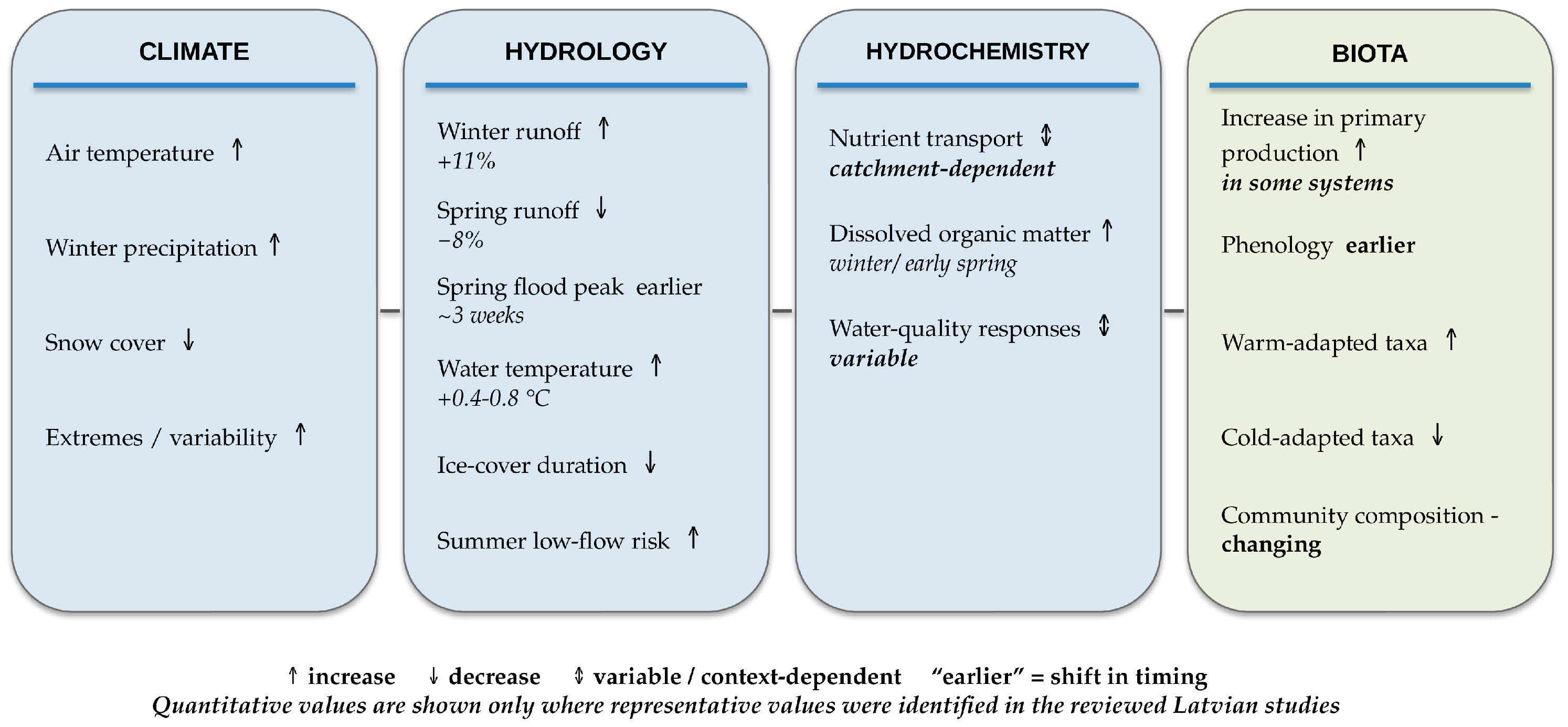
Figure 1. Direction and magnitude of major climate-related changes across the Climate–Hydrology–Hydrochemistry–Biota cascade in Latvian inland surface waters.
Water 18 02015 g001
Table 1. Climate change impacts on inland surface waters in Latvia: an integrated cascade of responses and major research gaps.
Climate DriverCascade of ResponsesKey Findings from LatviaKey Research Questions
Increasing air temperatureWarmer water ⇒ shorter ice cover ⇒ longer growing season ⇒ phenological shiftsEarlier smolt migration, earlier emergence of aquatic insects, shorter ice season, increasing primary productionWhat are the thermal thresholds of Latvian freshwater ecosystems?
Increasing winter precipitationHigher winter runoff ⇒ nutrient mobilisation ⇒ altered water qualityIncreasing winter discharge and nutrient transportHow will changing winter hydrology affect nutrient cycling in Latvian inland waters?
Heavy precipitationFloods ⇒ erosion ⇒ phosphorus exportAgricultural catchment studiesHow do extreme rainfall events alter nutrient and sediment export in Latvian catchments?
Summer droughtsLow flow ⇒ warming ⇒ oxygen depletion ⇒ habitat degradationIncreasing frequency of summer low flowsWhich Latvian freshwater ecosystems are most vulnerable to prolonged drought?
Reduced ice coverEarlier biological activity ⇒ phenological shiftsEarlier smolt migration; shorter ice durationHow will shorter ice seasons affect freshwater food webs in Latvia?
Long-term climate warmingCommunity restructuring ⇒ range expansion ⇒ changes in fish communitiesExpansion of warm-adapted and loss of cold-adapted invertebrate and fish speciesHow will climate warming reshape biodiversity in Latvia’s boreo-nemoral freshwater ecosystems?
Climate variability and multiple stressorsClimate × land use × river regulation ⇒ cumulative impactsEvidence across hydrology, hydrochemistry and biotaHow do climate and human pressures jointly determine ecosystem resilience in Latvia?
Note: The table synthesises evidence presented throughout this review. References supporting each response are provided in the corresponding sections on climate, hydrology, hydrochemistry and biological responses.
Disclaimer/Publisher’s Note: The statements, opinions and data contained in all publications are solely those of the individual author(s) and contributor(s) and not of MDPI and/or the editor(s). MDPI and/or the editor(s) disclaim responsibility for any injury to people or property resulting from any ideas, methods, instructions or products referred to in the content.



