Review

Permeable Pavements: An Integrative Review of Technical and Environmental Contributions to Sustainable Cities


Research Group on Management of Sustainable Environments, Department of Civil Engineering, Federal University of Santa Catarina, Florianópolis 88040-900, Brazil
*
Author to whom correspondence should be addressed.
Water 2025, 17(22), 3323; https://doi.org/10.3390/w17223323
Submission received: 6 October 2025 / Revised: 11 November 2025 / Accepted: 18 November 2025 / Published: 20 November 2025
(This article belongs to the Section Urban Water Management)

Abstract

Rapid urban growth and the expansion of impervious surfaces have intensified environmental issues such as flooding, water pollution, and urban heat islands. Permeable pavements have emerged as a green infrastructure solution to mitigate these impacts and support the sustainable development of cities. The aim of this study was to conduct an integrative review on the state of the art of permeable pavements, with a focus on their technical and environmental contributions. The methodology followed the PRISMA guidelines, using the Scopus database to select the most cited articles across four thematic areas: Life Cycle Assessment; infiltration capacity and pollutant retention; mitigation of heat islands and flooding; and the impacts of climate and clogging. The results show that, despite the initial cost and production-related impacts, permeable pavements offer long-lasting benefits, including reduced surface runoff, pollutant filtration, and evaporative cooling. The main economic limitations identified were clogging, which decreases system efficiency, and the high implementation cost, highlighting the need for regular maintenance and innovations in materials. In summary, permeable pavements are an effective strategy for sustainable urban development, but their longevity depends on proper design and maintenance.

1. Introduction

Humanity took thousands of years to reach one billion inhabitants, but in just over two centuries, that number has multiplied by eight, unleashing unprecedented challenges for sustainable development [1,2]. This accelerated population growth, especially in low-income countries, exacerbates social inequalities, places pressure on natural resources, and demands urgent solutions to balance progress with environmental preservation. Sustainability, therefore, depends on the collective ability to promote greater efficiency in resource consumption and production, aligning human growth with Earth’s limits [3].
One of the principal challenges arising from rapid global population growth is the excessive increase in demand for water resources. As populations increase, the need for water for human consumption, agriculture and industrial uses intensifies, placing strain on already limited water supplies [4]. Currently, approximately 3.6 billion people live in areas experiencing water scarcity for at least one month annually. This figure is projected to rise to between 4.8 and 5.7 billion by 2050 [5].
Alongside scarcity, water pollution is also worsening. Urban expansion results in the discharge of domestic sewage, industrial waste, and chemicals into water bodies, thereby deteriorating water quality and posing risks to public health and aquatic ecosystems [5]. In urban areas, stormwater runoff is a significant vector of contamination. As impermeable surfaces like asphalt and concrete replace natural soil, the volume of surface runoff increases, carrying pollutants and compromising receiving water bodies [6]. The sealing of soils by impervious materials also affects the natural hydrological cycle. Rainwater that previously infiltrated the soil now flows directly into often-inadequate drainage systems, causing flooding, inundation, and overloading urban infrastructure. In densely urbanised regions, this phenomenon poses increasingly frequent risks to both the population and public and private assets [7].
Climate change further intensifies these problems. Extreme events, such as heavy rainfall over short periods, are becoming more common and unpredictable, complicating urban planning and cities’ adaptation to new hydrological regimes [8]. This climatic unpredictability increases the vulnerability of urban populations, particularly in high-risk areas, and calls for an integrated approach to mitigate environmental and social impacts.
Another worrying effect of accelerated urbanisation is the formation of urban heat islands. The replacement of green areas with impermeable surfaces, combined with the presence of dark materials that absorb heat and vertical urban geometry, amplifies temperature increases in cities. This phenomenon reduces thermal comfort, raises energy consumption, and worsens public health issues [9]. The combination of hot surfaces, pollutant emissions, and human activity raises local temperatures compared to nearby rural areas, creating microclimates that are detrimental to the population’s well-being [9].
In this context, it is essential to adopt integrated public policies that account for population dynamics and the environmental impacts of urbanisation [3]. The Sustainable Development Goals (SDGs) provide a strategic framework for guiding actions that promote more resilient and sustainable cities. Among the suggested solutions, permeable pavements stand out for their ability to mitigate various environmental impacts related to urban growth. These alternative paving systems allow rainwater to infiltrate the soil, reducing surface runoff and replenishing aquifers. Hammes et al. [10] demonstrated that porous asphalt pavements in parking lots can enable the use of rainwater for non-potable purposes, such as flushing toilets, thereby promoting the conservation of potable water in buildings. This strategy represents a viable alternative for preserving water resources in urban areas.
Permeable pavements are one of the core nature-based solutions supporting Sustainable Urban Drainage Systems (SUDS), Low-Impact Development (LID) and Water Sensitive Urban Design (WSUD) [11,12]. In addition to promoting on-site infiltration and reducing peak runoff, permeable pavements offer advantages over other green infrastructure strategies—such as lower land-use demand, high compatibility with dense urban fabrics, and the ability to provide hydrological, thermal, and water-quality benefits simultaneously [13,14]. Their design generally integrates hydraulic–hydrological performance criteria (infiltration rate, structural storage, clogging behaviour and protection of groundwater) with mechanical requirements established in technical standards, including AASHTO [15], specific guidelines [16,17] and, in the Brazilian context, the standard ABNT NBR 16416:2015 [18]. Consequently, permeable pavements remain more frequent in low-to-moderate traffic areas; however, several empirical studies and design manuals indicate that they can also support heavy-traffic conditions when constructed with reinforced bases, appropriate aggregates and engineered surface layers [19,20,21].
Regarding the secondary benefits of permeable pavements, Ferrari et al. [22] analysed the impact of reflective and permeable pavements on the urban microclimate. In a case study featuring an urban canyon, the results showed that these technologies help reduce surface temperatures and improve local thermal comfort. Porous pavements, in addition to controlling runoff, help combat heat islands, making them key instruments for sustainable urban planning. Furthermore, it is crucial to emphasise that permeable pavements play a vital role in stormwater management by enhancing water infiltration into the soil and significantly reducing surface runoff volume. This helps mitigate flood peaks, a common issue in urban areas [23]. Research demonstrates that such pavements effectively reduce both peak flows and runoff volumes to levels comparable to, or even lower than, pre-urbanisation conditions, while minimising impacts on water quality and sediment transport [24].
Understanding the state of the art in permeable pavement technology has been pivotal for advancing research aimed at mitigating the negative impacts of rapid population growth and promoting sustainable development. The analysis of existing technologies enables the identification of their limitations and opportunities for improvement, guiding the development of more efficient solutions to challenges such as stormwater management, flooding, pollution, and urban heat island effects. This technical knowledge has driven innovations that not only enhance the quality of life in urban areas but also help preserve natural resources, fostering a balance between urban growth and environmental sustainability.
This article presents an integrative review of permeable pavements, highlighting their role in advancing sustainable urban infrastructure solutions. The research explores the state of the art on the subject, focusing on the life cycle of these systems, their capacity for infiltration and pollutant retention, and their effects on mitigating urban heat islands and flooding. It also examines the impacts of climate and clogging on the efficiency of permeable pavements, offering a comprehensive view of their performance and potential. The main question guiding the integrative review is: “What are the contributions of permeable pavements to sustainable development, considering technical and environmental aspects?”.

2. Methodology

2.1. Type of Study and Methodological Procedures

This study consists of an integrative literature review, developed with the objective of gathering and analysing studies on pervious pavements in various contexts of sustainable development. To ensure the standardisation and transparency of the procedures adopted, the review followed the Preferred Reporting Items for Systematic Reviews and Meta-Analyses (PRISMA) guidelines, including the stages of identification, screening, eligibility, and inclusion.

2.2. Database

The research was conducted exclusively using the Scopus database, maintained by the Elsevier group, chosen for its credibility and comprehensive coverage. As of 2025, Scopus indexes over 28,900 scientific journals across fields such as engineering, environmental sciences, and sustainability [25], making it highly suitable for interdisciplinary investigations such as this study.

2.3. Search Strategy

The search strategy was designed to identify publications addressing the key aspects of the performance of pervious or permeable pavements. To this end, a complex search string was constructed to simultaneously target the title, abstract, and keyword fields of the articles. Precisely defining the taxonomy of permeable pavements is essential to avoid ambiguities and ensure technical consistency. As Sprouse III et al. [26] point out, a clear distinction between terms such as pervious, porous, and permeable pavements is fundamental to align standards, construction methods, and performance expectations. Pervious pavements should include all pavements that allow the passage of water, but miscommunications often occur in the literature. Therefore, to avoid missing any vital research, all possible terms, including pervious, permeable and porous, were included. The focus is to research all pavements that permit the passage of stormwater.
The search string employed was as follows: (“Pervious pavement*” OR “Permeable pavement*” OR “Draining pavement*” OR “Porous pavement*”) AND ((“Infiltration capacity” OR “Infiltration efficiency” OR “Infiltration potential”) OR (“Pollutant retention” OR “Contaminant retention” OR “Filtration capacity” OR “Filtration efficiency” OR “Filtering capacity” OR “Filtering capability”) OR (“Life cycle assessment” OR “Life cycle anal*” OR “Life-cycle assessment” OR “Life-cycle anal*” OR “Life cycle analysis” OR “Life cycle assessment”) OR (“Heat island*”) OR (“Flood*” OR “Inundation*” OR “Floodwater*” OR “Waterlogging”) OR ((“Clogging”) AND (“Efficiency” OR “Performance” OR “Effectiveness” OR “Durability”)) OR ((“Climate influence” OR “Weather impact” OR “Climatic effect” OR “Temperature effect” OR “Rainfall effect” OR “Precipitation effect” ) AND (“Efficiency” OR “Performance” OR “Effectiveness” OR “Durability”))).
The search was conducted on 2 January 2025, yielding 811 publications. The first author evaluated the texts for relevance to the topic, compliance with the inclusion and exclusion criteria, and methodological quality and reliability. No filters were applied regarding country or publication date.

2.4. Selection and Eligibility Criteria

Given the large number of studies retrieved, a relevance-based selection strategy was adopted. The most cited publications from each of the four thematic axes defined for the study were selected. The thematic axes considered were:
  • Life cycle assessment (LCA);
  • Infiltration capacity and pollutant retention;
  • Influence on urban heat islands and flooding in urban areas;
  • Impact of the climate and the clogging effect on the efficiency of pervious pavements.
The eligibility criteria for selection were: the study had to be an original scientific article, a literature review, or a conference paper; it had to be published in English, Portuguese, or Spanish; and it had to address at least one of the four core themes of the research. The article selection process, including identification, screening, and inclusion, is detailed in Figure 1, which shows the number of studies obtained in each phase.

3. Results and Discussion

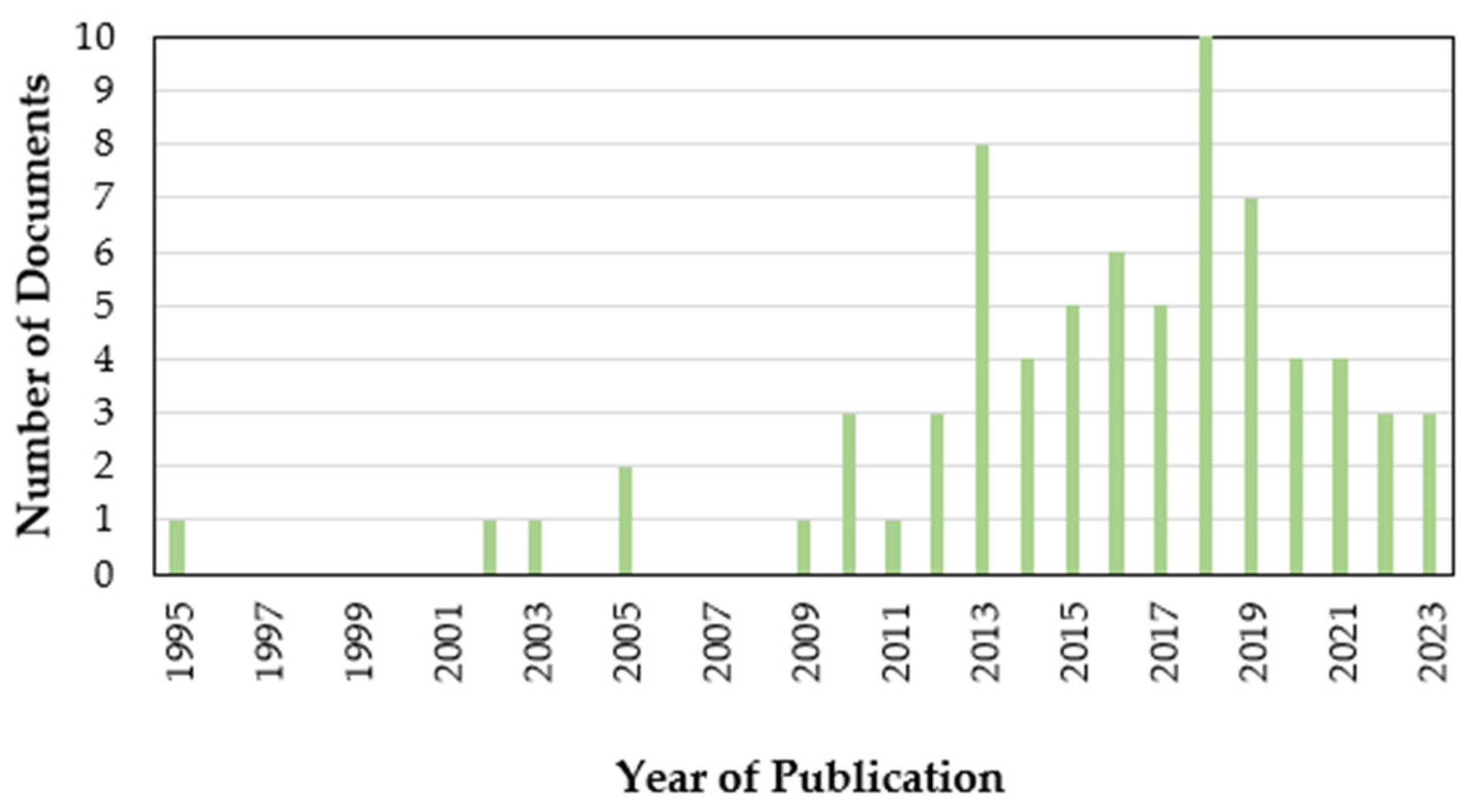
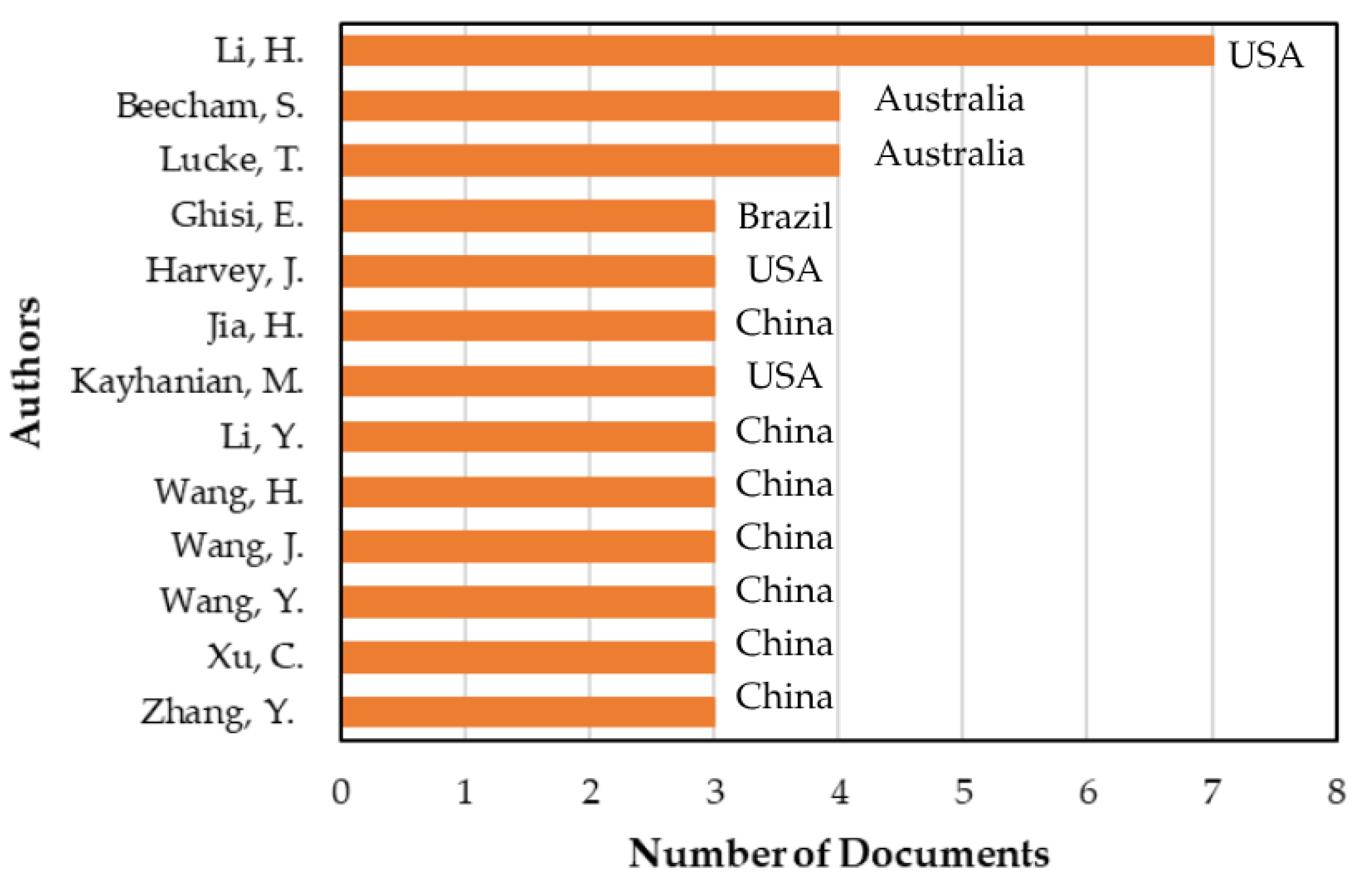
The relevance of a research topic can be inferred from its publication frequency over time. Figure 2 shows the temporal distribution of the documents selected for this review, covering the period from 1995 to 2023. The analysis of the graph reveals a significant and continuous growth in academic interest in the subject. Until 2009, publications were sporadic, with no more than two documents per year. However, from 2010 onwards, the number of articles began to rise notably, reaching a peak of ten publications in 2018. Although the subsequent years (2019–2023) show a slight decline compared to that peak, this may be attributed to the fact that more recent publications have had less time to accumulate citations, which can disadvantage them in the ranking of most-cited papers. Overall, this pattern confirms that permeable pavements have become a well-established research topic, attracting sustained interest over the past decade. As a complement to the analysis of the studies selected, Figure 3 highlights the authors with the highest number of publications in the sample.
One can see the strong dominance of researchers from China and the United States among the 68 documents analysed. The author with the most publications is Hui Li (USA), with seven publications, followed by other American researchers, such as John Harvey and Masoud Kayhanian. China, in turn, shows a broader research base, with six authors (Haifeng Jia, Yi Li, Hao Wang, Junsong Wang, Yu Wang, Changqing Xu) each contributing three to four studies. Other countries also stand out, including Australia, represented by Simon Beecham and Terry Lucke (four publications each), and Brazil, represented by Enedir Ghisi with three articles. In summary, although the United States and China lead the field, the presence of authors from other countries underscores the topic’s global relevance.

3.1. Life Cycle Assessment

LCA has been widely used to measure the environmental impacts of sustainable urban solutions. In the case of permeable pavements, LCA enables the quantification of not only the impacts associated with their construction and maintenance but also the environmental benefits provided during their service life, such as reduced emissions, water savings, and mitigation of urban flooding. The typical stages considered in an LCA of pavements are presented in Table 1.
The literature presents various comparisons between permeable pavements and other pavement or drainage systems, focusing on costs and environmental impacts throughout the life cycle. One of the most recurrent aspects in these studies is the significant variation in the methods adopted and the results obtained, which makes direct comparisons between studies challenging. This heterogeneity is mainly attributed to differences in the definition of the functional unit and in the stages and processes considered in LCA [29,32,33,34,35]. Despite this variability, some consistent patterns and key findings emerge from the studies reviewed herein.
In permeable pavement systems, the raw material acquisition phase is frequently identified as one of the major contributors to environmental impacts [30,32,33]. Chen and Wang [27], in evaluating the LCA of permeable concrete pavements, found that this stage accounted for the majority of greenhouse gas (GHG) emissions, ranging from 81% to 92%, and for 70% to 83% of total energy consumption. In the case of permeable asphalt pavements, asphalt production also stands out as a significant source of both energy use and GHG emissions [31]. Studies comparing permeable pavements with green infrastructure or conventional pavements, particularly those focused on specific materials such as permeable concrete, often report high initial environmental impacts due to the material consumption involved [27,34]. However, the literature generally argues that these initial impacts can be offset over time by the long-term environmental benefits provided throughout the permeable pavement’s service life [28,36].
Among the main environmental benefits associated with permeable pavements are the reduction in stormwater surface runoff and the improvement of infiltrated water quality [29,30,32,36], the mitigation of the urban heat island effect [29,30,36,37], and the reduction in energy consumption and GHG emissions [28,29,30,38]. Despite these environmental advantages, economic cost remains one of the barriers to the broader adoption of such systems [28,33,34,39]. For instance, Liu et al. [28] conducted an LCA comparing permeable and conventional asphalt pavements. They found that the initial construction cost of permeable systems can be significantly higher, ranging from 17.17% to 31.52% higher than that of conventional asphalt pavements.
These benchmarks provide a solid basis for comparing alternatives aimed at urban resilience, ensuring that decisions are supported by scientific evidence. Methods such as Life Cycle Cost Assessment (LCCA) and Social Life Cycle Assessment (S-LCA) expand traditional LCA and enable the integrated evaluation of permeable pavements, accounting for environmental, economic, and social dimensions [28,40]. It is equally important to consider the functional differences between solutions. While permeable pavements support vehicular traffic, vegetated alternatives may perform worse in terms of trafficability and durability [13,41]. Thus, a holistic assessment aligned with sustainability is recommended to ensure robust, consistent comparisons [42,43].

3.2. Infiltration Capacity and Pollutant Retention

Rapid urbanisation demands new solutions for stormwater management. Permeable pavements are considered an effective technology for controlling surface runoff and improving water quality. Therefore, the following two sections address the primary studies on infiltration capacity, including the resulting pollutant retention capacity, one of the desired benefits of using this technology.

3.2.1. Infiltration

Infiltration capacity is a key characteristic of permeable pavements, which are increasingly being used as urban stormwater management systems. These low-impact development (LID) solutions allow rainwater to infiltrate through the pavement surface and into the filter layer or underlying layers, helping to mitigate excessive surface runoff in urban environments [44,45,46,47,48,49,50,51,52].
To ensure permeable pavements maintain their effectiveness in reducing urban surface runoff, it is essential to regularly monitor their infiltration capacity. This assessment enables the evaluation of hydraulic performance over time and the identification of maintenance needs. To this end, various methods and equipment have been employed in both laboratory tests and field applications [44,46,47,48,49,50,51,53,54,55]. Table 2 shows the primary methods used to measure the infiltration capacity of permeable pavements, along with the corresponding studies in which they were applied.
The literature highlights a wide range of materials used in permeable pavement construction, including porous concrete, interlocking blocks with open joints, permeable asphalt mixtures, graded aggregates, and base layers composed of recycled materials. Moreover, even within a single class, such as porous concrete, there is considerable variation in composition and aggregate size, resulting in different performance outcomes [44,45,50,52,54,56].
The location where the permeable pavement is installed is another critical factor that directly influences its infiltration capacity. Local conditions, such as climate, soil type, surrounding vegetation, and traffic intensity, can significantly affect the system’s hydraulic performance [44,46,49,50,53,57]. Table 3 presents the results of studies conducted across various regions and involving two types of permeable pavements, highlighting how these contextual factors influence infiltration rates in each case.
It is also important to note that, with increasing extreme precipitation and flooding, many numerical methods have become popular for mathematical modelling of infiltration and for improving hydraulic conditions through permeable pavements. Methods that discretely evaluate water flow through porous media in temporal and spatial analyses can advance the field of research, enabling the estimation of the efficiency of permeable paving in reducing damage from inefficient drainage. In any case, it is essential to align modelling expectations with validation through practical research, as presented in the previous paragraphs. Studies will advance in the field of research in the following decades, providing tools for the technical evaluation of permeable pavements as a means of stormwater drainage and effectively popularising the technology. These mathematical models can also be used to compare the use of permeable pavements with other alternatives for similar purposes, such as grass materials and other nature-based technologies, to achieve diffuse, sustainable, and efficient drainage.

3.2.2. Pollutant Retention

Permeable pavements are widely recognised as an effective solution for managing stormwater in urban areas, playing an integrated role in both surface runoff control and water quality improvement. These systems can significantly reduce runoff volume and velocity while simultaneously promoting pollutant filtration, thereby protecting water bodies and advancing urban sustainability [10,46,51,52,54,56].
Among the primary pollutants retained by these systems are total suspended solids (TSS), total phosphorus (TP), total nitrogen (TN), heavy metals such as zinc (Zn), copper (Cu), lead (Pb) and cadmium (Cd), as well as organic compounds including oils and polycyclic aromatic hydrocarbons (PAHs) [10,45,49,53,57]. This treatment capacity makes permeable pavements an effective strategy not only for urban drainage but also for improving environmental quality. Table 4 shows the results of various studies regarding the pollutant removal efficiency of permeable pavements.
The analysis of Table 4 indicates that pollutant retention capacity varies with the type of permeable pavement used. Nevertheless, a clear trend can be observed across the three parameters evaluated. In general, permeable pavements show high efficiency in removing TSS, while their performance in reducing TN is more limited. This difference suggests that although these systems are effective at retaining solid particles, they may require complementary solutions for treating nitrogen-based compounds.
The incorporation of geotextile materials between the aggregate layers of permeable pavements can also enhance pollutant retention. However, it is crucial to consider that the use of geotextiles may influence both the hydraulic and structural performance of the system, requiring careful analysis during the design phase and material selection [45,53,57].
The use of recycled materials, such as construction and demolition (C&D) waste, has more recently been explored as an innovative alternative for the filter layers of permeable pavements. In this context, Rahman et al. [45] evaluated the performance of systems constructed using such waste and obtained promising results. As shown in Table 4, pavements incorporating recycled materials demonstrated superior pollutant removal efficiency when compared to conventional permeable pavements, highlighting their potential from both environmental and functional perspectives.

3.3. Influence on Urban Heat Islands and Flooding

The use of permeable pavements goes beyond stormwater management, offering significant environmental benefits. This technology is a promising solution to address two of the most significant urban problems: rising temperatures and flooding.

3.3.1. Urban Heat Island Mitigation

The urban heat island (UHI) phenomenon occurs partially because impermeable surfaces absorb a large proportion of solar radiation (70–95%) and release this energy as sensible heat, rather than allowing evaporative cooling. This raises city temperatures relative to surrounding rural and suburban areas [58,59,60,61,62,63]. Pavements, in particular, cover a significant portion of the urban area (20–45%) and strongly contribute to UHI development [61,62,63]. However, excessive solar absorption by impervious materials is only one component of the UHI system. Urban morphology plays a central role: street canyons with high aspect ratios trap longwave radiation, reduce sky-view factor, and hinder nighttime cooling [64,65]. Empirical studies further show that canyon orientation and geometry can intensify or attenuate microclimatic warming, influencing airflow, shading, and thermal comfort [66,67,68]. Anthropogenic heat emissions also contribute significantly to UHI formation. Vehicular traffic continuously injects sensible heat into the urban boundary layer [69], while building cooling systems release waste heat into streets and courtyards, elevating nocturnal air temperatures and reinforcing heat retention in dense urban cores [70]. Overall, UHI emerges from the combined effects of surface properties, human activities, and urban form, underscoring the need for integrated, multi-scalar mitigation strategies that address both built-environment morphology and operational energy flows.
Permeable pavements help mitigate UHI primarily through evaporative cooling. Water retained within the pavement’s porous structure evaporates, absorbing latent heat and thereby reducing both the surface and near-surface air temperatures [36,58,59,60,61,62,71,72]. The evaporative cooling process occurs when rainwater is stored in the pavement’s pores and later evaporates, absorbing heat from the surface. This evaporation cools the material, lowering surface temperatures and improving thermal comfort in outdoor urban areas. The effectiveness of this cooling effect is directly linked to the moisture availability within the pavement and the rate of evaporation, both of which are crucial to the system’s thermal performance [36,58,59,60,61,62,71,72].
However, mitigating UHI with this technology comes with certain limitations. During dry periods, the lack of moisture impairs cooling, potentially resulting in even higher daytime surface temperatures than those observed with conventional pavements, due to the low thermal inertia and conductivity of permeable materials [36,58,62,63,72]. Additionally, the high porosity of permeable pavements may increase surface exposure to solar radiation, intensifying daytime temperature peaks [6]. Although water sprinkling is an effective strategy to reduce these temperatures, its continued use depends on water availability, a limiting factor in many urban contexts [36,58,62,71]. Another key consideration is the need to assess the complete diurnal temperature cycle when evaluating the performance of permeable pavements, as daytime heat reduction may be accompanied by higher night-time temperatures due to the material’s thermal properties and pavement structure [36,62,63].
Moreover, permeable pavements with low albedo, meaning a higher capacity to absorb solar radiation, can, under certain conditions, increase the UHI effect, particularly in dry climates [58,72]. Despite these challenges, permeable pavements also provide indirect benefits, such as the potential to reduce energy demand for cooling nearby buildings, thereby contributing to a more sustainable urban environment [36,62].

3.3.2. Urban Flood Mitigation

Impermeable surfaces in urban areas, such as roofs, roads and car parks, contribute to increased peak flows in streams, cause channel erosion and intensify sediment transport. In addition, they limit water infiltration into the soil, compromising the recharge of underground aquifers [73,74]. In this context, permeable pavements emerge as an effective alternative to mitigate excessive stormwater runoff, offering significant advantages in reducing surface runoff and enhancing rainwater retention [59,60,61,62,71,72,73,74,75,76].
Permeable pavements offer significant benefits for stormwater management, particularly by reducing surface runoff and increasing infiltration. Designed with high porosity, these pavements allow rainwater to pass through their structure and infiltrate the underlying soil, relieving pressure on traditional urban drainage systems and contributing to the restoration of the natural hydrological cycle [36,60,71,76].
Even models with lower permeability have proven effective in draining most typical rainfall events, preventing the generation of surface runoff [72]. The water storage capacity of these systems depends on factors such as the thickness and void ratio of the granular base layer, the permeability of sub-base materials, and rainfall intensity [72].
Beyond infiltration, these pavements also contribute to runoff retention and control. Their porous structure enables temporary water storage, which gradually infiltrates into the soil [76]. In situations where infiltration alone is insufficient to handle the accumulated volume, sub-drainage systems can be installed beneath the pavement to manage excess water. These systems allow water to be retained up to a certain level and discharged quickly once that limit is exceeded [36,60,72].
Despite their advantages, permeable pavements also face essential challenges, mainly related to maintenance and durability. One of the main issues is clogging, which can drastically reduce infiltration rates and compromise the system’s efficiency in stormwater management and in mitigating the urban heat island effect [36,60,71,75]. To avoid this issue, regular maintenance is essential, including high-pressure water-jet cleaning or vacuuming. Moreover, resistance to heavy traffic conditions and environmental variations is a critical factor in ensuring the long-term performance of these systems [36,60,71].

3.4. Impact of Climate and Clogging on the Efficiency of Pervious Pavements

Climatic conditions and clogging are critical factors that directly affect the durability and efficiency of permeable pavements. Understanding these impacts is essential for the proper design, implementation, and maintenance of these systems.

3.4.1. Impact of Climate

Climatic conditions play a crucial role in determining the suitability and performance of permeable pavements. In cold regions, the primary concern is damage caused by freeze–thaw cycles [77,78]. When water infiltrates the pavement’s pores and undergoes repeated freezing and thawing, the concrete aggregates may begin to disintegrate, leading to cracking and surface detachment [79].
To mitigate this risk, it is essential to implement an efficient drainage system that prevents water accumulation within the pavement, thereby reducing the likelihood of freezing-related issues. In addition, the pavement mixture can be improved by controlling the amount of fine materials and selecting appropriate aggregate types and sizes. Studies have shown that mixtures containing fine-grained materials exhibit lower mass loss and reduced damage, even after extended freeze–thaw cycles [79].
Rainfall intensity, duration, and frequency also directly affect the hydraulic performance of permeable pavements. To ensure complete infiltration of stormwater, the system’s permeability must exceed the intensity of precipitation. These pavements tend to perform more efficiently during low-volume, high-frequency rain events, when the infiltration rate can adequately keep pace with surface runoff [78]. Therefore, system design should account for the region’s typical rainfall patterns.

3.4.2. Impact of Clogging

Clogging is one of the main challenges to maintaining the long-term performance of permeable pavements [80,81]. This phenomenon occurs when dust, mud and other fine particles settle on the surface and within the pavement’s pores, blocking the voids and disrupting their interconnectivity. As a result, the system’s permeability and hydraulic performance are significantly reduced [79]. Clogging is driven by a combination of physical, biological and chemical processes, including the accumulation of fine materials, organic matter and abrasive particles generated by vehicle traffic [77].
Fine particles are particularly prone to clogging, especially when the ratio of sediment diameter to average pore diameter is less than 10 [47,57,79]. Additionally, the deposition of dry particles and the shear stress generated by vehicular movement further contribute to pore blockage [81]. Chemical attacks may also deteriorate the internal structure of concrete, leading to the disintegration of aggregates and the loss of interconnected pores, which exacerbates clogging [79].
Clogging gradually reduces the infiltration capacity of permeable pavements, undermining their hydraulic performance over time [47]. Studies conducted in Germany, Japan and France have reported significant reductions in surface permeability, with values dropping to as low as one tenth of the original level within just one to three years of operation [82]. This phenomenon occurs predominantly in the upper layers of the pavement, with clogging typically concentrated in the top 2 cm, where fine particles accumulate and obstruct the voids [81].
Regular maintenance is essential to preserve and restore the infiltration capacity of permeable pavements over time [78,81]. Standard rejuvenation methods include vacuum sweeping, high-pressure washing or a combination of both [47,78]. High-pressure washing is generally more effective, as it can dislodge embedded materials that vacuum sweeping alone may not remove [47]. However, excessive use of high-pressure methods can pose environmental risks, as the force of the water may push clogging particles into the subsoil, potentially polluting the groundwater, unless a suitable filter layer is in place beneath the pavement to capture such pollutants [47].

3.5. Gaps and Recommendations for Future Research

The analysis of the selected literature highlights several research and implementation gaps in the field of permeable pavements, as well as potential areas for future development. Despite the growing interest and significant progress over the past decade, certain limitations remain that may hinder both academic advancement and practical adoption.

3.5.1. Research Gaps

The main research gaps identified in the reviewed studies are as follows:
  • Methodological Standardisation: A significant heterogeneity exists in Life Cycle Assessment (LCA) studies, particularly regarding the functional units, system boundaries, and environmental impact categories considered. This lack of standardisation makes it difficult to compare results across studies and draw generalised conclusions. Future research should aim to harmonise methodologies to improve the comparability and reliability of LCA outcomes.
  • Pollutant Treatment Efficiency: While permeable pavements show high efficiency in removing total suspended solids (TSS) and phosphorus, their capacity to reduce nitrogen-based compounds is limited. This indicates a need for studies focusing on innovative materials or complementary treatment layers to improve nitrogen retention, particularly for urban areas with high nutrient loads.
  • Climatic and Environmental Resilience: Few studies address the long-term performance of permeable pavements under varying climatic conditions, including freeze–thaw cycles, extreme rainfall events, and prolonged dry periods. Research is needed to optimise material compositions, layer structures, and drainage designs to enhance durability and hydraulic performance under site-specific conditions.
  • Material Innovation: The use of recycled and alternative materials for pavement layers is still emerging. More systematic investigations are required to evaluate long-term environmental benefits, pollutant retention, structural performance, and potential trade-offs associated with their use.

3.5.2. Implementation Gaps

The main implementation gaps identified in the reviewed studies are as follows:
  • Economic Barriers: High initial construction costs remain a significant obstacle for widespread adoption, particularly in developing regions. Cost–benefit analyses considering long-term environmental and societal benefits could support broader implementation.
  • Maintenance Challenges: Clogging is the main factor compromising infiltration and system performance. Despite the importance of maintenance, there is limited research on cost-effective, environmentally safe, and practical rejuvenation techniques that can be routinely applied in urban areas.
  • Integration with Urban Infrastructure: While the benefits of permeable pavements are well-documented, their integration with existing stormwater management systems, urban heat island mitigation strategies, and green infrastructure networks is not fully explored. Design frameworks and guidelines are needed to support planners and engineers in implementing these systems effectively.

3.5.3. Climate Change and Permeable Pavements

The performance of permeable pavements is highly climate-dependent, particularly with respect to rainfall intensity, duration, and frequency, as well as the influence of air temperature on the freeze–thaw process. Tropical climates, marked by short and intense storm events, impose higher hydraulic loads that can exceed infiltration capacity, increasing the likelihood of clogging and temporary overflow. In contrast, temperate climates are more affected by prolonged wet periods and freeze–thaw cycles that compromise structural integrity [83,84]. Climate change further intensifies these challenges by increasing extreme rainfall peaks and altering seasonal precipitation patterns, demanding the use of updated Intensity-Duration-Frequency curves and adaptive design thresholds. High groundwater levels also reduce subsurface storage and limit vertical infiltration, often requiring raised bases, underdrains or geosynthetic separators to maintain system functionality in saturated soils. Overall, climate-sensitive design is essential to ensure long-term performance under current and projected hydrological conditions, which are subject to climate change and future climate modelling.

4. Conclusions

Increasing urbanisation and rapid population growth pose complex challenges to the sustainable development of cities, particularly in managing water resources, mitigating urban heat islands, and controlling floods. In this context, permeable pavements emerge as nature-based solutions that foster more resilient and balanced urban environments. This article conducted an integrative review to analyse the state of the art of permeable pavements, focusing on their contributions to sustainable development and exploring their technical and environmental aspects.
The research demonstrated that, despite the initial environmental impacts during the material production phase, the Life Cycle Assessment (LCA) of permeable pavements reveals long-term benefits that outweigh these drawbacks, such as the reduction in surface runoff, improvement of infiltrated water quality, mitigation of urban heat islands, and reduction in energy consumption. The infiltration capacity and pollutant retention of these systems are crucial attributes, as they reduce runoff and filter a wide range of contaminants, thereby protecting water bodies and ecosystems. Their effectiveness in mitigating urban heat islands stems from evaporative cooling, which lowers both surface and air temperatures, enhances thermal comfort, and reduces energy demand in buildings. Furthermore, the review reinforced the importance of permeable pavements in mitigating urban flooding by allowing rainwater to infiltrate into the soil, relieving pressure on drainage networks, and contributing to the restoration of the hydrological cycle.
However, the research also highlighted significant limitations to the widespread adoption and success of permeable pavements. The initial construction cost presents an economic barrier, and factors such as climate, particularly in regions with freeze–thaw cycles, can affect durability. The main challenge to their efficiency and longevity is clogging, caused by the accumulation of fine particles and debris, which drastically reduces infiltration capacity. This underscores the need for regular, proper maintenance. Looking ahead, further studies are essential on cost optimisation, the development of more resilient new materials, and the creation of more efficient maintenance protocols. The integration of permeable pavements with other green infrastructure solutions could maximise their benefits, contributing to truly more sustainable and liveable cities.

Author Contributions

Conceptualisation, E.G. and L.P.T.; methodology, E.F., I.C.M.V. and E.G.; formal analysis E.F., I.C.M.V. and E.G.; writing—original draft preparation, E.F., I.C.M.V. and E.G.; writing—review and editing, E.F., I.C.M.V. and E.G.; supervision, I.C.M.V. and E.G.; project administration, E.G. and L.P.T. All authors have read and agreed to the published version of the manuscript.

Funding

This study was financed in part by the Conselho Nacional de Desenvolvimento Científico e Tecnológico—Brasil (CNPq)—Finance Code 001.

Data Availability Statement

The raw data supporting the conclusions of this article will be made available by the authors on request.

Conflicts of Interest

The authors declare no conflicts of interest.

References

  1. UN (United Nations). The World at Six Billion; UN: New York, NY, USA, 1999. [Google Scholar]
  2. UNFPA (United Nations Population Fund). State of World Population 2023: 8 Billion Lives, Infinite Possibilities the Case for Rights and Choices; UNFPA: New York, NY, USA, 2023. [Google Scholar]
  3. UN (United Nations). Global Population Growth and Sustainable Development; UN: New York, NY, USA, 2021. [Google Scholar]
  4. IWMI (International Water Management Institute). Water for Food Water for Life: A Comprehensive Assessment of Water Management in Agriculture; Earthscan: London, UK, 2007. [Google Scholar]
  5. UN (United Nations). The United Nations World Water Development Report 2018: Nature-Based Solutions for Water; UNESCO: Paris, France, 2018. [Google Scholar]
  6. NRC (National Research Council). Urban Stormwater Management in the United States; National Academy of Sciences: Washington, DC, USA, 2008. [Google Scholar]
  7. Wheater, H.; Evans, E. Land use, water management and future flood risk. Land Use Policy 2009, 26, 251–264. [Google Scholar] [CrossRef]
  8. WMO (World Meteorological Organization). Integrated Flood Management Tools Series: Urban Flood Management in Changing Climate; WMO: Geneva, Switzerland, 2012. [Google Scholar]
  9. Gartland, L. Heat Islands: Understanding and Mitigating Heat in Urban Areas; Earthscan: London, UK, 2008. [Google Scholar]
  10. Hammes, G.; Thives, L.; Ghisi, E. Application of stormwater collected from porous asphalt pavements for non-potable uses in buildings. Environ. Manag. 2018, 222, 338–347. [Google Scholar] [CrossRef]
  11. CIRIA. The Sustainable Drainage Systems (SUDS) Manual; Construction Industry Research and Information Association (CIRIA): UK, London, 2015. [Google Scholar]
  12. Fletcher, T.D.; Shuster, W.; Hunt, W.F.; Ashley, R.; Butler, D.; Arthur, S.; Trowsdale, S.; Barraud, S.; Semadeni-Davies, A.; Bertrand-Krajewski, J.L.; et al. SUDS, LID, BMPs, WSUD and More—The Evolution and Application of Terminology Surrounding Urban Drainage. Urban Water J. 2015, 12, 525–542. [Google Scholar] [CrossRef]
  13. Scholz, M.; Grabowiecki, P. Review of Permeable Pavement Systems. Build. Environ. 2007, 42, 3830–3836. [Google Scholar] [CrossRef]
  14. American Association of State Highways and Transportation Officials (AASHTO). AASHTO Guide for Design of Pavement Structures; AASHTO: Washington, DC, USA, 1993; ISBN 978-1-56051-055-0. [Google Scholar]
  15. EPA NPDES: Stormwater Best Management Practice, Permeable Pavements. Permeable Pavements. 2021; APC. Available online: https://www.epa.gov/system/files/documents/2021-11/bmp-permeable-pavements.pdf (accessed on 16 November 2025).
  16. ABNT NBR 16416; Pavimentos Permeáveis de Concreto—Requisitos e Procedimentos. Associação Brasileira de Normas Técnicas: Rio de Janeiro, Brazil, 2015; p. 31. (In Portuguese)
  17. Collins, K.A.; Hunt, W.F.; Hathaway, J.M. Hydrologic Comparison of Four Types of Permeable Pavement and Standard Asphalt in Eastern North Carolina. J. Hydrol. Eng. 2008, 13, 1146–1157. [Google Scholar] [CrossRef]
  18. Interpave Guide to the Design, Construction and Maintenance of Concrete Block Permeable Pavements. 2010. Available online: https://www.paving.org.uk/documents/cppave.pdf (accessed on 16 November 2025).
  19. Yong, C.F.; McCarthy, D.T.; Deletic, A. Predicting Physical Clogging of Porous and Permeable Pavements. J. Hydrol. 2013, 481, 48–55. [Google Scholar] [CrossRef]
  20. Pollok, L.; Spierling, S.; Endres, H.-J.; Grote, U. Social Life Cycle Assessments: A Review on Past Development, Advances and Methodological Challenges. Sustainability 2021, 13, 10286. [Google Scholar] [CrossRef]
  21. Brattebo, B.O.; Booth, D.B. Long-Term Stormwater Quantity and Quality Performance of Permeable Pavement Systems. Water Res. 2003, 37, 4369–4376. [Google Scholar] [CrossRef]
  22. Ferrari, A.; Kubilay, A.; Derome, D.; Carmeliet, J. The use of permeable and reflective pavements as a potential strategy for urban heat island mitigation. Urban Clim. 2020, 31, 100534. [Google Scholar] [CrossRef]
  23. Pinto, L.O. Desempenho de Pavimentos Permeáveis Como Medida Mitigadora Da Impermeabilização Do Solo Urbano. Ph.D. Thesis, Escola Politécnica da Universidade de São Paulo, São Paulo, Brazil, 2011. (In Portuguese). [Google Scholar]
  24. Araújo, P.; Tucci, C.; Goldenfum, J. Avaliação da eficiência dos pavimentos permeáveis na redução de escoamento superficial. Rev. Bras. De Recur. Hídricos 2000, 5, 21–29. (In Portuguese) [Google Scholar]
  25. Elsevier Scopus. Expertly Curated Abstract & Citation Database; Elsevier: Amsterdam, The Netherlands, 2022. [Google Scholar]
  26. Sprouse, C.E.; Hoover, C.; Obritsch, O.; Thomazin, H. Advancing Pervious Pavements through Nomenclature, Standards, and Holistic Green Design. Sustainability 2020, 12, 7422. [Google Scholar] [CrossRef]
  27. Chen, X.; Wang, H. Life-cycle assessment and multi-criteria performance evaluation of pervious concrete pavement with fly ash. Resour. Conserv. Recycl. 2021, 177, 105969. [Google Scholar] [CrossRef]
  28. Liu, J.; Li, H.; Wang, Y.; Zhang, H. Integrated life cycle assessment of permeable pavement: Model development and case study. Transp. Res. Part D Transp. Environ. 2020, 85, 102381. [Google Scholar] [CrossRef]
  29. Antunes, L.; Ghisi, E.; Thives, L. Permeable pavements life cycle assessment: A literature review. Water 2018, 10, 1575. [Google Scholar] [CrossRef]
  30. Antunes, L.; Ghisi, E.; Severis, R. Environmental assessment of a permeable pavement system used to harvest stormwater for non-potable water uses in a building. Sci. Total Environ. 2020, 746, 141087. [Google Scholar] [CrossRef]
  31. Lu, G.; Wang, Y.; Li, H.; Wang, D.; Oeser, M. The environmental impact evaluation on the application of permeable pavement based on life cycle analysis. Int. J. Transp. Sci. Technol. 2019, 8, 351–357. [Google Scholar] [CrossRef]
  32. Bhatt, A.; Bradford, A.; Abbassi, B. Cradle-to-grave life cycle assessment (LCA) of low-impact-development (LID) technologies in southern Ontario. Environ. Manag. 2019, 231, 98–109. [Google Scholar] [CrossRef]
  33. Fathollahi, A.; Coupe, S. Life cycle assessment (LCA) and life cycle costing (LCC) of road drainage systems for sustainability evaluation: Quantifying the contribution of different life cycle phases. Sci. Total Environ. 2021, 776, 145937. [Google Scholar] [CrossRef]
  34. Zhu, Y.; Xu, C.; Yin, D.; Xu, J.; Wu, Y.; Jia, H. Environmental and economic cost-benefit comparison of sponge city construction in different urban functional regions. Environ. Manag. 2022, 304, 114230. [Google Scholar] [CrossRef]
  35. Maiolo, M.; Carini, M.; Capano, G.; Piro, P. Synthetic sustainability index (SSI) based on life cycle assessment approach of low impact development in the Mediterranean area. Cogent Eng. 2017, 4, 1410272. [Google Scholar] [CrossRef]
  36. Wang, C.; Wang, Z.; Kaloush, K.; Shacat, J. Cool pavements for urban heat island mitigation: A synthetic review. Renew. Sustain. Energy Rev. 2021, 146, 111171. [Google Scholar] [CrossRef]
  37. Zhan, W.; Chui, T. Evaluating the life cycle net benefit of low impact development in a city. Urban For. Urban Green. 2016, 20, 295–304. [Google Scholar] [CrossRef]
  38. Wang, Y.; Li, H.; Abdelhady, A.; Harvey, J. Initial evaluation methodology and case studies for life cycle impact of permeability of permeable pavements. Int. J. Transp. Sci. Technol. 2018, 7, 169–178. [Google Scholar] [CrossRef]
  39. Wang, M.; Jiang, Z.; Zhang, D.; Zhang, Y.; Liu, M.; Rao, Q.; Li, J.; Keat Tan, S. Optimization of integrating life cycle cost and systematic resilience for grey-green stormwater infrastructure. Sustain. Cities Soc. 2023, 90, 104379. [Google Scholar] [CrossRef]
  40. Sala, S.; Farioli, F.; Zamagni, A. Life Cycle Sustainability Assessment in the Context of Sustainability Science Progress (Part 2). Int. J. Life Cycle Assess. 2013, 18, 1686–1697. [Google Scholar] [CrossRef]
  41. Guinée, J.B.; Heijungs, R.; Huppes, G.; Zamagni, A.; Masoni, P.; Buonamici, R.; Ekvall, T.; Rydberg, T. Life Cycle Assessment: Past, Present, and Future. Environ. Sci. Technol. 2011, 45, 90–96. [Google Scholar] [CrossRef]
  42. Oke, T.R.; Johnson, G.T.; Steyn, D.G.; Watson, I.D. Simulation of Surface Urban Heat Islands under ‘Ideal’ Conditions at Night Part 2: Diagnosis of Causation. Bound.-Layer Meteorol. 1991, 56, 339–358. [Google Scholar] [CrossRef]
  43. Memon, R.A.; Leung, D.Y.C. On the Heating Environment in Street Canyon. Environ. Fluid Mech. 2011, 11, 465–480. [Google Scholar] [CrossRef]
  44. Valinski, N.A.; Chandler, D.G. Infiltration performance of engineered surfaces commonly used for distributed stormwater management. Environ. Manag. 2015, 160, 297–305. [Google Scholar] [CrossRef]
  45. Rahman, M.A.; Imteaz, M.A.; Arulrajah, A.; Piratheepan, J.; Disfani, M.M. Recycled construction and demolition materials in permeable pavement systems: Geotechnical and hydraulic characteristics. J. Clean. Prod. 2015, 90, 183–194. [Google Scholar] [CrossRef]
  46. Boogaard, F.; Lucke, T.; Beecham, S. Effect of age of permeable pavements on their infiltration function. Clean-Soil Air Water 2014, 42, 146–152. [Google Scholar] [CrossRef]
  47. Chopra, M.; Kakuturu, S.; Ballock, C.; Spence, J.; Wanielista, M. Effect of rejuvenation methods on the infiltration rates of pervious concrete pavements. J. Hydrol. Eng. 2010, 15, 426–433. [Google Scholar] [CrossRef]
  48. Dierkes, C.; Kuhlmann, L.; Kandasamy, J.; Angelis, G. Pollution retention capability and maintenance of permeable pavements. Glob. Solut. Urban Drain. 2002, 1, 1–13. [Google Scholar]
  49. Huang, J.; Valeo, C.; He, J.; Chu, A. Three types of permeable pavements in cold climates: Hydraulic and environmental performance. J. Environ. Eng. 2016, 142, 04016025. [Google Scholar] [CrossRef]
  50. Andrés-Valeri, V.C.; Marchioni, M.; Sañudo-Fontaneda, L.A.; Giustozzi, F.; Becciu, G. Laboratory assessment of the infiltration capacity reduction in clogged porous mixture surfaces. Sustainability 2016, 8, 751. [Google Scholar] [CrossRef]
  51. Boogaard, F.; Lucke, T.; van de Giesen, N.; van de Ven, F. Evaluating the infiltration performance of eight dutch permeable pavements using a new full-scale infiltration testing method. Water 2014, 6, 2070–2083. [Google Scholar] [CrossRef]
  52. Razzaghmanesh, M.; Beecham, S. A review of permeable pavement clogging investigations and recommended maintenance regimes. Water 2018, 10, 337. [Google Scholar] [CrossRef]
  53. Roseen, R.M.; Ballestero, T.P.; Houle, J.J.; Briggs, J.F.; Houle, K.M. Water quality and hydrologic performance of a porous asphalt pavement as a storm-water treatment strategy in a cold climate. J. Environ. Eng. 2012, 138, 81–89. [Google Scholar] [CrossRef]
  54. Brugin, M.; Marchioni, M.; Becciu, G.; Giustozzi, F.; Toraldo, E.; Andrés-Valeri, V.C. Clogging potential evaluation of porous mixture surfaces used in permeable pavement systems. Eur. J. Environ. Civ. Eng. 2020, 24, 620–630. [Google Scholar] [CrossRef]
  55. Rodriguez-Hernandez, J.; Castro-Fresno, D.; Fernández-Barrera, A.H.; Vega-Zamanillo, Á. Characterization of Infiltration Capacity of Permeable Pavements with Porous Asphalt Surface Using Cantabrian Fixed Infiltrometer. J. Hydrol. Eng. 2012, 17, 597–603. [Google Scholar] [CrossRef]
  56. Kuruppu, U.; Rahman, A.; Rahman, M.A. Permeable pavement as a stormwater best management practice: A review and discussion. Environ. Earth Sci. 2019, 78, 327. [Google Scholar] [CrossRef]
  57. Kamali, M.; Delkash, M.; Tajrishy, M. Evaluation of permeable pavement responses to urban surface runoff. J. Environ. Manag. 2017, 187, 43–53. [Google Scholar] [CrossRef] [PubMed]
  58. Wang, J.; Meng, Q.; Tan, K.; Zhang, L.; Zhang, Y. Experimental investigation on the influence of evaporative cooling of permeable pavements on outdoor thermal environment. Build. Environ. 2018, 140, 184–193. [Google Scholar] [CrossRef]
  59. Qin, Y.; He, Y.; Hiller, J.E.; Mei, G. A new water-retaining paver block for reducing runoff and cooling pavement. J. Clean. Prod. 2018, 199, 948–956. [Google Scholar] [CrossRef]
  60. Guan, X.; Wang, J.; Xiao, F. Sponge city strategy and application of pavement materials in sponge city. J. Clean. Prod. 2021, 303, 127022. [Google Scholar] [CrossRef]
  61. Santamouris, M. Using cool pavements as a mitigation strategy to fight urban heat island—A review of the actual developments. Renew. Sustain. Energy Rev. 2013, 26, 224–240. [Google Scholar] [CrossRef]
  62. Qin, Y. A review on the development of cool pavements to mitigate urban heat island effect. Renew. Sustain. Energy Rev. 2015, 52, 445–459. [Google Scholar] [CrossRef]
  63. Stempihar, J.; Pourshams-Manzouri, T.; Kaloush, K.; Rodezno, M. Porous asphalt pavement temperature effects for urban heat Island analysis. Transp. Res. Rec. 2012, 1, 123–130. [Google Scholar] [CrossRef]
  64. Chatzidimitriou, A.; Yannas, S. Street Canyon Design and Improvement Potential for Urban Open Spaces; the Influence of Canyon Aspect Ratio and Orientation on Microclimate and Outdoor Comfort. Sustain. Cities Soc. 2017, 33, 85–101. [Google Scholar] [CrossRef]
  65. Muniz-Gäal, L.P.; Pezzuto, C.C.; de Carvalho, M.F.H.; Mota, L.T.M. Urban Geometry and the Microclimate of Street Canyons in Tropical Climate. Build. Environ. 2020, 169, 106547. [Google Scholar] [CrossRef]
  66. Karimimoshaver, M.; Khalvandi, R.; Khalvandi, M. The Effect of Urban Morphology on Heat Accumulation in Urban Street Canyons and Mitigation Approach. Sustain. Cities Soc. 2021, 73, 103127. [Google Scholar] [CrossRef]
  67. Husni, E.; Prayoga, G.A.; Tamba, J.D.; Retnowati, Y.; Fauzandi, F.I.; Yusuf, R.; Yahya, B.N. Microclimate Investigation of Vehicular Traffic on the Urban Heat Island through IoT-Based Device. Heliyon 2022, 8, e11739. [Google Scholar] [CrossRef]
  68. Tremeac, B.; Bousquet, P.; de Munck, C.; Pigeon, G.; Masson, V.; Marchadier, C.; Merchat, M.; Poeuf, P.; Meunier, F. Influence of Air Conditioning Management on Heat Island in Paris Air Street Temperatures. Appl. Energy 2012, 95, 102–110. [Google Scholar] [CrossRef]
  69. Ferguson, B.K. Porous Pavements in North America: Experience and Importance Revêtements Poreux En Amérique Du Nord: Expérience et Importance. In Proceedings of the 7th International Conference on Sustainable Techniques and Strategies for Urban Water Management, Lyon, France, 27 June–1 July 2010; pp. 1–6. [Google Scholar]
  70. Boogaard, F.; Lucke, T. Long-Term Infiltration Performance Evaluation of Dutch Permeable Pavements Using the Full-Scale Infiltration Method. Water 2019, 11, 320. [Google Scholar] [CrossRef]
  71. Lu, G.; Liu, P.; Wang, Y.; Fabender, S.; Wang, D.; Oeser, M. Development of a sustainable pervious pavement material using recycled ceramic aggregate and bio-based polyurethane binder. J. Clean. Prod. 2019, 220, 1052–1060. [Google Scholar] [CrossRef]
  72. Li, H.; Harvey, J.T.; Holland, T.J.; Kayhanian, M. The use of reflective and permeable pavements as a potential practice for heat island mitigation and stormwater management. Environ. Res. Lett. 2013, 8, 015023. [Google Scholar] [CrossRef]
  73. Brunetti, G.; Šimůnek, J.; Piro, P. A comprehensive numerical analysis of the hydraulic behavior of a permeable pavement. J. Hydrol. 2016, 540, 1146–1161. [Google Scholar] [CrossRef]
  74. Mei, C.; Liu, J.; Wang, H.; Yang, Z.; Ding, X.; Shao, W. Integrated assessments of green infrastructure for flood mitigation to support robust decision-making for sponge city construction in an urbanized watershed. Sci. Total Environ. 2018, 639, 1394–1407. [Google Scholar] [CrossRef] [PubMed]
  75. Nguyen, T.T.; Ngo, H.H.; Guo, W.; Wang, X.C.; Ren, N.; Li, G.; Ding, J.; Liang, H. Implementation of a specific urban water management—Sponge City. Sci. Total Environ. 2019, 652, 147–162. [Google Scholar] [CrossRef]
  76. Damodaram, C.; Giacomoni, M.H.; Prakash Khedun, C.; Holmes, H.; Ryan, A.; Saour, W.; Zechman, E.M. Simulation of combined best management practices and low impact development for sustainable stormwater management. J. Am. Water Resour. Assoc. 2010, 46, 907–918. [Google Scholar] [CrossRef]
  77. Mullaney, J.; Lucke, T. Practical review of pervious pavement designs. Clean-Soil Air Water 2014, 42, 111–124. [Google Scholar] [CrossRef]
  78. Liu, T.; Lawluvy, Y.; Shi, Y.; Yap, P. Low Impact Development (LID) practices: A review on recent developments, challenges and prospects. Water Air Soil Pollut. 2021, 232, 344. [Google Scholar] [CrossRef]
  79. Adresi, M.; Yamani, A.; Karimaei Tabarestani, M.; Rooholamini, H. A comprehensive review on pervious concrete. Constr. Build. Mater. 2023, 407, 133308. [Google Scholar] [CrossRef]
  80. Li, H.; Kayhanian, M.; Harvey, J.T. Comparative field permeability measurement of permeable pavements using ASTM C1701 and NCAT permeameter methods. Environ. Manag. 2013, 118, 144–152. [Google Scholar] [CrossRef]
  81. Kumar, K.; Kozak, J.; Hundal, L.; Cox, A.; Zhang, H.; Granato, T. In-situ infiltration performance of different permeable pavements in a employee used parking lot—A four-year study. Environ. Manag. 2016, 167, 8–14. [Google Scholar] [CrossRef]
  82. Abbott, C.L.; Comino-Mateos, L. In-situ hydraulic performance of a permeable pavement sustainable urban drainage system. Water Environ. J. 2003, 17, 187–190. [Google Scholar] [CrossRef]
  83. IPCC. Climate Change 2021: The Physical Science Basis. In Contribution of Working Group I to the Sixth Assessment Report of the Intergovernmental Panel on Climate Change; Cambridge University Press: Cambridge, UK, 2021; Volume 18, pp. 433–440. [Google Scholar]
  84. Nazeri Tahroudi, M. Comprehensive Global Assessment of Precipitation Trend and Pattern Variability Considering Their Distribution Dynamics. Sci. Rep. 2025, 15, 22458. [Google Scholar] [CrossRef] [PubMed]
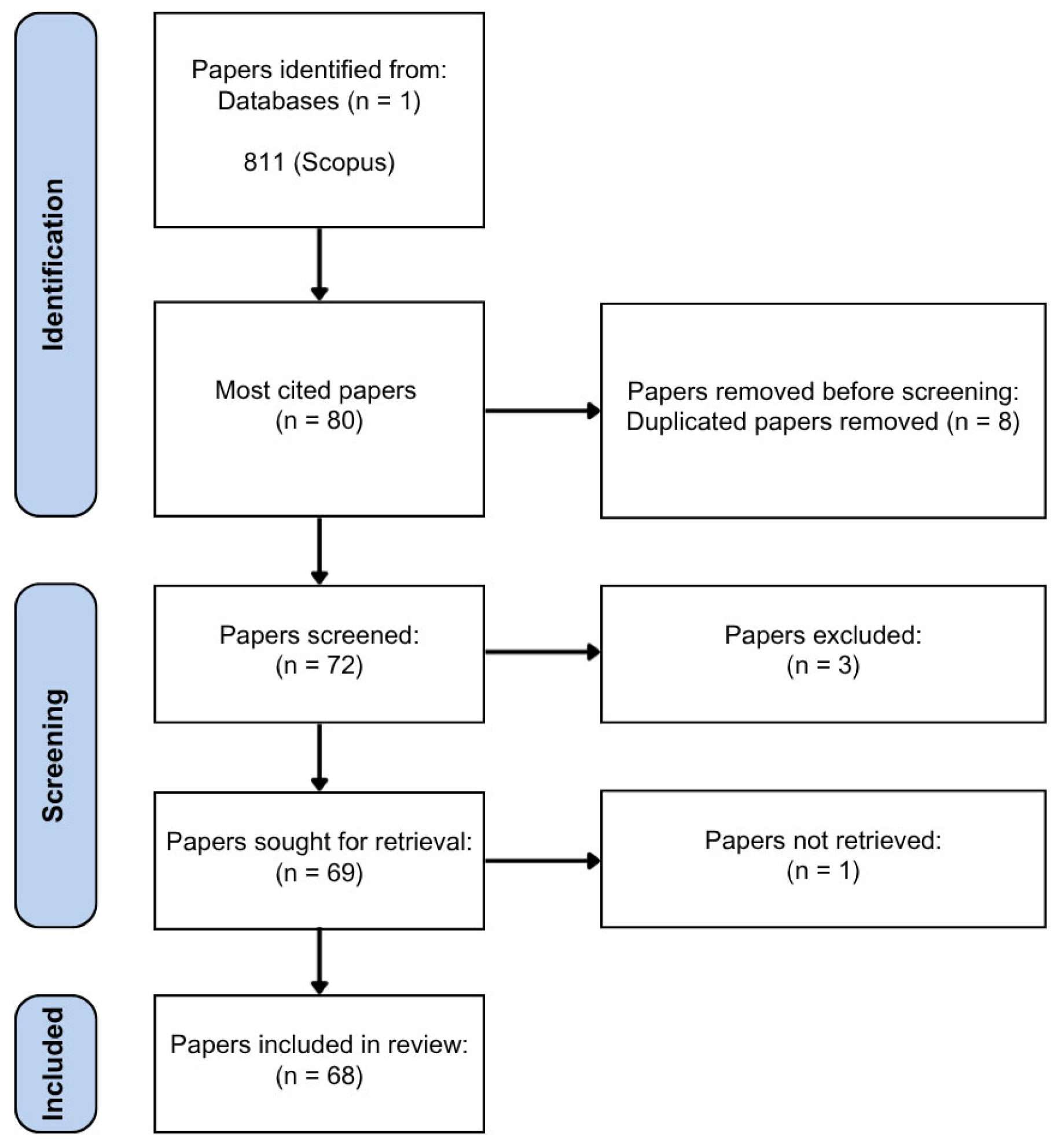
Figure 1. Flowchart of identification, screening and inclusion processes.
Water 17 03323 g001
Figure 2. Temporal distribution of the most-cited documents selected.
Water 17 03323 g002
Figure 3. Authors with the highest number of publications in the sample.
Water 17 03323 g003
Table 1. Typical life cycle stages of permeable pavements in LCA Studies.
Life Cycle StageDescriptionReferences
Raw material acquisition/ProductionExtraction and processing of constituent materials (aggregates, cement, asphalt, etc.)[27,28]
TransportTransport of materials to the construction site[28,29]
Construction/ImplementationPavement installation[28,30]
UsePerformance during use, including interaction with vehicles and the environment[28,29,31]
Maintenance and rehabilitationActivities related to the repair, cleaning, and refurbishment of the pavement[28]
End of life/DisposalDemolition and disposal or recycling of pavement materials[27,29,30]
Table 2. Methods used to measure the infiltration capacity.
Method for Measuring Infiltration CapacityPapers That Use the Method
ReferencesPercentage
Single and double ring infiltrometers[46,47,49,51,53]50%
Permeameter[50,54]20%
Drip-infiltrometer[48]10%
Cantabrian fixed infiltrometer[55]10%
Automated mini disc infiltrometer[44]10%
Table 3. Infiltration capacity of different types of permeable pavements.
PaperInfiltration Capacity (mm/h)Local
Porous AsphaltPorous Concrete
Valinski and Chandler [44]192.00145.80Syracuse, NY, USA
Huang et al. [49]43.767112.886Calgary, AB, Canada
Roseen et al. [53]14.90–26.90-Durham, NH, USA
Table 4. Pollutant removal efficiency of permeable pavements.
PaperPermeable Pavement Material TypeRemoval Efficiency (%)
TSSTNTP
Rahman et al. [45]Recycled
concrete aggregate
87.037.440.4
Crushed brick90.0040.051.1
Reclaimed asphalt pavement83.461.870.2
Huang et al. [49]Porous asphalt89.6–93.219.4–37.674.6–84.4
Porous concrete90.6–94.615.0–34.275.0–84.0
Permeable interlocking pavers86.9–94.32.9–40.074.9–81.9
Hammes et al. [10]Porous asphalt with a sand layer92.0-23.0
Porous asphalt without a sand layer83.0-58.0
Disclaimer/Publisher’s Note: The statements, opinions and data contained in all publications are solely those of the individual author(s) and contributor(s) and not of MDPI and/or the editor(s). MDPI and/or the editor(s) disclaim responsibility for any injury to people or property resulting from any ideas, methods, instructions or products referred to in the content.