Article

Waveform Imaging Based on Linear Forward Representations for Scalar Wave Seismic Data

1
School of Earth Sciences, Zhejiang University, Hangzhou 310027, China
2
Ocean College, Zhejiang University, Hangzhou 310027, China
*
Author to whom correspondence should be addressed.
Water 2024, 16(3), 403; https://doi.org/10.3390/w16030403
Submission received: 5 December 2023 / Revised: 17 January 2024 / Accepted: 24 January 2024 / Published: 25 January 2024
(This article belongs to the Special Issue Marine Geophysics and Marine Seismology Research)

Abstract

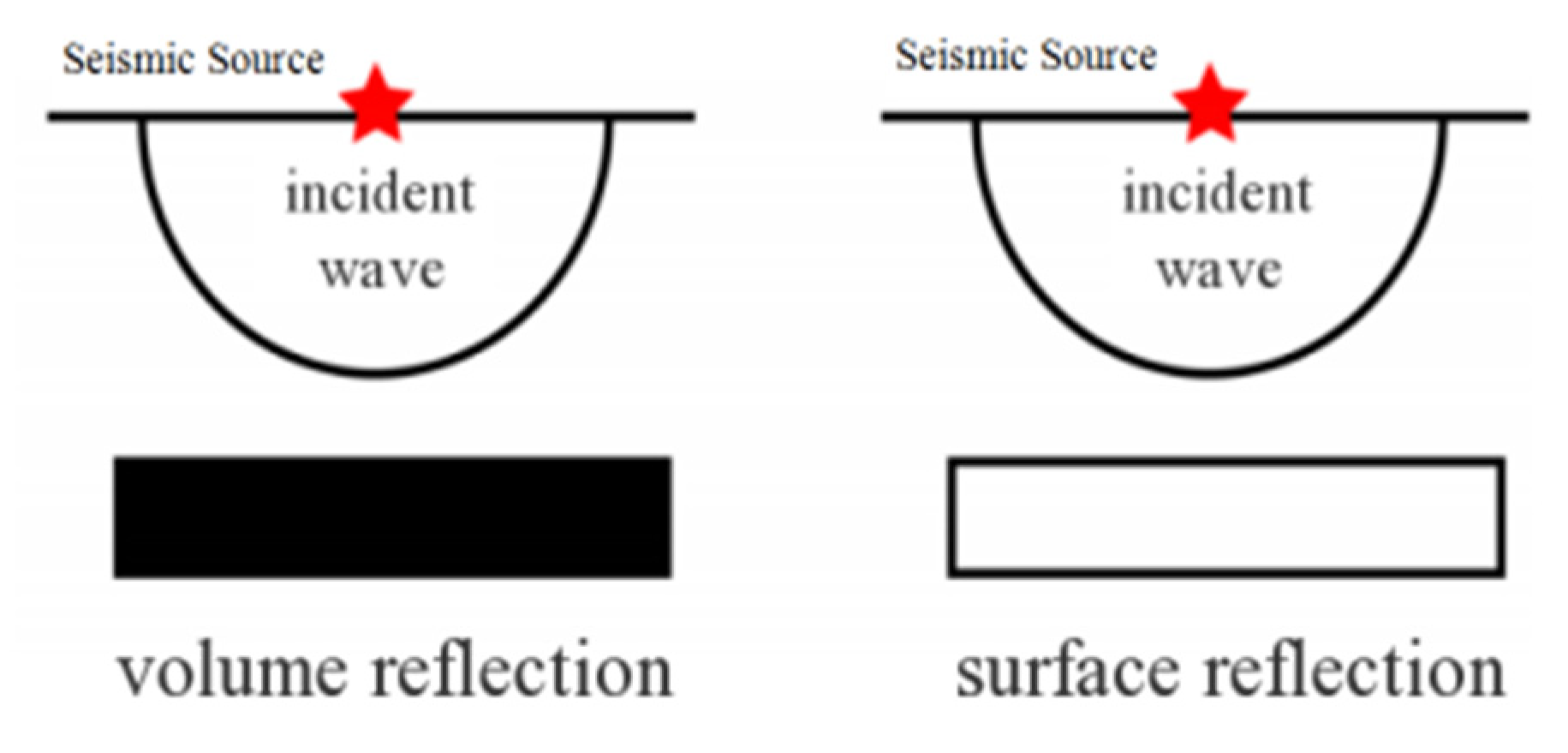
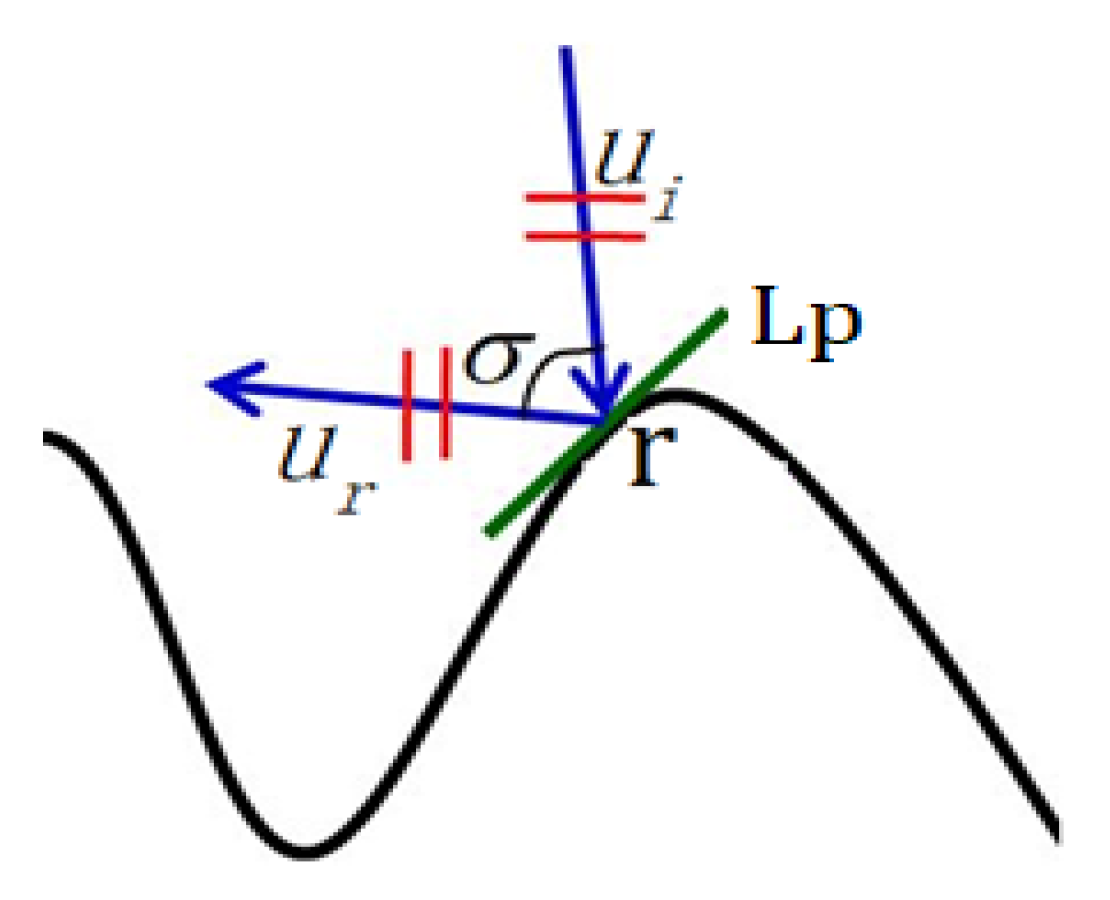
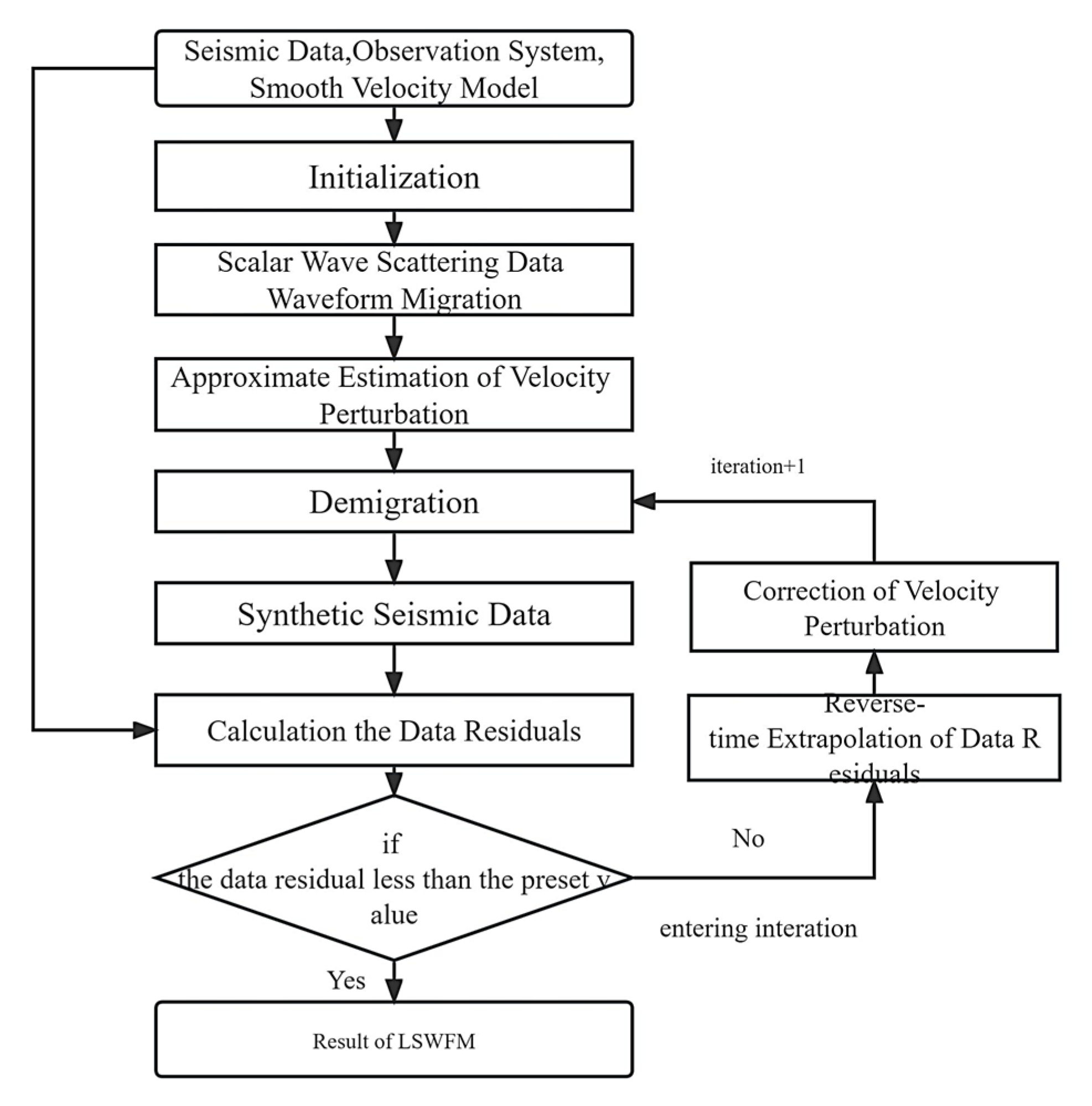
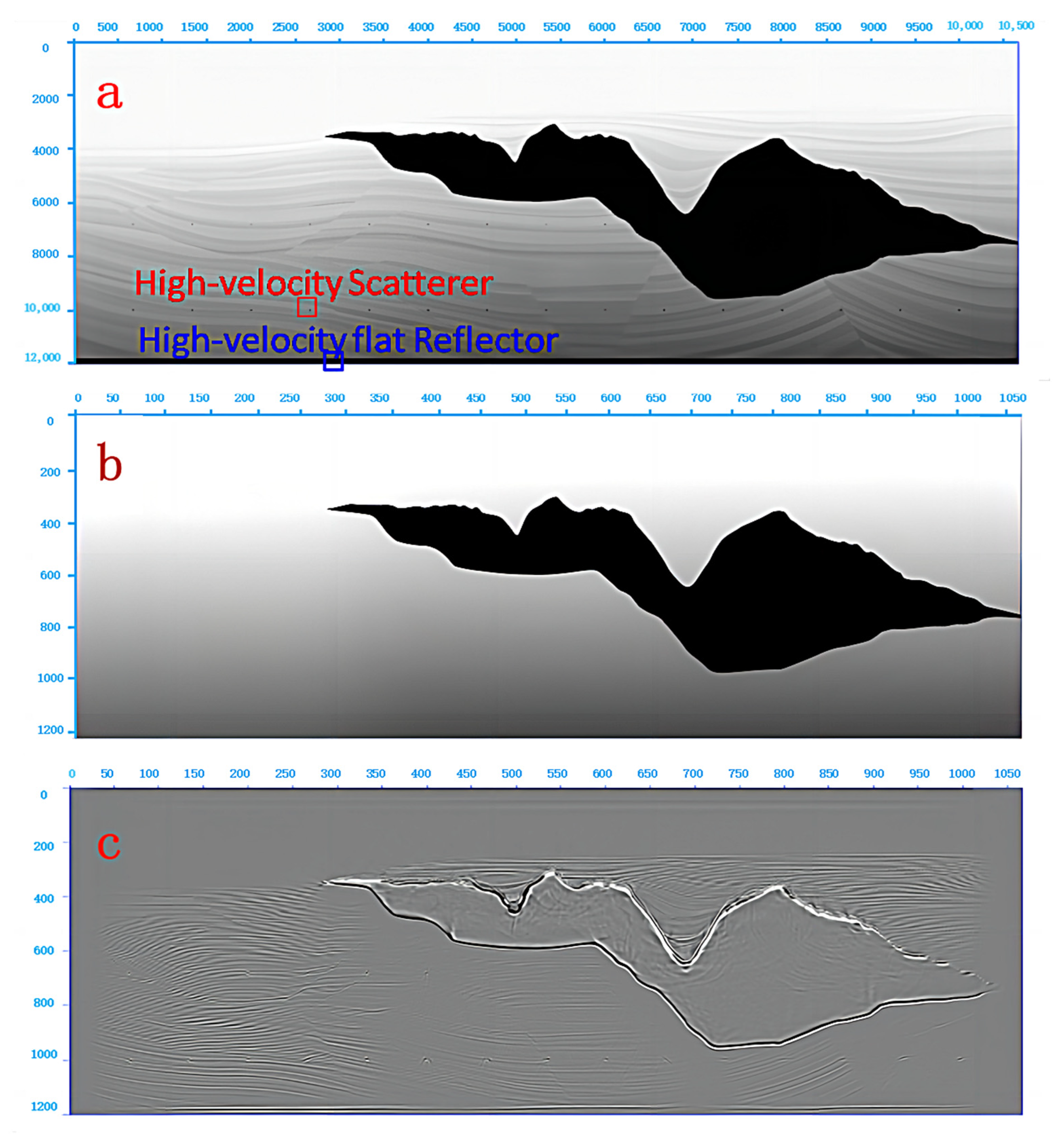
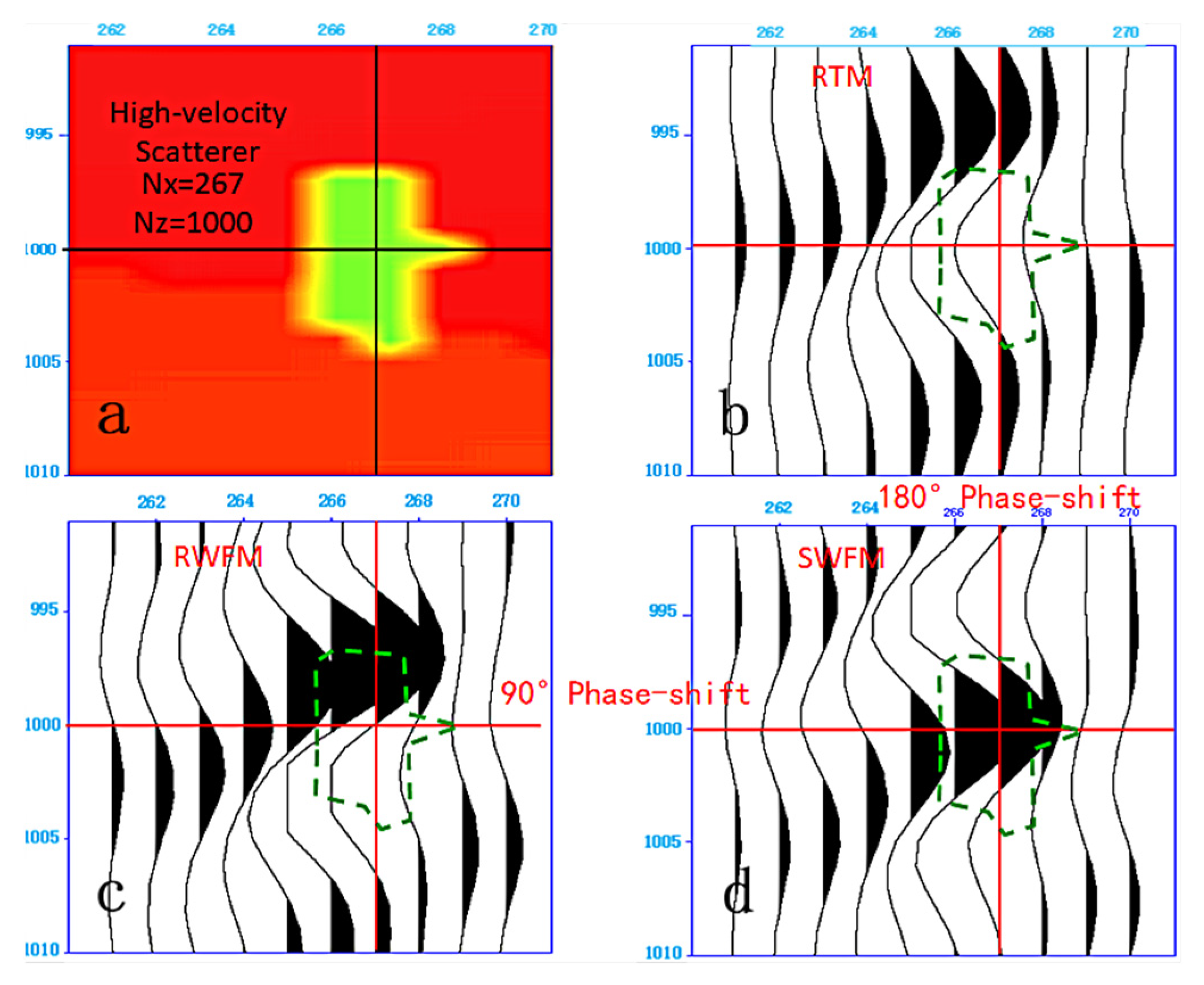
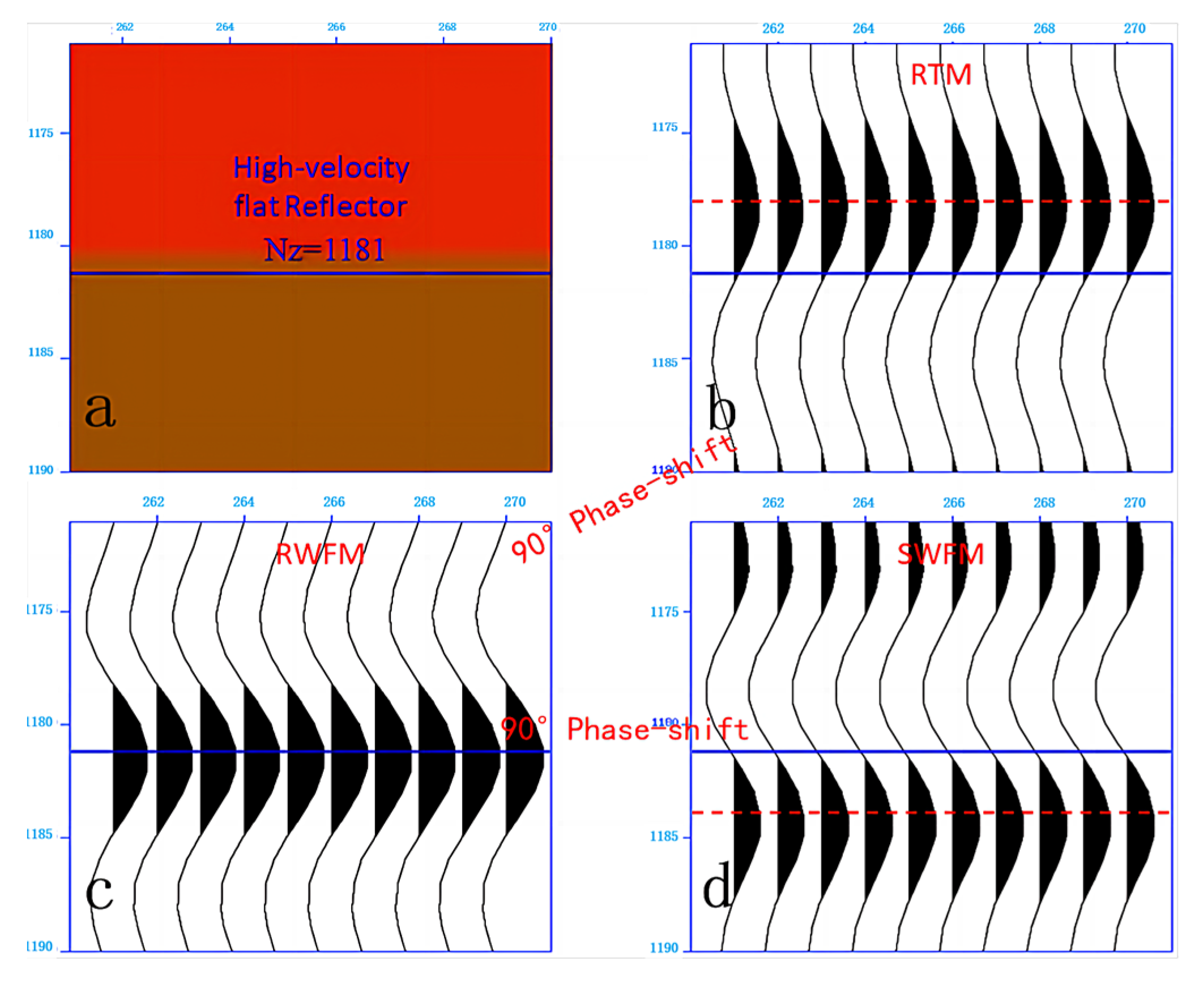
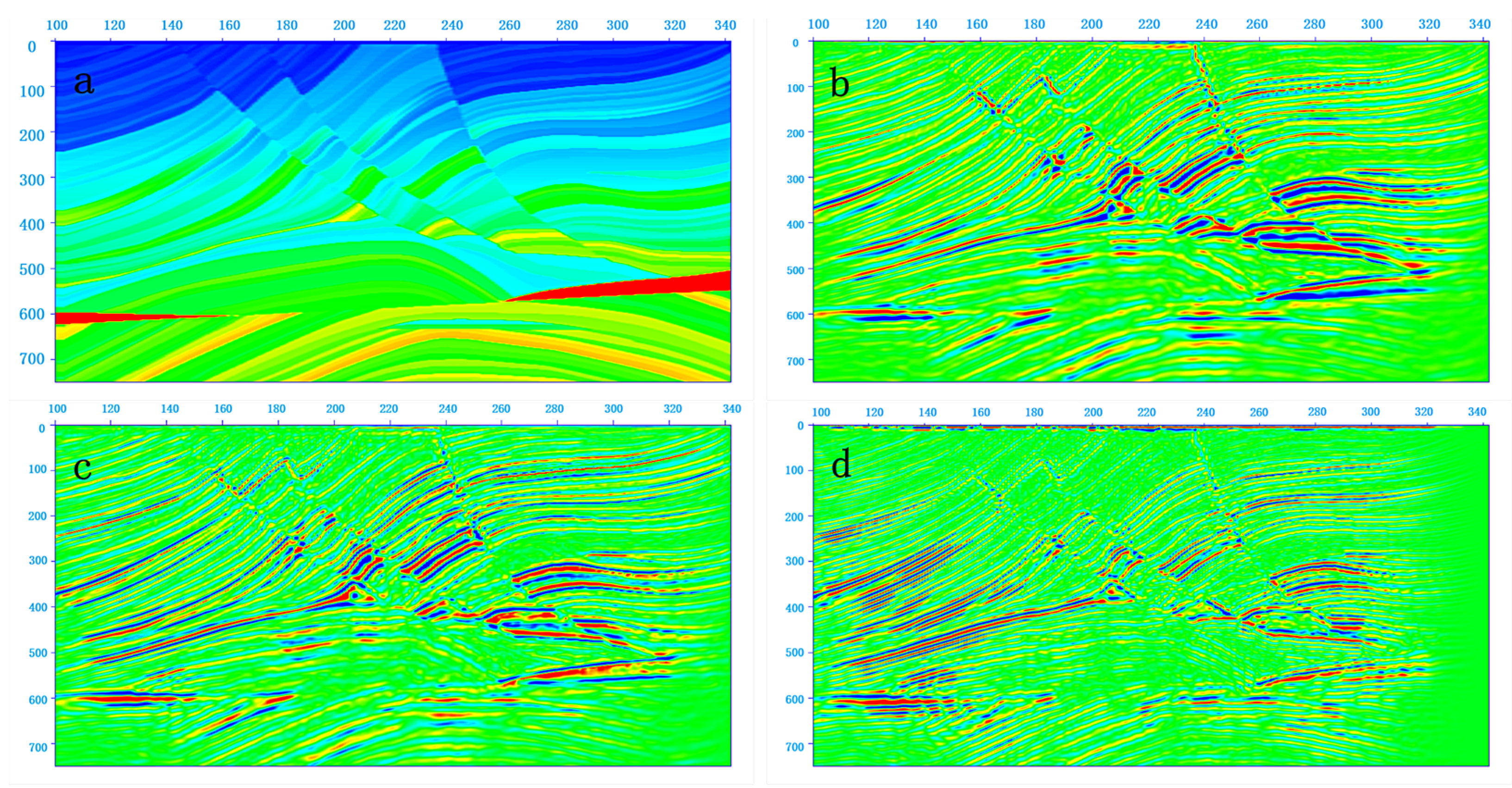
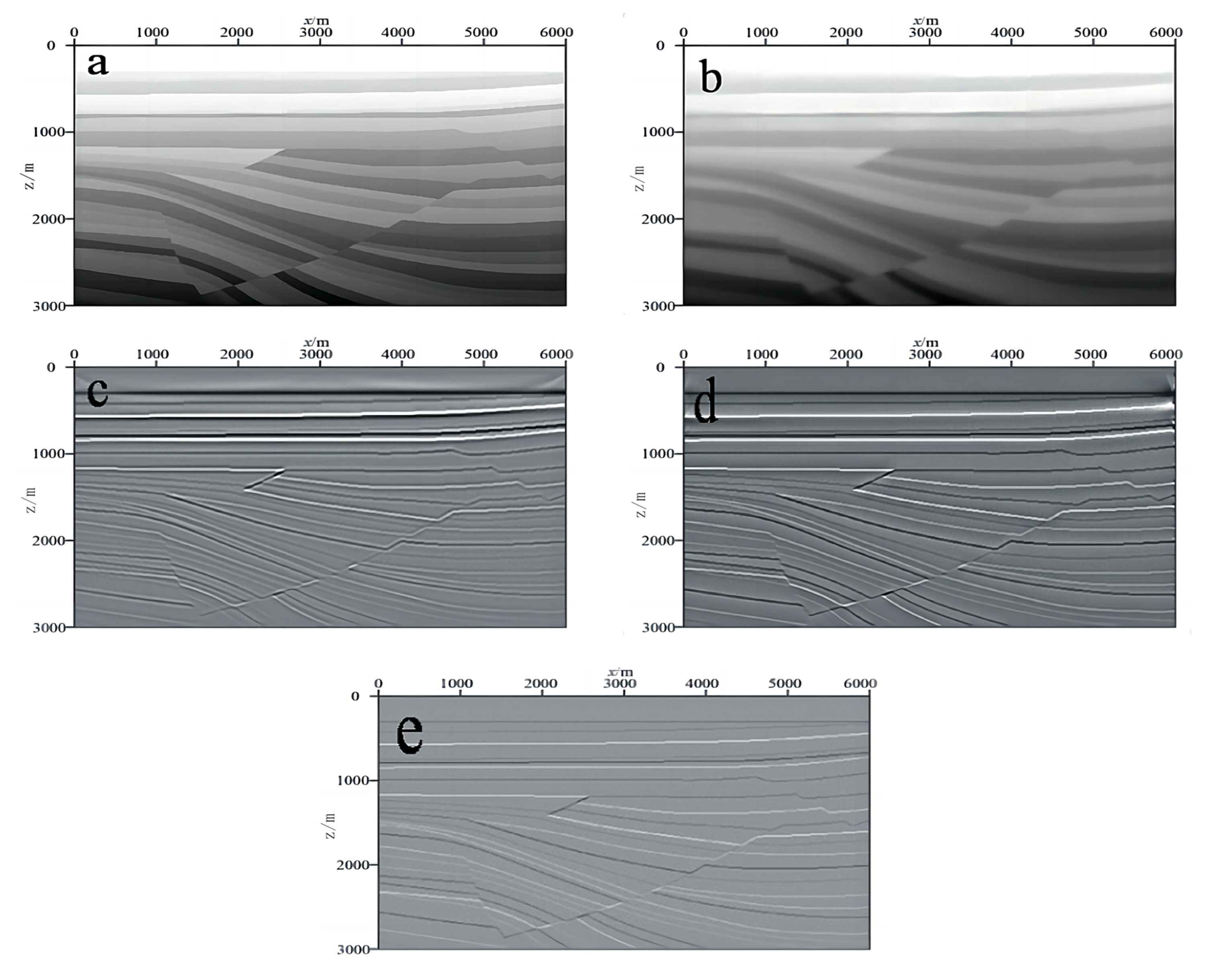
The current reverse-time migration, which is based on wave equations for imaging wavefields, employs an imaging formula derived from Claerbout’s imaging principle. This imaging formula is only valid for plane waves with small incident angles on the perfectly flat reflecting surface. However, the complexity of seismic wave propagation may lead to situations that do not meet this requirement. Therefore, this paper divides the subsurface into local scattering and reflecting bodies. It proposes linear forward representations for scattering and reflection data based on perturbations in the physical parameters and wave impedance, respectively. To further describe the effect on the reflecting body boundary, the local reflection coefficient is defined and the linear forward representation for the reflection data based on it is obtained. After that, the proposed linear forward representations are used as the forward equations for the linear inverse of the seismic data, and the seismic data waveform imaging method is developed based on linear inversion theory. At the same time, the specific waveform imaging calculation formulas for scalar wave scattering data and scalar wave reflection data are provided and validated via numerical experiments. Compared with the current reverse-time migration, waveform migration not only has the correct phase and higher resolution in theory but also does not increase the computational complexity. To some extent, it improves the deficiencies of the current structural imaging and provides a basis for subsurface lithological imaging.
Keywords: scalar wave scattering data; scalar wave reflection data; linear forward representations; linear inversion; waveform migration scalar wave scattering data; scalar wave reflection data; linear forward representations; linear inversion; waveform migration