Review

Water Consumption and the Water Footprint in Aquaculture: A Review

1
Faculty of Engineering, School of Civil Engineering, Aristotle University of Thessaloniki, GR-54124 Thessaloniki, Greece
2
Department of Veterinary Medicine, Aristotle University of Thessaloniki, GR-54124 Thessaloniki, Greece
*
Author to whom correspondence should be addressed.
Water 2024, 16(23), 3376; https://doi.org/10.3390/w16233376
Submission received: 9 October 2024 / Revised: 6 November 2024 / Accepted: 22 November 2024 / Published: 24 November 2024

Abstract

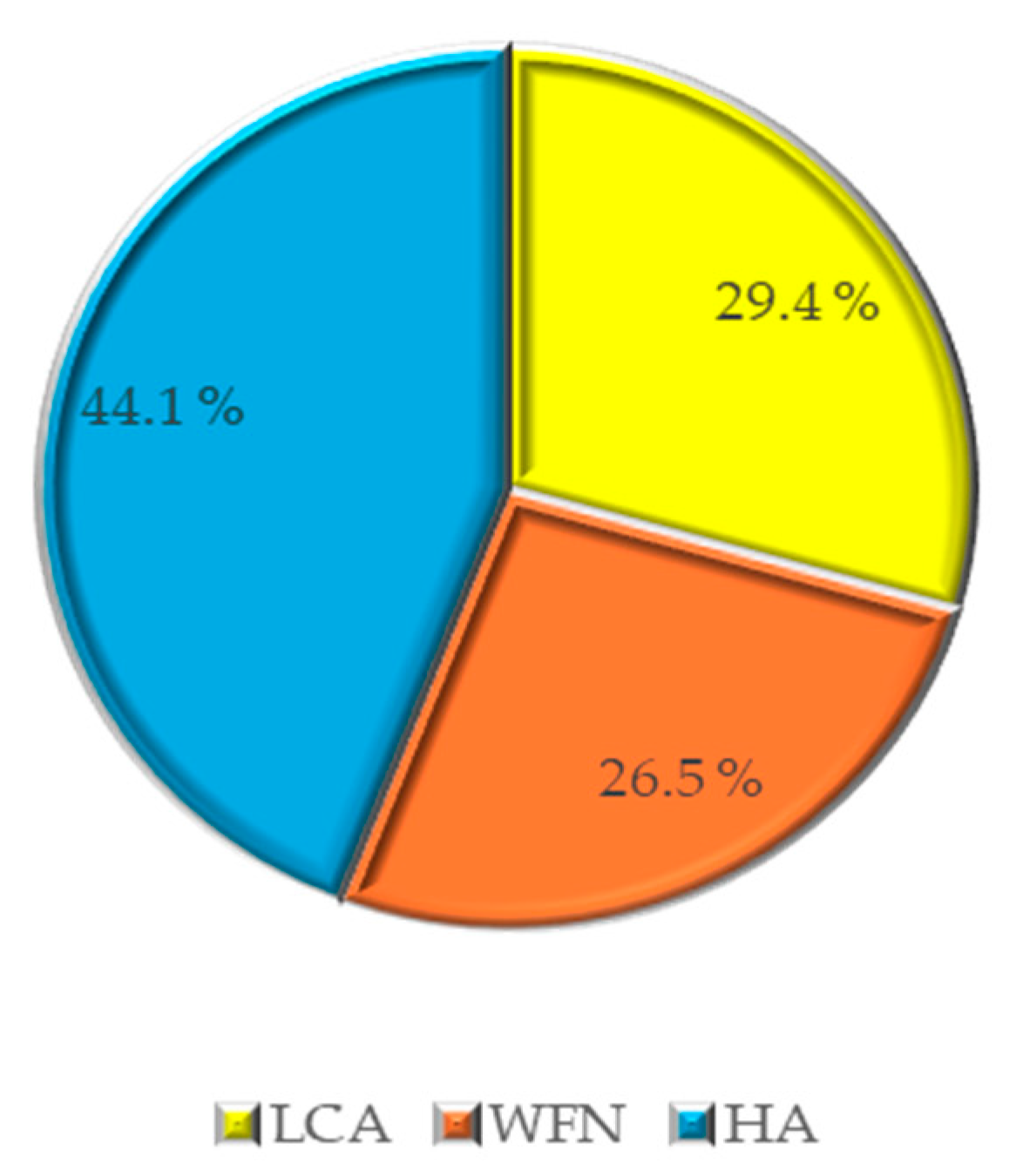
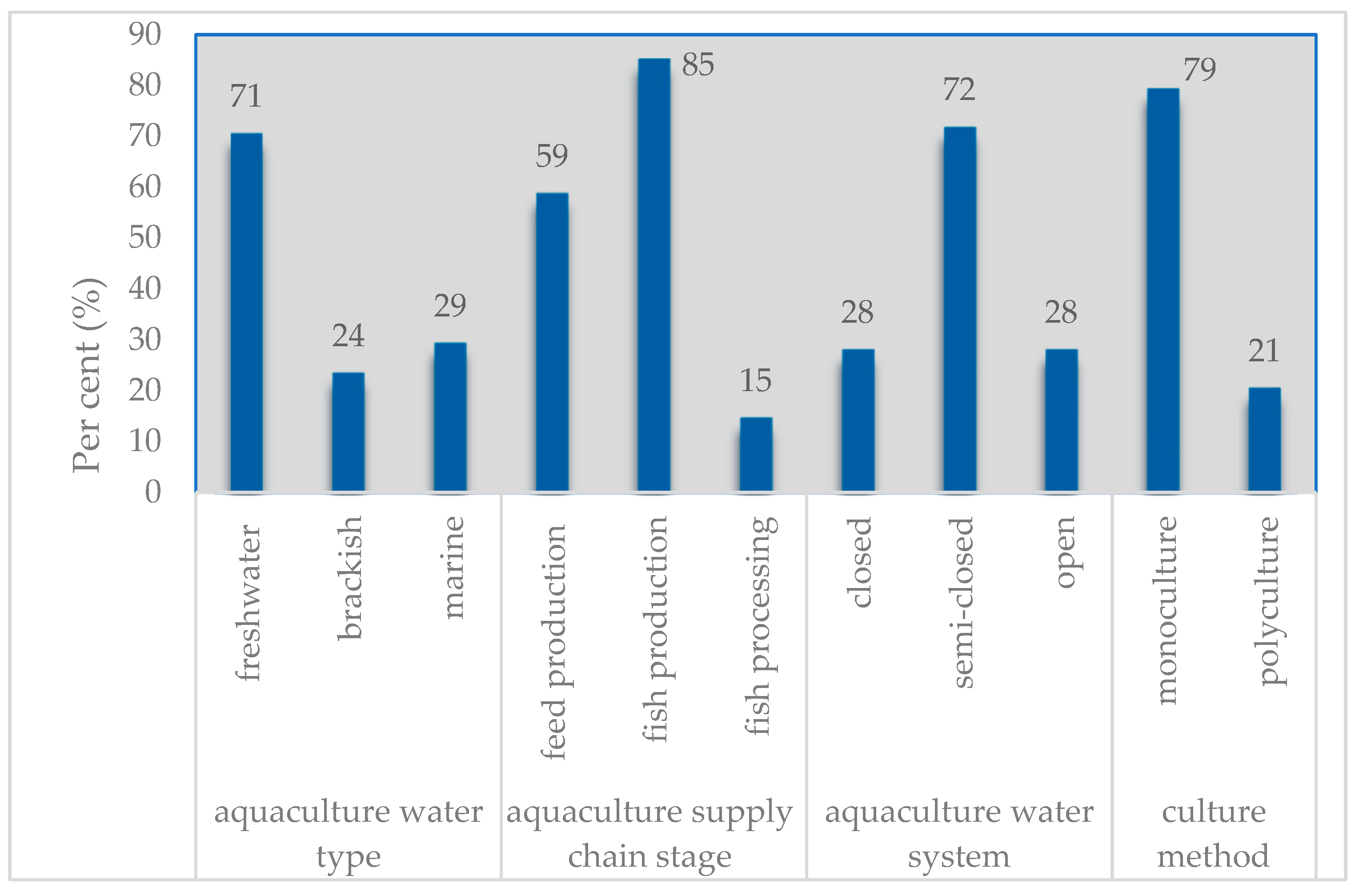
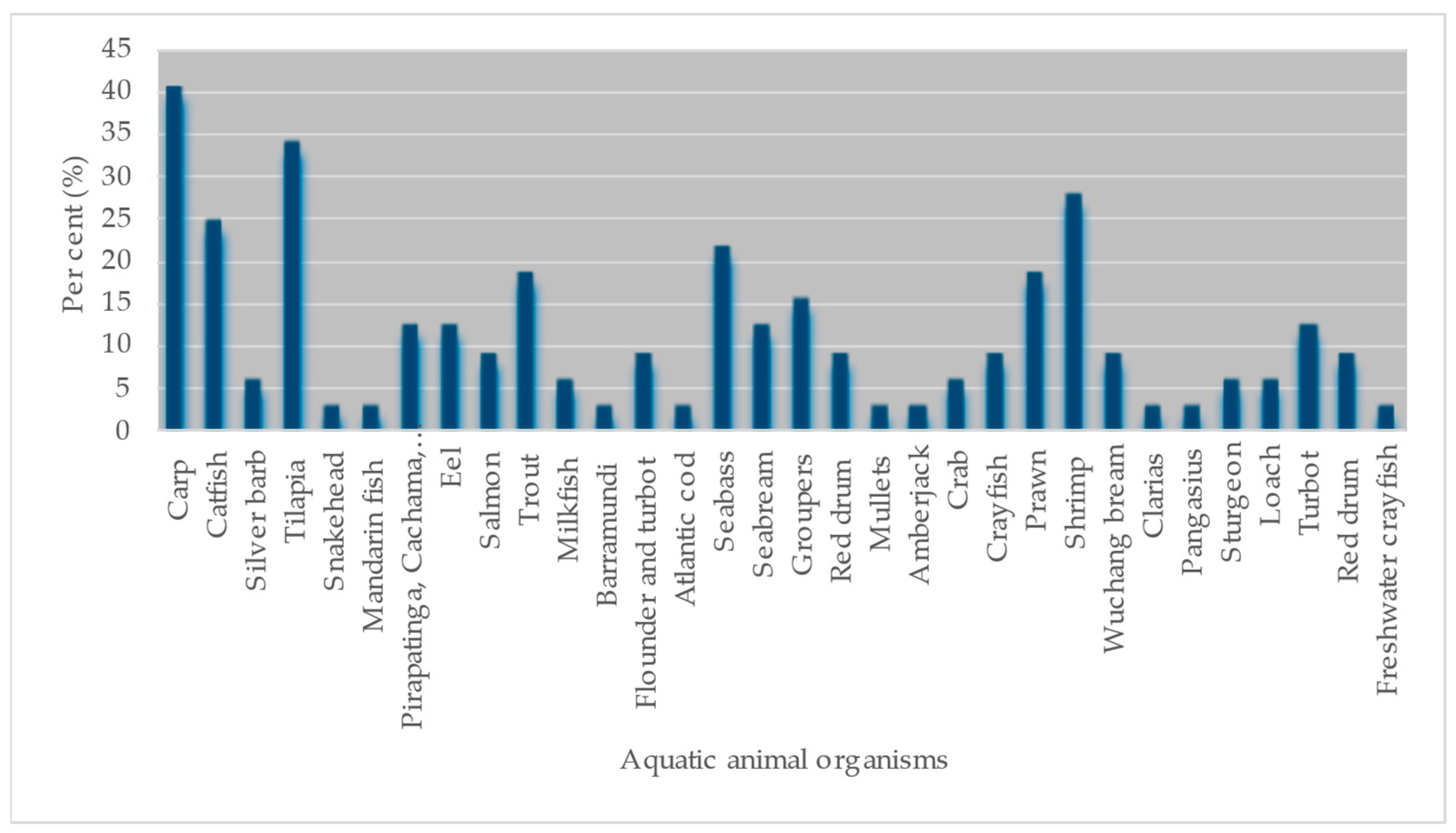
Aquaculture is a rapidly growing industry that contributes to the growing global demand for food. Numerous studies have investigated the necessity of increasing food production while reducing its negative effects on the environment. Aquaculture involves the cultivation of aquatic animals such as fish, shrimp, and mollusks that require water for their growth and maintenance in various types of aquaculture operations, such as recirculated aquaculture systems (RASs), ponds, and sea cages. This study investigates mainly life cycle assessment (LCA) in relation to water consumption, the water footprint (WF) and water budgeting approaches in aquaculture. In addition, it contributes to the expansion of knowledge and understanding of the different methodologies used, production practices, types of water (freshwater, marine or brackish) and direct or indirect water consumption in intensive, semi-intensive and extensive types of aquaculture. Notably, this study focuses on water consumption and does not include water indices that account for all the water used in a system, regardless of whether it is returned to the sourced watershed and is therefore available for other uses. Approximately 15% of the reviewed studies focus on the fish processing stage of the production chain, which emphasizes the need for more research on this stage. The species of carp, tilapia, shrimp, and catfish are the most frequently studied aquatic animals in relation to water consumption in aquaculture. Research on water consumption patterns can contribute to the development of a more water-efficient aquaculture system that is essential for promoting sustainable practices.
Keywords: water footprint; life cycle assessment; aquaculture; consumptive water use; water consumption; consumptive water productivity; water budgeting; hydrologic analysis water footprint; life cycle assessment; aquaculture; consumptive water use; water consumption; consumptive water productivity; water budgeting; hydrologic analysis