Article

A Comparative Study of Breaking Wave Loads on Cylindrical and Conical Substructures
by
Eirinaios Chatzimarkou
and
Constantine Michailides
*
Department of Civil Engineering and Geomatics, Cyprus University of Technology, Limassol 3036, Cyprus
*
Author to whom correspondence should be addressed.
Water 2021, 13(7), 924; https://doi.org/10.3390/w13070924
Submission received: 11 February 2021 / Revised: 20 March 2021 / Accepted: 23 March 2021 / Published: 28 March 2021
(This article belongs to the Section Hydraulics and Hydrodynamics)

Abstract

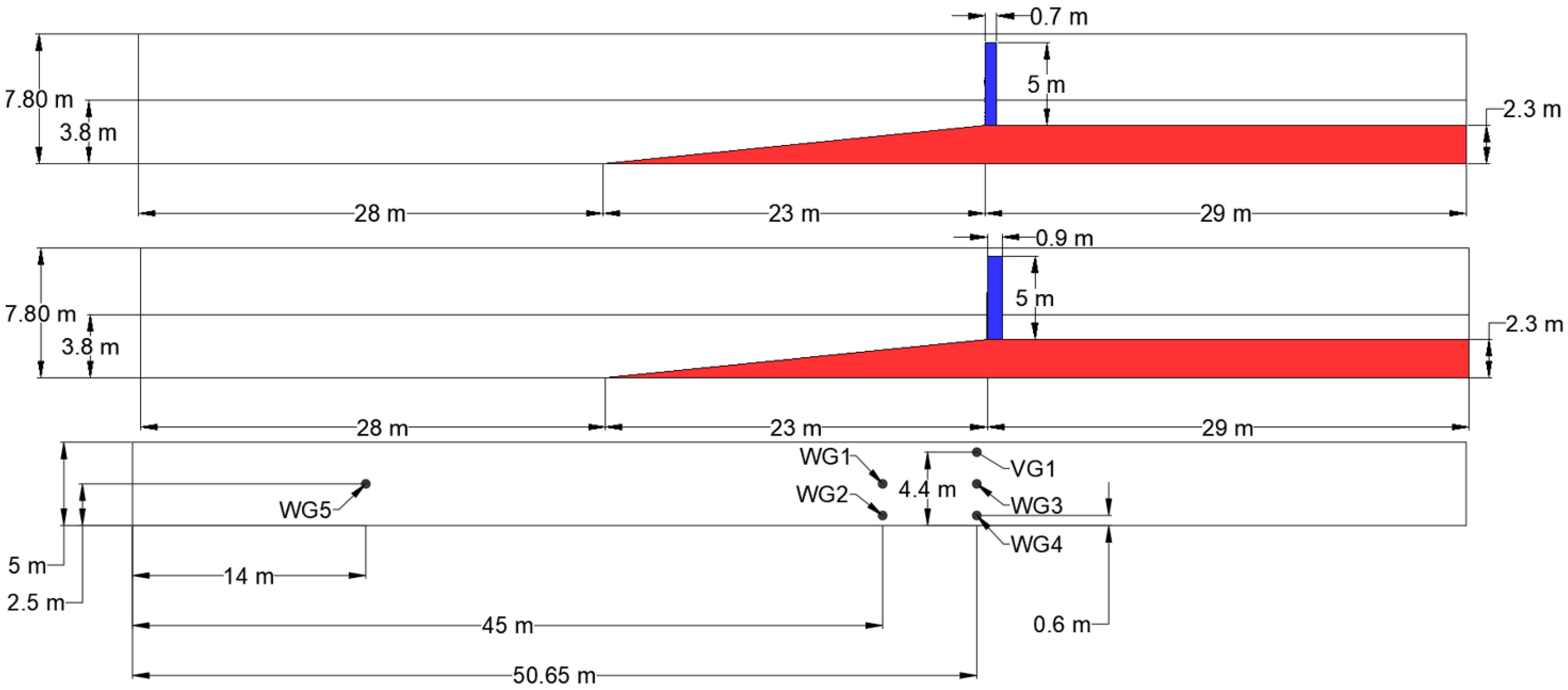
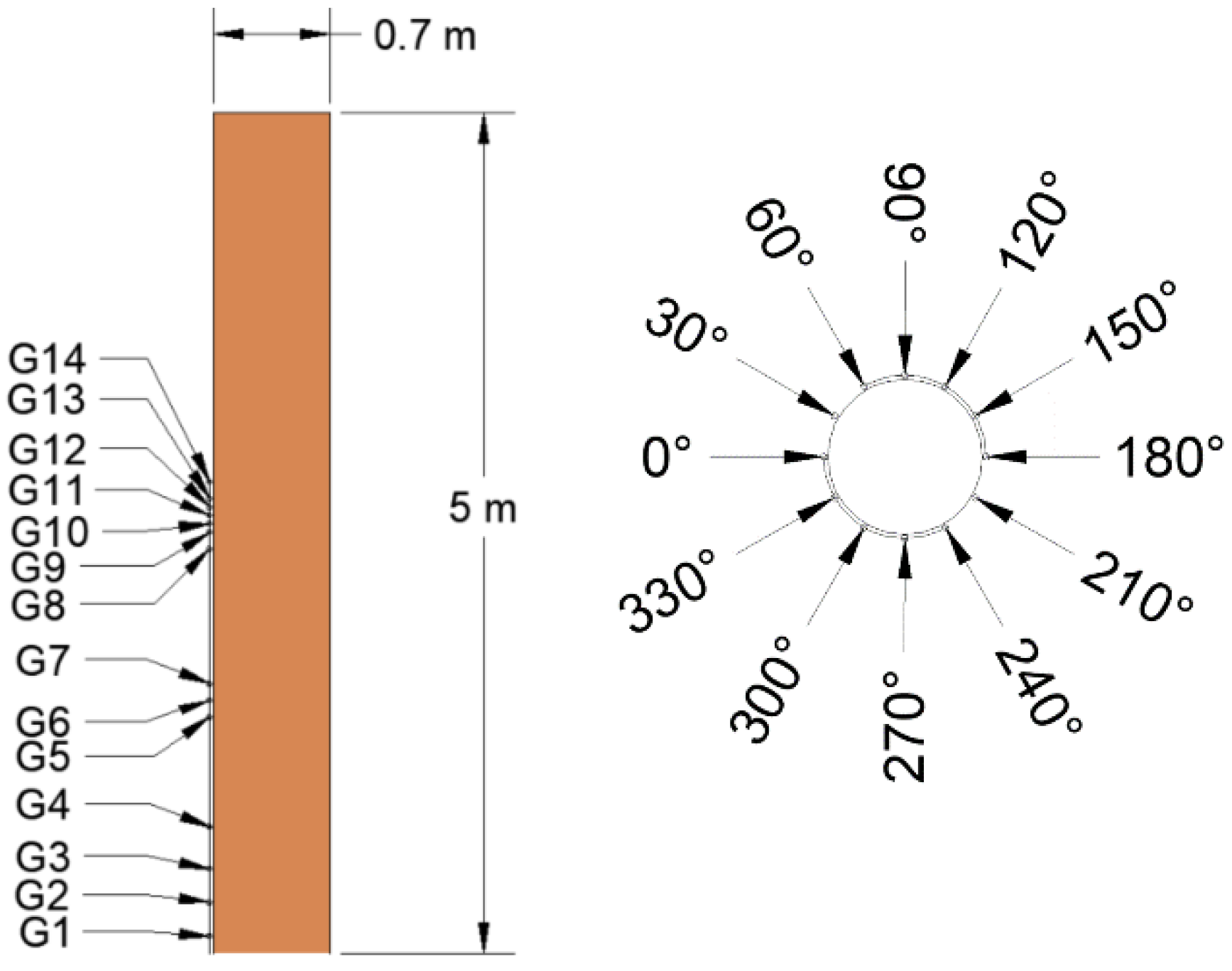
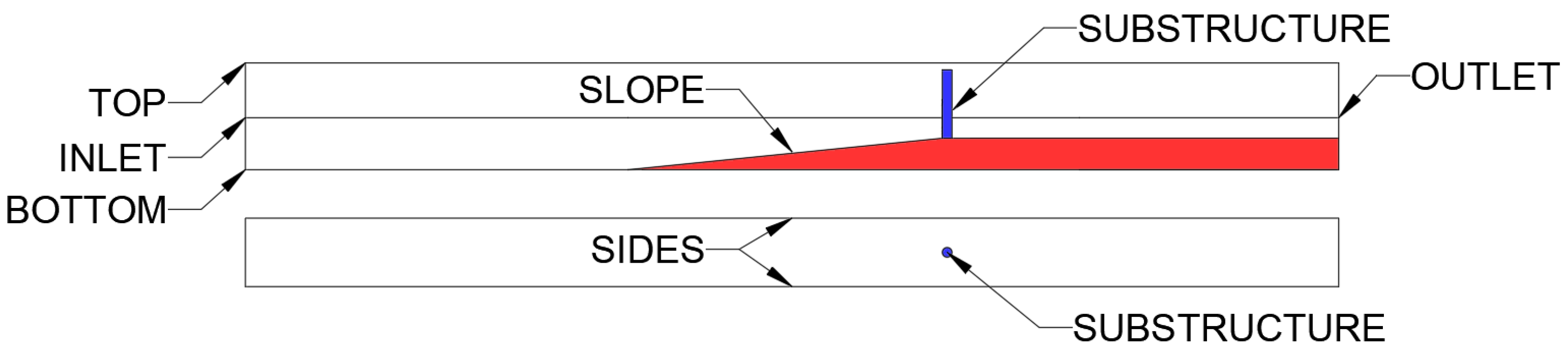
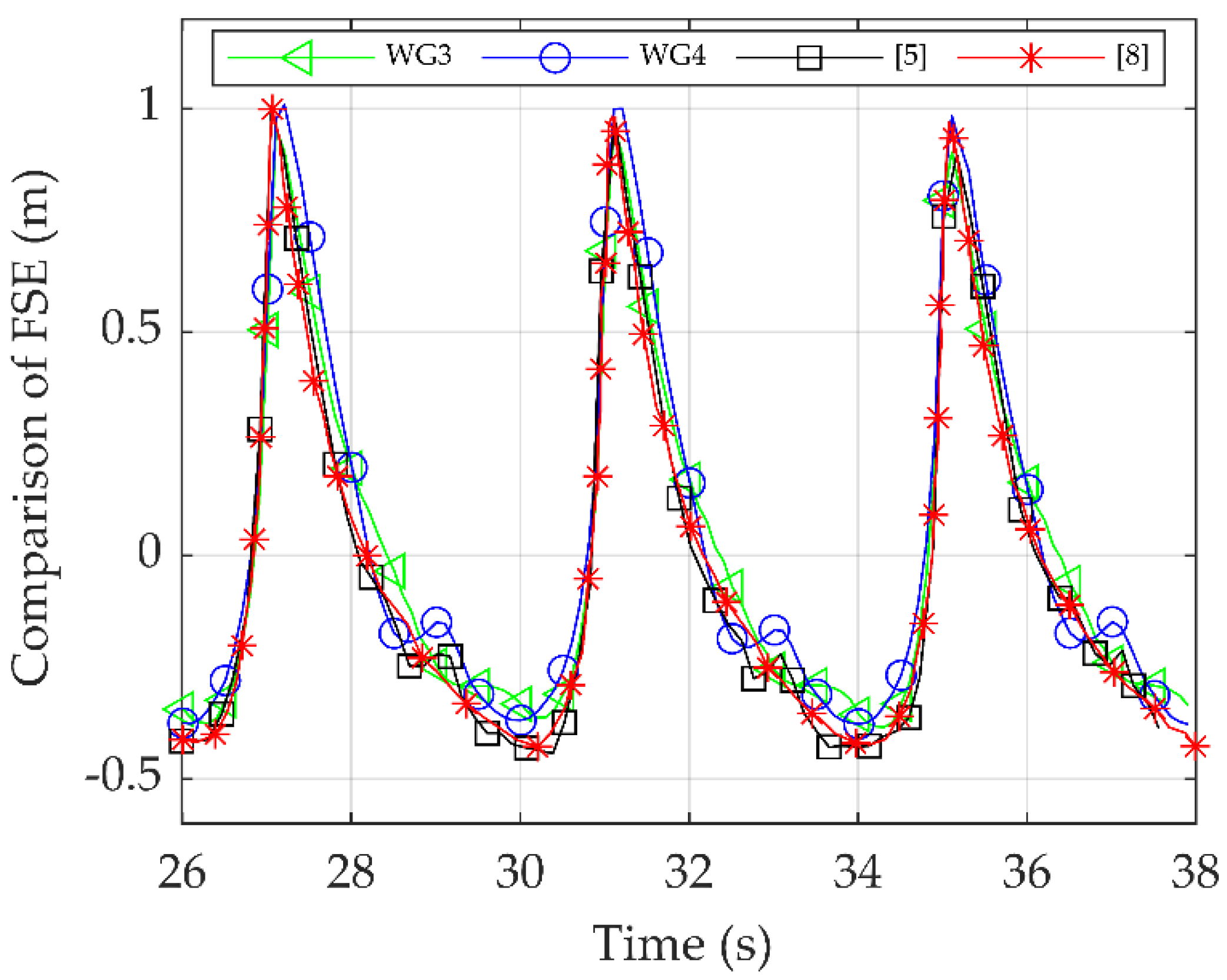
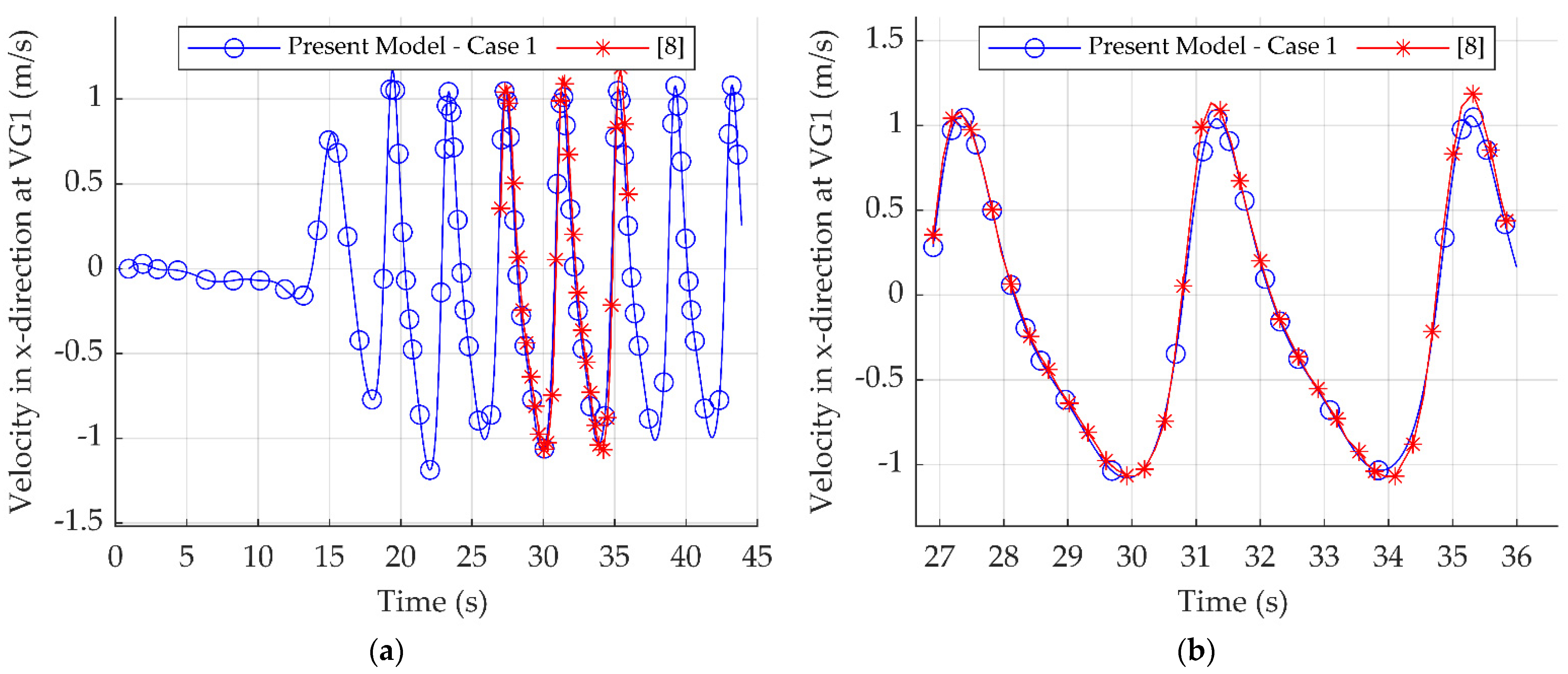
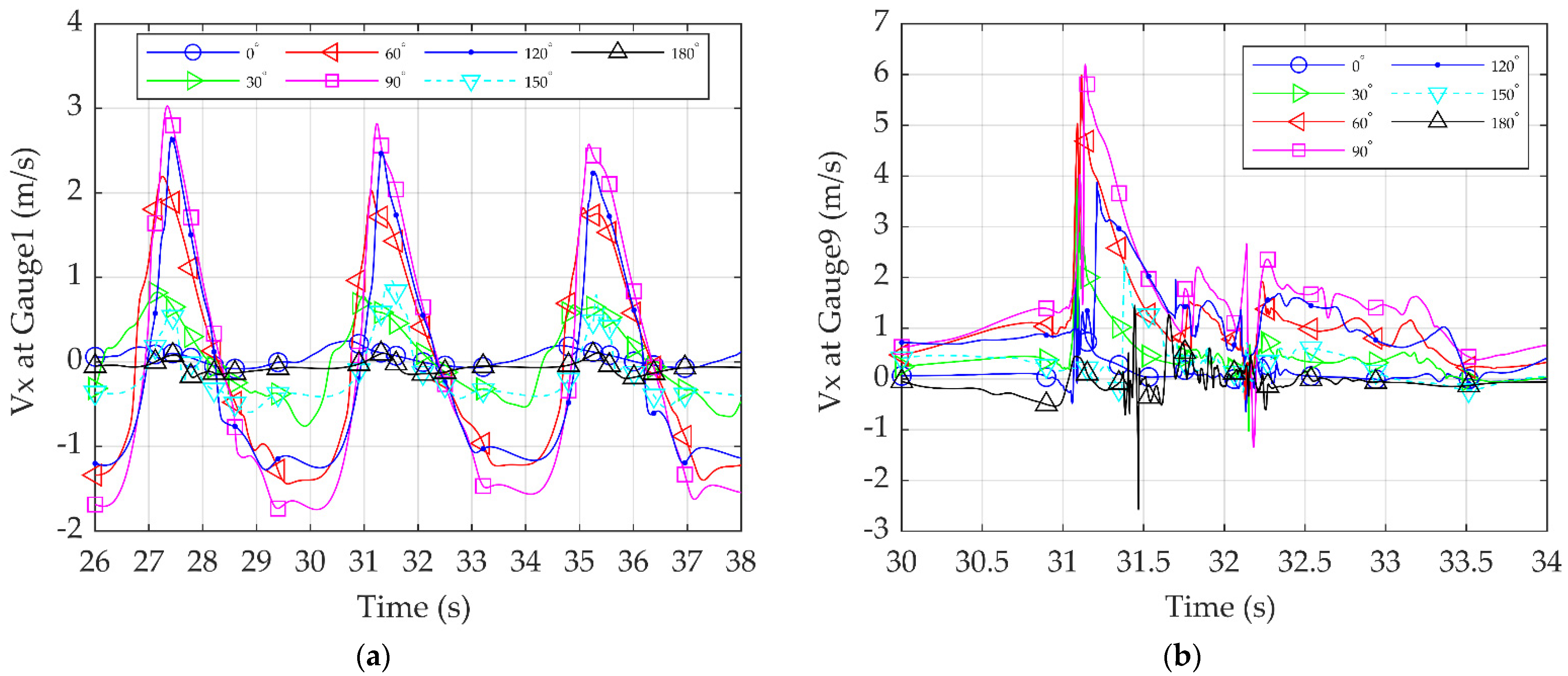
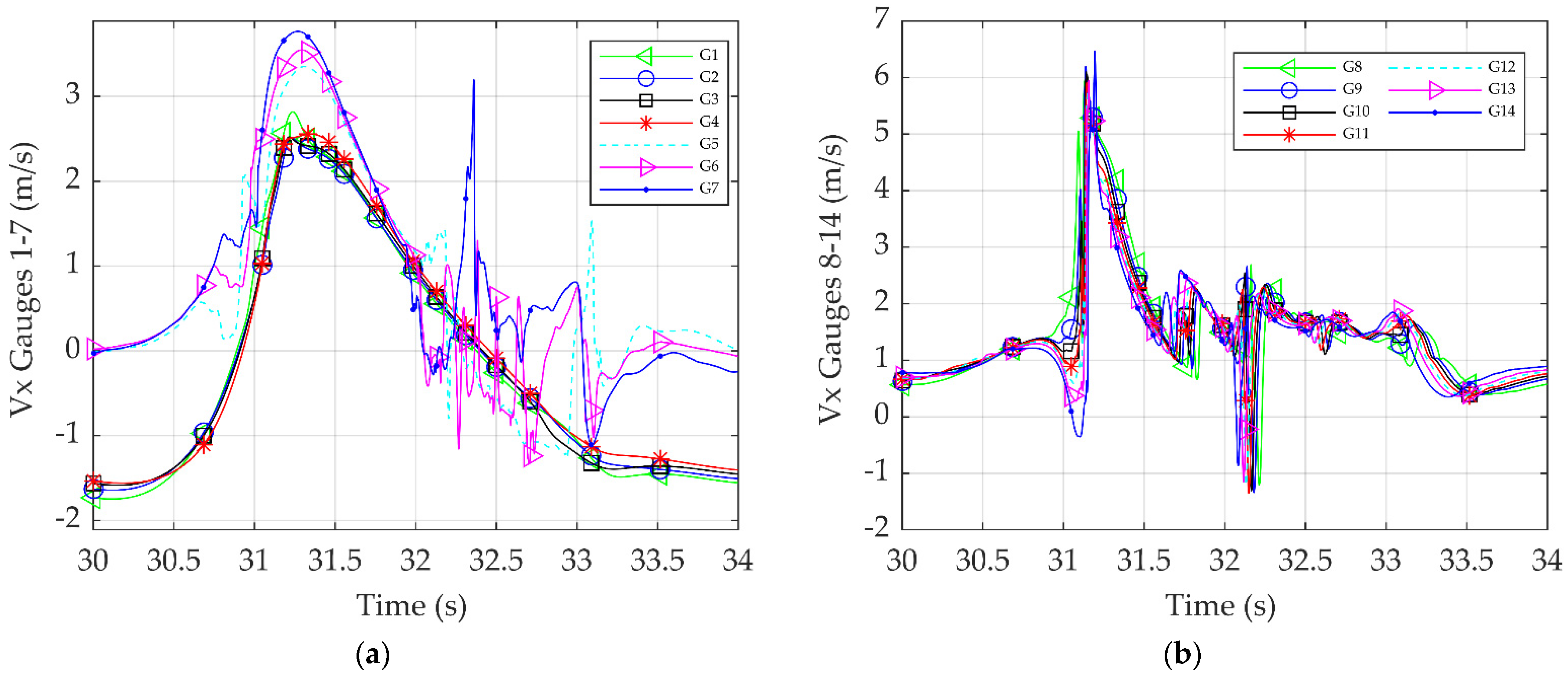
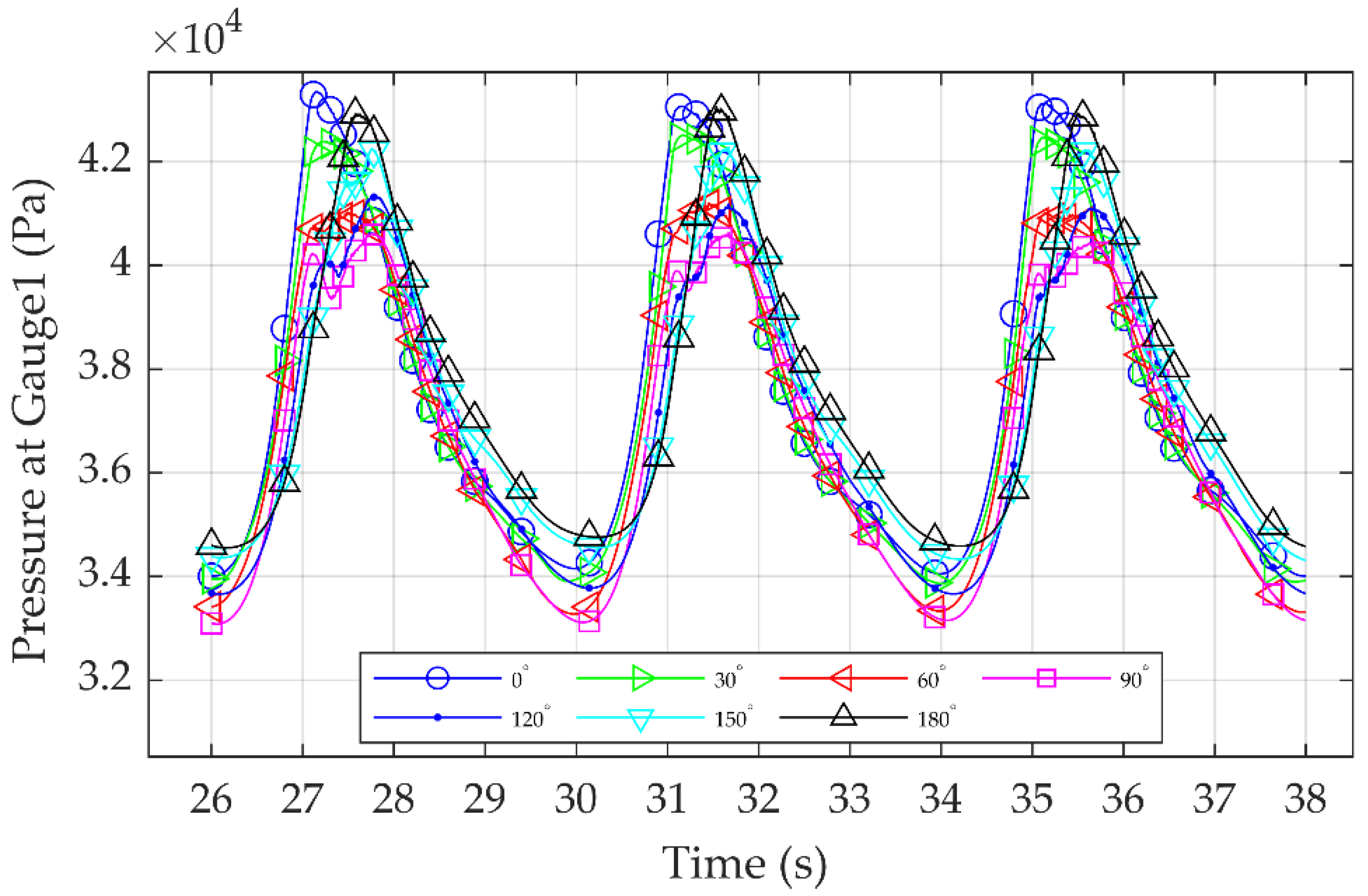
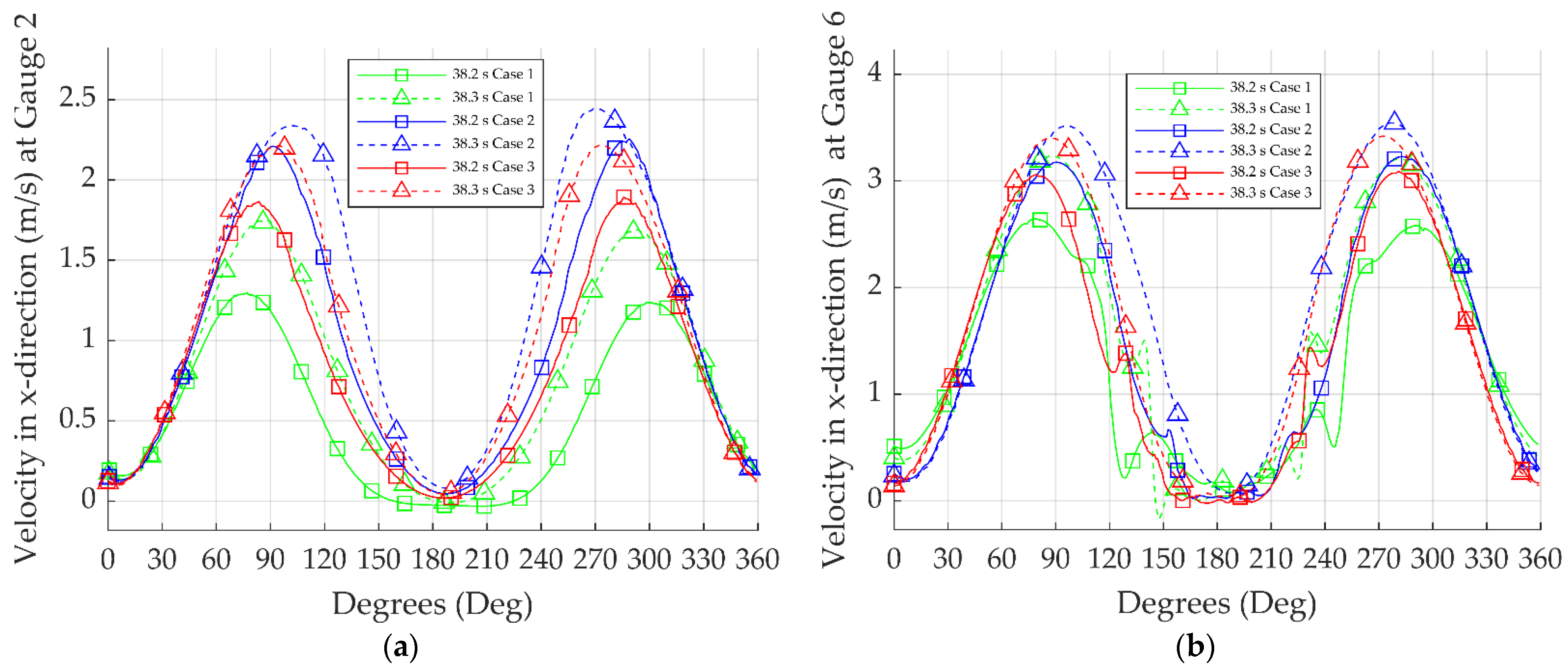
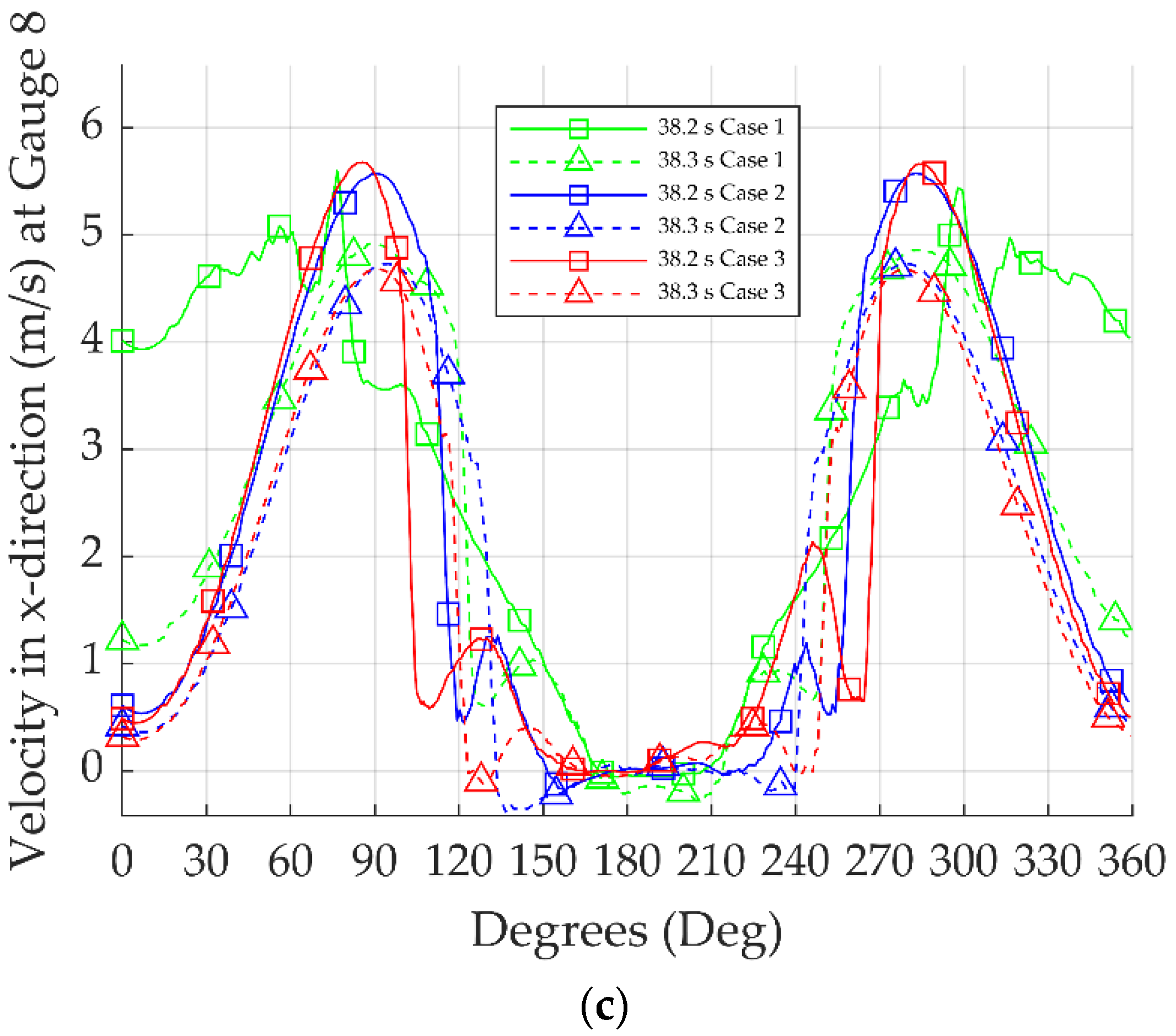
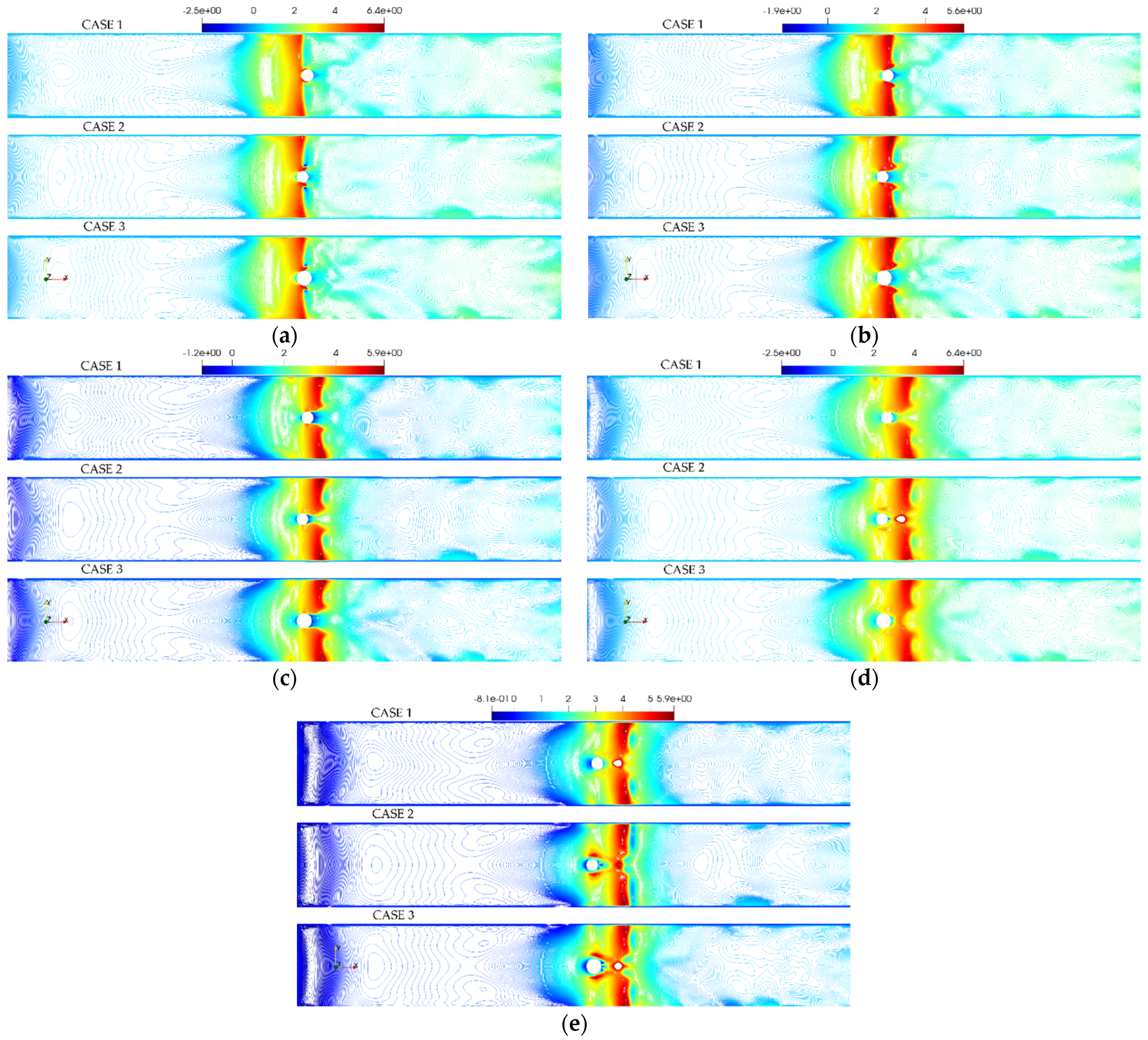
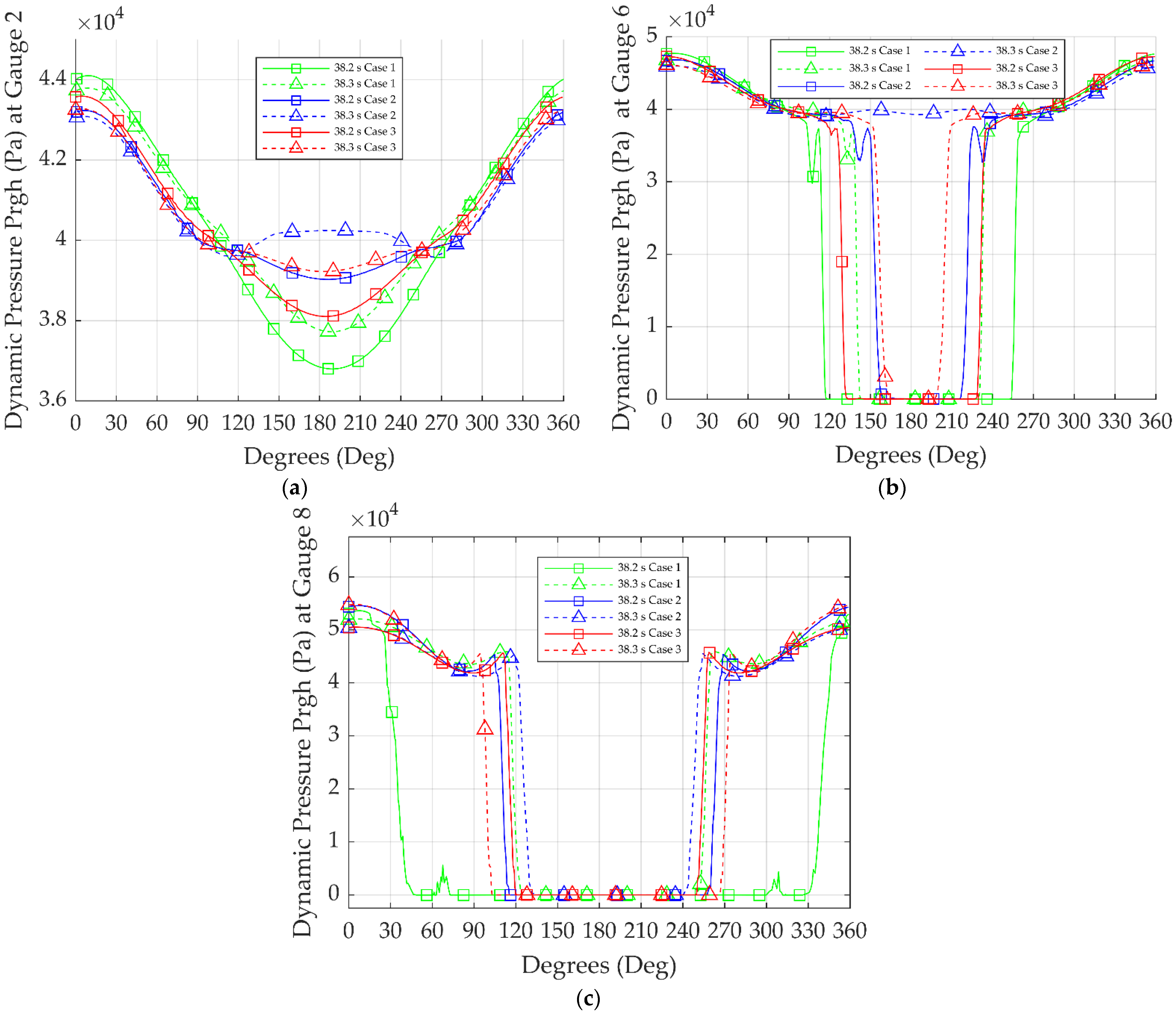
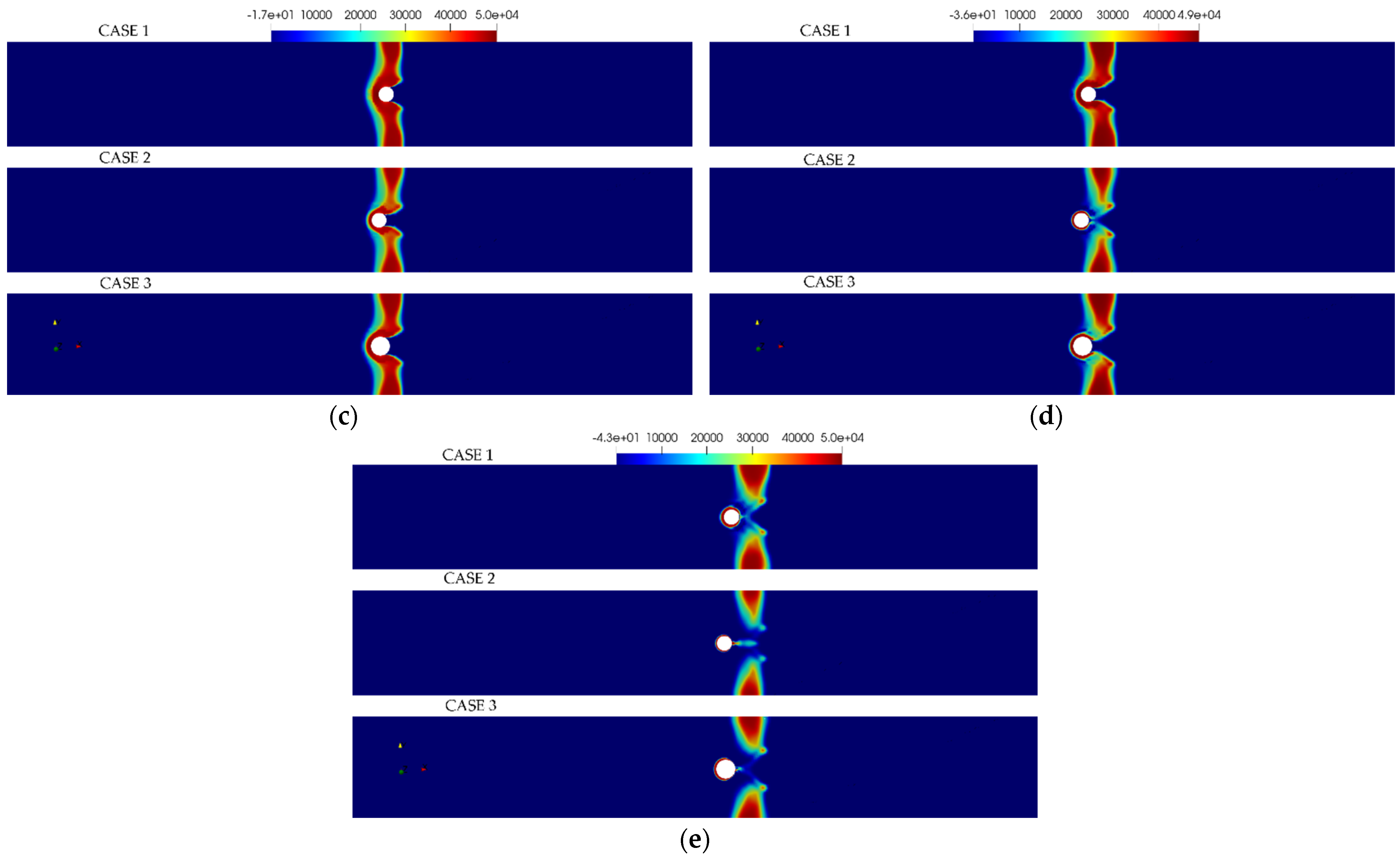
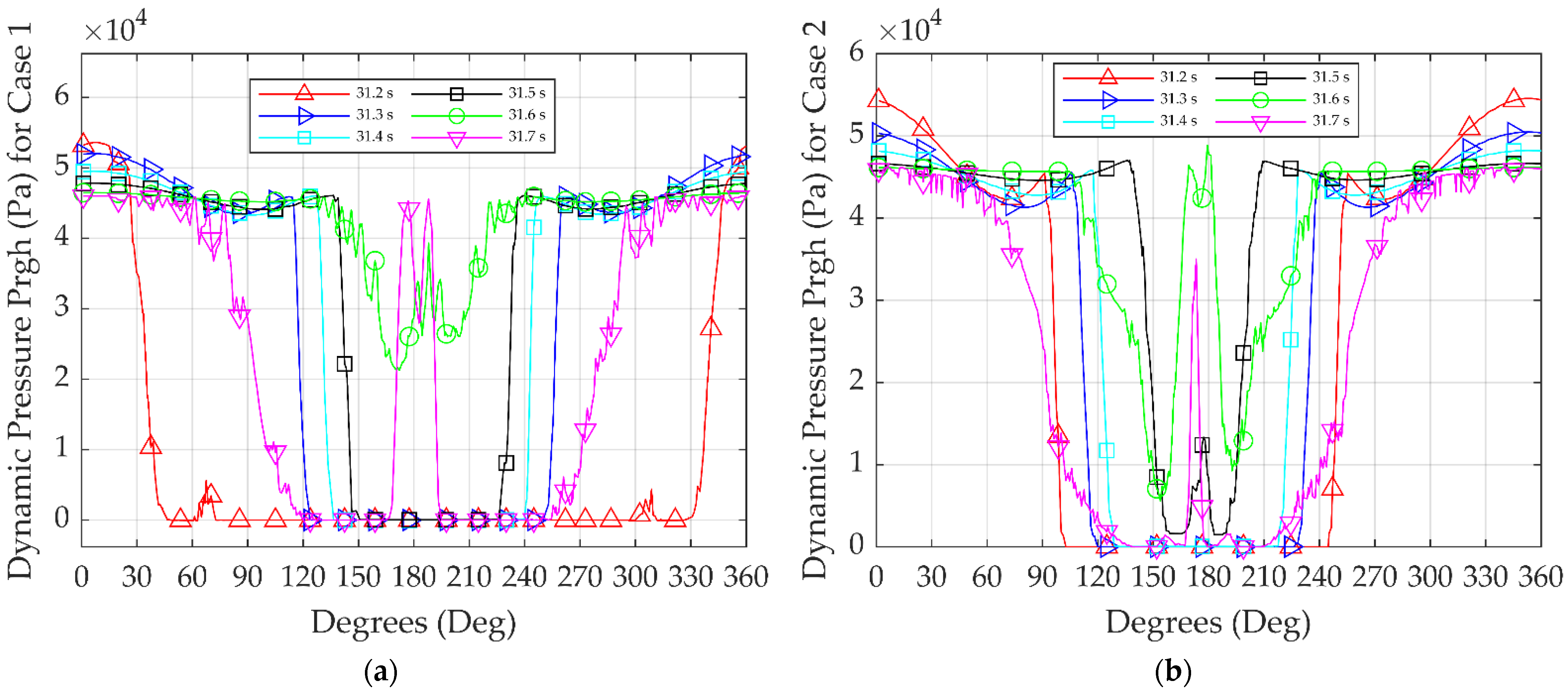
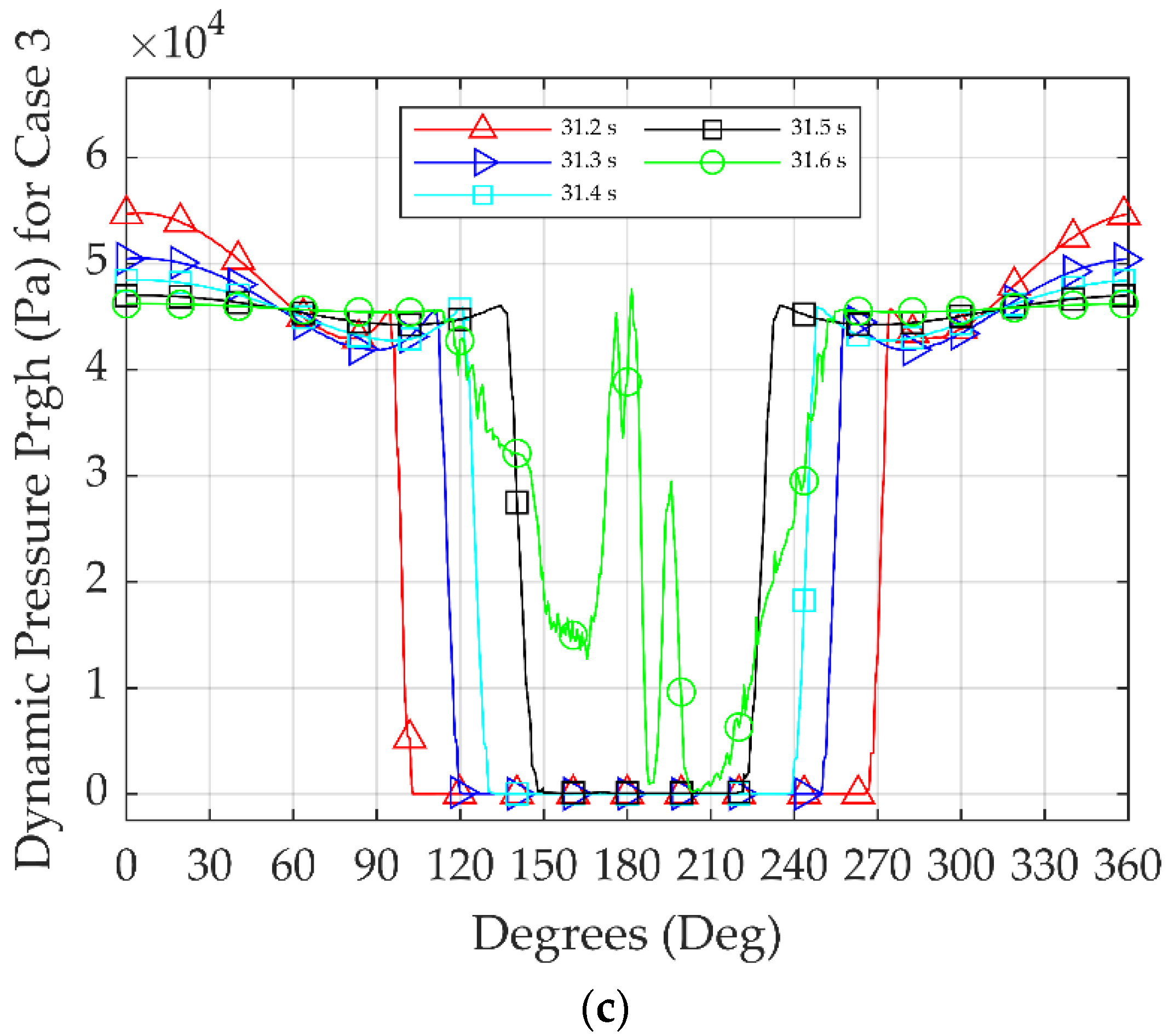
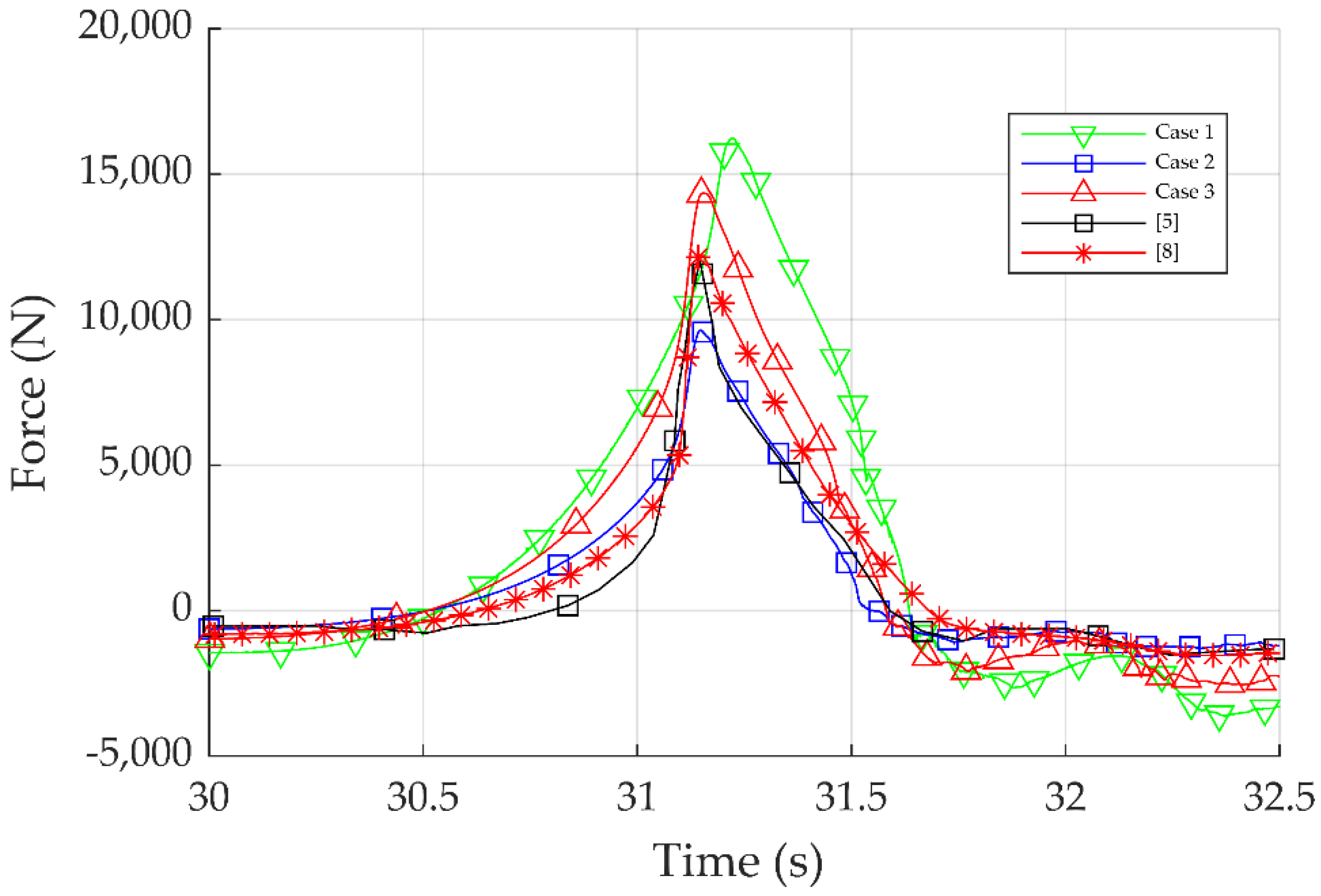
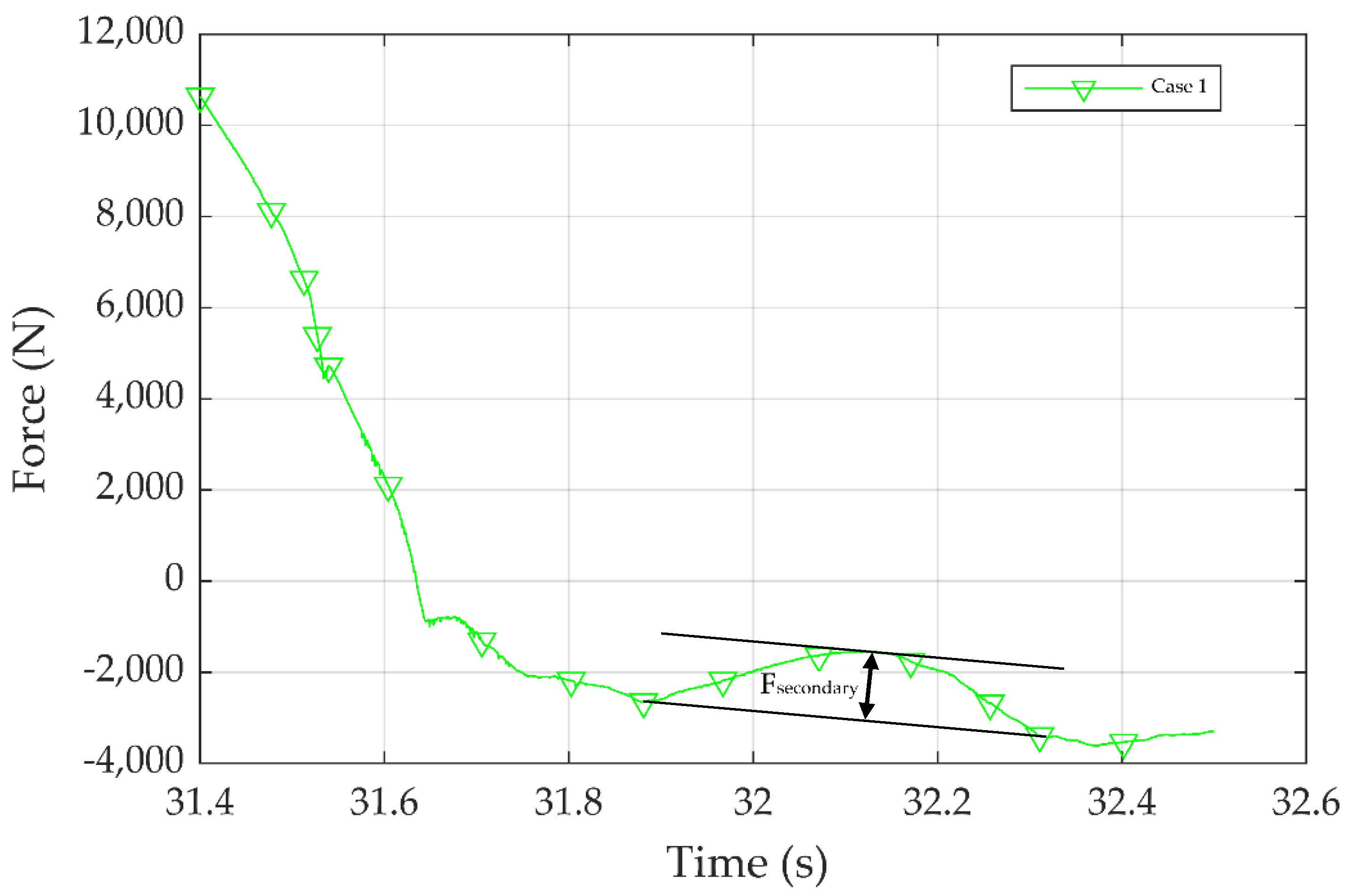
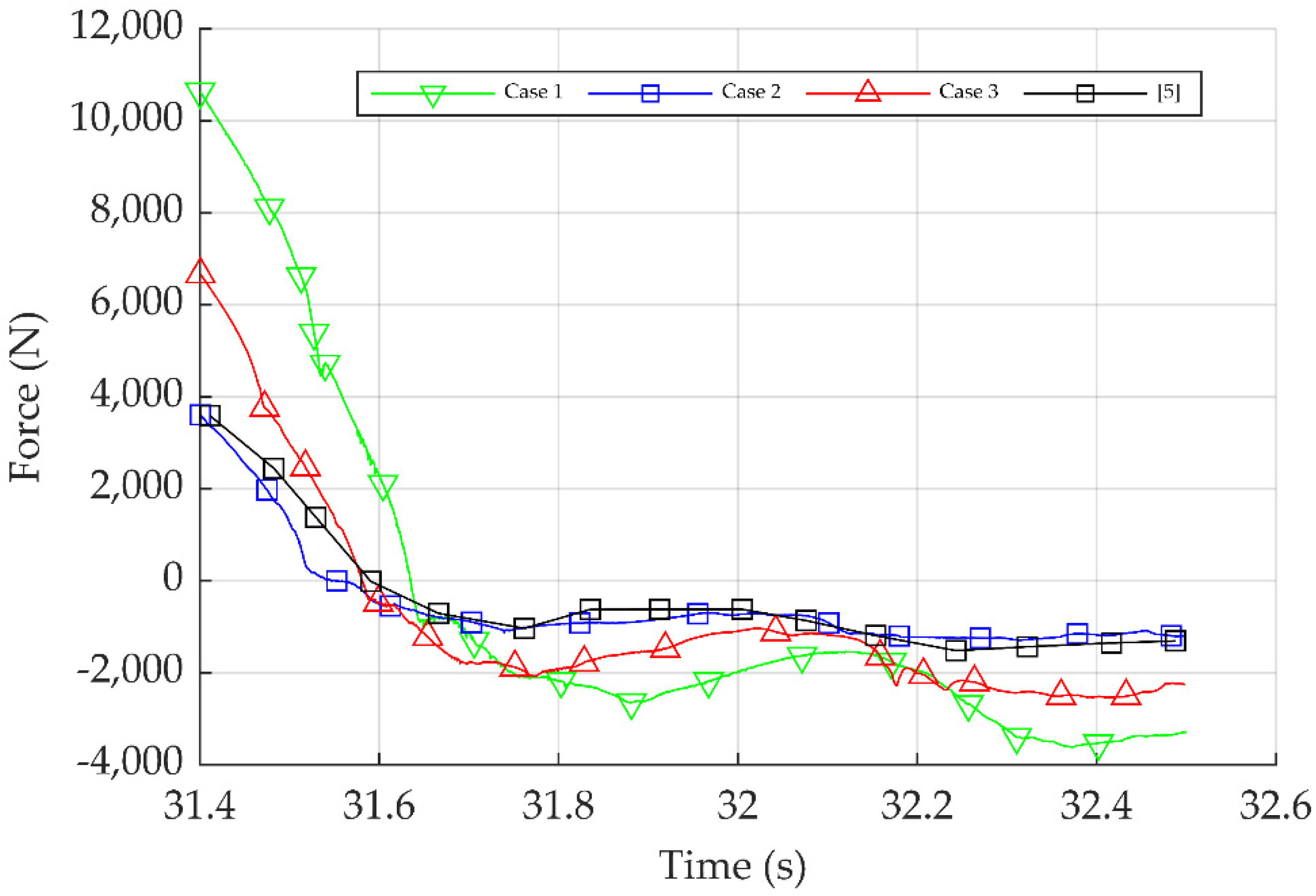
In the present paper, a comparative study of different cylindrical and conical substructures was performed under breaking wave loading with the open-source Computational Fluid Dynamics (CFD) package OpenFoam capable of the development of a numerical wave tank (NWT) with the use of Reynolds-Averaged Navier–Stokes (RANS) equations, the k-ω Shear Stress Transport (k-ω SST) turbulence model, and the volume of fluid (VOF) method. The validity of the NWT was verified with relevant experimental data. Then, through the application of the present numerical model, the distributions of dynamic pressure and velocity in the x-direction around the circumference of different cylindrical and conical substructures were examined. The results showed that the velocity and dynamic pressure distribution did not change significantly with the increase in the substructure’s diameter near the wave breaking height, although the incident wave conditions were similar. Another important aspect of the study was whether the hydrodynamic loading or the dynamic pressure distribution of a conical substructure would improve or deteriorate under the influence of breaking wave loading compared to a cylindrical one. It was concluded that the primary wave load in a conical substructure increased by 62.57% compared to the numerical results of a cylindrical substructure. In addition, the secondary load’s magnitude in the conical substructure was 3.39 times higher and the primary-to-secondary load ratio was double compared to a cylindrical substructure. These findings demonstrate that the conical substructure’s performance will deteriorate under breaking wave loading compared to a cylindrical one, and it is not recommended to use this type of substructure.
Keywords: breaking waves; k-ω SST turbulence model; offshore wind turbine substructures breaking waves; k-ω SST turbulence model; offshore wind turbine substructures