Article

The Toxicity of Polyester Fibers in Xenopuslaevis
1
Department of Environmental Science and Policy, Università Degli Studi di Milano, Via Celoria, 26, 20133 Milano, Italy
2
Unitech NOLIMITS, Imaging Facility, Università Degli Studi di Milano, Via Golgi, 19, 20133 Milano, Italy
*
Author to whom correspondence should be addressed.
Water 2021, 13(23), 3446; https://doi.org/10.3390/w13233446
Submission received: 2 November 2021 / Revised: 22 November 2021 / Accepted: 2 December 2021 / Published: 4 December 2021

Abstract

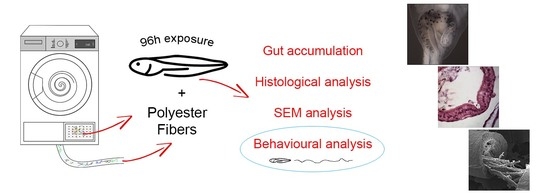
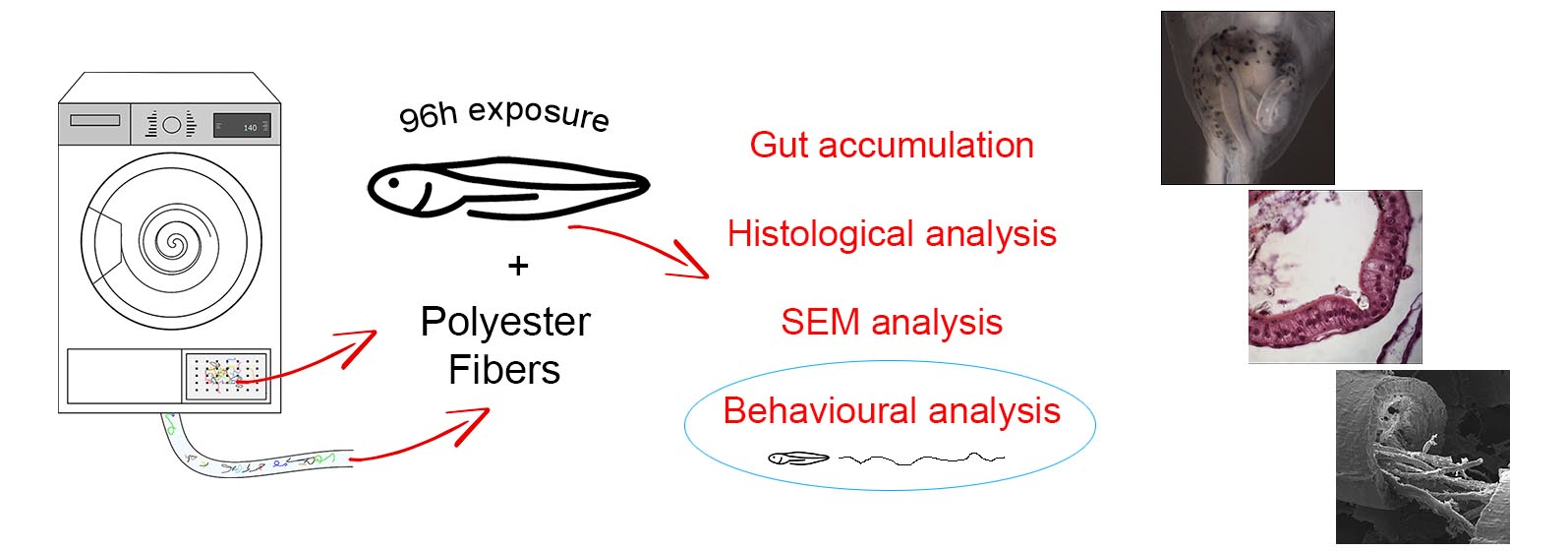
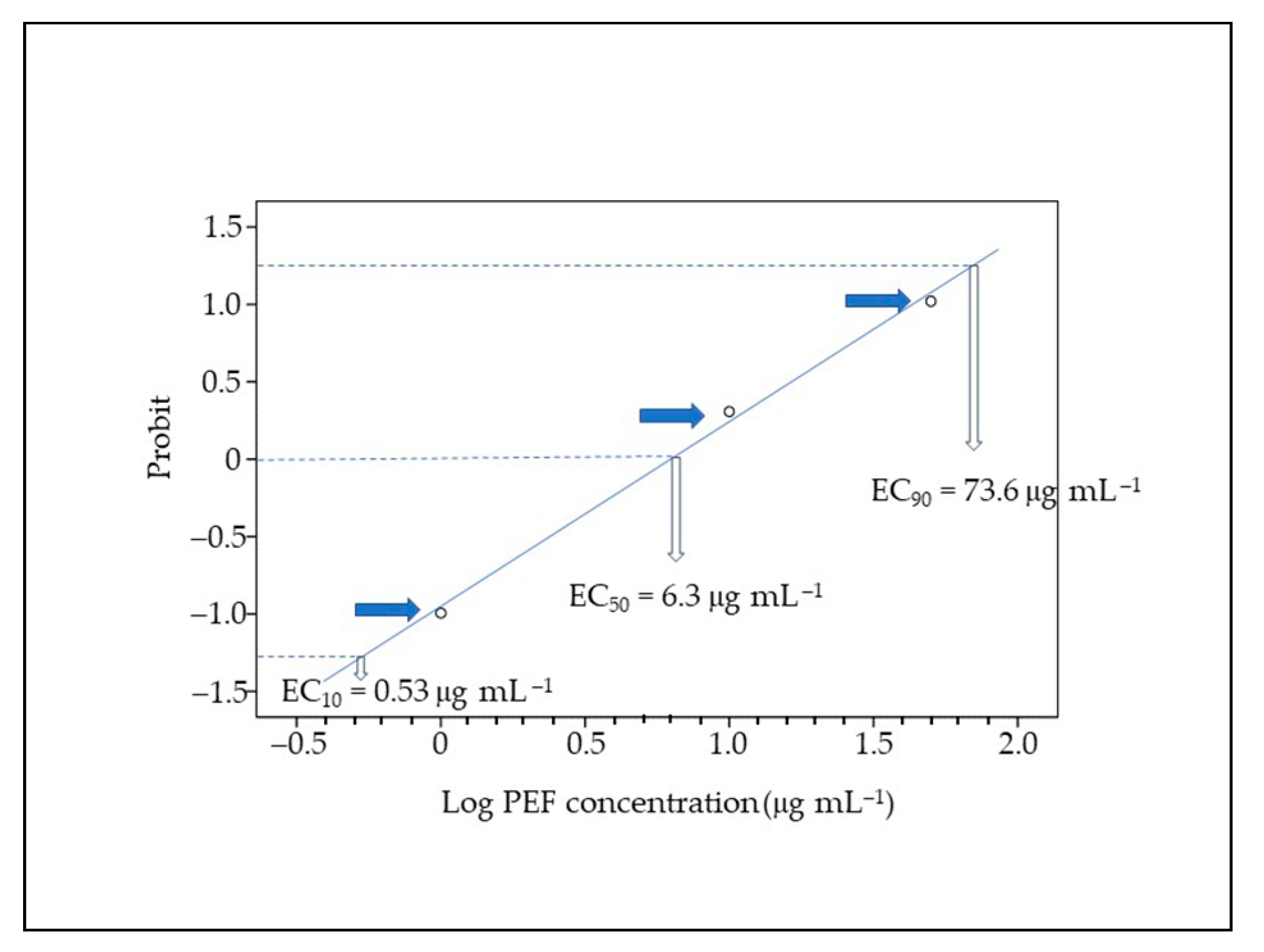
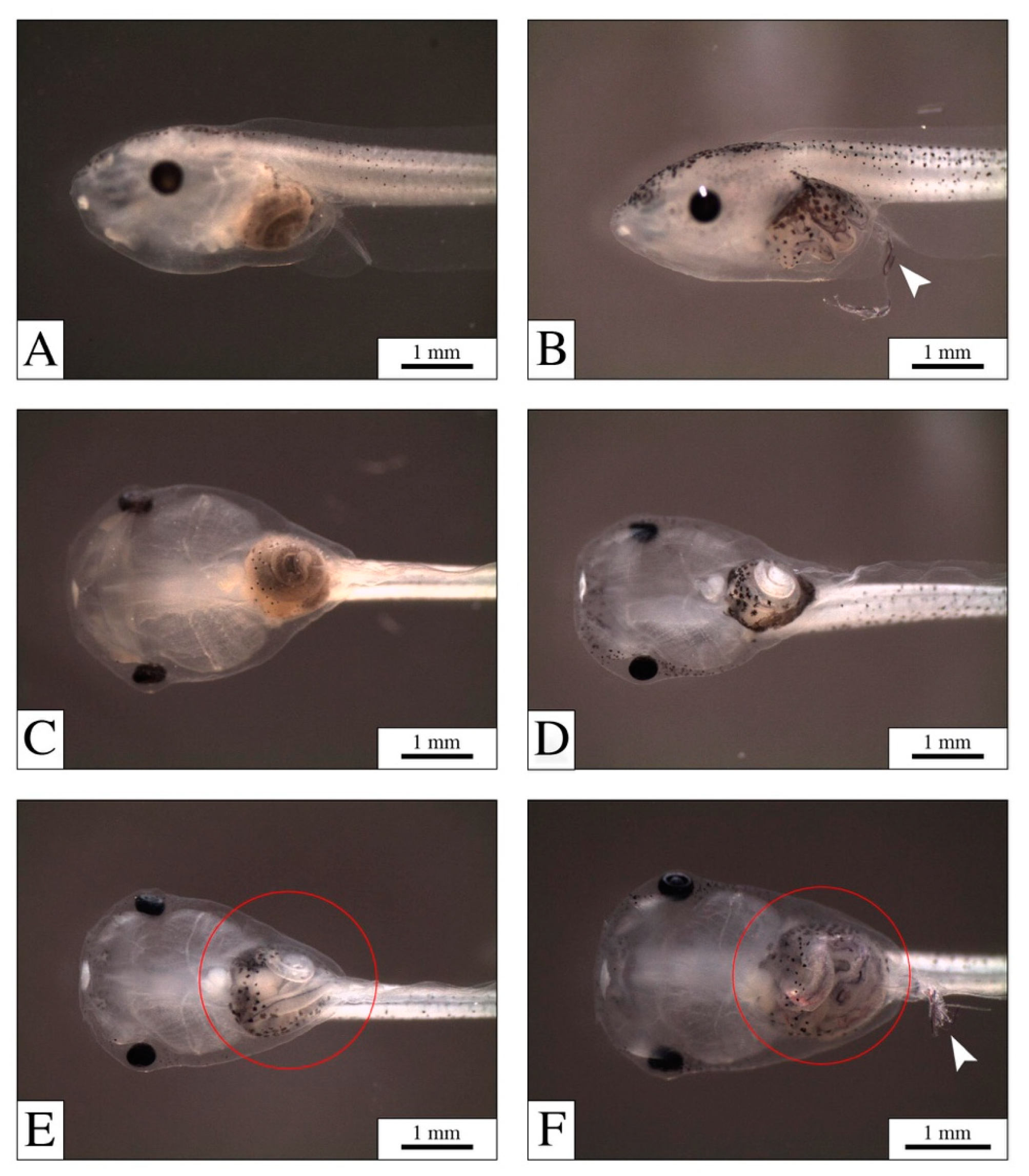
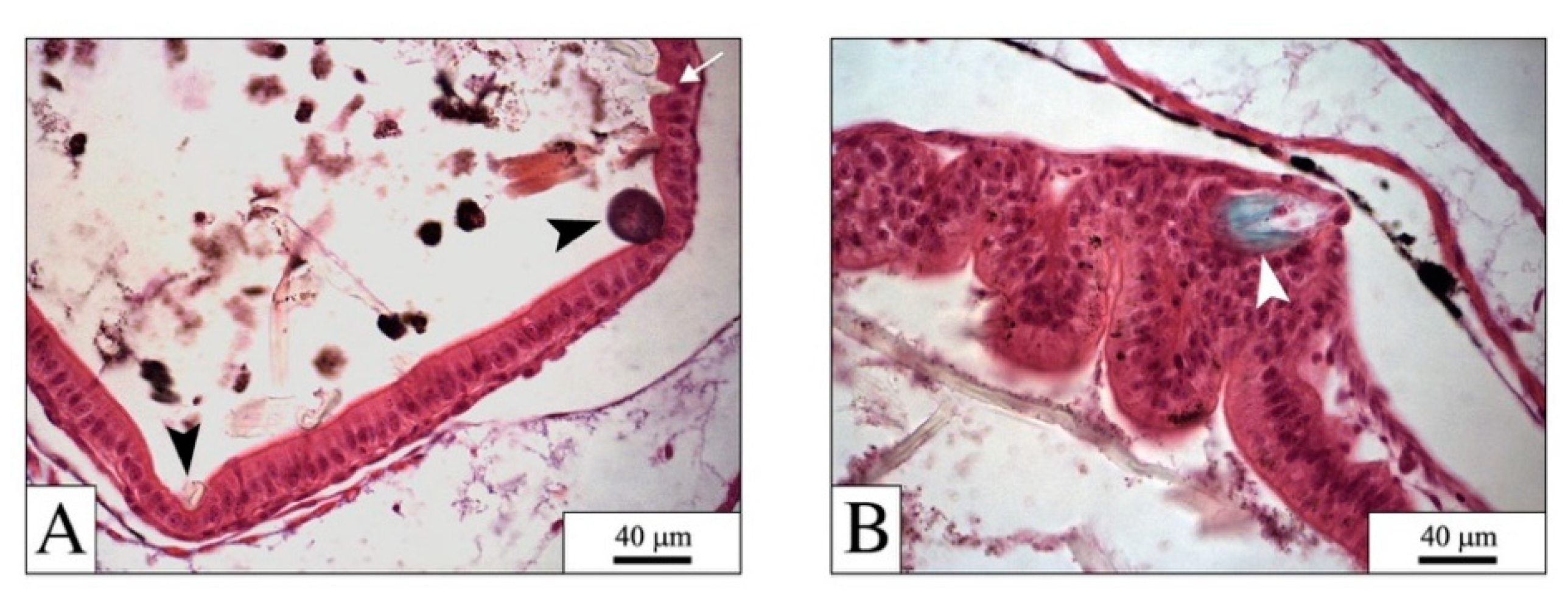
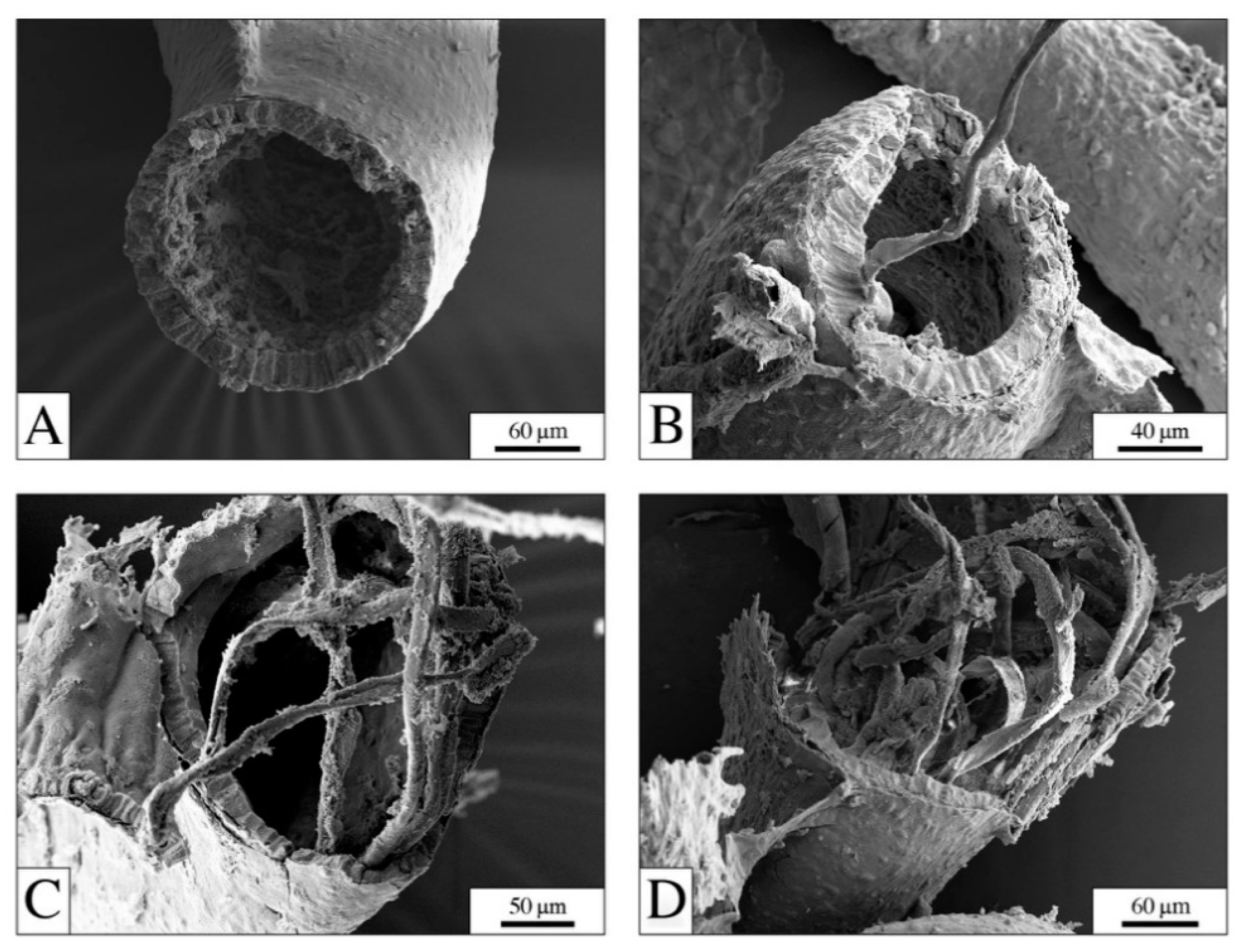
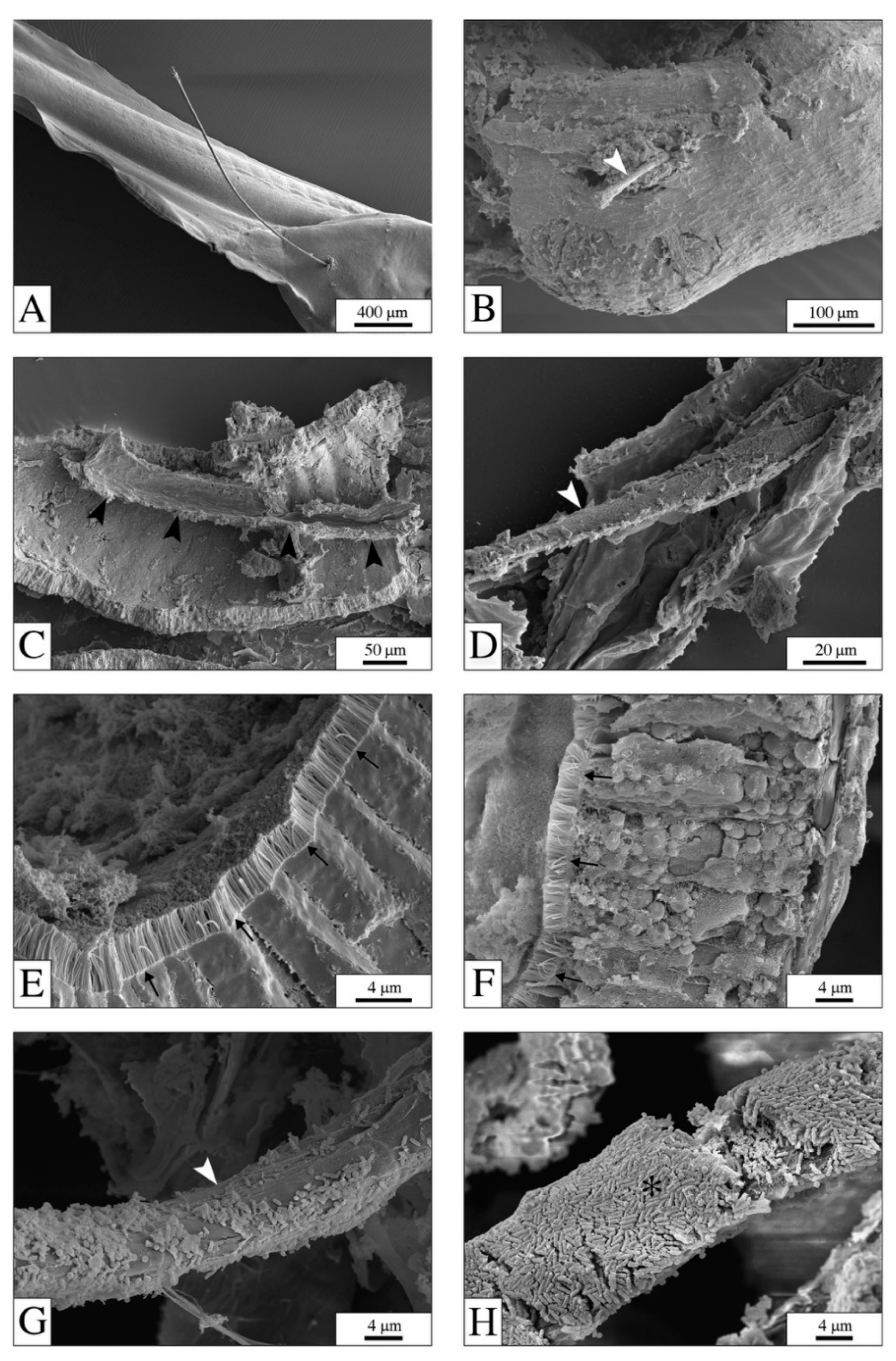
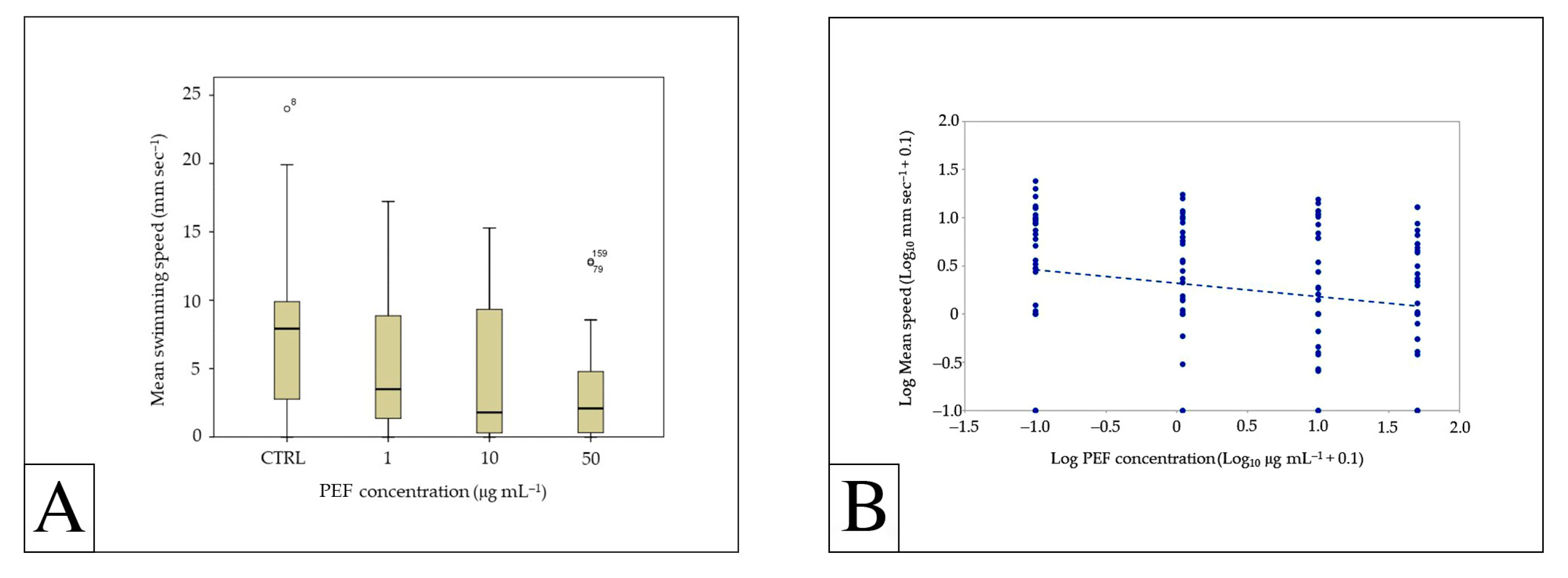
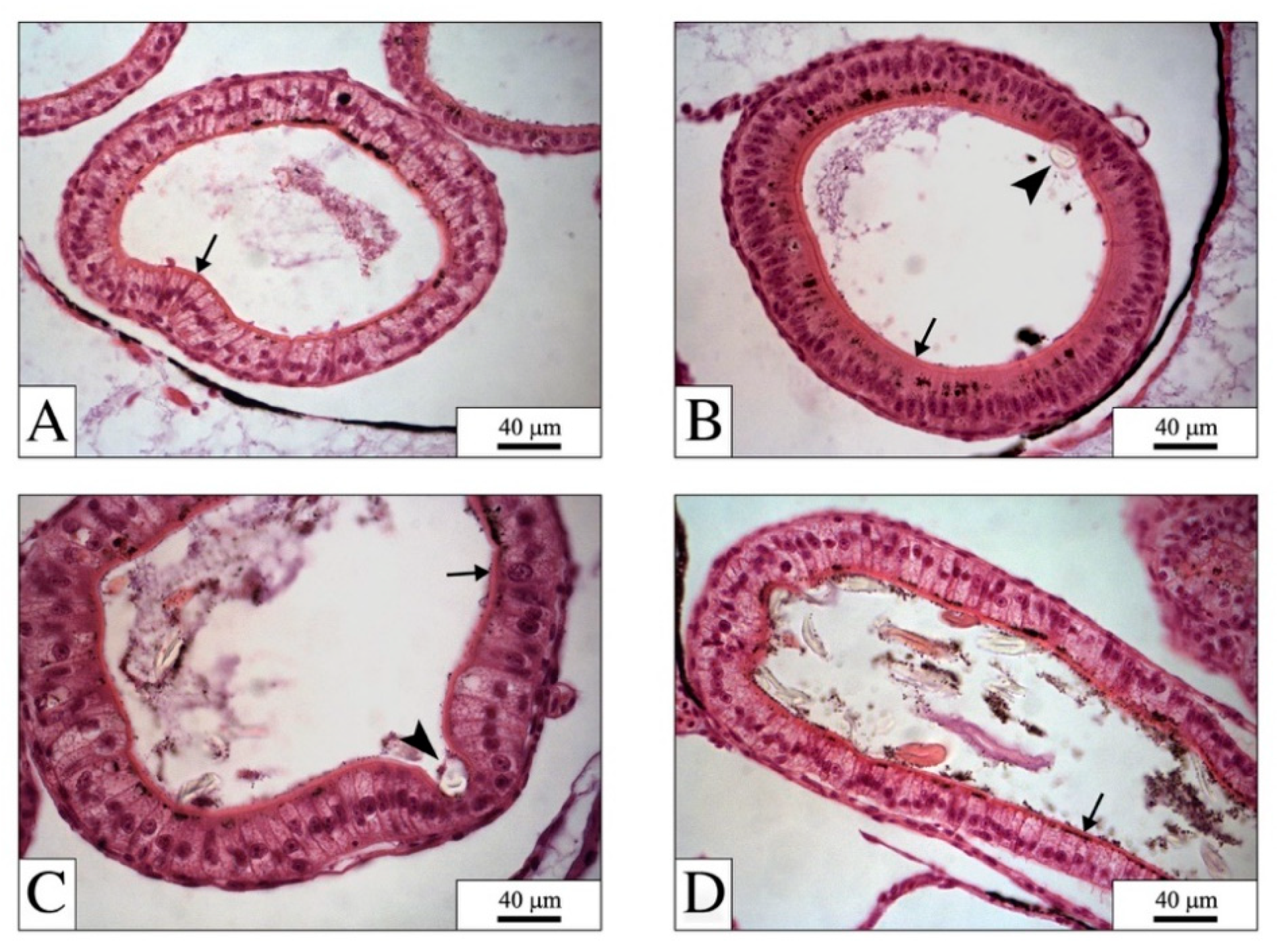
Microplastics are practically ubiquitous and pose a serious survival challenge for many species. Most of the exposure experiments for determining the toxicological effects of microplastics were performed with a microplastic varying little in shape and size (often purchased microplastic beads), but few studies deal with non-homogeneous samples. We analyzed the effect on Xenopuslaevis larva on the early development of polyester fibers, PEFs, taken from a dryer machine in which 100% polyester fabrics were dried after washing. Three concentrations were tested. The results showed that the gastrointestinal tract, GIT, was the most affected system by PEFs which modified the normal shape of the intestine with an EC50 96 h value of 6.3 µg mL−1. Fibers were observed to press against the digestive epithelium, deforming the normal architecture of the gut, sometimes pushing deep into the epithelium until piercing it. Physical GIT occlusion was observed in a concentration-dependent manner. However, no other damages were registered. No mortality was observed, but PEF-exposed larvae showed a significant reduction in their mobility. The results of the present paper suggest that environmental samples with their heterogeneity may have adverse effects on X. laevis development.
Keywords: microplastics; microscopy; synthetic fabrics; tumble dryer; clothing; inflammation; gut microbiota microplastics; microscopy; synthetic fabrics; tumble dryer; clothing; inflammation; gut microbiota
Graphical Abstract