Article

A New Multi-Objective Optimization Model of Water Resources Considering Fairness and Water Shortage Risk

1
College of Water Conservancy and Civil Engineering, Xinjiang Agricultural University, No. 311 Nongda East Road, Urumqi 830052, China
2
Northeast Institute of Geography and Agroecology, Chinese Academy of Sciences, No. 4888 Shengbei Street, Changchun 130102, China
3
College of Computer and Software, Nanjing University of Information Technology, No. 219 Ningliu Road, Nanjing 210044, China
*
Author to whom correspondence should be addressed.
Water 2021, 13(19), 2648; https://doi.org/10.3390/w13192648
Submission received: 30 August 2021 / Revised: 20 September 2021 / Accepted: 23 September 2021 / Published: 26 September 2021
(This article belongs to the Section Water Resources Management, Policy and Governance)

Abstract

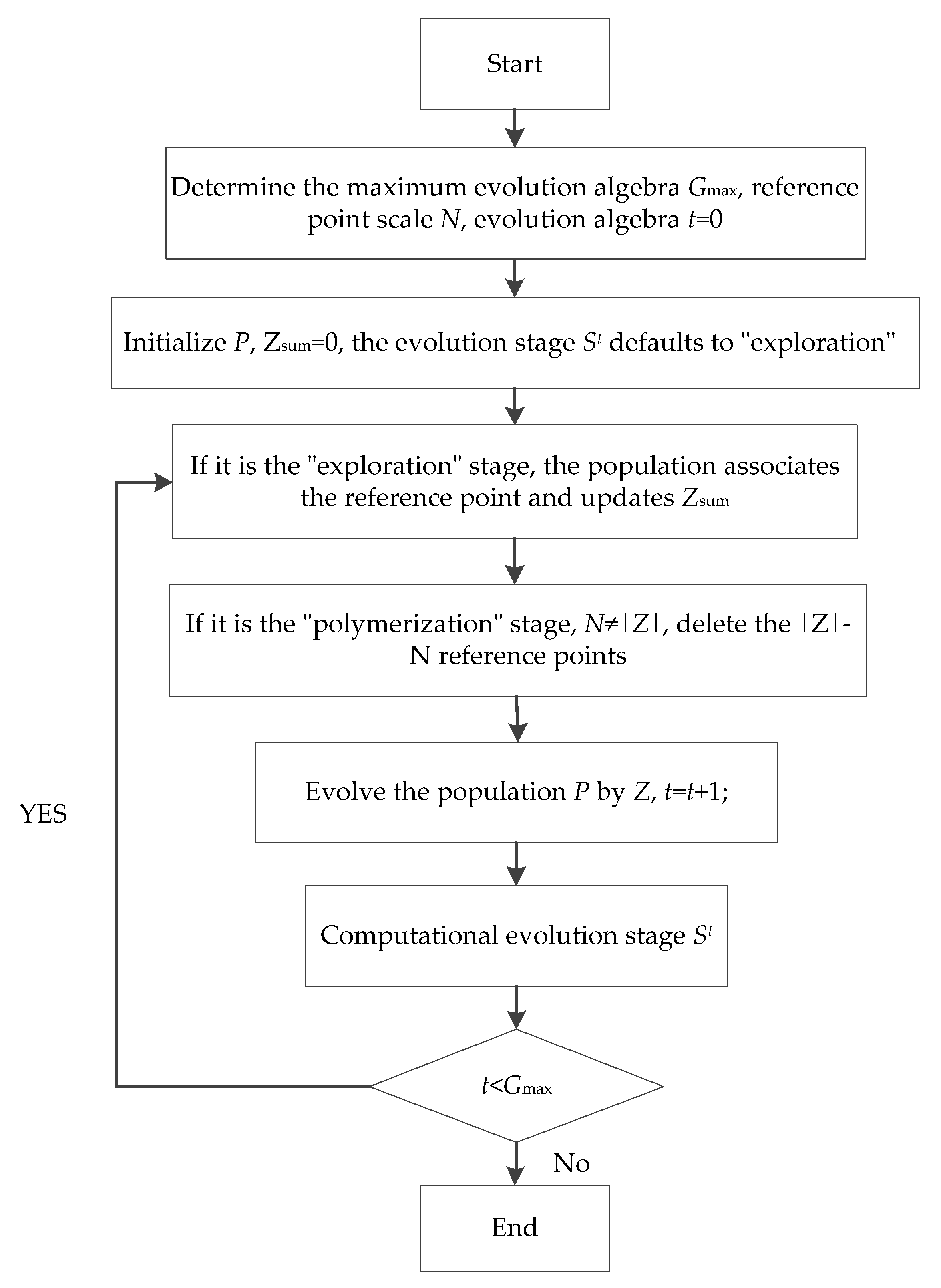
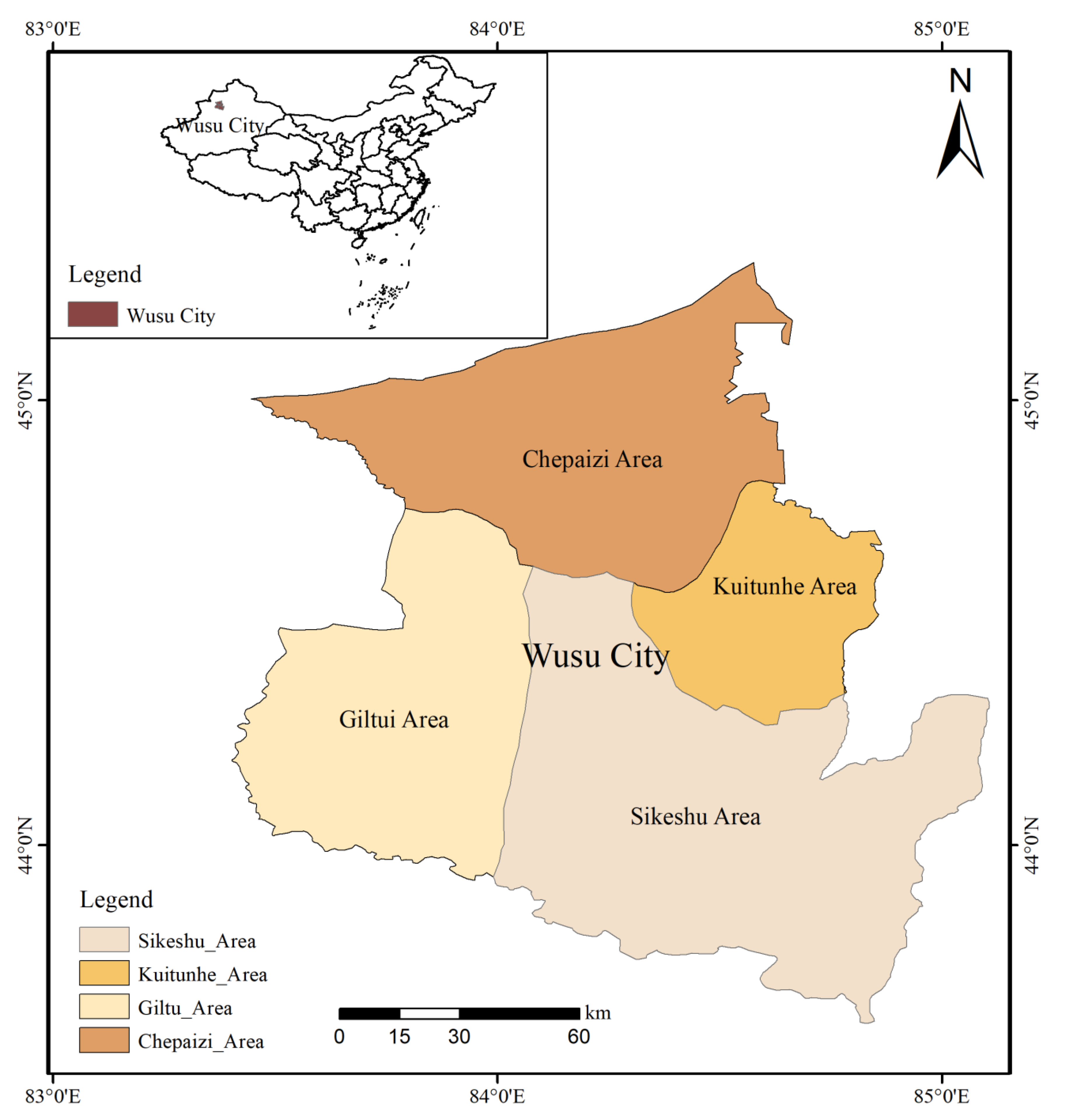
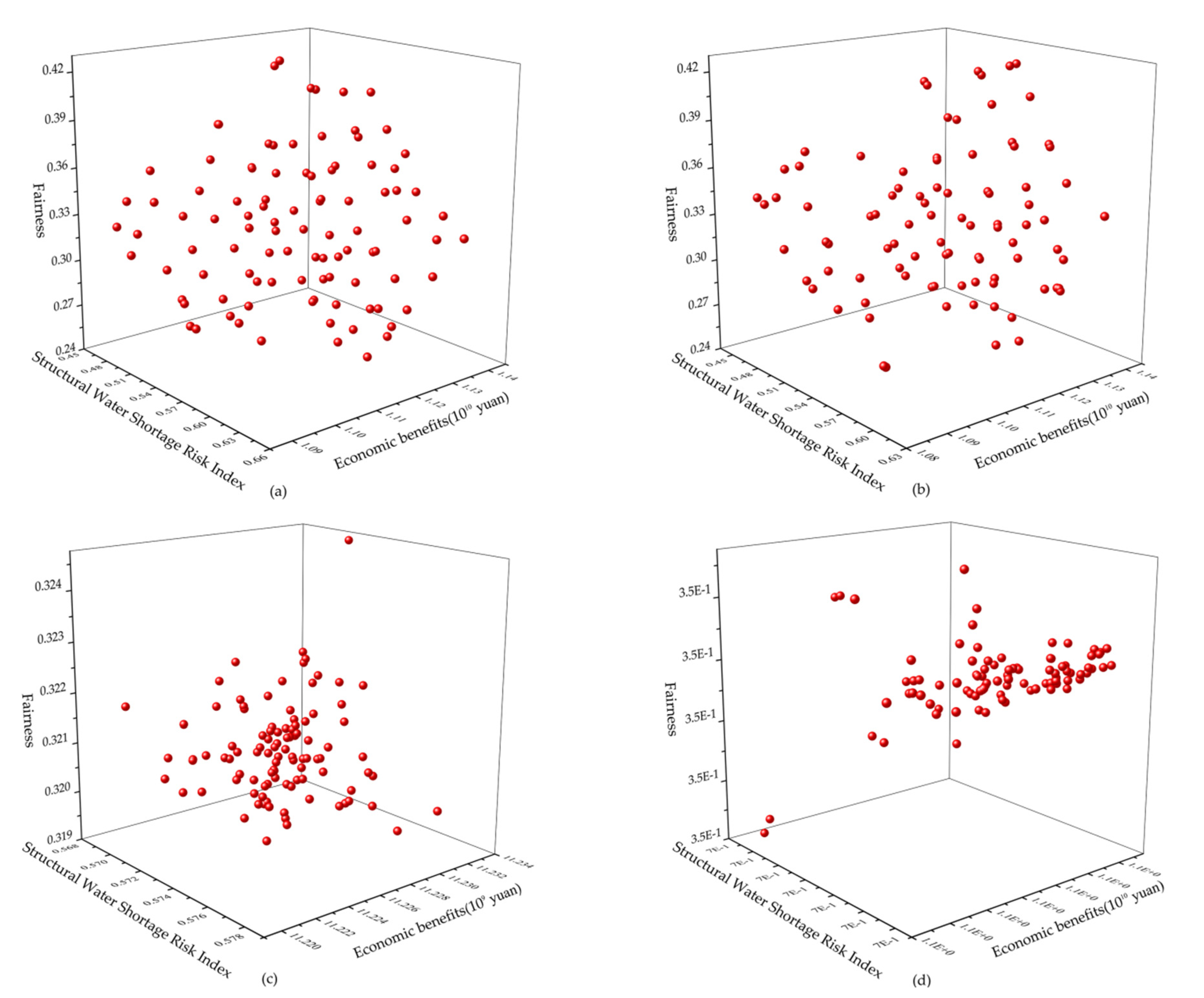
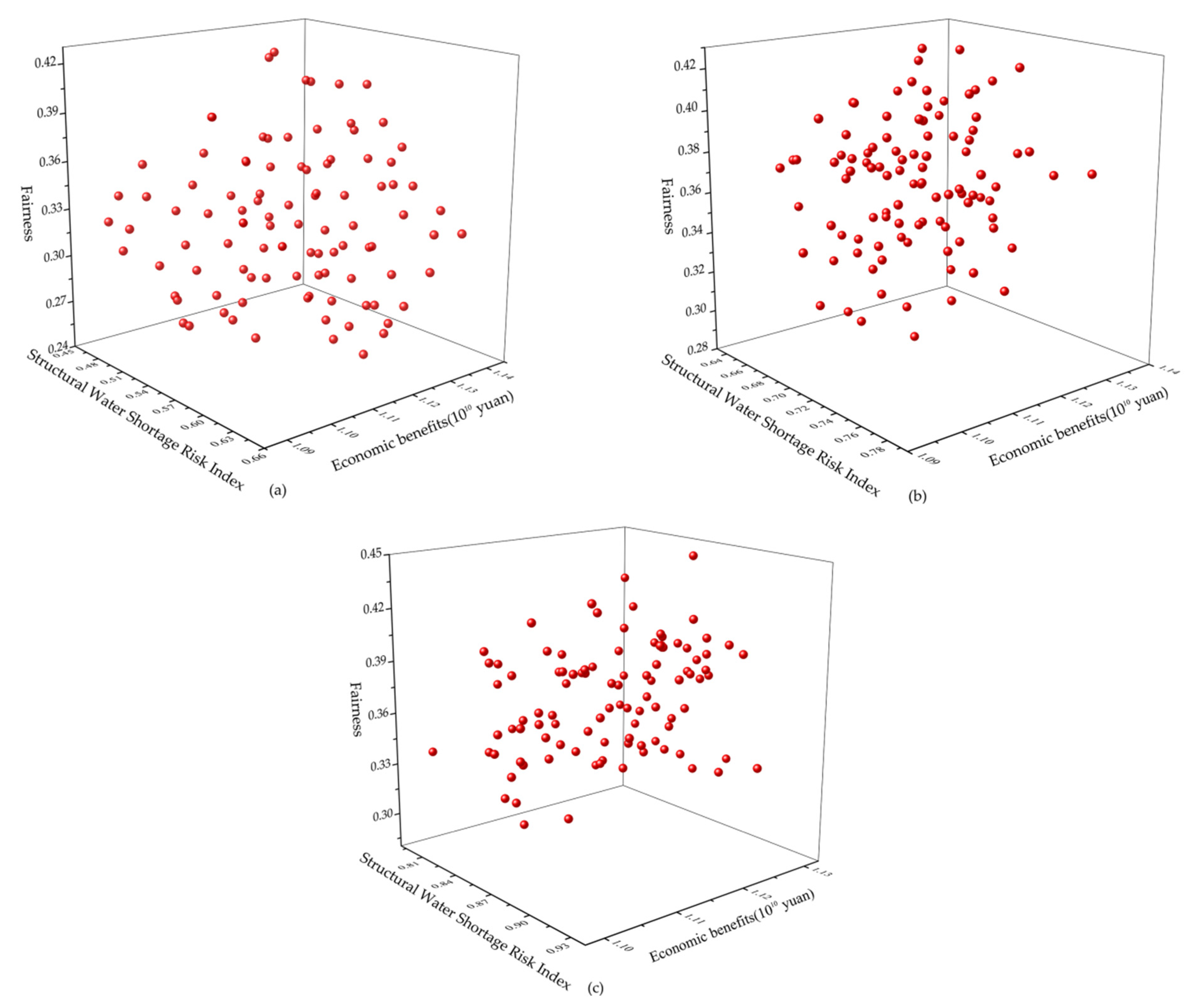
Assessing the fairness of water resource allocation and structural water shortage risks is an urgent problem that needs to be solved for the optimal allocation of water resources. In this study, we established a new multi-objective optimization model of water resources based on structural water shortage risks and fairness. We propose an improved NSGA-III based on the reference point selection strategy (ARNSGA-III) to solve the optimization model. The superiority of this method was proven by comparing it with three other methods, namely, NSGA-III, MOSPO, and MOEA/D. The model was applied to optimize the allocation of water resources in Wusu City in China. The results show that the new multi-objective optimization model provides reasonable and feasible solutions for solving water conflicts. The convergence and stability of ARNSGA-III are better than those of the other three algorithms. Allocation schemes of water resources for Wusu City in normal years, dry years, and extremely dry years are proposed. In normal years, the structural water shortage risk index is reduced by 50.1%, economic benefits increased by 0.2%, and fairness is reduced by 60.5%. This study can provide new ideas for solving the multi-objective optimization of regional water resources.
Keywords: water resource allocation; multi-objective optimization; fairness; water shortage risk; NSGA-III water resource allocation; multi-objective optimization; fairness; water shortage risk; NSGA-III