Article

Modified Hiltner Dew Balance to Re-Estimate Dewfall Accumulation as a Reliable Water Source in the Negev Desert

1
The Albert Katz International School for Desert Studies, The Jacob Blaustein Institutes for Desert Research, Ben-Gurion University of the Negev, Sede Boqer Campus, Midreshet Ben-Gurion 84990, Israel
2
Department of Tropical Plants and Soil Sciences, University of Hawai’i at Mānoa, 3190 Maile Way, St. John 102, Honolulu, HI 96822, USA
3
French Associates Institute for Agriculture and Biotechnology of Drylands, The Jacob Blaustein Institutes for Desert Research, Ben-Gurion University of the Negev, Sede Boqer Campus, Midreshet Ben-Gurion 84990, Israel
4
Department of Natural Resources, Institute of Plant Sciences, Agricultural Research Organization, Volcani Center, Rishon LeZion 7505101, Israel
*
Author to whom correspondence should be addressed.
Water 2020, 12(10), 2952; https://doi.org/10.3390/w12102952
Submission received: 29 July 2020 / Revised: 14 October 2020 / Accepted: 15 October 2020 / Published: 21 October 2020
(This article belongs to the Special Issue Application of Isotopic Data to Water Resource Management)

Abstract

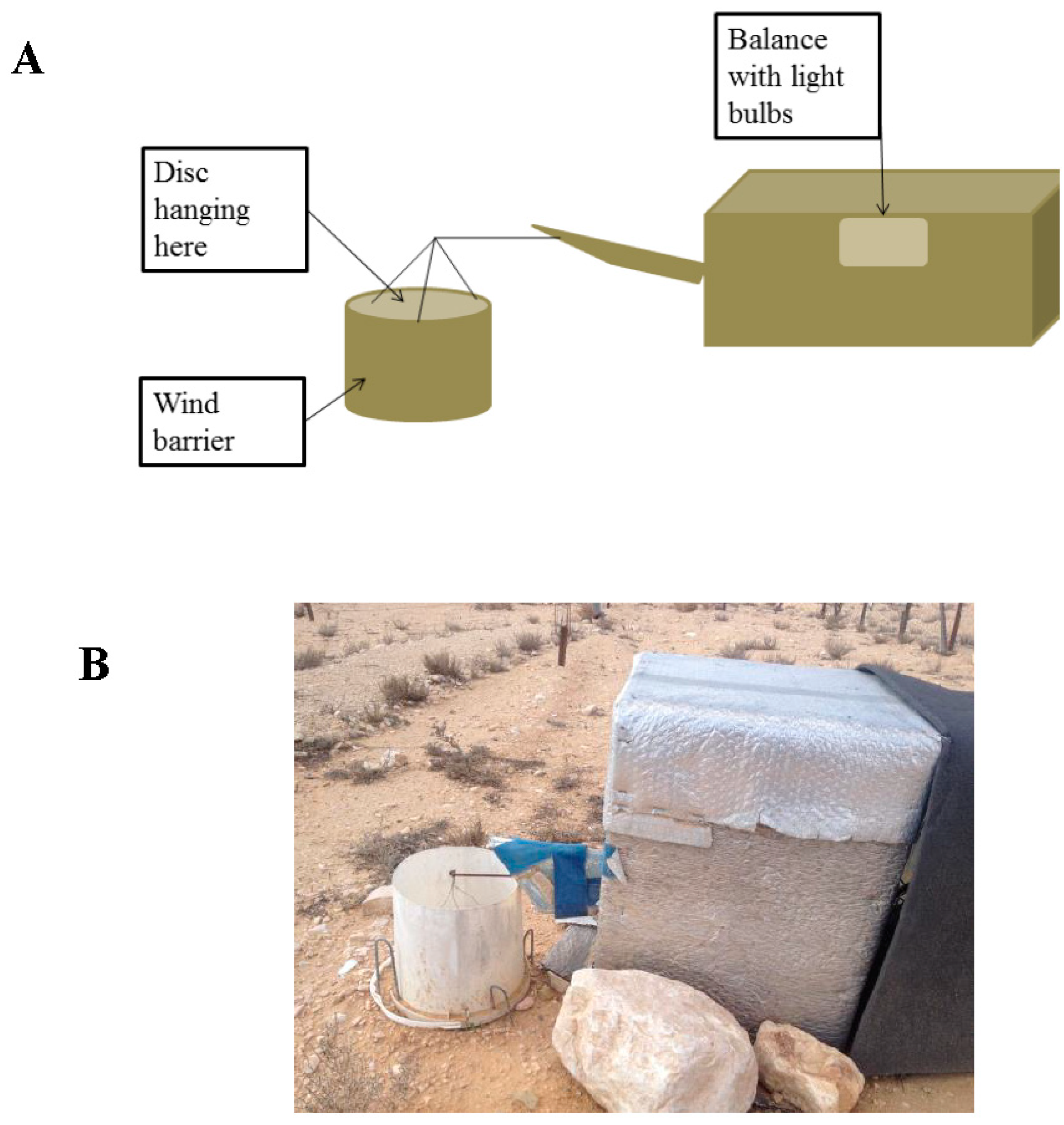
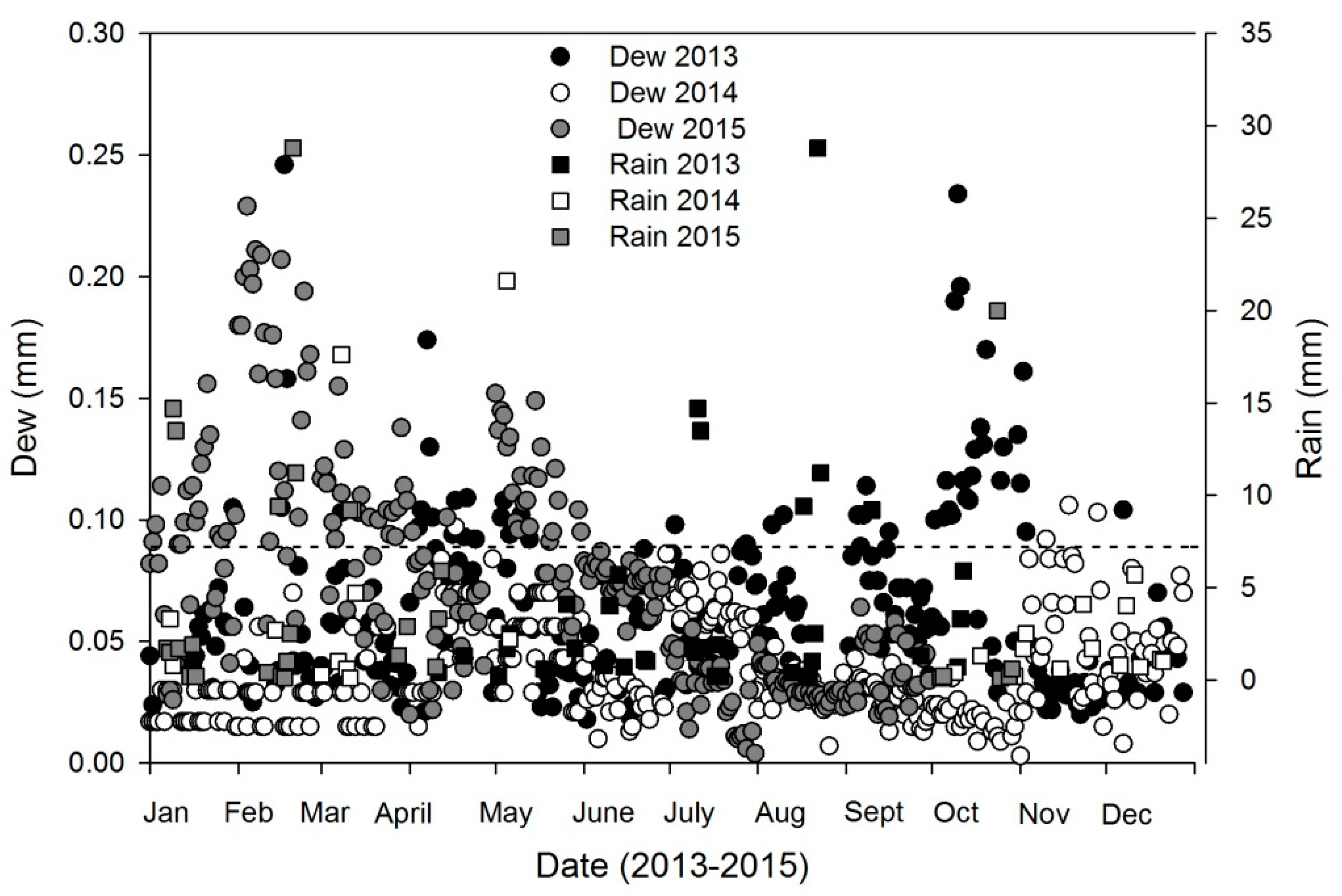
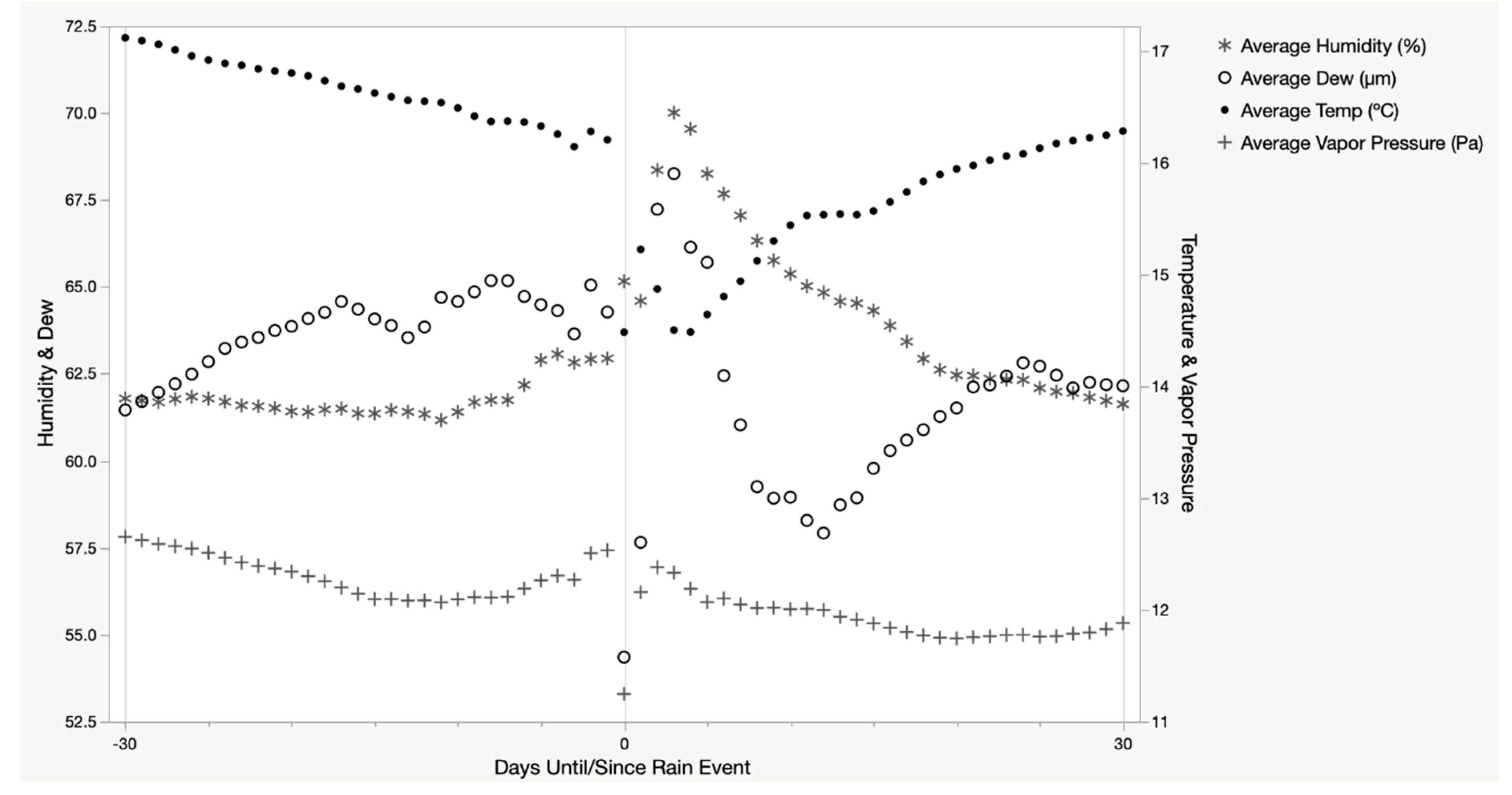
Dew formation is an essential component of the water balance in dry ecosystems, but measuring dew is challenging due, in part, to its dependency on the surface on which it forms. We detail the use of a modified Hiltner dew balance to illustrate how more accurate measurements of dewfall may be obtained. Using a modified Hiltner dew balance, we measured dewfall in the Negev Desert continuously for 3 years (2013–2015). Data analyses examined the relationship between dew formation, rain events and other environmental parameters in order to re-evaluate the importance of dew in the water budget. In line with previous research, our findings demonstrate that dewfall is a substantial and stable input of water in the Negev desert, providing inputs in the dry summer and the wet winter. Our results show that while dewfall was larger and more prevalent in proximity to rain events, a notable portion of dewfall took place on days distant from any rain event. The Hiltner dew balance modifications proved to be reliable and increased the efficacy of measuring the quantity and timing of dew formation. This study demonstrates the importance of integrating dewfall data into decision-making models for dryland ecosystems and agriculture, as well as into climate models.
Keywords: dew; Hiltner balance; water balance; desert; isotope dew; Hiltner balance; water balance; desert; isotope