Article

Assessing the Effects of Rainfall Intensity and Hydraulic Conductivity on Riverbank Stability

1
Department of Geotechnics and Infrastructure Development, VNU University of Science, Vietnam National University, Hanoi 100000, Vietnam
2
Institute for Global Change Adaptation Scienceicas (ICAS), Ibaraki University, 2-1-1 Bunkyo, Mito, Ibaraki 310-8512, Japan
*
Author to whom correspondence should be addressed.
Water 2019, 11(4), 741; https://doi.org/10.3390/w11040741
Submission received: 15 March 2019 / Revised: 30 March 2019 / Accepted: 3 April 2019 / Published: 10 April 2019
(This article belongs to the Special Issue Rainfall Infiltration Modeling)

Abstract

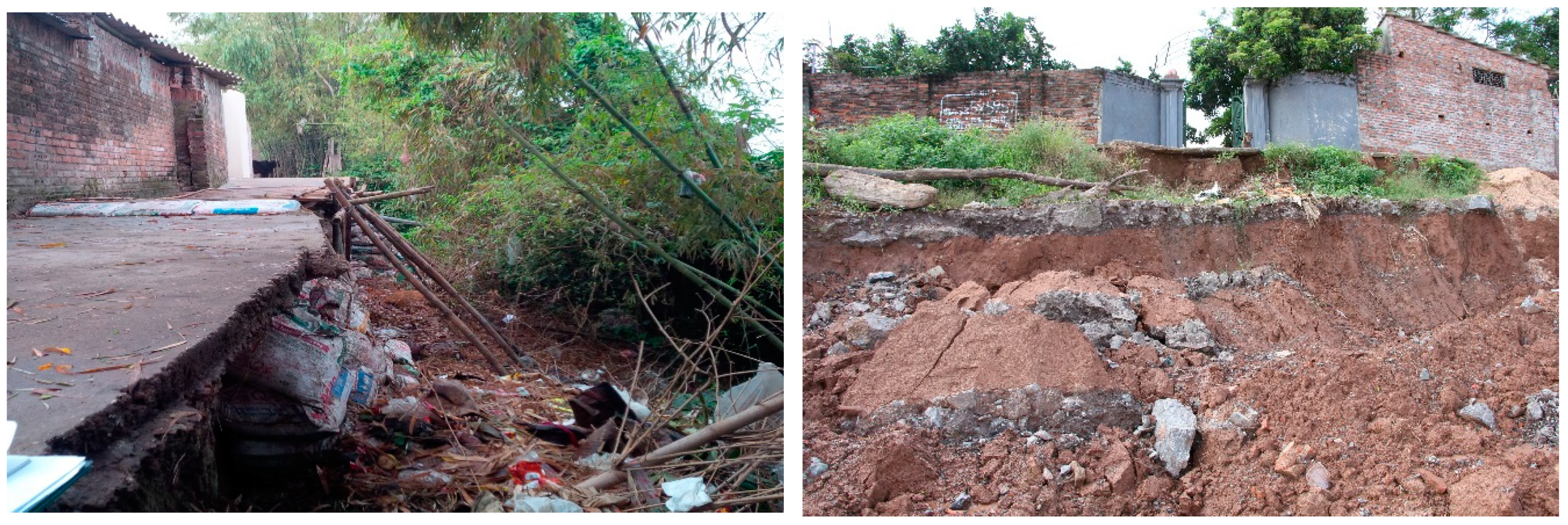
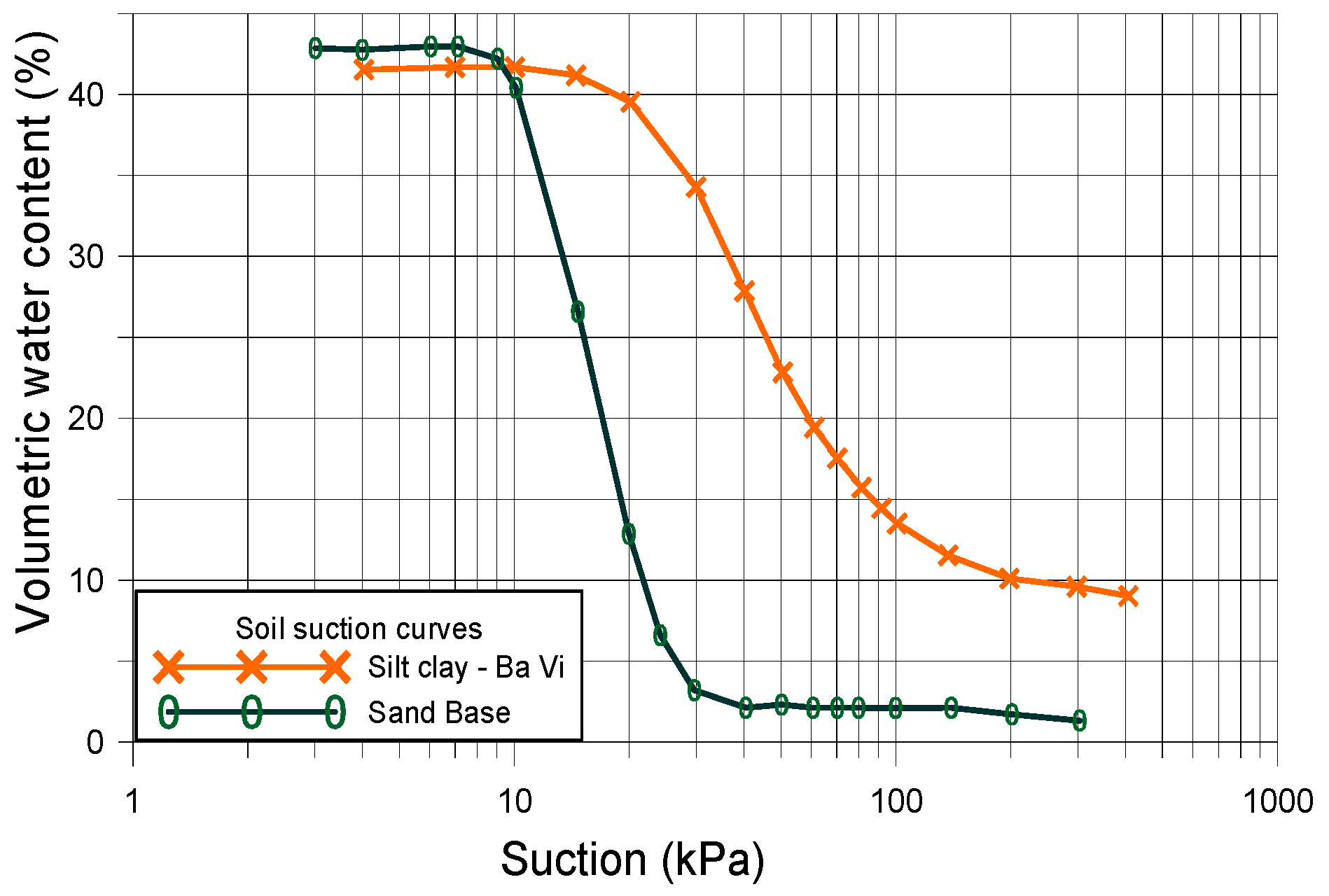
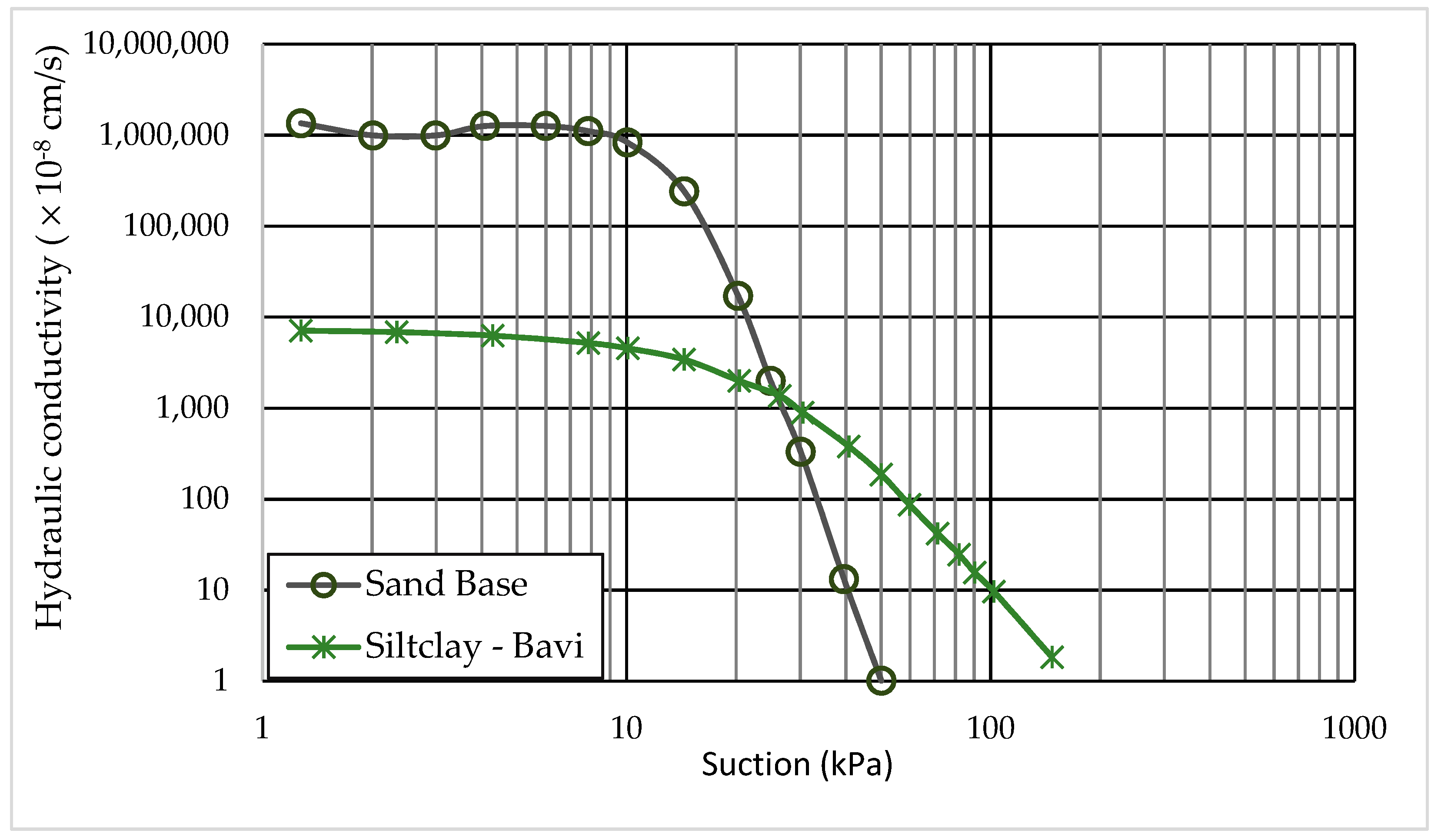
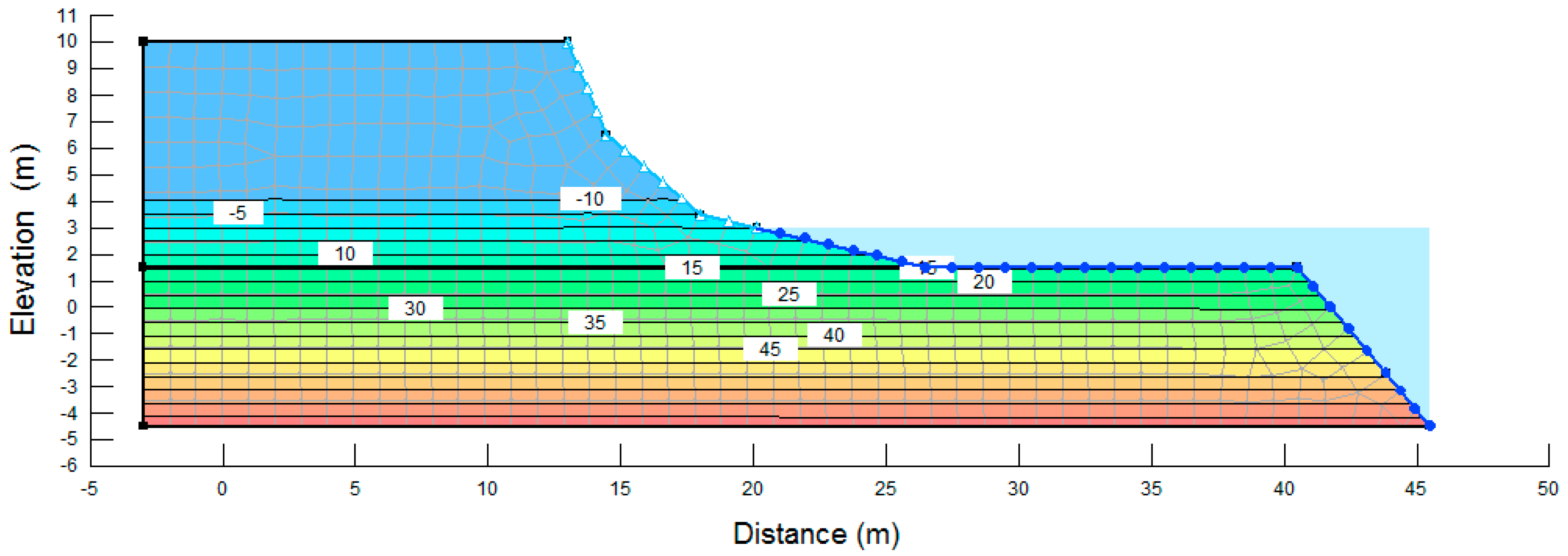
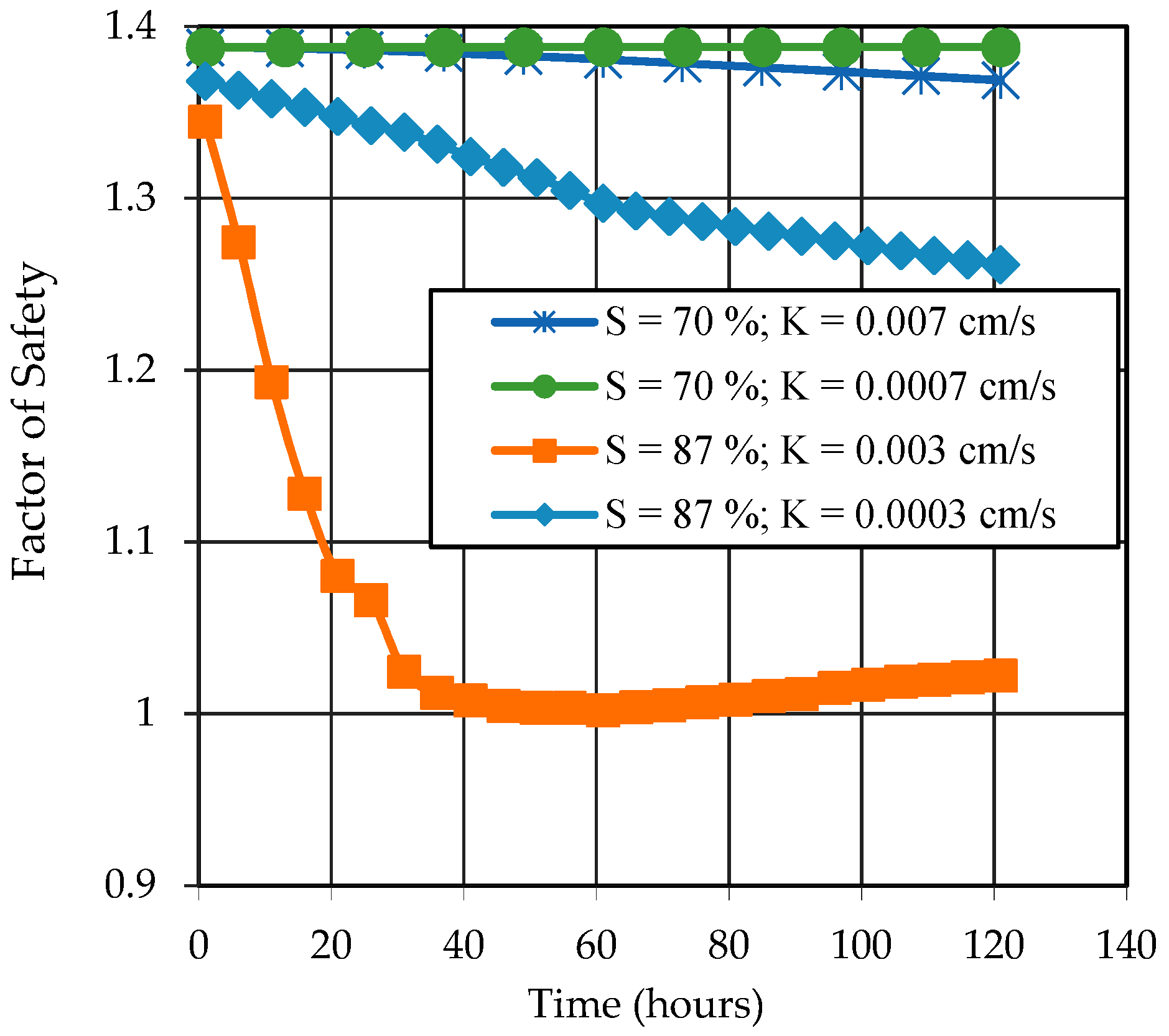
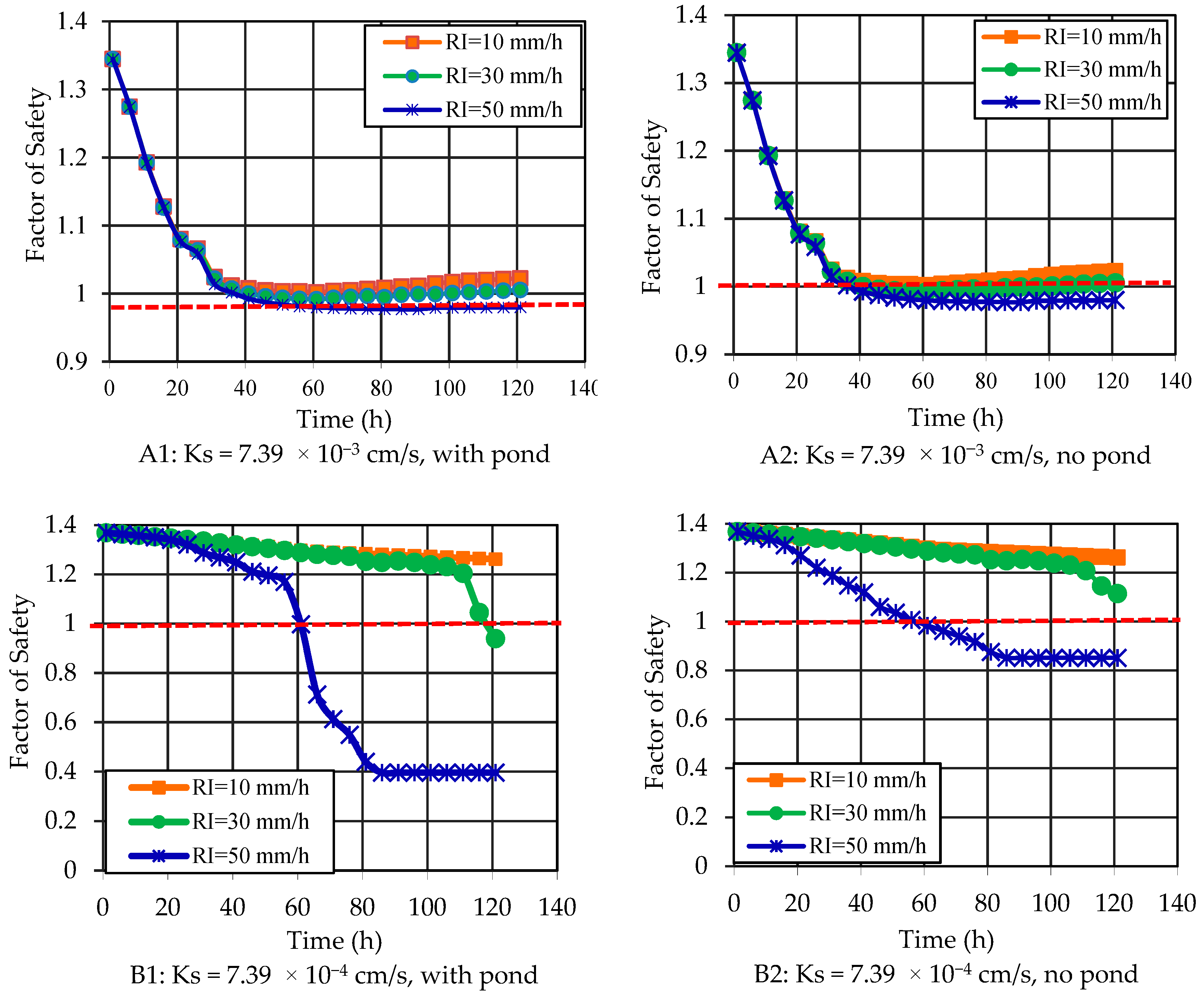
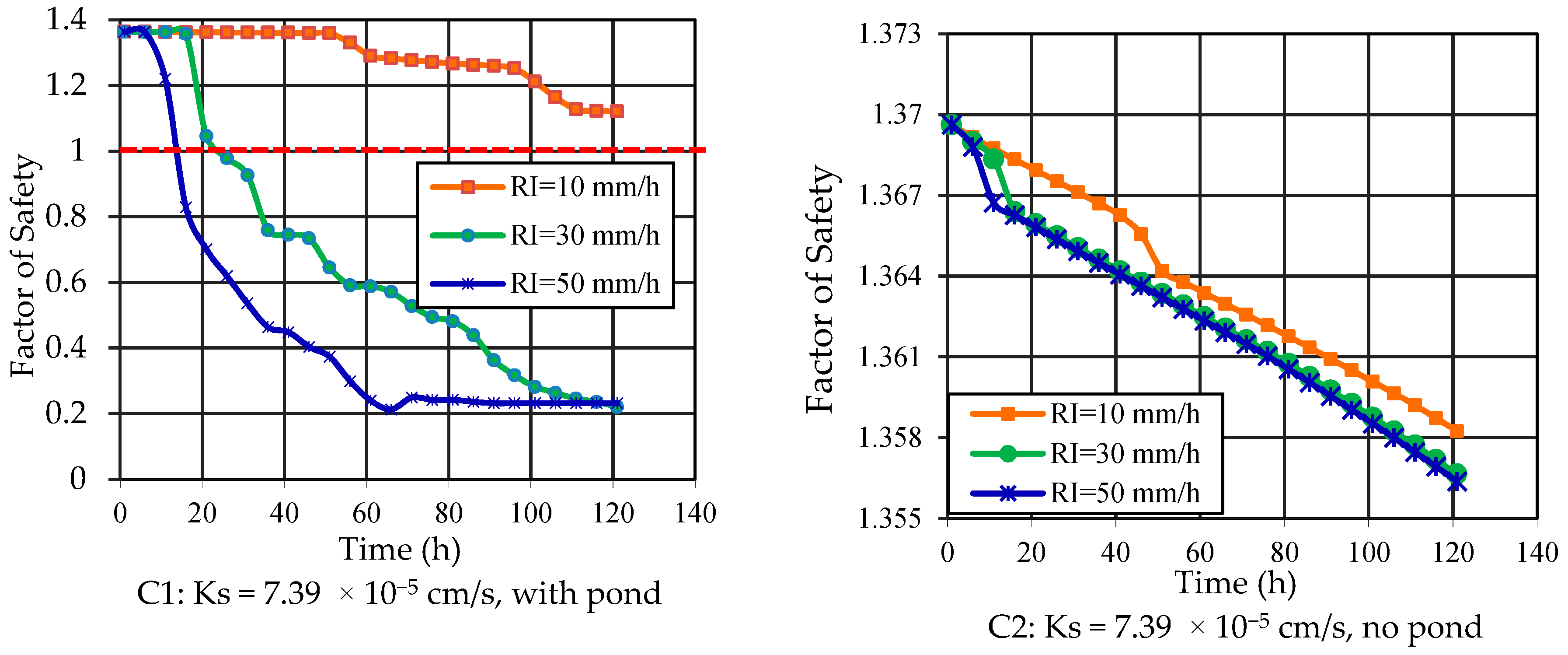
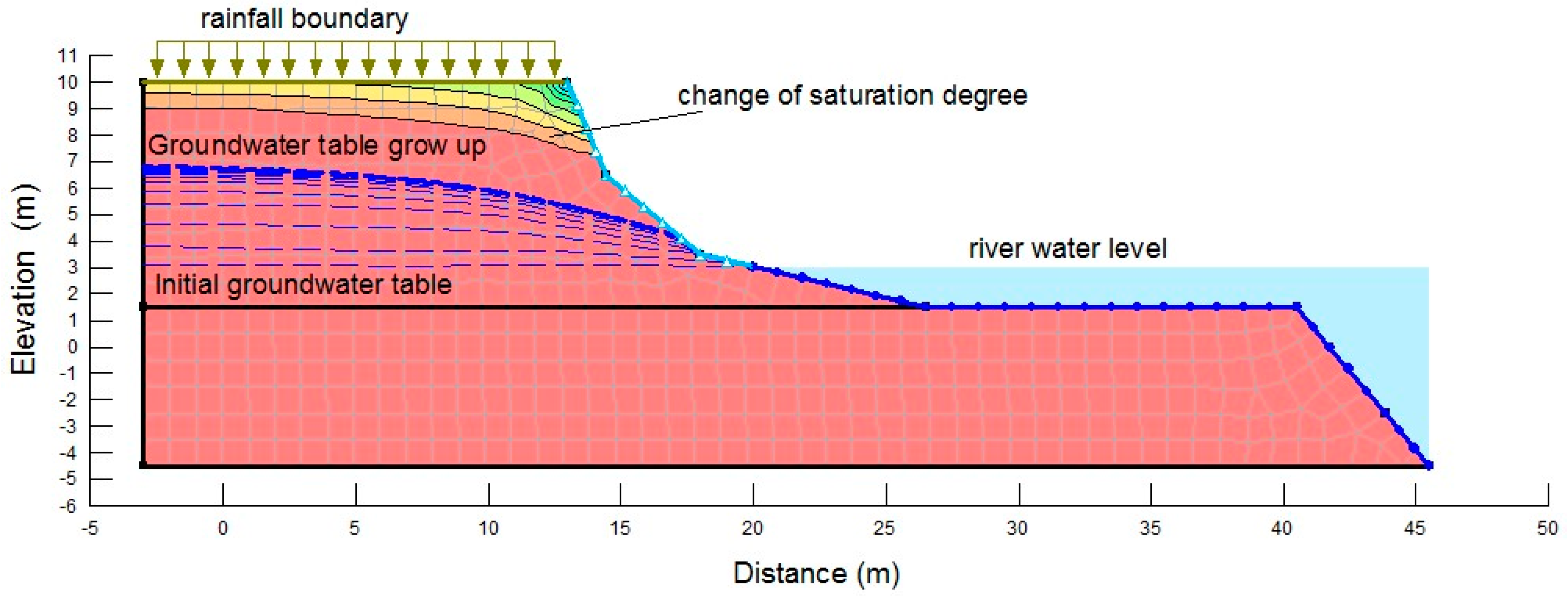
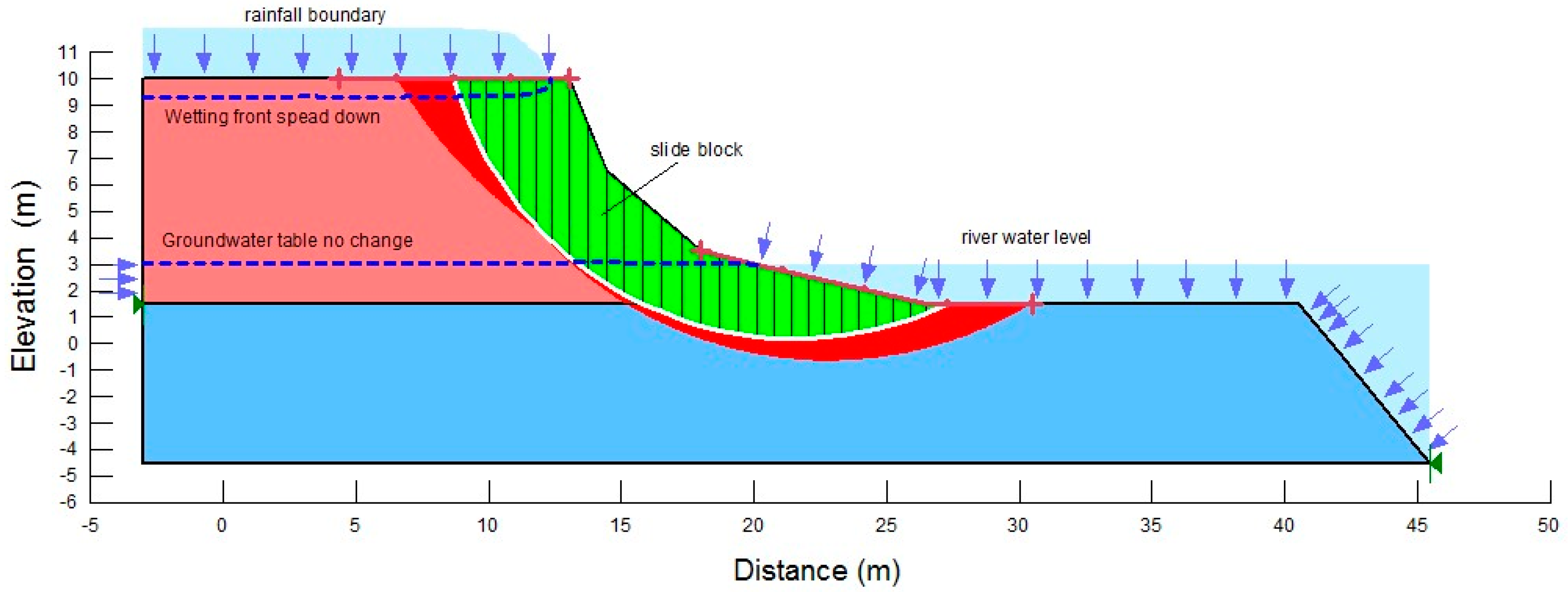
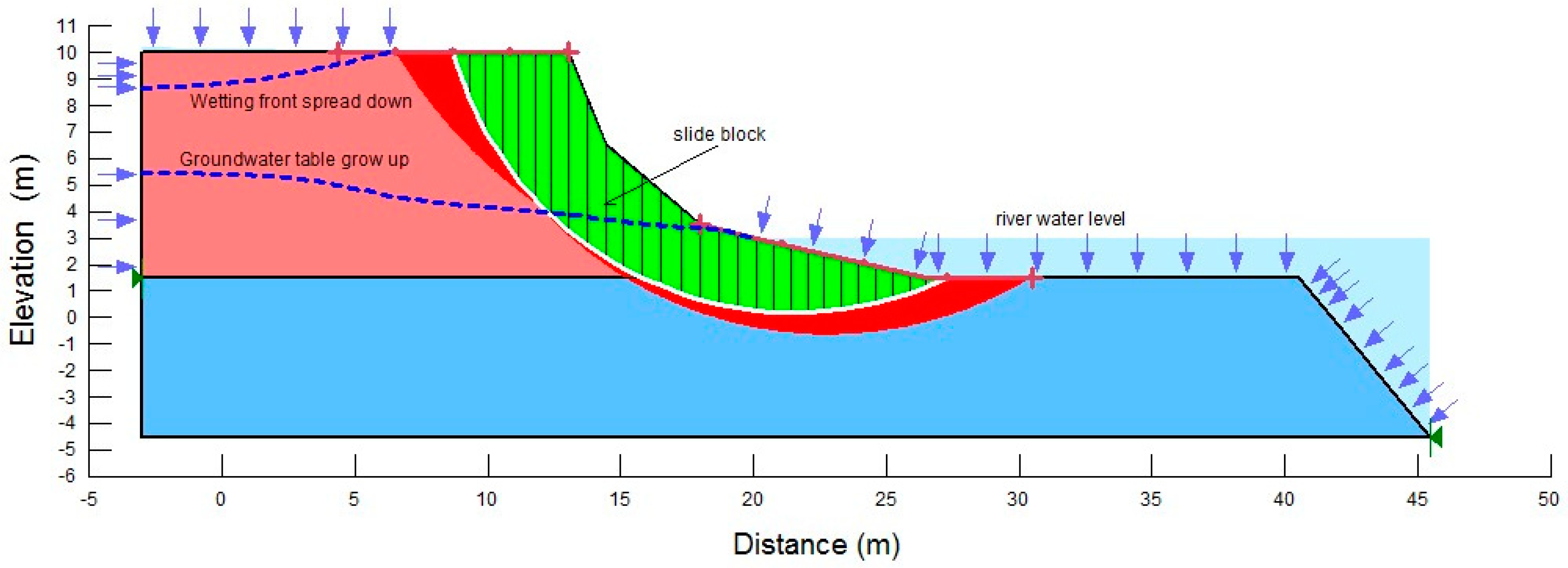
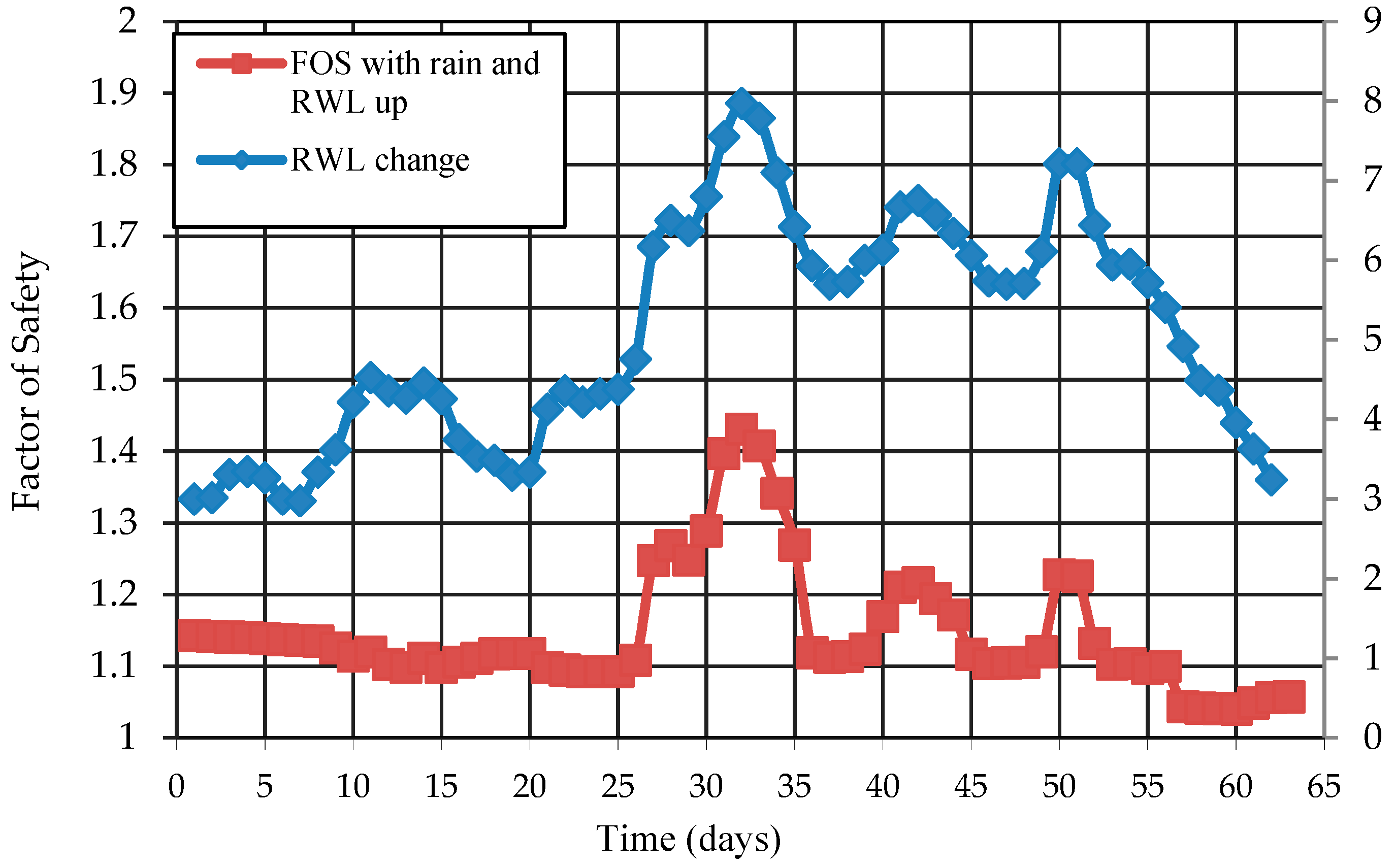
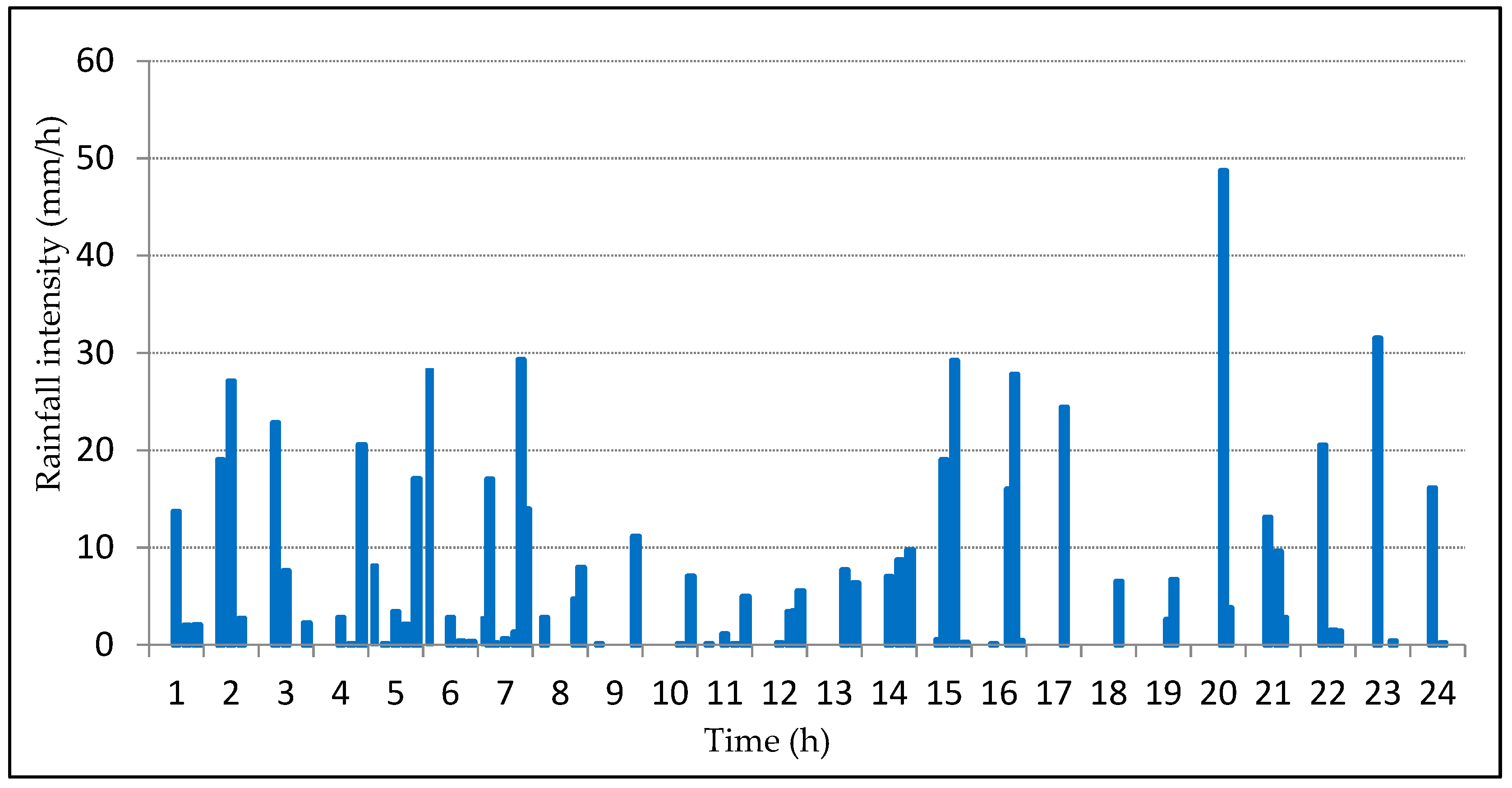
Riverbank failure often occurs in the rainy season, with effects from some main processes such as rainfall infiltration, the fluctuation of the river water level and groundwater table, and the deformation of transient seepage. This paper has the objective of clarifying the effects of soil hydraulic conductivity and rainfall intensity on riverbank stability using numerical analysis with the GeoSlope program. The initial saturation condition is first indicated as the main factor affecting riverbank stability. Analyzing high-saturation conditions, the obtained result can be used to build an understanding of the mechanics of riverbank stability and the effect of both the rainfall intensity and soil hydraulic conductivity. Firstly, the rainfall intensity is lower than the soil hydraulic conductivity; the factor of safety (FOS) reduces with changes in the groundwater table, which is a result of rainwater infiltration and unsteady state flow through the unsaturated soil. Secondly, the rainfall intensity is slightly higher than the soil hydraulic conductivity, the groundwater table rises slowly, and the FOS decreases with both changes in the wetting front and groundwater table. Thirdly, the rainfall intensity is much higher than the soil hydraulic conductivity, and the FOS decreases dominantly by the wetting front and pond loading area. Finally, in cases with no pond, the FOS reduces when the rainfall intensity is lower than hydraulic conductivity. With low hydraulic conductivity, the wetting front is on a shallow surface and descends very slowly. The decreasing of FOS is only due to transient seepage changes of the unsaturated soil properties by losing soil suction and shear strength. These obtained results not only build a clearer understanding of the filtration mechanics but also provide a helpful reference for riverbank protection.
Keywords: riverbank stability; rainfall intensity; hydraulic conductivity riverbank stability; rainfall intensity; hydraulic conductivity