Article

Quantification Assessment of Extraneous Water Infiltration and Inflow by Analysis of the Thermal Behavior of the Sewer Network


Department of Civil and Environmental Engineering, Norwegian University of Science and Technology (NTNU), N-7491 Trondheim, Norway
*
Author to whom correspondence should be addressed.
Water 2018, 10(8), 1070; https://doi.org/10.3390/w10081070
Submission received: 21 June 2018 / Revised: 5 August 2018 / Accepted: 7 August 2018 / Published: 10 August 2018

Abstract

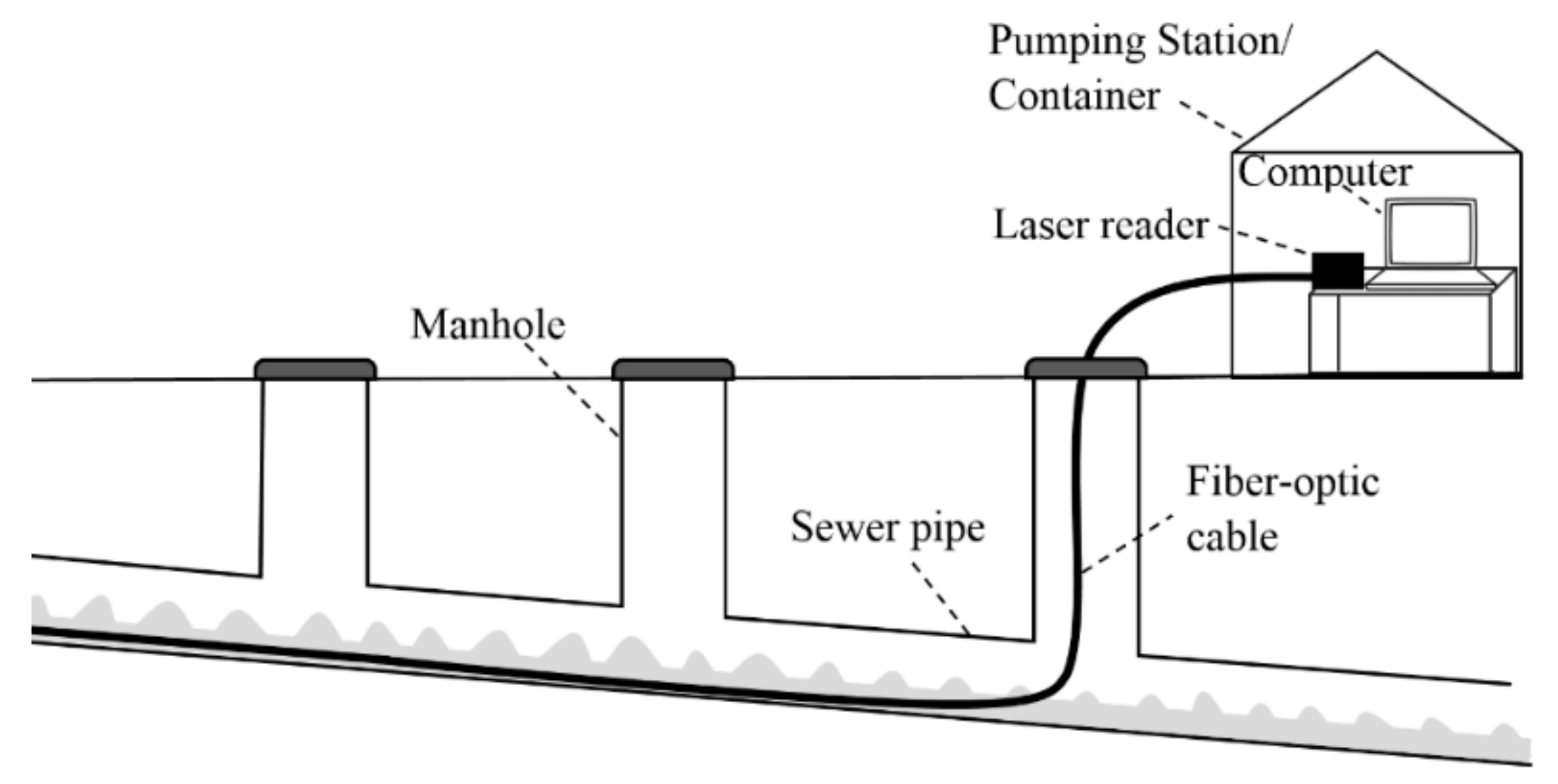
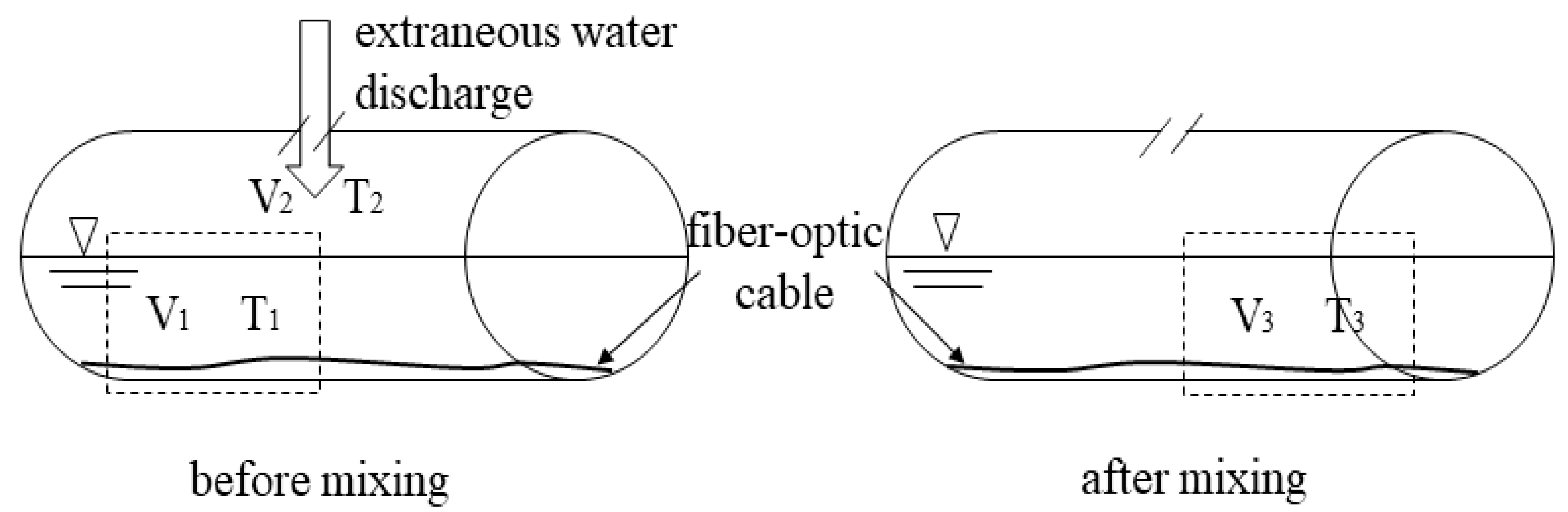
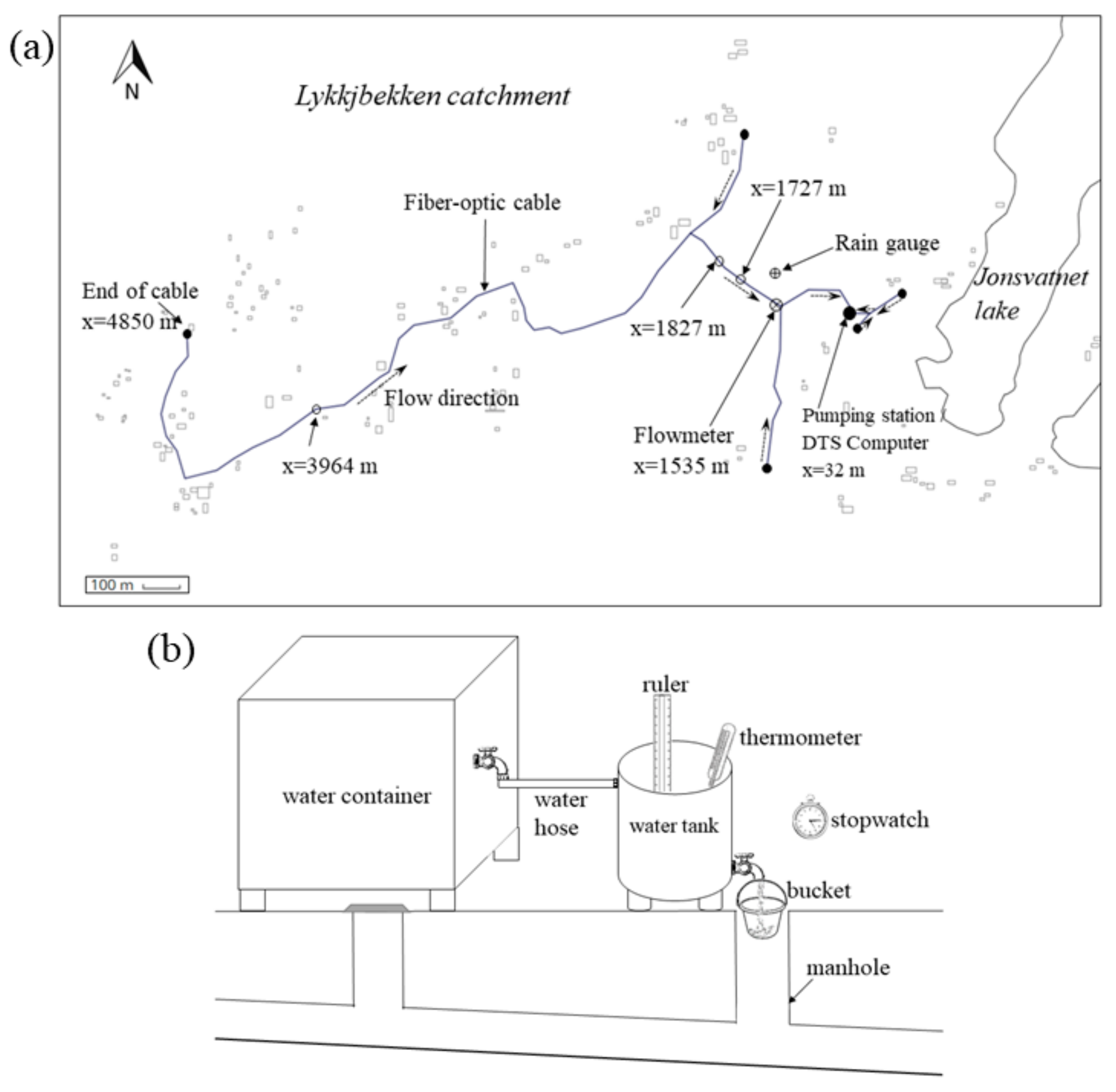
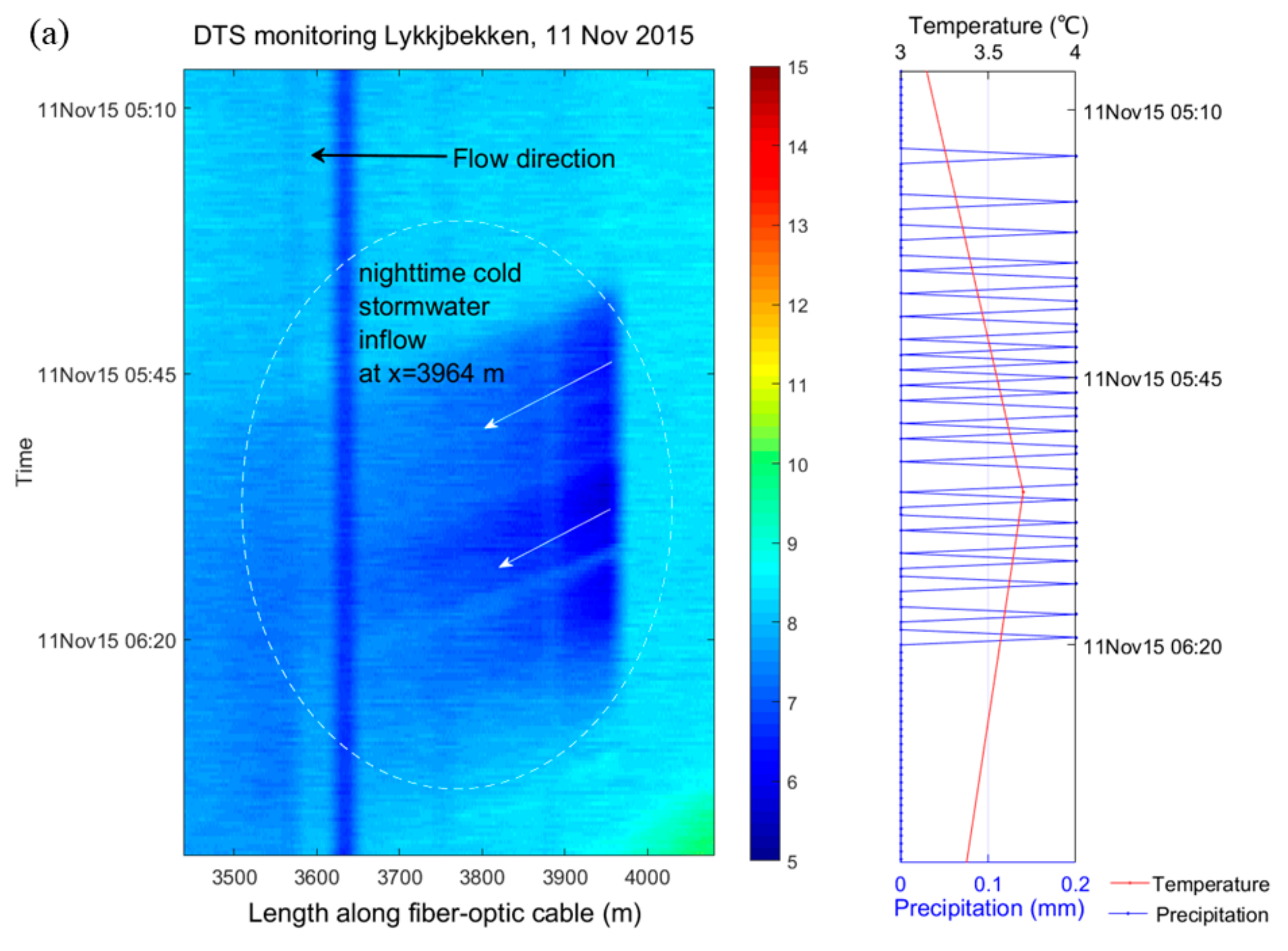
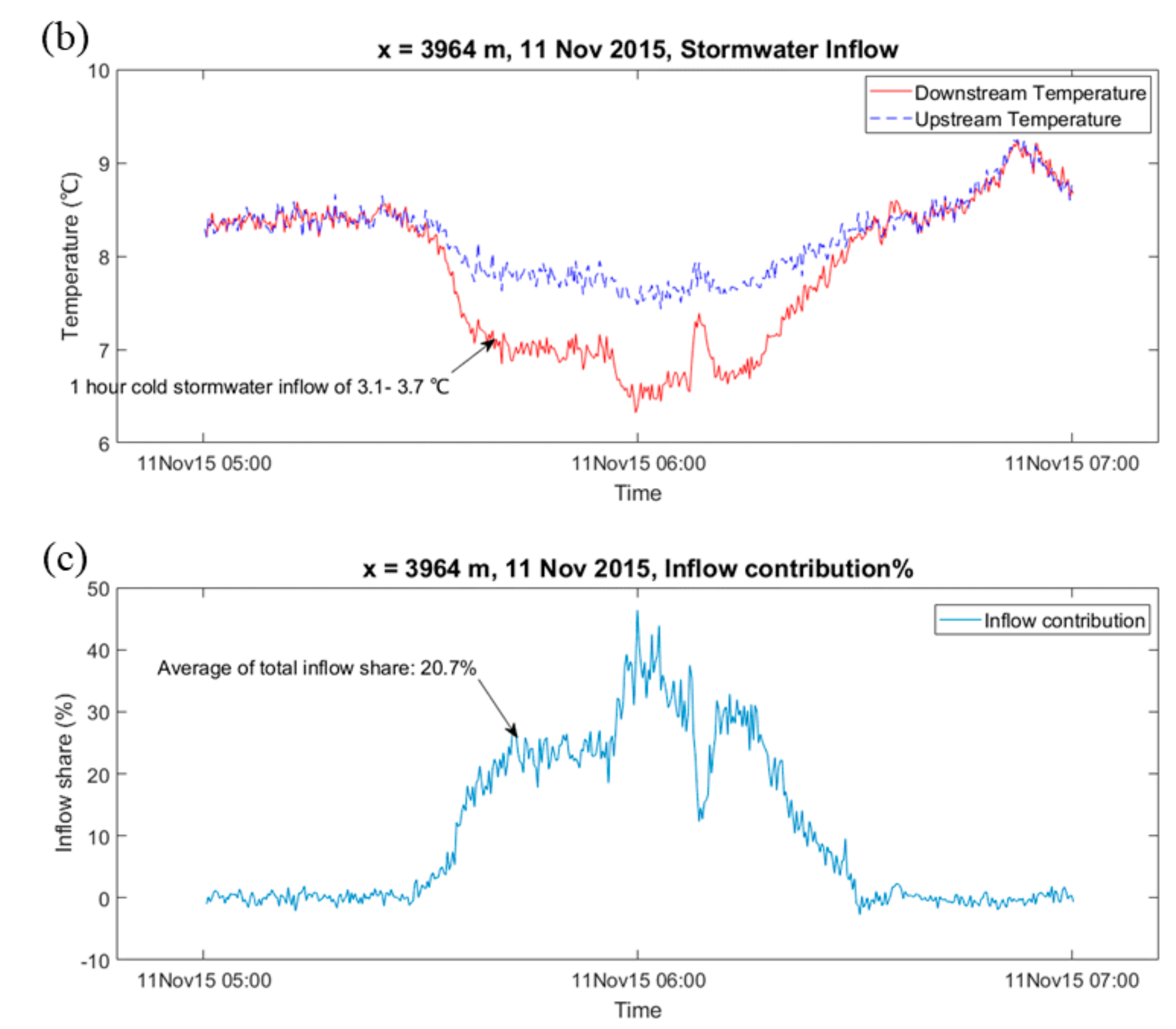
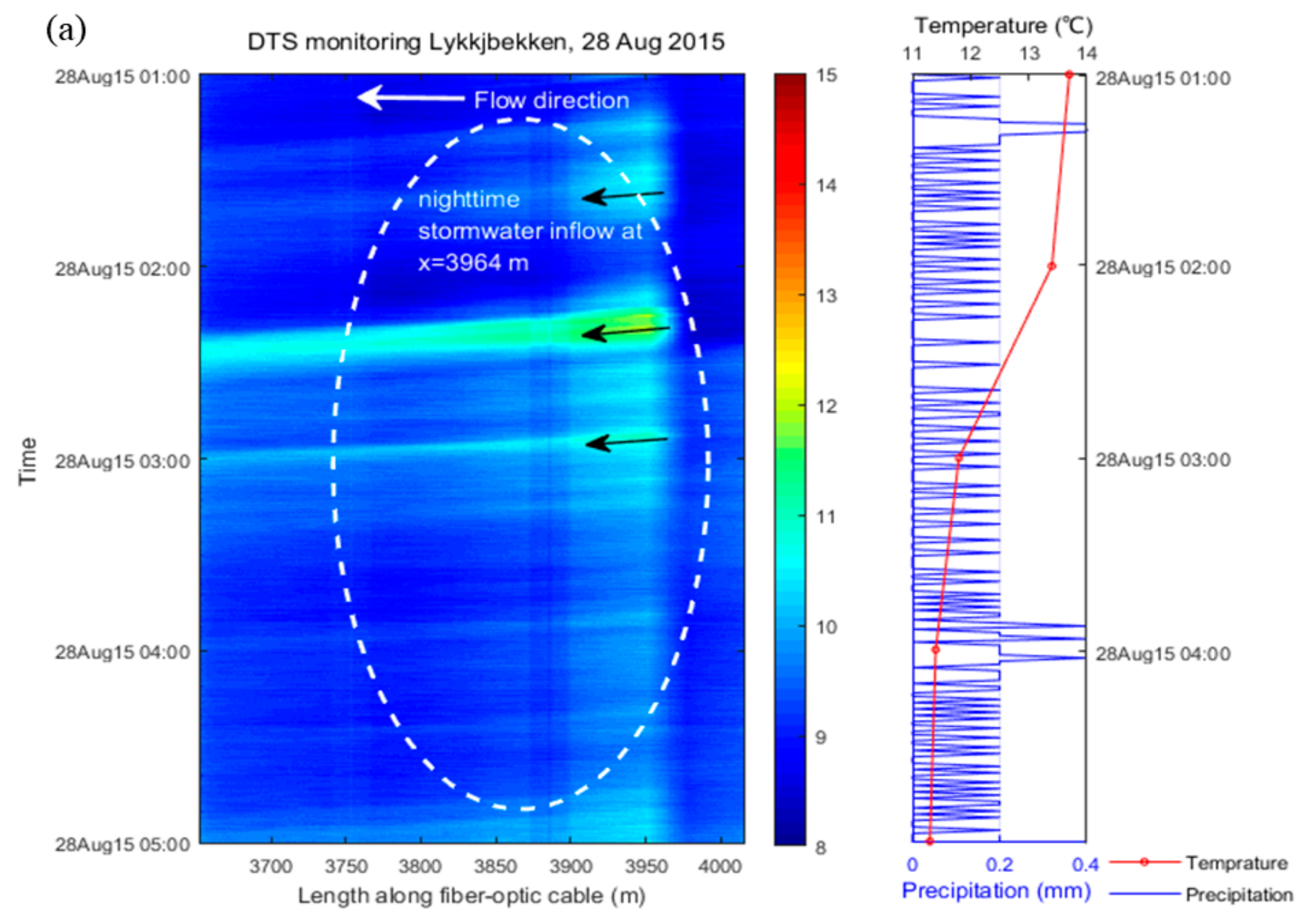
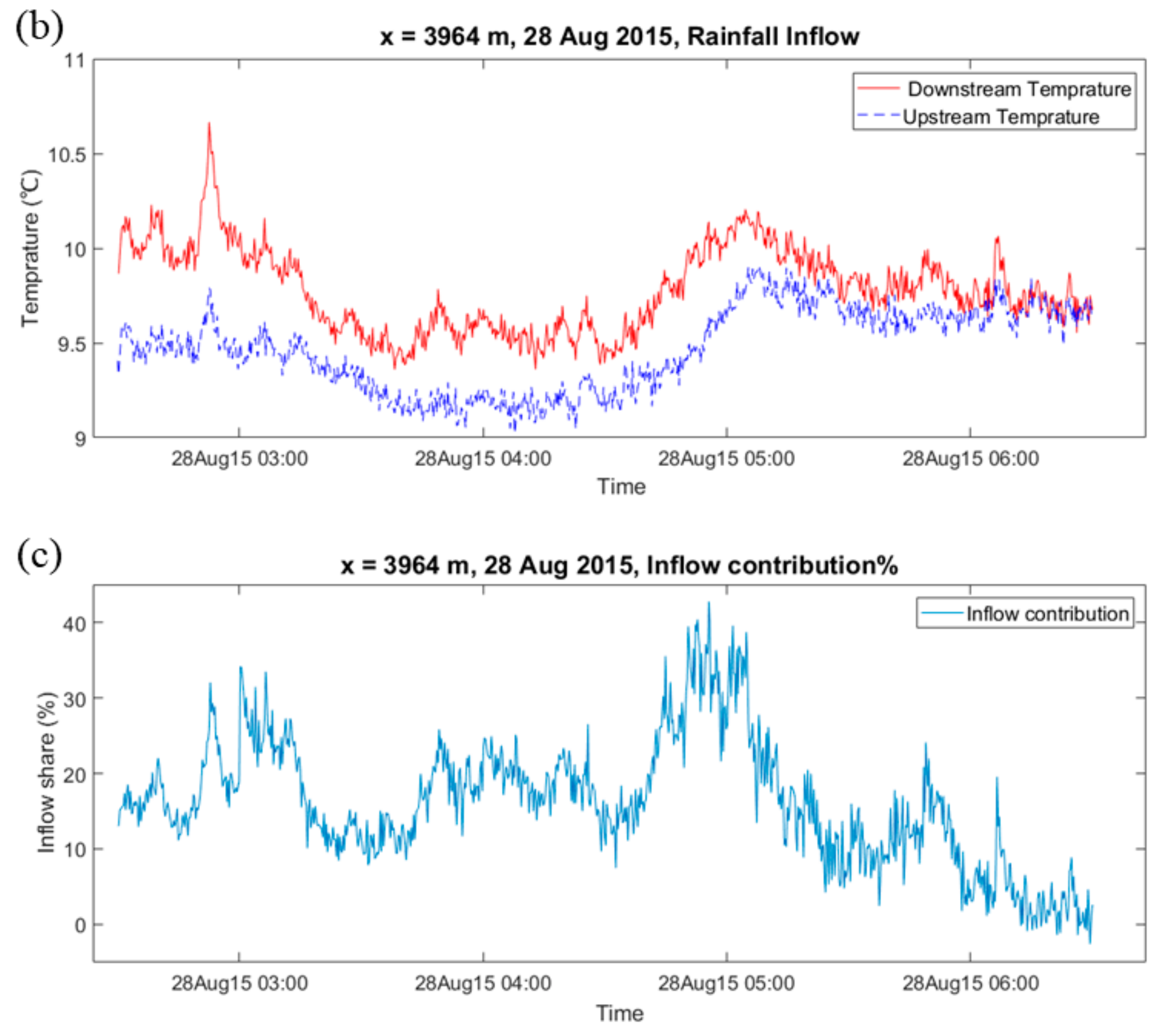
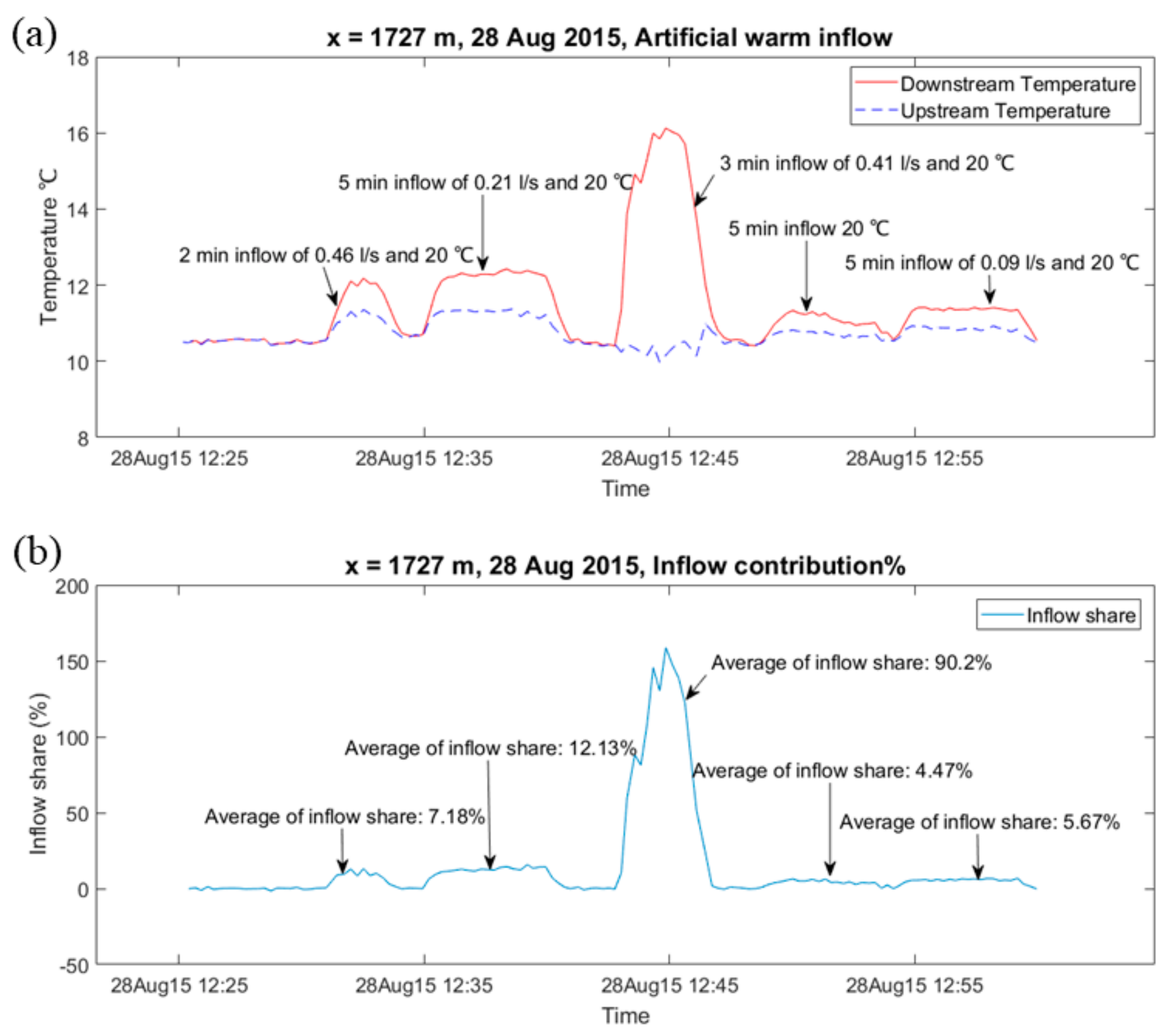
Infiltration and inflow (I/I) of unwanted water in separate urban sewer networks are critical issues for sustainable urban water management. Accurate quantification of unwanted water I/I from individual sources into a sewer system is an essential task for assessing the status of the sewer network and conducting rehabilitation measures. The study aim was to quantify extraneous water I/I into a sanitary sewer network by a temperature-based method, i.e., fiber-optic distributed temperature sensing (DTS), which was applied for the first time in a separate sewer network of a catchment in Trondheim, Norway. The DTS technology is a relatively new technology for sewer monitoring, developed over the past decade. It is based on continual temperature measurement along a fiber-optic cable installed in the sewer network. The feasibility of this method has been tested in both experimental discharges and for the rainfall-derived I/I. The results achieved from the monitoring campaign established the promising applicability of the DTS technique in the quantification analysis. Furthermore, the application of this method in quantifying real-life, rainfall-derived I/I into the sewer system was demonstrated and verified during wet weather conditions.
Keywords: distributed temperature sensing (DTS); extraneous water infiltration and inflow (I/I); rainfall-derived infiltration and inflow; sewer system; stormwater management; sustainable urban water management distributed temperature sensing (DTS); extraneous water infiltration and inflow (I/I); rainfall-derived infiltration and inflow; sewer system; stormwater management; sustainable urban water management