Article

The Effect of Freezing Drizzle, Sleet and Snow on Microphysical Characteristics of Supercooled Fog during the Icing Process in a Mountainous Area
1
Hubei Key Laboratory for Heavy Rain Monitoring and Warning Research, Institute of Heavy Rain, China Meteorological Administration, Wuhan 430205, China
2
Wuhan Regional Climate Center, Wuhan 430074, China
3
School of Atmospheric Physics, Nanjing University of Information Science and Technology, Nanjing 210044, China
*
Author to whom correspondence should be addressed.
Atmosphere 2016, 7(11), 143; https://doi.org/10.3390/atmos7110143
Submission received: 20 September 2016 / Revised: 6 November 2016 / Accepted: 8 November 2016 / Published: 11 November 2016

Abstract

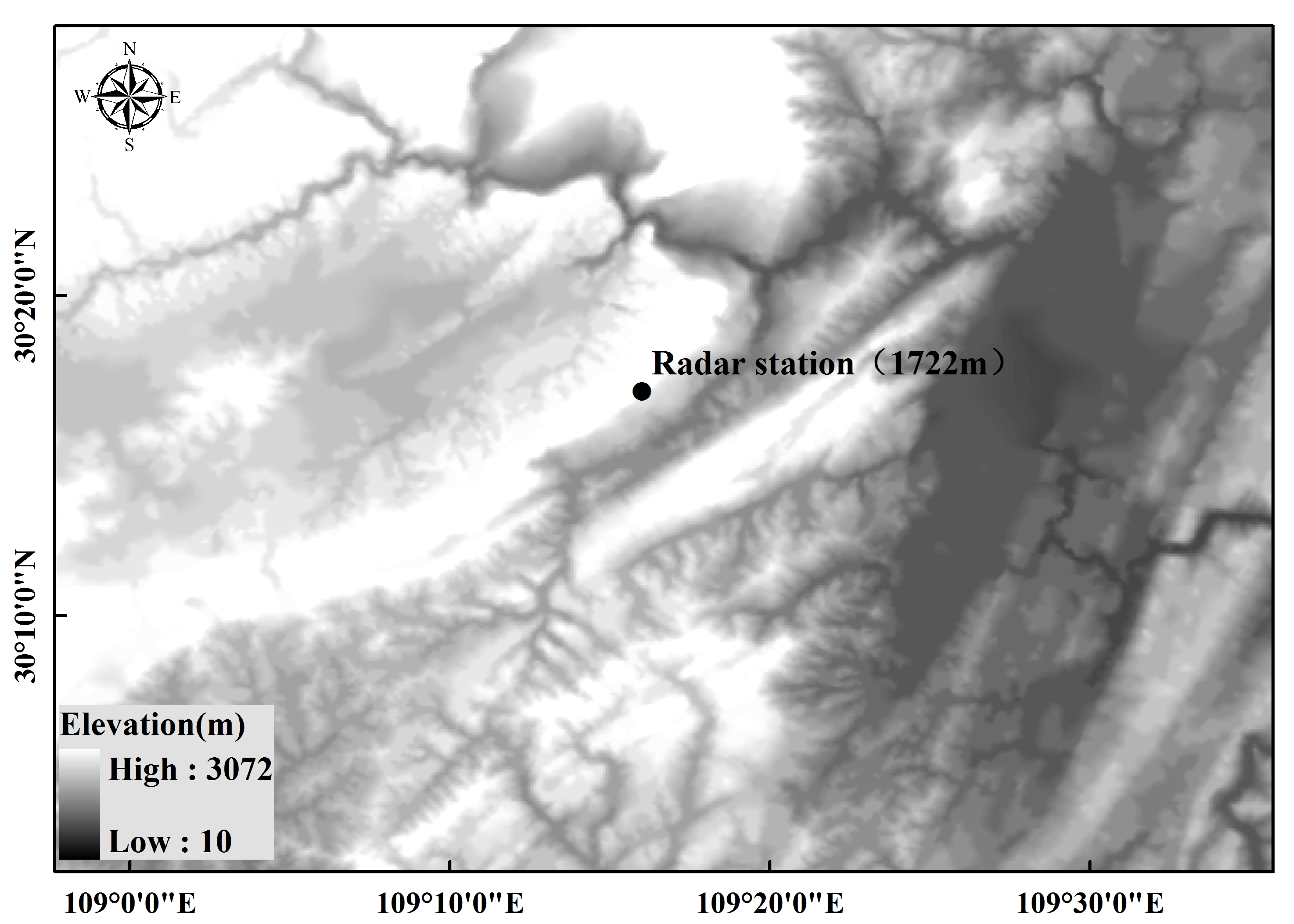
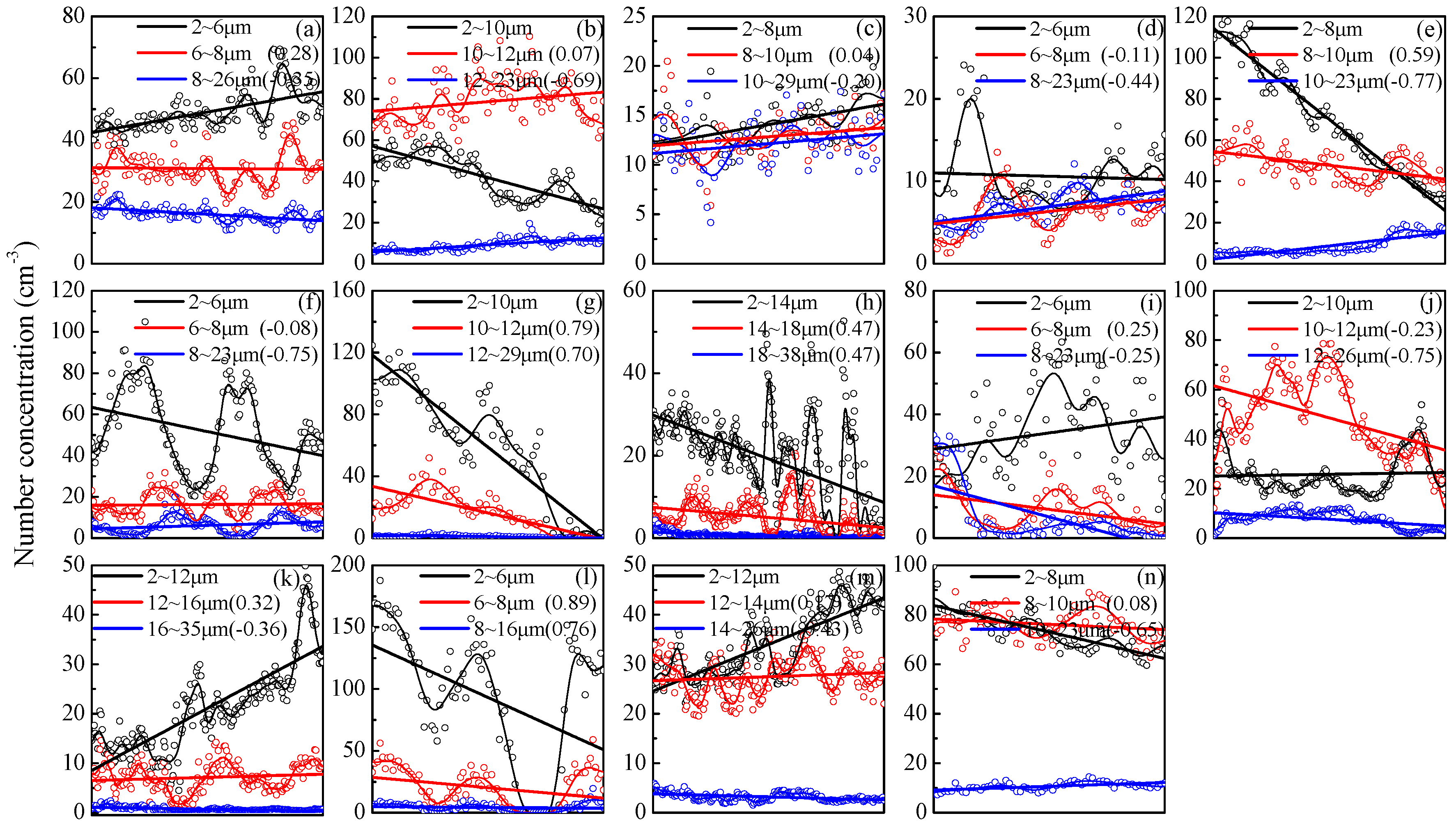
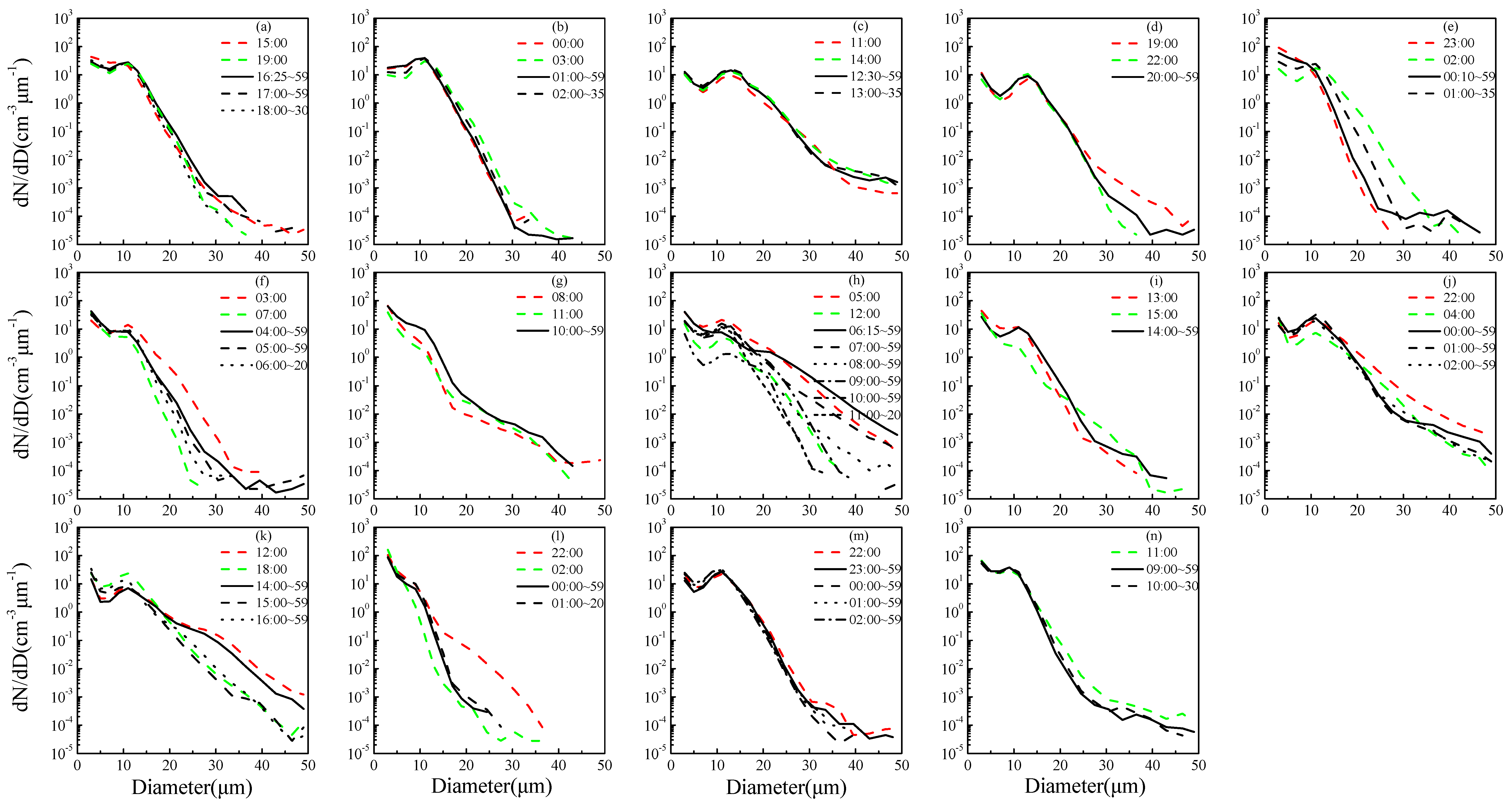
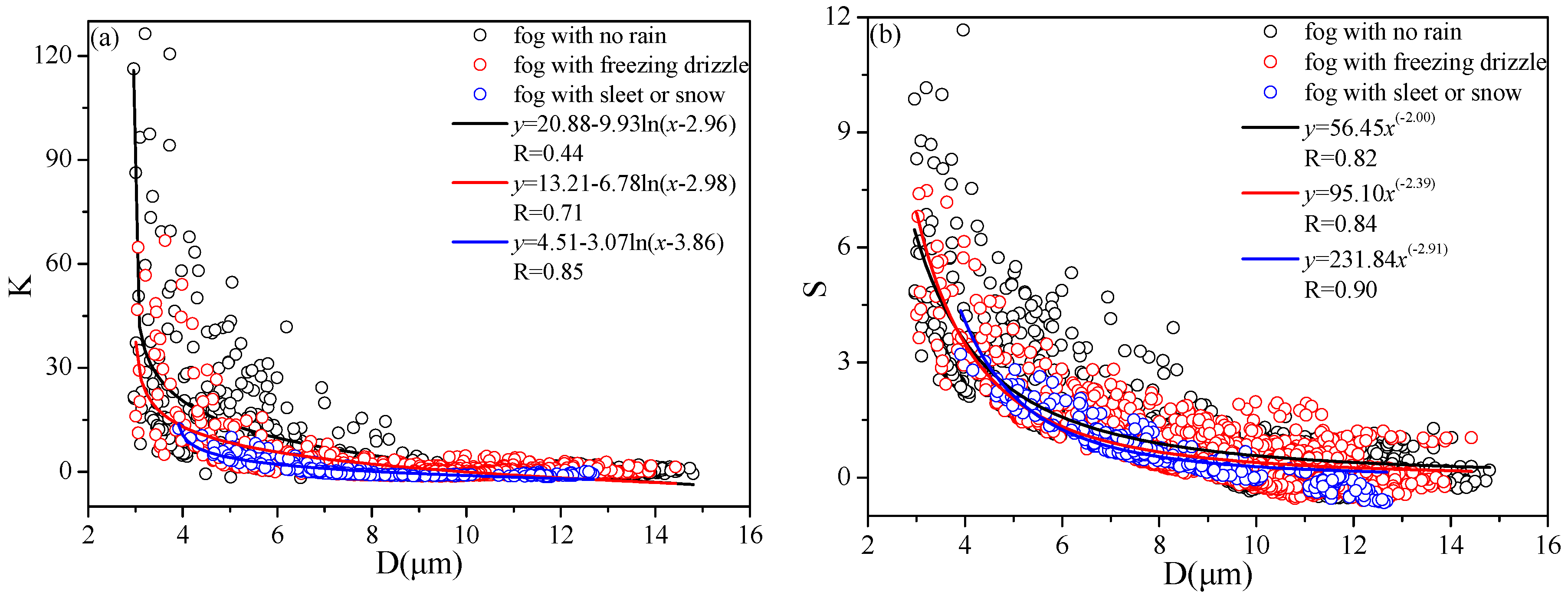
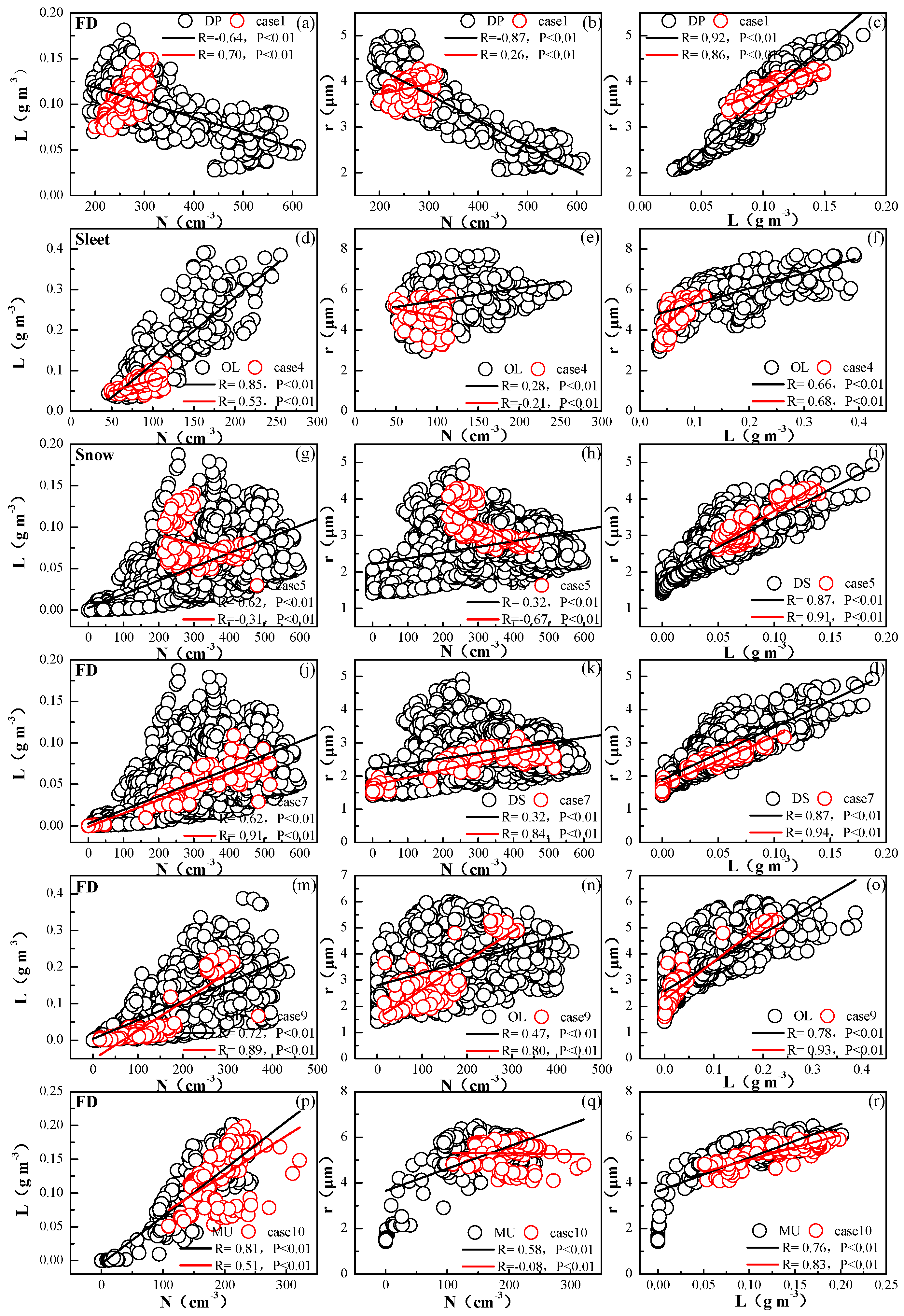
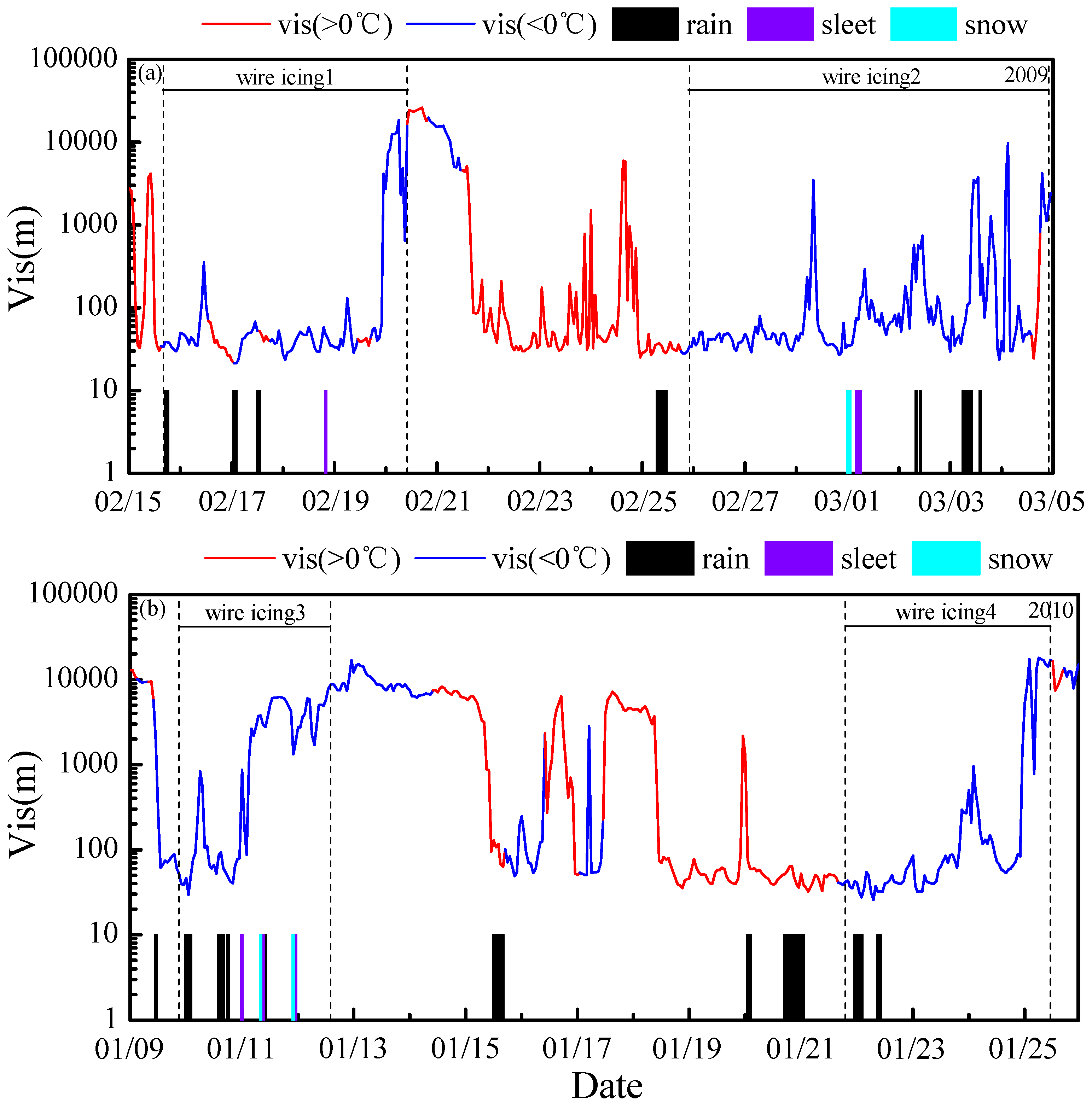
Both the similar and different effects of freezing drizzle, sleet and snow on microphysical properties of supercooled fog were analyzed for fourteen events during a comprehensive wire icing, fog, and precipitation observation experiment conducted at Enshi radar station (30°17′N, 109°16′E; 1722 m a.s.l.) on a hilltop in Shibanling, Hubei, China. Liquid precipitation is in a relatively stable form in mountainous areas. Short-term precipitation (1–3 h) is dominant with temperature below 0 °C. The wet scavenging effect of freezing drizzle on small fog droplets with a size range less than 6–12 μm is weak but is stronger for fog droplets with a larger size, which is opposite to the effects of solid precipitation, broadening the fog droplet spectra significantly. As the fog droplet diameter increases, the distributions of droplet spectra change from leptokurtosis to platykurtosis and from positive skewness to negative skewness. Occurrence of freezing drizzle would improve the positive correlation of N-r in dissipation and oscillation periods, resulting in the N-r relationship having a weak negative correlation in the maturity period, and resulting in the transition of the N-L and N-r relationships into positive correlations in the development period. Meanwhile, the emergence of solid precipitation particles would result in negative values for the correlation coefficients of N-L and N-r. The change in relationships among the microphysical properties was caused by the occurrence of different phase precipitation, showing the influence on the main microphysical mechanisms of supercooled fog.
Keywords: supercooled fog; different phase precipitation; similar and different effects; microphysical characteristics; mountainous area supercooled fog; different phase precipitation; similar and different effects; microphysical characteristics; mountainous area