
Article

Storm Identification, Tracking and Forecasting Using High-Resolution Images of Short-Range X-Band Radar
1
DET, Politecnico di Torino, Corso Duca degli Abruzzi, 10129 Turin, Italy
2
Computer Science Department, COMSATS Institute of Information Technology, 22010 Abbottabad, Pakistan
*
Author to whom correspondence should be addressed.
Atmosphere 2015, 6(5), 579-606; https://doi.org/10.3390/atmos6050579
Submission received: 27 November 2014 / Revised: 13 April 2015 / Accepted: 17 April 2015 / Published: 6 May 2015
(This article belongs to the Special Issue Radar Meteorology)

Abstract

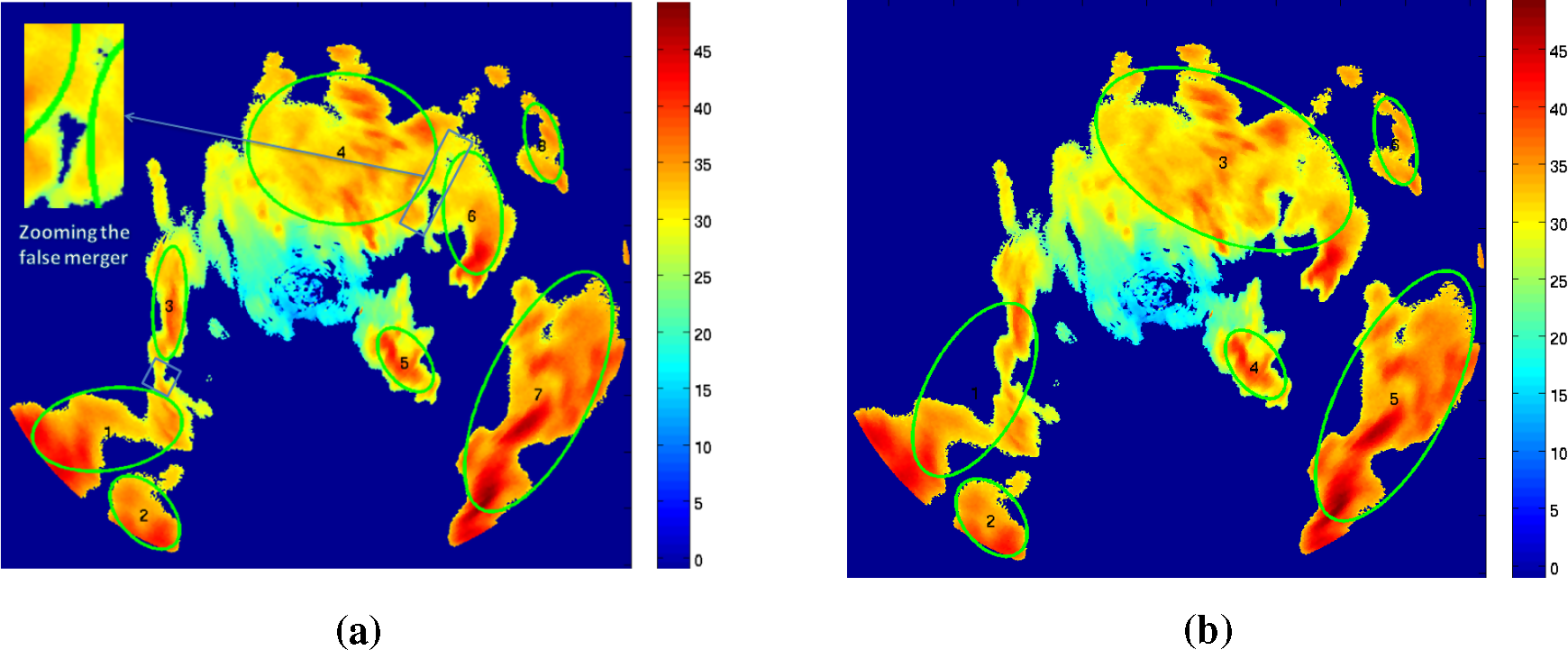
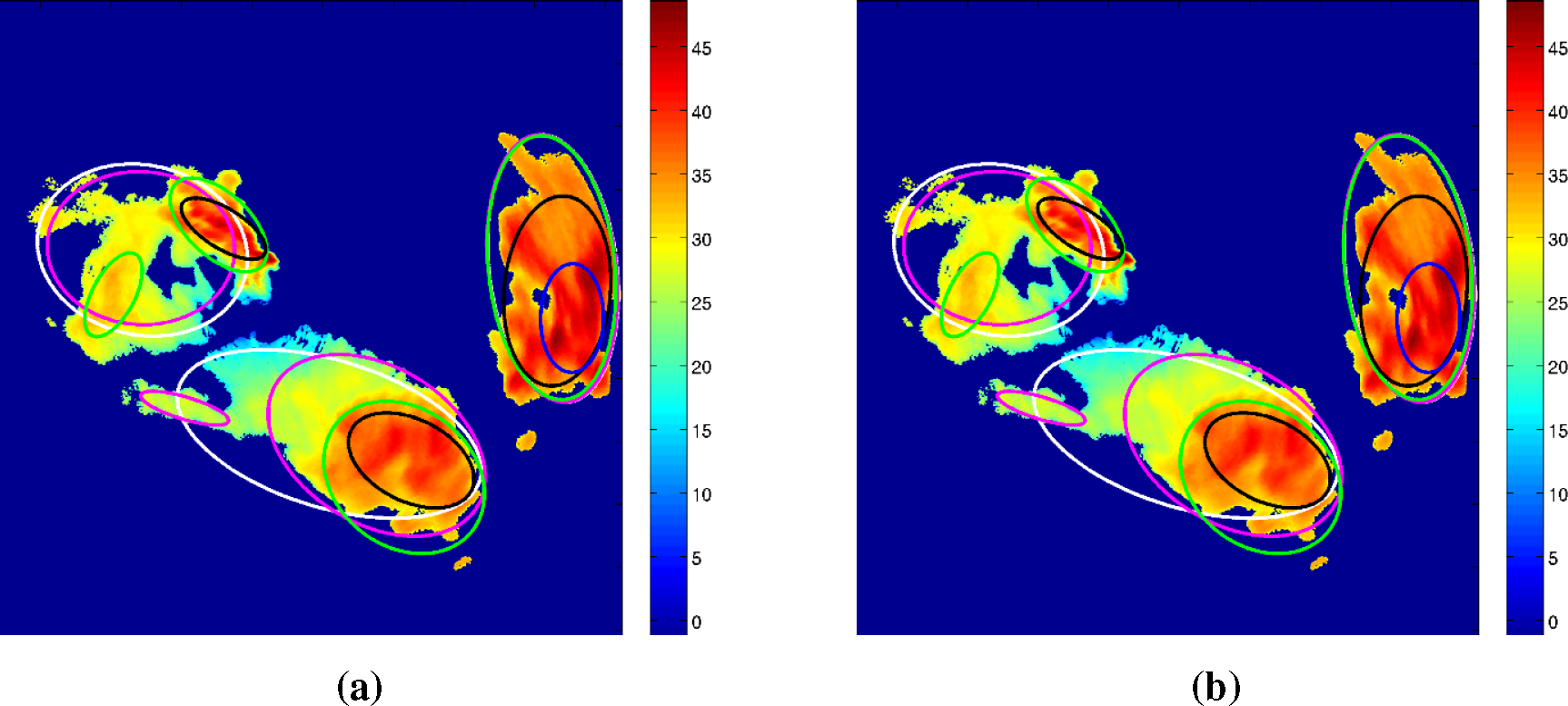
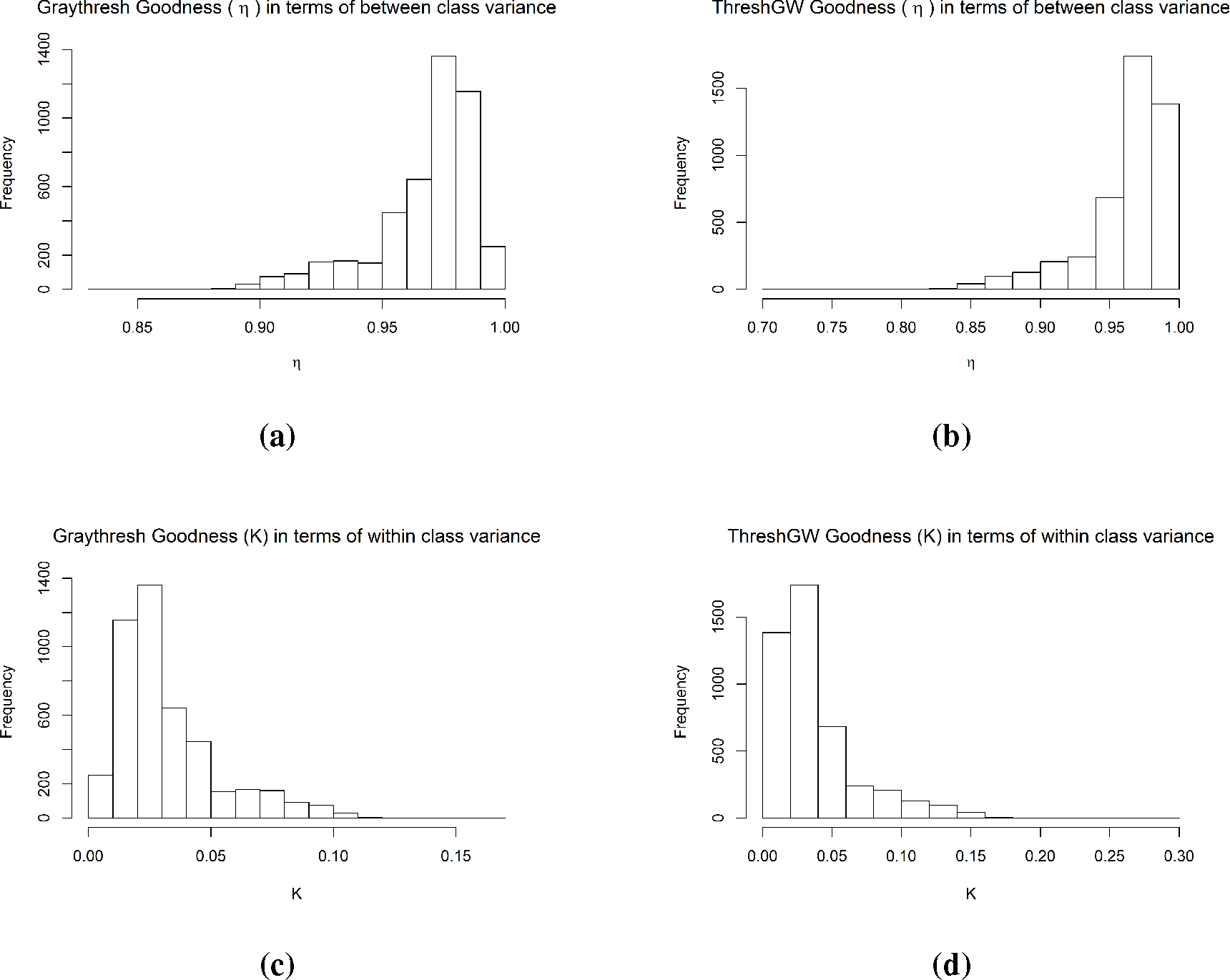
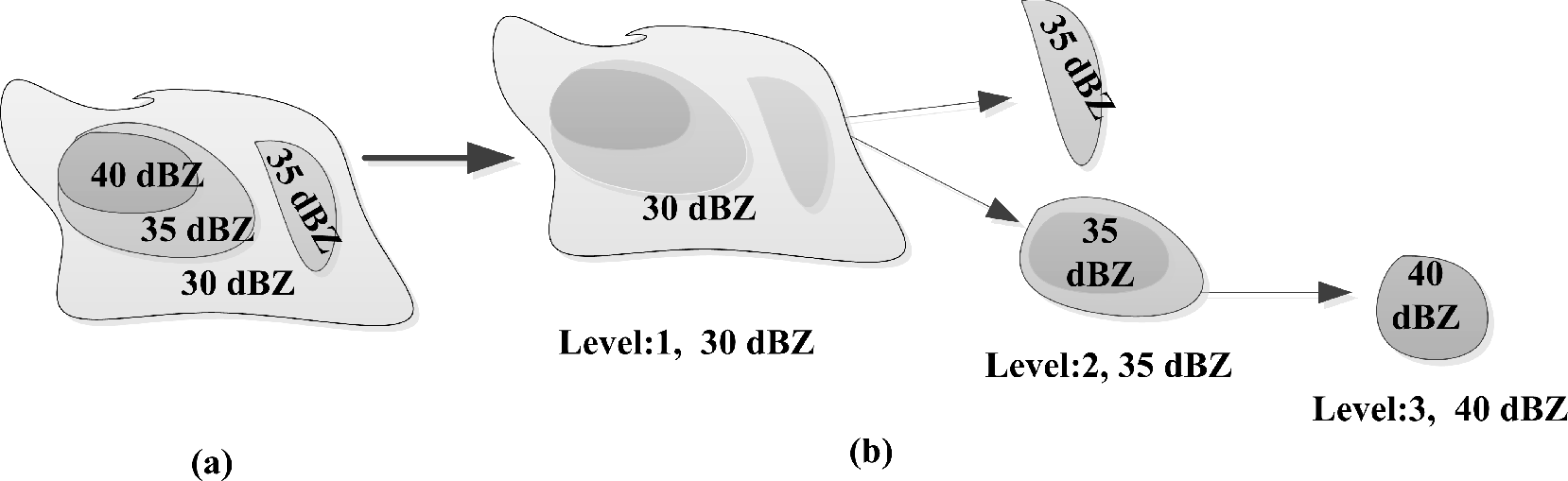
Rain nowcasting is an essential part of weather monitoring. It plays a vital role in human life, ranging from advanced warning systems to scheduling open air events and tourism. A nowcasting system can be divided into three fundamental steps, i.e., storm identification, tracking and nowcasting. The main contribution of this work is to propose procedures for each step of the rain nowcasting tool and to objectively evaluate the performances of every step, focusing on two-dimension data collected from short-range X-band radars installed in different parts of Italy. This work presents the solution of previously unsolved problems in storm identification: first, the selection of suitable thresholds for storm identification; second, the isolation of false merger (loosely-connected storms); and third, the identification of a high reflectivity sub-storm within a large storm. The storm tracking step of the existing tools, such as TITANand SCIT, use only up to two storm attributes, i.e., center of mass and area. It is possible to use more attributes for tracking. Furthermore, the contribution of each attribute in storm tracking is yet to be investigated. This paper presents a novel procedure called SALdEdA (structure, amplitude, location, eccentricity difference and areal difference) for storm tracking. This work also presents the contribution of each component of SALdEdA in storm tracking. The second order exponential smoothing strategy is used for storm nowcasting, where the growth and decay of each variable of interest is considered to be linear. We evaluated the major steps of our method. The adopted techniques for automatic threshold calculation are assessed with a 97% goodness. False merger and sub-storms within a cluster of storms are successfully handled. Furthermore, the storm tracking procedure produced good results with an accuracy of 99.34% for convective events and 100% for stratiform events.
Keywords: storm identification; storm tracking; nowcasting; forecasting; thresholding; image segmentation storm identification; storm tracking; nowcasting; forecasting; thresholding; image segmentation