


Abstract
This study estimates China’s methane (CH4) emissions from 43 specific emission sources in 2020 and projects future trends through 2050 under two scenarios: Current Legislation (CLE) and Maximum Technically Feasible Reduction (MFR). The analysis utilises the Greenhouse gas and Air pollution Interactions and Synergies (GAINS) model methane framework, incorporating updated province-level activity data to capture the pronounced regional heterogeneity inherent in emission profiles and mitigation capacities. The results reveal a national CH4 budget of 1114 MtCO2e in 2020, with the energy sector (59%) and agriculture (28%) emerging as the primary contributors. A substantial technical mitigation potential is identified; by 2050, emissions could be curtailed by up to 48% relative to the CLE scenario, representing a 46% reduction from 2020 levels. The energy and waste sectors emerge as the primary contributors to this potential. Specifically, coal mining CH4 abatement constitutes 58% of the energy sector’s total reduction potential, while enhanced solid waste management accounts for 97% of the mitigation within the waste sector. Key measures include ventilation air methane (VAM) oxidation and pre-mining degasification, as well as anaerobic digestion and recovery and utilization for energy use. Owing to regional disparities in hydrothermal conditions (representing the combined influence of temperature and moisture), demographic status, economic development, the most effective mitigation strategies vary across provinces. For example, pre-mining degasification and VAM oxidation are most impactful in major coal-producing regions such as Shanxi, Inner Mongolia, and Shaanxi. In contrast, anaerobic digestion, recovery and utilization, and waste incineration play a dominant role in more economically developed and densely populated provinces such as Jiangsu, Shandong and Zhejiang. By delineating region-specific technological priorities, this study quantifies the maximum technical mitigation potential for China and offers guidance for other nations facing similar mitigation challenges.
1. Introduction
With rapid population growth and economic development, greenhouse gas (GHG) emissions have continued to rise. To achieve the Paris Agreement’s goal of limiting global temperature increases to within 1.5 °C, it is crucial to not only curb carbon dioxide (CO2) emissions but also impose strict regulations on other non-CO2 GHG [1,2]. As the second most significant greenhouse gas after CO2, methane (CH4) exhibits a substantially higher global warming potential (GWP). Over a 20-year horizon (GWP20), the GWP of CH4 is estimated at 82.5 ± 25.8 times that of CO2 for fossil fuel-related sources and 79.7 ± 25.8 times for non-fossil sources. When assessed over a 100-year timeframe (GWP100), these values decline to 29.8 ± 11 and 27.0 ± 11 times higher than CO2, respectively, reflecting the shorter atmospheric lifetime of CH4 relative to CO2 [3]. Anthropogenic CH4 emissions account for more than 50% of global CH4 output and are responsible for approximately one-third of today’s human-induced GHG warming [4].
China is currently the world’s largest anthropogenic CH4 emitter [5]. As a non-Annex I Party to the United Nations Framework Convention on Climate Change (UNFCCC), China has submitted nine national GHG inventories to the UNFCCC since 1994, with the most recent inventory covering emissions up to 2021 being submitted in 2024. Over this period, China’s CH4 emissions (excluding land use, land-use change, and forestry-LULUCF) have experienced a significant rise. In 1994, emissions totaled 34,290 kilo metric tonnes (kt), increasing to 59,535 kt in 2021, making a 1.74-fold increase [6,7,8]. When converted using the GWP100 metric, China’s 2021 CH4 emissions amounted to 1667 million metric tonnes of CO2 equivalent (MtCO2e)—a figure comparable to the combined total GHG emissions of Australia, Canada, and the United Kingdom [9]. This underscores China’s dominant role in the global CH4 emission landscape.
To align with global climate targets, China has prioritised CH4 emission mitigation through a series of policy interventions. In 2021, the Chinese government issued the Action Plan for Carbon Peaking Before 2030, explicitly mandating strengthened controls over CH4 and other non-CO2 GHG while accelerating technology innovation for emission reduction [10]. Complementing this, the 14th Five-Year Plan for Controlling Greenhouse Gas Emissions (2021–2025) outlined sector-specific strategies to improve CH4 monitoring, accounting, and abatement across high-emitting industries, including coal mining, oil and gas extraction, agriculture, and waste management [11]. By 2023, these efforts culminated in the Methane Emission Control Action Plan, which established four targets: increasing the utilization of coal mine methane (CMM), reutilizing livestock and poultry manure as well as municipal solid waste, and ensuring the safe disposal of urban sludge [12]. However, due to China’s relatively late start in CH4 mitigation and insufficient practical experience in addressing such emissions, CH4 levels have remained persistently high.
Extensive studies have advanced the estimation of CH4 emissions and mitigation potentials in China, with most studies concentrating on specific sectors such as coal mining, agriculture and waste management. For example, Sheng et al. [13] reported a 54% increase in CMM emissions from 2005 to 2012, followed by a decline between 2012 and 2016. In contrast, Miller et al. [14] found that CH4 emissions continued to rise by ~1 Mt/year during 2010–2015, consistent with pre-2010 trends. Shen et al. [15] highlighted a 2.4% reduction in CH4 emissions from rice cultivation over the past two decades, with spatial variations characterised by declines in southern regions and increases in the north. Furthermore, structural shifts in rice production driven by supply-demand dynamics were projected to reduce CH4 emissions by approximately 10% between 2025 and 2060. Using a bottom-up approach, Cai et al. [16] estimated that landfills in China emitted around 1.5 Mt of CH4 in 2012, and that over 50% of these emissions could be mitigated by 2030 under a policy scenario. Combined mitigation technologies such as biocovers, landfill gas collection, and flaring systems were identified as the most effective, while mechanical biological treatment and mineral landfills also contributed significantly. China’s primary anthropogenic CH4 sources include fossil fuel extraction, rice cultivation, livestock, waste disposal, and biomass burning [17,18]. Despite these sector-specific insights, comprehensive multi-sector modeling and integrated assessments of CH4 emissions and mitigation pathways remain limited. While sectoral studies offer valuable micro-level understanding, their policy relevance may be constrained when designing coordinated, cross-sectoral mitigation strategies [19].
Recent scenario-based studies have made progress in addressing this gap. Lin et al. [20] conducted a national bottom-up assessment and identified coal mining and agriculture as sectors with the highest mitigation potential by 2050. Khanna et al. [21] projected China’s CH4 emissions under various mitigation scenarios, noting that coal mining would dominate reduction efforts in 2030, but agriculture would become the primary source of abatement potential by 2060. Similarly, analyses by Teng et al. [22] and the U.S. Environmental Protection Agency (EPA) [23] found that CH4 reductions from coal mining represent the largest single-source mitigation opportunity for both 2030 and 2050 under China’s Paris Agreement commitments. However, it is crucial to account for regional heterogeneity in emission sources and mitigation measures when designing national strategies. For instance, policies targeting the closure of small coal mines have led to divergent spatial trends in CMM emissions from 2010 to 2017—rising in northern provinces like Shaanxi and Inner Mongolia, but declining in southwestern regions such as Henan and southern Shanxi [19]. Similarly in livestock source, intensive rearing systems and feed switching are more effective in regions like the North China and Northeast Plains, whereas in the Sichuan Basin, reducing herd size proves more impactful [24]. Despite this, many existing scenario analyses overlook the spatial variability in mitigation outcomes, underscoring the need for more geographically explicit assessments to inform regionally tailored CH4 reduction policies.
In addressing the existing research gaps, this paper adopts the methane framework of the Greenhouse Gas and Air Pollution Interactions and Synergies (GAINS) model [25,26] to provide an updated, multi-sectoral inventory of anthropogenic CH4 emissions across China at the provincial level for the year 2020, and explores the spatial heterogeneity of technical mitigation measures in the 2020–2050 timeframe. Developed by the International Institute for Applied Systems Analysis (IIASA), GAINS is a world-leading integrated assessment tool utilised extensively by organizations such as the United Nations and the European Commission for air quality and climate policy design [25,27]. The model is characterised by its technology-rich, bottom-up approach, which links specific human activities to emission factors (EFs) and identifies technical abatement potentials based on marginal abatement cost curves [26,28].
Specifically, we made improvements to the current simulation of emissions in the model encompassing 4 major sectors and 12 subsectors, by updating the activity and control technology input data for the China to 2020 based on provincial statistical yearbooks and other studies. Then, two future scenarios, i.e., current legislation (CLE) and maximum technically feasible reduction (MFR) scenarios, were compared to calculate emission reduction potential and to evaluate the effectiveness of various mitigation technologies. Emission reductions are disaggregated by sector and mitigation measure for the year 2050 to highlight sectoral and regional differences. This study further maps the spatial distribution of measure-specific impacts to support more targeted and regionally appropriate policy actions. Additionally, a comparative assessment of our results against those from other studies is conducted to identify principal sources of uncertainty and emphasise critical gaps in existing research. Based on these findings, policy recommendations are formulated with a focus on the most impactful sectors for CH4 mitigation. Our contributions can be delineated into three distinct facets. First, regarding the foundational architecture, we retain the robust, internationally recognized mathematical formulations, technology categorizations, and macroeconomic projections of the core GAINS CH4 framework [25,26]. Second, in terms of methodological localization, we advance the model by undertaking a rigorous, province-level recalibration for the 2020 base year. This encompasses the meticulous standardization of local activity data across 43 specific emission sources for 31 provinces, and the updating of technology penetration rates to reflect China’s most recent domestic policy milestones. Third, regarding novel scientific insights, this high-resolution spatial parametrization fundamentally shifts the paradigm from national aggregate estimations to the revelation of stark regional heterogeneity. By mapping the precise spatial distribution of measure-specific impacts, our research provides a bespoke, regionally differentiated roadmap—illustrating exactly ‘where’ and ‘how’ targeted technical interventions must be deployed to optimally support China’s ambition for carbon neutrality.
The structure of the paper is as follows: Section 2 introduces the methodology for CH4 emission estimation and scenario development. Section 3 presents the main results. Section 4 discusses comparisons with previous studies and offers policy implications. Section 5 concludes the paper with a summary of key insights.
2. Materials and Methods
This study utilised the methane framework of GAINS IV East Asia model [26,29], a comprehensive system developed and refined over two decades by the IIASA team. Specifically parametrised for this study, the model facilitates a sub-national estimation of China’s CH4 emissions for the 2020 base year, ensuring high-resolution spatial precision. While maintaining the GAINS methodological consistency, we systematically replaced default national or regional approximations with empirical data meticulously collated from Chinese provincial statistical yearbooks. We updated the activity data and technology penetration rates for major sectors to accurately reproduce provincial CH4 emissions for the 2020 base year. Moreover, by projecting these localised parameters forward, we assessed the province-level mitigation potential associated with technological abatement options in China for the 2020–2050 timeframe. This transition from macroscopic defaults to granular, provincial realities constitutes the principal methodological innovation of the present study. The study domain includes 31 provincial administrative regions in China. Due to insufficient data, Hong Kong, Macau, and Taiwan were not included in this study. Firstly, parameters of the built-in baseline scenario ‘ECLIPSE_V6b_CLE_base’ were updated for the base year 2020 (details in Section 2.2). Based on the recalibrated 2020 dataset, two future scenarios were developed following the underlying GAINS assumptions to quantify future CH4 reduction potentials. In the MFR scenario, additional adjustments were introduced to better reflect China’s current technological conditions.
2.1. Source Classification
The GAINS model applies a comprehensive source classification system for emission estimation. In this study, CH4 sources were reorganized according to China-specific emission characteristics into 4 major sectors—energy, agriculture, waste and others—encompassing 12 subsectors: coal mining, abandoned coal mine, oil and gas, rice cultivation, manure management, enteric fermentation, agricultural waste burning, solid waste, wastewater, road machinery and non-road machinery. In total, 43 specific CH4 emission sources were covered, as detailed in Supplementary Table S1. Activity data for the 2020 base year were meticulously compiled from an extensive hierarchy of national and provincial statistical yearbooks. To ensure the integrity of the model input, these raw datasets underwent a rigorous process of sectoral mapping and unit harmonisation to align with the distinct activity categories defined within the GAINS framework. This procedure necessitated the disaggregation of macro-level statistics across 31 administrative provinces, thereby ensuring that the unique socio-economic and infrastructural profiles of each region are accurately captured within the model parameters.
2.2. Emission Estimation
CH4 emissions were estimated with a technology-based methodology following the general GAINS approach [27]. For each emission source, emissions were calculated using activity data, the (unbated) EFs and the removal efficiencies of applied emission control devices (accounting for the penetration of emission controls). EFs were sourced from China’s national GHG inventory, the Intergovernmental Panel on Climate Change (IPCC) Guidelines, and updated estimates available in the literature, detailed descriptions of these factors are provided in Höglund-Isaksson et al. [25,26]. For instance, in the energy sector, the model employs a ‘residual gas’ accounting method for oil and gas production, where fugitive emissions are calculated by subtracting utilised and flared gas from the total associated gas produced [30]. Similarly, for coal mining, EFs are adjusted to reflect the varying CH4 content across China’s diverse geological formations [25]. To reproduce provincial CH4 emissions in 2020, activity data and technology penetration rates in the ‘ECLIPSE_V6b_CLE_base’ scenario were updated for coal mining, abandoned coal mine, oil and gas, continuously/intermittently flooded rice cultivation, manure management, enteric fermentation, agricultural waste burning, solid waste, wastewater, road machinery and non-road machinery sectors. To quantify the magnitude of emission deviations resulting from our data updates relative to the default GAINS baseline (ECLIPSE_V6b_CLE_base), a comparative evaluation was conducted. Using Shanxi province as a representative case study, we demonstrate how the integration of localised activity data profoundly alters sectoral emission profiles (Supplementary Section S1 and Figure S1).
Coal mining is a dominant source of anthropogenic CH4 emissions in China. In GAINS, emissions from active coal mines include both underground and surface mining activities, and are further separated into mining-related emissions (i.e., CH4 released during coal breakage within the mine) and post-mining emissions (i.e., emissions associated with coal handling, processing and transportation). Activity data distinguish between brown coal and hard coal. In the Chinese context, brown coal is assumed to be exclusively surface-mined, whereas hard coal is extracted via both underground and surface operations. Provincial-level coal production data for 2020 were collected from the China Energy Statistical Yearbook 2021 [31] and China Statistical Yearbook 2021 [32]. In 2020, total national production reached about 3902 Mt (Table S2), with Shanxi (~1079 Mt), Inner Mongolia (~1026 Mt) and Shaanxi (~680 Mt) being the top producers.
Abandoned coal mines can also release substantial CH4, specifically within the first several years after closure [33]. The GAINS model assumes that emissions from abandoned mines account to 10% of emissions from active mining [26], an estimate based on U.S. data [34]. Nevertheless, recent studies suggest that this assumption may significantly underestimate actual emissions. For instance, Collings et al. [35] reported that thousands of abandoned coal mines are likely present across China, with CH4 emissions from just 44 abandoned coal mines in Shanxi province alone estimated at about 350 kt per year. In comparison, our national estimate for 2020 was approximately 1932 kt, suggesting that the current approach is conservative and may underrepresent the true scale of emissions from abandoned mines.
CH4 emissions from the oil and gas sector are disaggregated into several key components: crude oil and natural gas production, crude oil transportation and refining, natural gas transportation, and gas distribution networks. In GAINS, emissions from each component are the sum of multiple process-related emissions. Taking crude oil and natural gas production as an example, total emissions include venting and flaring of associated gas, and fugitive leaks. The volume of associated gas vented is derived as the residual by subtracting both the recovered gas and the flared gas from the total volume of associated gas generated. Notably, flared volumes are estimated based on satellite-observed gas flares, ensuring that the unobserved vented fraction is captured as the remaining unrecovered portion of the associated gas [30]. For crude oil and natural gas production, and crude oil transportation and refining, input activity data are based on production of oil and gas retrieved from China Energy Statistical Yearbook 2021 [31]. As for natural gas transportation, activity data include transported volume and distance, sourced from China Statistical Yearbook 2021 [32] and China Natural Gas Development Report [36]. CH4 emissions from gas distribution networks are estimated using residential and commercial gas consumption as activity data, which was collected from China Energy Statistical Yearbook 2021 [31]. In 2020, China’s crude oil production and refining reached 194 Mt and 674 Mt, respectively, with Tianjin and Shandong as major contributors (Table S3). National natural gas production totaled 192.4 billion m3, predominantly from Shaanxi (~52.7 billion m3), Sichuan (~46.3 billion m3), and Xinjiang (~37.0 billion m3). Gas consumption was highest in densely populated East-Central provinces such as Hebei (13% of national total) and Sichuan (10%).
In rice cultivation sector, the model accounts for two irrigation regimes—continuously flooded and intermittently flooded rice cultivations. Rice cultivation area by cropping type (early, single-cropping late, and double-cropping late rice paddies) is available from China Agricultural Statistical Yearbook 2021 [37]. There is no statistical information, however, on the area of rice fields by different water regime. According to the Guidelines for Provincial-Level Greenhouse Gas Inventory Compilation [38], single-cropping paddy fields under favorable irrigation conditions in North and East China are assumed to manage as intermittent flooded systems, whereas double-cropping (early and late) paddy systems are assumed to adopt continuous flooding. Accordingly, single-cropping paddy areas were assigned to the intermittently flooded regime, while early and late double-cropping areas were assigned to the continuously flooded regime. The estimated areas in 2020 were about 20 million ha (intermittent) and 9 million ha (continuous) in China, broadly consistent with Yan et al. [39], who estimated two-third of rice fields to be intermittently flooded. Heilongjiang, Jiangsu and Anhui dominated intermittent flooding, whereas Hunan, Jiangxi, and Guangdong dominated continuous flooding (Table S4).
In manure management and enteric fermentation sectors, activity data include end-of-year stocks and slaughter numbers for dairy cows, other cattle, pigs, laying hens, other poultry, sheep and goats, horses, buffalo, and camels. For livestock with rearing periods longer than 365 days (e.g., cattle, sheep and goats, horses, buffalo, and camels), end-of-year stocks were used to represent annual average population. For livestock with shorter rearing period (e.g., pigs and poultry), annual average population was calculated following the 2019 Refinement to the 2006 IPCC Guidelines [40]: annual average population = rearing period × (annual slaughter/365). Stock and slaughter data were obtained from the China Agricultural Statistical Yearbook 2021 [37]. In the GAINS model, two different manure management systems, such as liquid and solid manure systems, are applied to dairy cows, other cattle, and pigs. Adoption rates of these two options in each province were derived from Xu et al. [24] (Table S5). In 2020, cattle, sheep and goats were concentrated within western China; notably, Inner Mongolia and Xinjiang collectively represented 23% of the national dairy cattle population and 33% of sheep/goats. In contrast, pig production was primarily clustered in populous provinces such as Sichuan, Hunan, and Henan, which together accounted for 28% of the national total (Table S6).
In agricultural waste burning sector, CH4 emissions mainly come from the open-field combustion of plant residues. Following the methodology of Peng et al. [41], the amount of agricultural crop residues subjected to open-field burning at the provincial level was estimated by multiplying crop production by the corresponding fraction of residues burned. In 2020, approximately 153 Mt of residues were burned, with Heilongjiang, Anhui, Hunan, Henan Hubei and Jiangsu together accounting for 56% of the national total (Table S7). Because burning fractions were based on 2016 data, emissions may be slightly overestimated.
In solid waste sector, main sources causing CH4 emissions are municipal and industrial solid waste, In GAINS, municipal solid waste is categorised by waste composition and industrial solid waste by manufacturing subsector. Activity data include volumes of urban and rural municipal solid waste collection/transport and industrial waste treatment, derived from China Statistical Yearbook 2021 [32], China Statistical Yearbook on Environment 2021 [42] and Han et al. [43]. It should be noted that, a time-lag from CH4 emissions deposited on landfills has been considered in the model, such as 10 years for food and 20 years for paper and wood [25]. Thus, historical waste activity data were collected to reflect 2020 emissions. From 2000 to 2020, urban and rural waste volumes first increased and then decreased, while industrial waste increased continuously. Shandong, Henan and Guangdong contributed most to municipal waste generation due to large populations (Tables S8–S12).
Within the wastewater sector, CH4 emissions mainly originate primarily from domestic sewage and industrial wastewater. Activity data for domestic sewage were derived from population statistics, categorised by centralised versus decentralized collection systems. For industrial wastewater, activity data were represented by the chemical oxygen demand (COD) amount in untreated effluents from the paper, food and other manufacturing industries. Provincial population figures for the base year were retrieved from the China Statistical Yearbook 2021 [32], while industrial COD discharge data were sourced from the China Statistical Yearbook on Environment 2021 [42]. Notably, as direct statistical records for COD concentrations in untreated wastewater are unavailable, these values were estimated following the methodology of Fujii et al. [44], integrating COD discharge volumes with corresponding removal efficiencies (Table S13). In 2020, the total untreated industrial COD in China was estimated at approximately 1.0 Mt, with Jiangsu emerging as the leading contributor, accounting for 12% of the national total (Table S14).
In the road and non-road machinery sectors, CH4 emissions are primarily attributed to the incomplete combustion of various fuel types [25]. The corresponding activity data encompass vehicle numbers, annual travel mileage, and fuel consumption metrics. Given that these sectors represent a negligible share of the national CH4 totals, default activity values from the GAINS model were leveraged to ensure a comprehensive yet efficient estimation.
As for control strategies, application rates of emission control technologies in 2020 were modified based on national policy documents and other studies, to reflect current legislation levels. For example, China Energy News mentioned that recovery and utilization rate of coal mining gas attained 40–50% in 2020 [45], so technology penetration of hard coal degasification was accordingly adjusted. In terms of rice cultivation, the penetration of intermittent aeration in continuously flooded rice cultivation was increased based on the National Sustainable Agricultural Development Plan (2015–2030), which reported a national water-saving irrigation rate of 64% by 2020 [46].
2.3. Scenarios
In this study, the base year is 2020 and projections span 2020–2050 at 5 years intervals. The CLE scenario is ‘ECLIPSE_V6b_CLE_base’ (https://gains.iiasa.ac.at/gains/EAN/index.login?logout= (accessed on 1 December 2025)), which adopts macroeconomic and energy projections from the World Energy Outlook 2018 Current Policy Scenario (WEO-2018-CPS) [47] and agriculture projections from the Food and Agriculture Organization of the United Nations and International Fertilizer Association. For China, this scenario follows the energy trajectory outlined in the 13th Five-Years-Plan [48], which assumes a gradual phase-out of coal use from 2020 to 2050 (Figure S2). The timing and stringency of emission control deployment are based on expert judgment within the IIASA AIR group considering political, regulatory, market, infrastructural, and financial constraints. A detailed description is provided in Höglund-Isaksson et al. [25,26]. For this study, according to the recalibrated data from 2020, future activities and control technologies were scaled using the growth rates of the ‘ECLIPSE_V6b_CLE_base’ scenario to generate a revised projection that reflects the continued implementation of current policies starting from a more localised base year. This approach ensures that while the sectoral drivers remain consistent with international benchmarks, the absolute emission estimates incorporate China’s specific base-year statistical realities.
To define the upper bound of technically achievable mitigation by 2050, the MFR scenario from the GAINS IV East Asia model was employed, following established methodologies [25,49]. This MFR scenario is aligned with the baseline in terms of activity pathways, thereby isolating the impacts of technological interventions. To ensure the model accurately reflects China’s unique infrastructure, parameters were rigorously stratified across key sectors. In the coal sector, for example, infrastructure is classified by mine depth, reflecting the prevalence of deep underground mining in regions like Shanxi in contrast to surface operating elsewhere. Regarding natural gas distribution, the model accounts for the material composition of urban distribution net-works, which are critical determinants of leakage rates. Given the absence of legacy cast-iron pipelines within China’s infrastructure, the MFR potential was characterized by the deployment of advanced leak control technologies rather than wholesale pipe-line replacement. To isolate the impacts of technological mitigation, both scenarios utilise identical future socioeconomic assumptions. These drivers, characterised by projected annual growth rates of −0.14% for population and 3.36% for GDP in China from 2020 to 2050, are sourced from the GAINS database, specifically aligned with the WEO-2018-CPS macroeconomic assumptions [47].
3. Results
3.1. Methane Emissions in 2020
In 2020, China’s anthropogenic CH4 emissions totaled approximately 1114 MtCO2e, with the energy, agriculture and waste sectors being the predominant contributors. Figure 1 shows provincial CH4 emissions by key sectors, along with subsectoral emissions within each key sector. The energy sector is the largest contributor, emitting 660 MtCO2e, which accounts for approximately 59% of the national total. Within this sector, coal mining is the predominant source, responsible for about 78% of energy-related CH4 emissions, followed by oil and gas of 15% and abandoned coal mine of 7%. The agriculture sector is the second-largest emission source, responsible for 313 MtCO2e, which constitutes around 28% of the total emissions. Within this sector, most of the agricultural CH4 emissions come from enteric fermentation, intermittently flooded rice cultivation, continuously flooded rice cultivation, and manure management, which account for 46%, 20%, 14% and 14%, respectively. The waste sector also emits 129 MtCO2e, representing about 12% of the total. 85% of the waste emissions come from solid waste sources, and remaining is from wastewater. In comparison, the ‘other’ sector (defined as road and non-road machineries) is a minor source, with only about 10 MtCO2e or 1% of national emissions.
Figure 1.
Provincial CH4 emissions by key sectors along with subsectoral emissions within each key sector in 2020: (a) key sectoral emissions; (b) subsectoral emissions of the energy sector; (c) subsectoral emissions of the agriculture; (d) subsectoral emissions of the waste; and (e) subsectoral emissions of the ‘other’. The dashed lines are employed as a visual demarcation to separate the data of the 31 administrative provinces from the consolidated national total.
The spatial distribution of CH4 emissions across China’s provinces exhibits pronounced heterogeneity, a direct consequence of multi-faceted regional disparities. These encompass varying hydrothermal conditions—defined by the intricate interplay of temperature, precipitation, and water availability [50]—alongside divergent demo-graphic profiles, levels of economic development, and entrenched energy structures [32]. Consequently, provincial emission magnitudes and sectoral contributions vary significantly, reflecting the unique socio-environmental fabric of each administrative region. The emission levels of the top-ranking provinces, Shanxi and Inner Mongolia, are nearly fifty-fold those of Hainan, the lowest emitter. The top five emitting provinces—Shanxi (161 MtCO2e), Inner Mongolia (161 MtCO2e), Shaanxi (110 MtCO2e), Xinjiang (65 MtCO2e), and Shandong (49 MtCO2e)—collectively account for 49% of the national aggregate. Moreover, sectoral contributions to CH4 emissions also vary greatly by region. For example, in resource-dominant provinces such as Shanxi, Inner Mongolia, Shaanxi and Xinjiang, the energy sector—particularly coal mining—dominates provincial totals, with contributions of 95%, 86%, 93% and 77%, respectively. In contrast, in provinces with extensive livestock farming and rice cultivation, such as Xizang, Jiangxi, Hunan, Qinghai, and Guangxi, agriculture-related CH4 emissions are prominent, contributing 97%, 81%, 76%, 70% and 69%, respectively. Waste-derived emissions are most significant in provinces with more urbanization and densely populated areas, including Beijing, Zhejiang, and Shanghai, which contribute 64%, 59%, and 58% of provincial totals, respectively.
Within the energy sector, coal mining was the predominant CH4 source in majority of provinces. Notable exceptions include Guangdong, Tianjin, Beijing, Shanghai, Zhejiang, Hainan and Xizang, where oil and gas extraction is the primary contributor; uniquely emissions in Shanghai are largely derived from abandoned coal mines. Altogether, 11 provinces—most notably the major coal-producing hubs of Shanxi, Inner Mongolia, Shaanxi, and Xinjiang (Supplementary Table S2)—exhibit coal mining contributions exceeding 50% of their respective provincial emission totals. Regarding the agriculture sector, subsectoral contribution demonstrates significant spatial variability. Livestock-related emissions, encompassing both manure management and enteric fermentation, are disproportionately high in Xizang, Qinghai, Beijing, Gansu, Xinjiang, and Inner Mongolia, aligning with their substantial shares of national livestock production (Supplementary Table S3). However, Beijing serves as an outlier due to its exceptionally low agricultural emission baseline. Conversely, CH4 from rice cultivation is mainly pronounced in Jiangxi, Guangdong, Zhejiang, Guangxi, Anhui, Fujian and Hunan, where vast acreages are dedicated to intermittently and continuously flooded paddies (Supplementary Table S4). In the waste sector, solid waste management constitutes primary CH4 sources in most provinces, typically accounting for above 70% of sectoral emissions, while remainder originates from wastewater treatment. Within the ‘other’ sector, road machinery is the dominant CH4 emission source across the majority of provinces.
3.2. Future Methane Emissions Trends in 2020–2050
When no further implementation of control technologies than those CLE, China’s anthropogenic CH4 emissions are estimated to rise slightly from 1114 MtCO2e in 2020 to 1154 MtCO2e in 2050. In contrast, emissions under the MFR scenario are projected to decline to 601 MtCO2e by 2050. Figure 2, Figure 3, Figure 4 and Figure 5 illustrate the changes in CH4 emissions across major sectors under both the CLE and MFR scenarios from 2020 to 2050. It also breaks down subsectoral emissions within each key sector and highlights the sectoral contributions to total emission reductions by 2050. Based on the technological application assumptions for CH4 mitigation measures in the GAINS model during 2020–2050 (Supplementary Table S15), Table 1 summarizes the emission reduction potentials of specific mitigation measures in 2050 under the MFR scenario, relative to the CLE baseline.
Figure 2.
Projected CH4 emissions and mitigation potentials in China (2020–2050). Sectoral emissions under the CLE (a), MFR (b) and contributions to total emission reductions by 2050 (c). The solid line in panel (b) denotes the emission trajectories under the CLE scenario.
Figure 3.
Evolutionary trajectories of CH4 emissions by subsector under the CLE baseline. Panels (a–d) represent the energy, agricultural, waste, and other sectors, respectively.
Figure 4.
Evolutionary trajectories of CH4 emissions by subsector under the MFR baseline. Panels (a–d) represent the energy, agricultural, waste, and other sectors, respectively. The solid lines denote the emission trajectories under the CLE scenario.
Figure 5.
Subsectoral contributions to total emission reductions by 2050. Panels (a–d) illustrate the abatement achieved under MFR relative to the CLE baseline for energy, agricultural, waste, and other sectors, respectively.
Table 1.
Comparative synthesis of CH4 emission reduction potentials in 2050, categorised by specific mitigation measures under the MFR scenario compared with CLE (MtCO2e).
In the CLE scenario, national CH4 emissions will increase by 4% from 2020 to 2050. This modest growth masks sectoral divergence, primarily spearheaded by the waste sector, where emissions are expected to rise from 129 MtCO2e to 214 MtCO2e during the study period. Within this sector, the solid waste subsector emerges as the dominant driver of emission increase, a trend closely correlated with rapid urbanization and continued economic expansion (Supplementary Figures S3 and S4). The agriculture sector also contributes substantially, with CH4 emissions growing from 313 MtCO2e in 2020 to 371 MtCO2e in 2050—making it the second largest contributor (143%) to overall emissions growth. The majority of this increase stems from enteric fermentation and manure management sources, driven by rising demand for livestock products such as meat and milk (Supplementary Figure S5). In comparison, emissions from rice cultivation (both continuously and intermittently flooded rice cultivations) remain relatively stable. The energy sector, however, shows a declining trend in CH4 emissions, decreasing from 660 MtCO2e in 2020 to 557 MtCO2e in 2050. This reduction is mainly attributable to a projected phase-out of coal in China’s energy mix, especially after 2030 (Supplementary Figure S2), with coal mining representing the primary source of this sectoral reduction. However, this decline is partially counterbalanced by rising emissions from the oil and gas subsector, driven by continued extraction and distribution activities (Supplementary Figure S6). CH4 emissions from ‘Other’ sector remain relatively constant throughout the period.
In the MFR scenario, CH4 emissions in 2050 are estimated to be 48% below those projected under the CLE scenario for that year, or 46% below the 2020 levels. The largest share of reduction potential lies in the energy sector, where emissions fall sharply from 660 MtCO2e in 2020 to 280 MtCO2e in 2025, then continue to decrease steadily to 220 MtCO2e through 2050—a decrease of 60% against the CLE scenario. Within this sector, coal mining alone accounts for over 58% of the mitigation potential by 2050 relative to the CLE scenario, followed by oil and gas (32%) and abandoned coal mines (10%). As shown in Table 1, key options include VAM oxidation and pre-mining degasification, with respective reduction potentials of 126 MtCO2e and 69 MtCO2e by 2050. In the subsector of oil and gas, doubling of leak control frequency of gas distribution network, along with the recovery and utilization of vented associated gas, contribute mitigation potentials of 56 MtCO2e and 54 MtCO2e, respectively. By comparison, flooding of entity in abandoned coal mines offers a more modest reduction of 32 MtCO2e.
The waste sector is the second-most important contributor to the CH4 emission reductions in the MFR scenario. Although emissions increase from 129 MtCO2e in 2020 to 145 MtCO2e in 2025, they decline to 49 MtCO2e through 2050—representing a 77% decrease from the CLE scenario. The initial increase is owing to delayed mitigation effects, as waste already deposited in landfills continues to decompose [16]. Under the MFR scenario, nearly 97% of the waste sector’s CH4 reduction potential comes from solid waste management. Specifically, anaerobic digestion measures could reduce emissions by 71 MtCO2e, while recovery and utilization, along with incineration, could result in reductions of 64 MtCO2e and 25 MtCO2e, respectively. In contrast, anaerobic wastewater treatment with gas recovery and utilization offers a smaller reduction potential of 4 MtCO2e.
Conversely, the agriculture sector shows some increase in emission under the MFR scenario, with CH4 emissions first decreasing from 313 MtCO2e to 284 MtCO2e in 2020–2025, then increasing slowly to 320 MtCO2e by 2050. This represents a 13% decline compared to the CLE scenario. Key mitigation technologies include use of alternative hybrids and sulphate in intermittently flooded rice cultivation and aeration of continuously flooded rice cultivation (reducing emissions by 26 MtCO2e), elimination of open burning of agricultural waste (14 MtCO2e), and livestock management improvements such as anaerobic digestion and diet changes (10 MtCO2e). Finally, the ‘Other’ sector presents only limited reduction potential, with emissions falling by 0.6 MtCO2e in 2050 under the MFR scenario compared to the CLE scenario, primarily through the adoption of stricter emission standard for non-road machinery.
3.3. Regional Difference in Measure-Specific CH4 Emission Reductions
Diverse measures exhibit varying strengths in reducing CH4 emissions between regions. Figure 6 presents CH4 reduction potentials of specific mitigation measures across 31 provinces in 2050 under the MFR scenario relative to the CLE scenario. In major coal-producing regions such as Shanxi, Inner Mongolia, and Shaanxi (Supplementary Table S2), the greatest reductions stem from pre-mining degasification and CH4 VAM oxidation measures, due to the dominance of coal mining as a CH4 emission source (Figure 1). Similarly, provinces with substantial oil and gas reserves—such as Sichuan, Xinjiang and Shaanxi (Table S3), which encompass fields like Ordos, Sichuan, Tarim, and Junggar [51]—exhibit significant mitigation potential. This potential is primarily derived from the intensification of leak detection and repair—specifically through doubling the monitoring frequency within gas distribution networks—and the implementation of robust systems for the recovery of vented associated gas at the source. In economically advanced and densely populated provinces such as Zhejiang, Beijing, Jiangsu, and Shandong, solid waste management measures—namely anaerobic digestion, recovery and utilization, and incineration—contribute most to CH4 reductions, reflecting the scale of urban waste generation driven by higher per capita income (Supplementary Table S8). In agriculturally intensive regions including Jiangxi, Hunan, Hubei, and Heilongjiang, mitigation technologies targeting rice cultivation also contribute some CH4 reductions. Specifically, the combined application of intermittent aeration in continuously flooded paddies, alternative rice hybrids, and sulphate amendments are the key contributors to emission reductions by 2050.
Figure 6.
Reduction potentials of measures on reducing CH4 across provinces in 2050 under the CLE scenario compared to the MFR scenario.
4. Discussion
4.1. Comparison with Other Studies
Figure 7 compares our sectoral CH4 emissions for 2020 with those reported in other recent inventories, as well as the total emissions trajectories in 2020–2050 under different scenarios. Although our total estimates align broadly with those reported by Climate Watch [52], Hoesly et al. [53], and the official UNFCCC submission [8], a notable divergence is observed when compared to Emissions Database for Global Atmospheric Research version 8.0 (EDGAR_v8.0) [9], EPA [23], and Teng et al. [22]. Specifically, our energy-related estimates are 10–25% higher than those in other studies [8,9,52,53]. This discrepancy is underpinned by the enhanced methodological rigour of this study: firstly, via the inclusion of abandoned coal mines—a source frequently omitted in global inventories; and secondly, through the application of a bespoke, weighted emission factor for coal mining (11 m3/t) [26], which significantly transcends the resolution of the standard IPCC Tier 1 defaults (8–10 m3/t) [54] adopted elsewhere.
Figure 7.
Comparison of the CH4 emission estimates derived in this study with other recent inventories. Panel (a) presents a cross-sectional comparison of 2020 emission inventories, benchmarking this study against China’s national submission to the UNFCCC [8], EDGAR_v8.0 [9], Teng et al. [22], EPA [23], Hoesly et al. [53], and Climate Watch [52], alongside top-down observational constraints from Zhang et al. [19] and Miller et al. [14]. Panel (b) delineates the projected emission trajectories from 2020 to 2050 under varying scenarios. Note: “This study_2020” refers to the estimates derived from this work.
Conversely, our agricultural estimates are 6–86% lower than comparative studies, a variation primarily attributed to the adoption of regionalized parameters for enteric fermentation and manure management. For instance, our enteric fermentation factors for cattle (48–56 kg CH4/head/year) [26] are more conservative than the national inventory defaults (71–85 kg CH4/head/year) [17], reflecting localised breed and dietary improvements. Furthermore, the waste sector estimates are 1.2 to 2.5 times lower than other inventories, likely due to the sensitivity of wastewater modelling assumptions; global databases such as EPA and EDGAR_v8.0 typically assume higher methane correction factors or chemical oxygen demand levels, which may lead to an overestimation of emissions in the Chinese context.
Furthermore, whilst comparisons with alternative bottom-up inventories provide valuable context, a rigorous validation of our updated provincial framework necessitates benchmarking against top-down observational constraints. At the national level, our estimate for the total anthropogenic emissions is closely aligned with top-down evaluations, falling within the range of previous satellite-based inversions (1250–1475 MtCO2e based on a 100-year GWP) [14,19]. In the energy sector, the top-down inversion robustly corroborates our finding that CH4 emissions are heavily concentrated in the northern coal-producing nexus of Shanxi, Inner Mongolia, and Shaanxi. Crucially, the observational data captures the spatially divergent emission trends driven by recent energy policies—specifically, the consolidation of large-scale mining in the North and the aggressive phase-out of low-yield, small-scale coal mines in Southwest China [19]. By updating our model with bespoke provincial activity data and localised emission factors, our framework successfully replicates this complex spatial heterogeneity, which would otherwise be entirely obscured by the application of generic, national-level default parameters.
As illustrated in Figure 7b, the projected emission trajectories highlight a significant sensitivity to macroeconomic drivers and the timing of technical deployment. For instance, baseline emissions in Teng et al. [22] continue rising through 2050 and are 1.3 times higher than those in Khanna et al. [21] for that year, primarily due to a higher assumed GDP growth rate (4.2% vs. 3.6% during 2020–2050). However, projections under our CLE scenario align closely with EPA’s projections [23], likely because both adopt macroeconomic and energy activity drivers from the IEA’s reference scenario [47]. With the implementation of further measures, estimates under the MFR scenario demonstrate a rapid decline before 2025, with reductions of 37%, 33% and 14% compared to Teng et al. [22], Lin et al. [20] and Khanna et al. [21], respectively, by that year. These reductions are largely driven by mitigation in the energy sector, especially from coal mining source. But from 2025 onward, our MFR trajectory falls within the range estimated by Lin et al. and Khanna et al., implying that the maximum feasible reduction potentials estimated in this work is comparable to outcomes from carbon mitigation scenarios in other studies.
4.2. Policy Implications
The sectoral and regional disparities in CH4 emissions sources identified in this study highlight the urgent need for tailored mitigation strategies that prioritise emission-intensive sectors and regions. Such targeted approaches will enhance both the precision and overall effectiveness of CH4 control efforts across China.
The energy sector presents the greatest potential for CH4 mitigation, primarily through reductions in coal mining and oil and gas operations. On the one hand, the application of pre-mining degasification and VAM oxidation in key coal-producing provinces, such as Shanxi, Inner Mongolia, and Shaanxi, could account for more than 70% of national CMM emission reductions. However, most coal mines in these regions are located in remote and mountainous areas with limited access to urban centers or existing natural gas infrastructure, severely limiting the economic feasibility of CMM recovery and utilization [55]. We therefore recommend that national and provincial authorities prioritise investment in CMM-dedicated infrastructure, including localised pipeline networks and modular gas compression and transport facilities [56]. Additionally, fiscal incentive, such as subsidies and tax credits, should be provided to stimulate public-private partnerships aimed at infrastructure development for CMM utilization [57]. On the other hand, provinces with significant oil and gas resources—notably Sichuan, Xinjiang and Shaanxi—are responsible for approximately 45% of potential CH4 reductions from oil and gas sources, primarily through leak detection and repair, and recovering vented associated gas. With China’s ongoing coal-to-gas transition and rapid urbanization, emissions from the gas sector are expected to rise, posing increasing challenges for CH4 control. Thus, key gas-producing regions in northwest and southwest China should be prioritised for enhanced CH4 monitoring, infrastructure upgrades, and the deployment of leak detection and abatement technologies. In addition, as the expansion of long-distance transmission pipelines continues, system-wide assessments should be conducted to identify high-leakage segments, and targeted mitigation technologies should be preferentially deployed along these critical routes [58].
By 2050, the waste and agriculture sectors combined account for approximate 34% of total national CH4 emission reductions. In the waste sector, the most effective mitigation measures—anaerobic digestion, recovery and utilization, and incineration—are predominantly implemented in economically developed and densely populated provinces such as Jiangsu, Shandong, Guangdong, and Zhejiang. These four provinces alone contribute 38% of the total CH4 reductions from the waste sector, reflecting their greater capacity for technology deployment. Despite ongoing efforts to reduce solid waste, landfilling remains the dominant waste disposal method across China, particularly favored by most cities due to its simplicity and cost-effectiveness. In regions such as East China, North China, and South China, collection and flaring of landfill gas is recognized as a preferred mitigation approach, supported by relatively mature landfill gas capture and utilization systems [59]. Effective implementation of these measures, however, requires coordinated action among multiple stakeholders, including municipal authorities, waste management companies, and local communities. Policymakers should (i) establish clear landfill-specific CH4 mitigation targets based on site capacity and performance [16]; (ii) promote source-level waste reduction through technologies such as mechanical-biological treatment and the development of renewable landfills that limit the organic content of incoming waste streams; (iii) introduce regulatory incentives or penalties to accelerate the adoption of advanced waste treatment technologies.
In comparison, the agriculture sector contributes a smaller share of CH4 mitigation potential by 2050, primarily through a combined strategy of intermittent aeration of continuously flooded rice cultivation, and the use of alternative rice hybrids and sulphate amendments. These mitigation options are most effective in agriculturally intensive regions, where rice cultivation is prevalent. The Methane Emission Control Action Plan released in 2023 encourages improved fertilizer practices and enhanced water management through water-saving irrigation technologies in paddy fields [12]. Nevertheless, as Lin et al. noted, achieving substantial CH4 reductions in agriculture remains a significant challenge due to the sector’s highly decentralised structure and reliance on the participation millions of smallholder farmers [20]. Moreover, mitigation strategies in this sector must consider potential trade-offs in crop yields and input requirements, which may limit adoption [60]. Therefore, in addition to technological interventions, broader structural, institutional, and behavioral strategies are essential. Taking structural adjustments as an example, the northward migration of rice cultivation observed in recent decades has inadvertently reduced CH4 emissions by shifting production to areas with inherently lower EFs [15].
Our result shows that the maximum feasible reduction potential for CH4 emissions is broadly comparable to the outcomes projected under carbon mitigation scenarios in previous studies [20,21]. This suggested that, in addition to end-of-pipe abatement technologies, production-based strategies can play a critical complementary role in achieving comprehensive and sustainable CH4 mitigation across sectors. These strategies include reducing coal consumption, improving energy efficiency, minimizing waste generation, and promoting dietary change. For instance, Teng et al. [22] found that aligning energy policies with China’s Nationally Determined Contributions (NDCs)—particularly through coal consumption reduction—could lead to CH4 emission reductions of 100 MtCO2e in 2030 and 377 MtCO2e in 2050. Similarly, Stehfest et al. [61] estimated that CH4 emissions could be lowered by 5–7 Mt/year through policies aimed at preventing food loss and waste along the supply chain.
Beyond technical interventions, the integration of CH4 abatement with ecological restoration frameworks presents a significant opportunity for synergistic climate and biodiversity benefits. China possesses diverse riverine and wetland ecosystems, which are pivotal not only as carbon sinks but also in regulating CH4 emissions across agricultural landscapes [62]. For instance, restoring degraded wetlands and implementing integrated landscape management in rice-growing regions can stabilize soils and optimize anaerobic conditions, potentially reducing drainage-related emissions. Such nature-based strategies align with global initiatives like the United Nations Decade on Ecosystem Restoration, which emphasises multi-faceted strategies to restore ecological integrity while mitigating greenhouse gases [63]. Furthermore, international frameworks like the recently adopted EU Nature Restoration Law demonstrate the value of setting regionally differentiated restoration targets to move beyond the limitations of national averages—a challenge also identified in China’s provincial emission profiles [64]. By adopting similar landscape-scale restoration policies, China can achieve co-benefits that extend beyond climate mitigation, including enhanced water purification, flood regulation, and biodiversity preservation.
4.3. Limitations
This study is subject to some limitations that warrant consideration. First, the unbated EFs used in the GAINS model are derived from national averages, which introduces a significant source of uncertainty. In the agriculture sector, for example, EFs for rice cultivation are influenced by numerous varieties, including climatic conditions, soil properties, rice varieties, and fertilizer use—all of which vary considerably across regions [39]. In the energy sector, similarly, CH4 EFs from coal mining range from about 5 m3/t in eastern, northern and western China to as high as 20 m3/t in southwestern and northeastern regions [13]. These disparities are mainly driven by differences in coal seam geology, coal basin characteristics, and regional practices in CMM management. While Klimont et al. [28] noted that most EF values adopted in the GAINS model fall within the ranges reported by other inventories, further efforts are required to develop localised, region-specific EFs to improve the robustness of future model estimates.
Second, a fundamental limitation of the current presentation is the reliance on deterministic central estimates, which inherently masks the profound uncertainties underlying emissions accounting. For the energy sector, uncertainties regarding emission factors for underground coal mining are estimated to range between ±20% and ±40% [25], primarily driven by substantial variances in mine depths and geological profiles, whilst post-mining and surface extraction uncertainties can extend up to ±100%. In the agricultural sector, emissions from enteric fermentation carry an established uncertainty of ±30% [65], reflecting the inherent difficulties in upscaling point-source ruminant measurements to vast provincial herds. Similarly, estimations for rice cultivation are bounded by an uncertainty of approximately ±20%, originating largely from the complexities of assigning accurate scaling fractions to regionally diverse water regimes (e.g., intermittent aeration). Finally, within the waste sector, whilst domestic wastewater emissions exhibit a moderate uncertainty of ±30% related to BOD capacities, industrial wastewater estimations are subject to exceptionally broad uncertainty margins, spanning −50% to +100% [26]. Consequently, whilst our high-resolution spatial model provides a critical baseline for mitigation strategies, policymakers must interpret these absolute projections as mid-points within these wider, sector-specific probability envelopes.
Third, the model assumes static technology performance from 2020 to 2050, with no improvements in removal efficiency per unit of activity. However, CH4 reduction technologies are expected to evolve owing to increasing emissions pressures and China’s carbon neutrality targets. For instance, CH4 recovery rates in the coal mining sector increased from about 5% in 2000 to nearly 10% in 2010, representing a wider adoption of existing recovery technologies rather than a change in their removal efficiency [18,66]. As such, our assumption of constant technological effectiveness renders the mitigation potential estimates conservative rather than optimistic.
Fourth, the analysis did not account for the economic costs of CH4 mitigation technologies, which limits its utility for comprehensive strategy development. While CH4 mitigation is often more cost-effective than CO2 abatement [5], the publicly accessible GAINS interface does not provide technological cost data or allow users to construct marginal abatement cost (MAC) curves. This limitation is particularly significant for ‘legacy sites’, such as abandoned coal mines and closed landfills, where mitigation is technically feasible but may lack immediate economic viability due to high capital requirements and low energy recovery potential. Nevertheless, the full GAINS framework, as demonstrated in Höglund-Isaksson et al., [26] is capable of representing technology development and generating sector-level MAC curves for China. Future research should therefore build on the full GAINS capabilities—rather than the open access version—to develop technology- and provincial-specific MAC curves that can more robustly inform long-term CH4 mitigation strategies.
Fifth, the dichotomy between the CLE and MFR scenarios establishes the absolute technical frontier of mitigation—predicated largely on the maximal deployment of end-of-pipe technologies—rather than prescribing a holistic, cost-optimised policy pathway. Furthermore, our reliance on the WEO-2018-CPS macroeconomic baseline inherently precedes China’s watershed “Dual Carbon” commitments (peaking carbon emissions before 2030 and achieving carbon neutrality by 2060) [67]. If these projections were updated to align with net-zero energy pathways, the 2050 estimations would be profoundly altered. Specifically, an accelerated, structural transition away from fossil fuels would organically contract the CLE baseline for coal mining emissions. Consequently, the proportional reliance on capital-intensive technical interventions (such as VAM oxidation) would decrease. However, given the importance of imminent CH4 emission reduction to reign in near-term global warming [68], it may still be beneficial to society to install CH4 mitigation technology to mitigate emissions during the course of a transition away from fossil fuels. Future iterations of this research must therefore integrate post-2020 socioeconomic pathways to evaluate the synergistic effects of structural energy transitions alongside end-of-pipe technological abatement.
Lastly, it is crucial to recognize the inherent sensitivity of GAINS model outputs to specific input parameters. Although this study successfully integrated updated provincial-level activity data, certain EFs and technology performance metrics continue to rely on established IIASA datasets [25,26]. Consequently, the projected mitigation potentials may exhibit sensitivity to uncertainties within these foundational parameters. Future research should implement systematic sensitivity evaluations, such as Monte Carlo simulations, to quantify the impact of input variability on provincial emission totals and to enhance the robustness of policy recommendations.
5. Conclusions
By applying the methane framework of the GAINS model [25,26] to localised provincial data, this study provides a robust assessment of China’s methane mitigation pathways. Emissions are projected from 2020 to 2050 under two policy scenarios: the CLE and MFR. The analysis provides a robust framework for understanding CH4 emission dynamics and identifying targeted mitigation opportunities across regions and sectors. The results indicate that, under the CLE scenario, total CH4 emissions in China are likely to remain broadly stable or increase slightly by 2050, reflecting the combined effects of continued economic growth, urbanization, and rising energy demand. By contrast, under the MFR scenario, which assumes the full implementation of technically feasible and commercially available mitigation measures, national CH4 emissions could be reduced by 48% relative to CLE and by 46% compared with 2020 levels. This demonstrates that a substantial technical mitigation potential remains untapped under current policy settings. However, realizing this potential will require policymakers to maximize the deployment of these aggressive end-of-pipe technologies.
The energy and waste sectors together account for more than 80% of the total reduction potential. Within the energy sector, coal mining represents the largest single source of abatement, with VAM oxidation and pre-mining degasification capable of delivering emission reductions of 195 MtCO2e in 2050, equivalent to nearly 35% of total mitigation under MFR. In the waste sector, solid waste management could contribute approximately 160 MtCO2e of reductions, mainly through the wider adoption of anaerobic digestion, incineration, and source-separated waste treatment. Oil and gas systems also offer considerable mitigation potential through leak detection and repair, as well as gas recovery measures. In agriculture, rice cultivation and livestock management make smaller, though still meaningful, contributions through practices such as intermittent flooding, low-emission rice varieties, and the anaerobic digestion of manure, with average emission reductions of around 5% across these subsectors.
Mitigation potential is distributed unevenly across regions. Provinces with abundant coal resources, such as Shanxi, Inner Mongolia, and Shaanxi, account for the largest reductions in the energy sector, where energy-related measures contribute more than 60% of total regional abatement. By contrast, Jiangsu, Shandong, and Guangdong, owing to their large populations and comparatively advanced waste management systems, show the greatest potential for reductions in the waste sector. Agricultural CH4 mitigation is most viable in provinces with intensive rice cultivation or livestock production, particularly in central and southern China. These spatial differences highlight the need for regionally differentiated policy design and tailored technology deployment strategies.
Supplementary Materials
The following supporting information can be downloaded at: https://www.mdpi.com/article/10.3390/atmos17040419/s1, Figure S1: Comparison of projected CH4 emissions in Shanxi province between the default GAINS ECLIPSE_V6b_CLE_base scenario and the updated inventory parametrised in this study; Figure S2: Changes in China’s population and GDP from 2020 to 2050; Figure S3: China’s coal production from 2020 to 2050; Figure S4: Changes in the urbanization rate in China (2020–2050); Figure S5: Changes in the population of dairy cattle and meat-producing animals in China (2020–2050); Figure S6: Total production of natural gas and crude oil in China from 2020 to 2050; Table S1: GAINS model source sectors for anthropogenic CH4 emissions; Table S2: Provincial coal production in China in 2020; Table S3: Provincial oil and gas production in China in 2020; Table S4: Provincial rice cultivation area in China in 2020; Table S5: Fractions of manure managed through solid and liquid storage systems in China in 2020; Table S6: Annual average livestock number in China in 2020 (104 unit); Table S7: Crop production, and the proportion and quantity of crop residues burned in open fields in China in 2020; Table S8: Quantities of solid waste generated in China in 2000; Table S9: Quantities of solid waste generated in China in 2005; Table S10: Quantities of solid waste generated in China in 2010; Table S11: Quantities of solid waste generated in China in 2015; Table S12: Quantities of solid waste generated in China in 2020; Table S13: Sectoral distribution of COD emissions from wastewater in China (%); Table S14: Industrial COD amount in untreated wastewater in China in 2020 (t); Table S15: Projected application rates of CH4 abatement technologies within the GAINS framework during 2020–2050 [40,41,43,69,70,71,72].
Author Contributions
Conceptualization, Y.D. and Y.S.; methodology, L.H.-I. and Y.D.; validation, H.S., S.L., Z.M. and Q.G.; writing—original draft preparation, Y.D.; writing—review & editing, L.H.-I. and Y.S.; project administration, Y.S. All authors have read and agreed to the published version of the manuscript.
Funding
This work was supported by the Sino-Norwegian cooperation project CHINORCH4 (CHN-2148, 22/0011), the Jing-Jin-Ji Regional Integrated Environmental Improvement-National Science and Technology Major Project (2025ZD1202205), and the Major Science and Technology Project of Xinjiang Uygur Autonomous Region (2024A03012-5). Lena Höglund-Isaksson gratefully acknowledges funding from the European Commission EU-CHINA-BRIDGE project no. 101137971 under HORIZON-CL5-2023-D1-02-01.
Data Availability Statement
The data presented in this study are available on request from the corresponding authors.
Conflicts of Interest
The authors declare no conflicts of interest.
References
- Rogelj, J.; den Elzen, M.; Höhne, N.; Fransen, T.; Fekete, H.; Winkler, H.; Schaeffer, R.; Sha, F.; Riahi, K.; Meinshausen, M. Paris Agreement climate proposals need a boost to keep warming well below 2 °C. Nature 2016, 534, 631–639. [Google Scholar] [CrossRef] [Scilit]
- Fawcett, A.A.; Iyer, G.C.; Clarke, L.E.; Edmonds, J.A.; Hultman, N.E.; McJeon, H.C.; Rogelj, J.; Schuler, R.; Alsalam, J.; Asrar, G.R.; et al. Can Paris pledges avert severe climate change? Science 2015, 350, 1168–1169. [Google Scholar] [CrossRef] [Scilit]
- Intergovernmental Panel on Climate Change (IPCC). Climate Change 2021: The Physical Science Basis; IPCC: Geneva, Switzerland, 2021. [Google Scholar]
- Schwietzke, S.; Sherwood, O.A.; Bruhwiler, L.M.P.; Miller, J.B.; Etiope, G.; Dlugokencky, E.J.; Michel, S.E.; Arling, V.A.; Vaughn, B.H.; White, J.W.C.; et al. Upward revision of global fossil fuel methane emissions based on isotope database. Nature 2016, 538, 88–91. [Google Scholar] [CrossRef] [Scilit]
- United Nations Environment Programme; Climate and Clean Air Coalition. Global Methane Assessment-Benefits and Costs of Mitigating Methane Emissions; United Nations Environment Programme: Paris, France, 2021. [Google Scholar]
- National Development and Reform Commission (NDRC). Initial National Communication on Climate Change of the People’s Republic of China; NDRC: Beijing, China, 2004.
- National Development and Reform Commission (NDRC). Second National Communication on Climate Change of the People’s Republic of China; NDRC: Beijing, China, 2012.
- National Development and Reform Commission (NDRC). Forth National Communication on Climate Change of the People’s Republic of China; NDRC: Beijing, China, 2023.
- Crippa, M.; Guizzardi, D.; Pagani, F.; Schiavina, M.; Melchiorri, M.; Pisoni, E.; Graziosi, F.; Muntean, M.; Maes, J.; Dijkstra, L.; et al. Insights into the spatial distribution of global, national, and subnational greenhouse gas emissions in the Emissions Database for Global Atmospheric Research (EDGAR v8.0). Earth Syst. Sci. Data 2024, 16, 2811–2830. [Google Scholar] [CrossRef] [Scilit]
- CPC Central Committee and the State Council. Working Guidance for Carbon Dioxide Peaking and Carbon Neutrality in Full and Faithful Implementation of the New Development Philosophy. 2021. Available online: http://www.gov.cn/xinwen/2021-10/24/content_5644613.htm (accessed on 1 December 2025).
- Ministry of Ecology and Environment of the People’s Republic of China (MEE). The 14th Five-Year Plan of the People’s Republic of China—Fostering High-Quality Development; MEE: Beijing, China, 2021.
- Ministry of Ecology and Environment of the People’s Republic of China (MEE). China Methane Emissions Control Action Plan; MEE: Beijing, China, 2023.
- Sheng, J.; Song, S.; Zhang, Y.; Prinn, R.G.; Janssens-Maenhout, G. Bottom-Up Estimates of Coal Mine Methane Emissions in China: A Gridded Inventory, Emission Factors, and Trends. Environ. Sci. Technol. Lett. 2019, 6, 473–478. [Google Scholar] [CrossRef] [Scilit]
- Miller, S.M.; Michalak, A.M.; Detmers, R.G.; Hasekamp, O.P.; Bruhwiler, L.M.P.; Schwietzke, S. China’s coal mine methane regulations have not curbed growing emissions. Nat. Commun. 2019, 10, 303. [Google Scholar] [CrossRef] [Scilit]
- Shen, N.; Tan, J.; Wang, W.; Xue, W.; Wang, Y.; Huang, L.; Yan, G.; Song, Y.; Li, L. Long-term changes of methane emissions from rice cultivation during 2000–2060 in China: Trends, driving factors, predictions and policy implications. Environ. Int. 2024, 191, 108958. [Google Scholar] [CrossRef] [Scilit]
- Cai, B.; Lou, Z.; Wang, J.; Geng, Y.; Sarkis, J.; Liu, J.; Gao, Q. CH4 mitigation potentials from China landfills and related environmental co-benefits. Sci. Adv. 2018, 4, eaar8400. [Google Scholar] [CrossRef] [Scilit] [PubMed]
- Peng, S.; Piao, S.; Bousquet, P.; Ciais, P.; Li, B.; Lin, X.; Tao, S.; Wang, Z.; Zhang, Y.; Zhou, F. Inventory of anthropogenic methane emissions in mainland China from 1980 to 2010. Atmos. Chem. Phys. 2016, 16, 14545–14562. [Google Scholar] [CrossRef] [Scilit]
- Zhang, B.; Yang, T.R.; Chen, B.; Sun, X.D. China’s regional CH4 emissions: Characteristics, interregional transfer and mitigation policies. Appl. Energy 2016, 184, 1184–1195. [Google Scholar] [CrossRef] [Scilit]
- Zhang, Y.; Fang, S.; Chen, J.; Lin, Y.; Chen, Y.; Liang, R.; Jiang, K.; Parker, R.J.; Boesch, H.; Steinbacher, M.; et al. Observed changes in China’s methane emissions linked to policy drivers. Proc. Natl. Acad. Sci. USA 2022, 119, e2202742119. [Google Scholar] [CrossRef] [Scilit]
- Lin, J.; Khanna, N.; Liu, X.; Teng, F.; Wang, X. China’s Non-CO2 Greenhouse Gas Emissions: Future Trajectories and Mitigation Options and Potential. Sci. Rep. 2019, 9, 16095. [Google Scholar] [CrossRef] [Scilit]
- Khanna, N.; Lin, J.; Liu, X.; Wang, W. An assessment of China’s methane mitigation potential and costs and uncertainties through 2060. Nat. Commun. 2024, 15, 9694. [Google Scholar] [CrossRef] [Scilit] [PubMed]
- Teng, F.; Su, X.; Wang, X. Can China peak its non-CO2 GHG emissions before 2030 by implementing its nationally determined contribution? Environ. Sci. Technol. 2019, 53, 12168–12176. [Google Scholar] [CrossRef] [Scilit]
- U.S. Environmental Protection Agency (EPA). Global Non-CO2 Greenhouse Gas Emission Projections & Mitigation Potential: 2015–2050; EPA: Washington, DC, USA, 2019.
- Xu, P.; Liao, Y.; Zheng, Y.; Zhao, C.; Zhang, X.; Zheng, Z.; Luan, S. Northward shift of historical methane emission hotspots from the livestock sector in China and assessment of potential mitigation options. Agric. For. Meteorol. 2019, 272–273, 1–11. [Google Scholar] [CrossRef] [Scilit]
- Höglund-Isaksson, L. Global anthropogenic methane emissions 2005–2030: Technical mitigation potentials and costs. Atmos. Chem. Phys. 2012, 12, 9079–9096. [Google Scholar] [CrossRef] [Scilit]
- Höglund-Isaksson, L.; Gómez-Sanabria, A.; Klimont, Z.; Rafaj, P.; Schöpp, W. Technical potentials and costs for reducing global anthropogenic methane emissions in the 2050 timeframe—Results from the GAINS model. Environ. Res. Commun. 2020, 2, 25004–25025. [Google Scholar] [CrossRef] [Scilit]
- Amann, M.; Bertok, I.; Borken-Kleefeld, J.; Cofala, J.; Heyes, C.; Höglund-Isaksson, L.; Klimont, Z.; Nguyen, B.; Posch, M.; Rafaj, P.; et al. Cost-effective control of air quality and greenhouse gases in Europe: Modeling and policy applications. Environ. Model. Softw. 2011, 26, 1489–1501. [Google Scholar] [CrossRef] [Scilit]
- Klimont, Z.; Kupiainen, K.; Heyes, C.; Purohit, P.; Cofala, J.; Rafaj, P.; Borken-Kleefeld, J.; Schöpp, W. Global anthropogenic emissions of particulate matter including black carbon. Atmos. Chem. Phys. 2017, 17, 8681–8723. [Google Scholar] [CrossRef] [Scilit]
- Amann, M.; Bertok, I.; Borken-Kleefeld, J.; Chambers, A.; Cofala, J.; Dentener, F.; Heyes, C.; Höglund-Isaksson, L.; Klimont, Z.; Purohit, P.; et al. GAINS Asia: A Tool to Combat Air Pollution and Climate Change Simultaneously—Methodology; International Institute for Applied Systems Analysis: Laxenburg, Austria, 2008. [Google Scholar]
- Höglund-Isaksson, L. Bottom-up simulations of methane and ethane emissions from global oil and gas systems 1980 to 2012. Environ. Res. Lett. 2017, 12, 024007. [Google Scholar] [CrossRef] [Scilit]
- National Bureau of Statistics. China Energy Statistical Yearbook 2021; National Bureau of Statistics: Beijing, China, 2021.
- National Bureau of Statistics. China Statistical Yearbook 2021; National Bureau of Statistics: Beijing, China, 2021.
- U.S. Environmental Protection Agency. Methane Emissions from Abandoned Coal Mines in the United States: Emission Inventory Methodology and 1990–2002 Emissions Estimates; EPA: Washington, DC, USA, 2004.
- U.S. Environmental Protection Agency. Abandoned Coal Mine Methane Opportunities Database; EPA: Washington, DC, USA, 2017.
- Collings, R.; Doran, K.L. Methane Emissions from Abandoned Coal Mines in China; U.S. Environmental Protection Agency: Washington, DC, USA, 2012.
- National Energy Administration. China Natural Gas Development Report; Petrochina National High-End Think Tank Research Center: Beijing, China, 2023.
- National Bureau of Statistics. China Agricultural Statistical Yearbook 2021; NBS: Beijing, China, 2021.
- National Development and Reform Commission. Guidelines for Provincial-Level Greenhouse Gas Inventory Compilation; NDRC: Beijing, China, 2011. (In Chinese)
- Yan, X.; Ohara, T.; Akimoto, H. Development of region-specific emission factors and estimation of methane emission from rice fields in the East, Southeast and South Asian countries. Glob. Change Biol. 2003, 9, 237–254. [Google Scholar] [CrossRef] [Scilit]
- Gavrilova, O.; Leip, A.; Dong, H.; MacDonald, J.D.; Gomez Bravo, C.A.; Amon, B. Chapter 10: Emissions from Livestock and Manure Management. In 2019 Refinement to the 2006 IPCC Guidelines for National Greenhouse Gas Inventories; Intergovernmental Panel on Climate Change: Geneva, Switzerland, 2019. [Google Scholar]
- Peng, L.; Zhang, Q.; He, K. Emissions inventory of atmospheric pollutants from open burning of crop residues in China based on a national questionnaire. Res. Environ. Sci. 2016, 29, 1109–1118. (In Chinese) [Google Scholar]
- Ministry of Ecology and Environment of the People’s Republic of China. China Statistical Yearbook on Environment 2021; MEE: Beijing, China, 2021.
- Han, Z.; Fei, Y.; Liu, D.; Dan, Z.; Shi, G. Yield and physical characteristics analysis of domestic waste in rural areas of China and its disposal proposal. Trans. Chin. Soc. Agric. Eng. 2017, 33, 1–14. (In Chinese) [Google Scholar] [CrossRef]
- Fujii, H.; Managi, S. Wastewater management efficiency and determinant factors in the Chinese industrial sector from 2004 to 2014. Water 2017, 9, 586–598. [Google Scholar] [CrossRef] [Scilit]
- National Development and Reform Commission. 13th Five-Year Plan for the Development and Utilization of Coalbed Methane (Coal Mine Methane); NDRC: Beijing, China, 2017.
- Ministry of Agriculture and Rural Affairs of the People’s Republic of China. National Sustainable Agricultural Development Plan (2015–2030); MARA: Beijing, China, 2015.
- International Energy Agency. World Energy Outlook 2018; Directorate of Sustainability, Technology and Outlooks: Paris, France, 2018. [Google Scholar]
- National Development and Reform Commission. Notice on Issuing the “13th Five-Year Plan” for Energy Development; NDRC: Beijing, China, 2016. Available online: https://www.ndrc.gov.cn/xxgk/zcfb/tz/201701/t20170117_962873.html (accessed on 1 December 2025).
- Wagner, F.; Heyes, C.; Klimont, Z.; Schöpp, W. The GAINS Optimization Module: Identifying Cost-Effective Measures for Improving Air Quality and Short-Term Climate Forcing; International Institute for Applied Systems Analysis: Laxenburg, Austria, 2013. [Google Scholar]
- Du, M.; Zhu, Q.; Wang, X.; Li, P.; Yang, B.; Chen, H.; Wang, M.; Zhou, X.; Peng, C. Estimates and predictions of methane emissions from wastewater in China from 2000 to 2020. Earths Future 2018, 6, 252–263. [Google Scholar] [CrossRef] [Scilit]
- Luo, J.; Wang, H.; Li, H.; Zheng, B. Structural shifts in China’s oil and gas CH4 emissions with implications for mitigation efforts. Nat. Commun. 2025, 16, 2926. [Google Scholar] [CrossRef] [Scilit]
- Climate Watch. Climate Watch Data: GHG Emissions 2023. Available online: https://www.climatewatchdata.org/ (accessed on 1 July 2025).
- Hoesly, R.M.; Smith, S.J.; Feng, L.; Klimont, Z.; Janssens-Maenhout, G.; Pitkanen, T.; Seibert, J.J.; Vu, L.; Andres, R.J.; Bolt, R.M.; et al. Historical (1750–2014) anthropogenic emissions of reactive gases and aerosols from the Community Emissions Data System (CEDS). Geosci. Model Dev. 2018, 11, 369–408. [Google Scholar] [CrossRef] [Scilit]
- Intergovernmental Panel on Climate Change (IPCC). 2006 IPCC Guidelines for National Greenhouse Gas Inventories; IGES: Hayama, Japan, 2006. [Google Scholar]
- US Environmental Protection Agency. Coal Mine Methane Country Profiles. Global Methane Initiative; EPA: Washington, DC, USA, 2018.
- Zhu, T.; Bian, W.; Zhang, S.; Di, P.; Nie, B. An Improved Approach to Estimate Methane Emissions from Coal Mining in China. Environ. Sci. Technol. 2017, 51, 12072–12080. [Google Scholar] [CrossRef] [Scilit]
- Wang, X.; Wang, K.; Liu, H.; Chen, X.; Liu, S.; Liu, K.; Zuo, P.; Luo, L.; Kao, S.-J. Dynamic Methane Emissions from China’s Fossil-Fuel and Food Systems: Socioeconomic Drivers and Policy Optimization Strategies. Environ. Sci. Technol. 2025, 59, 349–361. [Google Scholar] [CrossRef] [Scilit]
- Zhang, Z.; Sherwin, E.D.; Brandt, A.R. Estimating global oilfield-specific flaring with uncertainty using a detailed geographic database of oil and gas fields. Environ. Res. Lett. 2021, 16, 124039. [Google Scholar] [CrossRef] [Scilit]
- Powell, J.T.; Townsend, T.G.; Zimmerman, J.B. Estimates of solid waste disposal rates and reduction targets for landfill gas emissions. Nat. Clim. Change 2016, 6, 162–165. [Google Scholar] [CrossRef] [Scilit]
- Yan, X.; Cai, Z.; Ohara, T.; Akimoto, H. Methane emission from rice fields in mainland China: Amount and seasonal and spatial distribution. J. Geophys. Res. Atmos. 2003, 108, 4505. [Google Scholar] [CrossRef] [Scilit]
- Stehfest, E.; van den Berg, M.; Woltjer, G.; Msangi, S.; Westhoek, H. Options to reduce the environmental effects of livestock production—Comparison of two economic models. Agric. Syst. 2013, 114, 38–53. [Google Scholar] [CrossRef] [Scilit]
- Ye, S.; Pei, L.; He, L.; Xie, L.; Guangming, Z.; Yuan, H.; Ding, X.; Pei, S.; Yang, S.; Li, X.; et al. Wetlands in China: Evolution, Carbon Sequestrations and Services, Threats, and Preservation/Restoration. Water 2022, 14, 1152–1163. [Google Scholar] [CrossRef] [Scilit]
- Aronson, J.; Goodwin, N.; Orlando, L.; Eisenberg, C.; Cross, A. A world of possibilities: Six restoration strategies to support the United Nation’s decade on ecosystem restoration. Restor. Ecol. 2020, 28, 730–736. [Google Scholar] [CrossRef] [Scilit]
- Perissi, I. Assessing the EU27 potential to meet the nature restoration law targets. Environ. Manag. 2025, 75, 711–729. [Google Scholar] [CrossRef] [Scilit]
- Höglund-Isaksson, L.; Purohit, P.; Gomez-Sanabria, A.; Kaltenegger, K.; Pauls, A.; Rafaj, P.; Sander, R.; Srivastava, P.; Warnecke, L.; Winiwarter, W. Non-CO2 Greenhouse Gas Emissions in the EU-27 from 2005 to 2070 with Mitigation Potentials and Costs: GAINS Model Methodology. IIASA Report; International Institute for Applied Systems Analysis: Laxenburg, Austria, 2023; Available online: https://pure.iiasa.ac.at/19546 (accessed on 1 December 2025).
- Zhao, M.; Tian, X.; Wang, Y.; Wang, X.; Ciais, P.; Jin, Z.; Zhang, H.; Wang, T.; Ding, J.; Piao, S. Slowdown in China’s methane emission growth. Natl. Sci. Rev. 2024, 11, nwae223. [Google Scholar] [CrossRef] [Scilit]
- Zhang, D.; Huang, X.-D.; Zhong, J.-T.; Guo, L.-F.; Guo, S.-Y.; Wang, D.-Y.; Miao, C.-H.; Zhang, X.-L.; Zhang, X.-Y. A representative CO2 emissions pathway for China toward carbon neutrality under the Paris Agreement’s 2 °C target. Adv. Clim. Change Res. 2023, 14, 941–951. [Google Scholar] [CrossRef] [Scilit]
- Shindell, D.; Sadavarte, P.; Aben, I.; Bredariol, T.d.O.; Dreyfus, G.; Höglund-Isaksson, L.; Poulter, B.; Saunois, M.; Schmidt, G.A.; Szopa, S.; et al. The methane imperative. Front. Sci. 2024, 2, 1349770. [Google Scholar] [CrossRef] [Scilit]
- Cheng, H.-W.; Wang, Y.; Meng, Q.; Guo, J.; Wang, Y. Pork production system and its development in mainland China. Int. J. Fish. Aquac. 2011, 3, 166–174. [Google Scholar]
- Yang, N. Egg production in China: Current status and outlook. Front. Agric. Sci. Eng. 2021, 8, 25–34. [Google Scholar] [CrossRef] [Scilit]
- Jiang, Y.; Wu, F.; Zhu, S.; Zhang, W.; Wu, F.; Yang, T.; Yang, G.; Zhao, Y.; Sun, C.; Liu, T. Research on rapeseed above-ground biomass estimation based on spectral and LiDAR data. Agronomy 2024, 14, 1610. [Google Scholar] [CrossRef] [Scilit]
- GB 8978-1996; Integrated Wastewater Discharge Standard. Ministry of Ecology and Environment of the People’s Republic of China: Beijing, China, 1998.
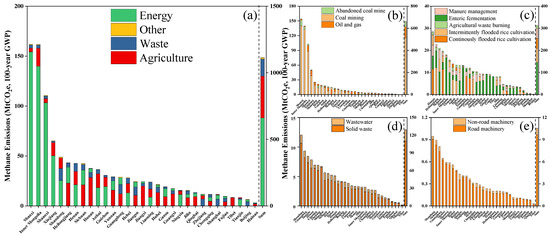
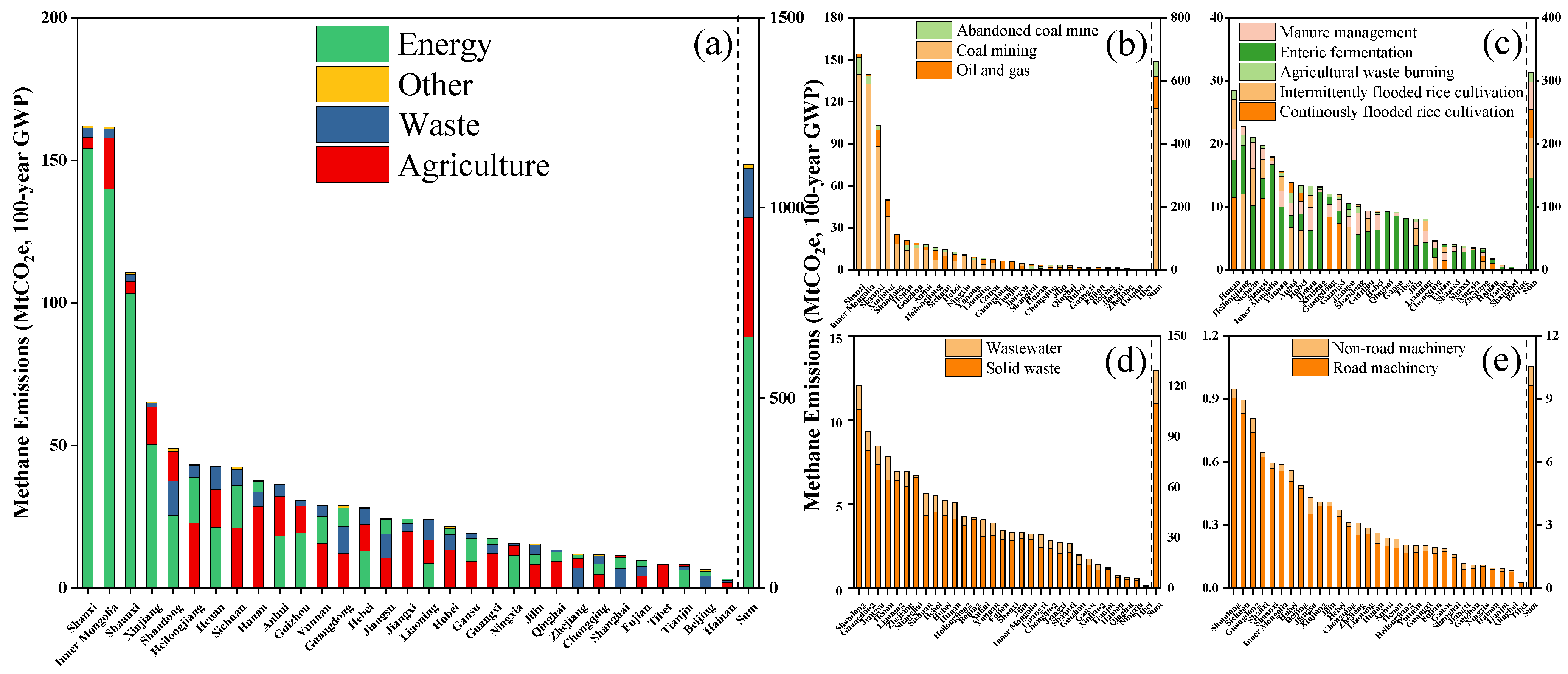
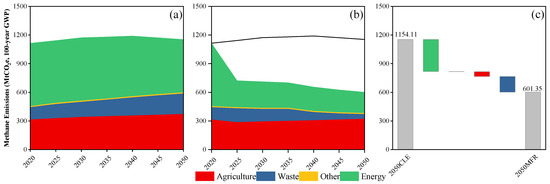
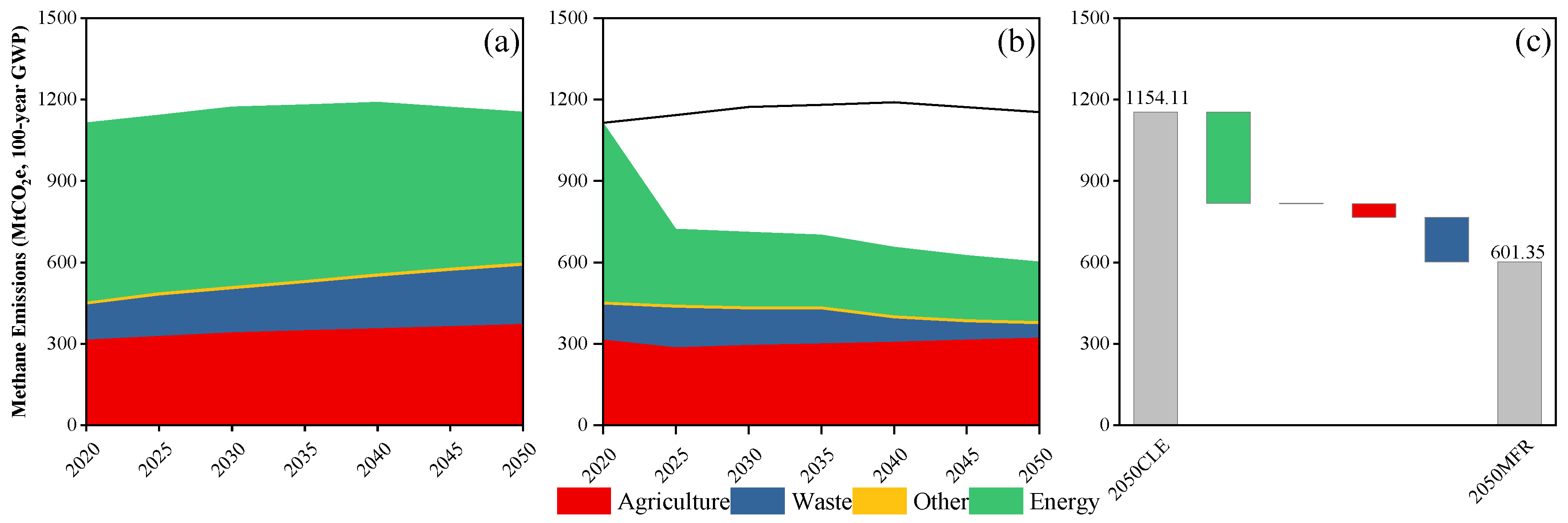
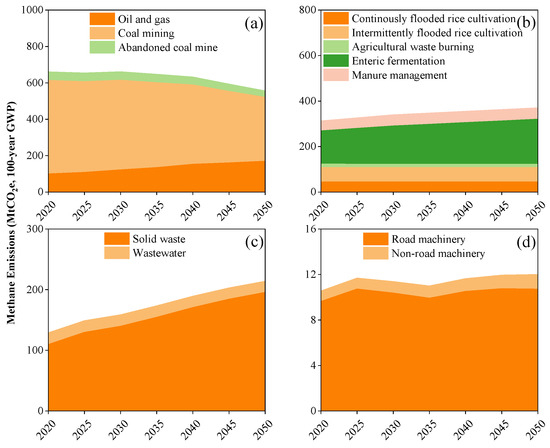
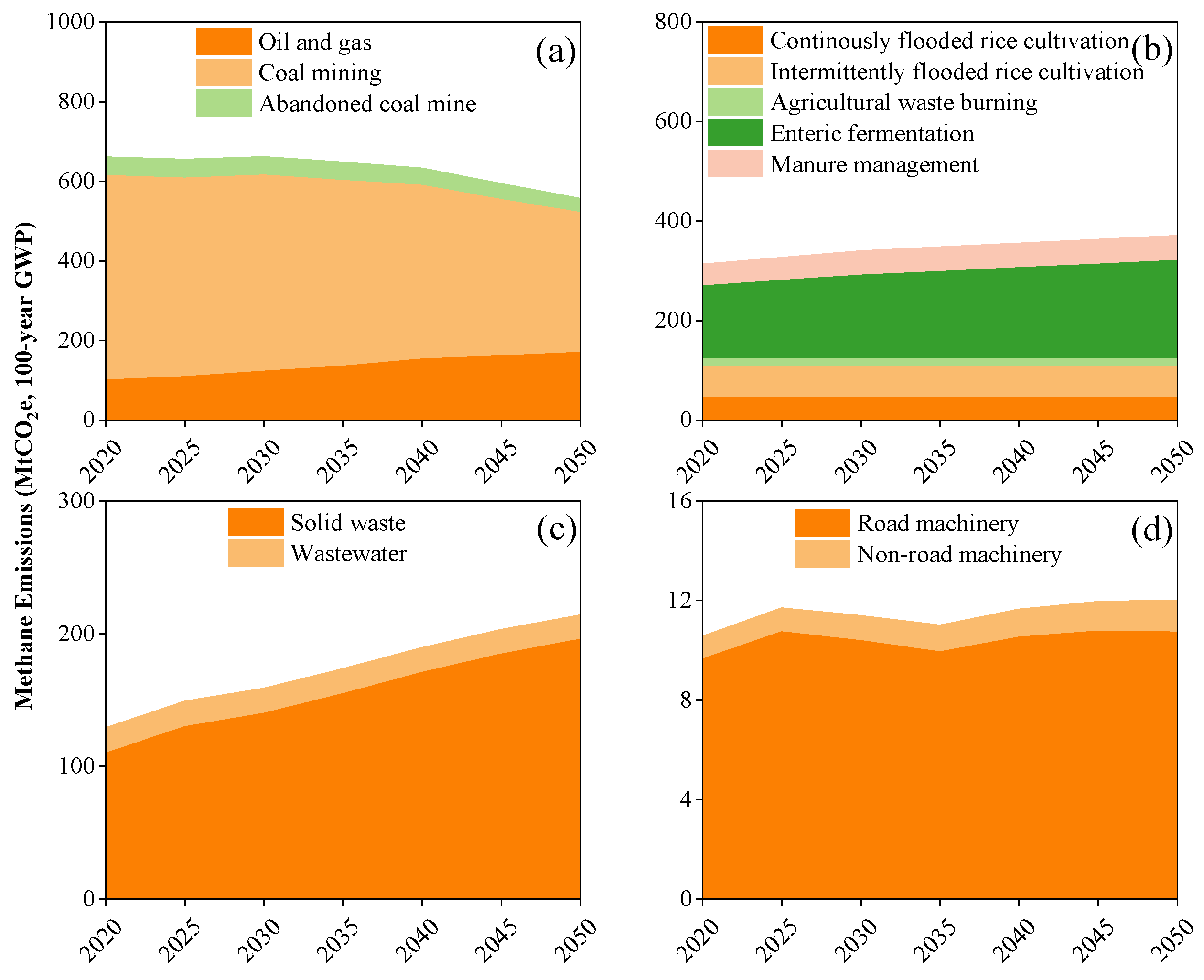
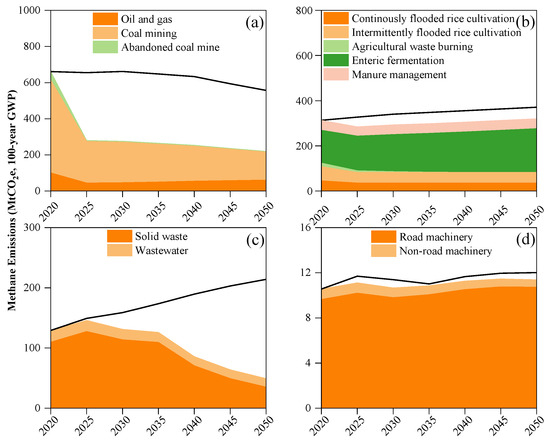
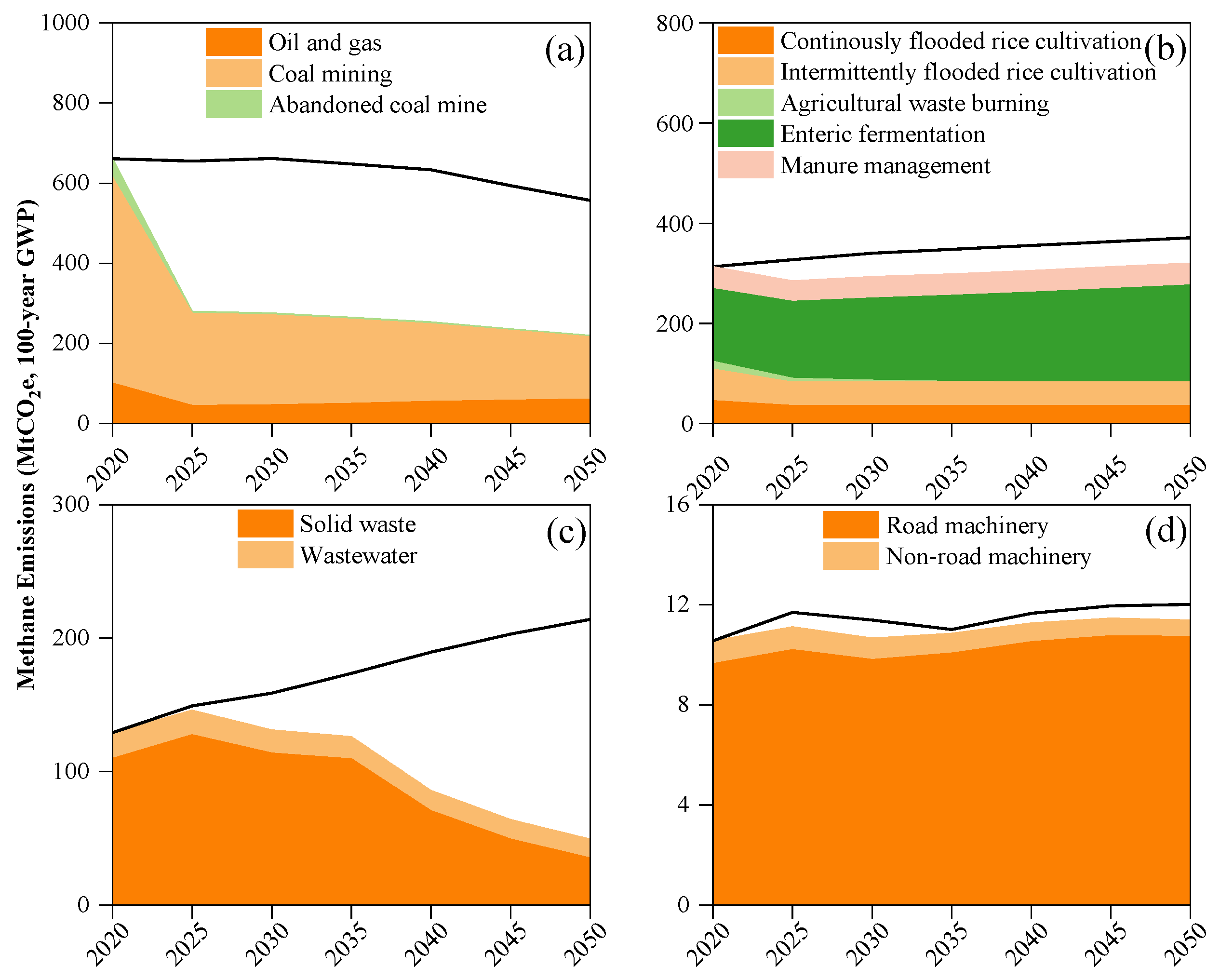
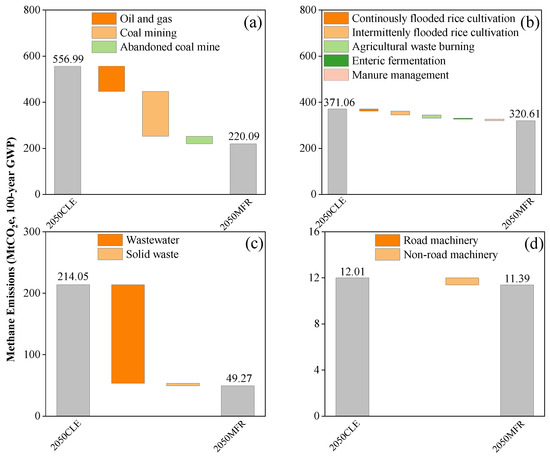
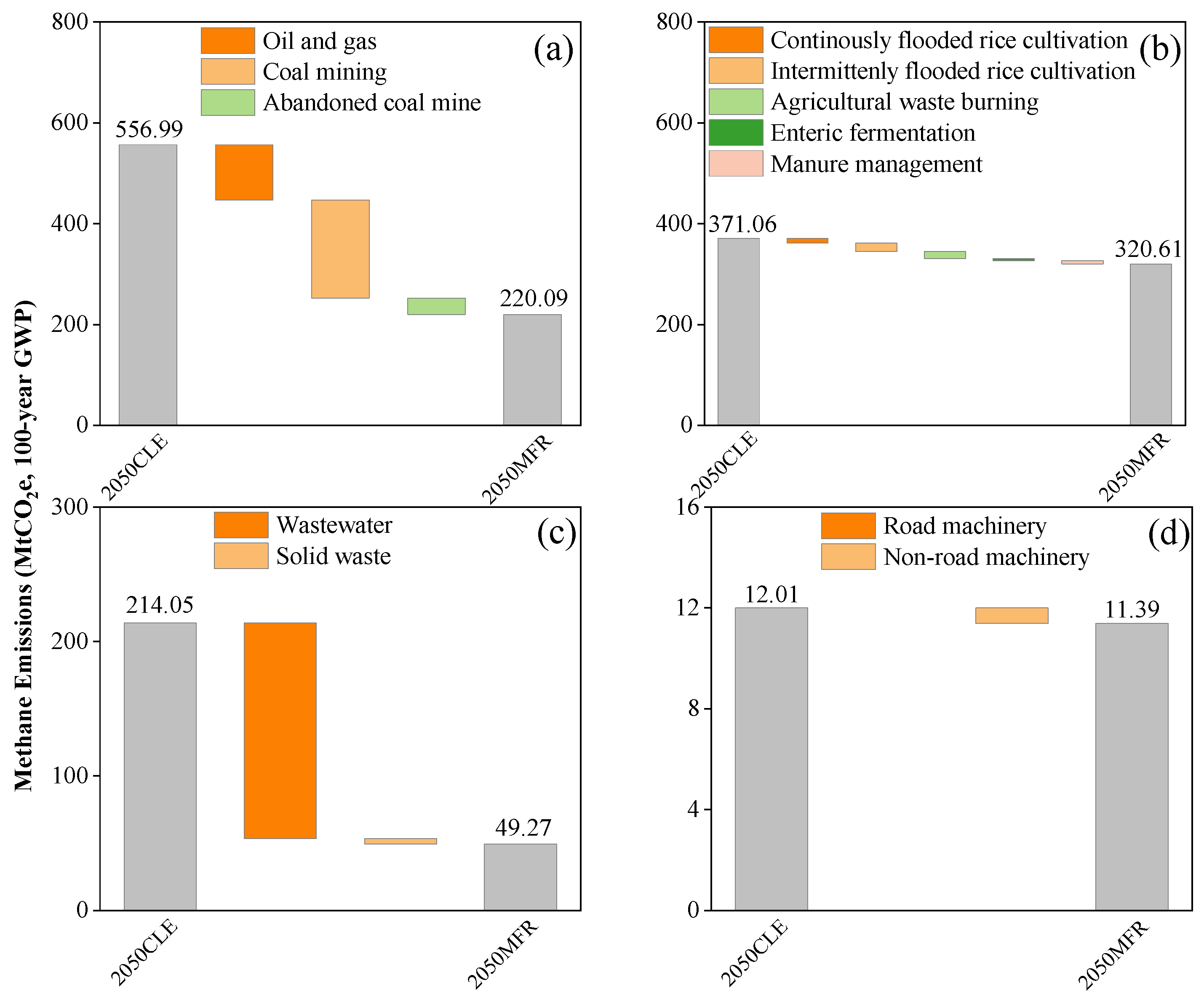
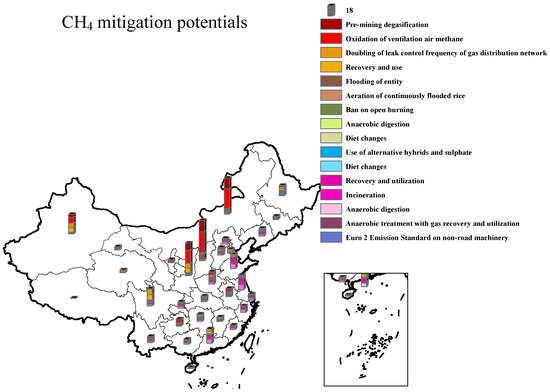
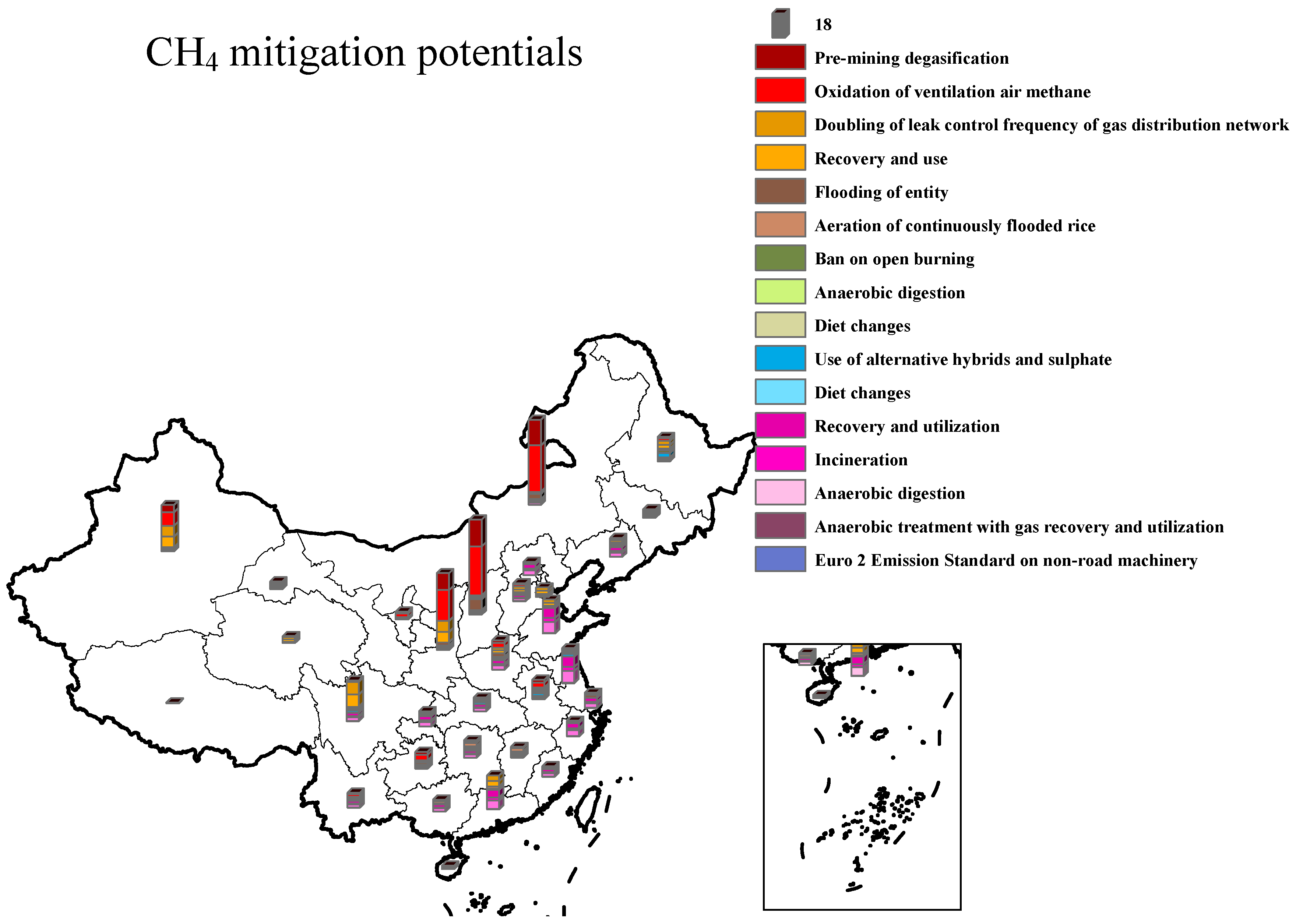
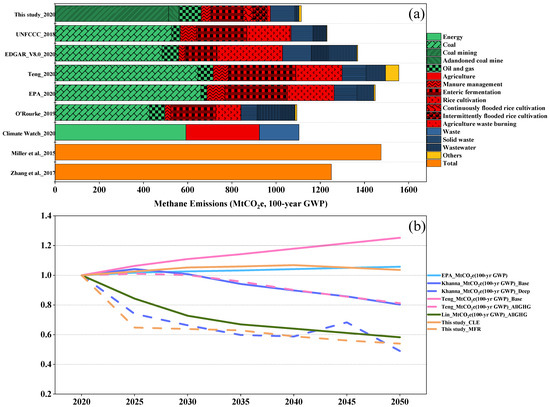
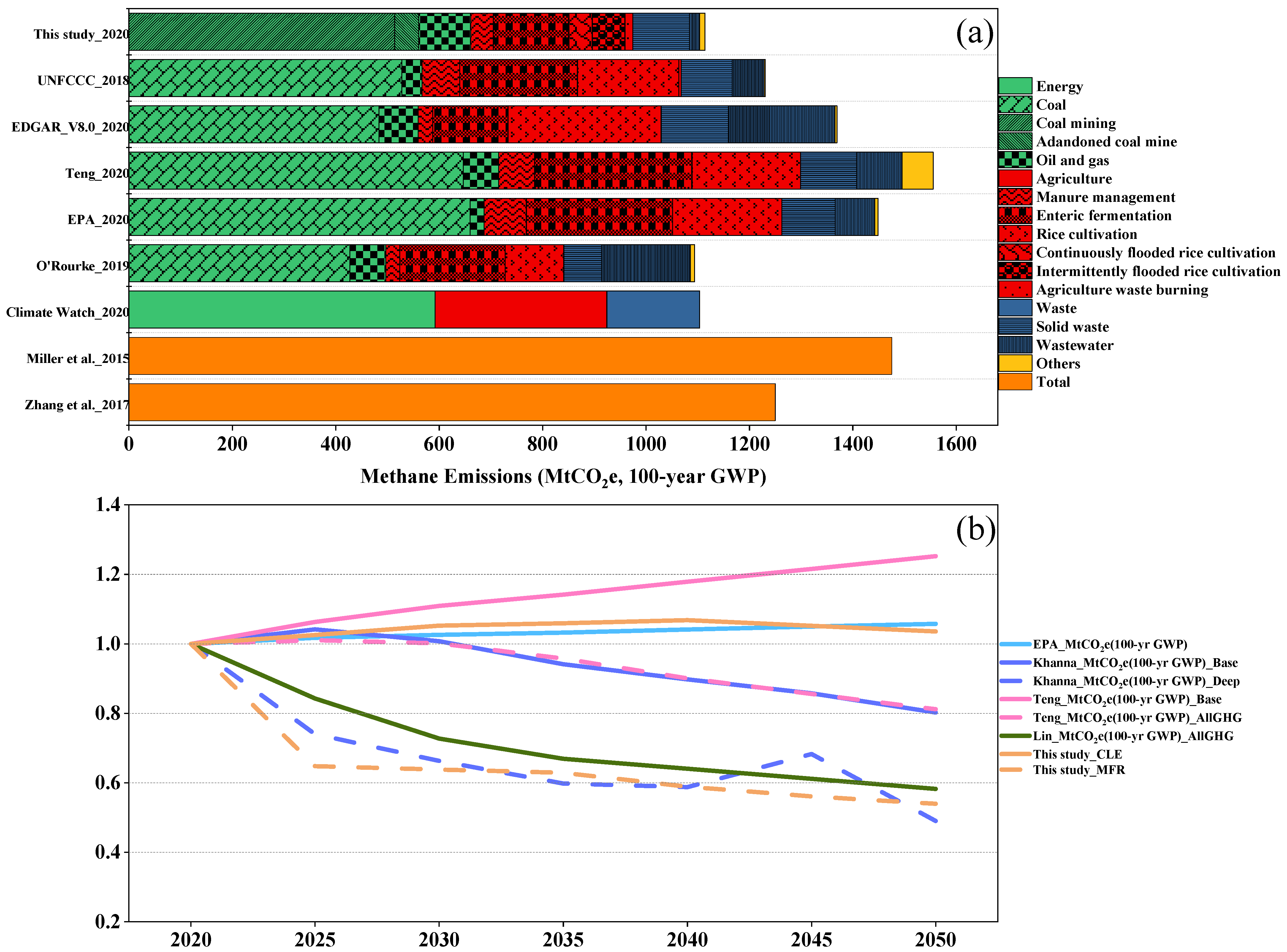

Disclaimer/Publisher’s Note: The statements, opinions and data contained in all publications are solely those of the individual author(s) and contributor(s) and not of MDPI and/or the editor(s). MDPI and/or the editor(s) disclaim responsibility for any injury to people or property resulting from any ideas, methods, instructions or products referred to in the content. |
© 2026 by the authors. Licensee MDPI, Basel, Switzerland. This article is an open access article distributed under the terms and conditions of the Creative Commons Attribution (CC BY) license.